Cétones
Les cétones sont des composés organiques caractérisés par la présence d'un groupe carbonyle (C=O) lié à deux atomes de carbone. Ces composés sont très polyvalents et jouent un rôle crucial dans diverses réactions chimiques, notamment l'oxydation, la réduction et la condensation. Les cétones sont des intermédiaires essentiels dans la synthèse de produits pharmaceutiques, de parfums et de polymères. Chez CymitQuimica, nous proposons une large gamme de cétones de haute qualité pour soutenir vos applications de recherche et industrielles.
18868 produits trouvés pour "Cétones"
Trier par
Degré de pureté (%)
0
100
|
0
|
50
|
90
|
95
|
100
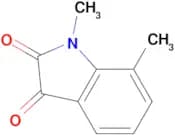
1,7-dimethyl-1H-indole-2,3-dione
CAS :Formule :C10H9NO2Degré de pureté :98%Masse moléculaire :175.187ETHYL 3-OXOTETRAHYDRO-2H-PYRAN-4-CARBOXYLATE
CAS :Formule :C8H12O4Degré de pureté :95%Couleur et forme :LiquidMasse moléculaire :172.18tert-Butyl (4-(dimethyl(oxo)-λ6-sulfanylidene)-3-oxo-1-phenylbutan-2-yl)carbamate
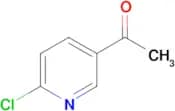
CAS :Degré de pureté :98%Masse moléculaire :339.455-Acetyl-2-chloropyridine
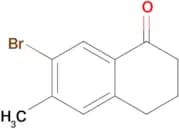
CAS :Formule :C7H6ClNODegré de pureté :97%Couleur et forme :SolidMasse moléculaire :155.587-Bromo-6-methyl-3,4-dihydronaphthalen-1(2H)-one
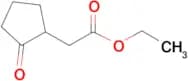
CAS :Degré de pureté :98%Masse moléculaire :239.1119995Ethyl 2-(2-oxocyclopentyl)acetate
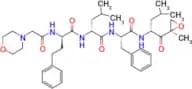
CAS :Formule :C9H14O3Degré de pureté :97%Couleur et forme :LiquidMasse moléculaire :170.208(R)-4-methyl-N-((S)-1-(((R)-4-methyl-1-((R)-2-methyloxiran-2-yl)-1-oxopentan-2-yl)amino)-1-oxo-3-phenylpropan-2-yl)-2-((R)-2-(2-morpholinoacetamido)-4-phenylbutanamido)pentanamide
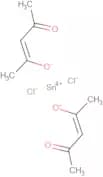
CAS :Degré de pureté :95%Masse moléculaire :719.92bis(2,4-Pentanedionato)dichlorotin
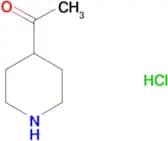
CAS :<p>SNB1750 - bis(2,4-Pentanedionato)dichlorotin</p>Formule :C10H14Cl2O4SnDegré de pureté :97%Masse moléculaire :387.831-(Piperidin-4-yl)ethanone hydrochloride
CAS :Formule :C7H14ClNODegré de pureté :97%Couleur et forme :SolidMasse moléculaire :163.65Bicyclo[3.1.0]hexan-3-one
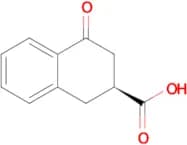
CAS :Degré de pureté :97%Couleur et forme :LiquidMasse moléculaire :96.1289978(S)-4-Oxo-1,2,3,4-tetrahydronaphthalene-2-carboxylic acid
CAS :Degré de pureté :98%Masse moléculaire :190.197998Ethyl 4-acetyl-1H-pyrrole-2-carboxylate
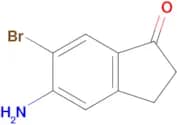
CAS :Formule :C9H11NO3Degré de pureté :97%Masse moléculaire :181.1915-Amino-6-bromo-2,3-dihydro-1H-inden-1-one
CAS :Formule :C9H8BrNODegré de pureté :98%Couleur et forme :SolidMasse moléculaire :226.0734-(4-Hydroxy-3-methoxyphenyl)butan-2-one
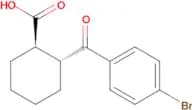
CAS :Formule :C11H14O3Degré de pureté :98%Couleur et forme :Liquid, No data available.Masse moléculaire :194.23rel-(1R,2R)-2-(4-Bromobenzoyl)cyclohexane-1-carboxylic acid
CAS :Degré de pureté :98%Masse moléculaire :311.18Methyl 2,5-dioxo-1,2,5,6,7,8-hexahydroquinoline-3-carboxylate
CAS :Degré de pureté :98%Masse moléculaire :221.2127,7-Dichlorobicyclo[3.2.0]hept-2-en-6-one
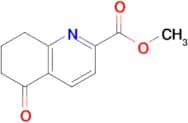
CAS :Formule :C7H6Cl2ODegré de pureté :97%Couleur et forme :LiquidMasse moléculaire :177.02Methyl 5-oxo-5,6,7,8-tetrahydroquinoline-2-carboxylate
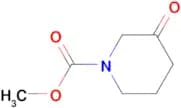
CAS :Degré de pureté :98%Masse moléculaire :205.2129974Methyl 3-oxopiperidine-1-carboxylate
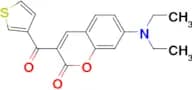
CAS :Degré de pureté :95%Couleur et forme :LiquidMasse moléculaire :157.16900637-(Diethylamino)-3-(thiophene-3-carbonyl)-2H-chromen-2-one
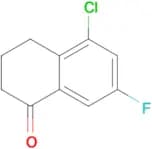
CAS :Degré de pureté :97%Masse moléculaire :327.39999395-CHLORO-7-FLUORO-1,2,3,4-TETRAHYDRONAPHTHALEN-1-ONE
CAS :Degré de pureté :98%Masse moléculaire :198.621-(Benzo[d][1,3]dioxol-5-yl)propan-1-one
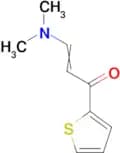
CAS :Formule :C10H10O3Degré de pureté :95%Couleur et forme :SolidMasse moléculaire :178.1873-(Dimethylamino)-1-(thiophen-2-yl)prop-2-en-1-one
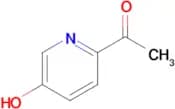
CAS :Degré de pureté :98%Masse moléculaire :181.251-(5-Hydroxypyridin-2-yl)ethanone
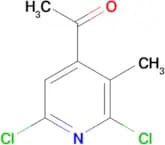
CAS :Formule :C7H7NO2Degré de pureté :98%Couleur et forme :SolidMasse moléculaire :137.1381-(2,6-Dichloro-3-methylpyridin-4-yl)ethanone
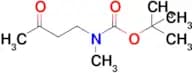
CAS :Degré de pureté :98%Masse moléculaire :204.0500031N-BOC-N-METHYL-4-AMINO-2-BUTANONE
CAS :Formule :C10H19NO3Degré de pureté :97%Masse moléculaire :201.266Methyl Pentadecafluoroheptyl Ketone
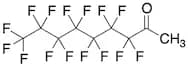
CAS :Produit contrôlé<p>Applications Methyl Pentadecafluoroheptyl Ketone 754-85-8 (cas# 754-85-8) is a useful research chemical.<br></p>Formule :C9H3OF15Couleur et forme :NeatMasse moléculaire :412.11,4-Cyclohexanedione Mono(2,2-dimethyltrimethylene Ketal)
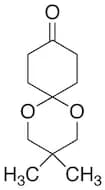
CAS :Produit contrôlé<p>Applications Reagent used in the preparation of carbazole derivatives<br>References Dong, Y., et al.: J. Med. Chem., 48, 4953 (2005),<br></p>Formule :C11H18O3Couleur et forme :NeatMasse moléculaire :198.268-Didemethyl Baquiloprim-2,4-dione
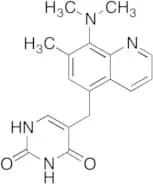
CAS :Produit contrôlé<p>Applications 8-Didemethyl Baquiloprim-2,4-dione is an intermediate used in the synthesis of Baquiloprim (B118000), which is an amiopyrimidine antibacterial synergist with high activity and slow elimination. Baquiloprim has a better half-life than trimethoprim.<br>References Zhi-hui, H., et al.: Anhui Nongye Kexue, 41, 2503 (2013)<br></p>Formule :C17H18N4O2Couleur et forme :NeatMasse moléculaire :282.31,4-Cyclohexanedione Monoethylene Acetal
CAS :Produit contrôlé<p>Applications 1,4-Cyclohexanedione Monoethylene Acetal is used in the preparation of series of potent analgesic compounds. 1,4-Cyclohexanedione Monoethylene Acetal is also used as a building block in the synthesis of tritium labelled probes for the autoradiography study of the dopamine reuptake complex.<br>References Linders, J. et al.: J. Lab. Comp. Radiopharm., 31, 671 (1992); Lednicer, D. et al.: J. Med. Chem., 22, 1157 (1979);<br></p>Formule :C8H12O3Couleur et forme :NeatMasse moléculaire :156.181H-[1]-Benzazephe-2,5(3H,4H)-dione
CAS :Produit contrôlé<p>Applications Intermediate in the synthesis of protein kinase inhibitors<br>References Pruehs, C., et al.: Bioorg. Med. Chem. Lett., 17, 1850 (2007), Stukenbrock, H., et al.: J. Med. Chem., 51, 2196 (2008),<br></p>Formule :C10H9NO2Couleur et forme :NeatMasse moléculaire :175.18Diphenylmethanone Hydrazone
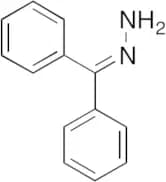
CAS :Produit contrôlé<p>Applications Diphenyl-methanone Hydrazone is an intermediate used to synthesize Pseudobenztropine (P840155), an analog of Benzotropine (B207575, Mesylate salt) which is used as an antiparkinsonian.. It can also be used to prepare chiral [2.2]paracyclophane-substituted triazolium salts as precursors for copper-triazolylidene-catalyzed asymmetrical boration of unsaturated N-acyloxazolidinones.<br>References Hai, N., et al.: Int. J. Pharm., 357, 55 (2008), Sanderson, H., et al.: Toxicol. Lett., 187, 84 (2009); Zhan, M., et al.: Org. Lett., 15, 4182 (2013)<br></p>Formule :C13H12N2Couleur et forme :NeatMasse moléculaire :196.25Hexachloropropanone
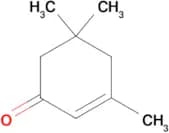
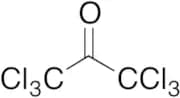
CAS :<p>Applications Hexachloropropanone is a useful synthetic intermediate. It is a reagent used for the conversion of nucleoside-3′-phosphonates to the corresponding phosphates and for the polymerization of vinyl compounds.<br> Not a dangerous good if item is equal to or less than 1g/ml and there is less than 100g/ml in the package<br>References Garegg, P., et al.: J. Chem. Soc. Perkin Trans. I, 6, 1269 (1972); Deming, T., et al.: 26, 7089 (1993)<br></p>Formule :C3Cl6OCouleur et forme :NeatMasse moléculaire :264.753,3,5,5-Tetramethylcyclohexanone
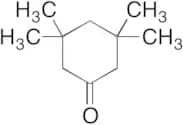
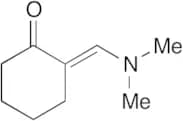
CAS :Produit contrôlé<p>Applications 3,3,5,5-Tetramethylcyclohexanone (cas# 14376-79-5) is a useful research chemical and a pharmaceutical intermediate.<br>References Ebrahimi, H. P., et al.: Spectrochim. Acta A: Mol. Biomol. Spectrosc., 137, 1067 (2015); Bishop, A. C., et al.: Bioorg. Med. Chem. Lett., 16, 4002 (2006)<br></p>Formule :C10H18OCouleur et forme :NeatMasse moléculaire :154.242-(Dimethylaminomethylene)cyclohexanone
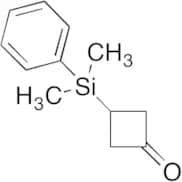
CAS :Produit contrôlé<p>Applications 2-(Dimethylaminomethylene)cyclohexanone is an intermediate in the synthesis of 2-Pentylidenecyclohexanone (P280255), a fragrance chemical. It can also be used in the synthesis of dialkylphenols in the presence of zirconium catalyst.<br>References Tetsuo, B. et al.: Kenkyu Hokoku - Asahi Garasu Zaidan, 58, 201 (1991); Hostynek, J. J., et al.: Toxicology in Vitro, 11, 377 (1997);<br></p>Formule :C9H15NOCouleur et forme :NeatMasse moléculaire :153.223-(Dimethylphenylsilyl)-cyclobutanone
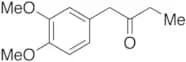
CAS :Produit contrôlé<p>Applications 3-(Dimethylphenylsilyl)-cyclobutanone is an intermediate used in synthesizing 2-Cyclobutenyl-3-trifluoromethyl-5-chloro-1H-indole-1-carboxylic Acid Ethyl Ester, which is synthesized from 5-chloro-2-oxindole (C375030), that is used in the preparation of novel GSK-3β inhibitors as anticancer agents.<br>References Choi, M.J., et al.: Bull. Korean. Chem. Soc., 32, 2015 (2011); Otani, M., et al.: Bioorg. Med. Chem. Lett.. 20, 4259 (2010); Jhan, Y.H., et al.: Tetrahedron. Lett., 54, 1155 (2013); Hsieh, J.C., et al.: Org. Biomolec. Chem., 10, 6404 (2012);<br></p>Formule :C12H16OSiCouleur et forme :NeatMasse moléculaire :204.341-(3,4-Dimethoxyphenyl)-2-butanone
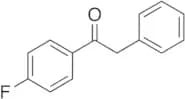
CAS :Produit contrôlé<p>Applications 1-(3,4-Dimethoxyphenyl)-2-butanone (cas# 884-06-0) is a compound useful in organic synthesis.<br></p>Formule :C12H16O3Couleur et forme :NeatMasse moléculaire :208.25Benzyl 4-Fluorophenyl Ketone
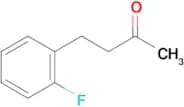
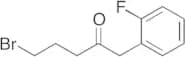
CAS :Produit contrôlé<p>Applications Benzyl 4-Fluorophenyl Ketone is used in the preparation and evaluation of 2,3-diarylpyrazines and quinoxalines as selective COX-2 inhibitors.<br>References Singh, S. et al.: Bioorg. Med. Chem., 12, 1881 (2004);<br></p>Formule :C14H11FOCouleur et forme :NeatMasse moléculaire :214.235-Bromo-1-(2-fluorophenyl)-2-pentanone
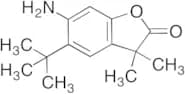
CAS :Produit contrôlé<p>Applications 5-Bromo-1-(2-fluorophenyl)-2-pentanone is an intermediate in the synthesis of Prasugrel (P701150). Prasugrel is a novel antiplatelet agent; it is a third-generation thienopyridine. Antiplatelet agent Prasugrel showed greater platelet inhibition and decreased incidence of ischemic events than Clopidogrel but may induce increased incidence of bleeding in patient with acute coronary syndrome.<br>References Von Beckerath, N., et al.: Circulation, 112, 2946 (2005), Jernberg, T., et al.: Eur. Heart J., 27, 1166 (2006), Farid, N., et al.: Drug Metab. Dispos., 35, 1096 (2007), Farid, N., et al.: Clin. Pharmacol. Ther., 81, 735 (2007), Jakubowski, J., et al.: J. Cardiovasc. Pharmacol., 49, 167 (2007), Wiviott, S., et al.: N. Engl. J. Med., 357, 2001 (2007),<br></p>Formule :C11H12BrFOCouleur et forme :NeatMasse moléculaire :259.1156-Amino-5-(1,1-dimethylethyl)-3,3-dimethyl-2(3H)-benzofuranone
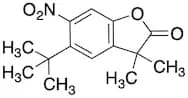
CAS :Produit contrôlé<p>Applications 6-Amino-5-(1,1-dimethylethyl)-3,3-dimethyl-2(3H)-benzofuranone is an intermediate in synthesizing Ivacaftor Carboxylic Acid (I940605). It is an impurity of Ivacaftor (I940600); a drug used in the treatment of cystic fibrosis.<br>References Clancy, J. et al.: Am. J. Resp. Crit. Care. Med., 186, 593 (2012)<br></p>Formule :C14H19NO2Couleur et forme :NeatMasse moléculaire :233.315-(1,1-Dimethylethyl)-3,3-dimethyl-6-nitro-2(3H)-benzofuranone
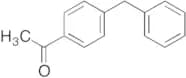
CAS :Produit contrôlé<p>Applications 5-(1,1-Dimethylethyl)-3,3-dimethyl-6-nitro-2(3H)-benzofuranone is an intermediate in synthesizing Ivacaftor Carboxylic Acid (I940605). It is an impurity of Ivacaftor (I940600); a drug used in the treatment of cystic fibrosis.<br>References Clancy, J. et al.: Am. J. Resp. Crit. Care. Med., 186, 593 (2012)<br></p>Formule :C14H17NO4Couleur et forme :NeatMasse moléculaire :263.291-(4-Benzylphenyl)ethanone
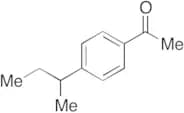
CAS :Produit contrôlé<p>Applications 1-(4-Benzylphenyl)ethanone is used in the preparation of di- and triarylmethanes through palladium-catalyzed reductive coupling of N-tosylhydrazones and aryl bromides.<br>References Xia, Y., et al.: Synthesis., 49, 1073-1086 (2017)<br></p>Formule :C15H14OCouleur et forme :NeatMasse moléculaire :210.271-(4-sec-Butylphenyl)ethanone
CAS :Produit contrôlé<p>Applications 1-(4-sec-Butylphenyl)ethanone is a useful synthetic intermediate in the synthesis of 2-(p-sec-Butylphenyl)propionic Acid (B692720); an impurity of Ibuprofen (I140000) which is a selective cyclooxygenase inhibitor (IC50=14.9uM) that inhibits PGH synthase-1 and PGH synthase-2 with comparable potency.<br>References Busson, M., et al.: J. Int. Med Res., 14, 53 (1986); Meade, E.A., et al.: J. Biol. Chem., 268, 6610 (1993); Davies, N.M., et al.: Clin. Pharmacokinet., 34, 101 (1998)<br></p>Formule :C12H16OCouleur et forme :NeatMasse moléculaire :176.252,2,6-Trimethyl-1-cyclohexanone
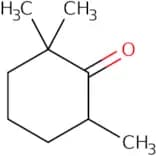
CAS :<p>Covid-19 is a synthetic compound that has been shown to have antiviral activity. Covid-19 is a carotenoid derivative that is hydrophobic and does not dissolve in water. It is oxidized to produce an isomeric mixture of products, which are characterized by vibrational spectroscopy. Covid-19 has synergistic effects with ethyl bromoacetate, which is a solvent with low energy. Covid-19 can be extracted from the sample using solid phase microextraction (SPME).</p>Formule :C9H16ODegré de pureté :Min. 95%Couleur et forme :Colorless PowderMasse moléculaire :140.22 g/mol2-Indanone
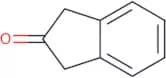
CAS :<p>2-Indanone is a molecule with the chemical formula C6H2O. It belongs to the class of methyl ketones and has the chemical structure as shown on the right. 2-Indanone can be synthesized by coupling a sodium carbonate and an analog of curcumin. A covid-19 pandemic amination reaction is used to produce this compound. The synthesis starts with a zirconium dichloride and triethyl orthoformate, which are then oxidized to form naphthalene and carbonyl group, respectively. The enolate group is then formed by adding an alkoxide ion or base to the ketone.</p>Formule :C9H8ODegré de pureté :Min. 95%Couleur et forme :PowderMasse moléculaire :132.16 g/mol2,5-Dimethyl-3-hexanone
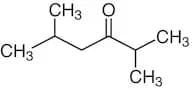
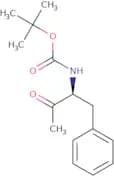
CAS :Formule :C8H16ODegré de pureté :>96.0%(GC)Couleur et forme :Colorless to Light yellow clear liquidMasse moléculaire :128.22Boc-(3S)-3-amino-4-phenyl-2-butanone
CAS :<p>Boc-(3S)-3-amino-4-phenyl-2-butanone is a chemical intermediate that is useful as a building block in organic synthesis. It has been used as a reaction component, reagent and high quality research chemical. Boc-(3S)-3-amino-4-phenyl-2-butanone is also a versatile building block and useful intermediate for the preparation of complex compounds. This chemical has shown to have speciality applications in fine chemicals such as pharmaceuticals and agrochemicals.</p>Formule :C15H21NO3Degré de pureté :Min. 95%Couleur et forme :White to off-white solid.Masse moléculaire :263.33 g/mol4-Fluorobenzil
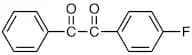
CAS :Formule :C14H9FO2Degré de pureté :>98.0%(GC)Couleur et forme :Light yellow to Brown powder to crystalMasse moléculaire :228.222-Chlorophenylacetone
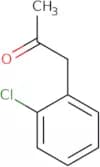
CAS :Produit contrôlé2-Chlorophenylacetone is an organic chemical compound that is a substrate for enzymes. It can be used as a reagent in the synthesis of phenylacetone and other substituted phenylacetic acids, which are chiral starting materials used in the production of pharmaceuticals, pesticides, dyes, and plastics. 2-Chlorophenylacetone binds to the active site on enzymes that catalyze reactions involving ethylene, nitroethane, chloride and phenylacetone. The binding site is defined by amino acid residues at positions corresponding to glycine (G), alanine (A), and aspartic acid (D) in the enzyme's active site. 2-Chlorophenylacetone has been shown to be a powerful inhibitor of dehydrogenase activity with IC50 values of 1.5 mM for acetaldehyde dehydrogenase from yeast cells and 3.2 mM for alcohol dehydrogenase from rat liver mitochondria. In addition, itFormule :C9H9ClODegré de pureté :Min. 97%Couleur et forme :LiquidMasse moléculaire :168.62 g/molIprodione
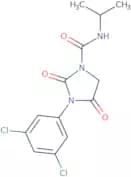
CAS :<p>Iprodione is an ester hydrochloride that belongs to the class of fungicides. It has been shown to have high resistance and is used in vitro assays to detect mutants with a high degree of resistance. Iprodione inhibits the growth of wild-type strains, but not resistant mutants, by inhibiting protein synthesis at the ribosome level, blocking the polymerase chain reaction and DNA replication. This prevents transcription and replication of genetic material. Iprodione also inhibits nitrite ion production in wild-type strains and has genotoxic effects on cultured human cells. The drug is metabolized through a number of metabolic transformations, including hydrolysis by esterases or glucuronidases, oxidation by cytochrome P450 enzymes, reduction by glutathione reductase, or conjugation with glucuronic acid.</p>Formule :C13H13Cl2N3O3Degré de pureté :Min. 95%Couleur et forme :PowderMasse moléculaire :330.17 g/mol5-Ethoxy-2(5H)-furanone
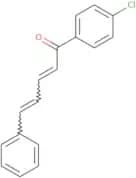
CAS :<p>5-Ethoxy-2(5H)-furanone is an oxidation product of 5-ethoxy-2(5H)-furanone. It has an isomeric, stereospecific, regiospecifically, and a tautomeric relationship with furfural. 5-Ethoxy-2(5H)-furanone can be produced by the oxidation of furfural with boron trifluoride etherate in the presence of iodosobenzene. The reaction mechanism involves the addition of hydrogen peroxide to the boron trifluoride etherate to form hydroperoxydiborane. This compound then reacts with iodosobenzene to produce 5-ethoxy-2(5H)-furanone and 2,5-dihydroxybenzaldehyde. The reaction produces a mixture of diastereomers that contain different numbers of carbon atoms due to the regiospecific</p>Formule :C6H8O3Degré de pureté :Min. 95%Couleur et forme :PowderMasse moléculaire :128.13 g/mol(2E,4E)-1-(4-Chlorophenyl)-5-phenylpenta-2,4-dien-1-one
CAS :<p>2,4-Dien-1-one is a cyclic dienone that is used in the preparation of various pharmaceutical drugs. It has been reported to be an excellent building block for the synthesis of complex compounds. This compound has shown antimicrobial activity against methicillin resistant Staphylococcus aureus (MRSA) and Mycobacterium tuberculosis.<br>2,4-Dien-1-one is a versatile intermediate that can be used as a speciality chemical or research chemicals. It is also a useful scaffold for the synthesis of various pharmaceutical drugs and can be used as a reaction component for various reactions.</p>Formule :C17H13ClODegré de pureté :Min. 95%Couleur et forme :PowderMasse moléculaire :268.74 g/mol1-Cyclohexylacetone
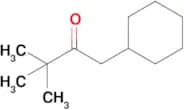
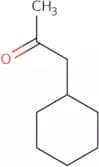
CAS :<p>Cyclohexylacetone is a colorless liquid that is used as a solvent for the production of pharmaceutical preparations. It has been used to produce methyl ketones, which are intermediates in the synthesis of polymers and plastics. Cyclohexylacetone has also been shown to be an optimal reaction intermediate for the preparation of zirconium oxide. This compound is used as a polymerization initiator and as a fluorine-containing reagent in organic synthesis. Cyclohexylacetone can react with divalent hydrocarbons to form esters and cyclooctyl compounds.</p>Formule :C9H16ODegré de pureté :Min. 95%Couleur et forme :PowderMasse moléculaire :140.22 g/mol3-Ethoxy-4-hydroxyphenylacetone
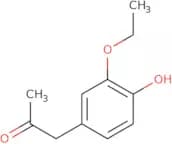
CAS :<p>3-Ethoxy-4-hydroxyphenylacetone is a fine chemical that can be used as a versatile building block and useful intermediate. It has a CAS number of 88659-82-9. 3-Ethoxy-4-hydroxyphenylacetone is a complex compound with many uses, such as research chemicals, reaction component, or speciality chemical. It is water soluble and has been shown to be non toxic. The purity of the product is high quality.</p>Formule :C11H14O3Degré de pureté :Min. 95%Masse moléculaire :194.23 g/molDiacetone acrylamide
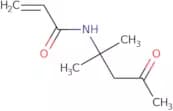
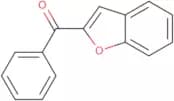
CAS :<p>Diacetone acrylamide is a chemical compound that has the molecular formula C3H6O2N2. It is a colorless liquid with a low boiling point and an unpleasant odor. Diacetone acrylamide has been used as an intermediate in the production of polyvinyl acetate. It can also be used as an additive to rubber, plastics, and other materials. The thermal expansion coefficient of diacetone acrylamide is similar to that of polyvinyl chloride and polystyrene, making it a useful material for constructing models of those substances.</p>Formule :C9H15NO2Degré de pureté :Min. 98%Couleur et forme :PowderMasse moléculaire :169.22 g/mol1-Benzofuran-2-yl(phenyl)methanone
CAS :1-Benzofuran-2-yl(phenyl)methanone (1BFPM) is a benzofuran derivative. It has been shown to have significant cytotoxicity and anticancer activity, as well as radical scavenging activities. 1BFPM has been shown to inhibit glycogen synthase kinase-3, which is an enzyme that regulates the cell cycle and plays a role in tumorigenesis. This compound also inhibits the uptake of 1BFPM by cells, which may be due to its reaction with linkers in the plasma membrane or other cellular membranes.Formule :C15H10O2Degré de pureté :Min. 95%Couleur et forme :PowderMasse moléculaire :222.24 g/mol2-Undecanone
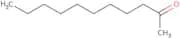
CAS :<p>2-Undecanone is a fatty acid that has been isolated from the leaves of Melaleuca alternifolia. It has been shown to have anti-inflammatory and antifungal properties and can inhibit the production of cytokines, such as tumor necrosis factor (TNF) and interleukin (IL)-1β. 2-Undecanone also inhibits the Toll-like receptor 4 signaling pathway. This compound is an effective inhibitor of fungal growth in vitro, with activity against Candida albicans, Saccharomyces cerevisiae, Cryptococcus neoformans, Aspergillus niger, Penicillium chrysogenum, and other fungi. The analytical method for 2-undecanone includes gas chromatography/mass spectrometry using a capillary column and electron impact ionization with chemical ionization at 70 eV.</p>Formule :C11H22ODegré de pureté :Min. 95%Masse moléculaire :170.29 g/mol1-(3-Chlorophenyl)-2-hydroxy-1-propanone
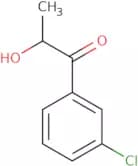
CAS :<p>1-(3-Chlorophenyl)-2-hydroxy-1-propanone is an optically active intermediate that is used in the synthesis of pharmaceuticals. It has been shown to be an enantioselective transesterification agent, and can be used in the preparation of esters such as hexane, butanoate and vinyl. The substrate concentration affects the yield of this compound, which may be due to its chiral nature. 1-(3-Chlorophenyl)-2-hydroxy-1-propanone is soluble in organic solvents such as hexane, dichloromethane, benzene and acetone.</p>Formule :C9H9ClO2Degré de pureté :Min. 95%Couleur et forme :Slightly Yellow PowderMasse moléculaire :184.62 g/mol5alpha-Pregnane-3,20-dione
CAS :Produit contrôlé<p>5alpha-Pregnane-3,20-dione is a naturally occurring sex steroid hormone. It is produced by the ovaries and testes in humans and other mammals, as well as by the adrenal glands in small amounts. 5alpha-Pregnane-3,20-dione has been shown to inhibit the enzyme activity of hepatic microsomes that are responsible for the conversion of progesterone to 17beta-hydroxyprogesterone (17betaOHP). This inhibition is due to its ability to bind to glucocorticoid receptors. 5alpha-Pregnane-3,20-dione also inhibits fatty acid synthesis in liver cells. The drug's antiproliferative effects on ovarian cells are mediated through a number of mechanisms including transcriptional repression of progesterone receptors and estradiol benzoate binding sites on DNA. 5alpha-Pregnane-3,20-dione has been shown to have an optimal</p>Formule :C21H32O2Degré de pureté :Min. 95%Couleur et forme :PowderMasse moléculaire :316.48 g/mol(3-Bromo-4,5-dimethoxyphenyl)acetone
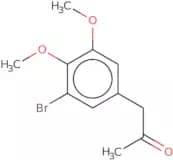
CAS :(3-Bromo-4,5-dimethoxyphenyl)acetone is a reagent that is used as an intermediate in the synthesis of a variety of compounds. It also has potential use as a building block for the synthesis of a wide range of complex compounds. (3-Bromo-4,5-dimethoxyphenyl)acetone can be used as a building block for chemical reactions and research chemicals. This compound has been shown to have versatile applications and is useful in the synthesis of fine chemicals, speciality chemicals, and research chemicals.Formule :C11H13BrO3Degré de pureté :Min. 95%Masse moléculaire :273.12 g/mol(3,4-Dimethoxy-5-hydroxyphenyl)acetone
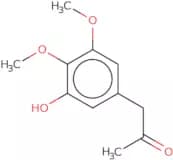
CAS :<p>(3,4-Dimethoxy-5-hydroxyphenyl)acetone is a fine chemical that belongs to the class of compounds known as reagents. It has been used in research and development as a building block or intermediate for the synthesis of other chemicals. It is also used as a versatile building block in complex organic syntheses, such as pharmaceuticals. The chemical is soluble in organic solvents and reacts with many other chemicals, making it useful for synthetic chemistry. This compound has been shown to be high quality and can be used to synthesize other chemicals with diverse properties.</p>Formule :C11H14O4Degré de pureté :Min. 95%Masse moléculaire :210.23 g/mol2-Bromo-2-phenylacetophenone
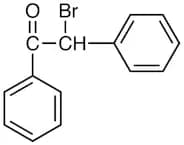
CAS :Formule :C14H11BrODegré de pureté :>95.0%(GC)Couleur et forme :White to Light yellow to Light orange powder to crystalMasse moléculaire :275.154-Aminopyridazin-3(2H)-one
CAS :<p>4-Aminopyridazin-3(2H)-one is an antiplatelet drug that has been shown to have a pharmacological effect on the central nervous system. It is also used as a chemotherapeutic agent for the treatment of certain types of cancer. 4-Aminopyridazin-3(2H)-one contains two nitrogen atoms that are substituted with methyl groups, which can be hydrolyzed by liver enzymes to form pyridazine and 4-aminopyridine. 4-Aminopyridazin-3(2H)-one inhibits bacterial growth by inhibiting protein synthesis and cell division at the ribosome level. This drug also has antimicrobial activity against Gram-positive bacteria and fungi, but is not active against Gram-negative bacteria such as Escherichia coli.</p>Formule :C4H5N3ODegré de pureté :Min. 95%Couleur et forme :White To Yellow SolidMasse moléculaire :111.1 g/molDimethyl Itaconate (stabilized with HQ)
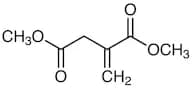
CAS :Formule :C7H10O4Degré de pureté :>98.0%(GC)Couleur et forme :White or Colorless to Light yellow powder to lump to clear liquidMasse moléculaire :158.152-Phenylcyclohexanone
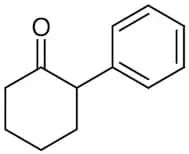
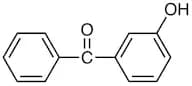
CAS :Formule :C12H14ODegré de pureté :>98.0%(GC)Couleur et forme :White to Orange to Green powder to crystalMasse moléculaire :174.243-Hydroxybenzophenone
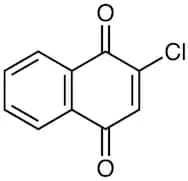
CAS :Formule :C13H10O2Degré de pureté :>98.0%(GC)Couleur et forme :White to Gray to Brown powder to crystalMasse moléculaire :198.222-Chloro-1,4-naphthoquinone
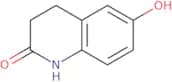
CAS :Formule :C10H5ClO2Degré de pureté :>98.0%(GC)Couleur et forme :Light yellow to Yellow to Orange powder to crystalMasse moléculaire :192.606-Hydroxy-3,4-dihydro-1H-quinoline-2-one
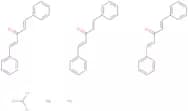
CAS :<p>This is a quinoline derivative that has been shown to have inotropic and cardioprotective effects. It has been shown to increase the duration of action potentials and contractions in isolated heart muscle, as well as to improve the function of the heart by reducing the rate of myocardial oxygen consumption. 6-Hydroxy-3,4-dihydro-1H-quinoline-2-one has been shown to have anti-inflammatory properties and may be useful for treating respiratory diseases such as asthma. This compound is also used as a precursor for some pharmaceutical drugs, including chloroquine, mefloquine, amodiaquine, and primaquine. The compound is metabolized into conjugates that are recycled back into the body or excreted in human urine; this process is regulated by the balance between conjugation reactions and hydrolysis reactions.</p>Formule :C9H9NO2Degré de pureté :Min. 95%Masse moléculaire :163.17 g/molTris(dibenzylideneacetone)dipalladium (0)-chloroform adduct
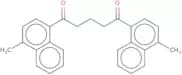
CAS :Produit contrôléTris(dibenzylideneacetone)dipalladium (0)-chloroform adduct is a catalyst that is used in cross-coupling reactions. It is an efficient method for the preparation of β-unsaturated ketones, which are important intermediates in organic synthesis. The catalytic cycle involves hydrolysis and condensation reactions. Tris(dibenzylideneacetone)dipalladium (0)-chloroform adduct can be prepared by reacting chloroform with a palladium compound in the presence of silver trifluoromethanesulfonate and a diphosphine ligand. The product contains a chloroform molecule that can be replaced by other functional groups such as chloride, fatty acid, or imine nitrogen. Tris(dibenzylideneacetone)dipalladium (0)-chloroform adduct has been characterized by x-ray crystal structures to identifyFormule :C51H42O3Pd2·CHCl3Degré de pureté :Min. 95%Couleur et forme :PowderMasse moléculaire :1,035.09 g/mol1,5-Bis(4-Methyl-naphthalene-1-yl)-pentane-1,5-dione
CAS :<p>1,5-Bis(4-Methyl-naphthalene-1-yl)-pentane-1,5-dione is a high quality chemical that is used as an intermediate in the production of various complex compounds. It has been shown to be a useful scaffold for the synthesis of novel compounds with a variety of properties and uses. This compound can be used as a building block in reactions to produce speciality chemicals, research chemicals, and versatile building blocks. 1,5-Bis(4-Methyl-naphthalene-1-yl)-pentane-1,5-dione is also a reaction component that is used in the synthesis of various other compounds.</p>Formule :C27H24O2Degré de pureté :Min. 95%Masse moléculaire :380.48 g/mol1-{{[5-(4-Nitrophenyl)-2-furanyl]methylene}amino}-2,4-imidazolidinedione
CAS :<p>Dantrolene is an experimental model for malignant hyperthermia, a rare genetic condition that can cause muscle rigidity and death. Dantrolene has been shown to inhibit the activity of the dinucleotide phosphate (NADH) dehydrogenase enzyme in muscle cells. In addition, it inhibits calcium release from the sarcoplasmic reticulum and activates ryanodine receptors. Dantrolene also inhibits muscle contractions and prevents neuronal death by inhibiting the release of glutamate.</p>Formule :C14H10N4O5Degré de pureté :Min. 95%Couleur et forme :SolidMasse moléculaire :314.25 g/mol1-(4-Bromophenyl)propan-1-one
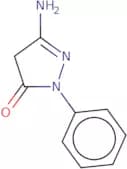
CAS :<p>1-(4-Bromophenyl)propan-1-one is a sulfonation product of propiophenone. It has been found to have anticancer activity in cervical cancer, and is currently being studied as a potential treatment for cancer. 1-(4-Bromophenyl)propan-1-one can be synthesized by treating propiophenone with hydrochloric acid and sodium hydroxide solution. It can also be synthesized using polyvinyl chloride as the starting material. 1-(4-Bromophenyl)propan-1-one can be isolated from the reaction mixture by adding hydrochloric acid to the reaction mixture, forming a salt that precipitates from solution. This salt is then dissolved in water and neutralized with an alkali such as sodium hydroxide or potassium carbonate, yielding 1-(4-bromophenyl)propan-1-one hydrochloride.</p>Formule :C9H9OBrDegré de pureté :Min. 95%Couleur et forme :White PowderMasse moléculaire :213.07 g/mol1-Phenyl-3-aminopyrazol-5-one
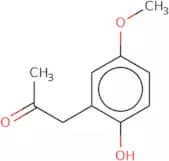
CAS :<p>1-Phenyl-3-aminopyrazol-5-one is a solvent that can be used in elemental analysis. It has a molecular weight of 137.12 and is soluble in water, methanol, ethanol, acetone, ether, benzene and chloroform. 1-Phenyl-3-aminopyrazol-5-one has been shown to react with amines and form tautomers with different chemical properties. The spectral data for this compound are presented as the absorption spectra of substituted 1-phenyl-3-aminopyrazol-5-ones with acetyl groups at C2 and C4 (1), the nuclear magnetic resonance spectrum of 1-(dimethylamino)ethyl 3-[2-(N,N'-dimethylamino)ethyl]pyrazole (2), the NMR spectrum of 2-(dimethylamino)ethyl 3-[2-(N,N'-dimethylamino)ethyl]</p>Formule :C9H9N3ODegré de pureté :Min. 95%Masse moléculaire :175.19 g/mol(2-Hydroxy-5-methoxyphenyl)acetone
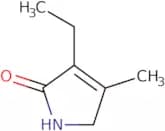
CAS :<p>(2-Hydroxy-5-methoxyphenyl)acetone is a fine chemical that belongs to the group of complex compounds. It can be used as an intermediate for research chemicals, as well as a useful scaffold or building block. This compound can be converted into other useful compounds through reactions with alcohols, amines, or ketones. (2-Hydroxy-5-methoxyphenyl)acetone is also used in the synthesis of speciality chemicals and reaction components for pharmaceuticals.</p>Formule :C10H12O3Degré de pureté :Min. 95%Masse moléculaire :180.2 g/mol3-Ethyl-4-methyl-3-pyrrolin-2-one
CAS :<p>3-Ethyl-4-methyl-3-pyrrolin-2-one is a sulfonated dione that can be synthesized from chloroformates. The product yields are high and the compound is stable to heat, light, and hydrolysis. The compound crystallizes in a single pure form and does not contain any impurities. 3-Ethyl-4-methyl-3-pyrrolin-2-one has been used as a precursor for the synthesis of various other organic compounds. It can also be used to synthesize dimers with an aryl group at the end of the molecule.</p>Formule :C7H11NODegré de pureté :Min. 95%Couleur et forme :PowderMasse moléculaire :125.17 g/molFlavanone rhamnoglucoside
<p>Flavanone rhamnoglucoside is a specialized flavonoid compound, which is derived from various natural sources such as fruits, vegetables, and certain medicinal plants. It functions primarily as an antioxidant by scavenging free radicals, thereby protecting cells from oxidative stress. Additionally, it exhibits anti-inflammatory properties by modulating pathways involved in inflammation, such as NF-kB and COX-2.</p>Degré de pureté :Min. 95%1-(3-Methylphenyl)-1H-pyrrole-2,5-dione
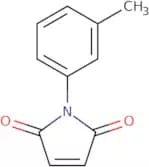
CAS :<p>1-(3-Methylphenyl)-1H-pyrrole-2,5-dione is an anti-aging compound that has been shown to inhibit the replication of herpes viruses. It also inhibits corrosion, in particular by orthophosphoric acid. The monomer itself is useful as a viscosity agent and can be used in the synthesis of polymers such as dibutyl phthalate. 1-(3-Methylphenyl)-1H-pyrrole-2,5-dione has a high yield and can be used for analyzing magnesium oxide.</p>Formule :C11H9NO2Degré de pureté :Min. 95%Couleur et forme :White PowderMasse moléculaire :187.19 g/mol5,6,7,7a-Tetrahydrothieno[3,2-c]pyridine-2(4H)-onepara-toluenesulfonic acidsalt
CAS :<p>Please enquire for more information about 5,6,7,7a-Tetrahydrothieno[3,2-c]pyridine-2(4H)-onepara-toluenesulfonic acidsalt including the price, delivery time and more detailed product information at the technical inquiry form on this page</p>Formule :C14H17NO4S2Degré de pureté :Min. 95%Masse moléculaire :327.42 g/molLithium Hexafluoroarsenate(V)
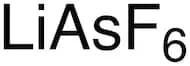
CAS :Formule :LiAsF6Degré de pureté :>98.0%(T)Couleur et forme :White to Almost white powder to crystalMasse moléculaire :195.854-Methylcyclohexanone
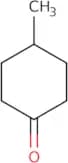
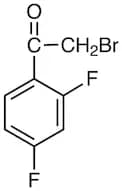
CAS :<p>4-Methylcyclohexanone is a diazonium salt that has been shown to be an intramolecular hydrogen-bonded substrate for the hydroxyl group. It has been used as a precursor for the synthesis of 2,4-diaminobenzoic acid (2,4-DABA) and 3,5-diaminoquinoxaline (3,5-DQNX). 4-Methylcyclohexanone is also used in the production of herbicides and other organic compounds. The reaction mechanism can be explained by considering that 4-methylcyclohexanone is an electron donor with two hydroxyl groups. One of these groups will react with a diazonium salt to provide the α-hydroxyimine intermediate. This intermediate then reacts with another molecule of cyclohexanone to yield the desired product. A typical example of this mechanism is shown below:<br>The acetate</p>Formule :C7H12ODegré de pureté :Min. 95%Couleur et forme :Clear LiquidMasse moléculaire :112.17 g/mol2-Bromo-2',4'-difluoroacetophenone
CAS :Formule :C8H5BrF2ODegré de pureté :>98.0%(GC)Couleur et forme :White or Colorless to Light yellow to Light orange powder to lump to clear liquidMasse moléculaire :235.033-Hydroxy-1-methylpyridin-4(1H)-one
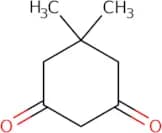
CAS :<p>3-Hydroxypyridin-4(1H)-one is a compound that belongs to the group of organic compounds called pyridines. It is a colorless, crystalline solid with a melting point of 210 °C. 3-Hydroxypyridin-4(1H)-one is soluble in ether and chloroform. 3-Hydroxypyridin-4(1H)-one forms complexes with metal ions such as copper, zinc, and nickel. The stability constants for these complexes are in the order of Cu > Zn > Ni. Potentiometric titration experiments show that the ligands are stronger bases than water and therefore react more strongly with copper ions than hydroxide ions.</p>Formule :C6H7NO2Degré de pureté :Min. 95%Couleur et forme :PowderMasse moléculaire :125.13 g/mol5,5-Dimethyl-1,3-cyclohexanedione
CAS :<p>Dimedone is a chemical compound that is a white solid that is soluble in water. It reacts with amines to form acid and is used as an analytical reagent in the determination of amines. Dimedone has been shown to react with metal ions, such as sodium and potassium, to form metal chelates. It also has antimicrobial properties, inhibiting the growth of bacteria by binding to cell membranes and disrupting their function. The reaction mechanism for this process may be due to steric interactions between dimedone and the hydroxyl group on the cell membrane or intramolecular hydrogen bonding between dimedone molecules and hydroxyl groups on adjacent cell membranes.</p>Formule :C8H12O2Degré de pureté :Min. 98%Couleur et forme :PowderMasse moléculaire :140.18 g/molcis-Bicyclo[3.3.0]octane-3,7-dione
CAS :cis-Bicyclo[3.3.0]octane-3,7-dione (1) is a diketone that belongs to the group of epoxides. It has two functional groups, an epoxy and a ketone, which are in the trans configuration. cis-Bicyclo[3.3.0]octane-3,7-dione (1) is a reactive molecule that can form glyoxal when heated at high temperatures. cis-Bicyclo[3.3.0]octane-3,7-dione (1) can be prepared synthetically by an asymmetric synthesis with L-(+)-tartaric acid as the chiral auxiliary and glyoxal as the substrate. The reaction has been shown to proceed through an aldol cyclization and subsequent amide formation with l-(+)-tartaric acid as the chiral auxiliary and glyoxal asFormule :C8H10O2Degré de pureté :Min. 95%Couleur et forme :White PowderMasse moléculaire :138.16 g/mol6-Amino-8-methyl-2H-1,4-benzoxazin-3(4H)-one
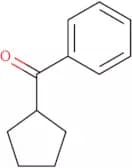
CAS :<p>6-Amino-8-methyl-2H-1,4-benzoxazin-3(4H)-one is a fine chemical that is a useful building block for research chemicals and speciality chemicals. It can be used as a reagent in organic synthesis, as well as in the production of high quality and versatile building blocks. 6-Amino-8-methyl-2H-1,4-benzoxazin-3(4H)-one can be reacted to form useful scaffolds or intermediates that are valuable in the process of making complex compounds.</p>Formule :C9H10N2O2Degré de pureté :Min. 95%Couleur et forme :PowderMasse moléculaire :178.19 g/molCyclopentylphenylketone
CAS :<p>Cyclopentylphenylketone is a cyclopentanophenone that is used as a cross-linking agent for proteins. It has been shown to inhibit the activity of serine proteases, specifically trypsin and chymotrypsin, with an IC50 value of 2.5 mM. Cyclopentylphenylketone also inhibits the inflammatory response by inhibiting the activation of nuclear factor kappa-beta (NF-κB) and tumor necrosis factor alpha (TNFα). The compound has been clinically used in treating autoimmune diseases such as hepatitis and ischemia reperfusion injury.</p>Formule :C12H14ODegré de pureté :Min. 95%Couleur et forme :Colorless Clear LiquidMasse moléculaire :174.24 g/mol1-Phenyl-3-oxabicyclo[3.1.0]hexan-2-one
CAS :<p>1-Phenyl-3-oxabicyclo[3.1.0]hexan-2-one (1POX) is a monomer that belongs to the class of cyclopropane compounds and can be used in the synthesis of polymers. It has been shown to react with benzene, irradiation, monoxide, oxiranyl, acetonitrile and trimeric dyes to form reactive intermediates such as ketones and carboxylic acids. These intermediates can undergo photolysis to produce products such as ketones and carboxylic acids. The wavelength of the light used for photolysis can influence the product formation. 1POX is also a substrate for cyclopropane ring formation reactions, which are known for their high reactivity due to the stability of this ring system. The carbonyl group on 1POX is electron withdrawing and stabilizes the planar geometry of 1POX.</p>Formule :C11H10O2Degré de pureté :Min. 95%Couleur et forme :PowderMasse moléculaire :174.2 g/mol5-(2-Chlorophenyl)cyclohexane-1,3-dione
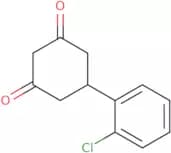
CAS :Please enquire for more information about 5-(2-Chlorophenyl)cyclohexane-1,3-dione including the price, delivery time and more detailed product information at the technical inquiry form on this pageFormule :C12H11ClO2Degré de pureté :Min. 95%Couleur et forme :PowderMasse moléculaire :222.67 g/mol


![Bicyclo[3.1.0]hexan-3-one](/_next/image/?url=https%3A%2Fstatic.cymitquimica.com%2Fproducts%2F10%2Fthumb-webp%2FF613613.webp&w=3840&q=75)

![5-OXASPIRO[3.5]NONAN-8-ONE](/_next/image/?url=https%3A%2Fstatic.cymitquimica.com%2Fproducts%2F10%2Fthumb-webp%2FF539260.webp&w=3840&q=75)


![7,7-Dichlorobicyclo[3.2.0]hept-2-en-6-one](/_next/image/?url=https%3A%2Fstatic.cymitquimica.com%2Fproducts%2F10%2Fthumb-webp%2FF240506.webp&w=3840&q=75)
![1-(Benzo[d][1,3]dioxol-5-yl)propan-1-one](/_next/image/?url=https%3A%2Fstatic.cymitquimica.com%2Fproducts%2F10%2Fthumb-webp%2FF209773.webp&w=3840&q=75)


![1H-[1]-Benzazephe-2,5(3H,4H)-dione](/_next/image/?url=https%3A%2Fstatic.cymitquimica.com%2Fproducts%2FTR%2Fthumb-webp%2FB186000.webp&w=3840&q=75)





![1-{{[5-(4-Nitrophenyl)-2-furanyl]methylene}amino}-2,4-imidazolidinedione](/_next/image/?url=https%3A%2Fstatic.cymitquimica.com%2Fproducts%2F3D%2Fthumb-webp%2FFN138588.webp&w=3840&q=75)

![5,6,7,7a-Tetrahydrothieno[3,2-c]pyridine-2(4H)-onepara-toluenesulfonic acidsalt](/_next/image/?url=https%3A%2Fstatic.cymitquimica.com%2Fproducts%2F3D%2Fthumb-webp%2FFT153026.webp&w=3840&q=75)

![cis-Bicyclo[3.3.0]octane-3,7-dione](/_next/image/?url=https%3A%2Fstatic.cymitquimica.com%2Fproducts%2F3D%2Fthumb-webp%2FFB153670.webp&w=3840&q=75)

![1-Phenyl-3-oxabicyclo[3.1.0]hexan-2-one](/_next/image/?url=https%3A%2Fstatic.cymitquimica.com%2Fproducts%2F3D%2Fthumb-webp%2FFP16068.webp&w=3840&q=75)