Cétones
Les cétones sont des composés organiques caractérisés par la présence d'un groupe carbonyle (C=O) lié à deux atomes de carbone. Ces composés sont très polyvalents et jouent un rôle crucial dans diverses réactions chimiques, notamment l'oxydation, la réduction et la condensation. Les cétones sont des intermédiaires essentiels dans la synthèse de produits pharmaceutiques, de parfums et de polymères. Chez CymitQuimica, nous proposons une large gamme de cétones de haute qualité pour soutenir vos applications de recherche et industrielles.
18868 produits trouvés pour "Cétones"
Trier par
Degré de pureté (%)
0
100
|
0
|
50
|
90
|
95
|
100
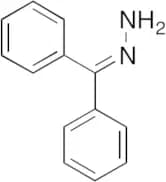
Diphenylmethanone Hydrazone
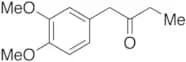
CAS :Produit contrôlé<p>Applications Diphenyl-methanone Hydrazone is an intermediate used to synthesize Pseudobenztropine (P840155), an analog of Benzotropine (B207575, Mesylate salt) which is used as an antiparkinsonian.. It can also be used to prepare chiral [2.2]paracyclophane-substituted triazolium salts as precursors for copper-triazolylidene-catalyzed asymmetrical boration of unsaturated N-acyloxazolidinones.<br>References Hai, N., et al.: Int. J. Pharm., 357, 55 (2008), Sanderson, H., et al.: Toxicol. Lett., 187, 84 (2009); Zhan, M., et al.: Org. Lett., 15, 4182 (2013)<br></p>Formule :C13H12N2Couleur et forme :NeatMasse moléculaire :196.251-(3,4-Dimethoxyphenyl)-2-butanone
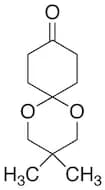
CAS :Produit contrôlé<p>Applications 1-(3,4-Dimethoxyphenyl)-2-butanone (cas# 884-06-0) is a compound useful in organic synthesis.<br></p>Formule :C12H16O3Couleur et forme :NeatMasse moléculaire :208.251,4-Cyclohexanedione Mono(2,2-dimethyltrimethylene Ketal)
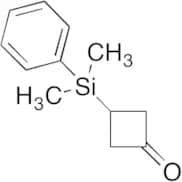
CAS :Produit contrôlé<p>Applications Reagent used in the preparation of carbazole derivatives<br>References Dong, Y., et al.: J. Med. Chem., 48, 4953 (2005),<br></p>Formule :C11H18O3Couleur et forme :NeatMasse moléculaire :198.263-(Dimethylphenylsilyl)-cyclobutanone
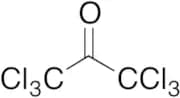
CAS :Produit contrôlé<p>Applications 3-(Dimethylphenylsilyl)-cyclobutanone is an intermediate used in synthesizing 2-Cyclobutenyl-3-trifluoromethyl-5-chloro-1H-indole-1-carboxylic Acid Ethyl Ester, which is synthesized from 5-chloro-2-oxindole (C375030), that is used in the preparation of novel GSK-3β inhibitors as anticancer agents.<br>References Choi, M.J., et al.: Bull. Korean. Chem. Soc., 32, 2015 (2011); Otani, M., et al.: Bioorg. Med. Chem. Lett.. 20, 4259 (2010); Jhan, Y.H., et al.: Tetrahedron. Lett., 54, 1155 (2013); Hsieh, J.C., et al.: Org. Biomolec. Chem., 10, 6404 (2012);<br></p>Formule :C12H16OSiCouleur et forme :NeatMasse moléculaire :204.34Hexachloropropanone
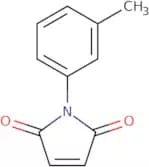
CAS :<p>Applications Hexachloropropanone is a useful synthetic intermediate. It is a reagent used for the conversion of nucleoside-3′-phosphonates to the corresponding phosphates and for the polymerization of vinyl compounds.<br> Not a dangerous good if item is equal to or less than 1g/ml and there is less than 100g/ml in the package<br>References Garegg, P., et al.: J. Chem. Soc. Perkin Trans. I, 6, 1269 (1972); Deming, T., et al.: 26, 7089 (1993)<br></p>Formule :C3Cl6OCouleur et forme :NeatMasse moléculaire :264.751-(3-Methylphenyl)-1H-pyrrole-2,5-dione
CAS :<p>1-(3-Methylphenyl)-1H-pyrrole-2,5-dione is an anti-aging compound that has been shown to inhibit the replication of herpes viruses. It also inhibits corrosion, in particular by orthophosphoric acid. The monomer itself is useful as a viscosity agent and can be used in the synthesis of polymers such as dibutyl phthalate. 1-(3-Methylphenyl)-1H-pyrrole-2,5-dione has a high yield and can be used for analyzing magnesium oxide.</p>Formule :C11H9NO2Degré de pureté :Min. 95%Couleur et forme :White PowderMasse moléculaire :187.19 g/mol3-[2-(1,3-Dioxolan-2-yl)ethyl]-7,8-dimethoxy-1,3,4,5-tetrahydro-2H-3-benzazepin-2-one
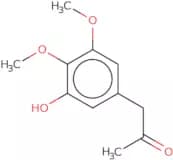
CAS :<p>Please enquire for more information about 3-[2-(1,3-Dioxolan-2-yl)ethyl]-7,8-dimethoxy-1,3,4,5-tetrahydro-2H-3-benzazepin-2-one including the price, delivery time and more detailed product information at the technical inquiry form on this page</p>Formule :C17H23NO5Degré de pureté :Min. 95%Couleur et forme :PowderMasse moléculaire :321.37 g/mol(3,4-Dimethoxy-5-hydroxyphenyl)acetone
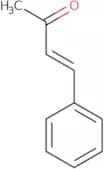
CAS :<p>(3,4-Dimethoxy-5-hydroxyphenyl)acetone is a fine chemical that belongs to the class of compounds known as reagents. It has been used in research and development as a building block or intermediate for the synthesis of other chemicals. It is also used as a versatile building block in complex organic syntheses, such as pharmaceuticals. The chemical is soluble in organic solvents and reacts with many other chemicals, making it useful for synthetic chemistry. This compound has been shown to be high quality and can be used to synthesize other chemicals with diverse properties.</p>Formule :C11H14O4Degré de pureté :Min. 95%Masse moléculaire :210.23 g/mol4-Phenyl-3-buten-2-one
CAS :<p>4-Phenyl-3-buten-2-one (4PB) is a structural analog of benzalacetone, which is an inhibitor of cytochrome P450. It has been shown to inhibit the activities of various cytochrome P450 enzymes in vitro. 4PB can be used as a substrate molecule for chemical synthesis and as a cell specific marker. The basic structure of 4PB has been determined using electrochemical impedance spectroscopy and x-ray crystal structures.</p>Formule :C10H10ODegré de pureté :Min. 95%Couleur et forme :PowderMasse moléculaire :146.19 g/mol2-But-3-yn-1-yl-1H-isoindole-1,3(2H)-dione
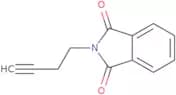
CAS :<p>2-But-3-yn-1-yl-1H-isoindole-1,3(2H)-dione is a heterobicyclic compound that has antiviral properties. It is an inhibitor of the viral enzyme RNA polymerase and can be used to treat viral infections such as HIV, influenza, or herpes. 2-But-3-yn-1yl-1H-isoindole 1,3(2H)-dione has been shown to be effective in vitro against HIV and influenza viruses. It also inhibits the replication of other viruses by binding to their RNA polymerase enzymes. This drug is fluorescent and can emit light when excited with a laser or UV light. 2B3YNIDIO has been shown to fluoresce at 477 nm when irradiated with blue light.</p>Formule :C12H9NO2Degré de pureté :Min. 95%Couleur et forme :White PowderMasse moléculaire :199.21 g/molVanillylacetone
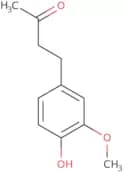
CAS :<p>Vanillylacetone is a natural compound that belongs to the group of phenolic compounds. It is an inhibitor of the enzyme cyclase, which is involved in the biosynthesis of fatty acids and sterols. Vanillylacetone has been shown to have anti-tumor effects in mice with induced tumors. It also inhibits the growth of bacteria, fungi, and protozoa by inhibiting DNA synthesis. Vanillylacetone has been shown to inhibit nuclear DNA replication and toll-like receptor signaling pathways.</p>Formule :C11H14O3Degré de pureté :Min. 95%Couleur et forme :White To Yellow SolidMasse moléculaire :194.23 g/mol3'-(Trimethoxyphenyl)acetone
<p>3'-(Trimethoxyphenyl)acetone is a reagent and useful scaffold for the synthesis of complex compounds. It is also used as a reaction component in the preparation of valuable research chemicals, specialty chemicals, and fine chemicals. 3'-(Trimethoxyphenyl)acetone has been shown to be an effective building block for synthesizing complex compounds, such as heterocycles. This chemical has a CAS number of 689-52-3.</p>Degré de pureté :Min. 95%Tris(dibenzylideneacetone)dipalladium (0)-chloroform adduct
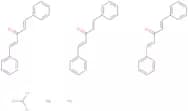
CAS :Produit contrôléTris(dibenzylideneacetone)dipalladium (0)-chloroform adduct is a catalyst that is used in cross-coupling reactions. It is an efficient method for the preparation of β-unsaturated ketones, which are important intermediates in organic synthesis. The catalytic cycle involves hydrolysis and condensation reactions. Tris(dibenzylideneacetone)dipalladium (0)-chloroform adduct can be prepared by reacting chloroform with a palladium compound in the presence of silver trifluoromethanesulfonate and a diphosphine ligand. The product contains a chloroform molecule that can be replaced by other functional groups such as chloride, fatty acid, or imine nitrogen. Tris(dibenzylideneacetone)dipalladium (0)-chloroform adduct has been characterized by x-ray crystal structures to identifyFormule :C51H42O3Pd2·CHCl3Degré de pureté :Min. 95%Couleur et forme :PowderMasse moléculaire :1,035.09 g/mol4-Aminopyridazin-3(2H)-one
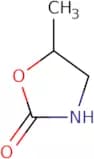
CAS :<p>4-Aminopyridazin-3(2H)-one is an antiplatelet drug that has been shown to have a pharmacological effect on the central nervous system. It is also used as a chemotherapeutic agent for the treatment of certain types of cancer. 4-Aminopyridazin-3(2H)-one contains two nitrogen atoms that are substituted with methyl groups, which can be hydrolyzed by liver enzymes to form pyridazine and 4-aminopyridine. 4-Aminopyridazin-3(2H)-one inhibits bacterial growth by inhibiting protein synthesis and cell division at the ribosome level. This drug also has antimicrobial activity against Gram-positive bacteria and fungi, but is not active against Gram-negative bacteria such as Escherichia coli.</p>Formule :C4H5N3ODegré de pureté :Min. 95%Couleur et forme :White To Yellow SolidMasse moléculaire :111.1 g/mol5-Methyl-1,3-oxazolidin-2-one
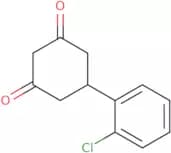
CAS :<p>5-Methyl-1,3-oxazolidin-2-one is a synthetic compound that has been studied for its antiproliferative effects. It inhibits the growth of cancer cells by inducing cell cycle arrest and apoptosis. The structural changes in 5-Methyl-1,3-oxazolidin-2-one are responsible for these effects. The asymmetric carbon atom in the molecule allows for stereoisomeric forms to be produced. When this molecule is exposed to metal halides, it undergoes an epoxidation reaction to form an aziridine ring. This ring can then react with hydrotalcite and water to produce hydrogen gas and a carboxylic acid salt.</p>Formule :C4H7NO2Degré de pureté :Min. 95%Couleur et forme :PowderMasse moléculaire :101.1 g/mol5-(2-Chlorophenyl)cyclohexane-1,3-dione
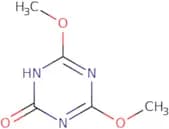
CAS :Please enquire for more information about 5-(2-Chlorophenyl)cyclohexane-1,3-dione including the price, delivery time and more detailed product information at the technical inquiry form on this pageFormule :C12H11ClO2Degré de pureté :Min. 95%Couleur et forme :PowderMasse moléculaire :222.67 g/mol4,6-Dimethoxy-1H-1,3,5-triazin-2-one
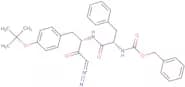
CAS :<p>4,6-Dimethoxy-1H-1,3,5-triazin-2-one is a conjugate of pyridinium with an amide. The compound has been used as a disinfectant for surfaces and in the treatment of wounds. It is also used as a biocide in water treatment. This compound has shown to be effective against Staphylococcus aureus and other bacteria, as well as some fungi. 4,6-Dimethoxy-1H-1,3,5-triazin-2-one can be synthesized from 2-(4'-methoxyphenyl)acetonitrile and chloral hydrate. The compound contains functionalities such as amines and oligosaccharides that are important for its antimicrobial activity.</p>Formule :C5H7N3O3Degré de pureté :Min. 95%Couleur et forme :PowderMasse moléculaire :157.13 g/molZ-Phe-Tyr(tBu)-diazomethylketone
CAS :<p>Z-Phe-Tyr(tBu)-diazomethylketone is a compound that is used in the treatment of cancer and HIV. It was developed as an antiviral therapy for HIV, but it has been found to be ineffective against HIV. Z-Phe-Tyr(tBu)-diazomethylketone has been shown to produce attenuating effects on syncytial virus and may be a potential antiviral drug. This compound is not active against regulatory sequences or tissues, but it does inhibit endoproteolytic processing of n6-methyladenosine, which leads to modifications in rna binding.</p>Formule :C31H34N4O5Degré de pureté :Min. 95%Couleur et forme :Off-White PowderMasse moléculaire :542.63 g/mol1-(4-Bromophenyl)propan-1-one
CAS :<p>1-(4-Bromophenyl)propan-1-one is a sulfonation product of propiophenone. It has been found to have anticancer activity in cervical cancer, and is currently being studied as a potential treatment for cancer. 1-(4-Bromophenyl)propan-1-one can be synthesized by treating propiophenone with hydrochloric acid and sodium hydroxide solution. It can also be synthesized using polyvinyl chloride as the starting material. 1-(4-Bromophenyl)propan-1-one can be isolated from the reaction mixture by adding hydrochloric acid to the reaction mixture, forming a salt that precipitates from solution. This salt is then dissolved in water and neutralized with an alkali such as sodium hydroxide or potassium carbonate, yielding 1-(4-bromophenyl)propan-1-one hydrochloride.</p>Formule :C9H9OBrDegré de pureté :Min. 95%Couleur et forme :White PowderMasse moléculaire :213.07 g/mol1,7-Naphthyridin-8(7H)-one
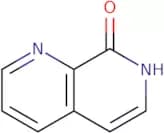
CAS :<p>1,7-Naphthyridin-8(7H)-one is a polycyclic compound that has been used as an intermediate in the synthesis of a variety of other compounds. It is also used as an iterative reagent for the annulation reactions of cyclic olefins. It can be prepared by oxidative annulation between picolinamide and 1,2,3,4-tetrahydroquinoline. The regioselectivity of this reaction can be controlled by using rhodium or copper catalysts.</p>Formule :C8H6N2ODegré de pureté :Min. 95%Couleur et forme :PowderMasse moléculaire :146.15 g/mol3-Cyanophenylacetone
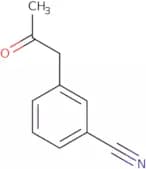
CAS :3-Cyanophenylacetone is a versatile building block and useful intermediate in the synthesis of various pharmaceuticals, agrochemicals, and other chemical products. It can be used as a reagent or speciality chemical. 3-Cyanophenylacetone is also a useful scaffold for the synthesis of complex compounds. This compound is listed on the Chemical Abstracts Service (CAS) registry with the number 73013-50-0.Formule :C10H9NODegré de pureté :Min. 95%Masse moléculaire :159.18 g/molN-(4-Nitrophenyl)-3-oxobutyramide
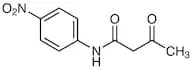
CAS :Formule :C10H10N2O4Degré de pureté :>98.0%(T)(HPLC)Couleur et forme :White to Amber powder to crystalMasse moléculaire :222.20Boc-(3S)-3-amino-4-phenyl-2-butanone
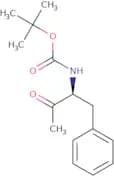
CAS :<p>Boc-(3S)-3-amino-4-phenyl-2-butanone is a chemical intermediate that is useful as a building block in organic synthesis. It has been used as a reaction component, reagent and high quality research chemical. Boc-(3S)-3-amino-4-phenyl-2-butanone is also a versatile building block and useful intermediate for the preparation of complex compounds. This chemical has shown to have speciality applications in fine chemicals such as pharmaceuticals and agrochemicals.</p>Formule :C15H21NO3Degré de pureté :Min. 95%Couleur et forme :White to off-white solid.Masse moléculaire :263.33 g/mol5-Ethoxy-2(5H)-furanone
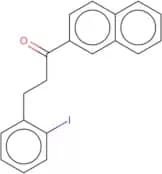
CAS :<p>5-Ethoxy-2(5H)-furanone is an oxidation product of 5-ethoxy-2(5H)-furanone. It has an isomeric, stereospecific, regiospecifically, and a tautomeric relationship with furfural. 5-Ethoxy-2(5H)-furanone can be produced by the oxidation of furfural with boron trifluoride etherate in the presence of iodosobenzene. The reaction mechanism involves the addition of hydrogen peroxide to the boron trifluoride etherate to form hydroperoxydiborane. This compound then reacts with iodosobenzene to produce 5-ethoxy-2(5H)-furanone and 2,5-dihydroxybenzaldehyde. The reaction produces a mixture of diastereomers that contain different numbers of carbon atoms due to the regiospecific</p>Formule :C6H8O3Degré de pureté :Min. 95%Couleur et forme :PowderMasse moléculaire :128.13 g/mol2-Naphthyl-3-(2-iodophenyl)propanone
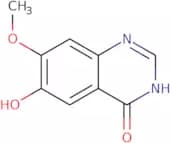
CAS :<p>2-Naphthyl-3-(2-iodophenyl)propanone (IPA) is a chemical intermediate that can be used in the synthesis of pharmaceuticals, agrochemicals, and other organic chemicals. IPA is soluble in common solvents such as water, ethanol, ether, and acetone. It is also stable to air and light. IPA has been shown to react with aniline under basic conditions to form 2-naphthylacetanilide. This reaction component can be used in the synthesis of complex compounds such as carboxylic acid derivatives and amides.</p>Formule :C19H15IODegré de pureté :Min. 95%Masse moléculaire :386.23 g/mol6-Hydroxy-7-methoxy-3,4-dihydroquinazolin-4-one
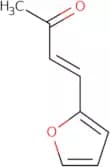
CAS :6-Hydroxy-7-methoxy-3,4-dihydroquinazolin-4-one is an amination of chloropropane and morpholinyl with 3-chloro-4-fluoroaniline. It cyclizes to form a quinazolinone. This compound was synthesized in order to produce a cytotoxic agent for cancer treatment.Formule :C9H8N2O3Degré de pureté :Min. 95%Couleur et forme :PowderMasse moléculaire :192.17 g/mol2-Furfurylideneacetone
CAS :<p>2-Furfurylideneacetone is a reactive chemical that reacts with furfuryl acetate to form cross-links. It is used as a cross-linking agent in the production of polyvinyl alcohol, polyvinyl chloride, and polyurethane elastomers. This compound has been shown to be genotoxic in the Ames test and may have mutagenic potential due to its ability to induce DNA strand breaks in bacterial cells. 2-Furfurylideneacetone is produced by reacting an unsaturated ketone with an aldehyde or other electrophiles. The reaction mechanism for this process has been determined using a flow system and viscosity measurements. The activation energy for this reaction was found to be approximately <br>30 kJ/mol at 25 °C.</p>Formule :C8H8O2Degré de pureté :Min. 95%Masse moléculaire :136.15 g/molBenzo[1,2-b:4,5-b']dithiophene-4,8-dione
CAS :<p>Benzo[1,2-b:4,5-b']dithiophene-4,8-dione is a heterocyclic compound that has been studied for its potential use in electronic devices. The molecule is composed of two aromatic rings and one heterocyclic ring. It is an important building block in the synthesis of many five-membered heterocycles such as benzothiophene and benzofuran. Benzo[1,2-b:4,5-b']dithiophene-4,8-dione can be used as a photoactive material for solar cells due to its ability to absorb light from the visible spectrum and emit it in the near infrared region.</p>Formule :C10H4O2S2Degré de pureté :Min. 95%Couleur et forme :White PowderMasse moléculaire :220.27 g/mol3-[[3-[(Dimethylamino)carbonyl]-2-hydroxyphenyl]amino]-4-[[(R)-1-(4-isopropylfuran-2-yl)propyl]amino]cyclobut-3-ene-1,2-dione
CAS :Please enquire for more information about 3-[[3-[(Dimethylamino)carbonyl]-2-hydroxyphenyl]amino]-4-[[(R)-1-(4-isopropylfuran-2-yl)propyl]amino]cyclobut-3-ene-1,2-dione including the price, delivery time and more detailed product information at the technical inquiry form on this pageFormule :C23H27N3O5Degré de pureté :Min. 95%Masse moléculaire :425.48 g/mol4-Methoxy-2-methylphenylacetone
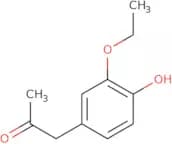
CAS :4-Methoxy-2-methylphenylacetone (4MMPA) is a reagent that is used as an intermediate for the synthesis of high quality fine chemicals. It is also a useful scaffold and building block in organic synthesis. 4MMPA is a versatile building block, which can be used in the synthesis of speciality chemicals, research chemicals, and reaction components. 4MMPA has CAS number 16882-24-9.Formule :C11H14O2Degré de pureté :Min. 95%Masse moléculaire :178.23 g/mol3-Ethoxy-4-hydroxyphenylacetone
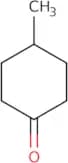
CAS :<p>3-Ethoxy-4-hydroxyphenylacetone is a fine chemical that can be used as a versatile building block and useful intermediate. It has a CAS number of 88659-82-9. 3-Ethoxy-4-hydroxyphenylacetone is a complex compound with many uses, such as research chemicals, reaction component, or speciality chemical. It is water soluble and has been shown to be non toxic. The purity of the product is high quality.</p>Formule :C11H14O3Degré de pureté :Min. 95%Masse moléculaire :194.23 g/mol4-Methylcyclohexanone
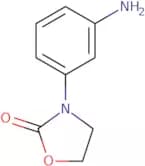
CAS :<p>4-Methylcyclohexanone is a diazonium salt that has been shown to be an intramolecular hydrogen-bonded substrate for the hydroxyl group. It has been used as a precursor for the synthesis of 2,4-diaminobenzoic acid (2,4-DABA) and 3,5-diaminoquinoxaline (3,5-DQNX). 4-Methylcyclohexanone is also used in the production of herbicides and other organic compounds. The reaction mechanism can be explained by considering that 4-methylcyclohexanone is an electron donor with two hydroxyl groups. One of these groups will react with a diazonium salt to provide the α-hydroxyimine intermediate. This intermediate then reacts with another molecule of cyclohexanone to yield the desired product. A typical example of this mechanism is shown below:<br>The acetate</p>Formule :C7H12ODegré de pureté :Min. 95%Couleur et forme :Clear LiquidMasse moléculaire :112.17 g/mol3-(3-Aminophenyl)-1,3-oxazolidin-2-one
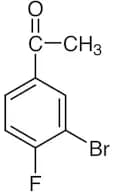
CAS :<p>3-(3-Aminophenyl)-1,3-oxazolidin-2-one is a fine chemical that is used as a building block for more complex compounds. It has been shown to be an effective reagent for the synthesis of complex compounds and can be used as a reaction component in research. 3-(3-Aminophenyl)-1,3-oxazolidin-2-one is also useful in the production of pharmaceuticals and other specialty chemicals.</p>Formule :C9H10N2O2Degré de pureté :(¹H-Nmr) Min. 95 Area-%Couleur et forme :PowderMasse moléculaire :178.19 g/mol3'-Bromo-4'-fluoroacetophenone
CAS :Formule :C8H6BrFODegré de pureté :>96.0%(GC)Couleur et forme :White to Orange to Green powder to crystalMasse moléculaire :217.041-{{[5-(4-Nitrophenyl)-2-furanyl]methylene}amino}-2,4-imidazolidinedione
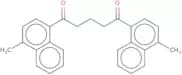
CAS :<p>Dantrolene is an experimental model for malignant hyperthermia, a rare genetic condition that can cause muscle rigidity and death. Dantrolene has been shown to inhibit the activity of the dinucleotide phosphate (NADH) dehydrogenase enzyme in muscle cells. In addition, it inhibits calcium release from the sarcoplasmic reticulum and activates ryanodine receptors. Dantrolene also inhibits muscle contractions and prevents neuronal death by inhibiting the release of glutamate.</p>Formule :C14H10N4O5Degré de pureté :Min. 95%Couleur et forme :SolidMasse moléculaire :314.25 g/mol1,5-Bis(4-Methyl-naphthalene-1-yl)-pentane-1,5-dione
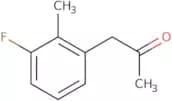
CAS :<p>1,5-Bis(4-Methyl-naphthalene-1-yl)-pentane-1,5-dione is a high quality chemical that is used as an intermediate in the production of various complex compounds. It has been shown to be a useful scaffold for the synthesis of novel compounds with a variety of properties and uses. This compound can be used as a building block in reactions to produce speciality chemicals, research chemicals, and versatile building blocks. 1,5-Bis(4-Methyl-naphthalene-1-yl)-pentane-1,5-dione is also a reaction component that is used in the synthesis of various other compounds.</p>Formule :C27H24O2Degré de pureté :Min. 95%Masse moléculaire :380.48 g/mol3-Fluoro-2-methylphenylacetone
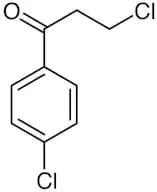
CAS :<p>3-Fluoro-2-methylphenylacetone is a reaction component and reagent that is useful in the synthesis of complex compounds. 3-Fluoro-2-methylphenylacetone, also known as 2-fluoromethylbenzaldehyde, is a versatile building block that can be used to synthesize a wide variety of chemical compounds. It has been shown to be an excellent intermediate and building block for the synthesis of pharmaceuticals, pesticides, agrochemicals, specialty chemicals, and other organic compounds. 3-Fluoro-2-methylphenylacetone is a fine chemical that has CAS No. 1017060-34-2.</p>Formule :C10H11FODegré de pureté :Min. 95%Masse moléculaire :166.19 g/mol3,4'-Dichloropropiophenone
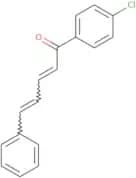
CAS :Formule :C9H8Cl2ODegré de pureté :>98.0%(GC)(T)Couleur et forme :White to Yellow to Orange powder to crystalMasse moléculaire :203.06(2E,4E)-1-(4-Chlorophenyl)-5-phenylpenta-2,4-dien-1-one
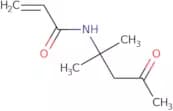
CAS :<p>2,4-Dien-1-one is a cyclic dienone that is used in the preparation of various pharmaceutical drugs. It has been reported to be an excellent building block for the synthesis of complex compounds. This compound has shown antimicrobial activity against methicillin resistant Staphylococcus aureus (MRSA) and Mycobacterium tuberculosis.<br>2,4-Dien-1-one is a versatile intermediate that can be used as a speciality chemical or research chemicals. It is also a useful scaffold for the synthesis of various pharmaceutical drugs and can be used as a reaction component for various reactions.</p>Formule :C17H13ClODegré de pureté :Min. 95%Couleur et forme :PowderMasse moléculaire :268.74 g/molDiacetone acrylamide
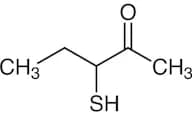
CAS :<p>Diacetone acrylamide is a chemical compound that has the molecular formula C3H6O2N2. It is a colorless liquid with a low boiling point and an unpleasant odor. Diacetone acrylamide has been used as an intermediate in the production of polyvinyl acetate. It can also be used as an additive to rubber, plastics, and other materials. The thermal expansion coefficient of diacetone acrylamide is similar to that of polyvinyl chloride and polystyrene, making it a useful material for constructing models of those substances.</p>Formule :C9H15NO2Degré de pureté :Min. 98%Couleur et forme :PowderMasse moléculaire :169.22 g/mol3-Mercapto-2-pentanone
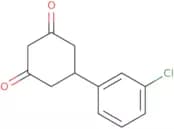
CAS :Formule :C5H10OSDegré de pureté :>97.0%(GC)(T)Couleur et forme :Colorless to Almost colorless clear liquidMasse moléculaire :118.195-(3-Chlorophenyl)cyclohexane-1,3-dione
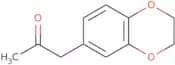
CAS :5-(3-Chlorophenyl)cyclohexane-1,3-dione is a versatile building block. It can be used as a reagent, speciality chemical, or useful building block in the synthesis of complex compounds. 5-(3-Chlorophenyl)cyclohexane-1,3-dione is also used as a reaction component or scaffold in the synthesis of valuable chemicals. This chemical has high purity and quality.Formule :C12H11ClO2Degré de pureté :Min. 95%Couleur et forme :White PowderMasse moléculaire :222.67 g/mol3,4-Ethylenedioxyphenylacetone
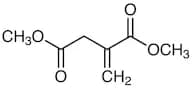
CAS :<p>3,4-Ethylenedioxyphenylacetone is an organic compound that is used as a building block in the synthesis of other chemical compounds. This compound has been found to be useful in the production of pharmaceuticals, dyes, and perfumes. 3,4-Ethylenedioxyphenylacetone can also be used as a reaction component or reagent in laboratory experiments.</p>Formule :C11H12O3Degré de pureté :90%Couleur et forme :Clear LiquidMasse moléculaire :192.21 g/molDimethyl Itaconate (stabilized with HQ)
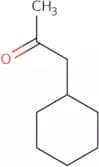
CAS :Formule :C7H10O4Degré de pureté :>98.0%(GC)Couleur et forme :White or Colorless to Light yellow powder to lump to clear liquidMasse moléculaire :158.151-Cyclohexylacetone
CAS :<p>Cyclohexylacetone is a colorless liquid that is used as a solvent for the production of pharmaceutical preparations. It has been used to produce methyl ketones, which are intermediates in the synthesis of polymers and plastics. Cyclohexylacetone has also been shown to be an optimal reaction intermediate for the preparation of zirconium oxide. This compound is used as a polymerization initiator and as a fluorine-containing reagent in organic synthesis. Cyclohexylacetone can react with divalent hydrocarbons to form esters and cyclooctyl compounds.</p>Formule :C9H16ODegré de pureté :Min. 95%Couleur et forme :PowderMasse moléculaire :140.22 g/mol1-Phenyl-3-oxabicyclo[3.1.0]hexan-2-one
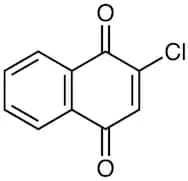
CAS :<p>1-Phenyl-3-oxabicyclo[3.1.0]hexan-2-one (1POX) is a monomer that belongs to the class of cyclopropane compounds and can be used in the synthesis of polymers. It has been shown to react with benzene, irradiation, monoxide, oxiranyl, acetonitrile and trimeric dyes to form reactive intermediates such as ketones and carboxylic acids. These intermediates can undergo photolysis to produce products such as ketones and carboxylic acids. The wavelength of the light used for photolysis can influence the product formation. 1POX is also a substrate for cyclopropane ring formation reactions, which are known for their high reactivity due to the stability of this ring system. The carbonyl group on 1POX is electron withdrawing and stabilizes the planar geometry of 1POX.</p>Formule :C11H10O2Degré de pureté :Min. 95%Couleur et forme :PowderMasse moléculaire :174.2 g/mol2-Chloro-1,4-naphthoquinone
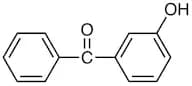
CAS :Formule :C10H5ClO2Degré de pureté :>98.0%(GC)Couleur et forme :Light yellow to Yellow to Orange powder to crystalMasse moléculaire :192.603-Hydroxybenzophenone
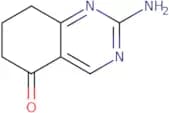
CAS :Formule :C13H10O2Degré de pureté :>98.0%(GC)Couleur et forme :White to Gray to Brown powder to crystalMasse moléculaire :198.222-Amino-7,8-dihydroquinazolin-5(6H)-one
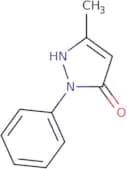
CAS :<p>2-Amino-7,8-dihydroquinazolin-5(6H)-one is a research chemical that belongs to the group of quinazolinones. It is a useful building block for the synthesis of other compounds. This compound can be reacted with various reagents to form new compounds. 2-Amino-7,8-dihydroquinazolin-5(6H)-one has been used as a starting material in the synthesis of PET imaging agents for diagnostic and therapeutic purposes. This compound is also used as a reaction component in organic chemistry research.</p>Formule :C8H9N3ODegré de pureté :Min. 95%Couleur et forme :Off-White PowderMasse moléculaire :163.18 g/mol3-Methyl-1-phenyl-2-pyrazoline-5-one
CAS :<p>3-Methyl-1-phenyl-2-pyrazoline-5-one is a drug that inhibits the production of active oxygen and has been used in clinical trials for the treatment of asthma. It belongs to the class of compounds called 1,4-benzodiazepine derivatives. 3MPP5 inhibits the activity of enzymes such as Cox2 and P450 isozymes. The most efficient method for administration is by injection. This drug has an effective dose of 0.5 mg/kg body weight, and its side effects include dizziness and headache.</p>Formule :C10H10N2ODegré de pureté :Min. 95%Couleur et forme :PowderMasse moléculaire :174.2 g/mol


![3-[2-(1,3-Dioxolan-2-yl)ethyl]-7,8-dimethoxy-1,3,4,5-tetrahydro-2H-3-benzazepin-2-one](/_next/image/?url=https%3A%2Fstatic.cymitquimica.com%2Fproducts%2F3D%2Fthumb-webp%2FFD149999.webp&w=3840&q=75)




![Benzo[1,2-b:4,5-b']dithiophene-4,8-dione](/_next/image/?url=https%3A%2Fstatic.cymitquimica.com%2Fproducts%2F3D%2Fthumb-webp%2FFB42139.webp&w=3840&q=75)
![3-[[3-[(Dimethylamino)carbonyl]-2-hydroxyphenyl]amino]-4-[[(R)-1-(4-isopropylfuran-2-yl)propyl]ami…](/_next/image/?url=https%3A%2Fstatic.cymitquimica.com%2Fproducts%2F3D%2Fthumb-webp%2FFD152335.webp&w=3840&q=75)

![1-{{[5-(4-Nitrophenyl)-2-furanyl]methylene}amino}-2,4-imidazolidinedione](/_next/image/?url=https%3A%2Fstatic.cymitquimica.com%2Fproducts%2F3D%2Fthumb-webp%2FFN138588.webp&w=3840&q=75)
![1-Phenyl-3-oxabicyclo[3.1.0]hexan-2-one](/_next/image/?url=https%3A%2Fstatic.cymitquimica.com%2Fproducts%2F3D%2Fthumb-webp%2FFP16068.webp&w=3840&q=75)