Acides carboxyliques
12457 produits trouvés pour "Acides carboxyliques"
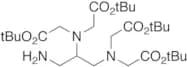
rac (Aminomethyl)ethylenediaminetetraacetic Acid tetra-(t-Butyl Ester)
CAS :Produit contrôléApplications rac (Aminomethyl)ethylenediaminetetraacetic Acid tetra-(t-Butyl Ester) (cas# 1391052-55-3) is a compound useful in organic synthesis.
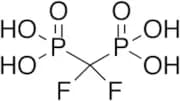
Formule :C27H51N3O8Couleur et forme :NeatMasse moléculaire :545.71Difluoromethylenediphosphonic Acid
CAS :Produit contrôléStability Hygroscopic
Applications A phosphonic acid derivative for development of biologically active compounds.
Not a dangerous good if item is equal to or less than 1g/ml and there is less than 100g/ml in the package
References Ma, Q.F., et al.: Biochemistry, 29, 1412 (1990), Soti, C., et al.: Eur. J. Biochem., 270, 2421 (2003), Barabas, O., et al.: J. Biol. Chem., 279, 42907 (2004),Formule :CH4F2O6P2Couleur et forme :NeatMasse moléculaire :211.989-Hydroxydecanoic Acid Benzyl Ester
CAS :Produit contrôléApplications 9-Hydroxydecanoic Acid Benzyl Ester is an intermediate in the synthesis of Monocarboxyisodecyl Phthalate (M525575), a metabolite of Dibutyl phthalate (DBP) (D429495), which is found widely in consumer products.
References Weber, A. E., et al.: J. Med. Chem., 35, 3755 (1992);Formule :C17H26O3Couleur et forme :NeatMasse moléculaire :278.393,3-Diphenylpropionic Acid
CAS :Produit contrôléApplications 3,3-Diphenylpropionic Acid is used in the preparation of steroid 5α-reductase inhibiting acylpiperidines. It can also be used in the preparation of calpain-inhibitory piptidyl α-ketoacids and esters.
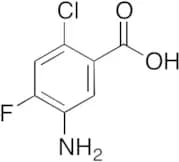
References Picard, F. et al.: J. Med. Chem., 45, 3406 (2002); Donkor, I. et al.: J. Med. Chem., 51, 4346 (2008);Formule :C15H14O2Couleur et forme :NeatMasse moléculaire :226.275-Amino-2-chloro-4-fluorobenzoic Acid
CAS :Produit contrôléApplications 5-Amino-2-chloro-4-fluorobenzoic Acid is an intermediate in the synthesis of Saflufenacil-d7 (S081802). Saflufenacil-d7 is the labeled version of Saflufenacil (S081800), which is a herbicide of the pyrimidinedione chemical class used for the preplant burndown and selective preemergence dicot weed control in different field crops. It was found to inhibit protoporphyrinogen IX oxidase (PPO) enzyme.
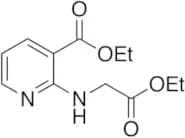
References Knezevic, S., et al.: Crop Prot., 29, 148 (2010); Grossmann, K., et al.: Weed Sci., 58, 1 (2010)Formule :C7H5ClFNO2Couleur et forme :NeatMasse moléculaire :189.572-(Carboxymethylamino) Nicotinic Acid Diethyl Ester
CAS :Produit contrôléApplications 2-(Carboxymethylamino) Nicotinic Acid Diethyl Ester (cas# 1178176-00-5) is a compound useful in organic synthesis.
Formule :C12H16N2O4Couleur et forme :NeatMasse moléculaire :252.27Methyl Cyanoacetate
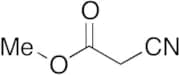
CAS :Produit contrôléApplications Methyl Cyanoacetate is often used as a nucleophile in the electrochemical oxidation of catechols. Methyl Cyanoacetate is also a reagent in the synthesis of Methyl 2-Amino-4-trifluoromethylthiophene-3-carboxylate (M287290); a compound used in the synthesis of DPP-IV inhibitors for treating type 2 diabetes.
References Rafiee, M., et al.: J. Electroanal. Chem., 626, 36 (2009); Deng, J., et al.: Eur. J. Med. Chem., 46, 71 (2010)Formule :C4H5NO2Couleur et forme :NeatMasse moléculaire :99.095,6,7,7a-Tetrahydrothieno[3,2-c]pyridine-2(4H)-onepara-toluenesulfonic acidsalt
CAS :Please enquire for more information about 5,6,7,7a-Tetrahydrothieno[3,2-c]pyridine-2(4H)-onepara-toluenesulfonic acidsalt including the price, delivery time and more detailed product information at the technical inquiry form on this pageFormule :C14H17NO4S2Degré de pureté :Min. 95%Masse moléculaire :327.42 g/molMethyl piperidine-3-carboxylate
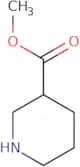
CAS :Methyl piperidine-3-carboxylate (PMP) is a potent inhibitor of the enzyme ido1, which is involved in the metabolism of tryptophan to serotonin. It was synthesized by reacting methyl piperidine-3-carboxylate with 3 equivalents of 1,2-propanediol and 2 equivalents of potassium carbonate in an aqueous solution at room temperature for 2 hours. This reaction yields PMP as a white solid that can be characterized by nuclear magnetic resonance spectroscopy and thin layer chromatography. PMP has been shown to inhibit the enzymatic activity of ido1 and may be useful in the treatment of neurodegenerative diseases because it inhibits the production of serotonin.Formule :C7H13NO2Degré de pureté :Min. 95%Couleur et forme :PowderMasse moléculaire :143.18 g/molReserpiline
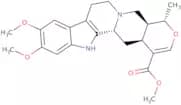
CAS :Methyl (3beta,19alpha,20alpha)-16,17-didehydro-10,11-dimethoxy-19-methyloxayohimban-16-carboxylate is a trifluoroacetate ester of apocynin. It is used to treat bowel disease by reducing inflammation and stimulating the growth of new cells in the epithelium. Apocynin has been shown to inhibit the release of inflammatory cytokines such as epidermal growth factor (EGF) in vitro. In vivo studies have shown that it reduces symptoms of bowel disease and prevents ulceration. Apocynin has been shown to be a potent analog for EGF and has been studied for its potential use in the treatment of cancer. However, it has also been found to cause psychosis when administered at high doses. The toxicity studies on apocynin show that it is not toxic at lower doses but becomes more toxic at higher doses dueFormule :C23H28N2O5Degré de pureté :Min. 95%Couleur et forme :PowderMasse moléculaire :412.48 g/molClodronic acid disodium salt
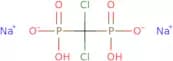
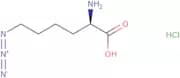
CAS :Clodronic acid disodium salt is a drug that can be used as a treatment for bowel disease. It binds to the chemoattractant protein and inhibits the activation of toll-like receptor 4, which is involved in inflammatory reactions. Clodronic acid also has an effect on polymorphonuclear leucocytes, inhibiting the production of cytokines and other inflammatory mediators. Clodronic acid has been shown to reduce neuronal death in experimental models and inhibit mitochondrial membrane potential in leukemic mice. The drug acts by binding to basic proteins in bone cells, preventing the release of calcium from bone stores into the blood stream. The monosodium salt form is more soluble than clodronate, which is a disodium salt.Formule :CH2Cl2Na2O6P2Degré de pureté :Min. 95%Couleur et forme :White PowderMasse moléculaire :288.86 g/mol(R)-2-Amino-6-azidohexanoic acid HCl
CAS :(R)-2-Amino-6-azidohexanoic acid HCl is a chemical intermediate that is used in the synthesis of a number of biologically active compounds. It is also a versatile building block for the construction of complex molecules. This chemical has been shown to be useful in the synthesis of pharmaceuticals, agrochemicals, and other fine chemicals. CAS No. 2098497-01-7Formule :C6H12N4O2·HClDegré de pureté :Min. 95%Couleur et forme :White PowderMasse moléculaire :208.65 g/molPhenylazosalicylic acid
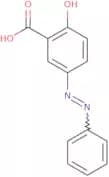
CAS :Phenylazosalicylic acid is a crystalline solid that belongs to the group of phenylacetic acids. It is synthesized by the reaction of nitric acid with salicylic acid, which is produced from the distillation of wood. Phenylazosalicylic acid has a molecular weight of 150.09 g/mol and a melting point of 123°C. The molecule is unionized in water and can be found in wastewater effluent at concentrations as high as 3 ppm. This compound has acidic properties and reacts with picric acid to form phenylazosalicylic picrate, which is used for the treatment of anthrax. Phenylazosalicylic acid also shows proton-pumping activity, which may be due to its ability to bind to anionic sites on proteins such as carbonic anhydrase II and H+/K+ ATPase.
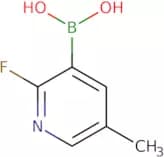
Formule :C13H10N2O3Degré de pureté :Min. 95%Couleur et forme :Orange PowderMasse moléculaire :242.23 g/mol2-Fluoro-5-methylpyridine-3-boronic acid
CAS :2-Fluoro-5-methylpyridine-3-boronic acid is a high quality chemical with CAS No. 1072952-45-4 that is a useful building block for the synthesis of complex compounds and speciality chemicals. 2-Fluoro-5-methylpyridine-3-boronic acid is also a versatile building block that can be used in organic reactions as a reaction component for the synthesis of speciality chemicals and other reagents. It can also be used to make fluoroquinolones and related pharmaceuticals, which are used to treat bacterial infections. This compound has many uses in research, including being a valuable scaffold for the synthesis of new drugs.Formule :C6H7BFNO2Degré de pureté :Min. 95%Couleur et forme :White PowderMasse moléculaire :154.93 g/mol1,1'-Ferrocenedicarboxylic acid
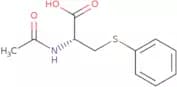
CAS :Produit contrôléFerrocene is a polycyclic aromatic hydrocarbon consisting of two fused cyclopentadiene rings. It is used in organic synthesis as a source of one equivalent of ferrocenium cation, which is useful as a catalyst for hydrogenation and hydroformylation reactions. Ferrocene-based polymers are layered materials that have been studied as transducers or sensors. They can be used to detect small changes in the environment, such as pH or temperature. Ferrocene-based polymers can also be used to make an electrode that detects antibodies, which are proteins produced by the immune system. Immunosensors are devices that use antibodies to detect the presence of antigens in blood or other fluids. The setup for this type of immunosensor consists of an antibody immobilized on an electrode surface, with a layer of material containing the antigen placed on top and covered with a solution containing ferrocene molecules. When an antibody binds to the antigen at the interface between theseFormule :C12H10FeO4Degré de pureté :Min. 95%Couleur et forme :Orange To Brown To Orange Brown SolidMasse moléculaire :274.05 g/molS-Phenylmercapturic acid
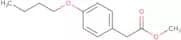
CAS :S-Phenylmercapturic acid is an analytical method that can be used to measure the concentration of guanine nucleotide-binding (GMP) in urine. This assay is a sensitive and specific test for urinary GMP. The linear calibration curve for this assay was determined by plotting the fluorescence intensity of s-phenylmercapturic acid against the concentration of GMP. S-Phenylmercapturic acid has been used as a marker for heart disease, kidney disease, and diabetes mellitus type 2. S-Phenylmercapturic acid also has toxicological studies that show it is not carcinogenic or teratogenic and does not affect fertility or reproduction. The use of s-phenylmercapturic acid as a biomarker for GMP has been validated using matrix effect techniques and solid phase microextraction followed by dispersive solid phase extraction on a column with a fluorescence detector.Formule :C11H13NO3SDegré de pureté :Min. 95%Couleur et forme :PowderMasse moléculaire :239.29 g/molMethyl (4-butoxyphenyl)acetate
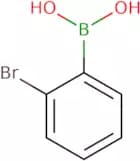
CAS :Methyl (4-butoxyphenyl)acetate is a versatile building block for the synthesis of complex organic compounds. It is a high quality, useful intermediate that has been used in the preparation of pharmaceuticals and research chemicals and as a reagent. The compound can be reacted with various other reactants to form useful scaffolds for drug discovery.Formule :C13H18O3Degré de pureté :Min. 95%Masse moléculaire :222.28 g/mol2-Bromophenylboronic acid
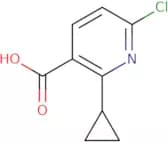
CAS :2-Bromophenylboronic acid is a glucose monitoring agent that has a ruthenium complex with an acidic environment. The nitro group and the amines are in close proximity to the boron center, and this proximity leads to a high nucleophilic character of the molecule. This reactivity allows 2-bromophenylboronic acid to be used as a fluorescence probe for acidic environments. 2-Bromophenylboronic acid also inhibits secretase enzymes, which are involved in Alzheimer’s disease and other neurodegenerative disorders. It is an inhibitor of γ-secretase, which is responsible for cleaving the amyloid precursor protein (APP), and it has shown efficacy against biphenyl, an anticancer drug that binds to benzodiazepine receptors. 2-Bromophenylboronic acid is also an enantiopure compound because all four substituents are different from each other.Formule :C6H6BBrO2Degré de pureté :Min. 95%Couleur et forme :White PowderMasse moléculaire :200.83 g/mol6-Chloro-2-cyclopropylnicotinic acid
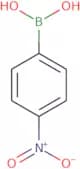
CAS :6-Chloro-2-cyclopropylnicotinic acid is a clear, colorless liquid that is soluble in organic solvents. It has a molecular weight of 174.9 and an empirical formula of C8H7ClN2O2. This compound is used as a reagent, intermediate, or building block in organic synthesis and can be used in the production of pharmaceuticals. It is also useful as a building block for drug discovery and can be used to produce various other compounds with biological activity, such as 4-chloro-1-(4-nitrophenyl)piperidine. 6-Chloro-2-cyclopropylnicotinic acid is described by CAS number 862695-75-8 and has the chemical name 6-(chloromethyl) 2-(cyclopropyl) nicotinic acid.Formule :C9H8ClNO2Degré de pureté :Min. 95%Couleur et forme :PowderMasse moléculaire :197.62 g/mol4-Nitrophenylboronic acid
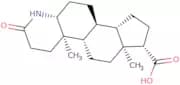
CAS :4-Nitrophenylboronic acid is a chemical compound that has been shown to inhibit the enzyme PTP1B. This enzyme is responsible for the phosphorylation of proteins and plays an important role in regulating insulin release, glucose uptake, and fat metabolism. The inhibition of this enzyme by 4-Nitrophenylboronic acid is reversible and potent. It has also been shown to have anticancer activity in vitro and in vivo, as well as cross-coupling with other boronic acids to form new compounds with different biological activities.Formule :C6H6BNO4Degré de pureté :Min. 95%Couleur et forme :PowderMasse moléculaire :166.93 g/mol3-Oxo-4-aza-5-alpha-androstane-17-beta-carboxylic acid
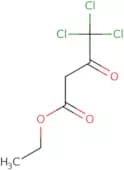
CAS :3-Oxo-4-aza-5-alpha-androstane-17-beta-carboxylic acid is a versatile building block that can be used in the preparation of complex molecules. This compound is also a reagent, speciality chemical, and useful intermediate for organic synthesis. 3-Oxo-4-aza-5-alpha-androstane-17 beta carboxylic acid has been shown to be useful as a reaction component and scaffold in organic synthesis.Formule :C19H29NO3Degré de pureté :Min. 95%Couleur et forme :White Clear LiquidMasse moléculaire :319.44 g/molEthyl 4,4,4-Trichloroacetoacetate
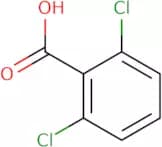
CAS :Ethyl 4,4,4-trichloroacetoacetate is a chloroalkyl compound that belongs to the class of activated esters. It is synthesized by the reaction of ethyl alcohol with chloride and potassium hydroxide in the presence of a base. The synthetic method for this compound was first developed in the mid-1930s by German chemists. This compound also has been used in the synthesis of coumarin derivatives as well as a catalyst in organic reactions. Ethyl 4,4,4-trichloroacetoacetate has been shown to be effective in treating neurodegenerative diseases such as Alzheimer's disease and Parkinson's disease.Formule :C6H7Cl3O3Degré de pureté :Min. 95%Couleur et forme :Colourless To Pale Yellow LiquidMasse moléculaire :233.48 g/mol2,6-Dichlorobenzoic acid
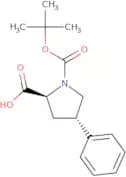
CAS :2,6-Dichlorobenzoic acid (2,6-DCBA) is a chemical substance that can be found in groundwater. 2,6-DCBA is metabolized by colon cells to produce metabolites, including 2,4-dichlorophenol and 4-chlorophenylacetic acid. The metabolic reaction products have been shown to inhibit the uptake of radioactive iodine by Caco-2 cells. 2,6-DCBA is also a monocarboxylic acid with two nitrogen atoms. It has been shown to have acute toxicities in rats and other animals. This substance can also be used as an analytical reagent for the determination of metals such as iron and copper.Formule :C7H4Cl2O2Degré de pureté :Min. 95%Couleur et forme :PowderMasse moléculaire :191.01 g/molBoc-(2S,4S)-4-phenylpyrrolidine-2-carboxylic acid
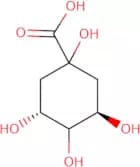
CAS :Boc-(2S,4S)-4-phenylpyrrolidine-2-carboxylic acid is a versatile building block that can be used in the synthesis of complex compounds. It has been shown to be a useful intermediate in the synthesis of pharmaceuticals and other compounds. Boc-(2S,4S)-4-phenylpyrrolidine-2-carboxylic acid is also a reagent for the preparation of heterocyclic compounds and other research chemicals. This chemical is soluble in methanol and water, but insoluble in ether or chloroform. The CAS number for this product is 96314-29-3.Formule :C16H21NO4Degré de pureté :Min. 95%Couleur et forme :White PowderMasse moléculaire :291.34 g/molD-(-)-Quinic acid
CAS :Quinic acid is a natural compound that is found in many plants and fruits. It has been shown to have antioxidant properties, which may be due to its ability to inhibit oxidative injury. Quinic acid also has anti-inflammatory effects and has been shown to have activity against infectious diseases such as HIV and malaria. Quinic acid can act as an enzyme activator or inhibitor depending on the type of enzyme it binds to. This property makes quinic acid a powerful tool for controlling the activity of enzymes in vitro and in vivo.
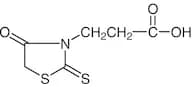
Formule :C7H12O6Degré de pureté :Min. 95%Couleur et forme :White PowderMasse moléculaire :192.17 g/molRhodanine-3-propionic Acid
CAS :Formule :C6H7NO3S2Degré de pureté :>98.0%(GC)(T)Couleur et forme :Light yellow to Brown powder to crystalMasse moléculaire :205.25[4-(Allyloxy)phenyl]boronic acid
CAS :4-(Allyloxy)phenylboronic acid is an intermediate in the manufacture of pharmaceuticals and other organic compounds. It can be used as a building block for more complex compounds and as a reagent in organic synthesis. 4-(Allyloxy)phenylboronic acid is soluble in water and has a melting point of >200°C. This compound is a fine chemical with CAS No. 1117776-68-7 and is useful for research purposes.
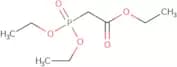
Formule :C9H11BO3Degré de pureté :Min. 95%Couleur et forme :White PowderMasse moléculaire :177.99 g/molTriethyl phosphonoacetate
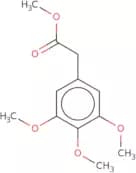
CAS :Triethyl phosphonoacetate is a dpp-iv inhibitor that has been shown to have beneficial effects on congestive heart failure. It is a pyrimidine compound that can be synthesized in an asymmetric synthesis reaction. The hydroxyl group on the triethyl phosphonoacetate molecule reacts with potassium dichromate to form a reactive intermediate, which undergoes hydrolysis by hydrochloric acid to release acetaldehyde. Acetaldehyde then reacts with malonic acid to produce triethyl phosphonoacetate. Triethyl phosphonoacetate has been shown to have biological properties that are similar to those of other dpp-iv inhibitors, and it has also been shown to have receptor binding activity.Formule :C8H17O5PDegré de pureté :Min. 98%Couleur et forme :Colorless Clear LiquidMasse moléculaire :224.19 g/molMethyl 3,4,5-trimethoxyphenyl acetate
CAS :Methyl 3,4,5-trimethoxyphenyl acetate is an ester that is used as a building block and intermediate in the synthesis of pharmaceuticals. It can also be used as an intermediate in research and as a reagent for chemical analysis. Methyl 3,4,5-trimethoxyphenyl acetate has high purity and is available at competitive prices.Formule :C12H16O5Degré de pureté :Min. 95%Masse moléculaire :240.25 g/mol5-Methyl salicylic acid
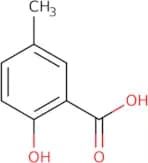
CAS :5-Methyl salicylic acid is a molecule that is used in analytical chemistry to identify the presence of p-hydroxybenzoic acid in urine samples. It has a phase transition temperature of around 198 degrees Celsius, and reacts with hydroxyl groups. 5-Methyl salicylic acid has been shown to have protocatechuic acid, hydrochloric acid, and cationic surfactant properties. It also has diphenolase activity and can be used as an antioxidant. 5-Methyl salicylic acid is synthesized from phenolic acids such as nepeta cataria or protocatechuic acid and is a metabolite of benzoic acid. 5-Methyl salicylic acid can be found in plants such as nepeta cataria or sephadex g-100.Formule :C8H8O3Degré de pureté :Min. 95%Couleur et forme :PowderMasse moléculaire :152.15 g/mol2-Methoxy-4-amino-5-ethylsulfonyl benzoic acid
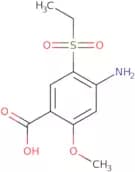
CAS :2-Methoxy-4-amino-5-ethylsulfonyl benzoic acid is a synthetic chemical that is used in wastewater treatment. It is also used as a precursor for the production of other chemicals, such as thiocyanates, peroxides, and bromoethanes. 2-Methoxy-4-amino-5-ethylsulfonyl benzoic acid can be produced by the reaction of hydrochloric acid with thionyl chloride. It reacts with aluminium to produce an acylation reaction that produces 2,2'-dithiodiethanol (DTE). The DTE can be reacted with an organic compound to produce a variety of products, including salicylic acid or bromoethanes.Formule :C10H13NO5SDegré de pureté :Min. 95%Couleur et forme :PowderMasse moléculaire :259.28 g/mol5-(3-Nitrophenyl)-1H-pyrazole-3-carboxylic acid
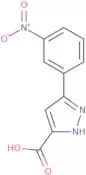
CAS :5-(3-Nitrophenyl)-1H-pyrazole-3-carboxylic acid is a molecule that inhibits the proliferation of cancer cells in vitro. This compound has been shown to inhibit the growth of human breast cancer cells in culture, with IC50 values of 7.8 µM for MCF-7 and 5.6 µM for A549 cells. It also inhibits cell growth in MDA-MB231 cells, which are human breast carcinoma cells, with IC50 values of 4.5 µM for MCF-7 and 2.4 µM for A549 cells. The mechanism by which this drug inhibits cancer cell proliferation is not clear but may be due to its ability to interfere with DNA synthesis or protein synthesis.Formule :C10H7N3O4Degré de pureté :Min. 95%Couleur et forme :PowderMasse moléculaire :233.18 g/mol2-(2-Methoxyphenoxy)Benzoic Acid
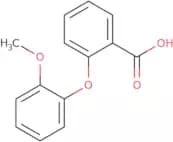
CAS :2-(2-Methoxyphenoxy)benzoic acid is an organic compound that can be synthesized in the laboratory. It has been shown to dimerize spontaneously in aqueous solutions with the release of hydrogen peroxide and oxygen. The mechanism is thought to involve oxidative dimerization, which may lead to carboxylate bond cleavage, intramolecular radical formation, or mechanistically radical attack. This process also results in the formation of a 2-methoxyphenoxy radical.
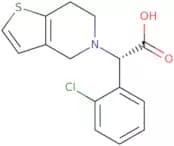
Formule :C14H12O4Degré de pureté :Min. 95%Couleur et forme :PowderMasse moléculaire :244.24 g/molClopidogrel carboxylic acid
CAS :Clopidogrel is a potent inhibitor of the platelet aggregation. It reduces blood clotting by inhibiting the ADP receptor on the surface of platelets, thereby inhibiting the aggregation and adhesion of platelets. Clopidogrel has been shown to be effective in preventing thrombosis, myocardial infarction (heart attack), and stroke. Clopidogrel inhibits the activity of cytochrome P450 3A4 (CYP3A4) and p2Y 12 receptors. Clopidogrel has been shown to have synergic effects with nonsteroidal anti-inflammatory drugs (NSAIDs). The polymorphic nature of Clopidogrel can be monitored using a liquid chromatography-tandem mass spectrometry (LC-MS/MS) method for quantification in biological samples such as human serum and plasma.
Formule :C15H14ClNO2SDegré de pureté :Min. 95%Masse moléculaire :307.8 g/mol3,5-Dimethyl-4-methoxybenzoic acid
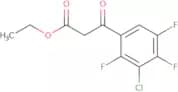
CAS :3,5-Dimethyl-4-methoxybenzoic acid is a disulphide monomer with the chemical formula C7H8O2S. It can be used as a building block for organic synthesis. This compound has been widely studied because it contains a benzyl group, which is the simplest aromatic system. The symmetric and asymmetric vibrational frequencies of 3,5-dimethyl-4-methoxybenzoic acid have been measured by nmr spectroscopy and theory. The thermodynamic properties of this compound have also been studied by molecular dynamics simulations and quantum chemical calculations.Formule :C10H12O3Degré de pureté :Min. 95%Masse moléculaire :180.2 g/molEthyl 3-chloro-2,4,5-trifluorobenzoylacetate
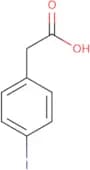
CAS :Ethyl 3-chloro-2,4,5-trifluorobenzoylacetate is a high quality chemical that is used as an intermediate in the production of complex compounds. It is also a reagent that is used in fine chemical reactions. This compound has many uses, including being a useful scaffold for the production of new compounds and a versatile building block for reactions. Ethyl 3-chloro-2,4,5-trifluorobenzoylacetate is used in research as well as in the production of speciality chemicals.Formule :C11H8ClF3O3Degré de pureté :Min. 95%Couleur et forme :PowderMasse moléculaire :280.63 g/mol(4-Iodophenyl)acetic acid
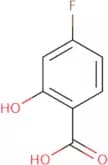
CAS :(4-Iodophenyl)acetic acid is a chemical compound that is used as an analog in the synthesis of other compounds. This compound has been shown to be effective against solid tumours, such as prostate and bladder cancer. The asymmetric synthesis of (4-iodophenyl)acetic acid has been achieved by using a constant of 2,2'-dichloro-1,1'-binaphthyl and the corresponding 1-bromoalkene. The uptake of this chemical compound in cells has been shown to be rapid and concentration dependent. It binds to two subunits of the prostacyclin receptor and blocks its activation by prostaglandins. (4-Iodophenyl)acetic acid also interacts with the membrane surface through hydrogen bonding with phosphatidylethanolamine and phosphatidylcholine lipids.Formule :C8H7IO2Degré de pureté :Min. 95%Couleur et forme :Red PowderMasse moléculaire :262.04 g/mol4-Fluoro-2-hydroxybenzoic acid
CAS :4-Fluoro-2-hydroxybenzoic acid is an organic compound that is a proton acceptor. It can be synthesized from 2,4-dichloroaniline and hydroxylamine. 4-Fluoro-2-hydroxybenzoic acid has two isomers, one with a fluorine atom and the other without. The fluorine atom makes it more acidic than the other isomer. It also has many functional groups attached to it, including hydrogen, chlorine, and fluorine. 4-Fluoro-2-hydroxybenzoic acid is used in pesticides because of its pesticidal activity. This compound binds to receptors on pests' cells and disrupts their function.
Formule :C7H5FO3Degré de pureté :90%Couleur et forme :PowderMasse moléculaire :156.11 g/mol4-Benzoyloxybenzoic acid
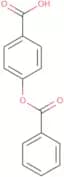
CAS :4-Benzoyloxybenzoic acid is an organic compound with the chemical formula of C8H5O2. It is a white solid that can be synthesized by copolymerizing 4-hydroxybenzoic acid and benzoic acid in the presence of ethyl methacrylate. The formation rate of 4-benzoyloxybenzoic acid depends on the concentration of amines, which are used as a catalyst for the polymerization reaction. This molecule has been shown to be soluble in cellulose acetate and insoluble in solvents such as chloroform. 4-Benzoyloxybenzoic acid can be prepared by reacting methyl esters with transesterification reaction at temperatures between 60°C and 130°C, depending on the type of solvent used.Formule :C14H10O4Degré de pureté :Min. 95%Masse moléculaire :242.23 g/molFmoc-(1R,2R)-2-aminocyclopentane carboxylic acid
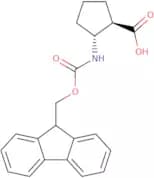
CAS :Fmoc-(1R,2R)-2-aminocyclopentane carboxylic acid is a high quality and versatile building block. It can be used as an intermediate in the synthesis of complex compounds or as a reaction component. Fmoc-(1R,2R)-2-aminocyclopentane carboxylic acid is a speciality chemical that has potential uses in research, development and manufacturing of pharmaceuticals, agrochemicals, dyestuff intermediates, perfumes and other fine chemicals. CAS No. 359586-69-9
Formule :C21H21NO4Degré de pureté :Min. 95%Couleur et forme :PowderMasse moléculaire :351.4 g/mol6α-Methyl prednisolone 21-acetate
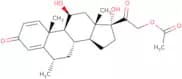
Produit contrôlé6a-Methyl prednisolone 21-acetate is a corticosteroid that binds to the glucocorticoid receptor, which regulates gene transcription. It has been used as an injection solution for bowel disease, but has also been shown to have anti-inflammatory and immunosuppressive effects. 6a-Methyl prednisolone 21-acetate reduces the production of inflammatory cytokines and may be a useful treatment for patients with inflammatory bowel disease (IBD). 6a-Methyl prednisolone 21-acetate has also been shown to decrease inflammation in experimental models of tissue infection, such as sepsis in mice. This drug may be useful as an adjuvant therapy for the treatment of sepsis in humans. 6a-Methyl prednisolone 21-acetate is not recommended for use in patients with congestive heart failure or severe kidney impairment because it can cause fluid retention and aggravation of these conditions.
Formule :C24H32O6Degré de pureté :Min. 95%Couleur et forme :PowderMasse moléculaire :416.51 g/mol(3-Benzyloxyphenyl)acetic acid
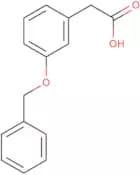
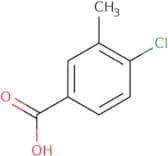
CAS :(3-Benzyloxyphenyl)acetic acid is a synthetic compound that is used as a precursor in the synthesis of benzodiazepines. It has been shown to have pharmacological properties and can be used in the treatment of blood pressure. (3-Benzyloxyphenyl)acetic acid also has a profile that is hydroxyl, labile, and easily converted to other compounds. It undergoes photolytic degradation, which results in its elimination from the body after only a few hours. The drug is chiral, which means it can exist in two forms with different chemical structures. Both forms are active but with different pharmacokinetic properties. Optimization of this molecule may lead to an increase in one or both of these properties. (3-Benzyloxyphenyl)acetic acid also has nerve depressant effects due to its interaction with GABA receptors and may also have an effect on the central nervous system. END>Formule :C15H14O3Degré de pureté :Min. 95%Couleur et forme :PowderMasse moléculaire :242.27 g/mol4-Chloro-3-methylbenzoic acid
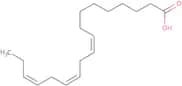
CAS :4-Chloro-3-methylbenzoic acid is a white crystalline solid that is soluble in water and alcohol. It has a melting point of 247°C and a boiling point of 305°C. This compound is used as an intermediate for the production of dyes and pharmaceuticals, such as anti-inflammatory drugs. 4-Chloro-3-methylbenzoic acid has been shown to be an inhibitor of DNA synthesis, RNA synthesis, and protein synthesis in bacteria. In addition, this compound inhibits the growth of Mycobacterium tuberculosis by inhibiting the metabolic pathways necessary for cell proliferation. 4-Chloro-3-methylbenzoic acid also has been shown to inhibit the growth of other bacteria such as Staphylococcus aureus, Escherichia coli, Streptococcus pyogenes, and Pseudomonas aeruginosa.Formule :C8H7ClO2Degré de pureté :Min. 95%Couleur et forme :PowderMasse moléculaire :170.59 g/molLinolenic acid, 98.5%
CAS :Linolenic acid is a polyunsaturated fatty acid that is an essential component of human nutrition. Linolenic acid has apoptosis-inducing properties and has been shown to induce the mitochondrial membrane potential in neuronal cells and induce neuronal death by decreasing the levels of pge2. Linolenic acid also participates in energy metabolism, as it can be converted into arachidonic acid, which is a precursor for prostaglandins. Linolenic acid has been shown to have physiological effects on humans, such as improving eye disorders and congestive heart failure. It does not seem to be linked with any toxicity or adverse effects.Formule :C18H30O2Degré de pureté :Min. 95%Couleur et forme :Colorless Clear LiquidMasse moléculaire :278.43 g/mol4-[(2-Chlorobenzyl)oxy]benzoic acid
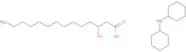
CAS :4-[(2-Chlorobenzyl)oxy]benzoic acid is a chemical building block that has been used in the synthesis of organic compounds. It is an intermediate for the production of many different products, such as pharmaceuticals and pesticides. 4-[(2-Chlorobenzyl)oxy]benzoic acid is a versatile building block that can be used to synthesize a wide range of complex compounds. This compound is also useful as a reagent in research.Formule :C14H11ClO3Degré de pureté :Min. 95%Couleur et forme :PowderMasse moléculaire :262.69 g/mol(R)-3-Hydroxy myristic acid dicyclohexylammonium salt
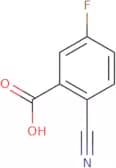
CAS :Produit contrôlé(R)-3-Hydroxy myristic acid dicyclohexylammonium salt is a fine chemical that is used as a versatile building block for the synthesis of complex compounds. It has been used as a reagent and speciality chemical in research and as a high-quality, useful intermediate. It can be used in the synthesis of new drugs, such as anti-inflammatory agents. (R)-3-Hydroxy myristic acid dicyclohexylammonium salt is also an interesting scaffold for the development of new drugs or drug leads against various diseases.Formule :C26H51NO3Degré de pureté :Min. 95%Couleur et forme :White to off-white solid.Masse moléculaire :425.69 g/mol2-Cyano-5-fluorobenzoic acid
CAS :2-Cyano-5-fluorobenzoic acid (2C5FBA) is a chemical that is synthesized by the reaction of sodium nitrite with methyl ester. It can be used in organic synthesis as a target product and can also be used as an intermediate for the synthesis of other chemicals. 2C5FBA has been shown to react with nitrogen to produce cyanide, which is toxic to humans and animals. 2C5FBA also reacts with acid methyl to produce methyl esters, which are often used as solvents in industrial settings.
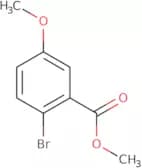
Formule :C8H4FNO2Degré de pureté :Min. 95%Couleur et forme :PowderMasse moléculaire :165.12 g/mol2-Bromo-5-methoxybenzoic acid methyl ester
CAS :2-Bromo-5-methoxybenzoic acid methyl ester is an antibiotic with a broad spectrum of activity against bacteria, including Staphylococcus aureus and Pseudomonas aeruginosa. 2-Bromo-5-methoxybenzoic acid methyl ester is an inhibitor of the enzyme benzohydrazide, which is involved in the production of prostaglandins. This drug also has antioxidant activity and can inhibit the growth of Escherichia coli and Cereus. 2-Bromo-5-methoxybenzoic acid methyl ester has analgesic properties and was shown to have analgesic activities in animal tests.Formule :C9H9BrO3Degré de pureté :Min. 95%Couleur et forme :Clear LiquidMasse moléculaire :245.07 g/molCyanuric acid
CAS :Cyanuric acid is a chemical substance that is used in the manufacturing of polymer compositions. It has been shown to be an effective inhibitor of bcl-2 protein and has been used as a matrix for analytical methods such as chromatographic analysis. The compound has also been shown to have a high rate constant, which may be due to hydrogen bonding interactions with melamine. Cyanuric acid is soluble in water vapor and its biochemical properties are similar to other compounds with similar structures.
Formule :C3H3N3O3Degré de pureté :Min. 95%Couleur et forme :White To Light (Or Pale) Yellow SolidMasse moléculaire :129.07 g/mol5-Nitro-3-pyrazolecarboxylic acid
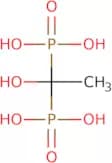
CAS :5-Nitro-3-pyrazolecarboxylic acid is a lead compound that has been shown to induce transcription of the gene encoding for the transcription factor, PPARγ. This molecule has also been shown to have anti-cancer and anti-diabetic properties in cellular and animal models. 5-Nitro-3-pyrazolecarboxylic acid has been observed to interact with other molecules by bonding to them or inhibiting their function. These interactions may be responsible for some of its diverse effects on metabolic disease, cancer, and transcription factors.Formule :C4H3N3O4Degré de pureté :Min. 95%Couleur et forme :PowderMasse moléculaire :157.08 g/mol1-Hydroxyethylidene-1,1-diphosphonic acid - 60% aqueous solution,~4.2mol/L
CAS :1-Hydroxyethylidene-1,1-diphosphonic acid (HEDP) is a phosphonate that has been used as an inhibitor of the enzyme histone deacetylase. HEDP inhibits collagen production and root formation in cells. It also inhibits the uptake and mineralization of calcium by skin cells. HEDP has a strong inhibitory effect on protein synthesis, which may be due to its ability to bind to the active site of the enzyme protein kinase. In a short-term exposure experiment using an experimental model, HEDP caused significant cellular damage in the skin, which included increased cell death and decreased cell proliferation. HEDP also caused severe disruption of collagen fibers in the dermis layer of the skin.Formule :C2H8O7P2Degré de pureté :(Titration) 59.0 To 65.0%Couleur et forme :White Clear LiquidMasse moléculaire :206.03 g/mol8-Methoxycarbonyloctanoic acid
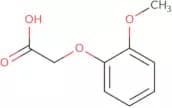
CAS :8-Methoxycarbonyloctanoic acid is a fatty acid derivative that has been found to be a potent inhibitor of platelet aggregation. It exhibits anti-platelet activity in human pathogens and in the model system studied. The mechanism of this inhibition is not clearly understood, but it may involve the inhibition of the enzyme ns3 protease or an interaction with the cell membrane. 8-Methoxycarbonyloctanoic acid has also shown antibacterial efficacy against human pathogens such as Escherichia coli, Pseudomonas aeruginosa, Klebsiella pneumoniae, and Bacillus cereus. This drug also inhibits bacterial growth by binding to DNA-dependent RNA polymerase, thereby preventing transcription and replication. The high frequency of human activity has been shown using a patch-clamp technique on human erythrocytes. This active form is metabolized through a number of metabolic transformations, including hydrolysis by esterases or glucuronFormule :C10H18O4Degré de pureté :Min. 95%Couleur et forme :White/Off-White SolidMasse moléculaire :202.25 g/mol(2-Methoxyphenoxy)acetic acid
CAS :2-Methoxyphenoxyacetic acid is an organic compound that is used as a plant growth regulator and insecticide. It belongs to the group of phenoxyacetic acids and has a molecular weight of 152.2 g/mol. The chemical formula for 2-methoxyphenoxyacetic acid is C8H10O3. This compound is used as a control agent in pest control, where it is applied to crops to prevent damage from insects and mites. 2-Methoxyphenoxyacetic acid can be synthesized by reacting 5-carboxyvanillic acid with methanol in the presence of an oxidizing agent such as potassium permanganate or hydrogen peroxide. This chemical can also be prepared by oxidation of syringyl alcohols with chromium(VI) oxide in the presence of a reducing agent such as sodium bisulfite. 2-Methoxyphenoxyacetic acid can be detectedFormule :C9H10O4Degré de pureté :Min. 95%Couleur et forme :PowderMasse moléculaire :182.17 g/mol4-Acetylferulic acid
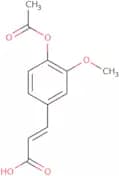
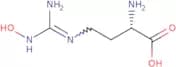
CAS :4-Acetylferulic acid is an amide that inhibits the synthesis of inflammatory substances in animals. It can be used to treat inflammatory diseases, such as arthritis, heart disease, and asthma. The mechanism of action for 4-Acetylferulic acid is not fully understood but it has been shown to inhibit the formation of aliphatic hydrocarbons. 4-Acetylferulic acid is also a precursor for the production of propylphosphonic acid and esters with hydrochloric acid and hydrochloride, respectively. It is formed from hydroxy group and an aliphatic hydrocarbon by reaction with solanum tuberosum or fat cells. This compound may also be used as a solvent or plasticizer in polymers.Formule :C12H12O5Degré de pureté :Min. 95%Couleur et forme :PowderMasse moléculaire :236.22 g/molN-w-Hydroxy-L-norarginine acetate
CAS :N-hydroxy-L-norarginine acetate is a chemical intermediate that can be used in high quality reagents and fine chemicals. It is also a useful scaffold for the synthesis of complex compounds. This compound is an N-hydroxy derivative of L-norarginine. It has been shown to be an effective building block for the synthesis of various compounds, including pharmaceuticals, pesticides, and other organic syntheses. N-hydroxy-L-norarginine acetate is soluble in water and alcohols, making it a versatile building block in reactions with solvent sensitive compounds.
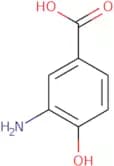
Formule :C5H12N4O3•C2H4O2Degré de pureté :Min. 95%Couleur et forme :PowderMasse moléculaire :236.23 g/mol3-Amino-4-hydroxybenzoic acid hydrate
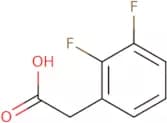
CAS :3-Amino-4-hydroxybenzoic acid hydrate is a fine chemical that is used as a versatile building block in the synthesis of pharmaceuticals, agrochemicals, and other organic chemicals. It is an intermediate for the preparation of various research chemicals. 3-Amino-4-hydroxybenzoic acid hydrate has been shown to be an effective reagent for the synthesis of certain complex compounds. It also has high quality and can be used as a reaction component in many reactions.Formule :C7H7NO3·H2ODegré de pureté :Min. 95%Couleur et forme :PowderMasse moléculaire :171.15 g/mol2,3-Difluorophenylacetic acid
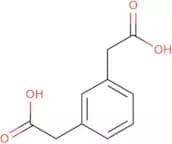
CAS :2,3-Difluorophenylacetic acid is an industrial chemical that has been used as a solvent and an additive in paint, varnish, lacquer, and rubber. It is also used to make other chemicals such as cyclen. 2,3-Difluorophenylacetic acid has been shown to have fluorescence properties that can be detected by chromatography. The use of this compound is not restricted by any major regulations or health concerns. It can be prepared industrially from carbon tetrachloride with the use of modifiers and additives. This chemical can also be localized in the environment by using chloride techniques for detection.Formule :C8H6F2O2Degré de pureté :Min. 95%Masse moléculaire :172.13 g/mol1,3-Phenylenediacetic acid
CAS :1,3-Phenylenediacetic acid is a molecule that contains an aromatic ring and two carboxylate groups. It has been shown to react with collagen and water molecules by forming hydrogen bonds. 1,3-Phenylenediacetic acid also reacts with the hydroxyl group in the cell culture media to form a crosslink between two molecules. This reaction was found to be responsible for the observed increase in stiffness of collagen gels. The vibrational and macroscopic analysis of 1,3-phenylenediacetic acid has also revealed that it adopts a tetranuclear structure at room temperature.
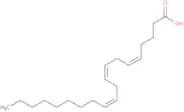
Formule :C10H10O4Degré de pureté :Min. 95%Masse moléculaire :194.18 g/mol(5Z,8Z,11Z)-5,8,11-Eicosatrienoic acid
CAS :(5Z,8Z,11Z)-5,8,11-Icosatrienoic acid is a fatty acid that has anti-angiogenic effects. This compound is synthesized from arachidonic acid by the enzyme delta-5-desaturase and inhibits the formation of new blood vessels by promoting the death of endothelial cells. The synthesis of (5Z,8Z,11Z)-5,8,11-Icosatrienoic acid in liver cells is stimulated by an increase in body mass index and a decrease in fatty acids. This molecule has been shown to have physiological effects on brain function and to have anti-inflammatory properties. It also binds to the CB2 receptor.Formule :C20H34O2Degré de pureté :Min. 95%Masse moléculaire :306.48 g/mol4-Amino-pyridine-2-carboxylic acid methyl ester
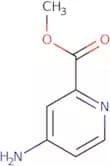
CAS :4-Amino-pyridine-2-carboxylic acid methyl ester is a compound that is used as a reactant, reagent, and building block in organic synthesis. It is also useful for the preparation of complex compounds. 4-Amino-pyridine-2-carboxylic acid methyl ester is soluble in water and has a melting point of 183°C. The CAS number for this chemical is 71469-93-7.Formule :C7H8N2O2Degré de pureté :Min. 95%Couleur et forme :White PowderMasse moléculaire :152.15 g/molTetradecylthioacetic acid
CAS :Tetradecylthioacetic acid is a molecule that binds to the response element of the gene and inhibits the production of fatty acids, which are one of the main sources of energy for cells. Tetradecylthioacetic acid has been shown to inhibit mitochondrial functions in 3T3-L1 preadipocytes and dextran sulfate polymerase chain reaction. It also has an active effect on HIV-1 replication in HL-60 cells. Tetradecylthioacetic acid may be used as a treatment for cardiac diseases with heart failure or artery disease, such as balloon injury, because it can improve cardiac contractility and reduce arrhythmia.Formule :C16H32O2SDegré de pureté :Min. 95%Couleur et forme :White PowderMasse moléculaire :288.49 g/mol2-(1H-Benzo[d]imidazol-2-yl)benzoic acid
CAS :2-(1H-Benzo[d]imidazol-2-yl)benzoic acid is a primary amine that inhibits the growth of bacteria by binding to their amino acid receptors. It has been shown to be active against a wide range of bacterial species, including Staphylococcus aureus and Salmonella enterica. 2-(1H-Benzo[d]imidazol-2-yl)benzoic acid is an efficient method for the synthesis of antibiotics and other pharmaceuticals that contain an ethyl group. The catalytic mechanism of this compound involves protonation at the carbon atom adjacent to the nitrogen atom on the imidazole ring, followed by nucleophilic attack by water. This process leads to formation of an oxime intermediate and release of ammonia as a product.Formule :C14H10N2O2Degré de pureté :Min. 95%Couleur et forme :PowderMasse moléculaire :238.24 g/molIsobarbituric acid
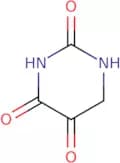
CAS :Isobarbituric acid is a glycosylase that cleaves the bond between the amino group and the hydroxyl group of uridine in DNA. It has been shown to react with nucleophilic groups at neutral pH, such as an amine or hydroxyl group. Isobarbituric acid can be used to measure oxidative damage to DNA. This compound is reactive and sensitive to UV light, which makes it useful for detecting damaged DNA. Isobarbituric acid has been shown to induce neuronal death in rodents by interfering with dendritic spine formation.
Formule :C4H4N2O3Degré de pureté :Min. 95%Couleur et forme :White PowderMasse moléculaire :128.09 g/mol1-Methyluric acid
CAS :Produit contrôlé1-Methyluric acid is a purine derivative that is a metabolite of caffeine. It is formed by the hepatic cytochrome P450 enzyme system and excreted in the urine. 1-Methyluric acid has been shown to be metabolized by rat liver microsomal enzymes, with the production of malonic acid, which may be responsible for its observed hepatotoxicity. The drug has also been shown to have an antibody response in rats and has been found to inhibit the activity of human liver enzymes. It also inhibits rat kidney enzyme activities and causes renal toxicity in rats. There are many drug interactions that can occur with 1-methyluric acid, including those with warfarin, phenytoin, carbamazepine, and diazepam. This drug should not be used in patients with severe renal impairment or chronic renal failure because it can cause acute renal failure due to its high degree of protein binding and rapid elimination from the body.
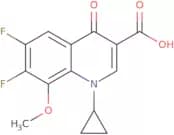
Formule :C6H6N4O3Degré de pureté :Min. 98 Area-%Couleur et forme :White PowderMasse moléculaire :182.14 g/mol1-Cyclopropyl-6,7-difluoro-1,4-dihydro-8-methoxy-4-oxo-3-quinolinecarboxylic acid
CAS :Moxifloxacin is an analog of the antibiotic quinolone. It is a prodrug that is hydrolyzed in vivo to its active form, moxifloxacin. Moxifloxacin has been shown to be effective against a variety of bacteria, including methicillin-resistant Staphylococcus aureus (MRSA), Mycobacterium tuberculosis and Mycobacterium avium complex. The reaction yield for the synthesis of moxifloxacin is very high, with an industrial production capacity in excess of 500 tons per year. Impurities are not usually found in the final product due to the use of methyl alcohol as a solvent during the reaction process. The drug has discoloring properties and deuterium atoms are often substituted for hydrogen atoms on the molecule to make it more stable. Deuterium atoms can be easily identified by mass spectrometry analysis. MoxifloxacFormule :C14H11F2NO4Degré de pureté :Min. 95%Couleur et forme :PowderMasse moléculaire :295.24 g/molOleic acid-biotin - solution in ethanol
CAS :Oleic acid-biotin is a fine chemical that is used as a versatile building block in the synthesis of complex compounds. It can also be used as a reagent for research purposes, and is a useful building block for the synthesis of various chemicals. Oleic acid-biotin is an intermediate in organic chemistry, and can be used as a reaction component in organic synthesis. It can also act as a scaffold for drug design and development. This product has been shown to have high quality and purity, making it suitable for use in various reactions.Formule :C28H50N4O3SDegré de pureté :Min. 95%Couleur et forme :Colorless PowderMasse moléculaire :522.79 g/mol(S)-(+)-Mandelic acid
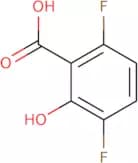
CAS :Produit contrôlé(S)-(+)-Mandelic acid is a crystalline polymorph that belongs to the amide class of chemicals. It is an amphoteric substance, meaning it can act as either an acid or a base depending on the pH of its surroundings. (S)-(+)-Mandelic acid has been shown to inhibit enzyme activity in vitro, with the exception of hydrogen bonding interactions and hydroxyl group reactions. This chemical also inhibits the synthesis of proteins and DNA, which may be due to its ability to react with water molecules in aqueous solution. (S)-(+)-Mandelic acid has been found to have anti-inflammatory properties, which may be due to its ability to decrease prostaglandin synthesis by inhibiting cyclooxygenase enzymes.Formule :C8H8O3Degré de pureté :Min. 99 Area-%Couleur et forme :White PowderMasse moléculaire :152.15 g/mol3,6-Difluoro-2-hydroxybenzoic acid methyl ester
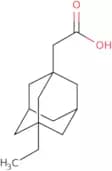
CAS :3,6-Difluoro-2-hydroxybenzoic acid methyl ester is a combination of two substances that are used as deodorants and antiperspirants. They work by blocking the pores in the skin, which prevents perspiration and reduces body odor. 3,6-Difluoro-2-hydroxybenzoic acid methyl ester is not an anti-inflammatory drug.Formule :C7H4F2O3Degré de pureté :Min. 95%Masse moléculaire :174.1 g/mol(3-Ethyl-1-adamantyl)acetic acid
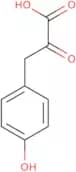
CAS :3-Ethyl-1-adamantyl)acetic acid is a byproduct of the chemical reaction between 3-ethyladamantanecarboxylic acid and acetic anhydride. It is used in the synthesis of various compounds with pharmaceutical, agricultural, and other industrial applications. 3-Ethyl-1-adamantyl)acetic acid has been shown to be a useful scaffold for the preparation of complex compounds. It is also used as a reagent in organic syntheses and as a building block for the synthesis of high quality fine chemicals.Formule :C14H22O2Degré de pureté :Min. 95%Couleur et forme :PowderMasse moléculaire :222.32 g/mol4-Hydroxyphenylpyruvic acid
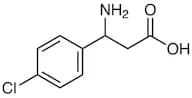
CAS :4-Hydroxyphenylpyruvic acid is a natural compound that is found in the plant Pueraria lobata. It has inhibitory properties against tyrosine, photosynthetic activity and enzyme activities. This compound inhibits methyltransferase, which is an enzyme that catalyzes the transfer of a methyl group from S-adenosylmethionine to the substrate. 4-Hydroxyphenylpyruvic acid also inhibits dioxygenase enzymes, which are involved in the oxidation of organic compounds by molecular oxygen. 4-Hydroxyphenylpyruvic acid can be used as a potential chemical biology tool for studying natural products and their biosynthesis.Formule :C9H8O4Degré de pureté :Min. 95%Couleur et forme :White PowderMasse moléculaire :180.16 g/mol3-Amino-3-(4-chlorophenyl)propionic Acid
CAS :Formule :C9H10ClNO2Degré de pureté :>97.0%(T)(HPLC)Couleur et forme :White to Almost white powder to crystalMasse moléculaire :199.63Sodium dibutyldithiocarbamate, 40% aqueous solution
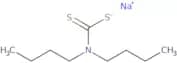
CAS :Sodium dibutyldithiocarbamate is a chemical that belongs to the group of cross-linking agents. It is used in the production of rubber and plastic products, as well as in textile finishing. This chemical is also used in the treatment of allergic reactions, such as those caused by poison ivy. Sodium dibutyldithiocarbamate has been shown to be an effective crosslinker for elastomeric polymers, such as natural rubber and synthetic polymers, including polychloroprene and styrene-butadiene copolymers. The viscosity of sodium dibutyldithiocarbamate solutions are dependent on the concentration, and can range from about 1 centipoise (cP) at 40% to 3 cP at 60%. Its average particle diameter ranges from 10 nm to 20 nm.Formule :C9H18NNaS2Couleur et forme :Clear LiquidMasse moléculaire :227.37 g/mol3-Methyl-2-nitrobenzoic acid - 95%
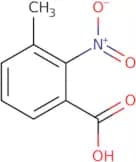
CAS :3-Methyl-2-nitrobenzoic acid is a compound with the molecular formula of C6H5NO2. It is an organic compound that has been shown to be useful in wastewater treatment as an oxidation catalyst and in the photocatalytic oxidation of nitroaromatic compounds. 3-Methyl-2-nitrobenzoic acid can be synthesized by reaction of 2-methyl-6-nitrobenzoic acid with nitrous acid in water. The solubility data for 3-methyl-2-nitrobenzoic acid shows that it is soluble in water, acetone, and ethanol. The thermodynamic properties show that the solubility increases as temperature increases. Soluble compounds are typically more stable than insoluble compounds because they are able to react with other substances more easily. 3-Methyl-2-nitrobenzoic acid is also insoluble in hexane and dichloromethane.Formule :C8H7NO4Degré de pureté :Min. 95%Couleur et forme :PowderMasse moléculaire :181.15 g/mol4-Chlorosalicylic acid
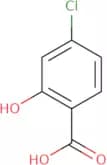
CAS :4-Chlorosalicylic acid is an inhibitor of bacterial growth that belongs to the group of phenolic compounds. It has been shown to inhibit the growth of bacteria in cell culture and be effective against a wide range of species, including Escherichia coli and Staphylococcus aureus. 4-Chlorosalicylic acid inhibits bacterial enzyme activities, such as 5-nitrosalicylic acid hydroxylase and diphenolase activities. This compound has also been shown to have anti-inflammatory properties, which may be due to its ability to inhibit prostaglandin synthesis. 4-Chlorosalicylic acid is an active intermediate in the production of other drugs such as 2,4-dichloroacetophenone and 2,5-dichlorobenzonitrile.Formule :C7H5ClO3Degré de pureté :Min. 95%Couleur et forme :PowderMasse moléculaire :172.57 g/molTetradecyl acetate
CAS :Tetradecyl acetate is a chemical compound that belongs to the class of pheromones. It has antioxidative properties and has been shown to have genotoxic activity, which may be due to its ability to inhibit transcriptional regulation. Tetradecyl acetate also has a strong effect on voltage-dependent calcium channels and can act as a cyclase inhibitor. This molecule is active in vivo in humans, which may be related to its ability to inhibit HIV infection.
Formule :C16H32O2Degré de pureté :Min. 95%Couleur et forme :Colorless PowderMasse moléculaire :256.42 g/molL-beta-Imidazole lactic acid
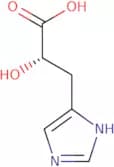
CAS :L-beta-imidazole lactic acid is a monocarboxylic acid that has been shown to inhibit mutant strains of cancer cells, which are resistant to chemotherapeutic agents. It is an inhibitor of acetylcholine metabolism and has been shown to induce lysis in cultured human leukemic cells. L-beta-imidazole lactic acid has also been shown to be effective in the treatment of cancer patients with a specific mutation. This compound inhibits the growth of wild-type strains of cells and blocks biochemical pathways that lead to cell proliferation.Formule :C6H8N2O3Degré de pureté :Min. 95%Couleur et forme :Brown SolidMasse moléculaire :156.14 g/molAminooxyacetic acid hydrochoride
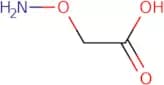
CAS :Aminooxyacetic acid hydrochoride is a nitric oxide synthase inhibitor that binds to the active site of the enzyme and prevents it from producing nitric oxide. Nitric oxide is an important molecule in many biological processes, such as vasodilation, neurotransmission, and cell signaling. This inhibitor has been shown to be effective against a number of cancers including prostate cancer cells and breast cancer cells. Aminooxyacetic acid hydrochoride has also been shown to increase the expression of basic proteins in neuronal cells and inhibit DNA synthesis by binding to polymerase chain reaction primers. It also inhibits α7 nicotinic acetylcholine receptors, which are involved in learning and memory. A matrix effect on wild-type strains has been observed when aminooxyacetic acid hydrochloride is added to culture media as well.Formule :C2H4NO3•HClCouleur et forme :White Off-White PowderMasse moléculaire :91.07 g/molMethyl 1-ethyl-3-methyl-1H-pyrazole-5-carboxylate
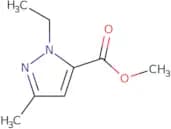
CAS :Methyl 1-ethyl-3-methyl-1H-pyrazole-5-carboxylate is a fine chemical that can be used as a building block in organic synthesis. It has been shown to provide a useful intermediate in the synthesis of other compounds, such as medicinal products and pesticides. Methyl 1-ethyl-3-methyl-1H-pyrazole-5-carboxylate is also a versatile building block for the manufacture of complex compounds. CAS No. 88398–73–6Formule :C8H12N2O2Degré de pureté :Min. 95%Couleur et forme :Colorless PowderMasse moléculaire :168.19 g/mol2-Amino-3,5-dichlorobenzoic acid
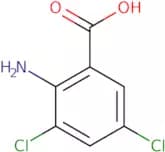
CAS :2-Amino-3,5-dichlorobenzoic acid is a petrochemical that has been used in the production of other chemicals, such as phosphorus pentachloride. It also serves as a precursor for molybdenum and ATP binding cassette transporter. 2-Amino-3,5-dichlorobenzoic acid binds to the hydrochloric acid and sodium hydroxide solution present in the stomach to produce hydrochloric acid and sodium chloride. 2-Amino-3,5-dichlorobenzoic acid is also a precursor for quinazolone, which is used in the production of dyes and pharmaceuticals. It has also been shown to inhibit plant physiology by inhibiting chlorophyll synthesis.Formule :C7H5Cl2NO2Degré de pureté :Min. 95%Couleur et forme :PowderMasse moléculaire :206.03 g/molMethyl 4-methoxy-2-indolecarboxylate
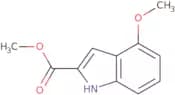
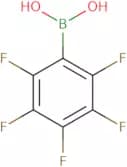
CAS :Methyl 4-methoxy-2-indolecarboxylate is a natural product that has been shown to have cytotoxic and anticancer activity. It was first isolated from the leaves of Picrasma excelsa, which is a plant native to Southeast Asia. Methyl 4-methoxy-2-indolecarboxylate has been found to be effective against breast cancer cell lines and human cancer cells in culture. The anticancer effects may be due to its ability to inhibit protein synthesis by inhibiting the ribosome. This compound also inhibits dehydrocrenatine, which is a precursor of the hormone crenatine, thus leading to decreased production of this hormone.Formule :C11H11NO3Degré de pureté :Min. 95%Couleur et forme :PowderMasse moléculaire :205.21 g/molPentafluorobenzeneboronic acid
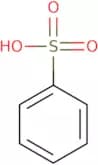
CAS :Pentafluorobenzeneboronic acid is a boronic acid that is used in the synthesis of cationic polymers for use as an environmentally friendly alternative to perfluoroalkyl compounds. Pentafluorobenzeneboronic acid can be synthesized by the reaction of hydrochloric acid and pentafluorophenol. The energy efficiency of this molecule is low, which makes it an attractive candidate for use in polymer synthesis. Pentafluorobenzeneboronic acid reacts with nucleophiles at its α carbon to form a covalent linkage, which is reversible under certain conditions. This chemical has been shown to react with β-unsaturated ketones and trifluoroacetic acid to form polyenes with control experiments being done by adding ammonia gas or water to the reaction mixture.Formule :C6H2BF5O2Degré de pureté :Min. 95%Couleur et forme :SolidMasse moléculaire :211.88 g/molBenzenesulfonic acid
CAS :Benzenesulfonic acid is a sulfonic acid that is used in the preparation of glycol esters. It has been shown to have a synergic effect with trifluoroacetic acid and human serum, which leads to potent antitumor activity. Benzenesulfonic acid also has a strong inhibitory effect on sodium salts and benzimidazole compounds, which are model systems for studying the dihydrate salt form. This compound can be used as an analytical method for determining the structure of benzenesulfonic acids.
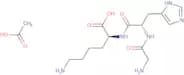
Formule :C6H6SO3Degré de pureté :Min. 95%Couleur et forme :Off-White To Brown SolidMasse moléculaire :158.18 g/molGly-His-Lys acetate salt
CAS :Produit contrôléGly-His-Lys acetate salt is a module that is used in the desiccant industry and has diameters between 1mm and 5mm. The diameter of this product is statistically greater than other products in the same category. This product is made of aluminum, which provides high thermal conductivity, while also being an excellent desiccant due to its low cost. It can be used in both solar and ulta-fine applications. This product is most commonly used for colonoscopy procedures as it can be easily excised from polyester film.
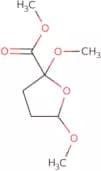
Formule :C14H24N6O4·C2H4O2Degré de pureté :Min. 95%Couleur et forme :SolidMasse moléculaire :400.43 g/molMethyl tetrahydro-2,5-dimethoxy-2-furancarboxylate
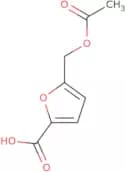
CAS :Methyl tetrahydro-2,5-dimethoxy-2-furancarboxylate is a sterically bulky molecule with a nitrogen atom in the ortho position. It has been used for the synthesis of various heterocyclic compounds. The steric bulk of methyl tetrahydro-2,5-dimethoxy-2-furancarboxylate prevents it from being substituted easily. This can be demonstrated by the refluxing of methyl tetrahydro-2,5-dimethoxy-2-furancarboxylate in benzene. The steric bulk also causes electron density to be distributed around methyl tetrahydro-2,5-dimethoxy-2-furancarboxylate, which creates a conjugated system.Formule :C8H14O5Degré de pureté :Min. 95%Couleur et forme :Colourless To Pale Yellow Clear LiquidMasse moléculaire :190.19 g/mol5-Acetoxymethyl-2-furancarboxylic acid
CAS :5-Acetoxymethyl-2-furancarboxylic acid is a natural product of the fungi. It has potent anti-fungal activity against a number of endophytic fungi, including those from marine sponges. 5-Acetoxymethyl-2-furancarboxylic acid has been shown to inhibit the growth of bacteria that are resistant to penicillin, ampicillin, and erythromycin. The bioactive compound also inhibits the growth of leukemia cells and is used as an anti-infective agent in the treatment of infections caused by staphylococcus. The active form binds to bacterial 16S ribosomal RNA and inhibits protein synthesis, leading to cell death by inhibiting the production of proteins vital for cell division.Formule :C8H8O5Degré de pureté :Min. 95%Couleur et forme :White To Light (Or Pale) Yellow SolidMasse moléculaire :184.15 g/mol3-Cyanomethylbenzoic acid methyl ester
CAS :3-Cyanomethylbenzoic acid methyl ester is a synthetic chemical compound that is used as an intermediate in the production of other chemicals. It is a chlorination agent that reacts with toluene and methanol in the presence of chlorine to produce 3-chloromethylbenzoic acid methyl ester. This reaction also produces a byproduct called sulphone, which can be converted into acylation reagents for use in organic synthesis. The chloride ion can be used for cyanation reactions, which are useful for producing dyes or pharmaceuticals.Formule :C10H9NO2Degré de pureté :Min. 95%Couleur et forme :SolidMasse moléculaire :175.18 g/mol2-Amino-6-methoxybenzoic acid
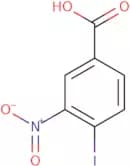
CAS :2-Amino-6-methoxybenzoic acid is a monosubstituted amide, which is synthesized by the hydrolysis of 2-amino-5-methylbenzoic acid with hydrochloric acid in the presence of diacetate. This compound is formed as part of the biosynthesis of aminophenols and heterocycles. It can be used to adsorb metal ions and organic compounds, such as chloride and butyllithium. 2-Amino-6-methoxybenzoic acid is also found in aeruginosa infections due to its ability to inhibit bacterial growth by inhibiting protein synthesis. The synthesis of this compound requires shikimate pathway enzymes.Formule :C8H9NO3Degré de pureté :Min. 95%Couleur et forme :PowderMasse moléculaire :167.16 g/mol4-Iodo-3-nitrobenzoic acid
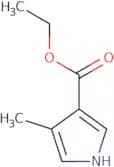
CAS :4-Iodo-3-nitrobenzoic acid (4-INBA) is a nitro derivative of the aromatic acid. It is used as a chemotherapeutic agent and an intermediate in the synthesis of other drugs. 4-INBA has been shown to be cytotoxic to hamsters and inhibit cellular growth by binding to DNA polymerase and inhibiting DNA synthesis. 4-INBA also binds to RNA polymerase, inhibiting RNA synthesis and protein production, which causes cell death.Formule :C7H4INO4Degré de pureté :90%Couleur et forme :PowderMasse moléculaire :293.02 g/molEthyl 4-methylpyrrole 3-carboxylate
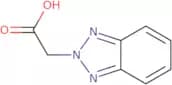
CAS :Ethyl 4-methylpyrrole 3-carboxylate is a monomer that belongs to the group of functional groups. It is used in the polymerization process and has been shown to be able to imprint or introduce other functional groups into polymers. The following are some of its properties: it can be used as an operational group, it has chemical interactions with other functional groups, and it can be used for selectivity techniques. It also has isomeric properties, which depend on the type of functional group attached. Some examples of these properties are electrochemical polymerization and electropolymerization. The molecule also interacts with different polarities depending on the type of functional group attached.Formule :C8H11NO2Degré de pureté :Min. 95%Couleur et forme :Yellow PowderMasse moléculaire :153.18 g/mol2H-1,2,3-Benzotriazol-2-ylacetic acid
CAS :2H-1,2,3-Benzotriazol-2-ylacetic acid is a benzotriazole that crystallizes in the form of a polymorph. It has a stacking interaction with water molecules and hydrogen bonding to an adjacent molecule. The crystal structure of 2H-1,2,3-Benzotriazol-2-ylacetic acid has been determined by X-ray diffraction methods. The conformation of the molecule is an antiparallel beta sheet, which contains two helices. The molecular geometry is linear and there are no intermolecular interactions between 2H-1,2,3-Benzotriazol-2-ylacetic acid and water.Formule :C8H7N3O2Degré de pureté :Min. 95%Couleur et forme :White PowderMasse moléculaire :177.16 g/mol3-Methyladipic acid
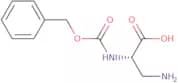
CAS :3-Methyladipic acid is a molecule that is formed from the chemical reaction of ethylmalonic acid and pyrimidine compounds. 3-Methyladipic acid can be found in urine samples, where it is excreted as a hydrated form. It is also soluble in organic solvents such as ethanol and acetone. This compound has been used to identify the presence of fatty acids in biological fluids by liquid chromatography. The addition of malonic acid to 3-methyladipic acid changes its phase composition, which can be observed using a polarizing microscope. 3-Methyladipic acid has also been used to study tubule cells, which are found in the kidney and are involved in the reabsorption of water and electrolytes.Formule :C7H12O4Degré de pureté :Min. 95%Couleur et forme :PowderMasse moléculaire :160.17 g/molN(alpha)-Z-L-2,3-Diaminopropionic acid
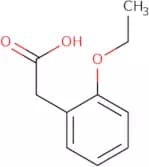
CAS :N(alpha)-Z-L-2,3-Diaminopropionic acid is a reagent or building block for the synthesis of complex compounds. It is also a useful intermediate in organic chemistry as well as being used as a reactant and reaction component. This compound is soluble in water and can be stored at room temperature. N(alpha)-Z-L-2,3-Diaminopropionic acid has CAS number 35761-26-3 and can be found under speciality chemical. N(alpha)-Z-L-2,3-Diaminopropionic acid is a versatile building block that can be used to synthesize many types of organic compounds with high quality.Formule :C11H14N2O4Degré de pureté :Min. 95%Couleur et forme :White PowderMasse moléculaire :238.24 g/mol2-Ethoxyphenylacetic acid
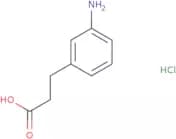
CAS :2-Ethoxyphenylacetic acid (2EPA) is a drug that has been used in the treatment of cancer. It is a hydrophobic molecule that can inhibit the activity of various enzymes, such as sildenafil and triazolone. 2EPA has shown to be an antagonist at the active site of quinazolinone, which is a molecule involved in erectile dysfunction. The physicochemical properties of 2EPA have been studied using molecular dynamics simulations and quantum mechanical computations. This drug is able to form hydrophobic interactions with the active site of quinazolinone, which may account for its antagonistic activity.Formule :C10H12O3Degré de pureté :90%Couleur et forme :PowderMasse moléculaire :180.2 g/molbeta-(3-Aminophenyl)propionic acid hydrochloride
CAS :Beta- (3-aminophenyl)propionic acid hydrochloride is a drug that belongs to the class of pharmaceuticals and is used as a gastric antacid. It has been shown to be effective in treating acute and chronic gastritis, as well as ulcers in humans. Beta-(3-aminophenyl)propionic acid hydrochloride has been shown to have strong effects on tissues, membranes, and chlorides. The drug binds to hydrogen chloride and chlorine ions in the stomach, thereby preventing the formation of hydrochloric acid (HCL). This prevents the damage caused by HCL on tissues and membranes of the stomach. Beta-(3-aminophenyl)propionic acid hydrochloride also has health effects with high concentrations, such as chloroform or chlorine gas.Formule :C9H12ClNO2Degré de pureté :Min. 95%Masse moléculaire :201.65 g/molFmoc-cis-4-aminocyclohexane carboxylic acid
CAS :Fmoc-cis-4-aminocyclohexane carboxylic acid is a reagent, useful for the synthesis of complex compounds. It is also used as an intermediate in the production of fine chemicals and speciality chemicals. In addition, it is a versatile building block that can be used to synthesize many different types of compounds, including pharmaceuticals and pesticides. Fmoc-cis-4-aminocyclohexane carboxylic acid is a high quality compound with a CAS number of 147900-45-6. It has been shown to be an effective scaffold for the synthesis of novel reaction components.Formule :C22H23NO4Degré de pureté :Min. 95%Couleur et forme :White/Off-White SolidMasse moléculaire :365.42 g/mol4-[(4-Chlorobenzyl)oxy]benzoic acid
CAS :4-[(4-Chlorobenzyl)oxy]benzoic acid is a methyl ester of 4-chlorobenzoic acid, which is an organic compound. It is a herbicide that has been shown to be effective against weeds in rice fields. The herbicidal activity of 4-[(4-Chlorobenzyl)oxy]benzoic acid may be due to the inhibition of the plant enzyme dehydrohalogenating, which plays an important role in the synthesis of chlorophyll and other pigments. The herbicidal properties are also likely due to its ability to inhibit the enzyme carbonate, which is involved in the biosynthesis of fatty acids and sterols.
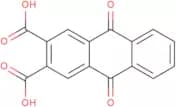
Formule :C14H11ClO3Degré de pureté :Min. 95%Couleur et forme :PowderMasse moléculaire :262.69 g/mol2,3-Anthraquinonedicarboxylic acid
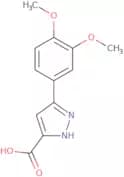
CAS :2,3-Anthraquinonedicarboxylic acid is a molecule that can be synthesized by the dehydration of 4-tert-butylbenzoic acid in the presence of fluorine and chlorine. This compound has been shown to have antibacterial activity against gram-positive bacteria. 2,3-Anthraquinonedicarboxylic acid inhibits bacterial growth by binding to the functional groups on ribosomes and preventing protein synthesis. It also interacts with nitro groups and accepts electrons from polycarboxylic acids, which may lead to its increased antibacterial activity. The molecular structure of 2,3-anthraquinonedicarboxylic acid contains a double bond between carbons 2 and 3, which is broken down during synthesis. This reaction forms a disulfide bond.Formule :C16H8O6Degré de pureté :Min. 95%Couleur et forme :Off-White PowderMasse moléculaire :296.23 g/mol3-(3,4-Dimethoxyphenyl)-1H-pyrazole-5-carboxylic acid
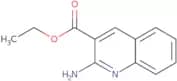
CAS :3-(3,4-Dimethoxyphenyl)-1H-pyrazole-5-carboxylic acid is a fine chemical that is used as a building block for other compounds. It is also a research chemical that can be used in the production of many types of drugs and chemicals. 3-(3,4-Dimethoxyphenyl)-1H-pyrazole-5-carboxylic acid has been shown to be a useful reagent for reactions involving alcohols, amines, and acids. This product is also a versatile building block for the synthesis of complex molecules with many types of substituents.Formule :C12H12N2O4Degré de pureté :Min. 95%Couleur et forme :White PowderMasse moléculaire :248.23 g/molEthyl-2-aminoquinoline-3-carboxylate
CAS :Ethyl-2-aminoquinoline-3-carboxylate is an intramolecular reductive coupling product. It was synthesized by the reductive coupling of nitrobenzene with triethylamine in the presence of a copper salt. The use of ethyl cyanoacetate as a starting material for this synthesis has been shown to produce regioselective products with high yields. Ethyl-2-aminoquinoline-3-carboxylate is used in the synthesis of quinoline derivatives and fluoroquinolone antibiotics. This compound has been shown to have optimum properties for GC/MS analysis, which makes it an advance in the field of chemistry.
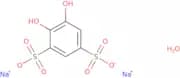
Formule :C12H12N2O2Degré de pureté :Min. 95%Couleur et forme :PowderMasse moléculaire :216.24 g/mol4,5-Dihydroxy-1,3-benzenedisulfonic acid
CAS :4,5-Dihydroxy-1,3-benzenedisulfonic acid (DHBDS) is a calcium-binding compound that has been shown to have anti-inflammatory and antinociceptive properties in animal models. DHBDS is also known to inhibit the activity of p450 enzymes, thereby reducing the production of reactive oxygen species. It can be used for wastewater treatment and skin cancer prevention. DHBDS has been shown to have an absorption enhancer effect on drugs such as growth factor β1, which may be due to its ability to transfer electrons from NADH to cytochrome P450.Formule :C6H6Na2O9S2Degré de pureté :Min. 95%Masse moléculaire :332.22 g/mol



![5,6,7,7a-Tetrahydrothieno[3,2-c]pyridine-2(4H)-onepara-toluenesulfonic acidsalt](/_next/image/?url=https%3A%2Fstatic.cymitquimica.com%2Fproducts%2F3D%2Fthumb-webp%2FFT153026.webp&w=3840&q=75)



![[4-(Allyloxy)phenyl]boronic acid](/_next/image/?url=https%3A%2Fstatic.cymitquimica.com%2Fproducts%2F3D%2Fthumb-webp%2FFA121987.webp&w=3840&q=75)

![4-[(2-Chlorobenzyl)oxy]benzoic acid](/_next/image/?url=https%3A%2Fstatic.cymitquimica.com%2Fproducts%2F3D%2Fthumb-webp%2FFC119032.webp&w=3840&q=75)




![2-(1H-Benzo[d]imidazol-2-yl)benzoic acid](/_next/image/?url=https%3A%2Fstatic.cymitquimica.com%2Fproducts%2F3D%2Fthumb-webp%2FFB142013.webp&w=3840&q=75)








![4-[(4-Chlorobenzyl)oxy]benzoic acid](/_next/image/?url=https%3A%2Fstatic.cymitquimica.com%2Fproducts%2F3D%2Fthumb-webp%2FFC119049.webp&w=3840&q=75)