Acides carboxyliques
12457 produits trouvés pour "Acides carboxyliques"
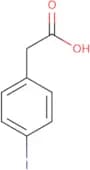
(4-Iodophenyl)acetic acid
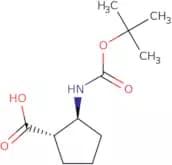
CAS :(4-Iodophenyl)acetic acid is a chemical compound that is used as an analog in the synthesis of other compounds. This compound has been shown to be effective against solid tumours, such as prostate and bladder cancer. The asymmetric synthesis of (4-iodophenyl)acetic acid has been achieved by using a constant of 2,2'-dichloro-1,1'-binaphthyl and the corresponding 1-bromoalkene. The uptake of this chemical compound in cells has been shown to be rapid and concentration dependent. It binds to two subunits of the prostacyclin receptor and blocks its activation by prostaglandins. (4-Iodophenyl)acetic acid also interacts with the membrane surface through hydrogen bonding with phosphatidylethanolamine and phosphatidylcholine lipids.Formule :C8H7IO2Degré de pureté :Min. 95%Couleur et forme :Red PowderMasse moléculaire :262.04 g/mol(1S,2S)-Boc-aminocyclopentane carboxylic acid
CAS :(1S,2S)-Boc-aminocyclopentane carboxylic acid is a useful scaffold for the synthesis of complex compounds and pharmaceuticals. It has been used as a building block for the synthesis of bioactive natural products and pharmaceuticals. This product is also used as an intermediate in the production of research chemicals and speciality chemicals. It can be used as a reagent in organic chemistry reactions, such as peptide coupling, esterification, oxidation, reduction, nitration, sulfonylation, and Friedel-Crafts acylation. (1S,2S)-Boc-aminocyclopentane carboxylic acid has high purity with CAS No. 143679-80-5 and is available at competitive prices.Formule :C11H19NO4Degré de pureté :Min. 95%Couleur et forme :White PowderMasse moléculaire :229.27 g/molLinolenic acid, 98.5%
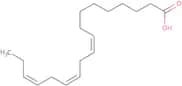
CAS :Linolenic acid is a polyunsaturated fatty acid that is an essential component of human nutrition. Linolenic acid has apoptosis-inducing properties and has been shown to induce the mitochondrial membrane potential in neuronal cells and induce neuronal death by decreasing the levels of pge2. Linolenic acid also participates in energy metabolism, as it can be converted into arachidonic acid, which is a precursor for prostaglandins. Linolenic acid has been shown to have physiological effects on humans, such as improving eye disorders and congestive heart failure. It does not seem to be linked with any toxicity or adverse effects.Formule :C18H30O2Degré de pureté :Min. 95%Couleur et forme :Colorless Clear LiquidMasse moléculaire :278.43 g/molMethyl 1-ethyl-3-methyl-1H-pyrazole-5-carboxylate
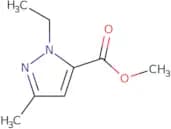
CAS :Methyl 1-ethyl-3-methyl-1H-pyrazole-5-carboxylate is a fine chemical that can be used as a building block in organic synthesis. It has been shown to provide a useful intermediate in the synthesis of other compounds, such as medicinal products and pesticides. Methyl 1-ethyl-3-methyl-1H-pyrazole-5-carboxylate is also a versatile building block for the manufacture of complex compounds. CAS No. 88398–73–6Formule :C8H12N2O2Degré de pureté :Min. 95%Couleur et forme :Colorless PowderMasse moléculaire :168.19 g/molN-(4-Fluorophenyl)Anthranilic Acid
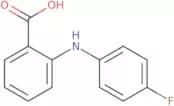
CAS :N-(4-Fluorophenyl)Anthranilic Acid is a fine chemical that is used as a scaffold for research chemicals, reaction components, and speciality chemicals. It can be used as a building block for complex compounds and useful building blocks. This compound has been shown to have high quality and can be used as an intermediate in the synthesis of other chemicals. N-(4-Fluorophenyl)Anthranilic Acid is a versatile building block that can be used in the synthesis of many different types of compounds. It also has been shown to be useful in the production of pharmaceuticals, dyes, pesticides, and herbicides.Formule :C13H10FNO2Degré de pureté :Min. 95%Couleur et forme :Green PowderMasse moléculaire :231.22 g/mol(2-Fluoro-4-methylsulfonylphenyl)boronic acid
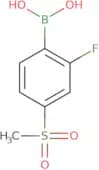
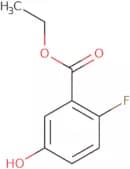
CAS :2-Fluoro-4-methylsulfonylphenyl)boronic acid is a fine chemical that is useful as a scaffold for the production of other compounds. It can be used as a versatile building block in organic synthesis, and is often used as an intermediate or research chemical. 2-Fluoro-4-methylsulfonylphenyl)boronic acid has been shown to react with many different types of compounds, making it a valuable reagent. This compound is also known for its high quality, which makes it an excellent choice for use in reactions that require speciality chemicals.Formule :C7H8BFO4SDegré de pureté :Min. 95%Couleur et forme :White PowderMasse moléculaire :218.01 g/mol2-Fluoro-5-hydroxybenzoic acid ethyl ester
CAS :2-Fluoro-5-hydroxybenzoic acid ethyl ester is a fine chemical that is used as a versatile building block, complex compound, and reagent. It has been used in the synthesis of novel drugs, such as oseltamivir. 2-Fluoro-5-hydroxybenzoic acid ethyl ester has been shown to have useful properties in research, such as being an intermediate for the synthesis of other compounds. This chemical can also be used as a scaffold for the synthesis of other compounds.Formule :C9H9FO3Degré de pureté :Min. 95%Masse moléculaire :184.16 g/molReserpiline
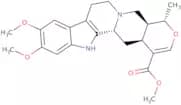
CAS :Methyl (3beta,19alpha,20alpha)-16,17-didehydro-10,11-dimethoxy-19-methyloxayohimban-16-carboxylate is a trifluoroacetate ester of apocynin. It is used to treat bowel disease by reducing inflammation and stimulating the growth of new cells in the epithelium. Apocynin has been shown to inhibit the release of inflammatory cytokines such as epidermal growth factor (EGF) in vitro. In vivo studies have shown that it reduces symptoms of bowel disease and prevents ulceration. Apocynin has been shown to be a potent analog for EGF and has been studied for its potential use in the treatment of cancer. However, it has also been found to cause psychosis when administered at high doses. The toxicity studies on apocynin show that it is not toxic at lower doses but becomes more toxic at higher doses dueFormule :C23H28N2O5Degré de pureté :Min. 95%Couleur et forme :PowderMasse moléculaire :412.48 g/molEthyl 4-methylpyrrole 3-carboxylate
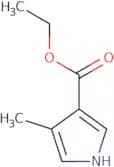
CAS :Ethyl 4-methylpyrrole 3-carboxylate is a monomer that belongs to the group of functional groups. It is used in the polymerization process and has been shown to be able to imprint or introduce other functional groups into polymers. The following are some of its properties: it can be used as an operational group, it has chemical interactions with other functional groups, and it can be used for selectivity techniques. It also has isomeric properties, which depend on the type of functional group attached. Some examples of these properties are electrochemical polymerization and electropolymerization. The molecule also interacts with different polarities depending on the type of functional group attached.Formule :C8H11NO2Degré de pureté :Min. 95%Couleur et forme :Yellow PowderMasse moléculaire :153.18 g/molEthyl 2-(thiazol-2-yl)acetate
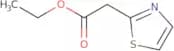
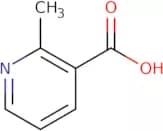
CAS :Ethyl 2-(thiazol-2-yl)acetate is a versatile building block that can be used as a reagent, speciality chemical, or useful scaffold. It is an intermediate in the synthesis of various pharmaceuticals, including Cefoperazone and Clopidogrel. This product is useful for the preparation of a variety of compounds, such as research chemicals and fine chemicals. Ethyl 2-(thiazol-2-yl)acetate has high purity and can be used as a reaction component for the production of other compounds.Formule :C7H9NO2SDegré de pureté :Min. 95%Couleur et forme :PowderMasse moléculaire :171.22 g/mol2-Methylnicotinic acid
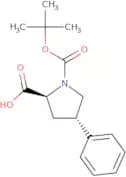
CAS :2-Methylnicotinic acid is a compound that belongs to the amide group. It is an aromatic hydrocarbon that has been shown to be active in animals. 2-Methylnicotinic acid has been shown to have anti-inflammatory properties, which may be due to its ability to inhibit prostaglandin synthesis. This compound also prevents the development of autoimmune diseases by blocking the receptor activity of T cells and preventing the production of inflammatory cytokines.Formule :C7H7NO2Degré de pureté :Min. 95%Couleur et forme :White PowderMasse moléculaire :137.14 g/molBoc-(2S,4S)-4-phenylpyrrolidine-2-carboxylic acid
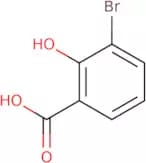
CAS :Boc-(2S,4S)-4-phenylpyrrolidine-2-carboxylic acid is a versatile building block that can be used in the synthesis of complex compounds. It has been shown to be a useful intermediate in the synthesis of pharmaceuticals and other compounds. Boc-(2S,4S)-4-phenylpyrrolidine-2-carboxylic acid is also a reagent for the preparation of heterocyclic compounds and other research chemicals. This chemical is soluble in methanol and water, but insoluble in ether or chloroform. The CAS number for this product is 96314-29-3.Formule :C16H21NO4Degré de pureté :Min. 95%Couleur et forme :White PowderMasse moléculaire :291.34 g/mol3-Bromosalicylic acid
CAS :3-Bromosalicylic acid is a metabolite of salicylic acid and has shown clinical use in the treatment of cancer. 3-Bromosalicylic acid is synthesized from cyclohexanol and chlorine. It is a toxic compound that has been shown to inhibit protein synthesis in bacteria, including soil bacteria, but not in mammalian cells. This is due to its interaction with organic ligands that are present in the bacterial cell wall and not in mammalian cells. 3-Bromosalicylic acid also has been found to be a ligand for the receptor, PI3Kδ inhibitor, which inhibits tumor growth and metastasis by inhibiting phosphatidylinositol 3-kinase (PI3K) delta activity.
Formule :C7H5BrO3Degré de pureté :Min. 95%Couleur et forme :PowderMasse moléculaire :217.02 g/mol(+)-(1S,3R)-3-Amino-cyclopentane carboxylic acid
CAS :The nature of the amino acid side chain plays a major role in determining the properties of an amino acid. The side chain is either hydrophobic (CH3) or hydrophilic (NH2). Amino acids are arranged into subunits. The alpha-amino group is attached to the carbon atom at the end of the side chain, and the carboxyl group is attached to a second carbon atom on a different molecule. These two molecules are joined by a chemical bond called an amide bond. The alpha-carboxyl group determines whether an amino acid will be acidic or basic in nature. The pH scale ranges from 0 to 14, with 7 being neutral, and numbers higher than 7 indicating alkaline conditions. Constant values for each amino acid can be found on this website:
Formule :C6H11NO2Degré de pureté :Min. 95%Couleur et forme :White PowderMasse moléculaire :129.16 g/molOleic acid-biotin - solution in ethanol
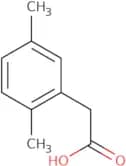
CAS :Oleic acid-biotin is a fine chemical that is used as a versatile building block in the synthesis of complex compounds. It can also be used as a reagent for research purposes, and is a useful building block for the synthesis of various chemicals. Oleic acid-biotin is an intermediate in organic chemistry, and can be used as a reaction component in organic synthesis. It can also act as a scaffold for drug design and development. This product has been shown to have high quality and purity, making it suitable for use in various reactions.Formule :C28H50N4O3SDegré de pureté :Min. 95%Couleur et forme :Colorless PowderMasse moléculaire :522.79 g/mol2,5-Dimethylphenylacetic acid
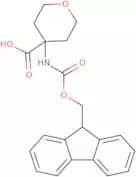
CAS :2,5-Dimethylphenylacetic acid is a synthetic compound that is also known as 2,5-DMPAA. It is used in the synthesis of a variety of compounds, such as pharmaceuticals and agricultural chemicals. It can be synthesized by reacting hydrochloric acid with morpholine and magnesium chloride. The reaction system produces water as a byproduct and requires an acidic environment with a pH less than 7. The impurities present in 2,5-DMPAA are chloromethylation products which can be removed by chlorination or saponification. 2,5-DMPAA has been shown to increase salinity tolerance in plants when applied at low concentrations (1mM).Formule :C10H12O2Degré de pureté :Min. 95%Couleur et forme :PowderMasse moléculaire :164.2 g/molFmoc-4-amino-tetrahydropyran-4-carboxylic acid
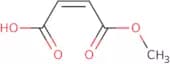
CAS :Fmoc-4-amino-tetrahydropyran-4-carboxylic acid is a versatile building block that can be used for the synthesis of many complex compounds and research chemicals. It is a speciality chemical which has been shown to be a useful intermediate in reactions, as well as being a reagent. Fmoc-4-amino-tetrahydropyran-4-carboxylic acid has also been shown to be an effective scaffold for drug design and development.Formule :C21H21NO5Degré de pureté :Min. 95%Couleur et forme :White/Off-White SolidMasse moléculaire :367.4 g/molMaleic acid monomethyl ester
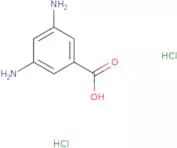
CAS :Maleic acid monomethyl ester is an unsaturated monomer that belongs to the group of glycol ethers. It is a colorless liquid with a boiling point of 160°C and a melting point of -37°C. Maleic acid monomethyl ester is used in the production of polyvinyl alcohol, which has high resistance to water vapor. In addition, it can be used as a solvent for tiglic acid, copolymerization with other monomers such as citric acid and maleate or ethylene, or as an anhydride in the production of glycol ethers.Formule :C5H6O4Degré de pureté :Min. 95%Couleur et forme :Clear LiquidMasse moléculaire :130.1 g/mol3,5-Diaminobenzoic acid dihydrochloride
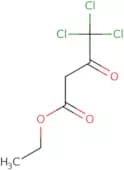
CAS :3,5-Diaminobenzoic acid dihydrochloride (DABA) is a potent inhibitor of peroxidase and has been shown to inhibit the activity of hydrogen peroxide. It has been used in medicine as an antiseptic and disinfectant. 3,5-Diaminobenzoic acid dihydrochloride also inhibits uncatalysed and catalysed reactions. The inhibition of these reactions is due to the reaction with hydrogen peroxide, which causes the formation of potent inhibitory species that are capable of reacting with other molecules. These reactions lead to a decrease in the rate of reaction. This product also exhibits potent inhibitory activity towards peroxidase and can be used for the treatment of infections caused by bacteria, such as Mycobacterium tuberculosis or Mycobacterium avium complex.Formule :C7H8N2O2·2HClMasse moléculaire :225.07 g/molEthyl 4,4,4-Trichloroacetoacetate
CAS :Ethyl 4,4,4-trichloroacetoacetate is a chloroalkyl compound that belongs to the class of activated esters. It is synthesized by the reaction of ethyl alcohol with chloride and potassium hydroxide in the presence of a base. The synthetic method for this compound was first developed in the mid-1930s by German chemists. This compound also has been used in the synthesis of coumarin derivatives as well as a catalyst in organic reactions. Ethyl 4,4,4-trichloroacetoacetate has been shown to be effective in treating neurodegenerative diseases such as Alzheimer's disease and Parkinson's disease.Formule :C6H7Cl3O3Degré de pureté :Min. 95%Couleur et forme :Colourless To Pale Yellow LiquidMasse moléculaire :233.48 g/molRhodanine-3-propionic Acid
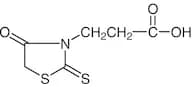
CAS :Formule :C6H7NO3S2Degré de pureté :>98.0%(GC)(T)Couleur et forme :Light yellow to Brown powder to crystalMasse moléculaire :205.255-Acetoxymethyl-2-furancarboxylic acid
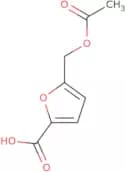
CAS :5-Acetoxymethyl-2-furancarboxylic acid is a natural product of the fungi. It has potent anti-fungal activity against a number of endophytic fungi, including those from marine sponges. 5-Acetoxymethyl-2-furancarboxylic acid has been shown to inhibit the growth of bacteria that are resistant to penicillin, ampicillin, and erythromycin. The bioactive compound also inhibits the growth of leukemia cells and is used as an anti-infective agent in the treatment of infections caused by staphylococcus. The active form binds to bacterial 16S ribosomal RNA and inhibits protein synthesis, leading to cell death by inhibiting the production of proteins vital for cell division.Formule :C8H8O5Degré de pureté :Min. 95%Couleur et forme :White To Light (Or Pale) Yellow SolidMasse moléculaire :184.15 g/mol4-Hydroxyphenylpyruvic acid
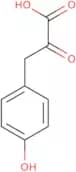
CAS :4-Hydroxyphenylpyruvic acid is a natural compound that is found in the plant Pueraria lobata. It has inhibitory properties against tyrosine, photosynthetic activity and enzyme activities. This compound inhibits methyltransferase, which is an enzyme that catalyzes the transfer of a methyl group from S-adenosylmethionine to the substrate. 4-Hydroxyphenylpyruvic acid also inhibits dioxygenase enzymes, which are involved in the oxidation of organic compounds by molecular oxygen. 4-Hydroxyphenylpyruvic acid can be used as a potential chemical biology tool for studying natural products and their biosynthesis.Formule :C9H8O4Degré de pureté :Min. 95%Couleur et forme :White PowderMasse moléculaire :180.16 g/molCAPSO sodium salt
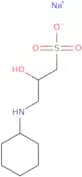
CAS :CAPSO-Na salt, also known as3-Cyclohexylamino-2-hydroxypropanesulfonic acid sodium salt, is a zwitterionic buffer chemical that has an optimal pH range of 8.9-10.3 and a pKa of 9.6. This buffering agent shows low metal ion binding and high solubility and is commonly used in protein transfer applications and during cell lysis for membrane protein extraction.
Formule :C9H18NNaO4SDegré de pureté :Min. 95%Couleur et forme :White To Off-White SolidMasse moléculaire :259.3 g/molFolic acid dihydrate
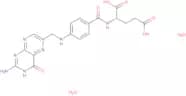
CAS :Folic acid dihydrate is a water-soluble vitamin that is involved in the production of nucleic acids and amino acids. It is a component of many compounds, such as DNA and RNA, and is essential for cell growth. Folic acid dihydrate can be synthesized by bacteria, which use it as an energy source. The radionuclide form of folic acid has been used to study the thermal expansion of food composition and to determine the nutrient content of foods. In addition, folic acid dihydrate has been used in tissue culture experiments to measure receptor binding or growth factor activity. Folic acid dihydrate has also been investigated for its ability to inhibit the growth of infectious diseases, including Streptococcus faecalis, Helicobacter pylori and HIV-1.Formule :C19H19N7O6Degré de pureté :97 To 102%Masse moléculaire :441.4 g/mol3-Methyl-6-nitro-2,4,5-trifluorobenzoic acid
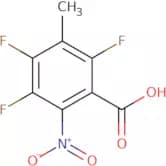
CAS :3-Methyl-6-nitrobenzoic acid is a chemical intermediate in the production of nitrobenzene, which is used as a precursor to other chemicals. It can be used for the synthesis of 3-methyl-6-nitrobenzoic acid (used in the synthesis of pesticides) and 3,5-dimethyl-2,4,6-trinitrobenzoic acid (used in the synthesis of dyes). This chemical has been recrystallized and contains less than 1% impurities such as halogens or methylbenzoic acid.Formule :C8H4F3NO4Degré de pureté :Min. 95%Masse moléculaire :235.12 g/mol2-[(3-Chlorobenzyl)oxy]benzoic acid
CAS :2-[(3-Chlorobenzyl)oxy]benzoic acid is a synthetic compound. The administration of 2-[(3-Chlorobenzyl)oxy]benzoic acid can be either oral or by subcutaneous injection. The elimination of 2-[(3-Chlorobenzyl)oxy]benzoic acid is mainly through the kidney and urine with a half-life of approximately 5 hours. This drug is metabolized by esterases to benzoic acid, which undergoes hydrolysis in the liver. There is also an elimination rate that has been determined for this drug in animal studies.
Formule :C14H11ClO3Degré de pureté :Min. 95%Couleur et forme :PowderMasse moléculaire :262.69 g/molBenzenesulfonic acid
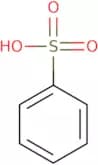
CAS :Benzenesulfonic acid is a sulfonic acid that is used in the preparation of glycol esters. It has been shown to have a synergic effect with trifluoroacetic acid and human serum, which leads to potent antitumor activity. Benzenesulfonic acid also has a strong inhibitory effect on sodium salts and benzimidazole compounds, which are model systems for studying the dihydrate salt form. This compound can be used as an analytical method for determining the structure of benzenesulfonic acids.
Formule :C6H6SO3Degré de pureté :Min. 95%Couleur et forme :Off-White To Brown SolidMasse moléculaire :158.18 g/mol2,2'-Biphenyldicarboxylic acid
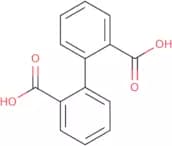
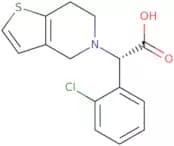
CAS :2,2'-Biphenyldicarboxylic acid belongs to the group of diphenic compounds and is synthesized by the reaction of 2-bromobenzene and sodium carbonate. It has a molecular formula of C12H10O4 with an empirical formula of C8H6O4. The compound is an intramolecular hydrogen bond acceptor and an intermolecular hydrogen bond donor. 2,2'-Biphenyldicarboxylic acid has been shown to have analytical chemistry properties for measuring nitrogen content in organic compounds, as well as being used in the synthesis of p-hydroxybenzoic acid. This compound also has metabolic disorders such as cancer, diabetes mellitus, and Alzheimer's disease because it is a hydrogen bond acceptor that can be oxidized into p-hydroxybenzoic acid.Formule :C14H10O4Degré de pureté :Min. 95%Couleur et forme :PowderMasse moléculaire :242.23 g/molClopidogrel carboxylic acid
CAS :Clopidogrel is a potent inhibitor of the platelet aggregation. It reduces blood clotting by inhibiting the ADP receptor on the surface of platelets, thereby inhibiting the aggregation and adhesion of platelets. Clopidogrel has been shown to be effective in preventing thrombosis, myocardial infarction (heart attack), and stroke. Clopidogrel inhibits the activity of cytochrome P450 3A4 (CYP3A4) and p2Y 12 receptors. Clopidogrel has been shown to have synergic effects with nonsteroidal anti-inflammatory drugs (NSAIDs). The polymorphic nature of Clopidogrel can be monitored using a liquid chromatography-tandem mass spectrometry (LC-MS/MS) method for quantification in biological samples such as human serum and plasma.
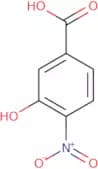
Formule :C15H14ClNO2SDegré de pureté :Min. 95%Masse moléculaire :307.8 g/mol3-Hydroxy-4-nitrobenzoic acid
CAS :3-Hydroxy-4-nitrobenzoic acid is a hydroxybenzoic acid that has been used for the synthesis of other compounds. It is an intermediate in the Friedel-Crafts reaction, which involves the conversion of 3-hydroxybenzoic acid to 3-ethylbenzthiazoline-6-sulfonic acid. It also forms reaction products with p-hydroxybenzoic acid and 5-nitrosalicylic acid as well as monosodium salt. This chemical can be analyzed using spectroscopy, enzymatic reactions, or laser ablation. It can also be used in analytical chemistry to identify phospholipases and hydroxybenzoic acids.
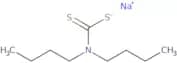
Formule :C7H5NO5Degré de pureté :Min. 95%Couleur et forme :Slightly Yellow PowderMasse moléculaire :183.12 g/molSodium dibutyldithiocarbamate, 40% aqueous solution
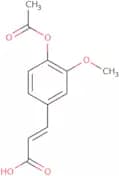
CAS :Sodium dibutyldithiocarbamate is a chemical that belongs to the group of cross-linking agents. It is used in the production of rubber and plastic products, as well as in textile finishing. This chemical is also used in the treatment of allergic reactions, such as those caused by poison ivy. Sodium dibutyldithiocarbamate has been shown to be an effective crosslinker for elastomeric polymers, such as natural rubber and synthetic polymers, including polychloroprene and styrene-butadiene copolymers. The viscosity of sodium dibutyldithiocarbamate solutions are dependent on the concentration, and can range from about 1 centipoise (cP) at 40% to 3 cP at 60%. Its average particle diameter ranges from 10 nm to 20 nm.Formule :C9H18NNaS2Couleur et forme :Clear LiquidMasse moléculaire :227.37 g/mol4-Acetylferulic acid
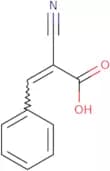
CAS :4-Acetylferulic acid is an amide that inhibits the synthesis of inflammatory substances in animals. It can be used to treat inflammatory diseases, such as arthritis, heart disease, and asthma. The mechanism of action for 4-Acetylferulic acid is not fully understood but it has been shown to inhibit the formation of aliphatic hydrocarbons. 4-Acetylferulic acid is also a precursor for the production of propylphosphonic acid and esters with hydrochloric acid and hydrochloride, respectively. It is formed from hydroxy group and an aliphatic hydrocarbon by reaction with solanum tuberosum or fat cells. This compound may also be used as a solvent or plasticizer in polymers.Formule :C12H12O5Degré de pureté :Min. 95%Couleur et forme :PowderMasse moléculaire :236.22 g/mola-Cyanocinnamic acid
CAS :a-Cyanocinnamic acid is a 3-hydroxycinnamic acid that can be found in coffee. It has been shown to inhibit the growth of colorectal adenocarcinoma cells and other cancer cells by binding to an inhibitor site on fatty acid synthesis enzymes, such as pyruvate carboxylase, hydroxylase, and acetyl-CoA carboxylase. This inhibition leads to decreased levels of fatty acids and increased levels of pyruvate and hydrogen peroxide, which inhibits cell proliferation. In addition, a-cyanocinnamic acid has been shown to have a hypoxic tumor selectivity index of 10.7%, which means it selectively targets tumors with low oxygen levels.Formule :C10H7NO2Degré de pureté :Min. 95%Couleur et forme :White PowderMasse moléculaire :173.17 g/molTert-butyl 4-(1H-benzo[d]imidazol-2-yl)piperidine-1-carboxylate
CAS :Tert-butyl 4-(1H-benzo[d]imidazol-2-yl)piperidine-1-carboxylate is a reagent that belongs to the group of specialty chemicals. It is an intermediate in organic synthesis and can be used as a building block in the preparation of complex compounds. Tert-butyl 4-(1H-benzo[d]imidazol-2-yl)piperidine-1-carboxylate is also useful in the preparation of speciality chemicals, such as pharmaceuticals, agrochemicals, and perfumes. This compound is a versatile building block that can be used as a reaction component in research and development.Formule :C17H23N3O2Degré de pureté :Min. 95%Couleur et forme :White to light yellow solid.Masse moléculaire :301.38 g/mol2-Fluorobenzoic acid methyl ester
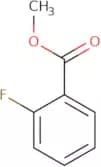
CAS :2-Fluorobenzoic acid methyl ester is a chemical compound that belongs to the group of borohydride reduction. It is a colorless liquid that can be used as a solvent for chemical reactions. 2-Fluorobenzoic acid methyl ester is used in synthetic methods, such as the reduction of benzoate to benzyl alcohol. The borohydride reduction produces a mixture of regioisomers, which can be separated by fractional distillation. 2-Fluorobenzoic acid methyl ester is also used in the synthesis of hydrogen peroxide, which is produced by the reaction of sodium borohydride with hydrogen peroxide. Hydrogen peroxide can then react with 2-fluoro benzoic acid methyl ester to produce 2-fluoro benzaldehyde and water.
Formule :C8H7FO2Degré de pureté :Min. 95%Couleur et forme :Clear LiquidMasse moléculaire :154.14 g/molPropylboronic acid
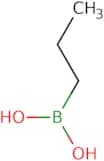
CAS :Propylboronic acid is a chemical compound that is used as a reagent in organic synthesis. It is a carboxylic acid and an aryl halide, which can be easily converted to other compounds by the addition of nucleophiles. Propylboronic acid has been shown to inhibit serine proteases, such as thrombin, which are involved in the coagulation of blood. It also has been shown to have anti-inflammatory properties and can be used as an antiviral agent against hepatitis C virus (HCV). The use of this chemical may lead to autoimmune diseases, such as lupus erythematosus. The mechanism for this effect is not yet clear, but it may involve inhibition of protein synthesis and induction of apoptosis.
Degré de pureté :Min. 95%Masse moléculaire :87.912-(4-Nitrophenoxy)acetic acid
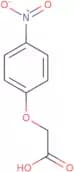
CAS :2-(4-Nitrophenoxy)acetic acid is a chemical compound with the molecular formula CHNO. It has been shown to inhibit the polymerase chain reaction, which is an important technique in molecular biology. The intramolecular hydrogen bond between HN and OO stabilizes the molecule and inhibits its rotation. This allows 2-(4-Nitrophenoxy)acetic acid to function as a competitive inhibitor of DNA polymerase. 2-(4-Nitrophenoxy)acetic acid inhibits bacterial growth by binding to the beta subunit of DNA gyrase, an enzyme that maintains the integrity of bacterial DNA. This inhibition prevents topoisomerase IV from relaxing supercoiled DNA, leading to cell death by inhibiting protein synthesis and cell division.Formule :C8H7NO5Degré de pureté :Min. 95%Couleur et forme :PowderMasse moléculaire :197.14 g/mol5-Bromo-6-chloroindolyl 1,3-diacetate
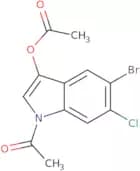
CAS :5-Bromo-6-chloroindolyl 1,3-diacetate is a versatile building block that can be used in the synthesis of complex compounds. It is a useful intermediate for the synthesis of speciality chemicals with high quality. 5-Bromo-6-chloroindolyl 1,3-diacetate is a reagent and reaction component for research chemicals with CAS No. 108847-96-7. It has a variety of applications in the manufacture of fine chemicals and pharmaceuticals, as well as being a useful scaffold for the production of new compounds.Formule :C12H9BrClNO3Degré de pureté :Min. 95%Couleur et forme :Off-White PowderMasse moléculaire :330.57 g/molChrysanthemum monocarboxylic acid ethyl ester
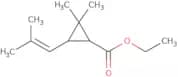
CAS :Chrysanthemum monocarboxylic acid ethyl ester is a chemical compound that belongs to the group of chrysanthemic acid derivatives. It is synthesized by reacting the carboxylic acid with an alcohol in the presence of hydrochloric acid and sodium ethoxide. Chrysanthemum monocarboxylic acid ethyl ester has been shown to have genotoxic effects, as well as fatty acids that can induce lysine residues. This drug also has a pharmaceutical use for tissue culture, which may be due to its ability to inhibit l-tartaric acid, an alkanoic acid.Formule :C12H20O2Degré de pureté :Min. 95%Masse moléculaire :196.29 g/molMethyl 4-methoxy-2-indolecarboxylate
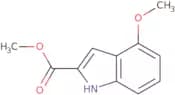
CAS :Methyl 4-methoxy-2-indolecarboxylate is a natural product that has been shown to have cytotoxic and anticancer activity. It was first isolated from the leaves of Picrasma excelsa, which is a plant native to Southeast Asia. Methyl 4-methoxy-2-indolecarboxylate has been found to be effective against breast cancer cell lines and human cancer cells in culture. The anticancer effects may be due to its ability to inhibit protein synthesis by inhibiting the ribosome. This compound also inhibits dehydrocrenatine, which is a precursor of the hormone crenatine, thus leading to decreased production of this hormone.Formule :C11H11NO3Degré de pureté :Min. 95%Couleur et forme :PowderMasse moléculaire :205.21 g/molRhizocarpic acid
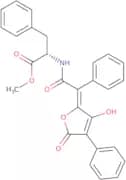
CAS :Rhizocarpic acid is a naturally occurring organic compound that belongs to the group of polyhydroxy acids. It is a light-sensitive, acidic compound with a hydroxyl group and a multidrug efflux pump. Rhizocarpic acid has been shown to have metabolic profiles that are similar to those of other polyhydroxylated compounds and it is thought to be an intermediate in the biosynthesis of usnic acid. Rhizocarpic acid can be used as a low-light photosynthetic activator for plants, because it enhances their photosynthetic activity under conditions where light intensity is not high enough for photosynthesis. The FT-IR spectroscopy data indicates that rhizocarpic acid has three carbonyl groups in its structure and these groups are responsible for its acidic nature.Formule :C28H23NO6Degré de pureté :Min. 95%Masse moléculaire :469.49 g/mol(R)-2-Amino-6-azidohexanoic acid HCl
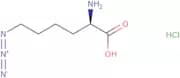
CAS :(R)-2-Amino-6-azidohexanoic acid HCl is a chemical intermediate that is used in the synthesis of a number of biologically active compounds. It is also a versatile building block for the construction of complex molecules. This chemical has been shown to be useful in the synthesis of pharmaceuticals, agrochemicals, and other fine chemicals. CAS No. 2098497-01-7Formule :C6H12N4O2·HClDegré de pureté :Min. 95%Couleur et forme :White PowderMasse moléculaire :208.65 g/molDibenzoyl-(+)-p-methoxy-D-tartaric acid
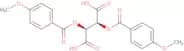
CAS :Dibenzoyl-(+)-p-methoxy-D-tartaric acid is a macrocyclic molecule that has been synthesized as an enantiomer. It has been found to be an effective drug against schistosomiasis in experimental studies. The compound inhibits the growth of Schistosoma mansoni by preventing the formation of eggs, which are released by the female worms into the environment. Dibenzoyl-(+)-p-methoxy-D-tartaric acid also inhibits the development of larval stages and prevents the release of eggs from male worms. This drug is not yet used clinically for this purpose, but it is being researched for use in tropical regions where schistosomiasis is endemic.Formule :C20H18O10Degré de pureté :Min. 95%Couleur et forme :White PowderMasse moléculaire :418.35 g/mol5-Amino-1,3,4-thiadiazole-2-carboxylic acid
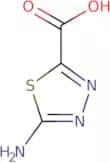
CAS :5-Amino-1,3,4-thiadiazole-2-carboxylic acid is a benzene derivative that can be used as a fluorescent probe for the detection of anions. It has high specificity and sensitivity to chloride ions, which is due to its ability to form a five membered ring with the chloride ion. This molecular structure gives 5-amino-1,3,4-thiadiazole-2-carboxylic acid its characteristic fluorescence emission spectrum. The optimum conditions for the reaction are at pH 7.0 and room temperature with a concentration of 0.1 M in water. The reactivity of 5-amino-1,3,4-thiadiazole 2 carboxylic acid is increased by the presence of thiourea and naphthalene.Formule :C3H3N3O2SDegré de pureté :Min. 95%Couleur et forme :PowderMasse moléculaire :145.14 g/molIsothiazole-4-carboxylic acid
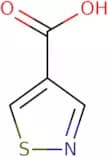
CAS :Isothiazole-4-carboxylic acid is an amide that is used as a solvent in organic chemistry and has been shown to be carcinogenic in humans. It is also used as an anti-inflammatory and anti-allergic drug but can cause serious side effects, such as dehydration, circulatory system disorders, and hyperproliferative diseases. Isothiazole-4-carboxylic acid has been used for the treatment of systemic diseases such as biliary cirrhosis and long-term exposure to nitro compounds. This agent hydrolyzes in water to form chlorine, chloride ion, and ammonia.Formule :C4H3NO2SDegré de pureté :Min. 95%Couleur et forme :PowderMasse moléculaire :129.14 g/mol4-Amino-3-phenylbutyric acid hydrochloride
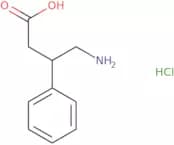
CAS :Produit contrôlé4-Amino-3-phenylbutyric acid hydrochloride (4APB) is a GABA receptor agonist that belongs to the class of pharmacological agents. It has been shown to be effective in treating pediatric patients with epilepsy, as well as in the treatment of various metabolic disorders. The drug has also been used to treat symptoms caused by benzodiazepine withdrawal. 4APB binds to the benzodiazepine binding site on GABAA receptors and enhances the inhibitory actions of GABA. This causes sedation and muscle relaxation, which can be helpful for patients who have experienced a seizure or are withdrawing from benzodiazepines. 4APB also increases locomotor activity in rats and has been shown to have no effect on cardiac function.Formule :C10H13NO2•HClDegré de pureté :Min. 98 Area-%Couleur et forme :PowderMasse moléculaire :215.68 g/molMethyl 3-aminophenylacetate hydrochloride
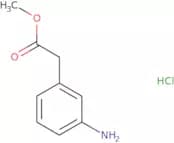
CAS :Methyl 3-aminophenylacetate hydrochloride is a versatile building block that can be used as a reagent for the synthesis of complex compounds. It has been widely used in the production of specialty chemicals, research chemicals and other building blocks. Methyl 3-aminophenylacetate hydrochloride is also an important intermediate in the production of speciality chemicals and pharmaceuticals. This chemical is a high quality chemical that can be used as a reaction component or scaffold for the synthesis of organic compounds.Formule :C9H12ClNO2Degré de pureté :Min. 95%Masse moléculaire :201.65 g/molBoc-(2R,3R)-3-amino-2-hydroxy-4-phenylbutyric acid
CAS :Boc-(2R,3R)-3-amino-2-hydroxy-4-phenylbutyric acid is a reagent and speciality chemical that is used as a building block in organic synthesis. It is a versatile intermediate that can be used to synthesize complex compounds with high quality and purity. Boc-(2R,3R)-3-amino-2-hydroxy-4-phenylbutyric acid has been shown to be stable under acidic conditions, making it an excellent choice for use in reactions involving strong acids. This compound can also be used as a scaffold for the synthesis of peptides and proteins.Formule :C15H21NO5Degré de pureté :Min. 95%Couleur et forme :PowderMasse moléculaire :295.33 g/mol3-Oxo-4-aza-5-alpha-androstane-17-beta-carboxylic acid
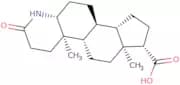
CAS :3-Oxo-4-aza-5-alpha-androstane-17-beta-carboxylic acid is a versatile building block that can be used in the preparation of complex molecules. This compound is also a reagent, speciality chemical, and useful intermediate for organic synthesis. 3-Oxo-4-aza-5-alpha-androstane-17 beta carboxylic acid has been shown to be useful as a reaction component and scaffold in organic synthesis.Formule :C19H29NO3Degré de pureté :Min. 95%Couleur et forme :White Clear LiquidMasse moléculaire :319.44 g/molMethyl 4-methyl-3-[(N-propylalanyl)amino]thiophene-2-carboxylate HCl
CAS :Methyl 4-methyl-3-[(N-propylalanyl)amino]thiophene-2-carboxylate HCl is a local anesthetic. It has been shown to be effective in the treatment of dental pain. Methyl 4-methyl-3-[(N-propylalanyl)amino]thiophene-2-carboxylate HCl acts by inhibiting the sodium channels in nerve cells, thereby blocking the transmission of pain signals and causing muscle relaxation. This drug also provides relief from anxiety, tension, and fear. Methyl 4-methyl-3-[(N-propylalanyl)amino]thiophene-2-carboxylate HCl has a rapid onset of action, with effects lasting up to 45 minutes. The drug is metabolized by hydrolysis to methyl 3-(aminocarbonyl)thiophene carboxylate and excreted in urine as metabolites.Formule :C13H20N2O3S·HClDegré de pureté :Min. 95%Couleur et forme :PowderMasse moléculaire :320.84 g/molEthyl bromofluoroacetate
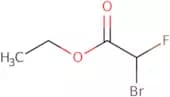
CAS :Ethyl bromofluoroacetate is a β-amino acid that is synthesized by the oxidation of ethyl formate with hydrogen peroxide. It has an inhibitory effect on mineralocorticoid receptor and can be used as a cross-coupling agent in organic chemistry. Ethyl bromofluoroacetate has been shown to have anti-cancer effects, but it can also inhibit insulin's ability to regulate glucose levels in the body, which may lead to diabetes.Formule :C4H6BrFO2Degré de pureté :Min. 95%Couleur et forme :PowderMasse moléculaire :184.99 g/molNesfatin-1 (rat) trifluoroacetate salt
CAS :Please enquire for more information about Nesfatin-1 (rat) trifluoroacetate salt including the price, delivery time and more detailed product information at the technical inquiry form on this pageFormule :C424H684N116O136Degré de pureté :Min. 95%Masse moléculaire :9,582.67 g/mol4-(3-Chloro-benzyloxy)benzoic acid
CAS :4-(3-Chloro-benzyloxy)benzoic acid (4CBA) is a useful scaffold for the synthesis of complex compounds. It is a versatile building block that can be used as an intermediate in the synthesis of fine chemicals and research chemicals. 4CBA is also a reactive compound that can be used in reactions to form covalent bonds, such as amide formation. 4CBA has a CAS number of 84403-70-3 and can be used in reactions involving organic chemistry, such as esterification, etherification, nitration, sulfonation, amidation, and chlorination.
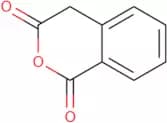
Formule :C14H11ClO3Degré de pureté :Min. 95%Couleur et forme :White PowderMasse moléculaire :262.69 g/molo-Carboxyphenylacetic acid cyclic anhydride
CAS :The o-carboxyphenylacetic acid cyclic anhydride (OCPA) is a compound that has been shown to have antimicrobial activity. It inhibits the growth of bacteria by binding to the receptor site of bacterial enzymes and blocking the synthesis of fungal cell walls. OCPA can also be used in the treatment of inflammatory diseases, such as cancer and arthritis. The mode of action for OCPA is not well understood but it is believed that it may interfere with amine metabolism or act as a hydrogen bond acceptor. Analysis of OCPA has been done using analytical methods such as gas chromatography mass spectrometry (GCMS), nuclear magnetic resonance (NMR), and infrared spectroscopy (IR).Formule :C9H6O3Degré de pureté :Min. 95%Couleur et forme :PowderMasse moléculaire :162.14 g/molBES
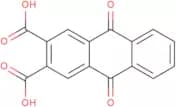
CAS :BES, also known as 2-[N,N-Bis-(2-hydroxyethyl)amino]ethanesulfonic acid, is a buffering agent that forms complexes with DNA and certain metal ions, It has an optimal pH range of 6.4-7.8 and a pKa of 7.09.Formule :C6H15NO5SDegré de pureté :(%) Min. 99.0%Couleur et forme :PowderMasse moléculaire :213.2 g/mol2,3-Anthraquinonedicarboxylic acid
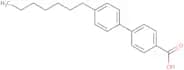
CAS :2,3-Anthraquinonedicarboxylic acid is a molecule that can be synthesized by the dehydration of 4-tert-butylbenzoic acid in the presence of fluorine and chlorine. This compound has been shown to have antibacterial activity against gram-positive bacteria. 2,3-Anthraquinonedicarboxylic acid inhibits bacterial growth by binding to the functional groups on ribosomes and preventing protein synthesis. It also interacts with nitro groups and accepts electrons from polycarboxylic acids, which may lead to its increased antibacterial activity. The molecular structure of 2,3-anthraquinonedicarboxylic acid contains a double bond between carbons 2 and 3, which is broken down during synthesis. This reaction forms a disulfide bond.Formule :C16H8O6Degré de pureté :Min. 95%Couleur et forme :Off-White PowderMasse moléculaire :296.23 g/mol4-(4-Heptylphenyl)benzoic Acid
CAS :4-(4-Heptylphenyl)benzoic Acid is a polyvinylpyrrolidone (PVP) derivative that has been used experimentally to create nanowires with directional response time. PVP is an amphiphile, which means it has both hydrophilic and hydrophobic properties. The nonionic nature of this polymer makes it suitable for use in aqueous environments. 4-(4-Heptylphenyl)benzoic Acid has been shown to have thermal stability up to 180°C, and when introduced at a high concentration (1 mM), yields of nanowires are high.Formule :C20H24O2Degré de pureté :Min. 95%Couleur et forme :White PowderMasse moléculaire :296.4 g/mol3-Chloro-2-methylbenzoic acid
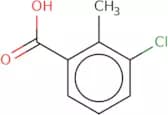
CAS :3-Chloro-2-methylbenzoic acid is a fine chemical, useful building block and versatile compound. It is a reagent for the production of other chemicals, such as pharmaceuticals and cosmetics. 3-Chloro-2-methylbenzoic acid is also used in research, where it can be used as a building block or scaffold for the synthesis of complex molecules. This chemical has many industrial applications, including use in manufacturing pesticides and herbicides.Formule :C8H7ClO2Degré de pureté :Min. 95%Couleur et forme :PowderMasse moléculaire :170.59 g/mol5-Nitrobarbituric acid
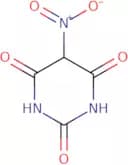
CAS :5-Nitrobarbituric acid is an organic acid that is used as a pharmaceutical preparation and can be found in the form of its calcium salt. 5-Nitrobarbituric acid is a weak acid that forms a complex with orthoboric acid, calcium carbonate, copper oxide, and morphologies such as needles or prisms. 5-Nitrobarbituric acid has been used to treat different types of headache. It has also been used to treat stomach aches and pain caused by gastrointestinal ulcers. The mechanism of action for this drug remains unknown, but it may act by inhibiting the uptake of sodium ions into the cells. 5-Nitrobarbituric acid has also been shown to have physiological functions in hydration and triazine synthesis.Formule :C4H3N3O5Degré de pureté :Min. 95%Couleur et forme :White Off-White PowderMasse moléculaire :173.08 g/molPhenylazosalicylic acid
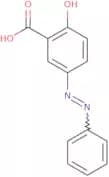
CAS :Phenylazosalicylic acid is a crystalline solid that belongs to the group of phenylacetic acids. It is synthesized by the reaction of nitric acid with salicylic acid, which is produced from the distillation of wood. Phenylazosalicylic acid has a molecular weight of 150.09 g/mol and a melting point of 123°C. The molecule is unionized in water and can be found in wastewater effluent at concentrations as high as 3 ppm. This compound has acidic properties and reacts with picric acid to form phenylazosalicylic picrate, which is used for the treatment of anthrax. Phenylazosalicylic acid also shows proton-pumping activity, which may be due to its ability to bind to anionic sites on proteins such as carbonic anhydrase II and H+/K+ ATPase.
Formule :C13H10N2O3Degré de pureté :Min. 95%Couleur et forme :Orange PowderMasse moléculaire :242.23 g/mol3-Amino-4-hydroxybenzoic acid hydrate
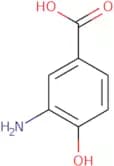
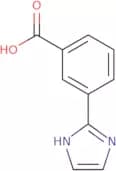
CAS :3-Amino-4-hydroxybenzoic acid hydrate is a fine chemical that is used as a versatile building block in the synthesis of pharmaceuticals, agrochemicals, and other organic chemicals. It is an intermediate for the preparation of various research chemicals. 3-Amino-4-hydroxybenzoic acid hydrate has been shown to be an effective reagent for the synthesis of certain complex compounds. It also has high quality and can be used as a reaction component in many reactions.Formule :C7H7NO3·H2ODegré de pureté :Min. 95%Couleur et forme :PowderMasse moléculaire :171.15 g/mol3-(1H-Imidazol-2-yl)benzoic acid
CAS :Please enquire for more information about 3-(1H-Imidazol-2-yl)benzoic acid including the price, delivery time and more detailed product information at the technical inquiry form on this pageFormule :C10H8N2O2Degré de pureté :Min. 95%Couleur et forme :PowderMasse moléculaire :188.18 g/mol3,5-Dinitro-2-hydroxyphenylacetic acid
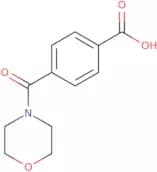
3,5-Dinitro-2-hydroxyphenylacetic acid is a high quality reagent useful as an intermediate in the synthesis of complex compounds. It is also an important building block in the synthesis of fine chemicals and research chemicals. 3,5-Dinitro-2-hydroxyphenylacetic acid can be used in many chemical reactions due to its versatility as a building block. This compound has CAS number 51343-07-9 and is classified as a speciality chemical.Degré de pureté :Min. 95%4-(Morpholin-4-ylcarbonyl)benzoic acid
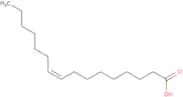
CAS :4-(Morpholin-4-ylcarbonyl)benzoic acid is a useful scaffold and building block for the synthesis of complex organic compounds. It can be used as a reagent in organic synthesis, as well as in the preparation of pharmaceuticals. 4-(Morpholin-4-ylcarbonyl) benzoic acid is an intermediate for the production of many other chemical compounds and has been shown to be an effective research chemical.Formule :C12H13NO4Degré de pureté :Min. 95%Couleur et forme :White PowderMasse moléculaire :235.24 g/molPalmitoleic acid - 98%
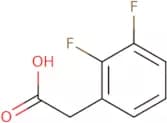
CAS :Palmitoleic acid is a fatty acid with a molecular weight of 256. It is an unsaturated fatty acid that contains 16 carbon atoms and two double bonds. Palmitoleic acid has been shown to be effective in treating bowel disease, such as ulcerative colitis and Crohn's disease, by influencing the production of inflammatory cytokines. This active form inhibits the activity of toll-like receptor 4 (TLR4) and lipopolysaccharide (LPS)-induced signal peptide activation of nuclear factor kappa B (NF-κB), which leads to reduced inflammation. Palmitoleic acid has also been shown to have anti-inflammatory properties in vitro and in vivo, which may be due to its ability to inhibit IL-1β production by macrophages.Formule :C16H30O2Degré de pureté :Min. 95%Couleur et forme :Clear Colourless To Pale Yellow LiquidMasse moléculaire :254.41 g/mol2,3-Difluorophenylacetic acid
CAS :2,3-Difluorophenylacetic acid is an industrial chemical that has been used as a solvent and an additive in paint, varnish, lacquer, and rubber. It is also used to make other chemicals such as cyclen. 2,3-Difluorophenylacetic acid has been shown to have fluorescence properties that can be detected by chromatography. The use of this compound is not restricted by any major regulations or health concerns. It can be prepared industrially from carbon tetrachloride with the use of modifiers and additives. This chemical can also be localized in the environment by using chloride techniques for detection.Formule :C8H6F2O2Degré de pureté :Min. 95%Masse moléculaire :172.13 g/molTiglic acid
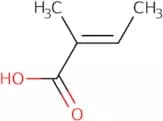
CAS :Tiglic acid is a sodium salt that can be synthesized in an asymmetric synthesis. It is a white crystalline powder with a melting point of 190-191°C. Tiglic acid has been shown to increase the activity of cinchonidine, which is a compound often used to treat eye disorders and chronic arthritis. Tiglic acid also has the ability to bind to fatty acids, which may be due to hydrogen bonding interactions. In vitro assays have shown that tiglic acid's antimicrobial properties are related to its ability to cause cell lysis by interacting with fatty acids on the cell membrane.Formule :C5H8O2Degré de pureté :Min. 95%Couleur et forme :PowderMasse moléculaire :100.12 g/mol(5Z,8Z,11Z)-5,8,11-Eicosatrienoic acid
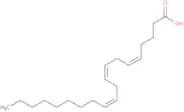
CAS :(5Z,8Z,11Z)-5,8,11-Icosatrienoic acid is a fatty acid that has anti-angiogenic effects. This compound is synthesized from arachidonic acid by the enzyme delta-5-desaturase and inhibits the formation of new blood vessels by promoting the death of endothelial cells. The synthesis of (5Z,8Z,11Z)-5,8,11-Icosatrienoic acid in liver cells is stimulated by an increase in body mass index and a decrease in fatty acids. This molecule has been shown to have physiological effects on brain function and to have anti-inflammatory properties. It also binds to the CB2 receptor.Formule :C20H34O2Degré de pureté :Min. 95%Masse moléculaire :306.48 g/mol(S)-3-Amino-4-(1-naphthyl)butanoic acid hydrochloride
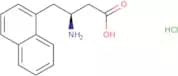
CAS :(S)-3-Amino-4-(1-naphthyl)butanoic acid hydrochloride is a high quality chemical that is used as a reaction component for the synthesis of complex organic compounds. It may also be used to produce fine chemicals, pharmaceuticals, and other useful compounds. This product has a wide variety of uses including as an intermediate in the production of speciality chemicals, as a building block for synthesizing more complex compounds, or as a precursor to producing other useful chemicals.Formule :C14H16ClNO2Degré de pureté :Min. 95%Couleur et forme :White PowderMasse moléculaire :265.74 g/mol3,6-Dinitro-1,8-naphthalenedicarboxylicanhydride
CAS :3,6-Dinitro-1,8-naphthalenedicarboxylic anhydride is a fine chemical that is used as a building block in the synthesis of other compounds. It is also used as a reagent and can be found in research chemicals with CAS No. 3807-80-5. 3,6-Dinitro-1,8-naphthalenedicarboxylic anhydride is versatile and has many uses as a reaction component. The compound can be used to produce complex compounds or scaffolds that are useful in research.Formule :C12H4N2O7Degré de pureté :Min. 95%Couleur et forme :Beige PowderMasse moléculaire :288.17 g/mol4-[(4-Chlorobenzyl)oxy]benzoic acid
CAS :4-[(4-Chlorobenzyl)oxy]benzoic acid is a methyl ester of 4-chlorobenzoic acid, which is an organic compound. It is a herbicide that has been shown to be effective against weeds in rice fields. The herbicidal activity of 4-[(4-Chlorobenzyl)oxy]benzoic acid may be due to the inhibition of the plant enzyme dehydrohalogenating, which plays an important role in the synthesis of chlorophyll and other pigments. The herbicidal properties are also likely due to its ability to inhibit the enzyme carbonate, which is involved in the biosynthesis of fatty acids and sterols.
Formule :C14H11ClO3Degré de pureté :Min. 95%Couleur et forme :PowderMasse moléculaire :262.69 g/molBoc-L-glutamic acid a-t-butyl ester
CAS :Boc-L-glutamic acid a-t-butyl ester is a specific antibody that has been shown to be effective in the diagnosis of cancer. This antibody binds to an antigen expressed by liver cells and can be used as a marker for cancer. It has also been shown to have an adjuvant effect on vaccines, which may lead to better protection against disease. Boc-L-glutamic acid a-t-butyl ester can also be used in the treatment of pancreatitis and other acute ischemic conditions because it promotes the release of hydrogen chloride, which helps to relieve pain.Formule :C14H25NO6Degré de pureté :Min. 95%Couleur et forme :PowderMasse moléculaire :303.35 g/molQuinoline-5-carboxylic acid
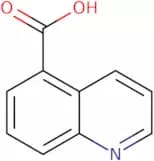
CAS :Quinoline-5-carboxylic acid is a peroxide that is produced by the oxidation of quinoline derivatives. Quinoline-5-carboxylic acid has been shown to have antibacterial activity, and it also has affinity values for chloride ions. The chemical isomers of quinoline-5-carboxylic acid are called quninolines, which are produced by the hydrolysis of quinoline-5-carboxylic acid. Quinolines can be obtained by the oxidation of aniline. Quinolines have been shown to catalyze reactions with carbonyl groups in organic molecules, such as the reaction between an alkoxycarbonyl group and a hydroxyl group to form an aldehyde or ketone. Kinetic data for this reaction was obtained using titration calorimetry.
Formule :C10H7NO2Degré de pureté :Min. 95%Couleur et forme :White To Beige To Light Brown To Grey SolidMasse moléculaire :173.17 g/mol2-(1H-Benzo[d]imidazol-2-yl)benzoic acid
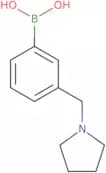
CAS :2-(1H-Benzo[d]imidazol-2-yl)benzoic acid is a primary amine that inhibits the growth of bacteria by binding to their amino acid receptors. It has been shown to be active against a wide range of bacterial species, including Staphylococcus aureus and Salmonella enterica. 2-(1H-Benzo[d]imidazol-2-yl)benzoic acid is an efficient method for the synthesis of antibiotics and other pharmaceuticals that contain an ethyl group. The catalytic mechanism of this compound involves protonation at the carbon atom adjacent to the nitrogen atom on the imidazole ring, followed by nucleophilic attack by water. This process leads to formation of an oxime intermediate and release of ammonia as a product.Formule :C14H10N2O2Degré de pureté :Min. 95%Couleur et forme :PowderMasse moléculaire :238.24 g/mol(3-(Pyrrolidin-1-ylmethyl)phenyl)boronic acid
CAS :(3-(Pyrrolidin-1-ylmethyl)phenyl)boronic acid (BPABA) is a fine chemical that is a useful building block in the synthesis of organic compounds. It is also a reagent in organic chemistry and research, as well as a speciality chemical and high quality compound. BPABA is versatile as a building block for the synthesis of complex compounds. It has been used in reactions with many different types of substrates, including nucleophilic addition to unsaturated carbon-carbon bonds, alkylation, vinylation, and Michael reaction. BPABA has been shown to be an effective intermediate for the synthesis of biologically active compounds such as antibiotics and antifungals. BPABA is also used for the synthesis of scaffolds in organic chemistry, such as polymers and nanomaterials.Formule :C11H16BNO2Degré de pureté :Min. 95%Couleur et forme :PowderMasse moléculaire :205.06 g/mol3-Nitrophenylacetic acid
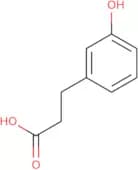
CAS :3-Nitrophenylaceticacid (3NPAA) is a nitro compound that is used as an intermediate in the synthesis of other organic compounds. It can be synthesized by reacting phenylacetic acid with nitric acid, which is then oxidized to 3-nitrophenol with potassium permanganate. The product is then reacted with acetic anhydride to produce 3-nitrophenylacetic acid. This chemical has been shown to inhibit plant physiology and chlorophyll production by binding reversibly to the protein photosystem II in plants. 3-Nitrophenylaceticacid reacts with chloride ions to form a reversible covalent bond, which may be hydrolyzed by water or alkali.Formule :C8H7NO4Degré de pureté :Min. 95%Couleur et forme :PowderMasse moléculaire :181.15 g/mol3-(3-Hydroxyphenyl)propionic acid
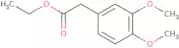
CAS :3-(3-Hydroxyphenyl)propionic acid is a model compound that has been shown to inhibit the bacterial metabolism of protocatechuic acid. It has also been shown to have an effect on the ATP levels in cells, as well as on enzyme activities. 3-(3-Hydroxyphenyl)propionic acid is poorly absorbed from the gut and exhibits low bioavailability. The compound has been found in human feces and urine, and can be detected in wild-type strains of E. coli K-12. 3-(3-Hydroxyphenyl)propionic acid inhibits neuronal death induced by amyloid beta protein, which may be due to its ability to bind with glucocorticoid receptors.Formule :C9H10O3Degré de pureté :Min. 95%Couleur et forme :PowderMasse moléculaire :166.17 g/molEthyl 2-(3,4-dimethoxyphenyl)acetate - 90%
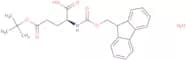
CAS :Ethyl 2-(3,4-dimethoxyphenyl)acetate is a synthetic molecule that has been observed in the gas phase. It has been shown to have antibacterial activity and significant antifungal activity. Ethyl 2-(3,4-dimethoxyphenyl)acetate was also found to be resistant to amines, which are organic compounds that can be found in many types of bacteria. The antibacterial properties of ethyl 2-(3,4-dimethoxyphenyl)acetate may be due to its ability to cleave bonds with chloride ions and its conformational studies.Formule :C12H16O4Degré de pureté :Min. 95%Couleur et forme :PowderMasse moléculaire :224.25 g/molFmoc-L-glutamic acid-O-tert-butyl ester hydrate
CAS :Fmoc-L-glutamic acid-O-tert-butyl ester hydrate is a useful scaffold that is used in the synthesis of complex compounds. It can be used as a reaction component for the preparation of speciality chemicals and as an intermediate for the production of fine chemicals. Fmoc-L-glutamic acid-O-tert-butyl ester hydrate has a CAS number of 204251-24-1.Formule :C24H27NO6•H2ODegré de pureté :Min. 95%Couleur et forme :White PowderMasse moléculaire :443.49 g/mol4-Hydroxy-3-nitrobenzoic acid
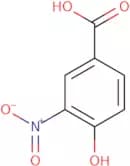
CAS :4-Hydroxy-3-nitrobenzoic acid is an antioxidant that has been studied for its potential therapeutic effects on pancreatitis. This compound is a precursor to protocatechuic acid, a molecule that helps to protect the pancreas. 4-Hydroxy-3-nitrobenzoic acid is also used in the preparation of hydroxide solution and activated carbon. The terminal half-life of this compound is approximately 15 hours, with a plasma concentration–time curve that peaks at about 2 hours after administration. The biological activity of 4-Hydroxy-3-nitrobenzoic acid can be increased by reaction with sodium hydroxide solution or 5 nitrosalicylic acid.Formule :C7H5NO5Degré de pureté :Min. 95%Masse moléculaire :183.12 g/mol4-Fluoro-2-hydroxybenzoic acid
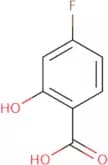
CAS :4-Fluoro-2-hydroxybenzoic acid is an organic compound that is a proton acceptor. It can be synthesized from 2,4-dichloroaniline and hydroxylamine. 4-Fluoro-2-hydroxybenzoic acid has two isomers, one with a fluorine atom and the other without. The fluorine atom makes it more acidic than the other isomer. It also has many functional groups attached to it, including hydrogen, chlorine, and fluorine. 4-Fluoro-2-hydroxybenzoic acid is used in pesticides because of its pesticidal activity. This compound binds to receptors on pests' cells and disrupts their function.
Formule :C7H5FO3Degré de pureté :90%Couleur et forme :PowderMasse moléculaire :156.11 g/mol3-Methyladipic acid
CAS :3-Methyladipic acid is a molecule that is formed from the chemical reaction of ethylmalonic acid and pyrimidine compounds. 3-Methyladipic acid can be found in urine samples, where it is excreted as a hydrated form. It is also soluble in organic solvents such as ethanol and acetone. This compound has been used to identify the presence of fatty acids in biological fluids by liquid chromatography. The addition of malonic acid to 3-methyladipic acid changes its phase composition, which can be observed using a polarizing microscope. 3-Methyladipic acid has also been used to study tubule cells, which are found in the kidney and are involved in the reabsorption of water and electrolytes.Formule :C7H12O4Degré de pureté :Min. 95%Couleur et forme :PowderMasse moléculaire :160.17 g/mol3-Methyl-2-nitrobenzoic acid - 95%
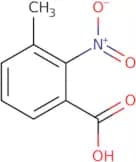
CAS :3-Methyl-2-nitrobenzoic acid is a compound with the molecular formula of C6H5NO2. It is an organic compound that has been shown to be useful in wastewater treatment as an oxidation catalyst and in the photocatalytic oxidation of nitroaromatic compounds. 3-Methyl-2-nitrobenzoic acid can be synthesized by reaction of 2-methyl-6-nitrobenzoic acid with nitrous acid in water. The solubility data for 3-methyl-2-nitrobenzoic acid shows that it is soluble in water, acetone, and ethanol. The thermodynamic properties show that the solubility increases as temperature increases. Soluble compounds are typically more stable than insoluble compounds because they are able to react with other substances more easily. 3-Methyl-2-nitrobenzoic acid is also insoluble in hexane and dichloromethane.Formule :C8H7NO4Degré de pureté :Min. 95%Couleur et forme :PowderMasse moléculaire :181.15 g/molTrichloroacetic acid
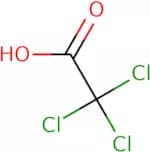
CAS :Trichloroacetic acid is a chemical compound that is commonly used as an analytical reagent. It is a white solid that can be dissolved in water and has a faint odor of chlorine. Trichloroacetic acid is used to measure the concentration of sodium trifluoroacetate in biological samples or as an analytical reagent in various chemical reactions. Trichloroacetic acid has been shown to cause oxidative injury to cells, which may be due to its ability to inhibit growth factor-β1 synthesis and glycol ether metabolism. Trichloroacetic acid also causes cancer cells to die by inducing apoptosis, which may be due to its ability to inhibit basic protein synthesis.
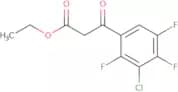
Formule :C2HCl3O2Degré de pureté :Min. 95%Couleur et forme :White/Off-White SolidMasse moléculaire :163.39 g/molEthyl 3-chloro-2,4,5-trifluorobenzoylacetate
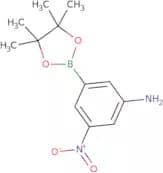
CAS :Ethyl 3-chloro-2,4,5-trifluorobenzoylacetate is a high quality chemical that is used as an intermediate in the production of complex compounds. It is also a reagent that is used in fine chemical reactions. This compound has many uses, including being a useful scaffold for the production of new compounds and a versatile building block for reactions. Ethyl 3-chloro-2,4,5-trifluorobenzoylacetate is used in research as well as in the production of speciality chemicals.Formule :C11H8ClF3O3Degré de pureté :Min. 95%Couleur et forme :PowderMasse moléculaire :280.63 g/mol3-Amino-5-nitrophenylboronic acid pinacol ester
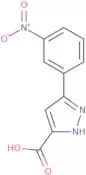
CAS :3-Amino-5-nitrophenylboronic acid pinacol ester is a versatile building block that can be used in the synthesis of complex compounds. This compound has been shown to have useful properties in research chemicals and as reagents or speciality chemicals. Useful intermediates are usually synthesized from 3-Amino-5-nitrophenylboronic acid pinacol ester, which is also a useful scaffold for the synthesis of other compounds.Formule :C12H17BN2O4Degré de pureté :Min. 95%Couleur et forme :Yellow PowderMasse moléculaire :264.09 g/mol5-(3-Nitrophenyl)-1H-pyrazole-3-carboxylic acid
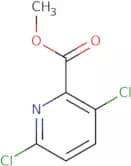
CAS :5-(3-Nitrophenyl)-1H-pyrazole-3-carboxylic acid is a molecule that inhibits the proliferation of cancer cells in vitro. This compound has been shown to inhibit the growth of human breast cancer cells in culture, with IC50 values of 7.8 µM for MCF-7 and 5.6 µM for A549 cells. It also inhibits cell growth in MDA-MB231 cells, which are human breast carcinoma cells, with IC50 values of 4.5 µM for MCF-7 and 2.4 µM for A549 cells. The mechanism by which this drug inhibits cancer cell proliferation is not clear but may be due to its ability to interfere with DNA synthesis or protein synthesis.Formule :C10H7N3O4Degré de pureté :Min. 95%Couleur et forme :PowderMasse moléculaire :233.18 g/molMethyl 3,6-dichloropyridine-2-carboxylate
CAS :Methyl 3,6-dichloropyridine-2-carboxylate is a nitro compound that is used as a transport inhibitor. It has been shown to inhibit the transport of some organic compounds in h9c2 cells by binding to the active site of ATP synthase, which is required for energy production. Methyl 3,6-dichloropyridine-2-carboxylate has also been shown to modulate physiological effects in mice, such as modulating the activity of enzymes involved in fatty acid synthesis. This compound is synthetically derived from anthranilic acid and dichlorprop with oxadiazole as a starting material.Formule :C7H5Cl2NO2Degré de pureté :Min. 95%Couleur et forme :PowderMasse moléculaire :206.03 g/mol3,4-(Methylenedioxy)phenylacetic acid
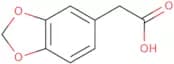
CAS :Produit contrôlé3,4-(Methylenedioxy)phenylacetic acid is a synthetic compound that has been shown to inhibit tyrosine phosphatases. This inhibition leads to an increase in the production of protein kinase C and other enzymes that are involved in signal transduction processes, which result in the promotion of cell proliferation. 3,4-(Methylenedioxy)phenylacetic acid also possesses photochemical properties and can absorb ultraviolet light at wavelengths of up to 300 nm. It has been shown to have inhibitory effects on tumour cells and is used as a lead compound for the development of new drugs. 3,4-(Methylenedioxy)phenylacetic acid interacts with receptor ligands and is a functional theory drug that binds to receptors on cell surfaces. The coumarin ring present in this molecule may be important for binding to receptors, although it does not appear to be necessary for its anti-tumour activity.Formule :C9H8O4Degré de pureté :Min. 95%Masse moléculaire :180.16 g/mol2-Methoxy-4-amino-5-ethylsulfonyl benzoic acid
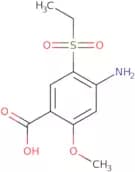
CAS :2-Methoxy-4-amino-5-ethylsulfonyl benzoic acid is a synthetic chemical that is used in wastewater treatment. It is also used as a precursor for the production of other chemicals, such as thiocyanates, peroxides, and bromoethanes. 2-Methoxy-4-amino-5-ethylsulfonyl benzoic acid can be produced by the reaction of hydrochloric acid with thionyl chloride. It reacts with aluminium to produce an acylation reaction that produces 2,2'-dithiodiethanol (DTE). The DTE can be reacted with an organic compound to produce a variety of products, including salicylic acid or bromoethanes.Formule :C10H13NO5SDegré de pureté :Min. 95%Couleur et forme :PowderMasse moléculaire :259.28 g/mol(S)-N-Boc pipecolic acid
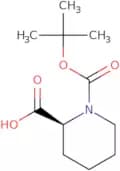
CAS :Pipecolic acid is a natural product that is the major intermediate in the synthesis of the amino acid L-leucine. It is also an endopeptidase inhibitor that has been shown to have inhibitory potency against hepatitis C virus. Pipecolic acid has been synthesized by solid-phase peptide synthesis and its chiral center has been confirmed by NMR spectroscopy. The compound also exhibits affinity for alcohols and nervous system tissues, as well as agonist potency for NMDA receptors.Formule :C11H19NO4Degré de pureté :Min. 95%Couleur et forme :White SolidMasse moléculaire :229.27 g/molIsobarbituric acid
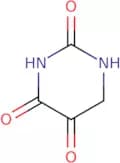
CAS :Isobarbituric acid is a glycosylase that cleaves the bond between the amino group and the hydroxyl group of uridine in DNA. It has been shown to react with nucleophilic groups at neutral pH, such as an amine or hydroxyl group. Isobarbituric acid can be used to measure oxidative damage to DNA. This compound is reactive and sensitive to UV light, which makes it useful for detecting damaged DNA. Isobarbituric acid has been shown to induce neuronal death in rodents by interfering with dendritic spine formation.
Formule :C4H4N2O3Degré de pureté :Min. 95%Couleur et forme :White PowderMasse moléculaire :128.09 g/molFmoc-(1R,2R)-2-aminocyclohexane carboxylic acid
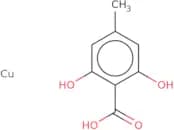
CAS :Fmoc-(1R,2R)-2-aminocyclohexane carboxylic acid is a versatile building block used as a reaction component in the synthesis of chemical compounds. It is classified as a speciality chemical and has been shown to be useful in the synthesis of complex compounds. The CAS number for this compound is 389057-34-5.Formule :C22H23NO4Degré de pureté :Min. 99 Area-%Couleur et forme :PowderMasse moléculaire :365.42 g/mol2,6-Dihydroxy-4-methylbenzoic acid copper
CAS :2,6-Dihydroxy-4-methylbenzoic acid copper salt is an organic compound with a skeleton of two benzene rings. The molecule contains a chloride ion coordinated to the copper atom and a methyl group adjacent to the copper atom. This compound has significant cytotoxicity against human cancer cells. It is also an endophytic fungus found in plants that produces ethyl esters of 2,6-dihydroxy-4-methylbenzoic acid copper salt. The chemical structures of this compound are shown in Figure 1 below: Figure 1 The reaction products are 2,6-dichloroquinone and benzoic acid. The reaction solution is a dark red color due to the presence of free quinone groups. This compound has been synthesized using Friedel-Crafts reactions, which were carried out in chloroform and dichloromethane at temperatures ranging from -78°C to room temperature for up to 12Formule :C16H16O8•CuDegré de pureté :Min. 95%Masse moléculaire :399 g/mol2-Ethoxyphenylacetic acid
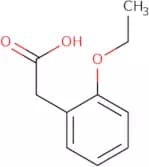
CAS :2-Ethoxyphenylacetic acid (2EPA) is a drug that has been used in the treatment of cancer. It is a hydrophobic molecule that can inhibit the activity of various enzymes, such as sildenafil and triazolone. 2EPA has shown to be an antagonist at the active site of quinazolinone, which is a molecule involved in erectile dysfunction. The physicochemical properties of 2EPA have been studied using molecular dynamics simulations and quantum mechanical computations. This drug is able to form hydrophobic interactions with the active site of quinazolinone, which may account for its antagonistic activity.Formule :C10H12O3Degré de pureté :90%Couleur et forme :PowderMasse moléculaire :180.2 g/molTheophylline-7-acetic acid
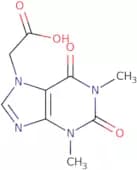
CAS :Produit contrôléTheophylline-7-acetic acid is a substance that has the chemical name of 2-amino-5-(1,3-dimethylxanthin-9-yl)benzoic acid. It is an amorphous substance with a biochemical property of being soluble in water and ethanol. Theophylline-7-acetic acid is used as a reagent for the quantitative determination of cardiac glycosides in human serum. This compound also reacts with a solution of sodium salts under constant pressure at room temperature and an electrochemical detector to yield an intense blue fluorescence. Structural analysis indicates that this substance contains a hydroxyl group, which can be found in proteins, fatty acids, and pharmacokinetics.Formule :C9H10N4O4Degré de pureté :Min. 95%Couleur et forme :PowderMasse moléculaire :238.2 g/molCuminic acid
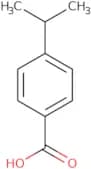
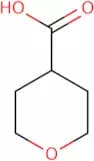
CAS :Cuminic acid is a diphenolase that hydrolyzes esters and amides. It has been shown to have protease activity against the α subunit of the enzyme, which may be due to its ability to bind to DNA and form covalent bonds with amino acids. Cuminic acid also has a high binding affinity for odorant molecules and can be used as an odorant in perfumes. The reaction mechanism of cuminic acid is not well understood, but it is believed that it forms an intermediate with copper chloride that reacts with carbon dioxide or trifluoroacetic acid, forming hydroxyl groups. These reactions are catalyzed by a coenzyme A-dependent enzyme.Formule :C10H12O2Degré de pureté :Min. 95%Couleur et forme :White PowderMasse moléculaire :164.2 g/molTetrahydro-2H-pyran-4-carboxylic acid
CAS :Tetrahydro-2H-pyran-4-carboxylic acid is a reactant that is used in the synthesis of organic compounds. Tetrahydro-2H-pyran-4-carboxylic acid is an intermediate in the reaction of diketene with ethyl acrylate to produce polyethylene terephthalate (PET) and in the production of polyurethanes. Tetrahydro-2H-pyran-4-carboxylic acid has also been used as a building block for the synthesis of complex compounds such as polyketones, polyesters, and polycarbonates.Formule :C6H10O3Degré de pureté :Min. 95%Couleur et forme :PowderMasse moléculaire :130.14 g/mol2-Methylphenoxyacetic acid
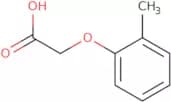
CAS :2-Methylphenoxyacetic acid is a small-molecule drug that acts as an inhibitor of the protein kinase C (PKC) enzyme. It binds to the active site of PKC and prevents it from phosphorylating other proteins, which ultimately leads to cell death. The PKC enzyme is a potential drug target for cancer and cardiovascular disease because it plays a role in both pathologies. 2-Methylphenoxyacetic acid has been shown to inhibit PKC in vitro and in vivo, with the latter being demonstrated using mathematical modeling and molecular dynamics simulations. 2-Methylphenoxyacetic acid also inhibits annexin II, which is believed to be involved in signal transduction pathways that lead to tumor growth. 2-Methylphenoxyacetic acid has been shown to bind to the hydroxyl group of phospholipids and form hydrogen bonds with amino acids that are important for protein–protein interactions or intermolecular hydrogen bonds.Formule :C9H10O3Degré de pureté :Min. 95%Couleur et forme :White PowderMasse moléculaire :166.17 g/mol




![2-[(3-Chlorobenzyl)oxy]benzoic acid](/_next/image/?url=https%3A%2Fstatic.cymitquimica.com%2Fproducts%2F3D%2Fthumb-webp%2FFC119064.webp&w=3840&q=75)
![Tert-butyl 4-(1H-benzo[d]imidazol-2-yl)piperidine-1-carboxylate](/_next/image/?url=https%3A%2Fstatic.cymitquimica.com%2Fproducts%2F3D%2Fthumb-webp%2FFT46131.webp&w=3840&q=75)

![Methyl 4-methyl-3-[(N-propylalanyl)amino]thiophene-2-carboxylate HCl](/_next/image/?url=https%3A%2Fstatic.cymitquimica.com%2Fproducts%2F3D%2Fthumb-webp%2FFM130460.webp&w=3840&q=75)



![4-[(4-Chlorobenzyl)oxy]benzoic acid](/_next/image/?url=https%3A%2Fstatic.cymitquimica.com%2Fproducts%2F3D%2Fthumb-webp%2FFC119049.webp&w=3840&q=75)

![2-(1H-Benzo[d]imidazol-2-yl)benzoic acid](/_next/image/?url=https%3A%2Fstatic.cymitquimica.com%2Fproducts%2F3D%2Fthumb-webp%2FFB142013.webp&w=3840&q=75)