Aldéhydes
Les aldéhydes sont des composés organiques contenant un groupe carbonyle (C=O) lié à au moins un atome d'hydrogène. Ces composés polyvalents sont fondamentaux dans diverses réactions chimiques, notamment l'oxydation, la réduction et l'addition nucléophile. Les aldéhydes sont des building blocks essentiels dans la synthèse de produits pharmaceutiques, de parfums et de polymères. Chez CymitQuimica, nous proposons une large sélection d'aldéhydes de haute qualité pour soutenir vos applications de recherche et industrielles.
8551 produits trouvés pour "Aldéhydes"
Trier par
Degré de pureté (%)
0
100
|
0
|
50
|
90
|
95
|
100
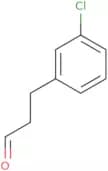
3-(3-Chlorophenyl)propionaldehyde
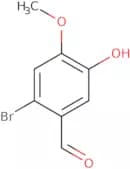
CAS :<p>Please enquire for more information about 3-(3-Chlorophenyl)propionaldehyde including the price, delivery time and more detailed product information at the technical inquiry form on this page</p>Formule :C9H9ClODegré de pureté :Min. 95%Masse moléculaire :168.62 g/mol2-Bromo-5-hydroxy-4-methoxybenzaldehyde
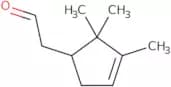
CAS :<p>2-Bromo-5-hydroxy-4-methoxybenzaldehyde is a death pathway inhibitor that has been shown to have radiosensitizing effects in vitro. It has also been found to inhibit the expression of matrix metalloproteinase (MMP) in human glioma cells and in a rat model of cerebral ischemia. This compound may be used as a potential chemotherapeutic agent for the treatment of cancer. 2-Bromo-5-hydroxy-4-methoxybenzaldehyde inhibits cell proliferation by inducing apoptosis, or programmed cell death, which may be due to its ability to suppress MMP activity.</p>Formule :C8H7BrO3Degré de pureté :Min. 95%Couleur et forme :PowderMasse moléculaire :231.04 g/mol(2,2,3-Trimethylcyclopent-3-en-1-yl)acetaldehyde
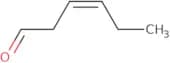
CAS :<p>(2,2,3-Trimethylcyclopent-3-en-1-yl)acetaldehyde is an epoxide. It is a colorless liquid with a pleasant odor and taste that can be used as a flavoring agent. This compound is biosynthesized by bacteria from the alpha-terpineol or 2,2,3-trimethylcyclopentanone. The biological activity of (2,2,3-Trimethylcyclopent-3-en-1-yl)acetaldehyde has been investigated in cultures and in vitro studies on acid bacteria. The production of this compound was found to be stimulated by the presence of other terpenoids such as limonene and alpha pinene.</p>Formule :C10H16ODegré de pureté :Min. 95%Masse moléculaire :152.23 g/molcis-3-Hexenal - stabilised: 50% in triacetin
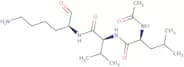
CAS :<p>Cis-3-hexenal is a fatty acid that is found in various foods, including soybean and corn oils. It can be used as a chemical substrate to measure the activity of lipoxygenases, enzymes that catalyze the formation of hydroperoxides from polyunsaturated fatty acids. Cis-3-hexenal is also an insect attractant and has been shown to have antifungal properties against plant pathogens such as Phytophthora infestans. This chemical compound has also been shown to inhibit protein synthesis in cells and to be able to react with DNA. Cis-3-hexenal - stabilised: 50% in triacetin</p>Formule :C6H10ODegré de pureté :Min. 95%Couleur et forme :PowderMasse moléculaire :98.14 g/molAc-Leu-Val-Lys-aldehyde
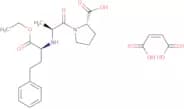
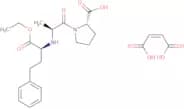
CAS :<p>Please enquire for more information about Ac-Leu-Val-Lys-aldehyde including the price, delivery time and more detailed product information at the technical inquiry form on this page</p>Formule :C19H36N4O4Degré de pureté :Min. 95%Masse moléculaire :384.51 g/mol(S,S,S)-Enalapril maleate
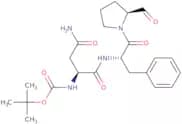
CAS :<p>Prodrug of ACE inhibitor MK-422</p>Formule :C24H32N2O9Degré de pureté :Min. 95%Couleur et forme :White PowderMasse moléculaire :492.52 g/molBoc-Asn-Phe-Pro-aldehyde
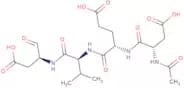
CAS :<p>Boc-Asn-Phe-Pro-aldehyde is a cytosolic proteolytic target enzyme that hydrolyzes peptides with an aliphatic amino acid residue at the carboxy terminus. It is localized in the cytoplasm, where it is activated by serine proteases. Boc-Asn-Phe-Pro-aldehyde has been shown to be effective in cell culture and supernatant. This enzyme can also be used to demonstrate the presence of a particular peptide by releasing a reactive chloride, which can be detected using tetrazolium chloride. This protease has been shown to exacerbate inflammation when administered in vivo.</p>Formule :C23H32N4O6Degré de pureté :Min. 95%Masse moléculaire :460.52 g/molAc-Asp-Glu-Val-Asp-aldehyde (pseudo acid)
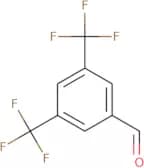
CAS :<p>Ac-Asp-Glu-Val-Asp-aldehyde (pseudo acid) is a pro-apoptotic protein that belongs to the group of pseudo acids. It is able to induce apoptosis. Ac-Asp-Glu-Val-Asp-aldehyde (pseudo acid) can induce neuronal death by activating caspases and apoptosis pathway, which are involved in the process of programmed cell death. This protein also has anti-inflammatory properties, which may be due to its ability to inhibit cyclase activity. Ac-Asp-Glu-Val-Asp (pseudo acid) has been shown to be present at physiological levels in the brain and heart, where it may play an important role in maintaining cell viability.</p>Formule :C20H30N4O11Degré de pureté :Min. 95%Masse moléculaire :502.47 g/mol3,5-Bis(trifluoromethyl)benzaldehyde
CAS :<p>3,5-Bis(trifluoromethyl)benzaldehyde is a synthetic compound that has been shown to inhibit cancer cell growth. It is a chromatographic reagent and an intermediate in the production of pharmaceuticals. 3,5-Bis(trifluoromethyl)benzaldehyde was shown to bind to the amino group of proteins and inhibit the synthesis of protein inhibitors. This compound also binds to cholesterol esters and causes lipid peroxidation, leading to cell death in cancer cells.</p>Formule :C9H4F6ODegré de pureté :Min. 95%Couleur et forme :PowderMasse moléculaire :242.12 g/molCell-permeable Caspase-1 Inhibitor I trifluoroacetate salt
CAS :<p>Please enquire for more information about Cell-permeable Caspase-1 Inhibitor I trifluoroacetate salt including the price, delivery time and more detailed product information at the technical inquiry form on this page</p>Formule :C97H160N20O24Degré de pureté :Min. 95%Masse moléculaire :1,990.43 g/molEnalapril maleate
CAS :<p>Angiotensin-converting enzyme inhibitor; anti-hypertensive</p>Formule :C20H28N2O5•C4H4O4Degré de pureté :Min. 95%Couleur et forme :PowderMasse moléculaire :492.52 g/molAc-Tyr-Val-Lys-Asp-aldehyde (pseudo acid)
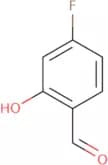
CAS :<p>Ac-Tyr-Val-Lys-Asp-aldehyde is a synthetic compound that can be used to study the apoptotic process. It is an aldehyde and has been found to activate caspases, aspartyl proteases, at high concentrations. This pseudo acid also has a significant activation of n-terminal protein kinase (SB203580) when irradiated with UV light. Ac-Tyr-Val-Lys-Asp-aldehyde can be used as a marker for the apoptotic process because it is synthesized by cells during this process. In addition, it has been shown to produce a red color during staining and can be detected using immunohistochemical techniques.</p>Formule :C26H39N5O8Degré de pureté :Min. 95%Masse moléculaire :549.62 g/mol2-Hydroxy-4-fluorobenzaldehyde
CAS :<p>2-Hydroxy-4-fluorobenzaldehyde is a chemical used as a diagnosis agent to detect radiation exposure. It reacts with magnesium and water molecules to form an amination reaction that produces hydrogen fluoride gas. 2-Hydoxy-4-fluorobenzaldehyde has been shown to have the ability to penetrate into mitochondria, which may be related to its use in the treatment of hepatitis. The chemical structure of this compound is similar to salicylaldehyde, which is used as a reagent for formylation reactions and optical properties. It has also been shown that 2-hydroxy-4-fluorobenzaldehyde can act as a fluorescence probe for the detection of hydrophobic regions on proteins.</p>Formule :C7H5FO2Degré de pureté :Min. 95%Couleur et forme :PowderMasse moléculaire :140.11 g/molPropionaldehyde
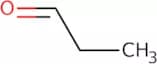
CAS :<p>Propionaldehyde is a simple aliphatic aldehyde that is used in the synthesis of other compounds. It can be synthesized by oxidizing propylene with an oxidation catalyst such as manganese dioxide or platinum metal under pressure. Propionaldehyde can also be formed by the direct oxidation of propanol using ferric chloride, but this reaction has been shown to produce a mixture of products. Propionaldehyde can be produced by the oxidation of acetaldehyde with hydrogen peroxide, which produces formaldehyde and acetone. In addition to its use as a chemical reagent, propionaldehyde has been used as an additive in nutrient solutions for experiments in plant physiology and microbiology.<br>The kinetic data for reactions involving propionaldehyde have been determined using methyl ethyl ketone (MEK) as the solvent and copper(II) sulfate pentahydrate as the catalyst. The redox potential for this molecule is -0.034 volts at pH 7,</p>Formule :C3H6ODegré de pureté :Min. 95%Couleur et forme :Colorless Clear LiquidMasse moléculaire :58.08 g/mol2-Methyl-5-nitrobenzaldehyde
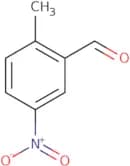
CAS :<p>2-Methyl-5-nitrobenzaldehyde is a nitro compound that is used in the synthesis of dobutamine. It has been shown to undergo rearrangements, with the formation of 2-methyl-5-nitrophenol. Kinetic studies have shown that chlorine can be substituted for hydrogen at the 2 position, and this substitution leads to an increase in reactivity. 2-methyl-5-nitrobenzaldehyde also reacts with dopamine to form a ketone. The hydroxy group on this molecule is nucleophilic and can attack electrophiles, making it useful as an active site for synthetic reactions. This compound is also pyrophoric, which means it will spontaneously ignite in air and burn until all its fuel is consumed.</p>Formule :C8H7NO3Degré de pureté :Min. 95%Couleur et forme :Off-White PowderMasse moléculaire :165.15 g/molAc-Val-Glu-Ile-Asp-aldehyde (pseudo acid)
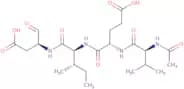
CAS :<p>Ac-Val-Glu-Ile-Asp-aldehyde is a pseudo acid that has been shown to induce apoptotic cell death in cultured cells. It is localized in the cerebellar granule and mitochondria of HL-60 cells and HK-2 cells. Ac-Val-Glu-Ile-Asp-aldehyde induces necrotic cell death when it binds to the serine protease zymogen, which is localized in the mitochondrial membrane. It also induces apoptosis by disrupting the mitochondrial membrane potential, leading to a release of cytochrome c into the cytosol. Ac-Val-Glu-Ile-Asp-aldehyde can bind to annexin and tubule cells, which are important for β cell function.</p>Formule :C22H36N4O9Degré de pureté :Min. 95%Masse moléculaire :500.54 g/mol4-Chloro-3-fluorobenzaldehyde
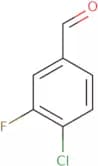
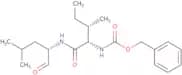
CAS :<p>4-Chloro-3-fluorobenzaldehyde is an atypical molecule that has a deuterium atom. It is classified as a group p2 functional theory reuptake inhibitor, which blocks the reuptake of noradrenaline at the synapse. The vibrational and spectroscopic properties of this molecule are similar to those of other molecules in its class. 4-Chloro-3-fluorobenzaldehyde was shown to inhibit the production of noradrenaline in rat brain tissue and is used as a model for studying genetic polymorphism. Techniques such as nuclear magnetic resonance spectroscopy, infrared spectroscopy, and X-ray crystallography have been used to investigate the structure and reactivity of 4-chloro-3-fluorobenzaldehyde.</p>Formule :C7H4ClFODegré de pureté :Min. 95%Masse moléculaire :158.56 g/molZ-Ile-Leu-aldehyde
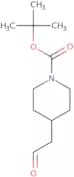
CAS :<p>Please enquire for more information about Z-Ile-Leu-aldehyde including the price, delivery time and more detailed product information at the technical inquiry form on this page</p>Formule :C20H30N2O4Degré de pureté :Min. 95%Masse moléculaire :362.46 g/molN-Boc-4-piperidineacetaldehyde
CAS :<p>N-Boc-4-piperidineacetaldehyde is a chiral, stable, and readily available aldehyde. It has been used in the synthesis of various biologically active molecules including imidazolidinones, which are important for their use as catalysts in organic chemistry. The synthesis of this molecule by the condensation of 4-piperidineacetic acid with acetaldehyde followed by reduction with sodium borohydride is an example of this type of reaction. N-Boc-4-piperidineacetaldehyde can be used to synthesize imines and linkers that are covalently bonded to the protein backbone. This molecule also has conformational stability and is not susceptible to oxidation or radiation damage.</p>Formule :C12H21NO3Degré de pureté :Min. 95%Masse moléculaire :227.3 g/molAc-Tyr-Val-Ala-Asp-aldehyde (pseudo acid)
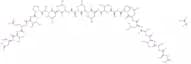
CAS :<p>Ac-Tyr-Val-Ala-Asp-aldehyde is a sesquiterpene lactone that has been shown to have anti-inflammatory properties. It inhibits the inflammatory response by inhibiting the production of pro-inflammatory cytokines and chemokines, such as IL1β, IL6, and TNFα. Ac-Tyr-Val-Ala-Asp-aldehyde also inhibits the activity of cyclooxygenase 2 (COX2) and lipoxygenase (LOX), which are enzymes that produce prostaglandins from arachidonic acid. Acetylsalicylic acid is an example of a drug with similar properties. Acetylsalicylic acid has been shown to inhibit the growth of cancer cells in tissue culture studies and in animal models. This compound may also be used to treat bowel disease, congestive heart failure, or other diseases that are characterized by increased apoptosis.</p>Formule :C23H32N4O8Degré de pureté :Min. 95%Masse moléculaire :492.52 g/molCell-permeable Caspase-3 Inhibitor I trifluoroacetate salt
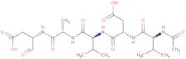
CAS :<p>Please enquire for more information about Cell-permeable Caspase-3 Inhibitor I trifluoroacetate salt including the price, delivery time and more detailed product information at the technical inquiry form on this page</p>Formule :C94H158N20O27Degré de pureté :Min. 95%Masse moléculaire :2,000.38 g/molAc-Val-Asp-Val-Ala-Asp-aldehyde (pseudo acid)
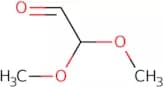
CAS :<p>Ac-Val-Asp-Val-Ala-Asp-aldehyde is a pseudo acid that is used in molecular modeling and kinetic studies. Ac-Val-Asp-Val-Ala-Asp-aldehyde has been shown to be a potent inhibitor of caspase activity and has been shown to inhibit the activity of various other enzymes as well, including cyclohexane ring hydroxylases and nitroreductases. Ac-Val-Asp-Val-Ala-Asp--aldehyde analogs are being studied for their ability to bind to specific proteins or inhibit enzyme activities. Ac-- Val-- Asp-- Val-- Ala-- Asp-- aldehyde binds to the active site of caspase 3 and prevents it from cleaving its target protein, which leads to cell death.</p>Formule :C23H37N5O10Degré de pureté :Min. 95%Masse moléculaire :543.57 g/mol2,2-Dimethoxyacetaldehyde - About 60% water solution
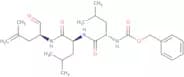
CAS :<p>2,2-Dimethoxyacetaldehyde is an inhibitor of the enzyme DNA polymerase. It has been shown to inhibit replication of the herpes simplex virus type 1 and 2 (HSV-1, HSV-2) in cell cultures. 2,2-Dimethoxyacetaldehyde has also been shown to inhibit the replication of HIV in cells and is a potential antiviral agent. This compound is also used as a building block for other drugs such as amide and ester hydrochloride. It is synthesized from 2,2-dimethoxypropane and formaldehyde with a two step process that starts with an asymmetric synthesis reaction between formaldehyde and methoxide ion followed by an ester hydrochloride formation reaction with methylamine. The product can be purified by recrystallization from water or acetone solution.</p>Formule :C4H8O3Degré de pureté :Min. 95%Masse moléculaire :104.1 g/molZ-Leu-Leu-4,5-dehydro-Leu-aldehyde
CAS :<p>Please enquire for more information about Z-Leu-Leu-4,5-dehydro-Leu-aldehyde including the price, delivery time and more detailed product information at the technical inquiry form on this page</p>Formule :C26H39N3O5Degré de pureté :Min. 95%Masse moléculaire :473.61 g/molAc-Ala-Ala-Val-Ala-Leu-Leu-Pro-Ala-Val-Leu-Leu-Ala-Leu-Leu-Ala-Pro-Ile-Glu-Thr-Asp-aldehyde trifluoroacetate salt
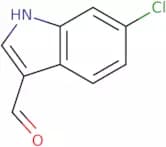
CAS :<p>Please enquire for more information about Ac-Ala-Ala-Val-Ala-Leu-Leu-Pro-Ala-Val-Leu-Leu-Ala-Leu-Leu-Ala-Pro-Ile-Glu-Thr-Asp-aldehyde trifluoroacetate salt including the price, delivery time and more detailed product information at the technical inquiry form on this page</p>Formule :C95H162N20O26Degré de pureté :Min. 95%Masse moléculaire :2,000.42 g/mol6-Chloroindole-3-carboxaldehyde
CAS :<p>6-Chloroindole-3-carboxaldehyde is a natural compound with the molecular formula C8H6ClNO2. It has been shown to have anticancer activity against lung cancer cells and has been found to inhibit the growth of metastatic lung cancer cells in mice. 6-Chloroindole-3-carboxaldehyde inhibits the proliferation of human lung cancer cells by arresting cells in the G1 phase of the cell cycle, which may be due to its ability to bind to deoxyhexose and form a complex. This compound also has antimicrobial activity against bacterial strains such as Streptococcus pneumoniae and Mycoplasma pneumoniae.</p>Formule :C9H6ClNODegré de pureté :Min. 95%Masse moléculaire :179.6 g/mol3,5-Dihydroxybenzaldehyde
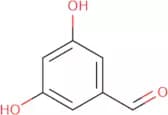
CAS :<p>3,5-Dihydroxybenzaldehyde (DHBA) is a plant metabolite that is classified as a phenolic compound. It is found in many plants and has important biological functions such as the production of carotenoids or the cleavage of carotenoid to form other compounds. DHBA can be extracted from plant tissue with hydrochloric acid or carbon sources. It has been shown that DHBA inhibits the growth of soil bacteria by binding to amines and thus preventing them from reacting with substrates. This may be due to its ability to act as an electron donor, which could also explain its inhibitory activity on carotenoid cleavage.</p>Formule :C7H6O3Degré de pureté :Min. 98 Area-%Couleur et forme :Off-White To Beige To Brown SolidMasse moléculaire :138.12 g/moltrans,cis-2,6-Nonadienal
CAS :<p>Trans,cis-2,6-Nonadienal is a fatty acid derivative with an unsaturated 2,6-nonadiene structure. It is an inhibitor of the enzyme fatty acid synthase, which catalyzes the formation of long-chain polyunsaturated fatty acids. Trans,cis-2,6-Nonadienal has been shown to inhibit v79 cells and ester compounds that are used in analytical methods for measuring fatty acids. It is also able to inhibit lysine residues and it can be used as a reactive antioxidant system in mammalian cells. Trans,cis-2,6-Nonadienal has shown a profile of activities that includes inhibition at multiple endpoints involving noncompetitive inhibition as well as antioxidant activity.</p>Formule :C9H14ODegré de pureté :Min. 95%Couleur et forme :Clear LiquidMasse moléculaire :138.21 g/mol(+/-)-Perillaldehyde
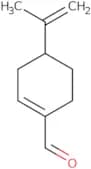
CAS :<p>Perillaldehyde is a natural compound that has been used in food and medicine for centuries. It is an antimicrobial agent with dextran sulfate, which is a sugar polymer that inhibits the growth of fungi and bacteria. Perillaldehyde also has been shown to inhibit the energy metabolism of microorganisms by decreasing ATP production. Perillaldehyde has also been shown to have genotoxic activity, as it can cause DNA strand breaks. This compound also causes oxidative stress in cells by reducing mitochondrial membrane potential and inducing reactive oxygen species (ROS). Perillaldehyde has acute toxicities, as it causes electrochemical impedance spectroscopy changes that indicate cell death.</p>Formule :C10H14ODegré de pureté :Min. 95%Couleur et forme :PowderMasse moléculaire :150.22 g/mol2,3,5-Trichlorobenzaldehyde
CAS :<p>2,3,5-Trichlorobenzaldehyde is a chemical compound that has been shown to have anticancer and apoptotic effects. It inhibits the growth of bacteria by chelating iron ions and inhibiting bacterial dna synthesis. 2,3,5-Trichlorobenzaldehyde has also been shown to inhibit the growth of cancer cells in culture in an experimental study. This chemical has been used as a substrate for nmr spectroscopy to study its functional groups and radical scavenging activities. 2,3,5-Trichlorobenzaldehyde can be synthesized from phenacyl chloride and benzaldehyde in the presence of hydrogen chloride gas. The carbonyl group in 2,3,5-trichlorobenzaldehyde may cause metabolic disorders such as diabetes mellitus or hyperglycemia.</p>Formule :C7H3Cl3ODegré de pureté :Min. 95%Couleur et forme :PowderMasse moléculaire :209.46 g/molPoly[(phenyl glycidyl ether)-co-formaldehyde] - Average MW 570
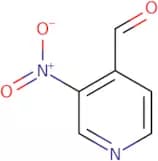
CAS :<p>Please enquire for more information about Poly[(phenyl glycidyl ether)-co-formaldehyde] - Average MW 570 including the price, delivery time and more detailed product information at the technical inquiry form on this page</p>Formule :(C6H6O•CH2O)xDegré de pureté :Min. 95%Couleur et forme :Clear Liquid3-Nitroisonicotinaldehyde
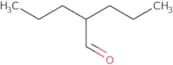
CAS :<p>3-Nitroisonicotinaldehyde is a kinase inhibitor that binds to the ATP binding site of receptor tyrosine kinases. It inhibits the activation of these receptors and prevents the phosphorylation of tyrosine residues on the receptor. 3-Nitroisonicotinaldehyde has been shown to inhibit VEGFR-2, ABCG2, and efflux in human cancer cells. This drug has been shown to inhibit tumor growth in mice by inhibiting angiogenesis, which is a process that involves the formation of new blood vessels from pre-existing ones. 3-Nitroisonicotinaldehyde also inhibits tumor growth by blocking the production of vascular endothelial growth factor (VEGF) from angiogenic cells.</p>Formule :C6H4N2O3Degré de pureté :Min. 95%Masse moléculaire :152.11 g/mol2-Propyl valeraldehyde
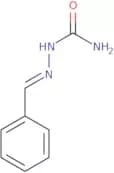
CAS :<p>2-Propyl valeraldehyde is a solvent that is used in pharmaceutical preparations and has been shown to inhibit the activity of aldehyde dehydrogenase, an enzyme that catalyzes the oxidation of alcohols and aldehydes. 2-Propyl valeraldehyde also inhibits the formation of carboxylic acids by competitive inhibition with metal ions such as zinc. The deuterium isotope effect has been used to show that 2-propyl valeraldehyde is metabolized by deuterium exchange. Mass spectrometric detection has shown that this compound contains a carbonyl group (C=O). This compound can be used as an intermediate in organic synthesis reactions, but it also has convulsant effects.</p>Formule :C8H16ODegré de pureté :Min. 95%Masse moléculaire :128.21 g/molBenzaldehyde semicarbazone
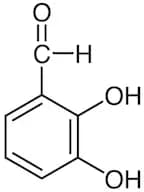
CAS :<p>Benzaldehyde semicarbazone is a hydrogen bond acceptor and donor, which can be used for the synthesis of pharmaceuticals. It is also known to have significant biological activity, including anticonvulsant activity. Benzaldehyde semicarbazone has been shown to be an inhibitor of pyrazole ring formation in the reaction between 4-chlorobenzaldehyde oxime and hydrochloric acid. This inhibition may be due to its ability to act as a hydrogen bond acceptor, forming hydrogen bonds with both the carbonyl group of 4-chlorobenzaldehyde oxime and the protonated chloride ion. The mechanism is supported by kinetic studies which show that benzaldehyde semicarbazone has a much lower activation energy than the other reactants involved in the reaction.</p>Formule :C8H9N3ODegré de pureté :Min. 95%Couleur et forme :PowderMasse moléculaire :163.18 g/mol2,3-Dihydroxybenzaldehyde
CAS :Formule :C7H6O3Degré de pureté :>98.0%(GC)(T)Couleur et forme :Light yellow to Yellow to Green powder to crystalMasse moléculaire :138.123,6-Dimethylsalicylaldehyde
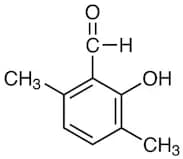
CAS :Formule :C9H10O2Degré de pureté :>98.0%(GC)(T)Couleur et forme :White to Light orange to Pale yellow green powder to crystalMasse moléculaire :150.182-Hydroxyisophthalaldehyde
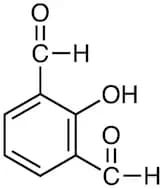
CAS :Formule :C8H6O3Degré de pureté :>98.0%(GC)(T)Couleur et forme :White to Light yellow to Light orange powder to crystalMasse moléculaire :150.134-(2-Hydroxyethoxy)benzaldehyde
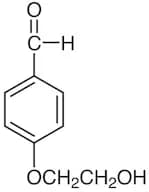
CAS :Formule :C9H10O3Degré de pureté :>98.0%(GC)Couleur et forme :White to Light yellow to Light orange powder to crystalMasse moléculaire :166.184-Nitrocinnamaldehyde, predominantly trans, 98%
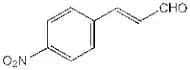
CAS :<p>Doebner-Miller reaction the 4- nitrocinnamaldehyde and 2-methylaniline in concentrated HC1 give the corresponding 8-methyl-2-phenylquinoline (3: R = 4'-N02) directly. The asymmetric Friedel-Crafts-type alkylation in aqueous media reaction of 4-Nitrocinnamaldehydr with N-methyl indole using trifluoro</p>Formule :C9H7NO3Degré de pureté :98%Couleur et forme :White to yellow to orange, PowderMasse moléculaire :177.16Cyclobutanecarboxaldehyde
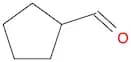
CAS :Formule :C5H8ODegré de pureté :95%Couleur et forme :LiquidMasse moléculaire :84.1164Cyclopentanecarbaldehyde
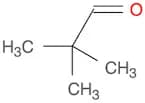
CAS :Formule :C6H10ODegré de pureté :95%Couleur et forme :LiquidMasse moléculaire :98.1430Trimethylacetaldehyde
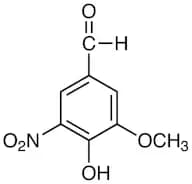
CAS :Formule :C5H10ODegré de pureté :96%Couleur et forme :LiquidMasse moléculaire :86.13235-Nitrovanillin
CAS :Formule :C8H7NO5Degré de pureté :>98.0%(T)Couleur et forme :Yellow to Brown to Dark green powder to crystalMasse moléculaire :197.151-ethyl-3-piperidinecarbaldehyde hydrochloride
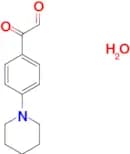
CAS :Degré de pureté :95.0%Masse moléculaire :177.66999816894534-Piperidinylphenylglyoxal hydrate
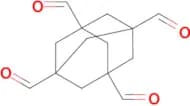
CAS :Degré de pureté :95.0%Couleur et forme :SolidMasse moléculaire :235.2830047607422(1S,3S,5S)-Adamantane-1,3,5,7-tetracarbaldehyde
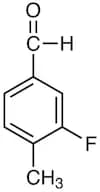
CAS :Degré de pureté :95%Masse moléculaire :248.27799987792973-Fluoro-4-methylbenzaldehyde
CAS :Formule :C8H7FODegré de pureté :>95.0%(GC)Couleur et forme :Light yellow to Yellow to Orange clear liquidMasse moléculaire :138.148-Nonenal
CAS :Produit contrôlé<p>Applications 8-Nonenal is used as a reactant in the preparation of macrocyclic Z-enoates and (E,Z)- or (Z,E)-dienoates through catalytic stereoselective ring-closing metathesis.<br>References Zhang, H., et al.: JACS., 136, 16493 (2014)<br></p>Formule :C9H16OCouleur et forme :NeatMasse moléculaire :140.225-Nitrothiophene-2-carboxaldehyde
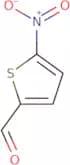
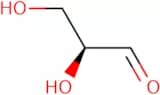
CAS :<p>5-Nitrothiophene-2-carboxaldehyde (5NT) is a chemical compound that belongs to the class of dihedral molecules. It is commonly used as an antimicrobial agent and has been shown to have amoebicidal activity in tissue culture. 5NT also inhibits cell growth and proliferation in certain bacteria, such as Staphylococcus aureus strains, by interfering with DNA replication and protein synthesis. Although 5NT is not active against other types of bacteria, it has been shown to be effective against MRSA in laboratory studies. The biological properties of 5NT are still being studied.</p>Formule :C5H3NO3SDegré de pureté :Min. 95%Masse moléculaire :157.15 g/molL-(-)-Glyceraldehyde - Technical grade aqueous solution
CAS :<p>Please enquire for more information about L-(-)-Glyceraldehyde - Technical grade aqueous solution including the price, delivery time and more detailed product information at the technical inquiry form on this page</p>Formule :C3H6O3Degré de pureté :Min. 95%Couleur et forme :Clear Viscous LiquidMasse moléculaire :90.08 g/mol






![Poly[(phenyl glycidyl ether)-co-formaldehyde] - Average MW 570](/_next/image/?url=https%3A%2Fstatic.cymitquimica.com%2Fproducts%2F3D%2Fthumb-webp%2FFP158268.webp&w=3840&q=75)