Aldéhydes
8588 produits trouvés pour "Aldéhydes"
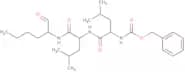
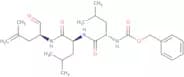
Z-Leu-Leu-Nle-aldehyde
CAS :Z-Leu-Leu-Nle (ZLL) is a small molecule that selectively inhibits the activity of the aspartyl protease, BACE1, which is an enzyme that cleaves amyloid precursor protein (APP) to produce amyloid beta peptides. The inhibition of this enzyme has been shown to be effective in preventing or delaying the onset of Alzheimer's disease. ZLL also inhibits estrogen receptor alpha and has antiestrogenic effects in breast cancer cells. This compound induces apoptosis by binding to apoptotic proteins, such as tumor necrosis factor receptor 1, Fas ligand, and TRAIL receptors. It also inhibits cell growth and induces chemoresistance in breast cancer cells.
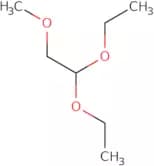
Formule :C26H41N3O5Degré de pureté :Min. 95%Masse moléculaire :475.62 g/molMethoxyacetaldehyde diethyl acetal
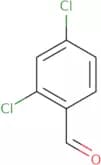
CAS :Methoxyacetaldehyde diethyl acetal is a viscous liquid with a low vapor pressure. This substance is stable at high temperatures and has a high resistance to chemical interactions. It is also hydrophobic in nature. Methoxyacetaldehyde diethyl acetal has been shown to interact with the aminoglycoside antibiotics, erythromycin, streptomycin, and neomycin. The interaction of this substance with these antibiotics may be due to the fact that it has proton resonances similar to those of amino acids, as well as its ability to form hydrogen bonds with the antibiotic molecules. Methoxyacetaldehyde diethyl acetal also interacts with triethyl orthoformate, which can lead to the formation of an ester bond between them.Formule :C7H16O3Degré de pureté :Min. 95%Couleur et forme :Colorless Clear LiquidMasse moléculaire :148.2 g/mol2,4-Dichlorobenzaldehyde
CAS :2,4-Dichlorobenzaldehyde is a compound that is a member of the class of phenylpropanoids. It has been shown to react with curcumin analogues to form 1,3-dichloro-2,4-bis(chloromethyl)benzene and 1,3-dichloro-2,4-(1′,2′-dichloroethoxy)benzene. These products have been found to have high values for fluorescence analysis. This molecule also has physiological effects as a growth regulator and antimicrobial agent. 2,4-Dichlorobenzaldehyde has been used in analytical methods such as dihedral angle determination and synthetic processes like the synthesis of benzaldehydes.
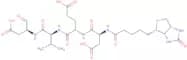
Formule :C7H4Cl2ODegré de pureté :Min. 95%Couleur et forme :PowderMasse moléculaire :175.01 g/molBiotinyl-Asp-Glu-Val-Asp-aldehyde (pseudo acid)
CAS :Biotinyl-Asp-Glu-Val-Asp-aldehyde (pseudo acid) is a biotinylated amino acid, which can be used to study the affinity of caspases and other proteases. Biotin binds to the peptide through an amide bond and the amino group on the biotin molecule reacts with reactive groups on proteins, such as lysine, cysteine, histidine, or arginine. This reaction leads to the formation of a stable link between biotin and the target protein. The biotinylated peptide can then be purified from a sample by using an affinity chromatography column that has been pre-coated with streptavidin. Biotin is not toxic because it does not bind to DNA.Formule :C28H42N6O12SDegré de pureté :Min. 95%Masse moléculaire :686.73 g/molZ-Leu-Leu-4,5-dehydro-Leu-aldehyde
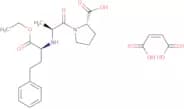
CAS :Please enquire for more information about Z-Leu-Leu-4,5-dehydro-Leu-aldehyde including the price, delivery time and more detailed product information at the technical inquiry form on this pageFormule :C26H39N3O5Degré de pureté :Min. 95%Masse moléculaire :473.61 g/mol(S,S,S)-Enalapril maleate
CAS :Prodrug of ACE inhibitor MK-422
Formule :C24H32N2O9Degré de pureté :Min. 95%Couleur et forme :White PowderMasse moléculaire :492.52 g/molZ-Ile-Glu(OtBu)-Ala-Leu-aldehyde
CAS :Z-Ile-Glu(OtBu)-Ala-Leu-aldehyde, also known as ZILEAL, is a potent immunosuppressant that binds to the Toll-like receptor (TLR) and inhibits NF-κB binding activity. It has been shown to reduce the activation of macrophages by inhibiting the production of proinflammatory cytokines such as tumor necrosis factor alpha (TNFα), IL-1β, and IL-6. This drug has been shown to inhibit HIV replication in vitro and was also found to have an antiviral effect against herpes simplex virus type 1 in vivo. ZILEAL also inhibits dsDNA binding activity, which may have potential applications in cancer treatment.
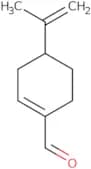
Formule :C32H50N4O8Degré de pureté :Min. 95%Masse moléculaire :618.76 g/mol(+/-)-Perillaldehyde
CAS :Perillaldehyde is a natural compound that has been used in food and medicine for centuries. It is an antimicrobial agent with dextran sulfate, which is a sugar polymer that inhibits the growth of fungi and bacteria. Perillaldehyde also has been shown to inhibit the energy metabolism of microorganisms by decreasing ATP production. Perillaldehyde has also been shown to have genotoxic activity, as it can cause DNA strand breaks. This compound also causes oxidative stress in cells by reducing mitochondrial membrane potential and inducing reactive oxygen species (ROS). Perillaldehyde has acute toxicities, as it causes electrochemical impedance spectroscopy changes that indicate cell death.
Formule :C10H14ODegré de pureté :Min. 95%Couleur et forme :PowderMasse moléculaire :150.22 g/mol2,3,5-Trichlorobenzaldehyde
CAS :2,3,5-Trichlorobenzaldehyde is a chemical compound that has been shown to have anticancer and apoptotic effects. It inhibits the growth of bacteria by chelating iron ions and inhibiting bacterial dna synthesis. 2,3,5-Trichlorobenzaldehyde has also been shown to inhibit the growth of cancer cells in culture in an experimental study. This chemical has been used as a substrate for nmr spectroscopy to study its functional groups and radical scavenging activities. 2,3,5-Trichlorobenzaldehyde can be synthesized from phenacyl chloride and benzaldehyde in the presence of hydrogen chloride gas. The carbonyl group in 2,3,5-trichlorobenzaldehyde may cause metabolic disorders such as diabetes mellitus or hyperglycemia.
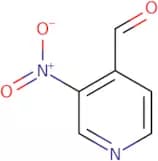
Formule :C7H3Cl3ODegré de pureté :Min. 95%Couleur et forme :PowderMasse moléculaire :209.46 g/mol3-Nitroisonicotinaldehyde
CAS :3-Nitroisonicotinaldehyde is a kinase inhibitor that binds to the ATP binding site of receptor tyrosine kinases. It inhibits the activation of these receptors and prevents the phosphorylation of tyrosine residues on the receptor. 3-Nitroisonicotinaldehyde has been shown to inhibit VEGFR-2, ABCG2, and efflux in human cancer cells. This drug has been shown to inhibit tumor growth in mice by inhibiting angiogenesis, which is a process that involves the formation of new blood vessels from pre-existing ones. 3-Nitroisonicotinaldehyde also inhibits tumor growth by blocking the production of vascular endothelial growth factor (VEGF) from angiogenic cells.
Formule :C6H4N2O3Degré de pureté :Min. 95%Masse moléculaire :152.11 g/molPoly[(phenyl glycidyl ether)-co-formaldehyde] - Average MW 570
CAS :Please enquire for more information about Poly[(phenyl glycidyl ether)-co-formaldehyde] - Average MW 570 including the price, delivery time and more detailed product information at the technical inquiry form on this pageFormule :(C6H6O•CH2O)xDegré de pureté :Min. 95%Couleur et forme :Clear Liquidtrans,cis-2,6-Nonadienal
CAS :Trans,cis-2,6-Nonadienal is a fatty acid derivative with an unsaturated 2,6-nonadiene structure. It is an inhibitor of the enzyme fatty acid synthase, which catalyzes the formation of long-chain polyunsaturated fatty acids. Trans,cis-2,6-Nonadienal has been shown to inhibit v79 cells and ester compounds that are used in analytical methods for measuring fatty acids. It is also able to inhibit lysine residues and it can be used as a reactive antioxidant system in mammalian cells. Trans,cis-2,6-Nonadienal has shown a profile of activities that includes inhibition at multiple endpoints involving noncompetitive inhibition as well as antioxidant activity.Formule :C9H14ODegré de pureté :Min. 95%Couleur et forme :Clear LiquidMasse moléculaire :138.21 g/mol4-Phenylbenzaldehyde oxime
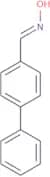
CAS :4-Phenylbenzaldehyde oxime is a high quality reagent that is used as a building block in the synthesis of complex compounds. It is an aromatic compound with a chemical formula of C8H7O2N. This product can be used to make a variety of useful intermediates, fine chemicals, and speciality chemicals. 4-Phenylbenzaldehyde oxime has been identified as a potentially useful scaffold for synthetic organic chemistry and research into new drugs. It is also used as an intermediate in the production of other organic compounds. This product has been shown to be versatile and can be used to synthesize many different types of reactions.Formule :C13H11NODegré de pureté :Min. 95%Couleur et forme :PowderMasse moléculaire :197.23 g/mol2-Propyl valeraldehyde
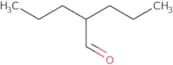
CAS :2-Propyl valeraldehyde is a solvent that is used in pharmaceutical preparations and has been shown to inhibit the activity of aldehyde dehydrogenase, an enzyme that catalyzes the oxidation of alcohols and aldehydes. 2-Propyl valeraldehyde also inhibits the formation of carboxylic acids by competitive inhibition with metal ions such as zinc. The deuterium isotope effect has been used to show that 2-propyl valeraldehyde is metabolized by deuterium exchange. Mass spectrometric detection has shown that this compound contains a carbonyl group (C=O). This compound can be used as an intermediate in organic synthesis reactions, but it also has convulsant effects.Formule :C8H16ODegré de pureté :Min. 95%Masse moléculaire :128.21 g/molBenzaldehyde semicarbazone
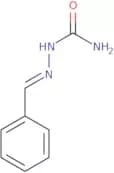
CAS :Benzaldehyde semicarbazone is a hydrogen bond acceptor and donor, which can be used for the synthesis of pharmaceuticals. It is also known to have significant biological activity, including anticonvulsant activity. Benzaldehyde semicarbazone has been shown to be an inhibitor of pyrazole ring formation in the reaction between 4-chlorobenzaldehyde oxime and hydrochloric acid. This inhibition may be due to its ability to act as a hydrogen bond acceptor, forming hydrogen bonds with both the carbonyl group of 4-chlorobenzaldehyde oxime and the protonated chloride ion. The mechanism is supported by kinetic studies which show that benzaldehyde semicarbazone has a much lower activation energy than the other reactants involved in the reaction.Formule :C8H9N3ODegré de pureté :Min. 95%Couleur et forme :PowderMasse moléculaire :163.18 g/mol3,6-Dimethylsalicylaldehyde
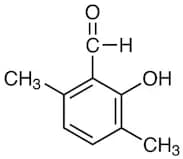
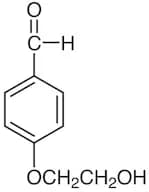
CAS :Formule :C9H10O2Degré de pureté :>98.0%(GC)(T)Couleur et forme :White to Light orange to Pale yellow green powder to crystalMasse moléculaire :150.184-(2-Hydroxyethoxy)benzaldehyde
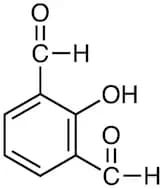
CAS :Formule :C9H10O3Degré de pureté :>98.0%(GC)Couleur et forme :White to Light yellow to Light orange powder to crystalMasse moléculaire :166.182-Hydroxyisophthalaldehyde
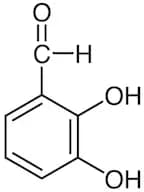
CAS :Formule :C8H6O3Degré de pureté :>98.0%(GC)(T)Couleur et forme :White to Light yellow to Light orange powder to crystalMasse moléculaire :150.132,3-Dihydroxybenzaldehyde
CAS :Formule :C7H6O3Degré de pureté :>98.0%(GC)(T)Couleur et forme :Light yellow to Yellow to Green powder to crystalMasse moléculaire :138.12Cyclobutanecarboxaldehyde
CAS :Formule :C5H8ODegré de pureté :95%Couleur et forme :LiquidMasse moléculaire :84.1164Benzaldehyde, 2,3-difluoro-
CAS :Formule :C7H4F2ODegré de pureté :97%Couleur et forme :LiquidMasse moléculaire :142.1029Ref: IN-DA002TBS
Produit arrêtéTrifluoroacetaldehyde methyl hemiacetal, tech grade
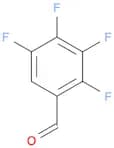
CAS :Formule :C3H5F3O2Degré de pureté :90%Couleur et forme :LiquidMasse moléculaire :130.06582,3,4,5-Tetrafluorobenzaldehyde
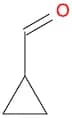
CAS :Formule :C7H2F4ODegré de pureté :97%Couleur et forme :LiquidMasse moléculaire :178.0838Cyclopropanecarboxaldehyde
CAS :Formule :C4H6ODegré de pureté :95%Couleur et forme :LiquidMasse moléculaire :70.0898Ref: IN-DA001LAD
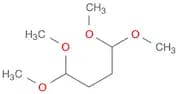
Produit arrêtéSuccinaldehyde Bis(dimethyl Acetal)
CAS :Formule :C8H18O4Degré de pureté :98%Couleur et forme :LiquidMasse moléculaire :178.22612-Propynal, 3-(trimethylsilyl)-
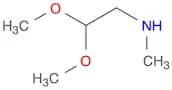
CAS :Formule :C6H10OSiDegré de pureté :97%Couleur et forme :LiquidMasse moléculaire :126.2285Methylaminoacetaldehyde dimethyl acetal
CAS :Formule :C5H13NO2Degré de pureté :96%Couleur et forme :LiquidMasse moléculaire :119.1622Ref: IN-DA00359E
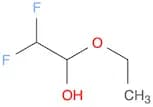
Produit arrêtéEthanol, 1-ethoxy-2,2-difluoro-
CAS :Formule :C4H8F2O2Degré de pureté :90%Couleur et forme :LiquidMasse moléculaire :126.1019Acetaldehyde, 2-[[(1,1-dimethylethyl)dimethylsilyl]oxy]-
CAS :Formule :C8H18O2SiDegré de pureté :90%Couleur et forme :LiquidMasse moléculaire :174.3128Ref: IN-DA0006UO
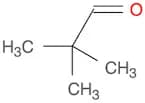
Produit arrêtéTrimethylacetaldehyde
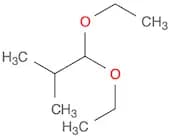
CAS :Formule :C5H10ODegré de pureté :96%Couleur et forme :LiquidMasse moléculaire :86.1323Propane, 1,1-diethoxy-2-methyl-
CAS :Formule :C8H18O2Degré de pureté :96%Couleur et forme :LiquidMasse moléculaire :146.2273Propionaldehyde diethyl acetal
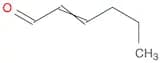
CAS :Formule :C7H16O2Degré de pureté :95%Couleur et forme :LiquidMasse moléculaire :132.2007trans-2-Hexen-1-al
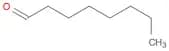
CAS :Formule :C6H10ODegré de pureté :98%Couleur et forme :LiquidMasse moléculaire :98.1430n-Octanaldehyde
CAS :Formule :C8H16ODegré de pureté :98%Couleur et forme :LiquidMasse moléculaire :128.2120Ref: IN-DA000LDL
Produit arrêtéBenzeneacetaldehyde
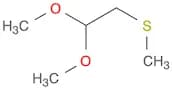
CAS :Formule :C8H8ODegré de pureté :95%Couleur et forme :LiquidMasse moléculaire :120.14851,1-Dimethoxy-2-(methylthio)ethane
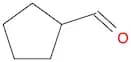
CAS :Formule :C5H12O2SDegré de pureté :98%Couleur et forme :LiquidMasse moléculaire :136.2126Cyclopentanecarbaldehyde
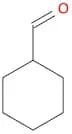
CAS :Formule :C6H10ODegré de pureté :95%Couleur et forme :LiquidMasse moléculaire :98.1430Cyclohexanecarboxaldehyde
CAS :Formule :C7H12ODegré de pureté :95%Couleur et forme :LiquidMasse moléculaire :112.1696Ref: IN-DA0029ES
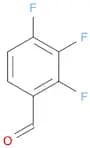
Produit arrêtéBenzaldehyde, 2,3,4-trifluoro-
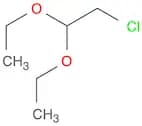
CAS :Formule :C7H3F3ODegré de pureté :96%Couleur et forme :LiquidMasse moléculaire :160.09332-Chloro-1,1-diethoxyethane
CAS :Formule :C6H13ClO2Degré de pureté :98%Couleur et forme :LiquidMasse moléculaire :152.61922-Heptenal, (2E)-
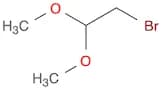
CAS :Formule :C7H12ODegré de pureté :95%Couleur et forme :LiquidMasse moléculaire :112.16962-Bromo-1,1-dimethoxyethane
CAS :Formule :C4H9BrO2Degré de pureté :98%Couleur et forme :LiquidMasse moléculaire :169.01713-Fluorobenzaldehyde
CAS :Formule :C7H5FODegré de pureté :96%Couleur et forme :LiquidMasse moléculaire :124.1124Ref: IN-DA0033PH
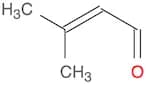
Produit arrêté3-Methyl-2-butenal
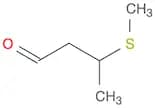
CAS :Formule :C5H8ODegré de pureté :95%Couleur et forme :LiquidMasse moléculaire :84.1164Butanal, 3-(methylthio)-
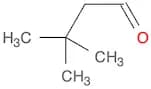
CAS :Formule :C5H10OSDegré de pureté :96%Couleur et forme :LiquidMasse moléculaire :118.19733,3-Dimethylbutyraldehyde
CAS :Formule :C6H12ODegré de pureté :95%Couleur et forme :LiquidMasse moléculaire :100.1589Benzaldehyde, 2,5-difluoro-
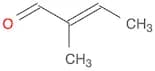
CAS :Formule :C7H4F2ODegré de pureté :97%Couleur et forme :LiquidMasse moléculaire :142.1029Trans-2-methyl-2-butenal
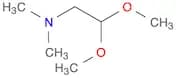
CAS :Formule :C5H8ODegré de pureté :95%Couleur et forme :LiquidMasse moléculaire :84.1164Dimethylaminoacetaldehyde Dimethylacetal
CAS :Formule :C6H15NO2Degré de pureté :98%Couleur et forme :LiquidMasse moléculaire :133.18883,5,5-TRIMETHYLHEXANAL
CAS :Formule :C9H18ODegré de pureté :90%Couleur et forme :LiquidMasse moléculaire :142.23865-Norbornene-2-carboxaldehyde
CAS :Formule :C8H10ODegré de pureté :97%Couleur et forme :LiquidMasse moléculaire :122.1644Ref: IN-DA003MXS
Produit arrêtéRef: IN-DA002KIG
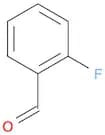
Produit arrêté2-Fluorobenzaldehyde
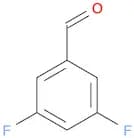
CAS :Formule :C7H5FODegré de pureté :95%Couleur et forme :LiquidMasse moléculaire :124.11243,5-Difluorobenzaldehyde
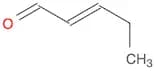
CAS :Formule :C7H4F2ODegré de pureté :96%Couleur et forme :SolidMasse moléculaire :142.10292-Pentenal, (2E)-
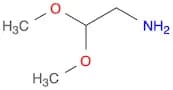
CAS :Formule :C5H8ODegré de pureté :96%Couleur et forme :LiquidMasse moléculaire :84.11642,2-Dimethoxyethylamine
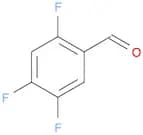
CAS :Formule :C4H11NO2Degré de pureté :98%Couleur et forme :LiquidMasse moléculaire :105.13562,4,5-Trifluorobenzaldehyde
CAS :Formule :C7H3F3ODegré de pureté :95%Couleur et forme :LiquidMasse moléculaire :160.0933Ref: IN-DA003290
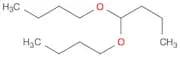
Produit arrêtéButane, 1,1-dibutoxy-
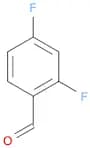
CAS :Formule :C12H26O2Degré de pureté :97%Couleur et forme :LiquidMasse moléculaire :202.3336Benzaldehyde, 2,4-difluoro-
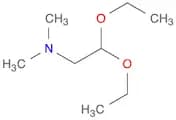
CAS :Formule :C7H4F2ODegré de pureté :97%Couleur et forme :LiquidMasse moléculaire :142.1029Ethanamine, 2,2-diethoxy-N,N-dimethyl-
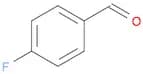
CAS :Formule :C8H19NO2Degré de pureté :95%Couleur et forme :LiquidMasse moléculaire :161.24204-Fluorobenzaldehyde
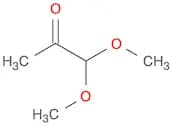
CAS :Formule :C7H5FODegré de pureté :96%Couleur et forme :LiquidMasse moléculaire :124.11241,1-dimethoxypropan-2-one
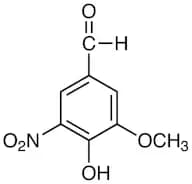
CAS :Formule :C5H10O3Degré de pureté :98%Couleur et forme :LiquidMasse moléculaire :118.13115-Nitrovanillin
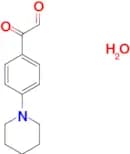
CAS :Formule :C8H7NO5Degré de pureté :>98.0%(T)Couleur et forme :Yellow to Brown to Dark green powder to crystalMasse moléculaire :197.154-Piperidinylphenylglyoxal hydrate
CAS :Degré de pureté :95.0%Couleur et forme :SolidMasse moléculaire :235.28300476074221-ethyl-3-piperidinecarbaldehyde hydrochloride
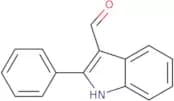
CAS :Degré de pureté :95.0%Masse moléculaire :177.66999816894532-Phenylindole-3-carboxaldehyde
CAS :2-Phenylindole-3-carboxaldehyde is an organic compound that belongs to the class of bioactive molecules. It is a nitrogen heterocycle that has been shown to inhibit the growth of cancer cells in culture. 2-Phenylindole-3-carboxaldehyde has also been shown to have anti-inflammatory and antimicrobial properties. This molecule can be used in the treatment of cancer, as it inhibits the growth of tumor cells by inhibiting DNA synthesis, which leads to cell death. The molecular structure can be altered by allylation or replacement with other functional groups. The 2-phenylindole moiety can be modified at its C2 position, altering its pharmacological properties and may lead to new anticancer drugs.
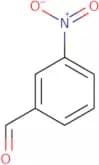
Formule :C15H11NODegré de pureté :Min. 95%Couleur et forme :PowderMasse moléculaire :221.25 g/mol3-Nitrobenzaldehyde
CAS :3-Nitrobenzaldehyde is an organic compound that is used in the synthesis of monoclonal antibodies for use in cancer research. It has been shown to have genotoxic and carcinogenic effects, as it binds to nucleic acids and inhibits DNA replication. 3-Nitrobenzaldehyde has been shown to be effective against a variety of bacteria, including methicillin-resistant Staphylococcus aureus (MRSA) and Clostridium perfringens. This compound also inhibits protein synthesis by binding with amines and hydrogen bonding with the amino acid residues of proteins.
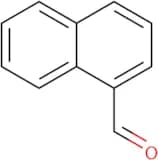
Formule :C7H5NO3Degré de pureté :Min. 95%Couleur et forme :PowderMasse moléculaire :151.12 g/mol1-Naphthaldehyde
CAS :1-Naphthaldehyde is a coordination compound that contains 1 naphthyl group and an oxygen atom. It can be used as an oxidation catalyst, intramolecular hydrogen, or a reaction solution. The antimicrobial activity of 1-naphthaldehyde has been shown in the presence of sodium carbonate or potassium phosphate buffer. 1-Naphthaldehyde has been shown to possess structural properties similar to those of other metal chelates, such as zinc pyrithione. The protonated form of 1-naphthaldehyde has been identified by means of analytical methods including gas chromatography and mass spectrometry.
Formule :C11H8ODegré de pureté :Min. 95%Couleur et forme :Yellow To Brown LiquidMasse moléculaire :156.18 g/mol3-Bromo-4-methoxybenzaldehyde
CAS :3-Bromo-4-methoxybenzaldehyde is a heterocycle that contains a covalent inhibitor. It has been shown to have inhibitory activity against imines, hydroxyl groups, and human serum. 3-Bromo-4-methoxybenzaldehyde has been shown to be an efficient method for the synthesis of nitrogen containing heterocycles with potential use as pharmaceuticals. This compound has also been used in the asymmetric synthesis of diphenyl ethers, which are useful in pharmacological studies. The reaction mechanism of this compound is not well understood and needs more research before it can be applied to other areas.
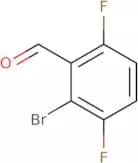
Formule :C8H7BrO2Degré de pureté :Min. 95%Couleur et forme :PowderMasse moléculaire :215.04 g/mol2-Bromo-3,6-difluorobenzaldehyde
CAS :2-Bromo-3,6-difluorobenzaldehyde is a versatile building block that is used in the synthesis of many complex compounds. It has been shown to be a useful intermediate and reaction component in organic synthesis. 2-Bromo-3,6-difluorobenzaldehyde can be used as a reagent or speciality chemical for research purposes. This compound has high quality and is a useful scaffold for the preparation of fine chemicals.
Formule :C7H3BrF2ODegré de pureté :Min. 95%Couleur et forme :Off-White PowderMasse moléculaire :221 g/molRef: 3D-FB67309
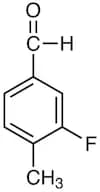
Produit arrêté3-Fluoro-4-methylbenzaldehyde
CAS :Formule :C8H7FODegré de pureté :>95.0%(GC)Couleur et forme :Light yellow to Yellow to Orange clear liquidMasse moléculaire :138.148-Nonenal
CAS :Produit contrôléApplications 8-Nonenal is used as a reactant in the preparation of macrocyclic Z-enoates and (E,Z)- or (Z,E)-dienoates through catalytic stereoselective ring-closing metathesis.
References Zhang, H., et al.: JACS., 136, 16493 (2014)Formule :C9H16OCouleur et forme :NeatMasse moléculaire :140.224-Bromobenzaldehyde
CAS :Please enquire for more information about 4-Bromobenzaldehyde including the price, delivery time and more detailed product information at the technical inquiry form on this page
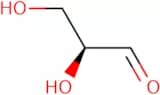
Formule :C7H5BrOMasse moléculaire :185.03 g/molL-(-)-Glyceraldehyde - Technical grade aqueous solution
CAS :Please enquire for more information about L-(-)-Glyceraldehyde - Technical grade aqueous solution including the price, delivery time and more detailed product information at the technical inquiry form on this page
Formule :C3H6O3Degré de pureté :Min. 95%Couleur et forme :Clear Viscous LiquidMasse moléculaire :90.08 g/mol



![Poly[(phenyl glycidyl ether)-co-formaldehyde] - Average MW 570](/_next/image/?url=https%3A%2Fstatic.cymitquimica.com%2Fproducts%2F3D%2Fthumb-webp%2FFP158268.webp&w=3840&q=75)





![Acetaldehyde, 2-[[(1,1-dimethylethyl)dimethylsilyl]oxy]-](/_next/image/?url=https%3A%2Fstatic.cymitquimica.com%2Fproducts%2FIN%2Fthumb-webp%2FDA0006UO.webp&w=3840&q=75)