CymitQuimica logo
Aldéhydes

Aldéhydes

Les aldéhydes sont des composés organiques contenant un groupe carbonyle (C=O) lié à au moins un atome d'hydrogène. Ces composés polyvalents sont fondamentaux dans diverses réactions chimiques, notamment l'oxydation, la réduction et l'addition nucléophile. Les aldéhydes sont des building blocks essentiels dans la synthèse de produits pharmaceutiques, de parfums et de polymères. Chez CymitQuimica, nous proposons une large sélection d'aldéhydes de haute qualité pour soutenir vos applications de recherche et industrielles.

8551 produits trouvés pour "Aldéhydes"

Trier par

Degré de pureté (%)
0
100
|
0
|
50
|
90
|
95
|
100
produits par page.
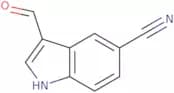
  • 5-Cyanoindole-3-carboxaldehyde

    CAS :
    <p>5-Cyanoindole-3-carboxaldehyde is an aldehyde that is used in synthesis of β-unsaturated aldehydes. It is prepared by the reaction of 3-cyanoindole with formaldehyde. 5-Cyanoindole-3-carboxaldehyde has antibacterial activity against gram positive and gram negative bacteria. It also has a high yield and can be purified by filtration or by condensation with chlorobenzene. 5-Cyanoindole-3-carboxaldehyde can be activated by irradiation, which makes it useful for the production of pharmaceuticals.</p>
    Formule :C10H6N2O
    Degré de pureté :Min. 95%
    Masse moléculaire :170.17 g/mol

    Ref: 3D-FC52341

    10g
    135,00€
    25g
    182,00€
    50g
    327,00€
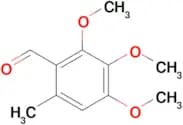
  • 2,3,4-Trimethoxy-6-methylbenzaldehyde

    CAS :
    <p>2,3,4-Trimethoxy-6-methylbenzaldehyde is a synthetic coumarin with antibacterial activity. It is synthesized by the condensation of 3-hydroxyacetophenone and benzaldehyde. 2,3,4-Trimethoxy-6-methylbenzaldehyde has been shown to have antibacterial activity against both Gram-positive and Gram-negative bacteria. This molecule has also been shown to inhibit the growth of Gram negative bacteria in the presence of hydrogen peroxide. The crystal structure of this molecule was determined by XRD analysis and shows that it contains a dihedral angle of about 155°.</p>
    Formule :C11H14O4
    Degré de pureté :Min. 95%
    Masse moléculaire :210.23 g/mol

    Ref: 3D-FT71061

    2g
    135,00€
    5g
    187,00€
    10g
    280,00€
    25g
    469,00€
  • 2,4-Dinitrobenzaldehyde

    CAS :
    <p>2,4-Dinitrobenzaldehyde is a chemical compound that contains a hydroxyl group and an amine. It is reactive and can form cationic surfactants with other compounds. 2,4-Dinitrobenzaldehyde has been shown to react with dimethyl fumarate in the presence of ethyl esters to form ethyl 2,4-dinitrophenolate. This reaction is catalyzed by dinucleotide phosphate and requires salinity or a base such as sodium methoxide. 2,4-Dinitrobenzaldehyde reacts with 2-aminoethanol in the presence of water or alcohols to produce 2,4-diaminobenzoic acid. The reaction mechanism for this process is not known but it may involve hydrogen bonding between the hydroxyl group and amine groups.<br>2,4-Dinitrobenzaldehyde has been used as a reagent for staining DNA in gel elect</p>
    Formule :C7H4N2O5
    Degré de pureté :Min. 95%
    Couleur et forme :Powder
    Masse moléculaire :196.12 g/mol

    Ref: 3D-FD00692

    1kg
    806,00€
    2kg
    1.301,00€
    5kg
    2.535,00€
    250g
    320,00€
    500g
    528,00€
  • 2-Naphthaldehyde oxime

    CAS :
    <p>2-Naphthaldehyde oxime is a reactive aldoxime that can be used as an oxidant in organic chemistry. It is able to increase the rate of hydrolysis by acid catalysts, and has been shown to cause biomolecular damage due to its ability to react with functional groups such as amines and alcohols. 2-Naphthaldehyde oxime reacts with silicon, styrene, and polystyrene. The reaction produces carbon dioxide, hydrogen, and water. This product also has the capability of solvating organic compounds through the use of water molecules. Hypervalent oxidation reactions may occur with 2-naphthaldehyde oxime due to its ability to form multiple bonds with oxygen atoms.</p>
    Formule :C11H9NO
    Degré de pureté :Min. 95%
    Couleur et forme :Powder
    Masse moléculaire :171.2 g/mol

    Ref: 3D-FN69949

    10g
    135,00€
    25g
    171,00€
    50g
    264,00€
    100g
    430,00€
  • 3-Cyanopropionaldehydedimethylacetal

    CAS :
    <p>3-Cyanopropionaldehydedimethylacetal (3CPDMA) is a reactive compound that inhibits the proliferation of muscle cells. It has been shown to inhibit the synthesis of 3-hydroxy-3-methylglutaryl coenzyme A, which is required for the production of cholesterol and fatty acids. This inhibition leads to a decrease in the growth of cells and their ability to divide. 3CPDMA has also been shown to have an inhibitory effect on picolinic acid, which is involved in the activation of receptors that induce cellular proliferation. The inhibition of this receptor may be due to its ability to compete with other ligands for binding sites on the receptor.<br>It has been shown that 3CPDMA acts as an antagonist against acarids, which are mites that feed on skin cells. This property may be due to its antagonistic effects on amino acid composition, which may affect calcium uptake by cells or cell membrane permeability.</p>
    Formule :C6H11NO2
    Degré de pureté :Min. 95%
    Couleur et forme :Powder
    Masse moléculaire :129.16 g/mol

    Ref: 3D-FC139902

    25g
    135,00€
    50g
    188,00€
    100g
    305,00€
  • 2,4,5-Trihydroxybenzaldehyde

    CAS :
    <p>2,4,5-Trihydroxybenzaldehyde is a natural compound that has been shown to have significant cytotoxicity. It induces apoptosis by activating the caspase-mediated apoptotic pathway. 2,4,5-Trihydroxybenzaldehyde also modulates the cellular redox balance by increasing mitochondrial membrane potential and decreasing intracellular ATP levels. This compound has been shown to be effective against human leukemia HL-60 cells and colon cancer Caco-2 cells. 2,4,5-Trihydroxybenzaldehyde can be found in dietary sources such as ganoderma lucidum and may act as a chelate ligand for some growth factors.</p>
    Formule :C7H6O4
    Degré de pureté :80%
    Couleur et forme :Yellow Powder
    Masse moléculaire :154.12 g/mol

    Ref: 3D-FT45960

    1g
    186,00€
    2g
    315,00€
    5g
    538,00€
    10g
    793,00€
    25g
    1.334,00€
  • 4-(Dimethylamino)benzaldehyde

    CAS :
    <p>4-(Dimethylamino)benzaldehyde (4DMAB) is an analytical reagent used to identify sulfa drugs. It has been shown to react with sulfonamides by the formation of a complex ion, which can be detected by analytical methods such as electrochemical impedance spectroscopy or ultraviolet spectroscopy. 4DMAB has also been studied for its anticarcinoid properties. The carcinoid syndrome is characterized by a tumor that releases serotonin and other substances into the bloodstream, causing severe diarrhea, flushing, and bronchial spasms. Studies have shown that 4DMAB inhibits the release of serotonin in this condition. As a result, it may be effective against carcinoid syndrome.</p>
    Formule :C9H11NO
    Degré de pureté :Min. 95%
    Couleur et forme :White Slightly Yellow Powder
    Masse moléculaire :149.19 g/mol

    Ref: 3D-FD29087

    1kg
    297,00€
    2kg
    461,00€
    5kg
    1.008,00€
    10kg
    1.504,00€
    25kg
    3.084,00€
  • 4-Biphenylcarboxaldehyde

    CAS :
    <p>4-Biphenylcarboxaldehyde is a chemical compound that belongs to the group of hydrocarbons. It is a colorless liquid with an unpleasant odor, soluble in ether and benzene, and has a boiling point of 210 °C. 4-Biphenylcarboxaldehyde can be used as a raw material for the production of pharmaceuticals and agrochemicals. The molecular structure of this compound is unsymmetrical due to its biphenyl backbone and two carbonyl groups. Hydrochloric acid reacts with 4-biphenylcarboxaldehyde to form 2-bromoethylbenzene and hydrogen gas:</p>
    Formule :C13H10O
    Degré de pureté :Min. 95%
    Couleur et forme :White Powder
    Masse moléculaire :182.22 g/mol

    Ref: 3D-FB36816

    1kg
    360,00€
    2kg
    515,00€
    500g
    238,00€
  • 2-Hydroxy-5-methoxy-3-nitrobenzaldehyde

    CAS :
    <p>2-Hydroxy-5-methoxy-3-nitrobenzaldehyde is a 6-membered aromatic compound that has been shown to have anti-cancer properties. It has been shown to inhibit the proliferation of cancer cells by inhibiting protein synthesis, as well as inducing apoptosis. This compound also inhibits the growth of colon cancer cells and cervical cancer cells in culture. 2-Hydroxy-5-methoxy-3-nitrobenzaldehyde has an inhibitory effect on the growth of cancer cells and may be used for treatment against tumors.</p>
    Formule :C8H7NO5
    Degré de pureté :Min. 95%
    Couleur et forme :Powder
    Masse moléculaire :197.14 g/mol

    Ref: 3D-FH70278

    25g
    358,00€
    50g
    509,00€
  • 7-Benzyloxindole-3-carboxaldehyde

    CAS :
    <p>7-Benzyloxindole-3-carboxaldehyde (BXA) is an assembled molecule that can be synthesized in a scalable and catalytic manner. BXA is an unwanted product that arises from the reaction of 7-benzyloxyindole with adrenaline. The hydrogenolysis of BXA yields the enantiomeric 7-benzyloxyindole, which has been shown to possess anti-inflammatory properties. When debenzylated by hydrogenolysis, crystallization of the byproduct is observed.</p>
    Formule :C16H13NO2
    Degré de pureté :Min. 95%
    Masse moléculaire :251.28 g/mol

    Ref: 3D-FB10587

    1g
    135,00€
    2g
    164,00€
  • Enalapril diketopiperazine

    CAS :
    <p>Enalapril is a potassium-sparing diuretic that belongs to the group of angiotensin-converting enzyme (ACE) inhibitors. It is used in the treatment of high blood pressure and congestive heart failure. Enalapril is activated by hydrolysis to enalaprilat, which in turn inhibits the formation of angiotensin II and prevents its effects on blood vessels and kidneys. Enalapril also prevents the conversion of captopril to enalaprilat, thereby reducing its effectiveness as an ACE inhibitor.</p>
    Formule :C20H26N2O4
    Degré de pureté :Min. 95%
    Couleur et forme :Powder
    Masse moléculaire :358.43 g/mol

    Ref: 3D-FE22665

    5mg
    135,00€
    10mg
    161,00€
    25mg
    327,00€
  • 3-Hydroxy-2,2-dimethylpropanal

    CAS :
    <p>3-Hydroxy-2,2-dimethylpropanal is a condensation product of formaldehyde and glycol. It is the simplest of the three aldehydes that are produced by this reaction. The catalyst for this reaction is usually dibutyltin oxide, which can be replaced with calcium chloride or sodium carbonate. 3-Hydroxy-2,2-dimethylpropanal reacts with neopentyl glycol to form a dimer and glycol ester. This reaction mechanism has been studied extensively using solution kinetics.</p>
    Formule :C5H10O2
    Degré de pureté :(%) Min. 95%
    Couleur et forme :White Powder
    Masse moléculaire :102.13 g/mol

    Ref: 3D-FH147438

    2g
    266,00€
    5g
    400,00€
    10g
    534,00€
    25g
    842,00€
    50g
    1.011,00€
  • 2-Hydroxy-5-methoxybenzaldehyde

    CAS :
    <p>2-Hydroxy-5-methoxybenzaldehyde is a colorless, water-soluble liquid that has been used as a chemical intermediate in the synthesis of pharmaceuticals. It is also an antiinflammatory agent that inhibits acetylcholinesterase. 2-Hydroxy-5-methoxybenzaldehyde binds to copper ions by means of hydrogen bonding interactions and forms stable complexes with nitrogen atoms such as amides, nitriles, and hydrazones. 2HMB has been shown to have antiinflammatory activity in animal studies. This compound has a redox potential of -0.8 V, which indicates it can be oxidized by strong oxidizing agents or reduced by strong reducing agents.</p>
    Formule :C8H8O3
    Degré de pureté :Min. 95%
    Couleur et forme :Colorless Clear Liquid
    Masse moléculaire :152.15 g/mol

    Ref: 3D-FH04958

    25g
    135,00€
    50g
    154,00€
    100g
    223,00€
  • 3-Bromo-4-fluorobenzaldehyde

    CAS :
    <p>3-Bromo-4-fluorobenzaldehyde is a drug substance that is used in the synthesis of pharmaceuticals. It is also a potential anticancer agent. 3-Bromo-4-fluorobenzaldehyde inhibits bacterial growth by binding to DNA, preventing transcription and replication. The high frequency of human activity has been shown using a patch clamp technique on human erythrocytes. This active form is metabolized through a number of metabolic transformations, including hydrolysis by esterases or glucuronidases, oxidation by cytochrome P450 enzymes, reduction by glutathione reductase, or conjugation with glucuronic acid. 3-Bromo-4-fluorobenzaldehyde also specifically binds to markers expressed at high levels in Mycobacterium tuberculosis strains (e.g., ESX-1 secretion system protein) and inhibits cell growth in culture.</p>
    Formule :C7H4BrFO
    Degré de pureté :Min. 95%
    Couleur et forme :Powder
    Masse moléculaire :203.01 g/mol

    Ref: 3D-FB35166

    250g
    181,00€
  • 3,5-Dinitrosalicylaldehyde

    CAS :
    <p>3,5-Dinitrosalicylaldehyde is an oxidizing agent that is used in organic chemistry to produce aldehydes or carboxylic acids. It reacts with the amino groups of lysine residues and converts them to nitro groups. 3,5-Dinitrosalicylaldehyde is also used as a reagent in the determination of the number of lysine residues in proteins by titration with hydrochloric acid. The reaction mechanism of 3,5-dinitrosalicylaldehyde involves formation of an electron deficient intermediate that oxidizes chloride ions to form water molecules and chloride radicals. These intermediates react with nitro groups on lysine residues, resulting in nitro compounds. Crystallography studies have shown that the molecular structure of 3,5-dinitrosalicylaldehyde has two nitro groups and one hydroxyl group.</p>
    Formule :C7H4N2O6
    Degré de pureté :Min. 95%
    Couleur et forme :Yellow Powder
    Masse moléculaire :212.12 g/mol

    Ref: 3D-FD67163

    1g
    135,00€
    2g
    154,00€
    5g
    305,00€
    10g
    467,00€
    25g
    1.005,00€
  • L-Noradrenaline bitartrate monohydrate

    CAS :
    <p>L-Noradrenaline is the major precursor of norepinephrine, a neurotransmitter that regulates blood pressure and heart rate. L-Noradrenaline bitartrate monohydrate is a potent vasopressor drug that has been shown to increase blood pressure. The effects in animals are biphasic, with an initial pressor phase followed by a second phase with vasodilator effects. L-Noradrenaline bitartrate monohydrate has been shown to stimulate transcription of proteins, such as model protein and dopamine receptor D1 (D1R). This stimulation has been shown to be mediated through the activation of protein kinase C (PKC) and Ca2+/calmodulin-dependent protein kinase II (CaMKII). It has also been shown to have antioxidant effects in the presence of hydroxyl radicals. L-Noradrenaline bitartrate monohydrate can cause symptoms such as nausea, vomiting, and diarrhea in humans at high doses.</p>
    Formule :C12H19NO10
    Degré de pureté :Min. 98 Area-%
    Couleur et forme :Powder
    Masse moléculaire :337.28 g/mol

    Ref: 3D-FN26440

    1g
    495,00€
    2g
    735,00€
    5g
    905,00€
    250mg
    220,00€
    500mg
    352,00€
  • Chloroacetaldehyde (40% aq.)

    CAS :
    <p>Chloroacetaldehyde is a reactive compound that is found in wastewater. It can be used to remove other pollutants from the water. Chloroacetaldehyde has been shown to be toxic and may cause cancer, but it also has been used as a model system for studying energy metabolism. This substance is toxic because it reacts with cellular components such as proteins and DNA by cross-linking them. The cytosolic Ca2+ concentration increases when chloroacetaldehyde binds to cellular proteins, which affects cell physiology and the production of MMP-9.</p>
    Formule :ClCH2CHO
    Degré de pureté :Min. 95%
    Couleur et forme :Clear Liquid
    Masse moléculaire :78.5 g/mol

    Ref: 3D-FC01835

    500g
    135,00€
  • 5-Nitro-2-furaldehyde diacetate

    CAS :
    <p>5-Nitro-2-furaldehyde diacetate is a synthetic compound that can be used in the production of quinoline derivatives. It has been shown to have an inhibitory effect on lung cancer cells, although its mechanism of action is not yet known. 5NFDA was synthesized and tested with a reaction solution containing sodium carbonate and hydrochloric acid. The electron microscopic analysis showed that this compound reacts with the hydroxyl group on the surface of the lung cell membrane. This reaction causes a loss of integrity in the cell wall, leading to cell death.</p>
    Formule :C9H9NO7
    Degré de pureté :Min. 97 Area-%
    Couleur et forme :Powder
    Masse moléculaire :243.17 g/mol

    Ref: 3D-FN11774

    1kg
    509,00€
    2kg
    804,00€
    5kg
    1.516,00€
    250g
    305,00€
    500g
    382,00€
  • 2-Hydroxy-3-methoxybenzaldehyde

    CAS :
    <p>2-Hydroxy-3-methoxybenzaldehyde is a model compound that is used to study the reaction mechanism of hydrogen bonding. It has been shown to have antioxidative properties and amoebicidal activity. The biological properties of 2-hydroxy-3-methoxybenzaldehyde are still being studied. There are also no reports on its toxicity or carcinogenicity in humans. This compound is a member of the group P2, which includes compounds with two aromatic rings connected by one carbon atom. The molecular geometry around this carbon atom is pyramidal and the molecule can exist in either an axial or equatorial orientation. Synchronous fluorescence experiments have shown that 2-hydroxymethoxybenzaldehyde reacts with Toll-like receptor 4 (TLR4).</p>
    Formule :C8H8O3
    Degré de pureté :Min. 95%
    Couleur et forme :Yellow Powder
    Masse moléculaire :152.15 g/mol

    Ref: 3D-FH11115

    1kg
    341,00€
    2kg
    462,00€
    5kg
    921,00€
    10kg
    1.464,00€
    500g
    233,00€
  • 3,4-Dihydroxybenzaldehyde

    CAS :
    <p>Please enquire for more information about 3,4-Dihydroxybenzaldehyde including the price, delivery time and more detailed product information at the technical inquiry form on this page</p>
    Formule :C7H6O3
    Masse moléculaire :138.12 g/mol

    Ref: 3D-D-3480

    ne
    À demander
  • 2-Fluoro-3-methylbenzaldehyde

    CAS :
    <p>2-Fluoro-3-methylbenzaldehyde is a chemical that can be used in the synthesis of other chemicals, such as pharmaceuticals. It is a versatile building block that can be used in the synthesis of complex compounds and scaffolds. The compound has been shown to react with amines to form ureas.</p>
    Formule :C8H7FO
    Degré de pureté :80%
    Masse moléculaire :138.14 g/mol

    Ref: 3D-FF70655

    25g
    135,00€
    50g
    194,00€
    100g
    255,00€
  • 3-Nitrosalicylaldehyde

    CAS :
    <p>3-Nitrosalicylaldehyde is an oxidizing agent that reacts with DNA in vitro to form DNA adducts. 3-Nitrosalicylaldehyde also has antioxidative properties, which can be demonstrated by its ability to inhibit the oxidation of low density lipoprotein (LDL) in vivo. This compound has been shown to activate the metalloproteinase MT2 receptor, which is involved in the regulation of blood pressure and heart function. 3-Nitrosalicylaldehyde is metabolized by hydrolysis and reduction to form a neutral product, which has been shown to have antidiabetic effects on mice.</p>
    Formule :C7H5NO4
    Degré de pureté :Min. 95%
    Couleur et forme :Powder
    Masse moléculaire :167.12 g/mol

    Ref: 3D-FN15275

    1g
    240,00€
    2g
    376,00€
    5g
    534,00€
  • 2,4,5-Trimethylbenzaldehyde

    CAS :
    <p>2,4,5-Trimethylbenzaldehyde is a cell line that can be used to study the oxidation of α-pinene. It is a chemical compound that belongs to the group of aromatic compounds and has been shown to have high cytotoxicity. It has been found to oxidize other molecules in the body with an electron acceptor such as oxygen or another molecule. 2,4,5-Trimethylbenzaldehyde has also been shown to have biological properties. This product is being researched for its ability to inhibit fatty acid synthesis and reduce cholesterol production in the liver.</p>
    Formule :C10H12O
    Degré de pureté :Min. 95%
    Masse moléculaire :148.2 g/mol

    Ref: 3D-FT71344

    10g
    135,00€
    25g
    158,00€
    50g
    218,00€
    100g
    303,00€
    250g
    463,00€
  • 4-(N,N-Diethylamino)salicylaldehyde

    CAS :
    <p>4-(N,N-Diethylamino)salicylaldehyde is a coumarin derivative that has been shown to be a fluorescent probe for proton transfer. It emits light at around 400 nm when the probe is excited by light of wavelength greater than 300 nm. The emission spectrum changes from green to red as the pH increases. 4-(N,N-Diethylamino)salicylaldehyde also exhibits fluorescence enhancement in the presence of metal ions such as Fe3+, Cu2+, or Cr3+. This compound can be used as a fluorescent probe for hydrogen bonding interactions and metal hydroxides.</p>
    Formule :C11H15NO2
    Degré de pureté :Min. 95%
    Couleur et forme :Powder
    Masse moléculaire :193.24 g/mol

    Ref: 3D-FD38639

    1kg
    483,00€
    2kg
    574,00€
    5kg
    1.019,00€
    250g
    211,00€
    500g
    336,00€
  • 4-Chlorobenzaldehyde oxime

    CAS :
    <p>4-Chlorobenzaldehyde oxime is an antibacterial agent that is classified as a chloroamine. It has been shown to be an effective inhibitor of bacterial growth, with a low toxicity to mammalian cells. 4-Chlorobenzaldehyde oxime has been shown to be activated by amines and hydroxylamine, and the resulting intermediate can cleave a variety of bonds in the bacterial cell wall. The molecular orbitals of this compound have been calculated using crystallographic data and functional theory. 4-Chlorobenzaldehyde oxime also binds to chloride ions and forms a complex with ammonium nitrate, which may account for its activity against some bacteria that are resistant to chlorinated compounds (e.g., Clostridium difficile). This compound also contains functional groups that may react with disulfides present in the bacterial cell wall.</p>
    Formule :C7H6ClNO
    Degré de pureté :Min. 95%
    Couleur et forme :Powder
    Masse moléculaire :155.58 g/mol

    Ref: 3D-FC67886

    10g
    135,00€
    25g
    191,00€
    50g
    291,00€
    100g
    443,00€
  • 4-Bromo-3-fluorobenzaldehyde

    CAS :
    <p>4-Bromo-3-fluorobenzaldehyde is a drug substance that can be used in cancer therapy. It is a cross-linking agent that can form covalent bonds with DNA and proteins, which inhibits the ability of cells to replicate. 4-Bromo-3-fluorobenzaldehyde has been shown to have cytotoxic activity against human cancer cells in culture. This compound is synthesized by an unsymmetrical nitroaldol reaction, followed by Suzuki coupling with 3-(4′-methoxyphenyl) propanone. The structural formula for this product is C9H5BrFO2.</p>
    Formule :C7H4BrFO
    Degré de pureté :Min. 95%
    Masse moléculaire :203.01 g/mol

    Ref: 3D-FB61462

    10g
    135,00€
    25g
    203,00€
    50g
    356,00€
    100g
    509,00€
  • trans-4-(Diethylamino)cinnamaldehyde

    CAS :
    <p>Trans-4-(Diethylamino)cinnamaldehyde is a molecule that has been systematically studied with several techniques, such as x-ray crystallography. It has been shown to be a fluorophore and can be used as a fluorescent probe. Trans-4-(Diethylamino)cinnamaldehyde can be used in the fluorescence method in which it reacts with other molecules and emits light. This reaction scheme is based on the principle of irradiation by UV light or visible light to produce an excited state. Fluorescence is detected at various wavelengths depending on the dye used. Trans-4-(Diethylamino)cinnamaldehyde also emits fluorescence when irradiated with ultraviolet light, which is often referred to as "violet" fluorescence. The wavelength of this emission is 365 nm and it can be detected using high yield techniques, such as fluorometers.</p>
    Formule :C13H17NO
    Degré de pureté :Min. 95%
    Couleur et forme :Powder
    Masse moléculaire :203.28 g/mol

    Ref: 3D-FD149320

    1g
    1.044,00€
    5g
    4.753,00€
    100mg
    254,00€
    250mg
    453,00€
    500mg
    679,00€
  • 2,6-Dimethylbenzaldehyde oxime

    CAS :
    <p>2,6-Dimethylbenzaldehyde oxime is a reagent and useful intermediate for the synthesis of complex compounds. It is also a building block for speciality chemicals. 2,6-Dimethylbenzaldehyde oxime has been used in research and as a reaction component for various organic syntheses. This compound has a CAS number of 55882-62-7.</p>
    Formule :C9H11NO
    Degré de pureté :Min. 95%
    Masse moléculaire :149.19 g/mol

    Ref: 3D-FD67955

    2g
    135,00€
    5g
    152,00€
    10g
    209,00€
  • 2-Iodobenzaldehyde

    CAS :
    <p>2-Iodobenzaldehyde is a chemical compound that contains a benzene ring with two iodine substituents. 2-Iodobenzaldehyde has been shown to have affinity for ligands with electron-donating groups, such as methoxy and hydroxyl groups, which may contribute to its high reactivity. This chemical also has the ability to inhibit estrogen receptor modulators, which may be beneficial in treating autoimmune diseases. 2-Iodobenzaldehyde has been shown to reduce electron density between two molecules, allowing it to form hydrogen bonds and interact with stilbene derivatives.</p>
    Formule :IC6H4CHO
    Degré de pureté :Min. 95%
    Couleur et forme :White Powder
    Masse moléculaire :232.02 g/mol

    Ref: 3D-FI13825

    50g
    255,00€
    100g
    437,00€
  • 4-n-Propylbenzaldehyde

    CAS :
    <p>4-n-Propylbenzaldehyde is a chemical compound that belongs to the group of aromatic aldehydes. It is used in the production of other chemicals, such as pharmaceuticals and fragrances. 4-n-Propylbenzaldehyde has been shown to be genotoxic, causing DNA damage and mutating genes. This chemical also has an inhibitory effect on cancer cells, which may be due to its ability to interfere with histone deacetylase activity. The genotoxic potential of this substance is considered low based on its lack of genotoxicity in vitro and in vivo. This compound does not have any structural formula for the corresponding metal complex.</p>
    Formule :C10H12O
    Degré de pureté :Min. 98 Area-%
    Couleur et forme :Colorless Clear Liquid
    Masse moléculaire :148.2 g/mol

    Ref: 3D-FP64032

    25g
    254,00€
    50g
    337,00€
    100g
    583,00€
    250g
    1.044,00€
    500g
    1.574,00€
  • 4,4'-Biphenyldicarboxaldehyde

    CAS :
    <p>4,4'-Biphenyldicarboxaldehyde is a n-dimethyl formamide that has been shown to be neuroprotective in animal models of Parkinson's disease (PD). 4,4'-Biphenyldicarboxaldehyde binds to sulfoxide and chloride ions and reduces the hydrophobic effect. This leads to the formation of an imine intermediate. The reaction mechanism is believed to be similar to that of biphenyls, which are used as fungicides. 4,4'-Biphenyldicarboxaldehyde is easily detected by fluorescence analysis and has low toxicity. It is also soluble in organic solvents such as benzene or chloroform.</p>
    Formule :C14H10O2
    Degré de pureté :Min. 95%
    Couleur et forme :White Powder
    Masse moléculaire :210.23 g/mol

    Ref: 3D-FB55014

    2g
    135,00€
    5g
    156,00€
    10g
    240,00€
    25g
    377,00€
    50g
    502,00€
  • 2-(2-Methoxyphenyl)thiazole-4-carbaldehyde

    CAS :
    <p>Please enquire for more information about 2-(2-Methoxyphenyl)thiazole-4-carbaldehyde including the price, delivery time and more detailed product information at the technical inquiry form on this page</p>
    Formule :C11H9NO2S
    Degré de pureté :Min. 95%
    Couleur et forme :Powder
    Masse moléculaire :219.26 g/mol

    Ref: 3D-FM51426

    1g
    729,00€
    50mg
    182,00€
    100mg
    290,00€
    250mg
    410,00€
    500mg
    544,00€
  • 3,5-Dimethoxybenzaldehyde

    CAS :
    <p>3,5-Dimethoxybenzaldehyde is a fungicide that can kill fungal cells by inhibiting the synthesis of ergosterol, an important component of the fungal cell membrane. It has been shown to be effective against Cryptococcus neoformans and other fungi. 3,5-Dimethoxybenzaldehyde inhibits mitochondrial superoxide production and the growth of fungi in a model system. The optimum concentration for inhibition was determined in a kinetic and thermodynamic study. This compound has also been shown to have anti-inflammatory properties, which may be due to its ability to inhibit prostaglandin synthesis.</p>
    Formule :C9H10O3
    Degré de pureté :Min. 98%
    Couleur et forme :Powder
    Masse moléculaire :166.17 g/mol

    Ref: 3D-FD50738

    1kg
    1.088,00€
    50g
    255,00€
    100g
    382,00€
    250g
    487,00€
    500g
    923,00€
  • 3-Chloro-4-methoxybenzaldehyde

    CAS :
    <p>3-Chloro-4-methoxybenzaldehyde is a chemical compound that belongs to the class of aromatic compounds. It is synthesized by reacting 3-chlorobenzaldehyde with methoxyacetone in a hydroxylation reaction. The asymmetric synthesis of 3-chloro-4-methoxybenzaldehyde was achieved by using a chiral auxiliary, which is an organic molecule that can be used to control the stereochemistry of other reactions. This product has high cytotoxicity and is able to cause melanogenesis (production of melanin) when applied to rat striatal membranes.</p>
    Formule :C8H7ClO2
    Degré de pureté :Min. 95%
    Couleur et forme :Powder
    Masse moléculaire :170.59 g/mol

    Ref: 3D-FC70306

    50g
    135,00€
    100g
    171,00€
    250g
    290,00€
  • 3-Hydroxy-2-iodobenzaldehyde

    CAS :
    <p>3-Hydroxy-2-iodobenzaldehyde is a heterocyclic compound that is synthesized from an acetoacetic ester. It is a photochemical precursor to many organic compounds, such as phenanthrene. The synthesis of 3-hydroxy-2-iodobenzaldehyde can be achieved by reacting acetoacetic acid with iodine and sodium nitrite in the presence of a base. This reaction yields 2-iodobenzoic acid in addition to the desired product. 3-Hydroxy-2-iodobenzaldehyde has been studied for its use in the preparation of natural products and research advances.</p>
    Formule :C7H5IO2
    Degré de pureté :Min. 95%
    Couleur et forme :Powder
    Masse moléculaire :248.02 g/mol

    Ref: 3D-FH71096

    ne
    À demander
  • 3,4-Dimethoxybenzaldehyde

    CAS :
    <p>3,4-Dimethoxybenzaldehyde is a crystalline cellulose that has been shown to have anthelmintic properties. 3,4-Dimethoxybenzaldehyde reduces the redox potential of the parasite and inhibits the oxidative metabolism of p-hydroxybenzoic acid (pHBA). It also inhibits the biosynthesis of dihydroconiferyl alcohol and usnic acid, which are building blocks for bacterial cell walls. The reaction mechanism is thought to be due to a hydrogen atom transfer from 3,4-dimethoxybenzaldehyde to the p-hydroxybenzoic acid molecule. The product of this reaction is an aromatic ring with a hydroxyl group on carbon 2 and an ether oxygens on carbons 3 and 4. This aromatic ring will then react with another molecule of 3,4-dimethoxybenzaldehyde to produce a new molecule with two hydroxyl groups on carbons 2 and 5. This will</p>
    Formule :C9H10O3
    Degré de pureté :Min. 95%
    Couleur et forme :Powder
    Masse moléculaire :166.17 g/mol

    Ref: 3D-FD54842

    1kg
    135,00€
    2kg
    145,00€
  • 3,4,5-Triacetoxybenzaldehyde

    CAS :
    <p>3,4,5-Triacetoxybenzaldehyde is a fine chemical that is useful as a scaffold for the synthesis of complex compounds. It is also used as a building block in the synthesis of research chemicals and speciality chemicals. 3,4,5-Triacetoxybenzaldehyde has been shown to be an intermediate in organic syntheses and reagents for laboratory use. This compound can be used as a reaction component in various reactions with other organic compounds to form new compounds. 3,4,5-Triacetoxybenzaldehyde is a high quality product that has been manufactured to the highest standards.</p>
    Formule :C13H12O7
    Degré de pureté :Min. 95%
    Couleur et forme :Powder
    Masse moléculaire :280.23 g/mol

    Ref: 3D-FT66561

    1g
    167,00€
    2g
    258,00€
    500mg
    134,00€
  • 2,3,4-Trihydroxybenzaldehyde

    CAS :
    <p>2,3,4-Trihydroxybenzaldehyde is a chemical compound that has been shown to have anti-cancer properties. It is used in the detection of cancer cells and as an indicator for the presence of palladium complexes. 2,3,4-Trihydroxybenzaldehyde is also a skin allergen and can cause allergic reactions. This chemical reacts with potassium ions in solution to form a precipitate or sludge. 2,3,4-Trihydroxybenzaldehyde has been shown to be effective against colorectal carcinoma cells and Group P2 bacteria.</p>
    Formule :C7H6O4
    Degré de pureté :Min. 95%
    Couleur et forme :Powder
    Masse moléculaire :154.12 g/mol

    Ref: 3D-FT37807

    1kg
    725,00€
    2kg
    996,00€
    100g
    263,00€
    250g
    380,00€
    500g
    508,00€
  • 5-Methoxy-2-(trifluoromethyl)benzaldehyde

    CAS :
    <p>5-Methoxy-2-(trifluoromethyl)benzaldehyde (5MFBA) is a potential anticancer compound that has been shown to inhibit the growth of pancreatic cancer cells. 5MFBA is formed by the reaction of methoxybenzene and trifluoromethyl bromide in the presence of copper chloride, which acts as a dehydrogenase. This compound also has prognostic and clinicopathological implications in patients with pancreatic cancer, as well as staining properties in tissues. 5MFBA modulates biological function via reactive oxygen species (ROS) production, which induces cell apoptosis. Research on this compound has been done on cancer tissues from various organs, including breast and prostate cancers.</p>
    Formule :C9H7F3O2
    Degré de pureté :Min. 95%
    Couleur et forme :Powder
    Masse moléculaire :204.15 g/mol

    Ref: 3D-FM70065

    25g
    282,00€
    50g
    479,00€
    100g
    735,00€
  • 2,6-Dichlorobenzaldehyde oxime

    CAS :
    <p>2,6-Dichlorobenzaldehyde oxime is a synthetic molecule that is prepared by the reaction of triphenylphosphine oxide and halides. It is also known as aldoxime and has been used in a number of chemical reactions. 2,6-Dichlorobenzaldehyde oxime has been used in the synthesis of a variety of organic compounds, including toxicants and preservatives.</p>
    Formule :C7H5Cl2NO
    Degré de pureté :Min. 95 Area-%
    Couleur et forme :White Powder
    Masse moléculaire :190.03 g/mol

    Ref: 3D-FD70433

    25g
    221,00€
    50g
    357,00€
    100g
    476,00€
    250g
    725,00€
    500g
    1.110,00€
  • 2-Methoxy-5-(trifluoromethoxy)benzaldehyde

    CAS :
    <p>2-Methoxy-5-(trifluoromethoxy)benzaldehyde is a tachykinin antagonist that inhibits the binding of neurokinin to its receptor with high affinity. This compound has shown potential as a drug for the treatment of pain and other conditions such as asthma, allergies, and depression. The efficacy of 2-methoxy-5-(trifluoromethoxy)benzaldehyde has been demonstrated in high-throughput screening for the detection of nk1 receptor antagonists. Further studies have shown that modification of this molecule may increase its potency and reduce side effects.</p>
    Formule :C9H7F3O3
    Degré de pureté :Min. 95%
    Couleur et forme :Clear Liquid
    Masse moléculaire :220.15 g/mol

    Ref: 3D-FM70452

    25g
    203,00€
    50g
    372,00€
    100g
    637,00€
    250g
    2.104,00€
    500g
    3.839,00€
  • 3,4-Dihydroxy-5-nitrobenzaldehyde

    CAS :
    <p>3,4-Dihydroxy-5-nitrobenzaldehyde is a chemical substance that is used in an analytical method to measure the level of methoxy groups in chronic kidney disease. The methanol solvent and hydrochloric acid are used to dissolve the sample, which is then titrated with trifluoroacetic acid. The chloride ion reacts with the methylene group from the 3,4-dihydroxy-5-nitrobenzaldehyde molecule to form a new compound that can be detected by ultraviolet light at 254 nm. The active methylene group is quantified by measuring its absorbance at this wavelength and comparing it with a calibration curve using known concentrations of sodium salts. This test has been shown to be more sensitive than other chromatographic methods for detecting methoxy groups in chronic kidney disease.</p>
    Formule :C7H5NO5
    Degré de pureté :Min. 95%
    Couleur et forme :Yellow Powder
    Masse moléculaire :183.12 g/mol

    Ref: 3D-FD22089

    250g
    261,00€
    500g
    437,00€
  • 3-Ethoxy-4-methoxybenzaldehyde

    CAS :
    <p>3-Ethoxy-4-methoxybenzaldehyde is a metabolite of the benzoquinone and 3-hydroxypropanoic acid pathway. It is an electron donor that serves as a substrate for fatty acid synthesis. This compound has been shown to have antiviral properties, as it inhibits the replication of influenza virus in vitro by interfering with viral RNA polymerase. It may also act as a regulatory molecule for uptake, although its precise role in this process is not yet known. 3-Ethoxy-4-methoxybenzaldehyde has been shown to be an optimal reactant with signal sequences from proteins, including biochemical pathways such as glycolysis and pentose phosphate shunt.</p>
    Formule :C10H12O3
    Degré de pureté :Min. 95%
    Couleur et forme :White Powder
    Masse moléculaire :180.2 g/mol

    Ref: 3D-FE46457

    1kg
    466,00€
    100g
    134,00€
    250g
    218,00€
    500g
    350,00€
  • 2,5-Dichlorobenzaldehyde

    CAS :
    <p>2,5-Dichlorobenzaldehyde is a molecule that is used as a building block for the synthesis of etoposide. Etoposide is an anticancer drug that has been shown to be effective against many types of cancer cells. 2,5-Dichlorobenzaldehyde has been proposed as an optical probe for detecting methyltransferase activity in vivo and in vitro. It has also been shown to inhibit the proliferation of cancer cells by binding to survivin, which plays a role in regulating apoptosis. 2,5-Dichlorobenzaldehyde can be synthesized from commercially available chemicals with asymmetric synthesis methods. The molecule can also be used for functional studies on metal ions and dipole interactions.</p>
    Formule :C7H4Cl2O
    Degré de pureté :Min. 95%
    Masse moléculaire :175.01 g/mol

    Ref: 3D-FD54265

    25g
    135,00€
    50g
    140,00€
    100g
    200,00€
    250g
    320,00€
    500g
    450,00€
  • 3-Fluoropyridine-4-carboxaldehyde

    CAS :
    <p>3-Fluoropyridine-4-carboxaldehyde is a reactivator that can be used in the treatment of bladder cancer. It binds to pyridinium and oxime derivatives, which are present in proteins, to form a reactive intermediate. This intermediate reacts with aldehyde groups on hemoglobin, restoring the oxygen binding capacity of hemoglobin to levels seen in healthy individuals. 3-Fluoropyridine-4-carboxaldehyde has been shown to have anticancer activity against bladder cancer cells and also has potential use as an additive for the treatment of red blood cells.</p>
    Formule :C6H4FNO
    Degré de pureté :Min. 95%
    Couleur et forme :Colorless Yellow Clear Liquid
    Masse moléculaire :125.1 g/mol

    Ref: 3D-FF98262

    25g
    346,00€
    50g
    544,00€
    100g
    999,00€
  • 6-Methyl-1H-indole-3-carbaldehyde

    CAS :
    <p>6-Methyl-1H-indole-3-carbaldehyde is a synthetic chemical that has been used as a reagent in the form of its sodium salt. It is an acetylating agent and can be used for formylation reactions. 6-Methyl-1H-indole-3-carbaldehyde has shown strong antifungal activity against phytopathogenic fungi such as Fusarium, Rhizoctonia, and Phytophthora. This chemical also has a triazine group, which can be used to enhance the herbicidal properties of certain compounds.</p>
    Formule :C10H9NO
    Degré de pureté :Min. 95%
    Couleur et forme :Powder
    Masse moléculaire :159.18 g/mol

    Ref: 3D-FM52426

    1g
    134,00€
    2g
    200,00€
    5g
    286,00€
    500mg
    134,00€
  • 4-Nitrocinnamaldehyde

    CAS :
    <p>4-Nitrocinnamaldehyde is a diazonium salt that is used as an efficient method for the synthesis of nitro compounds. Nitro compounds are used in the production of explosives, insecticides, and herbicides. 4-Nitrocinnamaldehyde reacts with hydrochloric acid to produce trifluoroacetic acid, which is then reacted with an organic compound to produce a nitro compound. This reaction has been shown to be irreversible and not sensitive to functional groups. 4-Nitrocinnamaldehyde binds to the enzyme cytochrome P450 reductase, inhibiting its function. The binding of 4-nitrocinnamaldehyde to enzymes such as pyruvate kinase and acetylcholinesterase has also been observed in binding experiments.</p>
    Formule :C9H7NO3
    Degré de pureté :Min. 95%
    Couleur et forme :Powder
    Masse moléculaire :177.16 g/mol

    Ref: 3D-FN70975

    25g
    224,00€
    50g
    355,00€
    100g
    475,00€
    250g
    883,00€
    500g
    1.291,00€
  • 4-Ethoxybenzaldehyde

    CAS :
    <p>4-Ethoxybenzaldehyde is a chemical compound with antioxidant properties. It has been found to inhibit the proliferation of cervical cancer cells and melanoma cells, as well as to protect against radiation-induced oxidative damage in human skin. 4-Ethoxybenzaldehyde also inhibits the influenza virus by interfering with its ability to replicate. This compound is used in many different products, including cosmetics and pharmaceuticals. The most common use of 4-ethoxybenzaldehyde is as an excipient in tablet formulations. In this application, it can be used to maintain drug stability and improve disintegration time. In addition, it may have some anti-inflammatory effects that are related to its ability to inhibit the production of prostaglandins and leukotrienes. 4-Ethoxybenzaldehyde has been shown to have antioxidant properties for diabetics as well as for patients with autoimmune diseases such as multiple sclerosis and systemic lupus erythematosus (SLE). The</p>
    Formule :C9H10O2
    Degré de pureté :Min. 98.5 Area-%
    Couleur et forme :Colorless Clear Liquid
    Masse moléculaire :150.17 g/mol

    Ref: 3D-FE54845

    1kg
    759,00€
    2kg
    1.366,00€
    5kg
    3.065,00€
    250g
    346,00€
    500g
    484,00€
  • 2-Hydroxy-6-methoxybenzaldehyde

    CAS :
    <p>2-Hydroxy-6-methoxybenzaldehyde is a molecule that can form hydrogen bonds with other molecules. FT-IR spectroscopy has shown that this compound has a copper complex and an acidic proton, which may be due to intramolecular hydrogen bonding interactions. The compound also has been shown to have potent inhibitory activity against cellular growth and cancer cells in vitro. 2-Hydroxy-6-methoxybenzaldehyde is a metal chelator and can therefore bind to metals such as iron and copper. It is genotoxic, which means it damages DNA by causing DNA strand breaks or crosslinks, leading to cell death. This chemical may also cause genetic mutations through the formation of tautomers that make DNA replication difficult. Gel chromatography shows that 2HMB has a low molecular weight (MW) and high solubility.</p>
    Formule :C8H8O3
    Degré de pureté :Min. 95%
    Couleur et forme :Powder
    Masse moléculaire :152.15 g/mol

    Ref: 3D-FH10241

    1g
    150,00€
    2g
    200,00€
    5g
    403,00€
    10g
    598,00€
    500mg
    134,00€
  • 4-Hydroxy-2-methylbenzaldehyde

    CAS :
    <p>4-Hydroxy-2-methylbenzaldehyde is an organic compound that is a colourless to yellow liquid with a characteristic odor. It has antibacterial activity and can be used as a natural product. The yield of this compound from staphylococcus is about 50%. When 4-hydroxy-2-methylbenzaldehyde reacts with chalcone, it forms the hydroxychalcones. This process can be used to identify the presence of 4-hydoxy-2-methylbenzaldehyde in many different organisms. The phenolic ring in this compound can undergo formylation, which means it can be oxidized to form formic acid. This process also occurs in soil bacteria and may account for some of its antibacterial properties.</p>
    Formule :C8H8O2
    Degré de pureté :Min. 95%
    Couleur et forme :Powder
    Masse moléculaire :136.15 g/mol

    Ref: 3D-FH70789

    10g
    135,00€
    25g
    203,00€
    50g
    325,00€
    100g
    478,00€
  • 3-Nitro-4-chlorobenzaldehyde

    CAS :
    <p>3-Nitro-4-chlorobenzaldehyde is a copper complex that has been used in the study of molecular interactions. The molecule has been studied by a number of techniques, including binding experiments, vibrational spectroscopy, and light emission. 3-Nitro-4-chlorobenzaldehyde has shown bacteriostatic activity against Escherichia coli and Bacillus subtilis. This compound also appears to have potential as a drug target due to its ability to inhibit the growth of Pseudomonas aeruginosa. 3-Nitro-4-chlorobenzaldehyde may be useful in the treatment of industrial processes involving nitric acid.</p>
    Formule :C7H4ClNO3
    Degré de pureté :Min. 95%
    Couleur et forme :White Powder
    Masse moléculaire :185.56 g/mol

    Ref: 3D-FN53972

    1kg
    416,00€
    100g
    134,00€
    250g
    188,00€
    500g
    279,00€
  • 2,5-Dimethoxy-4-methylbenzaldehyde

    CAS :
    <p>2,5-Dimethoxy-4-methylbenzaldehyde is a bioactive chemical that has been shown to have anticancer activity. It has been shown to be an effective inhibitor of cancer cell growth in vitro and in vivo. 2,5-Dimethoxy-4-methylbenzaldehyde has also been shown to inhibit the formation of fatty acids and improve the uptake of glucose by cancer cells. This compound is a metabolite of the amino acid methionine and is used as a marker for mesenchymal cells. The structure of 2,5-dimethoxy-4-methylbenzaldehyde consists of two methoxy groups connected with an aliphatic chain consisting of one or more carbon atoms. This functional group may provide the anticancer activity through radical scavenging activities.</p>
    Formule :C10H12O3
    Degré de pureté :Min. 95%
    Couleur et forme :Off-White Powder
    Masse moléculaire :180.2 g/mol

    Ref: 3D-FD22189

    25g
    211,00€
    50g
    369,00€
    100g
    583,00€
    250g
    1.086,00€
  • 2-Bromo-4-cyanobenzaldehyde

    CAS :
    <p>2-Bromo-4-cyanobenzaldehyde is a potent protease inhibitor and can be used as an antiviral agent. It inhibits the NS3 protease of hepatitis C virus (HCV) with IC50 of 0.2 μM. 2-Bromo-4-cyanobenzaldehyde has been evaluated for its ability to inhibit replicons from HCV genotypes 1, 2, 3, 4 and 5 with varying degrees of potency. In vitro studies have shown that 2-bromo-4-cyanobenzaldehyde is a potent inhibitor of HCV NS3 protease, demonstrating activity against all major HCV genotypes in cell culture. This molecule has also been shown to inhibit the replication of HIV, herpes simplex virus type 1 and human rhinovirus type 2 in cell culture.</p>
    Formule :C8H4BrNO
    Degré de pureté :Min. 95%
    Couleur et forme :Powder
    Masse moléculaire :210.03 g/mol

    Ref: 3D-FB34034

    2g
    305,00€
    5g
    429,00€
    10g
    594,00€
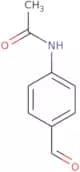
  • 4-Acetamidobenzaldehyde

    CAS :
    <p>4-Acetamidobenzaldehyde is an organic compound that has been shown to exhibit inhibitory effects on influenza virus replication in cell culture. 4-Acetamidobenzaldehyde is a dihedral molecule with a p2 group and can be synthesized from benzaldehyde and acetamide. It has also been shown to have potential use in the treatment of tuberculosis. The biological properties of 4-acetamidobenzaldehyde are not well understood, but it is thought that uptake may occur through the imine nitrogen. This molecule has been detected in tissue samples such as lung, liver, and kidney.</p>
    Formule :C9H9NO2
    Degré de pureté :Min. 95%
    Couleur et forme :Powder
    Masse moléculaire :163.17 g/mol

    Ref: 3D-FA29133

    1kg
    748,00€
    2kg
    1.193,00€
    250g
    327,00€
    500g
    474,00€
  • 4-Hydroxy-3-(trifluoromethoxy)benzaldehyde

    CAS :
    <p>4-Hydroxy-3-(trifluoromethoxy)benzaldehyde is a chemical that modulates the toxicity of cells. It has been shown to reduce amyloid plaques in animals and humans with Alzheimer's disease, and to inhibit the formation of plaques in transgenic mice. In addition, 4-hydroxy-3-(trifluoromethoxy)benzaldehyde has been found to be a pyrimidine compound, which can be used as a potential treatment for alzheimer's disease. This substance also has an insoluble nature and is not soluble in water. Curcumin is one of the substances that may be used to dissolve this substance.</p>
    Formule :C8H5F3O3
    Degré de pureté :Min. 95%
    Masse moléculaire :206.12 g/mol

    Ref: 3D-FH67201

    1g
    150,00€
    2g
    200,00€
    5g
    657,00€
    10g
    1.019,00€
    500mg
    134,00€
  • 4-Aminobenzaldehyde

    CAS :
    <p>4-Aminobenzaldehyde is a molecule that belongs to the class of aromatic compounds. It has a crystalline structure and reacts with acylating agents to form amides. 4-Aminobenzaldehyde has been used for the preparation of diazonium salts, which are reactive intermediates in organic synthesis that can be used as a nucleophile. This compound has been shown to react with sodium nitrate to form an electrochemical data, and it has also been used as a control experiment for nmr spectra.</p>
    Formule :C7H7NO
    Degré de pureté :Min. 98 Area-%
    Couleur et forme :Powder
    Masse moléculaire :121.14 g/mol

    Ref: 3D-FA71226

    1g
    382,00€
    2g
    509,00€
    5g
    679,00€
    10g
    804,00€
    500mg
    305,00€
  • 2-Fluoro-6-(trifluoromethyl)benzaldehyde

    CAS :
    <p>2-Fluoro-6-(trifluoromethyl)benzaldehyde is a chemical compound that is used in the synthesis of other organic compounds. It can be synthesized by reacting benzaldehyde with sodium trifluoromethanesulfinate in liquid ammonia solution at a temperature of -78°C. The reaction produces 2-fluoro-6-(trifluoromethyl)benzaldehyde, which is isolated by evaporating the reaction liquid and recrystallizing the product from methanol. The yield of this reaction is high and there are no major byproducts.</p>
    Formule :C8H4F4O
    Degré de pureté :Min. 95%
    Couleur et forme :Clear Liquid
    Masse moléculaire :192.11 g/mol

    Ref: 3D-FF64028

    25g
    220,00€
    50g
    352,00€
    100g
    529,00€
    250g
    1.044,00€
    500g
    1.312,00€
  • 2,4,5-Trimethoxybenzaldehyde

    CAS :
    <p>2,4,5-Trimethoxybenzaldehyde is a natural compound that belongs to the group of sephadex g-100. It is used as an absorbent and has been shown to react with human immunoglobulin in the presence of tiglic acid. The reaction mechanism for this chemical is not well understood but it is believed that intermolecular hydrogen bonding may be occurring. 2,4,5-Trimethoxybenzaldehyde has been shown to have anti-inflammatory effects when tested on rats in a laboratory setting. This chemical has also been used as an analytical reagent for biological samples and biological studies as well as a preparative hplc column. Optical sensors have also been used to detect this chemical in various types of optical sensing experiments. X-ray crystal structures have also been obtained for this compound using synchrotron radiation.</p>
    Formule :C10H12O4
    Degré de pureté :Min. 98 Area-%
    Couleur et forme :Powder
    Masse moléculaire :196.2 g/mol

    Ref: 3D-FT71343

    1kg
    291,00€
    2kg
    437,00€
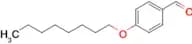
  • 4-N-Octylbenzaldehyde

    CAS :
    <p>4-N-Octylbenzaldehyde is a nitro compound which is used as an immunosuppressive agent. It has been shown to inhibit the activity of diphenolase, which plays an important role in the metabolism of fatty acids. 4-N-Octylbenzaldehyde also has an oil extractant that can be used to extract and separate different types of organic compounds from oils, fats, or greases. In addition, 4-N-octylbenzaldehyde inhibits the synthesis of prostaglandin E2 and thromboxane A2 by inhibiting cyclooxygenase enzymes. It has been shown to possess anti-inflammatory properties and has been found to be useful in treating rheumatoid arthritis.</p>
    Formule :C15H22O
    Degré de pureté :Min. 95%
    Couleur et forme :Clear Liquid
    Masse moléculaire :218.33 g/mol

    Ref: 3D-FO69989

    5g
    254,00€
    10g
    382,00€
    25g
    797,00€
    50g
    1.477,00€
    100g
    2.812,00€
  • 3,4,5-Trihydroxybenzaldehyde monohydrate

    CAS :
    <p>3,4,5-Trihydroxybenzaldehyde monohydrate is a chemical compound that belongs to the class of aromatic hydrocarbons. It has been shown to have a neurotoxic effect on the mouse brain and is used in the diagnosis of neurological diseases. 3,4,5-Trihydroxybenzaldehyde monohydrate is also used as an intermediate in the synthesis of other chemicals. The molecular formula for this substance is C9H7O3 and it contains three nitrogen atoms. The molecular weight is 179.06 g/mol and its sequence length is 707 amino acids long. This substance has been found to be present in humans with chronic kidney disease and insulin resistance.</p>
    Formule :C7H6O4·H2O
    Degré de pureté :(%) Min. 95%
    Couleur et forme :Powder
    Masse moléculaire :172.14 g/mol

    Ref: 3D-FT55233

    2g
    215,00€
    5g
    389,00€
    10g
    553,00€
    25g
    982,00€
  • 4-Aminobenzaldehyde polymer

    CAS :
    <p>4-Aminobenzaldehyde polymer is a crystalline solid that is soluble in organic solvents. It can be used as a reaction vessel for acylation reactions, such as the conversion of an acid chloride to the corresponding amide. 4-Aminobenzaldehyde polymer has been shown to react with diazonium salts to form the corresponding diazo compounds in high yields. The electron activity of the molecule was tested by measuring its oxidation potentials and reducing power. 4-Aminobenzaldehyde polymer is functionalized with both nucleophilic and electrophilic groups. This compound also has electrochemical properties, including optical properties and nmr spectra. The control experiments for this substance are sodium nitrate, which does not react with diazonium salts or react with 4-aminobenzaldehyde polymer at all.</p>
    Formule :(C7H7NO)x
    Degré de pureté :Min. 95%
    Couleur et forme :Powder

    Ref: 3D-FA66542

    50g
    140,00€
    100g
    207,00€
    250g
    364,00€
  • 2-Carbomethoxybenzaldehyde

    CAS :
    <p>2-Carbomethoxybenzaldehyde (2CMB) is a synthetic chemical compound that has been used as an efficient method for the synthesis of amines. The carbonyl group in 2CMB reacts with nucleophiles, such as amines, to form a tetrahydroisoquinoline derivative. This nucleophilic attack leads to the formation of an unstable intermediate that can be isolated and purified by trifluoroacetic acid (TFA). 2CMB is also used in the synthesis of quinoline derivatives and naphthalene derivatives. The acidic properties of 2CMB allow it to react with carboxylic acids, leading to the formation of esters.</p>
    Formule :C9H8O3
    Degré de pureté :Min. 95%
    Couleur et forme :Colorless Powder
    Masse moléculaire :164.16 g/mol

    Ref: 3D-FC70309

    25g
    135,00€
    50g
    192,00€
    100g
    339,00€
    250g
    669,00€
  • 2-Furaldehyde dimethylacetal

    CAS :
    <p>2-Furaldehyde dimethylacetal is a monomer with a hydroxyl group and an aldehyde group in the molecule. It is produced by the reaction of formaldehyde with methanol and sodium hydroxide, which react to create formaldehyde hemiacetal. The formaldehyde hemiacetal then reacts with methanol to produce 2-furaldehyde dimethylacetal. This compound has been shown to polymerize when heated or irradiated with ultraviolet light, forming polymers. Gel chromatography can be used to separate this compound from other compounds in a mixture. The molecular weight of 2-furaldehyde dimethylacetal is 186g/mol.</p>
    Formule :C7H10O3
    Degré de pureté :Min. 95 Area-%
    Couleur et forme :Clear Liquid
    Masse moléculaire :142.15 g/mol

    Ref: 3D-FF147436

    1g
    490,00€
    2g
    815,00€
    5g
    1.494,00€
    250mg
    193,00€
    500mg
    336,00€
  • 4-Bromo-3-methylbenzaldehyde

    CAS :
    <p>4-Bromo-3-methylbenzaldehyde is a versatile building block that is used in the synthesis of many complex compounds. It can be used as a reactant, reagent, or speciality chemical. 4-Bromo-3-methylbenzaldehyde is an intermediate for the production of other chemicals and has been shown to be useful in the synthesis of various scaffolds. This product has been shown to have high purity and quality.</p>
    Formule :C8H7BrO
    Degré de pureté :Min. 95%
    Couleur et forme :Yellow Powder
    Masse moléculaire :199.04 g/mol

    Ref: 3D-FB68056

    5g
    135,00€
    10g
    183,00€
    25g
    358,00€
    50g
    477,00€
  • Retinylaldehyde

    CAS :
    <p>Retinylaldehyde is a derivative of vitamin A that is important for visual health. It is an inhibitor of the chloride channel, which may be due to its ability to inhibit alcohol dehydrogenase and polymerase chain reaction (PCR). Retinylaldehyde has been shown to have a high affinity for nuclear DNA and can bind to guanine nucleotide-binding protein (G protein) in neural cells. This activity leads to chronic cough in mice. Retinylaldehyde also has been shown as having significant up-regulation in human monocytes when exposed to toll-like receptor ligands. The role of retinylaldehyde in the immune system is not fully understood, but it may play a role in modulating the response to bacterial infection by altering the production of cytokines such as interleukin-1β (IL-1β) and tumor necrosis factor alpha (TNFα).</p>
    Formule :C20H28O
    Degré de pureté :Min. 98 Area-%
    Couleur et forme :Powder
    Masse moléculaire :284.44 g/mol

    Ref: 3D-FR31755

    10g
    341,00€
    25g
    486,00€
    50g
    729,00€
    100g
    1.084,00€
    250g
    1.627,00€
  • 4-(Bromomethyl)benzaldehyde

    CAS :
    <p>4-(Bromomethyl)benzaldehyde is a chemical compound that can be synthesized by the reaction of benzaldehyde with bromine in the presence of a base. This compound has been shown to bind to human immunoglobulin G, formyl group and photophysical properties. 4-(Bromomethyl)benzaldehyde has also been used as a model for cancer studies because it binds to DNA and forms an imine bond with thymine. It has been used as a reagent for analytical methods such as phosphotungstic acid, which is a reagent used to detect proteins. The mechanism of this compound is not yet fully understood, but it may involve the formation of an imine bond with thymine in DNA.</p>
    Formule :C8H7BrO
    Degré de pureté :Min. 95%
    Couleur et forme :Powder
    Masse moléculaire :199.04 g/mol

    Ref: 3D-FB10749

    2g
    233,00€
    5g
    410,00€
    10g
    668,00€
    25g
    1.030,00€
  • 4'-Chloro-[1,1'-biphenyl]-4-carbaldehyde

    CAS :
    <p>4'-Chloro-[1,1'-biphenyl]-4-carbaldehyde (CBA) is an intermediate in the synthesis of oritavancin. CBA is obtained by condensation of benzyl chloride and aldehydes. It is also used as a precursor to other compounds. In the laboratory, it can be obtained by heating an ether with chloroform in the presence of acid. 4'-Chloro-[1,1'-biphenyl]-4-carbaldehyde has been shown to be toxic, selective and efficient for certain reactions.</p>
    Formule :C13H9ClO
    Degré de pureté :Min. 97 Area-%
    Couleur et forme :Yellow Powder
    Masse moléculaire :216.66 g/mol

    Ref: 3D-FC39938

    1g
    244,00€
    2g
    382,00€
    5g
    679,00€
    10g
    1.137,00€
    25g
    1.516,00€
  • 2,6-Dichlorobenzaldehyde

    CAS :
    <p>2,6-Dichlorobenzaldehyde is a nucleophilic compound that has the ability to form hydrogen bonds. It reacts with phosphorus pentachloride to produce 2-chloro-4,6-dichlorobenzene. 2,6-Dichlorobenzaldehyde can be used in the synthesis of β-unsaturated ketones and anticancer drugs such as aziridines. It is also used as a precursor for coordination complexes. This compound is an efficient method for making nitrogen nucleophiles, which are important in chain reactions and the production of polymers. The 2,6-dichlorobenzaldehyde molecule contains two chiral centers that give rise to four stereoisomers. X-ray diffraction data shows that this molecule exists as a mixture of these four isomers.</p>
    Formule :C7H4Cl2O
    Degré de pureté :Min. 97.5%
    Couleur et forme :Powder
    Masse moléculaire :175.01 g/mol

    Ref: 3D-FD21656

    1kg
    300,00€
    2kg
    493,00€
    250g
    135,00€
    500g
    178,00€
  • 4-[(2,3,4Trimethoxyphenyl)methyl]piperazine-1-carbaldehyde

    CAS :
    <p>Please enquire for more information about 4-[(2,3,4Trimethoxyphenyl)methyl]piperazine-1-carbaldehyde including the price, delivery time and more detailed product information at the technical inquiry form on this page</p>
    Formule :C15H22N2O4
    Degré de pureté :Min. 95%
    Couleur et forme :Powder
    Masse moléculaire :294.35 g/mol

    Ref: 3D-FT46258

    5mg
    233,00€
    10mg
    341,00€
    25mg
    486,00€
    50mg
    748,00€
    100mg
    1.084,00€
  • Imidazole-2-carboxaldehyde

    CAS :
    <p>Imidazole-2-carboxaldehyde is a broad-spectrum antimicrobial that has been shown to inhibit the growth of bacteria by interfering with protein synthesis. It binds to the cytosolic protein and receptor molecule, which are involved in the activation of bacterial enzymes. Imidazole-2-carboxaldehyde reacts with anhydrous sodium and copper complex to produce hydrogen bonds, which prevent the formation of the nitrogen atoms necessary for cellular processes. This chemical also has biological properties such as glyoxal, which inhibits bacterial growth by reacting with amino groups on proteins.</p>
    Formule :C4H4N2O
    Degré de pureté :Min. 98 Area-%
    Couleur et forme :Slightly Yellow Powder
    Masse moléculaire :96.09 g/mol

    Ref: 3D-FI09933

    25g
    291,00€
    50g
    410,00€
    100g
    486,00€
    250g
    807,00€
    500g
    1.083,00€
  • 7-Hydroxy-4-methyl-2-oxo-2H-chromene-8-carbaldehyde

    CAS :
    <p>7-Hydroxy-4-methyl-2-oxo-2H-chromene-8-carbaldehyde is an activated molecule that exhibits significant cytotoxicity to human liver cancer cells. It inhibits the mitochondrial membrane potential, leading to the release of cytochrome c and apoptosis induction. 7HMOCA has been shown to be a reactive molecule with benzimidazole derivative properties. This compound depletes cellular glutathione levels and increases intracellular reactive oxygen species (ROS) levels, which leads to DNA fragmentation, cell cycle arrest, and ultimately apoptosis induction when combined with other agents. The fluorescence properties of this molecule have enabled its detection in living cells without the need for additional reagents or labeling.</p>
    Formule :C11H8O4
    Degré de pureté :Min. 95 Area-%
    Couleur et forme :White Powder
    Masse moléculaire :204.18 g/mol

    Ref: 3D-FH117553

    1g
    974,00€
    50mg
    203,00€
    100mg
    305,00€
    250mg
    511,00€
    500mg
    681,00€
  • 3-Hydroxy-4-iodobenzaldehyde

    CAS :
    <p>3-Hydroxy-4-iodobenzaldehyde is a fluorophore that is used in the synthesis of amide compounds, as well as in the production of other synthetic molecules. 3-Hydroxy-4-iodobenzaldehyde has been shown to have pharmacokinetic properties that are similar to those of fluorescein, and can be used to study the distribution and metabolism of this compound. This compound also has an oxidation potential that is higher than that of fluorescein, which makes it more useful for studying drug metabolism. The labile nature of 3-hydroxy-4-iodobenzaldehyde means it will not remain intact for long periods of time.</p>
    Formule :C7H5IO2
    Degré de pureté :Min. 95%
    Couleur et forme :Powder
    Masse moléculaire :248.02 g/mol

    Ref: 3D-FH55207

    1g
    135,00€
    2g
    166,00€
    5g
    224,00€
    10g
    330,00€
  • 4-Fluorocinnamaldehyde

    CAS :
    <p>4-Fluorocinnamaldehyde is a reactive molecule that can be used in the catalytic asymmetric synthesis of 4-fluoroalkylbenzenes, which are used as intermediates in the production of pharmaceuticals. It reacts with hydroxymethyl groups to form 4-fluoroalkylbenzene derivatives, which are substrates for asymmetric reactions. This compound has been shown to react with amines and thiols to form Michael acceptors and Michael donors respectively. The crystallographic data obtained from this molecule shows that it belongs to space group P2 and its crystal system is orthorhombic. It also has optical properties that make it suitable for use as an optical material or nanowires.</p>
    Formule :C9H7FO
    Degré de pureté :Min. 80%
    Couleur et forme :Clear Liquid
    Masse moléculaire :150.15 g/mol

    Ref: 3D-FF70809

    250g
    134,00€
    500g
    186,00€
  • 4-Fluoro-3-nitrobenzaldehyde

    CAS :
    <p>4-Fluoro-3-nitrobenzaldehyde is a diphenyl ether that has been used as a starting material for the synthesis of dihydroisoquinolines and related compounds. The compound also inhibits IL-10 production in an experiment with human cells, which might be due to its ability to act as a pro-inflammatory cytokine. 4-Fluoro-3-nitrobenzaldehyde can be used as a control experiment for 4-fluoroaniline, which was found to inhibit IL-10 production in an experiment with human cells.<br>4-Fluoro-3-nitrobenzaldehyde is not active against P. aeruginosa, but does have antinociceptive effects and can be considered to have nucleophilic properties.</p>
    Formule :C7H4FNO3
    Degré de pureté :Min. 95%
    Couleur et forme :Powder
    Masse moléculaire :169.11 g/mol

    Ref: 3D-FF10228

    50g
    135,00€
  • 4-Hydroxybenzaldehyde

    CAS :
    <p>4-Hydroxybenzaldehyde is a phenolic compound that is produced in plants. 4-Hydoxybenzaldehyde is used as an extractant for sodium carbonate and hydroxyl group from acetate extract. The locomotor activity of animals was tested following administration of this substance, and it has been shown to have a high resistance against x-ray crystallography. The reaction mechanism for the formation of p-hydroxybenzoic acid from 4-hydroxybenzaldehyde has been proposed, which may be due to the oxidation of 4-hydroxybenzaldehyde by hydrogen peroxide. This reaction also induces apoptosis pathway in cells. Kinetic data for the reaction between 4-hydroxybenzaldehyde and hydrogen peroxide were obtained using UV spectroscopy.</p>
    Formule :C7H6O2
    Degré de pureté :Min. 95%
    Couleur et forme :White Powder
    Masse moléculaire :122.12 g/mol

    Ref: 3D-FH02556

    5kg
    262,00€
    10kg
    478,00€
  • 3-Hydroxy-4-methylbenzaldehyde

    CAS :
    <p>3-Hydroxy-4-methylbenzaldehyde is a chemical that is synthesized from 3-hydroxy-4-methylphenol and dimethylformamide. It has been shown to interact with aluminium, which may be due to its ability to form a 1:1 complex with the metal. 3-Hydroxy-4-methylbenzaldehyde also exhibits electrochemical methods and isomers with other aldehydes. This chemical can be used in gas chromatography/mass spectrometry (GCMS) as an internal standard for fatty acid analysis.</p>
    Formule :C8H8O2
    Degré de pureté :Min. 95%
    Couleur et forme :White Powder
    Masse moléculaire :136.15 g/mol

    Ref: 3D-FH70521

    1g
    200,00€
    2g
    315,00€
    5g
    470,00€
    500mg
    134,00€
  • 3-Hydroxy-5-nitrobenzaldehyde

    CAS :
    <p>3-Hydroxy-5-nitrobenzaldehyde is a solvent that has been used as a probe to measure chloride concentration in multimedia. It can be used as a sensor and an algorithm to detect the colorimetric change of 3-hydroxy-5-nitrobenzaldehyde in the presence of chloride ions. This probe is also used in colorimetric tests for linker, nonpolar, and surfactant compounds. The 3-hydroxy-5-nitrobenzaldehyde oxime can be cleaved by UV light to produce an unstable nitronium ion that reacts with metal ions such as copper(II) or silver(I) to form an insoluble precipitate.</p>
    Formule :C7H5NO4
    Degré de pureté :Min. 95%
    Couleur et forme :Powder
    Masse moléculaire :167.12 g/mol

    Ref: 3D-FH67806

    1g
    343,00€
    2g
    502,00€
    5g
    1.019,00€
    10g
    1.494,00€
    500mg
    200,00€
  • 2,4-Dimethoxy-5-methylbenzaldehyde

    CAS :
    <p>2,4-Dimethoxy-5-methylbenzaldehyde is an aryl aldehyde that can be synthesized from 2,4-dimethoxyphenol and methyl benzoate. It can also be produced by condensation of benzaldehyde with chloroform in the presence of zinc chloride. This compound is used in the production of various pharmaceuticals, including antihistamines, antidepressants, and antipsychotics.</p>
    Formule :C10H12O3
    Degré de pureté :Min. 95%
    Couleur et forme :Powder
    Masse moléculaire :180.2 g/mol

    Ref: 3D-FD67524

    1g
    305,00€
    2g
    477,00€
    5g
    804,00€
    10g
    1.288,00€
  • 3-Ethoxysalicylaldehyde

    CAS :
    <p>3-Ethoxysalicylaldehyde (3ESA) is a colorless liquid that has been shown to be soluble in methanol. 3ESA has a molecular weight of 172.2 and an experimental solubility data of 1.01 g/mL at 25 °C. The compound has a coordination geometry of tetrahedral with one metal ion and three oxygen atoms. The compound also contains one hydroxyl group and two hydrogen bonds, which are intramolecular hydrogen bonds. 3ESA has shown high resistance to human serum, suggesting that it is stable in the presence of human proteins, and is able to bind copper ions to form copper complexes.</p>
    Formule :C9H10O3
    Degré de pureté :Min. 95%
    Couleur et forme :Powder
    Masse moléculaire :166.17 g/mol

    Ref: 3D-FE11099

    50g
    135,00€
  • 5-Benzyloxyindole-3-carboxaldehyde

    CAS :
    <p>5-Benzyloxyindole-3-carboxaldehyde is a merocyanine dye that can be used as an antimycobacterial agent in cell culture. It is also fluorescent and has been shown to inhibit the growth of Mycobacterium tuberculosis. 5-Benzyloxyindole-3-carboxaldehyde has been synthesised by reacting 5,5′-dibenzoyloxydihydropyrene with indole and benzaldehyde. The hydrolysis of this compound yields the corresponding carboxylic acid and benzoic acid, which are then converted to the desired product by action of sodium ethoxide. Merocyanine dyes are characterized by a distinctive absorption band in the visible region at about 540 nm. These compounds have also been shown to inhibit renal cells, which may be due to their ability to act as nucleophiles or tautomers.</p>
    Formule :C16H13NO2
    Degré de pureté :Min. 95%
    Couleur et forme :Off-White Powder
    Masse moléculaire :251.28 g/mol

    Ref: 3D-FB18516

    50g
    203,00€
    100g
    326,00€
    250g
    480,00€
    500g
    681,00€
  • 4-Benzyloxy-3-chlorobenzaldehyde

    CAS :
    <p>4-Benzyloxy-3-chlorobenzaldehyde is a chemical intermediate that can be used for the production of a variety of compounds. It is an aromatic compound, with a benzene ring and two oxy groups at each end. The CAS number for 4-benzyloxy-3-chlorobenzaldehyde is 66422-84-2. It is also known as 1,4-dichloroacetophenone. This chemical is useful in the production of speciality chemicals and research chemicals, and it can act as a versatile building block in organic synthesis.</p>
    Formule :C14H11ClO2
    Degré de pureté :Min. 95%
    Masse moléculaire :246.69 g/mol

    Ref: 3D-FB67612

    2g
    135,00€
    5g
    137,00€
    10g
    187,00€
    25g
    351,00€
  • 2-Fluoro-1-naphthalenecarboxaldehyde

    CAS :
    <p>2-Fluoro-1-naphthalenecarboxaldehyde is a high quality, complex compound that can be used as a versatile building block in the synthesis of many different compounds. As a reagent, it is used for the conversion of alcohols to ketones, esters to acid chlorides and amides to nitriles. It is also an intermediate in the synthesis of other chemicals such as 2-fluoronaphthalene, 2-(2-fluoroethyl)naphthalene, 1H-indole-2-carboxylic acid, and 3-(2-fluoropropyl)benzothiazole.</p>
    Formule :C11H7FO
    Degré de pureté :Min. 95%
    Couleur et forme :Powder
    Masse moléculaire :174.17 g/mol

    Ref: 3D-FF82915

    1g
    1.174,00€
    2g
    2.016,00€
    5g
    3.533,00€
    250mg
    460,00€
    500mg
    804,00€
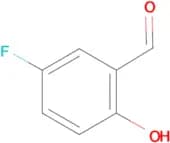
  • 5-Fluoro-2-hydroxybenzaldehyde

    CAS :
    <p>5-Fluoro-2-hydroxy benzaldehyde is a hydrogen bonding compound that has been shown to be an acid complex. It reacts with copper to form a copper complex that can be detected by x-ray diffraction data. 5-Fluoro-2-hydroxybenzaldehyde also has the ability to react with hydroxyl groups, which allow for its use as a fluorescence probe. The presence of this compound in urine has been used to detect kidney disease and urinary tract infections. 5-Fluoro-2-hydroxybenzaldehyde is also thought to have antiinflammatory properties because it can inhibit kinase activity and may inhibit the production of inflammatory cytokines such as IL1β, IL6, and TNFα.</p>
    Formule :C7H5FO2
    Degré de pureté :Min. 95%
    Couleur et forme :Powder
    Masse moléculaire :140.11 g/mol

    Ref: 3D-FF04956

    50g
    135,00€
    100g
    161,00€
  • 2-(4-Chlorophenyl)thiazole-4-carbaldehyde

    CAS :
    <p>Please enquire for more information about 2-(4-Chlorophenyl)thiazole-4-carbaldehyde including the price, delivery time and more detailed product information at the technical inquiry form on this page</p>
    Formule :C10H6ClNOS
    Degré de pureté :Min. 95%
    Couleur et forme :Powder
    Masse moléculaire :223.68 g/mol

    Ref: 3D-FC51178

    1g
    403,00€
    2g
    598,00€
    5g
    906,00€
    250mg
    183,00€
    500mg
    293,00€
  • 3-Bromo-4-hydroxybenzaldehyde

    CAS :
    <p>3-Bromo-4-hydroxybenzaldehyde is a fluorescence probe that can be used to identify the presence of hydroxyl groups in organic solutions. It reacts with hydrochloric acid to form a green solution and a gas. 3-Bromo-4-hydroxybenzaldehyde has been used to study hydroxyl groups in human serum, plant physiology, and surfactant sodium dodecyl (SDS). This compound has shown potent inhibition against an enzyme called benzoyl peroxide reductase. 3-Bromo-4-hydroxybenzaldehyde is soluble in water, but not in ether. The molecular weight of this compound is 176.3 g/mol.</p>
    Formule :C7H5BrO2
    Degré de pureté :Min. 95%
    Couleur et forme :Powder
    Masse moléculaire :201.02 g/mol

    Ref: 3D-FB30014

    2kg
    1.728,00€
    100g
    189,00€
    250g
    376,00€
    500g
    544,00€
  • 3,5-Di-tert-butyl-2-hydroxy benzaldehyde

    CAS :
    <p>3,5-Di-tert-butyl-2-hydroxy benzaldehyde is a molecule that has been shown to have inhibitory effects on cancer cells. It has been tested in vitro on carcinoma cell lines with promising results and shows the potential to be used as an anticancer agent. 3,5-Di-tert-butyl-2-hydroxy benzaldehyde inhibits the growth of cancer cells by binding to their DNA and preventing the synthesis of proteins. This drug is also effective against bacterial strains such as Escherichia coli, Salmonella typhimurium, Klebsiella pneumoniae, Pseudomonas aeruginosa, and Vibrio cholerae. 3,5-Di-tert-butyl-2-hydroxy benzaldehyde forms hydrogen bonds with nitrogen atoms that are present in the molecules of these bacteria. The intramolecular hydrogen bonding interactions between 3,5-di tert butyl 2 hydroxyben</p>
    Formule :C15H22O2
    Degré de pureté :Min. 95%
    Couleur et forme :Off-White Powder
    Masse moléculaire :234.33 g/mol

    Ref: 3D-FD04959

    1kg
    522,00€
    250g
    262,00€
    500g
    349,00€
  • 2-(2-Chlorophenyl)thiazole-4-carbaldehyde

    CAS :
    <p>Please enquire for more information about 2-(2-Chlorophenyl)thiazole-4-carbaldehyde including the price, delivery time and more detailed product information at the technical inquiry form on this page</p>
    Formule :C10H6ClNOS
    Degré de pureté :Min. 95%
    Couleur et forme :Powder
    Masse moléculaire :223.68 g/mol

    Ref: 3D-FC51424

    1g
    917,00€
    50mg
    182,00€
    100mg
    290,00€
    250mg
    443,00€
    500mg
    609,00€
  • 4-Hydroxybutyraldehyde

    Produit contrôlé
    CAS :
    <p>4-Hydroxybutyraldehyde is a carbonyl group that contains a zirconium oxide fragment. It is acidic and can be used as an inhibitor of tumor cells. 4-Hydroxybutyraldehyde has been shown to deuterium isotope effect on the reaction mechanism. This chemical ionization process leads to the production of an H3+ cation, which reacts with the sample in order to produce a protonated product. The hydrogenated form of this molecule undergoes an addition reaction with butyrolactone, forming the desired product. The synthetic pathway for this molecule starts with metal carbonyl complexes, which react with nucleophiles such as ammonia or amines to produce 4-hydroxybutyraldehyde.</p>
    Formule :C4H8O2
    Degré de pureté :Min. 95%
    Couleur et forme :Clear Liquid
    Masse moléculaire :88.11 g/mol

    Ref: 3D-FH139266

    1g
    836,00€
    2g
    1.418,00€
    100mg
    211,00€
    250mg
    343,00€
    500mg
    530,00€
  • 2-Bromo-4,5-difluorobenzaldehyde

    CAS :
    <p>2-Bromo-4,5-difluorobenzaldehyde is a chemical intermediate and speciality chemical. It is an important building block for the synthesis of organic compounds, such as pharmaceuticals and agrochemicals. This product is a versatile building block, which can be used in a wide range of reactions and is suitable for use as an intermediate or scaffold. It has high quality and complex structure that can be used to synthesize a number of different compounds.</p>
    Formule :C7H3BrF2O
    Degré de pureté :Min. 97%
    Couleur et forme :Powder
    Masse moléculaire :221 g/mol

    Ref: 3D-FB158617

    5g
    183,00€
    10g
    285,00€
    25g
    420,00€
    50g
    594,00€
    100g
    901,00€
  • 2,6-Dichloro-3-nitrobenzaldehyde

    CAS :
    <p>2,6-Dichloro-3-nitrobenzaldehyde (DCNB) is an electrophilic bidentate ligand that reacts with chlorine to form chloroform. It is also a good ligand for many metal ions, such as copper and nickel. DCNB can catalyze the epoxidation of alkenes to form epoxides. DCNB has been used in the industrial production of chlorinated solvents and hydrocarbons. It is a very efficient reagent for formylation, which can be used to convert alcohols and amines into formyl groups or carboxylic acids. The DCN group is also an excellent leaving group, which makes it useful as a solvent in organic syntheses. Finally, DCNB reacts with chlorine atoms to produce chloride ions that are soluble in water and organic solvents.</p>
    Formule :C7H3Cl2NO3
    Degré de pureté :Min. 95%
    Masse moléculaire :220.01 g/mol

    Ref: 3D-FD50932

    1kg
    729,00€
    50g
    135,00€
    100g
    170,00€
    250g
    291,00€
    500g
    478,00€
  • 3-Fluoro-2-methoxybenzaldehyde

    CAS :
    <p>3-Fluoro-2-methoxybenzaldehyde is a synthetic chemical that has been used as a precursor in the synthesis of pharmaceuticals and other organic compounds. 3-Fluoro-2-methoxybenzaldehyde can be prepared through the lithiation, chloromethylation, or trimethylation of 3-fluoroacetophenone. The compound can be oxidized to 3,4-dihydrobenzofuran with peroxide at low temperature. This conversion can be achieved using a variety of reagents, such as boron tribromide or boron trichloride.</p>
    Formule :C8H7FO2
    Degré de pureté :Min. 95%
    Couleur et forme :Colorless Powder
    Masse moléculaire :154.14 g/mol

    Ref: 3D-FF67911

    10g
    135,00€
    25g
    178,00€
    50g
    255,00€
  • 4-Bromo-3,5-dimethylbenzaldehyde

    CAS :
    <p>4-Bromo-3,5-dimethylbenzaldehyde is an organic compound that contains a benzene ring with a bromine atom in the 4 position. It is used as a reagent and intermediate in organic synthesis. The compound can be converted to radical cations by reaction with electron-deficient alkylating agents such as methyl iodide or trimethylsilyl chloride. Radical cations are classified as reactive intermediates and have been shown to react with other organic compounds to form new products.</p>
    Formule :C9H9BrO
    Degré de pureté :Min. 95%
    Masse moléculaire :213.07 g/mol

    Ref: 3D-FB69803

    1g
    167,00€
    2g
    229,00€
    500mg
    134,00€
  • 3,4-Dichlorobenzaldehyde oxime

    CAS :
    <p>3,4-Dichlorobenzaldehyde oxime is a natural carotenoid that has been shown to have antibacterial activity. 3,4-Dichlorobenzaldehyde oxime is produced by the reaction of malonate and aldehyde in an incubated system. This compound has been shown to be active against Gram-positive bacteria such as staphylococcus and aldoximes and Gram-negative bacteria such as E. coli, Salmonella typhimurium, and Shigella flexneri. 3,4-Dichlorobenzaldehyde oxime inhibits bacterial growth by binding to the 50S ribosomal subunit of the bacterial cell membrane. This binding prevents protein synthesis, leading to cell death. The biosynthesis of 3,4-dichlorobenzaldehyde oxime involves the conversion of abscisic acid (ABA) into ABA quinone through oxidation by an enzyme called ABA oxidase</p>
    Formule :C7H5Cl2NO
    Degré de pureté :Min. 95%
    Couleur et forme :Powder
    Masse moléculaire :190.03 g/mol

    Ref: 3D-FD68071

    25g
    135,00€
    50g
    183,00€
    100g
    490,00€
  • 3-Benzyloxybenzaldehyde

    CAS :
    <p>3-Benzyloxybenzaldehyde (3BOBA) is a hydrochloride salt of 3-benzyloxybenzaldehyde. 3BOBA has shown anti-inflammatory activity in hl-60 cells and prostate cancer cells through inhibition of the activation of nuclear factor kappa B. This inhibition was found to be due to the apoptosis protein, survivin, which was downregulated by 3BOBA treatment. The analogs of 3BOBA are known as curcumin analogs, and have shown anticancer properties in clinical trials.</p>
    Formule :C14H12O2
    Degré de pureté :Min. 95%
    Couleur et forme :Powder
    Masse moléculaire :212.24 g/mol

    Ref: 3D-FB29112

    1kg
    457,00€
    100g
    134,00€
    250g
    200,00€
    500g
    308,00€
  • β-Resorcylic aldehyde oxime

    CAS :
    <p>beta-Resorcylic aldehyde oxime is a compound that can be used as a reagent, speciality chemical, and research chemical. It has the CAS number 5399-68-8, and it is a fine chemical that has been shown to be useful in organic synthesis. beta-Resorcylic aldehyde oxime is soluble in methanol, ethanol, benzene, diethyl ether, and acetone. This compound can be used as a building block for other compounds by reacting with amines or carboxylic acids. It can also be used as an intermediate for other reactions. beta-Resorcylic aldehyde oxime has been shown to have versatile properties that make it an excellent scaffold for creating new compounds.</p>
    Formule :C7H7NO3
    Masse moléculaire :153.14 g/mol

    Ref: 3D-FR69945

    1g
    150,00€
    2g
    200,00€
    500mg
    134,00€
  • 2-Chloro-6-fluorobenzaldehyde oxime

    CAS :
    <p>2-Chloro-6-fluorobenzaldehyde oxime is the chemical compound with the formula ClCH=C(O)N(OH)Cl. It is a white solid that is soluble in water and ethanol. 2-Chloro-6-fluorobenzaldehyde oxime is used as a versatile building block in organic synthesis, for example as a reagent for the preparation of amides, esters, and nitriles. It is also useful as a reagent for the conversion of ketones to nitriles.</p>
    Formule :C7H5ClFNO
    Degré de pureté :Min. 95%
    Masse moléculaire :173.57 g/mol

    Ref: 3D-FC69971

    5g
    135,00€
    10g
    166,00€
  • 3-Methoxy-4-methylbenzaldehyde

    CAS :
    <p>3-Methoxy-4-methylbenzaldehyde is a chemical compound that belongs to the class of phenylpropanoids. It has been shown to have a variety of uses, including as a drug substance and in natural products. 3-Methoxy-4-methylbenzaldehyde can be used for labeling, mass spectrometric detection, physicochemical techniques, and chromatographic science. The compound can be detected using electron ionization, mass spectrometric detection, or chromatographic science. Isomers of this compound are often difficult to identify due to the presence of other similar compounds.</p>
    Formule :C9H10O2
    Degré de pureté :Min. 95%
    Couleur et forme :Powder
    Masse moléculaire :150.17 g/mol

    Ref: 3D-FM70928

    25g
    280,00€
    50g
    430,00€
    100g
    1.212,00€
    250g
    2.213,00€
  • o-Nitrocinnamaldehyde

    CAS :
    <p>o-Nitrocinnamaldehyde is an aldehyde that belongs to the group of β-unsaturated aldehydes. It has been shown to inhibit cancer cell growth in vitro and in vivo. o-Nitrocinnamaldehyde inhibits xanthine oxidase by preventing the oxidation of hypoxanthine to xanthine and xanthine to uric acid. This prevents the formation of superoxide radicals, which are known carcinogens. The compound also inhibits aldehyde dehydrogenase, which prevents the oxidation of nitro compounds that have been generated by nitrosation reactions. These reactions are catalyzed by nitric oxide synthases (NOS) and convert nitrate into nitrite and then into reactive nitrogen species such as peroxynitrites. o-Nitrocinnamaldehyde also inhibits uv absorption, which may be due to its ability to form supramolecular aggregates with other organic molecules or metal ions.</p>
    Formule :C9H7NO3
    Degré de pureté :Min. 95%
    Masse moléculaire :177.16 g/mol

    Ref: 3D-FN31275

    25g
    135,00€
    50g
    190,00€
  • 4-(Trifluoromethylthio)benzaldehyde

    CAS :
    <p>4-(Trifluoromethylthio)benzaldehyde is a magnetic, stereogenic, mononuclear compound with a thermodynamic stability that has been improved by advances in the field of thermodynamics. The compound can also be synthesized using an asymmetric synthesis and is tetrasubstituted with antiferromagnetic coupling. 4-(Trifluoromethylthio)benzaldehyde has many functions, including being able to control the oxidation-reduction potentials of lanthanide ions and ferromagnetic materials. It also has a calorimetry effect on the adsorption of water vapor onto hydrophobic surfaces.</p>
    Formule :C8H5F3OS
    Degré de pureté :Min. 95%
    Couleur et forme :Powder
    Masse moléculaire :206.19 g/mol

    Ref: 3D-FT64096

    25g
    252,00€
    50g
    418,00€
    100g
    646,00€
    250g
    1.190,00€
    500g
    1.915,00€
  • 3,5-Dichlorobenzaldehyde

    CAS :
    <p>3,5-Dichlorobenzaldehyde is an organic compound with the formula CHClO. It is a colorless liquid that smells like freshly cut grass. 3,5-Dichlorobenzaldehyde is used in organic synthesis as an electrophile for the preparation of substituted benzoquinones and other heterocycles. It is also used to prepare aromatic amines via aldol condensation with ketones. In addition, it can be used to generate azides from nitroarenes or nitroalkanes in the presence of sodium azide or potassium azide. Finally, it can be used to synthesize molybdenum compounds such as molybdic acid and ammonium molybdate.</p>
    Formule :C7H4Cl2O
    Degré de pureté :Min. 95%
    Couleur et forme :Powder
    Masse moléculaire :175.01 g/mol

    Ref: 3D-FD64013

    ne
    À demander