Aldéhydes
Les aldéhydes sont des composés organiques contenant un groupe carbonyle (C=O) lié à au moins un atome d'hydrogène. Ces composés polyvalents sont fondamentaux dans diverses réactions chimiques, notamment l'oxydation, la réduction et l'addition nucléophile. Les aldéhydes sont des building blocks essentiels dans la synthèse de produits pharmaceutiques, de parfums et de polymères. Chez CymitQuimica, nous proposons une large sélection d'aldéhydes de haute qualité pour soutenir vos applications de recherche et industrielles.
8551 produits trouvés pour "Aldéhydes"
Trier par
Degré de pureté (%)
0
100
|
0
|
50
|
90
|
95
|
100
2-Phenoxybenzaldehyde
CAS :<p>2-Phenoxybenzaldehyde is an organic compound that belongs to the heterocyclic aldehyde family. It is a white solid with a strong, pleasant odor. 2-Phenoxybenzaldehyde is used as an intermediate in organic synthesis, and has been shown to inhibit the receptor activity of human leukocyte antigen (HLA) class II molecules. The reaction mechanism for this inhibition is not known. The reaction of 2-phenoxybenzaldehyde with hydrochloric acid produces phenylhydroxylamine, which can be oxidized by inorganic acids to form phenyloxalic acid. This compound also inhibits the production of inflammatory cytokines such as TNFα and IL-1β in vitro and in vivo.</p>Formule :C13H10O2Degré de pureté :Min. 95%Couleur et forme :Clear LiquidMasse moléculaire :198.22 g/mol3,4-Dimethoxy-6-nitrobenzaldehyde
CAS :<p>3,4-Dimethoxy-6-nitrobenzaldehyde is a chemical compound that has been synthesized by the reaction of 3,4-dimethoxybenzaldehyde and nitric acid. The asymmetric synthesis of 3,4-Dimethoxy-6-nitrobenzaldehyde starts with the preparation of the corresponding ester, which is then reacted with nitric acid to produce the desired product. The chemical structure of 3,4-Dimethoxy-6-nitrobenzaldehyde consists of three aromatic rings: a benzene ring fused to a phenyl ring and a pyridine ring. This chemical can be used as an intermediate in the synthesis of epidermal growth factor (EGF). It also has been shown to bind to toll like receptor 4 (TLR4), which activates NFκB signaling pathway and induces apoptosis in monocytes.</p>Formule :C9H9NO5Degré de pureté :Min. 95 Area-%Couleur et forme :White Yellow PowderMasse moléculaire :211.17 g/mol(3E)-4-(1,3-Benzodioxol-4-yl)-3-butenoic acid
CAS :<p>2,3-Methylenedioxybenzaldehyde is an organic compound that has been used as a chemical ionization reagent in the development of chemosensors. The formyl group in this molecule reacts with chloride to produce the corresponding formate salt, which can be detected by gas chromatography. This compound has also been shown to inhibit bacterial growth in vitro and may have potential applications as a drug substance. 2,3-Methylenedioxybenzaldehyde is an isomer of 2,4-methylenedioxybenzaldehyde, which has been shown to inhibit bacterial growth via hydrogen bonding with amines and electron deficient molecules such as chlorides.<br>2,3-Methylenedioxybenzaldehyde can be used for chromatographic science and the detection of drugs in urine samples.</p>Formule :C11H10O4Degré de pureté :Min. 95%Couleur et forme :PowderMasse moléculaire :206.19 g/mol3-Bromo-4,5-dimethoxybenzaldehyde
CAS :<p>3-Bromo-4,5-dimethoxybenzaldehyde is a molecule that is acidic in nature. It inhibits phosphatases and has shown cytotoxic activity against cancer cells in vitro. This compound also has antibacterial properties and can be used to treat bacterial infections. 3-Bromo-4,5-dimethoxybenzaldehyde is also a synthetic compound that can be found in the bisbenzylisoquinoline alkaloids family. It has been shown to have anti-tumor activity as well as an interaction with aldehydes and chalcones, which may lead to anti-inflammatory effects.</p>Formule :C9H9BrO3Degré de pureté :Min. 95%Couleur et forme :PowderMasse moléculaire :245.07 g/molDL-Glyceraldehyde
CAS :<p>Glyceraldehyde is a monosaccharide that is an important intermediate in the glycolytic pathway. It is also classified as a hydroxyl group donor and has been shown to have cytotoxic effects on mammalian cells. Glyceraldehyde has been implicated in many biological processes, including fatty acid synthesis and dinucleotide phosphate synthesis. This molecule has been shown to bind to proteins through its hydroxyl groups, which are found on its carbonyl carbon atoms. The enzyme cytosolic protein kinase (PK) has been shown to phosphorylate glyceraldehyde, which may be involved in transcriptional regulation. In addition, glyceraldehyde may be involved in human serum glucose levels and plant metabolism.</p>Formule :C3H6O3Degré de pureté :90%MinCouleur et forme :PowderMasse moléculaire :90.08 g/mol3,5-Di-tert-butyl-2-hydroxy benzaldehyde
CAS :<p>3,5-Di-tert-butyl-2-hydroxy benzaldehyde is a molecule that has been shown to have inhibitory effects on cancer cells. It has been tested in vitro on carcinoma cell lines with promising results and shows the potential to be used as an anticancer agent. 3,5-Di-tert-butyl-2-hydroxy benzaldehyde inhibits the growth of cancer cells by binding to their DNA and preventing the synthesis of proteins. This drug is also effective against bacterial strains such as Escherichia coli, Salmonella typhimurium, Klebsiella pneumoniae, Pseudomonas aeruginosa, and Vibrio cholerae. 3,5-Di-tert-butyl-2-hydroxy benzaldehyde forms hydrogen bonds with nitrogen atoms that are present in the molecules of these bacteria. The intramolecular hydrogen bonding interactions between 3,5-di tert butyl 2 hydroxyben</p>Formule :C15H22O2Degré de pureté :Min. 95%Couleur et forme :Off-White PowderMasse moléculaire :234.33 g/molBenzaldehyde dimethyl acetal
CAS :<p>Vegetable, nutty and floral flavour/fragrance</p>Formule :C9H12O2Degré de pureté :Min. 95%Couleur et forme :Clear LiquidMasse moléculaire :152.19 g/mol2,6-Dichloro-3-nitrobenzaldehyde
CAS :<p>2,6-Dichloro-3-nitrobenzaldehyde (DCNB) is an electrophilic bidentate ligand that reacts with chlorine to form chloroform. It is also a good ligand for many metal ions, such as copper and nickel. DCNB can catalyze the epoxidation of alkenes to form epoxides. DCNB has been used in the industrial production of chlorinated solvents and hydrocarbons. It is a very efficient reagent for formylation, which can be used to convert alcohols and amines into formyl groups or carboxylic acids. The DCN group is also an excellent leaving group, which makes it useful as a solvent in organic syntheses. Finally, DCNB reacts with chlorine atoms to produce chloride ions that are soluble in water and organic solvents.</p>Formule :C7H3Cl2NO3Degré de pureté :Min. 95%Masse moléculaire :220.01 g/mol4-Ethoxy-3-hydroxybenzaldehyde
CAS :<p>4-Ethoxy-3-hydroxybenzaldehyde (4EHB) is a thioacetal that has been shown to be an effective precursor for the synthesis of many other molecules, such as combretastatin a-4. It is prepared by reaction of ethylmagnesium bromide and acetone. 4EHB has been shown to have antifungal properties in vitro, and can be used in the treatment of cancer cells. This compound is volatile and can be easily detected with headspace techniques. The functional group of this molecule is an alcohol group, which is found on the ring structure. Spectroscopic analysis shows that it has a carbonyl group with an OH group attached to it.</p>Formule :C9H10O3Degré de pureté :Min. 95%Couleur et forme :Colorless PowderMasse moléculaire :166.17 g/mol5-Iodo-2,3-dimethoxybenzaldehyde
CAS :<p>5-Iodo-2,3-dimethoxybenzaldehyde is a fine chemical that is useful as a scaffold for the synthesis of other compounds. It can be used as an intermediate for research chemicals or as a reaction component in the synthesis of complex compounds. 5-Iodo-2,3-dimethoxybenzaldehyde is used for the manufacture of high quality reagents and building blocks.</p>Formule :C9H9IO3Degré de pureté :Min. 95%Couleur et forme :PowderMasse moléculaire :292.07 g/mol4-Isopropoxybenzaldehyde
CAS :<p>4-Isopropoxybenzaldehyde is a synthetic compound that belongs to the group of lipopolysaccharides. It is a photophysical and voltammetric study of wastewater, which was found to be an effective halide scavenger. 4-Isopropoxybenzaldehyde has been shown to have high antibacterial activity against methicillin-resistant Staphylococcus aureus (MRSA) and Mycobacterium tuberculosis. This compound also has acute toxicities when administered to animals. The toxicity may be due to its ability to inhibit protein synthesis as well as other cellular processes.</p>Formule :C10H12O2Degré de pureté :Min. 95%Masse moléculaire :164.2 g/molChamigrenal
CAS :<p>Chamigrenal is a complex enzyme that is extracted from the fruit of the chamomile plant, which has been used for centuries in Ayurvedic medicine. Chamigrenal has been shown to have anti-inflammatory and anti-allergic activities. It also binds to G-protein coupled receptors, which may be due to its eluting property. Chamigrenal contains many chemical structures, including phenolic acids, flavonoids, terpenoids, and coumarins. The molecule has been shown to inhibit the growth of human cervical carcinoma cells by binding to a receptor called factor receptor.<br>DEFINITION: Chamigrenal is an extract from the fruit of the chamomile plant that has been used for centuries in Ayurvedic medicine as a treatment for inflammation and allergies. It has also been shown to bind to G-protein coupled receptors and inhibit human cervical carcinoma cells by binding to a receptor called factor receptor.</p>Formule :C15H22ODegré de pureté :Min. 98 Area-%Couleur et forme :PowderMasse moléculaire :218.33 g/mol4-(Phenylethynyl)benzaldehyde
CAS :<p>4-(Phenylethynyl)benzaldehyde is a synthetic compound that belongs to the class of aldehydes. It is soluble in acetonitrile and can be synthesized by a cross-coupling reaction between two different organometallic reagents, such as N-phenyltrifluoroacetamide or N-phenylmaleimide. 4-(Phenylethynyl)benzaldehyde has been shown to have cytotoxic effects on cancer cells and can be used for the treatment of leukemia and Hodgkin's lymphoma. This chemical has fluorescence properties, which are enhanced by surface-enhanced Raman spectroscopy. 4-(Phenylethynyl)benzaldehyde also shows photophysical properties, such as an imine and fluorescent character, making it possible to use it in chemiluminescence reactions.</p>Formule :C15H10ODegré de pureté :Min. 95 Area-%Couleur et forme :Clear LiquidMasse moléculaire :206.24 g/mol2,5-Difluoro-4-hydroxybenzaldehyde
CAS :<p>2,5-Difluoro-4-hydroxybenzaldehyde is a chemical compound that belongs to the class of pyrazoles. It has been shown to inhibit the activity of multinuclear enzymes, such as tautomerase and hydrolases. This inhibition is due to the conformational changes in these enzymes induced by 2,5-difluoro-4-hydroxybenzaldehyde. 2,5-Difluoro-4-hydroxybenzaldehyde also displays biological activity against various types of cancer cells. This can be attributed to its ability to inhibit protein synthesis through inhibition of RNA transcription and translation.</p>Formule :C7H4F2O2Degré de pureté :Min. 95%Couleur et forme :SolidMasse moléculaire :158.1 g/mol4-Acetyl syringaldehyde
CAS :<p>4-Acetyl syringaldehyde is a gaseous compound that has been shown to have antitumor properties. It is synthesized from 5-iodovanillin, which can be found in Australian marine sponge and organic acids such as citric acid. 4-Acetyl syringaldehyde has been shown to inhibit the growth of human colorectal cancer cells (HCT116) and induce apoptosis. This compound also inhibits the growth of bacteria by binding to the bacterial dna gyrase and dna topoisomerase, inhibiting their ability to maintain the integrity of bacterial DNA. 4-Acetyl syringaldehyde undergoes a number of reactions when exposed to chlorine or nitro compounds, including oxidation products that are formed when it reacts with formic acid and hct116 cells.</p>Formule :C11H12O5Degré de pureté :Min. 95%Couleur et forme :PowderMasse moléculaire :224.21 g/mol4-Fluoro-1H-indole-3-carbaldehyde
CAS :<p>4-Fluoro-1H-indole-3-carbaldehyde is a chemical compound that can be used as a reagent, reaction component, or building block in the synthesis of more complex compounds. This chemical is also known as CAS No. 23073-31-6 and has high quality and purity. 4-Fluoro-1H-indole-3-carbaldehyde is useful for research purposes and can be used as a speciality chemical or a fine chemical.</p>Formule :C9H6FNODegré de pureté :Min. 95%Couleur et forme :Yellow To Brown SolidMasse moléculaire :163.15 g/molo-Nitrocinnamaldehyde
CAS :<p>o-Nitrocinnamaldehyde is an aldehyde that belongs to the group of β-unsaturated aldehydes. It has been shown to inhibit cancer cell growth in vitro and in vivo. o-Nitrocinnamaldehyde inhibits xanthine oxidase by preventing the oxidation of hypoxanthine to xanthine and xanthine to uric acid. This prevents the formation of superoxide radicals, which are known carcinogens. The compound also inhibits aldehyde dehydrogenase, which prevents the oxidation of nitro compounds that have been generated by nitrosation reactions. These reactions are catalyzed by nitric oxide synthases (NOS) and convert nitrate into nitrite and then into reactive nitrogen species such as peroxynitrites. o-Nitrocinnamaldehyde also inhibits uv absorption, which may be due to its ability to form supramolecular aggregates with other organic molecules or metal ions.</p>Formule :C9H7NO3Degré de pureté :Min. 95%Masse moléculaire :177.16 g/mol4-(Trifluoromethylthio)benzaldehyde
CAS :<p>4-(Trifluoromethylthio)benzaldehyde is a magnetic, stereogenic, mononuclear compound with a thermodynamic stability that has been improved by advances in the field of thermodynamics. The compound can also be synthesized using an asymmetric synthesis and is tetrasubstituted with antiferromagnetic coupling. 4-(Trifluoromethylthio)benzaldehyde has many functions, including being able to control the oxidation-reduction potentials of lanthanide ions and ferromagnetic materials. It also has a calorimetry effect on the adsorption of water vapor onto hydrophobic surfaces.</p>Formule :C8H5F3OSDegré de pureté :Min. 95%Couleur et forme :PowderMasse moléculaire :206.19 g/mol5-(4-Chlorophenyl)-2-furaldehyde
CAS :<p>5-(4-Chlorophenyl)-2-furaldehyde (5-CPFA) is an antitubercular drug that inhibits the growth of tuberculosis bacteria by disrupting the synthesis of DNA. It is a functional theory that 5-CPFA inhibits the bacterial enzyme, chalcone hydroxylase, which is involved in the conversion of chalcones to flavones. This inhibition prevents the formation of reactive oxygen species and leads to cell death. The mechanism of action for 5-CPFA has been shown to be due to its ability to form covalent bonds with metal ions such as copper, zinc, and iron. When exposed to ultraviolet radiation, this compound reacts with these metal ions and causes bond cleavage in DNA strands. The resulting damage in DNA strands leads to cell death within hours.</p>Formule :C11H7ClO2Degré de pureté :Min. 95%Couleur et forme :PowderMasse moléculaire :206.62 g/mol3,5-Dichlorobenzaldehyde
CAS :<p>3,5-Dichlorobenzaldehyde is an organic compound with the formula CHClO. It is a colorless liquid that smells like freshly cut grass. 3,5-Dichlorobenzaldehyde is used in organic synthesis as an electrophile for the preparation of substituted benzoquinones and other heterocycles. It is also used to prepare aromatic amines via aldol condensation with ketones. In addition, it can be used to generate azides from nitroarenes or nitroalkanes in the presence of sodium azide or potassium azide. Finally, it can be used to synthesize molybdenum compounds such as molybdic acid and ammonium molybdate.</p>Formule :C7H4Cl2ODegré de pureté :Min. 95%Couleur et forme :PowderMasse moléculaire :175.01 g/mol4-Hydroxy-3-methylbenzaldehyde
CAS :<p>4-Hydroxy-3-methylbenzaldehyde is a fungicidal agent that has been shown to have activity against Cryptococcus neoformans. It inhibits the mitochondrial functions of this fungus, which leads to cell death by disrupting the synthesis of fatty acids and other cellular components. 4-Hydroxy-3-methylbenzaldehyde binds to C. neoformans with high affinity, producing a reaction product that interferes with the organism's ability to produce butyric acid. The molecular modelling of this compound shows that it is a pyrazole ring with two benzyl groups on either side of an aldehyde group. This chemical also inhibits gram-negative bacteria by binding to fatty acids in their outer membrane.</p>Formule :C8H8O2Degré de pureté :Min. 95%Couleur et forme :PowderMasse moléculaire :136.15 g/mol2-fluoro-5-methoxybenzaldehyde
CAS :<p>2-fluoro-5-methoxybenzaldehyde is an asymmetric synthesis that has been shown to inhibit the growth of cancer cells by inhibiting a protein called MT2. 2-Fluoro-5-methoxybenzaldehyde is a nucleophilic compound and reacts with the electrophilic carbon in the enolate to form a sulfoxide, which can be hydrolyzed by acid. This reaction inhibits cancer cell growth as it prevents cellular metabolism and amino acid biosynthesis.</p>Formule :C8H7FO2Degré de pureté :Min. 95%Masse moléculaire :154.14 g/mol4-Hydroxy-3-nitrobenzaldehyde
CAS :<p>4-Hydroxy-3-nitrobenzaldehyde (4NBA) is a chemical compound that belongs to the class of aromatic compounds. It is an intermediate in the synthesis of various pharmaceuticals, including benzocaine and nitroglycerin, and has been researched for its potential use in cancer diagnosis. 4NBA has shown optical properties that allow it to be used as a model system for studying the interactions between water and benzyl groups. It also possesses anti-inflammatory properties due to its ability to inhibit the production of inflammatory cytokines such as IL-1β, IL-6, and TNFα.</p>Formule :C7H5NO4Degré de pureté :Min. 95%Couleur et forme :PowderMasse moléculaire :167.12 g/mol1-Naphthaldehyde
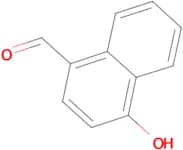
CAS :<p>1-Naphthaldehyde is a coordination compound that contains 1 naphthyl group and an oxygen atom. It can be used as an oxidation catalyst, intramolecular hydrogen, or a reaction solution. The antimicrobial activity of 1-naphthaldehyde has been shown in the presence of sodium carbonate or potassium phosphate buffer. 1-Naphthaldehyde has been shown to possess structural properties similar to those of other metal chelates, such as zinc pyrithione. The protonated form of 1-naphthaldehyde has been identified by means of analytical methods including gas chromatography and mass spectrometry.</p>Formule :C11H8ODegré de pureté :Min. 95%Couleur et forme :Yellow To Brown LiquidMasse moléculaire :156.18 g/mol3-Fluoro-2-methoxybenzaldehyde
CAS :<p>3-Fluoro-2-methoxybenzaldehyde is a synthetic chemical that has been used as a precursor in the synthesis of pharmaceuticals and other organic compounds. 3-Fluoro-2-methoxybenzaldehyde can be prepared through the lithiation, chloromethylation, or trimethylation of 3-fluoroacetophenone. The compound can be oxidized to 3,4-dihydrobenzofuran with peroxide at low temperature. This conversion can be achieved using a variety of reagents, such as boron tribromide or boron trichloride.</p>Formule :C8H7FO2Degré de pureté :Min. 95%Couleur et forme :Colorless PowderMasse moléculaire :154.14 g/mol3-Bromo-5-chloro-2-hydroxybenzaldehyde
CAS :<p>3-Bromo-5-chloro-2-hydroxybenzaldehyde is a molecule that contains nitrogen atoms. It has coordination geometry and a chelate ring. 3-Bromo-5-chloro-2-hydroxybenzaldehyde also has electrochemical properties, which can be studied by cyclic voltammetry. This molecule is a copper complex that exhibits fluorescence properties and dihedral angles. The magnetic resonance spectrum of 3-bromo-5-chloro-2 hydroxybenzaldehyde displays hydrogen bonding interactions and an imine nitrogen. 3BChBrOH also absorbs light at wavelengths of 280 nm (max) and 240 nm (min).</p>Formule :C7H4BrClO2Degré de pureté :Min. 95%Couleur et forme :PowderMasse moléculaire :235.46 g/mol5-Methoxyindole-3-carboxaldehyde
CAS :<p>5-Methoxyindole-3-carboxaldehyde is a molecule that belongs to the genus of indolequinones. It has been shown to have potent inhibitory activity against prostate cancer cells, and also has anti-cancer properties. 5-Methoxyindole-3-carboxaldehyde inhibits the proliferation of cancer cells by inducing apoptosis in prostate cancer cells. 5-Methoxyindole-3-carboxaldehyde also suppresses the growth of cervical cancer cells and breast cancer cells. This molecule binds to the hydrogen bond sites on DNA, which may be one reason for its anti-cancer properties. The molecule is fluorescent and can be used as a marker for detecting cancers or other diseases in living tissue.</p>Formule :C10H9NO2Degré de pureté :Min. 95%Couleur et forme :PowderMasse moléculaire :175.18 g/mol4-Bromo-3,5-dimethylbenzaldehyde
CAS :<p>4-Bromo-3,5-dimethylbenzaldehyde is an organic compound that contains a benzene ring with a bromine atom in the 4 position. It is used as a reagent and intermediate in organic synthesis. The compound can be converted to radical cations by reaction with electron-deficient alkylating agents such as methyl iodide or trimethylsilyl chloride. Radical cations are classified as reactive intermediates and have been shown to react with other organic compounds to form new products.</p>Formule :C9H9BrODegré de pureté :Min. 95%Masse moléculaire :213.07 g/mol2,6-Dimethyl-4-hydroxybenzaldehyde
CAS :<p>2,6-Dimethyl-4-hydroxybenzaldehyde is a synthetic compound that belongs to the class of aminoguanidines. It has been shown to be a potent vasoprotective agent and is used in the treatment of cardiovascular diseases. 2,6-Dimethyl-4-hydroxybenzaldehyde reverses the effects of formate on the jejunum by inhibiting secretion and intestinal motility. The activity of this drug has been shown to be due to its inhibitory effect on histamine release from mast cells.</p>Formule :C9H10O2Degré de pureté :Min. 95%Couleur et forme :Yellow PowderMasse moléculaire :150.17 g/mol2-Bromo-4-cyanobenzaldehyde
CAS :<p>2-Bromo-4-cyanobenzaldehyde is a potent protease inhibitor and can be used as an antiviral agent. It inhibits the NS3 protease of hepatitis C virus (HCV) with IC50 of 0.2 μM. 2-Bromo-4-cyanobenzaldehyde has been evaluated for its ability to inhibit replicons from HCV genotypes 1, 2, 3, 4 and 5 with varying degrees of potency. In vitro studies have shown that 2-bromo-4-cyanobenzaldehyde is a potent inhibitor of HCV NS3 protease, demonstrating activity against all major HCV genotypes in cell culture. This molecule has also been shown to inhibit the replication of HIV, herpes simplex virus type 1 and human rhinovirus type 2 in cell culture.</p>Formule :C8H4BrNODegré de pureté :Min. 95%Couleur et forme :PowderMasse moléculaire :210.03 g/molCyclooctanecarbaldehyde
CAS :<p>Cyclooctanecarbaldehyde is a reactive chemical that contains a hydroxyl group and hydroxy group. It is used for the production of polymers such as cyclooctyne-1,4-diol. Cyclooctanecarbaldehyde is also used to synthesize acyl halides. The compound has been shown to be cytotoxic in cancer cells. It can inhibit the production of nucleic acids, proteins and lipids in cancer cells, leading to cell death. Cyclooctanecarbaldehyde also has depression and cardiac arrhythmia effects due to its κ-opioid receptor agonist properties.</p>Formule :C9H16ODegré de pureté :Min. 95%Couleur et forme :Clear LiquidMasse moléculaire :140.22 g/mol5-Methylindole-3-carboxaldehyde
CAS :<p>5-Methylindole-3-carboxaldehyde (5MI) is a β-unsaturated aldehydes that is used as an analyte in assays for the detection of α,β-unsaturated aldehydes. It has been shown to be effective in degranulation of cells and induces cellular degranulation. 5MI has also been shown to be an analog of other β-unsaturated aldehydes and acts competitively with these compounds.</p>Formule :C10H9NODegré de pureté :Min. 95%Couleur et forme :PowderMasse moléculaire :159.18 g/mol3,5-Di-tert-butyl-4-hydroxybenzylaldehyde
CAS :<p>3,5-Di-tert-butyl-4-hydroxybenzylaldehyde is a compound that can be used as an extraction solvent for solid phase microextraction (SPME) in analytical methods. This sample preparation technique is used to measure the amount of malonic acid in kidney bean samples, as well as to detect growth factors in cell cultures. 3,5-Di-tert-butyl-4-hydroxybenzylaldehyde has been shown to be effective in wastewater treatment and has also been found to have anti-inflammatory properties. In addition, this compound was detected at low levels in urine samples from patients with inflammatory diseases. The mechanism of 3,5-Di-tert-butyl-4-hydroxybenzylaldehyde's antiinflammatory activity may be due to its ability to inhibit oxidative DNA damage by reacting with hydrogen bonds.</p>Formule :C15H22O2Degré de pureté :Min. 95%Couleur et forme :PowderMasse moléculaire :234.33 g/mol2-Chloro-5-nitrobenzaldehyde
CAS :<p>2-Chloro-5-nitrobenzaldehyde (2CNB) is an antibacterial agent that has been shown to be effective against a number of bacterial species. It is a nucleophilic compound and reacts with the sulfhydryl group in cysteine. 2CNB also reacts with the thiol group of proteins, which are involved in many cellular processes. 2CNB has industrial uses, such as for the production of cyclohexanone and cyclopentanone. The structures of 2CNB and its homologues have been studied by 13CNMR spectroscopy, which provides information about the type of bonds present in the molecule and their lengths.</p>Formule :C7H4ClNO3Degré de pureté :Min. 95%Couleur et forme :PowderMasse moléculaire :185.56 g/mol3,4,5-Trihydroxybenzaldehyde monohydrate
CAS :<p>3,4,5-Trihydroxybenzaldehyde monohydrate is a chemical compound that belongs to the class of aromatic hydrocarbons. It has been shown to have a neurotoxic effect on the mouse brain and is used in the diagnosis of neurological diseases. 3,4,5-Trihydroxybenzaldehyde monohydrate is also used as an intermediate in the synthesis of other chemicals. The molecular formula for this substance is C9H7O3 and it contains three nitrogen atoms. The molecular weight is 179.06 g/mol and its sequence length is 707 amino acids long. This substance has been found to be present in humans with chronic kidney disease and insulin resistance.</p>Formule :C7H6O4·H2ODegré de pureté :(%) Min. 95%Couleur et forme :PowderMasse moléculaire :172.14 g/mol5-[(4,5-Dimethyl-4H-1,2,4-triazol-3-yl)thio]-2-furaldehyde
CAS :<p>5-[(4,5-Dimethyl-4H-1,2,4-triazol-3-yl)thio]-2-furaldehyde is a versatile building block that can be used as a research chemical or reagent. It is also useful for the synthesis of complex compounds. This material has been shown to be an excellent starting point for the synthesis of high quality and useful scaffolds.</p>Formule :C9H9N3O2SDegré de pureté :Min. 95%Couleur et forme :PowderMasse moléculaire :223.25 g/mol5-Bromo-2-methoxybenzaldehyde
CAS :<p>5-Bromo-2-methoxybenzaldehyde is a benzodiazepine receptor ligand that has been shown to have antiviral, antibacterial and anticancer properties. 5-Bromo-2-methoxybenzaldehyde is an inhibitor of the enzyme benzyl alcohol dehydrogenase (BAHD). BAHD plays an important role in the production of reactive oxygen species (ROS) by converting benzoic acid to benzoate, which is then converted to ROS. The inhibitory concentration values for 5-bromo-2-methoxybenzaldehyde are not yet known.</p>Formule :C8H7BrO2Degré de pureté :Min. 95%Couleur et forme :PowderMasse moléculaire :215.04 g/mol4-Fluorobenzaldehyde
CAS :<p>4-Fluorobenzaldehyde is an organic compound that is used in the synthesis of other chemicals. 4-Fluorobenzaldehyde has been shown to have hemolytic activity and to be a copper complex that reacts with hydrochloric acid. The reaction mechanism of 4-fluorobenzaldehyde with copper chloride is thought to involve the formation of a copper complex, which then undergoes nucleophilic attack by the trifluoroacetic acid, forming a positronium ion. This positronium ion then reacts with hydroxide ions from water, forming hydrogen peroxide and a pyrimidine compound.</p>Formule :C7H5FODegré de pureté :Min. 98 Area-%Couleur et forme :Colourless To Yellow LiquidMasse moléculaire :124.11 g/mol3-Nitro-4-chlorobenzaldehyde
CAS :<p>3-Nitro-4-chlorobenzaldehyde is a copper complex that has been used in the study of molecular interactions. The molecule has been studied by a number of techniques, including binding experiments, vibrational spectroscopy, and light emission. 3-Nitro-4-chlorobenzaldehyde has shown bacteriostatic activity against Escherichia coli and Bacillus subtilis. This compound also appears to have potential as a drug target due to its ability to inhibit the growth of Pseudomonas aeruginosa. 3-Nitro-4-chlorobenzaldehyde may be useful in the treatment of industrial processes involving nitric acid.</p>Formule :C7H4ClNO3Degré de pureté :Min. 95%Couleur et forme :White PowderMasse moléculaire :185.56 g/moltrans-4-Fluorocinnamaldehyde
CAS :<p>Trans-4-fluorocinnaMaldehyde is a molecule that was synthesized as part of an asymmetric synthesis. It has been shown to inhibit serotonin reuptake in vitro (in human lung) and have light emission properties. Trans-4-fluorocinnaMaldehyde is chemically stable and has active substances with optical properties. Furthermore, it can be used for the production of nanowires.</p>Formule :C9H7FODegré de pureté :(%) Min. 90%Couleur et forme :PowderMasse moléculaire :150.15 g/molClorprenaline HCl
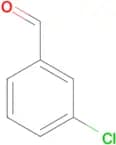
CAS :<p>β2-adrenergic receptor agonist</p>Formule :C11H17Cl2NODegré de pureté :Min. 95%Couleur et forme :PowderMasse moléculaire :250.16 g/mol3-Chlorobenzaldehyde
CAS :<p>3-Chlorobenzaldehyde is a chemical that is used as a diagnostic agent for mitochondrial diseases. 3-Chlorobenzaldehyde can be used to detect mutations in the mtDNA and diagnose deficiencies of enzymes involved in energy metabolism. It has been shown to inhibit the activity of dehydrogenase enzymes and the synthesis of acyl-coa from zirconium oxide, which is an important component in polymerase chain reactions. This chemical also inhibits mitochondrial functions and enzyme activities, making it useful for screening for drugs that affect these processes. 3-Chlorobenzaldehyde has also been shown to inhibit hydrogen fluoride, which is often found in industrial environments.</p>Formule :C7H5ClOCouleur et forme :Colorless Clear LiquidMasse moléculaire :140.57 g/mol6,6'-Dihydroxy-5,5'-dimethoxy- [1,1'-biphenyl]-3,3'-dicarboxaldehyde
CAS :<p>6,6'-Dihydroxy-5,5'-dimethoxy-[1,1'-biphenyl]-3,3'-dicarboxaldehyde (DDM) is a molecule that belongs to the class of organic compounds known as phenols. DDM has been shown to be an inhibitor of the enzyme activity of lysine residues and protocatechuic acid production. DDM also inhibits 5-carboxyvanillic acid production by competitively binding to the enzyme's active site. DDM has been shown to have antibacterial activity against wild-type strains of Staphylococcus aureus and Escherichia coli.</p>Formule :C16H14O6Degré de pureté :Min. 95 Area-%Couleur et forme :Yellow PowderMasse moléculaire :302.28 g/mol2,4-Dinitrobenzaldehyde
CAS :<p>2,4-Dinitrobenzaldehyde is a chemical compound that contains a hydroxyl group and an amine. It is reactive and can form cationic surfactants with other compounds. 2,4-Dinitrobenzaldehyde has been shown to react with dimethyl fumarate in the presence of ethyl esters to form ethyl 2,4-dinitrophenolate. This reaction is catalyzed by dinucleotide phosphate and requires salinity or a base such as sodium methoxide. 2,4-Dinitrobenzaldehyde reacts with 2-aminoethanol in the presence of water or alcohols to produce 2,4-diaminobenzoic acid. The reaction mechanism for this process is not known but it may involve hydrogen bonding between the hydroxyl group and amine groups.<br>2,4-Dinitrobenzaldehyde has been used as a reagent for staining DNA in gel elect</p>Formule :C7H4N2O5Degré de pureté :Min. 95%Couleur et forme :PowderMasse moléculaire :196.12 g/mol4-Methylindole-3-carboxaldehyde
CAS :<p>4-Methylindole-3-carboxaldehyde is a lipophilic extract that inhibits the growth of fungi. It has been shown to be effective against phytopathogenic fungi, and it has been used as an antibiotic in the treatment of bacterial infections. 4-Methylindole-3-carboxaldehyde is an analog of streptochlorin, which inhibits protein synthesis by binding to the ribosome. This leads to cell death by inhibiting the production of proteins vital for cell division. 4-Methylindole-3-carboxaldehyde also has antifungal activity against Candida albicans and Trichophyton mentagrophytes.</p>Formule :C10H9NODegré de pureté :Min. 95%Masse moléculaire :159.18 g/mol2,4,5-Trihydroxybenzaldehyde
CAS :<p>2,4,5-Trihydroxybenzaldehyde is a natural compound that has been shown to have significant cytotoxicity. It induces apoptosis by activating the caspase-mediated apoptotic pathway. 2,4,5-Trihydroxybenzaldehyde also modulates the cellular redox balance by increasing mitochondrial membrane potential and decreasing intracellular ATP levels. This compound has been shown to be effective against human leukemia HL-60 cells and colon cancer Caco-2 cells. 2,4,5-Trihydroxybenzaldehyde can be found in dietary sources such as ganoderma lucidum and may act as a chelate ligand for some growth factors.</p>Formule :C7H6O4Degré de pureté :80%Couleur et forme :Yellow PowderMasse moléculaire :154.12 g/mol4-Hydroxybenzaldehyde
CAS :<p>4-Hydroxybenzaldehyde is a phenolic compound that is produced in plants. 4-Hydoxybenzaldehyde is used as an extractant for sodium carbonate and hydroxyl group from acetate extract. The locomotor activity of animals was tested following administration of this substance, and it has been shown to have a high resistance against x-ray crystallography. The reaction mechanism for the formation of p-hydroxybenzoic acid from 4-hydroxybenzaldehyde has been proposed, which may be due to the oxidation of 4-hydroxybenzaldehyde by hydrogen peroxide. This reaction also induces apoptosis pathway in cells. Kinetic data for the reaction between 4-hydroxybenzaldehyde and hydrogen peroxide were obtained using UV spectroscopy.</p>Formule :C7H6O2Degré de pureté :Min. 95%Couleur et forme :White PowderMasse moléculaire :122.12 g/mol5-Fluoro-2-methoxybenzaldehyde
CAS :<p>5-Fluoro-2-methoxybenzaldehyde is an inhibitor that blocks the enzyme acetylcholinesterase. It has been shown to be useful in the synthesis of a variety of drugs, including anticancer agents and antibiotics. 5-Fluoro-2-methoxybenzaldehyde is used in the industrial production of acetonitrile and can also be found in small quantities as a natural component of many fruits and vegetables. It is also used as a precursor for other chemicals, such as pharmaceuticals and pesticides. The compound is generally synthesized by condensation reactions involving benzaldehyde, acetamide, and formaldehyde. This chemical has been studied in medicinal chemistry because it can inhibit bacterial growth by binding to DNA gyrase.</p>Formule :C8H7FO2Degré de pureté :Min. 95%Couleur et forme :White PowderMasse moléculaire :154.14 g/mol3,4-Dibenzyloxybenzaldehyde
CAS :<p>3,4-Dibenzyloxybenzaldehyde is a chemical compound with the formula ClCH=C(O)CHO. This compound is an intermediate in the synthesis of the cancer drug daunorubicin. 3,4-Dibenzyloxybenzaldehyde has been shown to induce apoptosis in human ovary cells and has been detected in urine samples from patients undergoing chemotherapy for ovarian cancer. 3,4-Dibenzyloxybenzaldehyde also inhibits the production of flavonoids and has been shown to inhibit rat striatal membranes and rat atria.</p>Formule :C21H18O3Degré de pureté :Min. 95%Couleur et forme :PowderMasse moléculaire :318.37 g/mol3-Hydroxy-2,2-dimethylpropanal
CAS :<p>3-Hydroxy-2,2-dimethylpropanal is a condensation product of formaldehyde and glycol. It is the simplest of the three aldehydes that are produced by this reaction. The catalyst for this reaction is usually dibutyltin oxide, which can be replaced with calcium chloride or sodium carbonate. 3-Hydroxy-2,2-dimethylpropanal reacts with neopentyl glycol to form a dimer and glycol ester. This reaction mechanism has been studied extensively using solution kinetics.</p>Formule :C5H10O2Degré de pureté :(%) Min. 95%Couleur et forme :White PowderMasse moléculaire :102.13 g/mol3,5-Dimethyl-4-methoxybenzaldehyde
CAS :<p>3,5-Dimethyl-4-methoxybenzaldehyde is a high quality, versatile chemical that can be used as an intermediate to synthesize other fine chemicals. The compound can be reacted with various reagents to produce complex compounds. 3,5-Dimethyl-4-methoxybenzaldehyde can also be used as a building block to synthesize other useful compounds. This chemical has been shown to be a useful scaffold for the production of new compounds and has been used as a reaction component in research and development.</p>Formule :C10H12O2Degré de pureté :Min. 95%Couleur et forme :PowderMasse moléculaire :164.2 g/mol4-Acetoxy-3-methoxybenzaldehyde
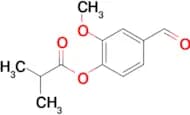
CAS :<p>4-Acetoxy-3-methoxybenzaldehyde is an antimicrobial agent that is used specifically for the treatment of lemongrass oil and eugenol. It has been shown to be effective against a wide range of microorganisms, such as Escherichia coli, Pseudomonas aeruginosa, Salmonella enterica, Staphylococcus aureus, and Streptococcus pneumoniae. 4-Acetoxy-3-methoxybenzaldehyde has been shown to inhibit the growth of bacteria by binding to the 50S ribosomal subunit. The molecule also has hydroxyl group which can react with potassium dichromate and sodium carbonate. This reaction results in the formation of 4-acetoxy-3-hydroxybenzaldehyde through an S N 2 substitution mechanism.</p>Formule :C10H10O4Degré de pureté :Min. 95%Couleur et forme :PowderMasse moléculaire :194.18 g/mol4-Cyano-2-hydroxybenzaldehyde
CAS :<p>4-Cyano-2-hydroxybenzaldehyde is a high quality chemical that can be used as a reagent and intermediate in the synthesis of complex compounds. It is also an important building block in the synthesis of fine chemicals. 4-Cyano-2-hydroxybenzaldehyde has been used as a versatile building block in the synthesis of organic compounds, useful scaffolds in medicinal chemistry, and reactive intermediates. It has also been shown to have anti-inflammatory properties and may be a potential treatment for inflammatory bowel disease.</p>Formule :C8H5NO2Degré de pureté :Min. 95%Masse moléculaire :147.13 g/mol(Z)-9-Hexadecenal
CAS :<p>(Z)-9-Hexadecenal is an organic compound that is used as a pheromone in the species of bark beetles. It has been shown to inhibit the growth of other fungi, including opportunistic fungal pathogens. This activity may be due to its ability to bind and activate specific receptors on the surface of inflammatory cells, leading to an increase in cytokine production and expression of proinflammatory genes. (Z)-9-Hexadecenal also has anti-inflammatory properties against physiological activities such as growth factor binding experiments and solid phase microextraction studies. (Z)-9-Hexadecenal binds to lysine residues, inhibiting hydrogen bonding between amino acid residues and promoting population growth inhibition.</p>Formule :C16H30ODegré de pureté :Min. 90%Couleur et forme :Colorless Clear LiquidMasse moléculaire :238.41 g/mol2,4,5-Trimethylbenzaldehyde
CAS :<p>2,4,5-Trimethylbenzaldehyde is a cell line that can be used to study the oxidation of α-pinene. It is a chemical compound that belongs to the group of aromatic compounds and has been shown to have high cytotoxicity. It has been found to oxidize other molecules in the body with an electron acceptor such as oxygen or another molecule. 2,4,5-Trimethylbenzaldehyde has also been shown to have biological properties. This product is being researched for its ability to inhibit fatty acid synthesis and reduce cholesterol production in the liver.</p>Formule :C10H12ODegré de pureté :Min. 95%Masse moléculaire :148.2 g/mol4-Chlorobenzaldehyde oxime
CAS :<p>4-Chlorobenzaldehyde oxime is an antibacterial agent that is classified as a chloroamine. It has been shown to be an effective inhibitor of bacterial growth, with a low toxicity to mammalian cells. 4-Chlorobenzaldehyde oxime has been shown to be activated by amines and hydroxylamine, and the resulting intermediate can cleave a variety of bonds in the bacterial cell wall. The molecular orbitals of this compound have been calculated using crystallographic data and functional theory. 4-Chlorobenzaldehyde oxime also binds to chloride ions and forms a complex with ammonium nitrate, which may account for its activity against some bacteria that are resistant to chlorinated compounds (e.g., Clostridium difficile). This compound also contains functional groups that may react with disulfides present in the bacterial cell wall.</p>Formule :C7H6ClNODegré de pureté :Min. 95%Couleur et forme :PowderMasse moléculaire :155.58 g/mol2-(4-Chlorophenyl)thiazole-4-carbaldehyde
CAS :<p>Please enquire for more information about 2-(4-Chlorophenyl)thiazole-4-carbaldehyde including the price, delivery time and more detailed product information at the technical inquiry form on this page</p>Formule :C10H6ClNOSDegré de pureté :Min. 95%Couleur et forme :PowderMasse moléculaire :223.68 g/mol5-Chloro-2-thiophenecarboxaldehyde
CAS :Formule :C5H3ClOSDegré de pureté :97%Couleur et forme :Liquid, ClearMasse moléculaire :146.593-Formyl-7-methylindole
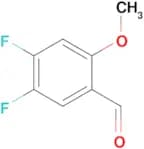
CAS :Formule :C10H9NODegré de pureté :95%Couleur et forme :SolidMasse moléculaire :159.1884-(Difluoromethyl)-3-methoxybenzaldehyde
CAS :Formule :C9H8F2O2Degré de pureté :97%Masse moléculaire :186.158tert-Butyl 6-chloro-3-formylpyridin-2-ylcarbamate
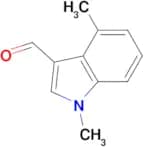
CAS :Formule :C11H13ClN2O3Degré de pureté :95%Couleur et forme :SolidMasse moléculaire :256.691,4-dimethyl-1H-indole-3-carbaldehyde
CAS :Formule :C11H11NODegré de pureté :98%Masse moléculaire :173.2153-Chloro-4-fluorobenzaldehyde
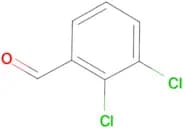
CAS :Formule :C7H4ClFODegré de pureté :95%Couleur et forme :ClearMasse moléculaire :158.562,3-Dichlorobenzaldehyde
CAS :Formule :C7H4Cl2ODegré de pureté :95%Couleur et forme :White powderMasse moléculaire :175.012-Iodobenzaldehyde
CAS :Formule :C7H5IODegré de pureté :98%Couleur et forme :Tan powderMasse moléculaire :232.023,5-Difluoro-2-hydroxybenzaldehyde
CAS :Formule :C7H4F2O2Degré de pureté :95%Couleur et forme :SolidMasse moléculaire :158.1042-(Trifluoromethyl)pyrimidine-5-carbaldehyde
CAS :Formule :C6H3F3N2ODegré de pureté :96%Couleur et forme :White powderMasse moléculaire :176.098Methyl 3-formyl-1H-indole-4-carboxylate
CAS :Formule :C11H9NO3Degré de pureté :95%Couleur et forme :SolidMasse moléculaire :203.1973-Furaldehyde
CAS :Formule :C5H4O2Degré de pureté :97%Couleur et forme :LiquidMasse moléculaire :96.0853-Methoxy-4-nitrobenzaldehyde
CAS :Formule :C8H7NO4Degré de pureté :95%Couleur et forme :Liquid, No data available.Masse moléculaire :181.1473,4-Difluorobenzaldehyde
CAS :Formule :C7H4F2ODegré de pureté :96%Couleur et forme :LiquidMasse moléculaire :142.1054-Methoxy-2,3-dimethylbenzaldehyde
CAS :Formule :C10H12O2Degré de pureté :97%Couleur et forme :SolidMasse moléculaire :164.2045-Bromo-4-fluoro-2-hydroxybenzaldehyde
CAS :Formule :C7H4BrFO2Degré de pureté :95%Couleur et forme :SolidMasse moléculaire :219.009(3-Formyl-5-isopropoxyphenyl)boronic acid
CAS :Formule :C10H13BO4Degré de pureté :97%Masse moléculaire :208.024-(Hexyloxy)benzaldehyde
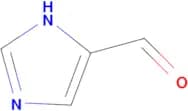
CAS :Formule :C13H18O2Degré de pureté :98%Couleur et forme :LiquidMasse moléculaire :206.2851H-Imidazole-4-carbaldehyde
CAS :Formule :C4H4N2ODegré de pureté :95%Couleur et forme :Powder or Crystalline PowderMasse moléculaire :96.0892-Bromo-4-isopropylbenzaldehyde
CAS :Formule :C10H11BrODegré de pureté :96%Masse moléculaire :227.101(2-Formyl-5-(trifluoromethyl)phenyl)boronic acid
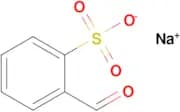
CAS :Degré de pureté :98%Masse moléculaire :217.9400024Sodium 2-formylbenzenesulfonate
CAS :Formule :C7H5NaO4SDegré de pureté :95%Couleur et forme :SolidMasse moléculaire :208.164-[methyl(phenyl)amino]benzaldehyde
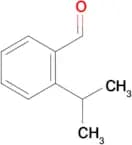
CAS :Formule :C14H13NODegré de pureté :96%Couleur et forme :LiquidMasse moléculaire :211.2642-Hydroxy-5-isopropyl-benzaldehyde
CAS :Formule :C10H12O2Degré de pureté :97%Couleur et forme :LiquidMasse moléculaire :164.2043,5-Dimethyl-4-methoxybenzaldehyde
CAS :Formule :C10H12O2Degré de pureté :96%Couleur et forme :Liquid, ClearMasse moléculaire :164.2042-Methoxy-6-nitrobenzaldehyde
CAS :Formule :C8H7NO4Degré de pureté :97%Couleur et forme :SolidMasse moléculaire :181.147(S)-4-Formyl-2,2-dimethyl-oxazolidine-3-carboxylic tert-butyl ester
CAS :Formule :C11H19NO4Degré de pureté :95%Couleur et forme :LiquidMasse moléculaire :229.2766-METHOXY-5-METHYL-3-PYRIDINECARBOXALDEHYDE
CAS :Formule :C8H9NO2Degré de pureté :98%Masse moléculaire :151.1652-Biphenylcarboxaldehyde
CAS :Formule :C13H10ODegré de pureté :95%Couleur et forme :LiquidMasse moléculaire :182.2225-formyl-2-methoxyphenyl acetate
CAS :Formule :C10H10O4Degré de pureté :98%Masse moléculaire :194.1862,5-Dimethyl-1-(3-nitrophenyl)-1h-pyrrole-3-carbaldehyde
CAS :Degré de pureté :95%Masse moléculaire :244.254-[(pyridin-4-yl)methoxy]benzaldehyde
CAS :Degré de pureté :95%Couleur et forme :SolidMasse moléculaire :213.2359924Ethyl 4′-formyl-[1,1′-biphenyl]-3-carboxylate
CAS :Degré de pureté :98%Masse moléculaire :254.28500376-chloro-1,3-benzodioxole-5-carbaldehyde
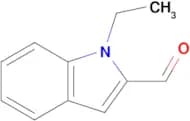
CAS :Formule :C8H5ClO3Degré de pureté :97%Couleur et forme :SolidMasse moléculaire :184.581-Ethyl-1H-indole-2-carbaldehyde
CAS :Formule :C11H11NODegré de pureté :95%Masse moléculaire :173.2154-Bromophenylglyoxal hydrate
CAS :Formule :C8H5BrO2Degré de pureté :95%Couleur et forme :Solid, White solidMasse moléculaire :213.033-Bromothiophene-2-carboxaldehyde
CAS :Formule :C5H3BrOSDegré de pureté :95%Couleur et forme :LiquidMasse moléculaire :191.04