Aldéhydes
8588 produits trouvés pour "Aldéhydes"
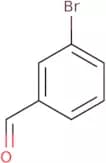
3-Bromobenzaldehyde
CAS :3-Bromobenzaldehyde is an organic compound with the formula CHBrCHO. It is a colorless liquid that is soluble in many organic solvents. 3-Bromobenzaldehyde can be synthesized by the reaction of ethyl acetoacetate and anhydrous sodium in methanol, and can be purified by distillation or recrystallization from ethanol. This compound has been used as a solvent for analytical methods, such as GC-MS analysis, due to its high boiling point and low volatility. 3-Bromobenzaldehyde also reacts with hydrogen chloride to form benzoyl chloride, which can then be reacted with alcohols to produce esters. 3-Bromobenzaldehyde has been shown to react with chalcones to form optical active compounds, such as curcumin analogues. These reactions are typically carried out in solution using acetic acid or sulfuric acid as a catalyst.br>br>Formule :C7H5BrODegré de pureté :Min. 95%Masse moléculaire :185.02 g/mol2-Cyanobenzaldehyde
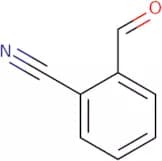
CAS :2-Cyanobenzaldehyde is an aldehyde that reacts with nucleophiles such as trifluoromethanesulfonic acid to form a molecule. 2-Cyanobenzaldehyde has potent inhibitory activity against the kinase glycogen synthase kinase 3 (GSK3) and can be used to treat autoimmune diseases. It also reacts with hydrochloric acid in solution to form an intermediate, which is then reacted with glycine and ATP to produce a chiral compound. The product of this reaction has been shown to be active methylene, which was synthesized by asymmetric synthesis.
Formule :C8H5NODegré de pureté :Min. 95%Couleur et forme :PowderMasse moléculaire :131.13 g/molAc-Ile-Glu-Thr-Asp-aldehyde (pseudo acid)
CAS :Ac-Ile-Glu-Thr-Asp-aldehyde (pseudo acid) is a neurotrophic factor that plays an important role in the development and function of the nervous system. It stimulates the production of other neurotrophic factors such as NGF, BDNF, and GDNF. This protein has been shown to be involved in a number of autoimmune diseases, including multiple sclerosis and rheumatoid arthritis. Ac-Ile-Glu-Thr-Asp-aldehyde (pseudo acid) is also known to reduce neuronal death by binding to toll receptors on neurons and activating mitogen activated protein kinases. Acetylcholine esterase activity can also be inhibited by this protein. Acetylcholine esterase is responsible for breaking down acetylcholine, which is a neurotransmitter that transmits nerve impulses across the synapses between neurons. The inhibition of this enzyme leads to an increase in acetylcholine levels and increased transmission of
Formule :C21H34N4O10Degré de pureté :Min. 95%Masse moléculaire :502.52 g/molN-Boc-4-piperidineacetaldehyde
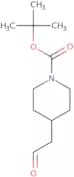
CAS :N-Boc-4-piperidineacetaldehyde is a chiral, stable, and readily available aldehyde. It has been used in the synthesis of various biologically active molecules including imidazolidinones, which are important for their use as catalysts in organic chemistry. The synthesis of this molecule by the condensation of 4-piperidineacetic acid with acetaldehyde followed by reduction with sodium borohydride is an example of this type of reaction. N-Boc-4-piperidineacetaldehyde can be used to synthesize imines and linkers that are covalently bonded to the protein backbone. This molecule also has conformational stability and is not susceptible to oxidation or radiation damage.
Formule :C12H21NO3Degré de pureté :Min. 95%Masse moléculaire :227.3 g/molZ-Pro-Pro-aldehyde-dimethyl acetal
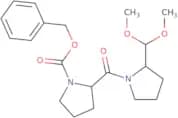
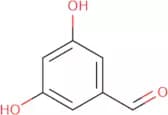
CAS :Z-Pro-Pro-aldehyde-dimethyl acetal is a neurotoxin that can be used to label lysosomal enzymes in cells. The labeling is stable and does not interfere with the enzymatic activity of the enzyme. It has been shown to exacerbate neurological disease in mice, including Alzheimer's disease, Parkinson's disease, and amyotrophic lateral sclerosis. Z-Pro-pro-aldehyde-dimethyl acetal binds to microglia cells and induces reactive oxygen species production, which may contribute to cell damage. This toxin also diffracts light at a wavelength of 630 nm when exposed to X-rays, making it useful for labeling lysosomal enzymes in tissue sections or cell supernatants.Formule :C20H28N2O5Degré de pureté :Min. 95%Masse moléculaire :376.45 g/mol3,5-Dihydroxybenzaldehyde
CAS :3,5-Dihydroxybenzaldehyde (DHBA) is a plant metabolite that is classified as a phenolic compound. It is found in many plants and has important biological functions such as the production of carotenoids or the cleavage of carotenoid to form other compounds. DHBA can be extracted from plant tissue with hydrochloric acid or carbon sources. It has been shown that DHBA inhibits the growth of soil bacteria by binding to amines and thus preventing them from reacting with substrates. This may be due to its ability to act as an electron donor, which could also explain its inhibitory activity on carotenoid cleavage.
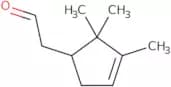
Formule :C7H6O3Degré de pureté :Min. 98 Area-%Couleur et forme :Off-White To Beige To Brown SolidMasse moléculaire :138.12 g/mol(2,2,3-Trimethylcyclopent-3-en-1-yl)acetaldehyde
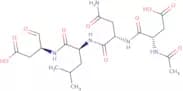
CAS :(2,2,3-Trimethylcyclopent-3-en-1-yl)acetaldehyde is an epoxide. It is a colorless liquid with a pleasant odor and taste that can be used as a flavoring agent. This compound is biosynthesized by bacteria from the alpha-terpineol or 2,2,3-trimethylcyclopentanone. The biological activity of (2,2,3-Trimethylcyclopent-3-en-1-yl)acetaldehyde has been investigated in cultures and in vitro studies on acid bacteria. The production of this compound was found to be stimulated by the presence of other terpenoids such as limonene and alpha pinene.Formule :C10H16ODegré de pureté :Min. 95%Masse moléculaire :152.23 g/molCaspase-3/7 Inhibitor II Ac-Asp-Asn-Leu-Asp-aldehyde (pseudo acid)
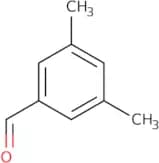
CAS :Caspase-3/7 Inhibitor II Ac-Asp-Asn-Leu-Asp-aldehyde (pseudo acid) is a peptide inhibitor of caspases. It blocks the activation of these proteases and their subsequent cleavage of substrates in the apoptotic pathway. This drug has potent inhibitory activity against caspases 3, 7, 8, 9, and 10. Caspase-3/7 Inhibitor II Ac-Asp-Asn-Leu-Asp-aldehyde (pseudo acid) specifically interacts with the active site and inhibits the enzyme by binding to an aspartic acid residue at position D197 in human caspase 3. Caspase 3/7 Inhibitor II Ac-Asp-Asn-Leu-Asp-aldehyde (pseudo acid) is localized to mitochondria and binds to acetyldeviceine (acDEV), a substrate for caspasesFormule :C20H31N5O10Degré de pureté :Min. 95%Masse moléculaire :501.49 g/mol3,5-Dimethylbenzaldehyde
CAS :3,5-Dimethylbenzaldehyde is an organic compound that is a colorless liquid. It has a chemical formula of C9H12O2 and is classified as an aldehyde. 3,5-Dimethylbenzaldehyde can be synthesized by the reaction of isopropyl palmitate with xylene in the presence of carbon as a source. The reaction time required for this synthesis is approximately one day. The major products of this reaction are 3,5-dimethylbenzaldehyde and 2-methylbutanal. This reaction mechanism can also be used to determine the concentration of urinary metabolites in human urine samples. Analysis of these samples requires an organic solvent such as hexane or dichloromethane. Kinetic data was collected from the rate at which zinc powder reacts with 3,5-dimethylbenzaldehyde over time at different concentrations. A kinetic experiment was conducted using c–h bond activation to produce 3,5-dimethoxy
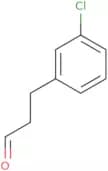
Formule :C9H10ODegré de pureté :Min. 95%Couleur et forme :Colorless Clear LiquidMasse moléculaire :134.18 g/mol3-(3-Chlorophenyl)propionaldehyde
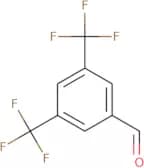
CAS :Please enquire for more information about 3-(3-Chlorophenyl)propionaldehyde including the price, delivery time and more detailed product information at the technical inquiry form on this pageFormule :C9H9ClODegré de pureté :Min. 95%Masse moléculaire :168.62 g/mol3,5-Bis(trifluoromethyl)benzaldehyde
CAS :3,5-Bis(trifluoromethyl)benzaldehyde is a synthetic compound that has been shown to inhibit cancer cell growth. It is a chromatographic reagent and an intermediate in the production of pharmaceuticals. 3,5-Bis(trifluoromethyl)benzaldehyde was shown to bind to the amino group of proteins and inhibit the synthesis of protein inhibitors. This compound also binds to cholesterol esters and causes lipid peroxidation, leading to cell death in cancer cells.
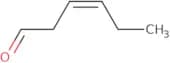
Formule :C9H4F6ODegré de pureté :Min. 95%Couleur et forme :PowderMasse moléculaire :242.12 g/molcis-3-Hexenal - stabilised: 50% in triacetin
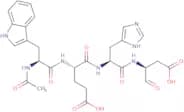
CAS :Cis-3-hexenal is a fatty acid that is found in various foods, including soybean and corn oils. It can be used as a chemical substrate to measure the activity of lipoxygenases, enzymes that catalyze the formation of hydroperoxides from polyunsaturated fatty acids. Cis-3-hexenal is also an insect attractant and has been shown to have antifungal properties against plant pathogens such as Phytophthora infestans. This chemical compound has also been shown to inhibit protein synthesis in cells and to be able to react with DNA. Cis-3-hexenal - stabilised: 50% in triacetinFormule :C6H10ODegré de pureté :Min. 95%Couleur et forme :PowderMasse moléculaire :98.14 g/molAc-Trp-Glu-His-Asp-aldehyde (pseudo acid)
CAS :Ac-Trp-Glu-His-Asp-aldehyde is a tetrapeptide that has been shown to inhibit the activity of caspases. Caspases are proteases that play an important role in cell death by inducing apoptosis and necrosis. The structure of the Ac-Trp-Glu-His-Asp-aldehyde was determined by X-ray crystallography, revealing a hydrophobic molecule with a pseudo acid residue. This compound binds to peptides and blocks the binding site for caspase substrates, which prevents their activation. Acetylation of this compound also increases its hydrophobicity, making it more likely to bind to other molecules such as proteins or lipids.Formule :C28H33N7O9Degré de pureté :Min. 95%Masse moléculaire :611.6 g/mol(+/-)-Perillaldehyde
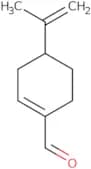
CAS :Perillaldehyde is a natural compound that has been used in food and medicine for centuries. It is an antimicrobial agent with dextran sulfate, which is a sugar polymer that inhibits the growth of fungi and bacteria. Perillaldehyde also has been shown to inhibit the energy metabolism of microorganisms by decreasing ATP production. Perillaldehyde has also been shown to have genotoxic activity, as it can cause DNA strand breaks. This compound also causes oxidative stress in cells by reducing mitochondrial membrane potential and inducing reactive oxygen species (ROS). Perillaldehyde has acute toxicities, as it causes electrochemical impedance spectroscopy changes that indicate cell death.
Formule :C10H14ODegré de pureté :Min. 95%Couleur et forme :PowderMasse moléculaire :150.22 g/mol2,3,5-Trichlorobenzaldehyde
CAS :2,3,5-Trichlorobenzaldehyde is a chemical compound that has been shown to have anticancer and apoptotic effects. It inhibits the growth of bacteria by chelating iron ions and inhibiting bacterial dna synthesis. 2,3,5-Trichlorobenzaldehyde has also been shown to inhibit the growth of cancer cells in culture in an experimental study. This chemical has been used as a substrate for nmr spectroscopy to study its functional groups and radical scavenging activities. 2,3,5-Trichlorobenzaldehyde can be synthesized from phenacyl chloride and benzaldehyde in the presence of hydrogen chloride gas. The carbonyl group in 2,3,5-trichlorobenzaldehyde may cause metabolic disorders such as diabetes mellitus or hyperglycemia.
Formule :C7H3Cl3ODegré de pureté :Min. 95%Couleur et forme :PowderMasse moléculaire :209.46 g/molPoly[(phenyl glycidyl ether)-co-formaldehyde] - Average MW 570
CAS :Please enquire for more information about Poly[(phenyl glycidyl ether)-co-formaldehyde] - Average MW 570 including the price, delivery time and more detailed product information at the technical inquiry form on this pageFormule :(C6H6O•CH2O)xDegré de pureté :Min. 95%Couleur et forme :Clear Liquidtrans,cis-2,6-Nonadienal
CAS :Trans,cis-2,6-Nonadienal is a fatty acid derivative with an unsaturated 2,6-nonadiene structure. It is an inhibitor of the enzyme fatty acid synthase, which catalyzes the formation of long-chain polyunsaturated fatty acids. Trans,cis-2,6-Nonadienal has been shown to inhibit v79 cells and ester compounds that are used in analytical methods for measuring fatty acids. It is also able to inhibit lysine residues and it can be used as a reactive antioxidant system in mammalian cells. Trans,cis-2,6-Nonadienal has shown a profile of activities that includes inhibition at multiple endpoints involving noncompetitive inhibition as well as antioxidant activity.Formule :C9H14ODegré de pureté :Min. 95%Couleur et forme :Clear LiquidMasse moléculaire :138.21 g/mol3-Nitroisonicotinaldehyde
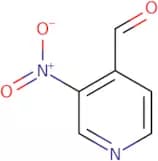
CAS :3-Nitroisonicotinaldehyde is a kinase inhibitor that binds to the ATP binding site of receptor tyrosine kinases. It inhibits the activation of these receptors and prevents the phosphorylation of tyrosine residues on the receptor. 3-Nitroisonicotinaldehyde has been shown to inhibit VEGFR-2, ABCG2, and efflux in human cancer cells. This drug has been shown to inhibit tumor growth in mice by inhibiting angiogenesis, which is a process that involves the formation of new blood vessels from pre-existing ones. 3-Nitroisonicotinaldehyde also inhibits tumor growth by blocking the production of vascular endothelial growth factor (VEGF) from angiogenic cells.
Formule :C6H4N2O3Degré de pureté :Min. 95%Masse moléculaire :152.11 g/mol4-Phenylbenzaldehyde oxime
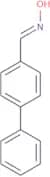
CAS :4-Phenylbenzaldehyde oxime is a high quality reagent that is used as a building block in the synthesis of complex compounds. It is an aromatic compound with a chemical formula of C8H7O2N. This product can be used to make a variety of useful intermediates, fine chemicals, and speciality chemicals. 4-Phenylbenzaldehyde oxime has been identified as a potentially useful scaffold for synthetic organic chemistry and research into new drugs. It is also used as an intermediate in the production of other organic compounds. This product has been shown to be versatile and can be used to synthesize many different types of reactions.Formule :C13H11NODegré de pureté :Min. 95%Couleur et forme :PowderMasse moléculaire :197.23 g/mol2-Propyl valeraldehyde
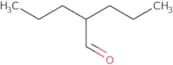
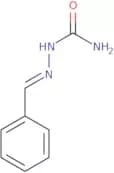
CAS :2-Propyl valeraldehyde is a solvent that is used in pharmaceutical preparations and has been shown to inhibit the activity of aldehyde dehydrogenase, an enzyme that catalyzes the oxidation of alcohols and aldehydes. 2-Propyl valeraldehyde also inhibits the formation of carboxylic acids by competitive inhibition with metal ions such as zinc. The deuterium isotope effect has been used to show that 2-propyl valeraldehyde is metabolized by deuterium exchange. Mass spectrometric detection has shown that this compound contains a carbonyl group (C=O). This compound can be used as an intermediate in organic synthesis reactions, but it also has convulsant effects.Formule :C8H16ODegré de pureté :Min. 95%Masse moléculaire :128.21 g/molBenzaldehyde semicarbazone
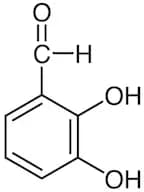
CAS :Benzaldehyde semicarbazone is a hydrogen bond acceptor and donor, which can be used for the synthesis of pharmaceuticals. It is also known to have significant biological activity, including anticonvulsant activity. Benzaldehyde semicarbazone has been shown to be an inhibitor of pyrazole ring formation in the reaction between 4-chlorobenzaldehyde oxime and hydrochloric acid. This inhibition may be due to its ability to act as a hydrogen bond acceptor, forming hydrogen bonds with both the carbonyl group of 4-chlorobenzaldehyde oxime and the protonated chloride ion. The mechanism is supported by kinetic studies which show that benzaldehyde semicarbazone has a much lower activation energy than the other reactants involved in the reaction.Formule :C8H9N3ODegré de pureté :Min. 95%Couleur et forme :PowderMasse moléculaire :163.18 g/mol2,3-Dihydroxybenzaldehyde
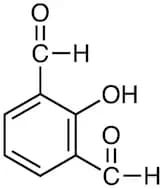
CAS :Formule :C7H6O3Degré de pureté :>98.0%(GC)(T)Couleur et forme :Light yellow to Yellow to Green powder to crystalMasse moléculaire :138.122-Hydroxyisophthalaldehyde
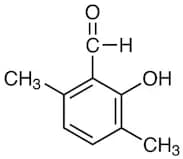
CAS :Formule :C8H6O3Degré de pureté :>98.0%(GC)(T)Couleur et forme :White to Light yellow to Light orange powder to crystalMasse moléculaire :150.133,6-Dimethylsalicylaldehyde
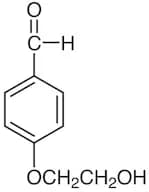
CAS :Formule :C9H10O2Degré de pureté :>98.0%(GC)(T)Couleur et forme :White to Light orange to Pale yellow green powder to crystalMasse moléculaire :150.184-(2-Hydroxyethoxy)benzaldehyde
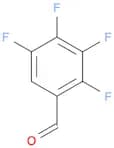
CAS :Formule :C9H10O3Degré de pureté :>98.0%(GC)Couleur et forme :White to Light yellow to Light orange powder to crystalMasse moléculaire :166.182,3,4,5-Tetrafluorobenzaldehyde
CAS :Formule :C7H2F4ODegré de pureté :97%Couleur et forme :LiquidMasse moléculaire :178.0838Acetaldehyde, 2-[[(1,1-dimethylethyl)dimethylsilyl]oxy]-
CAS :Formule :C8H18O2SiDegré de pureté :90%Couleur et forme :LiquidMasse moléculaire :174.3128Ref: IN-DA0006UO
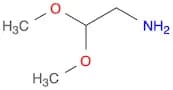
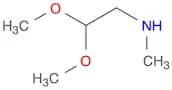
Produit arrêté2,2-Dimethoxyethylamine
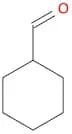
CAS :Formule :C4H11NO2Degré de pureté :98%Couleur et forme :LiquidMasse moléculaire :105.1356Cyclohexanecarboxaldehyde
CAS :Formule :C7H12ODegré de pureté :95%Couleur et forme :LiquidMasse moléculaire :112.1696Ref: IN-DA0029ES
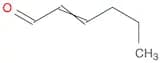
Produit arrêtétrans-2-Hexen-1-al
CAS :Formule :C6H10ODegré de pureté :98%Couleur et forme :LiquidMasse moléculaire :98.1430Propionaldehyde diethyl acetal
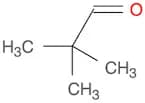
CAS :Formule :C7H16O2Degré de pureté :95%Couleur et forme :LiquidMasse moléculaire :132.2007Trimethylacetaldehyde
CAS :Formule :C5H10ODegré de pureté :96%Couleur et forme :LiquidMasse moléculaire :86.1323Ref: IN-DA002KIG
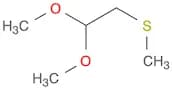
Produit arrêté1,1-Dimethoxy-2-(methylthio)ethane
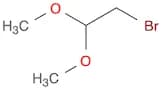
CAS :Formule :C5H12O2SDegré de pureté :98%Couleur et forme :LiquidMasse moléculaire :136.21262-Bromo-1,1-dimethoxyethane
CAS :Formule :C4H9BrO2Degré de pureté :98%Couleur et forme :LiquidMasse moléculaire :169.0171Methylaminoacetaldehyde dimethyl acetal
CAS :Formule :C5H13NO2Degré de pureté :96%Couleur et forme :LiquidMasse moléculaire :119.1622Ref: IN-DA00359E
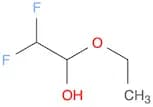
Produit arrêtéEthanol, 1-ethoxy-2,2-difluoro-
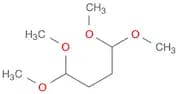
CAS :Formule :C4H8F2O2Degré de pureté :90%Couleur et forme :LiquidMasse moléculaire :126.1019Succinaldehyde Bis(dimethyl Acetal)
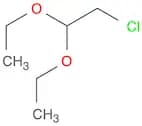
CAS :Formule :C8H18O4Degré de pureté :98%Couleur et forme :LiquidMasse moléculaire :178.22612-Chloro-1,1-diethoxyethane
CAS :Formule :C6H13ClO2Degré de pureté :98%Couleur et forme :LiquidMasse moléculaire :152.61922-Propynal, 3-(trimethylsilyl)-
CAS :Formule :C6H10OSiDegré de pureté :97%Couleur et forme :LiquidMasse moléculaire :126.22853,5,5-TRIMETHYLHEXANAL
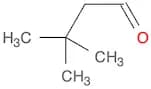
CAS :Formule :C9H18ODegré de pureté :90%Couleur et forme :LiquidMasse moléculaire :142.23863,3-Dimethylbutyraldehyde
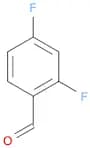
CAS :Formule :C6H12ODegré de pureté :95%Couleur et forme :LiquidMasse moléculaire :100.1589Benzaldehyde, 2,4-difluoro-
CAS :Formule :C7H4F2ODegré de pureté :97%Couleur et forme :LiquidMasse moléculaire :142.1029Benzaldehyde, 2,3-difluoro-
CAS :Formule :C7H4F2ODegré de pureté :97%Couleur et forme :LiquidMasse moléculaire :142.1029Ref: IN-DA002TBS
Produit arrêté2-Heptenal, (2E)-
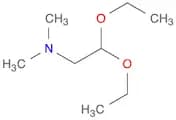
CAS :Formule :C7H12ODegré de pureté :95%Couleur et forme :LiquidMasse moléculaire :112.1696Ethanamine, 2,2-diethoxy-N,N-dimethyl-
CAS :Formule :C8H19NO2Degré de pureté :95%Couleur et forme :LiquidMasse moléculaire :161.2420Cyclobutanecarboxaldehyde
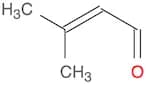
CAS :Formule :C5H8ODegré de pureté :95%Couleur et forme :LiquidMasse moléculaire :84.11643-Methyl-2-butenal
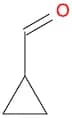
CAS :Formule :C5H8ODegré de pureté :95%Couleur et forme :LiquidMasse moléculaire :84.1164Cyclopropanecarboxaldehyde
CAS :Formule :C4H6ODegré de pureté :95%Couleur et forme :LiquidMasse moléculaire :70.0898Ref: IN-DA001LAD
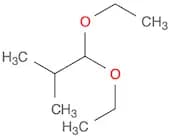
Produit arrêtéPropane, 1,1-diethoxy-2-methyl-
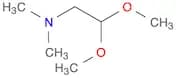
CAS :Formule :C8H18O2Degré de pureté :96%Couleur et forme :LiquidMasse moléculaire :146.2273Dimethylaminoacetaldehyde Dimethylacetal
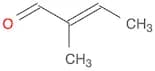
CAS :Formule :C6H15NO2Degré de pureté :98%Couleur et forme :LiquidMasse moléculaire :133.1888Trans-2-methyl-2-butenal
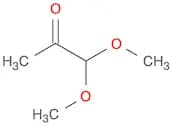
CAS :Formule :C5H8ODegré de pureté :95%Couleur et forme :LiquidMasse moléculaire :84.11641,1-dimethoxypropan-2-one
CAS :Formule :C5H10O3Degré de pureté :98%Couleur et forme :LiquidMasse moléculaire :118.1311Benzaldehyde, 2,5-difluoro-
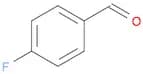
CAS :Formule :C7H4F2ODegré de pureté :97%Couleur et forme :LiquidMasse moléculaire :142.10294-Fluorobenzaldehyde
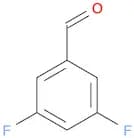
CAS :Formule :C7H5FODegré de pureté :96%Couleur et forme :LiquidMasse moléculaire :124.11243,5-Difluorobenzaldehyde
CAS :Formule :C7H4F2ODegré de pureté :96%Couleur et forme :SolidMasse moléculaire :142.10295-Norbornene-2-carboxaldehyde
CAS :Formule :C8H10ODegré de pureté :97%Couleur et forme :LiquidMasse moléculaire :122.1644Ref: IN-DA003MXS
Produit arrêtéBenzeneacetaldehyde
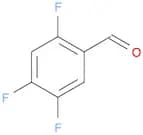
CAS :Formule :C8H8ODegré de pureté :95%Couleur et forme :LiquidMasse moléculaire :120.14852,4,5-Trifluorobenzaldehyde
CAS :Formule :C7H3F3ODegré de pureté :95%Couleur et forme :LiquidMasse moléculaire :160.0933Ref: IN-DA003290
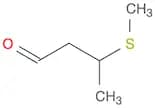
Produit arrêtéButanal, 3-(methylthio)-
CAS :Formule :C5H10OSDegré de pureté :96%Couleur et forme :LiquidMasse moléculaire :118.19733-Fluorobenzaldehyde
CAS :Formule :C7H5FODegré de pureté :96%Couleur et forme :LiquidMasse moléculaire :124.1124Ref: IN-DA0033PH
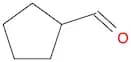
Produit arrêtéCyclopentanecarbaldehyde
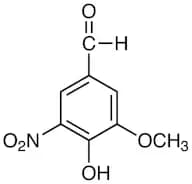
CAS :Formule :C6H10ODegré de pureté :95%Couleur et forme :LiquidMasse moléculaire :98.14305-Nitrovanillin
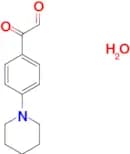
CAS :Formule :C8H7NO5Degré de pureté :>98.0%(T)Couleur et forme :Yellow to Brown to Dark green powder to crystalMasse moléculaire :197.154-Piperidinylphenylglyoxal hydrate
CAS :Degré de pureté :95.0%Couleur et forme :SolidMasse moléculaire :235.28300476074221-ethyl-3-piperidinecarbaldehyde hydrochloride
CAS :Degré de pureté :95.0%Masse moléculaire :177.66999816894533-Bromo-4-methoxybenzaldehyde
CAS :3-Bromo-4-methoxybenzaldehyde is a heterocycle that contains a covalent inhibitor. It has been shown to have inhibitory activity against imines, hydroxyl groups, and human serum. 3-Bromo-4-methoxybenzaldehyde has been shown to be an efficient method for the synthesis of nitrogen containing heterocycles with potential use as pharmaceuticals. This compound has also been used in the asymmetric synthesis of diphenyl ethers, which are useful in pharmacological studies. The reaction mechanism of this compound is not well understood and needs more research before it can be applied to other areas.
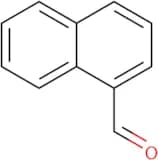
Formule :C8H7BrO2Degré de pureté :Min. 95%Couleur et forme :PowderMasse moléculaire :215.04 g/mol1-Naphthaldehyde
CAS :1-Naphthaldehyde is a coordination compound that contains 1 naphthyl group and an oxygen atom. It can be used as an oxidation catalyst, intramolecular hydrogen, or a reaction solution. The antimicrobial activity of 1-naphthaldehyde has been shown in the presence of sodium carbonate or potassium phosphate buffer. 1-Naphthaldehyde has been shown to possess structural properties similar to those of other metal chelates, such as zinc pyrithione. The protonated form of 1-naphthaldehyde has been identified by means of analytical methods including gas chromatography and mass spectrometry.
Formule :C11H8ODegré de pureté :Min. 95%Couleur et forme :Yellow To Brown LiquidMasse moléculaire :156.18 g/mol2-Phenylindole-3-carboxaldehyde
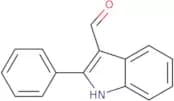
CAS :2-Phenylindole-3-carboxaldehyde is an organic compound that belongs to the class of bioactive molecules. It is a nitrogen heterocycle that has been shown to inhibit the growth of cancer cells in culture. 2-Phenylindole-3-carboxaldehyde has also been shown to have anti-inflammatory and antimicrobial properties. This molecule can be used in the treatment of cancer, as it inhibits the growth of tumor cells by inhibiting DNA synthesis, which leads to cell death. The molecular structure can be altered by allylation or replacement with other functional groups. The 2-phenylindole moiety can be modified at its C2 position, altering its pharmacological properties and may lead to new anticancer drugs.
Formule :C15H11NODegré de pureté :Min. 95%Couleur et forme :PowderMasse moléculaire :221.25 g/mol3-Nitrobenzaldehyde
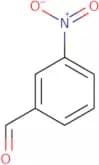
CAS :3-Nitrobenzaldehyde is an organic compound that is used in the synthesis of monoclonal antibodies for use in cancer research. It has been shown to have genotoxic and carcinogenic effects, as it binds to nucleic acids and inhibits DNA replication. 3-Nitrobenzaldehyde has been shown to be effective against a variety of bacteria, including methicillin-resistant Staphylococcus aureus (MRSA) and Clostridium perfringens. This compound also inhibits protein synthesis by binding with amines and hydrogen bonding with the amino acid residues of proteins.
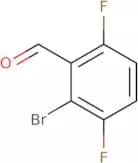
Formule :C7H5NO3Degré de pureté :Min. 95%Couleur et forme :PowderMasse moléculaire :151.12 g/mol2-Bromo-3,6-difluorobenzaldehyde
CAS :2-Bromo-3,6-difluorobenzaldehyde is a versatile building block that is used in the synthesis of many complex compounds. It has been shown to be a useful intermediate and reaction component in organic synthesis. 2-Bromo-3,6-difluorobenzaldehyde can be used as a reagent or speciality chemical for research purposes. This compound has high quality and is a useful scaffold for the preparation of fine chemicals.
Formule :C7H3BrF2ODegré de pureté :Min. 95%Couleur et forme :Off-White PowderMasse moléculaire :221 g/molRef: 3D-FB67309
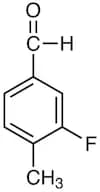
Produit arrêté3-Fluoro-4-methylbenzaldehyde
CAS :Formule :C8H7FODegré de pureté :>95.0%(GC)Couleur et forme :Light yellow to Yellow to Orange clear liquidMasse moléculaire :138.148-Nonenal
CAS :Produit contrôléApplications 8-Nonenal is used as a reactant in the preparation of macrocyclic Z-enoates and (E,Z)- or (Z,E)-dienoates through catalytic stereoselective ring-closing metathesis.
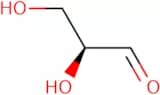
References Zhang, H., et al.: JACS., 136, 16493 (2014)Formule :C9H16OCouleur et forme :NeatMasse moléculaire :140.22L-(-)-Glyceraldehyde - Technical grade aqueous solution
CAS :Please enquire for more information about L-(-)-Glyceraldehyde - Technical grade aqueous solution including the price, delivery time and more detailed product information at the technical inquiry form on this page
Formule :C3H6O3Degré de pureté :Min. 95%Couleur et forme :Clear Viscous LiquidMasse moléculaire :90.08 g/mol4-Bromobenzaldehyde
CAS :Please enquire for more information about 4-Bromobenzaldehyde including the price, delivery time and more detailed product information at the technical inquiry form on this page
Formule :C7H5BrOMasse moléculaire :185.03 g/mol


![Poly[(phenyl glycidyl ether)-co-formaldehyde] - Average MW 570](/_next/image/?url=https%3A%2Fstatic.cymitquimica.com%2Fproducts%2F3D%2Fthumb-webp%2FFP158268.webp&w=3840&q=75)



![Acetaldehyde, 2-[[(1,1-dimethylethyl)dimethylsilyl]oxy]-](/_next/image/?url=https%3A%2Fstatic.cymitquimica.com%2Fproducts%2FIN%2Fthumb-webp%2FDA0006UO.webp&w=3840&q=75)