Aldéhydes
Les aldéhydes sont des composés organiques contenant un groupe carbonyle (C=O) lié à au moins un atome d'hydrogène. Ces composés polyvalents sont fondamentaux dans diverses réactions chimiques, notamment l'oxydation, la réduction et l'addition nucléophile. Les aldéhydes sont des building blocks essentiels dans la synthèse de produits pharmaceutiques, de parfums et de polymères. Chez CymitQuimica, nous proposons une large sélection d'aldéhydes de haute qualité pour soutenir vos applications de recherche et industrielles.
8540 produits trouvés pour "Aldéhydes"
Trier par
Degré de pureté (%)
0
100
|
0
|
50
|
90
|
95
|
100
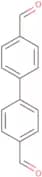
4,4'-Biphenyldicarboxaldehyde
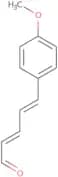
CAS :<p>4,4'-Biphenyldicarboxaldehyde is a n-dimethyl formamide that has been shown to be neuroprotective in animal models of Parkinson's disease (PD). 4,4'-Biphenyldicarboxaldehyde binds to sulfoxide and chloride ions and reduces the hydrophobic effect. This leads to the formation of an imine intermediate. The reaction mechanism is believed to be similar to that of biphenyls, which are used as fungicides. 4,4'-Biphenyldicarboxaldehyde is easily detected by fluorescence analysis and has low toxicity. It is also soluble in organic solvents such as benzene or chloroform.</p>Formule :C14H10O2Degré de pureté :Min. 95%Couleur et forme :White PowderMasse moléculaire :210.23 g/mol4-Methoxycinnamylidene acetaldehyde
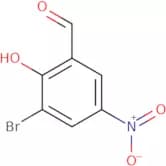
CAS :<p>4-Methoxycinnamylidene acetaldehyde is a versatile building block with a CAS number of 27394-81-6. It is used in the research and production of fine chemicals, pharmaceuticals, and high quality reagents. 4-Methoxycinnamylidene acetaldehyde can be used as a useful scaffold for the synthesis of complex compounds. This building block is also a useful intermediate in organic chemistry reactions.</p>Formule :C12H12O2Degré de pureté :Min. 95%Couleur et forme :PowderMasse moléculaire :188.22 g/mol3-Bromo-2-hydroxy-5-nitrobenzaldehyde
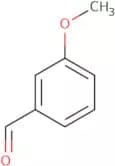
CAS :<p>3-Bromo-2-hydroxy-5-nitrobenzaldehyde is a hydroxy group with a formyl group, an imine and an isomeric structure. It can be used as a fluorescence probe in biological studies. The compound has been shown to have antioxidant activity, which may be due to its ability to donate hydrogen bonds or its ability to act as a phenylhydrazone. 3-Bromo-2-hydroxy-5-nitrobenzaldehyde also has the ability to react with ammonium nitrate and produce nitrogen gas (NH3) when heated. This reaction is exothermic and produces an orange color.</p>Formule :C7H4BrNO4Degré de pureté :Min. 95%Couleur et forme :PowderMasse moléculaire :246.02 g/mol3-Methoxybenzaldehyde
CAS :<p>3-Methoxybenzaldehyde is a chemical compound that is used as an intermediate in the synthesis of organic compounds. This compound has shown to be a potent inhibitor of several enzymes, including diamine tetraacetic acid (DAT)-dependent aminotransferase, trimethyl amine N-oxide reductase, and hydrochloric acid hydrolases. 3-Methoxybenzaldehyde also inhibits the growth of hepg2 cells and induces apoptosis. The chemical structure of this compound contains a boron nitride group that can form hydrogen bonds with other molecules and fatty acids that can act as a substrate for oxidation reactions.</p>Formule :C8H8O2Degré de pureté :Min. 98 Area-%Couleur et forme :Clear LiquidMasse moléculaire :136.15 g/mol2-(2-Methoxyphenyl)thiazole-4-carbaldehyde
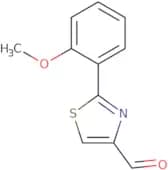
CAS :<p>Please enquire for more information about 2-(2-Methoxyphenyl)thiazole-4-carbaldehyde including the price, delivery time and more detailed product information at the technical inquiry form on this page</p>Formule :C11H9NO2SDegré de pureté :Min. 95%Couleur et forme :PowderMasse moléculaire :219.26 g/molSafranal
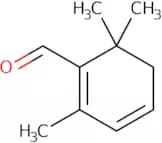
CAS :<p>Safranal is a natural product that belongs to the class of phenylpropanoids. It has been shown to have cytotoxic effects in vitro and in vivo. Safranal has been shown to be cytotoxic to k562 cells, human serum, and ischemia–reperfusion injury. Safranal also has demonstrated an inhibitory effect on MDA-MB-231 breast cancer cells. Safranal can be used as a pharmacological agent for the treatment of various diseases or conditions associated with reactive oxygen species (ROS). The antioxidative properties of safranal have been demonstrated by its ability to protect crocin from oxidation.</p>Formule :C10H14ODegré de pureté :Min. 95%Couleur et forme :Clear LiquidMasse moléculaire :150.22 g/mol5-Nitro-2-furaldehyde diacetate
CAS :<p>5-Nitro-2-furaldehyde diacetate is a synthetic compound that can be used in the production of quinoline derivatives. It has been shown to have an inhibitory effect on lung cancer cells, although its mechanism of action is not yet known. 5NFDA was synthesized and tested with a reaction solution containing sodium carbonate and hydrochloric acid. The electron microscopic analysis showed that this compound reacts with the hydroxyl group on the surface of the lung cell membrane. This reaction causes a loss of integrity in the cell wall, leading to cell death.</p>Formule :C9H9NO7Degré de pureté :Min. 97 Area-%Couleur et forme :PowderMasse moléculaire :243.17 g/mol2,4-Dihydroxybenzaldehyde
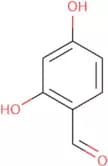
CAS :<p>2,4-Dihydroxybenzaldehyde (2,4DBA) is a copper complex that has been shown to have biological properties. This compound has been studied in biological studies and is classified as group p2 on the periodic table. It is a redox potential of -0.95 V and can undergo intramolecular hydrogen bonding with itself or with other molecules to form hydrogen bonds. Hydroxyl groups are found on 2,4DBA and can coordinate with the nitrogen atoms found on penicillin-binding proteins or acetylcholinesterase inhibition. The coordination geometry of 2,4DBA is tetrahedral and its methyl ethyl group is also found on this molecule.</p>Formule :C7H6O3Degré de pureté :Min. 98 Area-%Couleur et forme :White PowderMasse moléculaire :138.12 g/molPyruvic aldehyde - Technical grade, 35-45% w/w aqueous solution
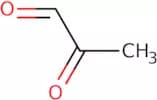
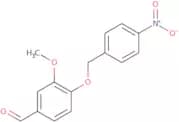
CAS :<p>Pyruvic aldehyde is a reactive compound that is an intermediate in the glycolytic pathway. It is used in vitro to measure enzyme activities and as a model system for studying pathogenic mechanisms. Pyruvic aldehyde has been shown to damage mitochondrial membranes by increasing the production of reactive oxygen species, leading to the collapse of mitochondrial membrane potential and cell death. The methylglyoxal-derived compound also has pharmacological effects, such as anti-inflammatory activities. Pyruvic aldehyde can be prepared using preparative high-performance liquid chromatography (Hplc) or by reacting pyruvate with acidified ethyl acetate.</p>Formule :C3H4O2Couleur et forme :Brown Yellow Clear LiquidMasse moléculaire :72.06 g/mol3-Methoxy-4-(4-nitrobenzyloxy)benzaldehyde
CAS :<p>3-Methoxy-4-(4-nitrobenzyloxy)benzaldehyde is a chemical intermediate that is used in the synthesis of complex compounds. It has been shown to be an effective reagent for the synthesis of various organic compounds, such as pharmaceuticals and pesticides. 3-Methoxy-4-(4-nitrobenzyloxy)benzaldehyde is also used as a research chemical or as a speciality chemical in laboratories. This compound can be used as a building block in the synthesis of other compounds with interesting properties, such as 3-methoxy-4-(2,5-dichlorobenzyloxy)benzaldehyde.</p>Formule :C15H13NO5Degré de pureté :Min. 95%Couleur et forme :PowderMasse moléculaire :287.27 g/mol2-Hydroxy-4-methoxybenzaldehyde
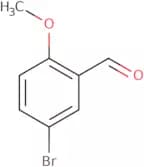
CAS :<p>2-Hydroxy-4-methoxybenzaldehyde is an organic chemical that is used as a versatile building block for complex compounds, research chemicals, and reagents. It is also used as a speciality chemical and as a useful intermediate in the synthesis of other chemicals. 2-Hydroxy-4-methoxybenzaldehyde has CAS No. 673-22-3 and can be used to make many different types of compounds. This compound is a useful scaffold for the synthesis of diverse compounds with biological activity such as pharmaceuticals, agrochemicals, dyes, perfumes, fragrances, flavors and fragrances.</p>Formule :C8H8O3Degré de pureté :Min. 99.0 Area-%Masse moléculaire :152.15 g/mol5-Bromo-2-methoxybenzaldehyde
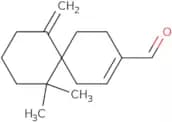
CAS :<p>5-Bromo-2-methoxybenzaldehyde is a benzodiazepine receptor ligand that has been shown to have antiviral, antibacterial and anticancer properties. 5-Bromo-2-methoxybenzaldehyde is an inhibitor of the enzyme benzyl alcohol dehydrogenase (BAHD). BAHD plays an important role in the production of reactive oxygen species (ROS) by converting benzoic acid to benzoate, which is then converted to ROS. The inhibitory concentration values for 5-bromo-2-methoxybenzaldehyde are not yet known.</p>Formule :C8H7BrO2Degré de pureté :Min. 95%Couleur et forme :PowderMasse moléculaire :215.04 g/molChamigrenal
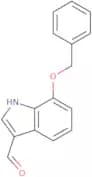
CAS :<p>Chamigrenal is a complex enzyme that is extracted from the fruit of the chamomile plant, which has been used for centuries in Ayurvedic medicine. Chamigrenal has been shown to have anti-inflammatory and anti-allergic activities. It also binds to G-protein coupled receptors, which may be due to its eluting property. Chamigrenal contains many chemical structures, including phenolic acids, flavonoids, terpenoids, and coumarins. The molecule has been shown to inhibit the growth of human cervical carcinoma cells by binding to a receptor called factor receptor.<br>DEFINITION: Chamigrenal is an extract from the fruit of the chamomile plant that has been used for centuries in Ayurvedic medicine as a treatment for inflammation and allergies. It has also been shown to bind to G-protein coupled receptors and inhibit human cervical carcinoma cells by binding to a receptor called factor receptor.</p>Formule :C15H22ODegré de pureté :Min. 98 Area-%Couleur et forme :PowderMasse moléculaire :218.33 g/mol7-Benzyloxindole-3-carboxaldehyde
CAS :<p>7-Benzyloxindole-3-carboxaldehyde (BXA) is an assembled molecule that can be synthesized in a scalable and catalytic manner. BXA is an unwanted product that arises from the reaction of 7-benzyloxyindole with adrenaline. The hydrogenolysis of BXA yields the enantiomeric 7-benzyloxyindole, which has been shown to possess anti-inflammatory properties. When debenzylated by hydrogenolysis, crystallization of the byproduct is observed.</p>Formule :C16H13NO2Degré de pureté :Min. 95%Masse moléculaire :251.28 g/mol2,3,4-Trimethoxy-6-methylbenzaldehyde
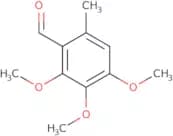
CAS :<p>2,3,4-Trimethoxy-6-methylbenzaldehyde is a synthetic coumarin with antibacterial activity. It is synthesized by the condensation of 3-hydroxyacetophenone and benzaldehyde. 2,3,4-Trimethoxy-6-methylbenzaldehyde has been shown to have antibacterial activity against both Gram-positive and Gram-negative bacteria. This molecule has also been shown to inhibit the growth of Gram negative bacteria in the presence of hydrogen peroxide. The crystal structure of this molecule was determined by XRD analysis and shows that it contains a dihedral angle of about 155°.</p>Formule :C11H14O4Degré de pureté :Min. 95%Masse moléculaire :210.23 g/mol3-Nitrobenzaldehyde
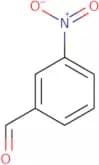
CAS :<p>3-Nitrobenzaldehyde is an organic compound that is used in the synthesis of monoclonal antibodies for use in cancer research. It has been shown to have genotoxic and carcinogenic effects, as it binds to nucleic acids and inhibits DNA replication. 3-Nitrobenzaldehyde has been shown to be effective against a variety of bacteria, including methicillin-resistant Staphylococcus aureus (MRSA) and Clostridium perfringens. This compound also inhibits protein synthesis by binding with amines and hydrogen bonding with the amino acid residues of proteins.</p>Formule :C7H5NO3Degré de pureté :Min. 95%Couleur et forme :PowderMasse moléculaire :151.12 g/moltrans-2-Heptenal
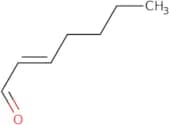
CAS :<p>2-Heptenal is a fatty acid that is found in small quantities in the human body. It has been shown to inhibit the activity of lipases and esterases, which are enzymes that break down fats. 2-Heptenal can be used as an analog for fatty acids and as a sample preparation agent when preparing fatty acids for analysis. 2-Heptenal has been shown to exhibit degenerative disease properties, such as Alzheimer's disease. Researchers have used 2-heptenal as a model system to study the aggregation process of amyloid proteins, which may lead to the development of drugs for treatment of these diseases.</p>Formule :C7H12ODegré de pureté :Min. 95.0 Area-%Couleur et forme :Colorless Slightly Yellow Clear LiquidMasse moléculaire :112.17 g/molD-(+)-Glyceraldehyde
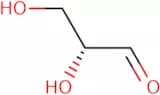
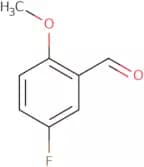
CAS :<p>D-Glyceraldehyde is sold by active weight in solution</p>Formule :C3H6O3Degré de pureté :85%MinCouleur et forme :Colorless Clear Viscous LiquidMasse moléculaire :90.08 g/mol5-Fluoro-2-methoxybenzaldehyde
CAS :<p>5-Fluoro-2-methoxybenzaldehyde is an inhibitor that blocks the enzyme acetylcholinesterase. It has been shown to be useful in the synthesis of a variety of drugs, including anticancer agents and antibiotics. 5-Fluoro-2-methoxybenzaldehyde is used in the industrial production of acetonitrile and can also be found in small quantities as a natural component of many fruits and vegetables. It is also used as a precursor for other chemicals, such as pharmaceuticals and pesticides. The compound is generally synthesized by condensation reactions involving benzaldehyde, acetamide, and formaldehyde. This chemical has been studied in medicinal chemistry because it can inhibit bacterial growth by binding to DNA gyrase.</p>Formule :C8H7FO2Degré de pureté :Min. 95%Couleur et forme :White PowderMasse moléculaire :154.14 g/mol2,3,4-Trimethoxybenzaldehyde
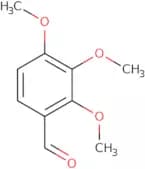
CAS :<p>2,3,4-Trimethoxybenzaldehyde is a hydroxylated aromatic compound that is used as a dietary supplement. It is found in the natural form of zirconium oxide and has been shown to have cancer-fighting properties. It has also been shown to be able to inhibit the growth of liver cancer cells in vitro and in vivo models. The mechanism of 2,3,4-trimethoxybenzaldehyde's ability to inhibit cancer growth is not fully understood but it may be due to its ability to react with reactive oxygen species and its ability to bind with methoxy groups and benzyl groups.</p>Formule :C10H12O4Degré de pureté :Min. 95%Couleur et forme :PowderMasse moléculaire :196.2 g/mol3-(2-Phenylethoxy)benzaldehyde
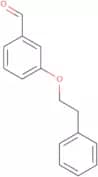
CAS :<p>3-(2-Phenylethoxy)benzaldehyde is a benzaldehyde derivative with an ether group at the 3-position. It is used as a building block for the synthesis of organic compounds and as a reaction component in the preparation of research chemicals, speciality chemicals, and complex compounds. This compound has been shown to have high purity and to be a versatile building block for the synthesis of pharmaceuticals, agrochemicals, and other fine chemicals.</p>Formule :C15H14O2Degré de pureté :Min. 95%Couleur et forme :PowderMasse moléculaire :226.27 g/mol2,4,5-Trimethylbenzaldehyde
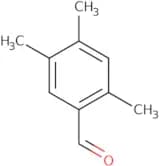
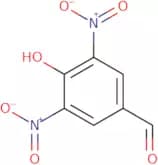
CAS :<p>2,4,5-Trimethylbenzaldehyde is a cell line that can be used to study the oxidation of α-pinene. It is a chemical compound that belongs to the group of aromatic compounds and has been shown to have high cytotoxicity. It has been found to oxidize other molecules in the body with an electron acceptor such as oxygen or another molecule. 2,4,5-Trimethylbenzaldehyde has also been shown to have biological properties. This product is being researched for its ability to inhibit fatty acid synthesis and reduce cholesterol production in the liver.</p>Formule :C10H12ODegré de pureté :Min. 95%Masse moléculaire :148.2 g/mol3,5-Dinitro-4-hydroxybenzaldehyde
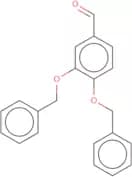
CAS :<p>Please enquire for more information about 3,5-Dinitro-4-hydroxybenzaldehyde including the price, delivery time and more detailed product information at the technical inquiry form on this page</p>Formule :C7H4N2O6Degré de pureté :Min. 95%Couleur et forme :PowderMasse moléculaire :212.12 g/mol3,4-Dibenzyloxybenzaldehyde
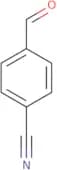
CAS :<p>3,4-Dibenzyloxybenzaldehyde is a chemical compound with the formula ClCH=C(O)CHO. This compound is an intermediate in the synthesis of the cancer drug daunorubicin. 3,4-Dibenzyloxybenzaldehyde has been shown to induce apoptosis in human ovary cells and has been detected in urine samples from patients undergoing chemotherapy for ovarian cancer. 3,4-Dibenzyloxybenzaldehyde also inhibits the production of flavonoids and has been shown to inhibit rat striatal membranes and rat atria.</p>Formule :C21H18O3Degré de pureté :Min. 95%Couleur et forme :PowderMasse moléculaire :318.37 g/mol4-Cyanobenzaldehyde
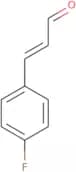
CAS :<p>4-Cyanobenzaldehyde is an acid that inhibits tyrosinase, an enzyme involved in the production of melanin. It has been shown to have a strong inhibitory effect on the activity of this enzyme in a variety of biological studies. 4-Cyanobenzaldehyde is chemically stable and does not react with hydrochloric acid or water at room temperature, making it suitable for use in experiments involving these substances. This chemical also has antiinflammatory properties and can be used as a substitute for phenols in some chemical reactions. 4-Cyanobenzaldehyde is soluble in methanol and reacts with diphenolase, an enzyme involved in the synthesis of lignin, to produce benzophenone and benzoic acid. This reaction may be important for the formation of lignin during wood decomposition.</p>Formule :C8H5NODegré de pureté :80%Couleur et forme :PowderMasse moléculaire :131.13 g/moltrans-4-Fluorocinnamaldehyde
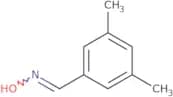
CAS :<p>Trans-4-fluorocinnaMaldehyde is a molecule that was synthesized as part of an asymmetric synthesis. It has been shown to inhibit serotonin reuptake in vitro (in human lung) and have light emission properties. Trans-4-fluorocinnaMaldehyde is chemically stable and has active substances with optical properties. Furthermore, it can be used for the production of nanowires.</p>Formule :C9H7FODegré de pureté :(%) Min. 90%Couleur et forme :PowderMasse moléculaire :150.15 g/mol3,5-Dimethylbenzaldehyde oxime
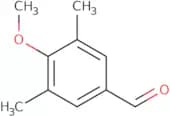
CAS :<p>3,5-Dimethylbenzaldehyde oxime is a white crystalline solid that is soluble in organic solvents. 3,5-Dimethylbenzaldehyde oxime reacts with water to produce hydrogen peroxide and formaldehyde. This reaction is an example of a dehydration reaction.</p>Formule :C9H11NODegré de pureté :Min. 95%Couleur et forme :PowderMasse moléculaire :149.19 g/mol3,5-Dimethyl-4-methoxybenzaldehyde
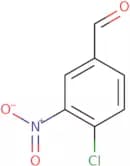
CAS :<p>3,5-Dimethyl-4-methoxybenzaldehyde is a high quality, versatile chemical that can be used as an intermediate to synthesize other fine chemicals. The compound can be reacted with various reagents to produce complex compounds. 3,5-Dimethyl-4-methoxybenzaldehyde can also be used as a building block to synthesize other useful compounds. This chemical has been shown to be a useful scaffold for the production of new compounds and has been used as a reaction component in research and development.</p>Formule :C10H12O2Degré de pureté :Min. 95%Couleur et forme :PowderMasse moléculaire :164.2 g/mol3-Nitro-4-chlorobenzaldehyde
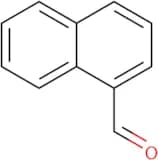
CAS :<p>3-Nitro-4-chlorobenzaldehyde is a copper complex that has been used in the study of molecular interactions. The molecule has been studied by a number of techniques, including binding experiments, vibrational spectroscopy, and light emission. 3-Nitro-4-chlorobenzaldehyde has shown bacteriostatic activity against Escherichia coli and Bacillus subtilis. This compound also appears to have potential as a drug target due to its ability to inhibit the growth of Pseudomonas aeruginosa. 3-Nitro-4-chlorobenzaldehyde may be useful in the treatment of industrial processes involving nitric acid.</p>Formule :C7H4ClNO3Degré de pureté :Min. 95%Couleur et forme :White PowderMasse moléculaire :185.56 g/mol1-Naphthaldehyde
CAS :<p>1-Naphthaldehyde is a coordination compound that contains 1 naphthyl group and an oxygen atom. It can be used as an oxidation catalyst, intramolecular hydrogen, or a reaction solution. The antimicrobial activity of 1-naphthaldehyde has been shown in the presence of sodium carbonate or potassium phosphate buffer. 1-Naphthaldehyde has been shown to possess structural properties similar to those of other metal chelates, such as zinc pyrithione. The protonated form of 1-naphthaldehyde has been identified by means of analytical methods including gas chromatography and mass spectrometry.</p>Formule :C11H8ODegré de pureté :Min. 95%Couleur et forme :Yellow To Brown LiquidMasse moléculaire :156.18 g/molβ-Resorcylic aldehyde oxime
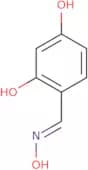
CAS :<p>beta-Resorcylic aldehyde oxime is a compound that can be used as a reagent, speciality chemical, and research chemical. It has the CAS number 5399-68-8, and it is a fine chemical that has been shown to be useful in organic synthesis. beta-Resorcylic aldehyde oxime is soluble in methanol, ethanol, benzene, diethyl ether, and acetone. This compound can be used as a building block for other compounds by reacting with amines or carboxylic acids. It can also be used as an intermediate for other reactions. beta-Resorcylic aldehyde oxime has been shown to have versatile properties that make it an excellent scaffold for creating new compounds.</p>Formule :C7H7NO3Masse moléculaire :153.14 g/molUreaformaldehyde
CAS :<p>Ureaformaldehyde is a synthetic slow-release fertilizer that contains urea and formaldehyde. It has been shown to be highly active as a slow-release fertilizer in Langmuir adsorption isotherm studies. Ureaformaldehyde also has the ability to mineralize chloride and hydrogen bond to soil particles, increasing the availability of these ions for plant uptake. Ureaformaldehyde is also used in analytical methods such as chromatographic determination of fatty acids, which are an important component of animal and vegetable oils. !--</p>Formule :(CH4N2O•CH2O)xDegré de pureté :Min. 95%Couleur et forme :Clear LiquidMasse moléculaire :90.08 g/mol2-(3-Fluorophenyl)thiazole-4-carbaldehyde
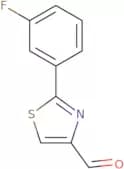
CAS :<p>Please enquire for more information about 2-(3-Fluorophenyl)thiazole-4-carbaldehyde including the price, delivery time and more detailed product information at the technical inquiry form on this page</p>Formule :C10H6FNOSDegré de pureté :Min. 95%Couleur et forme :PowderMasse moléculaire :207.23 g/mol2,4-Dinitrobenzaldehyde
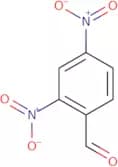
CAS :<p>2,4-Dinitrobenzaldehyde is a chemical compound that contains a hydroxyl group and an amine. It is reactive and can form cationic surfactants with other compounds. 2,4-Dinitrobenzaldehyde has been shown to react with dimethyl fumarate in the presence of ethyl esters to form ethyl 2,4-dinitrophenolate. This reaction is catalyzed by dinucleotide phosphate and requires salinity or a base such as sodium methoxide. 2,4-Dinitrobenzaldehyde reacts with 2-aminoethanol in the presence of water or alcohols to produce 2,4-diaminobenzoic acid. The reaction mechanism for this process is not known but it may involve hydrogen bonding between the hydroxyl group and amine groups.<br>2,4-Dinitrobenzaldehyde has been used as a reagent for staining DNA in gel elect</p>Formule :C7H4N2O5Degré de pureté :Min. 95%Couleur et forme :PowderMasse moléculaire :196.12 g/mol2-(Benzyloxy)acetaldehyde
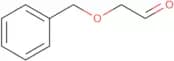
CAS :<p>2-(Benzyloxy)acetaldehyde (BA) is an aldol that is used as an oxidation catalyst for chemical stability. It can be synthesized with the use of asymmetric synthesis and coordination geometry. 2-(Benzyloxy)acetaldehyde has been shown to bind to the enzyme aldehyde dehydrogenase and inhibit its activity, which may lead to the treatment of infectious diseases. This compound also has receptor activity in coli K-12 cells, which can be used to detect BA in urine samples. The reaction mechanism of BA is similar to that of benzimidazole compounds, hydroxyl group, and trifluoroacetic acid.</p>Formule :C9H10O2Degré de pureté :Min. 95%Couleur et forme :Slightly Yellow Clear LiquidMasse moléculaire :150.17 g/mol3-Hydroxy-2-methoxybenzaldehyde
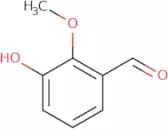
CAS :<p>3-Hydroxy-2-methoxybenzaldehyde is a synthetic compound that is used as an antiviral agent. It has been shown to inhibit the replication of Coxsackievirus A9 (CV-A9). In addition, 3-Hydroxy-2-methoxybenzaldehyde reacts with isoeugenol and isonicotinic acid under acidic conditions to form 4-allyl-2-methoxyphenol, which has antiviral activity against CV-A9. This reaction requires a catalyst, such as zinc chloride or nickel sulfate. The rate of this reaction can be increased by increasing the reaction time. 3-Hydroxy-2-methoxybenzaldehyde also inhibits the virus's ability to bind to cells and enter them, reducing its infectivity.</p>Formule :C8H8O3Couleur et forme :PowderMasse moléculaire :152.15 g/mol3,5-Dibromobenzaldehyde
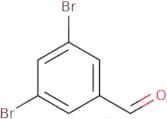
CAS :<p>3,5-Dibromobenzaldehyde is an analytical reagent that has been used as a chemosensor. The compound was synthesized by the reaction of benzaldehyde with bromine and potassium hydroxide (KOH). 3,5-Dibromobenzaldehyde has a skeleton consisting of three phenyl groups and two aldehyde groups. The compound also contains two active methylene groups and two vinylene groups. 3,5-Dibromobenzaldehyde can be detected by fluorescence probe or low energy electron diffraction. This chemical is an effective antibacterial agent with an LD50 value of 1.6 milligrams per kilogram in rats.</p>Formule :C7H4Br2ODegré de pureté :Min. 95%Couleur et forme :White PowderMasse moléculaire :263.91 g/mol2-Hydroxy-3-methoxybenzaldehyde
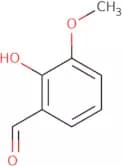
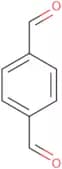
CAS :<p>2-Hydroxy-3-methoxybenzaldehyde is a model compound that is used to study the reaction mechanism of hydrogen bonding. It has been shown to have antioxidative properties and amoebicidal activity. The biological properties of 2-hydroxy-3-methoxybenzaldehyde are still being studied. There are also no reports on its toxicity or carcinogenicity in humans. This compound is a member of the group P2, which includes compounds with two aromatic rings connected by one carbon atom. The molecular geometry around this carbon atom is pyramidal and the molecule can exist in either an axial or equatorial orientation. Synchronous fluorescence experiments have shown that 2-hydroxymethoxybenzaldehyde reacts with Toll-like receptor 4 (TLR4).</p>Formule :C8H8O3Degré de pureté :Min. 95%Couleur et forme :Yellow PowderMasse moléculaire :152.15 g/molTerephthaldicarboxaldehyde
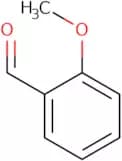
CAS :<p>Terephthaldicarboxaldehyde is a white crystalline solid that has been shown to be soluble in hydrogen fluoride, water vapor, and sodium salts. It is also insoluble in water. Langmuir adsorption isotherm experiments have shown that the solubility of terephthaldicarboxaldehyde increases with increasing concentration of chitosan polymer. Terephthaldicarboxaldehyde has been used as an analytical method for p-hydroxybenzoic acid (PHBA) and terephthalic acid (TPA). It can also be used as a fluorescent probe to detect the presence of these compounds in aqueous solutions.</p>Formule :C8H6O2Degré de pureté :Min. 95%Couleur et forme :PowderMasse moléculaire :134.13 g/molo-Anisaldehyde
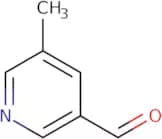
CAS :<p>o-Anisaldehyde is a chemical compound that has the molecular formula CH3CHO. It is an aromatic compound that contains a hydroxyl group (-OH) bonded to a benzene ring. o-Anisaldehyde is soluble in water and reacts with copper chloride to form copper (II) o-anisate, which can be used as a reagent for oxidation reactions. It also forms coordination compounds with metal ions like zinc and iron. The crystal structure of o-anisaldehyde has been determined by x-ray crystallography and shows that it contains two asymmetric carbon atoms, which are oriented in opposite directions. This molecule can be synthesized from phenol or catechol by heating them with an acidified solution of sodium nitrite in ethanol. The reaction mechanism of this process involves the formation of an oxime intermediate followed by hydrolysis. The kinetics data of this reaction have been obtained using titration calorimetry and kinetic energy measurements show that the reaction</p>Formule :C8H8O2Degré de pureté :Min. 95%Couleur et forme :PowderMasse moléculaire :136.15 g/mol5-Methylnicotinaldehyde
CAS :<p>5-Methylnicotinaldehyde is a chemical compound that belongs to the group of tetrahydropyridines. It is a reagent for producing triphosgene and dimethylformamide. 5-Methylnicotinaldehyde has been shown to inhibit muscarinic acetylcholine receptors, leading to an increase in acetylcholine release from nerve endings. This may be due to its ability to bind with the receptor affinity site at the base of the nicotinic acetylcholine receptor. 5-Methylnicotinaldehyde also has anti-inflammatory properties and can be used as a pesticide.</p>Formule :C7H7NODegré de pureté :Min. 95%Couleur et forme :PowderMasse moléculaire :121.14 g/mol3-Phenoxybenzaldehyde
CAS :<p>3-Phenoxybenzaldehyde is a chemical compound that is used as an analytical reagent in the surface methodology. It can be synthesized from 3-phenoxybenzoic acid and phenylmagnesium bromide. The synthesis of 3-phenoxybenzaldehyde was accomplished by the hydrogenation of p-nitrophenyl phosphate, which was catalyzed by rat liver microsomes. The resulting product had a molecular formula of C9H8O2 and a molar mass of 156.2 g/mol. 3-Phenoxybenzaldehyde has been shown to inhibit bacterial growth through the inhibition of fatty acid synthesis, as well as inhibiting fatty acid oxidation in recombinant cytochrome P450 enzymes.</p>Formule :C13H10O2Degré de pureté :Min. 95%Couleur et forme :Clear LiquidMasse moléculaire :198.22 g/mol3-Hydroxy-4-iodobenzaldehyde
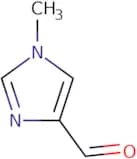
CAS :<p>3-Hydroxy-4-iodobenzaldehyde is a fluorophore that is used in the synthesis of amide compounds, as well as in the production of other synthetic molecules. 3-Hydroxy-4-iodobenzaldehyde has been shown to have pharmacokinetic properties that are similar to those of fluorescein, and can be used to study the distribution and metabolism of this compound. This compound also has an oxidation potential that is higher than that of fluorescein, which makes it more useful for studying drug metabolism. The labile nature of 3-hydroxy-4-iodobenzaldehyde means it will not remain intact for long periods of time.</p>Formule :C7H5IO2Degré de pureté :Min. 95%Couleur et forme :PowderMasse moléculaire :248.02 g/mol1-Methyl-1H-imidazole-4-carbaldehyde
CAS :<p>1-Methyl-1H-imidazole-4-carbaldehyde is an Imidazole derivative. Imidazoles are the most prominent heterocyclic scaffolds found in medical molecules and natural products. Due to the peculiar structural characteristics of imidazole, it is advantageous for imidazole groups to combine with various receptors and enzymes in biological systems, through diverse weak interactions. 1-Methyl-1H-imidazole-4-carbaldehyde is one of many imidazole derivatives that are used as building blocks for a wide variety of target compounds.</p>Formule :C5H6N2ODegré de pureté :Min. 95%Couleur et forme :Slightly Yellow PowderMasse moléculaire :110.11 g/mol2,3-Dihydroxy-4-methoxybenzaldehyde
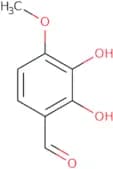
CAS :<p>2,3-Dihydroxy-4-methoxybenzaldehyde is the oxidized form of 2,3-dihydroxybenzaldehyde. It has been used in biological studies to investigate the biosynthetic pathways of reductoisomerase and analytical methods for detecting hydrogen bonds in samples. This chemical can also be found in urine samples as a metabolite of adenine nucleotide and polypeptides. The chemical has been shown to have health benefits, such as being a recombinant that helps cell culture.</p>Formule :C8H8O4Degré de pureté :Min. 95%Couleur et forme :PowderMasse moléculaire :168.15 g/molPhthalaldehyde
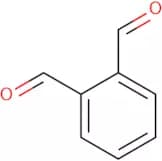
CAS :<p>Phthalaldehyde is a disinfectant that is used for the prevention of microbial contamination in the manufacturing process of pharmaceuticals, cosmetics, and many other products. It has been shown to inhibit the growth of bacteria by inhibiting protein synthesis. The mechanism of action is thought to be due to its reaction with amino acids, which are important for protein synthesis. Phthalaldehyde also reacts with benzalkonium chloride to form a fluorescent derivative, which can be detected using fluorescence detectors or LC-MS/MS methods. The use of this compound as a fluorescence probe allows for the detection of probiotic bacteria in nutrient solutions without the need for expensive equipment or complicated analytical methods.</p>Formule :C8H6O2Degré de pureté :Min. 98%Couleur et forme :PowderMasse moléculaire :134.13 g/mol3-Chloro-4-nitrobenzaldehyde
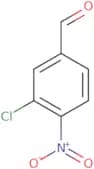
CAS :<p>3-Chloro-4-nitrobenzaldehyde is an aldehyde that is produced by the oxidation of 2-chloro-4-nitrobenzaldehyde. This chemical has been shown to have antitubercular activity in human erythrocytes, and it can be recycled from its reaction product with sodium hypochlorite. 3-Chloro-4-nitrobenzaldehyde has been shown to interact with acidic heterocycles such as oxadiazoles and triazoles. 3-Chloro-4-nitrobenzaldehyde has also been shown to alter the morphology of bacteria, such as subtilis, when exposed to ionic liquids. It is also known to inhibit the growth of Gram positive bacteria and show cytotoxic effects on mammalian cells.</p>Formule :C7H4ClNO3Degré de pureté :Min. 95%Masse moléculaire :185.56 g/mol4-Fluoro-3-phenoxybenzaldehyde
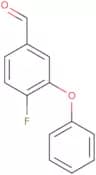
CAS :<p>4-Fluoro-3-phenoxybenzaldehyde is a chiral organic compound that has been synthesized in the laboratory. This compound has a linear response to peroxide and can be used as an environmental pollutant indicator. It is produced by the reaction of phenol with peroxide in deionized water, which is catalyzed by acid. The reaction time is dependent on the diluent used, and ultrasonic irradiation can be used to speed up the reaction. 4-Fluoro-3-phenoxybenzaldehyde's structure consists of two isomers, each containing either a fluorine atom or hydrogen atom on one of the phenyl rings. 4-Fluoro-3-phenoxybenzaldehyde can be purified using distillation or recrystallization techniques.</p>Formule :C13H9FO2Degré de pureté :Min. 95%Couleur et forme :LiquidMasse moléculaire :216.21 g/mol5-Acetoxymethyl-2-furaldehyde
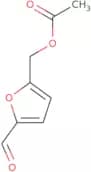
CAS :<p>5-Acetoxymethyl-2-furaldehyde is a furanic acid that is found in the plant Triticum aestivum. This compound has been shown to have antifungal and anticancer properties. 5-Acetoxymethyl-2-furaldehyde inhibits the growth of bacteria by forming a complex with p-hydroxybenzoic acid, which prevents the formation of amines. The toxicity of this compound may also be due to its ability to cause DNA damage, leading to cell death. 5-Acetoxymethyl-2-furaldehyde can be used as an oxidation catalyst for reactions involving amines. It can also be produced by oxidizing 2,5 furanone with hydrogen peroxide and hydrochloric acid at high temperatures. The reaction mechanism is not well understood but it is believed that 5 acetoxymethyl - 2 furaldehyde is formed from the dehydration of furfuraldehyde.</p>Formule :C8H8O4Degré de pureté :Min. 95%Couleur et forme :PowderMasse moléculaire :168.15 g/mol3,5-Dibromosalicylaldehyde
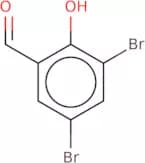
CAS :<p>3,5-Dibromosalicylaldehyde is a copper complex that has been synthesized from 3,5-dibromosalicylaldehyde and copper chloride. FTIR spectroscopy revealed that the coordination geometry of the copper complex is octahedral with two nitrogen atoms in the equatorial plane. The presence of hydrogen bonding interactions was confirmed by homologous protein adsorption experiments. This chemical structure was determined using X-ray crystallography and fluorescence probe experiments. The copper complex showed high affinity for malonic acid, which is an ester hydrochloride. The molecular mechanism of this interaction is based on adsorption, which occurs through hydrogen bonding interactions and hydrophobic interactions. Structural analysis revealed that the polymeric matrix consists of a three-dimensional network of crosslinked chains, while FTIR analysis indicated a possible disulfide bond between two cysteine residues.</p>Formule :C7H4Br2O2Degré de pureté :Min. 95%Couleur et forme :Yellow PowderMasse moléculaire :279.91 g/mol