Aldéhydes
Les aldéhydes sont des composés organiques contenant un groupe carbonyle (C=O) lié à au moins un atome d'hydrogène. Ces composés polyvalents sont fondamentaux dans diverses réactions chimiques, notamment l'oxydation, la réduction et l'addition nucléophile. Les aldéhydes sont des building blocks essentiels dans la synthèse de produits pharmaceutiques, de parfums et de polymères. Chez CymitQuimica, nous proposons une large sélection d'aldéhydes de haute qualité pour soutenir vos applications de recherche et industrielles.
8540 produits trouvés pour "Aldéhydes"
Trier par
Degré de pureté (%)
0
100
|
0
|
50
|
90
|
95
|
100
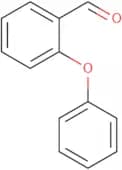
2-Phenoxybenzaldehyde
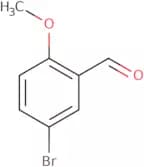
CAS :<p>2-Phenoxybenzaldehyde is an organic compound that belongs to the heterocyclic aldehyde family. It is a white solid with a strong, pleasant odor. 2-Phenoxybenzaldehyde is used as an intermediate in organic synthesis, and has been shown to inhibit the receptor activity of human leukocyte antigen (HLA) class II molecules. The reaction mechanism for this inhibition is not known. The reaction of 2-phenoxybenzaldehyde with hydrochloric acid produces phenylhydroxylamine, which can be oxidized by inorganic acids to form phenyloxalic acid. This compound also inhibits the production of inflammatory cytokines such as TNFα and IL-1β in vitro and in vivo.</p>Formule :C13H10O2Degré de pureté :Min. 95%Couleur et forme :Clear LiquidMasse moléculaire :198.22 g/mol5-Bromo-2-methoxybenzaldehyde
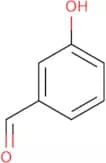
CAS :<p>5-Bromo-2-methoxybenzaldehyde is a benzodiazepine receptor ligand that has been shown to have antiviral, antibacterial and anticancer properties. 5-Bromo-2-methoxybenzaldehyde is an inhibitor of the enzyme benzyl alcohol dehydrogenase (BAHD). BAHD plays an important role in the production of reactive oxygen species (ROS) by converting benzoic acid to benzoate, which is then converted to ROS. The inhibitory concentration values for 5-bromo-2-methoxybenzaldehyde are not yet known.</p>Formule :C8H7BrO2Degré de pureté :Min. 95%Couleur et forme :PowderMasse moléculaire :215.04 g/mol3-Hydroxybenzaldehyde
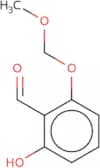
CAS :<p>3-Hydroxybenzaldehyde (3HBA) is an organic molecule that belongs to the group of substituted benzaldehydes. It has been shown to induce muscle cell proliferation in vitro and in vivo, as well as increased levels of activated caspase-3 in vitro. 3HBA also has a high resistance to hydrochloric acid, hydrogen bond, and chemical structures. It also shows properties of intramolecular hydrogen bonding and aldehyde groups. 3HBA has been shown to be active against malonic acid-induced pulmonary edema in rats, which may be due to its ability to inhibit the release of erythrocytes from the bone marrow into the circulation.</p>Formule :C7H6O2Degré de pureté :Min. 96 Area-%Couleur et forme :Off-White PowderMasse moléculaire :122.12 g/mol2-Hydroxy-6-(methoxymethoxy)benzaldehyde
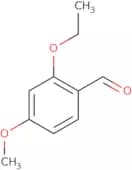
CAS :<p>2-Hydroxy-6-(methoxymethoxy)benzaldehyde is a chemical intermediate that can be used in the synthesis of a wide range of compounds. It is an aromatic compound which has two hydroxyl groups on the benzene ring. This product is a versatile building block, and is useful in the synthesis of complex compounds with high purity. 2-Hydroxy-6-(methoxymethoxy)benzaldehyde can be obtained as a white solid with a melting point of 57°C.</p>Formule :C9H10O4Degré de pureté :Min. 95%Couleur et forme :Clear LiquidMasse moléculaire :182.17 g/mol2-Ethoxy-4-methoxybenzaldehyde
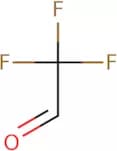
CAS :<p>2-Ethoxy-4-methoxybenzaldehyde is a volatile compound that has been shown to have medicinal properties. It is used to analyze the presence of alcohols and aldehydes in various products. The sensitivity of this compound was optimized by using an analytical method that involved solid phase microextraction (SPME) followed by gas chromatography (GC). The carcinogenicity of this compound was determined by exposing it to rats in a 2 year study, which showed no evidence of carcinogenicity. This compound can also be used as a phenolic or microextraction reagent for the headspace analysis of volatile compounds.</p>Formule :C10H12O3Degré de pureté :Min. 95%Couleur et forme :PowderMasse moléculaire :180.2 g/molTrifluoroacetaldehyde - ~70% aqueous solution
CAS :<p>Trifluoroacetaldehyde is a chemical with aqueous solubility of 0.2 g/L at 25 °C. It has been used in the preparation of insoluble polymers, such as phosphonates and polyurethanes. Trifluoroacetaldehyde can be prepared by reacting anhydrous hydrogen fluoride with trifluoroacetic acid in the presence of amines and an oxidizing agent, such as phosphorus pentoxide. The reaction mechanism is believed to involve a cationic polymerization involving hydrolysis of the amine to give an ammonium ion that reacts with hydrogen fluoride to form trifluoroacetyl fluoride and ammonium chloride. Trifluoroacetaldehyde has also been used in asymmetric synthesis, hydroxyl group reactions, pharmaceutical preparations, and monoclonal antibody production.</p>Formule :C2HF3ODegré de pureté :Min. 95%Couleur et forme :Clear LiquidMasse moléculaire :98.02 g/mol2-Benzyloxybenzaldehyde
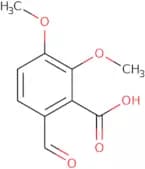
CAS :<p>2-Benzyloxybenzaldehyde is an analog of benzaldehyde and can be used as a precursor for the synthesis of other molecules. It has been shown to inhibit the growth of HL-60 cells and xenograft tumor in mice. This compound also inhibits the production of cyclase, which is required to produce prostaglandin E2, a key regulator of inflammation in the body. This inhibition leads to an increase in mitochondrial membrane potential, leading to cell death by apoptosis. 2-Benzyloxybenzaldehyde also inhibits DNA binding activity and has been shown to induce fetal bovine serum levels and colony stimulating factor (CSF) levels in leukemic mice.</p>Formule :C14H12O2Degré de pureté :Min. 95%Couleur et forme :PowderMasse moléculaire :212.24 g/mol2-Carboxy-3,4-dimethoxybenzaldehyde
CAS :<p>2-Carboxy-3,4-dimethoxybenzaldehyde is a chemical that belongs to the class of compounds known as butyric acid derivatives. It is a colorless liquid with a pungent odor and can be used in pharmaceutical preparations as an antispasmodic or a sedative. 2-Carboxy-3,4-dimethoxybenzaldehyde has been shown to have radical scavenging activities in tissue culture systems and dry weight reaction products in the presence of hydrochloric acid and chloride ion. This compound can also act as an acid complexing agent for hydrogen chloride and depressant activity on animal behavior.</p>Formule :C10H10O5Degré de pureté :Min. 95%Couleur et forme :White Yellow PowderMasse moléculaire :210.18 g/molAdipaldehyde - 1M solution in water
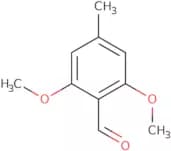
CAS :<p>Succinaldehyde is a white crystalline solid that is soluble in water and alcohol. Succinaldehyde has been shown to be an effective catalyst for the polymerization of polyvinyl chloride, which is used in the production of plastics. It also functions as a cross-linking agent for insoluble polymers, such as collagen. Succinaldehyde has been shown to inhibit t-cell leukemia in mice by inducing apoptosis. This reaction mechanism involves the formation of aldehyde groups on lysine residues within the protein structure, which then react with hydroxyl groups on other lysines or peptides. This reaction leads to covalent bonding between adjacent amino acids and the formation of a stable cross-linked network that results in apoptosis. The function of succinaldehyde as a solid catalyst for this reaction can be attributed to its low volatility and high boiling point.</p>Formule :C6H10O2Couleur et forme :Brown PowderMasse moléculaire :114.14 g/mol2,6-Dimethoxy-4-methylbenzaldehyde
CAS :<p>2,6-Dimethoxy-4-methylbenzaldehyde (DMMB) is a useful chemical that is used as a building block in the synthesis of complex compounds. It has been shown to be an effective chemical intermediate and can be used in the synthesis of various products, such as pharmaceuticals and pesticides. DMMB can also be used to produce high quality research chemicals.</p>Formule :C10H12O3Degré de pureté :Min. 95%Couleur et forme :PowderMasse moléculaire :180.2 g/mol4-Methoxy-2-methylbenzaldehyde
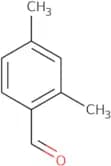
CAS :<p>4-Methoxy-2-methylbenzaldehyde (4MMBA) is a synthetic chemical that is used as an antifungal agent. It interacts with the cellular membranes of fungi and disrupts their ability to maintain homeostasis. 4MMBA inhibits the growth of invasive aspergillosis by inhibiting protein synthesis, which leads to cell death. The mechanism of action for 4MMBA is not well understood, but it has been shown to inhibit the growth of fungi in a model system. It also inhibits the production of pyrylium, which may be responsible for its activity against fungi.</p>Formule :C9H10O2Degré de pureté :90%Masse moléculaire :150.17 g/mol2,4-Dimethylbenzaldehyde
CAS :<p>2,4-Dimethylbenzaldehyde is used in the diagnosis of cancer. It reacts with acetaldehyde to form a compound that binds to hemoglobin and is excreted in the urine, leading to a diagnostic test for cancer. 2,4-Dimethylbenzaldehyde has been shown to be genotoxic in both in vitro and in vivo studies. This aromatic hydrocarbon has been shown to cause DNA strand breaks in the target cells through a reaction mechanism involving radical formation from acetaldehyde. In addition, 2,4-Dimethylbenzaldehyde has been shown to have genotoxic effects on mice exposed by inhalation or injection.</p>Formule :C9H10ODegré de pureté :Min. 90 Area-%Couleur et forme :Colorless Clear LiquidMasse moléculaire :134.18 g/mol4-Methoxycinnamylidene acetaldehyde
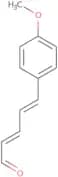
CAS :<p>4-Methoxycinnamylidene acetaldehyde is a versatile building block with a CAS number of 27394-81-6. It is used in the research and production of fine chemicals, pharmaceuticals, and high quality reagents. 4-Methoxycinnamylidene acetaldehyde can be used as a useful scaffold for the synthesis of complex compounds. This building block is also a useful intermediate in organic chemistry reactions.</p>Formule :C12H12O2Degré de pureté :Min. 95%Couleur et forme :PowderMasse moléculaire :188.22 g/mol5-Methylindole-3-carboxaldehyde
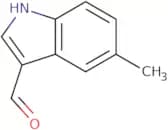
CAS :<p>5-Methylindole-3-carboxaldehyde (5MI) is a β-unsaturated aldehydes that is used as an analyte in assays for the detection of α,β-unsaturated aldehydes. It has been shown to be effective in degranulation of cells and induces cellular degranulation. 5MI has also been shown to be an analog of other β-unsaturated aldehydes and acts competitively with these compounds.</p>Formule :C10H9NODegré de pureté :Min. 95%Couleur et forme :PowderMasse moléculaire :159.18 g/molCyclooctanecarbaldehyde
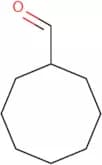
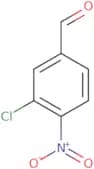
CAS :<p>Cyclooctanecarbaldehyde is a reactive chemical that contains a hydroxyl group and hydroxy group. It is used for the production of polymers such as cyclooctyne-1,4-diol. Cyclooctanecarbaldehyde is also used to synthesize acyl halides. The compound has been shown to be cytotoxic in cancer cells. It can inhibit the production of nucleic acids, proteins and lipids in cancer cells, leading to cell death. Cyclooctanecarbaldehyde also has depression and cardiac arrhythmia effects due to its κ-opioid receptor agonist properties.</p>Formule :C9H16ODegré de pureté :Min. 95%Couleur et forme :Clear LiquidMasse moléculaire :140.22 g/mol3-Chloro-4-nitrobenzaldehyde
CAS :<p>3-Chloro-4-nitrobenzaldehyde is an aldehyde that is produced by the oxidation of 2-chloro-4-nitrobenzaldehyde. This chemical has been shown to have antitubercular activity in human erythrocytes, and it can be recycled from its reaction product with sodium hypochlorite. 3-Chloro-4-nitrobenzaldehyde has been shown to interact with acidic heterocycles such as oxadiazoles and triazoles. 3-Chloro-4-nitrobenzaldehyde has also been shown to alter the morphology of bacteria, such as subtilis, when exposed to ionic liquids. It is also known to inhibit the growth of Gram positive bacteria and show cytotoxic effects on mammalian cells.</p>Formule :C7H4ClNO3Degré de pureté :Min. 95%Masse moléculaire :185.56 g/mol2-Ethoxy-3-methoxybenzaldehyde
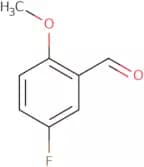
CAS :<p>2-Ethoxy-3-methoxybenzaldehyde is a coordination compound that contains two thiolate ligands, one carbonyl group, and a chelate ring with sulfur. The compound has been shown to bind to the active site of thiosemicarbazide in the enzyme sulfite oxidase, which catalyzes the oxidation of sulfite to sulfate. 2-Ethoxy-3-methoxybenzaldehyde has also been shown to be an effective ligand for rhenium.</p>Formule :C10H12O3Degré de pureté :Min. 95%Masse moléculaire :180.2 g/mol5-Fluoro-2-methoxybenzaldehyde
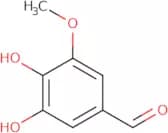
CAS :<p>5-Fluoro-2-methoxybenzaldehyde is an inhibitor that blocks the enzyme acetylcholinesterase. It has been shown to be useful in the synthesis of a variety of drugs, including anticancer agents and antibiotics. 5-Fluoro-2-methoxybenzaldehyde is used in the industrial production of acetonitrile and can also be found in small quantities as a natural component of many fruits and vegetables. It is also used as a precursor for other chemicals, such as pharmaceuticals and pesticides. The compound is generally synthesized by condensation reactions involving benzaldehyde, acetamide, and formaldehyde. This chemical has been studied in medicinal chemistry because it can inhibit bacterial growth by binding to DNA gyrase.</p>Formule :C8H7FO2Degré de pureté :Min. 95%Couleur et forme :White PowderMasse moléculaire :154.14 g/mol3,4-Dihydroxy-5-methoxybenzaldehyde
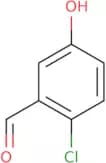
CAS :<p>3,4-Dihydroxy-5-methoxybenzaldehyde is a synthetic compound that has shown to have inhibitory effects on the replication of DNA and RNA. It also inhibits the growth of bacteria in culture by binding to the nucleic acid. The chemical structure of 3,4-Dihydroxy-5-methoxybenzaldehyde is similar to that of bisbenzylisoquinoline alkaloids, which are found in plants such as opium poppy. This similarity may explain its ability to inhibit bacterial growth. 3,4-Dihydroxy-5-methoxybenzaldehyde may be used as a drug candidate for treating bacterial infections.</p>Formule :C8H8O4Degré de pureté :Min. 95%Couleur et forme :PowderMasse moléculaire :168.15 g/mol2-Chloro-5-hydroxybenzaldehyde
CAS :<p>2-Chloro-5-hydroxybenzaldehyde is an organic compound that can be used as a starting material for the synthesis of many other chemicals. It is a building block for the production of high quality and fine chemicals, such as research chemicals and speciality chemicals. 2-Chloro-5-hydroxybenzaldehyde also has versatile uses in chemical reactions, such as condensation reactions, nucleophilic substitution reactions, and electrophilic addition reactions. The CAS number of this chemical is 7310-94-3.</p>Formule :C7H5ClO2Degré de pureté :Min. 98 Area-%Couleur et forme :PowderMasse moléculaire :156.57 g/molClorprenaline HCl
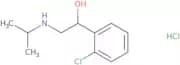
CAS :<p>β2-adrenergic receptor agonist</p>Formule :C11H17Cl2NODegré de pureté :Min. 95%Couleur et forme :PowderMasse moléculaire :250.16 g/mol4-Hydroxy-3,5-dimethylbenzaldehyde
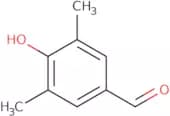
CAS :<p>4-Hydroxy-3,5-dimethylbenzaldehyde (HDA) is an aromatic hydrocarbon that can be found in plants. It is a product of the oxidation of hydroxyl groups by inorganic acids and has been shown to induce hepatic steatosis in mice. This reaction is mediated by malic acid, which reacts with the benzyl group to form a cavity. The molecular modeling study of this reaction mechanism shows that the carboxylate group deprotonates, which leads to the formation of a carbocation intermediate when it attacks the aromatic ring. The aromatic ring opens up during this step, leading to a carbocation. The carbocation then collapses and hydrogen from the hydroxyl group attaches to carbon 2 on C4, forming HDA and releasing water.</p>Formule :C9H10O2Degré de pureté :Min. 95%Couleur et forme :Off-White PowderMasse moléculaire :150.17 g/molPolydialdehyde starch (Polymeric dialdehyde)
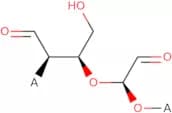
CAS :<p>Polydialdehyde starch is a cross-linking agent that is used to form hydrophobic polymers, which are prodrugs. It is a polymer of dialdehydes and can be used as an additive for restenosis prevention. Polydialdehyde starch has been shown to reduce platelet adhesion and aggregation in vitro and in vivo. The mechanism of action may be related to the ability of polydialdehyde starch to bind collagen and promote its degradation by hydrolysis. This also results in an increase in the rate of dilation of blood vessels, which may contribute to the antiplatelet effect. Polydialdehyde starch has been shown to be biodegradable, with a half-life of about two weeks in vivo after injection into rats.</p>Couleur et forme :White PowderMasse moléculaire :347.664-Methoxy-2-(trifluoromethyl)benzaldehyde
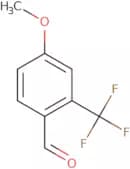
CAS :<p>4-Methoxy-2-(trifluoromethyl)benzaldehyde is a chemical that has been used in the synthesis of a variety of compounds. It is an important intermediate for the production of pharmaceuticals, agrochemicals, and fine chemicals. This compound can be used as a building block to produce other organic compounds with high quality. 4-Methoxy-2-(trifluoromethyl)benzaldehyde can also be used as a reagent in organic chemistry reactions, such as the synthesis of indoles. The CAS number for this compound is 106312-36-1.</p>Formule :C9H7F3O2Degré de pureté :Min. 95%Couleur et forme :PowderMasse moléculaire :204.15 g/mol6,6'-Dihydroxy-5,5'-dimethoxy- [1,1'-biphenyl]-3,3'-dicarboxaldehyde
CAS :<p>6,6'-Dihydroxy-5,5'-dimethoxy-[1,1'-biphenyl]-3,3'-dicarboxaldehyde (DDM) is a molecule that belongs to the class of organic compounds known as phenols. DDM has been shown to be an inhibitor of the enzyme activity of lysine residues and protocatechuic acid production. DDM also inhibits 5-carboxyvanillic acid production by competitively binding to the enzyme's active site. DDM has been shown to have antibacterial activity against wild-type strains of Staphylococcus aureus and Escherichia coli.</p>Formule :C16H14O6Degré de pureté :Min. 95 Area-%Couleur et forme :Yellow PowderMasse moléculaire :302.28 g/mol7-Methoxy-1-naphthaldehyde
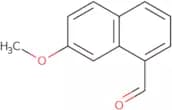
CAS :<p>7-Methoxy-1-naphthaldehyde is an aldehyde that is synthesized from acetaldehyde and 7-methoxy-1-naphthol. It has been shown to inhibit the cytosolic aldehyde dehydrogenase, which converts acetaldehyde to acetate. This reaction is one of the major routes for the metabolism of alcohol in humans. 7-Methoxy-1-naphthaldehyde can be used as a substrate in immunochemical assays, and its synthetic scheme has been published. 7MNA was also found to have cytotoxic effects on human liver cells in vitro.</p>Formule :C12H10O2Degré de pureté :Min. 95%Masse moléculaire :186.21 g/mol3-Methoxy-2-nitrobenzaldehyde
CAS :<p>3-Methoxy-2-nitrobenzaldehyde is a synthetic compound that has been used in the industrial process of synthesizing other compounds. It is a nucleophilic compound, which means it can react with electrophiles to form new bonds. 3-Methoxy-2-nitrobenzaldehyde is also an oriented molecule, meaning that when it reacts with an electrophile, the resulting product can be determined by the orientation of the molecules. The rate of this reaction depends on how many functional groups are present and the presence of catalysts. 3-Methoxy-2-nitrobenzaldehyde is fluorescent, so it will emit light in a spectroscopic experiment. It has six functional groups which are all nucleophilic and capable of participating in reactions with other molecules. Catalytic rates for this reaction depend on concentration and temperature, as well as the number of chlorine atoms and polydentate ligands present in solution.</p>Formule :C8H7NO4Degré de pureté :Min. 95%Couleur et forme :Slightly Yellow PowderMasse moléculaire :181.15 g/mol2-Ethoxybenzaldehyde
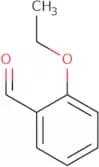
CAS :<p>2-Ethoxybenzaldehyde is an organic compound that has been found to be a potential anticancer agent. It inhibits the growth of tumor cells in vitro, by inhibiting the PI3K/Akt signaling pathway. 2-Ethoxybenzaldehyde also has antibacterial activity against Gram-positive bacteria, such as P. aeruginosa, by binding to the nitrogen atoms on the cell wall and disrupting their function. The molecule has a functional group that reacts with metal cations, which helps to explain its chemical nature and its reaction mechanism. The molecule is soluble in water but not in organic solvents. 2-Ethoxybenzaldehyde crystallizes as a white solid with a monoclinic crystal system and can react with salicylaldehyde to produce benzalmalonic acid.</p>Formule :C9H10O2Degré de pureté :Min. 97 Area-%Couleur et forme :Clear LiquidMasse moléculaire :150.17 g/mol2,5-Dihydroxybenzaldehyde
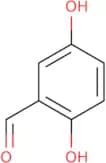
CAS :<p>2,5-Dihydroxybenzaldehyde is a compound that can be used as an antioxidant. It is also a precursor for the synthesis of benzalkonium chloride. 2,5-Dihydroxybenzaldehyde reacts with p-hydroxybenzoic acid to form 2,5-dihydroxyphenylacetic acid and benzoic acid. The reaction mechanism of 2,5-dihydroxybenzaldehyde has been studied in detail using hl-60 cells and has been shown to be significant cytotoxicity. The hydroxyl group in this molecule creates a hydrogen bond with the carbonyl group in p-hydroxybenzoic acid and the two react together to form products. This reaction is catalyzed by Michaelis–Menten kinetics and proceeds via an electrochemical detector. Nitrogen atoms are not present in this molecule but do exist in benzalkonium chloride, which is synthesized from 2</p>Formule :C7H6O3Degré de pureté :Min. 95%Couleur et forme :Yellow PowderMasse moléculaire :138.12 g/molGallaldehyde hemihydrate
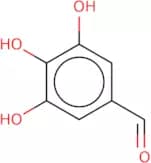
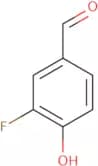
CAS :<p>Gallaldehyde hemihydrate is a bioactive phenolic compound that inhibits the tyrosine kinase domain of the epidermal growth factor receptor (EGFR). It has been shown to inhibit tumor cell growth and induce apoptosis in cancer tissues. Gallaldehyde hemihydrate has also been found in lentils, which might be used as a potential biomarker for this compound. The optimum pH for gallaldehyde hemihydrate is between 2.0-4.0, and it can bind to cation channels and act as a potential biomarker for skin cancer cells.</p>Formule :C7H6O4Degré de pureté :Min. 95%Couleur et forme :PowderMasse moléculaire :154.12 g/mol3-Fluoro-4-hydroxybenzaldehyde
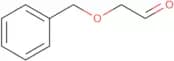
CAS :<p>3-Fluoro-4-hydroxybenzaldehyde is a hydroxyl group with an activation energy of 87.7 kJ/mol. The molecule can be synthesized by the reaction of salicylaldehyde and 3,4-dihydroxybenzaldehyde in the presence of an organic solvent such as chloroform or methylene chloride. This compound has been shown to cause cell death in ht-29 cells and cancer cell lines, as well as human ovarian carcinoma cells. It causes apoptosis by inhibiting mitochondrial membrane potential, which leads to decreased intracellular ATP levels. 3-Fluoro-4-hydroxybenzaldehyde is most commonly used in molecular modeling studies to represent the hydroxyl group due to its simplicity in comparison to other hydroxyl groups like methanol or ethanol.</p>Formule :C7H5FO2Degré de pureté :90%Couleur et forme :White PowderMasse moléculaire :140.11 g/mol2-(Benzyloxy)acetaldehyde
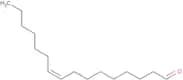
CAS :<p>2-(Benzyloxy)acetaldehyde (BA) is an aldol that is used as an oxidation catalyst for chemical stability. It can be synthesized with the use of asymmetric synthesis and coordination geometry. 2-(Benzyloxy)acetaldehyde has been shown to bind to the enzyme aldehyde dehydrogenase and inhibit its activity, which may lead to the treatment of infectious diseases. This compound also has receptor activity in coli K-12 cells, which can be used to detect BA in urine samples. The reaction mechanism of BA is similar to that of benzimidazole compounds, hydroxyl group, and trifluoroacetic acid.</p>Formule :C9H10O2Degré de pureté :Min. 95%Couleur et forme :Slightly Yellow Clear LiquidMasse moléculaire :150.17 g/mol(Z)-9-Hexadecenal
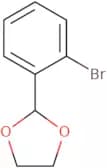
CAS :<p>(Z)-9-Hexadecenal is an organic compound that is used as a pheromone in the species of bark beetles. It has been shown to inhibit the growth of other fungi, including opportunistic fungal pathogens. This activity may be due to its ability to bind and activate specific receptors on the surface of inflammatory cells, leading to an increase in cytokine production and expression of proinflammatory genes. (Z)-9-Hexadecenal also has anti-inflammatory properties against physiological activities such as growth factor binding experiments and solid phase microextraction studies. (Z)-9-Hexadecenal binds to lysine residues, inhibiting hydrogen bonding between amino acid residues and promoting population growth inhibition.</p>Formule :C16H30ODegré de pureté :Min. 90%Couleur et forme :Colorless Clear LiquidMasse moléculaire :238.41 g/mol2-Bromobenzaldehyde ethylene acetal
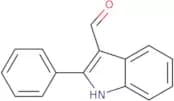
CAS :<p>2-Bromobenzaldehyde ethylene acetal is a reactive intermediate that can be used to form allyl ethers. It is prepared by the Grignard reaction of 2-bromobenzaldehyde with an ethylene acetal. This molecule may be useful for the synthesis of dioxolanes and amines, as well as for other applications such as supramolecular chemistry and emulsions.</p>Formule :C9H9BrO2Degré de pureté :Min. 95%Masse moléculaire :229.07 g/mol2-Phenylindole-3-carboxaldehyde
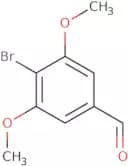
CAS :<p>2-Phenylindole-3-carboxaldehyde is an organic compound that belongs to the class of bioactive molecules. It is a nitrogen heterocycle that has been shown to inhibit the growth of cancer cells in culture. 2-Phenylindole-3-carboxaldehyde has also been shown to have anti-inflammatory and antimicrobial properties. This molecule can be used in the treatment of cancer, as it inhibits the growth of tumor cells by inhibiting DNA synthesis, which leads to cell death. The molecular structure can be altered by allylation or replacement with other functional groups. The 2-phenylindole moiety can be modified at its C2 position, altering its pharmacological properties and may lead to new anticancer drugs.</p>Formule :C15H11NODegré de pureté :Min. 95%Couleur et forme :PowderMasse moléculaire :221.25 g/mol4-Bromo-3,5-dimethoxybenzaldehyde
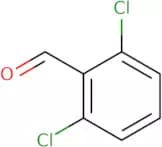
CAS :<p>4-Bromo-3,5-dimethoxybenzaldehyde is a compound that inhibits the replication of cells. It has been shown to induce apoptosis and inhibit tumor growth, including skin tumors and malignant melanoma cells. This chemical is synthesized by reacting an acrylonitrile with sodium hydroxide in a biphenyl amide. 4-Bromo-3,5-dimethoxybenzaldehyde has been used to inhibit bacterial growth, but it is not active against Mycobacterium tuberculosis or Mycobacterium avium complex.</p>Formule :C9H9BrO3Degré de pureté :Min. 95%Couleur et forme :PowderMasse moléculaire :245.07 g/mol2,6-Dichlorobenzaldehyde
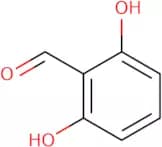
CAS :<p>2,6-Dichlorobenzaldehyde is a nucleophilic compound that has the ability to form hydrogen bonds. It reacts with phosphorus pentachloride to produce 2-chloro-4,6-dichlorobenzene. 2,6-Dichlorobenzaldehyde can be used in the synthesis of β-unsaturated ketones and anticancer drugs such as aziridines. It is also used as a precursor for coordination complexes. This compound is an efficient method for making nitrogen nucleophiles, which are important in chain reactions and the production of polymers. The 2,6-dichlorobenzaldehyde molecule contains two chiral centers that give rise to four stereoisomers. X-ray diffraction data shows that this molecule exists as a mixture of these four isomers.</p>Formule :C7H4Cl2ODegré de pureté :Min. 97.5%Couleur et forme :PowderMasse moléculaire :175.01 g/mol2,6-Dihydroxybenzaldehyde
CAS :<p>2,6-Dihydroxybenzaldehyde is a chemical compound that has been used as an intermediate in the synthesis of other chemicals. It is also used as a precursor for benzaldehyde and benzoic acid. 2,6-Dihydroxybenzaldehyde can be synthesized by reacting sodium carbonate with pluronic F127 in the presence of cationic surfactant. The surface methodology used in this process involves the use of hydrophobic molecules to form micelles and liposomes on the surface of the electrode. The interaction between these micelles and liposomes is pH dependent. This reaction causes an increase in hydrogen ions, which leads to an increase in conductivity at acidic pH values. Electrochemical impedance spectroscopy (EIS) results show that 2,6-dihydroxybenzaldehyde reacts with high concentrations of salt and water vapor. FTIR spectroscopy shows that it has two hydroxyl groups and one double</p>Formule :C7H6O3Degré de pureté :Min. 95%Couleur et forme :PowderMasse moléculaire :138.12 g/mol4-Benzyloxy-3-methoxybenzaldehyde
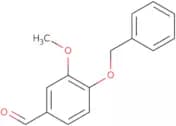
CAS :<p>4-Benzyloxy-3-methoxybenzaldehyde is a deuterium isotope analog of the natural compound benzaldehyde. This molecule has been shown to inhibit the growth of cancer cells in tissue culture by binding to DNA. The molecular mechanism of this inhibition is believed to involve an enzymatic process that results in the substitution of chloride for chlorine, thereby inhibiting DNA synthesis and preventing cell division. 4-Benzyloxy-3-methoxybenzaldehyde also inhibits the production of growth factors and thus has anticancer activity.</p>Formule :C15H14O3Degré de pureté :Min. 95%Couleur et forme :PowderMasse moléculaire :242.27 g/molDL-Glyceraldehyde
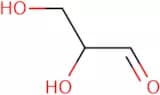
CAS :<p>Glyceraldehyde is a monosaccharide that is an important intermediate in the glycolytic pathway. It is also classified as a hydroxyl group donor and has been shown to have cytotoxic effects on mammalian cells. Glyceraldehyde has been implicated in many biological processes, including fatty acid synthesis and dinucleotide phosphate synthesis. This molecule has been shown to bind to proteins through its hydroxyl groups, which are found on its carbonyl carbon atoms. The enzyme cytosolic protein kinase (PK) has been shown to phosphorylate glyceraldehyde, which may be involved in transcriptional regulation. In addition, glyceraldehyde may be involved in human serum glucose levels and plant metabolism.</p>Formule :C3H6O3Degré de pureté :90%MinCouleur et forme :PowderMasse moléculaire :90.08 g/mol5-Bromoindole-3-carboxaldehyde
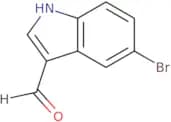
CAS :<p>5-Bromoindole-3-carboxaldehyde is a water molecule that has been crystallized in the form of an amide. It is a chemical substance with asymmetric synthesis and significant antifungal activity. 5-Bromoindole-3-carboxaldehyde is active against some strains of the fungus Candida albicans and has been shown to inhibit the growth of kidney cells. This molecule also binds to the neurokinin 1 receptor and is used as a probe for fluorescence studies. The efficient method for synthesizing 5-Bromoindole-3-carboxaldehyde includes using silico analysis to confirm the structure on a computer, then performing an asymmetric synthesis with an acid catalyst to produce this compound.</p>Formule :C9H6BrNODegré de pureté :Min. 98 Area-%Couleur et forme :PowderMasse moléculaire :224.05 g/mol3,5-Dimethoxybenzaldehyde
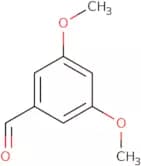
CAS :<p>3,5-Dimethoxybenzaldehyde is a fungicide that can kill fungal cells by inhibiting the synthesis of ergosterol, an important component of the fungal cell membrane. It has been shown to be effective against Cryptococcus neoformans and other fungi. 3,5-Dimethoxybenzaldehyde inhibits mitochondrial superoxide production and the growth of fungi in a model system. The optimum concentration for inhibition was determined in a kinetic and thermodynamic study. This compound has also been shown to have anti-inflammatory properties, which may be due to its ability to inhibit prostaglandin synthesis.</p>Formule :C9H10O3Degré de pureté :Min. 98%Couleur et forme :PowderMasse moléculaire :166.17 g/mol5-Acetoxymethyl-2-furaldehyde
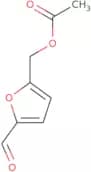
CAS :<p>5-Acetoxymethyl-2-furaldehyde is a furanic acid that is found in the plant Triticum aestivum. This compound has been shown to have antifungal and anticancer properties. 5-Acetoxymethyl-2-furaldehyde inhibits the growth of bacteria by forming a complex with p-hydroxybenzoic acid, which prevents the formation of amines. The toxicity of this compound may also be due to its ability to cause DNA damage, leading to cell death. 5-Acetoxymethyl-2-furaldehyde can be used as an oxidation catalyst for reactions involving amines. It can also be produced by oxidizing 2,5 furanone with hydrogen peroxide and hydrochloric acid at high temperatures. The reaction mechanism is not well understood but it is believed that 5 acetoxymethyl - 2 furaldehyde is formed from the dehydration of furfuraldehyde.</p>Formule :C8H8O4Degré de pureté :Min. 95%Couleur et forme :PowderMasse moléculaire :168.15 g/molZ-Phe-Tyr-aldehyde
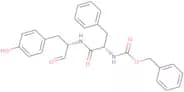
CAS :<p>Z-Phe-Tyr-aldehyde is a natural compound that inhibits the activity of cathepsin, an enzyme associated with cancer and bowel disease. The compound also inhibits the expression of covid-19, which is a protein that regulates cell death. Z-Phe-Tyr-aldehyde has been shown to cause caspase-independent cell death in human leukemia cells. This compound also blocks the TLR4 receptor, which is thought to play a role in infectious diseases such as SARS and Covid-2. It has been found to inhibit protein synthesis in bacteria, which may be due to its ability to inhibit ribosomal function.</p>Formule :C26H26N2O5Degré de pureté :Min. 95%Masse moléculaire :446.5 g/mol2,4-Dinitrobenzaldehyde
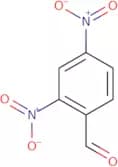
CAS :<p>2,4-Dinitrobenzaldehyde is a chemical compound that contains a hydroxyl group and an amine. It is reactive and can form cationic surfactants with other compounds. 2,4-Dinitrobenzaldehyde has been shown to react with dimethyl fumarate in the presence of ethyl esters to form ethyl 2,4-dinitrophenolate. This reaction is catalyzed by dinucleotide phosphate and requires salinity or a base such as sodium methoxide. 2,4-Dinitrobenzaldehyde reacts with 2-aminoethanol in the presence of water or alcohols to produce 2,4-diaminobenzoic acid. The reaction mechanism for this process is not known but it may involve hydrogen bonding between the hydroxyl group and amine groups.<br>2,4-Dinitrobenzaldehyde has been used as a reagent for staining DNA in gel elect</p>Formule :C7H4N2O5Degré de pureté :Min. 95%Couleur et forme :PowderMasse moléculaire :196.12 g/mol3-Ethoxy-4-hydroxybenzaldehyde
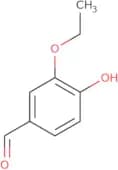
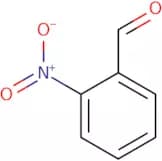
CAS :<p>3-Ethoxy-4-hydroxybenzaldehyde is an active analogue of p-hydroxybenzoic acid that can be used in the synthesis of vanillin. 3-Ethoxy-4-hydroxybenzaldehyde is extracted from a reaction solution using solid phase microextraction, and can then be analyzed by gas chromatography/mass spectrometry to determine the concentration of vanillin. This compound has been shown to have a solubility in water, but not in organic solvents. 3-Ethoxy-4-hydroxybenzaldehyde has been found to inhibit cytochrome P450 activity and polyvinyl chloride production. This chemical compound has also been found to be toxic when inhaled or ingested, with no known toxicity studies for skin contact or eye contact.</p>Formule :C9H10O3Degré de pureté :Min. 95%Couleur et forme :White PowderMasse moléculaire :166.17 g/mol2-Nitrobenzaldehyde
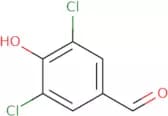
CAS :<p>2-Nitrobenzaldehyde is a nitro compound that reacts with the intramolecular hydrogen of an alkene to form a nitroalkane. It is used as an antimicrobial agent, in which it inhibits the growth of bacteria by reacting with the intermolecular hydrogen bonding in the bacterial cell membrane. In addition, 2-Nitrobenzaldehyde has been shown to inhibit fatty acid synthesis and transfer reactions. The optimum concentration for this chemical is 0.01% to 0.1%. This chemical is soluble in both water and organic solvents, such as methanol and ethanol.</p>Formule :C7H5NO3Degré de pureté :Min. 98 Area-%Couleur et forme :PowderMasse moléculaire :151.12 g/mol3,5-Dichloro-4-hydroxybenzaldehyde
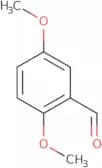
CAS :<p>3,5-Dichloro-4-hydroxybenzaldehyde is a triiodomethane derivative that reacts with chlorine to form a chlorinated aldehyde. It is used as an intermediate in the production of 4-hydroxybenzoic acid from phenylacetic acid and 4,4'-dichlorodiphenyl sulfone. 3,5-Dichloro-4-hydroxybenzaldehyde can be decarboxylated at elevated temperatures to produce formic acid. This compound has been used in wastewater treatment as it can remove chlorine byproducts and other pollutants such as nitrates, nitrites, and iron ions. The reaction kinetics of 3,5-dichloro-4-hydroxybenzaldehyde have been studied using hydroxymethyl groups and formyl groups to determine the rate of demethylation. The rates were found to be dependent on temperature.</p>Formule :C7H4Cl2O2Degré de pureté :Min. 95%Couleur et forme :White PowderMasse moléculaire :191.01 g/mol2,5-Dimethoxybenzaldehyde
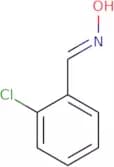
CAS :<p>Intermediate in organic synthesis</p>Formule :C9H10O3Degré de pureté :Min. 98 Area-%Couleur et forme :Off-White PowderMasse moléculaire :166.17 g/mol2-Chlorobenzaldehyde oxime
CAS :<p>2-Chlorobenzaldehyde oxime is a compound that inhibits the growth of mycobacterium tuberculosis. It reacts with chloride in the environment to form 2-chlorobenzaldehyde, which reacts with an isoxazole to produce a quinone. Quinones are toxic to mammals and are thought to be responsible for the antimycobacterial activity of this compound. The reaction mechanism of 2-chlorobenzaldehyde oxime has been studied using various techniques and its toxicity has been evaluated in both culture and animal studies. This compound has shown no significant effects on mice at up to 100 mg/kg body weight, but it was found to cause death in rats at doses as low as 0.1 mg/kg body weight.<br>2-Chlorobenzaldehyde oxime was synthesised by reacting 2-chlorobenzaldehyde with oxalyl chloride under conditions suitable for safety, and the product was purified by recrystallisation from acetone. The synthesis</p>Formule :C7H6ClNODegré de pureté :Min. 95%Couleur et forme :PowderMasse moléculaire :155.58 g/mol





![6,6'-Dihydroxy-5,5'-dimethoxy- [1,1'-biphenyl]-3,3'-dicarboxaldehyde](/_next/image/?url=https%3A%2Fstatic.cymitquimica.com%2Fproducts%2F3D%2Fthumb-webp%2FFD71561.webp&w=3840&q=75)