Aldéhydes
Les aldéhydes sont des composés organiques contenant un groupe carbonyle (C=O) lié à au moins un atome d'hydrogène. Ces composés polyvalents sont fondamentaux dans diverses réactions chimiques, notamment l'oxydation, la réduction et l'addition nucléophile. Les aldéhydes sont des building blocks essentiels dans la synthèse de produits pharmaceutiques, de parfums et de polymères. Chez CymitQuimica, nous proposons une large sélection d'aldéhydes de haute qualité pour soutenir vos applications de recherche et industrielles.
8540 produits trouvés pour "Aldéhydes"
Trier par
Degré de pureté (%)
0
100
|
0
|
50
|
90
|
95
|
100
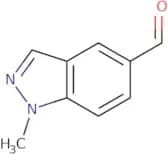
1-Methyl-1H-indazole-5-carbaldehyde
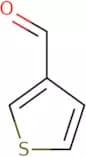
CAS :<p>1-Methyl-1H-indazole-5-carbaldehyde is a selective inhibitor of the enzyme lysine acetyltransferase (KAT). KAT inhibitors are a new class of compounds that have been shown to be effective in inhibiting the growth of acute myeloid leukaemia cells, with little effect on other cells. 1-Methyl-1H-indazole-5-carbaldehyde has potent inhibitory activity against human myeloid leukemia cells and does not affect the viability of normal human erythrocytes or peripheral blood mononuclear cells. This compound is reversible, meaning it can be turned off when it is no longer needed. 1-Methyl-1H-indazole-5-carbaldehyde has also been shown to inhibit maoA and thymidine phosphorylase in vitro.</p>Formule :C9H8N2ODegré de pureté :Min. 95%Couleur et forme :PowderMasse moléculaire :160.17 g/molThiophene-3-carboxaldehyde
CAS :<p>Thiophene-3-carboxaldehyde is an electron-rich, reactive chemical substance that can be used as a polymer film. It is a heterocyclic compound with a thiophene ring and a carbonyl group in the 3-position. Thiophene-3-carboxaldehyde is synthesized by reacting methyl ketones with glycol ethers. This reaction produces redox potential, malonic acid, and nmr spectra.</p>Formule :C5H4OSDegré de pureté :Min. 95%Couleur et forme :Colorless Clear LiquidMasse moléculaire :112.15 g/mol2,6-Dimethylbenzaldehyde
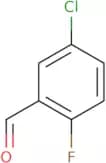
CAS :<p>2,6-Dimethylbenzaldehyde is a colorless liquid with a sweet odor. It is used in the synthesis of fatty acids and as an intermediate for other compounds. This chemical has significant cytotoxicity against leukemia cells, and is used in the production of acrylonitrile. 2,6-Dimethylbenzaldehyde can be synthesized by reacting an amine with an acyl chloride, followed by hydrolysis of the resulting ester. A contactor is usually added to facilitate the reaction. The reaction can also be carried out in the presence of a phosphorane or organic solvent.<br>2,6-Dimethylbenzaldehyde can be hydrogenated to produce 2,4-dimethylaniline and 2,4,6-trimethylaniline.</p>Formule :C9H10ODegré de pureté :Min. 95%Couleur et forme :Clear White Solid Or Liquid (May Vary)Masse moléculaire :134.18 g/mol5-Chloro-2-fluorobenzaldehyde
CAS :<p>5-Chloro-2-fluorobenzaldehyde is an efficient method for synthesizing substituted benzoic acid derivatives. It is a useful reagent in the acylation reaction. 5-Chloro-2-fluorobenzaldehyde also has high yields and can be used as a substitute for other more toxic or expensive compounds.</p>Formule :C7H4ClFODegré de pureté :Min. 95%Masse moléculaire :158.56 g/mol6-Fluorosalicylaldehyde
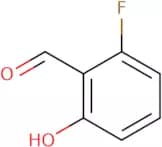
CAS :<p>6-Fluorosalicylaldehyde is a sulfate that has been used in the synthesis of 6-fluorosalicylic acid, which is an intermediate for the production of aspirin. It also can be used to synthesize phenols and formylation products. The reaction with hydroxylamine leads to salicylaldehydes, while the reaction with methoxide leads to salicylaldehyde.<br>6-Fluorosalicylaldehyde reacts with magnesium salts in acidic conditions to produce paraformaldehyde. Deprotonation of 6-fluorosalicylaldehyde yields methoxide.</p>Formule :C7H5FO2Degré de pureté :Min. 95%Couleur et forme :PowderMasse moléculaire :140.11 g/mol(E)-3-(p-Tolyl)acrylaldehyde
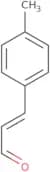
CAS :<p>(E)-3-(p-Tolyl)acrylaldehyde is a reactive compound that has been shown to have antibacterial activity. It also inhibits the growth of Coxsackievirus A21 by binding to cardiomyocytes and inducing apoptosis. (E)-3-(p-Tolyl)acrylaldehyde binds to the amine group of proteins, which prevents it from being hydrolysed. This inhibition leads to an accumulation of the reactive amine in the organism, causing cell death. The reaction between (E)-3-(p-Tolyl)acrylaldehyde and nitro groups in DNA can cause mutagenesis or carcinogenesis.</p>Formule :C10H10ODegré de pureté :Min. 98 Area-%Couleur et forme :PowderMasse moléculaire :146.19 g/molBetulinaldehyde
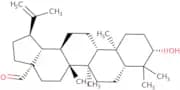
CAS :Produit contrôlé<p>Betulinaldehyde is a natural compound that belongs to the group of betulinic acid. It has been shown to have antimicrobial activity against oral pathogens and has been shown to inhibit the growth of bacteria by reacting with their cell walls. Betulinaldehyde has also been shown to have an effect on autoimmune diseases such as multiple sclerosis, as well as infectious diseases such as HIV and tuberculosis. Betulinaldehyde can be extracted from the bark of birch trees using acetate, which is then reacted with hydrogen peroxide in a reaction solution. The resulting product is purified using preparative high-performance liquid chromatography (HPLC).</p>Formule :C30H48O2Degré de pureté :Min. 95%Couleur et forme :PowderMasse moléculaire :440.7 g/mol2,3-Dimethyl-1H-indole-5-carbaldehyde
CAS :<p>2,3-Dimethyl-1H-indole-5-carbaldehyde is a high quality reagent that is used as a complex compound. It has been shown to be a useful intermediate and building block in the production of fine chemicals. 2,3-Dimethyl-1H-indole-5-carbaldehyde is also useful as a research chemical. This compound is versatile and can be used in reactions as an intermediate or building block. As a speciality chemical, it has various applications and is not limited to any specific area of research.</p>Formule :C11H11NODegré de pureté :Min. 95%Couleur et forme :PowderMasse moléculaire :173.21 g/mol4-Chloro-2-fluorobenzaldehyde
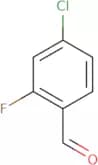
CAS :<p>4-Chloro-2-fluorobenzaldehyde is an aryl aldehyde that belongs to the class of chemical compounds known as chloroaldehydes. It can be synthesized from 4-chlorophenylacetic acid and 2,3-dichloroacetone. The compound is chiral and has two enantiomers. One enantiomer is less reactive than the other, which is more reactive. 4-Chloro-2-fluorobenzaldehyde can be used in the synthesis of a variety of organic compounds, such as pharmaceuticals, herbicides, pesticides, and dyes. This compound can also be used for microbial strain identification by liquid chromatography (LC) with ultraviolet (UV) detection. The yields are typically high (>90%), and the process can be performed at room temperature without any need for vacuum or pressure conditions.</p>Formule :C7H4ClFODegré de pureté :Min. 95%Couleur et forme :PowderMasse moléculaire :158.56 g/molBenzo[d]oxazole-5-carbaldehyde
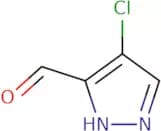
CAS :<p>Benzo[d]oxazole-5-carbaldehyde is a chemical compound that can be used as a building block in the synthesis of more complex molecules. It is a high quality, versatile building block with many applications. Benzo[d]oxazole-5-carbaldehyde can be used as a reagent in organic chemistry and as a reaction component in the synthesis of more complex compounds. This compound can also serve as an intermediate or scaffold for the synthesis of other compounds.</p>Formule :C8H5NO2Degré de pureté :Min. 95%Couleur et forme :White PowderMasse moléculaire :147.13 g/mol4-Chloro-1H-pyrazole-3-carboxaldehyde
CAS :<p>4-Chloro-1H-pyrazole-3-carboxaldehyde is a fine chemical that is used as a building block in research and development. The CAS number is 623570-54-7. This compound has been found to be useful in the synthesis of complex compounds and versatile scaffolds.</p>Formule :C4H3ClN2ODegré de pureté :Min. 95%Couleur et forme :SolidMasse moléculaire :130.53 g/mol4-Isobutylbenzaldehyde - 80%
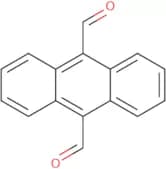
CAS :<p>4-Isobutylbenzaldehyde is a solid phase microextraction (SPME) extractant used to remove volatile organic compounds from the air. It is an aromatic compound that has been shown to have antimicrobial activity against anthranilate-resistant strains of bacteria and fungi. SPME can be used for the extraction of polyfluoroalkyl anions, chloride, and methyl cinnamate from the environment. This extractant can also be used to cross-couple chloroformates through a palladium catalyst. 4-Isobutylbenzaldehyde is found in healthy plants as well as exudates such as those from robinia or aliphatic hydrocarbons, such as methyl anthranilate.</p>Formule :C11H14ODegré de pureté :Min. 95%Couleur et forme :Clear LiquidMasse moléculaire :162.23 g/mol9,10-Anthracenedicarboxaldehyde
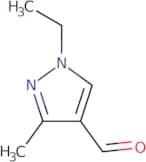
CAS :<p>9,10-Anthracenedicarboxaldehyde is a chemical compound that is used to measure the terminal half-life of drugs in humans. It is an inhibitor of collagen synthesis and has anticancer properties. 9,10-Anthracenedicarboxaldehyde has been shown to inhibit cancer cells by interfering with DNA replication and cell division. The chemical stability of 9,10-anthracenedicarboxaldehyde has been demonstrated in the reaction solution by the formation of chloromethyl ketone. This product also inhibits activity at the camp level and shows antineoplastic properties. The terminal half-life of 9,10-anthracenedicarboxaldehyde was determined to be 48 hours in a study involving human volunteers. The terminal half-life of this product can be shortened by hydrochloric acid or nitro (a reagent).</p>Formule :C16H10O2Degré de pureté :Min. 95%Couleur et forme :PowderMasse moléculaire :234.25 g/mol1-Ethyl-3-methyl-1H-pyrazole-4-carbaldehyde
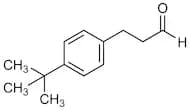
CAS :<p>1-Ethyl-3-methyl-1H-pyrazole-4-carbaldehyde is a reactive intermediate that is used as a reagent in organic synthesis. It is also a useful scaffold for the synthesis of complex compounds, such as pharmaceuticals and agrochemicals. 1-Ethyl-3-methyl-1H-pyrazole-4-carbaldehyde has been used as an intermediate to synthesize the antihistamine drug terfenadine and the insecticide carbofuran. This chemical is manufactured by reacting ethyl pyruvate with anhydrous hydrazine.</p>Formule :C7H10N2ODegré de pureté :Min. 95%Couleur et forme :Yellow PowderMasse moléculaire :138.17 g/molBourgeonal
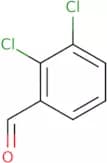
CAS :Formule :C13H18ODegré de pureté :>90.0%(GC)Couleur et forme :Colorless to Yellow to Yellow green clear liquidMasse moléculaire :190.292,3-Dichlorobenzaldehyde
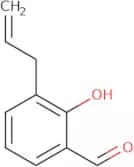
CAS :<p>2,3-Dichlorobenzaldehyde (2,3-DBA) is an organic compound that is used as a synthetic intermediate in the preparation of other chemicals. It is prepared by reacting 2-chloroacetophenone with hydrochloric acid and sodium carbonate in a reaction vessel. The product can be purified through fractional distillation or crystallization. The optical properties of 2,3-DBA are determined by its dipole moment and the substituents attached to the methylene group. Molecular modeling studies have shown that felodipine can bind to 2,3-DBA through its active methylene group. The reaction products between sulfadiazine and 2,3-DBA are pyridinedicarboxylic acid and 3-chlorobenzaldehyde.</p>Formule :C7H4Cl2ODegré de pureté :Min. 95%Couleur et forme :White PowderMasse moléculaire :175.01 g/mol3-Allyl salicylaldehyde
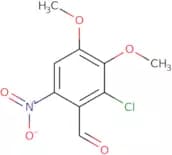
CAS :<p>3-Allyl salicylaldehyde is a fluorescent probe that is used to measure the mitochondrial membrane potential. It can be used as an amine-reactive fluorescence probe for the detection of amines such as histamine and serotonin. 3-Allyl salicylaldehyde has been shown to bind to metal complexes, such as palladium complexes, immobilized on silica gel. The cavity of the immobilized metal complex acts as an adsorption site for 3-allyl salicylaldehyde, which binds to the cavity by means of a metal chelate mechanism. This binding results in an alteration in the absorption spectra and x-ray absorption properties of 3-allyl salicylaldehyde. The hydroxyl group of 3-allyl salicylaldehyde is not involved in this binding process with the immobilized metal complex, while its carbonyl group is important for this interaction.</p>Formule :C10H10O2Degré de pureté :Min. 95%Masse moléculaire :162.19 g/mol2-Chloro-3,4-dimethoxy-6-nitrobenzaldehyde
CAS :<p>2-Chloro-3,4-dimethoxy-6-nitrobenzaldehyde is a fine chemical with a CAS number of 82330-54-9. It is a versatile building block that can be used as a reagent or intermediate for the production of other chemicals. This product has been shown to have many different reactions. It is useful in the synthesis of complex compounds and offers high quality and purity.</p>Formule :C9H8ClNO5Degré de pureté :Min. 95%Couleur et forme :PowderMasse moléculaire :245.62 g/mol6-Methoxy-1-methyl-1H-indole-3-carbaldehyde
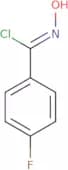
CAS :<p>6-Methoxy-1-methyl-1H-indole-3-carbaldehyde is a high quality chemical that is used as a reagent, complex compound, useful intermediate, and speciality chemical. It is a fine chemical that has been shown to be useful as a building block in the synthesis of many other compounds. 6-Methoxy-1-methyl-1H-indole-3-carbaldehyde is also versatile and can be used in reactions involving nucleophilic substitution, reductive amination, and oxidative coupling.</p>Formule :C11H11NO2Degré de pureté :Min. 95%Couleur et forme :White PowderMasse moléculaire :189.21 g/molα-Chloro-4-fluorobenzaldehyde oxime
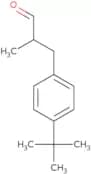
CAS :<p>Alpha-Chloro-4-fluorobenzaldehyde oxime is a selenium compound that can be stabilized with heat resistance and structuring. It is used as an additive in the plating of alloys, thermoplastics, and rubber products. Alpha-Chloro-4-fluorobenzaldehyde oxime has been shown to have anti-oxidant effects, which may be due to its ability to stabilize free radicals.</p>Formule :C7H5ClFNODegré de pureté :Min. 95%Masse moléculaire :173.57 g/mol3-(4-tert-Butylphenyl)isobutyraldehyde
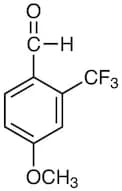
CAS :<p>3-(4-tert-Butylphenyl)isobutyraldehyde is a metal hydroxide that is synthesized by the asymmetric synthesis of 4-tert-butylbenzoic acid. The compound has been shown to be effective in increasing the mitochondrial membrane potential and preventing oxidative damage in liver cells. 3-(4-tert-Butylphenyl)isobutyraldehyde has been detected in urine samples and has been shown to be metabolized by human metabolism, with fatty acids and diphenyl ether as metabolites.</p>Formule :C14H20ODegré de pureté :Min. 95%Couleur et forme :Clear LiquidMasse moléculaire :204.31 g/mol4-Methoxy-2-(trifluoromethyl)benzaldehyde
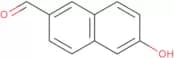
CAS :Formule :C9H7F3O2Degré de pureté :>97.0%(GC)Couleur et forme :White to Almost white powder to lumpMasse moléculaire :204.156-Hydroxy-2-naphthaldehyde
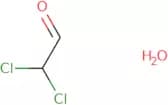
CAS :<p>6-Hydroxy-2-naphthaldehyde is a reactive compound that is used to measure the fluorescence resonance of mitochondria. It is a fluorophore that has been used as a probe for the measurement of membrane permeability, and as a hydroxyl group it can be converted into 6-hydroxy-2-naphthalenecarboxylic acid which is used in the production of dyes. 6-Hydroxy-2-naphthaldehyde has been shown to have congestive heart effects in mice, but this effect may be due to its ability to induce naphthalene and formamide.</p>Formule :C11H8O2Degré de pureté :Min. 95%Masse moléculaire :172.18 g/molDichloroacetaldehyde hydrate
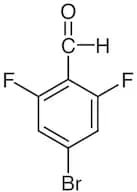
CAS :<p>Dichloroacetaldehyde hydrate is an organic compound that is used in the treatment of skin cancer. It has been shown to have protective effects on cell membranes, which may be due to its ability to inhibit lipid peroxidation. Dichloroacetaldehyde hydrate also has a potential use as a radiation sensitizer and may be able to extend the lifespan of animals.</p>Formule :C2H4Cl2O2Degré de pureté :Min. 95%Couleur et forme :PowderMasse moléculaire :130.96 g/mol4-Bromo-2,6-difluorobenzaldehyde
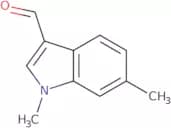
CAS :Formule :C7H3BrF2ODegré de pureté :>98.0%(GC)Couleur et forme :White to Light yellow to Light orange powder to crystalMasse moléculaire :221.001,6-Dimethyl-1H-indole-3-carbaldehyde
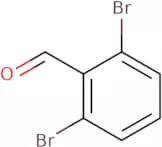
CAS :<p>1,6-Dimethyl-1H-indole-3-carbaldehyde is a compound that can be used in the synthesis of many organic and pharmaceutical compounds. It is also an intermediate for the production of other chemicals. 1,6-Dimethyl-1H-indole-3-carboxylic acid has been shown to be useful as a building block in organic synthesis, due to its versatility and reactivity. The compound is also a reagent and can be used as part of research studies. This chemical has CAS number 202584-14-3.</p>Formule :C11H11NODegré de pureté :Min. 95%Couleur et forme :PowderMasse moléculaire :173.21 g/mol2,6-Dibromobenzaldehyde
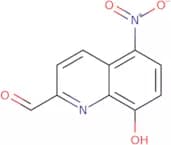
CAS :<p>2,6-Dibromobenzaldehyde is an imidazole derivative that has been shown to be a potent inhibitor of tyrosine kinase. It has been shown to inhibit the replication of virus type-1 and is effective in the treatment of pain models. 2,6-Dibromobenzaldehyde also inhibits the activity of enzymes, such as phosphodiesterases and protein kinases. This compound has shown promising results in animal studies for the treatment of human immunodeficiency virus type 1 (HIV-1) infection. The pharmacokinetic properties of 2,6-dibromobenzaldehyde have been studied in rats and dogs with oral administration and found to be linear and rapid with high bioavailability.</p>Formule :C7H4Br2ODegré de pureté :Min. 95%Couleur et forme :PowderMasse moléculaire :263.91 g/mol8-Hydroxy-5-nitroquinoline-2-carbaldehyde
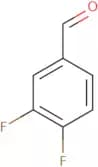
CAS :<p>8-Hydroxy-5-nitroquinoline-2-carbaldehyde is a high quality, versatile building block that can be used as a reaction intermediate or to synthesize heterocycles. It is also a useful scaffold for the synthesis of complex compounds. The CAS number of this chemical is 884497-63-6.</p>Formule :C10H6N2O4Degré de pureté :Min. 95%Couleur et forme :PowderMasse moléculaire :218.17 g/mol3,4-Difluorobenzaldehyde
CAS :<p>3,4-Difluorobenzaldehyde is a chemical inhibitor that has been shown to be effective in the treatment of cancer. It inhibits the activity of an enzyme called tyrosine kinase by reacting with its functional group, leading to decreased production of growth factors and cell proliferation. 3,4-Difluorobenzaldehyde has been shown to have a high reaction yield in animal health studies, and it can be used as a drug for treating carcinoma cells. This compound also has strong liquid crystal properties and can be used as a component of diphenyl ether molecules. 3,4-Difluorobenzaldehyde is metabolized by the liver or excreted through urine. The pharmacokinetic properties of this compound are similar to those of other drugs that are metabolized by humans.</p>Formule :C7H4F2ODegré de pureté :Min. 95%Couleur et forme :Colorless Clear LiquidMasse moléculaire :142.1 g/mol(E)-2-Hexadecenal
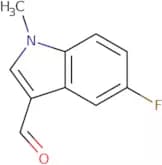
CAS :<p>(E)-2-Hexadecenal is an asymmetric molecule that is a reactive and carcinogenic compound. It has been shown to induce c-Jun phosphorylation in the human carcinoma cell lines, leading to physiological changes. (E)-2-Hexadecenal has also been used to induce chemiluminescence in vitro, which can be used for analytical chemistry. It is made by a hydroxyl group on a fatty acid with a biofuel reaction. This molecule may also have pro-apoptotic properties due to its chemical biology and ability to affect mitochondrial membrane potentials.</p>Formule :C16H30ODegré de pureté :Min. 95%Couleur et forme :PowderMasse moléculaire :238.41 g/mol5-Fluoro-1-Methyl-1H-Indole-3-Carbaldehyde
CAS :<p>5-Fluoro-1-Methyl-1H-Indole-3-Carbaldehyde is a high quality chemical that is used as a reagent, an intermediate for the synthesis of pharmaceuticals, and in the production of fine chemicals. 5FMICA is also a useful scaffold for developing valuable building blocks. This chemical has been shown to be a versatile building block for the synthesis of complex compounds. 5FMICA can be used as a reaction component for the preparation of speciality chemicals and research chemicals.</p>Formule :C10H8FNODegré de pureté :Min. 95%Couleur et forme :PowderMasse moléculaire :177.18 g/mol3,6-Dimethoxyterephthaldicarboxaldehyde
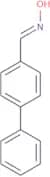
<p>3,6-Dimethoxyterephthaldicarboxaldehyde is a chemical compound that can be used in the synthesis of complex compounds. It has been shown to be an effective reagent for the synthesis of heterocycles and has also been used as a building block in the synthesis of pharmaceuticals and other organic compounds. 3,6-Dimethoxyterephthaldicarboxaldehyde is a versatile building block with many potential uses. It has also been identified as a useful scaffold for drug design and development.</p>Degré de pureté :Min. 95%4-Phenylbenzaldehyde oxime
CAS :<p>4-Phenylbenzaldehyde oxime is a high quality reagent that is used as a building block in the synthesis of complex compounds. It is an aromatic compound with a chemical formula of C8H7O2N. This product can be used to make a variety of useful intermediates, fine chemicals, and speciality chemicals. 4-Phenylbenzaldehyde oxime has been identified as a potentially useful scaffold for synthetic organic chemistry and research into new drugs. It is also used as an intermediate in the production of other organic compounds. This product has been shown to be versatile and can be used to synthesize many different types of reactions.</p>Formule :C13H11NODegré de pureté :Min. 95%Couleur et forme :PowderMasse moléculaire :197.23 g/molNaphthalene 1,4-dicarboxaldehyde
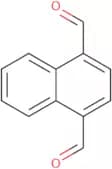
CAS :<p>Naphthalene 1,4-dicarboxaldehyde is a low energy focusing molecule that is used in macrocyclic compounds. It can be oxidized to form naphthalene 1,4-diacid and naphthalene 1,4-diketone. This compound has been used to synthesize the triarylmethane dye viologen by Wittig reaction. Naphthalene 1,4-dicarboxaldehyde has also been shown to have fluorescence properties and can be useful for chemiluminescence. Naphthalene 1,4-dicarboxaldehyde reacts with sulfide or amine groups to form sulfides or amines respectively.</p>Formule :C12H8O2Degré de pureté :Min. 95%Couleur et forme :PowderMasse moléculaire :184.19 g/mol4-Methoxy-2-nitro-benzaldehyde
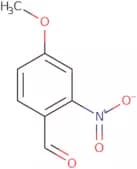
CAS :<p>4-Methoxy-2-nitrobenzaldehyde is a chemical that is used in the synthesis of many pharmaceuticals. It has been shown to be an effective agent in the treatment of cancer cells and is activated by chloride ions. 4-Methoxy-2-nitrobenzaldehyde reacts with nucleophiles such as hydroxide, amines, or thiols in order to form alkylating agents. This reaction can be used for the synthesis of many drugs including antihistamines, antidiabetic drugs, and antipsychotics. The rate of this reaction increases with increasing temperature. It also undergoes demethylation when exposed to nitrous acid, which may lead to a different product.</p>Formule :C8H7NO4Degré de pureté :Min. 95%Masse moléculaire :181.15 g/mol1-Cyclohexene-1-carboxaldehyde
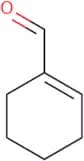
CAS :<p>1-Cyclohexene-1-carboxaldehyde (1C) is a fatty acid that is found in the blood of mammals, including humans. It can be synthesized by reacting 1-cyclohexene with t-butyl hydroperoxide and potassium t-butoxide in the presence of an acid catalyst. 1C has been shown to have antibacterial activity against Gram-positive bacteria such as Bacillus subtilis and Streptococcus pneumoniae. The oxidative products of 1C are also active against Gram-positive bacteria. These products include pyrethroid analogs, which are insecticides used for the control of insects, and alkylating agents, which are chemicals that react with DNA to form covalent bonds.</p>Formule :C7H10ODegré de pureté :Min. 95%Couleur et forme :Colorless Clear LiquidMasse moléculaire :110.15 g/mol2-Hydroxy-5-methylisophthalaldehyde
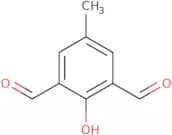
CAS :<p>2-Hydroxy-5-methylisophthalaldehyde is a tetranuclear coordination compound with a tridentate ligand. The ligand can bind to three metal ions in the same way as an octahedral geometry, but the fourth nitrogen atom is not coordinated and can be replaced by other ligands. Two of these compounds have been synthesized and their structures determined by x-ray crystallography. The ligands are planar and form hydrogen bonds, which contribute to the high stability of these compounds. These properties may be useful for biological studies, such as synchronous fluorescence and intramolecular hydrogen transfer, as well as for catalysis and chemical sensing.</p>Formule :C9H8O3Degré de pureté :Min. 95%Couleur et forme :PowderMasse moléculaire :164.16 g/mol3,5-Dibromo-4-hydroxybenzaldehyde
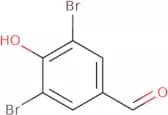
CAS :<p>3,5-Dibromo-4-hydroxybenzaldehyde is an aldehyde that is used as a precursor to other organic compounds. It can be produced using the efficient method of reacting 3,5-dibromo-4-hydroxybenzoic acid with sodium borohydride in methanol. The molecule has three hydroxymethyl groups and two functional groups. 3,5-Dibromo-4-hydroxybenzaldehyde is soluble in water and organic solvents such as ethanol and acetone. This compound has shown antibacterial activity against some strains of bacteria, including group P2 bacteria. The reaction yield for the synthesis of this compound is approximately 93%. The inhibitory activities of 3,5-dibromo-4-hydroxybenzaldehyde have been demonstrated against both Gram positive and Gram negative bacteria.</p>Formule :C7H4Br2O2Degré de pureté :Min. 95%Couleur et forme :PowderMasse moléculaire :279.91 g/mol4-(4-Fluorophenoxy)benzaldehyde
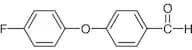
CAS :Formule :C13H9FO2Degré de pureté :>98.0%(GC)Couleur et forme :White to Yellow to Orange powder to crystalMasse moléculaire :216.215-Bromo thiophene-2-aldehyde
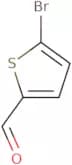
CAS :<p>5-Bromo thiophene-2-aldehyde is a trifluoroacetic acid derivative used as an activatable probe for the study of biomolecular interactions. This compound has been shown to be biocompatible and has a low cytotoxicity. 5-Bromo thiophene-2-aldehyde binds to malonic acid in the presence of x-ray radiation and forms a complex that can be detected by electrochemical impedance spectroscopy. The structure of this complex was determined by x-ray crystal structures. This probe is also able to bind to nitrogen atoms in proteins, which can be used to diagnose cancer resistance through protease activity. 5-Bromo thiophene-2-aldehyde is isolated as its hydrochloride salt, which can be purified with a suzuki coupling reaction.</p>Formule :C5H3BrOSDegré de pureté :Min. 95%Couleur et forme :Yellow PowderMasse moléculaire :191.05 g/mol5-Chloro-3-nitrosalicylaldehyde
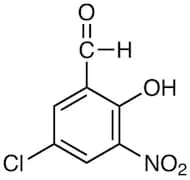
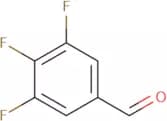
CAS :Formule :C7H4ClNO4Degré de pureté :>98.0%(GC)(T)Couleur et forme :Light orange to Yellow to Green powder to crystalMasse moléculaire :201.563,4,5-Trifluorobenzaldehyde
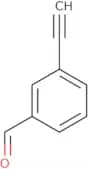
CAS :<p>3,4,5-Trifluorobenzaldehyde is an aldehyde that can be synthesized in the laboratory. It reacts with ammonium nitrate and fatty alcohols to form 3,4,5-trifluoro-1-(alkyloxy)benzene. This reaction proceeds via a dipole mechanism and produces an intermediate called 2-amino-2-nitroethanol. This intermediate then undergoes dehydrogenation to produce 3,4,5-trifluoroethanol and ammonia. The reaction time for this process varies depending on the immobilization of the reactants and the temperature of the reaction.</p>Formule :C7H3F3ODegré de pureté :Min. 95%Couleur et forme :Clear LiquidMasse moléculaire :160.09 g/mol3-Ethynylbenzaldehyde
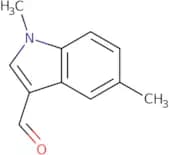
CAS :<p>3-Ethynylbenzaldehyde is a tryptic, nitro compound that contains terminal alkynes and has functional groups. The functional theory of this compound suggests that it may be used as a chemosensor for the detection of acidic compounds. 3-Ethynylbenzaldehyde reacts with sodium trifluoroacetate to form an aldehyde, which is then oxidized to an acid by the addition of water. This acid can be detected using NMR spectroscopy. 3-Ethynylbenzaldehyde has been shown to react with sodium trifluoroacetate in solid form at room temperature and above. The resulting product is a yellow crystalline solid that can be identified by its UV spectrum.</p>Formule :C9H6ODegré de pureté :Min. 95%Couleur et forme :PowderMasse moléculaire :130.14 g/mol1,5-Dimethyl-1H-indole-3-carbaldehyde
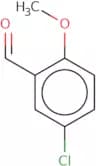
CAS :<p>1,5-Dimethyl-1H-indole-3-carbaldehyde is a useful building block for organic synthesis. It is an important reagent for the synthesis of complex compounds and it has been used as a versatile building block in organic chemistry. This compound can be used as a starting point for the preparation of other chemicals, such as pharmaceuticals, pesticides, and dyes. 1,5-Dimethyl-1H-indole-3-carbaldehyde is also a fine chemical that has been used for research purposes. There are no known commercial uses for this compound.</p>Formule :C11H11NODegré de pureté :Min. 95%Couleur et forme :PowderMasse moléculaire :173.21 g/mol5-Chloro-2-methoxybenzaldehyde
CAS :<p>5-Chloro-2-methoxybenzaldehyde is a potent inhibitor of the bacterial enzyme acetylcholinesterase. It has been shown to have an interaction with biomolecules, such as chalcones, and can be used in the manufacture of antibacterial agents. 5-Chloro-2-methoxybenzaldehyde has been found to have potent inhibitory activity against organocatalytic aldehydes and atypical aldehydes and can be used as an active ingredient in the synthesis of novel compounds with antibacterial activity.</p>Formule :C8H7ClO2Degré de pureté :Min. 95%Couleur et forme :PowderMasse moléculaire :170.59 g/mol4-Methoxy-3-(trifluoromethyl)benzaldehyde
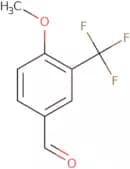
CAS :<p>4-Methoxy-3-(trifluoromethyl)benzaldehyde is a fine chemical that can be used as a building block for pharmaceuticals and other organic compounds. It is also used in research for the synthesis of complex compounds. This chemical has been reported to be a useful intermediate or scaffold for organic syntheses. 4-Methoxy-3-(trifluoromethyl)benzaldehyde is soluble in water and ethanol, and insoluble in ether. It has a melting point of 140°C, boiling point of 249°C, density 1.096 g/cm³, and refractive index (20°C) 1.567.</p>Formule :C9H7F3O2Degré de pureté :Min. 95%Masse moléculaire :204.15 g/mol2,5-Dibromoterephthalaldehyde
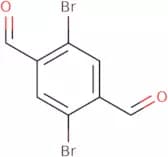
CAS :<p>2,5-Dibromoterephthalaldehyde is a red fluorescent compound that has been shown to have potential as a cancer therapy. The compound is able to bind to the electron acceptor 2,5-dibromoterephthalate (DBT) and can be used in photocatalytic reactions. It has been shown that 2,5-dibromoterephthalaldehyde can cause high levels of cell death in cancer cells with low levels of toxicity to healthy cells. This property may be due to its ability to target cancerous cells by binding with their mitochondria. The compound is also fluorescent and emits light when excited with UV light. 2,5-Dibromoterephthalaldehyde has been shown to form structured metallacycles in the presence of copper ions.<br>!--</p>Formule :C8H4Br2O2Degré de pureté :Min. 95%Couleur et forme :PowderMasse moléculaire :291.92 g/molEthyl Diformylacetate
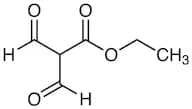
CAS :Formule :C6H8O4Degré de pureté :>97.0%(T)Couleur et forme :Colorless to Light yellow to Light orange clear liquidMasse moléculaire :144.13Salicylaldehyde phenylhydrazone
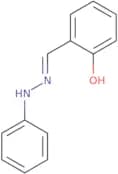
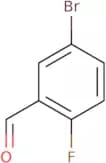
CAS :<p>Salicylaldehyde phenylhydrazone is a covid-19 pandemic, organometallic compound. It is a colorless solid that reacts with water to give hydrogen chloride and salicylaldehyde. Salicylaldehyde phenylhydrazone has been shown to react with amines, which may be due to its chelate ring system. The analytical method for this compound is gravimetric analysis, which involves the use of lanthanum as an indicator. This compound has good transport properties and can be activated by hydrogen gas.</p>Formule :C13H12N2ODegré de pureté :Min. 97 Area-%Couleur et forme :PowderMasse moléculaire :212.25 g/mol5-Bromo-2-fluorobenzaldehyde
CAS :<p>Intermediate in the synthesis of ipragliflozin</p>Formule :C7H4BrFODegré de pureté :Min. 95%Couleur et forme :PowderMasse moléculaire :203.01 g/mol



![Benzo[d]oxazole-5-carbaldehyde](/_next/image/?url=https%3A%2Fstatic.cymitquimica.com%2Fproducts%2F3D%2Fthumb-webp%2FFB143425.webp&w=3840&q=75)