Anneaux à 6 chaînons
Sous-catégories appartenant à la catégorie "Anneaux à 6 chaînons"
- Hétérocycles à 6 chaînons(61.493 produits)
- Anilines(104 produits)
- Anisoles(29 produits)
- Benzènes(48.852 produits)
- Cyclohexanes(3.062 produits)
- Quinones(253 produits)
- Toluènes(193 produits)
10221 produits trouvés pour "Anneaux à 6 chaînons"
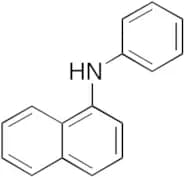
N-Phenyl-1-napthyl Amine
CAS :Produit contrôléApplications N-Phenyl-1-napthyl Amine is a chemical reactant used in the preparation of aryl halides and diarylamines. It also forms oligomers used as hole transport for green electrophosphorescence.
Not a dangerous good if item is equal to or less than 1g/ml and there is less than 100g/ml in the package
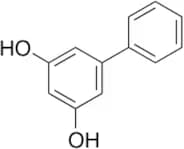
References Yamamoto, T. et al.: Tetrahedron Lett., 39, 2367 (1998); Zhang, S. et al.: Dyes and Pigments., 118, 1 (2015)Formule :C16H13NCouleur et forme :NeatMasse moléculaire :219.285-Phenylbenzene-1,3-diol
CAS :Produit contrôléApplications 5-phenylbenzene-1,3-diol (cas# 7028-41-3) is a useful research chemical.
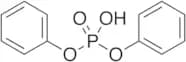
Formule :C12H10O2Couleur et forme :NeatMasse moléculaire :186.21Diphenyl Phosphate
CAS :Applications Diphenyl Phosphate is an organophosphate diester and metabolite of the flame retardant Triphenyl Phosphate (T808990) and also a metabolite of 2-Ethylhexyl diphenyl phosphate.
References Cooper, E.M. et al.: Anal. Bioanal. Chem., 401, 2123 (2011); Nishimaki-Mogami, T. et al.: Arch. Toxicol., 61, 259 (1988);Formule :C12H11O4PCouleur et forme :White To Off-WhiteMasse moléculaire :250.19Monobenzyl Terephthalate
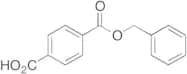
CAS :Produit contrôléApplications Monobenzyl Terephthalate is a reactant in the preparation of benzoyl-glucopyranosyl ureas as glycogen phosphorylase inhibitors and potential antidiabetic agents M onobenzyl Terephthalate is also an intermediate formed in the synthesis of Cyclotris(1,4-butylene Terephthalate) (C988975), a cyclic trimer of poly(butylene terephthalate), a thermoplastic engineering polymer.
References Nagy, V., et. al.: Bioorg. Med. Chem., 20, 1801 (2012); East, G.C. et al.: Polymer, 23, 323 (1982)Formule :C15H12O4Couleur et forme :NeatMasse moléculaire :256.251,3,3-Triphenyl-2-propen-1-one
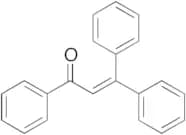
CAS :Produit contrôléApplications 1,3,3-Triphenyl-2-propen-1-one is a reagent use in pharmaceutical synthesis such as the preparation of arylketones
References Wang, H. et al.: J. Org. Chem., 77, 4849 (2012);Formule :C21H16OCouleur et forme :Light Yellow To Dark YellowMasse moléculaire :284.352-Phenylhydroquinone
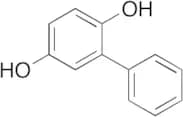
CAS :Produit contrôléApplications 2-Phenylhydroquinone (cas# 1079-21-6) is a compound useful in organic synthesis.
Formule :C12H10O2Couleur et forme :GreyMasse moléculaire :186.216-Chloro-4-phenylquinazoline
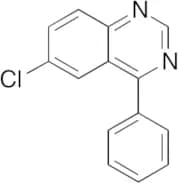
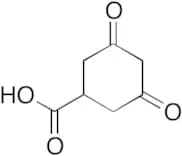
CAS :Produit contrôléFormule :C14H9ClN2Couleur et forme :NeatMasse moléculaire :240.6883,5-Dioxocyclohexanecarboxylic Acid
CAS :Applications Dihydroresorcylic Acid is a useful reagent in detecting proteins in living cells.
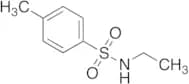
References Reddie, K., et al.: Mol. Biosys., 4, 521-531 (2008); Seo, Y., et al.: Bioorg. Med. Chem. Lett., 19, 356-359 (2009);Formule :C7H8O4Couleur et forme :NeatMasse moléculaire :156.14N-Ethyl-p-toluenesulfonamide
CAS :Produit contrôléApplications N-Ethyl-p-toluenesulfonamide is a reagent used in the sulfonamidation of imidazopyridines.
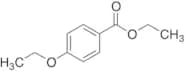
References Gao, Y. et al.: Org. Biomol. Chem., 15, 8102 (2017);Formule :C9H13NO2SCouleur et forme :White To Off-WhiteMasse moléculaire :199.27Ethyl 4-Ethoxybenzoate
CAS :Produit contrôléApplications ETHYL 4-ETHOXYBENZOATE (cas# 23676-09-7) is a useful research chemical.
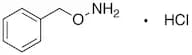
Formule :C11H14O3Couleur et forme :NeatMasse moléculaire :194.23O-Benzylhydroxylamine Hydrochloride
CAS :Produit contrôléApplications A reagent used for the synthesis of hydroxylamines and hydroxyamates.
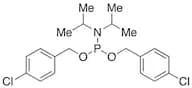
References Magin, D.F., et al.: J. Chromatogr., 178, 219 (1979), Safavy, A., et al.: Bioconjug. Chem., 13, 327 (2002),Formule :C7H9NO·HClCouleur et forme :NeatMasse moléculaire :159.61Di-p-chlorobenzyl N,N-Diisopropylphosphoramidite
CAS :Produit contrôléStability Moisture Sensitive
Applications A versatile phosphitylating agent for the phosphorylation of hydroxy amino acids and the preparation of protected phosphopeptides.
Not a dangerous good if item is equal to or less than 1g/ml and there is less than 100g/ml in the package
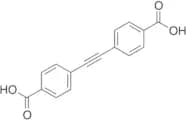
References Liskamp, R.M.J., et al.: Recl. Trav. Chim. Pays-Bas, 109, 27 (1990)Formule :C20H26Cl2NO2PCouleur et forme :NeatMasse moléculaire :414.314,4'-(Ethyne-1,2-Diyl)Dibenzoic Acid
CAS :Produit contrôléApplications 4,4'-(ETHYNE-1,2-DIYL)DIBENZOIC ACID (cas# 16819-43-5) is a useful research chemical.
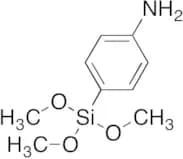
Formule :C16H10O4Couleur et forme :NeatMasse moléculaire :266.25Aminophenyltrimethoxysilane
CAS :Produit contrôléApplications Aminophenyltrimethoxysilane is a useful intermediate for the preparation of aromatic silanes as high thermal stability coupling agents.
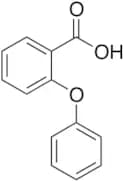
References Pan, Y., et al.: Adv. Mat. Res., 690, 1483 (2013)Formule :C9H15NO3SiCouleur et forme :NeatMasse moléculaire :213.312-Phenoxybenzoic Acid
CAS :Produit contrôléApplications 2-PHENOXYBENZOIC ACID (cas# 2243-42-7) is a useful research chemical.
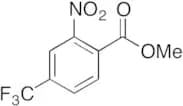
Formule :C13H10O3Couleur et forme :NeatMasse moléculaire :214.22Methyl 2-Nitro-4-(trifluoromethyl)benzoate
CAS :Produit contrôléApplications Methyl 2-Nitro-4-(trifluoromethyl)benzoate has been used in the synthesis of isoxazolinone antibacterial agents, using nitrogen as a replacement for the stereogenic center of the molecule. Also used in the preparation of benzo[b]azepines as inhibitors of cholesterol ester transfer.n
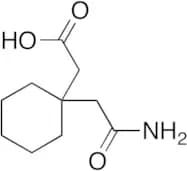
References Snyder, L. et al.: Bioorg. Med. Chem. Lett., 14, 4735 (2004);Formule :C9H6F3NO4Couleur et forme :Colourless To Light YellowMasse moléculaire :249.151,1-Cyclohexanediacetic Acid Monoamide
CAS :Produit contrôléApplications 1,1-Cyclohexanediacetic acid monoamide is an impurity of Gabapentin (G117250), an amino acid structurally related to γ-Aminobutyric Acid (GABA), designed to cross the blood brain barrier. Gabapentin is used as an anticonvulsant.
References Vollmer, K.-O. et al.: Arzneimittel-Forshc., 36, 830 (1986), Saletu, B., et al.: Int. J. Clin. Pharmacol. Ther. Toxicol., 24, 362 (1986)Formule :C10H17NO3Couleur et forme :White To Off-WhiteMasse moléculaire :199.247Bromocyclohexane
CAS :Produit contrôléApplications Bromocyclohexane is s used in the synthetic preparation and regioselective bromination of sp3 C-H bonds by organophotoredox catalysis.
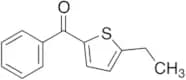
References Kee, C.W., et al.: Asian. J. Org. Chem., 3, 536 (2014)Formule :C6H11BrCouleur et forme :NeatMasse moléculaire :163.062-Benzoyl-5-ethylthiophene
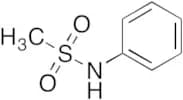
CAS :Produit contrôléFormule :C13H12OSCouleur et forme :NeatMasse moléculaire :216.299N-Phenylmethanesulfonamide
CAS :Produit contrôléApplications N-Phenylmethanesulfonamide, is a building block used in the synthesis of various compounds.
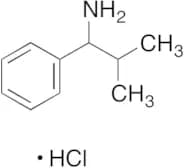
Formule :C7H9NO2SCouleur et forme :NeatMasse moléculaire :171.217α-Isopropylbenzylamine Hydrochloride
CAS :Produit contrôléApplications α-Isopropylbenzylamine Hydrochloride is used in the synthetic preparation of arylalkylamines by addition of Grignard reagents to phosphorylaldimines.
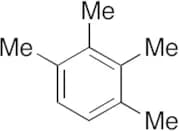
References Zwierzak, A., Napieraj, A.: Synthesis, 6, 930 (1999)Formule :C10H15N•HClCouleur et forme :NeatMasse moléculaire :149.2336461,2,3,4-Tetramethylbenzene
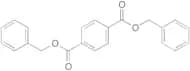
CAS :Produit contrôléFormule :C10H14Couleur et forme :NeatMasse moléculaire :134.22Dibenzyl Terephthalate
CAS :Produit contrôléApplications Dibenzyl terephthalate is used in the synthesis of Pharacine (P294550), which is a natural p-cyclophane from the bacterial strain Cytophaga sp. AM13.1. Pharacine is a poly(butylene terephthalate) dimer.
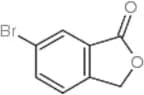
References Shaaban, M. et al.: J. Nat. Prod., 65, 1660 (2002); East, G.C. et al.: Polymer, 23, 323 (1982);Formule :C22H18O4Couleur et forme :NeatMasse moléculaire :346.386-Bromo-3H-isobenzofuran-1-one
CAS :Produit contrôléApplications 6-Bromo-3H-isobenzofuran-1-one
Formule :C8H5BrO2Couleur et forme :NeatMasse moléculaire :213.031,4-Diphenylbutane
CAS :Applications 1,4-Diphenylbutane (cas# 1083-56-3) is a useful research chemical.
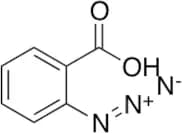
Formule :C16H18Couleur et forme :NeatMasse moléculaire :210.312-Azidobenzoic Acid
CAS :Produit contrôléApplications 2-Azidobenzoic Acid (cas# 31162-13-7) is a useful research chemical.
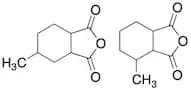
Formule :C7H5N3O2Couleur et forme :NeatMasse moléculaire :163.13Methylhexahydroisobenzofuran-1,3-Dione
CAS :Produit contrôléStability Moisture Sensitive
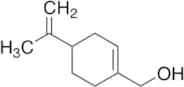
Applications 3A-METHYLHEXAHYDROISOBENZOFURAN-1,3-DIONE (cas# 25550-51-0) is a useful research chemical.Formule :C9H12O3Couleur et forme :NeatMasse moléculaire :168.18(±)-Perillyl Alcohol (>90%)
CAS :Produit contrôléApplications (4-(Prop-1-en-2-yl)cyclohex-1-en-1-yl)methanol is used in preparation of perilla alcohol leaf alcohol carbonate as perfume.
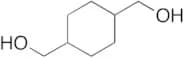
References Yang, S., et al.: Faming Zhuanli Shenqing, (2020);Formule :C10H16ODegré de pureté :>90%Couleur et forme :NeatMasse moléculaire :152.231,4-Cyclohexanedimethanol
CAS :Produit contrôléApplications 1,4-Cyclohexanedimethanol is extensively used as cross-linking reagent in polymer industry. It has been used in the synthesis of polyketal copolymers. It was used as diol comonomer during the synthesis of polyester-carbonates based on 1,3-propylene-co-1,4-cyclohexanedimethylene succinate.
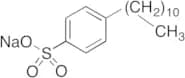
References Yang, S., et al.: Bioconjugate Chem., 19, 1164 (2008); Liu, Y., et al.: J. Polym. Sci. A Polym. Chem., 39, 2508 (2011); Hungria, A., et al.: Angewandte Chemie, 45, 4782 (2006)Formule :C24H30O3SiCouleur et forme :NeatMasse moléculaire :394.5794-Undecylbenzenesulfonic Acid Sodium Salt
CAS :Produit contrôléApplications N-Undecylbenzenesulfonic Acid is an anionic surfactant.
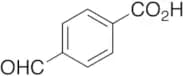
References Mottaleb, M. A.: Anal. Sci., 15, 1137 (1999), Kolb, M., et al.: LaborPraxis, 22, 56 (1998); Ferrer D., et al.: Tenside, Surfact., Det., 34, 278 (1997)Formule :C17H27NaO3SCouleur et forme :NeatMasse moléculaire :334.454-Formylbenzoic Acid
CAS :Produit contrôléApplications A metabolite of aldehydes.
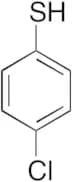
References Shiobara, Y., et al.: Xenobiotica, 9, 157 (1979),Formule :C8H6O3Couleur et forme :NeatMasse moléculaire :150.134-Chlorothiophenol(4-Chlorobenzenethiol)
CAS :Produit contrôléApplications 4-Chlorobenzenethiol is a reagent used in the synthesis of small-molecule inhibitors of the protein geranylgeranyltransferase Type I (GGTase-I), acting as anti-tumor agents. Also is used in the synthesis of β-sulfanyl carbonyl compounds via Michael addition.
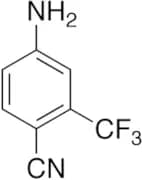
References Ranu, B. et al.: Tetrahedron, 60, 4183 (2004); J. Med. Chem., 43, 2310 (2000);Formule :C6H5ClSCouleur et forme :NeatMasse moléculaire :144.625-Amino-2-cyanobenzotrifluoride
CAS :Produit contrôléImpurity Bicalutamide EP Impurity D
Applications 5-Amino-2-cyanobenzotrifluoride (Bicalutamide EP Impurity D) is used for the preparation of benzene derivatives as non-steroidal androgen receptor modulators.
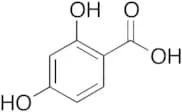
References Xiao, H.-Y., et al.: Bioorg. Med. Chem. Lett., 20, 4491 (2010),Formule :C8H5F3N2Couleur et forme :Off-WhiteMasse moléculaire :186.132,4-Dihydroxybenzoic Acid
CAS :Applications 2,4-Dihydroxybenzoic acid is a useful synthetic intermediate. An organic building block for plastics and rubber products.
References Gautam, R., et al.: Cryst. Growth Des., 18, 1501 (2018); Shvedene, N. V., et al.: J. Anal. Chem., 72, 95 (2017);Formule :C7H6O4Couleur et forme :White To Off WhiteMasse moléculaire :154.12[(2-Bromoethyloxy)methyl]benzene
CAS :Produit contrôléApplications [(2-Bromoethyloxy)methyl]benzene is a reactant used in the preparation of muscarinic antagonist.
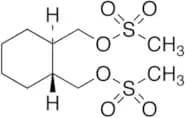
References Bream, R. et al.: Org. Process. Res. Dev., 17, 641 (2013); Mete, A. et al.: Bioorg. Med. Chem. Lett., 21, 7440 (2011)Formule :C9H11BrOCouleur et forme :NeatMasse moléculaire :215.09(1R,2R)-1,2-Cyclohexanedimethanol 1,2-Dimethanesulfonate
CAS :Produit contrôléApplications (1R,2R)-1,2-Cyclohexanedimethanol 1,2-Dimethanesulfonate (cas# 186204-35-3) is a compound useful in organic synthesis.
Formule :C10H20O6S2Couleur et forme :NeatMasse moléculaire :300.393-Carboxyphenylboronic Acid
CAS :Produit contrôléApplications 3-Carboxyphenylboronic Acid is used in phenylboronic acid-decorated gelatin nanoparticles for enhanced tumor targeting and penetration.
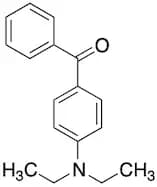
References Wang, X., et al.: Nanotechnology, 27, 385101 (2016); Wang, X., et al.: Eur. J. Pharm. Biopharm., 113, 168 (2017)Formule :C7H7BO4Couleur et forme :Off WhiteMasse moléculaire :165.944-(Diethylamino)benzophenone
CAS :Produit contrôléApplications 4-(diethylamino)benzophenone (cas# 18127-87-2) is a useful research chemical.
Formule :C17H19NOCouleur et forme :NeatMasse moléculaire :253.33Dibenzo[b,f][1,4]thiazepine-11-[10H]one
CAS :Impurity Quetiapine EP Impurity G; Quetiapine Impurity G; Quetiapine USP-G
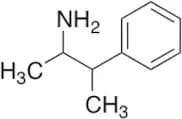
Applications Dibenzo[b,f][1,4]thiazepine-11-[10H]one (Quetiapine EP Impurity G; Quetiapine Impurity G; Quetiapine USP-G) is an intermediate in the synthesis of quetiapine (Q510000).Formule :C13H9NOSCouleur et forme :NeatMasse moléculaire :227.283-phenylbutan-2-amine
CAS :Produit contrôléApplications 3-phenylbutan-2-amine (cas# 21906-17-2) is a useful research chemical.
Formule :C10H15NCouleur et forme :NeatMasse moléculaire :149.233,4-Dimethoxybenzoic Acid (Veratric Acid)
CAS :Produit contrôléApplications Veratric Acid is a derivative of Protocatechuic Acid. Veratric Acid is a reagent used in the production of antimicrobial agents, antifeedants, and a variety of other biologically active compounds.
References Alissandrakis, E., et al.: Eur. Food Res. Technol., 229, 365 (2009), Spaccini, R., et al.: Soil Biol. Biochem., 41, 1164 (2009), Narasimhan, B., et al.: Eur. J. Med. Chem., 44, 689 (2009), Pereira, L., et al.: J. Biotechnol., 139, 68 (2009),Formule :C9H10O4Couleur et forme :NeatMasse moléculaire :182.171,1-Bis(4-hydroxyphenyl)-2-phenyl-1-butene
CAS :Produit contrôléApplications 1,1-Bis(4-hydroxyphenyl)-2-phenyl-1-butene (cas# 91221-46-4) is a compound useful in organic synthesis.
Formule :C22H20O2Couleur et forme :NeatMasse moléculaire :316.391-[4-(2-hydroxypropan-2-yl)phenyl]ethan-1-one
CAS :Applications 1-[4-(2-hydroxypropan-2-yl)phenyl]ethan-1-one (cas# 54549-72-3) is a useful research chemical.
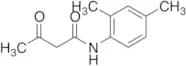
Formule :C11H14O2Couleur et forme :WhiteMasse moléculaire :178.22N-(2,4-Dimethylphenyl)-3-oxobutanamide
CAS :Applications N-(2,4-Dimethylphenyl)-3-oxobutanamide (cas# 97-36-9) is a useful research chemical.
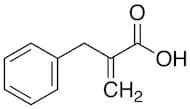
Formule :C12H15NO2Couleur et forme :NeatMasse moléculaire :205.252-Benzylacrylic Acid
CAS :Produit contrôléStability Light Sensitive
Applications 2-Benzylacrylic Acid (cas# 5669-19-2) is a compound useful in organic synthesis.Formule :C10H10O2Couleur et forme :NeatMasse moléculaire :162.19Benzo[e]pyrene
CAS :Produit contrôléApplications Benzo[e]pyrene is an isomer of benzopyrene (B205800) that exhibits mutagenic and carcinogenic activity in rodents. Benzo[e]pyrene is most commonly found in cigarette smoke and is a toxicant to human retinal pigment cells in vitro by inducing cell death by activating various caspase pathways.
Not a dangerous good if item is equal to or less than 1g/ml and there is less than 100g/ml in the package
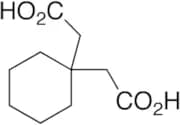
References Wood, A., et al.: J. Biol. Chem., 254, 4408 (1979);Formule :C20H12Couleur et forme :Off-White To Dark BeigeMasse moléculaire :252.311,1-Cyclohexanediacetic Acid
CAS :Applications 1,1-Cyclohexanediacetic Acid (cas# 4355-11-7) is a compound useful in organic synthesis.
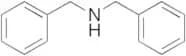
Formule :C10H16O4Couleur et forme :NeatMasse moléculaire :200.23Dibenzylamine
CAS :Applications Dibenzylamine, a chemical contaminant in L-(+)-β-hydroxybutyrate, exhibits direct anticonvulsant actions in vivo.
Not a dangerous good if item is equal to or less than 1g/ml and there is less than 100g/ml in the package
References Rho, J.M., et al.: Epilepsia, 43, 358 (2002)Formule :C14H15NCouleur et forme :NeatMasse moléculaire :197.282-[Methyl(phenylmethyl)amino]ethanol
CAS :Produit contrôléApplications 2-[Methyl(phenylmethyl)amino]ethanol is used in the preparation of dihydropyrimidinones as sodium iodide symporter inhibitors used to regulate the accumulation of iodide in the thyroid gland. Also used in the synthesis of new class of pseudopeptides as potential inhibitors of β-sheet aggregation.
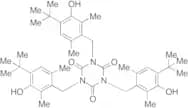
References Lacotte, P. et al.: ChemMedChem, 8, 104 (2013); Klein, J. et al.: Org. Lett., 14, 330 (2012);Formule :C10H15NOCouleur et forme :ColourlessMasse moléculaire :165.23Tris(4-tert-butyl-3-hydroxy-2,6-dimethylbenzyl) Isocyanurate
CAS :Applications Tris(4-tert-butyl-3-hydroxy-2,6-dimethylbenzyl) Isocyanurate as an antioxidant and/or stabilizer in polystyrene and rubber-modified polystyrene intended for use in contact with food at room temperature or below. Tris(4-tert-butyl-3-hydroxy-2,6-dimethylbenzyl) Isocyanurate is also used as a stabilizer in polyethelene and poloypropylene.
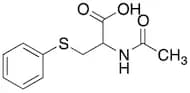
References Kawamura, Y. et al.: Shok. Eiseig. Zas., 37, 272 (1996); United States Food and Drug Administration: Fed. Reg., 45, 57711 (1980);Formule :C42H57N3O6Couleur et forme :NeatMasse moléculaire :699.922-(Acetylamino)-3-(phenylthio)propanoic Acid
CAS :Produit contrôléApplications 2-(Acetylamino)-3-(phenylthio)propanoic acid is a useful chemical in research.
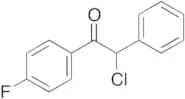
Formule :C11H13NO3SCouleur et forme :NeatMasse moléculaire :239.29α-Chlorobenzyl 4-Fluorophenyl Ketone
CAS :Produit contrôléApplications α-Chlorobenzyl 4-Fluorophenyl Ketone is derived from Benzyl 4-Fluorophenyl Ketone (B279785), which is used in preparation and evaluation of 2,3-diarylpyrazines and quinoxalines as selective COX-2 inhibitors.
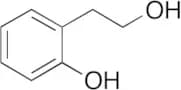
References Singh, S. et al.: Bioorg. Med. Chem., 12, 1881 (2004);Formule :C14H10ClFOCouleur et forme :NeatMasse moléculaire :248.682-Hydroxybenzeneethanol
CAS :Produit contrôléApplications 2-Hydroxybenzeneethanol can be used to synthesize cyclic products and organoaluminim oligomers. Inelastic electron tunnelling spectra of 2-hydroxyphenethyl alcohol adsorbed on thin-film aluminium and magnesium oxide has been investigated.
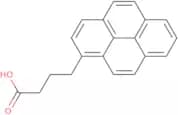
References Ziemkowska, W., et al.: Main Group Met. Chem., 21, 105, (1998); Brown, N., et al., Spectrochim. Acta A, 48, 939 (1992)Formule :C8H10O2Couleur et forme :Colourless To BeigeMasse moléculaire :138.161-Pyrenebutyric acid
CAS :1-Pyrenebutyric acid is a sodium salt that belongs to the group of polymerase chain reaction (PCR) reagents. It is used in PCR as a fluorescent probe for detecting the presence of dinucleotide phosphate and covalent linkages. 1-Pyrenebutyric acid has been shown to be a potential biomarker for electrochemical impedance spectroscopy and can be used as an optical sensor for optimal concentration. This compound has also been used in biological studies to detect the presence of human immunoglobulin, which binds to it with high affinity. 1-Pyrenebutyric acid undergoes a phase transition at a temperature between -190 and -195 degrees Celsius, which makes it useful as a fluorescence dye.
Formule :C20H16O2Degré de pureté :Min. 95%Couleur et forme :Off-White PowderMasse moléculaire :288.34 g/molDiethyltoluenediamine (2,4 and 2,6 diamine regioisomers)
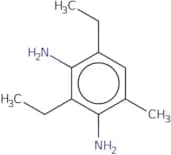
CAS :Chain extender for elastomeric polyurethane; curing agent for epoxy resinFormule :C11H18N2Degré de pureté :Min. 95%Couleur et forme :Clear LiquidMasse moléculaire :178.27 g/mol[Bis(trifluoroacetoxy)iodo]benzene
CAS :Bis(trifluoroacetoxy)iodobenzene is a reactive, radiating, profile, planar molecule with a frequency of low energy. It has been shown to react in acid analysis and the carbonyl group. The reaction mechanism involves the generation of an intermediate that reacts with oxygen to produce the desired product. The impedance is high at resonance frequencies.
Formule :C10H5F6IO4Degré de pureté :Min. 95%Couleur et forme :White PowderMasse moléculaire :430.04 g/mol1,4-Diiodobenzene
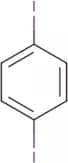
CAS :1,4-Diiodobenzene is an anti-retroviral drug that is used in the treatment of HIV infection. It has a molecular weight of 208.2 and a melting point of -68°C. 1,4-Diiodobenzene binds to intracellular targets, such as reverse transcriptase, proteases and integrase in HIV-1. This drug also has immunomodulatory effects on T cells and B cells. 1,4-Diiodobenzene has been shown to be effective against bacterial vaginosis and may have beneficial effects on body mass index and fatty acid metabolism.
Formule :C6H4I2Degré de pureté :Min. 98 Area-%Couleur et forme :White PowderMasse moléculaire :329.9 g/mol2-Bromo-6-nitrotoluene
CAS :2-Bromo-6-nitrotoluene is a chemical compound that has been shown to bind to the 5-HT7 receptor of the human protein. It has been shown to have affinity for this receptor and functional assays have found it to be selective for this receptor. The hydrogen bonding interactions between 2-bromo-6-nitrotoluene and the 5-HT7 receptor are stronger than those between 2-bromo-6-nitrotoluene and other receptors, such as the 5-HT1A and 5HT1D receptors. Additionally, molecular modeling studies have shown that 2-bromo-6-nitrotoluene has a higher binding affinity for the 5HT7 receptor than other serotonin receptors. This molecule has been synthesized by researchers in a scalable synthesis process with high yields. The intramolecular hydrogen bonds may also help stabilize this molecule in vivo, as they would not be expected to break downFormule :C7H6BrNO2Degré de pureté :Min. 95%Couleur et forme :PowderMasse moléculaire :216.03 g/mol1,3,5-Tribromobenzene
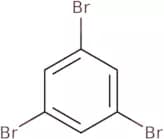
CAS :1,3,5-Tribromobenzene is a chemical compound that belongs to the class of aromatic hydrocarbons. It is used as a solvent in the synthesis of pharmaceuticals and as a precursor for other organic compounds. 1,3,5-Tribromobenzene has been shown to bind to specific receptors on the surface of cells and affect their function. It also binds to hydrochloric acid and forms a matrix with it that can be used for analytical purposes. 1,3,5-Tribromobenzene has been found to have uv absorption properties, making it useful for analytical purposes. The molecule is stable in nonpolar solvents such as n-dimethyl formamide (DMF) and methyl tert-butyl ether (MTBE). 1,3,5-Tribromobenzene can be synthesized by coupling three molecules of benzene with one molecule of bromine using the Suzuki reaction.Formule :C6H3Br3Degré de pureté :Min. 97.5%Couleur et forme :White PowderMasse moléculaire :314.8 g/molMethyl benzenesulfinate
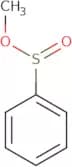
CAS :Methyl benzenesulfinate (MS) is a selenium compound that inhibits the replication of DNA and RNA. MS has been shown to be effective against cancer, HIV infection, and cachexia. It has also been used as an immunosuppressant in patients with autoimmune diseases or nervous system diseases. MS binds to the phosphate group of the nucleotide thymidine monophosphate, preventing formation of ATP and leading to cell death by inhibiting protein synthesis. This drug may cause symptoms such as nausea, vomiting, headache, dizziness, and skin rash. Methyl benzenesulfinate has also been shown to inhibit kinases in women with breast cancer.br>br> Methyl benzenesulfinate belongs to the class of inhibitors that target β-unsaturated ketones. It is used for treatment of various cancers like leukemia because it inhibits polymerase activity and prevents replication in cells. Methyl benzenesulfinate is a structural formula made upFormule :C7H8O2SDegré de pureté :Min. 98%Couleur et forme :Clear LiquidMasse moléculaire :156.2 g/mol2-Nitrobenzenesulfonyl chloride
CAS :2-Nitrobenzenesulfonyl chloride is a cyclic peptide that has been shown to be effective in the synthesis of a variety of biologically active compounds. It is used in the preparation of hydrochloric acid, hydroxyl group, lysine residues, and methyl ketones. It also has been used in analytical methods for the determination of cancer. 2-Nitrobenzenesulfonyl chloride is an aziridine with a Michaelis-Menten kinetics. This chemical structure allows hydrogen bonding with proteins, which is important for conformational changes and biological activity. 2-Nitrobenzenesulfonyl chloride has also been shown to inhibit cancer cells as well as human serum through hydrogen bond interactions.Formule :C6H4ClNO4SDegré de pureté :Min. 95%Couleur et forme :Slightly Yellow PowderMasse moléculaire :221.62 g/mol4-Diazobenzenesulfonic acid - moistened with water (H2O~50%)
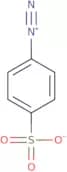
CAS :4-Diazobenzenesulfonic acid is a reagent used for the determination of phenols, amines and, bilirubin. It also has extensive usage as a protein-modifying reagent. This is because it reacts with a wide variety of functional groups in proteins including: tyrosine, histidine, amino, and thiol residues. It is known to react with proteins located on the exterior of erythrocytes; additionally, it has been used to study chloroplast and mitochondrial membranes.Formule :C6H4N2O3SDegré de pureté :Min. 95%Couleur et forme :PowderMasse moléculaire :184.17 g/mol2-Bromo-5-iodotoluene
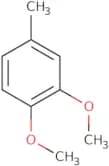
CAS :2-Bromo-5-iodotoluene (2BIOT) is a synthetic compound that has been used as an immunosorbent in immunoassays. It is also a fluorescing radical and can be used to detect other radicals, making it useful for many different types of assays. The compound was first synthesized by the reaction of sodium periodate with 2-bromotoluene; the reaction was catalyzed by radical mechanism. This synthesis is an advance in organic chemistry because it provides a new method for synthesizing brominated compounds.Formule :C7H6BrIDegré de pureté :Min. 95%Couleur et forme :Slightly Yellow PowderMasse moléculaire :296.93 g/mol3,4-Dimethoxytoluene
CAS :3,4-Dimethoxytoluene is a methoxylated aromatic hydrocarbon. It has the chemical formula CH3OCH2C6H4CH3. 3,4-Dimethoxytoluene is used as an intermediate in the synthesis of a variety of organic compounds including olefins, polymers, and pharmaceuticals. It can also be used to extract fatty acids from plant oils and animal fats. The extraction yield increases when using this compound as an extraction solvent. 3,4-Dimethoxytoluene is synthesized by reacting benzene with formaldehyde in the presence of a Friedel-Crafts catalyst such as aluminum chloride or zinc chloride. END>>Formule :C9H12O2Degré de pureté :Min. 95%Couleur et forme :PowderMasse moléculaire :152.19 g/mol1,2-Diamino-4,5-methylenedioxybenzene dihydrochloride
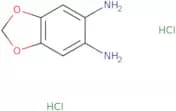
CAS :1,2-Diamino-4,5-methylenedioxybenzene dihydrochloride, also known as DMB dihydrochloride, is a building block used in organic chemistry. DMB dihydrochloride is the bis HCl salt of a 1,3-benzodioxole ring with amino groups in the 4 and 5 positions.
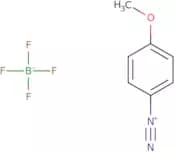
Formule :C7H10Cl2N2O2Degré de pureté :Min. 90 Area-%Couleur et forme :Beige PowderMasse moléculaire :225.07 g/mol4-Methoxybenzenediazonium tetrafluoroborate
CAS :4-Methoxybenzenediazonium tetrafluoroborate is a reactive chemical that is used as a component of a number of reagents, including those used in organic chemistry. This compound has been used as an intermediate for the synthesis of other chemicals, such as 4-methoxybenzenediazonium chloride and 4-methoxybenzenediazonium bromide. 4-Methoxybenzenediazonium tetrafluoroborate is also an excellent building block for complex compounds and fine chemicals. The CAS No. for this chemical is 459-64-3.Formule :C6H16N2Masse moléculaire :116.2 g/mol(E)-5-(-But-1-en-1-yl)benzene-1,3-diol
CAS :(E)-5-(-But-1-en-1-yl)benzene-1,3-diol is a chemical building block that reacts readily with a variety of reagents. It is also a versatile intermediate and has been used as a building block in the synthesis of complex compounds. (E)-5-(-But-1-en-1-yl)benzene-1,3-diol has been shown to be an important component in the synthesis of peptides, amines, and other organic compounds. This compound is also useful for research purposes and as a speciality chemical or fine chemical.Formule :C10H12O2Degré de pureté :Min. 95%Couleur et forme :PowderMasse moléculaire :164.2 g/mol2-Bromo-5-methoxytoluene
CAS :2-Bromo-5-methoxytoluene is a synthetic organic compound that is used as a chemical intermediate for cellulose derivatives. It is generated by the Friedel-Crafts reaction of bromine with toluene in the presence of aluminum chloride. 2-Bromo-5-methoxytoluene has been shown to react with cellulose derivatives and other hydrogen bond acceptors. This reaction is followed by protonation, which yields a chromophore that changes color from yellow to orange. The mechanism of this reaction can be explained by an acid catalysis mechanism, which begins with protonation of the carbonyl group (C=O) and formyl group (HC=O) groups. This causes the formation of an enolate ion, which reacts with a protonated carbonyl group to yield a formyl cation and an enolate ion. The formyl cation then reacts with another protonFormule :C8H9OBrDegré de pureté :Min. 95%Couleur et forme :PowderMasse moléculaire :201.06 g/mol1,4-Diisopropenylbenzene
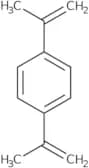
CAS :1,4-Diisopropenylbenzene is a hydrocarbon solvent that is used as a reagent in organic synthesis. It is reactive and can react with an inorganic acid such as hydrochloric acid to form an ester. The reaction time of 1,4-diisopropenylbenzene with an alkali metal hydroxide such as magnesium hydroxide is about one hour at room temperature. The product of this reaction is the magnesium salt of the corresponding carboxylic acid. 1,4-Diisopropenylbenzene has been shown to be toxic to mouse melanoma cells and has been used for cationic polymerization reactions. It has also been shown to be reactive with vinylene and other monomers, forming gels that are useful in making rubber products.
Formule :C12H14Degré de pureté :Min. 95%Couleur et forme :PowderMasse moléculaire :158.24 g/mol1,3-Dimethoxybenzene
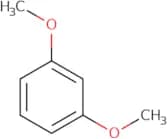
CAS :1,3-Dimethoxybenzene is a carbonyl compound with the chemical formula C6H4(OCH2)2. It is soluble in water and has a boiling point of 176 °C. This compound reacts with hydrochloric acid to produce an intermediate acid chloride and hydrogen chloride gas. 1,3-Dimethoxybenzene also reacts with trifluoromethanesulfonic acid to produce an intermediate sulfonium salt and hydrogen fluoride gas. 1,3-Dimethoxybenzene can be used as a reagent for analytical methods such as IR spectroscopy, NMR spectroscopy, or mass spectrometry. When 1,3-dimethoxybenzene is combined with sodium hydroxide and acetic acid it forms an isothiouronium salt that can be used to study the effects of fatty acids on physiological activity. 1,3-Dimethoxybenzene has conformationalFormule :C8H10O2Degré de pureté :Min. 95%Couleur et forme :Clear LiquidMasse moléculaire :138.16 g/mol4-(Dimethylamino)phenol
CAS :4-(Dimethylamino)phenol is a reactive molecule that can react with sodium carbonate to form a fluorescent product. The reaction mechanism has been elucidated by fluorescence spectroscopy and linear calibration curves. 4-DMA(OH)P reacts with sodium carbonate in water at physiological levels, producing p-hydroxybenzoic acid and 4-dimethylaminobenzoic acid. These compounds are also found in the matrix of bacterial cells and may serve as markers for the identification of bacterial metabolism. The reaction between 4DMA(OH)P and sodium carbonate was examined by X-ray crystal structures, which revealed that the reactive site is located on the phenolic hydroxyl group of 4DMA(OH)P. This study showed that the reactive site is localized on the phenolic hydroxy group of 4DMA(OH)P, which makes this molecule useful for identification of bacterial metabolism by means of matrix effect.Formule :C8H11NODegré de pureté :Min. 95%Masse moléculaire :137.18 g/mol4-Methoxybenzenediazonium tetrafluoroborate
CAS :4-Methoxybenzenediazonium tetrafluoroborate (MBD) is a synthetic molecule that can be prepared by the reaction of sodium hydrogen with UV irradiation. MBD has been shown to have a pharmacokinetic profile similar to methyl cinnamate and is used in the treatment of hyperpigmentation, such as melasma and post-inflammatory hyperpigmentation. MBD interacts with the amino acid tyrosine at its 4-hydroxyl group, cleaving the C-O bond and forming an intramolecular hydrogen bond with the oxygen atom. This results in the formation of diazonium salt which reacts with tyrosinase and inhibits its activity.Formule :C7H7BF4N2ODegré de pureté :Min. 98 Area-%Couleur et forme :PowderMasse moléculaire :221.95 g/mol2,4,6-Trihydroxytoluene
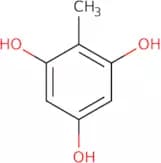
CAS :2,4,6-Trihydroxytoluene is a phenolic compound with an intense yellow color. It is used for the preparation of dryopteris and as a fabric dye. 2,4,6-Trihydroxytoluene is also used in the production of pharmaceuticals and as a chemical intermediate. 2,4,6-Trihydroxytoluene has been shown to inhibit the growth of bacteria by binding to one or more hydroxyl groups on the bacterial cell wall. This binding prevents the formation of an antibiotic-inhibitor complex with the enzyme cell wall synthesis that is required for cell wall biosynthesis, inhibiting protein synthesis and cell division.Formule :C7H8O3Degré de pureté :Min. 95%Couleur et forme :Red PowderMasse moléculaire :140.14 g/mol3,5-Dihydroxytoluene
CAS :3,5-Dihydroxytoluene is a natural compound that is structurally related to p-hydroxybenzoic acid. It has been shown to be an efficient fluorescent probe for the detection of quillaja saponaria in wastewater treatment plants. 3,5-Dihydroxytoluene also reacts with orcinol to produce a disulfide bond and can undergo polymerization reactions with nucleophiles such as amines and thiols. It is not active against aerobacter aerogenes, but has been shown to have high values against carcinoma cell lines.Formule :C7H8O2Degré de pureté :Min. 97.5 Area-%Couleur et forme :White Off-White PowderMasse moléculaire :124.14 g/mol2,4-Dichloronitrobenzene
CAS :2,4-Dichloronitrobenzene is a chemical compound that is used in the production of dyes, drugs, and pesticides. It has been shown to be effective against alopecia areata in vitro. This chemical also exhibits detoxification enzymes activity. 2,4-Dichloronitrobenzene is activated by benzalkonium chloride and then undergoes microbial metabolism. The chlorine atom on this molecule can be substituted with another kind of halogen in order to modify its properties. In vitro studies have shown that 2,4-dichloronitrobenzene is metabolized by human serum as well as wastewater treatment systems.
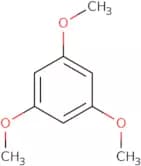
2,4-DichloronitrobenzeneFormule :C6H3Cl2NO2Degré de pureté :Min. 95%Couleur et forme :Solidified MassMasse moléculaire :192 g/mol1,3,5-Trimethoxybenzene
CAS :1,3,5-Trimethoxybenzene is used for the analysis of drugs in human serum and as a precursor to pharmaceuticals. It is also used as a reagent in organic synthesis. Trimethyl 1,3,5-trimethoxybenzene reacts with nitrite ion to produce an unstable intermediate that undergoes hydrolysis to form trifluoroacetic acid and hydrogen gas. The reaction mechanism involves an intramolecular hydrogen transfer from the hydroxyl group of the methoxy benzene ring to the methyl group on carbon 3. This leads to formation of a highly reactive trimethyl cation that abstracts hydrogen from water or hydroxyl groups on nearby molecules and eventually undergoes hydrolysis to produce trifluoroacetic acid and hydrogen gas.
Formule :C9H12O3Degré de pureté :Min. 98.5%Couleur et forme :White PowderMasse moléculaire :168.19 g/mol4-Toluenesulfonyl chloride
CAS :4-Toluenesulfonyl chloride is a tosylate that reacts with amines and n-oxide groups to form sulfonamides. It is used as an antimicrobial agent and as an irreversible enzyme inhibitor. 4-Toluenesulfonyl chloride inhibits enzymes in the bowel, which may be due to its ability to form a disulfide bond with cysteine residues. This compound has been shown to have anti-cancer properties in vitro, where it inhibited the growth of carcinoma cells by inhibiting DNA synthesis. 4-Toluenesulfonyl chloride also has inhibitory properties against nitrogen atoms, which are found in the active site of many enzymes.Formule :C7H7ClO2SDegré de pureté :Min. 95%Couleur et forme :White Clear LiquidMasse moléculaire :190.65 g/mol1,3-Benzenedialdehyde
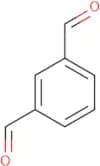
CAS :1,3-Benzenedialdehyde (1,3-BD) is a compound that is formed from the oxidation of benzene by copper chloride in a model system. It can be used as a substrate film to study covalent linkages. The electrochemical impedance spectroscopy (EIS) technique has been used to determine the stability of 1,3-BD in reaction solution. The EIS results show that 1,3-BD is stable and its complexes are relatively stable. This compound also reacts with malonic acid to form 1,2-benzenediol and 2-methylmalonic acid. The molecular structure of 1,3-BD has been determined using X-ray crystallography and it was found that nitrogen atoms are present on the molecule. Chemical reactions have not been observed with 1,3-BD when subjected to heat or light.
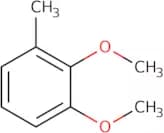
Formule :C8H6O2Degré de pureté :Min. 95%Couleur et forme :PowderMasse moléculaire :134.13 g/mol2,3-Dimethoxytoluene
CAS :2,3-Dimethoxytoluene is a chemical used in food chemistry and analytical methods. It is the product of the reaction between 2-methoxybenzaldehyde and formaldehyde. 2,3-Dimethoxytoluene is used as an intermediate for the synthesis of papaverine, a drug that has analgesic properties. This chemical also reacts with an acid to produce dimethoxytoluene, a chemical that contains two methoxy groups on opposite sides of the benzene ring.
Formule :C9H12O2Degré de pureté :Min. 95%Couleur et forme :PowderMasse moléculaire :152.19 g/mol1-Bromo-2-methoxy-3-nitrobenzene
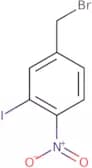
CAS :1-Bromo-2-methoxy-3-nitrobenzene is a high quality chemical that is used as a reagent and building block in organic synthesis. It is also a versatile intermediate and can be used in the synthesis of complex compounds. This chemical has been shown to have anti-inflammatory properties, which may be due to its inhibition of prostaglandin synthesis.Formule :C7H6BrNO3Degré de pureté :Min. 95%Couleur et forme :PowderMasse moléculaire :232.03 g/mol4-(Bromomethyl)-2-iodo-1-nitrobenzene
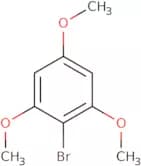
CAS :4-(Bromomethyl)-2-iodo-1-nitrobenzene is a fine chemical that can be used as an intermediate for the synthesis of target molecules. It is a versatile building block with many different reactions and applications, such as research chemicals, reaction components, and speciality chemicals. This compound is also a useful building block for the synthesis of complex molecules. It has high quality and can be used as a reagent in lab experiments.Formule :C7H5BrINO2Degré de pureté :Min. 95%Couleur et forme :PowderMasse moléculaire :341.93 g/mol1-Bromo-2,4,6-trimethoxybenzene
CAS :1-Bromo-2,4,6-trimethoxybenzene is a reactive chemical that has shown to have toxic properties in model studies. It reacts with metals such as Iridium and can be used to remove halogens from solutions. It is also able to react with a variety of other molecules, including peroxides, chlorine gas and bromine gas. 1-Bromo-2,4,6-trimethoxybenzene can form free radicals when exposed to UV radiation and may be used as a ligand for metal ions. 1-Bromo-2,4,6-trimethoxybenzene is also soluble in n-dimethylformamide and carbon tetrachloride.
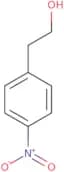
Formule :C9H11BrO3Degré de pureté :Min. 95%Couleur et forme :White PowderMasse moléculaire :247.09 g/mol4-Nitrobenzeneethanol
CAS :4-Nitrobenzeneethanol is a primary amine that is synthesized from the amino acid L-glutamic acid and the alcohol 4-nitrobenzyl alcohol. It is activated by reaction with sodium hydroxide solution, which releases hydrogen ions. The conjugates of this compound are isomers. 4-Nitrobenzeneethanol can be used to synthesize compounds that have different functional groups, such as monoclonal antibodies for the treatment of parasitic diseases.Formule :C8H9NO3Degré de pureté :Min. 95%Couleur et forme :PowderMasse moléculaire :167.16 g/mol3,4,5-Trihydroxytoluene
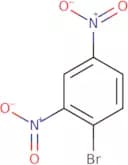
CAS :Substrate for peroxidaseFormule :C7H8O3Degré de pureté :Min. 95%Couleur et forme :PowderMasse moléculaire :140.14 g/mol1-Bromo-2,4-dinitrobenzene
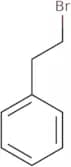
CAS :1-Bromo-2,4-dinitrobenzene, also known as DNB, is a molecule that belongs to the group p2. It has been shown to be a substrate for catalysis in vitro assays. 1-Bromo-2,4-dinitrobenzene is used in cancer research and can inhibit the growth of skin cells. 1-Bromo-2,4-dinitrobenzene does not show any cytotoxic effects on untreated control cells and it has been shown to have limited solubility in water (less than 0.1 g/L). This molecule also shows low reactivity with nucleophilic compounds and has been found to be less reactive than nitro compounds.Formule :C6H3BrN2O4Degré de pureté :Min. 95%Couleur et forme :Off-White PowderMasse moléculaire :247 g/mol(2-Bromoethyl)benzene
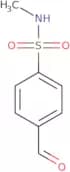
CAS :2-Bromoethylbenzene is a nucleophilic substitutive agent that can be used in organic synthesis. It reacts with an electron-rich compound to form a covalent bond and release bromine. 2-Bromoethylbenzene has been shown to have therapeutic effects on autoimmune diseases such as arthritis and lupus erythematosus. It also has the ability to inhibit protease activity, which may be due to its hydroxy derivative. The reaction mechanism of 2-bromoethylbenzene is not fully understood, but it is known that halides can increase the rate of the substitution reaction. This chemical also has pharmaceutical applications, including as a precursor in amphetamine synthesis and as a reagent in kinetic studies of enzymes.Formule :C8H9BrDegré de pureté :Min. 95%Couleur et forme :Colorless Clear LiquidMasse moléculaire :185.06 g/mol4-Formyl-N-methylbenzenesulfonamide
CAS :4-Formyl-N-methylbenzenesulfonamide is a fine chemical that is used as a versatile building block in the synthesis of complex compounds, research chemicals, and reagents. It is highly useful as a reagent or speciality chemical in laboratory experiments involving many different reactions. 4-Formyl-N-methylbenzenesulfonamide has been shown to be an excellent intermediate for the synthesis of high quality products. This product can also be used as a scaffold in complex organic syntheses.
Formule :C8H9NO3SDegré de pureté :Min. 95%Couleur et forme :PowderMasse moléculaire :199.23 g/molStyrene-divinylbenzene sulfonated copolymer
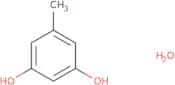
CAS :Styrene-divinylbenzene sulfonated copolymer also called Dowex 50W 8X hydrogen form, strongly acidic resin, is a fine mesh spherical ion exchange resin made from a microporous styrene / divinylbenzene (DVB) co-polymer with a sulfonic acid group. Styrene-divinylbenzene sulfonated copolymers are used in fine chemical and pharmaceutical column separations.Couleur et forme :Powder3,5-Dihydroxytoluene monohydrate
CAS :3,5-Dihydroxytoluene monohydrate (3,5-DHMT) is a glycan that is extracted from soybean. It has been shown to have antimicrobial properties and can be used in the treatment of hypoxic tumors. 3,5-DHMT binds to fatty acids on the surface of bacteria and prevents them from attaching to the cell wall. This prevents the bacteria from multiplying and causes their death. 3,5-DHMT has been shown to inhibit bacterial growth by binding to the molecule at an activation energy that is lower than other glycosidic bonds such as those found in glucose or ribose. The molecule also inhibits gland cells in humans which produce surfactant proteins, inhibiting mucus production and potentially reducing asthma symptoms.Formule :C7H8O2·H2ODegré de pureté :(%) Min. 98%Couleur et forme :White Clear LiquidMasse moléculaire :142.15 g/mol4-Octylbenzenesulfonic acid sodium salt
CAS :4-Octylbenzenesulfonic acid sodium salt is a versatile building block that is used in the synthesis of pharmaceuticals, agrochemicals, and specialty chemicals. The compound is soluble in water and can be used as an intermediate in organic synthesis. 4-Octylbenzenesulfonic acid sodium salt has been used as a reagent for research purposes and as a starting material for the synthesis of other compounds. It is also used as a building block for complex molecules. CAS No. 6149-03-7Formule :C14H21NaO3SDegré de pureté :Min. 97 Area-%Couleur et forme :PowderMasse moléculaire :292.37 g/mol1,3,5-Triaminobenzene trihydrochloride
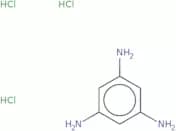
CAS :1,3,5-Triaminobenzene trihydrochloride (TAT) is a low detection fluorescent probe that can be used as an introducing agent to introduce a triazine skeleton into a variety of heterocyclic amines. TAT has been shown to have the ability to bind with many different functional groups, such as amines and hydroxyls. The fluorescence of TAT is proportional to the amount of hydrogen bonding interactions between the probe and other molecules. TAT can be detected by means of energy-dispersive x-ray spectroscopy.
Formule :C6H12Cl3N3Degré de pureté :Min. 95%Couleur et forme :White PowderMasse moléculaire :232.54 g/molOrcinol monohydrate
CAS :Orcinol monohydrate is a high quality chemical that can be used as a reagent, complex compound, or useful intermediate in the synthesis of fine chemicals. It is also an important building block in the synthesis of other compounds. This product has CAS No. 6153-39-5 and is classified as a speciality chemical. It is also a versatile building block that can be used as a reaction component in organic syntheses.Formule :C7H10O3Masse moléculaire :142.16 g/mol3,5-Dihydroxy-4-acetyltoluene
CAS :3,5-Dihydroxy-4-acetyltoluene is a versatile building block that is used in the production of various pharmaceutical and agrochemical intermediates. It can be used as a reagent for organic synthesis and as a speciality chemical. 3,5-Dihydroxy-4-acetyltoluene has been shown to have high quality and utility. This compound can also be used as a reaction component or scaffold.
Formule :C9H10O3Degré de pureté :Min. 95%Couleur et forme :PowderMasse moléculaire :166.17 g/mol1,4-Diacetylbenzene
CAS :1,4-Diacetylbenzene (1,4-DAB) is a tetradentate ligand that binds to metal ions. It has been used to model the active site of acetylcholinesterase, as well as for supramolecular chemistry. 1,4-DAB has been shown to have anticholinesterase activity and is used in crosslinkers. 1,4-DAB forms hydrogen bonds with the nitrogen atom of the carbonyl group and also stabilizes molecules through its dipole interactions. The kinetic properties of 1,4-DAB have been studied by modelling studies and by Nuclear Magnetic Resonance spectroscopy. Metformin hydrochloride (MET) is a biguanide antihyperglycemic agent that inhibits glucose production in the liver and promotes insulin sensitivity in peripheral tissues.Formule :C10H10O2Degré de pureté :Min. 99.0 Area-%Couleur et forme :White PowderMasse moléculaire :162.19 g/mol4-Nitrobenzenesulfonyl chloride
CAS :4-Nitrobenzenesulfonyl chloride is a versatile chemical compound. As a reagent in organic synthesis, it plays a crucial role in the preparation of pharmaceuticals, iminosugars, and oligosaccharides. Its ability to facilitate alpha-glucosylation makes it an essential component in the synthesis of complex carbohydrates. 4-Nitrobenzenesulfonyl chloride is also utilized in the preparation of N-nosyl-alpha-amino acids, which are essential building blocks in peptide synthesis. Additionally, it is widely used in the production of dyes and pigments.
Formule :C6H4ClNO4SDegré de pureté :Min. 98 Area-%Couleur et forme :PowderMasse moléculaire :221.62 g/molNitrobenzene
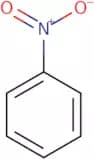
CAS :Nitrobenzene is a chemical that is used in wastewater treatment. It reacts with sodium carbonate to form sodium nitrite and hydrogen fluoride. The reaction mechanism is not well understood, but it is thought that the hydrogen fluoride acts as a catalyst for the reaction. Nitrobenzene has been shown to have transport properties in natural water systems. It can be found in the environment from industrial waste or from the combustion of fossil fuels. Nitrobenzene has been shown to cause chronic exposure when ingested by humans and animals, as well as structural changes in DNA, which may lead to cancer. Nitrobenzene can also react with an inorganic acid to form an organic compound called a nitrosamine. These compounds are carcinogenic and mutagenic, and have been linked to various cancers such as bladder cancer, stomach cancer, pancreatic cancer, lung cancer, breast cancer, esophageal cancer and liver cancer. The most common nitrosamines are N-nitFormule :C6H5NO2Degré de pureté :Min. 98 Area-%Couleur et forme :Colorless Clear LiquidMasse moléculaire :123.11 g/mol1,3-Diacetylbenzene
CAS :Methyl ketones are organic compounds that contain a carbonyl group and an alkyl group. They are reactive, meaning they readily react with other substances. Methyl ketones can be found in many natural compounds such as the essential oils of lavender and rosemary, which have been shown to possess anti-diabetic properties. 1,3-Diacetylbenzene is a methyl ketone that has been used as an experimental model for the study of mitochondrial membrane potential and sciatic nerve injury. This chemical also has conformational properties that mimic those of kinesin and enolate, which are molecules involved in DNA replication.Formule :C10H10O2Degré de pureté :Min. 95%Couleur et forme :PowderMasse moléculaire :162.19 g/molIodobenzene 1,1-diacetate
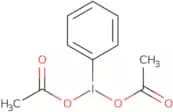
CAS :Iodobenzene 1,1-diacetate (PIDA) is a compound containing a hypervalent iodine. This unusual valence of the iodine makes iodobenzene 1,1-diacetate an ideal oxidizing agent in organic synthesis. Furthermore, it is common practice to use iodobenzene 1,1-diacetate to prepare similar reagents by substituting the acetate groups for the desired functional group (Yusubov, 2019). Due to its low toxicity compared to other iodine derivatives, iodobenzene 1,1-diacetate (PIDA) is a common reagent used in total synthesis in the pharmaceutical and agrochemical industry, to produce sugars, alkaloids, antibiotics, etc (Tohma, 2002).Formule :C10H11IO4Degré de pureté :Min. 98 Area-%Couleur et forme :White PowderMasse moléculaire :322.1 g/mol1-Nitro-2,4,6-trimethoxybenzene
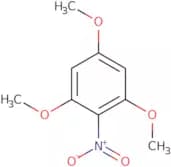
CAS :1-Nitro-2,4,6-trimethoxybenzene is a chemical compound that belongs to the nitro group. It has been found to be an electron donor in bacterial cells, and has been shown to be effective against the growth of bacteria by catalytic reduction. This reaction is highly specific for nitro compounds and does not occur with other classes of compounds. Mass spectrometric analysis of the reaction solution revealed that significant amounts of hydrogen gas were generated during this process. The use of aminoguanidine as a reducing agent resulted in a decrease in the production of hydrogen gas. 1-Nitro-2,4,6-trimethoxybenzene also has been shown to inhibit cytochrome p450 enzymes in rats and humans.Formule :C9H11NO5Degré de pureté :Min. 95%Couleur et forme :PowderMasse moléculaire :213.19 g/mol1-Bromo-2-iodobenzene
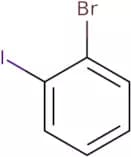
CAS :1-Bromo-2-iodobenzene is an aryl halide that is used in analytical chemistry as a model system for copper chloride. It is also used to study the interaction of 5-HT1A receptors with aromatic hydrocarbons and has been shown to be effective in treating cervical cancer. The light emission from 1-Bromo-2-iodobenzene can be used as a probe for asymmetric synthesis, and it can also be used in metathesis reactions to isolate yield. 1-Bromo-2-iodobenzene binds to lysine residues on proteins and blocks the activity of enzymes by forming covalent bonds with amino acid residues in the active site.Formule :C6H4BrIDegré de pureté :Min. 98%Couleur et forme :Yellow Clear LiquidMasse moléculaire :282.9 g/mol



![[(2-Bromoethyloxy)methyl]benzene](/_next/image/?url=https%3A%2Fstatic.cymitquimica.com%2Fproducts%2FTR%2Fthumb-webp%2FB684680.webp&w=3840&q=75)

![Dibenzo[b,f][1,4]thiazepine-11-[10H]one](/_next/image/?url=https%3A%2Fstatic.cymitquimica.com%2Fproducts%2FTR%2Fthumb-webp%2FD416953.webp&w=3840&q=75)


![1-[4-(2-hydroxypropan-2-yl)phenyl]ethan-1-one](/_next/image/?url=https%3A%2Fstatic.cymitquimica.com%2Fproducts%2FTR%2Fthumb-webp%2FB447650.webp&w=3840&q=75)
![Benzo[e]pyrene](/_next/image/?url=https%3A%2Fstatic.cymitquimica.com%2Fproducts%2FTR%2Fthumb-webp%2FB205805.webp&w=3840&q=75)
![2-[Methyl(phenylmethyl)amino]ethanol](/_next/image/?url=https%3A%2Fstatic.cymitquimica.com%2Fproducts%2FTR%2Fthumb-webp%2FM320465.webp&w=3840&q=75)

![[Bis(trifluoroacetoxy)iodo]benzene](/_next/image/?url=https%3A%2Fstatic.cymitquimica.com%2Fproducts%2F3D%2Fthumb-webp%2FFB49107.webp&w=3840&q=75)