Quinones
248 produits trouvés pour "Quinones".
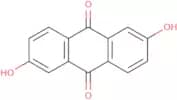
2,6-Dihydroxyanthraquinone
CAS :2,6-Dihydroxyanthraquinone is an anthraquinone derivative, which is an organic compound derived from the naturally occurring anthraquinone compound. It is primarily obtained through the oxidation of anthracene or can be synthesized via various organic synthesis methods that incorporate hydroxyl groups at the 2 and 6 positions on the anthraquinone backbone.
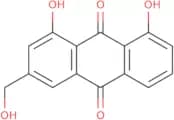
Formule :C14H8O4Degré de pureté :Min. 96 Area-%Couleur et forme :Yellow PowderMasse moléculaire :240.21 g/molAloe-emodin
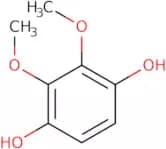
CAS :Laxative; induces intestinal smooth muscle contraction; antineoplasticFormule :C15H10O5Degré de pureté :Min. 95%Couleur et forme :PowderMasse moléculaire :270.24 g/mol2,3-Dimethoxyhydroquinone
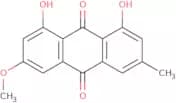
CAS :2,3-Dimethoxyhydroquinone is a chemical compound classified as a methoxy derivative of hydroquinone, which is commonly sourced through chemical synthesis from hydroquinone and methanol under specific catalytic conditions. This compound exhibits its mode of action through the donation of electrons, serving as a potent antioxidant by neutralizing free radicals.Formule :C8H10O4Degré de pureté :Min. 95%Masse moléculaire :170.16 g/molPhyscion
CAS :Physcion is an anthraquinone-based compound, which is a naturally occurring compound derived from certain plant species, particularly from the roots of the plant Rheum palmatum. It functions primarily through its antifungal properties, which involve inhibition of fungal spore germination and mycelial growth. This is achieved by disrupting mitochondrial functions within the fungal cells and interfering with their cellular integrity.Formule :C16H12O5Degré de pureté :Min. 95%Couleur et forme :Yellow PowderMasse moléculaire :284.26 g/mol2,6-Dibromohydroquinone
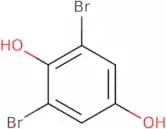
CAS :2,6-Dibromohydroquinone is a specialized chemical compound, often incorporated into research studies as a bioactive molecule. It is typically derived through synthetic organic chemistry processes, with bromination serving as a key step in its production. This compound functions primarily by interacting with specific biological pathways, engaging in mechanisms such as oxidative stress modulation and enzyme inhibition, depending on the context of its application.Formule :C6H4Br2O2Degré de pureté :Min. 95%Couleur et forme :PowderMasse moléculaire :267.9 g/molHarunganin
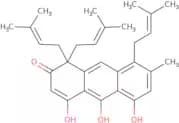
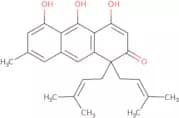
CAS :Harunganin is a natural compound, classified as a non-alkaloidal phloroglucinol derivative, which is derived from the plant Harungana madagascariensis, commonly found in tropical Africa. As a bioactive compound, Harunganin exhibits a mode of action that includes anti-inflammatory and antimicrobial effects. It achieves these effects by inhibiting the production of pro-inflammatory cytokines and modulating immune responses, as well as disrupting microbial cell wall synthesis.Formule :C30H36O4Degré de pureté :Mi. 90%Couleur et forme :PowderMasse moléculaire :460.6 g/molChrysophanic acid
CAS :Chrysophanic acid is a naturally occurring anthraquinone compound, which is typically extracted from plants such as rhubarb and senna. It is commonly found in species within the Polygonaceae family. This compound functions primarily through mechanisms that involve modulating cellular pathways, possessing anti-inflammatory, antimicrobial, and potential anticancer properties.
Formule :C15H10O4Degré de pureté :Min. 95 Area-%Couleur et forme :PowderMasse moléculaire :254.24 g/molProtohypericin
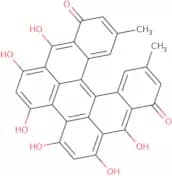
CAS :Protohypericin is a photosensitizer, which is a compound known for its ability to absorb light and induce a photodynamic response. This compound is derived from the plant Hypericum perforatum, commonly known as St. John's Wort. The primary mode of action of protohypericin involves the absorption of specific wavelengths of light, leading to the generation of reactive oxygen species (ROS). These ROS are capable of inducing cell death, primarily through mechanisms such as apoptosis and necrosis.
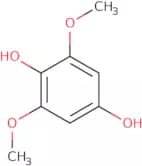
Formule :C30H18O8Degré de pureté :Min. 95%Couleur et forme :PowderMasse moléculaire :506.46 g/mol2,6-Dimethoxyhydroquinone
CAS :2,6-Dimethoxyhydroquinone is an organic compound that functions primarily as an antioxidant. It is derived from natural sources such as specific plant species and can also be synthesized chemically. This compound operates by donating electrons to reactive oxygen species, effectively neutralizing them and preventing oxidative stress within biological systems. The mode of action involves disrupting the free radical chain reactions, which can otherwise lead to cellular damage.Formule :C8H10O4Degré de pureté :Min. 95%Couleur et forme :SolidMasse moléculaire :170.16 g/mol4,5-Dimethoxy-1,2-benzoquinone
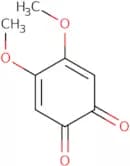
CAS :4,5-Dimethoxy-1,2-benzoquinone is an organic compound, which is derived from various plant sources, particularly certain fungi and lichen species. This compound is characterized by its benzoquinone structure with two methoxy groups, contributing to its reactive nature. It functions primarily through redox cycling, engaging in electron transfer processes that can influence cellular oxidative states. This mode of action allows it to either promote or inhibit oxidative stress, depending on the specific biochemical context.
Formule :C8H8O4Degré de pureté :Min. 95%Couleur et forme :PowderMasse moléculaire :168.15 g/mol1,4,6,8-Tetrahydroxy-3-methylanthraquinone
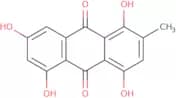
CAS :1,4,6,8-Tetrahydroxy-3-methylanthraquinone is a specialized anthraquinone derivative, which is isolated primarily from certain plant sources, showcasing its botanical origin. This compound belongs to the anthraquinone family, known for their characteristic aromatic structures and hydroxyl functionalities. The mode of action of 1,4,6,8-Tetrahydroxy-3-methylanthraquinone primarily involves its potential as a redox-active molecule due to its hydroxy groups. These groups facilitate electron transfer processes, enabling the compound to act as an antioxidant or potentially interfere with biological redox cycles.Formule :C15H10O6Degré de pureté :Min. 94 Area-%Couleur et forme :PowderMasse moléculaire :286.24 g/mol2,3-Dimethoxy-5,6-dimethyl-p-benzoquinone
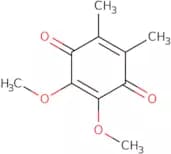
CAS :2,3-Dimethoxy-5,6-dimethyl-p-benzoquinone is an organic compound commonly known as a quinone derivative, often categorized under synthetic quinones. This compound is typically synthesized in the laboratory, derived from the structural modification of naturally occurring benzoquinones, which are found in various biological systems. Its mode of action primarily involves redox cycling due to its electron transfer capabilities, allowing it to participate in electron transport chains and redox reactions.Formule :C10H12O4Degré de pureté :Min. 95%Couleur et forme :PowderMasse moléculaire :196.2 g/mol2,3-Dimethoxy-5-methyl-1,4-benzoquinone
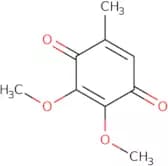
CAS :2,3-Dimethoxy-5-methyl-1,4-benzoquinone is an organic compound classified as a quinone, which is a type of aromatic compound known for its redox activity. This compound is often derived from natural sources, including various plants and microorganisms, where it plays a critical role in metabolic processes. Its mode of action involves electron transfer capabilities, making it a valuable intermediate in redox reactions and biochemical pathways. These properties enable it to participate in electron transport chains, potentially influencing cellular respiration and energy production.Formule :C9H10O4Degré de pureté :Min. 95%Couleur et forme :PowderMasse moléculaire :182.17 g/molMaesaquinone
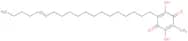
CAS :Maesaquinone is a naturally occurring quinone compound derived from the plant genus Maesa, which is widely studied in the context of its phytochemical properties. This compound exerts its biological effects primarily through modulation of cellular redox states, leading to the generation of reactive oxygen species (ROS) and subsequent induction of apoptosis in cancer cells. By targeting cellular antioxidant mechanisms, Maesaquinone effectively disrupts the redox balance, triggering programmed cell death pathways.
Formule :C26H42O4Degré de pureté :Min. 95%Couleur et forme :PowderMasse moléculaire :418.61 g/mol2-Methylanthraquinone
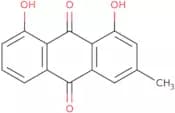
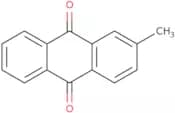
CAS :2-Methylanthraquinone is an organic compound known as a substituted anthraquinone, which is a type of polycyclic aromatic quinone. It is primarily sourced from the methoxylation of anthraquinone, a naturally occurring compound found in certain plants and lichens. The mode of action of 2-Methylanthraquinone involves its ability to undergo redox cycling, where it participates in electron transfer processes due to its quinone structure.Formule :C15H10O2Degré de pureté :Min. 95%Masse moléculaire :222.24 g/mol2,3-Dimethoxy-5-methyl-1,4-hydroquinone
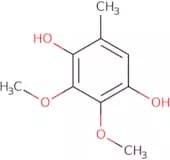
CAS :2,3-Dimethoxy-5-methyl-1,4-hydroquinone is an organic compound belonging to the class of hydroquinones, which is a type of phenolic antioxidant. It is synthesized through chemical reactions involving methoxylation and methylation of hydroquinone precursors. This compound acts primarily as an electron donor, efficiently reducing reactive oxygen species (ROS) and stabilizing free radicals by donating electrons, thereby exhibiting potent antioxidant activity.Formule :C9H12O4Degré de pureté :Min. 95%Couleur et forme :PowderMasse moléculaire :184.19 g/molKibdelone A
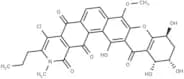
CAS :Kibdelone A, a natural heterocyclic polyketide, was first isolated from the soil actinomycete Kibdelosporangium. It exhibits potent and selective cytotoxicity against various human tumor cell lines, in addition to showing significant antibacterial and nematocidal activity.Formule :C29H24ClNO10Couleur et forme :SolidMasse moléculaire :581.96Emodic acid
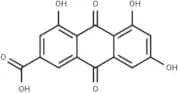
CAS :Emodic acid is a useful organic compound for research related to life sciences. The catalog number is T124807 and the CAS number is 478-45-5.Formule :C15H8O7Couleur et forme :SolidMasse moléculaire :300.222Endocrocin
CAS :Endocrocin is a useful organic compound for research related to life sciences. The catalog number is T124800 and the CAS number is 481-70-9.Formule :C16H10O7Couleur et forme :SolidMasse moléculaire :314.2492-Hydroxy-1,4-naphthoquinone-5,6,7,8-d4
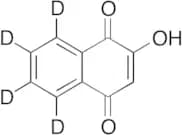
CAS :Produit contrôléApplications 2-Hydroxy-1,4-naphthoquinone-5,6,7,8-d4 is the isotope labelled analog of 2-Hydroxy-1,4-naphthoquinone (Lawsone) (H949535); the active ingredient of Lawsonia inermis (henna) leaves extract. Lawsone has potential antimicrobial activity and can be used for the detection of latent fingermarks on paper surfaces.
References Tekin, V., et al.: J. Radioanal. Nucl. Ch., (2014); Rahmoun, N.M., et al.: Am. J. Med. Biol. Res., 1, 16 (2013); Jelly, R., et al.: Chem. Commun., 30, 3513 (2008)Formule :C10D4H2O3Couleur et forme :NeatMasse moléculaire :178.18Sennidine B
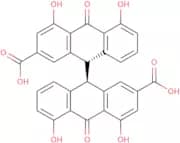
CAS :Sennidine B is a natural anthraquinone compound, which is derived from the plant species of the genus Senna. This compound functions primarily by promoting peristalsis in the colon, thus facilitating bowel movements. Sennidine B achieves this by modulating ion transport in the intestinal epithelium, enhancing water and electrolyte secretion, and stimulating the colonic muscles.
Degré de pureté :Min. 95%Masse moléculaire :538.46 g/molVismin
CAS :Please enquire for more information about Vismin including the price, delivery time and more detailed product information at the technical inquiry form on this page
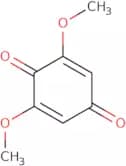
Formule :C25H28O4Degré de pureté :Min. 95%Masse moléculaire :392.49 g/mol2,6-Dimethoxy-1,4-benzoquinone
CAS :2,6-Dimethoxy-1,4-benzoquinone is an organic compound recognized as a quinone, which is a class of cyclic organic compounds derived from aromatic compounds and known for their redox activity. This compound is naturally sourced from various plant species, including the roots and bark of medicinal plants, where it often plays a role in the plant's defense mechanisms.Formule :C8H8O4Degré de pureté :Min. 95%Couleur et forme :PowderMasse moléculaire :168.15 g/mol3-Geranyloxyemodin
CAS :3-Geranyloxyemodin is a bioactive compound, specifically a naturally occurring anthraquinone derivative. It is isolated from various plant sources, such as Aloe species and other traditional medicinal plants. Its mode of action involves the modulation of key cellular pathways, including the inhibition of certain enzymes and the induction of apoptosis through mitochondrial pathways. This compound has been shown to interfere with cell proliferation and exhibit anti-inflammatory properties.Formule :C25H26O5Degré de pureté :Min. 95%Couleur et forme :PowderMasse moléculaire :406.50 g/molSennidine A
CAS :Sennidine A is a naturally derived compound, specifically a type of anthraquinone glycoside. This compound is sourced from the senna plant, Senna alexandrina, which is widely known for its potent laxative properties. Sennidine A functions by stimulating peristalsis, the process of rhythmic contractions in the intestinal muscles, through activation of the intestinal mucosa. This action increases the motility of the bowel, thereby facilitating the movement of stool through the digestive tract.
Degré de pureté :Min. 95%5-Hydroxyprimin
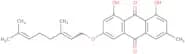
5-Hydroxyprimin is a synthesized chemical compound, classified as a neurotransmitter modulator, which is derived from a series of complex organic synthesis processes. Its mode of action involves the modulation of monoamine neurotransmitter pathways, primarily affecting serotonin and dopamine receptors in the central nervous system. Through this interaction, 5-Hydroxyprimin is thought to influence neural signaling and has potential implications for neurological research.Degré de pureté :Min. 95%3-Geranyloxy-6-methyl-1,8-dihydroxyanthraquinone
3-Geranyloxy-6-methyl-1,8-dihydroxyanthraquinone is a natural anthraquinone compound, which is derived from certain plant species, notably those in the families Rubiaceae and Fabaceae. These compounds are often isolated through sophisticated extraction techniques that target bioactive substances present in botanical sources.Degré de pureté :Min. 95%Bisvismiaquinone
CAS :Bisvismiaquinone is a novel compound, which is a bioactive quinone derived from natural sources, specifically isolated from certain plant species. This compound is characterized by its distinct molecular structure, which contributes to its unique pharmacological properties. The mode of action of bisvismiaquinone involves the modulation of biochemical pathways, potentially including oxidative stress mechanisms, signaling pathways, or enzyme inhibition, making it of particular interest for therapeutic exploration.Formule :C42H42O7Degré de pureté :Min. 95%Masse moléculaire :658.78 g/mol1,8-Dimethoxyanthraquinone
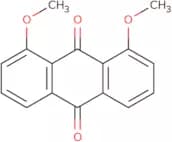
CAS :1,8-Dimethoxyanthraquinone is an anthraquinone derivative, which is synthesized through methylation of anthraquinone precursors. It acts as a chemical intermediate, featuring a conjugated structure that facilitates electron transfer processes. The presence of methoxy groups enhances its reactivity, making it useful in various organic synthesis reactions.
Formule :C16H12O4Degré de pureté :Min. 95%Masse moléculaire :268.26 g/molFerruginin A
CAS :Ferruginin A is a marine-derived compound, classified as a natural iron chelator. It is isolated from various marine organisms, particularly sponges and seaweeds, known for their complex secondary metabolites. As an iron chelator, Ferruginin A functions by binding to free iron ions in biological systems, thereby reducing oxidative stress and preventing metal-catalyzed radical formation. This action is crucial, particularly in cellular environments where excess free iron can lead to detrimental oxidative damage.
Formule :C30H36O4Degré de pureté :Min. 95%Masse moléculaire :460.6 g/molRamentaceone
CAS :Ramentaceone is an antineoplastic.Formule :C11H8O3Degré de pureté :98%Couleur et forme :SolidMasse moléculaire :188.18Aranciamycin A
CAS :Aranciamycin A, an anthraquinone antibiotic, can be isolated from Streptomyces. It exhibits antibacterial activity against Mycobacterium bovis and Bacillus subtilis, with MIC values of 30 µM and 7.5 µM, respectively.Formule :C26H28O10Masse moléculaire :500.49Islandicin
CAS :Islandicin is an anthraquinone compound that can be isolated from almond fruit. It exhibits antibacterial properties.Formule :C15H10O5Couleur et forme :SolidMasse moléculaire :270.24Pradimicinone I
CAS :Pradimicinone I (Compound 10), an analogue of Pradimicin A, is an antibiotic with potential applications in antimicrobial research.Formule :C28H23NO11Couleur et forme :SolidMasse moléculaire :549.4824-O-Demethyl-11-deoxydoxorubicin
CAS :4-O-Demethyl-11-deoxydoxorubicin is an anthracycline antibiotic with antibacterial and antitumor properties. This compound exhibits cytotoxic effects against Hela cells.Formule :C26H27NO10Masse moléculaire :513.493Fumigatin
CAS :Fumigatin exhibits activity against Gram-positive bacteria, weaker activity against Gram-negative bacteria, and also targets Vibrio cholerae.Formule :C8H8O4Couleur et forme :SolidMasse moléculaire :168.147Hedamycin
CAS :Hedamycin is an anthraquinone antibiotic exhibiting activity against Gram-positive bacteria, Gram-negative bacteria, mycobacteria, and yeasts (MIC of 0.031-3.2 μg/mL). It also inhibits rat duodenal adenocarcinoma, Walker 256 tumors in rats, HeLa cells, and the lysogenic Escherichia coli W1709 (λ) phage.Formule :C41H50N2O11Couleur et forme :SolidMasse moléculaire :746.8432-O-B-D-Glucopyranosyloxy-1,7,8-trimethoxy- 3-methylanthraquinone
CAS :2-O-B-D-Glucopyranosyloxy-1,7,8-trimethoxy-3-methylanthraquinone is a compound that can be found in the seeds of Cassia obtusifolia.Formule :C24H26O11Couleur et forme :SolidMasse moléculaire :490.46Rubiginone D2
CAS :Rubiginone D2 is an antibiotic with inhibitory effects against Bacillus subtilis, Staphylococcus aureus, and Escherichia coli. It exhibits anticancer properties by suppressing the proliferation of cancer cells such as HM02, Kato III, HepG2, and MCF7, with GI50 values of 0.1, 0.7, <0.1, and 7.5 μM, respectively.Formule :C20H16O6Couleur et forme :SolidMasse moléculaire :352.34Baumycin A1
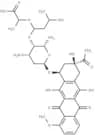
CAS :Baumycin A1 is an antitumor antibiotic (antibiotic).Formule :C34H43NO13Masse moléculaire :673.704Cytotrienin A
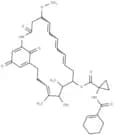
CAS :Cytotrienin A is an ansamycin antibiotic with potent apoptosis-inducing activity.Formule :C37H46N2O8Couleur et forme :SolidMasse moléculaire :646.77Dihydrogranaticin
CAS :Dihydrogranaticin exhibits activity against Bacillus cereus.Formule :C22H22O10Couleur et forme :SolidMasse moléculaire :446.40Baumycin B1
CAS :Baumycin B1 is an antitumor antibiotic (antibiotic).Formule :C34H41NO14Couleur et forme :SolidMasse moléculaire :687.6884-Deoxybostrycin
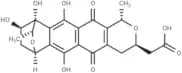
CAS :4-Deoxybostrycin exhibits activity against Bacillus subtilis.Formule :C16H16O7Couleur et forme :SolidMasse moléculaire :320.294Laccaridione B
CAS :Laccaridione B inhibits the activity of serine proteases. It exhibits inhibitory effects on trypsin, papain, thermolysin, collagenase, and zinc metalloprotease with IC50 values of 10.9 μg/mL, 5.1 μg/mL, 8.4 μg/mL, 5.7 μg/mL, and 3.0 μg/mL, respectively. Additionally, Laccaridione B shows significant antiproliferative activity against L-929, K-562, and HeLa cells, with IC50 values of 2.4 μg/mL, 1.8 μg/mL, and 13.9 μg/mL, respectively.Formule :C23H26O6Couleur et forme :SolidMasse moléculaire :398.449Laccaridione A
CAS :Laccaridione A can inhibit the activity of anti-serine proteases. The IC50 values of Laccaridione A for inhibiting trypsin, papain, thermolysin, collagenase, and zinc proteases are 14.7 μg/mL, 2.5 μg/mL, 18.8 μg/mL, 7.2 μg/mL, and 18.2 μg/mL, respectively.Formule :C22H24O6Couleur et forme :SolidMasse moléculaire :384.422