Benzènes
Les benzènes sont des hydrocarbures aromatiques simples constitués d'un anneau de carbone à six membres avec des doubles liaisons alternées. Cette structure fondamentale est un bloc de construction pour de nombreux composés chimiques, y compris les produits pharmaceutiques, les polymères et les colorants. Les benzènes sont largement utilisés en synthèse organique en raison de leur stabilité et de leur polyvalence. Chez CymitQuimica, nous offrons une large gamme de benzènes de haute qualité pour soutenir vos recherches et applications industrielles.
Sous-catégories appartenant à la catégorie "Benzènes"
- Benzamides(62 produits)
- Acides benzoïques(5.471 produits)
- Alcools benzyliques(1.458 produits)
- Benzènes halogénés(33.962 produits)
- Phénols(2.653 produits)
11887 produits trouvés pour "Benzènes"
Trier par
Degré de pureté (%)
0
100
|
0
|
50
|
90
|
95
|
100
2,5-Difluoro-3-methylbenzoic acid methyl ester
CAS :<p>2,5-Difluoro-3-methylbenzoic acid methyl ester is a high quality, complex compound that can be used as a versatile building block in synthesis. It acts as a reagent and can be used as a research chemical. 2,5-Difluoro-3-methylbenzoic acid methyl ester is an intermediate in the production of other chemicals and can also be used as a reaction component or useful scaffold.</p>Formule :C9H8F2O2Degré de pureté :Min. 95%Couleur et forme :PowderMasse moléculaire :186.16 g/mol4-Amino-5-chloro-2-methoxybenzoic acid
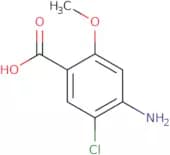
CAS :4-Amino-5-chloro-2-methoxybenzoic acid is a compound that has been shown to be a potent 5-HT4 receptor agonist. It is used in the treatment of obesity and diabetes. The molecular structure of 4-Amino-5-chloro-2-methoxybenzoic acid consists of a carbonyl group and an amine group, which are bound to each other by a covalent bond. This molecule is found to bind to the 5HT4 receptor with high affinity, which leads to its efficacy as an antiobesity agent.Formule :C8H8ClNO3Couleur et forme :White PowderMasse moléculaire :201.61 g/mol5-Amino-2-nitrobenzoic acid
CAS :<p>5-Amino-2-nitrobenzoic acid is an organic compound that belongs to the class of versatile building block. It is a white solid that has been used as a research chemical, reagent, and specialty chemical for the synthesis of complex compounds and pharmaceuticals. 5-Amino-2-nitrobenzoic acid is also known as 2-amino-5-chlorobenzoic acid (ACBA). It is soluble in water, but insoluble in ethanol. The CAS number for this chemical is 13280-60-9.</p>Formule :C7H6N2O4Masse moléculaire :182.14 g/molRef: 3D-A-6802
1kgÀ demander100gÀ demander250gÀ demander500gÀ demander2500gÀ demander-Unit-ggÀ demander3-Hydroxy-2-methoxybenzoic acid
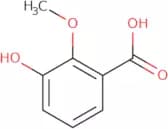
CAS :<p>3-Hydroxy-2-methoxybenzoic acid (3HMB) is a phenolic compound that is found in the heartwood of Eucalyptus trees, fruits such as apples and cherries, and some vegetables. 3HMB has been shown to inhibit tumor necrosis factor-α (TNF-α) production by proinflammatory cytokines such as IL-1β and IL-6, which are produced by cells in response to infection or tissue injury. 3HMB also inhibits the activity of tyrosol oxygenase, which converts tyrosol to vanillic acid. Vanillic acid can be converted into vanillin, an important precursor for the synthesis of pigments that give fruits their color. 3HMB has been shown to inhibit the growth of cancer cells in vitro.</p>Formule :C8H8O4Degré de pureté :Min. 95%Couleur et forme :PowderMasse moléculaire :168.15 g/mol(2,4-Difluorophenyl)acetone
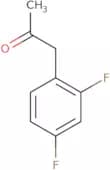
CAS :<p>(2,4-Difluorophenyl)acetone is a high quality chemical that can be used as a reagent, intermediate or building block for the synthesis of complex compounds. It is also a versatile building block for the synthesis of speciality chemicals, research chemicals and reaction components. (2,4-Difluorophenyl)acetone is an important intermediate in the synthesis of fluoroquinolones and it has been shown to be useful in the preparation of dyes such as indigo and phthalocyanine. This compound is also used to synthesize other pharmaceuticals such as aspirin and acetaminophen.</p>Formule :C9H8F2ODegré de pureté :Min. 95%Couleur et forme :PowderMasse moléculaire :170.16 g/mol3-Hydroxy-5-nitrobenzaldehyde
CAS :<p>3-Hydroxy-5-nitrobenzaldehyde is a solvent that has been used as a probe to measure chloride concentration in multimedia. It can be used as a sensor and an algorithm to detect the colorimetric change of 3-hydroxy-5-nitrobenzaldehyde in the presence of chloride ions. This probe is also used in colorimetric tests for linker, nonpolar, and surfactant compounds. The 3-hydroxy-5-nitrobenzaldehyde oxime can be cleaved by UV light to produce an unstable nitronium ion that reacts with metal ions such as copper(II) or silver(I) to form an insoluble precipitate.</p>Formule :C7H5NO4Degré de pureté :Min. 95%Couleur et forme :PowderMasse moléculaire :167.12 g/mol2,4,5-Trimethylbenzaldehyde
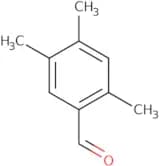
CAS :<p>2,4,5-Trimethylbenzaldehyde is a cell line that can be used to study the oxidation of α-pinene. It is a chemical compound that belongs to the group of aromatic compounds and has been shown to have high cytotoxicity. It has been found to oxidize other molecules in the body with an electron acceptor such as oxygen or another molecule. 2,4,5-Trimethylbenzaldehyde has also been shown to have biological properties. This product is being researched for its ability to inhibit fatty acid synthesis and reduce cholesterol production in the liver.</p>Formule :C10H12ODegré de pureté :Min. 95%Masse moléculaire :148.2 g/molMethyl 4-fluorobenzoate
CAS :<p>Methyl 4-fluorobenzoate is a potent inhibitor of human cancer cells. It inhibits tyrosine kinases by binding to an imidazole group and forms a ruthenium complex in the presence of sodium carbonate. Methyl 4-fluorobenzoate has shown inhibitory activity against the amination reaction catalyzed by sulfoxide reductase, which is important for the synthesis of nucleic acids. This inhibition may be due to its ability to reduce oxidized species of thiols, sulfoxides, and disulfides. Further studies are needed to elucidate the mechanism by which methyl 4-fluorobenzoate interacts with redox potentials and functional theory.</p>Formule :C8H7FO2Degré de pureté :Min. 95%Couleur et forme :Colorless Clear LiquidMasse moléculaire :154.14 g/mol4-Bromo-2-(trifluoromethyl)benzoic acid methyl ester
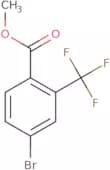
CAS :<p>4-Bromo-2-(trifluoromethyl)benzoic acid methyl ester is a versatile building block that can be used to produce complex compounds. It is also an intermediate and a useful scaffold in organic synthesis. This chemical has been used as a research chemical and as a reagent for the production of other chemicals. The compound has CAS number 957207-58-8 and can be obtained from our supplier in high quality, with purity of 99%.</p>Formule :C9H6BrF3O2Degré de pureté :Min. 95%Couleur et forme :Colorless PowderMasse moléculaire :283.04 g/mol3-Hydroxy-4-iodobenzaldehyde
CAS :<p>3-Hydroxy-4-iodobenzaldehyde is a fluorophore that is used in the synthesis of amide compounds, as well as in the production of other synthetic molecules. 3-Hydroxy-4-iodobenzaldehyde has been shown to have pharmacokinetic properties that are similar to those of fluorescein, and can be used to study the distribution and metabolism of this compound. This compound also has an oxidation potential that is higher than that of fluorescein, which makes it more useful for studying drug metabolism. The labile nature of 3-hydroxy-4-iodobenzaldehyde means it will not remain intact for long periods of time.</p>Formule :C7H5IO2Degré de pureté :Min. 95%Couleur et forme :PowderMasse moléculaire :248.02 g/mol2-Methyl-4-nitrobenzoic acid
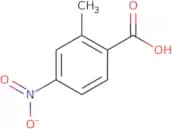
CAS :2-Methyl-4-nitrobenzoic acid is a synthetic drug substance. The crystalline structure of 2-methyl-4-nitrobenzoic acid is polymorphic and it can be obtained in two different forms: anhydrous form and monohydrate form. The reaction yield for this compound is low, which may be due to the presence of additives or deionized water. This drug substance has a high solubility in hydroxide solutions and methylbenzene. It reacts slowly with hydrochloric acid and sodium hydroxide solution to produce 2-methyl-4-nitrobenzoic acid hydrochloride and sodium benzoate, respectively. 2-Methyl-4-nitrobenzoic acid has low bioavailability due to its poor absorption from the gastrointestinal tract into the bloodstream.Formule :C8H7NO4Degré de pureté :Min. 95%Couleur et forme :PowderMasse moléculaire :181.15 g/mol2,4,6-Trihydroxybenzaldehyde
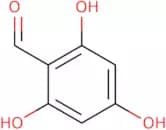
CAS :<p>2,4,6-Trihydroxybenzaldehyde is a polymerase chain inhibitor that blocks the synthesis of DNA and RNA. It has been shown to have significant cytotoxicity in vitro and has been used as an antimicrobial agent to inhibit the growth of bacteria. 2,4,6-Trihydroxybenzaldehyde also inhibits tetracycline resistance in Mycobacterium tuberculosis (Mtb) by inhibiting the production of proteins vital for bacterial cell division. This compound is structurally related to naturally occurring compounds such as anthocyanins and it has been shown to have inhibitory properties on mitochondrial membrane potential, which may be due to its ability to inhibit protein synthesis and induce apoptosis. The analytical methods used for this compound are thin layer chromatography and high performance liquid chromatography.</p>Formule :C7H6O4Degré de pureté :Min. 98 Area-%Couleur et forme :PowderMasse moléculaire :154.12 g/mol5-Bromo-2-methylbenzoic acid
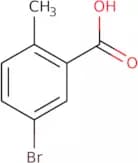
CAS :<p>Intermediate in the synthesis of canagliflozin</p>Formule :C8H7BrO2Degré de pureté :Min. 95%Couleur et forme :White PowderMasse moléculaire :215.04 g/mol3,5-Dimethylbenzoic acid
CAS :<p>3,5-Dimethylbenzoic acid is a carboxylic acid that is a member of the 3-carboxybenzenesulfonic acid family. The molecule is formed by the reaction of sodium carbonate with benzene in the presence of water. The compound has a redox potential that is close to zero, which makes it a reducing agent and an excellent hydrogen donor. The compound is soluble in water and has been shown to inhibit plant growth as well as promote plant growth by acting as a growth regulator. This molecule has also been shown to be fluorescent.</p>Formule :C9H10O2Degré de pureté :Min. 95%Couleur et forme :PowderMasse moléculaire :150.17 g/mol3-Nitrobenzoic acid methyl ester
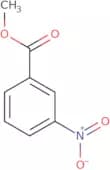
CAS :3-Nitrobenzoic acid methyl ester is an organic compound that contains a hydroxyl group and a nitro group. It can be synthesized by the reaction of 3-nitrophenol and methanol in a solvent such as water or ethanol. The nitro group is important for the solvating power of this molecule, which has been shown to have approximations with other molecules. 3-Nitrobenzoic acid methyl ester is found in two different forms: the cis form and the trans form, which differ in the orientation of their nitro groups. The cis form is more stable than the trans form because it has a dipole moment. The vibrational frequencies are also higher for the cis form than for its trans counterpart. 3-Nitrobenzoic acid methyl ester has been shown to react with nintedanib, which is used to treat cancer, and inhibit kinetics. The kinetic data obtained from this study canFormule :C8H7NO4Degré de pureté :(Gc) Min. 98%Couleur et forme :PowderMasse moléculaire :181.15 g/molEthyl 2,4-dihydroxy-6-methylbenzoate
CAS :<p>Ethyl 2,4-dihydroxy-6-methylbenzoate is a phenolic acid that is found in lichens. It has been shown to have anti-cancer and anti-inflammatory properties. The hydrogen bonds of ethyl 2,4-dihydroxy-6-methylbenzoate are the result of an intramolecular hydrogen bonding between the benzoic acid group and the hydroxymethyl group. This compound can also be found in matrix effect health care products as well as wastewater treatment plants. Ethyl 2,4-dihydroxy-6-methylbenzoate has also been shown to inhibit enzymes such as uv absorption and phenolic acids.</p>Formule :C10H12O4Degré de pureté :Min. 95%Masse moléculaire :196.2 g/molMethyl 4-acetylbenzoate
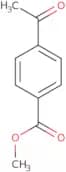
CAS :Methyl 4-acetylbenzoate is a synthetic compound that can be used for the synthesis of imatinib and other pharmaceuticals. It is an effective method for the synthesis of butyric acid with high enantiomeric purity. The cross-coupling reaction was first reported by Suzuki in 1979, which has been widely applied to organic synthesis because it is efficient and produces simple byproducts. This reaction has also been used in the synthesis of model compounds and natural products, as well as in environmental pollution studies.Formule :C10H10O3Degré de pureté :Min. 95%Couleur et forme :PowderMasse moléculaire :178.18 g/mol3,5-Dihydroxy-4-methylbenzoic acid methyl ester
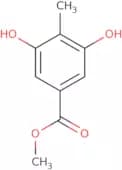
CAS :<p>3,5-Dihydroxy-4-methylbenzoic acid methyl ester is a fine chemical that is used as a versatile building block in the synthesis of pharmaceuticals, agrochemicals and other chemicals. It can be used as an intermediate in the synthesis of organic compounds and research chemicals. This compound is also used as a reaction component in organic syntheses and is often found in speciality chemicals. 3,5-Dihydroxy-4-methylbenzoic acid methyl ester is soluble in most solvents and has high purity. It is a complex compound that can be used as a useful building block or reagent for many different reactions.</p>Formule :C9H10O4Degré de pureté :Min. 95%Couleur et forme :PowderMasse moléculaire :182.17 g/mol3-Methyl-4-nitrobenzoic acid
CAS :<p>3-Methyl-4-nitrobenzoic acid is a white solid that can be synthesized by heating 2,4-dichlorobenzoic acid with potassium dichromate in the presence of nitrogen. It has been shown to be effective against Candida glabrata strains and other bacteria. 3-Methyl-4-nitrobenzoic acid is soluble in water and other polar solvents, such as acetic acid or sodium carbonate, but insoluble in nonpolar solvents such as hexane or ether. The reaction mechanism for this compound is not yet known. It has been found to have a phase equilibrium between its solid and liquid forms at room temperature. Solubility data for this compound are available from experimental measurements.</p>Formule :C8H7NO4Degré de pureté :Min. 95%Couleur et forme :PowderMasse moléculaire :181.15 g/mol2,6-Dimethylbenzoic acid
CAS :<p>2,6-Dimethylbenzoic acid is a colorless solid that has a molecular weight of 162.2 g/mol and an empirical formula of C7H8O2. It has a melting point of about 82 degrees Celsius and a boiling point of about 315 degrees Celsius. 2,6-Dimethylbenzoic acid is soluble in water at 100 degrees Celsius. It has been shown to act as a potent antagonist for the muscarinic acetylcholine receptors. This compound also has basic properties due to its hydrogen bonding interactions with proteins and other molecules. 2,6-Dimethylbenzoic acid has been shown to be efficient in supramolecular chemistry because it is electron deficient and contains thermodynamic functional groups such as carboxylic acids and alcohols.</p>Formule :C9H10O2Degré de pureté :Min. 95%Couleur et forme :PowderMasse moléculaire :150.17 g/mol(3-Nitrophenyl)acetone
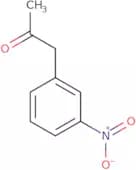
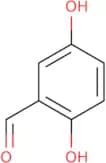
CAS :3-Nitrophenylacetone is a white solid that is soluble in water and polar organic solvents. 3-Nitrophenylacetone can be used as a building block for the synthesis of other compounds, such as pharmaceuticals and dyes. This compound has been researched for its ability to inhibit protein glycosylation. 3-Nitrophenylacetone is also used as an intermediate in the synthesis of polyurethanes and polycarbonates.Formule :C9H9NO3Degré de pureté :Min. 95%Couleur et forme :White PowderMasse moléculaire :179.17 g/mol2,5-Dihydroxybenzaldehyde
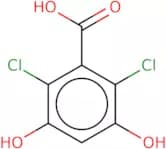
CAS :<p>2,5-Dihydroxybenzaldehyde is a compound that can be used as an antioxidant. It is also a precursor for the synthesis of benzalkonium chloride. 2,5-Dihydroxybenzaldehyde reacts with p-hydroxybenzoic acid to form 2,5-dihydroxyphenylacetic acid and benzoic acid. The reaction mechanism of 2,5-dihydroxybenzaldehyde has been studied in detail using hl-60 cells and has been shown to be significant cytotoxicity. The hydroxyl group in this molecule creates a hydrogen bond with the carbonyl group in p-hydroxybenzoic acid and the two react together to form products. This reaction is catalyzed by Michaelis–Menten kinetics and proceeds via an electrochemical detector. Nitrogen atoms are not present in this molecule but do exist in benzalkonium chloride, which is synthesized from 2</p>Formule :C7H6O3Degré de pureté :Min. 95%Couleur et forme :Yellow PowderMasse moléculaire :138.12 g/mol2,6-Dichloro-3,5-dihydroxybenzoic acid
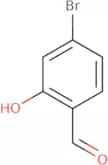
CAS :2,6-Dichloro-3,5-dihydroxybenzoic acid is a reagent with a wide range of applications in the research and development of chemical products. It is also a useful intermediate for the synthesis of other compounds. 2,6-Dichloro-3,5-dihydroxybenzoic acid has been shown to be used as a building block for the synthesis of various complex compounds. It is also an important reaction component that can be used in many different reactions to produce valuable products.Formule :C7H4Cl2O4Degré de pureté :Min. 95%Couleur et forme :PowderMasse moléculaire :223.01 g/mol4-Bromo-2-hydroxybenzaldehyde
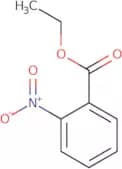
CAS :<p>4-Bromo-2-hydroxybenzaldehyde is a chemical compound that is used in the synthesis of azides. It has a molecular formula of C6H5BrO, a diameter of 197.037 pm, and a structural formula of CHBrO. 4-Bromo-2-hydroxybenzaldehyde can be prepared by reacting bromine with hydroxybenzaldehyde in the presence of an amine catalyst. This product has been shown to have synergistic effects when used in combination with other anticancer agents such as aminopyrimidines, coumarin derivatives, or 2-(4'-hydroxyphenyl) benzoxazole. The photophysical properties of 4-bromo-2-hydroxybenzaldehyde are characterized by its fluorescence emission at 272 nm and its absorption at 270 nm. This product also shows low detection levels in human liver tissue samples, which may be due to its high water sol</p>Formule :C7H5BrO2Degré de pureté :Min. 95%Couleur et forme :White PowderMasse moléculaire :201.02 g/molEthyl 2-nitrobenzoate
CAS :<p>Ethyl 2-nitrobenzoate is a cyclic organic compound that contains a nitro group, which is an organic radical with the formula -NO2. It belongs to the class of amides and has two carbonyl groups. The molecule consists of a bicyclic heterocycle consisting of one ring with five carbon atoms and one ring with six carbon atoms. Ethyl 2-nitrobenzoate can be used in the treatment of muscle diseases, metabolic disorders, growth factor deficiencies, autoimmune diseases, and neural system disorders due to its ability to act as an antihypertensive agent and as an inhibitor of angiotensin converting enzyme (ACE). This molecule's hydroxyl group can also react with epidermal growth factor (EGF) to form N-hydroxyethyl EGF (NHE). This product has been shown to have antiviral properties against HIV-1 protease inhibitors by interfering with viral protein synthesis.</p>Formule :C9H9NO4Degré de pureté :Min. 95%Couleur et forme :White PowderMasse moléculaire :195.17 g/mol4-(Ethenylsulfonyl)benzoic acid 2,5-dioxo-1-pyrrolidinyl ester
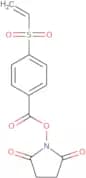
CAS :<p>4-(Ethenylsulfonyl)benzoic acid 2,5-dioxo-1-pyrrolidinyl ester is a fine chemical that is a useful scaffold for the synthesis of complex compounds. It can be used as a versatile building block in the production of research chemicals and pharmaceuticals, as well as a reaction component in speciality chemicals. The CAS Number for 4-(Ethenylsulfonyl)benzoic acid 2,5-dioxo-1-pyrrolidinyl ester is 343934-41-8.</p>Formule :C13H11NO6SDegré de pureté :Min. 95%Couleur et forme :White PowderMasse moléculaire :309.3 g/mol2,4-Dimethylbenzoic acid
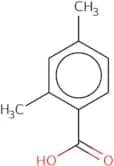
CAS :<p>2,4-Dimethylbenzoic acid is a white solid with the chemical formula CH3C6H2O2. It is an organic acid that can be used as a building block in organic synthesis. The functional groups of 2,4-dimethylbenzoic acid are methyl and carboxyl. The most efficient method for the synthesis of 2,4-dimethylbenzoic acid is by reacting hydrochloric acid with dimethylaniline. This reaction can be carried out in one pot without isolation of intermediates. The structural analysis of 2,4-dimethylbenzoic acid was done using fluorescence lifetimes and hydrochloric acid. The reaction mechanism for the formation of 2,4-dimethylbenzoic acid from dimethylaniline is through a nucleophilic substitution reaction with chloride ion. Sample preparation for 2,4-dimethylbenzoic acid includes dissolution in water and filtration through a 0.45</p>Formule :C9H10O2Degré de pureté :Min. 95%Couleur et forme :White PowderMasse moléculaire :150.17 g/mol4-Hydroxy-3-iodobenzoic acid
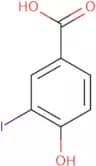
CAS :<p>4-Hydroxy-3-iodobenzoic acid is a synthetic retinoid that is used in the synthesis of various other pharmaceutical compounds. It is also an inhibitor of bacterial growth, which may be due to its ability to bind to receptors on the bacterial cell surface. The antibiotic activity of 4-hydroxy-3-iodobenzoic acid has been demonstrated using an in vitro assay with Escherichia coli and Streptococcus pyogenes. 4-Hydroxy-3-iodobenzoic acid has also been shown to have antiestrogen properties when it competes with estradiol for receptor binding sites. This compound binds to the estrogen receptor and blocks its activity, inhibiting estrogen production by the ovaries or from other sources. Structural analysis of 4-hydroxy-3-iodobenzoic acid revealed that this compound has two functional groups: one group that interacts with nitrogen and another that binds to hydrogen or oxygen. These</p>Formule :C7H5IO3Degré de pureté :Min. 95%Couleur et forme :PowderMasse moléculaire :264.02 g/molMethyl 5-chlorosalicylate
CAS :Methyl 5-chlorosalicylate is a chemical compound with the molecular formula CHClO. It is a colorless liquid that has a minty odor. Methyl 5-chlorosalicylate is used in organic chemistry as an intermediate to synthesize other compounds, and it can be used in the synthesis of β-cell receptor antagonists. This drug is an analog of salicylic acid and its anti-inflammatory effects are due to the inhibition of chloride channels on macrophages. The drug's neutralizing properties have been shown by experiments with neutralizing antibody levels at physiological levels, which blocks viral replication and prevents cell damage by free radicals.Formule :C8H7ClO3Degré de pureté :Min. 95%Couleur et forme :White PowderMasse moléculaire :186.59 g/mol4-(Dimethylamino)benzaldehyde
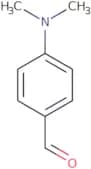
CAS :4-(Dimethylamino)benzaldehyde (4DMAB) is an analytical reagent used to identify sulfa drugs. It has been shown to react with sulfonamides by the formation of a complex ion, which can be detected by analytical methods such as electrochemical impedance spectroscopy or ultraviolet spectroscopy. 4DMAB has also been studied for its anticarcinoid properties. The carcinoid syndrome is characterized by a tumor that releases serotonin and other substances into the bloodstream, causing severe diarrhea, flushing, and bronchial spasms. Studies have shown that 4DMAB inhibits the release of serotonin in this condition. As a result, it may be effective against carcinoid syndrome.Formule :C9H11NODegré de pureté :Min. 95%Couleur et forme :White Slightly Yellow PowderMasse moléculaire :149.19 g/mol2-Hydroxy-6-methylbenzoic acid
CAS :<p>2-Hydroxy-6-methylbenzoic acid is a natural product that is synthesized by the enzyme p. pastoris. It is a member of the polyketide class of compounds and has shown to have physiological effects such as anti-inflammatory and antioxidant properties. 2-Hydroxy-6-methylbenzoic acid also has been shown to inhibit ATP binding cassette transporter (ABC) proteins, which are involved in drug resistance, from transporting drugs out of cells, making it an attractive candidate for drug discovery.</p>Formule :C8H8O3Degré de pureté :Min. 95%Couleur et forme :PowderMasse moléculaire :152.15 g/mol2,4-Dihydroxy-3-methylbenzoic acid
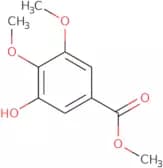
CAS :<p>2,4-Dihydroxy-3-methylbenzoic acid (2,4-DMB) is a potent compound that has been shown to have chemotherapeutic properties. It is a DNA repair agent that also inhibits the activity of topoisomerase II and DNA polymerase III. 2,4-DMB can be used in the treatment of radiation and ionizing radiation induced cancers. The pharmacophore of 2,4-DMB has been identified as being composed of three hydrophobic regions and one hydrophilic region. This pharmacophore has been used to design other potent compounds with similar activity against cancer cells.</p>Formule :C8H8O4Degré de pureté :Min. 95%Couleur et forme :PowderMasse moléculaire :168.15 g/molMethyl 4,5-dimethoxy-3-hydroxybenzoate
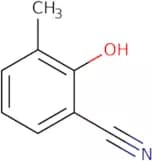
CAS :<p>Methyl 4,5-dimethoxy-3-hydroxybenzoate is a synthetic chemical that inhibits the enzyme tectorigenin reductase. Tectorigenin reductase is responsible for the production of tectorigenin, a phytoestrogen found in plants such as china. Methyl 4,5-dimethoxy-3-hydroxybenzoate was shown to inhibit the activity of platelets from human blood and has been studied for its pharmacological properties. The thermodynamic and kinetic parameters of methyl 4,5-dimethoxy-3-hydroxybenzoate have been determined using gas chromatography - mass spectrometry (GC–MS) and nuclear magnetic resonance (NMR) spectroscopy. It exists as both an enantiomeric mixture and racemic mixture.</p>Formule :C10H12O5Degré de pureté :Min. 95%Couleur et forme :PowderMasse moléculaire :212.2 g/mol2-Hydroxy-3-methylbenzonitrile
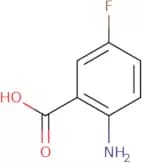
CAS :<p>2-Hydroxy-3-methylbenzonitrile is a high quality chemical that is used as an intermediate in the synthesis of complex compounds. It can be used as a reagent in organic chemistry, and has been shown to be useful for the production of fine chemicals, such as antibiotics. 2-Hydroxy-3-methylbenzonitrile is also a versatile building block for the production of pharmaceuticals and research chemicals. It can be used as a reaction component for the synthesis of speciality chemicals and various building blocks.</p>Formule :C8H7NODegré de pureté :Min. 95%Couleur et forme :PowderMasse moléculaire :133.15 g/mol5-Fluoroanthranilic acid
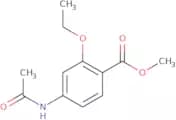
CAS :<p>5-Fluoroanthranilic acid is a synthetic compound that belongs to the class of anthranilic acid derivatives. It inhibits the growth of bacteria by reacting with the hydroxyl group on the bacterial cell wall and binding to its target, which is a cellular component found in Gram-positive bacteria. The molecular modeling and gene analysis have shown that this compound has an optimal reaction at pH 8.5, which is not in accordance with the natural environment of bacteria. 5-Fluoroanthranilic acid has been shown to have anticancer activity against wild-type cells but not against resistant mutants.</p>Formule :C7H6FNO2Degré de pureté :Min. 95%Couleur et forme :PowderMasse moléculaire :155.13 g/molEthopabate - Technical
CAS :Ethopabate is a salt of ethopropazine and sodium carbonate. It is used in pharmaceutical preparations as an antiparasitic agent. The chemical composition of the salt is CHNO, with one hydrogen bond between the ethopropazine and sodium carbonate. Ethopabate has been shown to be active against amprolium-resistant coccidia in human serum, as well as being an analytical reagent for detecting monoclonal antibodies. This chemical can be used to prepare a polymeric matrix for use in fluorescence detection or for antimicrobial agents. Hydrochloric acid and UV light are used to synthesize this compound.Formule :C12H15NO4Degré de pureté :Min. 95%Couleur et forme :White PowderMasse moléculaire :237.25 g/mol2-Hydroxy-3-methoxybenzaldehyde
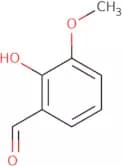
CAS :<p>2-Hydroxy-3-methoxybenzaldehyde is a model compound that is used to study the reaction mechanism of hydrogen bonding. It has been shown to have antioxidative properties and amoebicidal activity. The biological properties of 2-hydroxy-3-methoxybenzaldehyde are still being studied. There are also no reports on its toxicity or carcinogenicity in humans. This compound is a member of the group P2, which includes compounds with two aromatic rings connected by one carbon atom. The molecular geometry around this carbon atom is pyramidal and the molecule can exist in either an axial or equatorial orientation. Synchronous fluorescence experiments have shown that 2-hydroxymethoxybenzaldehyde reacts with Toll-like receptor 4 (TLR4).</p>Formule :C8H8O3Degré de pureté :Min. 95%Couleur et forme :Yellow PowderMasse moléculaire :152.15 g/mol5-Amino-2-chlorobenzoic acid
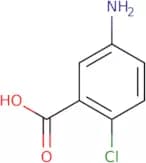
CAS :<p>5-Amino-2-chlorobenzoic acid is a carboxylate that has antiproliferative effects. It is synthesized through the reaction of morpholine and malonic acid. 5-Amino-2-chlorobenzoic acid has been shown to have an optimal reaction with UV light, which may be due to its structure activity relationship with other carboxylates. It also has a high affinity for metal ions such as magnesium and chloride, which are thought to be important in cancer cell proliferation. 5-Amino-2-chlorobenzoic acid can be used in analytical methods because it is soluble in water and can be obtained through gravimetric analysis.</p>Formule :C7H6ClNO2Couleur et forme :PowderMasse moléculaire :171.58 g/mol4-Hydroxy-2-methoxybenzaldehyde
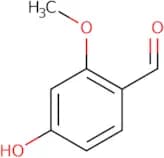
CAS :<p>Echinatin is a benzaldehyde derivative that is found in the roots of Echinacea purpurea. It is a phenolic compound with a carbonyl group and two benzyl groups. 4-Hydroxy-2-methoxybenzaldehyde has been shown to have photophysical, cell culture, and functional group properties. This compound is used as a precursor for the production of echinatin and other plant polyphenols such as malonic acid. The biosynthesis of 4-hydroxy-2-methoxybenzaldehyde begins with the oxidation of cinnamic acid by cytochrome P450 monooxygenase to form cinnamoyl CoA. The enzyme cinnamate decarboxylase then converts this intermediate to p-hydroxybenzoic acid, which is then hydroxylated to form 4-hydroxy-2-methoxybenzaldehyde.</p>Formule :C8H8O3Degré de pureté :Min. 95%Couleur et forme :PowderMasse moléculaire :152.15 g/mol4-Amino-3-nitrobenzylamine hydrochloride
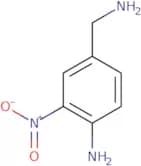
CAS :<p>4-Amino-3-nitrobenzylamine hydrochloride is a potential vanilloid receptor antagonist with potent antagonistic activities. It has been shown to inhibit the activation of neuronal TRPV1 receptors, as well as the uptake of 4-aminobenzoic acid (4-BA) in rat brain synaptosomes. In addition, this compound can be used to optimize drug structure, acting as an amide and alkyl groups. 4-Amino-3-nitrobenzylamine hydrochloride binds to the vanilloid receptor TRPV1 and blocks its activation. This prevents the release of proinflammatory substances that are responsible for pain, inflammation, and tissue injury.</p>Formule :C7H9N3O2·HClDegré de pureté :Min. 95%Couleur et forme :PowderMasse moléculaire :203.63 g/mol2-Fluoro-3-methylbenzoic acid
CAS :<p>2-Fluoro-3-methylbenzoic acid is a high quality, versatile building block that has been shown to be an effective reagent for the synthesis of complex compounds. It is also a useful intermediate in the synthesis of fine chemicals and speciality chemicals. This compound can be used as a reaction component for many chemical reactions, such as the formation of new bonds and the removal of protecting groups. As a versatile building block, 2-fluoro-3-methylbenzoic acid is an important starting material for synthesizing a number of natural products, pharmaceuticals, and other organic compounds.</p>Formule :C8H7FO2Degré de pureté :Min. 95%Couleur et forme :White PowderMasse moléculaire :154.14 g/mol2-Bromobenzaldehyde
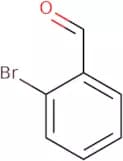
CAS :<p>2-Bromobenzaldehyde is an important aryl aldehyde that can be synthesized through the copper-catalyzed coupling of 2-bromobenzyl bromide and phenylacetone. The synthesis of 2-bromobenzaldehyde has been used to study the effects of physiological activities on the coordination geometry. It is also used as a fluorescent probe for amines and esters, which are commonly found in bioinorganic chemistry. The compound is characterized by intermolecular hydrogen bonding and hydrogen bonding between the hydroxy group and chloride, which are associated with its acidity.<br>2-Bromobenzaldehyde has been shown to have antiinflammatory properties, which may be due to its ability to inhibit prostaglandin synthesis.</p>Formule :C7H5BrODegré de pureté :Min. 95%Couleur et forme :Off-White PowderMasse moléculaire :185.02 g/mol4-Hydroxy-3-methoxybenzoic acid
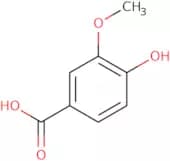
CAS :<p>Flavoring agent; interacts with TPRV receptors and ASIC channels</p>Formule :C8H8O4Degré de pureté :Min. 98 Area-%Couleur et forme :White Beige PowderMasse moléculaire :168.15 g/mol3-Methoxy-4-methylbenzonitrile
CAS :3-Methoxy-4-methylbenzonitrile is a reagent that is used in the synthesis of complex compounds, such as pharmaceuticals and fine chemicals. It has been shown to be useful as an intermediate for the synthesis of various drugs, including antibiotics. 3-Methoxy-4-methylbenzonitrile has also been shown to be a useful scaffold for the synthesis of new drugs and other chemical compounds. This compound is listed on the Chemical Abstracts Service registry number 3556-60-3.Formule :C9H9NODegré de pureté :Min. 95%Couleur et forme :PowderMasse moléculaire :147.17 g/molEthyl 4-(N,N-diethylamino)benzoate
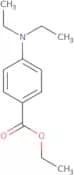
CAS :Ethyl 4-N,N-diethylamino)benzoate is a molecule that contains a carbonyl group. In an exothermic reaction, the carbonyl group reacts with naphthalene in the presence of activated alkyl substituents to form a fluorescent product. The molecule has a constant and is monomeric. It has an aromatic hydrocarbon structure, which results in a red shift in the fluorescence emission spectrum. Ethyl 4-N,N-diethylamino)benzoate reacts with solvents such as water and alcohols to form solutes that are fluorescent.Formule :C13H19NO2Degré de pureté :Min. 95%Couleur et forme :PowderMasse moléculaire :221.3 g/mol2-Methoxybenzoic acid
CAS :2-Methoxybenzoic acid is a nonsteroidal anti-inflammatory drug that belongs to the group of acetate extract. This compound has been shown to inhibit the production of prostaglandin E2 by inhibiting cyclooxygenase activity. 2-Methoxybenzoic acid also acts as an antagonist at serotonin 5HT1A receptors, which are involved in the regulation of mood and cognition. It is a competitive inhibitor of p-hydroxybenzoic acid, natural compounds, and protocatechuic acid with hydrogen bond interactions. 2-Methoxybenzoic acid also binds to tissue culture cells and inhibits cell growth through receptor binding.Formule :C8H8O3Degré de pureté :Min. 95%Couleur et forme :PowderMasse moléculaire :152.15 g/mol3-Formyl-4-hydroxybenzoic acid
CAS :<p>3-Formyl-4-hydroxybenzoic acid is a synthetic compound with anticancer activity. It is an azobenzene that has been shown to have photocatalytic activity. 3-Formyl-4-hydroxybenzoic acid has a carboxylate functional group and the ethyl ester functional group. The anticancer activity of this compound may be due to hydrogen bonding interactions, as well as its ability to cause DNA damage in cells by photolysis and its antiviral potency.</p>Formule :C8H6O4Degré de pureté :90%Couleur et forme :White PowderMasse moléculaire :166.13 g/mol4-Ethoxybenzonitrile
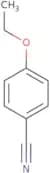
CAS :4-Ethoxybenzonitrile is an organic compound that belongs to the group of nitroalkanes. It is a substrate for reductive amination, which is a reaction in which the nitro group on 4-ethoxybenzonitrile is reduced by an amine to form an amide. This reaction can be facilitated by metal catalysts, such as copper(II) acetate and zinc chloride. The reaction yields high selectivity (>90%) with respect to the product formed and has been shown to be more efficient than other reductive amination reactions. 4-Ethoxybenzonitrile has been used as a building block for various compounds, including dyestuffs, pharmaceuticals, and pesticides. 4-Ethoxybenzonitrile is also resistant to tyrosinase due to its lack of electron donating groups on its aromatic ring.Formule :C9H9NODegré de pureté :Min. 98 Area-%Couleur et forme :PowderMasse moléculaire :147.17 g/mol3-N-Maleimidobenzoic acid
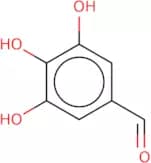
CAS :<p>3-N-Maleimidobenzoic acid is a chemical crosslinking agent that reacts with proteins through the formation of an amide bond. It has been shown to react with both actin subunits and human immunoglobulin. This molecule also reacts with spermatozoa, which are composed primarily of actin filaments, and is used in the preparation of polyclonal antibodies. 3-N-Maleimidobenzoic acid can be used to fix antigen onto a solid support for immunological purposes. It is also a cross-linking agent that can be used in cytochalasin B experiments to inhibit plastid activity in chloroplasts. 3-N-Maleimidobenzoic acid reacts with monoclonal antibodies by forming an amide bond, which can be used as a reaction product.</p>Formule :C11H7NO4Degré de pureté :Min. 95%Couleur et forme :PowderMasse moléculaire :217.18 g/molGallaldehyde hemihydrate
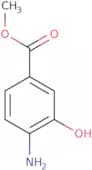
CAS :<p>Gallaldehyde hemihydrate is a bioactive phenolic compound that inhibits the tyrosine kinase domain of the epidermal growth factor receptor (EGFR). It has been shown to inhibit tumor cell growth and induce apoptosis in cancer tissues. Gallaldehyde hemihydrate has also been found in lentils, which might be used as a potential biomarker for this compound. The optimum pH for gallaldehyde hemihydrate is between 2.0-4.0, and it can bind to cation channels and act as a potential biomarker for skin cancer cells.</p>Formule :C7H6O4Degré de pureté :Min. 95%Couleur et forme :PowderMasse moléculaire :154.12 g/molMethyl 4-amino-3-hydroxybenzoate
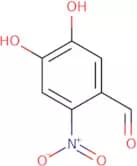
CAS :Methyl 4-amino-3-hydroxybenzoate is a synthetic compound that has been shown to inhibit the neuraminidase enzyme in the influenza virus. It is a ligand for the influenza virus and inhibits the release of progeny virions from infected cells. Methyl 4-amino-3-hydroxybenzoate has been shown to have antiviral effects against influenza A and B viruses in vivo and in vitro. The mechanism of action is thought to be due to its interaction with metal ion, which can reduce the availability of free water needed for viral replication.Formule :C8H9NO3Degré de pureté :Min. 95%Couleur et forme :Off-White PowderMasse moléculaire :167.16 g/mol3,4-Dihydroxy-6-nitrobenzaldehyde
CAS :3,4-Dihydroxy-6-nitrobenzaldehyde is a nitrite that can be used to produce nitric acid. It can also be used in the synthesis of caffeic acid and protocatechuic aldehyde. This molecule is also a catalyst for the conversion of 3,4-dihydroxybenzoic acid to chloride and purine derivatives. 3,4-Dihydroxy-6-nitrobenzaldehyde is nucleophilic and can react with an electron pair donor such as methyl ester or dimerization. The product of this reaction is an unsaturated compound called hyperuricemic mice.Formule :C7H5NO5Degré de pureté :Min. 95%Couleur et forme :Yellow PowderMasse moléculaire :183.12 g/mol2-Amino-4-methoxy-benzoic acid methyl ester
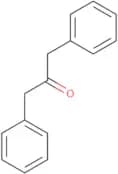
CAS :<p>2-Amino-4-methoxy-benzoic acid methyl ester is a high quality, versatile building block for the synthesis of complex compounds. It is an intermediate in the synthesis of a number of biologically active compounds and has been used as a reagent for the determination of amino acids. 2-Amino-4-methoxy-benzoic acid methyl ester is soluble in water and polar organic solvents.</p>Formule :C9H11NO3Degré de pureté :Min. 95%Couleur et forme :Off-White PowderMasse moléculaire :181.19 g/mol1,3-Diphenylacetone, 97.0%+
CAS :<p>1,3-Diphenylacetone is a high quality chemical that is used as a reagent and intermediate in the production of specialty chemicals. It can be used to synthesize other compounds such as pharmaceuticals, pesticides, and lubricants. 1,3-Diphenylacetone has been shown to be an effective building block for a variety of chemical reactions. This compound is also versatile because it can be used as a research chemical or scaffold for synthesis of other compounds. 1,3-Diphenylacetone has CAS number 102-04-5 and can be found in the speciality chemical category.</p>Formule :C15H14ODegré de pureté :Min. 97.0 Area-%Masse moléculaire :210.28 g/mol3-Fluoro-4-methoxybenzaldehyde
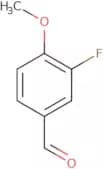
CAS :<p>3-Fluoro-4-methoxybenzaldehyde is a chemical compound that is used in the synthesis of natural products. It has been shown to have inhibitory properties against cancer cells, and has been synthesized as an analog of 3-fluoro-4-hydroxybenzaldehyde. The biological function of 3-fluoro-4-methoxybenzaldehyde is not yet known. Hydrochloric acid may be used to react with 3-fluoro-4-methoxybenzaldehyde to form a salt. This chemical also has anti-tumor effects and can be synthesized using cryogenic techniques.</p>Formule :C8H7FO2Degré de pureté :Min. 95%Couleur et forme :Slightly Yellow PowderMasse moléculaire :154.14 g/molMesitaldehyde - 97%
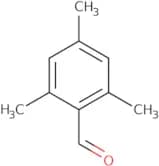
CAS :<p>Mesitaldehyde is a diazonium salt that is synthesized by the reaction of nitrosyl chloride and sodium carbonate in an acidic solution. This chemical has been studied for its potential use as a therapeutic drug due to its ability to inhibit the enzyme dpp-iv, which is involved in the development of diabetic neuropathy. Mesitaldehyde has also been shown to be an inhibitor of malonic acid, ethylmalonic acid and other organic acids. The analytical method for mesitaldehyde involves hydrolyzing the product with hydrochloric acid in order to produce ethylmalonic acid, which can then be quantified using spectrophotometry.</p>Formule :C10H12ODegré de pureté :Min. 95%Couleur et forme :PowderMasse moléculaire :148.2 g/mol3,4-Dimethoxybenzylamine
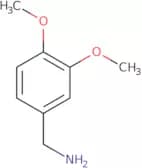
CAS :<p>3,4-Dimethoxybenzylamine is an amine that is used in the synthesis of pharmaceuticals. It can be polymerized by heating with aqueous formaldehyde and hydrochloric acid to form a resin. 3,4-Dimethoxybenzylamine inhibits serotonin receptors, exhibiting inhibitory properties at concentrations of 10-5 M. 3,4-Dimethoxybenzylamine also has pharmacokinetic properties that are similar to vitamin B1. This compound has been shown to inhibit homogeneous catalysts and is used for coatings for ganglion cells.</p>Formule :C9H13NO2Degré de pureté :Min. 95%Couleur et forme :Clear LiquidMasse moléculaire :167.21 g/mol3-Bromo-2,6-dimethoxybenzoic acid
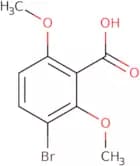
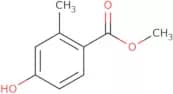
CAS :3-Bromo-2,6-dimethoxybenzoic acid is a synthetic chemical used to introduce insulators into the DNA molecule. It is also used as a treatment method for introducing branched-chain scripts into the DNA molecule. 3-Bromo-2,6-dimethoxybenzoic acid has been shown to counteract synthetic techniques, such as transistors, and can be used in plant physiology research.Formule :C9H9BrO4Degré de pureté :Min. 95%Couleur et forme :PowderMasse moléculaire :261.07 g/molMethyl 4-hydroxy-2-methylbenzoate
CAS :<p>Methyl 4-hydroxy-2-methylbenzoate is a chromophore. It has demonstrated antioxidant and anti-oxidative properties in a number of assays, including 3-ethylbenzothiazoline-6-sulfonic acid (EBT) assay, naphthalene oxidation assay, and electrocyclic test. Methyl 4-hydroxy-2-methylbenzoate has been shown to be bioactive with respect to steroids and lignans. This compound has also been used as a tyrosinase inhibitor in neocarzinostatin (NCS) synthesis.<br>Methyl 4-hydroxy-2-methylbenzoate is found in the extract of the leaves of Ligustrum lucidum.</p>Formule :C9H10O3Degré de pureté :Min. 95%Couleur et forme :White PowderMasse moléculaire :166.17 g/mol2-Amino-4,6-dimethoxybenzoic acid
CAS :<p>2-Amino-4,6-dimethoxybenzoic acid is an organic chemical compound that can be used as a building block for the synthesis of other compounds. 2-Amino-4,6-dimethoxybenzoic acid has a number of uses including being a reagent in organic and inorganic reactions, such as the synthesis of dyes, pharmaceuticals, and pesticides. It is also used as a building block for complex compounds that are difficult to make. This chemical has been classified by the Chemical Abstract Services (CAS) registry with CAS number 21577-57-1.</p>Formule :C9H11NO4Degré de pureté :Min. 95%Couleur et forme :Yellow SolidMasse moléculaire :197.19 g/mol2-Methyl-3-nitrobenzoic acid
CAS :<p>Please enquire for more information about 2-Methyl-3-nitrobenzoic acid including the price, delivery time and more detailed product information at the technical inquiry form on this page</p>Formule :C8H7NO4Masse moléculaire :181.15 g/molRef: 3D-M-4209
1kgÀ demander5kgÀ demander10kgÀ demander25kgÀ demander2500gÀ demander-Unit-kgkgÀ demanderN-Nitrosodibenzylamine
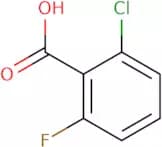
CAS :<p>N-Nitrosodibenzylamine is a chemical compound that has genotoxic effects. It is used as an analytical method to identify the presence of amines and to measure their concentration, as well as in the preparation of sodium salts. N-Nitrosodibenzylamine was found to cause damage to DNA in animals and cells in culture. The matrix effect, which is the difference in response between a sample contained in an organic solvent and one contained in water, was investigated using multi-walled carbon nanotubes (MWCNTs). The results showed that MWCNTs produce a significant matrix effect when compared with other solvents. This study also showed that MWNTs have a higher capacity for nitrosamine adsorption than do other solvents.</p>Formule :C14H14N2ODegré de pureté :Min. 96 Area-%Couleur et forme :Off-White PowderMasse moléculaire :226.27 g/mol2-Chloro-6-fluorobenzoic acid
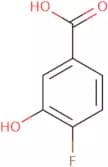
CAS :<p>2-Chloro-6-fluorobenzoic acid is an aromatic compound that is used as a solvent in the production of pharmaceuticals, plastics, and dyes. The 2-chloro-6-fluorobenzoic acid molecule has an electron rich ring structure that can undergo nucleophilic attack by a nucleophile such as hydrogen chloride or hydrochloric acid. It also has a high affinity for water molecules, which may be attributed to its aromatic hydrocarbon structure. This allows 2-chloro-6-fluorobenzoic acid to act as a good solvent for many organic compounds. This chemical is classified as a possible human carcinogen and is toxic to the liver cells.</p>Formule :C7H4ClFO2Degré de pureté :Min. 95%Couleur et forme :PowderMasse moléculaire :174.56 g/mol4-Fluoro-3-hydroxybenzoic acid
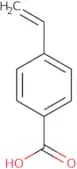
CAS :<p>4-Fluoro-3-hydroxybenzoic acid is a colorless solid that can be produced through the sulfonation of 4-fluorophenol with sulfuric acid. This process usually takes place in two steps: first, the phenol is refluxed with sulfur trioxide and then aqueous potassium hydroxide is added to the mixture. The reaction produces a sulfite salt, which is then treated with sodium sulfite to produce the desired acid. 4-Fluoro-3-hydroxybenzoic acid can also be synthesized by adding sulfur dioxide to an aqueous solution of 3% hydrogen peroxide and adding potassium hydroxide dropwise until effervescence ceases. This method produces an insoluble precipitate, which is filtered out and washed with water. The product can then be purified by recrystallization from hot water or by washing with ether.</p>Formule :C7H5FO3Degré de pureté :Min. 95%Couleur et forme :White PowderMasse moléculaire :156.11 g/mol4-Vinylbenzoic acid
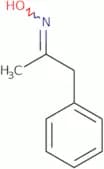
CAS :<p>4-Vinylbenzoic acid is a water-insoluble polymer that has been shown to have bacteriostatic and fungistatic properties. 4-Vinylbenzoic acid inhibits bacterial growth by binding to the enzyme diphenolase, which is involved in the synthesis of cell wall precursors. This polymer also binds to cationic surfactants and is soluble in organic solvents such as ethanol and acetone. The mechanism of inhibition of fungal growth is not known, but it may be due to hydrogen bonding interactions with the cell membrane.<br>4-Vinylbenzoic acid has been shown to be effective against human serum, although it does not inhibit bacterial growth in this medium.</p>Formule :C9H8O2Degré de pureté :Min. 95%Couleur et forme :White PowderMasse moléculaire :148.16 g/molPhenylacetone oxime
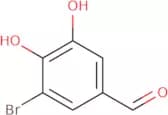
CAS :<p>Phenylacetone oxime is a chemical intermediate that can be used in the synthesis of pharmaceuticals. It has a neutral pH and is stable in the presence of alkalis, acids, oxidizing agents, and reducing agents. Phenylacetone oxime reacts with hydrogen chloride to form 1-chloro-2-phenylethanone and 2-chloroethanol. The reaction mechanism is as follows:</p>Formule :C9H11NODegré de pureté :Min. 95%Couleur et forme :PowderMasse moléculaire :149.19 g/mol5-Bromo-3,4-dihydroxybenzaldehyde
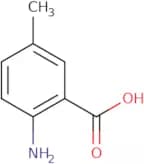
CAS :<p>5-Bromo-3,4-dihydroxybenzaldehyde (5BDBA) is a chemical compound that can be used as a reactive dye and photochemical crosslinker in the preparation of polymers. 5BDBA has been shown to have chemoattractant properties for immune cells, such as activated T lymphocytes and neutrophils. It also has been shown to have an effect on β-cells in the pancreas and skin cells. This compound has been found to activate the nuclear factor kappa-light-chain enhancer (NFκB), which leads to increased expression of chemoattractant protein (MCP). In 3T3-L1 preadipocytes, 5BDBA has been shown to induce accumulation of fatty acids by activating peroxisome proliferator activator receptor gamma.</p>Formule :C7H5BrO3Degré de pureté :Min. 95%Couleur et forme :Yellow PowderMasse moléculaire :217.02 g/mol2-Amino-5-methylbenzoic acid
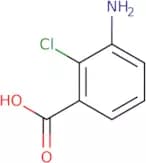
CAS :<p>2-Amino-5-methylbenzoic acid is an anthranilic acid derivative that has been shown to have potent antitumor activity. It inhibits the growth of cancer cells and is effective against light emission. 2-Amino-5-methylbenzoic acid blocks the production of porphyrins, which are necessary for the production of heme, a cofactor in many enzymes. The compound also inhibits serine protease, which is involved in tumor cell proliferation and metastasis.<br>2-Amino-5-methylbenzoic acid has been shown to inhibit the growth of human liver cancer cells in vitro. This compound can be synthesized by a Suzuki coupling reaction with phenylacetic acid and 3-(2'-aminoethyl)aminobenzene.</p>Formule :C8H9NO2Degré de pureté :Min. 95%Couleur et forme :PowderMasse moléculaire :151.16 g/mol3-Amino-2-chlorobenzoic acid
CAS :<p>3-Amino-2-chlorobenzoic acid is a molecule that belongs to the group of acidic compounds. It has been shown to induce apoptosis and inhibit cell proliferation in human immunodeficient virus (HIV) cells, as well as inhibit the growth of cancer cells. 3-Amino-2-chlorobenzoic acid also inhibits histone deacetylase, which is an enzyme that controls gene expression by removing acetyl groups from lysine residues on the N-terminal tails of histones. This inhibition may be responsible for its anticancer activity. 3-Amino-2-chlorobenzoic acid is metabolized by oxidation to chlorinated derivatives and excreted via the kidneys. It has been shown to have a pharmacokinetic profile in rats similar to that observed with other triazines such as atrazine and simazine. The elimination half-life of 3-amino-2-chlorob</p>Formule :C7H6ClNO2Degré de pureté :Min. 95%Couleur et forme :Off-White PowderMasse moléculaire :171.58 g/molEthyl 4-amino-2-nitrobenzoate
CAS :<p>Ethyl 4-amino-2-nitrobenzoate is a chemical intermediate that is used in the synthesis of other chemicals. It is also a versatile building block with many uses, such as in the production of research chemicals or as a reagent. It has CAS No. 84228-46-6 and can be purchased from various suppliers.</p>Formule :C9H10N2O4Degré de pureté :Min. 95%Couleur et forme :PowderMasse moléculaire :210.19 g/mol4-Hydroxy-3-methoxyphenylacetone
CAS :<p>4-Hydroxy-3-methoxyphenylacetone is a natural compound that is found in lignin and has been studied as a potential treatment for congestive heart failure. The compound has been shown to inhibit the activity of enzymes involved in the transfer reactions of bacterial cells. It also reduces the production of acetate, which is used by bacteria for growth. 4-Hydroxy-3-methoxyphenylacetone has been found to be nontoxic to mice at doses up to 10 g/kg. This study also showed that 4-hydroxy-3-methoxyphenylacetone had no effect on enzyme activities in rat liver mitochondria or rat brain synaptosomes.</p>Formule :C10H12O3Degré de pureté :Min. 98 Area-%Couleur et forme :Clear LiquidMasse moléculaire :180.2 g/molMethyl 4-(N-methylamino)benzoate
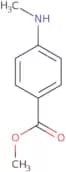
CAS :Methyl 4-(N-methylamino)benzoate is a substance that inhibits the enzyme DPP-4, which is involved in blood glucose regulation. It has been shown to be effective against certain types of cancer and impurities that may be present in the drug. Methyl 4-(N-methylamino)benzoate is an acidic compound with molecular descriptors that include acidic and amines. This compound also has genotoxic impurities, such as benzofurans, which may affect its efficacy.Formule :C9H11NO2Degré de pureté :90%Couleur et forme :PowderMasse moléculaire :165.19 g/mol4-Amino-3-nitrobenzonitrile
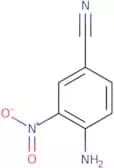
CAS :<p>4-Amino-3-nitrobenzonitrile is an organic compound that is used as a precursor in the synthesis of drugs to treat infectious diseases. 4-Amino-3-nitrobenzonitrile has been shown to have potent activity against Leishmania species, including L. major and L. braziliensis. It binds to sulfoxides by a nitro group and forms a covalent bond with the sulfoxide. This results in the formation of an intramolecular hydrogen bond between the nitro group and the sulfoxide, which prevents it from forming hydrogen bonds with other molecules. Gel permeation chromatography can be used for analytical determination of this drug. 4-Amino-3-nitrobenzonitrile has also been studied using chemosensors and in vivo studies, showing that it can be used to inhibit protozoa such as Giardia lamblia, Entamoeba histolyt</p>Formule :C7H5N3O2Degré de pureté :Min. 98%Couleur et forme :PowderMasse moléculaire :163.13 g/mol2,6-Dimethoxy-4-methylbenzaldehyde
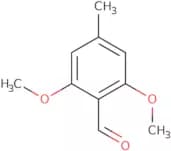
CAS :<p>2,6-Dimethoxy-4-methylbenzaldehyde (DMMB) is a useful chemical that is used as a building block in the synthesis of complex compounds. It has been shown to be an effective chemical intermediate and can be used in the synthesis of various products, such as pharmaceuticals and pesticides. DMMB can also be used to produce high quality research chemicals.</p>Formule :C10H12O3Degré de pureté :Min. 95%Couleur et forme :PowderMasse moléculaire :180.2 g/mol2-Amino-4-fluorobenzylamine dihydrochloride
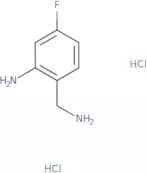
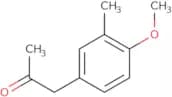
CAS :2-Amino-4-fluorobenzylamine dihydrochloride is a research chemical that is used as a reactant in organic synthesis. 2-Amino-4-fluorobenzylamine dihydrochloride is an intermediate for the preparation of other chemicals and can also be used as a building block for more complex compounds. This chemical has been shown to have good quality and can be used in many different types of research. 2-Amino-4-fluorobenzylamine dihydrochloride has CAS number 606139-20-2.Formule :C7H9FN2·2HClDegré de pureté :Min. 95 Area-%Couleur et forme :PowderMasse moléculaire :213.08 g/mol4-Methoxy-3-methylphenylacetone
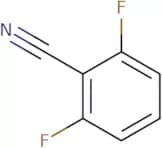
CAS :4-Methoxy-3-methylphenylacetone is an organic chemical that is used as a reaction component, reagent, and useful scaffold. It is a high quality research chemical that can be used as an intermediate in the synthesis of other compounds. 4-Methoxy-3-methylphenylacetone has a CAS number of 16882-23-8 and can be found under the category of speciality chemicals. This compound is versatile and can be used to make complex compounds.Formule :C11H14O2Degré de pureté :Min. 95%Couleur et forme :Yellow PowderMasse moléculaire :178.23 g/mol2,6-Difluorobenzonitrile
CAS :<p>2,6-Difluorobenzonitrile is a nucleophilic compound that reacts with inorganic acids to form new chemical structures. It has been shown to react with hydrochloric acid, sodium carbonate and phosphotungstic acid. The FT-IR spectroscopy of 2,6-difluorobenzonitrile shows a reaction product with a proton. This means that the molecule is able to transfer a hydrogen ion from one site to another. The reaction between 2,6-difluorobenzonitrile and sodium carbonate produces an insoluble precipitate of sodium phosphate and sodium chloride, which can be analyzed gravimetrically. 2,6-Difluorobenzonitrile has also been shown to have fluorescence properties that are activated by ultraviolet light and naphthalene.</p>Formule :C7H3F2NDegré de pureté :Min. 95%Couleur et forme :PowderMasse moléculaire :139.1 g/moln-Pentyl 4-hydroxybenzoate
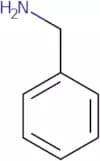
CAS :<p>n-Pentyl 4-hydroxybenzoate is a preservative that inhibits the growth of microorganisms. It is used in products such as cosmetics, pharmaceuticals, and food to prevent spoilage. The antimicrobial activity of n-pentyl 4-hydroxybenzoate has been shown to be due to p-hydroxybenzoic acid, which binds to bacterial cell walls. This binding prevents the formation of an antibiotic-inhibitor complex with the enzyme cell wall synthesis that is required for cell wall biosynthesis, inhibiting protein synthesis and cell division. n-Pentyl 4-hydroxybenzoate has also been shown to inhibit bacterial growth in vitro and in vivo in rats by interfering with protein synthesis in rat liver microsomes.</p>Formule :C12H16O3Degré de pureté :Min. 95%Couleur et forme :Off-White PowderMasse moléculaire :208.25 g/molBenzylamine
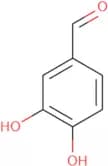
CAS :<p>Substrate of benzylamine oxidase and monoamine oxidase B</p>Formule :C7H9NDegré de pureté :Min. 98.0 Area-%Couleur et forme :Colorless Slightly Yellow Clear LiquidMasse moléculaire :107.15 g/mol3,4-Dihydroxybenzaldehyde
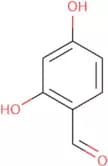
CAS :<p>3,4-Dihydroxybenzaldehyde is an active compound that is a protocatechuic aldehyde. It has been shown to inhibit protein oxidation and kidney injury. 3,4-Dihydroxybenzaldehyde also inhibits the production of bcl-2 protein and growth factor-β in rat urine. This compound has been used in Chinese medicinal preparations as well as in control methods for oxidizing agents.</p>Formule :C7H6O3Couleur et forme :Brown White PowderMasse moléculaire :138.12 g/mol2,4-Dihydroxybenzaldehyde
CAS :<p>2,4-Dihydroxybenzaldehyde (2,4DBA) is a copper complex that has been shown to have biological properties. This compound has been studied in biological studies and is classified as group p2 on the periodic table. It is a redox potential of -0.95 V and can undergo intramolecular hydrogen bonding with itself or with other molecules to form hydrogen bonds. Hydroxyl groups are found on 2,4DBA and can coordinate with the nitrogen atoms found on penicillin-binding proteins or acetylcholinesterase inhibition. The coordination geometry of 2,4DBA is tetrahedral and its methyl ethyl group is also found on this molecule.</p>Formule :C7H6O3Degré de pureté :Min. 98 Area-%Couleur et forme :White PowderMasse moléculaire :138.12 g/mol2-Hydroxy-6-(methoxymethoxy)benzaldehyde
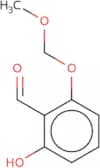
CAS :<p>2-Hydroxy-6-(methoxymethoxy)benzaldehyde is a chemical intermediate that can be used in the synthesis of a wide range of compounds. It is an aromatic compound which has two hydroxyl groups on the benzene ring. This product is a versatile building block, and is useful in the synthesis of complex compounds with high purity. 2-Hydroxy-6-(methoxymethoxy)benzaldehyde can be obtained as a white solid with a melting point of 57°C.</p>Formule :C9H10O4Degré de pureté :Min. 95%Couleur et forme :Clear LiquidMasse moléculaire :182.17 g/mol2,4,6-Tribromo-3-hydroxybenzaldehyde
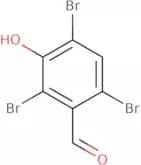
CAS :<p>2,4,6-Tribromo-3-hydroxybenzaldehyde (2,4,6-TBHB) is an aldehyde that is synthesized from the reaction of 2,4,6-trichlorobenzaldehyde and bromine. It has been shown to be cytotoxic in tumour cell lines in vitro. This compound binds to DNA by covalent binding and inhibits the synthesis of proteins. 2,4,6-TBHB also inhibits cellular uptake of halides such as chloride and bromide ions. This aldehyde has been shown to induce cell death in human lung cancer cells in a concentration dependent manner.</p>Formule :C7H3Br3O2Degré de pureté :Min. 95%Couleur et forme :PowderMasse moléculaire :358.81 g/mol2-Carboxy-3,4-dimethoxybenzaldehyde
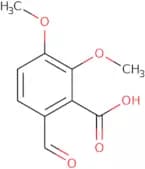
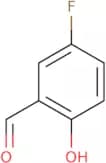
CAS :2-Carboxy-3,4-dimethoxybenzaldehyde is a chemical that belongs to the class of compounds known as butyric acid derivatives. It is a colorless liquid with a pungent odor and can be used in pharmaceutical preparations as an antispasmodic or a sedative. 2-Carboxy-3,4-dimethoxybenzaldehyde has been shown to have radical scavenging activities in tissue culture systems and dry weight reaction products in the presence of hydrochloric acid and chloride ion. This compound can also act as an acid complexing agent for hydrogen chloride and depressant activity on animal behavior.Formule :C10H10O5Degré de pureté :Min. 95%Couleur et forme :White Yellow PowderMasse moléculaire :210.18 g/mol5-Fluoro-2-hydroxybenzaldehyde
CAS :<p>5-Fluoro-2-hydroxy benzaldehyde is a hydrogen bonding compound that has been shown to be an acid complex. It reacts with copper to form a copper complex that can be detected by x-ray diffraction data. 5-Fluoro-2-hydroxybenzaldehyde also has the ability to react with hydroxyl groups, which allow for its use as a fluorescence probe. The presence of this compound in urine has been used to detect kidney disease and urinary tract infections. 5-Fluoro-2-hydroxybenzaldehyde is also thought to have antiinflammatory properties because it can inhibit kinase activity and may inhibit the production of inflammatory cytokines such as IL1β, IL6, and TNFα.</p>Formule :C7H5FO2Degré de pureté :Min. 95%Couleur et forme :PowderMasse moléculaire :140.11 g/mol2,4-Dimethylbenzaldehyde
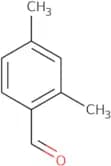
CAS :<p>2,4-Dimethylbenzaldehyde is used in the diagnosis of cancer. It reacts with acetaldehyde to form a compound that binds to hemoglobin and is excreted in the urine, leading to a diagnostic test for cancer. 2,4-Dimethylbenzaldehyde has been shown to be genotoxic in both in vitro and in vivo studies. This aromatic hydrocarbon has been shown to cause DNA strand breaks in the target cells through a reaction mechanism involving radical formation from acetaldehyde. In addition, 2,4-Dimethylbenzaldehyde has been shown to have genotoxic effects on mice exposed by inhalation or injection.</p>Formule :C9H10ODegré de pureté :Min. 90 Area-%Couleur et forme :Colorless Clear LiquidMasse moléculaire :134.18 g/mol5-Acetyl-2-aminobenzonitrile
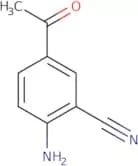
CAS :<p>5-Acetyl-2-aminobenzonitrile is a versatile building block that can be used as an intermediate in the synthesis of a wide range of chemicals. It has been used to produce pharmaceuticals and other useful compounds, including research chemicals and speciality chemicals. 5-Acetyl-2-aminobenzonitrile is also a useful reagent for the production of organic products. The compound is available at high purity levels.</p>Formule :C9H8N2ODegré de pureté :Min. 95%Couleur et forme :White PowderMasse moléculaire :160.17 g/mol4-(Bromomethyl)benzylamine HBr
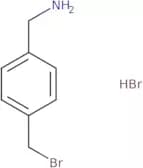
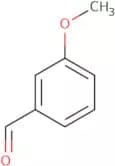
CAS :4-(Bromomethyl)benzylamine HBr is a fine chemical that can be used as a building block for organic synthesis. This compound is also a useful research chemical, reagent, and specialty chemical. 4-(Bromomethyl)benzylamine HBr has been used as a reaction component in the synthesis of various pharmaceuticals, such as theophylline and ampicillin. It has also been used as an intermediate in the production of other compounds, such as 4-hydroxybutyric acid and 3-methylthiopropionic acid. This complex compound can be purchased at high quality and is versatile enough to act as a scaffold for many reactions.Formule :C8H11Br2NDegré de pureté :Min. 95%Couleur et forme :PowderMasse moléculaire :280.99 g/mol3-Methoxybenzaldehyde
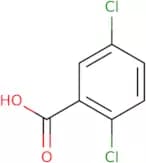
CAS :<p>3-Methoxybenzaldehyde is a chemical compound that is used as an intermediate in the synthesis of organic compounds. This compound has shown to be a potent inhibitor of several enzymes, including diamine tetraacetic acid (DAT)-dependent aminotransferase, trimethyl amine N-oxide reductase, and hydrochloric acid hydrolases. 3-Methoxybenzaldehyde also inhibits the growth of hepg2 cells and induces apoptosis. The chemical structure of this compound contains a boron nitride group that can form hydrogen bonds with other molecules and fatty acids that can act as a substrate for oxidation reactions.</p>Formule :C8H8O2Degré de pureté :Min. 98 Area-%Couleur et forme :Clear LiquidMasse moléculaire :136.15 g/mol2,5-Dichlorobenzoic acid
CAS :<p>2,5-Dichlorobenzoic acid is a hydrogen-bonding agent that interacts with other molecules by forming hydrogen bonds. It reacts with benzoate to form 2,5-dichlorobenzoate, which is an intermediate in the synthesis of phenylbenzene and biphenyl. 2,5-Dichlorobenzoic acid has been shown to inhibit the growth of bacteria such as Stenotrophomonas maltophilia and Pseudomonas aeruginosa. The compound also lowers cholesterol levels in rats and humans.<br>2,5-Dichlorobenzoic acid has a redox potential of -0.25 V and can be used to reduce sodium hydroxide solution or hydroxide solution. This chemical's structure allows it to be taken up by cells through passive diffusion and active transport mechanisms.</p>Formule :C7H4Cl2O2Degré de pureté :Min. 95%Couleur et forme :White PowderMasse moléculaire :191.01 g/molm-Hydroxybenzonitrile
CAS :<p>m-Hydroxybenzonitrile is a cationic surfactant that has the ability to form hydrogen bonds with an intramolecular hydrogen. It is used in the production of detergents, textile processing aids, and inks. m-Hydroxybenzonitrile inhibits fatty acids by forming an inhibitory complex at the surface of the cell membrane. This complex disrupts lipid bilayers and inhibits protein synthesis. m-Hydroxybenzonitrile also has been shown to have vibrational properties that can be seen when it absorbs ultraviolet light.</p>Formule :C7H5NODegré de pureté :Min. 95%Couleur et forme :Off-White PowderMasse moléculaire :119.12 g/molIsopropyl 4-hydroxybenzoate
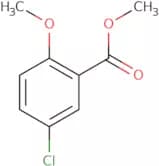
CAS :<p>Isopropyl 4-hydroxybenzoate is a preservative that is used in cosmetics, pharmaceuticals, and other household products. It can be found in a wide range of products, including moisturizers, shampoos, conditioners, hair sprays, sunscreens, skin lotions and creams. Isopropyl 4-hydroxybenzoate has been shown to inhibit the growth of bacteria by binding to their cell walls. This compound also has been shown to have an antimicrobial effect against fungi and yeast in vitro assays. A number of toxicological studies have been conducted on this compound with no observed adverse effects on animals at doses up to 2,000 mg/kg body weight. The activity index for this compound is low; therefore it does not appear to be carcinogenic or mutagenic. Analytical methods for quantifying this preservative are available in the literature.</p>Formule :C10H12O3Degré de pureté :Min. 95%Couleur et forme :PowderMasse moléculaire :180.2 g/mol5-Chloro-2-methoxybenzoic methyl ester
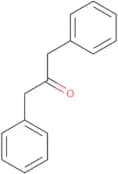
CAS :<p>5-Chloro-2-methoxybenzoic methyl ester is a versatile building block commonly used in the synthesis of various compounds. It serves as an acid methyl ester, making it suitable for use in medicinal chemistry and other synthetic applications. This compound can be obtained through pyrolysis or by reacting 5-chloro-2-methoxybenzoic acid with methanol under appropriate conditions.</p>Formule :C9H9ClO3Degré de pureté :Min. 95%Couleur et forme :PowderMasse moléculaire :200.62 g/mol1,3-Diphenylacetone
CAS :<p>1,3-Diphenylacetone is a fine chemical that can be used as a building block for research chemicals, as a reagent in organic synthesis, or as a speciality chemical. It is also a versatile building block and has been shown to be useful in the formation of complex compounds. 1,3-Diphenylacetone can react with electrophiles to form new carbon-carbon bonds and has been used in reactions involving nucleophilic substitution, electrophilic addition, and Michael reactions. 1,3-Diphenylacetone is also water soluble and has been shown to be compatible with both ionic and covalent solvents.</p>Formule :C15H14ODegré de pureté :Min. 99.0 Area-%Masse moléculaire :210.28 g/mol2,3-Diaminobenzoic acid methyl ester
CAS :2,3-Diaminobenzoic acid methyl ester is a redox potential catalyst that has been shown to have anticancer activity in vitro and in vivo. It is a 5-ht4 receptor agonist, which causes an increase in the intracellular concentration of cAMP. The anticancer effect of this compound may be due to its ability to inhibit the growth of cancer cells by blocking DNA synthesis and cell division. The biological properties of this drug are not well understood, but it has been shown to have antioxidant effects, as well as proton-reducing and electron-accepting properties. This compound has also been studied electrochemically.Formule :C8H10N2O2Degré de pureté :95%NmrCouleur et forme :PowderMasse moléculaire :166.18 g/mol2,5-Diaminobenzonitrile
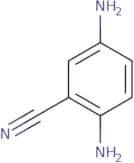
CAS :<p>2,5-Diaminobenzonitrile is a chemical compound with the molecular formula C6H5N3. It is a white crystalline solid that is insoluble in water and soluble in organic solvents such as acetone, chloroform, and ether. 2,5-Diaminobenzonitrile has been shown to be an effective monomer for polymer synthesis due to its stability and high densities. This chemical also has the ability to undergo hydrogen bonding and form hydrogen peroxide when heated to a temperature of 100 °C. The thermal isomerization of 2,5-diaminobenzonitrile can be slowed by adding other amines or nitrites.</p>Formule :C7H7N3Degré de pureté :Min. 95%Couleur et forme :PowderMasse moléculaire :133.15 g/molMethyl 4-chlorobenzoate
CAS :<p>Methyl 4-chlorobenzoate is a synthetic chemical that belongs to the group of phenyl compounds. It is a solvent for organic solvents and has been shown to be toxic to humans. Methyl 4-chlorobenzoate is used in various industrial applications, such as in the production of pesticides, herbicides, and pharmaceuticals. Methyl 4-chlorobenzoate can also be used as an intermediate for the synthesis of other chemicals, such as chlorinated hydrocarbons. This chemical has been reported to cause environmental pollution and has been classified as a carcinogen by the International Agency for Research on Cancer (IARC).</p>Formule :C8H7ClO2Degré de pureté :Min. 98.5%Couleur et forme :White PowderMasse moléculaire :170.59 g/mol2,4-Diaminobenzoic acid dihydrochloride
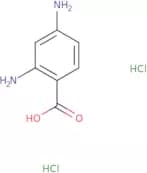
CAS :<p>2,4-Diaminobenzoic acid dihydrochloride is a versatile building block for complex compounds. This compound can be used as a research chemical and is also a reagent and speciality chemical. 2,4-Diaminobenzoic acid dihydrochloride has been used in the synthesis of many useful compounds, including pharmaceuticals and agrochemicals. It is also an intermediate in the synthesis of some pharmaceuticals and agrochemicals. 2,4-Diaminobenzoic acid dihydrochloride can be used as a scaffold to produce new molecules that are potentially useful as drugs or other chemicals.</p>Formule :C7H8N2O2•(HCL)2Degré de pureté :Min. 95%Couleur et forme :Off-White PowderMasse moléculaire :225.07 g/mol2,4-Dinitrobenzoic acid
CAS :2,4-Dinitrobenzoic acid (2,4-DNBA) is a chemical reagent that has been used as a positive control for the detection of hydrogen bonding interactions. It is also used in analytical methods to detect protonation, carboxylate, and hydroxyl groups. This compound can be prepared from picric acid by nitration with nitric acid and then reacting with aniline. The 2,4-DNBA molecule contains two intramolecular hydrogen bonds and four intermolecular hydrogen bonds. 2,4-DNBA is classified as a trifluoroacetic acid derivative.Formule :C7H4N2O6Degré de pureté :Min. 96 Area-%Couleur et forme :Slightly Yellow PowderMasse moléculaire :212.12 g/molEthyl 4-iodobenzoate
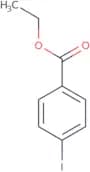
CAS :<p>Ethyl 4-iodobenzoate is an amide that reacts with a variety of substances, including retinoic acid and pemetrexed. It is a reactive substance that can be used in the synthesis of other substances such as iron oxides and transfer mechanism. Ethyl 4-iodobenzoate is also used for the preparation of picolinic acid and crystalline structure. Radical coupling reactions are most common and involve halides, phenyl groups, and aryl halides. The reaction temperature ranges from room temperature to 100 ˚C, while the reaction mechanism varies depending on the type of coupling reaction.</p>Formule :C9H9IO2Degré de pureté :Min. 95%Couleur et forme :PowderMasse moléculaire :276.07 g/mol