Benzènes
Les benzènes sont des hydrocarbures aromatiques simples constitués d'un anneau de carbone à six membres avec des doubles liaisons alternées. Cette structure fondamentale est un bloc de construction pour de nombreux composés chimiques, y compris les produits pharmaceutiques, les polymères et les colorants. Les benzènes sont largement utilisés en synthèse organique en raison de leur stabilité et de leur polyvalence. Chez CymitQuimica, nous offrons une large gamme de benzènes de haute qualité pour soutenir vos recherches et applications industrielles.
Sous-catégories appartenant à la catégorie "Benzènes"
- Benzamides(62 produits)
- Acides benzoïques(5.434 produits)
- Alcools benzyliques(1.453 produits)
- Benzènes halogénés(33.773 produits)
- Phénols(2.647 produits)
11835 produits trouvés pour "Benzènes"
Trier par
Degré de pureté (%)
0
100
|
0
|
50
|
90
|
95
|
100
1-(3-Nitro-benzenesulfonyl)-piperidine-3-carboxylic acid
CAS :Formule :C12H14N2O6SDegré de pureté :95%Masse moléculaire :314.31Ref: 10-F027808
1g61,00€5g155,00€10g243,00€25g447,00€100g1.159,00€250g2.163,00€100mg20,00€250mg24,00€2-Nitro-5-pyrrolidin-1-yl-aniline
CAS :Formule :C10H13N3O2Degré de pureté :95%Couleur et forme :SolidMasse moléculaire :207.233Ref: 10-F660946
1g344,00€5g951,00€10g1.504,00€2.5g652,00€50mg72,00€100mg99,00€250mg142,00€500mg261,00€2-Fluoro-5-nitroaniline
CAS :Formule :C6H5FN2O2Degré de pureté :98%Couleur et forme :Powder or Crystalline PowderMasse moléculaire :156.1165-Hydroxy-4-methoxy-2-nitro-benzaldehyde
CAS :Formule :C8H7NO5Degré de pureté :97%Couleur et forme :SolidMasse moléculaire :197.1465-Bromo-4-fluoro-2-nitroaniline
CAS :Formule :C6H4BrFN2O2Degré de pureté :97%Masse moléculaire :235.012Boc-Gly-ONp
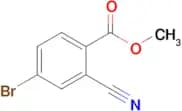
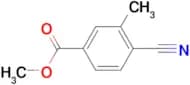
CAS :Formule :C13H16N2O6Degré de pureté :95%Couleur et forme :SolidMasse moléculaire :296.279Methyl 4-cyano-3-methylbenzoate
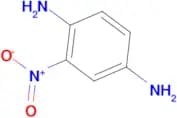
CAS :Formule :C10H9NO2Degré de pureté :98%Couleur et forme :SolidMasse moléculaire :175.1872-Nitro-1,4-phenylenediamine
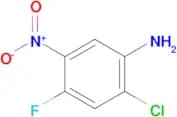
CAS :Formule :C6H7N3O2Degré de pureté :95%Couleur et forme :SolidMasse moléculaire :153.1412-Chloro-4-fluoro-5-nitroaniline
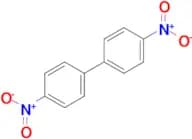
CAS :Degré de pureté :98%Couleur et forme :SolidMasse moléculaire :190.55999761-Nitro-4-[(4-nitrophenyl)dithio]benzene
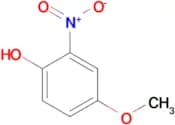
CAS :Formule :C12H8N2O4S2Degré de pureté :95%Couleur et forme :Solid, Yellow to tan powderMasse moléculaire :308.334-Methoxy-2-nitrophenol
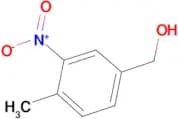
CAS :Formule :C7H7NO4Degré de pureté :98%Couleur et forme :Solid, Crystalline Powder or PowderMasse moléculaire :169.1364-Methyl-3-nitrobenzyl alcohol
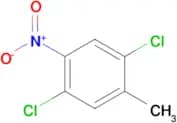
CAS :Formule :C8H9NO3Degré de pureté :98%Couleur et forme :Liquid, No data available.Masse moléculaire :167.1642-Chloro-5-fluoronitrobenzene
CAS :Formule :C6H3ClFNO2Degré de pureté :98%Couleur et forme :SolidMasse moléculaire :175.54Ref: 10-F621308
1g948,00€5g2.571,00€10g4.771,00€25g10.988,00€100g38.424,00€2.5g2.176,00€100mg165,00€250mg300,00€4-nitrobenzenesulfonohydrazide
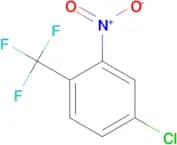
CAS :Formule :C6H7N3O4SDegré de pureté :95%Couleur et forme :SolidMasse moléculaire :217.24-Chloro-2-nitrobenzotrifluoride
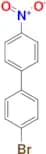
CAS :Formule :C7H3ClF3NO2Degré de pureté :95%Couleur et forme :Liquid, ClearMasse moléculaire :225.554-Bromo-4′-nitro-1,1′-biphenyl
CAS :Formule :C12H8BrNO2Degré de pureté :97%Couleur et forme :SolidMasse moléculaire :278.1053-Chloro-2-methyl-4-nitroaniline
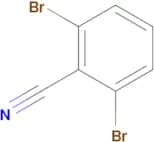
CAS :Formule :C7H7ClN2O2Degré de pureté :95%Couleur et forme :SolidMasse moléculaire :186.62,6-Dibromobenzonitrile
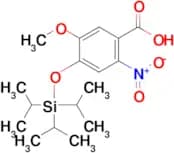
CAS :Formule :C7H3Br2NDegré de pureté :95%Couleur et forme :SolidMasse moléculaire :260.9165-Methoxy-2-nitro-4-((triisopropylsilyl)oxy)benzoic acid
CAS :Degré de pureté :98%Masse moléculaire :369.4890137methyl 4-nitro-3-[[(2S)-oxetan-2-yl]methylamino]benzoate
CAS :Degré de pureté :98%Masse moléculaire :266.2529907(R)-3,3′-BIS(4-NITROPHENYL)-5,5′,6,6′,7,7′,8,8′-OCTAHYDRO-[1,1′-BINAPHTHALENE]-2,2′-DIOL
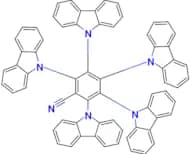
CAS :Degré de pureté :98%Masse moléculaire :536.58398442,3,4,5,6-Penta(9H-carbazol-9-yl)benzonitrile
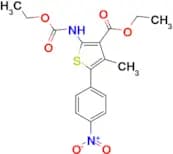
CAS :Degré de pureté :98%Couleur et forme :SolidMasse moléculaire :929.098999(ETHYL 2-(ETHOXYCARBONYLAMINO)-4-METHYL-5-(4-NITROPHENYL)THIOPHENE-3-CARBOXYLATE)
CAS :Degré de pureté :98%Masse moléculaire :378.39999392-Amino-4-methylbenzonitrile
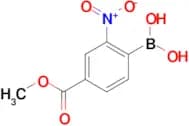
CAS :Formule :C8H8N2Degré de pureté :97%Couleur et forme :Solid, Yellow powderMasse moléculaire :132.1664-Methoxycarbonyl-2-nitrophenylboronic acid
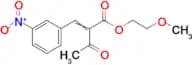
CAS :Formule :C8H8BNO6Degré de pureté :97%Couleur et forme :SolidMasse moléculaire :224.962-Methoxyethyl 2-(3-Nitrobenzylidene)-3-oxobutyrate
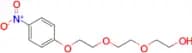
CAS :Degré de pureté :98%Masse moléculaire :293.27499392-(2-(2-(4-Nitrophenoxy)ethoxy)ethoxy)ethanol
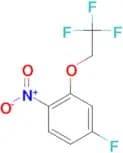
CAS :Degré de pureté :98%Masse moléculaire :271.26901254-FLUORO-1-NITRO-2-(2,2,2-TRIFLUOROETHOXY)BENZENE
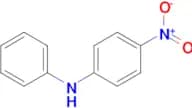
CAS :Degré de pureté :98%Masse moléculaire :239.12600714-Nitrodiphenylamine
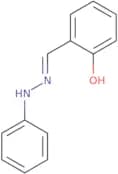
CAS :Formule :C12H10N2O2Degré de pureté :97%Couleur et forme :SolidMasse moléculaire :214.224Salicylaldehyde phenylhydrazone
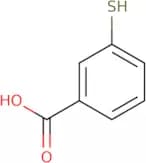
CAS :<p>Salicylaldehyde phenylhydrazone is a covid-19 pandemic, organometallic compound. It is a colorless solid that reacts with water to give hydrogen chloride and salicylaldehyde. Salicylaldehyde phenylhydrazone has been shown to react with amines, which may be due to its chelate ring system. The analytical method for this compound is gravimetric analysis, which involves the use of lanthanum as an indicator. This compound has good transport properties and can be activated by hydrogen gas.</p>Formule :C13H12N2ODegré de pureté :Min. 97 Area-%Couleur et forme :PowderMasse moléculaire :212.25 g/mol3-Mercaptobenzoic acid
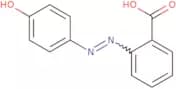
CAS :<p>3-Mercaptobenzoic acid is an antimicrobial agent that inhibits bacterial enzyme. It binds to the active site of the enzyme, and prevents it from carrying out its function. 3-Mercaptobenzoic acid has been shown to be an efficient method for the prevention of corrosion in metal surfaces. The binding of 3-mercaptobenzoic acid to metal ions forms a protective film on the surface, preventing corrosion.</p>Formule :C7H6O2SDegré de pureté :Min. 95%Couleur et forme :PowderMasse moléculaire :154.19 g/mol2-(4-Hydroxyphenylazo)benzoic acid
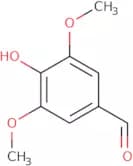
CAS :<p>2-(4-Hydroxyphenylazo)benzoic acid is a molecule that is used in the production of human immunoglobulin. It is activated with fatty acids and oligosaccharides to form a complex, which can be detected using confocal microscopy. The matrix-assisted laser ablation technique was used to determine the chemical structures and hydrogen bonding interactions of this molecule. 2-(4-Hydroxyphenylazo)benzoic acid has been shown to inhibit microbial infections by binding to the sodium salt form of Streptavidin, which inhibits bacterial growth. This molecule also has been used as an indicator for trifluoroacetic acid, which can be used as a sample preparation reagent.</p>Formule :C13H10N2O3Degré de pureté :Min. 95%Couleur et forme :Yellow PowderMasse moléculaire :242.23 g/mol4-Hydroxy-3,5-dimethoxybenzaldehyde
CAS :<p>4-Hydroxy-3,5-dimethoxybenzaldehyde (4HMB) is a phenolic compound that can be obtained from lignin. 4HMB is the precursor in the synthesis of vanillin, which has a characteristic flavor and odor. It is also used as an additive in perfumes. The compound is found naturally in plants, such as in the bark of cinchona trees, and can be extracted using preparative high performance liquid chromatography (HPLC). 4HMB can be synthesized by reacting p-hydroxybenzoic acid with 3,4,5-trimethoxybenzyl alcohol in the presence of copper chloride. This chemical reaction results in an aldehyde form of the molecule. 4HMB binds to sodium salts to form a water soluble salt that can be used for wastewater treatment. It also has antioxidant properties due to its ability to scavenge free radicals. The enzyme activities of 4HMB are not well</p>Formule :C9H10O4Degré de pureté :Min. 95%Couleur et forme :Off-White PowderMasse moléculaire :182.17 g/mol3-Bromo-4-nitrobenzoic acid
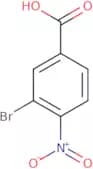
CAS :<p>3-Bromo-4-nitrobenzoic acid is a chemical compound with the molecular formula CHBrNO2. It is a versatile building block that can be used in the synthesis of many different compounds. 3-Bromo-4-nitrobenzoic acid is a white crystalline solid that is soluble in water, ethanol, and ether. It reacts with many substances to produce other useful compounds. It can also be used as a reagent for the detection of proteins or nucleic acids. This product has been shown to be an effective intermediate in organic reactions and has been used as a scaffold in the synthesis of complex molecules such as natural products, pharmaceuticals, and agrochemicals.</p>Formule :C7H4BrNO4Degré de pureté :Min. 95%Couleur et forme :PowderMasse moléculaire :246.02 g/mol3,5-Dichlorosalicylic acid
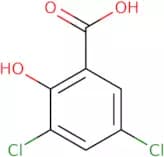
CAS :<p>3,5-Dichlorosalicylic acid is a proton donor that is used to inhibit the 5-nitrosalicylic acid chain reaction. It has a high binding constant with the chlorine atom and can be used as a competitive inhibitor for the binding of 5-nitrosalicylic acid to its target enzyme. 3,5-Dichlorosalicylic acid inhibits the polymerase chain reaction by binding to DNA. This chemical also has biological properties that are similar to those of salicylic acid, including anti-inflammatory activities. 3,5-Dichlorosalicylic acid is not an effective anti-cancer agent because it does not form intramolecular hydrogen bonds or hydrogen bond interactions with DNA bases.</p>Formule :C7H4Cl2O3Degré de pureté :Min. 95%Couleur et forme :White PowderMasse moléculaire :207.01 g/mol4-Hydroxy-2-iodobenzaldehyde
CAS :<p>4-Hydroxy-2-iodobenzaldehyde is a high quality chemical that belongs to the group of complex compounds. It has been shown to be a useful intermediate, fine chemical, and speciality chemical. It can also be used as a reaction component in the synthesis of other chemicals and is an important building block for making other compounds. 4-Hydoxy-2-iodobenzaldehyde is versatile and can be used in many different reactions.</p>Formule :C7H5IO2Degré de pureté :Min. 98 Area-%Masse moléculaire :248.02 g/mol2-Amino-3-fluorobenzoic acid methyl ester
CAS :<p>2-Amino-3-fluorobenzoic acid methyl ester (2AFBME) is an antibacterial agent that inhibits bacterial protein synthesis by binding to ribosomes and inhibiting the release of amino acids during translation. 2AFBME has been shown to have antibacterial activity against aureus, streptococcus, and staphylococcus strains in laboratory tests. The clinical development of 2AFBME has not yet been completed.</p>Formule :C8H8FNO2Degré de pureté :Min. 95%Couleur et forme :Yellow PowderMasse moléculaire :169.15 g/mol2-Amino-3-methoxybenzoic acid
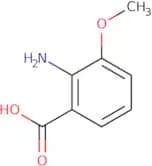
CAS :<p>2-Amino-3-methoxybenzoic acid is a chemical compound that is found in humans. It has antioxidative activity, and it inhibits the conversion of picolinic acid to kynurenine in vitro. 2-Amino-3-methoxybenzoic acid also significantly inhibits the formation of 3-hydroxyanthranilic acid and xanthurenic acid from anthranilic acid. This inhibition may be due to its ability to form hydrogen bonds with the substrate or competitive inhibition of enzymes such as quinoline reductase.<br>2-Amino-3-methoxybenzoic acid has been shown to have significant inhibitory effects on thermodynamic parameters for hydroxy group addition reactions involving quinoline derivatives, which may be due to its ability to bind covalently with these substrates.</p>Formule :C8H9NO3Degré de pureté :Min. 95%Couleur et forme :PowderMasse moléculaire :167.16 g/mol2,5-Difluoro-4-methylbenzoic acid methyl ester
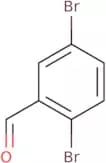
CAS :<p>2,5-Difluoro-4-methylbenzoic acid methyl ester is used as a reactive chemical in synthesis of pharmaceuticals and other chemicals. 2,5-Difluoro-4-methylbenzoic acid methyl ester reacts with amines to form the corresponding amides. It can also react with alcohols to form the corresponding ethers or it can be used as an intermediate for preparing other chemicals such as 4-(2,5-dichloro-4-methylphenyl)morpholine.</p>Formule :C9H8F2O2Degré de pureté :Min. 95%Masse moléculaire :186.16 g/mol2,5-Dibromobenzaldehyde
CAS :<p>2,5-Dibromobenzaldehyde is a synthetic compound that has been shown to have a red fluorescent emission. It is also thermally stable and can be used in the synthesis of quinoline derivatives. 2,5-Dibromobenzaldehyde may be used as a potential fluorescent label for viologen or amines. This compound can undergo an intermolecular Diels-Alder reaction with diacetate to form a bicyclic system, which is important to the understanding of its interactions with other compounds.</p>Formule :C7H4Br2ODegré de pureté :Min. 95%Couleur et forme :PowderMasse moléculaire :263.91 g/mol4-Bromo-2-nitrobenzoic acid
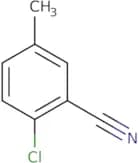
CAS :<p>4-Bromo-2-nitrobenzoic acid is an anthranilic acid derivative that can be used as a radiolabel for the diagnosis of bladder cancer. The uptake of 4-Bromo-2-nitrobenzoic acid in the bladder is proportional to the number of cells, which are then detected by positron emission tomography (PET) scanning. The affinity of 4-Bromo-2-nitrobenzoic acid to human bladder tissue was determined by measuring its uptake in humans and rats. 4-Bromo-2-nitrobenzoic acid has been shown to be effective against cancer cells in vitro. Radiolabeling with this compound allows for more accurate diagnostic imaging than using other radiopharmaceuticals.</p>Formule :C7H4BrNO4Degré de pureté :Min. 95%Couleur et forme :PowderMasse moléculaire :246.02 g/mol2-Chloro-5-methylbenzonitrile
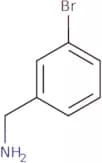
CAS :<p>2-Chloro-5-methylbenzonitrile (2C5MB) is a versatile building block that is used in the production of fine chemicals, specialty chemicals, and pharmaceuticals. It is also used as a reagent for organic synthesis and as a speciality chemical. 2C5MB can be used in the synthesis of various complex compounds and research chemicals. The compound has been shown to have high reactivity and has been used as a reaction component or scaffold for the synthesis of other products.</p>Formule :C8H6ClNDegré de pureté :Min. 95%Couleur et forme :PowderMasse moléculaire :151.59 g/mol3-Bromobenzylamine
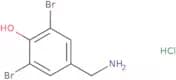
CAS :<p>3-Bromobenzylamine is a chemical compound that belongs to the class of amines. It is used as an intermediate in organic synthesis, and its derivative 3-bromobenzylamine hydrochloride is used in pharmaceuticals as a heart stimulant. 3-Bromobenzylamine can be synthesized by reacting an amine with phosgene and then brominating it. This chemical has been shown to have inhibitory activity against cancer cells and can be used for the treatment of cancer. 3-Bromobenzylamine has also been shown to inhibit the growth of bacteria, fungi, and viruses in vitro. 3-Bromobenzylamine may also be useful for treating psoriasis due to its ability to inhibit prostaglandin synthesis.</p>Formule :C7H8BrNDegré de pureté :Min. 95%Couleur et forme :Colorless PowderMasse moléculaire :186.04 g/mol3,5-Dibromo-4-hydroxybenzylamine hydrochloride
CAS :<p>3,5-Dibromo-4-hydroxybenzylamine hydrochloride is a high quality reagent that can be used as an intermediate in the production of fine chemicals and speciality chemicals. It is also a versatile building block for the synthesis of complex compounds. 3,5-Dibromo-4-hydroxybenzylamine hydrochloride has been shown to be useful in research due to its ability to react with other compounds in a variety of ways. The CAS number for this compound is 1134950-89-2.</p>Formule :C7H8Br2ClNODegré de pureté :Min. 95%Couleur et forme :PowderMasse moléculaire :317.41 g/mol2-Nitrobenzylamine hydrochloride
CAS :<p>2-Nitrobenzylamine hydrochloride is a compound that has been shown to have cancer-fighting properties. It inhibits the synthesis of proteins necessary for the proliferation of cancer cells, but it does not affect the synthesis of proteins in healthy cells. This drug is used to diagnose and treat certain types of cancers, such as lymphoma and leukemia. 2-Nitrobenzylamine hydrochloride can be modified by genetic engineering techniques to specifically target cancer cells, which may help with the treatment of other types of diseases in the future. It is believed that this drug will be useful for treating cancers that are resistant to chemotherapy or radiation therapy, as well as those that are caused by mutations in DNA.</p>Formule :C7H9ClN2O2Degré de pureté :Min. 95%Couleur et forme :PowderMasse moléculaire :188.61 g/mol2-[1,2,4]Triazol-1-yl-benzylamine
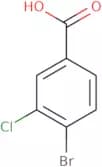
CAS :<p>2-[1,2,4]Triazol-1-yl-benzylamine is a chemical compound that has been shown to be an excellent reagent in organic synthesis. It is also used as a building block for the synthesis of compounds related to pharmaceuticals, pesticides and other speciality chemicals. 2-[1,2,4]Triazol-1-yl-benzylamine is a versatile intermediate that can be used in the synthesis of complex compounds with good yields and high purity.</p>Formule :C9H10N4Degré de pureté :Min. 95%Couleur et forme :PowderMasse moléculaire :174.2 g/mol4-Bromo-3-chlorobenzoic acid
CAS :<p>4-Bromo-3-chlorobenzoic acid is a molecule that belongs to the class of antimicrobial compounds and is used for the treatment of gram-negative pathogens. It inhibits the growth of these bacteria by blocking their ability to synthesize DNA, RNA, and proteins. 4-Bromo-3-chlorobenzoic acid has been shown to be effective against bacteria in mammalian cells and also has activity against multidrug resistant strains. This compound is biosynthesized in plant cells from carbon sources like glucose, and it can be found in plants like carrot tissue. The resistance of bacteria to this compound has been observed globally, with outbreaks occurring in Japan and India.</p>Formule :C7H4BrClO2Degré de pureté :Min. 95%Couleur et forme :White PowderMasse moléculaire :235.46 g/mol2-Amino-5-(trifluoromethyl)benzoic acid methyl ester
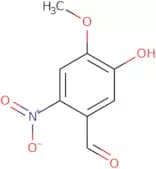
CAS :<p>2-Amino-5-(trifluoromethyl)benzoic acid methyl ester is a fine chemical that can be used in research and development. It is an intermediate for the synthesis of other compounds, such as pharmaceuticals and pesticides. This compound has a wide range of uses in various chemical reactions, including as a building block or reaction component.</p>Formule :C9H8F3NO2Degré de pureté :Min. 95%Couleur et forme :PowderMasse moléculaire :219.16 g/mol5-Hydroxy-4-methoxy-2-nitrobenzaldehyde
CAS :<p>5-Hydroxy-4-methoxy-2-nitrobenzaldehyde is a substrate molecule that can be minimised to the corresponding oxime, which can then be oxidised to form an aldehyde. The product of this reaction is a conformationally restricted dienone. This compound has been synthesized using a number of different methods, including oxidation by sodium dichromate. 5-Hydroxy-4-methoxy-2-nitrobenzaldehyde is a phenolic compound with two aromatic rings and one carbon ring. It has natural product properties and is used as a chemical skeleton in the synthesis of other compounds.</p>Formule :C8H7NO5Degré de pureté :Min. 95%Couleur et forme :Slightly Yellow PowderMasse moléculaire :197.14 g/mol2-[(Phenylsulfonyl)amino]benzoic acid
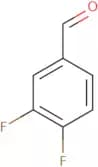
CAS :<p>2-[(Phenylsulfonyl)amino]benzoic acid is a white crystalline solid that is soluble in water and ethanol. It has a melting point of 176°C and a boiling point of 280°C. 2-[(Phenylsulfonyl)amino]benzoic acid binds to DNA by an intercalative mechanism, forming covalent bonds with the bases on the DNA. This binding prevents the DNA from unwinding during replication and transcription, thus inhibiting the synthesis of RNA and protein. The dimers form between two molecules of 2-[(Phenylsulfonyl)amino]benzoic acid, due to hydrogen bonding between the carboxylic acid groups. The crystal structure has been determined for this compound as centrosymmetric with space group P2 1 /c. A benzene ring is found in the molecule, which can form a pyridine ring when exposed to heat or</p>Formule :C13H11NO4SDegré de pureté :Min. 95%Couleur et forme :White PowderMasse moléculaire :277.3 g/mol3,4-Difluorobenzaldehyde
CAS :<p>3,4-Difluorobenzaldehyde is a chemical inhibitor that has been shown to be effective in the treatment of cancer. It inhibits the activity of an enzyme called tyrosine kinase by reacting with its functional group, leading to decreased production of growth factors and cell proliferation. 3,4-Difluorobenzaldehyde has been shown to have a high reaction yield in animal health studies, and it can be used as a drug for treating carcinoma cells. This compound also has strong liquid crystal properties and can be used as a component of diphenyl ether molecules. 3,4-Difluorobenzaldehyde is metabolized by the liver or excreted through urine. The pharmacokinetic properties of this compound are similar to those of other drugs that are metabolized by humans.</p>Formule :C7H4F2ODegré de pureté :Min. 95%Couleur et forme :Colorless Clear LiquidMasse moléculaire :142.1 g/mol3-Nitro-5-(trifluoromethyl)benzoic acid
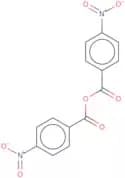
CAS :<p>3-Nitro-5-(trifluoromethyl)benzoic acid is a versatile chemical that is an intermediate in the synthesis of a number of pharmaceutical compounds. It can be used to synthesize complex compounds and has been shown to have a high reactivity as well as being useful as a building block for other reactions. 3-Nitro-5-(trifluoromethyl)benzoic acid is also used as a reagent or reaction component in various research projects, such as in the synthesis of many pharmaceuticals and fine chemicals. This chemical has CAS No. 328-80-3, which provides it with high quality and makes it a valuable speciality chemical.</p>Formule :C8H4F3NO4Degré de pureté :80%Couleur et forme :PowderMasse moléculaire :235.12 g/mol4-Nitrobenzoic anhydride
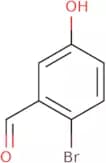
CAS :<p>4-Nitrobenzoic anhydride is a chemical compound that is used as a reagent in organic synthesis. It can be prepared by reacting magnesium with 4-nitrobenzoyl chloride in tetrahydrofuran. This reaction produces the salt of the acid, which can then be reacted with ethyl acetate to form the diethyl ester. The product can also be prepared by reacting propionyl chloride and peroxide in tetrahydrofuran or by reaction of 1-naphthaldehyde and chloride in acetic acid. 4-Nitrobenzoic anhydride is a salt that has been used as a corrosion inhibitor for metals and as a reducing agent for epoxides. It has also been used to produce other substances, such as methylamines, amines, and nitro compounds. 4-Nitrobenzoic anhydride reacts with nucleophiles such as water or alkalis to produce perox</p>Formule :C14H8N2O7Degré de pureté :Min. 95%Couleur et forme :Off-White PowderMasse moléculaire :316.22 g/mol2-Bromo-5-hydroxybenzaldehyde
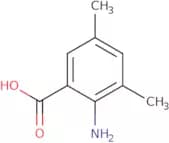
CAS :<p>Intermediate in the synthesis of crisaborole AN2728</p>Formule :C7H5BrO2Degré de pureté :Min. 95%Couleur et forme :White PowderMasse moléculaire :201.02 g/mol3,5-Dimethylanthranilic acid
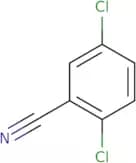
CAS :<p>3,5-Dimethylanthranilic acid is an acridone that has significant effects on the topoisomerase enzymes. It is a reactive compound and can cause sensitivity to light and heat, as well as irritation in the respiratory tract. 3,5-Dimethylanthranilic acid has been shown to have antitumour activity in mice. 3,5-Dimethylanthranilic acid also has cytotoxic potency against cancer cells and can be used to evaluate the sensitivity of tumours to anticancer drugs. This compound may also have mutagenic properties. The dehalogenation of 3,5-dimethylanthranilic acid is not yet fully understood.</p>Formule :C9H11NO2Degré de pureté :Min. 95%Couleur et forme :Off-White PowderMasse moléculaire :165.19 g/mol2,5-Dichlorobenzonitrile
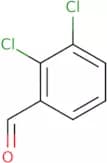
CAS :<p>2,5-Dichlorobenzonitrile is a chemical compound that contains a nitrile group. It is used as an intermediate in organic synthesis, as well as for the production of various pharmaceuticals and pesticides. 2,5-Dichlorobenzonitrile is oxidized to form 2,5-dichlorophenol which can be further converted to 2,5-dichloroquinone. This redox cycle is reversible and can be used to synthesize other compounds. The reaction time of this process is about one hour at room temperature. Maleate has been shown to inhibit the hepatic metabolism of 2,5-Dichlorobenzonitrile. This may lead to accumulation of 2,5-Dichlorobenzonitrile in the liver and potentially cause hepatitis or even liver cancer. Chloromethylation of 2,5-Dichlorobenzonitrile leads to the formation of chlor</p>Formule :C7H3Cl2NDegré de pureté :Min. 95%Couleur et forme :PowderMasse moléculaire :172.01 g/mol2,3-Dichlorobenzaldehyde
CAS :<p>2,3-Dichlorobenzaldehyde (2,3-DBA) is an organic compound that is used as a synthetic intermediate in the preparation of other chemicals. It is prepared by reacting 2-chloroacetophenone with hydrochloric acid and sodium carbonate in a reaction vessel. The product can be purified through fractional distillation or crystallization. The optical properties of 2,3-DBA are determined by its dipole moment and the substituents attached to the methylene group. Molecular modeling studies have shown that felodipine can bind to 2,3-DBA through its active methylene group. The reaction products between sulfadiazine and 2,3-DBA are pyridinedicarboxylic acid and 3-chlorobenzaldehyde.</p>Formule :C7H4Cl2ODegré de pureté :Min. 95%Couleur et forme :White PowderMasse moléculaire :175.01 g/mol2,4-Dihydroxybenzoic acid
CAS :<p>2,4-Dihydroxybenzoic acid (2,4-DB) is a metabolite of salicylic acid. It is used as an intermediate in the production of various drugs and dyes. 2,4-DB has been shown to be effective against hepatic steatosis induced by hydrogen fluoride in mice. This drug also inhibits mitochondrial membrane potential and DNA binding activity in human serum. 2,4-DB can bind to the α subunit of mitochondrial ATPase and act as a competitive inhibitor for p-hydroxybenzoic acid which is essential for the activation of this enzyme. The x-ray diffraction data from crystalline 2,4-DB shows that this compound binds to dna with coordination geometry that resembles that of salicylic acid. The kinetic studies have shown that 2,4-DB reacts noncompetitively with nonsteroidal anti-inflammatory drugs (NSAIDs).</p>Formule :C7H6O4Degré de pureté :Min 98%Couleur et forme :PowderMasse moléculaire :154.12 g/mol4-(Acetylamino)-2-nitrobenzoic acid
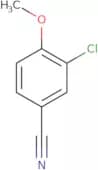
CAS :<p>4-(Acetylamino)-2-nitrobenzoic acid (AAANB) is a versatile building block that can be used in the synthesis of a wide range of organic and pharmaceutical compounds. AAANB is an intermediate in the preparation of 4-Amino-3-nitrophenol, which is an important research chemical. This compound is a useful scaffold for the synthesis of organic compounds with various biological activities. The CAS number for this product is 21573-29-5.</p>Formule :C9H8N2O5Degré de pureté :Min. 95%Couleur et forme :PowderMasse moléculaire :224.17 g/mol3-Chloro-4-methoxybenzonitrile
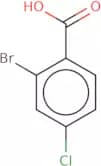
CAS :<p>3-Chloro-4-methoxybenzonitrile is a chemical compound that can be used as a reactant, reagent, or building block in the synthesis of other chemicals. It is an important intermediate for the production of pharmaceuticals, pesticides and dyes. 3-Chloro-4-methoxybenzonitrile is also being investigated for use in the manufacture of photoresists for semiconductor device fabrication. This chemical is listed on the Chemical Abstracts Service registry with CAS number 102151-33-7.</p>Formule :C8H6ClNODegré de pureté :Min. 95%Couleur et forme :SolidMasse moléculaire :167.59 g/mol2-Bromo-4-chlorobenzoic acid
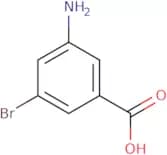
CAS :<p>2-Bromo-4-chlorobenzoic acid (2BCBA) is a potent inhibitor of the hepatitis C virus NS5B polymerase. It has been shown to inhibit the growth of cancer cells in vitro. 2BCBA binds to the active site of the NS5B polymerase, which is essential for viral replication. In addition, it has been found to have synergistic effects with other anti-hepatitis drugs such as interferon. The binding affinity of 2BCBA and its derivatives to NS5B polymerase are determined by their interaction energies and also by their ability to form supramolecular complexes with this enzyme. The inhibition constants for 2BCBA were calculated using high performance liquid chromatography (HPLC). This drug is an isomeric compound that can exist in two different forms: cis and trans.</p>Formule :C7H4BrClO2Degré de pureté :Min. 95%Couleur et forme :PowderMasse moléculaire :235.46 g/mol3-Amino-5-bromobenzoic acid
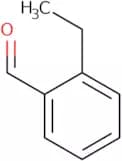
CAS :<p>3-Amino-5-bromobenzoic acid is a synthetic, water soluble anti-inflammatory agent. It is cytotoxic to macrophages in vitro and has significant efficacy in vivo. Its mechanism of action is to inhibit the synthesis of nucleotides in the cell. 3-Amino-5-bromobenzoic acid also inhibits inflammation by inhibiting prostaglandin synthesis and has been shown to be effective against seborrheic dermatitis. This drug has pharmacokinetic properties that are favourable for oral administration and is rapidly absorbed from the gastrointestinal tract with a half life of 2 hours. The drug is eliminated through the kidneys, with an elimination half life of 6 hours.</p>Formule :C7H6BrNO2Degré de pureté :Min. 95%Couleur et forme :PowderMasse moléculaire :216.03 g/mol2-Ethylbenzaldehyde
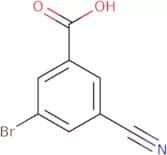
CAS :<p>2-Ethylbenzaldehyde is a colorless volatile liquid that has an odor similar to that of cloves. 2-Ethylbenzaldehyde can be found in the essential oil of nutmeg and other spices, such as cinnamon. It is used in the chemical industry as a control agent for analytical methods, such as the spectrometric determination of ether linkages. 2-Ethylbenzaldehyde has been shown to inhibit fatty acid production by bacteria and to inhibit lipid peroxidation. It also exhibits anti-inflammatory effects when exposed to cells in vitro. Exposure to 2-ethylbenzaldehyde may cause irritation of the eyes, skin, and respiratory tract, dizziness, headache, nausea and vomiting.<br>2-Ethylbenzaldehyde is generally considered safe for human consumption at low levels; however it may cause adverse health effects if ingested in large quantities or if heated over 400° F (204° Celsius).</p>Formule :C9H10ODegré de pureté :Min. 95%Couleur et forme :PowderMasse moléculaire :134.18 g/mol3-Bromo-5-cyanobenzoic acid
CAS :<p>3-Bromo-5-cyanobenzoic acid is a fine chemical that is used as a reagent or intermediate in the production of other chemicals. 3-Bromo-5-cyanobenzoic acid can be used as an intermediate in the synthesis of pharmaceuticals, agrochemicals, and perfumes. This compound is also useful as a building block for making speciality chemicals and research chemicals. 3-Bromo-5-cyanobenzoic acid is versatile because it can be used in many different reactions with many different substrates to make many different products.</p>Formule :C8H4BrNO2Degré de pureté :Min. 95%Couleur et forme :PowderMasse moléculaire :226.03 g/mol2-(Bromomethyl)-3-nitrobenzoic acid methyl ester
CAS :<p>2-(Bromomethyl)-3-nitrobenzoic acid methyl ester is a synthetic compound that is a byproduct of ammonium nitrate production. It is prepared by the reaction of 2-methyl-3-nitrobenzoic acid with bromine and methanol in the presence of palladium catalyst. The product is used to synthesize l-glutamic acid, which has many applications in industry.</p>Formule :C9H8BrNO4Degré de pureté :Min. 98 Area-%Couleur et forme :Off-White PowderMasse moléculaire :274.07 g/mol3,5-Dimethoxy-4-hydroxybenzoic acid methyl ester
CAS :<p>3,5-Dimethoxy-4-hydroxybenzoic acid methyl ester (DMHBME) is a natural compound that has been shown to have high redox potential values and chemical stability. This compound is an inhibitor of p-hydroxylases and has been shown to inhibit human serum laccase activity. DMHBME also inhibits polymerase chain reactions in the presence of DNA templates, which may be due to its ability to bind to the enzyme at the active site. DMHBME is a potent antimicrobial agent that can be used as a fungicide or preservative in food products. It is also effective against bacteria such as Staphylococcus aureus, Clostridium perfringens, Escherichia coli, and Mycobacterium tuberculosis.</p>Formule :C10H12O5Degré de pureté :Min. 95%Couleur et forme :White PowderMasse moléculaire :212.2 g/mol2,3,4-Trifluorobenzoic acid
CAS :<p>2,3,4-Trifluorobenzoic acid is a fluorinated fatty acid that has been shown to have anticancer activity. The molecule can be synthesized by reacting 2-bromo-1-(trifluoromethyl)benzene with potassium hydroxide in the presence of benzoic anhydride. This synthesis reaction yields (2,3,4-trifluoro)benzoic acid as the main product and a small amount of 2,3-dihydrobenzoic acid. The analytical method used to determine the purity of this compound is LC-MS/MS. The vibrational spectrum of this compound has been found to show strong absorption in the UV region at 290 nm. It also shows strong absorption at uv wavelengths greater than 300 nm due to its conjugation with fluorine atoms. This chemical is a precursor for synthesis of coumarin derivatives such as 4-[(2,3</p>Formule :C7H3F3O2Degré de pureté :Min. 95%Couleur et forme :White PowderMasse moléculaire :176.09 g/mol3-[Bis(phenylmethyl)amino]-5-fluoro-6-methyl-2-(phenylmethoxy)benzoic acid phenyl ester
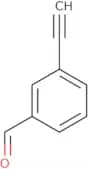
CAS :<p>Building block in tetracycline antibiotic synthesis</p>Formule :C35H30FNO3Degré de pureté :Min. 95%Couleur et forme :PowderMasse moléculaire :531.62 g/mol3-Ethynylbenzaldehyde
CAS :<p>3-Ethynylbenzaldehyde is a tryptic, nitro compound that contains terminal alkynes and has functional groups. The functional theory of this compound suggests that it may be used as a chemosensor for the detection of acidic compounds. 3-Ethynylbenzaldehyde reacts with sodium trifluoroacetate to form an aldehyde, which is then oxidized to an acid by the addition of water. This acid can be detected using NMR spectroscopy. 3-Ethynylbenzaldehyde has been shown to react with sodium trifluoroacetate in solid form at room temperature and above. The resulting product is a yellow crystalline solid that can be identified by its UV spectrum.</p>Formule :C9H6ODegré de pureté :Min. 95%Couleur et forme :PowderMasse moléculaire :130.14 g/mol








![1-Nitro-4-[(4-nitrophenyl)dithio]benzene](/_next/image/?url=https%3A%2Fstatic.cymitquimica.com%2Fproducts%2F10%2Fthumb-webp%2FF067957.webp&w=3840&q=75)





![methyl 4-nitro-3-[[(2S)-oxetan-2-yl]methylamino]benzoate](/_next/image/?url=https%3A%2Fstatic.cymitquimica.com%2Fproducts%2F10%2Fthumb-webp%2FF874677.webp&w=3840&q=75)
![(R)-3,3′-BIS(4-NITROPHENYL)-5,5′,6,6′,7,7′,8,8′-OCTAHYDRO-[1,1′-BINAPHTHALENE]-2,2′-DIOL](/_next/image/?url=https%3A%2Fstatic.cymitquimica.com%2Fproducts%2F10%2Fthumb-webp%2FF829536.webp&w=3840&q=75)

![2-[(3-CYANOPHENYL)AMINO]ACETIC ACID](/_next/image/?url=https%3A%2Fstatic.cymitquimica.com%2Fproducts%2F10%2Fthumb-webp%2FF849526.webp&w=3840&q=75)





![2-[1,2,4]Triazol-1-yl-benzylamine](/_next/image/?url=https%3A%2Fstatic.cymitquimica.com%2Fproducts%2F3D%2Fthumb-webp%2FFT50933.webp&w=3840&q=75)

![2-[(Phenylsulfonyl)amino]benzoic acid](/_next/image/?url=https%3A%2Fstatic.cymitquimica.com%2Fproducts%2F3D%2Fthumb-webp%2FFP136709.webp&w=3840&q=75)





![3-[Bis(phenylmethyl)amino]-5-fluoro-6-methyl-2-(phenylmethoxy)benzoic acid phenyl ester](/_next/image/?url=https%3A%2Fstatic.cymitquimica.com%2Fproducts%2F3D%2Fthumb-webp%2FFB101468.webp&w=3840&q=75)