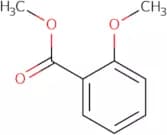
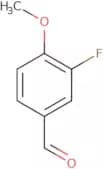
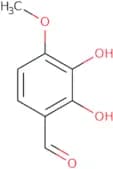
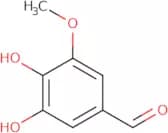
Benzènes
Les benzènes sont des hydrocarbures aromatiques simples constitués d'un anneau de carbone à six membres avec des doubles liaisons alternées. Cette structure fondamentale est un bloc de construction pour de nombreux composés chimiques, y compris les produits pharmaceutiques, les polymères et les colorants. Les benzènes sont largement utilisés en synthèse organique en raison de leur stabilité et de leur polyvalence. Chez CymitQuimica, nous offrons une large gamme de benzènes de haute qualité pour soutenir vos recherches et applications industrielles.
Sous-catégories appartenant à la catégorie "Benzènes"
- Benzamides(62 produits)
- Acides benzoïques(5.471 produits)
- Alcools benzyliques(1.458 produits)
- Benzènes halogénés(33.962 produits)
- Phénols(2.653 produits)
11887 produits trouvés pour "Benzènes"
Trier par
Degré de pureté (%)
0
100
|
0
|
50
|
90
|
95
|
100
3-Amino-5-nitrobenzoic acid
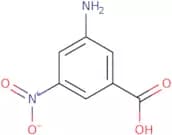
CAS :3-Amino-5-nitrobenzoic acid is a cyclic analog of diazepam. It has been shown to be an acceptor in the reduction of picric acid and nitro groups. 3-Amino-5-nitrobenzoic acid is a molecule which interacts with dopamine to produce pharmaceutical preparations.Formule :C7H6N2O4Degré de pureté :Min. 95%Couleur et forme :PowderMasse moléculaire :182.13 g/mol3,5-Dichloro-4-hydroxybenzaldehyde
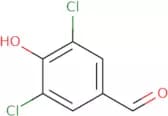
CAS :<p>3,5-Dichloro-4-hydroxybenzaldehyde is a triiodomethane derivative that reacts with chlorine to form a chlorinated aldehyde. It is used as an intermediate in the production of 4-hydroxybenzoic acid from phenylacetic acid and 4,4'-dichlorodiphenyl sulfone. 3,5-Dichloro-4-hydroxybenzaldehyde can be decarboxylated at elevated temperatures to produce formic acid. This compound has been used in wastewater treatment as it can remove chlorine byproducts and other pollutants such as nitrates, nitrites, and iron ions. The reaction kinetics of 3,5-dichloro-4-hydroxybenzaldehyde have been studied using hydroxymethyl groups and formyl groups to determine the rate of demethylation. The rates were found to be dependent on temperature.</p>Formule :C7H4Cl2O2Degré de pureté :Min. 95%Couleur et forme :White PowderMasse moléculaire :191.01 g/mol2-Bromo-4-nitrobenzonitrile
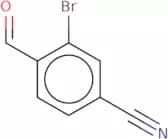
CAS :<p>2-Bromo-4-nitrobenzonitrile is a chemical compound that can be used to study the relationship between genetic polymorphism and chromosome structure. This compound has been found to induce polyploidy in Brassica plants, which may have implications for the evolution of these species. 2-Bromo-4-nitrobenzonitrile also has been shown to be a useful marker for phylogenetic and ecological studies of Lepidium species. The compound is diploid in nature, but can be used as a matrix in tetraploid plants.</p>Formule :C7H3BrN2O2Degré de pureté :Min. 95%Couleur et forme :PowderMasse moléculaire :227.02 g/molMethyl 4-bromo-2-methoxybenzoate
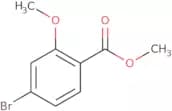
CAS :Methyl 4-bromo-2-methoxybenzoate is a drug molecule that belongs to the amide class. It is a synthetic reagent and can be used as a potential precursor in the synthesis of other drugs. Methyl 4-bromo-2-methoxybenzoate has been shown to react with carboxylic acids to form methyl esters, which are functional groups that contain a carboxyl group (COOH) and an alcohol group (OH). This reaction is called methoxylation. The transformation of methyl 4-bromo-2-methoxybenzoate into methyl esters increases the solubility of the compound and allows for it to be transported in water.Formule :C9H9BrO3Degré de pureté :Min. 98 Area-%Couleur et forme :Yellow PowderMasse moléculaire :245.07 g/mol3,4-Dihydroxy-6-nitrobenzaldehyde
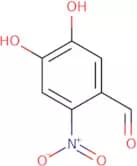
CAS :3,4-Dihydroxy-6-nitrobenzaldehyde is a nitrite that can be used to produce nitric acid. It can also be used in the synthesis of caffeic acid and protocatechuic aldehyde. This molecule is also a catalyst for the conversion of 3,4-dihydroxybenzoic acid to chloride and purine derivatives. 3,4-Dihydroxy-6-nitrobenzaldehyde is nucleophilic and can react with an electron pair donor such as methyl ester or dimerization. The product of this reaction is an unsaturated compound called hyperuricemic mice.Formule :C7H5NO5Degré de pureté :Min. 95%Couleur et forme :Yellow PowderMasse moléculaire :183.12 g/mol2-Chloro-6-fluorobenzaldehyde
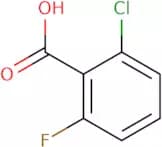
CAS :<p>2-Chloro-6-fluorobenzaldehyde is an impurity that can be found in wastewater. It has been shown to be a reactive intermediate for the synthesis of streptochlorin, which is a natural product with potential antibiotic activity. 2-Chloro-6-fluorobenzaldehyde is produced by the reaction of chlorine and anhydrous sodium, with acid as catalyst. The molecule has two fluorine atoms and one chloride atom. This compound can also be used in the treatment of waste water due to its ability to react with hydroxyl ions and chloride ions in the presence of hydrogen chloride or hydrochloric acid. The pain model was evaluated using nmr spectra and optical properties.</p>Formule :C7H4ClFODegré de pureté :Min. 95%Couleur et forme :White PowderMasse moléculaire :158.56 g/molGentisic acid sodium salt hydrate
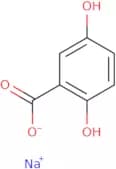
CAS :<p>Gentisic acid sodium salt hydrate is a benzoate that is used as a diagnostic agent in the study of inflammatory bowel disease. Gentisic acid sodium salt hydrate is a sodium salt of gentisic acid and has been shown to have anti-inflammatory properties. It is used as a stabilizer for solid dispersions, such as capsules, tablets, and granules. Gentisic acid sodium salt hydrate also has the ability to prevent degradation of certain drugs by hydrolysis or oxidation. Gentisic acid sodium salt hydrate can be synthesized from 2,6-dihydroxybenzoic acid (2,6-DHB) and hippuric acid.</p>Formule :C7H5NaO4·xH2ODegré de pureté :Min. 98 Area-%Couleur et forme :White PowderMasse moléculaire :176.1 g/mol4-Bromobenzylamine
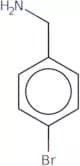
CAS :4-Bromobenzylamine is a chemical compound that has been used to study the process optimization of sephadex g-100. It is also used as a chemotherapeutic treatment for cancer. 4-Bromobenzylamine binds to intracellular targets, such as nitrogen atoms and cell lysis, with physiological levels found in fetal bovine serum. The nitrogen atom is an essential structural component of 4-bromobenzylamine that is necessary for its biological activity and may be involved in binding to DNA polymerase. This drug has been shown to inhibit the growth of metastatic colorectal cancer cells by inhibiting cellular proliferation. Structural analysis has revealed that 4-bromobenzylamine interacts with the polymerase chain reaction (PCR) enzyme and inhibits the ability of DNA polymerases to add nucleotides to the growing strand of DNA.Formule :C7H8BrNDegré de pureté :Min. 95%Couleur et forme :PowderMasse moléculaire :186.05 g/mol(3-Hydroxyphenyl)acetone
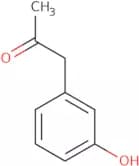
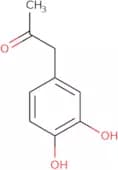
CAS :<p>(3-Hydroxyphenyl)acetone is a chemical that can be used as a reaction component, reagent, or building block for the synthesis of complex compounds. This compound has high quality and is useful in research. It has CAS No. 64479-84-1 and has many uses in the synthesis of speciality chemicals or fine chemicals. (3-Hydroxyphenyl)acetone is a versatile intermediate that can be used to make other compounds such as antihistamines, antibiotics, anticonvulsants, antipsychotics, and antidepressants.</p>Formule :C9H10O2Degré de pureté :Min. 95%Couleur et forme :Yellow PowderMasse moléculaire :150.17 g/mol4-Dimethylaminobenzoic acid
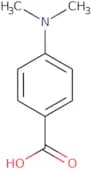
CAS :4-Dimethylaminobenzoic acid is a cationic surfactant that is used in analytical chemistry to measure the proton concentration. It reacts with protons and forms a positively charged ion. 4-Dimethylaminobenzoic acid can be used in experimental models to study the effects of protonation on cell growth and metabolism. Research has found that 4-dimethylaminobenzoic acid can be used as a growth factor by stimulating the production of protein, DNA, and RNA in cells. 4-Dimethylaminobenzoic acid is used as an ingredient in some skin care products because it has been shown to have anti-inflammatory properties.Formule :C9H11NO2Degré de pureté :Min. 98 Area-%Couleur et forme :White PowderMasse moléculaire :165.19 g/mol4-Formyl-3-hydroxybenzoic acid
CAS :4-Formyl-3-hydroxybenzoic acid (4FHB) is a member of the phenylacetic acid family. It has been shown to have potential as a substrate for creatine kinase and amines, as well as an inhibitor of the enzyme. 4FHB binds to the surface of silica particles in order to enhance Raman scattering in a solid-phase synthesis. The molecular weight of 4FHB is 148 g/mol, with optical properties that can be described by fluorescence spectroscopy. 4FHB has been shown to be homochiral and tetradentate, with a magnetic resonance spectrum that can be characterized by hydroxyl group and salicylaldehyde groups.Formule :C8H6O4Degré de pureté :Min. 96.5 Area-%Couleur et forme :PowderMasse moléculaire :166.13 g/mol5-Amino-2-nitrobenzoic acid
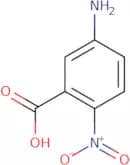
CAS :<p>5-Amino-2-nitrobenzoic acid is a drug that has been shown to inhibit the activity of proteases. It has been used to detect the presence of protease activity in urine samples, as well as to study the inhibition of protease activity by other drugs. 5-Amino-2-nitrobenzoic acid is an inhibitor of chymotrypsin, trypsin, and elastase. This drug has been shown to be effective in inhibiting these enzymes at low concentrations, with a detection sensitivity of approximately 0.1 μM. 5-Amino-2-nitrobenzoic acid inhibits the growth of bacteria by binding to them and preventing protein synthesis. The compound also inhibits the enzyme dihydrolipoamide dehydrogenase in mitochondria, which is required for cellular respiration and energy production.</p>Formule :C7H6N2O4Couleur et forme :Brown Yellow PowderMasse moléculaire :182.13 g/molEthyl 4-ethoxybenzoate
CAS :Ethyl 4-ethoxybenzoate is an antimicrobial agent that inhibits bacterial growth by interfering with the synthesis of DNA. It also has a genotoxic potential and can induce mutations in cells. Ethyl 4-ethoxybenzoate is used as an impurity in pharmaceutical drug production, such as solanum tuberosum extract, to prevent microbial contamination. It also has been shown to inhibit the growth of bacteria in cell cultures by binding to DNA and inhibiting DNA replication. Ethyl 4-ethoxybenzoate is used as a control agent for the detection of antibiotics in natural products, such as ethanol extracts from plants.Formule :C11H14O3Degré de pureté :Min. 97.5 Area-%Couleur et forme :Colorless Clear LiquidMasse moléculaire :194.23 g/mol2-Bromo-5-methoxybenzoic acid
CAS :2-Bromo-5-methoxybenzoic acid (BMBA) is a natural compound that belongs to the class of ellagitannins. It has been shown to inhibit the proliferation of leukemia cells and induce apoptosis in these cells. The mechanism of this apoptotic activity may be due to BMBA's inhibition of the progesterone receptor, which has been demonstrated by molecular modeling and 13C NMR spectroscopy experiments. This receptor is involved in cancer development and progression. BMBA also inhibits the mitochondrial membrane potential, leading to cell death. In addition, 2-Bromo-5-methoxybenzoic acid has been shown to have anti-inflammatory properties in mice with chronic colitis. This compound also has an effect on bacteria such as Pseudomonas aeruginosa, which was observed using thermodynamic calculations.Formule :C8H7BrO3Degré de pureté :Min. 95%Couleur et forme :PowderMasse moléculaire :231.04 g/mol2-Amino-4-methoxy-benzoic acid methyl ester
CAS :<p>2-Amino-4-methoxy-benzoic acid methyl ester is a high quality, versatile building block for the synthesis of complex compounds. It is an intermediate in the synthesis of a number of biologically active compounds and has been used as a reagent for the determination of amino acids. 2-Amino-4-methoxy-benzoic acid methyl ester is soluble in water and polar organic solvents.</p>Formule :C9H11NO3Degré de pureté :Min. 95%Couleur et forme :Off-White PowderMasse moléculaire :181.19 g/mol4-Hydroxy-3,5-dimethylbenzoic acid
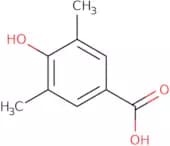
CAS :<p>4-Hydroxy-3,5-dimethylbenzoic acid (4HDMBA) is an antimicrobial agent that inhibits bacterial cell growth by binding to the GyrA subunit of DNA gyrase. It is a potent inhibitor of the GyrA subunit, with activity against both mutant and wild type strains. 4HDMBA also has anticancer activity in vitro and in vivo studies have shown that it can inhibit the growth of cells from human cancer cell lines. 4HDMBA is synthesized by reacting amide with chloroacetyl chloride. The carboxylate group on 4HDMBA can be transformed into a hydroxyl group by reaction with sodium hydroxide. The chemical structure of 4HDMBA includes a hydroxy group, a chlorine atom, and a hydroxyl group.</p>Formule :C9H10O3Degré de pureté :Min. 95%Couleur et forme :PowderMasse moléculaire :166.17 g/mol4-Nitrobenzylamine hydrochloride
CAS :4-Nitrobenzylamine hydrochloride is a bifunctional immobilizing agent that can be used for the immobilization of Zn2+. It reacts with nitrogen atoms, forming an amination reaction. The linker is covalently immobilized to the surface and the nature of this chemical is synthetic. 4-Nitrobenzylamine hydrochloride is synthesized by reacting nitric acid with benzaldehyde in ammonia solution at room temperature. This chemical has shown to be effective in reactions where a flow rate is needed or when diamidines are present in the reaction mixture.Formule :C7H8N2O2·HClDegré de pureté :Min. 95%Couleur et forme :PowderMasse moléculaire :188.61 g/mol2,6-Dichlorobenzaldehyde oxime
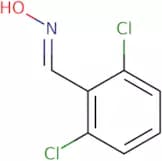
CAS :<p>2,6-Dichlorobenzaldehyde oxime is a synthetic molecule that is prepared by the reaction of triphenylphosphine oxide and halides. It is also known as aldoxime and has been used in a number of chemical reactions. 2,6-Dichlorobenzaldehyde oxime has been used in the synthesis of a variety of organic compounds, including toxicants and preservatives.</p>Formule :C7H5Cl2NODegré de pureté :Min. 95 Area-%Couleur et forme :White PowderMasse moléculaire :190.03 g/mol3,4-Dihydroxybenzylamine hydrobromide
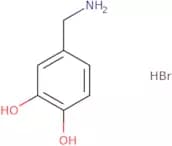
CAS :<p>3,4-Dihydroxybenzylamine hydrobromide is a chemical that reacts with hydrogen peroxide to produce light. It is used as a nutrient for the chemiluminescent reaction in a nutrient solution to detect dopamine, chlorogenic acids, and trifluoroacetic acid. 3,4-Dihydroxybenzylamine hydrobromide can also be used as an analytical method for the measurement of cortisol concentration in plasma and saliva samples. This chemical analogically reacts with monoamine neurotransmitters such as dopamine and gamma-aminobutyric acid (GABA) to form fluorescent probes. 3,4-Dihydroxybenzylamine hydrobromide is not toxic or mutagenic and has been shown to be safe for use in humans.</p>Formule :C7H10BrNO2Degré de pureté :Min. 95%Couleur et forme :PowderMasse moléculaire :220.06 g/molEthyl 4-iodobenzoate
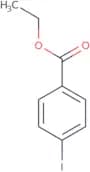
CAS :<p>Ethyl 4-iodobenzoate is an amide that reacts with a variety of substances, including retinoic acid and pemetrexed. It is a reactive substance that can be used in the synthesis of other substances such as iron oxides and transfer mechanism. Ethyl 4-iodobenzoate is also used for the preparation of picolinic acid and crystalline structure. Radical coupling reactions are most common and involve halides, phenyl groups, and aryl halides. The reaction temperature ranges from room temperature to 100 ˚C, while the reaction mechanism varies depending on the type of coupling reaction.</p>Formule :C9H9IO2Degré de pureté :Min. 95%Couleur et forme :PowderMasse moléculaire :276.07 g/mol2,5-Dimethylbenzoic acid
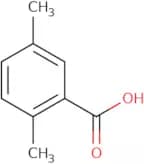
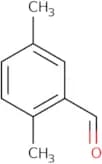
CAS :2,5-Dimethylbenzoic acid is a compound that is found in urine samples. It is the product of the metabolism of 2,5-dihydroxybenzoic acid. 2,5-Dimethylbenzoic acid has a functional group which consists of a carboxylic acid group and two methyl groups. The acidic nature of this compound can be seen through its reaction with camphora, as well as its hydrolysis by hydrochloric acid. This compound also has protease activity when it comes into contact with human urine. 2,5-Dimethylbenzoic acid can be synthesized using solid-phase chemistry and chemical biology techniques. It has been shown to have a functional role in the production of proteins that are involved in cellular signaling pathways such as chemotaxis and apoptosis.Formule :C9H10O2Degré de pureté :Min. 95%Couleur et forme :PowderMasse moléculaire :150.17 g/mol4,4'-Dibenzoic acid
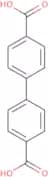
CAS :4,4'-Dibenzoic acid is a chemical compound that has been used as a precursor to other compounds. It is also used in the production of polycarbonates and epoxy resins. 4,4'-Dibenzoic acid has low energy, which means it can be transported more easily than high energy molecules. This property makes it an excellent candidate for use as an enhancement agent for organometallic catalysts such as biphenyl. The structure of 4,4'-dibenzoic acid consists of two benzene rings connected by an ethylene chain. This molecule has one hydrogen bond on each side of the molecule. The 4-hydroxyl group on the left side of the molecule is susceptible to oxidation and can act as an oxidation catalyst when exposed to heat or radiation.Formule :C14H10O4Degré de pureté :Min. 95%Couleur et forme :PowderMasse moléculaire :242.23 g/mol2,4-Dihydroxybenzoic acid
CAS :<p>2,4-Dihydroxybenzoic acid is a building block for the production of pharmaceuticals and other chemicals. It is a versatile chemical that can be used in the synthesis of complex compounds. 2,4-Dihydroxybenzoic acid is also a reaction component, reagent, and useful scaffold. This compound has been shown to have high quality and is a research chemical with speciality use.</p>Formule :C7H6O4Masse moléculaire :154.12 g/mol3-Aminobenzonitrile
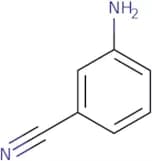
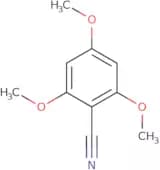
CAS :<p>3-Aminobenzonitrile is an amine that has been shown to inhibit the growth of bacteria. It was synthesized by the reaction of nitrobenzene with benzamide in the presence of acetic acid. The chemical structure of 3-aminobenzonitrile is similar to that of a group of natural amino acids, including cysteine and tryptophan, which are known inhibitors of bacterial growth. This compound is soluble in organic solvents and can be used as an injection solution. 3-Aminobenzonitrile has been evaluated by kinetic studies and found to have a high affinity for bacterial cells, with an inhibition constant (Ki) value of 0.37 mM. It is also active against other microorganisms such as yeast or mold fungi, but not against plant or animal cells. 3-Aminobenzonitrile inhibits the synthesis of proteins by binding to a number of different sites on the ribosomes where</p>Degré de pureté :Min. 95%Couleur et forme :Yellow PowderMasse moléculaire :118.14 g/mol2,4,6-Trimethoxybenzonitrile
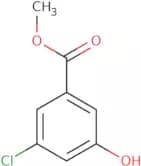
CAS :<p>2,4,6-Trimethoxybenzonitrile is a ligand that forms coordination complexes with metal ions. It can be used to make N-oxide compounds and reaction products with aryl chlorides. The 2,4,6-trimethoxybenzonitrile ligand has been shown to form cross-coupling complexes with benzotriazolyl. This compound is soluble in organic solvents and has a vapor pressure of 0.0025 mm Hg at 25°C. The molecular weight of this compound is 196.2 g/mol and its melting point is 190°C. 2,4,6-Trimethoxybenzonitrile has a symmetric molecule in the gas phase and an asymmetric molecule in solution due to the interactions of hydrogen bonding and van der Waals forces.</p>Formule :C10H11NO3Degré de pureté :Min. 95%Couleur et forme :PowderMasse moléculaire :193.2 g/mol3-Chloro-5-hydroxybenzoic acid methyl ester
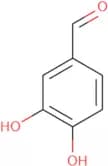
CAS :3-Chloro-5-hydroxybenzoic acid methyl ester is a fine chemical that can be used as a versatile building block and reaction component in the synthesis of complex compounds. It is soluble in organic solvents such as dichloromethane, chloroform, and acetone. 3-Chloro-5-hydroxybenzoic acid methyl ester has CAS No. 98406-04-3 and a molecular weight of 149. 2.Formule :C8H7ClO3Degré de pureté :Min. 98 Area-%Couleur et forme :White Off-White PowderMasse moléculaire :186.59 g/mol3,4-Dihydroxybenzaldehyde
CAS :<p>3,4-Dihydroxybenzaldehyde is an active compound that is a protocatechuic aldehyde. It has been shown to inhibit protein oxidation and kidney injury. 3,4-Dihydroxybenzaldehyde also inhibits the production of bcl-2 protein and growth factor-β in rat urine. This compound has been used in Chinese medicinal preparations as well as in control methods for oxidizing agents.</p>Formule :C7H6O3Couleur et forme :Brown White PowderMasse moléculaire :138.12 g/mol2-Amino-4,6-dimethoxybenzoic acid
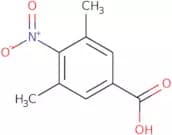
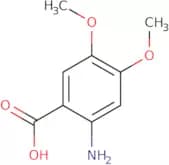
CAS :<p>2-Amino-4,6-dimethoxybenzoic acid is an organic chemical compound that can be used as a building block for the synthesis of other compounds. 2-Amino-4,6-dimethoxybenzoic acid has a number of uses including being a reagent in organic and inorganic reactions, such as the synthesis of dyes, pharmaceuticals, and pesticides. It is also used as a building block for complex compounds that are difficult to make. This chemical has been classified by the Chemical Abstract Services (CAS) registry with CAS number 21577-57-1.</p>Formule :C9H11NO4Degré de pureté :Min. 95%Couleur et forme :Yellow SolidMasse moléculaire :197.19 g/mol3,5-Dimethyl-4-nitrobenzoic acid
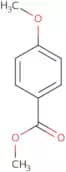
CAS :<p>3,5-Dimethyl-4-nitrobenzoic acid is a synthetic compound that has been used in the synthesis of other organic compounds. It is not currently used as a drug, but it has been shown to inhibit the growth of bacteria in vitro. The mechanism of action for this compound is unclear. 3,5-Dimethyl-4-nitrobenzoic acid has been shown to be active against the bacterium Typhimurium and may inhibit bacterial growth by being metabolised into nitrite or nitrate ions. This chemical can also be converted into a reactive intermediate that reacts with oxygen to form superoxide anion radicals, which are known to have antibacterial effects.</p>Formule :C9H9NO4Degré de pureté :Min. 95%Couleur et forme :PowderMasse moléculaire :195.17 g/molMethyl 4-methoxybenzoate
CAS :Methyl 4-methoxybenzoate is a white, crystalline powder that is soluble in alcohol and ether. The chemical formula for methyl 4-methoxybenzoate is C8H10O4. It has a molecular weight of 196.19 g/mol and a melting point of 136°C. Methyl 4-methoxybenzoate has been used as an organic reagent, as well as a pharmaceutical intermediate and additive in food manufacturing. It also has biological properties such as being an anti-inflammatory agent and being able to inhibit the growth of infectious diseases like tuberculosis and malaria. Methyl 4-methoxybenzoate can be synthesized by reacting benzoic acid with methanol, phosphoric acid, or hydrochloric acid. This molecule can also be synthesized from p-hydroxybenzoic acid by electrophilic substitution with methyl iodide followed by hydrolysis using sodium hydroxide. The chemicalFormule :C9H10O3Degré de pureté :Min. 98%Couleur et forme :PowderMasse moléculaire :166.17 g/mol4-(N,N-Diethylamino)benzoic acid
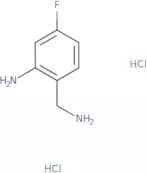
CAS :<p>4-(N,N-Diethylamino)benzoic acid is a hydrogenated product of 4-hydroxybenzoic acid. It has been shown to be an effective chemopreventive agent against chemically induced cancer in rats. The analytical method for this compound is based on the fluorescence properties of the compound and its structural studies have been reported. This drug also has bioequivalence properties, which were shown by the spectrometry analyses of human serum samples. The dipole moment of 4-(N,N-diethylamino)benzoic acid is 1.8 D and it reacts with protocatechuic acid to form 4-hydroxybenzaldehyde and diethyl ether.</p>Formule :C11H15NO2Degré de pureté :Min. 95%Couleur et forme :PowderMasse moléculaire :193.24 g/mol2-Amino-4-fluorobenzylamine dihydrochloride
CAS :2-Amino-4-fluorobenzylamine dihydrochloride is a research chemical that is used as a reactant in organic synthesis. 2-Amino-4-fluorobenzylamine dihydrochloride is an intermediate for the preparation of other chemicals and can also be used as a building block for more complex compounds. This chemical has been shown to have good quality and can be used in many different types of research. 2-Amino-4-fluorobenzylamine dihydrochloride has CAS number 606139-20-2.Formule :C7H9FN2·2HClDegré de pureté :Min. 95 Area-%Couleur et forme :PowderMasse moléculaire :213.08 g/mol4-Mercaptobenzoic acid
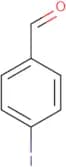
CAS :<p>4-Mercaptobenzoic acid is a receptor antagonist that binds to the benzodiazepine site of the GABAA receptor and blocks the action of GABA. This drug has been shown to be useful in tissue culture studies, where it inhibits the growth of cells by interfering with cell division. 4-Mercaptobenzoic acid has also been shown to inhibit sodium citrate uptake into human red blood cells in vitro, which may be due to its ability to bind with hydrogen bonding interactions or ionic interactions. 4-Mercaptobenzoic acid enhances pluronic p123 and fetal bovine serum as a substrate for tissue culture cells, which may be due to its ability to inhibit inhibitor molecules.</p>Formule :C7H6O2SDegré de pureté :Min. 95%Couleur et forme :Yellow PowderMasse moléculaire :154.19 g/mol4-Iodobenzaldehyde
CAS :4-Iodobenzaldehyde is a chemical compound with the molecular formula C6H5IO. It is an aromatic compound that can be used in cancer therapy. 4-Iodobenzaldehyde reacts with trifluoroacetic acid to form an intramolecular hydrogen, which is detected using a low-energy monomer and high detection sensitivity. 4-Iodobenzaldehyde has two phenyl substituents and a serine protease functional group, which are required for its interaction with other molecules. The presence of these functional groups allows analytical methods to be used to identify 4-iodobenzaldehyde in various samples. Using analytical methods, it can be determined that 4-iodobenzaldehyde interacts with an acceptor molecule at the reaction vessel thermally or by irradiation.Formule :C7H5IODegré de pureté :Min. 95%Couleur et forme :Yellow PowderMasse moléculaire :232.02 g/mol5-Amino-2-methoxy-benzoic acid methyl ester
CAS :<p>5-Amino-2-methoxy-benzoic acid methyl ester is a synthetic compound that has been shown to have potential as an antibacterial. It has been found to inhibit the growth of bacteria by binding to DNA and preventing transcription. The selectivity for bacterial cells is due to its ability to penetrate the cell membrane, which does not occur in mammalian cells. 5-Amino-2-methoxy-benzoic acid methyl ester is synthesized from 2-(4′-aminophenyl)acetic acid and methoxymethyl chloride in two steps, with a yield of 60%.</p>Formule :C9H11NO3Degré de pureté :Min. 95%Couleur et forme :Red PowderMasse moléculaire :181.19 g/mol3-Methoxy-2,4,5-trifluorobenzoic acid
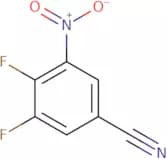
CAS :<p>3-Methoxy-2,4,5-trifluorobenzoic acid (3MTBF) is a ligand that binds to the active site of bacterial dehydrogenases. It is used to inhibit the growth of bacteria in the environment and food products. 3MTBF inhibits the production of fluoroquinolones by methylating their chlorides with methoxy groups. This compound also has bifunctional properties, as it can act as both a methylating agent and an inhibitor of dehydrogenase enzymes. 3MTBF inhibits the production of cancer cells by inhibiting transcription and translation, preventing cell division and proliferation. 3MTBF is thermostable, meaning it does not break down in high temperatures or at pH extremes.</p>Formule :C8H5F3O3Degré de pureté :Min. 95%Couleur et forme :White to off-white solid.Masse moléculaire :206.12 g/mol3,4-Difluoro-5-nitrobenzonitrile
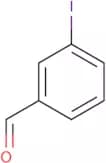
CAS :<p>3,4-Difluoro-5-nitrobenzonitrile is a hepatotoxic compound that is found in the environment. It has been shown to cause cirrhosis and overgrowth of the liver. 3,4-Difluoro-5-nitrobenzonitrile also inhibits hepatic encephalopathy and may be used to treat liver disease. This toxicant has been detected in the bowel and duodenum of humans with nonalcoholic steatohepatitis, as well as in the jejunum and duodenum of mice with spontaneous steatohepatitis. It also causes nonalcoholic steatohepatitis when given orally to rats.</p>Formule :C7H2F2N2O2Degré de pureté :Min. 95%Couleur et forme :Yellow PowderMasse moléculaire :184.1 g/mol3-Iodobenzaldehyde
CAS :3-Iodobenzaldehyde is an atypical, isomeric, low energy, functional group. It has a fluorine atom in the 3-position and three different types of functional groups: alcohol, aldehyde and carboxylic acid. This compound has been studied for its ability to bind to receptors. 3-Iodobenzaldehyde can be synthesized by reacting benzalchohde with iodine and hydrochloric acid. The technique used to produce this compound is called Grignard reaction. 3-Iodobenzaldehyde can also be prepared by heating the corresponding nitrobenzene with sodium iodide in dry ether or under refluxing conditions. This compound has a low boiling point and melts at about 170 degrees Celsius. The frequency of this molecule ranges from 98 to 102 megahertzFormule :C7H5IODegré de pureté :Min. 95%Couleur et forme :PowderMasse moléculaire :232.02 g/mol2,3-Diaminobenzoic acid methyl ester
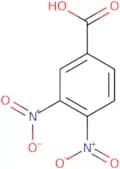
CAS :2,3-Diaminobenzoic acid methyl ester is a redox potential catalyst that has been shown to have anticancer activity in vitro and in vivo. It is a 5-ht4 receptor agonist, which causes an increase in the intracellular concentration of cAMP. The anticancer effect of this compound may be due to its ability to inhibit the growth of cancer cells by blocking DNA synthesis and cell division. The biological properties of this drug are not well understood, but it has been shown to have antioxidant effects, as well as proton-reducing and electron-accepting properties. This compound has also been studied electrochemically.Formule :C8H10N2O2Degré de pureté :95%NmrCouleur et forme :PowderMasse moléculaire :166.18 g/mol3,4-Dinitrobenzoic acid
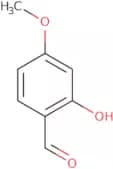
CAS :<p>3,4-Dinitrobenzoic acid is a nitrobenzoic acid that has a hydrogen bond. 3,4-Dinitrobenzoic acid is activated by the loss of a proton and it reacts with amines to form diazonium salts. It can be found in plants and animals as an intermediate in the metabolism of tyrosine and tryptophan. 3,4-Dinitrobenzoic acid is used in analytical chemistry to detect the presence of amines. The functional groups on 3,4-dinitrobenzoic acid are carboxylic acid and nitro. Ribulose is an example of a molecule containing these functional groups.</p>Formule :C7H4N2O6Degré de pureté :Min. 98.0%Couleur et forme :Yellow PowderMasse moléculaire :212.12 g/mol2-Hydroxy-4-methoxybenzaldehyde
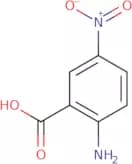
CAS :<p>2-Hydroxy-4-methoxybenzaldehyde is an antifungal agent that has been shown to have a broad spectrum of activity against filamentous fungi. It is able to inhibit the growth of fungi by inhibiting the enzyme shikimate dehydrogenase, which is involved in the synthesis of aromatic amino acids and other essential metabolites. 2-Hydroxy-4-methoxybenzaldehyde also inhibits xylose reductase and alpha-galactosidase, enzymes that are involved in cell wall biosynthesis. This compound is effective against Candida albicans, Aspergillus niger, and Trichophyton mentagrophytes. 2-Hydroxy-4-methoxybenzaldehyde has also been shown to have bacteriostatic effects on Escherichia coli.</p>Formule :C8H8O3Degré de pureté :Min. 95%Couleur et forme :Off-White PowderMasse moléculaire :152.15 g/mol2-Amino-5-nitrobenzoic acid
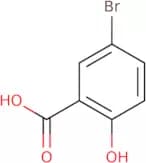
CAS :<p>2-Amino-5-nitrobenzoic acid is a plant metabolite that contains a nitro group. It has been found to be an effective inhibitor of glutamate dehydrogenase, one of the enzymes involved in the metabolism of amino acids. 2-Amino-5-nitrobenzoic acid has also been shown to have no effect on other enzyme activities such as amines and nitrosamines. This natural product has been shown to be useful as a model system for understanding how hydrochloric acid interacts with plants, by inhibiting their growth.</p>Formule :C7H6N2O4Degré de pureté :Min. 97.5%Couleur et forme :Yellow PowderMasse moléculaire :182.13 g/mol5-Bromosalicylic acid
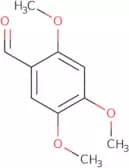
CAS :5-Bromosalicylic acid is a derivative of p-hydroxybenzoic acid that is used in wastewater treatment. The reaction of 5-bromosalicylic acid with the 1,3-benzodioxole-5-carboxylic acid leads to the formation of a new compound, which can be used as an intermediate in organic synthesis. 5-Bromosalicylic acid has been shown to inhibit the growth of hepg2 cells and K562 cells by damaging DNA. It also inhibits the suzuki coupling reaction by acting as a hydrogen sink and stabilizing the transition state through intramolecular hydrogen bonding interactions. A possible mechanism for this inhibition is that 5-bromosalicylic acid reacts with hydroxide ions to form bromohydroxylated products, which then react with amine compounds to produce carboxylates that can hydrogen bond with other molecules.Formule :C7H5BrO3Degré de pureté :Min. 95%Couleur et forme :White PowderMasse moléculaire :217.02 g/mol2,4,5-Trimethoxybenzaldehyde
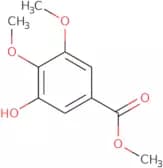
CAS :<p>2,4,5-Trimethoxybenzaldehyde is a natural compound that belongs to the group of sephadex g-100. It is used as an absorbent and has been shown to react with human immunoglobulin in the presence of tiglic acid. The reaction mechanism for this chemical is not well understood but it is believed that intermolecular hydrogen bonding may be occurring. 2,4,5-Trimethoxybenzaldehyde has been shown to have anti-inflammatory effects when tested on rats in a laboratory setting. This chemical has also been used as an analytical reagent for biological samples and biological studies as well as a preparative hplc column. Optical sensors have also been used to detect this chemical in various types of optical sensing experiments. X-ray crystal structures have also been obtained for this compound using synchrotron radiation.</p>Formule :C10H12O4Degré de pureté :Min. 98 Area-%Couleur et forme :PowderMasse moléculaire :196.2 g/molMethyl 4,5-dimethoxy-3-hydroxybenzoate
CAS :<p>Methyl 4,5-dimethoxy-3-hydroxybenzoate is a synthetic chemical that inhibits the enzyme tectorigenin reductase. Tectorigenin reductase is responsible for the production of tectorigenin, a phytoestrogen found in plants such as china. Methyl 4,5-dimethoxy-3-hydroxybenzoate was shown to inhibit the activity of platelets from human blood and has been studied for its pharmacological properties. The thermodynamic and kinetic parameters of methyl 4,5-dimethoxy-3-hydroxybenzoate have been determined using gas chromatography - mass spectrometry (GC–MS) and nuclear magnetic resonance (NMR) spectroscopy. It exists as both an enantiomeric mixture and racemic mixture.</p>Formule :C10H12O5Degré de pureté :Min. 95%Couleur et forme :PowderMasse moléculaire :212.2 g/mol3,6-Dichloro-2-hydroxy benzoic acid
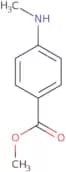
CAS :<p>3,6-Dichloro-2-hydroxy benzoic acid is a reactive compound that is used as an intermediate in the synthesis of organic compounds. It reacts with the chlorine atom to form a diazonium salt. The diazonium salt then undergoes demethylation, which allows it to be converted into various products such as 3,5-dichloro-2-hydroxybenzoic acid or 2,4-dichloro-3,5-dimethoxybenzoic acid. 3,6-Dichloro-2-hydroxy benzoic acid is a strong base and can react with any acidic compounds present in the reaction vessel. This product has been shown to be effective for wastewater treatment by converting organic compounds into less harmful compounds.</p>Formule :C7H4Cl2O3Degré de pureté :Min. 95%Couleur et forme :PowderMasse moléculaire :207.01 g/molMethyl 4-(N-methylamino)benzoate
CAS :Methyl 4-(N-methylamino)benzoate is a substance that inhibits the enzyme DPP-4, which is involved in blood glucose regulation. It has been shown to be effective against certain types of cancer and impurities that may be present in the drug. Methyl 4-(N-methylamino)benzoate is an acidic compound with molecular descriptors that include acidic and amines. This compound also has genotoxic impurities, such as benzofurans, which may affect its efficacy.Formule :C9H11NO2Degré de pureté :90%Couleur et forme :PowderMasse moléculaire :165.19 g/mol2,5-Dimethyl-3-nitrobenzoic acid
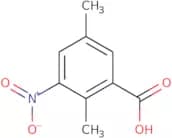
CAS :<p>2,5-Dimethyl-3-nitrobenzoic acid is a versatile building block that can be used in the synthesis of a wide range of compounds. It is also an important intermediate for the synthesis of pharmaceuticals and other speciality chemicals. 2,5-Dimethyl-3-nitrobenzoic acid has been shown to be useful in the preparation of high quality fine chemicals and research chemicals. This compound has been found to be an excellent reagent for various chemical reactions.</p>Formule :C9H9NO4Degré de pureté :Min. 95%Couleur et forme :PowderMasse moléculaire :195.17 g/mol5-Methoxy-2-nitrobenzoic acid
CAS :5-Methoxy-2-nitrobenzoic acid is a compound that has been shown to have antiinflammatory properties. It has been found to inhibit the production of inflammatory mediators such as leukotrienes and prostaglandins. 5-Methoxy-2-nitrobenzoic acid also inhibits certain enzymes, such as cyclooxygenase and lipoxygenase, which are involved in the biosynthesis of these mediators. 5-Methoxy-2-nitrobenzoic acid may be useful in the treatment of inflammatory diseases such as arthritis or asthma. This drug can also be used for chemoprevention against cancer. The drug has been shown to inhibit the growth of tumor cells in vivo by oral administration. This is due to its ability to inhibit DNA synthesis and protein synthesis in cells by binding with DNA and inhibiting RNA synthesis through inhibition of ribonucleotide reductase.Formule :C8H7NO5Degré de pureté :90%Couleur et forme :PowderMasse moléculaire :197.14 g/mol2,3,4-Trimethoxybenzoic acid
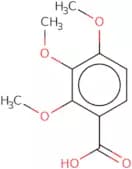
CAS :2,3,4-Trimethoxybenzoic acid is a molecule that has been shown to stimulate epidermal growth. It is a methylating agent that can be used to produce 2-hydroxybenzoic acid from protocatechuic acid. The hydroxy group on the 2,3,4-trimethoxybenzoic acid binds to the chloride ion in the protocatechuic acid and removes it from the molecule. This reaction mechanism is supported by x-ray crystal structures of protocatechuic acid and 2,3,4-trimethoxybenzoic acid.Formule :C10H12O5Degré de pureté :Min. 95%Couleur et forme :PowderMasse moléculaire :212.2 g/mol4-Bromo-3-methylbenzaldehyde
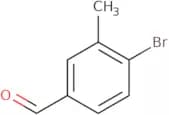
CAS :<p>4-Bromo-3-methylbenzaldehyde is a versatile building block that is used in the synthesis of many complex compounds. It can be used as a reactant, reagent, or speciality chemical. 4-Bromo-3-methylbenzaldehyde is an intermediate for the production of other chemicals and has been shown to be useful in the synthesis of various scaffolds. This product has been shown to have high purity and quality.</p>Formule :C8H7BrODegré de pureté :Min. 95%Couleur et forme :Yellow PowderMasse moléculaire :199.04 g/mol2,5-Dichlorobenzoic acid methyl ester
CAS :<p>2,5-Dichlorobenzoic acid methyl ester is a synthetic chemical compound that belongs to the class of aryl chlorides. It is soluble in organic solvents and can be polymerized using the vibrational method. 2,5-Dichlorobenzoic acid methyl ester has been shown to inhibit the growth of various bacteria strains by binding to sulfhydryl groups on proteins and inhibiting protein synthesis. This chemical also inhibits the uptake of sulfate ions by inhibiting the enzyme sulfate adenylyltransferase.</p>Formule :C8H6Cl2O2Degré de pureté :Min. 95%Couleur et forme :PowderMasse moléculaire :205.04 g/mol4-Ethoxybenzaldehyde
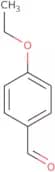
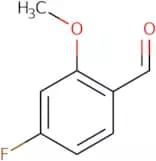
CAS :4-Ethoxybenzaldehyde is a chemical compound with antioxidant properties. It has been found to inhibit the proliferation of cervical cancer cells and melanoma cells, as well as to protect against radiation-induced oxidative damage in human skin. 4-Ethoxybenzaldehyde also inhibits the influenza virus by interfering with its ability to replicate. This compound is used in many different products, including cosmetics and pharmaceuticals. The most common use of 4-ethoxybenzaldehyde is as an excipient in tablet formulations. In this application, it can be used to maintain drug stability and improve disintegration time. In addition, it may have some anti-inflammatory effects that are related to its ability to inhibit the production of prostaglandins and leukotrienes. 4-Ethoxybenzaldehyde has been shown to have antioxidant properties for diabetics as well as for patients with autoimmune diseases such as multiple sclerosis and systemic lupus erythematosus (SLE). TheFormule :C9H10O2Degré de pureté :Min. 98.5 Area-%Couleur et forme :Colorless Clear LiquidMasse moléculaire :150.17 g/mol4-Fluoro-2-methoxybenzaldehyde
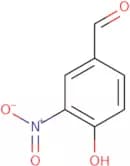
CAS :<p>4-Fluoro-2-methoxybenzaldehyde (4FMBA) is a potential PET radioligand that binds to the serotonin 5-HT2A receptor. 4FMBA has been shown to be an efficient and selective 5-HT2A antagonist with low molecular weight and high affinity. The binding of 4FMBA to the serotonin 5-HT2A receptor can be inhibited by ketanserin, which is a nonselective 5-HT2A antagonist. This drug may be used for cancer diagnosis, as it has a low detection limit and can detect endogenous serotonin in the brain. It also shows anti-depressant properties, which may be due to its ability to bind to the orthosteric site of the serotonin 5-HT2A receptor.</p>Formule :C8H7FO2Degré de pureté :Min. 95%Couleur et forme :Off-White PowderMasse moléculaire :154.14 g/mol4-Hydroxy-3-nitrobenzaldehyde
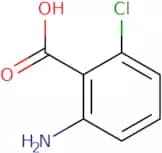
CAS :<p>4-Hydroxy-3-nitrobenzaldehyde (4NBA) is a chemical compound that belongs to the class of aromatic compounds. It is an intermediate in the synthesis of various pharmaceuticals, including benzocaine and nitroglycerin, and has been researched for its potential use in cancer diagnosis. 4NBA has shown optical properties that allow it to be used as a model system for studying the interactions between water and benzyl groups. It also possesses anti-inflammatory properties due to its ability to inhibit the production of inflammatory cytokines such as IL-1β, IL-6, and TNFα.</p>Formule :C7H5NO4Degré de pureté :Min. 95%Couleur et forme :PowderMasse moléculaire :167.12 g/mol2-Amino-6-chlorobenzoic acid
CAS :<p>2-Amino-6-chlorobenzoic acid is a reactive compound that can be used as an antimicrobial agent. It binds to the active site of enzymes and inhibits their function, thereby preventing bacterial growth. 2-Amino-6-chlorobenzoic acid also has acidic properties, which may be due to its ability to hydrolyze esters by acting as a dehydrating agent. This chemical is thermodynamically stable and can be synthesized from malonic acid or other compounds. The chemical reactions of 2-amino-6-chlorobenzoic acid can be followed by NMR spectroscopy, which provides the structural information about the molecule. The reaction mechanism for 2-amino-6-chlorobenzoic acid is similar to that of amides.</p>Formule :C7H6ClNO2Degré de pureté :Min. 95%Couleur et forme :PowderMasse moléculaire :171.58 g/molMethyl 5-nitrosalicylate
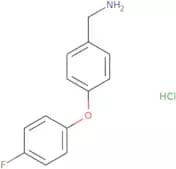
CAS :Methyl 5-nitrosalicylate is a chemical compound that belongs to the group of 4-hydroxycoumarin derivatives. It is an inhibitor of the reaction between salicylic acid and nitrous acid, inhibiting the formation of 5-nitrosalicylic acid. Methyl 5-nitrosalicylate has shown inhibitory activity against various nitro compounds, including benzofurans. The inhibitory effect on oxidation reactions may be due to its ability to act as a ligand and form coordination complexes with metal ions such as copper, zinc, and iron. Methyl 5-nitrosalicylate also has anti-inflammatory properties that are due to its ability to inhibit prostaglandin synthesis by blocking cyclooxygenase enzyme activity. Methyl 5-nitrosalicylate can be synthesized in a few ways. One method includes reacting methyl salicylate with nitrous acid in the presence of lightFormule :C8H7NO5Degré de pureté :Min. 95%Couleur et forme :PowderMasse moléculaire :197.14 g/mol4-(4-Fluorophenoxy)benzylamine hydrochloride
CAS :4-(4-Fluorophenoxy)benzylamine hydrochloride is a metabolic agent that inhibits the metabolism of phenylpropionic acid and butanoic acid. It is used industrially as an oxime to protect other organic compounds from damage by peroxides, such as in polymerization reactions. 4-(4-Fluorophenoxy)benzylamine hydrochloride has been shown to be effective in treating metabolic diseases, such as phenylketonuria and urea cycle disorders.Formule :C13H12FNO·HClDegré de pureté :Min. 95%Couleur et forme :PowderMasse moléculaire :253.7 g/mol5-Carboxyvanillic acid
CAS :5-Carboxyvanillic acid is a chemical compound that belongs to the class of organic compounds known as carboxylic acids. It is also called o-vanillin, and it has a molecular weight of 116.19 g/mol. 5-Carboxyvanillic acid is one of the main ingredients in natural vanilla flavour. The hydroxyl group on the 5th carbon atom of this molecule reacts with a proton, which results in an addition reaction mechanism. The reaction proceeds through two steps: first, protonation occurs at the 5th carbon atom; second, deprotonation occurs at the 4th carbon atom. This chemical compound can be found as a white crystalline solid and as a volatile oil.Formule :C9H8O6Degré de pureté :Min. 95%Couleur et forme :PowderMasse moléculaire :212.16 g/mol2-Amino-5-iodobenzoic acid
CAS :<p>Please enquire for more information about 2-Amino-5-iodobenzoic acid including the price, delivery time and more detailed product information at the technical inquiry form on this page</p>Formule :C7H6INO2Masse moléculaire :263.04 g/mol2,4-Dimethoxybenzylamine hydrochloride
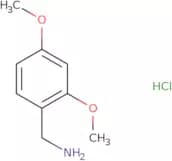
CAS :<p>2,4-Dimethoxybenzylamine hydrochloride is a substrate for glutathione reductase and a competitive inhibitor of dithioerythritol. The reaction mechanism is the same as that of triflic acid, which is generated by the reaction between triflic acid and glutathione. The inhibitory effect of 2,4-dimethoxybenzylamine hydrochloride on glutathione reductase has been studied computationally using molecular docking simulations. It was found that 2,4-dimethoxybenzylamine hydrochloride binds to the active site of glutathione reductase with an affinity comparable to that of triflic acid. This computational study also revealed that 2,4-dimethoxybenzylamine hydrochloride can be converted into triflic acid in vivo.</p>Formule :C9H13NO2HClDegré de pureté :Min. 95%Couleur et forme :PowderMasse moléculaire :203.67 g/mol4-(Trifluoromethoxy)benzaldehyde
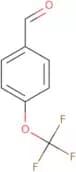
CAS :4-(Trifluoromethoxy)benzaldehyde is a chemical compound that is a substrate for tyrosinase and an inhibitor of the enzyme. It is also an anticancer compound that can be used to inhibit tumor growth by inhibiting protein synthesis. 4-(Trifluoromethoxy)benzaldehyde has been shown to have potent tyrosinase inhibition activity in vitro and in vivo, as well as binding activities with the CB2 receptor. This chemical has also been shown to inhibit virus replication, including HIV-1, and tuberculosis. 4-(Trifluoromethoxy)benzaldehyde can be used in assays to measure the potency of other compounds that are involved in tyrosinase activity or have anti-cancer properties. 4-(Trifluoromethoxy)benzaldehyde specifically binds to residues in the kinase domain of the enzyme tyrosinase, which is responsible for catalysis and regulation of this enzyme.Formule :C8H5F3O2Degré de pureté :Min. 95%Couleur et forme :Colorless Clear LiquidMasse moléculaire :190.12 g/mol4-Diethylamino-2-methoxybenzaldehyde
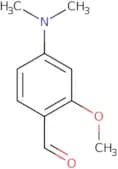
CAS :<p>4-Diethylamino-2-methoxybenzaldehyde (4DMMB) is a protonated molecule that is able to penetrate the mitochondrial membrane due to its low charge. Once inside, 4DMMB can be reduced by electron transfer from the mitochondria's membrane potential. This reduction leads to an increase in the mitochondrial membrane potential and subsequent photophysical emissions. The introduction of 4DMMB has been shown to cause mitochondrial membrane potential changes in cells, which may lead to pathophysiologic conditions such as cancer.</p>Formule :C12H17NO2Degré de pureté :Min. 95%Couleur et forme :PowderMasse moléculaire :207.27 g/mol3,5-Dichlorobenzaldehyde
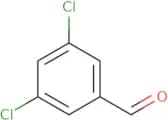
CAS :<p>3,5-Dichlorobenzaldehyde is an organic compound with the formula CHClO. It is a colorless liquid that smells like freshly cut grass. 3,5-Dichlorobenzaldehyde is used in organic synthesis as an electrophile for the preparation of substituted benzoquinones and other heterocycles. It is also used to prepare aromatic amines via aldol condensation with ketones. In addition, it can be used to generate azides from nitroarenes or nitroalkanes in the presence of sodium azide or potassium azide. Finally, it can be used to synthesize molybdenum compounds such as molybdic acid and ammonium molybdate.</p>Formule :C7H4Cl2ODegré de pureté :Min. 95%Couleur et forme :PowderMasse moléculaire :175.01 g/mol3,5-Dihydroxy-4-methylbenzoic acid methyl ester
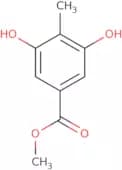
CAS :<p>3,5-Dihydroxy-4-methylbenzoic acid methyl ester is a fine chemical that is used as a versatile building block in the synthesis of pharmaceuticals, agrochemicals and other chemicals. It can be used as an intermediate in the synthesis of organic compounds and research chemicals. This compound is also used as a reaction component in organic syntheses and is often found in speciality chemicals. 3,5-Dihydroxy-4-methylbenzoic acid methyl ester is soluble in most solvents and has high purity. It is a complex compound that can be used as a useful building block or reagent for many different reactions.</p>Formule :C9H10O4Degré de pureté :Min. 95%Couleur et forme :PowderMasse moléculaire :182.17 g/mol2-(Bromomethyl)benzoic acid
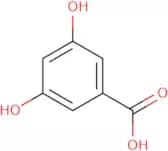
CAS :<p>2-(Bromomethyl)benzoic acid is a functional group that can be found in many organic compounds. It is a derivative of phthalic acid and has some similar properties, including the ability to form micelles and radical species. 2-(Bromomethyl)benzoic acid has been shown to react with carbon tetrachloride or terephthalic acid to produce peroxides. This reaction is initiated by oxidation of the carbon-carbon double bond, which produces a radical pair that reacts with oxygen in the air to form radicals that are stabilized by resonance. 2-(Bromomethyl)benzoic acid also reacts with an inorganic base such as sodium hydroxide or potassium hydroxide to produce bromine gas and water.</p>Formule :C8H7BrO2Degré de pureté :Min. 97 Area-%Couleur et forme :White Off-White PowderMasse moléculaire :215.04 g/mol3,5-Dihydroxybenzoic acid
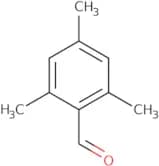
CAS :3,5-Dihydroxybenzoic acid is a phenolic compound that belongs to the class of aromatic compounds. It is an inhibitor of the enzyme 3-hydroxyphenylpyruvate dioxygenase and is used in the treatment of obesity. It has been shown to have a low potency for inhibiting this enzyme, although it does not inhibit other enzymes such as p-hydroxybenzoate hydroxylase. 3,5-Dihydroxybenzoic acid binds to human serum albumin through hydrogen bonding interactions and can inhibit the absorption of dietary phenols by binding to them. This compound also acts as a protocatechuic acid structural analog and has been shown to be hydrated in solution.Formule :C7H6O4Degré de pureté :Min. 95%Couleur et forme :White PowderMasse moléculaire :154.12 g/molMesitaldehyde - 97%
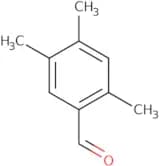
CAS :<p>Mesitaldehyde is a diazonium salt that is synthesized by the reaction of nitrosyl chloride and sodium carbonate in an acidic solution. This chemical has been studied for its potential use as a therapeutic drug due to its ability to inhibit the enzyme dpp-iv, which is involved in the development of diabetic neuropathy. Mesitaldehyde has also been shown to be an inhibitor of malonic acid, ethylmalonic acid and other organic acids. The analytical method for mesitaldehyde involves hydrolyzing the product with hydrochloric acid in order to produce ethylmalonic acid, which can then be quantified using spectrophotometry.</p>Formule :C10H12ODegré de pureté :Min. 95%Couleur et forme :PowderMasse moléculaire :148.2 g/mol2,4,5-Trimethylbenzaldehyde
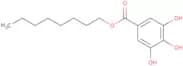
CAS :<p>2,4,5-Trimethylbenzaldehyde is a cell line that can be used to study the oxidation of α-pinene. It is a chemical compound that belongs to the group of aromatic compounds and has been shown to have high cytotoxicity. It has been found to oxidize other molecules in the body with an electron acceptor such as oxygen or another molecule. 2,4,5-Trimethylbenzaldehyde has also been shown to have biological properties. This product is being researched for its ability to inhibit fatty acid synthesis and reduce cholesterol production in the liver.</p>Formule :C10H12ODegré de pureté :Min. 95%Masse moléculaire :148.2 g/molOctyl gallate
CAS :<p>Octyl gallate is a naturally occurring compound that belongs to the class of gallates. It is a non-toxic, water-soluble antioxidant that has been used as a preservative in foods and pharmaceuticals. Octyl gallate has been shown to inhibit nuclear DNA synthesis by binding to the dinucleotide phosphate (NDP) site on ribonucleotide reductase, thereby preventing the formation of deoxyribonucleotide triphosphates. A rate constant for this reaction has been determined using analytical methods. This compound also inhibits the growth of wild-type strains of Escherichia coli and Staphylococcus aureus, as well as some strains resistant to antibiotics such as erythromycin, chloramphenicol, tetracycline, and clindamycin. Octyl gallate may also have an effect on energy metabolism in bacteria by inhibiting p-hydroxybenzoic acid (PHBA) dehydratase</p>Formule :C15H22O5Degré de pureté :Min. 95%Couleur et forme :White PowderMasse moléculaire :282.33 g/mol4-Fluoro-3-hydroxybenzoic acid
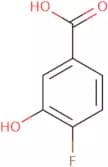
CAS :<p>4-Fluoro-3-hydroxybenzoic acid is a colorless solid that can be produced through the sulfonation of 4-fluorophenol with sulfuric acid. This process usually takes place in two steps: first, the phenol is refluxed with sulfur trioxide and then aqueous potassium hydroxide is added to the mixture. The reaction produces a sulfite salt, which is then treated with sodium sulfite to produce the desired acid. 4-Fluoro-3-hydroxybenzoic acid can also be synthesized by adding sulfur dioxide to an aqueous solution of 3% hydrogen peroxide and adding potassium hydroxide dropwise until effervescence ceases. This method produces an insoluble precipitate, which is filtered out and washed with water. The product can then be purified by recrystallization from hot water or by washing with ether.</p>Formule :C7H5FO3Degré de pureté :Min. 95%Couleur et forme :White PowderMasse moléculaire :156.11 g/mol3-Hydroxy-2-iodobenzaldehyde
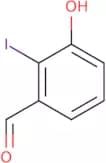
CAS :<p>3-Hydroxy-2-iodobenzaldehyde is a heterocyclic compound that is synthesized from an acetoacetic ester. It is a photochemical precursor to many organic compounds, such as phenanthrene. The synthesis of 3-hydroxy-2-iodobenzaldehyde can be achieved by reacting acetoacetic acid with iodine and sodium nitrite in the presence of a base. This reaction yields 2-iodobenzoic acid in addition to the desired product. 3-Hydroxy-2-iodobenzaldehyde has been studied for its use in the preparation of natural products and research advances.</p>Formule :C7H5IO2Degré de pureté :Min. 95%Couleur et forme :PowderMasse moléculaire :248.02 g/mol2,4-Dihydroxy-6-pentylbenzoic acid
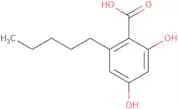
CAS :<p>An intermediate in the phytocannabinoid biosynthetic pathway.</p>Formule :C12H16O4Degré de pureté :Min. 98 Area-%Couleur et forme :PowderMasse moléculaire :224.25 g/mol4,5-Dimethoxy-2-nitrobenzoic acid - Technical
CAS :<p>4,5-Dimethoxy-2-nitrobenzoic acid is a versatile building block and reagent that can be used in research and development as well as for the production of fine chemicals. This compound has been shown to react with amines using the nitration reaction to produce a variety of useful compounds. The synthesis of this compound is not difficult, but requires care and some speciality chemicals. 4,5-Dimethoxy-2-nitrobenzoic acid is also a useful scaffold for complex compounds. It reacts readily with other building blocks to form nitrogen heterocycles and is used in the production of pharmaceuticals and pesticides.</p>Formule :C9H9NO6Degré de pureté :Min. 95%Masse moléculaire :227.17 g/mol2,4-Dimethylbenzoic acid
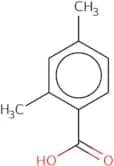
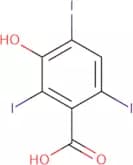
CAS :<p>2,4-Dimethylbenzoic acid is a white solid with the chemical formula CH3C6H2O2. It is an organic acid that can be used as a building block in organic synthesis. The functional groups of 2,4-dimethylbenzoic acid are methyl and carboxyl. The most efficient method for the synthesis of 2,4-dimethylbenzoic acid is by reacting hydrochloric acid with dimethylaniline. This reaction can be carried out in one pot without isolation of intermediates. The structural analysis of 2,4-dimethylbenzoic acid was done using fluorescence lifetimes and hydrochloric acid. The reaction mechanism for the formation of 2,4-dimethylbenzoic acid from dimethylaniline is through a nucleophilic substitution reaction with chloride ion. Sample preparation for 2,4-dimethylbenzoic acid includes dissolution in water and filtration through a 0.45</p>Formule :C9H10O2Degré de pureté :Min. 95%Couleur et forme :White PowderMasse moléculaire :150.17 g/mol3-Hydroxy-2,4,6-triiodobenzoic acid
CAS :<p>3-Hydroxy-2,4,6-triiodobenzoic acid (3HITBA) is a molecule that is found in the urine of patients with chronic kidney disease. It is present in group P2 of the periodic table. 3HITBA has been demonstrated to have anti-inflammatory properties and may be useful for the treatment of inflammatory diseases. 3HITBA has been shown to inhibit cancer cell growth by inhibiting DNA synthesis and protein synthesis. This molecule also has fluorescence properties and can be used to detect biological fluids such as blood or urine. The structural analysis of this molecule reveals that it contains intramolecular hydrogen bonds, which are important for its stability and activity.</p>Formule :C7H3O3I3Couleur et forme :PowderMasse moléculaire :515.81 g/mol5-Amino-2-nitrobenzoic acid
CAS :<p>5-Amino-2-nitrobenzoic acid is a versatile compound that can be used as a reagent, a reaction component, or as a useful scaffold in research. It reacts with alcohols to produce esters and amides. The high quality of this chemical makes it suitable for use in many different reactions. CAS No. 13280-60-9</p>Formule :C7H6N2O4Masse moléculaire :182.14 g/molRef: 3D-A-6803
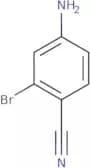
1kgÀ demander100gÀ demander250gÀ demander500gÀ demander2500gÀ demander-Unit-ggÀ demander4-Amino-2-bromobenzonitrile
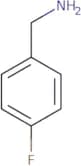
CAS :4-Amino-2-bromobenzonitrile is a crystallized ligand with a molecular formula of C6H7BrN. It belongs to the cationic class of ligands and has been shown to form intermolecular hydrogen bonds with aromatic rings. The crystal has a hexagonal unit cell and space group P-1. 4-Amino-2-bromobenzonitrile has been used as an elemental analysis reagent in the determination of copper, lead, zinc, and cadmium.Formule :C7H5BrN2Degré de pureté :Min. 95%Couleur et forme :PowderMasse moléculaire :197.03 g/mol4-Fluorobenzylamine
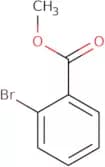
CAS :<p>4-Fluorobenzylamine is a chemical compound with the molecular formula CHF. It has been shown to radiosensitize tumor cells by inhibiting the synthesis of cyclin D2, which is required for cell proliferation. 4-Fluorobenzylamine can also be used in asymmetric synthesis reactions such as nitration and trifluoroacetic acid hydrolysis. 4-Fluorobenzylamine has been shown to have synergistic effects on cells when paired with flupirtine or maleate. This synergistic effect is primarily due to its ability to inhibit DNA repair, which leads to cell death through apoptosis or necrosis.</p>Formule :C7H8FNDegré de pureté :Min. 98 Area-%Couleur et forme :Colourless To Pale Yellow LiquidMasse moléculaire :125.14 g/molMethyl 2-bromobenzoate
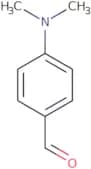
CAS :<p>Methyl 2-bromobenzoate is a chemical compound that can be used as a light emitting material. It is also used as a component of organic electrochemical cells (OECs) for the conversion of solar energy to electricity and can be used in the treatment of hepatitis. The reaction product is generated from the reaction of the halide with benzoate and light, which leads to an emission spectrum in the visible region. Methyl 2-bromobenzoate has been shown to be an efficient catalyst for Friedel-Crafts reactions, and it's pharmacokinetic properties have been studied in rats.<br>Methyl 2-bromobenzoate can also be used as a solid catalyst for the synthesis of bicyclic heterocycles.</p>Formule :C8H7BrO2Degré de pureté :Min. 95%Couleur et forme :Colorless Clear LiquidMasse moléculaire :215.04 g/mol4-(Dimethylamino)benzaldehyde
CAS :4-(Dimethylamino)benzaldehyde (4DMAB) is an analytical reagent used to identify sulfa drugs. It has been shown to react with sulfonamides by the formation of a complex ion, which can be detected by analytical methods such as electrochemical impedance spectroscopy or ultraviolet spectroscopy. 4DMAB has also been studied for its anticarcinoid properties. The carcinoid syndrome is characterized by a tumor that releases serotonin and other substances into the bloodstream, causing severe diarrhea, flushing, and bronchial spasms. Studies have shown that 4DMAB inhibits the release of serotonin in this condition. As a result, it may be effective against carcinoid syndrome.Formule :C9H11NODegré de pureté :Min. 95%Couleur et forme :White Slightly Yellow PowderMasse moléculaire :149.19 g/mol2,5-Dimethoxybenzoic acid
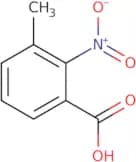
CAS :<p>2,5-Dimethoxybenzoic acid (2,5-DMA) is a plant metabolite that belongs to the group of cinnamic acid derivatives. It can be found in plants and has been shown to have systemic effects. 2,5-DMA is involved in the cycloacylation of protocatechuic acid. This reaction is catalyzed by an enzyme called cyclooxygenase and requires molecular oxygen as a cofactor. 2,5-DMA also forms hydrogen bonds with methoxy groups and other molecules. The monoclonal antibodies against 2,5-DMA have been used for radiation therapy and are effective against cancer cells. Model studies show that 2,5-DMA can be converted into more potent metabolites by the action of cytochrome P450 enzymes or glutathione S-transferases.</p>Formule :C9H10O4Degré de pureté :Min. 95%Couleur et forme :PowderMasse moléculaire :182.17 g/mol3-Methyl-2-nitrobenzoic acid
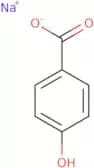
CAS :<p>3-Methyl-2-nitrobenzoic acid is a chemical that can be used for wastewater treatment. It has been shown to be effective against chlorantraniliprole, a pesticide that is often found in wastewater. 3-Methyl-2-nitrobenzoic acid also has the ability to reduce chloride levels by oxidizing it to produce chloride ions and nitrogen gas. This chemical can be used as an oxidation catalyst in wastewater treatment. 3-Methyl-2-nitrobenzoic acid has been shown to have photocatalytic activity with titanium dioxide and copper sulfate (CuSO4) under visible light illumination conditions.</p>Formule :C8H7NO4Degré de pureté :Min. 95%Couleur et forme :PowderMasse moléculaire :181.15 g/mol4-Hydroxybenzoic acid sodium salt
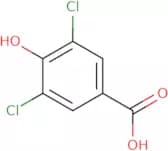
CAS :<p>4-Hydroxybenzoic acid sodium salt (4HBA) is a drug that is used in the treatment of bowel disease. It is an antimicrobial agent that has been shown to have activity against Gram-positive and Gram-negative bacteria, including Pseudomonas aeruginosa. 4HBA has also been shown to be effective in the treatment of ulcerative colitis and Crohn's disease by reducing the production of inflammatory cytokines. The mechanism of action for 4HBA is not fully understood, but it may be due to its ability to interfere with protein synthesis in bacteria, as well as inhibit antibody responses in humans. The structural biology studies on this compound have revealed that the α subunit can bind to the β subunit, which could affect its activity.</p>Formule :C7H5O3NaDegré de pureté :Min. 98 Area-%Couleur et forme :White PowderMasse moléculaire :160.1 g/mol3,5-Dichloro-4-hydroxybenzoic acid
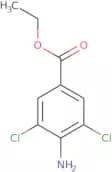
CAS :3,5-Dichloro-4-hydroxybenzoic acid is a phenolic acid that can be found in aromatic hydrocarbons. It has been shown to have antiallergic properties and has been used as an extract to treat acute toxicities. 3,5-Dichloro-4-hydroxybenzoic acid has also been shown to inhibit the production of p-hydroxybenzoic acid by rat liver microsomes. This compound may be useful in treating high blood pressure and vascular disease. It may also be used as a natural remedy for arthritis, as it has shown antiinflammatory effects. In addition, this compound can inhibit the growth of cancer cells and stimulate the immune system by binding to monoclonal antibodies that are specific for acidic pH.Formule :C7H4Cl2O3Degré de pureté :Min. 95%Couleur et forme :PowderMasse moléculaire :207.01 g/molEthyl 3,5-dichloro-4-aminobenzoate
CAS :<p>Ethyl 3,5-dichloro-4-aminobenzoate is a benzyl amine that has been shown to be an effective inhibitor of nitrile synthesis. It is used as a precursor in the production of dyes and pharmaceuticals. Ethyl 3,5-dichloro-4-aminobenzoate is stable in acidic and alkaline solutions, but decomposes when heated or exposed to cyanide ion. This compound can also react with ethylene diamine to form 2,4-diaminoanisole.</p>Formule :C9H9Cl2NO2Degré de pureté :Min. 95%Couleur et forme :PowderMasse moléculaire :234.08 g/molEthopabate - Technical
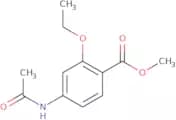
CAS :Ethopabate is a salt of ethopropazine and sodium carbonate. It is used in pharmaceutical preparations as an antiparasitic agent. The chemical composition of the salt is CHNO, with one hydrogen bond between the ethopropazine and sodium carbonate. Ethopabate has been shown to be active against amprolium-resistant coccidia in human serum, as well as being an analytical reagent for detecting monoclonal antibodies. This chemical can be used to prepare a polymeric matrix for use in fluorescence detection or for antimicrobial agents. Hydrochloric acid and UV light are used to synthesize this compound.Formule :C12H15NO4Degré de pureté :Min. 95%Couleur et forme :White PowderMasse moléculaire :237.25 g/mol4-(Trifluoromethylthio)benzaldehyde
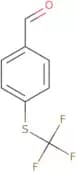
CAS :4-(Trifluoromethylthio)benzaldehyde is a magnetic, stereogenic, mononuclear compound with a thermodynamic stability that has been improved by advances in the field of thermodynamics. The compound can also be synthesized using an asymmetric synthesis and is tetrasubstituted with antiferromagnetic coupling. 4-(Trifluoromethylthio)benzaldehyde has many functions, including being able to control the oxidation-reduction potentials of lanthanide ions and ferromagnetic materials. It also has a calorimetry effect on the adsorption of water vapor onto hydrophobic surfaces.Formule :C8H5F3OSDegré de pureté :Min. 95%Couleur et forme :PowderMasse moléculaire :206.19 g/mol4-Hydroxy-2-methoxybenzaldehyde
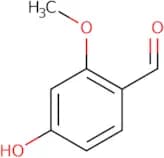
CAS :<p>Echinatin is a benzaldehyde derivative that is found in the roots of Echinacea purpurea. It is a phenolic compound with a carbonyl group and two benzyl groups. 4-Hydroxy-2-methoxybenzaldehyde has been shown to have photophysical, cell culture, and functional group properties. This compound is used as a precursor for the production of echinatin and other plant polyphenols such as malonic acid. The biosynthesis of 4-hydroxy-2-methoxybenzaldehyde begins with the oxidation of cinnamic acid by cytochrome P450 monooxygenase to form cinnamoyl CoA. The enzyme cinnamate decarboxylase then converts this intermediate to p-hydroxybenzoic acid, which is then hydroxylated to form 4-hydroxy-2-methoxybenzaldehyde.</p>Formule :C8H8O3Degré de pureté :Min. 95%Couleur et forme :PowderMasse moléculaire :152.15 g/mol2-Methyl-6-nitrobenzoic acid
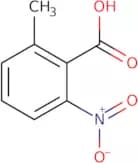
CAS :<p>2-Methyl-6-nitrobenzoic acid is a yellow needle solid that is soluble in organic solvents. It is used as a reagent to prepare other chemicals and has been shown to react with sodium hydrogen sulfate, chloride, and sulfuric acid to form 2-methyl-6-nitrobenzenesulfonic acid. The mixture of 2-methyl-6-nitrobenzoic acid and sodium hydrogen sulfate reacts violently with chlorine gas or argon. This reaction solution can be evaporated by heating at atmospheric pressure or under vacuum, leaving 2-methyl-6-nitrobenzenesulfonic acid behind. 2MBA can also be purified by filtration or recrystallization from a suitable solvent such as chloroform or ether.</p>Formule :C8H7NO4Degré de pureté :Min. 95%Couleur et forme :Slightly Yellow PowderMasse moléculaire :181.15 g/mol4-Hydroxybenzaldehyde
CAS :<p>4-Hydroxybenzaldehyde is a phenolic compound that is produced in plants. 4-Hydoxybenzaldehyde is used as an extractant for sodium carbonate and hydroxyl group from acetate extract. The locomotor activity of animals was tested following administration of this substance, and it has been shown to have a high resistance against x-ray crystallography. The reaction mechanism for the formation of p-hydroxybenzoic acid from 4-hydroxybenzaldehyde has been proposed, which may be due to the oxidation of 4-hydroxybenzaldehyde by hydrogen peroxide. This reaction also induces apoptosis pathway in cells. Kinetic data for the reaction between 4-hydroxybenzaldehyde and hydrogen peroxide were obtained using UV spectroscopy.</p>Formule :C7H6O2Degré de pureté :Min. 95%Couleur et forme :White PowderMasse moléculaire :122.12 g/mol2-Bromo-6-fluorobenzonitrile
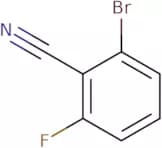
CAS :<p>2-Bromo-6-fluorobenzonitrile is an organic compound with a molecular formula of C6H3BrF. It is a colorless liquid that is used as a precursor in the synthesis of other compounds. 2-Bromo-6-fluorobenzonitrile has been shown to be an efficient fluorophore and can be activated by electron transfer, thermally, or chemically. 2-Bromo-6-fluorobenzonitrile also has a quantum efficiency of 0.5% and transport properties that make it ideal for fluorescence microscopy. The fluorescence intensity of 2-bromo-6-fluorobenzonitrile is proportional to the amount of energy absorbed, which makes it useful for quantifying the concentration of fluorescent molecules in solution. 2-Bromo-6-fluorobenzonitrile has also been shown to have high quantum yields and high efficiency levels when</p>Formule :C7H3BrFNDegré de pureté :Min. 95%Couleur et forme :PowderMasse moléculaire :200.01 g/mol2-Bromobenzaldehyde
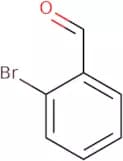
CAS :<p>2-Bromobenzaldehyde is an important aryl aldehyde that can be synthesized through the copper-catalyzed coupling of 2-bromobenzyl bromide and phenylacetone. The synthesis of 2-bromobenzaldehyde has been used to study the effects of physiological activities on the coordination geometry. It is also used as a fluorescent probe for amines and esters, which are commonly found in bioinorganic chemistry. The compound is characterized by intermolecular hydrogen bonding and hydrogen bonding between the hydroxy group and chloride, which are associated with its acidity.<br>2-Bromobenzaldehyde has been shown to have antiinflammatory properties, which may be due to its ability to inhibit prostaglandin synthesis.</p>Formule :C7H5BrODegré de pureté :Min. 95%Couleur et forme :Off-White PowderMasse moléculaire :185.02 g/mol4-Acetylbenzoic acid
CAS :<p>4-Acetylbenzoic acid is a reactive functional group that is used to synthesize esters and amides. It has been shown to have anticancer activity in vitro, which may be due to the disruption of basic cellular proteins involved in DNA replication. 4-Acetylbenzoic acid is soluble in neutral pH and reacts with nucleophiles such as hydroxide ions or alcohols, forming alcohols or acetates respectively. The reaction mechanism for this compound is nucleophilic attack on the carbonyl carbon, followed by loss of water from the leaving group. Significant cytotoxicity has been observed in vitro at concentrations of 2mM and higher. This effect was particularly pronounced for cells exposed to radiation or treated with 4-acetylbenzoic acid before being exposed to radiation.</p>Formule :C9H8O3Degré de pureté :Min. 95%Couleur et forme :White PowderMasse moléculaire :164.16 g/mol2,6-Dimethoxybenzoic acid
CAS :2,6-Dimethoxybenzoic acid is a chemical compound with the molecular formula of C9H8O4. It belongs to the group of sesquiterpene lactones and has been shown to have anti-inflammatory properties. 2,6-Dimethoxybenzoic acid exhibits a carboxylate reaction mechanism that can be activated by an enzyme, curculigoside, which hydrolyzes the ester bond in 2,6-dimethoxybenzoic acid. The reaction mechanism involves the group p2 (COOH) on 2,6-dimethoxybenzoic acid reacting with an alcohol on curculigoside to form an ester and protocatechuic acid. The dianthus caryophyllus plant produces 2,6-dimethoxybenzoic acid as a byproduct of its synthesis of protocatechuic acid. This compound is chemically studied using solid phase microextractionFormule :C9H10O4Degré de pureté :Min. 95%Couleur et forme :PowderMasse moléculaire :182.17 g/mol3,5-Dimethoxybenzaldehyde
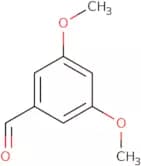
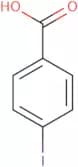
CAS :<p>3,5-Dimethoxybenzaldehyde is a fungicide that can kill fungal cells by inhibiting the synthesis of ergosterol, an important component of the fungal cell membrane. It has been shown to be effective against Cryptococcus neoformans and other fungi. 3,5-Dimethoxybenzaldehyde inhibits mitochondrial superoxide production and the growth of fungi in a model system. The optimum concentration for inhibition was determined in a kinetic and thermodynamic study. This compound has also been shown to have anti-inflammatory properties, which may be due to its ability to inhibit prostaglandin synthesis.</p>Formule :C9H10O3Degré de pureté :Min. 98%Couleur et forme :PowderMasse moléculaire :166.17 g/mol4-Iodobenzoic acid
CAS :<p>4-Iodobenzoic acid is a chiral compound that can be used as a nutrient solution in the laboratory. It has been shown to be effective at removing p-hydroxybenzoic acid and 4-dimethylaminobenzoic acid from wastewater. The reaction mechanism of 4-iodobenzoic acid involves intramolecular hydrogen transfer from the hydroxyl group on the benzoic side chain to the iodine atom, which forms an intermediate that reacts with a second molecule of benzoic acid. This reaction mechanism is similar to that found in caproic acid, except for the substitution of hydrogen with iodine. The addition of sodium hypochlorite or potassium permanganate can lead to the oxidation of 4-iodobenzoic acid and its eventual decomposition into carbon dioxide and water.</p>Formule :C7H5IO2Degré de pureté :Min. 95%Couleur et forme :PowderMasse moléculaire :248.02 g/mol2-Hydroxy-4-methoxybenzaldehyde
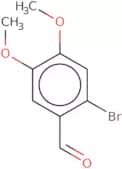
CAS :2-Hydroxy-4-methoxybenzaldehyde is an organic chemical that is used as a versatile building block for complex compounds, research chemicals, and reagents. It is also used as a speciality chemical and as a useful intermediate in the synthesis of other chemicals. 2-Hydroxy-4-methoxybenzaldehyde has CAS No. 673-22-3 and can be used to make many different types of compounds. This compound is a useful scaffold for the synthesis of diverse compounds with biological activity such as pharmaceuticals, agrochemicals, dyes, perfumes, fragrances, flavors and fragrances.Formule :C8H8O3Degré de pureté :Min. 99.0 Area-%Masse moléculaire :152.15 g/mol6-Bromoveratraldehyde
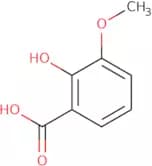
CAS :6-Bromoveratraldehyde (6BrA) is a synthetic compound that has been shown to be an effective agent for inducing apoptosis in leukemia cells. It is an efficient method for synthesizing the compound and has been used as a model study for biphenyl and naphthalene. 6BrA induces cell death by topoisomerase-mediated DNA cleavage, which results in chromosomal fragmentation and high levels of reactive oxygen species in the cell.Formule :C9H9BrO3Degré de pureté :Min. 95%Couleur et forme :White PowderMasse moléculaire :245.07 g/mol2-Hydroxy-3-methoxybenzoic acid
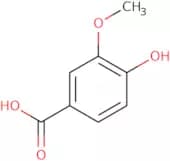
CAS :2-Hydroxy-3-methoxybenzoic acid is a chemical compound that has been studied for its potential use in the treatment of prostate cancer. It is a coordination complex that binds to DNA and inhibits the process of transcription. This compound also possesses anti-inflammatory properties, which are related to its ability to inhibit prostaglandin synthesis. 2-Hydroxy-3-methoxybenzoic acid has been shown to have an effect on human HL60 cells, which may be due to its ability to induce apoptosis. This compound has also been shown to have a high degree of metabolic stability and is not toxic to normal cells at doses up to 100 μM.Formule :C8H8O4Degré de pureté :Min. 95%Couleur et forme :PowderMasse moléculaire :168.15 g/mol4-Hydroxy-3-methoxybenzoic acid
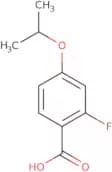
CAS :<p>Flavoring agent; interacts with TPRV receptors and ASIC channels</p>Formule :C8H8O4Degré de pureté :Min. 98 Area-%Couleur et forme :White Beige PowderMasse moléculaire :168.15 g/mol2-Fluoro-4-isopropyloxybenzoic acid
CAS :<p>2-Fluoro-4-isopropyloxybenzoic acid is a fluorescent reagent with a high quality and purity. It is a complex compound that can be used as an intermediate in the synthesis of fine chemicals, pharmaceuticals, pesticides, herbicides, and other useful compounds. 2-Fluoro-4-isopropyloxybenzoic acid is also used as a starting material for the synthesis of speciality chemicals such as reaction components and versatile building blocks. It is soluble in organic solvents and has been shown to react with various functional groups.</p>Formule :C10H11FO3Degré de pureté :Min. 95%Couleur et forme :White PowderMasse moléculaire :198.19 g/mol2-Chloro-4-methylsulfonylbenzoic acid
CAS :<p>2-Chloro-4-methylsulfonylbenzoic acid is a chlorinating agent that can be used to produce triketones from ketones. It is usually used as a hydrogen peroxide scavenger and a chlorinating agent in the food industry. 2-Chloro-4-methylsulfonylbenzoic acid can also be used to produce glyphosate, phosphoric acid solution, and chloride. The chlorinating property of this compound is due to its ability to form hypochlorous acid when it reacts with water. This reaction produces hypochlorite ions that are active against microorganisms by disrupting the cell membrane. 2-Chloro-4-methylsulfonylbenzoic acid can react with organic solvents such as carbon tetrachloride and optimizes the introduction of chlorine into organic compounds.</p>Formule :C8H7ClO4SDegré de pureté :Min. 95%Couleur et forme :White PowderMasse moléculaire :234.66 g/mol2-Methoxybenzoic acid
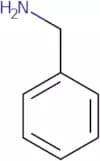
CAS :2-Methoxybenzoic acid is a nonsteroidal anti-inflammatory drug that belongs to the group of acetate extract. This compound has been shown to inhibit the production of prostaglandin E2 by inhibiting cyclooxygenase activity. 2-Methoxybenzoic acid also acts as an antagonist at serotonin 5HT1A receptors, which are involved in the regulation of mood and cognition. It is a competitive inhibitor of p-hydroxybenzoic acid, natural compounds, and protocatechuic acid with hydrogen bond interactions. 2-Methoxybenzoic acid also binds to tissue culture cells and inhibits cell growth through receptor binding.Formule :C8H8O3Degré de pureté :Min. 95%Couleur et forme :PowderMasse moléculaire :152.15 g/molBenzylamine
CAS :<p>Substrate of benzylamine oxidase and monoamine oxidase B</p>Formule :C7H9NDegré de pureté :Min. 98.0 Area-%Couleur et forme :Colorless Slightly Yellow Clear LiquidMasse moléculaire :107.15 g/mol3,4-Dihydroxy-5-methoxybenzoic acid
CAS :<p>3,4-Dihydroxy-5-methoxybenzoic acid is a natural phenolic compound found in many plants. It has been shown to inhibit the growth of cancer cells and can be used as a chemopreventive agent for cancer treatment. 3,4-Dihydroxy-5-methoxybenzoic acid is metabolized by the liver into 3,4-dihydroxyphenylacetic acid (3,4-DHPA), which is excreted in urine and feces. The bioavailability of 3,4-Dihydroxy-5-methoxybenzoic acid is low due to its low solubility in water and high reactivity with proteins.</p>Formule :C8H8O5Degré de pureté :Min. 95%Couleur et forme :PowderMasse moléculaire :184.15 g/moln-Heptyl 4-hydroxybenzoate
CAS :<p>n-Heptyl 4-hydroxybenzoate is a preservative and antimicrobial agent that is used in cosmetics, pharmaceuticals, and food. It is primarily used to inhibit the growth of bacteria and fungi. The mechanism by which heptyl 4-hydroxybenzoate inhibits the growth of microorganisms is not well understood. It has been shown to be an effective inhibitor of Gram-positive bacteria such as Bacillus subtilis, but not against Gram-negative bacteria such as Escherichia coli. Heptyl 4-hydroxybenzoate has been shown to have no effect on the growth of probiotic bacteria such as Lactobacillus acidophilus.<br>The chemical structure of n-heptyl 4-hydroxybenzoate includes a glycol ether moiety and two parabens that are linked by hydrogen bonds. These bonds can be broken by enzymes found in rat liver microsomes, leading to the release of n-</p>Formule :C14H20O3Degré de pureté :Min. 95%Couleur et forme :White Off-White PowderMasse moléculaire :236.31 g/mol2-Methyl-3-nitrobenzoic acid
CAS :<p>2-Methyl-3-nitrobenzoic acid is a diketone that is used as a synthetic building block for the synthesis of fatty acid esters. This compound is also used to normalize butyric acid levels in blood, and has been shown to inhibit the formation of coumarin derivatives from nitrosalicylic acid. 2-Methyl-3-nitrobenzoic acid is an organic molecule with a molecular weight of 128.17 g/mol, and has four functional groups: two methyl groups, one carboxyl group, and one phenyl group. The compound reacts with a solution containing nitrite ions in an acidic environment to form nitrous acid (HONO) and 2-methylene-3-nitrobenzaldehyde (2MNB). 2MNB is soluble in water and has a solubility data of 0.0012 g/100 mL at 25 degrees Celsius.</p>Formule :C8H7NO4Degré de pureté :Min. 98 Area-%Couleur et forme :PowderMasse moléculaire :181.15 g/mol5-Nitrosalicylaldehyde
CAS :<p>5-Nitrosalicylaldehyde is a powerful inhibitor of bacterial growth. It has been shown to inhibit the growth of gram-positive bacteria such as Staphylococcus aureus and Streptococcus pyogenes, but not gram-negative bacteria such as Escherichia coli. 5-Nitrosalicylaldehyde is an antimicrobial agent that has been shown to bind to the active site of some enzymes, including bacterial DNA gyrase and human liver microsomes. The binding prevents the enzyme from functioning and leads to cell death. 5-Nitrosalicylaldehyde coordinates with sodium ions in the active site, forming strong hydrogen bonding interactions. This interaction stabilizes the transition state for the reaction and prevents it from happening, thereby inhibiting its function.</p>Formule :C7H5NO4Degré de pureté :Min. 95%Couleur et forme :Yellow PowderMasse moléculaire :167.12 g/mol3-N-Maleimidobenzoic acid
CAS :<p>3-N-Maleimidobenzoic acid is a chemical crosslinking agent that reacts with proteins through the formation of an amide bond. It has been shown to react with both actin subunits and human immunoglobulin. This molecule also reacts with spermatozoa, which are composed primarily of actin filaments, and is used in the preparation of polyclonal antibodies. 3-N-Maleimidobenzoic acid can be used to fix antigen onto a solid support for immunological purposes. It is also a cross-linking agent that can be used in cytochalasin B experiments to inhibit plastid activity in chloroplasts. 3-N-Maleimidobenzoic acid reacts with monoclonal antibodies by forming an amide bond, which can be used as a reaction product.</p>Formule :C11H7NO4Degré de pureté :Min. 95%Couleur et forme :PowderMasse moléculaire :217.18 g/molGallaldehyde hemihydrate
CAS :Gallaldehyde hemihydrate is a bioactive phenolic compound that inhibits the tyrosine kinase domain of the epidermal growth factor receptor (EGFR). It has been shown to inhibit tumor cell growth and induce apoptosis in cancer tissues. Gallaldehyde hemihydrate has also been found in lentils, which might be used as a potential biomarker for this compound. The optimum pH for gallaldehyde hemihydrate is between 2.0-4.0, and it can bind to cation channels and act as a potential biomarker for skin cancer cells.Formule :C7H6O4Degré de pureté :Min. 95%Couleur et forme :PowderMasse moléculaire :154.12 g/molMethyl 4-amino-3-hydroxybenzoate
CAS :Methyl 4-amino-3-hydroxybenzoate is a synthetic compound that has been shown to inhibit the neuraminidase enzyme in the influenza virus. It is a ligand for the influenza virus and inhibits the release of progeny virions from infected cells. Methyl 4-amino-3-hydroxybenzoate has been shown to have antiviral effects against influenza A and B viruses in vivo and in vitro. The mechanism of action is thought to be due to its interaction with metal ion, which can reduce the availability of free water needed for viral replication.Formule :C8H9NO3Degré de pureté :Min. 95%Couleur et forme :Off-White PowderMasse moléculaire :167.16 g/mol2-Hydroxy-4-nitrobenzaldehyde
CAS :<p>2-Hydroxy-4-nitrobenzaldehyde is a molecule that reacts with kinase receptors in cancer cells and causes oxidative carbonylation. It has been shown to react with chloride, salicylaldehyde and dobutamine to form a fluorescent compound, which can be used as a probe for fluorescence studies. The fluorescence properties of 2-hydroxy-4-nitrobenzaldehyde have also been exploited for the development of pyrazoles as potential anti-cancer agents.</p>Formule :C7H5NO4Degré de pureté :Min. 98 Area-%Couleur et forme :PowderMasse moléculaire :167.12 g/mol2-Phenoxybenzoic acid
CAS :<p>2-Phenoxybenzoic acid is a hydrochloride salt that is used as a reagent in analytical chemistry. It reacts with the carboxylate group of amino acids, proteins, and peptides to form a stable, water-soluble complex. The reaction is typically monitored by measuring the change in optical density at 260 nm. 2-Phenoxybenzoic acid reacts with bcr-abl kinase and colloidal gold to form an insoluble precipitate that can be detected with electron microscopy. This compound also has biological properties such as inhibiting carbonic anhydrase activity and changing the pH of the solution. 2-Phenoxybenzoic acid was originally synthesized from diphenyl ether and phenol (C6H5OH).<br>2-Phenoxybenzoic acid can be converted into 2-(4-nitrophenoxy) benzoic acid by reacting it with sodium nitrite followed by hydrochloric acid</p>Formule :C13H10O3Degré de pureté :Min. 95%Couleur et forme :PowderMasse moléculaire :214.22 g/mol3-Carboxybenzaldehyde
CAS :3-Carboxybenzaldehyde is a hydroxy aromatic compound with a molecular formula of C8H6O2. It is a synthetic chemical that can be used as an intermediate in the synthesis of other compounds, such as polycarboxylic acids. 3-Carboxybenzaldehyde has been shown to be an effective substrate for binding to polycarboxylic acid enzymes and activating them. This reaction generates the corresponding carboxylate product and releases CO2. 3-Carboxybenzaldehyde has also been used as a reactant in asymmetric synthesis reactions and shown to have some structural similarities with benzene ring structures.Formule :C8H6O3Degré de pureté :Min. 95%Couleur et forme :PowderMasse moléculaire :150.13 g/mol1,3-Diphenylacetone, 97.0%+
CAS :<p>1,3-Diphenylacetone is a high quality chemical that is used as a reagent and intermediate in the production of specialty chemicals. It can be used to synthesize other compounds such as pharmaceuticals, pesticides, and lubricants. 1,3-Diphenylacetone has been shown to be an effective building block for a variety of chemical reactions. This compound is also versatile because it can be used as a research chemical or scaffold for synthesis of other compounds. 1,3-Diphenylacetone has CAS number 102-04-5 and can be found in the speciality chemical category.</p>Formule :C15H14ODegré de pureté :Min. 97.0 Area-%Masse moléculaire :210.28 g/molEthyl 4-chlorobenzoate
CAS :Ethyl 4-chlorobenzoate is an organic compound that is a colorless liquid with a sweet odor. It has been shown to be genotoxic in the presence of impurities such as palladium-catalyzed coupling and hemolytic activity. The structure of ethyl 4-chlorobenzoate can be determined by spectrometry analyses, which show that it contains an isopropyl group and an ethyl ester group. Ethyl 4-chlorobenzoate can be synthesized efficiently using the cross-coupling reaction between chlorides and aryl halides. This synthesis follows the same mechanism as the palladium catalyzed coupling reaction, but uses chloride ions instead of palladium complexes, which are more readily available.Formule :C9H9ClO2Degré de pureté :Min. 95%Couleur et forme :Clear LiquidMasse moléculaire :184.62 g/mol2,4-Dimethoxybenzylamine
CAS :<p>Tak-659 is an amide compound that inhibits the serine protease activity of a number of enzymes, including cathepsin B and L. Tak-659 has been shown to have inhibitory effects on inflammation in animal models by inhibiting the production of inflammatory cytokines. Tak-659 has also been shown to impair protein synthesis in gram-negative bacteria, such as Escherichia coli and Pseudomonas aeruginosa. The mechanism for this inhibition is not entirely clear but may be due to tak-659 binding to the ribosomal RNA near the peptidyl transferase center, blocking the entry of amino acids into the ribosome. Tak-659 binds with high affinity to adenosine receptors and has been shown to reduce levels of inflammatory cytokines in mouse tumor cells.</p>Formule :C9H13NO2Degré de pureté :Min. 95%Couleur et forme :Colorless Clear LiquidMasse moléculaire :167.21 g/mol3,5-Diisopropyl-4-hydroxybenzoic acid
CAS :3,5-Diisopropyl-4-hydroxybenzoic acid is a white, crystalline compound that can be found as a dimer. It is soluble in solvents such as chloroform and ethers but insoluble in water. 3,5-Diisopropyl-4-hydroxybenzoic acid is used in the production of polyesters, polymers, and resins. This compound has been used to produce propofol and decarboxylating monomers for organic solvents. 3,5-Diisopropyl-4-hydroxybenzoic acid reacts with chloride ion at high temperatures to form chlorine gas and hydrogen chloride. The melting point of this compound is 169 degrees Celsius.Formule :C13H18O3Degré de pureté :Min. 95%Couleur et forme :PowderMasse moléculaire :222.28 g/mol4-Amino-3,5-diiodobenzoic acid
CAS :4-Amino-3,5-diiodobenzoic acid is a conjugate of the amino acid histidine with two iodine atoms. It is used as a radiopaque contrast agent for X-ray imaging and has been shown to be useful in distinguishing between normal tissue and cancerous lesions. The molecule can be modified to contain various functional groups that allow it to bind to other molecules such as proteins or DNA, which can alter its properties. 4-Amino-3,5-diiodobenzoic acid is also known as diaminobenzene diiodide and is soluble in water.Formule :C7H5I2NO2Degré de pureté :Min. 95%Couleur et forme :PowderMasse moléculaire :388.93 g/molMethyl 2-methoxybenzoate
CAS :<p>Methyl 2-methoxybenzoate is a synthetic chemical that is used in the treatment of wastewater. It inhibits the activity of enzymes such as fatty acid synthase, which are involved in the synthesis of long-chain fatty acids. Methyl 2-methoxybenzoate has been found to be an efficient method for the synthesis of prenyl compounds. This product is also an active methylene and hydrogen bond donor, and it can form products with carboxylic acid conjugates through acid catalysis. Methyl 2-methoxybenzoate has been used as a reagent for analytical chemistry, including gas chromatography and liquid chromatography.</p>Formule :C9H10O3Degré de pureté :Min. 95%Couleur et forme :Colorless Clear LiquidMasse moléculaire :166.17 g/mol4-Aminohippuric acid
CAS :<p>4-Aminohippuric acid (4-AHA) is a substance that is used as an analytical tool to measure the amount of inulin in the blood. It is injected intravenously, and the 4-aminohippuric acid enters cells via facilitated transport. In cells, 4-aminohippuric acid binds to pyrazinoic acid to form a fluorescent product that can be detected by a spectrophotometer. This test has been used to study the role of various compounds in the angiotensin system and their effect on renal function.</p>Formule :C9H10N2O3Couleur et forme :PowderMasse moléculaire :194.19 g/mol3-Fluoro-4-methoxybenzaldehyde
CAS :<p>3-Fluoro-4-methoxybenzaldehyde is a chemical compound that is used in the synthesis of natural products. It has been shown to have inhibitory properties against cancer cells, and has been synthesized as an analog of 3-fluoro-4-hydroxybenzaldehyde. The biological function of 3-fluoro-4-methoxybenzaldehyde is not yet known. Hydrochloric acid may be used to react with 3-fluoro-4-methoxybenzaldehyde to form a salt. This chemical also has anti-tumor effects and can be synthesized using cryogenic techniques.</p>Formule :C8H7FO2Degré de pureté :Min. 95%Couleur et forme :Slightly Yellow PowderMasse moléculaire :154.14 g/molMethyl 4-chlorobenzoate
CAS :<p>Methyl 4-chlorobenzoate is a synthetic chemical that belongs to the group of phenyl compounds. It is a solvent for organic solvents and has been shown to be toxic to humans. Methyl 4-chlorobenzoate is used in various industrial applications, such as in the production of pesticides, herbicides, and pharmaceuticals. Methyl 4-chlorobenzoate can also be used as an intermediate for the synthesis of other chemicals, such as chlorinated hydrocarbons. This chemical has been reported to cause environmental pollution and has been classified as a carcinogen by the International Agency for Research on Cancer (IARC).</p>Formule :C8H7ClO2Degré de pureté :Min. 98.5%Couleur et forme :White PowderMasse moléculaire :170.59 g/mol2,3-Dihydroxy-4-methoxybenzaldehyde
CAS :<p>2,3-Dihydroxy-4-methoxybenzaldehyde is the oxidized form of 2,3-dihydroxybenzaldehyde. It has been used in biological studies to investigate the biosynthetic pathways of reductoisomerase and analytical methods for detecting hydrogen bonds in samples. This chemical can also be found in urine samples as a metabolite of adenine nucleotide and polypeptides. The chemical has been shown to have health benefits, such as being a recombinant that helps cell culture.</p>Formule :C8H8O4Degré de pureté :Min. 95%Couleur et forme :PowderMasse moléculaire :168.15 g/mol3,4-Dihydroxy-5-methoxybenzaldehyde
CAS :<p>3,4-Dihydroxy-5-methoxybenzaldehyde is a synthetic compound that has shown to have inhibitory effects on the replication of DNA and RNA. It also inhibits the growth of bacteria in culture by binding to the nucleic acid. The chemical structure of 3,4-Dihydroxy-5-methoxybenzaldehyde is similar to that of bisbenzylisoquinoline alkaloids, which are found in plants such as opium poppy. This similarity may explain its ability to inhibit bacterial growth. 3,4-Dihydroxy-5-methoxybenzaldehyde may be used as a drug candidate for treating bacterial infections.</p>Formule :C8H8O4Degré de pureté :Min. 95%Couleur et forme :PowderMasse moléculaire :168.15 g/mol3,4-Dimethoxybenzylamine
CAS :<p>3,4-Dimethoxybenzylamine is an amine that is used in the synthesis of pharmaceuticals. It can be polymerized by heating with aqueous formaldehyde and hydrochloric acid to form a resin. 3,4-Dimethoxybenzylamine inhibits serotonin receptors, exhibiting inhibitory properties at concentrations of 10-5 M. 3,4-Dimethoxybenzylamine also has pharmacokinetic properties that are similar to vitamin B1. This compound has been shown to inhibit homogeneous catalysts and is used for coatings for ganglion cells.</p>Formule :C9H13NO2Degré de pureté :Min. 95%Couleur et forme :Clear LiquidMasse moléculaire :167.21 g/mol3-Chlorobenzoic acid
CAS :<p>3-Chlorobenzoic acid is a compound that has been shown to have potent antibacterial activity against Pseudomonas aeruginosa and other bacteria. It has been shown to inhibit the ATP-binding cassette transporter, which is a protein that transports various molecules across cell membranes. 3-Chlorobenzoic acid also inhibits the growth of bacteria by lysing cells and interfering with DNA synthesis. This compound is an effective inhibitor of wild-type strains of E. coli, but not mutants resistant to 2,4-dichlorobenzoic acid. 3-Chlorobenzoic acid reacts with benzoate to form a crystal structure at room temperature and pressure. Further studies are needed to determine the coordination geometry and thermodynamic data for this reaction.</p>Formule :C7H5ClO2Degré de pureté :Min. 95%Couleur et forme :PowderMasse moléculaire :156.57 g/molBenzaldehyde dimethyl acetal
CAS :<p>Vegetable, nutty and floral flavour/fragrance</p>Formule :C9H12O2Degré de pureté :Min. 95%Couleur et forme :Clear LiquidMasse moléculaire :152.19 g/molMethyl 4-hydroxy-2-methylbenzoate
CAS :<p>Methyl 4-hydroxy-2-methylbenzoate is a chromophore. It has demonstrated antioxidant and anti-oxidative properties in a number of assays, including 3-ethylbenzothiazoline-6-sulfonic acid (EBT) assay, naphthalene oxidation assay, and electrocyclic test. Methyl 4-hydroxy-2-methylbenzoate has been shown to be bioactive with respect to steroids and lignans. This compound has also been used as a tyrosinase inhibitor in neocarzinostatin (NCS) synthesis.<br>Methyl 4-hydroxy-2-methylbenzoate is found in the extract of the leaves of Ligustrum lucidum.</p>Formule :C9H10O3Degré de pureté :Min. 95%Couleur et forme :White PowderMasse moléculaire :166.17 g/mol2-Hydroxy-5-methylbenzaldehyde
CAS :<p>2-Hydroxy-5-methylbenzaldehyde (2HMBA) is a biologically active molecule that has been shown to bind to human serum albumin. The binding constants for the two molecules are relatively low, with a Kd of approximately 2.6 x 10 M. The nitrogen atoms in the molecule form hydrogen bonds with the hydroxyl group on the ethylene diamine, which stabilizes it and prevents it from dissolving in water. This compound also has a cyclohexane ring and can be found in natural products such as erythronolide B, an antibiotic produced by Streptomyces erythreus. 2HMBA is stable when complexed with hydrochloric acid or potassium dichromate and can be used in structural analysis of other molecules.</p>Formule :C8H8O2Degré de pureté :Min. 95%Couleur et forme :Off-White PowderMasse moléculaire :136.15 g/mol4-Acetamidobenzaldehyde
CAS :<p>4-Acetamidobenzaldehyde is an organic compound that has been shown to exhibit inhibitory effects on influenza virus replication in cell culture. 4-Acetamidobenzaldehyde is a dihedral molecule with a p2 group and can be synthesized from benzaldehyde and acetamide. It has also been shown to have potential use in the treatment of tuberculosis. The biological properties of 4-acetamidobenzaldehyde are not well understood, but it is thought that uptake may occur through the imine nitrogen. This molecule has been detected in tissue samples such as lung, liver, and kidney.</p>Formule :C9H9NO2Degré de pureté :Min. 95%Couleur et forme :PowderMasse moléculaire :163.17 g/mol5-Fluoro-2-hydroxybenzaldehyde
CAS :<p>5-Fluoro-2-hydroxy benzaldehyde is a hydrogen bonding compound that has been shown to be an acid complex. It reacts with copper to form a copper complex that can be detected by x-ray diffraction data. 5-Fluoro-2-hydroxybenzaldehyde also has the ability to react with hydroxyl groups, which allow for its use as a fluorescence probe. The presence of this compound in urine has been used to detect kidney disease and urinary tract infections. 5-Fluoro-2-hydroxybenzaldehyde is also thought to have antiinflammatory properties because it can inhibit kinase activity and may inhibit the production of inflammatory cytokines such as IL1β, IL6, and TNFα.</p>Formule :C7H5FO2Degré de pureté :Min. 95%Couleur et forme :PowderMasse moléculaire :140.11 g/mol3-Nitro-4-carbomethoxybenzoic acid
CAS :<p>3-Nitro-4-carbomethoxybenzoic acid is a thiophene that has been found to be an inhibitor of protein tyrosine phosphatase 1B (PTP1B). PTP1B is a key enzyme involved in the regulation of insulin secretion and blood sugar levels. 3-Nitro-4-carbomethoxybenzoic acid has been shown to inhibit PTP1B by mimicking the natural substrate of this enzyme, phosphotyrosine, and thereby preventing its dephosphorylation. It has also been shown to have anti-inflammatory properties.</p>Formule :C9H7NO6Degré de pureté :Min. 97 Area-%Couleur et forme :PowderMasse moléculaire :225.16 g/mol2-Isopropylbenzoic acid
CAS :2-Isopropylbenzoic acid is a fine chemical that belongs to the group of aromatic compounds and has the molecular formula C8H10O2. This compound is used in research as an intermediate for organic synthesis, such as the production of pharmaceuticals. 2-Isopropylbenzoic acid is also a versatile building block for complex molecules, such as dyes and fragrances. It can be used as a reagent or speciality chemical in research and development, such as in polymer chemistry. 2-Isopropylbenzoic acid can be used as a reaction component for synthesis of other chemicals, such as pharmaceuticals. As an intermediate, it can be used in the production of synthetic drugs and other bioactive molecules that are difficult to synthesize by other means due to its high quality.Formule :C10H12O2Degré de pureté :Min. 95%Couleur et forme :White PowderMasse moléculaire :164.2 g/mol2-Chloro-5-hydroxybenzonitrile
CAS :<p>2-Chloro-5-hydroxybenzonitrile is a versatile, building block chemical that can be used as a reactant or intermediate in the synthesis of other compounds. It is also an excellent research chemical with a high quality and purity. 2-Chloro-5-hydroxybenzonitrile has many uses, such as being a reagent for organic synthesis, a speciality chemical, and a useful intermediate. This compound is suitable for complex synthesis and has been shown to be useful as a building block or scaffold in the production of other chemicals.</p>Formule :C7H4ClNODegré de pureté :Min. 95%Couleur et forme :Off-White PowderMasse moléculaire :153.57 g/mol3-Iodo-4-methylbenzoic acid
CAS :3-Iodo-4-methylbenzoic acid is a synthetic growth factor that is used in the production of monoclonal antibodies. It is synthesized by reacting 3-iodo-4-methylbenzoic acid with trifluoroacetic acid, then purified by dispersive solid-phase extraction. The synthesis of 3-Iodo-4-methylbenzoic acid requires a labeling agent to be added to the reaction mixture for detection purposes. The labeled compound can be detected using assays such as radioimmunoassay or ELISA. In order to synthesize 3-Iodo-4-methylbenzoic acid, methyl esterification of 3-(2′,2′,2′,-trichloroethoxy)phenylacetic acid is required. This process involves an organic solvent and bromine as a catalyst. This compound has been shown to inhibit the BCR/ABL tyrosine kinase receptorFormule :C8H7IO2Degré de pureté :Min. 95%Couleur et forme :PowderMasse moléculaire :262.04 g/mol2-Methyl-3-nitrobenzoic acid
CAS :<p>Please enquire for more information about 2-Methyl-3-nitrobenzoic acid including the price, delivery time and more detailed product information at the technical inquiry form on this page</p>Formule :C8H7NO4Masse moléculaire :181.15 g/molRef: 3D-M-4209
1kgÀ demander5kgÀ demander10kgÀ demander25kgÀ demander2500gÀ demander-Unit-kgkgÀ demander2,4-Dihydroxybenzaldehyde
CAS :<p>2,4-Dihydroxybenzaldehyde (2,4DBA) is a copper complex that has been shown to have biological properties. This compound has been studied in biological studies and is classified as group p2 on the periodic table. It is a redox potential of -0.95 V and can undergo intramolecular hydrogen bonding with itself or with other molecules to form hydrogen bonds. Hydroxyl groups are found on 2,4DBA and can coordinate with the nitrogen atoms found on penicillin-binding proteins or acetylcholinesterase inhibition. The coordination geometry of 2,4DBA is tetrahedral and its methyl ethyl group is also found on this molecule.</p>Formule :C7H6O3Degré de pureté :Min. 98 Area-%Couleur et forme :White PowderMasse moléculaire :138.12 g/mol3-tert-Butyl-4-hydroxybenzoic acid
CAS :3-tert-Butyl-4-hydroxybenzoic acid is a phenolic compound that is found in the plant species of "Solanum xanthocarpum". It has antioxidant properties and has been shown to have anticancer activity in vitro. 3-tert-Butyl-4-hydroxybenzoic acid also inhibits the growth of human colon carcinoma cells. It is soluble in organic solvents and homopolymers at high temperatures, but insoluble at lower temperatures.Formule :C11H14O3Degré de pureté :Min. 95%Couleur et forme :PowderMasse moléculaire :194.23 g/mol4-Bromo-3,5-dihydroxybenzoic acid methyl ester
CAS :The compound 4-Bromo-3,5-dihydroxybenzoic acid methyl ester is an ether that is a natural product. It has been shown to have diastereoselective coupling with phenolic groups and unsymmetrically with lactones. This compound also undergoes epoxidation and farnesylation reactions. The intramolecular chain of the ether is methylated by formylation and reductive elimination.Formule :C8H7BrO4Degré de pureté :Min. 95%Couleur et forme :PowderMasse moléculaire :247.04 g/mol2-Chloro-6-fluorobenzoic acid
CAS :2-Chloro-6-fluorobenzoic acid is an aromatic compound that is used as a solvent in the production of pharmaceuticals, plastics, and dyes. The 2-chloro-6-fluorobenzoic acid molecule has an electron rich ring structure that can undergo nucleophilic attack by a nucleophile such as hydrogen chloride or hydrochloric acid. It also has a high affinity for water molecules, which may be attributed to its aromatic hydrocarbon structure. This allows 2-chloro-6-fluorobenzoic acid to act as a good solvent for many organic compounds. This chemical is classified as a possible human carcinogen and is toxic to the liver cells.Formule :C7H4ClFO2Degré de pureté :Min. 95%Couleur et forme :PowderMasse moléculaire :174.56 g/mol2,4,6-Trihydroxybenzoic acid methyl ester
CAS :<p>2,4,6-Trihydroxybenzoic acid methyl ester is a synthetic compound that has been used in animal studies to investigate the inflammatory effects of substances. It has been shown to have anti-inflammatory properties in vitro and in vivo. Furthermore, 2,4,6-Trihydroxybenzoic acid methyl ester has been shown to inhibit the production of tumour necrosis factor-α (TNF-α) and other cytokines. This drug also has anti-fungal activity against Candida albicans and Aspergillus fumigatus. 2,4,6-Trihydroxybenzoic acid methyl ester is biodegradable.</p>Formule :C8H8O5Degré de pureté :Min. 95%Couleur et forme :PowderMasse moléculaire :184.15 g/mol4-Cyanobenzylamine HCl
CAS :<p>4-Cyanobenzylamine HCl is a degradable polymer that has been shown to inhibit colonic adenocarcinoma in mice. This compound was synthesized by the reaction of 4-cyanobenzylamine with 3-mercaptopropionic acid and was characterized using IR, 1H NMR, and 13C NMR spectroscopy. It also showed an inhibitory effect on the proliferation of human colon cancer cells. The polymer was found to gel when mixed with different concentrations of acrylamide and methylene bisacrylamide. Gelation occurred at a lower concentration of acrylamide than the amount used in previous studies. This may be due to its functional groups and morphology, which could have contributed to the inhibition of cell growth.</p>Formule :C8H8N2·HClDegré de pureté :Min. 95%Couleur et forme :PowderMasse moléculaire :168.62 g/mol2,4-Dimethoxybenzaldehyde
CAS :<p>2,4-Dimethoxybenzaldehyde is a synthetic compound that has been shown to have activity against pancreatic lipase. It has been suggested as a potential drug for the treatment of metabolic disorders such as obesity or diabetes. 2,4-Dimethoxybenzaldehyde can be synthesized by reacting ethyl diazoacetate with an aldehyde in the presence of ammonium acetate. This chemical can also be used to produce ethyl esters and compounds belonging to the group of phlorotannins. 2,4-Dimethoxybenzaldehyde has been shown to have antioxidative activity and inhibitory effects on pancreatic lipase.</p>Formule :C9H10O3Degré de pureté :Min. 95%Couleur et forme :White PowderMasse moléculaire :166.18 g/mol2-Amino-5-chlorobenzonitrile
CAS :2-Amino-5-chlorobenzonitrile is a potent inhibitor of butyrylcholinesterase (BChE) and has been shown to inhibit the activity of this enzyme in cell lung cancer and muscle. 2-Amino-5-chlorobenzonitrile also inhibits the activity of other enzymes, such as acetylcholinesterase (AChE) and phosphatidylcholine esterase (PCE), that are found in the membranes of cells. This inhibition leads to increased levels of acetylcholine in the synaptic cleft, which may lead to an increase in muscular contractions. 2-Amino-5-chlorobenzonitrile is also a product yield enhancer for chromene synthesis.Formule :C7H5ClN2Degré de pureté :Min. 95%Couleur et forme :PowderMasse moléculaire :152.58 g/mol2,5-Dimethylbenzaldehyde
CAS :<p>2,5-Dimethylbenzaldehyde is a chemical that is used in the synthesis of various compounds. It has been shown to have anticancer and energy metabolism properties. 2,5-Dimethylbenzaldehyde can be used as an energy source in the mitochondria. This compound also prevents the formation of fatty acids by inhibiting the conversion of acetyl-CoA into malonyl-CoA. The phase transition temperature for 2,5-dimethylbenzaldehyde is approximately −20 °C. The reaction mechanism for this compound is not well understood, but it has been shown to react with piperonal to form 3,4-dimethylbenzyl alcohol and methyl ethyl ether, which are both carcinogenic compounds. Chemical ionization mass spectrometry experiments have shown that protonated 2,5-dimethylbenzaldehyde reacts with methane gas to form methyl ethane and hydrogen gas. Thermodynamic data suggest that 2,5-dimethyl</p>Formule :C9H10ODegré de pureté :Min. 98.0 Area-%Couleur et forme :Slightly Yellow Clear LiquidMasse moléculaire :134.18 g/mol4-Vinylbenzoic acid
CAS :<p>4-Vinylbenzoic acid is a water-insoluble polymer that has been shown to have bacteriostatic and fungistatic properties. 4-Vinylbenzoic acid inhibits bacterial growth by binding to the enzyme diphenolase, which is involved in the synthesis of cell wall precursors. This polymer also binds to cationic surfactants and is soluble in organic solvents such as ethanol and acetone. The mechanism of inhibition of fungal growth is not known, but it may be due to hydrogen bonding interactions with the cell membrane.<br>4-Vinylbenzoic acid has been shown to be effective against human serum, although it does not inhibit bacterial growth in this medium.</p>Formule :C9H8O2Degré de pureté :Min. 95%Couleur et forme :White PowderMasse moléculaire :148.16 g/molPhenylacetone oxime
CAS :<p>Phenylacetone oxime is a chemical intermediate that can be used in the synthesis of pharmaceuticals. It has a neutral pH and is stable in the presence of alkalis, acids, oxidizing agents, and reducing agents. Phenylacetone oxime reacts with hydrogen chloride to form 1-chloro-2-phenylethanone and 2-chloroethanol. The reaction mechanism is as follows:</p>Formule :C9H11NODegré de pureté :Min. 95%Couleur et forme :PowderMasse moléculaire :149.19 g/mol2,5-Dimethoxybenzonitrile
CAS :<p>2,5-Dimethoxybenzonitrile is a polymerized organic compound that belongs to the class of benzene compounds. It is a monomer with two methyl groups on either side of the benzene ring. 2,5-Dimethoxybenzonitrile has been studied in terms of its transition and optimization properties using techniques such as IR and NMR spectroscopy. The frequencies of the chemical bonds have been analyzed, and it has been found that the molecule is centrosymmetric. 2,5-Dimethoxybenzonitrile can also be used to form polymers with other molecules by linking them together through covalent bonds.</p>Formule :C9H9NO2Degré de pureté :Min. 95%Couleur et forme :PowderMasse moléculaire :163.17 g/mol4-Hydroxybenzoic acid
CAS :<p>4-Hydroxybenzoic acid is a plant metabolite that is found in many plants and fruits. 4-Hydroxybenzoic acid has been shown to have anti-diabetic effects in vitro. This compound also has anti-inflammatory properties, which may be due to its ability to inhibit the production of effector proteins such as nitric oxide synthase and cyclooxygenase. The biological activity of 4-hydroxybenzoic acid is dependent on the concentration; at low concentrations it inhibits glucose uptake by cells, while at high concentrations it prevents cell growth.</p>Formule :C7H6O3Degré de pureté :Min. 98 Area-%Couleur et forme :White Off-White PowderMasse moléculaire :138.12 g/mol4-Aminobenzoic acid
CAS :<p>4-Aminobenzoic acid is a chemical compound that can be used as an antibacterial agent in wastewater treatment. It has been shown to be effective against Aerobacter aerogenes and other bacteria. 4-Aminobenzoic acid is a basic compound with an aromatic ring and four amine groups. It is often used in the synthesis of polymers, pharmaceuticals, dyes, and pigments. The polymerase chain reaction (PCR) technique uses 4-aminobenzoic acid as a cofactor for DNA synthesis. Electrochemical impedance spectroscopy (EIS) is another application of this chemical compound in which it acts as a redox mediator in the electrical circuit. 4-Aminobenzoic acid also has been shown to have toxic effects on bowel disease cells, which may be due to its ability to react with nucleophilic groups on cell surfaces or by inhibiting the production of essential proteins or enzymes within the cells</p>Formule :C7H7NO2Degré de pureté :Min. 98 Area-%Couleur et forme :PowderMasse moléculaire :137.14 g/mol4-Hydroxy-3-methoxybenzylamine hydrochloride
CAS :<p>4-Hydroxy-3-methoxybenzylamine hydrochloride is a reagent, complex compound and useful intermediate for the production of speciality chemicals. CAS No. 7149-10-2 is not a hazardous chemical and does not pose any significant risk to human health or the environment when used as intended. This chemical has many uses including being a useful scaffold in organic synthesis, a useful building block for the preparation of other compounds, and a versatile building block for the preparation of various compounds. It also has many applications in research such as being an intermediate for the synthesis of other compounds, or as a reactant in various reactions.</p>Formule :C8H12NO2ClDegré de pureté :Min. 98 Area-%Couleur et forme :White PowderMasse moléculaire :189.64 g/mol2-Amino-4,5-dimethoxybenzoic acid
CAS :<p>2-Amino-4,5-dimethoxybenzoic acid is a potent antitumor agent that inhibits the growth of tumor cells. It has been shown to inhibit the production of epidermal growth factor (EGF) and plays a role in the inhibition of tumor cell proliferation in vitro. 2-Amino-4,5-dimethoxybenzoic acid has also been shown to have photochemical properties and can be activated by light. This compound can be used as an indicator for gravimetric analysis because it reacts with diazonium salts and produces a colored product. 2-Amino-4,5-dimethoxybenzoic acid is also reactive and may be used in Suzuki coupling reactions. This chemical compound is chemically related to other inhibitors such as mcf7 and suzuki coupling reactions.</p>Formule :C9H11NO4Degré de pureté :Min. 95%Couleur et forme :Beige PowderMasse moléculaire :197.19 g/mol4-Octylbenzylamine
CAS :4-Octylbenzylamine is a hydrophobic molecule that is soluble in organic solvents. In simulations, it was shown to have affinity for anions and aromatic hydrocarbons, as well as the ability to be immobilized on surfaces. 4-Octylbenzylamine is also a chromatographic stationary phase that can be used to separate solutes with similar properties. This molecule has been oriented so that it binds to the hydrated surface of the column, which improves its affinity for anions and aromatic hydrocarbons. The high-performance liquid chromatography (HPLC) technique utilizes this property to separate molecules of different affinities from one another in a systematic manner.Formule :C15H25NDegré de pureté :Min. 95%Couleur et forme :PowderMasse moléculaire :219.37 g/mol2-Amino-5-methoxybenzoic acid
CAS :<p>2-Amino-5-methoxybenzoic acid is a useful chemical that can be used as a building block for the synthesis of more complex compounds. It has been used in the synthesis of novel pharmaceuticals and agrochemicals, as well as research chemicals. 2-Amino-5-methoxybenzoic acid is a high quality reagent that can be used in the production of fine chemicals and other specialty chemicals.</p>Formule :C8H9NO3Degré de pureté :Min. 95%Couleur et forme :PowderMasse moléculaire :167.16 g/mol4-Amino-3-nitrobenzonitrile
CAS :<p>4-Amino-3-nitrobenzonitrile is an organic compound that is used as a precursor in the synthesis of drugs to treat infectious diseases. 4-Amino-3-nitrobenzonitrile has been shown to have potent activity against Leishmania species, including L. major and L. braziliensis. It binds to sulfoxides by a nitro group and forms a covalent bond with the sulfoxide. This results in the formation of an intramolecular hydrogen bond between the nitro group and the sulfoxide, which prevents it from forming hydrogen bonds with other molecules. Gel permeation chromatography can be used for analytical determination of this drug. 4-Amino-3-nitrobenzonitrile has also been studied using chemosensors and in vivo studies, showing that it can be used to inhibit protozoa such as Giardia lamblia, Entamoeba histolyt</p>Formule :C7H5N3O2Degré de pureté :Min. 98%Couleur et forme :PowderMasse moléculaire :163.13 g/molPhenyl salicylate
CAS :<p>Phenyl salicylate is a phenolic compound that is used as an antipyretic and analgesic. It has the ability to inhibit prostaglandin synthesis, which can lead to reduced inflammation in the body. Phenyl salicylate has been shown to bind to specific receptors on cells, which leads to inhibition of prostaglandin synthesis. This receptor binding may also be responsible for its anti-inflammatory properties. Phenyl salicylate is metabolized in the liver and excreted through the kidneys.</p>Formule :C13H10O3Degré de pureté :Min. 98%Couleur et forme :White PowderMasse moléculaire :214.22 g/molMethyl 5-chlorosalicylate
CAS :Methyl 5-chlorosalicylate is a chemical compound with the molecular formula CHClO. It is a colorless liquid that has a minty odor. Methyl 5-chlorosalicylate is used in organic chemistry as an intermediate to synthesize other compounds, and it can be used in the synthesis of β-cell receptor antagonists. This drug is an analog of salicylic acid and its anti-inflammatory effects are due to the inhibition of chloride channels on macrophages. The drug's neutralizing properties have been shown by experiments with neutralizing antibody levels at physiological levels, which blocks viral replication and prevents cell damage by free radicals.Formule :C8H7ClO3Degré de pureté :Min. 95%Couleur et forme :White PowderMasse moléculaire :186.59 g/mol4-Hydroxy-3-iodobenzoic acid
CAS :<p>4-Hydroxy-3-iodobenzoic acid is a synthetic retinoid that is used in the synthesis of various other pharmaceutical compounds. It is also an inhibitor of bacterial growth, which may be due to its ability to bind to receptors on the bacterial cell surface. The antibiotic activity of 4-hydroxy-3-iodobenzoic acid has been demonstrated using an in vitro assay with Escherichia coli and Streptococcus pyogenes. 4-Hydroxy-3-iodobenzoic acid has also been shown to have antiestrogen properties when it competes with estradiol for receptor binding sites. This compound binds to the estrogen receptor and blocks its activity, inhibiting estrogen production by the ovaries or from other sources. Structural analysis of 4-hydroxy-3-iodobenzoic acid revealed that this compound has two functional groups: one group that interacts with nitrogen and another that binds to hydrogen or oxygen. These</p>Formule :C7H5IO3Degré de pureté :Min. 95%Couleur et forme :PowderMasse moléculaire :264.02 g/molo-Sulfobenzoic acid anhydride
CAS :<p>Please enquire for more information about o-Sulfobenzoic acid anhydride including the price, delivery time and more detailed product information at the technical inquiry form on this page</p>Formule :C7H4O4SMasse moléculaire :184.17 g/molRef: 3D-S-9350
1kgÀ demander5kgÀ demander10kgÀ demander500gÀ demander2500gÀ demander-Unit-kgkgÀ demander3-Ethoxy-4-hydroxybenzaldehyde
CAS :<p>3-Ethoxy-4-hydroxybenzaldehyde is an active analogue of p-hydroxybenzoic acid that can be used in the synthesis of vanillin. 3-Ethoxy-4-hydroxybenzaldehyde is extracted from a reaction solution using solid phase microextraction, and can then be analyzed by gas chromatography/mass spectrometry to determine the concentration of vanillin. This compound has been shown to have a solubility in water, but not in organic solvents. 3-Ethoxy-4-hydroxybenzaldehyde has been found to inhibit cytochrome P450 activity and polyvinyl chloride production. This chemical compound has also been found to be toxic when inhaled or ingested, with no known toxicity studies for skin contact or eye contact.</p>Formule :C9H10O3Degré de pureté :Min. 95%Couleur et forme :White PowderMasse moléculaire :166.17 g/mol2,6-Dimethoxy-4-methylbenzaldehyde
CAS :<p>2,6-Dimethoxy-4-methylbenzaldehyde (DMMB) is a useful chemical that is used as a building block in the synthesis of complex compounds. It has been shown to be an effective chemical intermediate and can be used in the synthesis of various products, such as pharmaceuticals and pesticides. DMMB can also be used to produce high quality research chemicals.</p>Formule :C10H12O3Degré de pureté :Min. 95%Couleur et forme :PowderMasse moléculaire :180.2 g/mol4-Benzyloxy-3-methoxybenzaldehyde
CAS :<p>4-Benzyloxy-3-methoxybenzaldehyde is a deuterium isotope analog of the natural compound benzaldehyde. This molecule has been shown to inhibit the growth of cancer cells in tissue culture by binding to DNA. The molecular mechanism of this inhibition is believed to involve an enzymatic process that results in the substitution of chloride for chlorine, thereby inhibiting DNA synthesis and preventing cell division. 4-Benzyloxy-3-methoxybenzaldehyde also inhibits the production of growth factors and thus has anticancer activity.</p>Formule :C15H14O3Degré de pureté :Min. 95%Couleur et forme :PowderMasse moléculaire :242.27 g/mol4-Methoxy-3-methylphenylacetone
CAS :4-Methoxy-3-methylphenylacetone is an organic chemical that is used as a reaction component, reagent, and useful scaffold. It is a high quality research chemical that can be used as an intermediate in the synthesis of other compounds. 4-Methoxy-3-methylphenylacetone has a CAS number of 16882-23-8 and can be found under the category of speciality chemicals. This compound is versatile and can be used to make complex compounds.Formule :C11H14O2Degré de pureté :Min. 95%Couleur et forme :Yellow PowderMasse moléculaire :178.23 g/mol4-Amino-3,5-dichlorobenzylamine dihydrochloride
CAS :4-Amino-3,5-dichlorobenzylamine dihydrochloride is a chemical intermediate that can be used as a reagent for the synthesis of other compounds. 4-Amino-3,5-dichlorobenzylamine dihydrochloride is considered to be a high quality chemical with versatile uses. It is listed in the Chemical Abstracts Service (CAS) registry under 164648-75-3, and can be obtained from various suppliers.Formule :C7H8Cl2N2·2HClDegré de pureté :Min. 95%Couleur et forme :PowderMasse moléculaire :263.98 g/mol2,6-Difluorobenzonitrile
CAS :<p>2,6-Difluorobenzonitrile is a nucleophilic compound that reacts with inorganic acids to form new chemical structures. It has been shown to react with hydrochloric acid, sodium carbonate and phosphotungstic acid. The FT-IR spectroscopy of 2,6-difluorobenzonitrile shows a reaction product with a proton. This means that the molecule is able to transfer a hydrogen ion from one site to another. The reaction between 2,6-difluorobenzonitrile and sodium carbonate produces an insoluble precipitate of sodium phosphate and sodium chloride, which can be analyzed gravimetrically. 2,6-Difluorobenzonitrile has also been shown to have fluorescence properties that are activated by ultraviolet light and naphthalene.</p>Formule :C7H3F2NDegré de pureté :Min. 95%Couleur et forme :PowderMasse moléculaire :139.1 g/mol4-Chloro-3-nitrobenzonitrile
CAS :<p>4-Chloro-3-nitrobenzonitrile is a molecule with potent antibacterial activity. It is synthesized by the reaction of sodium carbonate, hydrogen chloride, and 4-chlorobenzonitrile. 4-Chloro-3-nitrobenzonitrile has shown antimicrobial properties against a wide range of bacteria, including methicillin resistant Staphylococcus aureus (MRSA) and Enterococcus faecium. This compound has been used in the treatment of infections caused by these bacteria. 4-Chloro-3-nitrobenzonitrile also has the ability to inhibit the synthesis of fatty acids and lipids in bacterial cells, which may be responsible for its antimicrobial effects.</p>Formule :C7H3ClN2O2Degré de pureté :Min. 95%Couleur et forme :PowderMasse moléculaire :182.56 g/mol3-Hydroxybenzylamine hydrochloride
CAS :<p>3-Hydroxybenzylamine hydrochloride (3HBH) is a chemical compound that has been used as a reagent and in the synthesis of other compounds. It is also known to be a useful scaffold for complex compounds, and can be used as a building block for the synthesis of fine chemicals. 3HBH has been found to have many applications in research, such as being an intermediate for pharmaceuticals, pesticides, dyes, and agrochemicals. 3HBH is also useful in organic syntheses where it has been found to react with nitriles and amides to form esters and amides respectively.</p>Formule :C7H9NO·HClDegré de pureté :Min. 95%Couleur et forme :PowderMasse moléculaire :159.61 g/mol2-Chloro-3-methylbenzylamine HCl - 90%
CAS :<p>2-Chloro-3-methylbenzylamine HCl is a fine chemical that is a versatile building block for synthesis of pharmaceuticals and research chemicals. It is also a useful intermediate in the production of other compounds, such as speciality chemicals, complex compounds, and reaction components. 2-Chloro-3-methylbenzylamine HCl has many potential applications in both academia and industry because it is a high quality reagent with many uses.</p>Formule :C8H10ClN·HClDegré de pureté :Min. 95%Couleur et forme :PowderMasse moléculaire :192.09 g/mol3,5-Dinitrosalicylaldehyde
CAS :<p>3,5-Dinitrosalicylaldehyde is an oxidizing agent that is used in organic chemistry to produce aldehydes or carboxylic acids. It reacts with the amino groups of lysine residues and converts them to nitro groups. 3,5-Dinitrosalicylaldehyde is also used as a reagent in the determination of the number of lysine residues in proteins by titration with hydrochloric acid. The reaction mechanism of 3,5-dinitrosalicylaldehyde involves formation of an electron deficient intermediate that oxidizes chloride ions to form water molecules and chloride radicals. These intermediates react with nitro groups on lysine residues, resulting in nitro compounds. Crystallography studies have shown that the molecular structure of 3,5-dinitrosalicylaldehyde has two nitro groups and one hydroxyl group.</p>Formule :C7H4N2O6Degré de pureté :Min. 95%Couleur et forme :Yellow PowderMasse moléculaire :212.12 g/mol3',4'-Dihydroxyphenylacetone
CAS :3',4'-Dihydroxyphenylacetone (DOPA) is a metabolite of dopamine that is produced in the brain and kidneys. DOPA has been shown to have pharmacological properties, but its function as an endogenous neurotransmitter has not been confirmed. DOPA is also a precursor for the synthesis of melanin, which is found in skin cells. The detection of DOPA in urine samples can be used to diagnose Parkinson's disease or other conditions characterized by low levels of dopamine. The enzyme glutamate dehydrogenase converts DOPA into 3-methoxytyramine, which can be detected in urine samples using chromatographic methods. 3',4'-Dihydroxyphenylacetone may be measured in the blood plasma of patients with bacterial infections and urinary tract infections. A detectable concentration of this metabolite could indicate that the body is making use of an alternate pathway for synthesizing amines.Formule :C9H10O3Degré de pureté :Min. 95%Couleur et forme :Off-White PowderMasse moléculaire :166.17 g/mol2-Bromo-4-cyanobenzaldehyde
CAS :2-Bromo-4-cyanobenzaldehyde is a potent protease inhibitor and can be used as an antiviral agent. It inhibits the NS3 protease of hepatitis C virus (HCV) with IC50 of 0.2 μM. 2-Bromo-4-cyanobenzaldehyde has been evaluated for its ability to inhibit replicons from HCV genotypes 1, 2, 3, 4 and 5 with varying degrees of potency. In vitro studies have shown that 2-bromo-4-cyanobenzaldehyde is a potent inhibitor of HCV NS3 protease, demonstrating activity against all major HCV genotypes in cell culture. This molecule has also been shown to inhibit the replication of HIV, herpes simplex virus type 1 and human rhinovirus type 2 in cell culture.Formule :C8H4BrNODegré de pureté :Min. 95%Couleur et forme :PowderMasse moléculaire :210.03 g/mol4-Amino-5-chloro-2-methoxybenzoic acid
CAS :4-Amino-5-chloro-2-methoxybenzoic acid is a compound that has been shown to be a potent 5-HT4 receptor agonist. It is used in the treatment of obesity and diabetes. The molecular structure of 4-Amino-5-chloro-2-methoxybenzoic acid consists of a carbonyl group and an amine group, which are bound to each other by a covalent bond. This molecule is found to bind to the 5HT4 receptor with high affinity, which leads to its efficacy as an antiobesity agent.Formule :C8H8ClNO3Couleur et forme :White PowderMasse moléculaire :201.61 g/moln-Pentyl 4-hydroxybenzoate
CAS :<p>n-Pentyl 4-hydroxybenzoate is a preservative that inhibits the growth of microorganisms. It is used in products such as cosmetics, pharmaceuticals, and food to prevent spoilage. The antimicrobial activity of n-pentyl 4-hydroxybenzoate has been shown to be due to p-hydroxybenzoic acid, which binds to bacterial cell walls. This binding prevents the formation of an antibiotic-inhibitor complex with the enzyme cell wall synthesis that is required for cell wall biosynthesis, inhibiting protein synthesis and cell division. n-Pentyl 4-hydroxybenzoate has also been shown to inhibit bacterial growth in vitro and in vivo in rats by interfering with protein synthesis in rat liver microsomes.</p>Formule :C12H16O3Degré de pureté :Min. 95%Couleur et forme :Off-White PowderMasse moléculaire :208.25 g/mol4-Dimethylamino-2-methoxybenzaldehyde
CAS :When used in combination with X-Gal, 4-dimethylamino-2-methoxybenzaldehyde can be used for effective staining under anaerobic conditions. This novel method is termed Indoxyl/Dimethylamino-2-methoxybenzaldehyde aldol staining and can be used as an alternative to indoxyl-substrate indicator systems which depends on molecule oxygen to develop the desired indigo chromogen.Formule :C10H13NO2Degré de pureté :Min. 95%Couleur et forme :Yellow PowderMasse moléculaire :179.22 g/mol3,4-Dihydroxy-2-nitrobenzaldehyde
CAS :3,4-Dihydroxy-2-nitrobenzaldehyde is a high quality chemical that is used as a reagent and as an intermediate in the synthesis of complex compounds. It has many uses, including being a useful building block for speciality chemicals, research chemicals, and reaction components. 3,4-Dihydroxy-2-nitrobenzaldehyde is versatile and can be used in the synthesis of various types of compounds. This compound is also an excellent scaffold for drug discovery.Formule :C7H5NO5Degré de pureté :Min. 95%Couleur et forme :PowderMasse moléculaire :183.12 g/molMethyl 4-amino-2-methyl benzoate
CAS :Methyl 4-amino-2-methyl benzoate is a fine chemical that can be used as a building block for research chemicals, pharmaceuticals, and speciality chemicals. Methyl 4-amino-2-methyl benzoate is a versatile building block in organic synthesis because it can be used as a reaction component and intermediate to synthesize other compounds. This compound is also an excellent scaffold for the synthesis of complex compounds, making it a useful intermediate for organic chemistry. Methyl 4-amino-2-methyl benzoate has CAS No. 6933-47-7 and is soluble in organic solvents such as dichloromethane, chloroform, ether, or acetone.Formule :C9H11NO2Degré de pureté :Min. 95%Couleur et forme :PowderMasse moléculaire :165.19 g/mol3,4-Dihydroxybenzaldehyde
CAS :Please enquire for more information about 3,4-Dihydroxybenzaldehyde including the price, delivery time and more detailed product information at the technical inquiry form on this pageFormule :C7H6O3Masse moléculaire :138.12 g/mol4-(Ethenylsulfonyl)benzoic acid 2,5-dioxo-1-pyrrolidinyl ester
CAS :<p>4-(Ethenylsulfonyl)benzoic acid 2,5-dioxo-1-pyrrolidinyl ester is a fine chemical that is a useful scaffold for the synthesis of complex compounds. It can be used as a versatile building block in the production of research chemicals and pharmaceuticals, as well as a reaction component in speciality chemicals. The CAS Number for 4-(Ethenylsulfonyl)benzoic acid 2,5-dioxo-1-pyrrolidinyl ester is 343934-41-8.</p>Formule :C13H11NO6SDegré de pureté :Min. 95%Couleur et forme :White PowderMasse moléculaire :309.3 g/mol(2,4-Difluorophenyl)acetone
CAS :<p>(2,4-Difluorophenyl)acetone is a high quality chemical that can be used as a reagent, intermediate or building block for the synthesis of complex compounds. It is also a versatile building block for the synthesis of speciality chemicals, research chemicals and reaction components. (2,4-Difluorophenyl)acetone is an important intermediate in the synthesis of fluoroquinolones and it has been shown to be useful in the preparation of dyes such as indigo and phthalocyanine. This compound is also used to synthesize other pharmaceuticals such as aspirin and acetaminophen.</p>Formule :C9H8F2ODegré de pureté :Min. 95%Couleur et forme :PowderMasse moléculaire :170.16 g/mol3-Hydroxy-5-nitrobenzaldehyde
CAS :<p>3-Hydroxy-5-nitrobenzaldehyde is a solvent that has been used as a probe to measure chloride concentration in multimedia. It can be used as a sensor and an algorithm to detect the colorimetric change of 3-hydroxy-5-nitrobenzaldehyde in the presence of chloride ions. This probe is also used in colorimetric tests for linker, nonpolar, and surfactant compounds. The 3-hydroxy-5-nitrobenzaldehyde oxime can be cleaved by UV light to produce an unstable nitronium ion that reacts with metal ions such as copper(II) or silver(I) to form an insoluble precipitate.</p>Formule :C7H5NO4Degré de pureté :Min. 95%Couleur et forme :PowderMasse moléculaire :167.12 g/mol3-Acetylbenzonitrile
CAS :3-Acetylbenzonitrile is an isomeric, asymmetric synthesis that has been synthesised in the presence of copper complex and salicylic acid. The reaction was carried out with a gaseous phase, where the chalcone was formed. The experimental techniques used were cross-coupling reactions and molecular modeling techniques. 3-Acetylbenzonitrile has been synthesised by a rationalized enthalpic approach that includes alcohol dehydrogenases and molecular modeling techniques.Formule :C9H7NODegré de pureté :Min. 95%Couleur et forme :PowderMasse moléculaire :145.16 g/molMethyl 4-fluorobenzoate
CAS :<p>Methyl 4-fluorobenzoate is a potent inhibitor of human cancer cells. It inhibits tyrosine kinases by binding to an imidazole group and forms a ruthenium complex in the presence of sodium carbonate. Methyl 4-fluorobenzoate has shown inhibitory activity against the amination reaction catalyzed by sulfoxide reductase, which is important for the synthesis of nucleic acids. This inhibition may be due to its ability to reduce oxidized species of thiols, sulfoxides, and disulfides. Further studies are needed to elucidate the mechanism by which methyl 4-fluorobenzoate interacts with redox potentials and functional theory.</p>Formule :C8H7FO2Degré de pureté :Min. 95%Couleur et forme :Colorless Clear LiquidMasse moléculaire :154.14 g/mol4-Bromo-2-(trifluoromethyl)benzoic acid methyl ester
CAS :<p>4-Bromo-2-(trifluoromethyl)benzoic acid methyl ester is a versatile building block that can be used to produce complex compounds. It is also an intermediate and a useful scaffold in organic synthesis. This chemical has been used as a research chemical and as a reagent for the production of other chemicals. The compound has CAS number 957207-58-8 and can be obtained from our supplier in high quality, with purity of 99%.</p>Formule :C9H6BrF3O2Degré de pureté :Min. 95%Couleur et forme :Colorless PowderMasse moléculaire :283.04 g/molMethyl 3-amino-4-chlorobenzoate
CAS :Methyl 3-amino-4-chlorobenzoate is an analog of 3-amino-4-chlorobenzoic acid. It is a multidrug that can cross the blood brain barrier and has been shown to have cytotoxic activity in vitro. Methyl 3-amino-4-chlorobenzoate has been postulated as a possible organometallic compound and may be synthesized through a chemical diversity approach. The chloride ion, which is present in methyl 3-amino-4-chlorobenzoate, has been shown to decrease the toxicity of nitrobenzoic acid, making this compound resistant to nitrosation reactions.Formule :C8H8ClNO2Degré de pureté :Min. 95%Couleur et forme :PowderMasse moléculaire :185.61 g/molSalicylaldehyde azine
CAS :<p>Salicylaldehyde azine (SAZ) is a polymerized compound that has been shown to inhibit tyrosinase, an enzyme that catalyzes the oxidation of L-tyrosine to DOPA and dopaquinone. It can be used as a fluorescent probe for metal ions and has been used in the preparation of aluminium salts. The interaction of SAZ with protonated functional groups on tyrosinase leads to inhibition by blocking the active site. This inhibition is reversible and can be reversed by adding a reducing agent such as sodium dithionite.</p>Formule :C14H12N2O2Degré de pureté :Min. 95%Couleur et forme :PowderMasse moléculaire :240.26 g/mol2-Methyl-4-nitrobenzoic acid
CAS :2-Methyl-4-nitrobenzoic acid is a synthetic drug substance. The crystalline structure of 2-methyl-4-nitrobenzoic acid is polymorphic and it can be obtained in two different forms: anhydrous form and monohydrate form. The reaction yield for this compound is low, which may be due to the presence of additives or deionized water. This drug substance has a high solubility in hydroxide solutions and methylbenzene. It reacts slowly with hydrochloric acid and sodium hydroxide solution to produce 2-methyl-4-nitrobenzoic acid hydrochloride and sodium benzoate, respectively. 2-Methyl-4-nitrobenzoic acid has low bioavailability due to its poor absorption from the gastrointestinal tract into the bloodstream.Formule :C8H7NO4Degré de pureté :Min. 95%Couleur et forme :PowderMasse moléculaire :181.15 g/mol3-Amino-2-hydroxybenzoic acid
CAS :3-Amino-2-hydroxybenzoic acid (AAHB) is a nonsteroidal anti-inflammatory drug that belongs to the group of pharmaceutical preparations. It inhibits the enzyme dehydroascorbate reductase, which is involved in the production of hydrogen peroxide and other reactive oxygen species by phagocytes. Hydrogen peroxide and other reactive oxygen species can cause DNA damage and lead to cancer development. AAHB may also have antimicrobial effects, as it has been shown to inhibit bacterial growth and cell adhesion. AAHB interacts with fatty acids in a similar manner as aspirin does, but with a lower potency. It has been shown to inhibit prostaglandin synthesis by inhibiting lipoxygenase activity. The binding of AAHB at these sites prevents the formation of arachidonic acid from linoleic acid and blocks the conversion of arachidonic acid into prostaglandin H2 (PGH2).Formule :C7H7NO3Degré de pureté :Min. 98 Area-%Couleur et forme :Off-White PowderMasse moléculaire :153.14 g/mol4-Ethoxy-3-hydroxybenzaldehyde
CAS :<p>4-Ethoxy-3-hydroxybenzaldehyde (4EHB) is a thioacetal that has been shown to be an effective precursor for the synthesis of many other molecules, such as combretastatin a-4. It is prepared by reaction of ethylmagnesium bromide and acetone. 4EHB has been shown to have antifungal properties in vitro, and can be used in the treatment of cancer cells. This compound is volatile and can be easily detected with headspace techniques. The functional group of this molecule is an alcohol group, which is found on the ring structure. Spectroscopic analysis shows that it has a carbonyl group with an OH group attached to it.</p>Formule :C9H10O3Degré de pureté :Min. 95%Couleur et forme :Colorless PowderMasse moléculaire :166.17 g/mol2,4,6-Trimethoxybenzoic acid
CAS :<p>2,4,6-Trimethoxybenzoic acid (TMB) is a monomer that belongs to the class of organic compounds known as phenols. It can undergo dehydrogenation reactions with nitroethane in the presence of trifluoroacetic acid and catalytic amounts of hydrogen gas. TMB has been shown to interact with an allyl group in other molecules. The reaction system was studied under different flow rates and was found to be best described by an isotherm equation.</p>Formule :C10H12O5Degré de pureté :Min. 95%Couleur et forme :PowderMasse moléculaire :212.2 g/mol2-Chloro-3,5-dihydroxybenzoic acid
CAS :<p>2-Chloro-3,5-dihydroxybenzoic acid (2C3HB) is a fine chemical that is used as a versatile building block in the synthesis of complex compounds. It is also used as a reagent for the production of pharmaceuticals and other chemicals. 2C3HB has been shown to be an important reaction component for the synthesis of drugs such as methotrexate and 6-fluoro-3-indoxyl-beta-D-galactopyranoside. This compound has a high quality and can be used as a building block in chemical reactions with other compounds.</p>Formule :C7H5ClO4Degré de pureté :Min. 90%Couleur et forme :PowderMasse moléculaire :188.56 g/mol2,4-Dimethoxybenzoic acid
CAS :<p>2,4-Dimethoxybenzoic acid is a phenolic compound that has been shown to bind to the ferrocene carboxylate of protocatechuic acid. The resulting complex was shown to be able to react with chloride ions in an acylation reaction. The kinetic study showed that the rate of reaction increased with increasing concentration of 2,4-dimethoxybenzoic acid. The protonation of 2,4-dimethoxybenzoic acid also increases its ability to react with chloride ions. This acidic compound can also react with amines and other compounds containing nitrogen in a similar manner as acetic anhydride. Addition of alkali hydrolysis may cause the cleavage of the hydrogen bond between 2,4-dimethoxybenzoic acid and protocatechuic acid, releasing 2,4-dimethoxybenzoic acid and protocatechuic acid.</p>Formule :C9H10O4Degré de pureté :Min. 95%Couleur et forme :White PowderMasse moléculaire :182.17 g/mol2-Methoxy-4-aminobenzoic acid
CAS :<p>2-Methoxy-4-aminobenzoic acid is a solute that can be used in the manufacture of pharmaceuticals. It has a high affinity for receptors and is potentially useful in the treatment of hypertension. 2-Methoxy-4-aminobenzoic acid has been shown to exhibit antihypertensive activity in animals by reducing cardiac output, systemic vascular resistance, and total peripheral resistance. The mechanism of action may be due to its ability to inhibit calcium ion influx into myocardial cells and block voltage-gated potassium channels. This drug also has an acidic pH, which makes it soluble in water. 2-Methoxy-4-aminobenzoic acid is insoluble in organic solvents such as hydrochloric acid or ether, which means it cannot be extracted from aqueous solutions by these solvents.</p>Formule :C8H9NO3Degré de pureté :Min. 95%Couleur et forme :Off-White PowderMasse moléculaire :167.16 g/mol3-Nitrobenzoic acid methyl ester
CAS :3-Nitrobenzoic acid methyl ester is an organic compound that contains a hydroxyl group and a nitro group. It can be synthesized by the reaction of 3-nitrophenol and methanol in a solvent such as water or ethanol. The nitro group is important for the solvating power of this molecule, which has been shown to have approximations with other molecules. 3-Nitrobenzoic acid methyl ester is found in two different forms: the cis form and the trans form, which differ in the orientation of their nitro groups. The cis form is more stable than the trans form because it has a dipole moment. The vibrational frequencies are also higher for the cis form than for its trans counterpart. 3-Nitrobenzoic acid methyl ester has been shown to react with nintedanib, which is used to treat cancer, and inhibit kinetics. The kinetic data obtained from this study canFormule :C8H7NO4Degré de pureté :(Gc) Min. 98%Couleur et forme :PowderMasse moléculaire :181.15 g/mol2-Hydroxy-6-(methoxymethoxy)benzaldehyde
CAS :<p>2-Hydroxy-6-(methoxymethoxy)benzaldehyde is a chemical intermediate that can be used in the synthesis of a wide range of compounds. It is an aromatic compound which has two hydroxyl groups on the benzene ring. This product is a versatile building block, and is useful in the synthesis of complex compounds with high purity. 2-Hydroxy-6-(methoxymethoxy)benzaldehyde can be obtained as a white solid with a melting point of 57°C.</p>Formule :C9H10O4Degré de pureté :Min. 95%Couleur et forme :Clear LiquidMasse moléculaire :182.17 g/mol2,4,6-Tribromo-3-hydroxybenzaldehyde
CAS :<p>2,4,6-Tribromo-3-hydroxybenzaldehyde (2,4,6-TBHB) is an aldehyde that is synthesized from the reaction of 2,4,6-trichlorobenzaldehyde and bromine. It has been shown to be cytotoxic in tumour cell lines in vitro. This compound binds to DNA by covalent binding and inhibits the synthesis of proteins. 2,4,6-TBHB also inhibits cellular uptake of halides such as chloride and bromide ions. This aldehyde has been shown to induce cell death in human lung cancer cells in a concentration dependent manner.</p>Formule :C7H3Br3O2Degré de pureté :Min. 95%Couleur et forme :PowderMasse moléculaire :358.81 g/molEthyl 2,4-dihydroxy-6-methylbenzoate
CAS :<p>Ethyl 2,4-dihydroxy-6-methylbenzoate is a phenolic acid that is found in lichens. It has been shown to have anti-cancer and anti-inflammatory properties. The hydrogen bonds of ethyl 2,4-dihydroxy-6-methylbenzoate are the result of an intramolecular hydrogen bonding between the benzoic acid group and the hydroxymethyl group. This compound can also be found in matrix effect health care products as well as wastewater treatment plants. Ethyl 2,4-dihydroxy-6-methylbenzoate has also been shown to inhibit enzymes such as uv absorption and phenolic acids.</p>Formule :C10H12O4Degré de pureté :Min. 95%Masse moléculaire :196.2 g/mol2-Benzoylbenzoic acid
CAS :<p>2-Benzoylbenzoic acid is an organic compound with the chemical formula C6H5CO2. It is a white solid that is soluble in water, ethanol, and ether. 2-Benzoylbenzoic acid is stable at room temperature, but decomposes when heated to above 200°C. This compound can be used as a catalyst for the synthesis of polymers.<br>2-Benzoylbenzoic acid is used as a raw material for the production of ferrocenecarboxylic acid and ethylene diamine. The activity index of 2-benzoylbenzoic acid was found to be high (0.7) when it was tested against Streptococcus mutans and Staphylococcus aureus.</p>Formule :C14H10O3Degré de pureté :Min. 95%Couleur et forme :White PowderMasse moléculaire :226.23 g/mol3,5-Dibromo-4-hydroxybenzoic acid
CAS :<p>3,5-Dibromo-4-hydroxybenzoic acid is a chemical that is used as a herbicide and insecticide. It inhibits the growth of plants by preventing protein synthesis in cells. 3,5-Dibromo-4-hydroxybenzoic acid has been found to be effective against bacteria such as Escherichia coli, Pseudomonas aeruginosa, and Klebsiella pneumoniae. The compound also has an inhibitory effect on the growth of industrial chemicals such as ethylene oxide and acetaldehyde. 3,5-Dibromo-4-hydroxybenzoic acid is produced from p-hydroxybenzoic acid by the action of corrin (a bacterial enzyme).</p>Formule :C7H4Br2O3Degré de pureté :Min. 98 Area-%Couleur et forme :PowderMasse moléculaire :295.91 g/mol