Benzènes
Les benzènes sont des hydrocarbures aromatiques simples constitués d'un anneau de carbone à six membres avec des doubles liaisons alternées. Cette structure fondamentale est un bloc de construction pour de nombreux composés chimiques, y compris les produits pharmaceutiques, les polymères et les colorants. Les benzènes sont largement utilisés en synthèse organique en raison de leur stabilité et de leur polyvalence. Chez CymitQuimica, nous offrons une large gamme de benzènes de haute qualité pour soutenir vos recherches et applications industrielles.
Sous-catégories appartenant à la catégorie "Benzènes"
- Benzamides(62 produits)
- Acides benzoïques(5.471 produits)
- Alcools benzyliques(1.458 produits)
- Benzènes halogénés(33.962 produits)
- Phénols(2.653 produits)
11887 produits trouvés pour "Benzènes"
Trier par
Degré de pureté (%)
0
100
|
0
|
50
|
90
|
95
|
100
5-Fluoro-2-hydroxybenzaldehyde
CAS :<p>5-Fluoro-2-hydroxy benzaldehyde is a hydrogen bonding compound that has been shown to be an acid complex. It reacts with copper to form a copper complex that can be detected by x-ray diffraction data. 5-Fluoro-2-hydroxybenzaldehyde also has the ability to react with hydroxyl groups, which allow for its use as a fluorescence probe. The presence of this compound in urine has been used to detect kidney disease and urinary tract infections. 5-Fluoro-2-hydroxybenzaldehyde is also thought to have antiinflammatory properties because it can inhibit kinase activity and may inhibit the production of inflammatory cytokines such as IL1β, IL6, and TNFα.</p>Formule :C7H5FO2Degré de pureté :Min. 95%Couleur et forme :PowderMasse moléculaire :140.11 g/mol2,4,6-Tribromo-3-hydroxybenzaldehyde
CAS :<p>2,4,6-Tribromo-3-hydroxybenzaldehyde (2,4,6-TBHB) is an aldehyde that is synthesized from the reaction of 2,4,6-trichlorobenzaldehyde and bromine. It has been shown to be cytotoxic in tumour cell lines in vitro. This compound binds to DNA by covalent binding and inhibits the synthesis of proteins. 2,4,6-TBHB also inhibits cellular uptake of halides such as chloride and bromide ions. This aldehyde has been shown to induce cell death in human lung cancer cells in a concentration dependent manner.</p>Formule :C7H3Br3O2Degré de pureté :Min. 95%Couleur et forme :PowderMasse moléculaire :358.81 g/mol2-Bromobenzaldehyde
CAS :<p>2-Bromobenzaldehyde is an important aryl aldehyde that can be synthesized through the copper-catalyzed coupling of 2-bromobenzyl bromide and phenylacetone. The synthesis of 2-bromobenzaldehyde has been used to study the effects of physiological activities on the coordination geometry. It is also used as a fluorescent probe for amines and esters, which are commonly found in bioinorganic chemistry. The compound is characterized by intermolecular hydrogen bonding and hydrogen bonding between the hydroxy group and chloride, which are associated with its acidity.<br>2-Bromobenzaldehyde has been shown to have antiinflammatory properties, which may be due to its ability to inhibit prostaglandin synthesis.</p>Formule :C7H5BrODegré de pureté :Min. 95%Couleur et forme :Off-White PowderMasse moléculaire :185.02 g/mol3,5-Dimethyl-4-nitrobenzoic acid
CAS :<p>3,5-Dimethyl-4-nitrobenzoic acid is a synthetic compound that has been used in the synthesis of other organic compounds. It is not currently used as a drug, but it has been shown to inhibit the growth of bacteria in vitro. The mechanism of action for this compound is unclear. 3,5-Dimethyl-4-nitrobenzoic acid has been shown to be active against the bacterium Typhimurium and may inhibit bacterial growth by being metabolised into nitrite or nitrate ions. This chemical can also be converted into a reactive intermediate that reacts with oxygen to form superoxide anion radicals, which are known to have antibacterial effects.</p>Formule :C9H9NO4Degré de pureté :Min. 95%Couleur et forme :PowderMasse moléculaire :195.17 g/mol2-Aminobenzaldehyde
CAS :<p>2-Aminobenzaldehyde is an aromatic compound that contains a hydroxyl group, two nitrogen atoms, and an anhydrous sodium. It can be synthesized by the reaction of hydroxybenzaldehyde with trifluoroacetic acid or nitrobenzene. 2-Aminobenzaldehyde is used as a precursor to other compounds, such as 2-aminobenzonitrile and 2-aminophenol. It also reacts with anthranilic acid in the presence of sodium salts to give a variety of pyrazoles. This product has been shown to react with epidermal growth factor (EGF) in the presence of light to produce light emissions.</p>Formule :C7H7NODegré de pureté :Min. 95%Couleur et forme :PowderMasse moléculaire :121.14 g/mol2,4-Dihydroxybenzaldehyde
CAS :<p>2,4-Dihydroxybenzaldehyde (2,4DBA) is a copper complex that has been shown to have biological properties. This compound has been studied in biological studies and is classified as group p2 on the periodic table. It is a redox potential of -0.95 V and can undergo intramolecular hydrogen bonding with itself or with other molecules to form hydrogen bonds. Hydroxyl groups are found on 2,4DBA and can coordinate with the nitrogen atoms found on penicillin-binding proteins or acetylcholinesterase inhibition. The coordination geometry of 2,4DBA is tetrahedral and its methyl ethyl group is also found on this molecule.</p>Formule :C7H6O3Degré de pureté :Min. 98 Area-%Couleur et forme :White PowderMasse moléculaire :138.12 g/mol3,5-Diiodo-4-hydroxybenzoic acid
CAS :3,5-Diiodo-4-hydroxybenzoic acid (3,5 DIBA) is an aminotriazole that inhibits the growth of a wide range of bacteria. 3,5 DIBA inhibits the transport of catechol and 2,6-dichlorobenzoic acid into cells. This inhibition leads to decreased levels of catechol-O-methyltransferase activity and increased levels of lysine decarboxylase activity. The combination of these two reactions causes a decrease in lysine production. Lysine is important for cell division and protein synthesis in bacteria. 3,5 DIBA also inhibits root formation in plants and has been shown to inhibit the uptake of nutrients by plant roots. Also known as: Dibenzoylmethane; 1,2-Benzenediamine, 3-[(2,6-dichlorophenyl)imino]-, diiodide;Formule :C7H4I2O3Degré de pureté :Min 97%Couleur et forme :PowderMasse moléculaire :389.91 g/mol3-Hydroxybenzaldehyde
CAS :<p>3-Hydroxybenzaldehyde (3HBA) is an organic molecule that belongs to the group of substituted benzaldehydes. It has been shown to induce muscle cell proliferation in vitro and in vivo, as well as increased levels of activated caspase-3 in vitro. 3HBA also has a high resistance to hydrochloric acid, hydrogen bond, and chemical structures. It also shows properties of intramolecular hydrogen bonding and aldehyde groups. 3HBA has been shown to be active against malonic acid-induced pulmonary edema in rats, which may be due to its ability to inhibit the release of erythrocytes from the bone marrow into the circulation.</p>Formule :C7H6O2Degré de pureté :Min. 96 Area-%Couleur et forme :Off-White PowderMasse moléculaire :122.12 g/mol4-(Bromomethyl)benzaldehyde
CAS :<p>4-(Bromomethyl)benzaldehyde is a chemical compound that can be synthesized by the reaction of benzaldehyde with bromine in the presence of a base. This compound has been shown to bind to human immunoglobulin G, formyl group and photophysical properties. 4-(Bromomethyl)benzaldehyde has also been used as a model for cancer studies because it binds to DNA and forms an imine bond with thymine. It has been used as a reagent for analytical methods such as phosphotungstic acid, which is a reagent used to detect proteins. The mechanism of this compound is not yet fully understood, but it may involve the formation of an imine bond with thymine in DNA.</p>Formule :C8H7BrODegré de pureté :Min. 95%Couleur et forme :PowderMasse moléculaire :199.04 g/mol3-Amino-4-hydroxybenzoic acid
CAS :<p>3-Amino-4-hydroxybenzoic acid is a type of phenolic compound that can be found in human serum. It is also used as a chemical building block for the synthesis of coumarin derivatives, which are important compounds in biochemistry, pharmacology and medical research. 3-Amino-4-hydroxybenzoic acid has been shown to have diphenolase activity, which is an enzyme that cleaves two molecules of phenol from one molecule of diphenol. The light emission is likely due to a metal ion in the active site that acts as a catalyst. The high values seen in the experiments were most likely due to the presence of corynebacterium glutamicum, which is an organism with high levels of 3-amino-4-hydroxybenzoic acid production. This study also found that 3-amino-4-hydoxybenzoic acid may be an antimicrobial agent against HIV</p>Formule :C7H7NO3Degré de pureté :Min. 95%Couleur et forme :Off-White PowderMasse moléculaire :153.14 g/mol4-Azidobenzoic acid
CAS :Please enquire for more information about 4-Azidobenzoic acid including the price, delivery time and more detailed product information at the technical inquiry form on this pageFormule :C7H5N3O2Degré de pureté :Min. 97 Area-%Couleur et forme :PowderMasse moléculaire :163.13 g/molEthyl 3-aminobenzoate
CAS :<p>Ethyl 3-aminobenzoate is a chemical that is used as an anesthetic. It is administered intravenously and has been shown to have effects on the cardiovascular system, such as lowering blood pressure, decreasing heart rate and increasing the time it takes for the heart to recover after a contraction. Ethyl 3-aminobenzoate also affects the central nervous system by causing anesthesia and changes in brain function. Its effects are reversible with administration of naloxone or flumazenil.</p>Formule :C9H11NO2Degré de pureté :Min. 95%Couleur et forme :PowderMasse moléculaire :165.19 g/mol2-Hydroxy-4-nitrobenzaldehyde
CAS :<p>2-Hydroxy-4-nitrobenzaldehyde is a molecule that reacts with kinase receptors in cancer cells and causes oxidative carbonylation. It has been shown to react with chloride, salicylaldehyde and dobutamine to form a fluorescent compound, which can be used as a probe for fluorescence studies. The fluorescence properties of 2-hydroxy-4-nitrobenzaldehyde have also been exploited for the development of pyrazoles as potential anti-cancer agents.</p>Formule :C7H5NO4Degré de pureté :Min. 98 Area-%Couleur et forme :PowderMasse moléculaire :167.12 g/mol2-Methyl-4-nitrobenzoic acid
CAS :2-Methyl-4-nitrobenzoic acid is a synthetic drug substance. The crystalline structure of 2-methyl-4-nitrobenzoic acid is polymorphic and it can be obtained in two different forms: anhydrous form and monohydrate form. The reaction yield for this compound is low, which may be due to the presence of additives or deionized water. This drug substance has a high solubility in hydroxide solutions and methylbenzene. It reacts slowly with hydrochloric acid and sodium hydroxide solution to produce 2-methyl-4-nitrobenzoic acid hydrochloride and sodium benzoate, respectively. 2-Methyl-4-nitrobenzoic acid has low bioavailability due to its poor absorption from the gastrointestinal tract into the bloodstream.Formule :C8H7NO4Degré de pureté :Min. 95%Couleur et forme :PowderMasse moléculaire :181.15 g/mol4-Dimethylaminobenzoic acid
CAS :4-Dimethylaminobenzoic acid is a cationic surfactant that is used in analytical chemistry to measure the proton concentration. It reacts with protons and forms a positively charged ion. 4-Dimethylaminobenzoic acid can be used in experimental models to study the effects of protonation on cell growth and metabolism. Research has found that 4-dimethylaminobenzoic acid can be used as a growth factor by stimulating the production of protein, DNA, and RNA in cells. 4-Dimethylaminobenzoic acid is used as an ingredient in some skin care products because it has been shown to have anti-inflammatory properties.Formule :C9H11NO2Degré de pureté :Min. 98 Area-%Couleur et forme :White PowderMasse moléculaire :165.19 g/mol3-Amino-5-nitrobenzoic acid
CAS :3-Amino-5-nitrobenzoic acid is a cyclic analog of diazepam. It has been shown to be an acceptor in the reduction of picric acid and nitro groups. 3-Amino-5-nitrobenzoic acid is a molecule which interacts with dopamine to produce pharmaceutical preparations.Formule :C7H6N2O4Degré de pureté :Min. 95%Couleur et forme :PowderMasse moléculaire :182.13 g/mol4-Chloro-3-nitrobenzonitrile
CAS :<p>4-Chloro-3-nitrobenzonitrile is a molecule with potent antibacterial activity. It is synthesized by the reaction of sodium carbonate, hydrogen chloride, and 4-chlorobenzonitrile. 4-Chloro-3-nitrobenzonitrile has shown antimicrobial properties against a wide range of bacteria, including methicillin resistant Staphylococcus aureus (MRSA) and Enterococcus faecium. This compound has been used in the treatment of infections caused by these bacteria. 4-Chloro-3-nitrobenzonitrile also has the ability to inhibit the synthesis of fatty acids and lipids in bacterial cells, which may be responsible for its antimicrobial effects.</p>Formule :C7H3ClN2O2Degré de pureté :Min. 95%Couleur et forme :PowderMasse moléculaire :182.56 g/mol3,4,5-Tribromobenzoic acid
CAS :<p>3,4,5-Tribromobenzoic acid is a metabolite of 3-indoleacetic acid. It is excreted in the urine and has a phaseolus-like physiological activity. This compound has been found to reduce the number of internodes in plants and increase the number of subjacent nodes. In addition, it has been shown to inhibit abscission (the separation of plant parts) by inhibiting the release of auxin from the upper node. The structural properties of 3,4,5-tribromobenzoic acid are similar to those of benzoic acid and it can be found naturally in some plants. Diversity in this chemical has been found among different species: for example, 2,3,5-triiodobenzoic acid is only present in citrus fruits such as oranges and lemons.</p>Formule :C7H3Br3O2Degré de pureté :Min. 95%Couleur et forme :PowderMasse moléculaire :358.81 g/mol3-Methoxy-4-methylbenzonitrile
CAS :3-Methoxy-4-methylbenzonitrile is a reagent that is used in the synthesis of complex compounds, such as pharmaceuticals and fine chemicals. It has been shown to be useful as an intermediate for the synthesis of various drugs, including antibiotics. 3-Methoxy-4-methylbenzonitrile has also been shown to be a useful scaffold for the synthesis of new drugs and other chemical compounds. This compound is listed on the Chemical Abstracts Service registry number 3556-60-3.Formule :C9H9NODegré de pureté :Min. 95%Couleur et forme :PowderMasse moléculaire :147.17 g/mol4-(Ethenylsulfonyl)benzoic acid 2,5-dioxo-1-pyrrolidinyl ester
CAS :<p>4-(Ethenylsulfonyl)benzoic acid 2,5-dioxo-1-pyrrolidinyl ester is a fine chemical that is a useful scaffold for the synthesis of complex compounds. It can be used as a versatile building block in the production of research chemicals and pharmaceuticals, as well as a reaction component in speciality chemicals. The CAS Number for 4-(Ethenylsulfonyl)benzoic acid 2,5-dioxo-1-pyrrolidinyl ester is 343934-41-8.</p>Formule :C13H11NO6SDegré de pureté :Min. 95%Couleur et forme :White PowderMasse moléculaire :309.3 g/mol5-Bromo-2-methylbenzoic acid
CAS :<p>Intermediate in the synthesis of canagliflozin</p>Formule :C8H7BrO2Degré de pureté :Min. 95%Couleur et forme :White PowderMasse moléculaire :215.04 g/mol4-Hydroxy-3-iodobenzoic acid
CAS :<p>4-Hydroxy-3-iodobenzoic acid is a synthetic retinoid that is used in the synthesis of various other pharmaceutical compounds. It is also an inhibitor of bacterial growth, which may be due to its ability to bind to receptors on the bacterial cell surface. The antibiotic activity of 4-hydroxy-3-iodobenzoic acid has been demonstrated using an in vitro assay with Escherichia coli and Streptococcus pyogenes. 4-Hydroxy-3-iodobenzoic acid has also been shown to have antiestrogen properties when it competes with estradiol for receptor binding sites. This compound binds to the estrogen receptor and blocks its activity, inhibiting estrogen production by the ovaries or from other sources. Structural analysis of 4-hydroxy-3-iodobenzoic acid revealed that this compound has two functional groups: one group that interacts with nitrogen and another that binds to hydrogen or oxygen. These</p>Formule :C7H5IO3Degré de pureté :Min. 95%Couleur et forme :PowderMasse moléculaire :264.02 g/mol3-Chloro-2,6-dihydroxy-4-methylbenzaldehyde
CAS :3-Chloro-2,6-dihydroxy-4-methylbenzaldehyde is a hydroxylated compound that is used in wastewater treatment. It can be found in many products including plastics and pesticides. 3-Chloro-2,6-dihydroxy-4-methylbenzaldehyde has been shown to inhibit the growth of bacteria such as Usnic Acid through its ability to react with hydrogen atoms on the bacterial cell wall and replace them with chlorine. This replacement halts the production of benzoate, which is essential for bacterial growth. The reaction mechanism has been detected using an electrochemical detector, chloroatranol.Formule :C8H7ClO3Degré de pureté :Min. 95%Couleur et forme :Off-White PowderMasse moléculaire :186.59 g/mol2-Chloro-4-methylsulfonylbenzoic acid
CAS :<p>2-Chloro-4-methylsulfonylbenzoic acid is a chlorinating agent that can be used to produce triketones from ketones. It is usually used as a hydrogen peroxide scavenger and a chlorinating agent in the food industry. 2-Chloro-4-methylsulfonylbenzoic acid can also be used to produce glyphosate, phosphoric acid solution, and chloride. The chlorinating property of this compound is due to its ability to form hypochlorous acid when it reacts with water. This reaction produces hypochlorite ions that are active against microorganisms by disrupting the cell membrane. 2-Chloro-4-methylsulfonylbenzoic acid can react with organic solvents such as carbon tetrachloride and optimizes the introduction of chlorine into organic compounds.</p>Formule :C8H7ClO4SDegré de pureté :Min. 95%Couleur et forme :White PowderMasse moléculaire :234.66 g/mol3-Methylbenzaldehyde oxime
CAS :<p>3-Methylbenzaldehyde oxime is a fine chemical that can be used as a versatile building block. It has the CAS No. 41977-54-2 and is also known as benzoic acid, 3-methyl-, oxime. 3-Methylbenzaldehyde oxime is a complex compound that can be used in research chemicals and reagents. The chemical has been found to have high quality and is useful for making speciality chemicals and useful intermediates. The compound is also a reaction component for use in synthesis of other compounds. 3-Methylbenzaldehyde oxime can be used as a scaffold for drug design and development.</p>Formule :C8H9NODegré de pureté :Min. 95%Couleur et forme :Off-White PowderMasse moléculaire :135.16 g/molo-Sulfobenzoic acid anhydride
CAS :<p>Please enquire for more information about o-Sulfobenzoic acid anhydride including the price, delivery time and more detailed product information at the technical inquiry form on this page</p>Formule :C7H4O4SMasse moléculaire :184.17 g/molRef: 3D-S-9350
1kgÀ demander5kgÀ demander10kgÀ demander500gÀ demander2500gÀ demander-Unit-kgkgÀ demander2-Amino-4-methoxy-benzoic acid methyl ester
CAS :<p>2-Amino-4-methoxy-benzoic acid methyl ester is a high quality, versatile building block for the synthesis of complex compounds. It is an intermediate in the synthesis of a number of biologically active compounds and has been used as a reagent for the determination of amino acids. 2-Amino-4-methoxy-benzoic acid methyl ester is soluble in water and polar organic solvents.</p>Formule :C9H11NO3Degré de pureté :Min. 95%Couleur et forme :Off-White PowderMasse moléculaire :181.19 g/mol2-Amino-5-methylbenzoic acid
CAS :<p>2-Amino-5-methylbenzoic acid is an anthranilic acid derivative that has been shown to have potent antitumor activity. It inhibits the growth of cancer cells and is effective against light emission. 2-Amino-5-methylbenzoic acid blocks the production of porphyrins, which are necessary for the production of heme, a cofactor in many enzymes. The compound also inhibits serine protease, which is involved in tumor cell proliferation and metastasis.<br>2-Amino-5-methylbenzoic acid has been shown to inhibit the growth of human liver cancer cells in vitro. This compound can be synthesized by a Suzuki coupling reaction with phenylacetic acid and 3-(2'-aminoethyl)aminobenzene.</p>Formule :C8H9NO2Degré de pureté :Min. 95%Couleur et forme :PowderMasse moléculaire :151.16 g/mol3-Bromo-5-hydroxybenzoic acid
CAS :<p>3-Bromo-5-hydroxybenzoic acid is a metabolite of 3,5-dihydroxybenzoic acid (DHB) in the metabolism of benzoic acid. It has been shown to be an antibacterial agent and has been used to treat metabolic disorders in hamsters. Symptoms of 3-bromo-5-hydroxybenzoic acid include dyslipidemia, which can lead to metabolic disorders such as diabetes mellitus and atherosclerosis. The compound may also have a role in tuberculosis and cancer due to its ability to induce apoptosis.</p>Formule :C7H5O3BrDegré de pureté :Min. 95%Couleur et forme :White PowderMasse moléculaire :217.02 g/mol5-Amino-2-nitrobenzoic acid
CAS :<p>5-Amino-2-nitrobenzoic acid is a useful chemical building block that is used in the synthesis of complex compounds and useful scaffolds.</p>Formule :C7H6N2O4Masse moléculaire :182.13 g/molRef: 3D-A-6800
25gÀ demander50gÀ demander100gÀ demander250gÀ demander500gÀ demander-Unit-ggÀ demander2-Fluoro-4-nitrobenzoic acid methyl ester
CAS :2-Fluoro-4-nitrobenzoic acid methyl ester is a synthetic compound that has been shown to inhibit the activity of protein kinases and may be used as a lead compound for the development of allosteric inhibitors. A high yield synthesis of this compound was achieved using an allyl chloroformate, which is a versatile reagent that can be used to synthesize 2-fluoro-4-nitrobenzoic acid methyl ester. The structural analysis of this compound showed that it binds to the allosteric site on ATP binding proteins. This site is distinct from the active site and regulates ATP binding, hydrolysis, and phosphate transfer.Formule :C8H6FNO4Degré de pureté :Min. 98%Couleur et forme :White PowderMasse moléculaire :199.14 g/mol4-Chloro-3-hydroxybenzoic acid
CAS :<p>4-Chloro-3-hydroxybenzoic acid (4-CHB) is a reactive compound that can be used for the detection of bacteria. 4-CHB reacts with peroxyl radicals in solution to form a chlorobenzoic acid derivative, which emits light when excited by radiation. 4-CHB is also capable of dehalogenating chlorobenzene, and can be used as a bioluminescent probe for the detection of bacteria. The reactions are efficient at low concentrations and are detectable with an ultraviolet or visible spectrophotometer.</p>Formule :C7H5ClO3Degré de pureté :Min. 95%Couleur et forme :PowderMasse moléculaire :172.57 g/mol3,3'-Dithiobis[6-nitrobenzoic acid] bis(succinimide) ester
CAS :<p>3,3'-Dithiobis[6-nitrobenzoic acid] bis(succinimide) ester is a reagent and reaction component. It is used as a building block to create other compounds that are useful in research and development of pharmaceuticals, agrochemicals, cosmetics, and other applications. 3,3'-Dithiobis[6-nitrobenzoic acid] bis(succinimide) ester can be used as a versatile building block to produce complex structures with high purity. It is also used as an intermediate for the synthesis of fine chemicals such as pharmaceuticals and agrochemicals. This product has CAS No. 60129-38-6.</p>Formule :C22H14N4O12S2Degré de pureté :Min. 95%Couleur et forme :PowderMasse moléculaire :590.5 g/mol3-Dimethylaminobenzoic acid - 90%
CAS :<p>3-Dimethylaminobenzoic acid is a carboxylate that can be found in plants and animals. It is a precursor to many biologically important molecules, including the amino acid tryptophan. 3-Dimethylaminobenzoic acid has been shown to have a redox potential of -0.38 V, which makes it an excellent candidate for use as an electron acceptor. This compound is also used as an intermediate in the synthesis of cholesterol esters and fatty acids, and has been shown to inhibit the growth of basophilic leukemia cells in mice. 3-Dimethylaminobenzoic acid has also been shown to have a cholesterol esterase activity on human liver cytosol, with an enzyme activity of 0.0015 U/mg protein at pH 7.5 and 37°C, and on human urine samples with an enzyme activity of 0.0027 U/mg protein at pH 6.0 and 37</p>Formule :C9H11NO2Degré de pureté :Min. 95%Couleur et forme :PowderMasse moléculaire :165.19 g/mol3-Fluoro-4-methoxybenzaldehyde
CAS :<p>3-Fluoro-4-methoxybenzaldehyde is a chemical compound that is used in the synthesis of natural products. It has been shown to have inhibitory properties against cancer cells, and has been synthesized as an analog of 3-fluoro-4-hydroxybenzaldehyde. The biological function of 3-fluoro-4-methoxybenzaldehyde is not yet known. Hydrochloric acid may be used to react with 3-fluoro-4-methoxybenzaldehyde to form a salt. This chemical also has anti-tumor effects and can be synthesized using cryogenic techniques.</p>Formule :C8H7FO2Degré de pureté :Min. 95%Couleur et forme :Slightly Yellow PowderMasse moléculaire :154.14 g/molMethyl 4-formylbenzoate
CAS :<p>Methyl 4-formylbenzoate is a trifluoroacetic acid derivative that inhibits the conversion of androgens to estrogens. It has been shown to inhibit aromatase activity in human serum and cell culture, as well as in vitro cultured rat hepatocytes. Methyl 4-formylbenzoate also binds to copper(II) by forming a complex with copper(II) ions, which prevents the formation of an enzyme-substrate complex. The binding of methyl 4-formylbenzoate to copper(II) prevents the production of malonic acid from acetoacetate, which inhibits fatty acid synthesis. This compound also acts as an analytical reagent for the detection of acylation reactions, such as those involving benzimidazole compounds.</p>Formule :C9H8O3Degré de pureté :Min. 95%Couleur et forme :PowderMasse moléculaire :164.16 g/mol4-Fluoro-3-nitrobenzaldehyde
CAS :<p>4-Fluoro-3-nitrobenzaldehyde is a diphenyl ether that has been used as a starting material for the synthesis of dihydroisoquinolines and related compounds. The compound also inhibits IL-10 production in an experiment with human cells, which might be due to its ability to act as a pro-inflammatory cytokine. 4-Fluoro-3-nitrobenzaldehyde can be used as a control experiment for 4-fluoroaniline, which was found to inhibit IL-10 production in an experiment with human cells.<br>4-Fluoro-3-nitrobenzaldehyde is not active against P. aeruginosa, but does have antinociceptive effects and can be considered to have nucleophilic properties.</p>Formule :C7H4FNO3Degré de pureté :Min. 95%Couleur et forme :PowderMasse moléculaire :169.11 g/molPhenyl 4-aminobenzoate
CAS :<p>Phenyl 4-aminobenzoate is an amide that can be polymerized to form a polymer. It is synthesised from the reaction of ethyl esters of phenyl 4-aminobenzoate with trifluoroacetic acid and chlorides in the presence of activated phosphorus oxychloride. Phenyl 4-aminobenzoate has substituent effects on its physical properties, such as gel permeation chromatography and optical properties. The amide group can be replaced by sulfoxide or anions, which leads to different physical properties.</p>Formule :C13H11NO2Degré de pureté :Min. 95%Couleur et forme :PowderMasse moléculaire :213.23 g/molMethyl 4-methoxybenzoate
CAS :Methyl 4-methoxybenzoate is a white, crystalline powder that is soluble in alcohol and ether. The chemical formula for methyl 4-methoxybenzoate is C8H10O4. It has a molecular weight of 196.19 g/mol and a melting point of 136°C. Methyl 4-methoxybenzoate has been used as an organic reagent, as well as a pharmaceutical intermediate and additive in food manufacturing. It also has biological properties such as being an anti-inflammatory agent and being able to inhibit the growth of infectious diseases like tuberculosis and malaria. Methyl 4-methoxybenzoate can be synthesized by reacting benzoic acid with methanol, phosphoric acid, or hydrochloric acid. This molecule can also be synthesized from p-hydroxybenzoic acid by electrophilic substitution with methyl iodide followed by hydrolysis using sodium hydroxide. The chemicalFormule :C9H10O3Degré de pureté :Min. 98%Couleur et forme :PowderMasse moléculaire :166.17 g/mol2,6-Dichloro-3,5-dihydroxybenzoic acid
CAS :2,6-Dichloro-3,5-dihydroxybenzoic acid is a reagent with a wide range of applications in the research and development of chemical products. It is also a useful intermediate for the synthesis of other compounds. 2,6-Dichloro-3,5-dihydroxybenzoic acid has been shown to be used as a building block for the synthesis of various complex compounds. It is also an important reaction component that can be used in many different reactions to produce valuable products.Formule :C7H4Cl2O4Degré de pureté :Min. 95%Couleur et forme :PowderMasse moléculaire :223.01 g/molSalicylic acid
CAS :<p>Salicylic acid is a weak organic acid that is used as a plant hormone. It has been shown to have enzyme activities that may be involved in the regulation of glycol ether metabolism, photosynthetic activity, p-hydroxybenzoic acid biosynthesis and nutrient solution. Salicylic acid also inhibits nitrite ion production by reacting with acetylsalicylic, which is an inhibitor of the enzyme nitric oxide synthase. Salicylic acid may inhibit transcriptional regulation by steric interactions with DNA or by binding to regulatory proteins. The structural analysis of salicylic acid shows an intramolecular hydrogen bond between the hydroxyl group and carbonyl group which could lead to enzyme inhibition.</p>Formule :C7H6O3Degré de pureté :Min. 95%Couleur et forme :White Off-White PowderMasse moléculaire :138.12 g/mol3-Aminobenzonitrile
CAS :<p>3-Aminobenzonitrile is an amine that has been shown to inhibit the growth of bacteria. It was synthesized by the reaction of nitrobenzene with benzamide in the presence of acetic acid. The chemical structure of 3-aminobenzonitrile is similar to that of a group of natural amino acids, including cysteine and tryptophan, which are known inhibitors of bacterial growth. This compound is soluble in organic solvents and can be used as an injection solution. 3-Aminobenzonitrile has been evaluated by kinetic studies and found to have a high affinity for bacterial cells, with an inhibition constant (Ki) value of 0.37 mM. It is also active against other microorganisms such as yeast or mold fungi, but not against plant or animal cells. 3-Aminobenzonitrile inhibits the synthesis of proteins by binding to a number of different sites on the ribosomes where</p>Degré de pureté :Min. 95%Couleur et forme :Yellow PowderMasse moléculaire :118.14 g/mol4-Fluorobenzylamine
CAS :<p>4-Fluorobenzylamine is a chemical compound with the molecular formula CHF. It has been shown to radiosensitize tumor cells by inhibiting the synthesis of cyclin D2, which is required for cell proliferation. 4-Fluorobenzylamine can also be used in asymmetric synthesis reactions such as nitration and trifluoroacetic acid hydrolysis. 4-Fluorobenzylamine has been shown to have synergistic effects on cells when paired with flupirtine or maleate. This synergistic effect is primarily due to its ability to inhibit DNA repair, which leads to cell death through apoptosis or necrosis.</p>Formule :C7H8FNDegré de pureté :Min. 98 Area-%Couleur et forme :Colourless To Pale Yellow LiquidMasse moléculaire :125.14 g/mol4-Amino-3-nitrobenzonitrile
CAS :<p>4-Amino-3-nitrobenzonitrile is an organic compound that is used as a precursor in the synthesis of drugs to treat infectious diseases. 4-Amino-3-nitrobenzonitrile has been shown to have potent activity against Leishmania species, including L. major and L. braziliensis. It binds to sulfoxides by a nitro group and forms a covalent bond with the sulfoxide. This results in the formation of an intramolecular hydrogen bond between the nitro group and the sulfoxide, which prevents it from forming hydrogen bonds with other molecules. Gel permeation chromatography can be used for analytical determination of this drug. 4-Amino-3-nitrobenzonitrile has also been studied using chemosensors and in vivo studies, showing that it can be used to inhibit protozoa such as Giardia lamblia, Entamoeba histolyt</p>Formule :C7H5N3O2Degré de pureté :Min. 98%Couleur et forme :PowderMasse moléculaire :163.13 g/mol2,6-Dimethoxy-4-methylbenzaldehyde
CAS :<p>2,6-Dimethoxy-4-methylbenzaldehyde (DMMB) is a useful chemical that is used as a building block in the synthesis of complex compounds. It has been shown to be an effective chemical intermediate and can be used in the synthesis of various products, such as pharmaceuticals and pesticides. DMMB can also be used to produce high quality research chemicals.</p>Formule :C10H12O3Degré de pureté :Min. 95%Couleur et forme :PowderMasse moléculaire :180.2 g/molα-Sulfophenylacetic acid
CAS :<p>Alpha-Sulfophenylacetic acid is a high quality reagent that is useful as an intermediate in the synthesis of complex compounds. It is also a fine chemical that can be used as a building block for the synthesis of speciality chemicals and research chemicals. Alpha-sulfophenylacetic acid is a versatile building block for reactions involving organic synthesis, and can be used as a reaction component to produce dyes, pharmaceuticals, pesticides, and herbicides.</p>Formule :C8H8O5SDegré de pureté :Min. 95.0 Area-%Masse moléculaire :216.21 g/molRef: 3D-S-9630
1kgÀ demander5kgÀ demander10kgÀ demander25kgÀ demander2500gÀ demander-Unit-kgkgÀ demander1,3-Diphenylacetone, 97.0%+
CAS :<p>1,3-Diphenylacetone is a high quality chemical that is used as a reagent and intermediate in the production of specialty chemicals. It can be used to synthesize other compounds such as pharmaceuticals, pesticides, and lubricants. 1,3-Diphenylacetone has been shown to be an effective building block for a variety of chemical reactions. This compound is also versatile because it can be used as a research chemical or scaffold for synthesis of other compounds. 1,3-Diphenylacetone has CAS number 102-04-5 and can be found in the speciality chemical category.</p>Formule :C15H14ODegré de pureté :Min. 97.0 Area-%Masse moléculaire :210.28 g/mol2-Amino-6-chlorobenzoic acid
CAS :<p>2-Amino-6-chlorobenzoic acid is a fine chemical that is used as a reagent or speciality chemical.</p>Formule :C7H6ClNO2Masse moléculaire :171.58 g/mol2,4,6-Trimethoxybenzonitrile
CAS :<p>2,4,6-Trimethoxybenzonitrile is a ligand that forms coordination complexes with metal ions. It can be used to make N-oxide compounds and reaction products with aryl chlorides. The 2,4,6-trimethoxybenzonitrile ligand has been shown to form cross-coupling complexes with benzotriazolyl. This compound is soluble in organic solvents and has a vapor pressure of 0.0025 mm Hg at 25°C. The molecular weight of this compound is 196.2 g/mol and its melting point is 190°C. 2,4,6-Trimethoxybenzonitrile has a symmetric molecule in the gas phase and an asymmetric molecule in solution due to the interactions of hydrogen bonding and van der Waals forces.</p>Formule :C10H11NO3Degré de pureté :Min. 95%Couleur et forme :PowderMasse moléculaire :193.2 g/mol2,5-Dimethoxybenzaldehyde
CAS :<p>Intermediate in organic synthesis</p>Formule :C9H10O3Degré de pureté :Min. 98 Area-%Couleur et forme :Off-White PowderMasse moléculaire :166.17 g/mol3,4-Dibenzyloxybenzaldehyde
CAS :<p>3,4-Dibenzyloxybenzaldehyde is a chemical compound with the formula ClCH=C(O)CHO. This compound is an intermediate in the synthesis of the cancer drug daunorubicin. 3,4-Dibenzyloxybenzaldehyde has been shown to induce apoptosis in human ovary cells and has been detected in urine samples from patients undergoing chemotherapy for ovarian cancer. 3,4-Dibenzyloxybenzaldehyde also inhibits the production of flavonoids and has been shown to inhibit rat striatal membranes and rat atria.</p>Formule :C21H18O3Degré de pureté :Min. 95%Couleur et forme :PowderMasse moléculaire :318.37 g/mol3-Amino-2-chlorobenzoic acid
CAS :<p>3-Amino-2-chlorobenzoic acid is a molecule that belongs to the group of acidic compounds. It has been shown to induce apoptosis and inhibit cell proliferation in human immunodeficient virus (HIV) cells, as well as inhibit the growth of cancer cells. 3-Amino-2-chlorobenzoic acid also inhibits histone deacetylase, which is an enzyme that controls gene expression by removing acetyl groups from lysine residues on the N-terminal tails of histones. This inhibition may be responsible for its anticancer activity. 3-Amino-2-chlorobenzoic acid is metabolized by oxidation to chlorinated derivatives and excreted via the kidneys. It has been shown to have a pharmacokinetic profile in rats similar to that observed with other triazines such as atrazine and simazine. The elimination half-life of 3-amino-2-chlorob</p>Formule :C7H6ClNO2Degré de pureté :Min. 95%Couleur et forme :Off-White PowderMasse moléculaire :171.58 g/mol3,5-Dichloro-2-methoxybenzoic acid
CAS :<p>3,5-Dichloro-2-methoxybenzoic acid (3,5-DMB) is a diphenyl ether with a pharmacokinetic half-life of about 3 hours. It has two isomers: the cis and trans forms. The cis isomer is more active than the trans form. The cis isomer has been shown to be effective in treatments for amine oxidase inhibitors and short-chain fatty acids. It also has growth regulator properties that are used in treatments for psoriasis and acne. 3,5-DMB inhibits bacterial growth by binding to the enzyme dioxygenase, which catalyzes the conversion of 4-hydroxybenzoic acid into 4-hydroxyphenylpyruvic acid; this prevents the production of catecholamines and subsequent cell proliferation. This drug binds to apical membranes in the intestine by attaching to sulfhydryl groups on proteins involved in transport processes, preventing uptake</p>Formule :C8H6Cl2O3Degré de pureté :Min. 95%Couleur et forme :White PowderMasse moléculaire :221.04 g/molProbenecid
CAS :Produit contrôlé<p>Organic anion transporter inhibitor; pannexin 1 channel inhibitor</p>Formule :C13H19NO4SDegré de pureté :Min. 97.5 Area-%Couleur et forme :White PowderMasse moléculaire :285.36 g/mol4,4'-Dibenzoic acid
CAS :4,4'-Dibenzoic acid is a chemical compound that has been used as a precursor to other compounds. It is also used in the production of polycarbonates and epoxy resins. 4,4'-Dibenzoic acid has low energy, which means it can be transported more easily than high energy molecules. This property makes it an excellent candidate for use as an enhancement agent for organometallic catalysts such as biphenyl. The structure of 4,4'-dibenzoic acid consists of two benzene rings connected by an ethylene chain. This molecule has one hydrogen bond on each side of the molecule. The 4-hydroxyl group on the left side of the molecule is susceptible to oxidation and can act as an oxidation catalyst when exposed to heat or radiation.Formule :C14H10O4Degré de pureté :Min. 95%Couleur et forme :PowderMasse moléculaire :242.23 g/mol4-Acetamidobenzaldehyde
CAS :<p>4-Acetamidobenzaldehyde is an organic compound that has been shown to exhibit inhibitory effects on influenza virus replication in cell culture. 4-Acetamidobenzaldehyde is a dihedral molecule with a p2 group and can be synthesized from benzaldehyde and acetamide. It has also been shown to have potential use in the treatment of tuberculosis. The biological properties of 4-acetamidobenzaldehyde are not well understood, but it is thought that uptake may occur through the imine nitrogen. This molecule has been detected in tissue samples such as lung, liver, and kidney.</p>Formule :C9H9NO2Degré de pureté :Min. 95%Couleur et forme :PowderMasse moléculaire :163.17 g/mol3,4-Dihydroxy-5-methoxybenzaldehyde
CAS :<p>3,4-Dihydroxy-5-methoxybenzaldehyde is a synthetic compound that has shown to have inhibitory effects on the replication of DNA and RNA. It also inhibits the growth of bacteria in culture by binding to the nucleic acid. The chemical structure of 3,4-Dihydroxy-5-methoxybenzaldehyde is similar to that of bisbenzylisoquinoline alkaloids, which are found in plants such as opium poppy. This similarity may explain its ability to inhibit bacterial growth. 3,4-Dihydroxy-5-methoxybenzaldehyde may be used as a drug candidate for treating bacterial infections.</p>Formule :C8H8O4Degré de pureté :Min. 95%Couleur et forme :PowderMasse moléculaire :168.15 g/mol2,5-Difluoro-3-methylbenzoic acid methyl ester
CAS :<p>2,5-Difluoro-3-methylbenzoic acid methyl ester is a high quality, complex compound that can be used as a versatile building block in synthesis. It acts as a reagent and can be used as a research chemical. 2,5-Difluoro-3-methylbenzoic acid methyl ester is an intermediate in the production of other chemicals and can also be used as a reaction component or useful scaffold.</p>Formule :C9H8F2O2Degré de pureté :Min. 95%Couleur et forme :PowderMasse moléculaire :186.16 g/mol2-Ethoxy-4-nitrobenzoic acid
CAS :<p>2-Ethoxy-4-nitrobenzoic acid is a nitrobenzoyl compound that is used as an anticoccidial drug. It has shown to be effective against coccidiosis in poultry. 2-Ethoxy-4-nitrobenzoic acid binds to the aminobenzoate moiety of the enzyme glutamic acid decarboxylase, thereby inhibiting its activity. This inhibits the production of lactic acid and leads to cell death by lack of energy. Amprolium is a coccidiostat that inhibits the synthesis of beta-alanine in cells, which leads to inhibition of protein synthesis and cell death.</p>Formule :C9H9NO5Degré de pureté :Min. 95%Couleur et forme :PowderMasse moléculaire :211.17 g/mol3,6-Dichloro-2-hydroxy benzoic acid
CAS :<p>3,6-Dichloro-2-hydroxy benzoic acid is a reactive compound that is used as an intermediate in the synthesis of organic compounds. It reacts with the chlorine atom to form a diazonium salt. The diazonium salt then undergoes demethylation, which allows it to be converted into various products such as 3,5-dichloro-2-hydroxybenzoic acid or 2,4-dichloro-3,5-dimethoxybenzoic acid. 3,6-Dichloro-2-hydroxy benzoic acid is a strong base and can react with any acidic compounds present in the reaction vessel. This product has been shown to be effective for wastewater treatment by converting organic compounds into less harmful compounds.</p>Formule :C7H4Cl2O3Degré de pureté :Min. 95%Couleur et forme :PowderMasse moléculaire :207.01 g/mol2,4-Dimethoxybenzylamine
CAS :<p>Tak-659 is an amide compound that inhibits the serine protease activity of a number of enzymes, including cathepsin B and L. Tak-659 has been shown to have inhibitory effects on inflammation in animal models by inhibiting the production of inflammatory cytokines. Tak-659 has also been shown to impair protein synthesis in gram-negative bacteria, such as Escherichia coli and Pseudomonas aeruginosa. The mechanism for this inhibition is not entirely clear but may be due to tak-659 binding to the ribosomal RNA near the peptidyl transferase center, blocking the entry of amino acids into the ribosome. Tak-659 binds with high affinity to adenosine receptors and has been shown to reduce levels of inflammatory cytokines in mouse tumor cells.</p>Formule :C9H13NO2Degré de pureté :Min. 95%Couleur et forme :Colorless Clear LiquidMasse moléculaire :167.21 g/mol2,4,5-Trimethylbenzaldehyde
CAS :<p>2,4,5-Trimethylbenzaldehyde is a cell line that can be used to study the oxidation of α-pinene. It is a chemical compound that belongs to the group of aromatic compounds and has been shown to have high cytotoxicity. It has been found to oxidize other molecules in the body with an electron acceptor such as oxygen or another molecule. 2,4,5-Trimethylbenzaldehyde has also been shown to have biological properties. This product is being researched for its ability to inhibit fatty acid synthesis and reduce cholesterol production in the liver.</p>Formule :C10H12ODegré de pureté :Min. 95%Masse moléculaire :148.2 g/mol2-Amino-6-chlorobenzoic acid
CAS :<p>2-Amino-6-chlorobenzoic acid is a reactive compound that can be used as an antimicrobial agent. It binds to the active site of enzymes and inhibits their function, thereby preventing bacterial growth. 2-Amino-6-chlorobenzoic acid also has acidic properties, which may be due to its ability to hydrolyze esters by acting as a dehydrating agent. This chemical is thermodynamically stable and can be synthesized from malonic acid or other compounds. The chemical reactions of 2-amino-6-chlorobenzoic acid can be followed by NMR spectroscopy, which provides the structural information about the molecule. The reaction mechanism for 2-amino-6-chlorobenzoic acid is similar to that of amides.</p>Formule :C7H6ClNO2Degré de pureté :Min. 95%Couleur et forme :PowderMasse moléculaire :171.58 g/mol2,5-Dimethylbenzoic acid
CAS :2,5-Dimethylbenzoic acid is a compound that is found in urine samples. It is the product of the metabolism of 2,5-dihydroxybenzoic acid. 2,5-Dimethylbenzoic acid has a functional group which consists of a carboxylic acid group and two methyl groups. The acidic nature of this compound can be seen through its reaction with camphora, as well as its hydrolysis by hydrochloric acid. This compound also has protease activity when it comes into contact with human urine. 2,5-Dimethylbenzoic acid can be synthesized using solid-phase chemistry and chemical biology techniques. It has been shown to have a functional role in the production of proteins that are involved in cellular signaling pathways such as chemotaxis and apoptosis.Formule :C9H10O2Degré de pureté :Min. 95%Couleur et forme :PowderMasse moléculaire :150.17 g/mol4-Hydroxy-3-methoxybenzoic acid
CAS :<p>Flavoring agent; interacts with TPRV receptors and ASIC channels</p>Formule :C8H8O4Degré de pureté :Min. 98 Area-%Couleur et forme :White Beige PowderMasse moléculaire :168.15 g/mol2-Amino-4-methoxybenzoic acid
CAS :2-Amino-4-methoxybenzoic acid is a monophenolic compound that has been shown to have antioxidant properties. It is a redox potential with a pK of 7.8 and can be protonated at the phenolic hydroxyl group. 2-Amino-4-methoxybenzoic acid has been shown to inhibit the enzyme activities of histone proteins, which are enzymes that catalyze the formation of DNA from RNA. This compound also inhibits enzymes involved in amino acid synthesis such as anthranilate synthase and malic enzyme, as well as other enzymes such as phosphotransferase (PTS) and pyruvate kinase. 2-Amino-4-methoxybenzoic acid also causes inhibition of growth in phytophthora megasperma, an oomycete plant pathogen, by altering the redox potentials inside the cell membrane. The mechanism forFormule :C8H9NO3Degré de pureté :Min. 95%Couleur et forme :PowderMasse moléculaire :167.16 g/mol3,4,5-Trihydroxybenzaldehyde monohydrate
CAS :<p>3,4,5-Trihydroxybenzaldehyde monohydrate is a chemical compound that belongs to the class of aromatic hydrocarbons. It has been shown to have a neurotoxic effect on the mouse brain and is used in the diagnosis of neurological diseases. 3,4,5-Trihydroxybenzaldehyde monohydrate is also used as an intermediate in the synthesis of other chemicals. The molecular formula for this substance is C9H7O3 and it contains three nitrogen atoms. The molecular weight is 179.06 g/mol and its sequence length is 707 amino acids long. This substance has been found to be present in humans with chronic kidney disease and insulin resistance.</p>Formule :C7H6O4·H2ODegré de pureté :(%) Min. 95%Couleur et forme :PowderMasse moléculaire :172.14 g/mol2-Hydroxy-4-methoxybenzaldehyde
CAS :<p>2-Hydroxy-4-methoxybenzaldehyde is an antifungal agent that has been shown to have a broad spectrum of activity against filamentous fungi. It is able to inhibit the growth of fungi by inhibiting the enzyme shikimate dehydrogenase, which is involved in the synthesis of aromatic amino acids and other essential metabolites. 2-Hydroxy-4-methoxybenzaldehyde also inhibits xylose reductase and alpha-galactosidase, enzymes that are involved in cell wall biosynthesis. This compound is effective against Candida albicans, Aspergillus niger, and Trichophyton mentagrophytes. 2-Hydroxy-4-methoxybenzaldehyde has also been shown to have bacteriostatic effects on Escherichia coli.</p>Formule :C8H8O3Degré de pureté :Min. 95%Couleur et forme :Off-White PowderMasse moléculaire :152.15 g/mol3-N-Maleimidobenzoic acid
CAS :<p>3-N-Maleimidobenzoic acid is a chemical crosslinking agent that reacts with proteins through the formation of an amide bond. It has been shown to react with both actin subunits and human immunoglobulin. This molecule also reacts with spermatozoa, which are composed primarily of actin filaments, and is used in the preparation of polyclonal antibodies. 3-N-Maleimidobenzoic acid can be used to fix antigen onto a solid support for immunological purposes. It is also a cross-linking agent that can be used in cytochalasin B experiments to inhibit plastid activity in chloroplasts. 3-N-Maleimidobenzoic acid reacts with monoclonal antibodies by forming an amide bond, which can be used as a reaction product.</p>Formule :C11H7NO4Degré de pureté :Min. 95%Couleur et forme :PowderMasse moléculaire :217.18 g/mol4-Bromo-2-hydroxybenzaldehyde
CAS :<p>4-Bromo-2-hydroxybenzaldehyde is a chemical compound that is used in the synthesis of azides. It has a molecular formula of C6H5BrO, a diameter of 197.037 pm, and a structural formula of CHBrO. 4-Bromo-2-hydroxybenzaldehyde can be prepared by reacting bromine with hydroxybenzaldehyde in the presence of an amine catalyst. This product has been shown to have synergistic effects when used in combination with other anticancer agents such as aminopyrimidines, coumarin derivatives, or 2-(4'-hydroxyphenyl) benzoxazole. The photophysical properties of 4-bromo-2-hydroxybenzaldehyde are characterized by its fluorescence emission at 272 nm and its absorption at 270 nm. This product also shows low detection levels in human liver tissue samples, which may be due to its high water sol</p>Formule :C7H5BrO2Degré de pureté :Min. 95%Couleur et forme :White PowderMasse moléculaire :201.02 g/mol2,3,4-Trihydroxybenzaldehyde
CAS :2,3,4-Trihydroxybenzaldehyde is a chemical compound that has been shown to have anti-cancer properties. It is used in the detection of cancer cells and as an indicator for the presence of palladium complexes. 2,3,4-Trihydroxybenzaldehyde is also a skin allergen and can cause allergic reactions. This chemical reacts with potassium ions in solution to form a precipitate or sludge. 2,3,4-Trihydroxybenzaldehyde has been shown to be effective against colorectal carcinoma cells and Group P2 bacteria.Formule :C7H6O4Degré de pureté :Min. 95%Couleur et forme :PowderMasse moléculaire :154.12 g/mol4-Methoxybenzoic acid hydrazide
CAS :<p>4-Methoxybenzoic acid hydrazide is a copper complex that binds to the DNA of bacteria, inhibiting the production of proteins. It has been shown to have antimicrobial activity against gram-positive and gram-negative bacteria. 4-Methoxybenzoic acid hydrazide has also been shown to inhibit colorectal carcinoma cells in vitro and in vivo. This compound inhibits the growth of cells by binding to them and disrupting hydrogen bonds. 4-Methoxybenzoic acid hydrazide causes cell death by inhibiting protein synthesis.</p>Formule :C8H10N2O2Degré de pureté :Min. 95%Couleur et forme :White PowderMasse moléculaire :166.18 g/mol2-Hydroxy-6-(methoxymethoxy)benzaldehyde
CAS :<p>2-Hydroxy-6-(methoxymethoxy)benzaldehyde is a chemical intermediate that can be used in the synthesis of a wide range of compounds. It is an aromatic compound which has two hydroxyl groups on the benzene ring. This product is a versatile building block, and is useful in the synthesis of complex compounds with high purity. 2-Hydroxy-6-(methoxymethoxy)benzaldehyde can be obtained as a white solid with a melting point of 57°C.</p>Formule :C9H10O4Degré de pureté :Min. 95%Couleur et forme :Clear LiquidMasse moléculaire :182.17 g/mol2,5-Dimethoxybenzoic acid
CAS :<p>2,5-Dimethoxybenzoic acid (2,5-DMA) is a plant metabolite that belongs to the group of cinnamic acid derivatives. It can be found in plants and has been shown to have systemic effects. 2,5-DMA is involved in the cycloacylation of protocatechuic acid. This reaction is catalyzed by an enzyme called cyclooxygenase and requires molecular oxygen as a cofactor. 2,5-DMA also forms hydrogen bonds with methoxy groups and other molecules. The monoclonal antibodies against 2,5-DMA have been used for radiation therapy and are effective against cancer cells. Model studies show that 2,5-DMA can be converted into more potent metabolites by the action of cytochrome P450 enzymes or glutathione S-transferases.</p>Formule :C9H10O4Degré de pureté :Min. 95%Couleur et forme :PowderMasse moléculaire :182.17 g/mol4-Cyanobenzaldehyde
CAS :4-Cyanobenzaldehyde is an acid that inhibits tyrosinase, an enzyme involved in the production of melanin. It has been shown to have a strong inhibitory effect on the activity of this enzyme in a variety of biological studies. 4-Cyanobenzaldehyde is chemically stable and does not react with hydrochloric acid or water at room temperature, making it suitable for use in experiments involving these substances. This chemical also has antiinflammatory properties and can be used as a substitute for phenols in some chemical reactions. 4-Cyanobenzaldehyde is soluble in methanol and reacts with diphenolase, an enzyme involved in the synthesis of lignin, to produce benzophenone and benzoic acid. This reaction may be important for the formation of lignin during wood decomposition.Formule :C8H5NODegré de pureté :80%Couleur et forme :PowderMasse moléculaire :131.13 g/molMethyl 4-iodosalicylate
CAS :<p>Methyl 4-iodosalicylate is a redox potential molecule that can be used in the treatment of HIV infections. Studies have shown that methyl 4-iodosalicylate is able to enhance the activity of antiretroviral therapies, and is also able to increase the light emission from fluorophores when combined with sodium triflate. This compound has been shown to have pharmacokinetic properties that are similar to those of salicylic acid. Methyl 4-iodosalicylate has been shown to transport into human erythrocytes, and fluoresce when excited by light with a wavelength of 365 nm.<br>Methyl 4-iodosalicylate has been studied as a possible therapy for various conditions including cancer, arthritis, and heart disease. It may also be useful for improving skin health or for use as a topical antimicrobial agent.</p>Formule :C8H7IO3Degré de pureté :Min. 95%Couleur et forme :PowderMasse moléculaire :278.04 g/molEthyl 4-amino-2-nitrobenzoate
CAS :<p>Ethyl 4-amino-2-nitrobenzoate is a chemical intermediate that is used in the synthesis of other chemicals. It is also a versatile building block with many uses, such as in the production of research chemicals or as a reagent. It has CAS No. 84228-46-6 and can be purchased from various suppliers.</p>Formule :C9H10N2O4Degré de pureté :Min. 95%Couleur et forme :PowderMasse moléculaire :210.19 g/mol2-tert-Butoxybenzoic acid
CAS :<p>2-tert-Butoxybenzoic acid is a versatile chemical that can be used as a reagent, a speciality chemical, or as an intermediate in the synthesis of other compounds. It is typically used in organic chemistry for the preparation of esters, amides, and nitriles. 2-tert-Butoxybenzoic acid is also useful as a building block for complex molecules. This compound has been shown to react with alcohols to form esters, with amines to form amides, and with nitro groups to form nitriles.</p>Formule :C11H14O3Degré de pureté :Min. 95%Couleur et forme :PowderMasse moléculaire :194.23 g/mol4-Toluic acid
CAS :<p>4-Toluic acid is a chemical compound with the molecular formula CH3C6H2O2. It is a white solid that is soluble in water and alcohol. 4-Toluic acid can be produced by oxidation of benzoate, which is a reaction catalyzed by light or by using a catalyst such as trifluoroacetic acid. The reaction mechanism begins with the formation of the intramolecular hydrogen and subsequent oxidation to form an organic radical. This organic radical then reacts with oxygen to produce 4-toluic acid. 4-Toluic acid has been shown to have biochemical properties such as enzyme inhibition, DNA cleavage, and protein denaturation. The coordination geometry for this molecule is octahedral, and its redox potentials are -0.27 V (in acidic solution) and -1.06 V (in alkaline solution).</p>Formule :C8H8O2Degré de pureté :Min. 98 Area-%Couleur et forme :White PowderMasse moléculaire :136.15 g/mol2-Ethynylbenzoic acid
CAS :2-Ethynylbenzoic acid is an organic compound with a carboxylic acid functional group. It is an efficient method for the synthesis of amides from primary and secondary alcohols in the presence of a chloride donor, such as thionyl chloride. The reaction system is typically carried out in an organic solvent, such as dichloromethane or chloroform. The reaction mechanism proceeds by protonation of the alkene followed by nucleophilic attack by the amine on the carbonyl carbon atom. This step forms a tetrahedral intermediate that tautomerizes to give a furyl intermediate. The furyl intermediate then undergoes oxidative carbonylation to form 2-ethynylbenzaldehyde, which reacts with the amine to form 2-ethynylbenzoic acid. In this process, stereoselectivity can be achieved by using an acceptor that favors one enantiomer of 2-ethynylbenzaldehydeFormule :C9H6O2Degré de pureté :Min. 95%Couleur et forme :Yellow solid.Masse moléculaire :146.14 g/molEthyl 4-(N,N-diethylamino)benzoate
CAS :Ethyl 4-N,N-diethylamino)benzoate is a molecule that contains a carbonyl group. In an exothermic reaction, the carbonyl group reacts with naphthalene in the presence of activated alkyl substituents to form a fluorescent product. The molecule has a constant and is monomeric. It has an aromatic hydrocarbon structure, which results in a red shift in the fluorescence emission spectrum. Ethyl 4-N,N-diethylamino)benzoate reacts with solvents such as water and alcohols to form solutes that are fluorescent.Formule :C13H19NO2Degré de pureté :Min. 95%Couleur et forme :PowderMasse moléculaire :221.3 g/moln-Heptyl 4-hydroxybenzoate
CAS :<p>n-Heptyl 4-hydroxybenzoate is a preservative and antimicrobial agent that is used in cosmetics, pharmaceuticals, and food. It is primarily used to inhibit the growth of bacteria and fungi. The mechanism by which heptyl 4-hydroxybenzoate inhibits the growth of microorganisms is not well understood. It has been shown to be an effective inhibitor of Gram-positive bacteria such as Bacillus subtilis, but not against Gram-negative bacteria such as Escherichia coli. Heptyl 4-hydroxybenzoate has been shown to have no effect on the growth of probiotic bacteria such as Lactobacillus acidophilus.<br>The chemical structure of n-heptyl 4-hydroxybenzoate includes a glycol ether moiety and two parabens that are linked by hydrogen bonds. These bonds can be broken by enzymes found in rat liver microsomes, leading to the release of n-</p>Formule :C14H20O3Degré de pureté :Min. 95%Couleur et forme :White Off-White PowderMasse moléculaire :236.31 g/mol2-Amino-5-iodobenzoic acid
CAS :<p>Please enquire for more information about 2-Amino-5-iodobenzoic acid including the price, delivery time and more detailed product information at the technical inquiry form on this page</p>Formule :C7H6INO2Masse moléculaire :263.04 g/mol2,5-Dimethyl-3-nitrobenzoic acid
CAS :<p>2,5-Dimethyl-3-nitrobenzoic acid is a versatile building block that can be used in the synthesis of a wide range of compounds. It is also an important intermediate for the synthesis of pharmaceuticals and other speciality chemicals. 2,5-Dimethyl-3-nitrobenzoic acid has been shown to be useful in the preparation of high quality fine chemicals and research chemicals. This compound has been found to be an excellent reagent for various chemical reactions.</p>Formule :C9H9NO4Degré de pureté :Min. 95%Couleur et forme :PowderMasse moléculaire :195.17 g/mol4-Mercaptobenzoic acid
CAS :<p>4-Mercaptobenzoic acid is a receptor antagonist that binds to the benzodiazepine site of the GABAA receptor and blocks the action of GABA. This drug has been shown to be useful in tissue culture studies, where it inhibits the growth of cells by interfering with cell division. 4-Mercaptobenzoic acid has also been shown to inhibit sodium citrate uptake into human red blood cells in vitro, which may be due to its ability to bind with hydrogen bonding interactions or ionic interactions. 4-Mercaptobenzoic acid enhances pluronic p123 and fetal bovine serum as a substrate for tissue culture cells, which may be due to its ability to inhibit inhibitor molecules.</p>Formule :C7H6O2SDegré de pureté :Min. 95%Couleur et forme :Yellow PowderMasse moléculaire :154.19 g/mol3,5-Dichloro-4-hydroxybenzaldehyde
CAS :<p>3,5-Dichloro-4-hydroxybenzaldehyde is a triiodomethane derivative that reacts with chlorine to form a chlorinated aldehyde. It is used as an intermediate in the production of 4-hydroxybenzoic acid from phenylacetic acid and 4,4'-dichlorodiphenyl sulfone. 3,5-Dichloro-4-hydroxybenzaldehyde can be decarboxylated at elevated temperatures to produce formic acid. This compound has been used in wastewater treatment as it can remove chlorine byproducts and other pollutants such as nitrates, nitrites, and iron ions. The reaction kinetics of 3,5-dichloro-4-hydroxybenzaldehyde have been studied using hydroxymethyl groups and formyl groups to determine the rate of demethylation. The rates were found to be dependent on temperature.</p>Formule :C7H4Cl2O2Degré de pureté :Min. 95%Couleur et forme :White PowderMasse moléculaire :191.01 g/mol2-(Bromomethyl)benzoic acid
CAS :<p>2-(Bromomethyl)benzoic acid is a functional group that can be found in many organic compounds. It is a derivative of phthalic acid and has some similar properties, including the ability to form micelles and radical species. 2-(Bromomethyl)benzoic acid has been shown to react with carbon tetrachloride or terephthalic acid to produce peroxides. This reaction is initiated by oxidation of the carbon-carbon double bond, which produces a radical pair that reacts with oxygen in the air to form radicals that are stabilized by resonance. 2-(Bromomethyl)benzoic acid also reacts with an inorganic base such as sodium hydroxide or potassium hydroxide to produce bromine gas and water.</p>Formule :C8H7BrO2Degré de pureté :Min. 97 Area-%Couleur et forme :White Off-White PowderMasse moléculaire :215.04 g/mol2,4,5-Trimethoxybenzaldehyde
CAS :<p>2,4,5-Trimethoxybenzaldehyde is a natural compound that belongs to the group of sephadex g-100. It is used as an absorbent and has been shown to react with human immunoglobulin in the presence of tiglic acid. The reaction mechanism for this chemical is not well understood but it is believed that intermolecular hydrogen bonding may be occurring. 2,4,5-Trimethoxybenzaldehyde has been shown to have anti-inflammatory effects when tested on rats in a laboratory setting. This chemical has also been used as an analytical reagent for biological samples and biological studies as well as a preparative hplc column. Optical sensors have also been used to detect this chemical in various types of optical sensing experiments. X-ray crystal structures have also been obtained for this compound using synchrotron radiation.</p>Formule :C10H12O4Degré de pureté :Min. 98 Area-%Couleur et forme :PowderMasse moléculaire :196.2 g/mol3,4-Dihydroxy-6-nitrobenzaldehyde
CAS :3,4-Dihydroxy-6-nitrobenzaldehyde is a nitrite that can be used to produce nitric acid. It can also be used in the synthesis of caffeic acid and protocatechuic aldehyde. This molecule is also a catalyst for the conversion of 3,4-dihydroxybenzoic acid to chloride and purine derivatives. 3,4-Dihydroxy-6-nitrobenzaldehyde is nucleophilic and can react with an electron pair donor such as methyl ester or dimerization. The product of this reaction is an unsaturated compound called hyperuricemic mice.Formule :C7H5NO5Degré de pureté :Min. 95%Couleur et forme :Yellow PowderMasse moléculaire :183.12 g/mol3-Carboxybenzaldehyde
CAS :3-Carboxybenzaldehyde is a hydroxy aromatic compound with a molecular formula of C8H6O2. It is a synthetic chemical that can be used as an intermediate in the synthesis of other compounds, such as polycarboxylic acids. 3-Carboxybenzaldehyde has been shown to be an effective substrate for binding to polycarboxylic acid enzymes and activating them. This reaction generates the corresponding carboxylate product and releases CO2. 3-Carboxybenzaldehyde has also been used as a reactant in asymmetric synthesis reactions and shown to have some structural similarities with benzene ring structures.Formule :C8H6O3Degré de pureté :Min. 95%Couleur et forme :PowderMasse moléculaire :150.13 g/mol3-Methoxy-4-methylbenzoic acid methyl ester
CAS :<p>3-Methoxy-4-methylbenzoic acid methyl ester is a potent inhibitor of the neurotoxic effects of β-amyloid peptide (Aβ) on cultured human neurons. 3-Methoxy-4-methylbenzoic acid methyl ester inhibits fibrillation in vitro and fluorescence assay, suggesting that it may be a promising therapeutic agent for Alzheimer's disease. The fluorescence assay is based on the inhibition of fluorescence by 3-methoxy-4-methylbenzoic acid methyl ester, which competes with Aβ for binding to an acceptor molecule. This inhibition can be used as a marker to measure the amount of Aβ present in vivo.</p>Formule :C10H12O3Degré de pureté :Min. 95%Couleur et forme :White PowderMasse moléculaire :180.2 g/mol5-Amino-2-methoxy-benzoic acid methyl ester
CAS :<p>5-Amino-2-methoxy-benzoic acid methyl ester is a synthetic compound that has been shown to have potential as an antibacterial. It has been found to inhibit the growth of bacteria by binding to DNA and preventing transcription. The selectivity for bacterial cells is due to its ability to penetrate the cell membrane, which does not occur in mammalian cells. 5-Amino-2-methoxy-benzoic acid methyl ester is synthesized from 2-(4′-aminophenyl)acetic acid and methoxymethyl chloride in two steps, with a yield of 60%.</p>Formule :C9H11NO3Degré de pureté :Min. 95%Couleur et forme :Red PowderMasse moléculaire :181.19 g/mol4-Dimethylamino-2-methoxybenzaldehyde
CAS :4-Dimethylamino-2-methoxybenzaldehyde is a chemical used as a research reagent and intermediate. It can be used to synthesize other compounds, such as pharmaceuticals, pesticides, and agrochemicals. It is also useful in the production of various dyes, pigments, and fragrances, representing effective staining under anaerobic conditions. CAS No. 84562-48-1Formule :C10H13NO2Masse moléculaire :179.22 g/mol3-Methyl-2-nitrobenzoic acid
CAS :<p>3-Methyl-2-nitrobenzoic acid is a chemical that can be used for wastewater treatment. It has been shown to be effective against chlorantraniliprole, a pesticide that is often found in wastewater. 3-Methyl-2-nitrobenzoic acid also has the ability to reduce chloride levels by oxidizing it to produce chloride ions and nitrogen gas. This chemical can be used as an oxidation catalyst in wastewater treatment. 3-Methyl-2-nitrobenzoic acid has been shown to have photocatalytic activity with titanium dioxide and copper sulfate (CuSO4) under visible light illumination conditions.</p>Formule :C8H7NO4Degré de pureté :Min. 95%Couleur et forme :PowderMasse moléculaire :181.15 g/mol2,3,4-Trimethoxy-6-methylbenzaldehyde
CAS :2,3,4-Trimethoxy-6-methylbenzaldehyde is a synthetic coumarin with antibacterial activity. It is synthesized by the condensation of 3-hydroxyacetophenone and benzaldehyde. 2,3,4-Trimethoxy-6-methylbenzaldehyde has been shown to have antibacterial activity against both Gram-positive and Gram-negative bacteria. This molecule has also been shown to inhibit the growth of Gram negative bacteria in the presence of hydrogen peroxide. The crystal structure of this molecule was determined by XRD analysis and shows that it contains a dihedral angle of about 155°.Formule :C11H14O4Degré de pureté :Min. 95%Masse moléculaire :210.23 g/mol2,6-Dimethoxybenzoic acid
CAS :2,6-Dimethoxybenzoic acid is a chemical compound with the molecular formula of C9H8O4. It belongs to the group of sesquiterpene lactones and has been shown to have anti-inflammatory properties. 2,6-Dimethoxybenzoic acid exhibits a carboxylate reaction mechanism that can be activated by an enzyme, curculigoside, which hydrolyzes the ester bond in 2,6-dimethoxybenzoic acid. The reaction mechanism involves the group p2 (COOH) on 2,6-dimethoxybenzoic acid reacting with an alcohol on curculigoside to form an ester and protocatechuic acid. The dianthus caryophyllus plant produces 2,6-dimethoxybenzoic acid as a byproduct of its synthesis of protocatechuic acid. This compound is chemically studied using solid phase microextractionFormule :C9H10O4Degré de pureté :Min. 95%Couleur et forme :PowderMasse moléculaire :182.17 g/mol3-Methyl-4-nitrobenzonitrile
CAS :3-Methyl-4-nitrobenzonitrile is a fluorescing aromatic amine that is synthesized by aliphatic amines. It has been shown to inhibit the growth of cells in culture, which may be due to its ability to bind with and inhibit the insulin-like growth factor receptor-1 (IGF-1R). 3-Methyl-4-nitrobenzonitrile has also been shown to bind with cytochrome P450 enzymes, where it can be oxidized or reduced. The conformation of 3-methyl-4 nitrobenzonitrile is dependent on the solvent molecules present.Formule :C8H6N2O2Degré de pureté :Min. 95%Couleur et forme :PowderMasse moléculaire :162.15 g/mol2-Fluoro-4-isopropyloxybenzoic acid
CAS :<p>2-Fluoro-4-isopropyloxybenzoic acid is a fluorescent reagent with a high quality and purity. It is a complex compound that can be used as an intermediate in the synthesis of fine chemicals, pharmaceuticals, pesticides, herbicides, and other useful compounds. 2-Fluoro-4-isopropyloxybenzoic acid is also used as a starting material for the synthesis of speciality chemicals such as reaction components and versatile building blocks. It is soluble in organic solvents and has been shown to react with various functional groups.</p>Formule :C10H11FO3Degré de pureté :Min. 95%Couleur et forme :White PowderMasse moléculaire :198.19 g/mol3,4-Dihydroxybenzaldehyde
CAS :Please enquire for more information about 3,4-Dihydroxybenzaldehyde including the price, delivery time and more detailed product information at the technical inquiry form on this pageFormule :C7H6O3Masse moléculaire :138.12 g/mol4-Aminohippuric acid
CAS :<p>4-Aminohippuric acid (4-AHA) is a substance that is used as an analytical tool to measure the amount of inulin in the blood. It is injected intravenously, and the 4-aminohippuric acid enters cells via facilitated transport. In cells, 4-aminohippuric acid binds to pyrazinoic acid to form a fluorescent product that can be detected by a spectrophotometer. This test has been used to study the role of various compounds in the angiotensin system and their effect on renal function.</p>Formule :C9H10N2O3Couleur et forme :PowderMasse moléculaire :194.19 g/mol3-Cyano-5-chlorobenzaldehyde
CAS :Formule :C8H4ClNODegré de pureté :96%Couleur et forme :SolidMasse moléculaire :165.584-HYDROXY-3-IODOBENZONITRILE
CAS :Formule :C7H4INODegré de pureté :95%Couleur et forme :SolidMasse moléculaire :245.019Ethyl 2-(4-cyanophenyl)acetate
CAS :Formule :C11H11NO2Degré de pureté :95%Couleur et forme :SolidMasse moléculaire :189.2143-Chloro-2-hydroxybenzonitrile
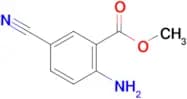
CAS :Formule :C7H4ClNODegré de pureté :97%Couleur et forme :SolidMasse moléculaire :153.572-Amino-5-cyanobenzoic acid
CAS :Formule :C8H6N2O2Degré de pureté :97%Couleur et forme :SolidMasse moléculaire :162.1484-(3-Hydroxypropyl)benzonitrile
CAS :Formule :C10H11NODegré de pureté :95%Couleur et forme :LiquidMasse moléculaire :161.204Methyl 3-cyano-4-hydroxybenzoate
CAS :Formule :C9H7NO3Degré de pureté :95%Couleur et forme :SolidMasse moléculaire :177.1594-Cyanobenzaldehyde
CAS :Formule :C8H5NODegré de pureté :97%Couleur et forme :Solid, Chunks or Crystalline PowderMasse moléculaire :131.1342-Cyano-4-fluorobenzoic acid
CAS :Formule :C8H4FNO2Degré de pureté :97%Couleur et forme :SolidMasse moléculaire :165.1232,3-Difluoro-4-hydroxybenzonitrile
CAS :Formule :C7H3F2NODegré de pureté :97%Couleur et forme :SolidMasse moléculaire :155.104(S)-4-(1-Amino-2,2,2-trifluoroethyl)benzonitrile
CAS :Degré de pureté :98%Masse moléculaire :200.16400154′-(HYDROXYMETHYL)-[1,1′-BIPHENYL]-4-CARBONITRILE
CAS :Degré de pureté :98%Masse moléculaire :209.24800113-Formyl-4-hydroxybenzonitrile
CAS :Formule :C8H5NO2Degré de pureté :96%Couleur et forme :SolidMasse moléculaire :147.1332-Chloro-5-(4,4,5,5-tetramethyl-1,3,2-dioxaborolan-2-yl)benzonitrile
CAS :Degré de pureté :98%Masse moléculaire :263.52999884-(PIPERIDIN-4-YLOXY)BENZONITRILE HCL
CAS :Formule :C12H15ClN2ODegré de pureté :97%Masse moléculaire :238.723-Bromo-4,5-difluorobenzonitrile
CAS :Formule :C7H2BrF2NDegré de pureté :98%Masse moléculaire :218.0013-Bromo-5-(trifluoromethoxy)benzonitrile
CAS :Formule :C8H3BrF3NODegré de pureté :95%Couleur et forme :SolidMasse moléculaire :266.0174-(1H-Imidazol-1-yl)benzonitrile
CAS :Formule :C10H7N3Degré de pureté :97%Couleur et forme :SolidMasse moléculaire :169.1874-Cyanophenyl 4-((6-(acryloyloxy)hexyl)oxy)benzoate
CAS :Degré de pureté :98%Masse moléculaire :393.43899541-(3-cyanophenyl)-5-methyl-1H-pyrazole-4-carboxylic acid
CAS :Degré de pureté :98%Masse moléculaire :227.22300724′-Cyano-biphenyl-4-carboxylic acid
CAS :Formule :C14H9NO2Degré de pureté :95%Couleur et forme :SolidMasse moléculaire :223.231Methyl 5-cyano-2-methylbenzoate
CAS :Degré de pureté :97%Couleur et forme :SolidMasse moléculaire :175.18699654-Cyano-4′-pentylbiphenyl
CAS :Formule :C18H19NDegré de pureté :96%Couleur et forme :LiquidMasse moléculaire :249.357(3-Chloro-4-cyanophenyl)boronic acid
CAS :Formule :C7H5BClNO2Degré de pureté :97%Couleur et forme :SolidMasse moléculaire :181.383-Cyanophenylhydrazine hydrochloride
CAS :Formule :C7H8ClN3Degré de pureté :95%Couleur et forme :SolidMasse moléculaire :169.614-((4-Methylpiperazin-1-yl)methyl)benzonitrile
CAS :Formule :C13H17N3Degré de pureté :97%Masse moléculaire :215.33-Chloro-5-hydroxybenzonitrile
CAS :Formule :C7H4ClNODegré de pureté :97%Couleur et forme :Solid, White powderMasse moléculaire :153.575-Amino-2-cyanobenzotrifluoride
CAS :Formule :C8H5F3N2Degré de pureté :98%Couleur et forme :SolidMasse moléculaire :186.1372,3,5,6-Tetrafluorobenzonitrile
CAS :Formule :C7HF4NDegré de pureté :92%Couleur et forme :Solid, Crystalline Powder or LumpsMasse moléculaire :175.0862-Amino-4-cyanophenol
CAS :Formule :C7H6N2ODegré de pureté :95%Couleur et forme :SolidMasse moléculaire :134.1383-Amino-5-methoxybenzonitrile
CAS :Formule :C8H8N2ODegré de pureté :95%Couleur et forme :SolidMasse moléculaire :148.1655-Amino-2-chlorobenzonitrile
CAS :Formule :C7H5ClN2Degré de pureté :96%Couleur et forme :SolidMasse moléculaire :152.584-Bromo-3-chloro-2-fluorobenzonitrile
CAS :Formule :C7H2BrClFNDegré de pureté :98%Couleur et forme :SolidMasse moléculaire :234.454-Amino-2-methoxybenzonitrile
CAS :Formule :C8H8N2ODegré de pureté :95%Couleur et forme :SolidMasse moléculaire :148.1652-Chloro-5-cyanobenzotrifluoride
CAS :Formule :C8H3ClF3NDegré de pureté :97%Couleur et forme :SolidMasse moléculaire :205.563-Chloro-2,6-difluorobenzonitrile
CAS :Formule :C7H2ClF2NDegré de pureté :98%Couleur et forme :LiquidMasse moléculaire :173.552-Fluoro-5-nitrobenzonitrile
CAS :Formule :C7H3FN2O2Degré de pureté :98%Couleur et forme :SolidMasse moléculaire :166.1112-Methyl-4-(4,4,5,5-tetramethyl-1,3,2-dioxaborolan-2-yl)benzonitrile
CAS :Degré de pureté :98%Masse moléculaire :243.11000062-Cyanophenylacetylene
CAS :Formule :C9H5NDegré de pureté :97%Couleur et forme :SolidMasse moléculaire :127.1464-Amino-2-methoxy-5-nitrobenzonitrile
CAS :Formule :C8H7N3O3Degré de pureté :98%Masse moléculaire :193.162Methyl 2-cyano-4-fluorobenzoate
CAS :Formule :C9H6FNO2Degré de pureté :95%Couleur et forme :SolidMasse moléculaire :179.155-Fluoro-2-nitrobenzonitrile
CAS :Formule :C7H3FN2O2Degré de pureté :97%Couleur et forme :Solid, Crystalline Powder or PowderMasse moléculaire :166.1112-Cyanobenzoic acid
CAS :Formule :C8H5NO2Degré de pureté :96%Couleur et forme :SolidMasse moléculaire :147.1334-Chloro-2,5-difluorobenzonitrile
CAS :Formule :C7H2ClF2NDegré de pureté :97%Couleur et forme :SolidMasse moléculaire :173.554-Phenoxyphthalonitrile
CAS :Formule :C14H8N2ODegré de pureté :98%Couleur et forme :SolidMasse moléculaire :220.2315-Bromo-2-hydroxy-3-methylbenzonitrile
CAS :Formule :C8H6BrNODegré de pureté :98%Couleur et forme :SolidMasse moléculaire :212.0462-((Tetrahydro-2H-pyran-4-yl)oxy)-5-(4,4,5,5-tetramethyl-1,3,2-dioxaborolan-2-yl)benzonitrile
CAS :Formule :C18H24BNO4Degré de pureté :98%Masse moléculaire :329.23-Bromo-2-methoxybenzonitrile
CAS :Formule :C8H6BrNODegré de pureté :97%Couleur et forme :SolidMasse moléculaire :212.046(4-Cyano-2-nitrophenyl)boronic acid
CAS :Formule :C7H5BN2O4Degré de pureté :97%Couleur et forme :SolidMasse moléculaire :191.942-Hydroxy-5-iodo-benzonitrile
CAS :Formule :C7H4INODegré de pureté :97%Couleur et forme :SolidMasse moléculaire :245.019(S)-2-((((9H-Fluoren-9-yl)methoxy)carbonyl)amino)-3-(3-cyanophenyl)propanoic acid
CAS :Degré de pureté :97%Masse moléculaire :412.44500732-Amino-3-bromo-5-chlorobenzonitrile
CAS :Formule :C7H4BrClN2Degré de pureté :98%Couleur et forme :SolidMasse moléculaire :231.484′-Amino-biphenyl-4-carbonitrile
CAS :Formule :C13H10N2Degré de pureté :97%Couleur et forme :SolidMasse moléculaire :194.2374-Bromo-2-fluorobenzonitrile
CAS :Formule :C7H3BrFNDegré de pureté :98%Couleur et forme :SolidMasse moléculaire :200.014,4′-Dicyanobenzhydrol
CAS :Formule :C15H10N2ODegré de pureté :95%Couleur et forme :SolidMasse moléculaire :234.2584-Bromo-2-formylbenzonitrile
CAS :Formule :C8H4BrNODegré de pureté :98%Couleur et forme :SolidMasse moléculaire :210.035-BROMO-2,4-DIFLUOROBENZONITRILE
CAS :Formule :C7H2BrF2NDegré de pureté :97%Couleur et forme :SolidMasse moléculaire :218.0012,4-Dichloro-3-cyano-5-fluorobenzoic acid
CAS :Formule :C8H2Cl2FNO2Degré de pureté :97%Couleur et forme :SolidMasse moléculaire :234.012-Cyano-3-(trifluoromethyl)phenylboronic acid
CAS :Degré de pureté :98%Masse moléculaire :214.94000242-Fluoro-3-nitrobenzonitrile
CAS :Formule :C7H3FN2O2Degré de pureté :95%Couleur et forme :Brown powderMasse moléculaire :166.1114-[(Methylamino)methyl]benzonitrile
CAS :Formule :C9H10N2Degré de pureté :98%Couleur et forme :LiquidMasse moléculaire :146.193tert-Butyl 4-(4-cyanobenzoyl)piperazine-1-carboxylate
CAS :Degré de pureté :95%Masse moléculaire :315.37298584-(PHENYLAMINO)BENZONITRILE
CAS :Formule :C13H10N2Degré de pureté :98%Couleur et forme :No data available.Masse moléculaire :194.2372-Cyano-5-fluorobenzyl bromide
CAS :Formule :C8H5BrFNDegré de pureté :96%Couleur et forme :SolidMasse moléculaire :214.0372-Bromo-5-hydroxybenzonitrile
CAS :Formule :C7H4BrNODegré de pureté :97%Couleur et forme :SolidMasse moléculaire :198.0194-BROMO-2-IODOBENZONITRILE
CAS :Formule :C7H3BrINDegré de pureté :97%Couleur et forme :Liquid, No data available.Masse moléculaire :307.916(S)-4′-(2-Methylbutyl)-[1,1′-biphenyl]-4-carbonitrile
CAS :Formule :C18H19NDegré de pureté :97%Couleur et forme :Liquid, No data available.Masse moléculaire :249.3572-Amino-3-bromo-5-(trifluoromethyl)benzonitrile
CAS :Formule :C8H4BrF3N2Degré de pureté :98%Couleur et forme :SolidMasse moléculaire :265.0332-Chloro-5-cyanophenyl boronic acid pinacol ester
CAS :Degré de pureté :97%Masse moléculaire :263.52999884-tert-Butylphthalonitrile
CAS :Formule :C12H12N2Degré de pureté :97%Couleur et forme :Solid, White - Slightly pale yellow powderMasse moléculaire :184.2425-Bromo-2-fluorobenzonitrile
CAS :Formule :C7H3BrFNDegré de pureté :98%Couleur et forme :SolidMasse moléculaire :200.013-Bromo-4-hydroxybenzonitrile
CAS :Formule :C7H4BrNODegré de pureté :95%Couleur et forme :SolidMasse moléculaire :198.0192-Chloro-6-iodobenzonitrile
CAS :Formule :C7H3ClINDegré de pureté :96%Couleur et forme :No data available.Masse moléculaire :263.465-Chloro-2-hydroxy-benzonitrile
CAS :Formule :C7H4ClNODegré de pureté :97%Couleur et forme :Solid, PowderMasse moléculaire :153.573-Hydroxy-[1,1′-biphenyl]-4,4′-dicarbonitrile
CAS :Formule :C14H8N2ODegré de pureté :97%Couleur et forme :SolidMasse moléculaire :220.231Methyl 2-amino-5-cyanobenzoate
CAS :Formule :C9H8N2O2Degré de pureté :95%Couleur et forme :Liquid, No data available.Masse moléculaire :176.1752,6-Bis(trifluoromethyl)benzonitrile
CAS :Formule :C9H3F6NDegré de pureté :98%Couleur et forme :LiquidMasse moléculaire :239.124-Bromo-2-chlorobenzonitrile
CAS :Formule :C7H3BrClNDegré de pureté :95%Couleur et forme :SolidMasse moléculaire :216.464-Bromo-3,5-difluorobenzonitrile
CAS :Formule :C7H2BrF2NDegré de pureté :98%Couleur et forme :SolidMasse moléculaire :218.0012-Fluoroterephthalonitrile
CAS :Formule :C8H3FN2Degré de pureté :95%Couleur et forme :SolidMasse moléculaire :146.1243-cyanobenzamide
CAS :Formule :C8H6N2ODegré de pureté :97%Couleur et forme :SolidMasse moléculaire :146.1492-Bromo-5-chlorobenzonitrile
CAS :Formule :C7H3BrClNDegré de pureté :95%Couleur et forme :Solid, Off-white powderMasse moléculaire :216.462,4,6-Tri(9H-carbazol-9-yl)-5-chloroisophthalonitrile
CAS :Degré de pureté :97%Masse moléculaire :658.1599731
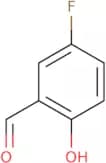

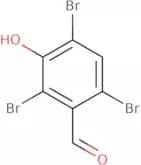
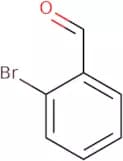
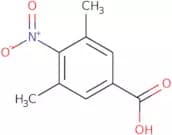
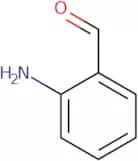
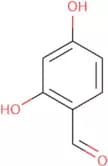

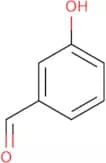
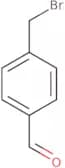
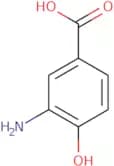

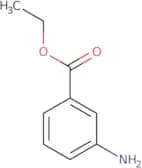
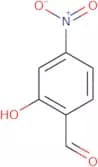
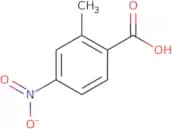
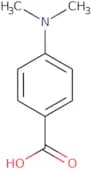
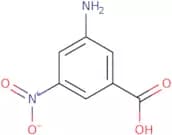
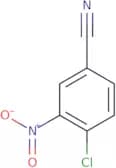


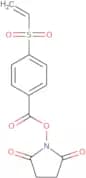
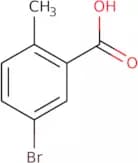
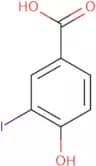
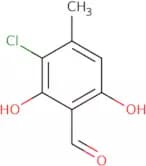

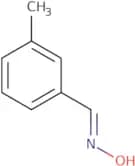


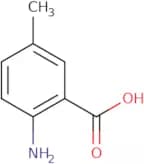
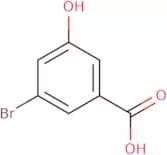

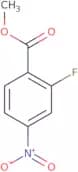

![3,3'-Dithiobis[6-nitrobenzoic acid] bis(succinimide) ester](/_next/image/?url=https%3A%2Fstatic.cymitquimica.com%2Fproducts%2F3D%2Fthumb-webp%2FFD15467.webp&w=3840&q=75)
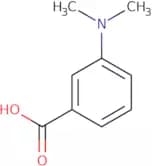
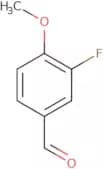
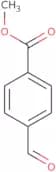
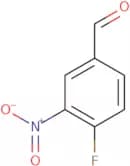
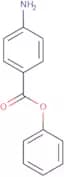
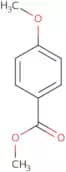
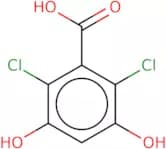

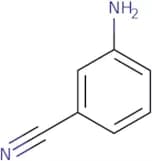
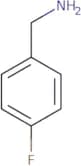
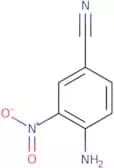
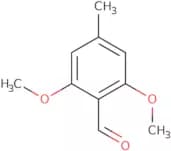

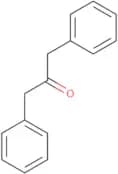

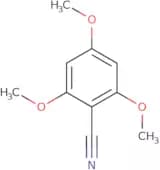
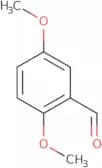
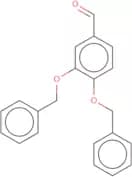
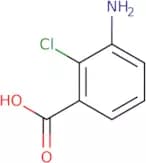
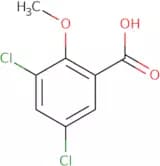
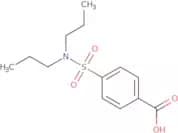
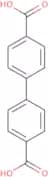
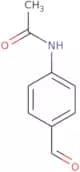
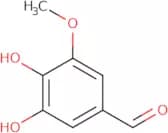

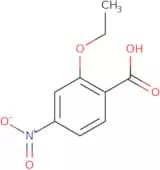


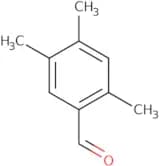
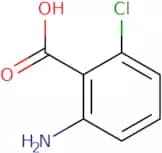
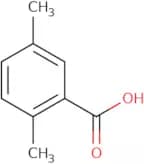
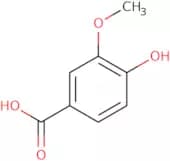
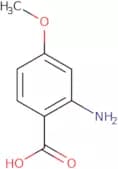
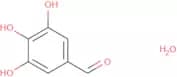
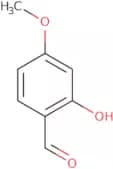

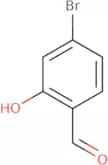
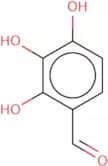
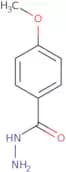
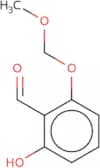

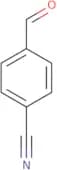


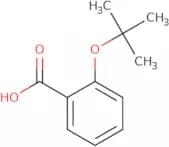
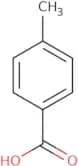

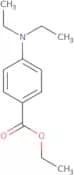


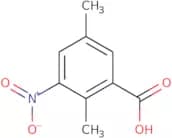

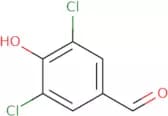

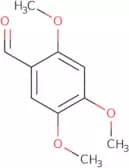
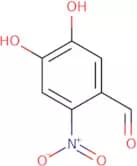
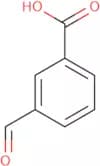
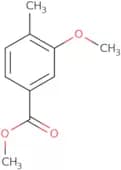


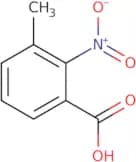
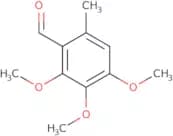

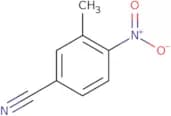
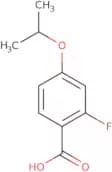


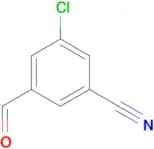
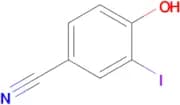
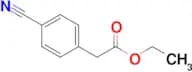
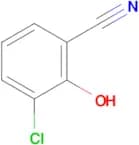
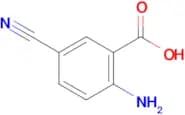
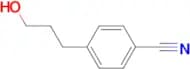
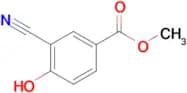
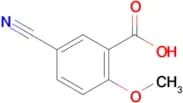

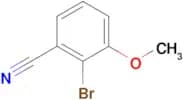

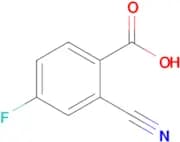
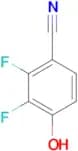

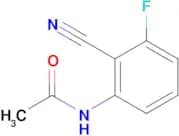
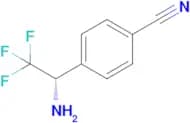
![4′-(HYDROXYMETHYL)-[1,1′-BIPHENYL]-4-CARBONITRILE](/_next/image/?url=https%3A%2Fstatic.cymitquimica.com%2Fproducts%2F10%2Fthumb-webp%2FF816325.webp&w=3840&q=75)
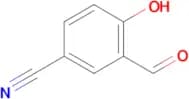
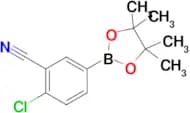
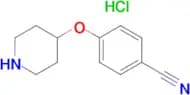
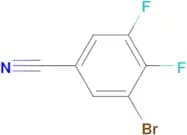
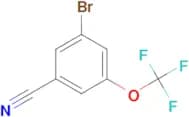

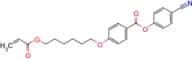


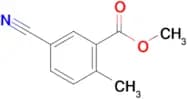
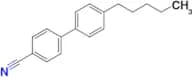
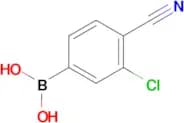
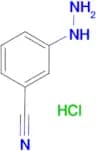
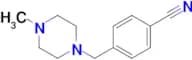
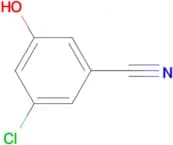
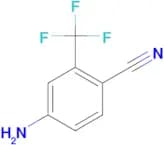
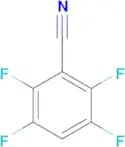
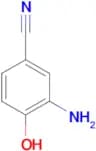

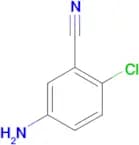
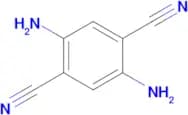


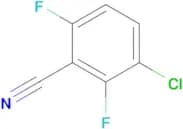

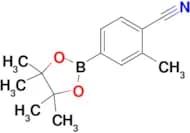
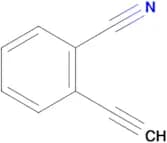
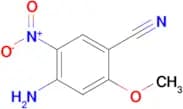
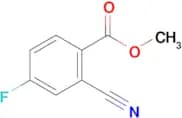
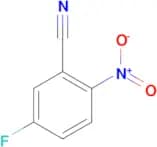
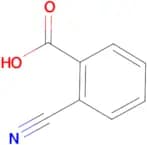
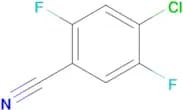
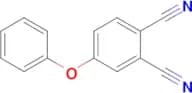

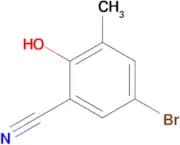
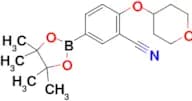
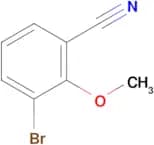
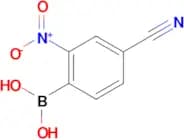
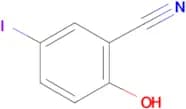
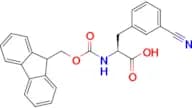
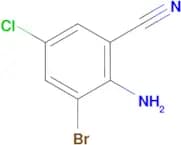
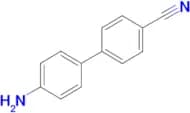
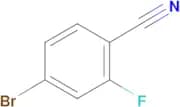
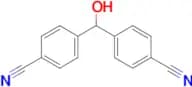
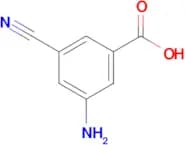
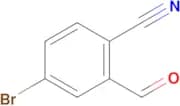
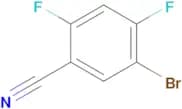

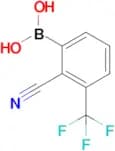
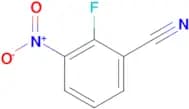
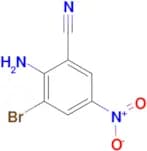
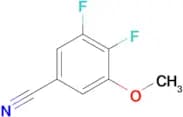
![4-[(Methylamino)methyl]benzonitrile](/_next/image/?url=https%3A%2Fstatic.cymitquimica.com%2Fproducts%2F10%2Fthumb-webp%2FF065367.webp&w=3840&q=75)
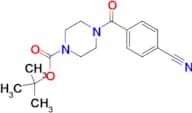
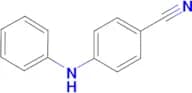
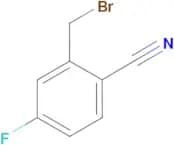
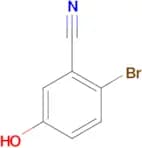
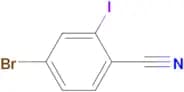
![(S)-4′-(2-Methylbutyl)-[1,1′-biphenyl]-4-carbonitrile](/_next/image/?url=https%3A%2Fstatic.cymitquimica.com%2Fproducts%2F10%2Fthumb-webp%2FF463916.webp&w=3840&q=75)
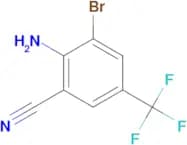

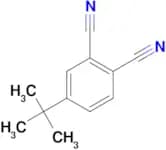
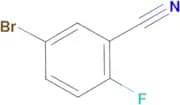
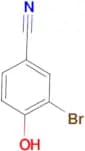
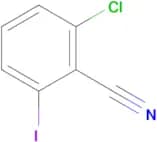
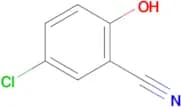
![3-Hydroxy-[1,1′-biphenyl]-4,4′-dicarbonitrile](/_next/image/?url=https%3A%2Fstatic.cymitquimica.com%2Fproducts%2F10%2Fthumb-webp%2FF235974.webp&w=3840&q=75)