Benzènes
Sous-catégories appartenant à la catégorie "Benzènes"
- Benzamides(62 produits)
- Acides benzoïques(5.474 produits)
- Alcools benzyliques(1.457 produits)
- Benzènes halogénés(33.965 produits)
- Phénols(2.661 produits)
11888 produits trouvés pour "Benzènes"
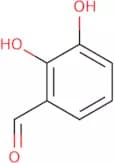
2,3-Dihydroxybenzaldehyde
CAS :2,3-Dihydroxybenzaldehyde is a chemical compound that has been shown to have antimicrobial properties. It inhibits bacterial growth by binding to the ribosome and preventing mRNA synthesis. 2,3-Dihydroxybenzaldehyde binds to the 50S ribosomal subunit and prevents protein synthesis by inhibiting the transfer mechanism of tRNA from the A site to the P site on the ribosome. The drug also inhibits mitochondrial superoxide production in V79 cells and human serum.
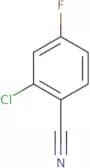
2,3-Dihydroxybenzaldehyde has been shown to be effective against methicillin resistant S. aureus (MRSA) strains but not against Group P2 Staphylococcus aureus (GPA). It is also active against Gram-positive bacteria such as Bacillus subtilis but not against Gram-negative bacteria like Escherichia coli or Pseudomonas aeruginosa.Formule :C7H6O3Degré de pureté :Min. 96 Area-%Couleur et forme :Slightly Yellow PowderMasse moléculaire :138.12 g/mol2-Chloro-4-fluorobenzonitrile
CAS :2-Chloro-4-fluorobenzonitrile is a drug that has been shown to have antitumor effects by binding to the CB2 receptor. It inhibits hydrogenation reduction of the molecule, which may be due to its ability to react with both functional groups. 2-Chloro-4-fluorobenzonitrile has also been shown to inhibit progesterone receptor, which may lead to an increase in progesterone levels and a decrease in estrogen levels. The pharmacokinetic properties of this compound are not yet known.
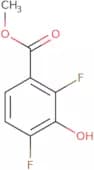
Formule :C7H3ClFNDegré de pureté :Min. 95%Couleur et forme :White PowderMasse moléculaire :155.56 g/mol2,4-Difluoro-3-hydroxybenzoic acid methyl ester
CAS :2,4-Difluoro-3-hydroxybenzoic acid methyl ester is a fine chemical that is used as a versatile building block for research chemicals and other complex compounds. It can be used as a reaction component in the synthesis of new chemical entities or as a reagent for organic chemistry reactions. 2,4-Difluoro-3-hydroxybenzoic acid methyl ester has CAS No. 194804-80-3 and is available in high quality.Formule :C8H6F2O3Degré de pureté :Min. 95%Couleur et forme :PowderMasse moléculaire :188.13 g/mol4-Ethoxy-3-hydroxybenzaldehyde
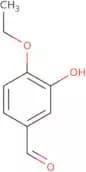
CAS :4-Ethoxy-3-hydroxybenzaldehyde (4EHB) is a thioacetal that has been shown to be an effective precursor for the synthesis of many other molecules, such as combretastatin a-4. It is prepared by reaction of ethylmagnesium bromide and acetone. 4EHB has been shown to have antifungal properties in vitro, and can be used in the treatment of cancer cells. This compound is volatile and can be easily detected with headspace techniques. The functional group of this molecule is an alcohol group, which is found on the ring structure. Spectroscopic analysis shows that it has a carbonyl group with an OH group attached to it.
Formule :C9H10O3Degré de pureté :Min. 95%Couleur et forme :Colorless PowderMasse moléculaire :166.17 g/mol2-Methyl-3-nitrobenzoic acid
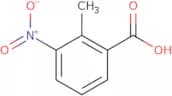
CAS :2-Methyl-3-nitrobenzoic acid is a diketone that is used as a synthetic building block for the synthesis of fatty acid esters. This compound is also used to normalize butyric acid levels in blood, and has been shown to inhibit the formation of coumarin derivatives from nitrosalicylic acid. 2-Methyl-3-nitrobenzoic acid is an organic molecule with a molecular weight of 128.17 g/mol, and has four functional groups: two methyl groups, one carboxyl group, and one phenyl group. The compound reacts with a solution containing nitrite ions in an acidic environment to form nitrous acid (HONO) and 2-methylene-3-nitrobenzaldehyde (2MNB). 2MNB is soluble in water and has a solubility data of 0.0012 g/100 mL at 25 degrees Celsius.
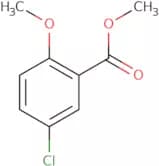
Formule :C8H7NO4Degré de pureté :Min. 98 Area-%Couleur et forme :PowderMasse moléculaire :181.15 g/mol5-Chloro-2-methoxybenzoic methyl ester
CAS :5-Chloro-2-methoxybenzoic methyl ester is a versatile building block commonly used in the synthesis of various compounds. It serves as an acid methyl ester, making it suitable for use in medicinal chemistry and other synthetic applications. This compound can be obtained through pyrolysis or by reacting 5-chloro-2-methoxybenzoic acid with methanol under appropriate conditions.Formule :C9H9ClO3Degré de pureté :Min. 95%Couleur et forme :PowderMasse moléculaire :200.62 g/molRef: 3D-FC71375
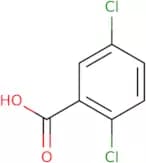
Produit arrêté2,5-Dichlorobenzoic acid
CAS :2,5-Dichlorobenzoic acid is a hydrogen-bonding agent that interacts with other molecules by forming hydrogen bonds. It reacts with benzoate to form 2,5-dichlorobenzoate, which is an intermediate in the synthesis of phenylbenzene and biphenyl. 2,5-Dichlorobenzoic acid has been shown to inhibit the growth of bacteria such as Stenotrophomonas maltophilia and Pseudomonas aeruginosa. The compound also lowers cholesterol levels in rats and humans.
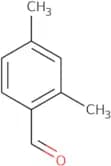
2,5-Dichlorobenzoic acid has a redox potential of -0.25 V and can be used to reduce sodium hydroxide solution or hydroxide solution. This chemical's structure allows it to be taken up by cells through passive diffusion and active transport mechanisms.Formule :C7H4Cl2O2Degré de pureté :Min. 95%Couleur et forme :White PowderMasse moléculaire :191.01 g/mol2,4-Dimethylbenzaldehyde
CAS :2,4-Dimethylbenzaldehyde is used in the diagnosis of cancer. It reacts with acetaldehyde to form a compound that binds to hemoglobin and is excreted in the urine, leading to a diagnostic test for cancer. 2,4-Dimethylbenzaldehyde has been shown to be genotoxic in both in vitro and in vivo studies. This aromatic hydrocarbon has been shown to cause DNA strand breaks in the target cells through a reaction mechanism involving radical formation from acetaldehyde. In addition, 2,4-Dimethylbenzaldehyde has been shown to have genotoxic effects on mice exposed by inhalation or injection.
Formule :C9H10ODegré de pureté :Min. 90 Area-%Couleur et forme :Colorless Clear LiquidMasse moléculaire :134.18 g/moln-Pentyl 4-hydroxybenzoate
CAS :n-Pentyl 4-hydroxybenzoate is a preservative that inhibits the growth of microorganisms. It is used in products such as cosmetics, pharmaceuticals, and food to prevent spoilage. The antimicrobial activity of n-pentyl 4-hydroxybenzoate has been shown to be due to p-hydroxybenzoic acid, which binds to bacterial cell walls. This binding prevents the formation of an antibiotic-inhibitor complex with the enzyme cell wall synthesis that is required for cell wall biosynthesis, inhibiting protein synthesis and cell division. n-Pentyl 4-hydroxybenzoate has also been shown to inhibit bacterial growth in vitro and in vivo in rats by interfering with protein synthesis in rat liver microsomes.
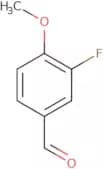
Formule :C12H16O3Degré de pureté :Min. 95%Couleur et forme :Off-White PowderMasse moléculaire :208.25 g/mol3-Fluoro-4-methoxybenzaldehyde
CAS :3-Fluoro-4-methoxybenzaldehyde is a chemical compound that is used in the synthesis of natural products. It has been shown to have inhibitory properties against cancer cells, and has been synthesized as an analog of 3-fluoro-4-hydroxybenzaldehyde. The biological function of 3-fluoro-4-methoxybenzaldehyde is not yet known. Hydrochloric acid may be used to react with 3-fluoro-4-methoxybenzaldehyde to form a salt. This chemical also has anti-tumor effects and can be synthesized using cryogenic techniques.
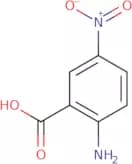
Formule :C8H7FO2Degré de pureté :Min. 95%Couleur et forme :Slightly Yellow PowderMasse moléculaire :154.14 g/mol2-Amino-5-nitrobenzoic acid
CAS :2-Amino-5-nitrobenzoic acid is a plant metabolite that contains a nitro group. It has been found to be an effective inhibitor of glutamate dehydrogenase, one of the enzymes involved in the metabolism of amino acids. 2-Amino-5-nitrobenzoic acid has also been shown to have no effect on other enzyme activities such as amines and nitrosamines. This natural product has been shown to be useful as a model system for understanding how hydrochloric acid interacts with plants, by inhibiting their growth.
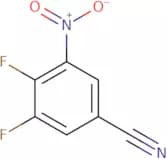
Formule :C7H6N2O4Degré de pureté :Min. 97.5%Couleur et forme :Yellow PowderMasse moléculaire :182.13 g/mol3,4-Difluoro-5-nitrobenzonitrile
CAS :3,4-Difluoro-5-nitrobenzonitrile is a hepatotoxic compound that is found in the environment. It has been shown to cause cirrhosis and overgrowth of the liver. 3,4-Difluoro-5-nitrobenzonitrile also inhibits hepatic encephalopathy and may be used to treat liver disease. This toxicant has been detected in the bowel and duodenum of humans with nonalcoholic steatohepatitis, as well as in the jejunum and duodenum of mice with spontaneous steatohepatitis. It also causes nonalcoholic steatohepatitis when given orally to rats.
Formule :C7H2F2N2O2Degré de pureté :Min. 95%Couleur et forme :Yellow PowderMasse moléculaire :184.1 g/mol3-Methoxy-2-nitrobenzaldehyde
CAS :3-Methoxy-2-nitrobenzaldehyde is a synthetic compound that has been used in the industrial process of synthesizing other compounds. It is a nucleophilic compound, which means it can react with electrophiles to form new bonds. 3-Methoxy-2-nitrobenzaldehyde is also an oriented molecule, meaning that when it reacts with an electrophile, the resulting product can be determined by the orientation of the molecules. The rate of this reaction depends on how many functional groups are present and the presence of catalysts. 3-Methoxy-2-nitrobenzaldehyde is fluorescent, so it will emit light in a spectroscopic experiment. It has six functional groups which are all nucleophilic and capable of participating in reactions with other molecules. Catalytic rates for this reaction depend on concentration and temperature, as well as the number of chlorine atoms and polydentate ligands present in solution.
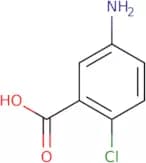
Formule :C8H7NO4Degré de pureté :Min. 95%Couleur et forme :Slightly Yellow PowderMasse moléculaire :181.15 g/mol5-Amino-2-chlorobenzoic acid
CAS :5-Amino-2-chlorobenzoic acid is a carboxylate that has antiproliferative effects. It is synthesized through the reaction of morpholine and malonic acid. 5-Amino-2-chlorobenzoic acid has been shown to have an optimal reaction with UV light, which may be due to its structure activity relationship with other carboxylates. It also has a high affinity for metal ions such as magnesium and chloride, which are thought to be important in cancer cell proliferation. 5-Amino-2-chlorobenzoic acid can be used in analytical methods because it is soluble in water and can be obtained through gravimetric analysis.
Formule :C7H6ClNO2Couleur et forme :PowderMasse moléculaire :171.58 g/mol2,6-Dimethylbenzoic acid
CAS :2,6-Dimethylbenzoic acid is a colorless solid that has a molecular weight of 162.2 g/mol and an empirical formula of C7H8O2. It has a melting point of about 82 degrees Celsius and a boiling point of about 315 degrees Celsius. 2,6-Dimethylbenzoic acid is soluble in water at 100 degrees Celsius. It has been shown to act as a potent antagonist for the muscarinic acetylcholine receptors. This compound also has basic properties due to its hydrogen bonding interactions with proteins and other molecules. 2,6-Dimethylbenzoic acid has been shown to be efficient in supramolecular chemistry because it is electron deficient and contains thermodynamic functional groups such as carboxylic acids and alcohols.
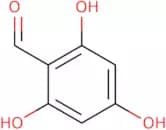
Formule :C9H10O2Degré de pureté :Min. 95%Couleur et forme :PowderMasse moléculaire :150.17 g/mol2,4,6-Trihydroxybenzaldehyde
CAS :2,4,6-Trihydroxybenzaldehyde is a polymerase chain inhibitor that blocks the synthesis of DNA and RNA. It has been shown to have significant cytotoxicity in vitro and has been used as an antimicrobial agent to inhibit the growth of bacteria. 2,4,6-Trihydroxybenzaldehyde also inhibits tetracycline resistance in Mycobacterium tuberculosis (Mtb) by inhibiting the production of proteins vital for bacterial cell division. This compound is structurally related to naturally occurring compounds such as anthocyanins and it has been shown to have inhibitory properties on mitochondrial membrane potential, which may be due to its ability to inhibit protein synthesis and induce apoptosis. The analytical methods used for this compound are thin layer chromatography and high performance liquid chromatography.
Formule :C7H6O4Degré de pureté :Min. 98 Area-%Couleur et forme :PowderMasse moléculaire :154.12 g/molEthyl 2,4-dihydroxy-6-methylbenzoate
CAS :Ethyl 2,4-dihydroxy-6-methylbenzoate is a phenolic acid that is found in lichens. It has been shown to have anti-cancer and anti-inflammatory properties. The hydrogen bonds of ethyl 2,4-dihydroxy-6-methylbenzoate are the result of an intramolecular hydrogen bonding between the benzoic acid group and the hydroxymethyl group. This compound can also be found in matrix effect health care products as well as wastewater treatment plants. Ethyl 2,4-dihydroxy-6-methylbenzoate has also been shown to inhibit enzymes such as uv absorption and phenolic acids.
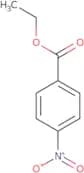
Formule :C10H12O4Degré de pureté :Min. 95%Masse moléculaire :196.2 g/molEthyl 4-nitrobenzoate
CAS :Ethyl 4-nitrobenzoate is a compound that is used to synthesize other drugs, such as erythromycin. It is also an intermediate in the synthesis of some pesticides and dyes. The second-order rate constant for the reaction of ethyl 4-nitrobenzoate with phosphotungstic acid has been measured at 0.058/min at 25°C. This reaction is catalyzed by recombinant cytochrome P450 (P450) enzymes from human liver preparations and cationic surfactants such as nitrobenzene or sodium carbonate, which are known to form hydrogen bonds with the protonated nitrogen atom on the aromatic ring of ethyl 4-nitrobenzoate. Ethyl 4-nitrobenzoate is also used clinically to treat gastric ulcers, although it can be toxic if taken in large doses or over a long period of time.
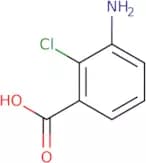
Formule :C9H9NO4Degré de pureté :Min. 95%Couleur et forme :PowderMasse moléculaire :195.17 g/mol3-Amino-2-chlorobenzoic acid
CAS :3-Amino-2-chlorobenzoic acid is a molecule that belongs to the group of acidic compounds. It has been shown to induce apoptosis and inhibit cell proliferation in human immunodeficient virus (HIV) cells, as well as inhibit the growth of cancer cells. 3-Amino-2-chlorobenzoic acid also inhibits histone deacetylase, which is an enzyme that controls gene expression by removing acetyl groups from lysine residues on the N-terminal tails of histones. This inhibition may be responsible for its anticancer activity. 3-Amino-2-chlorobenzoic acid is metabolized by oxidation to chlorinated derivatives and excreted via the kidneys. It has been shown to have a pharmacokinetic profile in rats similar to that observed with other triazines such as atrazine and simazine. The elimination half-life of 3-amino-2-chlorob
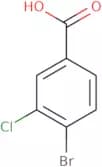
Formule :C7H6ClNO2Degré de pureté :Min. 95%Couleur et forme :Off-White PowderMasse moléculaire :171.58 g/mol4-Bromo-3-chlorobenzoic acid
CAS :4-Bromo-3-chlorobenzoic acid is a molecule that belongs to the class of antimicrobial compounds and is used for the treatment of gram-negative pathogens. It inhibits the growth of these bacteria by blocking their ability to synthesize DNA, RNA, and proteins. 4-Bromo-3-chlorobenzoic acid has been shown to be effective against bacteria in mammalian cells and also has activity against multidrug resistant strains. This compound is biosynthesized in plant cells from carbon sources like glucose, and it can be found in plants like carrot tissue. The resistance of bacteria to this compound has been observed globally, with outbreaks occurring in Japan and India.
Formule :C7H4BrClO2Degré de pureté :Min. 95%Couleur et forme :White PowderMasse moléculaire :235.46 g/mol2-[1,2,4]Triazol-1-yl-benzylamine
CAS :2-[1,2,4]Triazol-1-yl-benzylamine is a chemical compound that has been shown to be an excellent reagent in organic synthesis. It is also used as a building block for the synthesis of compounds related to pharmaceuticals, pesticides and other speciality chemicals. 2-[1,2,4]Triazol-1-yl-benzylamine is a versatile intermediate that can be used in the synthesis of complex compounds with good yields and high purity.
Formule :C9H10N4Degré de pureté :Min. 95%Couleur et forme :PowderMasse moléculaire :174.2 g/mol2-Amino-6-fluorobenzoic acid
CAS :Intermediate in the synthesis of idelalisib
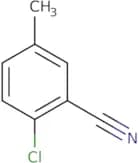
Formule :C7H6FNO2Degré de pureté :Min. 98 Area-%Couleur et forme :PowderMasse moléculaire :155.13 g/mol2-Chloro-5-methylbenzonitrile
CAS :2-Chloro-5-methylbenzonitrile (2C5MB) is a versatile building block that is used in the production of fine chemicals, specialty chemicals, and pharmaceuticals. It is also used as a reagent for organic synthesis and as a speciality chemical. 2C5MB can be used in the synthesis of various complex compounds and research chemicals. The compound has been shown to have high reactivity and has been used as a reaction component or scaffold for the synthesis of other products.
Formule :C8H6ClNDegré de pureté :Min. 95%Couleur et forme :PowderMasse moléculaire :151.59 g/mol4-(Acetylamino)-2-nitrobenzoic acid
CAS :4-(Acetylamino)-2-nitrobenzoic acid (AAANB) is a versatile building block that can be used in the synthesis of a wide range of organic and pharmaceutical compounds. AAANB is an intermediate in the preparation of 4-Amino-3-nitrophenol, which is an important research chemical. This compound is a useful scaffold for the synthesis of organic compounds with various biological activities. The CAS number for this product is 21573-29-5.
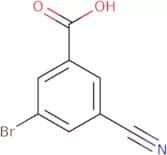
Formule :C9H8N2O5Degré de pureté :Min. 95%Couleur et forme :PowderMasse moléculaire :224.17 g/mol3-Bromo-5-cyanobenzoic acid
CAS :3-Bromo-5-cyanobenzoic acid is a fine chemical that is used as a reagent or intermediate in the production of other chemicals. 3-Bromo-5-cyanobenzoic acid can be used as an intermediate in the synthesis of pharmaceuticals, agrochemicals, and perfumes. This compound is also useful as a building block for making speciality chemicals and research chemicals. 3-Bromo-5-cyanobenzoic acid is versatile because it can be used in many different reactions with many different substrates to make many different products.
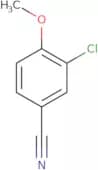
Formule :C8H4BrNO2Degré de pureté :Min. 95%Couleur et forme :PowderMasse moléculaire :226.03 g/mol3-Chloro-4-methoxybenzonitrile
CAS :3-Chloro-4-methoxybenzonitrile is a chemical compound that can be used as a reactant, reagent, or building block in the synthesis of other chemicals. It is an important intermediate for the production of pharmaceuticals, pesticides and dyes. 3-Chloro-4-methoxybenzonitrile is also being investigated for use in the manufacture of photoresists for semiconductor device fabrication. This chemical is listed on the Chemical Abstracts Service registry with CAS number 102151-33-7.
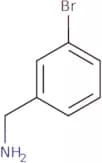
Formule :C8H6ClNODegré de pureté :Min. 95%Couleur et forme :SolidMasse moléculaire :167.59 g/mol3-Bromobenzylamine
CAS :3-Bromobenzylamine is a chemical compound that belongs to the class of amines. It is used as an intermediate in organic synthesis, and its derivative 3-bromobenzylamine hydrochloride is used in pharmaceuticals as a heart stimulant. 3-Bromobenzylamine can be synthesized by reacting an amine with phosgene and then brominating it. This chemical has been shown to have inhibitory activity against cancer cells and can be used for the treatment of cancer. 3-Bromobenzylamine has also been shown to inhibit the growth of bacteria, fungi, and viruses in vitro. 3-Bromobenzylamine may also be useful for treating psoriasis due to its ability to inhibit prostaglandin synthesis.
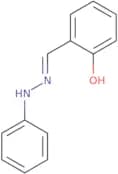
Formule :C7H8BrNDegré de pureté :Min. 95%Couleur et forme :Colorless PowderMasse moléculaire :186.04 g/molSalicylaldehyde phenylhydrazone
CAS :Salicylaldehyde phenylhydrazone is a covid-19 pandemic, organometallic compound. It is a colorless solid that reacts with water to give hydrogen chloride and salicylaldehyde. Salicylaldehyde phenylhydrazone has been shown to react with amines, which may be due to its chelate ring system. The analytical method for this compound is gravimetric analysis, which involves the use of lanthanum as an indicator. This compound has good transport properties and can be activated by hydrogen gas.
Formule :C13H12N2ODegré de pureté :Min. 97 Area-%Couleur et forme :PowderMasse moléculaire :212.25 g/mol2-Nitrobenzylamine hydrochloride
CAS :2-Nitrobenzylamine hydrochloride is a compound that has been shown to have cancer-fighting properties. It inhibits the synthesis of proteins necessary for the proliferation of cancer cells, but it does not affect the synthesis of proteins in healthy cells. This drug is used to diagnose and treat certain types of cancers, such as lymphoma and leukemia. 2-Nitrobenzylamine hydrochloride can be modified by genetic engineering techniques to specifically target cancer cells, which may help with the treatment of other types of diseases in the future. It is believed that this drug will be useful for treating cancers that are resistant to chemotherapy or radiation therapy, as well as those that are caused by mutations in DNA.
Formule :C7H9ClN2O2Degré de pureté :Min. 95%Couleur et forme :PowderMasse moléculaire :188.61 g/mol2,4,6-Trimethylbenzonitrile
CAS :2,4,6-Trimethylbenzonitrile (TMBN) is a reactive unsaturated ketone that reacts with phosphorus pentachloride to form the corresponding chloroform. It is used in nucleophilic substitution reactions and can be hydrolyzed by hydrochloric acid to form an n-oxide. The reaction mechanism of TMBN with phosphorus pentachloride has been studied using molecular modeling and NMR spectroscopy. TMBN can be converted into an oxide, which can react with hydrogen chloride to form the corresponding chloroform. Reaction products include the 2,4,6-trichlorobenzonitrile (TCBN), which is a carcinogen.
Formule :C10H11NDegré de pureté :Min. 95%Couleur et forme :PowderMasse moléculaire :145.2 g/mol4-Methyl-3-nitrobenzoic acid
CAS :4-Methyl-3-nitrobenzoic acid is a fine chemical that is used as a building block in the synthesis of complex compounds. It is often used as a reagent or speciality chemical, and it has a CAS number of 96-98-0. 4-Methyl-3-nitrobenzoic acid can be react with other chemicals to form useful intermediates or scaffolds for larger molecules. This chemical is versatile and can be used in many different reactions.
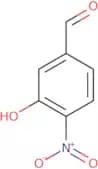
Formule :C8H7NO4Degré de pureté :Min. 98.0 Area-%Masse moléculaire :181.15 g/mol3-Hydroxy-4-nitrobenzaldehyde
CAS :3-Hydroxy-4-nitrobenzaldehyde is a ternary complex, which consists of three molecules that are bound to each other in a specific way. It has been observed in the nmr spectra and it has been proposed as a fluorescence probe for the detection of hydrogen bonds. 3-Hydroxy-4-nitrobenzaldehyde catalyzes the reaction by forming a covalent bond with the pbr322 dna, which is an important DNA molecule in bacteria. The enzyme mechanism is not fully understood, but it has been shown that it can bind to Toll-like receptor 4 (TLR4), which is an innate immune system protein. This binding event activates TLR4, leading to the inflammatory response. 3-Hydroxy-4-nitrobenzaldehyde has shown efficacy against microglia cells and animal experiments have shown that this compound may be useful for reducing pain after surgery or injury.
Formule :C7H5NO4Degré de pureté :Min. 95%Couleur et forme :PowderMasse moléculaire :167.12 g/molRef: 3D-FH67250
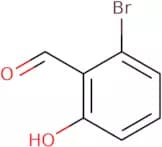
Produit arrêté2-Bromo-6-hydroxybenzaldehyde
CAS :2-Bromo-6-hydroxybenzaldehyde is a synthetic chemical that consists of a furan ring with an acetonitrile group. It has been shown to be a constant in cyclic electroreduction and is used as a biomolecular surfactant. 2-Bromo-6-hydroxybenzaldehyde has also been shown to react intramolecularly with the hydroxyl group on the benzene ring, which results in the formation of a dimer. This chemical can be produced by solvolysis or electroreduction.
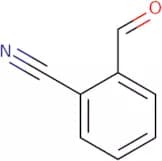
Formule :C7H5BrO2Degré de pureté :Min. 95%Couleur et forme :PowderMasse moléculaire :201.02 g/mol2-Cyanobenzaldehyde
CAS :2-Cyanobenzaldehyde is an aldehyde that reacts with nucleophiles such as trifluoromethanesulfonic acid to form a molecule. 2-Cyanobenzaldehyde has potent inhibitory activity against the kinase glycogen synthase kinase 3 (GSK3) and can be used to treat autoimmune diseases. It also reacts with hydrochloric acid in solution to form an intermediate, which is then reacted with glycine and ATP to produce a chiral compound. The product of this reaction has been shown to be active methylene, which was synthesized by asymmetric synthesis.
Formule :C8H5NODegré de pureté :Min. 95%Couleur et forme :PowderMasse moléculaire :131.13 g/mol3,5-Diamino-2,4,6-triiodobenzoic acid
CAS :3,5-Diamino-2,4,6-triiodobenzoic acid is a metabolite of hydrochloric acid and has been used in sample preparation for roentgenographic techniques. It is also used in the preparation of methylating agents for mass spectrometric analysis. It is hydrophilic with a methyl esterification that can be activated by amines. This chemical compound is found in human urine and has been shown to have an enhanced effect on tissues when combined with hydrochloric acid.
Formule :C7H5I3N2O2Degré de pureté :Min. 95%Couleur et forme :PowderMasse moléculaire :529.84 g/mol4-Bromobenzaldehyde
CAS :Please enquire for more information about 4-Bromobenzaldehyde including the price, delivery time and more detailed product information at the technical inquiry form on this page
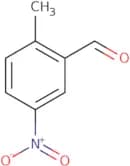
Formule :C7H5BrOMasse moléculaire :185.03 g/mol2-Methyl-5-nitrobenzaldehyde
CAS :2-Methyl-5-nitrobenzaldehyde is a nitro compound that is used in the synthesis of dobutamine. It has been shown to undergo rearrangements, with the formation of 2-methyl-5-nitrophenol. Kinetic studies have shown that chlorine can be substituted for hydrogen at the 2 position, and this substitution leads to an increase in reactivity. 2-methyl-5-nitrobenzaldehyde also reacts with dopamine to form a ketone. The hydroxy group on this molecule is nucleophilic and can attack electrophiles, making it useful as an active site for synthetic reactions. This compound is also pyrophoric, which means it will spontaneously ignite in air and burn until all its fuel is consumed.
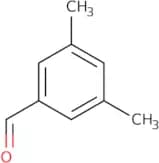
Formule :C8H7NO3Degré de pureté :Min. 95%Couleur et forme :Off-White PowderMasse moléculaire :165.15 g/mol3,5-Dimethylbenzaldehyde
CAS :3,5-Dimethylbenzaldehyde is an organic compound that is a colorless liquid. It has a chemical formula of C9H12O2 and is classified as an aldehyde. 3,5-Dimethylbenzaldehyde can be synthesized by the reaction of isopropyl palmitate with xylene in the presence of carbon as a source. The reaction time required for this synthesis is approximately one day. The major products of this reaction are 3,5-dimethylbenzaldehyde and 2-methylbutanal. This reaction mechanism can also be used to determine the concentration of urinary metabolites in human urine samples. Analysis of these samples requires an organic solvent such as hexane or dichloromethane. Kinetic data was collected from the rate at which zinc powder reacts with 3,5-dimethylbenzaldehyde over time at different concentrations. A kinetic experiment was conducted using c–h bond activation to produce 3,5-dimethoxy
Formule :C9H10ODegré de pureté :Min. 95%Couleur et forme :Colorless Clear LiquidMasse moléculaire :134.18 g/mol





![2-[1,2,4]Triazol-1-yl-benzylamine](/_next/image/?url=https%3A%2Fstatic.cymitquimica.com%2Fproducts%2F3D%2Fthumb-webp%2FFT50933.webp&w=3840&q=75)