Acides benzoïques
Les acides benzoïques sont des acides carboxyliques aromatiques avec la formule moléculaire C7H6O2, caractérisés par un anneau benzénique lié à un groupe carboxyle (-COOH). Ces composés sont largement utilisés comme conservateurs, intermédiaires en synthèse organique et dans la production de divers produits chimiques, y compris les colorants et les parfums. Les acides benzoïques sont également importants dans les industries alimentaire et pharmaceutique. Chez CymitQuimica, nous offrons une gamme diversifiée d'acides benzoïques de haute qualité pour soutenir vos besoins en recherche et industriels.
5434 produits trouvés pour "Acides benzoïques"
Trier par
Degré de pureté (%)
0
100
|
0
|
50
|
90
|
95
|
100
4-(1H-Imidazo[4,5-f][1,10]phenanthrolin-2-yl)benzoic acid
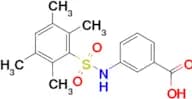
CAS :Degré de pureté :98%Masse moléculaire :340.34201049804693-((2,3,5,6-tetramethylphenyl)sulfonamido)benzoic acid
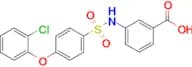
CAS :Degré de pureté :95.0%Masse moléculaire :333.39999389648443-((4-(2-Chlorophenoxy)phenyl)sulfonamido)benzoic acid
CAS :Degré de pureté :97%Masse moléculaire :403.82998657226564-Hydroxy-3-(trifluoromethyl)benzoic acid
CAS :Formule :C8H5F3O3Degré de pureté :98%Couleur et forme :Solid, White to yellow powderMasse moléculaire :206.124-(5,7-dioxo-5,7-dihydro-6H-pyrrolo[3,4-b]pyridin-6-yl)benzoic acid
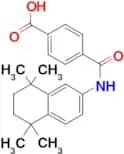
CAS :Degré de pureté :95.0%Couleur et forme :Solid, White powderMasse moléculaire :268.22799682617194-((5,5,8,8-Tetramethyl-5,6,7,8-tetrahydronaphthalen-2-yl)carbamoyl)benzoic acid
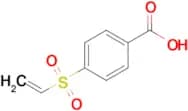
CAS :Degré de pureté :95.0%Couleur et forme :SolidMasse moléculaire :351.44601440429694-(Vinylsulfonyl)benzoic acid
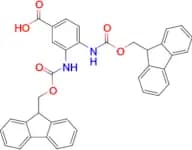
CAS :Formule :C9H8O4SDegré de pureté :95%Couleur et forme :No data available.Masse moléculaire :212.223,4-Bis((((9H-fluoren-9-yl)methoxy)carbonyl)amino)benzoic acid
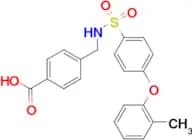
CAS :Degré de pureté :97%Couleur et forme :SolidMasse moléculaire :596.63897705078124-(((4-(o-tolyloxy)phenyl)sulfonamido)methyl)benzoic acid
CAS :Degré de pureté :95.0%Masse moléculaire :397.450012207031254',5'-Bis(3-carboxyphenyl)-[1,1':2',1''-terphenyl]-3,3''-dicarboxylic acid
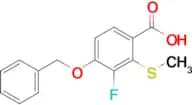
CAS :Degré de pureté :98%Masse moléculaire :558.54199218754-(Benzyloxy)-3-fluoro-2-(methylthio)benzoic acid
CAS :Degré de pureté :98%Masse moléculaire :292.320007324218753-[benzyl(4-fluorophenyl)sulfamoyl]-4-chlorobenzoic acid
CAS :Degré de pureté :97%Masse moléculaire :419.85000610351564′-Fluoro-3′-nitro-[1,1′-biphenyl]-3-carboxylic acid
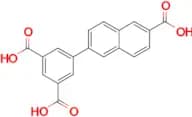
CAS :Formule :C13H8FNO4Degré de pureté :95.0%Couleur et forme :SolidMasse moléculaire :261.2085-(6-Carboxynaphthalen-2-yl)isophthalic acid
CAS :Degré de pureté :98%Masse moléculaire :336.299011230468755-[3-(furan-2-amido)benzamido]-2-hydroxybenzoic acid
CAS :Degré de pureté :95.0%Masse moléculaire :366.32901000976565-Fluoro-4′-methoxy-[1,1′-biphenyl]-3-carboxylic acid
CAS :Formule :C14H11FO3Degré de pureté :95.0%Couleur et forme :SolidMasse moléculaire :246.2374′-Fluoro-biphenyl-2-carboxylic acid
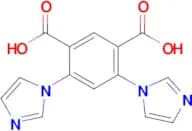
CAS :Formule :C13H9FO2Degré de pureté :98%Couleur et forme :SolidMasse moléculaire :216.2114,6-Di(1H-imidazol-1-yl)isophthalic acid
CAS :Degré de pureté :98%Masse moléculaire :298.257995605468755,5'-(1H-1,2,3-triazole-1,4-diyl)diisophthalic acid
CAS :Degré de pureté :98%Masse moléculaire :397.299011230468754-[(4-PHENYLQUINAZOLIN-2-YL)AMINO]BENZOIC ACID
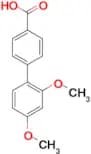
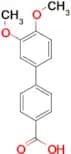
CAS :Degré de pureté :95.0%Masse moléculaire :341.36999511718752′,4′-Dimethoxybiphenyl-4-carboxylic acid
CAS :Formule :C15H14O4Degré de pureté :95.0%Couleur et forme :SolidMasse moléculaire :258.2733-(2-oxo-2H-chromen-3-yl)benzoic acid
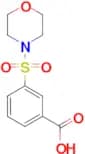
CAS :Degré de pureté :95.0%Couleur et forme :Liquid, No data available.Masse moléculaire :266.252014160156253-(Morpholinosulfonyl)benzoic acid
CAS :Formule :C11H13NO5SDegré de pureté :95.0%Couleur et forme :Liquid, No data available.Masse moléculaire :271.292'-Amino-5'-methyl-[1,1':3',1''-terphenyl]-3,3'',5,5''-tetracarboxylic acid
CAS :Degré de pureté :98%Masse moléculaire :435.388000488281253-(1,3-Dihydro-isoindol-2-yl)-benzoic acid
CAS :Degré de pureté :95.0%Masse moléculaire :239.27400207519534-(4'-Methoxybenzenesulfonylamino)benzoic acid
CAS :Degré de pureté :98.0%Masse moléculaire :307.320007324218752-Fluoro-5-((4-oxo-3,4-dihydrophthalazin-1-yl)methyl)benzoic acid
CAS :Degré de pureté :95.0%Couleur et forme :SolidMasse moléculaire :298.273010253906253-((4'-methoxy-[1,1'-biphenyl])-4-sulfonamido)benzoic acid
CAS :Degré de pureté :95.0%Masse moléculaire :383.42001342773443′-Aminobiphenyl-4-carboxylic acidhydrochloride
CAS :Formule :C13H12ClNO2Degré de pureté :98%Couleur et forme :SolidMasse moléculaire :249.694-(3,5,5,8,8-Pentamethyl-5,6,7,8-tetrahydronaphthalene-2-carbonyl)benzoic acid
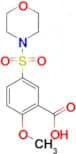
CAS :Degré de pureté :95.0%Masse moléculaire :350.45800781252-Methoxy-5-(morpholine-4-sulfonyl)-benzoic acid
CAS :Formule :C12H15NO6SCouleur et forme :SolidMasse moléculaire :301.314-(3-Methoxyphenoxymethyl)benzoic acid
CAS :Formule :C15H14O4Degré de pureté :95.0%Couleur et forme :SolidMasse moléculaire :258.2734-((4'-methoxy-[1,1'-biphenyl])-4-sulfonamido)benzoic acid
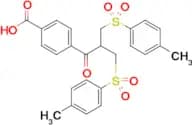
CAS :Degré de pureté :95.0%Masse moléculaire :383.42001342773444-(3-Tosyl-2-(tosylmethyl)propanoyl)benzoic acid
CAS :Degré de pureté :97.0%Couleur et forme :Liquid, No data available.Masse moléculaire :500.57998657226564′-Trifluoromethoxy-biphenyl-4-carboxylic acid
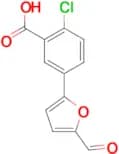
CAS :Formule :C14H9F3O3Couleur et forme :SolidMasse moléculaire :282.2182-Chloro-5-(5-formyl-furan-2-yl)-benzoic acid
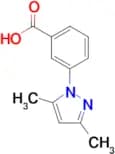
CAS :Formule :C12H7ClO4Degré de pureté :97%Couleur et forme :SolidMasse moléculaire :250.633-(3,5-Dimethyl-pyrazol-1-yl)-benzoic acid
CAS :Formule :C12H12N2O2Degré de pureté :95.0%Couleur et forme :SolidMasse moléculaire :216.244-(3-CYCLOPROPYL-1,2,4-OXADIAZOL-5-YL)BENZOIC ACID
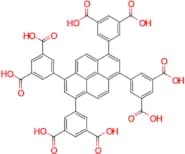
CAS :Degré de pureté :95.0%Masse moléculaire :230.223007202148445,5',5'',5'''-(Pyrene-1,3,6,8-tetrayl)tetraisophthalic acid
CAS :Degré de pureté :98%Masse moléculaire :858.719970703125[1,1':3',1''-terphenyl]-3,3'',5,5''-tetracarboxylic acid
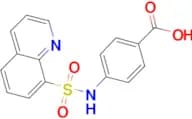
CAS :Degré de pureté :98%Masse moléculaire :406.346008300781254-(quinoline-8-sulfonamido)benzoic acid
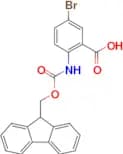
CAS :Degré de pureté :95.0%Masse moléculaire :328.33999633789062-(Fmoc-amino)-5-chlorobenzoic acid
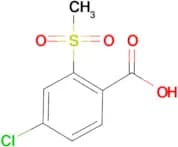
CAS :Degré de pureté :95.0%Couleur et forme :SolidMasse moléculaire :393.820007324218754-Chloro-2-(methylsulfonyl)benzoic acid
CAS :Formule :C8H7ClO4SDegré de pureté :95.0%Couleur et forme :SolidMasse moléculaire :234.654-Nitrobenzoic acid
CAS :Formule :C7H5NO4Degré de pureté :98%Couleur et forme :Solid, Light yellow crystallineMasse moléculaire :167.123-(2-Methylthiazol-4-yl)benzoic acid
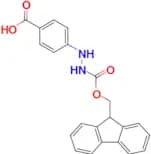
CAS :Formule :C11H9NO2SDegré de pureté :95.0%Masse moléculaire :219.26Fmoc-4-hydrazinobenzoic acid
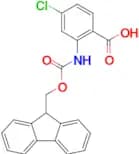
CAS :Degré de pureté :96.0%Couleur et forme :Liquid, No data available.Masse moléculaire :374.395996093752-((((9H-Fluoren-9-yl)methoxy)carbonyl)amino)-4-chlorobenzoic acid
CAS :Degré de pureté :95.0%Masse moléculaire :393.820007324218753′,4′-Dimethoxybiphenyl-4-carboxylic acid
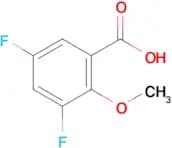
CAS :Formule :C15H14O4Degré de pureté :95.0%Couleur et forme :SolidMasse moléculaire :258.2733,5-Difluoro-2-methoxybenzoic acid
CAS :Formule :C8H6F2O3Degré de pureté :95.0%Couleur et forme :Off-white powderMasse moléculaire :188.134-Fluoro-3,5-diiodobenzoic acid
CAS :Formule :C7H3FI2O2Degré de pureté :97.0%Couleur et forme :SolidMasse moléculaire :391.9064-[(2,3-dihydro-1,4-benzodioxin-2-ylcarbonyl)amino]benzoic acid
CAS :Degré de pureté :95.0%Masse moléculaire :299.28201293945313-((4-Oxo-3,4-dihydrophthalazin-1-yl)methyl)benzoic acid
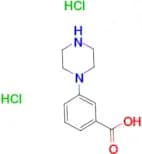
CAS :Degré de pureté :95.0%Masse moléculaire :280.28298950195313-Piperazin-1-yl-benzoic acid dihydrochloride
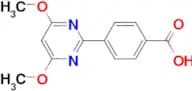
CAS :Formule :C11H16Cl2N2O2Degré de pureté :96.0%Couleur et forme :SolidMasse moléculaire :279.164-(4,6-Dimethoxypyrimidin-2-yl)benzoic acid
CAS :Formule :C13H12N2O4Degré de pureté :95.0%Couleur et forme :SolidMasse moléculaire :260.2494-(((4'-Chloro-[1,1'-biphenyl])-4-sulfonamido)methyl)benzoic acid
CAS :Degré de pureté :97%Masse moléculaire :401.85998535156255,5'-(5-Aminopyrimidine-4,6-diyl)diisophthalic acid
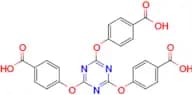
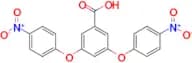
CAS :Degré de pureté :98%Masse moléculaire :423.33700561523442,4,6-Tris(4-carboxyphenoxy)-1,3,5-triazine
CAS :Degré de pureté :97%Masse moléculaire :489.395996093754-{[(1-methyl-1H-benzimidazol-2-yl)methyl]amino}benzoic acid
CAS :Degré de pureté :95.0%Masse moléculaire :281.315002441406254-Methoxybenzoic acid
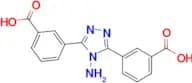
CAS :Formule :C8H8O3Degré de pureté :97%Couleur et forme :Chunks,Crystalline PowderMasse moléculaire :152.1493,3'-(4-Amino-4H-1,2,4-triazole-3,5-diyl)dibenzoic acid
CAS :Degré de pureté :97%Masse moléculaire :324.29598999023444-(N-(Butylcarbamoyl)sulfamoyl)benzoic acid
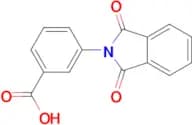
CAS :Degré de pureté :97.0%Masse moléculaire :300.32998657226563-(1,3-Dioxo-1,3-dihydroisoindol-2-yl)benzoic acid
CAS :Degré de pureté :95.0%Couleur et forme :SolidMasse moléculaire :267.2399902343752-Chloro-5-pyrrol-1-yl-benzoic acid
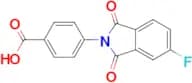
CAS :Formule :C11H8ClNO2Couleur et forme :SolidMasse moléculaire :221.644-(5-Fluoro-1,3-dioxo-1,3-dihydro-isoindol-2-yl)-benzoic acid
CAS :Masse moléculaire :285.23001098632813-{benzyl[3-(trifluoromethyl)phenyl]sulfamoyl}-4-chlorobenzoic acid
CAS :Degré de pureté :97%Masse moléculaire :469.8599853515625(R)-4-(7-Ethyl-8-isopropyl-5-methyl-6-oxo-5,6,7,8-tetrahydro-pteridin-2-ylamino)-3-methoxy-benzoic acid
CAS :Degré de pureté :95.0%Masse moléculaire :399.450988769531252'-Amino-5'-(4-carboxyphenyl)-[1,1':3',1''-terphenyl]-4,4''-dicarboxylic acid
CAS :Degré de pureté :97%Masse moléculaire :453.450012207031252-(tert-Butoxycarbonyl-methyl-amino)-benzoic acid
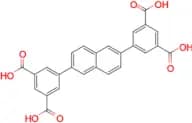
CAS :Formule :C13H17NO4Degré de pureté :97.0%Couleur et forme :No data available.Masse moléculaire :251.2825,5'-(Naphthalene-2,6-diyl)diisophthalic acid
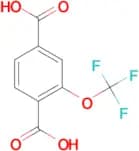
CAS :Degré de pureté :98%Masse moléculaire :456.4060058593752-(Trifluoromethoxy)terephthalic acid
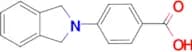
CAS :Degré de pureté :95.0%Masse moléculaire :250.128997802734384-(1,3-Dihydro-isoindol-2-yl)-benzoic acid
CAS :Degré de pureté :95.0%Masse moléculaire :239.27400207519534-[(1,3-benzothiazol-2-ylthio)methyl]benzoic acid
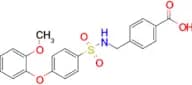
CAS :Degré de pureté :95.0%Masse moléculaire :301.38000488281254-(((4-(2-Methoxyphenoxy)phenyl)sulfonamido)methyl)benzoic acid
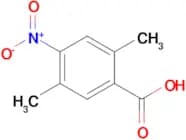
CAS :Degré de pureté :97%Masse moléculaire :413.440002441406252,5-Dimethyl-4-nitrobenzoic acid
CAS :Degré de pureté :97.0%Couleur et forme :SolidMasse moléculaire :195.17399597167974-[3-(methoxycarbonyl)-5-(thiophen-2-yl)-1H-pyrazol-1-yl]benzoic acid
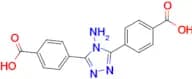
CAS :Degré de pureté :95.0%Masse moléculaire :328.33999633789064,4'-(4-Amino-4H-1,2,4-triazole-3,5-diyl)dibenzoic acid
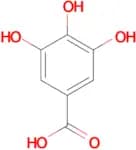
CAS :Degré de pureté :97%Masse moléculaire :324.29598999023443,4,5-trihydroxybenzoic acid
CAS :Formule :C7H6O5Degré de pureté :98%Couleur et forme :SolidMasse moléculaire :170.122-(1-((tert-Butoxycarbonyl)amino)ethyl)benzoic acid
CAS :Degré de pureté :95%Masse moléculaire :265.30899047851562-Chloro-3-iodobenzoic acid
CAS :Formule :C7H4ClIO2Degré de pureté :95%Couleur et forme :SolidMasse moléculaire :282.461-((2'-Carboxy-[1,1'-biphenyl]-4-yl)methyl)-4-methyl-2-propyl-1H-benzo[d]imidazole-6-carboxylic acid
CAS :Degré de pureté :97%Masse moléculaire :428.48800659179694-[(tert-Butoxycarbonyl-cyclopentylamino)-methyl]-benzoic acid
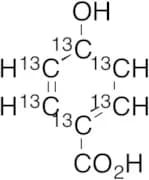
CAS :Formule :C18H25NO4Degré de pureté :95.0%Masse moléculaire :319.4014-Hydroxybenzoic-1,2,3,4,5,6-13C6 Acid
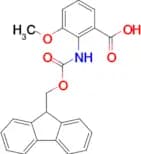
CAS :Produit contrôléFormule :C6CH6O3Couleur et forme :NeatMasse moléculaire :144.082-((((9h-Fluoren-9-yl)methoxy)carbonyl)amino)-3-methoxybenzoic acid
CAS :Degré de pureté :97%Masse moléculaire :389.40701293945315'-Methyl-[1,1':3',1''-terphenyl]-3,3'',5,5''-tetracarboxylic acid
CAS :Degré de pureté :98%Masse moléculaire :420.372985839843754-[2-({[(9h-fluoren-9-yl)methoxy]carbonyl}amino)ethoxy]benzoic acid
CAS :Degré de pureté :97%Masse moléculaire :403.43399047851562-((4-[(2-METHOXYBENZOYL)AMINO]BENZOYL)AMINO)BENZOIC ACID
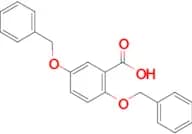
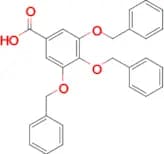
CAS :Degré de pureté :95%Masse moléculaire :390.39498901367192,5-Bis-benzyloxy-benzoic acid
CAS :Degré de pureté :96.0%Couleur et forme :SolidMasse moléculaire :334.37100219726564-(3-Benzyl-4-{[5-(2-fluorophenyl)furan-2-yl]methylidene}-5-oxo-4,5-dihydro-1H-pyrazol-1-yl)benzoic acid
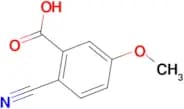
CAS :Degré de pureté :98.0%Masse moléculaire :466.46798706054692-Cyano-5-methoxybenzoic acid
CAS :Formule :C9H7NO3Degré de pureté :≥95%Couleur et forme :SolidMasse moléculaire :177.159p-Toluic Acid
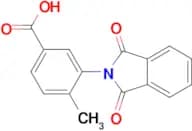
CAS :<p>Applications p-Toluic Acid is used as a reagent in the synthesis of several organic compounds including that of 2-aryl-1,3,4-oxadiazole derivatives which are potential antibacterial agents. Also used in the synthesis of 4-(bromomethyl) benzoic acid.<br>References Karimi, F., et al.: J. Chem. Pharm. Res., 7, 1028 (2015); Zheng, F., et al.: Guangdong Huagong, 42, 27 (2015);<br></p>Formule :C8H8O2Couleur et forme :NeatMasse moléculaire :136.153-(1,3-dioxo-1,3-dihydro-2H-isoindol-2-yl)-4-methylbenzoic acid
CAS :Degré de pureté :95.0%Masse moléculaire :281.26699829101564-(5-Phenyl-[1,2,4]oxadiazol-3-yl)-benzoic acid
Degré de pureté :95.0%Masse moléculaire :266.25601196289065'-(3,5-Dicarboxyphenyl)-[1,1':3',1''-terphenyl]-3,3'',5,5''-tetracarboxylic acid
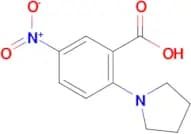
CAS :Degré de pureté :97%Masse moléculaire :570.46197509765625-Nitro-2-(pyrrolidin-1-yl)benzoic acid
CAS :Formule :C11H12N2O4Degré de pureté :95.0%Couleur et forme :SolidMasse moléculaire :236.2273-[(1-methyl-1H-pyrazolo[3,4-d]pyrimidin-4-yl)amino]benzoic acid
CAS :Degré de pureté :95.0%Masse moléculaire :269.26400756835944-ethyl-3-(2-{pyrazolo[1,5-a]pyrimidin-6-yl}ethynyl)benzoic acid
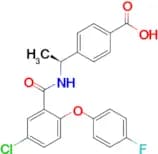
CAS :Degré de pureté :97.0%Masse moléculaire :291.309997558593754-((S)-1-(2-(4-Fluorophenoxy)-5-chlorobenzamido) ethyl)benzoic acid
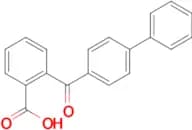
CAS :Degré de pureté :85.0%Masse moléculaire :413.82998657226562-(4-Fluorobenzoyl)benzoic acid
CAS :Formule :C14H9FO3Degré de pureté :≥97%Couleur et forme :SolidMasse moléculaire :244.2212-(3,7-Dihydroxy-dibenzo[b,f][1,4]oxazepin-11-yl)-benzoic acid
CAS :Couleur et forme :Solid, No data available.Masse moléculaire :347.325988769531254-(1h-1,3-Benzodiazol-1-yl)benzoic acid hydrochloride
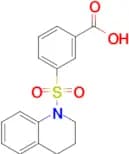
CAS :Degré de pureté :95%Masse moléculaire :274.700012207031253-(1,2,3,4-tetrahydroquinoline-1-sulfonyl)benzoic acid
CAS :Degré de pureté :97%Masse moléculaire :317.35998535156254,4'-([2,2'-Bipyridine]-4,4'-diyl)dibenzoic acid
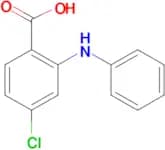
CAS :Degré de pureté :98%Masse moléculaire :396.40200805664064-Chloro-2-phenylamino-benzoic acid
CAS :Formule :C13H10ClNO2Degré de pureté :95.0%Couleur et forme :SolidMasse moléculaire :247.689-(4-Carboxyphenyl)-9H-carbazole-3,6-dicarboxylic acid
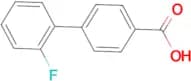
CAS :Degré de pureté :98%Masse moléculaire :375.335998535156252′-Fluorobiphenyl-4-carboxylic acid
CAS :Formule :C13H9FO2Degré de pureté :95.0%Couleur et forme :SolidMasse moléculaire :216.211[1,1':3',1''-Terphenyl]-4,4''-dicarboxylic acid, 5'-(4-carboxyphenyl)-2'-methyl-
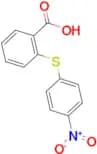
CAS :Degré de pureté :98%Masse moléculaire :452.46200561523442-(4-Nitrophenylthio)benzoic acid
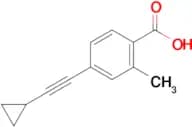
CAS :Formule :C13H9NO4SDegré de pureté :95.0%Couleur et forme :SolidMasse moléculaire :275.284-(Cyclopropylethynyl)-2-methylbenzoic acid
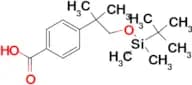
CAS :Degré de pureté :95%Masse moléculaire :200.236999511718754-(1-((TERT-BUTYLDIMETHYLSILYL)OXY)-2-METHYLPROPAN-2-YL)BENZOIC ACID
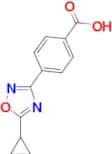
CAS :Degré de pureté :90.0%Masse moléculaire :308.49301147460944-(5-cyclopropyl-1,2,4-oxadiazol-3-yl)benzoic acid
CAS :Degré de pureté :95.0%Masse moléculaire :230.223007202148444,4'-(Naphthalene-1,4-diyl)bis(2-hydroxybenzoic acid)
CAS :Degré de pureté :98%Masse moléculaire :400.385986328125[1,1':4',1''-Terphenyl]-2',3,3'',5,5''-pentacarboxylic acid
CAS :Degré de pureté :98%Masse moléculaire :450.35501098632814-(((4'-methoxy-[1,1'-biphenyl])-4-sulfonamido)methyl)benzoic acid
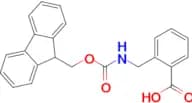
CAS :Degré de pureté :95.0%Masse moléculaire :397.450012207031252-(Fmoc-aminomethyl)benzoic acid
CAS :Degré de pureté :98.5%Couleur et forme :SolidMasse moléculaire :373.40798950195312,3-Difluoro-4-ethoxybenzoic acid
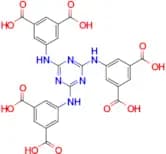
CAS :Formule :C9H8F2O3Degré de pureté :95.0%Couleur et forme :SolidMasse moléculaire :202.1575,5',5''-((1,3,5-Triazine-2,4,6-triyl)tris(azanediyl))triisophthalic acid
CAS :Degré de pureté :97%Masse moléculaire :618.47100830078124-{[(Pyridin-3-ylmethyl)amino]methyl}benzoic acid
CAS :Formule :C14H14N2O2Degré de pureté :98%Couleur et forme :SolidMasse moléculaire :242.2784'-((((9H-fluoren-9-yl)methoxy)carbonyl)amino)-[1,1'-biphenyl]-4-carboxylic acid
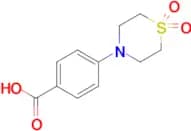
CAS :Degré de pureté :95%Masse moléculaire :435.479003906254-(1,1-Dioxidothiomorpholino)benzoic acid
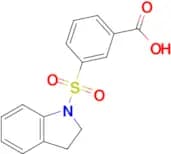
CAS :Degré de pureté :95.0%Masse moléculaire :255.28999328613283-(2,3-Dihydro-1h-indole-1-sulfonyl)benzoic acid
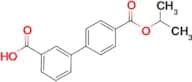
CAS :Degré de pureté :95%Masse moléculaire :303.3299865722656Biphenyl-3,4′-dicarboxylic acid 4′-isopropyl ester
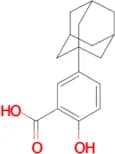
CAS :Formule :C17H16O4Couleur et forme :SolidMasse moléculaire :284.3115-Adamantan-1-yl-2-hydroxy-benzoic acid
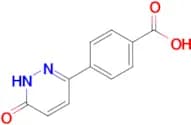
CAS :Degré de pureté :95.0%Masse moléculaire :272.3439941406254-(6-Oxo-1,6-dihydropyridazin-3-yl)benzoic acid
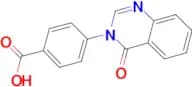
CAS :Degré de pureté :95%Masse moléculaire :216.19599914550784-(4-oxoquinazolin-3(4H)-yl)benzoic acid
CAS :Degré de pureté :95.0%Masse moléculaire :266.2560119628914-Methyl-3-(morpholine-4-sulfonyl)benzoic acid
CAS :Formule :C12H15NO5SDegré de pureté :95%Couleur et forme :SolidMasse moléculaire :285.31Ref: 10-F531281
1gÀ demander2gÀ demander5gÀ demander10gÀ demander100mgÀ demander250mgÀ demander500mgÀ demander2'-Amino-[1,1':3',1''-terphenyl]-4,4''-dicarboxylic acid
CAS :Degré de pureté :98%Masse moléculaire :333.3429870605469n-Heptyl 4-hydroxybenzoate
CAS :<p>n-Heptyl 4-hydroxybenzoate is a preservative and antimicrobial agent that is used in cosmetics, pharmaceuticals, and food. It is primarily used to inhibit the growth of bacteria and fungi. The mechanism by which heptyl 4-hydroxybenzoate inhibits the growth of microorganisms is not well understood. It has been shown to be an effective inhibitor of Gram-positive bacteria such as Bacillus subtilis, but not against Gram-negative bacteria such as Escherichia coli. Heptyl 4-hydroxybenzoate has been shown to have no effect on the growth of probiotic bacteria such as Lactobacillus acidophilus.<br>The chemical structure of n-heptyl 4-hydroxybenzoate includes a glycol ether moiety and two parabens that are linked by hydrogen bonds. These bonds can be broken by enzymes found in rat liver microsomes, leading to the release of n-</p>Formule :C14H20O3Degré de pureté :Min. 95%Couleur et forme :White Off-White PowderMasse moléculaire :236.31 g/mol3,4-Dimethoxy-2-hydroxybenzoic acid
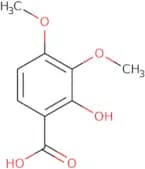
CAS :<p>3,4-Dimethoxy-2-hydroxybenzoic acid (DMHA) is a potential drug candidate that has been shown to scavenge free radicals and protect against the damage caused by oxidative stress. It has also been found to have heartwood extract-modulating properties, inhibiting the growth of Madagascariensis, Angolensis, and Leukemia cells. DMHA has been shown to be effective in preventing lipid peroxidation and may have dietary benefits for prevention of chronic diseases such as cancer and diabetes. This compound is being investigated as a potential drug for administration by chemometric methods. DMHA was also found to be a potent inhibitor of cyclooxygenase 2 (COX-2), which could make it useful for treating inflammatory conditions.</p>Formule :C9H10O5Degré de pureté :Min. 95%Couleur et forme :PowderMasse moléculaire :198.17 g/mol5-Fluoro-2-methylbenzoic acid
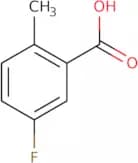
CAS :<p>5-Fluoro-2-methylbenzoic acid is a synthetic compound that has antiviral potency against the influenza A virus. It is the active form of 5-fluoro-2-methylbenzoyl chloride, which is synthesized from a Grignard reagent and an asymmetric synthesis. 5-Fluoro-2-methylbenzoic acid has been shown to have anticancer properties in vitro, which may be due to its ability to inhibit cancer cell growth through interaction with chloride channels. This drug also inhibits the activity of dehydrogenases, which are enzymes that catalyze the oxidation of various substrates by reducing them.</p>Formule :C8H7FO2Degré de pureté :Min. 95%Couleur et forme :White PowderMasse moléculaire :154.14 g/mol3,4-Dinitrobenzoic acid
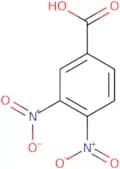
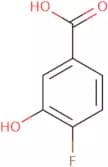
CAS :<p>3,4-Dinitrobenzoic acid is a nitrobenzoic acid that has a hydrogen bond. 3,4-Dinitrobenzoic acid is activated by the loss of a proton and it reacts with amines to form diazonium salts. It can be found in plants and animals as an intermediate in the metabolism of tyrosine and tryptophan. 3,4-Dinitrobenzoic acid is used in analytical chemistry to detect the presence of amines. The functional groups on 3,4-dinitrobenzoic acid are carboxylic acid and nitro. Ribulose is an example of a molecule containing these functional groups.</p>Formule :C7H4N2O6Degré de pureté :Min. 98.0%Couleur et forme :Yellow PowderMasse moléculaire :212.12 g/mol4-Fluoro-3-hydroxybenzoic acid
CAS :<p>4-Fluoro-3-hydroxybenzoic acid is a colorless solid that can be produced through the sulfonation of 4-fluorophenol with sulfuric acid. This process usually takes place in two steps: first, the phenol is refluxed with sulfur trioxide and then aqueous potassium hydroxide is added to the mixture. The reaction produces a sulfite salt, which is then treated with sodium sulfite to produce the desired acid. 4-Fluoro-3-hydroxybenzoic acid can also be synthesized by adding sulfur dioxide to an aqueous solution of 3% hydrogen peroxide and adding potassium hydroxide dropwise until effervescence ceases. This method produces an insoluble precipitate, which is filtered out and washed with water. The product can then be purified by recrystallization from hot water or by washing with ether.</p>Formule :C7H5FO3Degré de pureté :Min. 95%Couleur et forme :White PowderMasse moléculaire :156.11 g/mol4-Acetylbenzoic acid
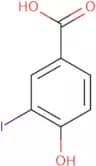
CAS :<p>4-Acetylbenzoic acid is a reactive functional group that is used to synthesize esters and amides. It has been shown to have anticancer activity in vitro, which may be due to the disruption of basic cellular proteins involved in DNA replication. 4-Acetylbenzoic acid is soluble in neutral pH and reacts with nucleophiles such as hydroxide ions or alcohols, forming alcohols or acetates respectively. The reaction mechanism for this compound is nucleophilic attack on the carbonyl carbon, followed by loss of water from the leaving group. Significant cytotoxicity has been observed in vitro at concentrations of 2mM and higher. This effect was particularly pronounced for cells exposed to radiation or treated with 4-acetylbenzoic acid before being exposed to radiation.</p>Formule :C9H8O3Degré de pureté :Min. 95%Couleur et forme :White PowderMasse moléculaire :164.16 g/mol4-Hydroxy-3-iodobenzoic acid
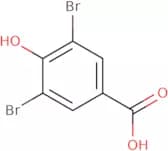
CAS :<p>4-Hydroxy-3-iodobenzoic acid is a synthetic retinoid that is used in the synthesis of various other pharmaceutical compounds. It is also an inhibitor of bacterial growth, which may be due to its ability to bind to receptors on the bacterial cell surface. The antibiotic activity of 4-hydroxy-3-iodobenzoic acid has been demonstrated using an in vitro assay with Escherichia coli and Streptococcus pyogenes. 4-Hydroxy-3-iodobenzoic acid has also been shown to have antiestrogen properties when it competes with estradiol for receptor binding sites. This compound binds to the estrogen receptor and blocks its activity, inhibiting estrogen production by the ovaries or from other sources. Structural analysis of 4-hydroxy-3-iodobenzoic acid revealed that this compound has two functional groups: one group that interacts with nitrogen and another that binds to hydrogen or oxygen. These</p>Formule :C7H5IO3Degré de pureté :Min. 95%Couleur et forme :PowderMasse moléculaire :264.02 g/mol3,5-Dibromo-4-hydroxybenzoic acid
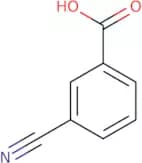
CAS :<p>3,5-Dibromo-4-hydroxybenzoic acid is a chemical that is used as a herbicide and insecticide. It inhibits the growth of plants by preventing protein synthesis in cells. 3,5-Dibromo-4-hydroxybenzoic acid has been found to be effective against bacteria such as Escherichia coli, Pseudomonas aeruginosa, and Klebsiella pneumoniae. The compound also has an inhibitory effect on the growth of industrial chemicals such as ethylene oxide and acetaldehyde. 3,5-Dibromo-4-hydroxybenzoic acid is produced from p-hydroxybenzoic acid by the action of corrin (a bacterial enzyme).</p>Formule :C7H4Br2O3Degré de pureté :Min. 98 Area-%Couleur et forme :PowderMasse moléculaire :295.91 g/mol3-Cyanobenzoic acid
CAS :<p>3-Cyanobenzoic acid is a chemical intermediate that is used to synthesize 3-cyanobenzamide. It is also a byproduct of the synthesis of benzonitrile and can be found in metal surface residues and environmental pollution. The molecule has two functional groups, one electron withdrawing and one electron donating, which are necessary for its stability. This compound can be found in high concentrations when it reacts with metal surfaces or organic solvents. 3-Cyanobenzamide was synthesized from 3-cyanobenzoic acid as an amide, which has been shown to have antimicrobial properties against Gram-positive bacteria such as Staphylococcus aureus, Streptococcus pyogenes and Enterococcus faecalis.</p>Formule :C8H5O2NDegré de pureté :Min. 95%Couleur et forme :PowderMasse moléculaire :147.13 g/molMethyl 5-chlorosalicylate
CAS :<p>Methyl 5-chlorosalicylate is a chemical compound with the molecular formula CHClO. It is a colorless liquid that has a minty odor. Methyl 5-chlorosalicylate is used in organic chemistry as an intermediate to synthesize other compounds, and it can be used in the synthesis of β-cell receptor antagonists. This drug is an analog of salicylic acid and its anti-inflammatory effects are due to the inhibition of chloride channels on macrophages. The drug's neutralizing properties have been shown by experiments with neutralizing antibody levels at physiological levels, which blocks viral replication and prevents cell damage by free radicals.</p>Formule :C8H7ClO3Degré de pureté :Min. 95%Couleur et forme :White PowderMasse moléculaire :186.59 g/mol3,5-Dibromo-2-anisic acid
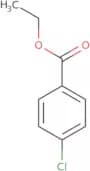
CAS :<p>3,5-Dibromo-2-anisic acid is a short chain dodecyl amine with the chemical formula CH2Br2C6H4N. It is an active compound that has been shown to have nematicidal activity and also shows high activity against saprophytes. 3,5-Dibromo-2-anisic acid is synthesized by reacting chlorine with salicylaldehyde in the presence of a base. The compound is used in the synthesis of various other organic compounds such as amides and amines.</p>Formule :C8H6Br2O3Degré de pureté :Min. 95%Couleur et forme :PowderMasse moléculaire :309.94 g/molEthyl 4-chlorobenzoate
CAS :<p>Ethyl 4-chlorobenzoate is an organic compound that is a colorless liquid with a sweet odor. It has been shown to be genotoxic in the presence of impurities such as palladium-catalyzed coupling and hemolytic activity. The structure of ethyl 4-chlorobenzoate can be determined by spectrometry analyses, which show that it contains an isopropyl group and an ethyl ester group. Ethyl 4-chlorobenzoate can be synthesized efficiently using the cross-coupling reaction between chlorides and aryl halides. This synthesis follows the same mechanism as the palladium catalyzed coupling reaction, but uses chloride ions instead of palladium complexes, which are more readily available.</p>Formule :C9H9ClO2Degré de pureté :Min. 95%Couleur et forme :Clear LiquidMasse moléculaire :184.62 g/mol5-Amino-2-nitrobenzoic acid
CAS :<p>5-Amino-2-nitrobenzoic acid is a useful chemical building block that is used in the synthesis of complex compounds and useful scaffolds.</p>Formule :C7H6N2O4Masse moléculaire :182.13 g/molRef: 3D-A-6800
25gÀ demander50gÀ demander100gÀ demander250gÀ demander500gÀ demander-Unit-ggÀ demander5-Carboxyvanillic acid
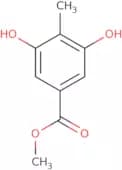
CAS :<p>5-Carboxyvanillic acid is a chemical compound that belongs to the class of organic compounds known as carboxylic acids. It is also called o-vanillin, and it has a molecular weight of 116.19 g/mol. 5-Carboxyvanillic acid is one of the main ingredients in natural vanilla flavour. The hydroxyl group on the 5th carbon atom of this molecule reacts with a proton, which results in an addition reaction mechanism. The reaction proceeds through two steps: first, protonation occurs at the 5th carbon atom; second, deprotonation occurs at the 4th carbon atom. This chemical compound can be found as a white crystalline solid and as a volatile oil.</p>Formule :C9H8O6Degré de pureté :Min. 95%Couleur et forme :PowderMasse moléculaire :212.16 g/mol3,5-Dihydroxy-4-methylbenzoic acid methyl ester
CAS :<p>3,5-Dihydroxy-4-methylbenzoic acid methyl ester is a fine chemical that is used as a versatile building block in the synthesis of pharmaceuticals, agrochemicals and other chemicals. It can be used as an intermediate in the synthesis of organic compounds and research chemicals. This compound is also used as a reaction component in organic syntheses and is often found in speciality chemicals. 3,5-Dihydroxy-4-methylbenzoic acid methyl ester is soluble in most solvents and has high purity. It is a complex compound that can be used as a useful building block or reagent for many different reactions.</p>Formule :C9H10O4Degré de pureté :Min. 95%Couleur et forme :PowderMasse moléculaire :182.17 g/mol3-Bromo-4-methoxybenzoic acid
CAS :<p>3-Bromo-4-methoxybenzoic acid is a methyl ester of 3-bromo-4-methoxybenzoic acid. It is used as a reagent in organic synthesis, including the hydrolysis of esters and nitriles to acids and amines respectively. The compound is also used in the synthesis of 3-bromo-4-methoxybenzamide and other bromomethyl benzoates. The trifluoroacetic acid reacts with cuprous cyanide to form ethyl formate and methoxybenzoate, which reacts with thionyl chloride to form the chloride 3-bromo-4-methoxybenzoic acid. This compound can be demethylated by acetaldehyde or alkali metal hydroxides to give methyl formate and methanol. It can also react with acetonitrile to produce 3,3′,3″</p>Formule :C8H7BrO3Degré de pureté :Min. 95%Couleur et forme :PowderMasse moléculaire :231.04 g/mol2-Bromo-5-methoxybenzoic acid
CAS :<p>2-Bromo-5-methoxybenzoic acid (BMBA) is a natural compound that belongs to the class of ellagitannins. It has been shown to inhibit the proliferation of leukemia cells and induce apoptosis in these cells. The mechanism of this apoptotic activity may be due to BMBA's inhibition of the progesterone receptor, which has been demonstrated by molecular modeling and 13C NMR spectroscopy experiments. This receptor is involved in cancer development and progression. BMBA also inhibits the mitochondrial membrane potential, leading to cell death. In addition, 2-Bromo-5-methoxybenzoic acid has been shown to have anti-inflammatory properties in mice with chronic colitis. This compound also has an effect on bacteria such as Pseudomonas aeruginosa, which was observed using thermodynamic calculations.</p>Formule :C8H7BrO3Degré de pureté :Min. 95%Couleur et forme :PowderMasse moléculaire :231.04 g/molEthyl homovanillate
CAS :<p>Inhibitor of monoamine oxidase A</p>Formule :C11H14O4Degré de pureté :Min. 95%Couleur et forme :Colorless PowderMasse moléculaire :210.23 g/mol2,5-Difluoro-3-methylbenzoic acid methyl ester
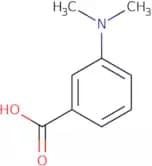
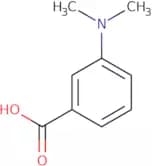
CAS :<p>2,5-Difluoro-3-methylbenzoic acid methyl ester is a high quality, complex compound that can be used as a versatile building block in synthesis. It acts as a reagent and can be used as a research chemical. 2,5-Difluoro-3-methylbenzoic acid methyl ester is an intermediate in the production of other chemicals and can also be used as a reaction component or useful scaffold.</p>Formule :C9H8F2O2Degré de pureté :Min. 95%Couleur et forme :PowderMasse moléculaire :186.16 g/mol3-Dimethylaminobenzoic acid - 90%
CAS :<p>3-Dimethylaminobenzoic acid is a carboxylate that can be found in plants and animals. It is a precursor to many biologically important molecules, including the amino acid tryptophan. 3-Dimethylaminobenzoic acid has been shown to have a redox potential of -0.38 V, which makes it an excellent candidate for use as an electron acceptor. This compound is also used as an intermediate in the synthesis of cholesterol esters and fatty acids, and has been shown to inhibit the growth of basophilic leukemia cells in mice. 3-Dimethylaminobenzoic acid has also been shown to have a cholesterol esterase activity on human liver cytosol, with an enzyme activity of 0.0015 U/mg protein at pH 7.5 and 37°C, and on human urine samples with an enzyme activity of 0.0027 U/mg protein at pH 6.0 and 37</p>Formule :C9H11NO2Degré de pureté :Min. 95%Couleur et forme :PowderMasse moléculaire :165.19 g/mol2,5-Dimethoxybenzoic acid
CAS :<p>2,5-Dimethoxybenzoic acid (2,5-DMA) is a plant metabolite that belongs to the group of cinnamic acid derivatives. It can be found in plants and has been shown to have systemic effects. 2,5-DMA is involved in the cycloacylation of protocatechuic acid. This reaction is catalyzed by an enzyme called cyclooxygenase and requires molecular oxygen as a cofactor. 2,5-DMA also forms hydrogen bonds with methoxy groups and other molecules. The monoclonal antibodies against 2,5-DMA have been used for radiation therapy and are effective against cancer cells. Model studies show that 2,5-DMA can be converted into more potent metabolites by the action of cytochrome P450 enzymes or glutathione S-transferases.</p>Formule :C9H10O4Degré de pureté :Min. 95%Couleur et forme :PowderMasse moléculaire :182.17 g/mol2-Hydroxy-6-methylbenzoic acid
CAS :<p>2-Hydroxy-6-methylbenzoic acid is a natural product that is synthesized by the enzyme p. pastoris. It is a member of the polyketide class of compounds and has shown to have physiological effects such as anti-inflammatory and antioxidant properties. 2-Hydroxy-6-methylbenzoic acid also has been shown to inhibit ATP binding cassette transporter (ABC) proteins, which are involved in drug resistance, from transporting drugs out of cells, making it an attractive candidate for drug discovery.</p>Formule :C8H8O3Degré de pureté :Min. 95%Couleur et forme :PowderMasse moléculaire :152.15 g/mol2-Chloro-4-methoxybenzoic acid methyl ester
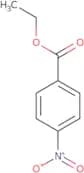
CAS :<p>2-Chloro-4-methoxybenzoic acid methyl ester is a reagent that can be used in the preparation of various compounds. It is also a versatile building block for the synthesis of complex compounds, such as pharmaceuticals and agrochemicals. This chemical is often used as an intermediate or building block in the preparation of pharmaceuticals and agrochemicals. 2-Chloro-4-methoxybenzoic acid methyl ester has been shown to be a useful scaffold for the synthesis of drugs with high quality and low cost.</p>Formule :C9H9ClO3Degré de pureté :Min. 95%Couleur et forme :PowderMasse moléculaire :200.62 g/molEthyl 4-nitrobenzoate
CAS :<p>Ethyl 4-nitrobenzoate is a compound that is used to synthesize other drugs, such as erythromycin. It is also an intermediate in the synthesis of some pesticides and dyes. The second-order rate constant for the reaction of ethyl 4-nitrobenzoate with phosphotungstic acid has been measured at 0.058/min at 25°C. This reaction is catalyzed by recombinant cytochrome P450 (P450) enzymes from human liver preparations and cationic surfactants such as nitrobenzene or sodium carbonate, which are known to form hydrogen bonds with the protonated nitrogen atom on the aromatic ring of ethyl 4-nitrobenzoate. Ethyl 4-nitrobenzoate is also used clinically to treat gastric ulcers, although it can be toxic if taken in large doses or over a long period of time.</p>Formule :C9H9NO4Degré de pureté :Min. 95%Couleur et forme :PowderMasse moléculaire :195.17 g/mol4-Mercaptobenzoic acid
CAS :<p>4-Mercaptobenzoic acid is a receptor antagonist that binds to the benzodiazepine site of the GABAA receptor and blocks the action of GABA. This drug has been shown to be useful in tissue culture studies, where it inhibits the growth of cells by interfering with cell division. 4-Mercaptobenzoic acid has also been shown to inhibit sodium citrate uptake into human red blood cells in vitro, which may be due to its ability to bind with hydrogen bonding interactions or ionic interactions. 4-Mercaptobenzoic acid enhances pluronic p123 and fetal bovine serum as a substrate for tissue culture cells, which may be due to its ability to inhibit inhibitor molecules.</p>Formule :C7H6O2SDegré de pureté :Min. 95%Couleur et forme :Yellow PowderMasse moléculaire :154.19 g/molMethyl 2-bromobenzoate
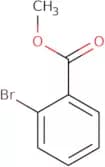
CAS :<p>Methyl 2-bromobenzoate is a chemical compound that can be used as a light emitting material. It is also used as a component of organic electrochemical cells (OECs) for the conversion of solar energy to electricity and can be used in the treatment of hepatitis. The reaction product is generated from the reaction of the halide with benzoate and light, which leads to an emission spectrum in the visible region. Methyl 2-bromobenzoate has been shown to be an efficient catalyst for Friedel-Crafts reactions, and it's pharmacokinetic properties have been studied in rats.<br>Methyl 2-bromobenzoate can also be used as a solid catalyst for the synthesis of bicyclic heterocycles.</p>Formule :C8H7BrO2Degré de pureté :Min. 95%Couleur et forme :Colorless Clear LiquidMasse moléculaire :215.04 g/mol5-Amino-2-methoxy-benzoic acid methyl ester
CAS :<p>5-Amino-2-methoxy-benzoic acid methyl ester is a synthetic compound that has been shown to have potential as an antibacterial. It has been found to inhibit the growth of bacteria by binding to DNA and preventing transcription. The selectivity for bacterial cells is due to its ability to penetrate the cell membrane, which does not occur in mammalian cells. 5-Amino-2-methoxy-benzoic acid methyl ester is synthesized from 2-(4′-aminophenyl)acetic acid and methoxymethyl chloride in two steps, with a yield of 60%.</p>Formule :C9H11NO3Degré de pureté :Min. 95%Couleur et forme :Red PowderMasse moléculaire :181.19 g/mol5-Amino-2-nitrobenzoic acid
CAS :<p>5-Amino-2-nitrobenzoic acid is an organic compound that belongs to the class of versatile building block. It is a white solid that has been used as a research chemical, reagent, and specialty chemical for the synthesis of complex compounds and pharmaceuticals. 5-Amino-2-nitrobenzoic acid is also known as 2-amino-5-chlorobenzoic acid (ACBA). It is soluble in water, but insoluble in ethanol. The CAS number for this chemical is 13280-60-9.</p>Formule :C7H6N2O4Masse moléculaire :182.14 g/molRef: 3D-A-6802
1kgÀ demander100gÀ demander250gÀ demander500gÀ demander2500gÀ demander-Unit-ggÀ demander3,5-Dichloro-2-methoxybenzoic acid
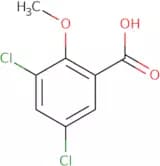
CAS :<p>3,5-Dichloro-2-methoxybenzoic acid (3,5-DMB) is a diphenyl ether with a pharmacokinetic half-life of about 3 hours. It has two isomers: the cis and trans forms. The cis isomer is more active than the trans form. The cis isomer has been shown to be effective in treatments for amine oxidase inhibitors and short-chain fatty acids. It also has growth regulator properties that are used in treatments for psoriasis and acne. 3,5-DMB inhibits bacterial growth by binding to the enzyme dioxygenase, which catalyzes the conversion of 4-hydroxybenzoic acid into 4-hydroxyphenylpyruvic acid; this prevents the production of catecholamines and subsequent cell proliferation. This drug binds to apical membranes in the intestine by attaching to sulfhydryl groups on proteins involved in transport processes, preventing uptake</p>Formule :C8H6Cl2O3Degré de pureté :Min. 95%Couleur et forme :White PowderMasse moléculaire :221.04 g/mol3,5-Diiodo-4-hydroxybenzoic acid
CAS :<p>3,5-Diiodo-4-hydroxybenzoic acid (3,5 DIBA) is an aminotriazole that inhibits the growth of a wide range of bacteria. 3,5 DIBA inhibits the transport of catechol and 2,6-dichlorobenzoic acid into cells. This inhibition leads to decreased levels of catechol-O-methyltransferase activity and increased levels of lysine decarboxylase activity. The combination of these two reactions causes a decrease in lysine production. Lysine is important for cell division and protein synthesis in bacteria. 3,5 DIBA also inhibits root formation in plants and has been shown to inhibit the uptake of nutrients by plant roots. Also known as: Dibenzoylmethane; 1,2-Benzenediamine, 3-[(2,6-dichlorophenyl)imino]-, diiodide;</p>Formule :C7H4I2O3Degré de pureté :Min 97%Couleur et forme :PowderMasse moléculaire :389.91 g/mol4-Dimethylaminobenzoic acid
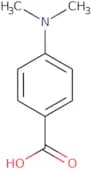
CAS :<p>4-Dimethylaminobenzoic acid is a cationic surfactant that is used in analytical chemistry to measure the proton concentration. It reacts with protons and forms a positively charged ion. 4-Dimethylaminobenzoic acid can be used in experimental models to study the effects of protonation on cell growth and metabolism. Research has found that 4-dimethylaminobenzoic acid can be used as a growth factor by stimulating the production of protein, DNA, and RNA in cells.<br>4-Dimethylaminobenzoic acid is used as an ingredient in some skin care products because it has been shown to have anti-inflammatory properties.</p>Formule :C9H11NO2Degré de pureté :Min. 98 Area-%Couleur et forme :White PowderMasse moléculaire :165.19 g/mol3-Amino-2-chlorobenzoic acid
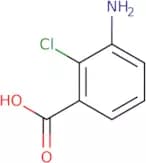
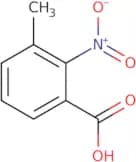
CAS :<p>3-Amino-2-chlorobenzoic acid is a molecule that belongs to the group of acidic compounds. It has been shown to induce apoptosis and inhibit cell proliferation in human immunodeficient virus (HIV) cells, as well as inhibit the growth of cancer cells. 3-Amino-2-chlorobenzoic acid also inhibits histone deacetylase, which is an enzyme that controls gene expression by removing acetyl groups from lysine residues on the N-terminal tails of histones. This inhibition may be responsible for its anticancer activity. 3-Amino-2-chlorobenzoic acid is metabolized by oxidation to chlorinated derivatives and excreted via the kidneys. It has been shown to have a pharmacokinetic profile in rats similar to that observed with other triazines such as atrazine and simazine. The elimination half-life of 3-amino-2-chlorob</p>Formule :C7H6ClNO2Degré de pureté :Min. 95%Couleur et forme :Off-White PowderMasse moléculaire :171.58 g/mol3-Methyl-2-nitrobenzoic acid
CAS :<p>3-Methyl-2-nitrobenzoic acid is a chemical that can be used for wastewater treatment. It has been shown to be effective against chlorantraniliprole, a pesticide that is often found in wastewater. 3-Methyl-2-nitrobenzoic acid also has the ability to reduce chloride levels by oxidizing it to produce chloride ions and nitrogen gas. This chemical can be used as an oxidation catalyst in wastewater treatment. 3-Methyl-2-nitrobenzoic acid has been shown to have photocatalytic activity with titanium dioxide and copper sulfate (CuSO4) under visible light illumination conditions.</p>Formule :C8H7NO4Degré de pureté :Min. 95%Couleur et forme :PowderMasse moléculaire :181.15 g/molMethyl 5-nitrosalicylate
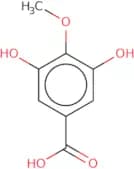
CAS :<p>Methyl 5-nitrosalicylate is a chemical compound that belongs to the group of 4-hydroxycoumarin derivatives. It is an inhibitor of the reaction between salicylic acid and nitrous acid, inhibiting the formation of 5-nitrosalicylic acid. Methyl 5-nitrosalicylate has shown inhibitory activity against various nitro compounds, including benzofurans. The inhibitory effect on oxidation reactions may be due to its ability to act as a ligand and form coordination complexes with metal ions such as copper, zinc, and iron. Methyl 5-nitrosalicylate also has anti-inflammatory properties that are due to its ability to inhibit prostaglandin synthesis by blocking cyclooxygenase enzyme activity.<br>Methyl 5-nitrosalicylate can be synthesized in a few ways. One method includes reacting methyl salicylate with nitrous acid in the presence of light</p>Formule :C8H7NO5Degré de pureté :Min. 95%Couleur et forme :PowderMasse moléculaire :197.14 g/mol3,5-Dihydroxy-4-methoxybenzoic acid
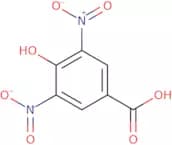
CAS :<p>Inhibitor of redox-based NF-ΚB activation</p>Formule :C8H8O5Degré de pureté :Min. 95%Couleur et forme :PowderMasse moléculaire :184.15 g/mol3,5-Dinitro-4-hydroxybenzoic acid
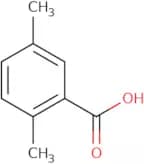
CAS :<p>3,5-Dinitro-4-hydroxybenzoic acid (DNHB) is an organic compound that is used as a reagent in organic synthesis. DNHB has been shown to be a nucleophile, reacting with chloride ions from HCl and forming the corresponding 3,5-dinitrosalicylic acid (DNSA) salt. This reaction has been shown to be efficient at low temperature and pH values. The efficiency of this reaction has been shown to increase by the addition of halides such as fluoride and bromide. Electrospray ionisation mass spectroscopy analysis of DNHB has also revealed that it is an anion with a molecular weight of 228.3 g/mol. DNHB is synthesised by reacting benzoic acid with nitrous acid and hydrochloric acid, followed by treatment with concentrated sulfuric acid.</p>Formule :C7H4N2O7Degré de pureté :Min. 95%Couleur et forme :Yellow PowderMasse moléculaire :228.12 g/mol2,5-Dimethylbenzoic acid
CAS :<p>2,5-Dimethylbenzoic acid is a compound that is found in urine samples. It is the product of the metabolism of 2,5-dihydroxybenzoic acid. 2,5-Dimethylbenzoic acid has a functional group which consists of a carboxylic acid group and two methyl groups. The acidic nature of this compound can be seen through its reaction with camphora, as well as its hydrolysis by hydrochloric acid. This compound also has protease activity when it comes into contact with human urine. 2,5-Dimethylbenzoic acid can be synthesized using solid-phase chemistry and chemical biology techniques. It has been shown to have a functional role in the production of proteins that are involved in cellular signaling pathways such as chemotaxis and apoptosis.</p>Formule :C9H10O2Degré de pureté :Min. 95%Couleur et forme :PowderMasse moléculaire :150.17 g/molMethyl 4-formylbenzoate
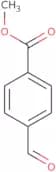
CAS :<p>Methyl 4-formylbenzoate is a trifluoroacetic acid derivative that inhibits the conversion of androgens to estrogens. It has been shown to inhibit aromatase activity in human serum and cell culture, as well as in vitro cultured rat hepatocytes. Methyl 4-formylbenzoate also binds to copper(II) by forming a complex with copper(II) ions, which prevents the formation of an enzyme-substrate complex. The binding of methyl 4-formylbenzoate to copper(II) prevents the production of malonic acid from acetoacetate, which inhibits fatty acid synthesis. This compound also acts as an analytical reagent for the detection of acylation reactions, such as those involving benzimidazole compounds.</p>Formule :C9H8O3Degré de pureté :Min. 95%Couleur et forme :PowderMasse moléculaire :164.16 g/mol3,3'-Dithiobis[6-nitrobenzoic acid] bis(succinimide) ester
CAS :<p>3,3'-Dithiobis[6-nitrobenzoic acid] bis(succinimide) ester is a reagent and reaction component. It is used as a building block to create other compounds that are useful in research and development of pharmaceuticals, agrochemicals, cosmetics, and other applications. 3,3'-Dithiobis[6-nitrobenzoic acid] bis(succinimide) ester can be used as a versatile building block to produce complex structures with high purity. It is also used as an intermediate for the synthesis of fine chemicals such as pharmaceuticals and agrochemicals. This product has CAS No. 60129-38-6.</p>Formule :C22H14N4O12S2Degré de pureté :Min. 95%Couleur et forme :PowderMasse moléculaire :590.5 g/molSalicylic acid
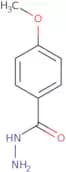
CAS :<p>Salicylic acid is a weak organic acid that is used as a plant hormone. It has been shown to have enzyme activities that may be involved in the regulation of glycol ether metabolism, photosynthetic activity, p-hydroxybenzoic acid biosynthesis and nutrient solution. Salicylic acid also inhibits nitrite ion production by reacting with acetylsalicylic, which is an inhibitor of the enzyme nitric oxide synthase. Salicylic acid may inhibit transcriptional regulation by steric interactions with DNA or by binding to regulatory proteins. The structural analysis of salicylic acid shows an intramolecular hydrogen bond between the hydroxyl group and carbonyl group which could lead to enzyme inhibition.</p>Formule :C7H6O3Degré de pureté :Min. 95%Couleur et forme :White Off-White PowderMasse moléculaire :138.12 g/mol4-Methoxybenzoic acid hydrazide
CAS :<p>4-Methoxybenzoic acid hydrazide is a copper complex that binds to the DNA of bacteria, inhibiting the production of proteins. It has been shown to have antimicrobial activity against gram-positive and gram-negative bacteria. 4-Methoxybenzoic acid hydrazide has also been shown to inhibit colorectal carcinoma cells in vitro and in vivo. This compound inhibits the growth of cells by binding to them and disrupting hydrogen bonds. 4-Methoxybenzoic acid hydrazide causes cell death by inhibiting protein synthesis.</p>Formule :C8H10N2O2Degré de pureté :Min. 95%Couleur et forme :White PowderMasse moléculaire :166.18 g/mol4-Aminohippuric acid sodium
CAS :<p>4-Aminohippuric acid sodium (4AHA) is a drug that is used as a diagnostic tool for measuring renal plasma flow and renal function. The drug is administered intravenously and its optical properties are measured. 4AHA is filtered by the kidneys, which causes it to be excreted in urine. A sensor is placed on the patient's arm and measures the concentration of 4AHA in the blood flowing through the arm. This measurement can then be used to calculate renal plasma flow, which indirectly indicates kidney function. 4AHA can also be used to measure sodium levels in blood plasma, as it binds to sodium ions in solution. However, this application of 4AHA has been superseded by newer technologies such as ion-selective electrodes and magnetic resonance imaging, which offer improved accuracy at lower cost.</p>Formule :C9H10N2NaO3Degré de pureté :Min. 95%Couleur et forme :PowderMasse moléculaire :217.18 g/mol3-Chlorobenzoic acid
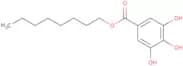
CAS :<p>3-Chlorobenzoic acid is a compound that has been shown to have potent antibacterial activity against Pseudomonas aeruginosa and other bacteria. It has been shown to inhibit the ATP-binding cassette transporter, which is a protein that transports various molecules across cell membranes. 3-Chlorobenzoic acid also inhibits the growth of bacteria by lysing cells and interfering with DNA synthesis. This compound is an effective inhibitor of wild-type strains of E. coli, but not mutants resistant to 2,4-dichlorobenzoic acid. 3-Chlorobenzoic acid reacts with benzoate to form a crystal structure at room temperature and pressure. Further studies are needed to determine the coordination geometry and thermodynamic data for this reaction.</p>Formule :C7H5ClO2Degré de pureté :Min. 95%Couleur et forme :PowderMasse moléculaire :156.57 g/molOctyl gallate
CAS :<p>Octyl gallate is a naturally occurring compound that belongs to the class of gallates. It is a non-toxic, water-soluble antioxidant that has been used as a preservative in foods and pharmaceuticals. Octyl gallate has been shown to inhibit nuclear DNA synthesis by binding to the dinucleotide phosphate (NDP) site on ribonucleotide reductase, thereby preventing the formation of deoxyribonucleotide triphosphates. A rate constant for this reaction has been determined using analytical methods. This compound also inhibits the growth of wild-type strains of Escherichia coli and Staphylococcus aureus, as well as some strains resistant to antibiotics such as erythromycin, chloramphenicol, tetracycline, and clindamycin. Octyl gallate may also have an effect on energy metabolism in bacteria by inhibiting p-hydroxybenzoic acid (PHBA) dehydratase</p>Formule :C15H22O5Degré de pureté :Min. 95%Couleur et forme :White PowderMasse moléculaire :282.33 g/mol3,4-Dihydroxy-5-methoxybenzoic acid
CAS :<p>3,4-Dihydroxy-5-methoxybenzoic acid is a natural phenolic compound found in many plants. It has been shown to inhibit the growth of cancer cells and can be used as a chemopreventive agent for cancer treatment. 3,4-Dihydroxy-5-methoxybenzoic acid is metabolized by the liver into 3,4-dihydroxyphenylacetic acid (3,4-DHPA), which is excreted in urine and feces. The bioavailability of 3,4-Dihydroxy-5-methoxybenzoic acid is low due to its low solubility in water and high reactivity with proteins.</p>Formule :C8H8O5Degré de pureté :Min. 95%Couleur et forme :PowderMasse moléculaire :184.15 g/moln-Pentyl 4-hydroxybenzoate
CAS :<p>n-Pentyl 4-hydroxybenzoate is a preservative that inhibits the growth of microorganisms. It is used in products such as cosmetics, pharmaceuticals, and food to prevent spoilage. The antimicrobial activity of n-pentyl 4-hydroxybenzoate has been shown to be due to p-hydroxybenzoic acid, which binds to bacterial cell walls. This binding prevents the formation of an antibiotic-inhibitor complex with the enzyme cell wall synthesis that is required for cell wall biosynthesis, inhibiting protein synthesis and cell division. n-Pentyl 4-hydroxybenzoate has also been shown to inhibit bacterial growth in vitro and in vivo in rats by interfering with protein synthesis in rat liver microsomes.</p>Formule :C12H16O3Degré de pureté :Min. 95%Couleur et forme :Off-White PowderMasse moléculaire :208.25 g/mol3-Dimethylaminobenzoic acid
CAS :<p>3-Dimethylaminobenzoic acid is a bacterial enzyme that belongs to the group of p2 carboxylates. It is a non-specific esterase that has been shown to hydrolyze 3-ethylbenzthiazoline-6-sulfonic acid, which is an indicator of root formation. The enzyme activity of 3-dimethylaminobenzoic acid has been demonstrated in kinetic data and redox potential measurements. 3DMBB is found in plants and can be used for the determination of dry weight, as it can hydrolyze triticum aestivum urine samples or cholesterol esters. This enzyme also has catalase activity and can be used in the determination of catalase activity in biological fluids such as urine samples or blood serum.</p>Formule :C9H11NO2Degré de pureté :Min. 95%Couleur et forme :Off-White PowderMasse moléculaire :165.19 g/mol2-Amino-5-iodobenzoic acid
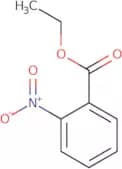
CAS :<p>2-Amino-5-iodobenzoic acid (5-AIBA) is a chemical compound with a molecular weight of 152.14 g/mol. It belongs to the group of anthranilic compounds, and has antiinflammatory activity. 5-AIBA also inhibits cancer cell proliferation in vitro and in vivo by inhibiting the synthesis of DNA, RNA, and proteins. The reaction solution for the palladium-catalyzed coupling of 5-AIBA with 2-(N,N′-dimethylcarbamoyl)phenyl boronic acid was found to be stable at room temperature for 24 hours. The inhibitory activity of 5-AIBA against MCL1 protein was potent, as it inhibited MCL1 protein expression by 90%. Molecular modeling studies showed that 5-AIBA binds to the amide region on the ATP binding site in MCL1 protein (mcf7). Carbonyl groups are present on both sides of the am</p>Formule :C7H6INO2Degré de pureté :Min. 98 Area-%Couleur et forme :PowderMasse moléculaire :263.03 g/molEthyl 2-nitrobenzoate
CAS :<p>Ethyl 2-nitrobenzoate is a cyclic organic compound that contains a nitro group, which is an organic radical with the formula -NO2. It belongs to the class of amides and has two carbonyl groups. The molecule consists of a bicyclic heterocycle consisting of one ring with five carbon atoms and one ring with six carbon atoms. Ethyl 2-nitrobenzoate can be used in the treatment of muscle diseases, metabolic disorders, growth factor deficiencies, autoimmune diseases, and neural system disorders due to its ability to act as an antihypertensive agent and as an inhibitor of angiotensin converting enzyme (ACE). This molecule's hydroxyl group can also react with epidermal growth factor (EGF) to form N-hydroxyethyl EGF (NHE). This product has been shown to have antiviral properties against HIV-1 protease inhibitors by interfering with viral protein synthesis.</p>Formule :C9H9NO4Degré de pureté :Min. 95%Couleur et forme :White PowderMasse moléculaire :195.17 g/mol4,5-Dimethoxy-2-nitrobenzoic acid
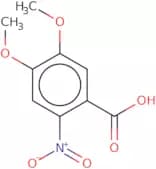
CAS :<p>4,5-Dimethoxy-2-nitrobenzoic acid (DMNB) is a nitrophenol compound that is used as an intermediate in the synthesis of pesticides. DMNB inhibits the growth of bacteria through its ability to inhibit protein synthesis and DNA replication. The inhibition is due to DMNB’s ability to covalently bind to nucleophilic sites on enzymes that are essential for these processes. It has been shown that DMNB can be degraded by microorganisms, such as bacteria, fungi, and algae. The biodegradation process may be facilitated by its solubility in water and its low molecular weight.</p>Formule :C9H9NO6Degré de pureté :Min. 97.5%Couleur et forme :Yellow SolidMasse moléculaire :227.17 g/mol2,5-Dihydroxybenzoic acid
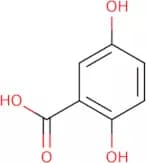
CAS :<p>2,5-Dihydroxybenzoic acid is a natural compound that has been shown to inhibit the matrix metalloproteinase enzyme activity of α1-acid glycoprotein. The 2,5-dihydroxybenzoic acid structure is similar to p-hydroxybenzoic acid and gentisic acid. It is also an inhibitor of xanthine oxidase and caffeic acid oxidase. 2,5-Dihydroxybenzoic acid has a number of potential uses in analytical chemistry as it can be used to measure the concentrations of caffeic acids and other related compounds in biological samples.</p>Formule :C7H6O4Degré de pureté :(%) Min. 98%Couleur et forme :White PowderMasse moléculaire :154.12 g/mol2-Ethoxybenzoic acid
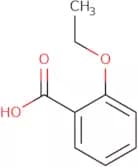
CAS :<p>Component in some dental cements</p>Formule :C9H10O3Degré de pureté :Min. 99.0 Area-%Couleur et forme :Colorless Clear LiquidMasse moléculaire :166.17 g/mol4,4'-Dibenzoic acid
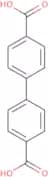
CAS :<p>4,4'-Dibenzoic acid is a chemical compound that has been used as a precursor to other compounds. It is also used in the production of polycarbonates and epoxy resins. 4,4'-Dibenzoic acid has low energy, which means it can be transported more easily than high energy molecules. This property makes it an excellent candidate for use as an enhancement agent for organometallic catalysts such as biphenyl. The structure of 4,4'-dibenzoic acid consists of two benzene rings connected by an ethylene chain. This molecule has one hydrogen bond on each side of the molecule. The 4-hydroxyl group on the left side of the molecule is susceptible to oxidation and can act as an oxidation catalyst when exposed to heat or radiation.</p>Formule :C14H10O4Degré de pureté :Min. 95%Couleur et forme :PowderMasse moléculaire :242.23 g/mol
![4-(1H-Imidazo[4,5-f][1,10]phenanthrolin-2-yl)benzoic acid](/_next/image/?url=https%3A%2Fstatic.cymitquimica.com%2Fproducts%2F10%2Fthumb-webp%2FF693742.webp&w=3840&q=75)


![4-(5,7-dioxo-5,7-dihydro-6H-pyrrolo[3,4-b]pyridin-6-yl)benzoic acid](/_next/image/?url=https%3A%2Fstatic.cymitquimica.com%2Fproducts%2F10%2Fthumb-webp%2FF314767.webp&w=3840&q=75)
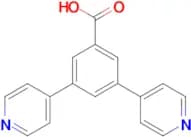
![4',5'-Bis(3-carboxyphenyl)-[1,1':2',1''-terphenyl]-3,3''-dicarboxylic acid](/_next/image/?url=https%3A%2Fstatic.cymitquimica.com%2Fproducts%2F10%2Fthumb-webp%2FF612551.webp&w=3840&q=75)

![3-[benzyl(4-fluorophenyl)sulfamoyl]-4-chlorobenzoic acid](/_next/image/?url=https%3A%2Fstatic.cymitquimica.com%2Fproducts%2F10%2Fthumb-webp%2FF643282.webp&w=3840&q=75)
![4′-Fluoro-3′-nitro-[1,1′-biphenyl]-3-carboxylic acid](/_next/image/?url=https%3A%2Fstatic.cymitquimica.com%2Fproducts%2F10%2Fthumb-webp%2FF218726.webp&w=3840&q=75)
![5-[3-(furan-2-amido)benzamido]-2-hydroxybenzoic acid](/_next/image/?url=https%3A%2Fstatic.cymitquimica.com%2Fproducts%2F10%2Fthumb-webp%2FF520922.webp&w=3840&q=75)
![5-Fluoro-4′-methoxy-[1,1′-biphenyl]-3-carboxylic acid](/_next/image/?url=https%3A%2Fstatic.cymitquimica.com%2Fproducts%2F10%2Fthumb-webp%2FF218666.webp&w=3840&q=75)



![4-[(4-PHENYLQUINAZOLIN-2-YL)AMINO]BENZOIC ACID](/_next/image/?url=https%3A%2Fstatic.cymitquimica.com%2Fproducts%2F10%2Fthumb-webp%2FF531237.webp&w=3840&q=75)

![2'-Amino-5'-methyl-[1,1':3',1''-terphenyl]-3,3'',5,5''-tetracarboxylic acid](/_next/image/?url=https%3A%2Fstatic.cymitquimica.com%2Fproducts%2F10%2Fthumb-webp%2FF693763.webp&w=3840&q=75)


![3-((4'-methoxy-[1,1'-biphenyl])-4-sulfonamido)benzoic acid](/_next/image/?url=https%3A%2Fstatic.cymitquimica.com%2Fproducts%2F10%2Fthumb-webp%2FF512258.webp&w=3840&q=75)



![4-((4'-methoxy-[1,1'-biphenyl])-4-sulfonamido)benzoic acid](/_next/image/?url=https%3A%2Fstatic.cymitquimica.com%2Fproducts%2F10%2Fthumb-webp%2FF512292.webp&w=3840&q=75)


![[1,1':3',1''-terphenyl]-3,3'',5,5''-tetracarboxylic acid](/_next/image/?url=https%3A%2Fstatic.cymitquimica.com%2Fproducts%2F10%2Fthumb-webp%2FF617404.webp&w=3840&q=75)





![4-[(2,3-dihydro-1,4-benzodioxin-2-ylcarbonyl)amino]benzoic acid](/_next/image/?url=https%3A%2Fstatic.cymitquimica.com%2Fproducts%2F10%2Fthumb-webp%2FF314734.webp&w=3840&q=75)

![4-(((4'-Chloro-[1,1'-biphenyl])-4-sulfonamido)methyl)benzoic acid](/_next/image/?url=https%3A%2Fstatic.cymitquimica.com%2Fproducts%2F10%2Fthumb-webp%2FF615075.webp&w=3840&q=75)


![4-{[(1-methyl-1H-benzimidazol-2-yl)methyl]amino}benzoic acid](/_next/image/?url=https%3A%2Fstatic.cymitquimica.com%2Fproducts%2F10%2Fthumb-webp%2FF314477.webp&w=3840&q=75)



![3-{benzyl[3-(trifluoromethyl)phenyl]sulfamoyl}-4-chlorobenzoic acid](/_next/image/?url=https%3A%2Fstatic.cymitquimica.com%2Fproducts%2F10%2Fthumb-webp%2FF642433.webp&w=3840&q=75)

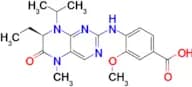
![2'-Amino-5'-(4-carboxyphenyl)-[1,1':3',1''-terphenyl]-4,4''-dicarboxylic acid](/_next/image/?url=https%3A%2Fstatic.cymitquimica.com%2Fproducts%2F10%2Fthumb-webp%2FF621990.webp&w=3840&q=75)


![4-[(1,3-benzothiazol-2-ylthio)methyl]benzoic acid](/_next/image/?url=https%3A%2Fstatic.cymitquimica.com%2Fproducts%2F10%2Fthumb-webp%2FF346549.webp&w=3840&q=75)
![4-[3-(methoxycarbonyl)-5-(thiophen-2-yl)-1H-pyrazol-1-yl]benzoic acid](/_next/image/?url=https%3A%2Fstatic.cymitquimica.com%2Fproducts%2F10%2Fthumb-webp%2FF526176.webp&w=3840&q=75)



![1-((2'-Carboxy-[1,1'-biphenyl]-4-yl)methyl)-4-methyl-2-propyl-1H-benzo[d]imidazole-6-carboxylic ac…](/_next/image/?url=https%3A%2Fstatic.cymitquimica.com%2Fproducts%2F10%2Fthumb-webp%2FF694929.webp&w=3840&q=75)
![4-[(tert-Butoxycarbonyl-cyclopentylamino)-methyl]-benzoic acid](/_next/image/?url=https%3A%2Fstatic.cymitquimica.com%2Fproducts%2F10%2Fthumb-webp%2FF080236.webp&w=3840&q=75)

![5'-Methyl-[1,1':3',1''-terphenyl]-3,3'',5,5''-tetracarboxylic acid](/_next/image/?url=https%3A%2Fstatic.cymitquimica.com%2Fproducts%2F10%2Fthumb-webp%2FF606637.webp&w=3840&q=75)
![4-[2-({[(9h-fluoren-9-yl)methoxy]carbonyl}amino)ethoxy]benzoic acid](/_next/image/?url=https%3A%2Fstatic.cymitquimica.com%2Fproducts%2F10%2Fthumb-webp%2FF669280.webp&w=3840&q=75)

![2-((4-[(2-METHOXYBENZOYL)AMINO]BENZOYL)AMINO)BENZOIC ACID](/_next/image/?url=https%3A%2Fstatic.cymitquimica.com%2Fproducts%2F10%2Fthumb-webp%2FF847901.webp&w=3840&q=75)
![4-(3-Benzyl-4-{[5-(2-fluorophenyl)furan-2-yl]methylidene}-5-oxo-4,5-dihydro-1H-pyrazol-1-yl)benzoi…](/_next/image/?url=https%3A%2Fstatic.cymitquimica.com%2Fproducts%2F10%2Fthumb-webp%2FF547680.webp&w=3840&q=75)

![4-(5-Phenyl-[1,2,4]oxadiazol-3-yl)-benzoic acid](/_next/image/?url=https%3A%2Fstatic.cymitquimica.com%2Fproducts%2F10%2Fthumb-webp%2FF545473.webp&w=3840&q=75)
![5'-(3,5-Dicarboxyphenyl)-[1,1':3',1''-terphenyl]-3,3'',5,5''-tetracarboxylic acid](/_next/image/?url=https%3A%2Fstatic.cymitquimica.com%2Fproducts%2F10%2Fthumb-webp%2FF617379.webp&w=3840&q=75)
![3-[(1-methyl-1H-pyrazolo[3,4-d]pyrimidin-4-yl)amino]benzoic acid](/_next/image/?url=https%3A%2Fstatic.cymitquimica.com%2Fproducts%2F10%2Fthumb-webp%2FF314870.webp&w=3840&q=75)
![4-ethyl-3-(2-{pyrazolo[1,5-a]pyrimidin-6-yl}ethynyl)benzoic acid](/_next/image/?url=https%3A%2Fstatic.cymitquimica.com%2Fproducts%2F10%2Fthumb-webp%2FF519254.webp&w=3840&q=75)


![2-(3,7-Dihydroxy-dibenzo[b,f][1,4]oxazepin-11-yl)-benzoic acid](/_next/image/?url=https%3A%2Fstatic.cymitquimica.com%2Fproducts%2F10%2Fthumb-webp%2FF020705.webp&w=3840&q=75)

![4,4'-([2,2'-Bipyridine]-4,4'-diyl)dibenzoic acid](/_next/image/?url=https%3A%2Fstatic.cymitquimica.com%2Fproducts%2F10%2Fthumb-webp%2FF693731.webp&w=3840&q=75)

![[1,1':3',1''-Terphenyl]-4,4''-dicarboxylic acid, 5'-(4-carboxyphenyl)-2'-methyl-](/_next/image/?url=https%3A%2Fstatic.cymitquimica.com%2Fproducts%2F10%2Fthumb-webp%2FF864484.webp&w=3840&q=75)

![[1,1':4',1''-Terphenyl]-2',3,3'',5,5''-pentacarboxylic acid](/_next/image/?url=https%3A%2Fstatic.cymitquimica.com%2Fproducts%2F10%2Fthumb-webp%2FF696034.webp&w=3840&q=75)
![4-(((4'-methoxy-[1,1'-biphenyl])-4-sulfonamido)methyl)benzoic acid](/_next/image/?url=https%3A%2Fstatic.cymitquimica.com%2Fproducts%2F10%2Fthumb-webp%2FF512293.webp&w=3840&q=75)

![4-{[(Pyridin-3-ylmethyl)amino]methyl}benzoic acid](/_next/image/?url=https%3A%2Fstatic.cymitquimica.com%2Fproducts%2F10%2Fthumb-webp%2FF015160.webp&w=3840&q=75)
![4'-((((9H-fluoren-9-yl)methoxy)carbonyl)amino)-[1,1'-biphenyl]-4-carboxylic acid](/_next/image/?url=https%3A%2Fstatic.cymitquimica.com%2Fproducts%2F10%2Fthumb-webp%2FF733075.webp&w=3840&q=75)


![2'-Amino-[1,1':3',1''-terphenyl]-4,4''-dicarboxylic acid](/_next/image/?url=https%3A%2Fstatic.cymitquimica.com%2Fproducts%2F10%2Fthumb-webp%2FF695958.webp&w=3840&q=75)
















![3,3'-Dithiobis[6-nitrobenzoic acid] bis(succinimide) ester](/_next/image/?url=https%3A%2Fstatic.cymitquimica.com%2Fproducts%2F3D%2Fthumb-webp%2FFD15467.webp&w=3840&q=75)