Alcools benzyliques
Les alcools benzyliques sont des alcools aromatiques caractérisés par un anneau benzénique attaché à un groupe hydroxyméthyle (-CH2OH). Ces composés sont utilisés comme solvants, conservateurs et intermédiaires dans la synthèse de produits pharmaceutiques, de parfums et de résines. Les alcools benzyliques sont connus pour leurs propriétés antimicrobiennes et leur polyvalence dans diverses réactions chimiques. Chez CymitQuimica, nous offrons une large sélection d'alcools benzyliques de haute qualité pour soutenir vos recherches et applications industrielles.
1458 produits trouvés pour "Alcools benzyliques"
Trier par
Degré de pureté (%)
0
100
|
0
|
50
|
90
|
95
|
100
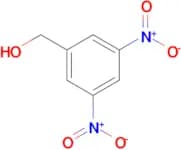
3,5-Dinitrobenzyl alcohol
CAS :Formule :C7H6N2O5Degré de pureté :98%Couleur et forme :SolidMasse moléculaire :198.134(4-Methyl-3-(4,4,5,5-tetramethyl-1,3,2-dioxaborolan-2-yl)phenyl)methanol
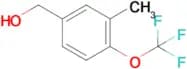
CAS :Formule :C14H21BO3Degré de pureté :95%Masse moléculaire :248.13(3-Methyl-4-(trifluoromethoxy)phenyl)methanol
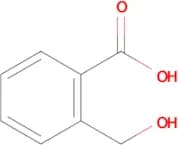
CAS :Degré de pureté :98%Masse moléculaire :206.16400152-(Hydroxymethyl)benzoic acid
CAS :Formule :C8H8O3Degré de pureté :95%Couleur et forme :Solid, PowderMasse moléculaire :152.149Benzyl alcohol
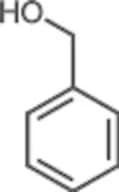
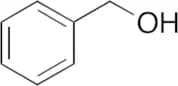
CAS :Benzyl alcohol (Benzenemethanol), a colorless liquid, is an aromatic alcohol with a mild pleasant aromatic odor.Formule :C7H8ODegré de pureté :97.61%Couleur et forme :Liquid LiquidMasse moléculaire :108.143,5-Bis(trifluoromethyl)benzyl alcohol
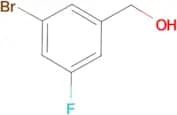
CAS :Formule :C9H6F6ODegré de pureté :98.0%Couleur et forme :SolidMasse moléculaire :244.1363-Bromo-5-fluorobenzyl alcohol
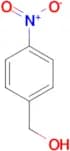
CAS :Formule :C7H6BrFODegré de pureté :99.0%Couleur et forme :Liquid, Clear colourless liquidMasse moléculaire :205.0264-Nitrobenzyl alcohol
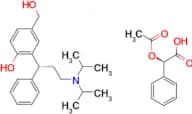
CAS :Formule :C7H7NO3Degré de pureté :99.0%Couleur et forme :Solid, Crystalline Powder or Lumps or PowderMasse moléculaire :153.137(R)-2-(3-(Diisopropylamino)-1-phenylpropyl)-4-(hydroxymethyl)phenol (R)-2-acetoxy-2-phenylacetate
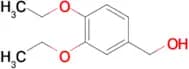
CAS :Degré de pureté :98%Masse moléculaire :535.681(3,4-Diethoxyphenyl)methanol
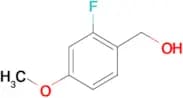
CAS :Degré de pureté :95.0%Couleur et forme :SolidMasse moléculaire :196.24600222-Fluoro-4-methoxybenzyl alcohol
CAS :Formule :C8H9FO2Degré de pureté :97.0%Couleur et forme :LiquidMasse moléculaire :156.156Benzyl Alcohol
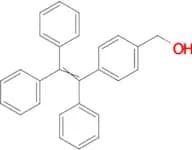
CAS :Formule :C7H8ODegré de pureté :99.0%Couleur et forme :Liquid, ClearMasse moléculaire :108.14(4-(1,2,2-Triphenylvinyl)phenyl)methanol
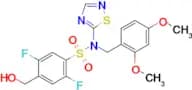
CAS :Degré de pureté :97%Masse moléculaire :362.47198486328125N-(2,4-Dimethoxybenzyl)-2,5-difluoro-4-(hydroxymethyl)-N-(1,2,4-thiadiazol-5-yl)benzenesulfonamide
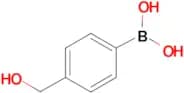
Degré de pureté :97%Masse moléculaire :457.47000122070314-(Hydroxymethyl)phenylboronic acid
CAS :Formule :C7H9BO3Degré de pureté :96.0%Couleur et forme :SolidMasse moléculaire :151.962,3,4-Trifluorobenzyl alcohol
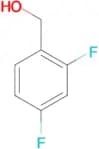
CAS :Formule :C7H5F3ODegré de pureté :97%Couleur et forme :LiquidMasse moléculaire :162.1112,4-Difluorobenzyl alcohol
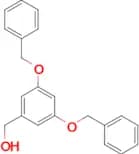
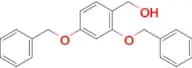
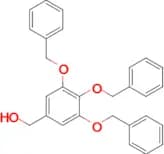
CAS :Formule :C7H6F2ODegré de pureté :99.0%Couleur et forme :ClearMasse moléculaire :144.1213,5-Dibenzyloxybenzyl alcohol
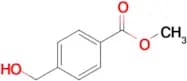
CAS :Degré de pureté :95.0%Couleur et forme :Liquid, No data available.Masse moléculaire :320.38800048828125Methyl 4-(hydroxymethyl)benzoate
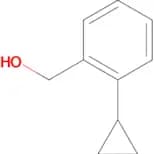
CAS :Formule :C9H10O3Degré de pureté :99.00%Couleur et forme :SolidMasse moléculaire :166.1762-Cyclopropylbenzyl alcohol
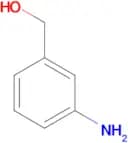
CAS :Formule :C10H12ODegré de pureté :≥95%Couleur et forme :Liquid, OilMasse moléculaire :148.2053-Aminobenzyl alcohol
CAS :Formule :C7H9NODegré de pureté :98.0%Couleur et forme :Chunks,Crystalline PowderMasse moléculaire :123.155[3,5-Bis(methylsulfonyl)phenyl]methanol
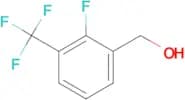
CAS :Formule :C9H12O5S2Degré de pureté :95.0%Couleur et forme :SolidMasse moléculaire :264.312-Fluoro-3-(trifluoromethyl)benzyl alcohol
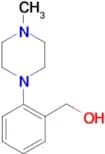
CAS :Formule :C8H6F4ODegré de pureté :97.0%Couleur et forme :LiquidMasse moléculaire :194.1292-(4-Methylpiperazin-1-yl)benzyl alcohol
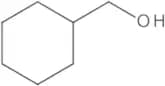
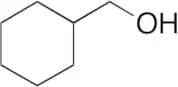
CAS :Formule :C12H18N2ODegré de pureté :95.0%Couleur et forme :SolidMasse moléculaire :206.289Cyclohexylmethanol
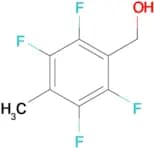
CAS :Produit contrôléFormule :C7H14OCouleur et forme :NeatMasse moléculaire :114.192,3,5,6-Tetrafluoro-4-methylbenzyl alcohol
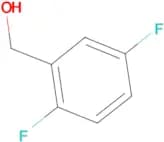
CAS :Formule :C8H6F4ODegré de pureté :95.0%Couleur et forme :SolidMasse moléculaire :194.1292,5-Difluorobenzyl alcohol
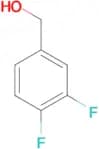
CAS :Formule :C7H6F2ODegré de pureté :99.0%Couleur et forme :Liquid, ClearMasse moléculaire :144.1213,4-Difluorobenzyl alcohol
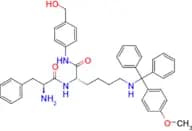
CAS :Formule :C7H6F2ODegré de pureté :99.0%Couleur et forme :ClearMasse moléculaire :144.121(S)-2-((S)-2-Amino-3-phenylpropanamido)-N-(4-(hydroxymethyl)phenyl)-6-(((4-methoxyphenyl)diphenylmethyl)amino)hexanamide
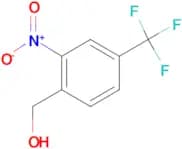
CAS :Degré de pureté :98%Masse moléculaire :670.854003906252-Nitro-4-(trifluoromethyl)benzyl alcohol
CAS :Formule :C8H6F3NO3Degré de pureté :98.0%Couleur et forme :SolidMasse moléculaire :221.1354-n-Butoxy-2,6-dimethylbenzyl alcohol
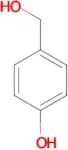
CAS :Degré de pureté :97.0%Masse moléculaire :208.300994873046884-Hydroxybenzyl alcohol
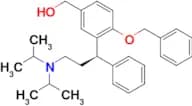
CAS :Formule :C7H8O2Degré de pureté :98.0%Couleur et forme :Solid, Crystalline Powder or PowderMasse moléculaire :124.139(R)-(4-(benzyloxy)-3-(3-(diisopropylamino)-1-phenylpropyl)phenyl)methanol
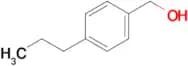
CAS :Degré de pureté :98%Masse moléculaire :431.61999511718754-n-Propylbenzyl alcohol
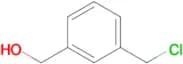
CAS :Formule :C10H14ODegré de pureté :96.0%Couleur et forme :LiquidMasse moléculaire :150.221(3-CHLOROMETHYL-PHENYL)METHANOL
CAS :Formule :C8H9ClODegré de pureté :95%Couleur et forme :LiquidMasse moléculaire :156.61(4-(Benzo[d]thiazol-2-yl)phenyl)methanol
CAS :Degré de pureté :98%Masse moléculaire :241.309997558593755'-[4-(Hydroxymethyl)phenyl][1,1':3',1''-terphenyl]-4,4''-dimethanol
CAS :Degré de pureté :97%Masse moléculaire :396.4859924316406(2-{4-[Bis(4-fluorophenyl)methyl]piperazin-1-yl}phenyl)methanol
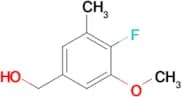
CAS :Degré de pureté :95.0%Couleur et forme :SolidMasse moléculaire :394.466003417968754-Fluoro-3-methoxy-5-methylbenzyl alcohol
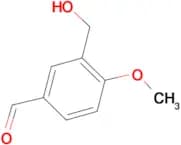
CAS :Degré de pureté :95%Masse moléculaire :170.182998657226563-Hydroxymethyl-4-methoxy-benzaldehyde
CAS :Formule :C9H10O3Degré de pureté :95.0%Couleur et forme :SolidMasse moléculaire :166.176(3,5-Bis((3,5-dimethoxybenzyl)oxy)phenyl)methanol
CAS :Degré de pureté :95+%Masse moléculaire :440.49200439453125[4-(pyrrolidin-1-ylmethyl)phenyl]methanol
CAS :Couleur et forme :LiquidMasse moléculaire :191.2740020751953(4-(bicyclo[1.1.1]pentan-1-yl)phenyl)methanol
CAS :Degré de pureté :95.0%Masse moléculaire :174.2429962158203Methyl 4-(hydroxymethyl)-2-methoxybenzoate
CAS :Degré de pureté :98%Masse moléculaire :196.20199584960938Cyclohexanemethanol
CAS :<p>Applications Cyclohexanemethanol is a chemicl reagent used in the synthesis of potent inhibitors of cyclin-dependent kinases 1 & 2.<br>References Hardcastle, I. et al.: J. med. Chem., 47, 15, 3710 (2004); Sayle, K. et al.: Bioorg. Med. Chrm. Lett., 13, 3079 (2003);<br></p>Formule :C7H14OCouleur et forme :ColourlessMasse moléculaire :114.19(3-(2,3-Dihydrobenzo[b][1,4]dioxin-6-yl)-2-methylphenyl)methanol
CAS :Degré de pureté :97%Masse moléculaire :256.3009948730469(2-Bromo-4-fluoro-5-methylphenyl)methanol
CAS :Degré de pureté :98%Masse moléculaire :219.05299377441406[4-(Methylsulfonyl)-2-nitrophenyl]methanol
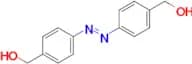
CAS :Formule :C8H9NO5SDegré de pureté :90.0%Couleur et forme :SolidMasse moléculaire :231.224,4′-Bis(hydroxymethyl)azobenzene
CAS :Degré de pureté :95%Couleur et forme :SolidMasse moléculaire :242.2779999Benzyl Alcohol
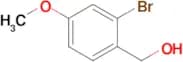
CAS :<p>Applications α-Toluenol is used in the synthesis of Cephalosporolide B as a versatile biomimetic synthetic precursor for chemical synthesis of other cephalosporides.<br> Not a dangerous good if item is equal to or less than 1g/ml and there is less than 100g/ml in the package<br>References Song, L. et al.: Org. Lett., 15, 5850 (2013);<br></p>Formule :C7H8OCouleur et forme :ColourlessMasse moléculaire :108.142-Bromo-4-methoxybenzyl Chloride 75% (+ regioisomers)
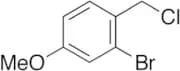
CAS :Produit contrôlé<p>Applications This compound contains up to 25% of the two other regioisiomers.<br></p>Formule :C8H8BrClOCouleur et forme :NeatMasse moléculaire :235.51Benzyl-d7 Alcohol
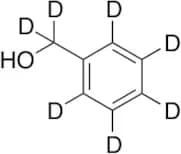
CAS :Produit contrôlé<p>Stability Hygroscopic<br>Applications Benzyl Alcohol (D7, 98%) (cas# 71258-23-6) is a useful research chemical.<br> Not a dangerous good if item is equal to or less than 1g/ml and there is less than 100g/ml in the package<br></p>Formule :C7D7HOCouleur et forme :NeatMasse moléculaire :115.183,3'-Dichlorobisphenol A
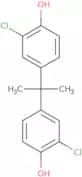
CAS :<p>3,3'-Dichlorobisphenol A is a chlorine-containing organic compound that is used in the manufacture of polycarbonate plastics. It has been found to be genotoxic and carcinogenic in animals. 3,3'-Dichlorobisphenol A is also toxic to aquatic organisms and may persist for long periods in the environment. 3,3'-Dichlorobisphenol A enters wastewater when it is released during the production of polycarbonate plastics or as a byproduct of other chlorination reactions. The most common method for removing 3,3'-dichlorobisphenol A from wastewater is to use UV irradiation followed by chlorine gas treatment. This process can lead to the formation of additional chlorinated compounds that are more toxic than 3,3'-dichlorobisphenol A.</p>Formule :C15H14Cl2O2Degré de pureté :Min. 95%Couleur et forme :White PowderMasse moléculaire :297.18 g/mol3-Methoxyphenol - 98%
CAS :<p>3-Methoxyphenol is a chemical that is used in the treatment of wastewater. It has been shown to have antibacterial and antiviral properties, as well as the ability to prevent bowel disease. 3-Methoxyphenol can be used to treat metal hydroxides by reacting with them and converting them into metal oxides. The reaction mechanism of 3-methoxyphenol has been best studied using coumarin derivatives, which are structurally similar to 3-methoxyphenol.<br>The ester hydrochloride salt form of 3-methoxyphenol is a prodrug that is metabolized by cytochrome P450 enzymes in the liver via an esterase pathway. This prodrug may be especially useful for patients with bowel disease or low levels of cytochrome P450 enzymes, such as those with chronic kidney failure or AIDS.<br>3-Methoxyphenol has been shown to inhibit Jak</p>Formule :C7H8O2Degré de pureté :Min. 98 Area-%Couleur et forme :Clear LiquidMasse moléculaire :124.14 g/molChlorphenesin carbamate
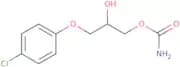
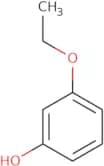
CAS :<p>Chlorphenesin carbamate is a centrally acting muscle relaxant, which is a synthetic compound derived from chlorphenesin.</p>Formule :C10H12ClNO4Degré de pureté :Min. 95%Couleur et forme :PowderMasse moléculaire :245.66 g/mol3-Ethoxyphenol
CAS :<p>3-Ethoxyphenol is an organic compound that has a phenolic hydroxyl group attached to the 3-position of an ethyl alcohol. The ethoxy groups on the molecule allow it to bind to receptors in the central nervous system, including the dopamine receptor and the d4 receptor. This binding process is thermodynamically and kinetically favorable, which leads to a high metabolic rate. 3-Ethoxyphenol has been shown to have strong antiviral properties, particularly against chromobacterium violaceum, and can be used as a specific ligand for metal surfaces. The coumarin derivatives of 3-ethoxyphenol have also been shown to inhibit the growth of propionate and covid-19 pandemic.</p>Formule :C8H10O2Degré de pureté :Min. 95%Couleur et forme :PowderMasse moléculaire :138.16 g/mol2-Bromophenol
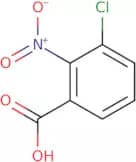
CAS :<p>2-Bromophenol is a sodium salt that can be prepared by the reaction of sodium hydroxide with 2-bromoaniline. It is an inhibitor of acetylcholinesterase, which has been shown to be effective in treating Alzheimer's disease and other neurodegenerative disorders. 2-Bromophenol has been shown to inhibit the polymerase chain reaction (PCR) in human serum and mitochondrial membrane potential, as well as electrochemical impedance spectroscopy. It also inhibits the formation of intramolecular hydrogen bonds during the catalytic cycle of acetylcholinesterase.</p>Formule :C6H5BrODegré de pureté :Min. 95%Couleur et forme :Colorless Clear LiquidMasse moléculaire :173.01 g/mol3-Chloro-2-nitrobenzoic acid
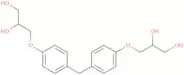
CAS :<p>3-Chloro-2-nitrobenzoic acid is a chemical compound that is used in the synthesis of quinoline derivatives. It has been shown to be genotoxic and cytotoxic in cell culture. 3-Chloro-2-nitrobenzoic acid binds to DNA, forming a covalent bond with the nitrogen atoms in the DNA bases. This binding may lead to changes in the structure of DNA, which could potentially be mutagenic. 3-Chloro-2-nitrobenzoic acid also has an optical absorption maximum at around 260 nm, which is indicative of hydrogen bonding between molecules.<br>3-Chloro-2-nitrobenzoic acid has been shown to inhibit brain cells and lung cells by interfering with cellular respiration and mitochondrial function.</p>Formule :C7H4ClNO4Degré de pureté :Min. 95%Couleur et forme :White PowderMasse moléculaire :201.56 g/molBisphenol F bis(2,3-dihydroxypropyl) ether
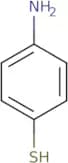
CAS :<p>Standard for determination of toxic monomers from polymer coatings</p>Formule :C19H24O6Degré de pureté :Min. 95%Couleur et forme :White PowderMasse moléculaire :348.39 g/mol4-Aminothiophenol
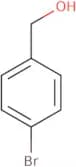
CAS :<p>4-Aminothiophenol is a redox potential probe that is used as an analytical chemistry reagent. It has been shown to react with nitrite ion and form a nitrogen atom, which can be detected by Raman spectroscopy. 4-Aminothiophenol has also been used to measure the amount of fatty acid in human serum samples. 4-Aminothiophenol has been shown to have an enhancement effect on the detection sensitivity of model system reactions and can be used as a model system for these reactions. The reaction mechanism for this compound is not well understood, but it is believed that it may involve electron transfer from the aminothiophenol radical cation to the nitrite ion.</p>Degré de pureté :Min. 95%Couleur et forme :White PowderMasse moléculaire :125.19 g/mol4-Bromobenzyl alcohol
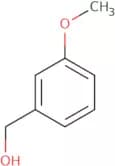
CAS :<p>4-Bromobenzyl alcohol is a reactive chemical that reacts with water to form the hydroxyl group and hydrogen bond. It has been shown to inhibit the reaction of ethyl formate with biphenyl by cleaving the molecule and forming a new site specific. Magnetic resonance spectroscopy has been used to study the reactivity of 4-bromobenzyl alcohol in model systems. The reaction mechanism is thought to be similar to that of 2-bromoethanol, which is an inhibitor molecule for this process. 4-Bromobenzyl alcohol's magnetic resonance spectrum shows proton peaks at 3.02 ppm, 2.19 ppm, and 1.77 ppm, as well as a signal at 8.03 ppm corresponding to the hydroxyl group.</p>Formule :C7H7BrODegré de pureté :Min. 95%Couleur et forme :PowderMasse moléculaire :187.03 g/mol3-Methoxybenzyl alcohol
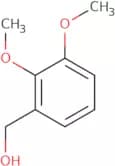
CAS :<p>3-Methoxybenzyl alcohol is a natural product from the root of the orchid Dendrobium officinale. It has been shown to inhibit the growth of bacteria by binding to the enzyme Aldehyde Dehydrogenase, which is required for cellular energy production. The product also inhibits bacterial Vanillyl Alcohol Dehydrogenase, which prevents the formation of vanillin. 3-Methoxybenzyl alcohol has a neutral pH and can be used as an antimicrobial agent in acidic foods and beverages. 3-Methoxybenzyl alcohol also has antioxidant properties, and has been shown to prevent damage from oxidative stress.</p>Formule :C8H10O2Degré de pureté :Min. 95%Couleur et forme :Colorless Clear LiquidMasse moléculaire :138.16 g/mol2,3-Dimethoxybenzyl alcohol
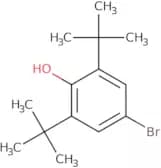
CAS :<p>2,3-Dimethoxybenzyl alcohol is a fine chemical that is used as an intermediate in the synthesis of other chemicals. It has been shown to be a useful scaffold for the development of new compounds and is also a versatile building block for the synthesis of complex molecules. This compound exhibits many special properties that make it useful in research and industrial processes. It is a high quality reagent that can be used in organic syntheses and as a reaction component.<br> 2,3-Dimethoxybenzyl alcohol has been shown to have antiviral activity against HIV-1, HIV-2, SIV mac1, and VSV.</p>Formule :C9H12O3Degré de pureté :Min. 95%Couleur et forme :PowderMasse moléculaire :168.19 g/mol4-Bromo-2,6-di-tert-butylphenol
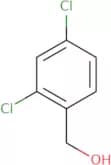
CAS :<p>4-Bromo-2,6-di-tert-butylphenol is a chemical compound. It is a yellow solid with an optical rotation of +42.8° (c=0.5, methanol). The molecular weight is 270.4 g/mol and the density is 1.06 g/cm3. The chemical formula is C11H14Br2O4. This compound can be prepared from 2,6-di-tert-butylbenzaldehyde by reaction with bromine in the presence of alkali or from 4,4′-biphenol by reaction with bromine in the presence of sodium hydroxide in ethanol. The compound exists as two enantiomers: R-(+)-4-Bromo-2,6-di-tert-butylphenol and S-(-)4-Bromo-2,6,-di tert butylphenol. Optical activity</p>Formule :C14H21BrODegré de pureté :Min. 95%Couleur et forme :PowderMasse moléculaire :285.22 g/mol2,4-Dichlorobenzyl alcohol
CAS :<p>Mild antiseptic agent</p>Formule :C7H6Cl2ODegré de pureté :Min. 98%Couleur et forme :PowderMasse moléculaire :177.03 g/mol2,4,6-Trimethylbenzyl alcohol
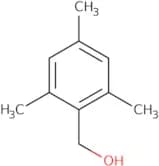
CAS :<p>2,4,6-Trimethylbenzyl alcohol is an efficient method for the production of 2,4-dimethoxybenzaldehyde and 2,6-dimethoxybenzaldehyde. It can be used with ferrite as a dehydrogenative catalyst to produce hydroxymethyl groups in the presence of acid catalysts. The oxidation products of 2,4,6-trimethylbenzyl alcohol are polymers that have been shown to stabilize aldehydes and primary alcohols. This compound also has been shown to desymmetrize aromatic hydrocarbons and is capable of catalysis.</p>Formule :C10H14ODegré de pureté :Min. 95%Couleur et forme :PowderMasse moléculaire :150.22 g/mol2,6-Dimethoxyphenol
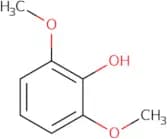
CAS :<p>2,6-Dimethoxyphenol is a chemical compound that is used in the manufacture of industrial chemicals. It is also used as an intermediate in organic synthesis and has been shown to have antibacterial activity against some strains of bacteria. 2,6-Dimethoxyphenol binds to bacterial ribosomes by interfering with the protein synthesis machinery. The reaction mechanism occurs via a nucleophilic attack by the hydroxyl group on the carbonyl carbon atom, leading to a tetrahedral intermediate with the coordination geometry of square planar. This compound has been shown to scavenge anion radicals and has high resistance to oxidation from redox potential.</p>Formule :C8H10O3Degré de pureté :Min. 99 Area-%Couleur et forme :PowderMasse moléculaire :154.16 g/mol4-Ethoxybenzyl alcohol
CAS :<p>4-Ethoxybenzyl alcohol is a reactive compound that can be photoexcited. It has been shown to have a cavity and is able to absorb light of wavelengths between 250 nm and 500 nm. 4-Ethoxybenzyl alcohol reacts with various compounds, such as aldehydes, to form new compounds. It has been shown that the reaction system can be used for high-throughput analysis, which may lead to the discovery of new drugs. It also has been found that 4-ethoxybenzyl alcohol can react with sulfates in an organic solvent to produce sulfonates. This reaction system has potential for use in the production of new drugs or other chemical products.</p>Formule :C9H12O2Degré de pureté :Min. 95%Couleur et forme :Colorless PowderMasse moléculaire :152.19 g/mol2,6-Dimethyl-4-cyanophenol
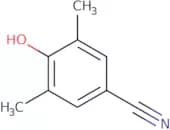
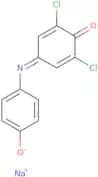
CAS :<p>2,6-Dimethyl-4-cyanophenol is a pyrimidine compound that has been used as a pharmaceutical drug to inhibit the replication of human immunodeficiency virus (HIV). It has also been shown to be effective against the strains of HIV that are resistant to other drugs. 2,6-Dimethyl-4-cyanophenol is an inhibitor of reverse transcriptase, which is an enzyme necessary for the production of viral DNA from viral RNA. This drug also inhibits bacterial growth by binding to bacterial DNA gyrase and topoisomerase IV. 2,6-Dimethyl-4-cyanophenol has a number of functionalities: it can act as an acid or base depending on its environment and it can form hydrogen bonding interactions with other molecules. This drug also has acidic properties that make it useful in the treatment of ph problems caused by trifluoroacetic acid.</p>Formule :C9H9NODegré de pureté :Min. 95%Couleur et forme :Yellow PowderMasse moléculaire :147.17 g/mol2,6-Dichloroindophenol sodium salt hydrate
CAS :<p>Blue redox dye; used to quantify vitamin C content</p>Formule :C12H7Cl2NNaO2·xH2OCouleur et forme :Green PowderMasse moléculaire :291.09 g/mol3-Hydroxybenzyl alcohol
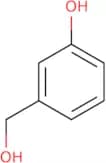
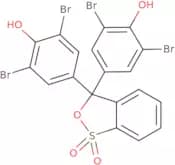
CAS :<p>3-Hydroxybenzyl alcohol is a fatty acid with a hydroxyl group. The clinical relevance of 3-hydroxybenzyl alcohol remains unclear. It has been used in acetate extract and ph optimum tests, as well as to study reaction solutions and nmr spectroscopic data. Hydrogen bonds have been observed between the molecule's hydroxyl group and the oxygen atoms in water molecules, which may explain its antifungal properties. 3-hydroxybenzyl alcohol also has an inhibitory effect on cyclic peptide synthesis, rotarod test performance, and analytical methods. It is a broad-spectrum antimicrobial that can be used against bacteria, fungi, protozoa and viruses. 3-hydroxybenzyl alcohol has an acidic character because it reacts with copper ions to form a copper complex.</p>Formule :C7H8O2Degré de pureté :Min. 95%Couleur et forme :White PowderMasse moléculaire :124.14 g/molBromophenol blue
CAS :<p>Blue dye in sample buffers for protein and DNA electrophoresis; pH indicator</p>Formule :C19H10Br4O5SCouleur et forme :PowderMasse moléculaire :669.96 g/mol1,2,4-Benzenetriol technical grade
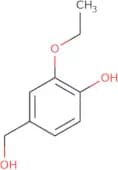
CAS :1,2,4-Benzenetriol (BNT) is a reactive molecule that has been shown to have hydrogen bonding interactions with copper chloride. It has been proposed as an inhibitor of methyltransferase, which is involved in the synthesis of methionine. Studies have shown that BNT can also inhibit iron homeostasis and transfer reactions. The x-ray diffraction data for this compound shows that it forms a complex with the hydroxyl group. This complex is stabilized by hydrogen bonding interactions with the hydroxylic proton of the 1,2,4-benzenetriol molecule. BNT has been shown to be toxic to HL-60 cells and K562 cells at concentrations greater than 5 mM. It has also been found to be effective against chlorogenic acids and other compounds in energy metabolism studies at concentrations between 0.5 and 2 mM.Formule :C6H6O3Degré de pureté :Min. 95%Couleur et forme :PowderMasse moléculaire :126.11 g/mol3-Ethoxy-4-hydroxybenzyl alcohol
CAS :<p>3-Ethoxy-4-hydroxybenzyl alcohol (EHBA) is a functional gene that has been shown to have anti-oxidant properties. EHBA is capable of scavenging free radicals and reactive oxygen species, and is therefore thought to be a potential treatment for diseases caused by peroxide and aldehydes. It has also been shown to reduce the production of vanillyl alcohol, which is associated with pain in tissues such as the trigeminal nerve. The anti-oxidant properties of EHBA are thought to be due to its ability to inhibit lipid peroxidation, protein oxidation, and DNA damage. EHBA can be administered orally or topically.</p>Formule :C9H12O3Degré de pureté :Min. 95%Couleur et forme :PowderMasse moléculaire :168.19 g/molBisphenol F diglycidyl ether - mixture of isomers
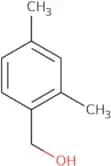
CAS :Component of polymer coatings in food cans; toxic contaminantFormule :C19H20O4Degré de pureté :Min. 88.0 Area-%Couleur et forme :Colorless Clear LiquidMasse moléculaire :312.36 g/mol2,4-Dimethylbenzyl alcohol
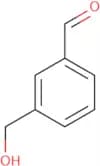
CAS :<p>2,4-Dimethylbenzyl alcohol is a primary alcohol that is found in many natural products. It is a functional group that can be used as a chemical intermediate or an intermediate for the production of other compounds. 2,4-Dimethylbenzyl alcohol has been shown to have genotoxic activity and can cause DNA damage. This compound has been found in adipose tissue and functions by inhibiting the uptake of pyrethroid insecticides by adipose cells. This compound has also been shown to be oxidized into several different oxidation products that are all isomeric with each other, including 2,6-, 3,5-, and 4,6-dimethylbenzaldehyde. These oxidation products may be esterified with conjugates such as glucuronic acid or sulfate which may aid in its absorption through the gut wall into the bloodstream.</p>Formule :C9H12ODegré de pureté :Min. 95%Couleur et forme :Colorless PowderMasse moléculaire :136.19 g/mol3-Formylbenzyl alcohol
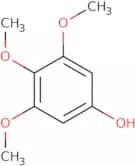
CAS :<p>3-Formylbenzyl alcohol is a fatty acid that has been shown to inhibit the growth of bacteria by binding to the hydroxyl group of the bacterial cell membrane. 3-Formylbenzyl alcohol's antimicrobial activity is due to its ability to inhibit the production of fatty acids in the cell membrane, preventing the formation of an outer layer that protects bacteria from attack. The antibacterial agent also inhibits protein synthesis and prevents DNA replication, resulting in cell death. 3-Formylbenzyl alcohol binds to bacteria through hydrogen bonding and has been shown to be effective against Staphylococcus aureus, Bacillus subtilis, Escherichia coli, and Pseudomonas aeruginosa. The mechanism for this action is not clear but may involve an intramolecular hydrogen bond or nucleophilic attack by one of its carbonyl groups on a nitrogen atom in the bacterial molecule.</p>Formule :C8H8O2Degré de pureté :Min. 95%Couleur et forme :Off-White PowderMasse moléculaire :136.15 g/mol3,4,5-Trimethoxyphenol
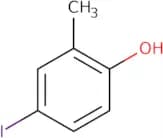
CAS :<p>3,4,5-Trimethoxyphenol is a fruit extract that has been shown to inhibit the activity of protein synthesis. It also inhibits the replication of hepatitis C virus in vitro by interfering with the acylation reaction and preventing the attachment of lipoproteins to cell membranes. 3,4,5-Trimethoxyphenol may be used as an analytical reagent for determining the degree of unsaturation in cinnamic acid derivatives.</p>Formule :C9H12O4Degré de pureté :Min. 96%Couleur et forme :PowderMasse moléculaire :184.19 g/mol4-Iodo-2-methylphenol
CAS :<p>4-Iodo-2-methylphenol is an antiobesity drug that is a synthetic derivative of 4-iodoaniline. It has been shown to bind to the receptor y181c, which is found on the surface of fat cells. The ligand, which is a specific chemical structure that binds to this receptor, may be able to block the uptake of lipids by fat cells, thereby reducing body weight and cholesterol levels. 4-Iodo-2-methylphenol also has sulfide groups that make it more soluble in water than other similar drugs. This makes it more easily absorbed into the bloodstream and may allow for lower doses. 4-Iodo-2-methylphenol also has an affinity for naphthalene, which may be useful in removing toxic chemicals from the environment.</p>Formule :C7H7IODegré de pureté :Min. 95%Couleur et forme :PowderMasse moléculaire :234.03 g/mol4-Cyano-3-fluorophenol
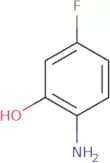
CAS :<p>4-Cyano-3-fluorophenol is a chemical compound that has two phenoxy groups and one fluorine atom. 4-Cyano-3-fluorophenol has been shown to be an effective antagonist of GABA A receptors, which may be due to its ability to interact with the chloride ion site on the receptor, or its hydrogen bonding effects with the receptor. 4-Cyano-3-fluorophenol has been shown to have potent effects in a number of other biological systems. These include inhibition of suzuki coupling reactions (a type of nucleophilic substitution reaction), as well as acylation reactions in which an acid reacts with an alcohol to form an ester, and pharmacokinetic properties. 4-Cyano-3-fluorophenol also has been shown to bind selectively to proteins, including those involved in protein–protein interactions.</p>Formule :C7H4FNODegré de pureté :Min. 95%Couleur et forme :White PowderMasse moléculaire :137.11 g/mol2-Amino-5-fluorophenol
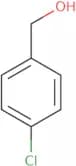
CAS :<p>2-Amino-5-fluorophenol (2AP) is a natural product that has been found to be an effective inhibitor of the enzyme fatty acid synthase. 2AP has been shown to inhibit the growth of Candida albicans, Trichophyton mentagrophytes, and Toxoplasma gondii in a model system. This compound is used as a starting material for the synthesis of other pharmaceutical compounds, such as fluoroquinolones and aminoglycosides. 2AP inhibits the activity of the enzyme fatty acid synthase by binding to the thiolate moiety on cysteine residues near the active site and thus preventing substrate binding. This inhibition results in a decrease in fatty acid synthesis, which leads to cell death.</p>Formule :C6H6FNODegré de pureté :Min. 95%Couleur et forme :PowderMasse moléculaire :127.12 g/mol4-Chlorobenzyl alcohol
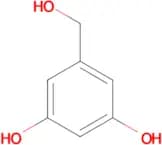
CAS :<p>4-Chlorobenzyl alcohol is a lipase inhibitor that is used in the treatment of pancreatic disorders. It binds to the active site of pancreatic lipase, which prevents the enzyme from hydrolyzing the ester bonds of glycol esters and long chain fatty acids, thereby inhibiting their absorption. This product does not inhibit other enzymes (e.g., amylase) or have an effect on chloride secretion. The reaction with 4-chlorobenzyl alcohol can also be catalyzed by hydrogen bonding between the carboxylic acid group and a hydroxyl group. Miconazole nitrate is a synthetic antifungal agent that inhibits ergosterol synthesis by binding to 14-alpha demethylase, which converts lanosterol into ergosterol. It has been shown to inhibit the growth of fungi such as Candida albicans and Aspergillus niger when combined with 4-chlorobenzyl alcohol. Cleavage products</p>Formule :C7H7ClODegré de pureté :Min. 98 Area-%Couleur et forme :White PowderMasse moléculaire :142.58 g/mol3,5-Dihydroxybenzyl alcohol
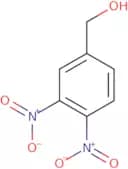
CAS :<p>3,5-Dihydroxybenzyl alcohol is an organic solution that has been shown to inhibit the growth of cancer cells by binding to the chloride ion and forming a hydrophobic effect with the hydrochloric acid. This compound also inhibits the growth of other cells such as bacteria and yeast. 3,5-Dihydroxybenzyl alcohol has potent inhibitory activity against silver ions and prevents their adhesion to DNA molecules. The molecule also has a hydroxyl group which may help to prevent bacterial growth by preventing the production of proteins essential for cell division. 3,5-Dihydroxybenzyl alcohol is not toxic to human liver cells and does not cause any carcinogenic effects in vitro.</p>Formule :C7H8O3Degré de pureté :Min. 95%Couleur et forme :Off-White PowderMasse moléculaire :140.14 g/mol3,4-Dinitrobenzyl alcohol
CAS :<p>3,4-Dinitrobenzyl alcohol is a synthetic chemical that is used as an intermediate for the synthesis of other chemicals. It is a dipole with a molecular weight of 188.2 g/mol and has two substituents. 3,4-Dinitrobenzyl alcohol is produced by the oxidation of 3,4-dichlorobenzyl alcohol with nitric acid and sulfuric acid. This process occurs in industrial settings to produce dyes, perfumes, and medicines. 3,4-Dinitrobenzyl alcohol is used as a starting material for the production of other compounds that are used in the textile industry or as insecticides.</p>Formule :C7H6N2O5Degré de pureté :Min. 95%Couleur et forme :Yellow PowderMasse moléculaire :198.13 g/mol4-Allyl-2-methoxyphenol acetate
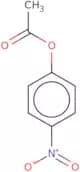
CAS :4-Allyl-2-methoxyphenol acetate is a natural compound that has been shown to have inhibitory properties against Candida glabrata. It also has a synergistic effect with benzoate and eugenol, which are compounds that are found in the essential oils of plants. 4-Allyl-2-methoxyphenol acetate is toxic to aquatic organisms at high concentrations. The water solubility of this compound is low and it has a vapor pressure of 0.0045 mm Hg at 25°C, indicating that it will not evaporate into the atmosphere very quickly.Formule :C12H14O3Degré de pureté :Min. 95%Couleur et forme :Colorless Clear LiquidMasse moléculaire :206.24 g/molp-Nitrophenol acetate
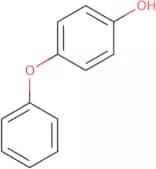
CAS :<p>Substrate for acetyl esterase</p>Formule :C8H7NO4Degré de pureté :Min. 97 Area-%Couleur et forme :PowderMasse moléculaire :181.15 g/mol4-Phenoxyphenol
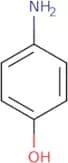
CAS :<p>4-Phenoxyphenol is a phenoxy compound that inhibits bacterial growth by binding to DNA-dependent RNA polymerase, thereby preventing transcription and replication. 4-Phenoxyphenol is synthesized by the reaction of anhydrous sodium with 4-phenoxyphenol in the presence of copper chloride and hydroxyl group. The resulting product has a hydroxyl group attached to the aromatic ring of the phenoxy group. This molecule is then inserted into an expression plasmid with a promoter sequence, which directs it to be expressed in liver cells. The final product can be used as an antibacterial agent against bacteria that are resistant to penicillin, ampicillin, and erythromycin.</p>Formule :C12H10O2Degré de pureté :Min. 95%Couleur et forme :PowderMasse moléculaire :186.21 g/mol4-Aminophenol
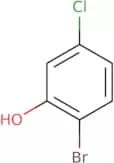
CAS :<p>It is an aromatic amine and a derivative of phenol. 4-aminophenol is commonly used in the production of various chemicals, including pharmaceuticals, dyes, and photographic developers. In the pharmaceutical industry, it is a precursor in the synthesis of paracetamol (acetaminophen), a widely used over-the-counter pain reliever and fever reducer.</p>Formule :C6H7NODegré de pureté :Min. 95%Couleur et forme :White Beige PowderMasse moléculaire :109.13 g/mol2-Bromo-5-chlorophenol
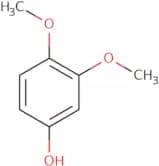
CAS :2-Bromo-5-chlorophenol is an organic compound that belongs to the class of halophenols. It is a nitroso compound with a chlorine atom in the 2 position, and it is also a chloroaniline. The chemical formula for 2-bromo-5-chlorophenol is C6H4BrClO2. The chemical reactions of this product include reactions with aminopyridine, isopropyl alcohol, chloroaniline, halophenols, dimethylamine, ethanolamine and toluidine. 2-Bromo-5-chlorophenol has been used as a reagent for the preparation of diethyl ethers and nitrates. This product has been used as a reagent for the synthesis of methyl groups and emulsifying agents for oil and water mixtures.Formule :C6H4BrClODegré de pureté :Min. 95%Couleur et forme :PowderMasse moléculaire :207.45 g/mol3,4-Dimethoxyphenol
CAS :<p>3,4-Dimethoxyphenol is a compound that is structurally similar to p-hydroxybenzoic acid. It has been shown to inhibit fatty acid synthesis in rat liver microsomes by competitive inhibition of the enzyme β-hydroxylase. This inhibition may be due to its ability to form a stable complex with the enzyme and thereby preventing substrate binding. 3,4-Dimethoxyphenol can also be prepared by sulfonation of 3,4-dihydroxybenzaldehyde followed by chromatographic purification. The compound has been used as an analytical reagent for the determination of sulfonic acids, and it has been shown to have electrochemical methods with good sensitivity and selectivity.</p>Formule :C8H10O3Degré de pureté :Min. 95%Couleur et forme :White PowderMasse moléculaire :154.16 g/mol2,4-Dimethoxybenzyl alcohol
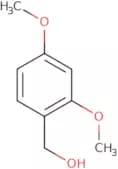
CAS :<p>2,4-Dimethoxybenzyl alcohol is a functional group that is used in organic synthesis. It can be synthesized from the reduction of 2,4-dichlorobenzaldehyde with sodium borohydride or lithium aluminum hydride. The compound is used to synthesize hydroxamic acids and it has shown photocatalytic activity. 2,4-Dimethoxybenzyl alcohol is also used as an intermediate for the synthesis of octamers and trifluoroacetate esters. Other uses include its ability to induce chloride secretion by inhibiting the chloride ion channel in the cell membrane and its ability to inhibit quinoline derivatives such as indolocarbazoles. 2,4-Dimethoxybenzyl alcohol has been shown to have inhibitory activities against a number of biological targets including growth regulators and enzymes (i.e., stereoselective). 2,4-Dimethoxybenzyl alcohol has</p>Formule :C9H12O3Degré de pureté :Min. 95%Couleur et forme :PowderMasse moléculaire :168.19 g/mol4-Chloro-2-nitrophenol
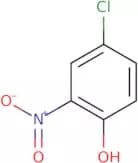
CAS :<p>4-Chloro-2-nitrophenol is a chemical substance that is used as an industrial solvent. It has been shown to be effective in treating wastewater, with a high removal rate of organic compounds. 4-Chloro-2-nitrophenol can also be used as a nitrating agent in the production of explosives and dyes. 4-Chloro-2-nitrophenol reacts with hydrogen to form hydroxybenzoic acid, which can be further transformed into p-hydroxybenzoic acid. The reaction between 4-chloro-2-nitrophenol and hydrogen is catalyzed by metal ions such as iron or copper ions. This reaction has been shown to be kinetically controlled by intramolecular hydrogen bonding at the 2 position on the phenolic ring.</p>Formule :C6H4ClNO3Degré de pureté :Min. 95%Couleur et forme :PowderMasse moléculaire :173.55 g/mol2-Bromobenzyl alcohol
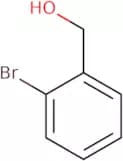
CAS :2-Bromobenzyl alcohol is an organic compound that contains a benzyl group, a hydroxyl group, and a bromine atom. It has been shown to be an effective catalyst for the cross-coupling of organic halides with alkyl Grignard reagents in the presence of sodium carbonate. The reaction mechanism involves formation of an intermolecular hydrogen bond between the carbonyl group and the 2-bromobenzyl alcohol. This reaction produces a constant that can be used to calculate the population growth rate. 2-Bromobenzyl Alcohol has optical properties that are similar to those of water, which makes it suitable for applications such as fuel cells or sensors.Formule :C7H7BrODegré de pureté :Min. 95%Couleur et forme :PowderMasse moléculaire :187.03 g/mol3,5-Dimethoxyphenol
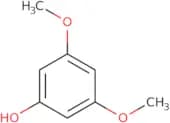
CAS :3,5-Dimethoxyphenol (3,5-DMP) is a synthetic chemical compound that is used for the preparation of sulfonamides. It is prepared by the reaction of 3,5-dimethoxybenzene and trifluoromethanesulfonic acid in aqueous solution. The reaction yield can be increased by adding trimethylsilyl chloride to the solvent system. 3,5-DMP reacts with sulfite to form 3,5-dihydroxyphenylsulfate. The enzyme preparations are extracted from plant cells and then purified by chromatography on silica gel. This chemical reacts with divalent metal ions such as magnesium and calcium in an acidic environment to form salts. These salts react with hydrogen sulfate in an acidic environment to produce 3,5-dihydroxyphenylsulfate. This product also undergoes a kinetic method where it reacts with oxygen to form hydrogen perFormule :C8H10O3Degré de pureté :Min. 95%Couleur et forme :PowderMasse moléculaire :154.16 g/mol2-Chloro-3,5-dimethylphenol
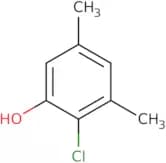
CAS :<p>2-Chloro-3,5-dimethylphenol is an organic solvent with a high reactivity that has been used as a chlorinating agent in the production of amines and toluene. It has been shown to be reactive with many substances such as amines, chlorination, toluene, anthracene, anthraquinone and hydrochloric acid. 2-Chloro-3,5-dimethylphenol is also reactive with aluminium and chlorides. It can introduce chlorine into organic molecules like vanadyl or hydrogen chloride.</p>Formule :C8H9ClODegré de pureté :Min. 98%Couleur et forme :White PowderMasse moléculaire :156.61 g/mol4-Methylbenzyl alcohol
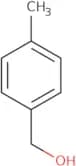
CAS :<p>4-Methylbenzyl alcohol is a reactive molecule that has been shown to form an acid in water. The formation of this acid can be attributed to the loss of a proton from the methyl group. This acid is generated by a reaction mechanism that involves the nucleophilic attack of hydrogen fluoride on the methyl group, leading to its conversion into a carbocation. 4-Methylbenzyl alcohol can also react with β-amino acids and hydrogen fluoride in organic solvents at high pH values, through similar mechanisms.</p>Formule :C8H10ODegré de pureté :Min. 95%Couleur et forme :PowderMasse moléculaire :122.16 g/mol3,4-Dimethylbenzyl alcohol
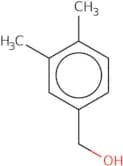
CAS :<p>3,4-Dimethylbenzyl alcohol is a natural compound that is expressed in the nature and found in various data bases. It is an epoxide with a molecular weight of 152.14 g/mol (C10H16O2). 3,4-Dimethylbenzyl alcohol has been shown to be an inhibitor of serotonin and nitrous oxide, which are neurotransmitters. 3,4-Dimethylbenzyl alcohol also has a high affinity for the ethylene binding site on acetaminophen. This chemical has been shown to reduce dry weight when it is added to cell culture at concentrations of 10 mM or greater. The ethyl group present on 3,4-dimethylbenzyl alcohol may allow for possible interactions with other chemicals such as styrene and acetaminophen.</p>Formule :C9H12ODegré de pureté :Min. 95%Couleur et forme :PowderMasse moléculaire :136.19 g/mol2-Chloro-3-fluorobenzyl alcohol
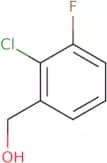
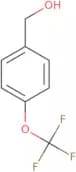
CAS :<p>2-Chloro-3-fluorobenzyl alcohol is a versatile building block for the synthesis of complex compounds. It has been used as a reagent and intermediate in research chemical synthesis. This compound is useful for the preparation of high quality, useful intermediates and reaction components. 2-Chloro-3-fluorobenzyl alcohol can be used as a scaffold to build different organic compounds with different functional groups.</p>Formule :C7H6ClFODegré de pureté :Min. 95%Couleur et forme :PowderMasse moléculaire :160.57 g/mol4-(Trifluoromethoxy)benzyl alcohol
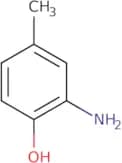
CAS :<p>4-(Trifluoromethoxy)benzyl alcohol is a corrosion inhibitor that inhibits the corrosion of metals. It is able to inhibit uptake of anions, such as chloride ions and nitrate ions, by passive adsorption and by forming an outer layer on the metal surface. 4-(Trifluoromethoxy)benzyl alcohol also acts as a co-solvent for anions in high concentrations, which can be used to remove them from solution. This compound has been shown to reduce the corrosion of ferric iron and copper at high concentrations. 4-(Trifluoromethoxy)benzyl alcohol may also act as a scavenger for hydroxyl radicals, which are known to cause corrosion reactions.</p>Formule :C8H7F3O2Degré de pureté :Min. 95%Couleur et forme :Colorless Clear LiquidMasse moléculaire :192.14 g/mol2-Amino-4-methylphenol
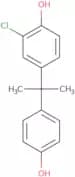
CAS :<p>2-Amino-4-methylphenol is an organic compound that belongs to the group of p2 molecules. It has been shown to react with hydroxyl radicals in the human liver, and this reaction may be a significant mechanism for its toxicity. 2-Amino-4-methylphenol also reacts with low concentrations of hydrochloric acid (0.1 M) to form a stable intermediate with an intramolecular hydrogen bond between the amine nitrogen and the carbonyl carbon. This intermediate then reacts with more hydrochloric acid to form 4-(hydroxymethyl)benzoic acid and 2-aminoethanol. The NMR spectra of 2-amino-4-methylphenol show only one resonance due to the absence of electronegative groups on the molecule, which makes it resistant to oxidation by air or light. The high resistance of 2-amino-4-methylphenol makes it an ideal chemical</p>Formule :C7H9NODegré de pureté :Min. 95%Couleur et forme :Beige PowderMasse moléculaire :123.15 g/mol3-Chlorobisphenol A
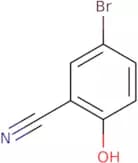
CAS :<p>3-Chlorobisphenol A is a hydroxy group containing compound that occurs naturally in plants. It is a byproduct of the production of polycarbonate plastics, and is also used as an intermediate in the manufacture of other chemicals. 3-Chlorobisphenol A can be found in wastewater, which has led to it being studied for use in wastewater treatment. 3-Chlorobisphenol A has been shown to have constitutive androstane receptor agonist activity, which may account for its toxicities. 3-Chlorobisphenol A has been shown to cause adverse effects on animal health, with high chloride concentrations leading to toxicity. These effects are likely due to its ability to inhibit the response pathway involving cytochrome P450 enzymes.</p>Formule :C15H15ClO2Degré de pureté :Min. 95%Couleur et forme :PowderMasse moléculaire :262.73 g/mol4-Bromo-2-cyanophenol
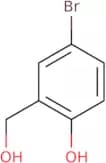
CAS :<p>4-Bromo-2-cyanophenol is a metabotropic glutamate receptor ligand that has been shown to be an agonist of the group II metabotropic glutamate receptors. It binds to this type of glutamate receptor and stimulates the release of the neurotransmitter, glutamate. 4-Bromo-2-cyanophenol is used as a reagent in microscopy experiments to analyze lamellar structures. It has also been used in the synthesis of benzofuran derivatives and formamide. 4-Bromo-2-cyanophenol can be prepared by reacting hydrochloric acid with mesomorphic formamide, followed by desorption with monomers such as hexamethylene diamine or ethylene glycol.</p>Formule :C7H4BrNODegré de pureté :Min. 95%Couleur et forme :PowderMasse moléculaire :198.02 g/mol5-Bromo-2-hydroxybenzyl alcohol
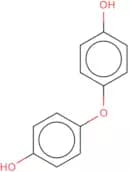
CAS :<p>5-Bromo-2-hydroxybenzyl alcohol (5-BrABA) is a diagnostic agent that is used to detect microbial infections. It has been shown to be useful as an anti-infective agent in the treatment of cancer and inflammatory diseases, such as choroidal neovascularization. 5-BrABA is a cell permeable compound that binds to target tissue and accumulates at the site of infection. It has been shown to inhibit the growth of ophthalmic bacteria, including Acinetobacter baumannii, Pseudomonas aeruginosa, and Staphylococcus epidermidis. 5-BrABA has also been shown to be biocompatible with human retinal pigment epithelial cells and does not induce any detectable toxicity or cytotoxicity in these cells after 24 hours exposure.</p>Formule :C7H7BrO2Degré de pureté :Min. 98 Area-%Couleur et forme :PowderMasse moléculaire :203.03 g/mol4,4'-Oxydiphenol
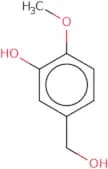
CAS :<p>4,4'-Oxydiphenol is an organic compound that contains a phenolic hydroxyl group. The molecule is activated by the presence of an electron withdrawing group such as a carbonyl or sulfonate. This activation allows for nucleophilic attack on the carbon-carbon double bond to form a new bond. 4,4'-Oxydiphenol can also be synthesized from ethane and epichlorohydrin in the presence of a base such as sodium methoxide. The resulting product is a polyester with resistive properties due to its high molecular weight and low solubility.</p>Formule :C12H10O3Degré de pureté :Min. 95%Couleur et forme :PowderMasse moléculaire :202.21 g/mol3-Hydroxy-4-methoxybenzyl alcohol
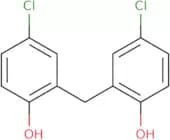
CAS :<p>3-Hydroxy-4-methoxybenzyl alcohol is a metabolite of vanillic acid, an aldehyde that is produced by the oxidation of catecholamines. This compound has been shown to inhibit the activity of aldehyde oxidase, which converts aldehydes into acids. 3-Hydroxy-4-methoxybenzyl alcohol has also been shown to inhibit cellular dehydrogenase and protocatechuic aldehyde dehydrogenase activities, as well as inhibiting cellular metabolism.</p>Formule :C8H10O3Degré de pureté :Min. 95%Couleur et forme :PowderMasse moléculaire :154.16 g/molDichlorophen BP
CAS :Anti-cestodal agent; tapeworm infection treatmentFormule :C13H10Cl2O2Degré de pureté :(Titration) 97 - 101%Couleur et forme :PowderMasse moléculaire :269.12 g/molChlorophenol red
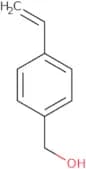
CAS :<p>Chlorophenol red is a synthetic, non-toxic and non-hazardous chemical that is used as a reagent in the laboratory. It can be used to make other chemicals such as pharmaceuticals, pesticides, dyes, fragrances, and plastics. In addition to its use as a reactant in the laboratory, chlorophenol red also has many uses as a building block in organic chemistry because it can be used to create many different compounds with high purity and quality. Chlorophenol red is soluble in water and ethanol, making it easy to dissolve or extract from solids. Chlorophenol red has CAS number 4430-20-0 and its molecular weight is 228.2 g/mol.</p>Formule :C19H12Cl2O5SDegré de pureté :Min. 93.0 Area-%Masse moléculaire :423.27 g/mol4-Vinylbenzyl alcohol
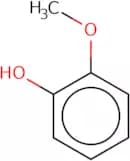
CAS :4-Vinylbenzyl alcohol is a chlorine-containing organic compound that is used as an intermediate in the production of other chemicals. It is also used as a solvent, plasticizer, and stabilizer. 4-Vinylbenzyl alcohol has been found to be an effective inhibitor of the human liver cytochrome P450 enzyme system. The reaction product with chloride ions forms a stable complex that inhibits the enzyme's active site. This inhibition prevents the conversion of drugs such as acetaminophen (paracetamol) into toxic metabolites.Formule :C9H10ODegré de pureté :Min. 95%Couleur et forme :Slightly Yellow Clear LiquidMasse moléculaire :134.18 g/mol2-Methoxyphenol
CAS :<p>Please enquire for more information about 2-Methoxyphenol including the price, delivery time and more detailed product information at the technical inquiry form on this page</p>Formule :C7H8O2Degré de pureté :Min. 95%Couleur et forme :Clear Liquid Solidified MassMasse moléculaire :124.14 g/molChlorophenol red
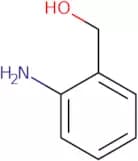
CAS :<p>Chlorophenol red is a fluorescent probe that can be used in the detection of microbial infection. It has been shown to react with malonic acid (MAA) and fluoresce at an excitation wavelength of ~480 nm and emission wavelength of ~520 nm. The linear calibration curve for this assay was generated using human serum, which is a good model system for detecting infectious diseases. Chlorophenol red was also shown to bind to the receptor activity on mammalian cells and can be used as a marker for autoimmune diseases.</p>Formule :C19H12Cl2O5SDegré de pureté :Min. 95%Couleur et forme :Green PowderMasse moléculaire :423.27 g/mol2-Aminobenzyl alcohol
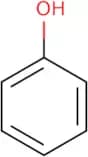
CAS :<p>2-Aminobenzyl alcohol is a chaperone that binds to the polypeptide chain of proteins and prevents them from denaturation. It also has been shown to form hydrogen bonds with other molecules, such as chaperones, and to bind to copper ions. 2-Aminobenzyl alcohol can react with sodium carbonate in an alkaline solution to form 2-aminobenzaldehyde and sodium bicarbonate. The reaction mechanism is thought to involve the formation of a copper complex with x-ray diffraction data showing a new set of peaks at d = 1.81 Å corresponding to the Cu(II) ion coordinated by two amine groups on the benzyl alcohol ring. This compound also reacts with quinoline derivatives in the presence of hydrochloric acid or hydroxyl group in an aprotic solvent such as dimethylformamide (DMF) or acetonitrile (ACN) to produce mianserin hydro</p>Formule :C7H9NODegré de pureté :Min. 97.5%Couleur et forme :Off-White PowderMasse moléculaire :123.15 g/molPhenol
CAS :<p>Phenol is an aromatic organic compound and belongs to the class of compounds known as phenols. Phenol consists of a benzene ring (a six-membered carbon ring with alternating single and double bonds) with a hydroxyl (-OH) group attached to one of the carbon atoms. The chemical structure can be represented as:<br>Phenol is a white crystalline solid at room temperature and has a distinct, sweet, and medicinal odor. It was initially isolated from coal tar, but it can also be produced through various chemical processes. Phenol has numerous applications in industry. It is used in the production of plastics, resins, dyes, detergents, pharmaceuticals, and various chemical intermediates. It also has antiseptic properties and was historically used as a disinfectant and topical anesthetic. However, its use for these purposes has diminished due to its potential toxicity.<br>It's important to note that phenol can be corrosive and toxic, and exposure should be handled with care. Various derivatives and substitutes have been developed for specific applications to mitigate some of the drawbacks associated with phenol itself.</p>Formule :C6H6ODegré de pureté :Min. 98 Area-%Couleur et forme :PowderMasse moléculaire :94.11 g/mol2-Amino-4-nitrophenol
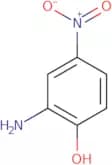
CAS :<p>2-Amino-4-nitrophenol is a chemical compound that has been used in the modeling of hydrogen bonds. It is also used as a reagent for the determination of the concentration of hydrochloric acid and sodium carbonate. 2-Amino-4-nitrophenol is activated with hydrochloric acid and then reacts with sodium carbonate to produce a yellow solution. The solution's colour changes with pH, which can be determined by measuring the absorption at different wavelengths on an nmr spectrometer. Nitro groups are present in 2-amino-4-nitrophenol, which may cause allergic reactions. This chemical also has an acidic nature due to its inorganic acid properties.</p>Formule :C6H6N2O3Degré de pureté :Min. 95%Couleur et forme :Slightly Yellow PowderMasse moléculaire :154.12 g/molo-Iodobenzyl alcohol
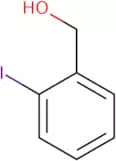
CAS :<p>O-iodobenzyl alcohol (OIB) is a nucleophile that reacts with an electron-deficient, electrophilic carbon atom to form a covalent bond. It has been shown to have the ability to reduce carbonyl groups and can be used as a bioconjugate for binding with biomolecules. OIB has also been shown to be effective in the reduction of functional groups such as hydroxyl, nitro, and amino groups. This chemical is also used in nucleophilic substitution reactions and may be used in asymmetric synthesis. The NMR spectra of OIB are characterized by the presence of two doublets at 6.6 ppm and 7.2 ppm, which correspond to the two different stereoisomers of this compound. These two isomers are distinguished by their optical rotation constants: alpha = -0.1468 (c = 1, H2O) and beta = +0.1140 (c = 1, H2</p>Formule :C7H7IODegré de pureté :Min. 98%Couleur et forme :PowderMasse moléculaire :234.03 g/mol2-Fluoro-4-nitrophenol
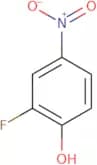
CAS :<p>2-Fluoro-4-nitrophenol is an amide that has potent antitumor activity. It is a selective inhibitor of the protein kinase Raf (Akt), leading to inhibition of the growth of cancer cells in vitro. 2-Fluoro-4-nitrophenol also inhibits the proliferation of prostate cancer cells, which may be due to its ability to inhibit the production of growth factors and cytokines such as mcf-7 and nitrous oxide. The 2-fluoro-4-nitrophenol is cytotoxic because it inhibits DNA synthesis and prevents mitosis. The chemical structure consists of a nitro group (-NO2) on C6, a phenolic hydroxyl group (-OH) on C2, and a methylene group (-CH2-) on C3. This molecule binds covalently to proteins through its amino acid side chain at C6 and forms stable complexes with x-ray crystallography structures. It</p>Formule :C6H4FNO3Degré de pureté :Min. 95%Couleur et forme :PowderMasse moléculaire :157.1 g/mol4-Methyl-3-nitrophenol
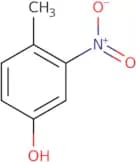
CAS :<p>4-Methyl-3-nitrophenol is a chemical compound that has been used as a herbicide and an insecticide. It is sold under the trade name of Mecoprop. 4-Methyl-3-nitrophenol is also known to have antiseptic properties and has been used in the treatment of skin conditions such as acne, psoriasis, and eczema. 4-Methyl-3-nitrophenol can be synthesized by reacting hydrochloric acid with nitric acid and phenols. This reaction produces a mixture of methylated phenols, including 4-(methylthio)phenol, which can be separated from the other compounds by chromatography and then treated with concentrated sodium hydroxide to produce 4-methyl-3-nitrophenol. The optimum pH for this reaction is about 2.4 to 3.2, but it can also be carried out at higher or lower pH values if necessary by adding</p>Formule :C7H7NO3Couleur et forme :PowderMasse moléculaire :153.14 g/mol2,5-Dimethylbenzyl alcohol
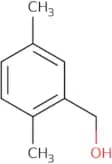
CAS :<p>2,5-Dimethylbenzyl alcohol is a colorless to pale yellow liquid used primarily in the manufacture of perfumes. It is also used as a solvent and an intermediate in organic synthesis. This chemical has been shown to be taken up by adipose tissue and excreted in urine as glucuronide conjugates. 2,5-Dimethylbenzyl alcohol is metabolized into 5-methylbenzaldehyde and then further into 2-methoxy-5-methylbenzaldehyde (2MMB). The final metabolic product of 2,5-dimethylbenzyl alcohol is benzoic acid.</p>Formule :C9H12ODegré de pureté :Min. 97%Couleur et forme :PowderMasse moléculaire :136.19 g/mol4-Isopropoxybenzyl alcohol
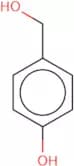
CAS :<p>4-Isopropoxybenzyl alcohol is a reaction component that can be used as a reagent, useful scaffold, and high-quality research chemical. It is also a versatile building block and useful intermediate for the production of complex compounds. This chemical has been assigned CAS No. 82657-71-4. 4-Isopropoxybenzyl alcohol is a fine chemical with uses in the production of polymers, pharmaceuticals, and other chemicals.</p>Formule :C10H14O2Degré de pureté :Min. 95%Couleur et forme :Clear LiquidMasse moléculaire :166.22 g/mol4-Hydroxybenzyl alcohol
CAS :<p>4-Hydroxybenzyl alcohol is a chemical compound that is found in the rhizoma gastrodiae. It has been shown to have angiogenic properties and may be used as an anti-angiogenic agent. 4-Hydroxybenzyl alcohol is also an inhibitor of matrix metalloproteinases, which are enzymes that degrade the extracellular matrix. This inhibition leads to apoptosis and neuronal death.</p>Formule :C7H8O2Degré de pureté :Min. 80%Couleur et forme :PowderMasse moléculaire :124.14 g/mol4-Ethoxyphenol
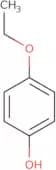
CAS :<p>4-Ethoxyphenol is a reactive chemical that is used as an analytical model system in organic chemistry. It has been shown to inhibit mitochondrial membrane potential, which may be due to its ability to bind to the lipid bilayer and alter the structure of the mitochondrial membrane. This chemical is not toxic at low concentrations, but can cause damage to cells at high concentrations. 4-Ethoxyphenol also displays high values on a redox potential scale, which may be due to its ability to undergo oxidation-reduction reactions with other molecules. The reaction mechanism for this compound is thought to involve nucleophilic attack by hydroxyl groups on the aromatic ring of 4-ethoxyphenol.</p>Formule :C8H10O2Degré de pureté :Min. 95%Couleur et forme :PowderMasse moléculaire :138.16 g/mol2-Cyanophenol
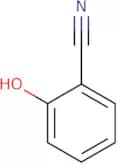
CAS :<p>2-Cyanophenol is a phenolic compound that is used as an intermediate in the synthesis of pharmaceuticals and agrochemicals. It is also a disinfectant used for wastewater treatment and to remove salicylaldoxime from contaminated water. 2-Cyanophenol can be synthesized by reacting phenol with hydrogen peroxide in the presence of sephadex g-100, which provides a high yield of product. It has been shown to have antimicrobial properties against Gram-positive bacteria, such as Staphylococcus aureus, and Gram-negative bacteria, such as Escherichia coli and Pseudomonas aeruginosa. 2-Cyanophenol has been shown to react with metal hydroxides such as ferric chloride or zinc chloride to form precipitates. This reaction can be detected using a UV/VIS spectrophotometer at wavelengths between 200–350 nm.</p>Formule :C7H5NODegré de pureté :Min. 95%Couleur et forme :Off-White PowderMasse moléculaire :119.12 g/mol4-Chloro-2-methoxyphenol
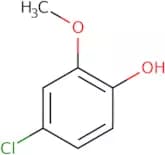
CAS :4-Chloro-2-methoxyphenol (4CMP) is a type of chemical compound that belongs to the aryl halide class. It is used in wastewater treatment as an inhibitor of bacterial growth. 4CMP inhibits bacterial growth by reacting with fatty acids at the surface of the bacteria, forming a coating that prevents bacterial attachment to solid surfaces and mineralization. This process has been shown to be effective in both batch and flow systems, with copper chloride being the best catalyst for this reaction. Kinetic studies have shown that 4CMP has an inhibitory effect on the reaction rate of activated sludge microorganisms, which can be used to optimize process conditions.Formule :C7H7ClO2Degré de pureté :Min. 95%Couleur et forme :Clear LiquidMasse moléculaire :158.58 g/mol4-(2-Acetoxyethyl)phenol
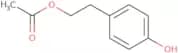
CAS :4-(2-Acetoxyethyl)phenol is a phenolic compound that has been shown to have neuroprotective activity, inhibiting the production of tumor necrosis factor-α (TNF-α). 4-(2-Acetoxyethyl)phenol also inhibits the growth of Pseudomonas aeruginosa in vitro and in vivo. This is due to its ability to inhibit DNA replication by binding to dna gyrase, which is an enzyme that maintains the integrity of bacterial DNA. 4-(2-Acetoxyethyl)phenol was also found to be potent inhibitor of acetylcholinesterase and butyrylcholinesterase, with IC50 values of 1.1 and 3.5 µM respectively. It has been used as an analytical reagent for the determination of trace amounts of acetate in organic solvents. Preparative high performance liquid chromatography can be used for the isolation and purification of thisFormule :C10H12O3Degré de pureté :Min. 95%Couleur et forme :White PowderMasse moléculaire :180.2 g/mol4-Iodophenol
CAS :<p>An enhancer used in chemiluminescent reactions</p>Formule :C6H5IODegré de pureté :Min. 98.5 Area-%Couleur et forme :PowderMasse moléculaire :220.01 g/mol4-Methyl-3-nitrophenol
CAS :<p>4-Methyl-3-nitrophenol is a versatile building block that is used in the synthesis of many organic compounds. This compound is an important precursor to many chemical products, including pharmaceuticals and pesticides. 4-Methyl-3-nitrophenol can be used as a reaction component in various reactions, such as the Friedel Crafts Acylation Reaction, the Michael Addition Reaction, and the Darzens Reaction. It can also be used as a reagent for nitration of alcohols and phenols or for the preparation of dyes. CAS No.: 2042-14-0</p>Formule :C7H7NO3Masse moléculaire :153.14 g/molRef: 3D-M-4257
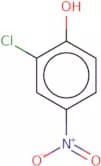
1kgÀ demander5kgÀ demander10kgÀ demander500gÀ demander2500gÀ demander-Unit-ggÀ demander2-Chloro-4-nitrophenol
CAS :<p>2-Chloro-4-nitrophenol (2CP) is a chemical that has been found to be an optical sensor for nitrite ion. It reacts with nitrite ion at a pH of 5 and changes its color from yellow or orange to red. 2CP is also an antimicrobial agent and has shown biological properties against bacteria, including the ability to inhibit bacterial growth and reduce the number of bacteria in human serum. The optimum concentration for the inhibition of bacterial growth was found to be 0.5 mg/mL, which is much lower than the concentration used in other studies. The genus, bacterial strain, and pH were all found to influence the activity of 2CP against bacteria. Process optimization trials have shown that 4-hydroxycinnamic acid can be used as an alternative substrate for 2CP's reaction with nitrite ion. Monoclonal antibodies were also developed that are specific for transfer reactions with nitrate ion and can be used as a detection system for nit</p>Formule :C6H4ClNO3Degré de pureté :Min. 95%Couleur et forme :PowderMasse moléculaire :173.55 g/mol4-Ethylbenzyl alcohol
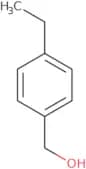
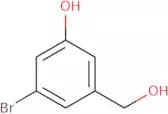
CAS :<p>4-Ethylbenzyl alcohol is a constituent of natural rubber and is produced as a by-product during the manufacture of styrene. It has been shown that 4-ethylbenzyl alcohol can inhibit phosphatidylethanolamine N-methyltransferase, an enzyme that catalyzes the synthesis of phosphatidylethanolamine from phosphatidylcholine, thereby inhibiting lipid biosynthesis in cells. This inhibition may be due to the presence of the hydroxy group on the benzene ring which may bind to the active site of the enzyme and prevent it from binding with its substrate. In addition, 4-ethylbenzyl alcohol may act as an organic solvent and react with other substances in cells to form cytotoxic products. 4-Ethylbenzyl alcohol has been shown to cause narcosis when used in high concentrations or over a long period.</p>Formule :C9H12ODegré de pureté :90%Couleur et forme :PowderMasse moléculaire :136.19 g/mol3-Bromo-5-hydroxybenzyl alcohol
CAS :3-Bromo-5-hydroxybenzyl alcohol is a useful building block that can be used to synthesize more complex compounds. This chemical is a reagent and reaction component for organic synthesis. 3-Bromo-5-hydroxybenzyl alcohol is useful as a high quality research chemical, speciality chemical, or versatile building block. It reacts rapidly with strong oxidants and strong bases to form the corresponding bromohydrins. The CAS number for 3-bromo-5-hydroxybenzyl alcohol is 1020336-51-9.Formule :C7H7BrO2Degré de pureté :Min. 95%Couleur et forme :PowderMasse moléculaire :203.03 g/mol2,4,6-Trimethoxyphenol
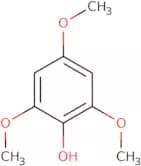
CAS :<p>2,4,6-Trimethoxyphenol is a synthetic molecule that has been shown to have antioxidant effects in vitro and in vivo. It is also able to increase insulin sensitivity and lower blood pressure in diabetic patients. 2,4,6-Trimethoxyphenol is an inhibitor of the enzyme catechol-O-methyltransferase (COMT), which degrades catecholamines such as dopamine and norepinephrine. It has been shown to inhibit the oxidation of these molecules by reacting with hydrogen peroxide to produce H2O2. The demethylation of 2,4,6-trimethoxyphenol produces 3,4,5-trimethoxybenzyl alcohol (3MBA), which can be used for the treatment of diabetes mellitus type II.</p>Formule :C9H12O4Degré de pureté :Min. 95%Couleur et forme :PowderMasse moléculaire :184.19 g/mol4-Acetamidophenol
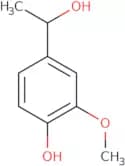
CAS :4-Acetamidophenol (4AP) is a natural compound that has been shown to inhibit nuclear DNA damage in vitro. It also has anti-inflammatory activity, which may be due to its ability to inhibit cyclooxygenase-1 and cyclooxygenase-2 enzymes. 4AP is synthesized by the condensation of acetaminophen with formaldehyde and sodium hydroxide. This drug binds to the signal peptide in the Toll-like receptor 2 (TLR2) protein, preventing TLR2 from activating inflammatory pathways. The matrix effect of 4AP is thought to play a role in its mechanism of action, as well as its biocompatibility with tissues. The analytical method used for this product is high performance liquid chromatography with ultraviolet detection at 280 nm.Formule :C8H9NO2Degré de pureté :Min. 95%Couleur et forme :PowderMasse moléculaire :151.16 g/mol4-Hydroxy-3-methoxy-a-methylbenzyl alcohol
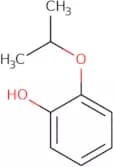
CAS :Synthetic building blockFormule :C9H12O3Degré de pureté :Min. 95%Couleur et forme :PowderMasse moléculaire :168.19 g/mol2-Isopropoxyphenol
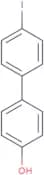
CAS :<p>2-Isopropoxyphenol is a metabolite of benzene and toluene that can be found in urine. 2-Isopropoxyphenol can be detected by using an analytical method that involves hydrolysis of the enzyme with a hydroxide solution and then gas chromatography with chemical ionization detection. This test is used for the identification and quantification of piperonyl butoxide, which is a pesticide. The test is also useful for evaluating human metabolism in pregnant women and infants.</p>Formule :C9H12O2Degré de pureté :Min. 95%Couleur et forme :PowderMasse moléculaire :152.19 g/mol4-(4'-Iodophenyl)phenol
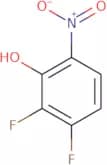
CAS :<p>4-(4'-Iodophenyl)phenol is an analog of the natural substrate thymidine. It is a liquid crystalline compound that has been shown to inhibit the activity of virus thymidine kinase in vitro and in vivo. 4-(4'-Iodophenyl)phenol was also shown to have affinity for the active site of viral thymidine kinase, which may account for its effect on viral replication.</p>Formule :C12H9IODegré de pureté :Min. 98 Area-%Couleur et forme :PowderMasse moléculaire :296.1 g/mol2,3-Difluoro-6-nitrophenol
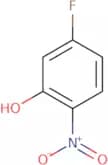
CAS :<p>2,3-Difluoro-6-nitrophenol is a fluorinated phenolic compound that is used in biochemical research as a competitive inhibitor of bacterial growth. It is synthesized by the reaction of 2,3-difluorophenol with nitric acid. The chemical structure can be determined through infrared, NMR, and mass spectrometry techniques. 2,3-Difluoro-6-nitrophenol has been shown to inhibit bacterial growth by binding to the enzyme cytochrome c oxidase. This inhibition prevents electron transport from occurring, resulting in an accumulation of reactive oxygen species and cell death.</p>Formule :C6H3F2NO3Degré de pureté :Min. 95%Couleur et forme :PowderMasse moléculaire :175.09 g/mol5-Fluoro-2-nitrophenol
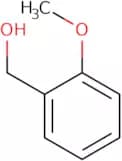
CAS :<p>5-Fluoro-2-nitrophenol is a synthetic compound that has been shown to inhibit the production of nitric oxide in cells. It is most active in inhibiting the release of nitric oxide from cells, but also inhibits its synthesis. 5-Fluoro-2-nitrophenol has been shown to inhibit the production of thromboxane A2, prostacyclin, and endothelin 1. This drug also binds to bacteria and prevents their growth by inhibiting protein synthesis. The binding of 5-fluoro-2-nitrophenol to bacterial DNA leads to inhibition of transcription and translation, preventing protein synthesis.<br>5-Fluoro-2-nitrophenol has been shown to be effective against Trichophyton mentagrophytes (a fungus) and may be useful for the treatment of onychomycosis (fungal infection).</p>Formule :C6H4FNO3Degré de pureté :Min. 95%Couleur et forme :Yellow PowderMasse moléculaire :157.1 g/mol2-Methoxybenzyl alcohol
CAS :<p>2-Methoxybenzyl alcohol is a reactive compound that contains two methoxy (CH3O-) groups. It can be used for the synthesis of chiral molecules because it forms an asymmetric hydrogen bond. The reaction of 2-methoxybenzyl alcohol with oxygenated substances, such as formaldehyde and acetaldehyde, leads to oxidation products, including hydroxybenzaldehyde, which can be isolated and converted to benzalacetone. This product has been shown to have photocatalytic activity in the presence of ultraviolet light.</p>Formule :C8H10O2Degré de pureté :Min. 95%Couleur et forme :Colorless Clear LiquidMasse moléculaire :138.16 g/mol2,3-Dichlorobenzyl alcohol
CAS :<p>2,3-Dichlorobenzyl alcohol (2,3-DCBA) is a chlorinated aromatic compound that is used as an industrial solvent. It has significant effects on aerobic bacteria and fungi. 2,3-DCBA inhibits the enzyme lactaldehyde dehydrogenase by covalent binding to its zinc atom. This inhibition leads to the accumulation of lactaldehyde in cells, which can be toxic. 2,3-DCBA also inhibits the enzyme catalase and the synthesis of DNA in eukaryotic cells. In addition, it can catalyze the dioxygenation of naphthalene to form a number of polychlorinated derivatives. The rate of naphthalene formation is dependent on temperature and pressure conditions.</p>Formule :C7H6Cl2ODegré de pureté :Min. 95%Couleur et forme :PowderMasse moléculaire :177.03 g/molN1,N2-Bis(2,4,6-trimethoxyphenyl)ethanediamide
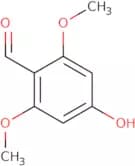
CAS :<p>Adriamycin is a cytotoxic drug that inhibits the growth of cells by causing cross-linking in DNA. It is an analogue of the naturally occurring molecule bis(2,4,6-trimethoxyphenyl)ethanediamide. Adriamycin has been shown to inhibit cell proliferation in vitro and in vivo by interfering with DNA synthesis. This agent also inhibits the production of proteins and lipids needed for cellular division by binding to the purine base adenine. Adriamycin binds to the enzyme ribonucleotide reductase, which catalyzes the conversion of ribonucleosides into deoxyribonucleosides. Adriamycin has a relatively low activation energy and can be activated thermally or photolytically.</p>Formule :C20H24N2O8Degré de pureté :Min. 95%Couleur et forme :PowderMasse moléculaire :420.41 g/mol3,5-Dimethoxy-4-formyl-phenol
CAS :<p>3,5-Dimethoxy-4-formylphenol is a synthetic compound that has been used as an intermediate for the synthesis of various types of amide and oligosaccharide. It also has a mycological effect on fungi and is used in the production of organic solvents. 3,5-Dimethoxy-4-formylphenol can be produced by demethylation of anilines with sodium hypochlorite or potassium carbonate in methanol. It is soluble in organic solvents and exhibits good organoleptic properties. This compound can be synthesized from fungal biomass, which is obtained by solid phase synthesis or preparative chromatography. The linker between the phenolic group and the methyl group is labile to hydrolysis and must be protected during storage.</p>Formule :C9H10O4Degré de pureté :Min. 95%Couleur et forme :PowderMasse moléculaire :182.17 g/mol2-Bromo-4,5-dimethoxybenzyl alcohol
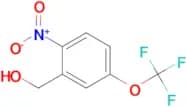
CAS :2-Bromo-4,5-dimethoxybenzyl alcohol is an electrophilic brominating agent. It has been used in the synthesis of aryllithiums, organoiron compounds and chromenes. It is also used in the synthesis of nucleophiles, synthons and amaryllidaceae alkaloids. 2-Bromo-4,5-dimethoxybenzyl alcohol reacts with lithium diisopropylamide (LDA) to produce an aryllithium compound that is used as a nucleophile in organic synthesis reactions. This alcohol can be converted to an arene by reaction with carbon monoxide gas.Formule :C9H11BrO3Degré de pureté :Min. 95%Couleur et forme :PowderMasse moléculaire :247.09 g/mol(2-Nitro-5-(trifluoromethoxy)phenyl)methanol
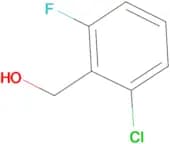
CAS :Formule :C8H6F3NO4Degré de pureté :98%Masse moléculaire :237.1342-Chloro-6-fluorobenzyl alcohol
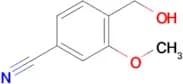
CAS :Formule :C7H6ClFODegré de pureté :97%Couleur et forme :SolidMasse moléculaire :160.574-(Hydroxymethyl)-3-methoxybenzonitrile
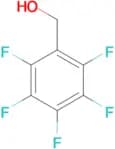
CAS :Degré de pureté :98%Couleur et forme :SolidMasse moléculaire :163.17599492,3,4,5,6-Pentafluorobenzyl alcohol
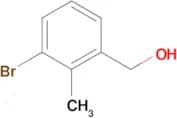
CAS :Formule :C7H3F5ODegré de pureté :96%Couleur et forme :SolidMasse moléculaire :198.092(3-Bromo-2-methylphenyl)methanol
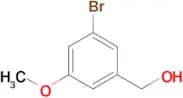
CAS :Formule :C8H9BrODegré de pureté :97%Couleur et forme :SolidMasse moléculaire :201.063(3-Bromo-5-methoxyphenyl)methanol
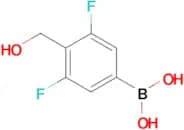
CAS :Formule :C8H9BrO2Degré de pureté :95%Couleur et forme :SolidMasse moléculaire :217.062(3,5-Difluoro-4-(hydroxymethyl)phenyl)boronic acid
CAS :Formule :C7H7BF2O3Degré de pureté :96%Masse moléculaire :187.94(2-Methyl-[1,1′-biphenyl]-3-yl)methanol
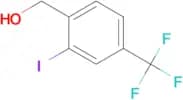
CAS :Formule :C14H14ODegré de pureté :95%Couleur et forme :SolidMasse moléculaire :198.265(2-Iodo-4-(trifluoromethyl)phenyl)methanol
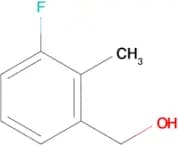
CAS :Formule :C8H6F3IODegré de pureté :96%Couleur et forme :Liquid, No data available.Masse moléculaire :302.0353-Fluoro-2-methylbenzyl alcohol
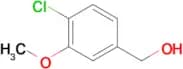
CAS :Formule :C8H9FODegré de pureté :96%Couleur et forme :SolidMasse moléculaire :140.157(4-CHLORO-3-METHOXYPHENYL)METHANOL
CAS :Formule :C8H9ClO2Degré de pureté :95%Masse moléculaire :172.615-(Hydroxymethyl)-1,3-benzenediol
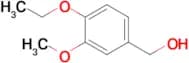
CAS :Formule :C7H8O3Degré de pureté :97%Couleur et forme :Solid, CrystallineMasse moléculaire :140.1384-ETHOXY-3-METHOXYBENZYL ALCOHOL
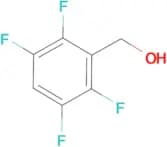
CAS :Formule :C10H14O3Degré de pureté :98%Masse moléculaire :182.2192,3,5,6-Tetrafluorobenzyl alcohol
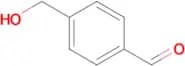
CAS :Formule :C7H4F4ODegré de pureté :98%Couleur et forme :Solid, White to almost white crystalline massMasse moléculaire :180.1024-(Hydroxymethyl)benzaldehyde
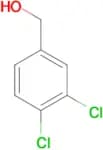
CAS :Formule :C8H8O2Degré de pureté :95%Couleur et forme :SolidMasse moléculaire :136.153,4-Dichlorobenzyl alcohol
CAS :Formule :C7H6Cl2ODegré de pureté :95%Couleur et forme :Solid, White - Almost white powderMasse moléculaire :177.02Ref: 10-F658835
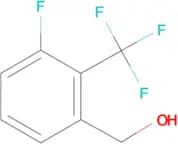
1g339,00€5g821,00€10g1.530,00€2.5g528,00€50mg91,00€100mg124,00€250mg186,00€500mg286,00€3-Fluoro-2-(trifluoromethyl)benzyl alcohol
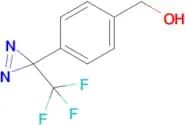
CAS :Formule :C8H6F4ODegré de pureté :98%Couleur et forme :SolidMasse moléculaire :194.129(4-(3-(Trifluoromethyl)-3H-diazirin-3-yl)phenyl)methanol
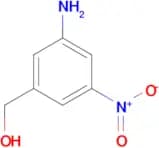
CAS :Degré de pureté :96%Masse moléculaire :216.1629944(3-Amino-5-nitrophenyl)methanol
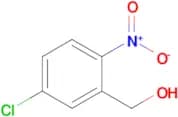
CAS :Formule :C7H8N2O3Degré de pureté :98%Couleur et forme :SolidMasse moléculaire :168.152(5-Chloro-2-nitrophenyl)methanol
CAS :Formule :C7H6ClNO3Degré de pureté :95%Couleur et forme :SolidMasse moléculaire :187.58(3-Amino-4-(4-methylpiperidin-1-yl)phenyl)methanol
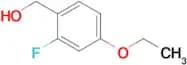
CAS :Degré de pureté :98%Masse moléculaire :220.3159943(4-Ethoxy-2-fluorophenyl)methanol
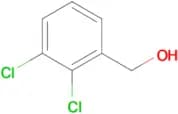
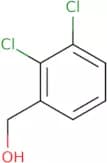
CAS :Formule :C9H11FO2Degré de pureté :95%Masse moléculaire :170.183(2,3-Dichlorophenyl)methanol
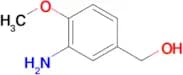
CAS :Formule :C7H6Cl2ODegré de pureté :98%Couleur et forme :SolidMasse moléculaire :177.02(3-Amino-4-methoxyphenyl)methanol
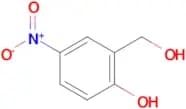
CAS :Formule :C8H11NO2Degré de pureté :98%Couleur et forme :SolidMasse moléculaire :153.1812-(Hydroxymethyl)-4-nitrophenol
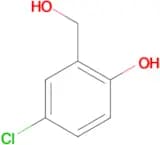
CAS :Formule :C7H7NO4Degré de pureté :98%Couleur et forme :SolidMasse moléculaire :169.1365-Chloro-2-hydroxybenzyl alcohol
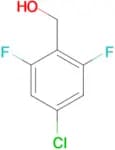
CAS :Formule :C7H7ClO2Degré de pureté :95%Couleur et forme :Solid, White powderMasse moléculaire :158.584-Chloro-2,6-difluorobenzyl alcohol
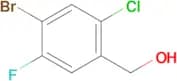
CAS :Formule :C7H5ClF2ODegré de pureté :98%Couleur et forme :SolidMasse moléculaire :178.564-Bromo-2-chloro-5-fluorobenzyl alcohol
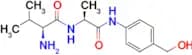
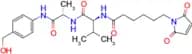
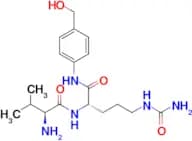
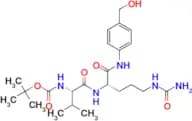
CAS :Formule :C7H5BrClFODegré de pureté :95%Couleur et forme :SolidMasse moléculaire :239.47Val-Cit-PAB-OH
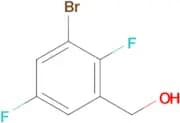
CAS :Formule :C18H29N5O4Degré de pureté :95%Couleur et forme :SolidMasse moléculaire :379.461(3-Bromo-2,5-difluorophenyl)methanol
CAS :Formule :C7H5BrF2ODegré de pureté :98%Couleur et forme :No data available.Masse moléculaire :223.0172-Bromo-5-(hydroxymethyl)phenol
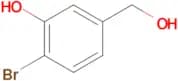
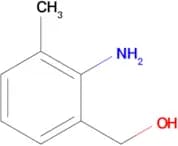
CAS :Formule :C7H7BrO2Degré de pureté :95%Couleur et forme :SolidMasse moléculaire :203.035(2-Amino-3-methylphenyl)methanol
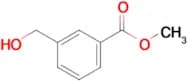
CAS :Formule :C8H11NODegré de pureté :98%Couleur et forme :SolidMasse moléculaire :137.182Methyl 3-(hydroxymethyl)benzoate
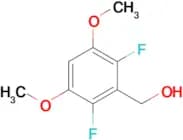
CAS :Formule :C9H10O3Degré de pureté :98%Couleur et forme :LiquidMasse moléculaire :166.176(2,6-Difluoro-3,5-dimethoxyphenyl)methanol
CAS :Formule :C9H10F2O3Degré de pureté :98%Masse moléculaire :204.1733-Chloro-4-(trifluoromethyl)benzyl alcohol
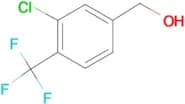
CAS :Formule :C8H6ClF3ODegré de pureté :98%Couleur et forme :SolidMasse moléculaire :210.58








![[3,5-Bis(methylsulfonyl)phenyl]methanol](/_next/image/?url=https%3A%2Fstatic.cymitquimica.com%2Fproducts%2F10%2Fthumb-webp%2FF023684.webp&w=3840&q=75)


![(4-(Benzo[d]thiazol-2-yl)phenyl)methanol](/_next/image/?url=https%3A%2Fstatic.cymitquimica.com%2Fproducts%2F10%2Fthumb-webp%2FF773795.webp&w=3840&q=75)
![5'-[4-(Hydroxymethyl)phenyl][1,1':3',1''-terphenyl]-4,4''-dimethanol](/_next/image/?url=https%3A%2Fstatic.cymitquimica.com%2Fproducts%2F10%2Fthumb-webp%2FF617541.webp&w=3840&q=75)
![(2-{4-[Bis(4-fluorophenyl)methyl]piperazin-1-yl}phenyl)methanol](/_next/image/?url=https%3A%2Fstatic.cymitquimica.com%2Fproducts%2F10%2Fthumb-webp%2FF077759.webp&w=3840&q=75)

![[4-(pyrrolidin-1-ylmethyl)phenyl]methanol](/_next/image/?url=https%3A%2Fstatic.cymitquimica.com%2Fproducts%2F10%2Fthumb-webp%2FF518957.webp&w=3840&q=75)
![(4-(bicyclo[1.1.1]pentan-1-yl)phenyl)methanol](/_next/image/?url=https%3A%2Fstatic.cymitquimica.com%2Fproducts%2F10%2Fthumb-webp%2FF516250.webp&w=3840&q=75)


![(3-(2,3-Dihydrobenzo[b][1,4]dioxin-6-yl)-2-methylphenyl)methanol](/_next/image/?url=https%3A%2Fstatic.cymitquimica.com%2Fproducts%2F10%2Fthumb-webp%2FF615354.webp&w=3840&q=75)


![[4-(Methylsulfonyl)-2-nitrophenyl]methanol](/_next/image/?url=https%3A%2Fstatic.cymitquimica.com%2Fproducts%2F10%2Fthumb-webp%2FF047986.webp&w=3840&q=75)
















![(2-Methyl-[1,1′-biphenyl]-3-yl)methanol](/_next/image/?url=https%3A%2Fstatic.cymitquimica.com%2Fproducts%2F10%2Fthumb-webp%2FF210351.webp&w=3840&q=75)