Étalons pharmaceutiques
Les standards pharmaceutiques sont un ensemble complet de matériaux de référence essentiels pour garantir la sécurité, l'efficacité et la qualité des produits pharmaceutiques. Cette catégorie comprend des standards pour les ingrédients pharmaceutiques actifs (APIs), qui sont les composants principaux responsables des effets thérapeutiques. De plus, elle couvre les composés et métabolites pertinents pour les industries pharmaceutique et vétérinaire, fournissant des points de référence pour la mesure et l'analyse précises de ces substances. Les standards de contrôle des nitrosamines sont cruciaux pour détecter et atténuer les nitrosamines potentiellement nocives dans les formulations médicamenteuses. Les standards de toxicologie aident à évaluer la sécurité et les effets indésirables potentiels des composés pharmaceutiques. En outre, les standards pour les activateurs et les inhibiteurs enzymatiques sont essentiels pour la recherche et le développement, permettant des études précises des voies biochimiques et des mécanismes des médicaments. Ces standards pharmaceutiques sont des outils indispensables pour la conformité réglementaire, le contrôle de qualité et la recherche, garantissant que les produits pharmaceutiques répondent à des critères stricts de sécurité et d'efficacité.
Sous-catégories appartenant à la catégorie "Étalons pharmaceutiques"
- APIs pour la recherche et les impuretés(273.774 produits)
- Activateurs et inhibiteurs d'enzymes(2.827 produits)
- Nitrosamines(2.606 produits)
- Composés et métabolites pharmaceutiques et vétérinaires(2.613 produits)
- Toxicologie(13.652 produits)
7836 produits trouvés pour "Étalons pharmaceutiques"
Trier par
Degré de pureté (%)
0
100
|
0
|
50
|
90
|
95
|
100
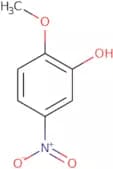
2-Methoxy-5-nitrophenol
CAS :<p>2-Methoxy-5-nitrophenol (2MNOP) is a compound that has been shown to inhibit the growth of bacteria in nutrient solutions by reducing the activity of glutamate pyruvate transaminase and pyridoxine hydrochloride. 2MNOP is a potent inhibitor of bacterial enzyme activities, such as neutral ph, hydrochloric acid, nitro, and toxicity studies. It is not active against eukaryotic cells or plants. The uptake of 2MNOP is enhanced by the presence of diamine tetraacetic acid and ethylene diamine. 2MNOP has also been shown to be effective against multi-walled carbon nanotubes.</p>Formule :C7H7NO4Degré de pureté :Min. 95%Couleur et forme :PowderMasse moléculaire :169.13 g/mol4,4'-Bis(bromomethyl)-2,2'-bipyridine
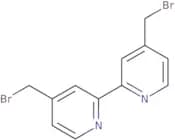
CAS :<p>4,4'-Bis(bromomethyl)-2,2'-bipyridine is a cyclic molecule that can be synthesized by the reaction of 4-bromo-2,2'-bipyridine with a brominating agent. It is used as a precursor to ruthenium catalysts in organic synthesis, and as an additive in dendrimers. The compound has been shown to have light absorption properties and can be used in photovoltaics and electropolymerization.</p>Formule :C12H10N2Br2Degré de pureté :Min. 95%Couleur et forme :PowderMasse moléculaire :342.03 g/molD-Aspartic acid sodium salt
CAS :<p>D-Aspartic acid sodium salt is a fine chemical that is useful as a scaffold for the preparation of other compounds. It can be used as a building block in the synthesis of complex compounds, and has been shown to be an intermediate in the production of research chemicals. Aspartic acid sodium salt can also serve as a reaction component for the production of other chemical substances, and is often used as a reagent in laboratory work. D-Aspartic acid sodium salt is available at high purity and quality.</p>Formule :C4H6NO4·NaDegré de pureté :Min. 95%Couleur et forme :PowderMasse moléculaire :155.08 g/molDL-Pantolactone
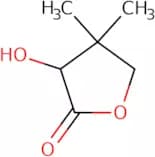
CAS :<p>DL-Pantolactone is a chiral lactone compound. In cosmetics, it is often used in formulations aimed at improving skin hydration and elasticity as it is an emulsion stabiliser. In pharmaceuticals it can be used as an intermediate in organic synthesis. The D-enantiomer is often used as a chiral auxiliary.</p>Formule :C6H10O3Degré de pureté :Min. 95%Couleur et forme :White PowderMasse moléculaire :130.14 g/mol3-Amino-4-chlorophenylacetic acid methyl ester
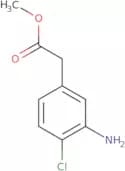
CAS :<p>3-Amino-4-chlorophenylacetic acid methyl ester is a fine chemical that is useful as a building block in the synthesis of complex compounds. It has been used as a reagent and speciality chemical, which can be used for research purposes. CAS No. 59833-69-1</p>Formule :C9H10ClNO2Degré de pureté :Min. 95%Masse moléculaire :199.63 g/molN-Acetyl-L-asparagine
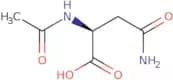
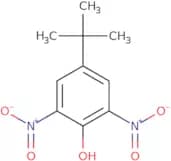
CAS :<p>N-Acetyl-L-asparagine is a synthetic, non-toxic amino acid that inhibits the activity of pancreatic lipase, an enzyme involved in lipid metabolism. N-Acetyl-L-asparagine may be useful in the treatment of obesity and diabetes. This compound also has tumor inhibition properties and is detectable in human urine.<br>N-Acetyl-L-asparagine is synthesized by reacting acetic acid with L-aspartic acid in the presence of trifluoroacetic acid and sulfate ions. The acetyl derivative is then purified by column chromatography on sephadex g-100 to yield N-acetyl asparagine.</p>Formule :C6H10N2O4Degré de pureté :Min. 98 Area-%Couleur et forme :PowderMasse moléculaire :174.15 g/mol4-tert-Butyl-2,6-dinitrophenol
CAS :<p>4-tert-Butyl-2,6-dinitrophenol is a yellowish solid that is soluble in organic solvents. It is used as an intermediate for the synthesis of dyes, pesticides and pharmaceuticals. 4-tert-Butyl-2,6-dinitrophenol has been shown to cause respiratory tract irritation and narcosis in animals. The toxic effects of 4-tert-Butyl-2,6-dinitrophenol are due to its high electrophilicity and nitro group (NO) which causes oxidative stress. The logistic regression analysis showed that the population growth of ciliates was negatively affected by the presence of halogens in the water.</p>Formule :C10H12N2O5Degré de pureté :Min. 98 Area-%Couleur et forme :White PowderMasse moléculaire :240.21 g/molUrea
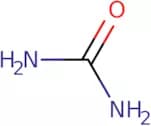
CAS :<p>Urea is a natural by-product of protein metabolism in humans, and is also produced commercially from the ammonia by-product of fossil fuel production. Urea is commonly used as a fertilizer, and as a scrubber for removing toxic gases from coal gas, for instance. It can be used in the manufacture of plastics, paints, and explosives. Urea has been shown to have many biochemical properties including its ability to cause cell lysis. This property can be exploited in the laboratory to lyse red blood cells during blood sampling or to lyse bacteria during infectious disease testing. Urea also has an effect on enzyme activities by lowering their pH and increasing their water solubility. The addition of urea to nutrient solutions has been shown to increase slow-release fertilization rates in plants.</p>Formule :CH4N2ODegré de pureté :Min. 95%Couleur et forme :White Clear LiquidMasse moléculaire :60.06 g/mol2,2'-Oxydianiline
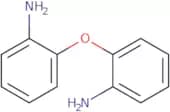
CAS :<p>2,2'-Oxydianiline is a diazonium salt that has been used as a pharmaceutical intermediate for the synthesis of other drugs. It is also used in the manufacture of dyes and pigments. 2,2'-Oxydianiline is an electron-deficient molecule which can react with aromatic residues. The aromatic residue reacts with the electron-deficient molecule to form a covalent bond between them. This process is called electrophilic aromatic substitution reaction. This reaction rate depends on the concentration of the reactants and their relative rates of diffusion (the rate of movement of molecules from high concentrations to low concentrations). 2,2'-Oxydianiline has been shown to have an effect on viscosity by binding to cholesterol in lipoproteins and increasing its solubility in water.</p>Formule :C12H12N2ODegré de pureté :Min. 98 Area-%Couleur et forme :PowderMasse moléculaire :200.24 g/molGrowth hormone releasing protein-2
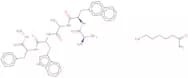
CAS :<p>Please enquire for more information about Growth hormone releasing protein-2 including the price, delivery time and more detailed product information at the technical inquiry form on this page</p>Formule :C45H55N9O6Degré de pureté :Min. 95%Couleur et forme :PowderMasse moléculaire :817.98 g/mol2,4-Dimethyl-5-nitropyridine
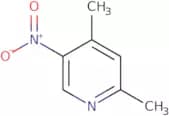
CAS :<p>2,4-Dimethyl-5-nitropyridine is a hydroxyurea analog that inhibits the synthesis of ribonucleotides by competitively binding to the enzyme ribonucleotide reductase. This inhibition leads to the accumulation of diphosphate and deoxyribonucleotides, which are necessary for DNA synthesis. 2,4-Dimethyl-5-nitropyridine was found to be more potent than hydroxyurea as an inhibitor of cellular growth in vitro and cancer cell lines in vivo. The potency of 2,4-dimethyl-5-nitropyridine can be attributed to its ability to bind very tightly with ribonucleotide reductase and form a stable complex.</p>Formule :C7H8N2O2Degré de pureté :Min. 95%Couleur et forme :Yellow Clear LiquidMasse moléculaire :152.15 g/mol2-(4-Nitrophenoxy)acetohydrazide
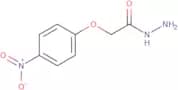
CAS :<p>2-(4-Nitrophenoxy)acetohydrazide is a crystalline compound that can be used as a ligand for protein-ligand binding studies. It has also been shown to have anticancer activity in vitro against the human breast cancer cell line MCF-7. The bioassay results showed antiproliferative and proapoptotic effects on MCF-7 cells, and single crystal X-ray diffraction studies revealed that 2-(4-Nitrophenoxy)acetohydrazide is an inhibitor of the pyrazole derivatives x-ray structures, which are involved in cancer cell proliferation.</p>Formule :C8H9N3O4Degré de pureté :Min. 95%Masse moléculaire :211.17 g/molGlutaric acid
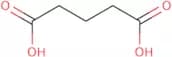
CAS :<p>Glutaric acid is a dinucleotide phosphate that exists in two forms: the alpha form, which has a high phase transition temperature and is insoluble in water; and the beta form, which has a low phase transition temperature and is soluble in water. Glutaric acid can be used as an analytical reagent to identify the type of nucleotides present in samples. It can also be used as an experimental solvent for other compounds that are not soluble in water. The toxicity of glutaric acid has been studied extensively and found to be low. This compound does not appear to have any adverse effects on human health or animals at doses up to 1g/kg body weight. Glutaric acid has been shown to have anti-infectious properties by inhibiting the growth of bacteria, fungi, and viruses. The effectiveness of glutaric acid against infectious diseases appears to depend on its ability to block protein synthesis by inhibiting enzymes such as glutathione reductase</p>Formule :C5H8O4Degré de pureté :Min. 99 Area-%Couleur et forme :White PowderMasse moléculaire :132.11 g/mol4-Nitrophenylnitroethene
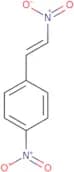
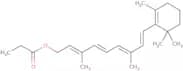
CAS :<p>4-Nitrophenylnitroethene is an organic compound that is synthesized through a nitroaldol reaction. This process involves the condensation of nitric acid and phenylethyl alcohol. The product is then catalyzed with potassium carbonate to produce 4-nitrophenylnitroethene. Nitroaldol reactions are used to produce many different types of compounds, including pharmaceuticals, dyes, and fragrances. The synthesis of this compound was analyzed by high-resolution mass spectrometry and gas chromatography–mass spectrometry techniques. It was found that the mesoporous structure of the 4-nitrophenylnitroethene particles play a role in its chemical properties.</p>Formule :C8H6N2O4Degré de pureté :Min. 95%Couleur et forme :PowderMasse moléculaire :194.14 g/molRetinyl propionate
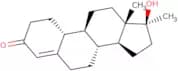
CAS :<p>Retinyl propionate is a fatty acid that is used as a sample preparation for copper-complexed collagen. The matrix effect of retinyl propionate can be seen in the skin cells, bone cells, and cartilage tissue. Retinyl propionate has been shown to increase calcium pantothenate transport rates in human serum and also has a film-forming polymer effect.</p>Formule :C23H34O2Degré de pureté :Min. 95.0 Area-%Couleur et forme :Yellow Clear LiquidMasse moléculaire :342.51 g/mol17α-Methyl-19-nortestosterone
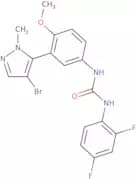
CAS :Produit contrôlé<p>17alpha-Methyl-19-nortestosterone (17MT) is an anti-cancer agent that has been used as a contraceptive. It inhibits the conversion of testosterone to dihydrotestosterone by competitive inhibition of the enzyme 3beta-hydroxysteroid dehydrogenase, which is responsible for the first step in the biosynthesis of androgens. 17MT has also been shown to inhibit angiotensin II formation, thereby reducing blood pressure. This drug acts as a structural analogue of progesterone and binds to progesterone receptors, as well as other steroid receptors, with high affinity. 17MT also inhibits fatty acid synthesis in cancer cells, leading to decreased tumor growth.</p>Formule :C19H28O2Degré de pureté :Min. 95%Couleur et forme :PowderMasse moléculaire :288.42 g/molNelotanserin
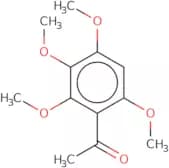
CAS :<p>1-[3-(4-Bromo-1-methyl-1H-pyrazol-5-yl)-4-methoxyphenyl]-3-(2,4-difluorophenyl)urea is the active ingredient in a drug that is used to treat chronic schizophrenia. It has been shown to have both antipsychotic and antidepressant properties. The drug works by blocking the 5HT2A receptor, which inhibits the effects of serotonin on heterocyclic amines at the postsynaptic membrane. This causes hyperpolarization of the membrane, which blocks neurotransmitter release and prevents further transmission of signals. It also blocks the H1 receptor, which decreases histamine release and reduces inflammation in the brain.</p>Formule :C18H15BrF2N4O2Degré de pureté :Min. 95%Couleur et forme :PowderMasse moléculaire :437.24 g/mol2,4,5,6-Tetramethoxyacetophenone
CAS :<p>2,4,5,6-Tetramethoxyacetophenone is a versatile building block that can be used as an intermediate in the production of complex compounds and speciality chemicals. This compound is a useful scaffold for research chemicals and reaction components. It has CAS No. 7508-05-6 and a high quality.</p>Formule :C12H16O5Degré de pureté :Min. 95%Masse moléculaire :240.25 g/mol2-Benzyloxy-6-methoxyacetophenone
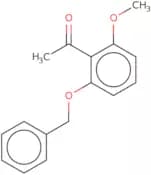
CAS :<p>2-Benzyloxy-6-methoxyacetophenone is a high quality and versatile chemical that can be used as a reagent or building block in organic synthesis. It is an important intermediate in the synthesis of fine chemicals, pharmaceuticals, and other complex compounds. 2-Benzyloxy-6-methoxyacetophenone has been shown to be useful as a scaffold for the synthesis of novel complex molecules, such as speciality chemicals. The compound also has potential applications in research and development of new drugs.</p>Formule :C16H16O3Degré de pureté :Min. 95%Couleur et forme :PowderMasse moléculaire :256.3 g/moltrans-trans-10,11-Epoxy farnesenic acid methyl ester
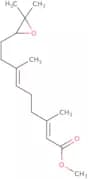
CAS :<p>Trans-trans-10,11-Epoxy farnesenic acid methyl ester is a bound form of the hormone juvenile hormone. It is found in plants and insects. Trans-trans-10,11-Epoxy farnesenic acid methyl ester binds to the receptor on the surface of cells and initiates a series of reactions that lead to the production of proteins needed for development. The bound form is converted to an active form by methyl transferase activity or epoxidase activity. Trans-trans-10,11-Epoxy farnesenic acid methyl ester has been shown to be effective against juvenile hormone binding protein (JHBP) and has high values in samples from juvenile insects.</p>Formule :C16H26O3Degré de pureté :Min. 90 Area-%Couleur et forme :Colorless PowderMasse moléculaire :266.38 g/mol6-Chloro-7-hydroxycoumarin
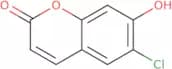
CAS :<p>6-Chloro-7-hydroxycoumarin is a fluorescent molecule that can be used for the diagnosis of bacterial infections. It has been shown to bind to the β-lactamase enzyme and show a fluorescence resonance with the acceptor molecule in biological studies. 6-Chloro-7-hydroxycoumarin has also been shown to have an inhibitory effect on the growth of organisms such as fungi, bacteria, and viruses, which may be due to its ability to inhibit protein synthesis and cell division through chemoenzymatic reactions. 6-Chloro-7-hydroxycoumarin also has antifungal activity against polygonum persulfate.</p>Formule :C9H5ClO3Degré de pureté :Min. 95%Couleur et forme :White To Off-White SolidMasse moléculaire :196.59 g/mol4-Hydroxy-3-nitrophenylethylamine nitrate
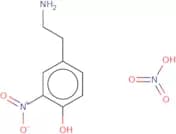
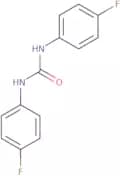
CAS :Produit contrôlé<p>4-Hydroxy-3-nitrophenylethylamine nitrate is a chemical that has been used as a reagent and reaction component. It can be used in the synthesis of complex compounds such as pharmaceuticals, agrochemicals, and high quality specialty chemicals. 4-Hydroxy-3-nitrophenylethylamine nitrate is an intermediate or building block for many organic syntheses due to its versatility. This compound has been shown to have a variety of useful applications including the production of antihistamines, anticonvulsants, antidepressants, antipsychotics, appetite suppressants, and decongestants.</p>Formule :C8H10N2O3•HNO3Degré de pureté :Min. 95%Couleur et forme :PowderMasse moléculaire :245.19 g/mol1,3-Bis(4-fluorophenyl)urea
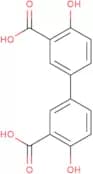
CAS :<p>1,3-Bis(4-fluorophenyl)urea is a crystalline solid that is soluble in organic solvents. It has been used as an intermediate in the synthesis of other compounds. 1,3-Bis(4-fluorophenyl)urea is an electron acceptor and can be used to produce diphenyl ethers. This compound has been synthesized using ethyl acetoacetate and anilines. It can be used to treat infectious diseases such as tuberculosis, where it inhibits protein synthesis and cell growth by disrupting the formation of bacterial DNA.</p>Formule :C13H10F2N2ODegré de pureté :Min. 98 Area-%Couleur et forme :White Off-White PowderMasse moléculaire :248.23 g/mol4,4' -Dihydroxy-3,3'-biphenyldicarboxylic acid
CAS :<p>4,4'-Dihydroxy-3,3'-biphenyldicarboxylic acid is a fine chemical that is used as a building block in the synthesis of pharmaceuticals and other organic compounds. It has been shown to be an effective reagent for the synthesis of 4-hydroxypyridine derivatives. 4,4'-Dihydroxy-3,3'-biphenyldicarboxylic acid can also be used as a reaction component for the preparation of complex compounds such as 2-aminopyridines and 2-aminopyrimidines. This compound is also useful as an intermediate in the synthesis of polymers and other versatile scaffolds. The CAS number for this compound is 13987-45-6.</p>Formule :C14H10O6Degré de pureté :Min. 96 Area-%Couleur et forme :PowderMasse moléculaire :274.23 g/molRaltegravir potassium
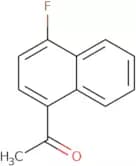
CAS :<p>Anti-viral; HIV integrase inhibitor</p>Formule :C20H20FKN6O5Degré de pureté :Min. 98 Area-%Couleur et forme :White Off-White PowderMasse moléculaire :482.51 g/mol4'-Fluoro-1'-acetonaphthone
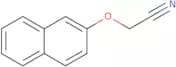
CAS :<p>4'-Fluoro-1'-acetonaphthone is a synthetic fluorinated derivative of 1-phenyl-1,2-propanedione. It has been used as a ligand in the study of interactions between substances and shift parameters. The fluoro substituent on the ring may be difficult to synthesize because it requires high temperatures and pressure. 4'-Fluoro-1'-acetonaphthone has been used in organic synthesis as a component in photocycloadditions with chloroform or benzoyl chloride to form substituted benzoic acids.</p>Formule :C12H9FODegré de pureté :Min. 95%Masse moléculaire :188.2 g/mol2-(2-naphthyloxy)ethanenitrile
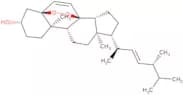
CAS :<p>Please enquire for more information about 2-(2-naphthyloxy)ethanenitrile including the price, delivery time and more detailed product information at the technical inquiry form on this page</p>Formule :C12H9NODegré de pureté :Min. 95%Couleur et forme :PowderMasse moléculaire :183.21 g/molErgosterol peroxide
CAS :<p>Ergosterol peroxide is a synthetic compound that binds to DNA and inhibits the growth of human cells. Ergosterol peroxide has been shown to have significant cytotoxicity against HL-60 cells in vitro, with inhibition of DNA synthesis and induction of apoptosis. Ergosterol peroxide also has amoebicidal activity against Acanthamoeba castellanii, which is an opportunistic pathogen of the central nervous system. This compound can be used as a pharmaceutical agent for the treatment of various diseases such as cancer, AIDS, or Alzheimer's disease. It may also be used as a natural compound to kill harmful pathogens in water.</p>Formule :C28H44O3Degré de pureté :Min. 95%Couleur et forme :PowderMasse moléculaire :428.65 g/molL-Threonine
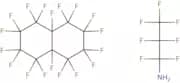
CAS :<p>L-Threonine is an amino acid that is classified as a non-essential amino acid. It is a precursor for the synthesis of proteins and other important compounds in the body, such as neurotransmitters. L-Threonine has been shown to be necessary for the function of enzymes that catalyze reactions in cells. This amino acid also plays a role in protein synthesis and can help regulate transcriptional regulation of genes. L-Threonine has been shown to have antioxidant properties, which may be due to its ability to scavenge anion radicals and inhibit lipid peroxidation.</p>Formule :C4H9NO3Degré de pureté :(Titration)Couleur et forme :White PowderMasse moléculaire :119.12 g/mol1,1,2,2,3,3,4,4,4a,5,5,6,6,7,7,8,8,8a-Octadecafluoronaphthalene; 1,1,2,2,3,3,3-Heptafluoropropan-1-Amine
CAS :Produit contrôlé<p>1,1,2,2,3,3,4,4a,5-Octadecafluoronaphthalene is a fluorinated derivative of an organic compound that is used as an intestinal antiseptic and as a cardioplegic solution. Sodium salts of this drug are used to treat intestinal disorders such as colitis and Crohn's disease. It is also used to treat cardiac diseases such as myocardial infarction by reducing the size of the infarcted area. The drug has been shown to be effective in preventing muscle degeneration in patients with AIDS. 1,1,2,2,3,3-Heptafluoropropan-1-amine is a chemical that belongs to the group of adjuvant therapies. It is used as a pharmaceutical preparation for kinetic studies and particle characterization.</p>Formule :C13H2F25NDegré de pureté :Min. 95%Masse moléculaire :647.12 g/molL-Methionine-S-methyl sulfonium chloride
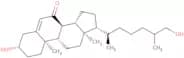
CAS :<p>Methionine-S-methyl sulfonium chloride is a methionine analog that is used as a dietary supplement. It has been shown to inhibit the synthesis of prostaglandins in animals, which may be due to its inhibition of arachidonic acid release. Methionine-S-methyl sulfonium chloride also inhibits UVB-induced erythema and uvb-induced reactions in animals. This drug is metabolized by the enzyme methionine adenosyltransferase, which converts it into S-adenosylmethionine (SAM). SAM is a methyl donor for DNA methylation and other methylation reactions. Methionine-S-methyl sulfonium chloride may have a physiological effect on plants through its effects on their metabolism, especially with respect to their growth rate and nutrient uptake.</p>Formule :C6H14ClNO2SDegré de pureté :Min. 95 Area-%Couleur et forme :White PowderMasse moléculaire :199.7 g/mol27-Hydroxy-7-keto cholesterol
CAS :Produit contrôlé<p>Please enquire for more information about 27-Hydroxy-7-keto cholesterol including the price, delivery time and more detailed product information at the technical inquiry form on this page</p>Formule :C27H44O3Degré de pureté :Min. 95%Masse moléculaire :416.64 g/mol5-Bromothiophene-2-carboxylic acid methyl ester
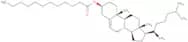
CAS :<p>5-Bromothiophene-2-carboxylic acid methyl ester is an alkene that is used in the synthesis of molybdenum trioxide and other polyhalogenated compounds. It can be prepared by alkylation of 5-bromothiophene with ethyl bromoacetate in the presence of carbon tetrachloride and a halide, such as bromine. The use of photophysical optimization has been shown to significantly improve the yield of this reaction. The reactive nature of 5-bromothiophene-2-carboxylic acid methyl ester makes it suitable for use in organic synthesis. This compound has been shown to have a positive effect on bone mass, which may be due to its ability to inhibit osteoclasts, reducing the activity of these cells that break down bone tissue.</p>Formule :C6H5BrO2SDegré de pureté :Min. 95%Couleur et forme :PowderMasse moléculaire :221.07 g/molCholesterol Laurate
CAS :Produit contrôlé<p>Cholesterol laurate is a natural substance found in plants and animals. It is an ester of cholesterol and lauric acid. Cholesterol laurate is a monolayer lipid with a transition temperature of about −30°C, making it liquid at room temperature. The molecule has been shown to form desmosterol, which is the precursor for cholesterol synthesis in humans. It has also been shown that cholesterol laurate can be used to produce campesterol and ketosteroids.</p>Formule :C39H68O2Degré de pureté :Min. 95%Couleur et forme :PowderMasse moléculaire :568.96 g/molβ-Naphthonitrile
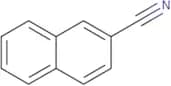
CAS :<p>Beta-naphthonitrile is an organic compound with the formula CH(CN)CO. It is a colorless liquid that is soluble in organic solvents. The molecule consists of a benzene ring with a nitrile group on one side and an ester-like carbonate group on the other. Beta-naphthonitrile has been shown to have anti-inflammatory properties, which may be due to its inhibition of prostaglandin synthesis.</p>Formule :C11H7NDegré de pureté :Min. 95%Couleur et forme :PowderMasse moléculaire :153.18 g/mol2'-Hydroxychalcone hydrazone
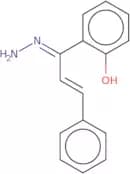
CAS :<p>2'-Hydroxychalcone hydrazone is a fine chemical that has many uses in research and as a building block for other compounds. It can be used as a reagent, intermediate, or reaction component in the synthesis of complex molecules. 2'-Hydroxychalcone hydrazone has CAS No. 4590-70-9, which is the identification number for this compound. The molecular formula is C11H14O4N2, and it has a molecular weight of 242.24 g/mol. This compound can be found in research chemicals catalogs and specialty chemical catalogs.</p>Formule :C15H14N2ODegré de pureté :Min. 95%Couleur et forme :PowderMasse moléculaire :238.28 g/molClobetasol Propionate - Impurity B
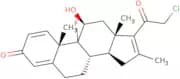
CAS :Produit contrôlé<p>(11β)-21-Chloro-9-fluoro-11-hydroxy-16-methylpregna-1,4,16-triene-3,20-dione is a chemical compound that can be used as a building block in the synthesis of other chemicals. It is structurally related to progesterone and has been found to have antiandrogenic properties. This product can also be used as a reagent or speciality chemical in research. It is high quality and versatile. (11β)-21-Chloro-9-fluoro-11-hydroxy-16-methylpregna 1,4,16 triene 3,20 dione has been shown to have an effect on the body's reproductive system by binding to the androgen receptor.</p>Formule :C22H26ClFO3Degré de pureté :Min. 95%Couleur et forme :PowderMasse moléculaire :392.89 g/molUrsodeoxycholic acid methyl ester
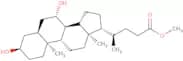
CAS :Produit contrôlé<p>Ursodeoxycholic acid methyl ester is a bile acid that is produced from ursodeoxycholic acid. It is used as a drug to dissolve gallstones and reduce the risk of recurrent gallstones in patients who have had a cholecystectomy. Ursodeoxycholic acid methyl ester also reduces cholesterol levels by preventing its reabsorption in the small intestine and enhancing its excretion in the bile. This agent has been shown to modulate cell proliferation and differentiation, especially in cerebral tissue and muscle cells. Ursodeoxycholic acid methyl ester can be synthesized from ursodeoxycholic acid by saponification with base followed by methylation with methanol. The synthesis of this agent involves an elimination reaction between c1-c3 alcohols, which leads to impurities such as formaldehyde, acetone, glycerol, acetic acid, and butyric acid.</p>Formule :C25H42O4Degré de pureté :Min. 95%Couleur et forme :White PowderMasse moléculaire :406.6 g/molSarcosine
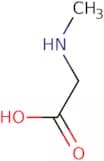
CAS :<p>Sarcosine is a naturally occurring amino acid that can be found in the body and in many foods. It has been shown to inhibit the activity of the enzyme adenylate cyclase, which is involved in cell signaling. This inhibition leads to a decrease in intracellular calcium levels, which results in reduced proliferation and apoptosis of HL-60 cells. The sarcosine concentration required for this effect is dependent on the type of cell being treated, with optimum concentrations ranging from 10-100 mM. Sarcosine also binds to nuclear DNA and may have an inhibitory effect on transcriptional activity. In addition, it has been shown to be an effective inhibitor of protein synthesis by binding to ribosomes and preventing peptide bond formation between amino acids at the ribosomal active site.</p>Formule :C3H7NO2Couleur et forme :White PowderMasse moléculaire :89.09 g/molPotassium DL-aspartate hemihydrate
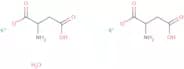
CAS :<p>Potassium DL-aspartate hemihydrate is a versatile building block that can be used as a reagent and as a speciality chemical. It is useful for research and development, as well as for the production of high-quality compounds and intermediates. This compound can be used in organic synthesis reactions and has been shown to be useful in the construction of scaffolds.</p>Formule :C4H7NO4H2O·KDegré de pureté :Min. 95%Couleur et forme :White PowderMasse moléculaire :181.21 g/mol4-Dimethylaminocinnamic acid
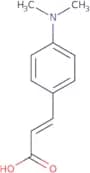
CAS :<p>4-Dimethylaminocinnamic acid (DMA) is a natural organic compound found in plants and animals. This compound has been studied for its potential use as a drug, but it is not currently used in medicine. 4-Dimethylaminocinnamic acid can inhibit the activity of certain enzymes by binding to them, including the enzyme polymerase chain that synthesizes DNA. It also can bind to other proteins, such as carbonyl groups and cinnamic acid derivatives, which are found in human liver cells. 4-Dimethylaminocinnamic acid can form hydrogen bonds with other molecules due to its hydroxyl group and carboxylic acid group. It also has a high viscosity due to its long hydrocarbon chain.</p>Formule :C11H13NO2Degré de pureté :Min. 95%Couleur et forme :PowderMasse moléculaire :191.23 g/molDL-Homocysteine thiolactone hydrochloride
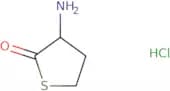
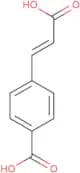
CAS :<p>DL-Homocysteine thiolactone hydrochloride is a compound that has been found in human serum and urine. It is used to measure the concentration of homocysteine in the blood, which may be an indicator of coronary heart disease. DL-Homocysteine thiolactone hydrochloride is used to synthesize the amino acid cysteine, which is vital for cell growth and protein synthesis. DL-Homocysteine thiolactone hydrochloride also has optical properties that make it suitable as a photochromic material. The compound has been shown to be a hydrogen bond donor, which makes it useful for stabilizing proteins in mammalian cells.</p>Formule :C4H8ClNOSDegré de pureté :Min. 95%Couleur et forme :White PowderMasse moléculaire :153.63 g/mol4-Carboxycinnamic acid
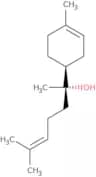
CAS :<p>4-Carboxycinnamic acid is an organic compound that is a derivative of cinnamic acid. It is a colorless solid that is soluble in organic solvents and has high resistance to environmental pollution. 4-Carboxycinnamic acid has been shown to have photocatalytic activity in the presence of UV radiation, with a quantum yield of 0.2% at 365 nm. It also exhibits fluorescence properties, but these are not as strong as the parent compound, cinnamic acid. 4-Carboxycinnamic acid has functional groups that can be activated by hydrogen bonding interactions and uptake into cells. This compound also reacts with sulfonic acids to form sulfinic acids and hydrochloric acid to form chlorocinnamic acids. Chronic pulmonary effects were observed in animals after inhalation of this substance for 30 minutes per day for 10 days. X-ray crystal structures have been determined for 4-carboxycinnamic acid and its</p>Formule :C10H8O4Degré de pureté :Min. 95%Couleur et forme :PowderMasse moléculaire :192.17 g/mol(-)-α-Bisabolol
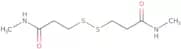
CAS :<p>(-)-α-Bisabolol is a natural compound that can be found in chamomile, which is used as an herbal tea. This compound has been shown to have apoptosis-inducing effects in Candida glabrata, which may be due to its ability to reduce the mitochondrial membrane potential and inhibit protein synthesis. (-)-α-Bisabolol also has anti-inflammatory properties and can inhibit amoeba growth by inhibiting farnesol production.</p>Formule :C15H26ODegré de pureté :Min. 93 Area-%Couleur et forme :Colorless Clear LiquidMasse moléculaire :222.37 g/molN,N'-Dimethyl-3,3'-dithiodipropionamide
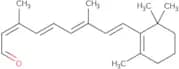
CAS :<p>N,N'-Dimethyl-3,3'-dithiodipropionamide (DTDPA) is a strong oxidizing agent that is used as a catalyst in organic synthesis. It can be used to convert xylene and benzene into products that are less toxic and more easily removed from the environment. DTDPA can also be used to remove 2-methyl-4-isothiazolin-3-one, chloroform, and other pollutants from water. DTDPA has been shown to react with hydrogen peroxide or hydrochloric acid to produce oxygen gas and chlorine, which is an effective disinfectant against bacteria such as Staphylococcus aureus or Pseudomonas aeruginosa. This chemical also reacts with toluene or chloroform to produce peroxides which have been shown to have an anti-inflammatory effect on cells.</p>Formule :C8H16N2O2S2Degré de pureté :(Q-1H Nmr) Min 95%Couleur et forme :White/Off-White SolidMasse moléculaire :236.36 g/mol13-cis-Retinal - 95%
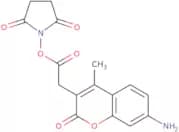
CAS :<p>13-cis-Retinal is a natural compound that is a derivative of retinol. It is biologically active, and a precursor to retinoic acid. Retinal is synthesized from dietary vitamin A, and is converted to retinoic acid in the liver. Retinal binds to the receptor protein opsin, which initiates the photochemical conversion of light into nerve impulses. 13-cis-Retinal has been shown to be effective for restoring vision in people with retinitis pigmentosa and other degenerative diseases of the retina. This molecule also has anticancer properties that are due to its ability to inhibit cell division and induce apoptosis.</p>Formule :C20H28ODegré de pureté :(%) Min. 95%Couleur et forme :Yellow PowderMasse moléculaire :284.44 g/mol7-Amino-4-methyl-3-coumarinacetic acid N-succinimidyl ester
CAS :<p>7-Amino-4-methyl-3-coumarinacetic acid N-succinimidyl ester is a synthetic amino acid with a reactive carboxylic acid group. It is used as a crosslinker in biochemistry and has been shown to have biological properties in plants. 7-Amino-4-methyl-3-coumarinacetic acid N-succinimidyl ester reacts with the acidic groups of proteins, DNA, or RNA, and is an important component of some second order rate constants. This chemical is also used for the neutralization of histological stains such as haematoxylin.</p>Formule :C16H14N2O6Degré de pureté :Min. 90 Area-%Couleur et forme :PowderMasse moléculaire :330.29 g/molDL-alanine-β-naphthylamide hydrochloride
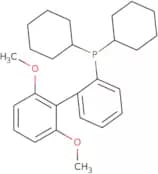
CAS :<p>DL-Alanine-beta-naphthylamide hydrochloride is a fine chemical that is used as a building block for other compounds. It can be used in the synthesis of complex compounds and as a reagent to synthesize speciality chemicals and research chemicals. DL-Alanine-beta-naphthylamide hydrochloride is also a versatile building block that can be used as an intermediate in organic reactions or as a reaction component. This compound has CAS No. 74144-49-3 and is soluble in water.</p>Formule :C13H15ClN2ODegré de pureté :Min. 95%Couleur et forme :PowderMasse moléculaire :250.72 g/mol2-Dicyclohexylphosphino-2',6'-dimethoxybiphenyl
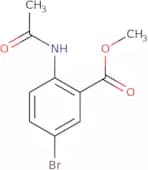
CAS :<p>2-Dicyclohexylphosphino-2',6'-dimethoxybiphenyl is a fluorescent chemical that has been used to study interactions of fatty acids and halides. It is also used in the synthesis of palladium complexes, which have been shown to be effective for hydrogenation reactions. 2-Dicyclohexylphosphino-2',6'-dimethoxybiphenyl can be synthesized from 2,6-dichlorobenzaldehyde and dicyclohexylphosphine by the addition of trifluoroacetic acid. The synthesis proceeds via a substitution reaction with methoxy groups on the aromatic ring. This product fluoresces under ultraviolet light at 351 nm.</p>Formule :C26H35O2PDegré de pureté :Min. 95%Couleur et forme :PowderMasse moléculaire :410.53 g/mol2-Acetamido-5-bromobenzoic acid methyl ester
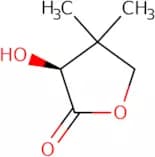
CAS :<p>2-Acetamido-5-bromobenzoic acid methyl ester is a mixture of compounds that is used as a pharmaceutical ingredient. It has been shown to be effective in treating diarrhea and dysentery, as well as being effective against certain bacteria such as Clostridium difficile. 2-Acetamido-5-bromobenzoic acid methyl ester was developed from the systematic study of a series of mixed compounds. The elution profile of this compound can be correlated with the elution profile of other compounds to determine whether the compound is present in the sample. The solvent system for this compound is heptane</p>Formule :C10H10BrNO3Degré de pureté :Min. 95%Couleur et forme :PowderMasse moléculaire :272.1 g/molD-Pantolactone
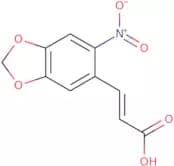
CAS :<p>D-Pantolactone is a lactone that is produced by the bacterial strain Pantoea agglomerans. It is an intermediate in the biosynthesis of pantothenic acid and calcium pantothenate. D-Pantolactone has been shown to have inhibitory properties against HIV infection, but it is not active against other viruses. D-Pantolactone binds to the enzyme hydrolase and blocks the transfer of a proton from ATP to ADP, inhibiting the production of ATP and leading to cell death. The reaction solution for D-pantolactone can be analyzed using nuclear magnetic resonance spectroscopy (NMR) or high performance liquid chromatography (HPLC).</p>Formule :C6H10O3Degré de pureté :Min. 98%Couleur et forme :White PowderMasse moléculaire :130.14 g/mol3,4-(Methylenedioxy)-6-nitrocinnamic acid
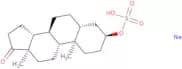
CAS :<p>3,4-(Methylenedioxy)-6-nitrocinnamic acid is a cytotoxic molecule that inhibits the growth of cells by interfering with the synthesis of proteins. It binds to DNA and prevents the transcription process from occurring. This molecule has been shown to inhibit endoplasmic reticulum and Golgi apparatus functions in plant cells. 3,4-(Methylenedioxy)-6-nitrocinnamic acid has also been used as a polymerization agent for polyacrylamide gels. A number of modifications have been made to this molecule in order to increase its effectiveness, such as methyl esterification and mutagenesis. This compound has also been shown to enhance Taxol's anti-cancer effects on cell cultures.</p>Formule :C10H7NO6Degré de pureté :Min. 90%Couleur et forme :White PowderMasse moléculaire :237.17 g/molAndrosterone sulfate sodium
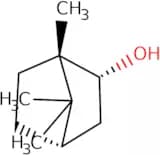
CAS :<p>Androsterone sulfate sodium is a fine chemical that is used as a versatile building block in the synthesis of complex compounds. It is also a valuable reagent in research and speciality chemicals. Androsterone sulfate sodium is used as a high-quality reaction component and can be used as an intermediate to produce other useful compounds. This compound has the CAS number 1852-41-1 and can be used as a scaffold to generate other related compounds.</p>Formule :C19H29NaO5SDegré de pureté :Min. 95 Area-%Couleur et forme :White PowderMasse moléculaire :392.49 g/mol(-)-Borneol
CAS :Produit contrôlé<p>(-)-Borneol is a monoterpenoid that is found in plants such as Angelica Dahurica, Salvia Miltiorrhiza, and Rhizoma Gastrodiae. (-)-Borneol has been shown to inhibit the activity of complex enzymes such as fructosyltransferase, which is involved in the synthesis of fructose-1,6-bisphosphate. This compound also displays significant cytotoxicity against cancer cells and induces apoptosis by inhibiting DNA binding activity. (-)-Borneol also has anti-inflammatory properties and can be used for the treatment of inflammatory diseases such as asthma. It inhibits prostaglandin synthesis by blocking cyclooxygenases (COX). Experimental studies have shown that borneol can inhibit the growth of Mycobacterium tuberculosis and Mycobacterium avium complex.</p>Formule :C10H18ODegré de pureté :Min. 95%Couleur et forme :PowderMasse moléculaire :154.25 g/molα-Naphthyl butyrate
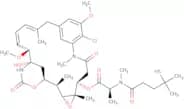
CAS :<p>Alpha-naphthyl butyrate is a monomer of polybutyrate and is used as an intermediate in the production of polybutylene terephthalate. This product is also used for biological studies and has been shown to have acute toxicities. Alpha-naphthyl butyrate has been shown to inhibit esterase and enzyme activities, and it is more toxic than butyric acid. Alpha-naphthyl butyrate can be used for the diagnosis of certain types of chronic viral hepatitis, such as hepatitis B virus or hepatitis C virus, by detecting human immunoglobulin G (IgG) antibodies against this compound.</p>Formule :C14H14O2Degré de pureté :Min. 95%Couleur et forme :Clear LiquidMasse moléculaire :214.26 g/molMaytansinoid DM 4
CAS :<p>N2'-Deacetyl-N2'-(4-mercapto-4-methyl-1-oxopentyl)-maytansine (DMAP) is a structural analogue of maytansinoids that has potent antitumor activity against renal cell cancer. DMAP binds to the active site of wild type enzyme, and inhibits its activity. DMAP also inhibits the activities of other enzymes that are involved in the synthesis of proteins and other cellular components. The inhibition of these enzymes by DMAP leads to tumor cell death. This drug was found to be more cytotoxic at higher doses than the parent compound, maytansinol, which indicates that DMAP has a higher affinity for its target enzyme. The cytotoxicity of this drug is not affected by platinum resistance in ovarian cancer cells or by P-glycoprotein (Pgp) inhibitors such as verapamil and cyclosporin A.</p>Formule :C38H54ClN3O10SDegré de pureté :Min. 95%Couleur et forme :Off-White PowderMasse moléculaire :780.37 g/molFolic acid impurity F
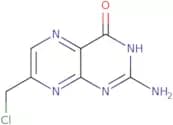
CAS :<p>Folic acid impurity F is a byproduct of the condensation reaction between folic acid and formaldehyde. This impurity is found in synthetic folic acid and is also present in small amounts in natural folates. It has been shown to be an antioxidant that can prevent the oxidation of vitamin B12, which can lead to cell damage. Folic acid impurity F can be isolated from a chromatographic column using acidic conditions, then hydrolyzed with dilute hydrochloric acid or sodium hydroxide to produce the desired product.</p>Formule :C7H6ClN5ODegré de pureté :Min. 95%Masse moléculaire :211.61 g/mol2-Fluoro-5-iodobenzoic acid methyl ester
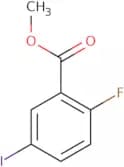
CAS :<p>2-Fluoro-5-iodobenzoic acid methyl ester is a fine chemical that is useful as a building block for the synthesis of complex compounds. It is also used as an intermediate in organic syntheses, and in research and development as a reaction component or speciality chemical. 2-Fluoro-5-iodobenzoic acid methyl ester has been shown to be effective in the synthesis of high quality reagents.</p>Formule :C8H6FIO2Degré de pureté :Min. 95%Couleur et forme :Off-White To Yellow SolidMasse moléculaire :280.03 g/mol4'-Hydroxy-3,4-methylenedioxychalcone
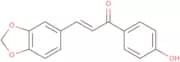
CAS :<p>4'-Hydroxy-3,4-methylenedioxychalcone is a reaction component that belongs to the category of fine chemicals. It is a useful scaffold for the synthesis of complex compounds and can be used as a reagent for the preparation of other chemical substances. 4'-Hydroxy-3,4-methylenedioxychalcone is an intermediate in the manufacture of certain drugs such as taxol, which is used to treat breast cancer. The CAS number for this substance is 19152-39-7.</p>Formule :C16H12O4Degré de pureté :Min. 95%Couleur et forme :PowderMasse moléculaire :268.26 g/mol1-Vinylnaphthalene [Stabilized with 4000ppm tert-Butylcatechol]
CAS :Produit contrôlé<p>Stability Readily Polymerizes<br>Applications A precursor of polynuclear aromatic hydrocarbons in tobacco smoke.<br></p>Formule :C12H10Couleur et forme :Colourless To OrangeMasse moléculaire :154.2110,11-Dihydrobenz[a]anthracene
CAS :Produit contrôlé<p>Applications 10,11-Dihydrobenz[a]anthracene is an intermediate in the synthesis of phenols of Benz[a]anthracene (B183560).<br>References Fu, P.P.,e t al.: J. Org. Chem, 44, 4265 (1979)<br></p>Formule :C18H14Couleur et forme :NeatMasse moléculaire :230.34-Nitro-4’-aminodiphenyl-d4 Sulfone
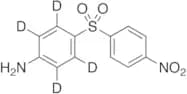
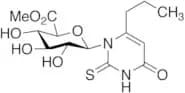
CAS :Produit contrôlé<p>Applications An intermediate in the synthesis of the Daspone metabolite.<br></p>Formule :C12H6D4N2O4SCouleur et forme :NeatMasse moléculaire :282.31Propylthiouracil N-β-D-Glucuronide Methyl Ester
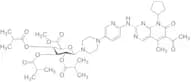
Produit contrôlé<p>Applications Propylthiouracil N-β-D-Glucuronide Methyl Ester is a compound useful in organic synthesis.<br></p>Formule :C14H20N2O7SCouleur et forme :NeatMasse moléculaire :360.38Palbociclib Tri-O-isobutyryl-β-D-glucuronic Acid Methyl Ester
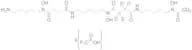
Produit contrôlé<p>Applications Palbociclib Tri-O-isobutyryl-β-D-glucuronic Acid Methyl Ester is an intermediate in synthesizing Palbociclib N-β-D-Glucuronide Sodium Salt (P139910), a derivative of Palbociclib (P139900) which is an experimental drug for the treatment of breast cancer being developed by Pfizer. It is a selective inhibitor of the cyclin-dependent kinases CDK4 and CDK6.<br>References Finn, R., et al.: Breast Cancer Res., 11, 5 (2009)<br></p>Formule :C43H57N7O11Couleur et forme :NeatMasse moléculaire :847.95Deferoxamine-d7 Trifluoroacetic Acid Salt (Major)
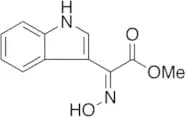
CAS :Produit contrôlé<p>Applications Deferoxamine-d7 Trifluoroacetic Acid Salt, is labelled Deferoxamine Trifluoroacetic Acid Salt (D228981), an iron chelating agent used in therapy for patients with sickle cell diseases and iron overload. Studies suggest that it can exert potential antioxidant neuroprotective effects in stroke patients.<br>References Inati, A. et al.: Am. J. Hematol., 85, 782 (2010); Selim, M.: Translat. Stroke Res., 1, 35 (2010); Cappellini, M.D. et al.: Hemoblobin, 33, 258 (2009)<br></p>Formule :C25D7H41N6O8·x(C2HF3O2)Couleur et forme :White To Off-WhiteMasse moléculaire :567.74 + x(114.02)α-(Hydroxyimino)-1H-indole-3-acetic Acid Methyl Ester
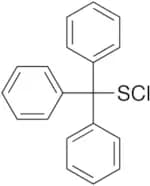
CAS :Produit contrôlé<p>Applications α-(Hydroxyimino)-1H-indole-3-acetic Acid Methyl Ester (cas# 113975-75-0) is a compound useful in organic synthesis.<br></p>Formule :C11H10N2O3Couleur et forme :NeatMasse moléculaire :218.21Triphenylmethanesulfenyl Chloride
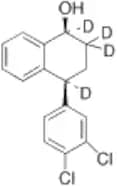
CAS :Produit contrôlé<p>Applications Intermediate in the preparation of precursors for cyclic polysulfides.<br>References Abu-Yousef, I. et al.; J. Sulfur Chem. 28, 251 (2007)<br></p>Formule :C19H15ClSCouleur et forme :NeatMasse moléculaire :310.84cis-(1S,4S)-4-(3,4-Dichlorophenyl)-1,2,3,4-tetrahydro-naphthalen-1-ol-d4
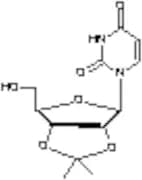
CAS :Produit contrôlé<p>Applications cis-(1S,4S)-4-(3,4-Dichlorophenyl)-1,2,3,4-tetrahydro-naphthalen-1-ol-d4 (cas# 1217717-42-4) is a compound useful in organic synthesis.<br></p>Formule :C16H10D4Cl2OCouleur et forme :NeatMasse moléculaire :297.212',3'-O-Isopropylideneuridine
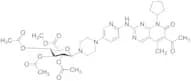
CAS :Produit contrôlé<p>Applications A useful precursor for the preparation of nucleic acids.<br></p>Formule :C12H16N2O6Couleur et forme :NeatMasse moléculaire :284.27Palbociclib 1,2,3,4-Tetra-O-acetyl-β-D-glucuronic Acid Methyl Ester
Produit contrôlé<p>Applications Palbociclib 1,2,3,4-Tetra-O-acetyl-β-D-glucuronic Acid Methyl Ester is an intermediate in synthesizing Palbociclib N-β-D-Glucuronide Sodium Salt (P139910), a derivative of Palbociclib (P139900) which is an experimental drug for the treatment of breast cancer being developed by Pfizer. It is a selective inhibitor of the cyclin-dependent kinases CDK4 and CDK6.<br>References Finn, R., et al.: Breast Cancer Res., 11, 5 (2009)<br></p>Formule :C37H45N7O11Couleur et forme :NeatMasse moléculaire :763.79N-Ethyl-N-methyl-O-(4-nitrophenyl)carbamate
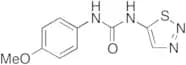
CAS :Produit contrôlé<p>Applications N-Ethyl-N-methyl-O-(4-nitrophenyl)carbamate (cas# 90870-20-5) is a compound useful in organic synthesis.<br></p>Formule :C10H12N2O4Couleur et forme :NeatMasse moléculaire :224.21N-(4-Methoxyphenyl)-N'-1,2,3-thiadiazol-5-yl-urea
CAS :Produit contrôlé<p>Applications N-(4-Methoxyphenyl)-N'-1,2,3-thiadiazol-5-yl-urea is an intermediate in the synthesis of N-4-Hydroxyphenyl-N'-1,2,3-thiadiazol-5-ylurea (H949385), a metabolite of Thidiazuron (T344275), a non-purine containing urea derivative with cytokinin activity.<br>References Orlikowska, T., et al.: Plant Cell Tissue Org. Cult., 59, 95 (1999), Ray, T., et al.: Mol. Biol., 6, 35 (2005), Kanwar, J., et al.: Hort Sci., 2008, 35, 35 (2008),<br></p>Formule :C20H24O5SCouleur et forme :NeatMasse moléculaire :376.467D-Aspartic Acid-d3 L-Alanine Copper(II) Complex
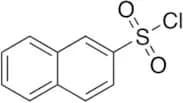
CAS :Produit contrôlé<p>Applications D-Aspartic Acid-d3 L-Alanine Copper(II) Complex is an intermediate in the synthesis of D-Aspartic-2,3,3-d3 Acid (A790019) which is derived from D-Asparatic Acid (A790020), which is a non-essential amino acid found in food sources. Its conjugate base D-aspartate has potential use as an therapeutic agent in the treatment of schizophrenia-related symptoms.<br>References Errico, F. et al.: J. Neurosci., 28, 10404 (2008); Denu, J.M. et al.: Biochem., 34, 3396 (1995); Chen, P.E. et al.: Mol. Pharmacol., 67, 1470 (2005);<br></p>Formule :C7H9D3CuN2O62Couleur et forme :NeatMasse moléculaire :286.74Naphthalene-2-sulfonyl Chloride
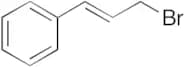
CAS :Produit contrôlé<p>Applications (cas# 1993-11-08) is a useful research chemical.<br></p>Formule :C10H7ClO2SCouleur et forme :NeatMasse moléculaire :226.68Cinnamyl Bromide
CAS :Produit contrôlé<p>Applications Cinnamyl Bromide acts as a reagent in the synthesis of Arylpiperidines as a new class of oxidosqualene cyclase inhibitors.<br> Not a dangerous good if item is equal to or less than 1g/ml and there is less than 100g/ml in the package<br>References Keller, M., et al.: Eur. J. Med. Chem., 109, 13 (2016)<br></p>Formule :C9H9BrCouleur et forme :NeatMasse moléculaire :197.07Propiolic Acid Sodium Salt (90%)
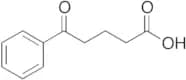
CAS :Produit contrôlé<p>Applications A bactericidal and fungicidal.<br>References Schoppelrei, J., et al.: J. Phys. Chem., 100, 14343 (1996), Kolb, H., et al.: Drug Discovery Today, 8, 1128 (2003),<br></p>Formule :C3HNaO2Degré de pureté :90%Couleur et forme :NeatMasse moléculaire :92.035-Oxo-5-phenylvaleric Acid
CAS :Produit contrôlé<p>Applications 5-Oxo-5-phenylvaleric Acid is used in various synthetic preparations. It is used in the synthesis of fulleroid and methanofullerene derivatives. Also used in tertiary amino urea-catalyzed enantioselective iodolactonization.<br>References Hummelen, J., et al.: J. Org. Chem., 60, 532 (1995); Veitch, G., Jacobsen, E.: Angew. Chem. Int. Ed., 49, 7332 (2010);<br></p>Formule :C11H12O3Couleur et forme :NeatMasse moléculaire :192.212-[(2-Chlorophenyl)amino]-3-nitrobenzoic Acid
CAS :Produit contrôlé<p>Applications 2-[(2-Chlorophenyl)amino]-3-nitrobenzoic Acid is an intermediate in the synthesis of Endophenazine A which is a new phenazine antibiotic isolated from the arthropod associated endosymbiont Streptomyces anulatus and shows antimicrobial activities against Gram-positive bacteria and some filamentous fungi, and herbicidal activity against Lemna minor (duckweed).<br>References Gebhardt, K., et al.: J. Antibiot., 55, 794 (2002)<br></p>Formule :C13H9ClN2O4Couleur et forme :NeatMasse moléculaire :292.67N'-[(2-Chloro-5-thiazolyl)methyl]-N-nitro-carbamimidothioic Acid Methyl Ester-13C
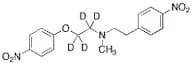
CAS :Produit contrôlé<p>Applications N'-[(2-Chloro-5-thiazolyl)methyl]-N-nitro-carbamimidothioic Acid Methyl Ester-13C is an intermediate used in the synthesis of Clothianidin-d3,13C1(C588502), which is the isotope labelled analog of Clothianidin. Clothianidin is a neonicotinoid insecticide for use in food crops.<br>References Kamel, A., et al.: J. Agric. Food Chem., 58, 5926 (2010), Lynd, L., et al.: Energy Environ. Sci., 3, 1150 (2010), Cresswell, J., et al.: Ecotoxicology, 20, 149 (2011),<br></p>Formule :CC5H7ClN4O2S2Couleur et forme :NeatMasse moléculaire :267.721Methyl-(4-nitrophenylethyl)-4-(nitrophenoxyethyl)amine-d4
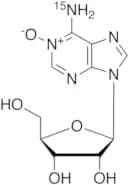
CAS :Produit contrôlé<p>Applications Methyl-(4-nitrophenylethyl)-4-(nitrophenoxyethyl)amine-d4 (cas# 1189869-42-8) is a compound useful in organic synthesis.<br></p>Formule :C17H15D4N3O5Couleur et forme :NeatMasse moléculaire :349.37Adenosine-15N N1-Oxide
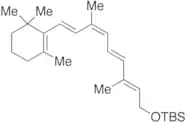
CAS :Produit contrôlé<p>Applications Adenose N-Oxide and its derivatives are used as an active ingredient in the preparation of therapeutic agents for inflammatory diseases and inhibitors of adenosine kinase.<br>References Long, M. & Parker, W.: Biochem. Pharmacol., 71, 1671 (2006)<br></p>Formule :C10H13N415NO5Couleur et forme :NeatMasse moléculaire :284.239-cis-(tert-Butyldimethylsilyl)retinyl Ether
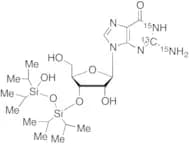
CAS :Produit contrôlé<p>Applications Intermediate for the synthesis of 9-cis-Retinoids<br>References Rosen, J., et al.: J. Med. Chem., 38, 4855 (1995), Haupt, U., et al.: Biochem., 36, 2 (1997).<br></p>Formule :C26H44OSiCouleur et forme :NeatMasse moléculaire :400.71Guanosine 3’-O-Tetraisopropyldisiloxyanyl Ether
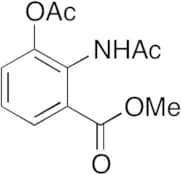
Produit contrôlé<p>Applications Guanosine 3’-O-Tetraisopropyldisiloxyanyl Ether is an isotope labelled intermediate in the preparation of nucleotide analogs.<br>References Robins, M. J., et al.: J. Am. Chem. Soc., 105, 4059 (1983);<br></p>Formule :CC21H4115N2N3O7Si2Couleur et forme :NeatMasse moléculaire :384.5092-Acetamido-3-acetoxybenzoic Acid Methyl Ester
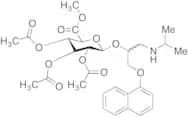
CAS :Produit contrôlé<p>Applications 2-Acetamido-3-acetoxybenzoic Acid Methyl Ester is an intermediate in the synthesis of metabolites of Bentazon (B120580), a selective post-emergence herbicide.<br></p>Formule :C12H13NO5Couleur et forme :NeatMasse moléculaire :251.24rac Propranolol b-D-Glucuronide Triacetate Methyl Ester
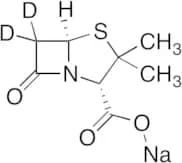
Produit contrôlé<p>Applications rac Propranolol β-D-Glucuronide Triacetate Methyl Ester ia an intermediate in the synthesis of rac Propranolol β-D-Glucuronide Sodium Salt which is a metabolite of Propranolol. Antihypertensive; antianginal; antiarrhythmic (class II).<br>References Reeves, P., et al.: Xenobiotica, 8, 313 (1978), Balon, K., et al.: Pharm. Res., 16, 882(1999), Lange, R., et al.: Toxicol. Lett., 131, 97 (2002),<br></p>Formule :C29H37NO11Couleur et forme :NeatMasse moléculaire :575.6Penicillanic Acid Sodium Salt-d2
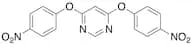
CAS :Produit contrôlé<p>Applications Penicillanic Acid Sodium Salt-d2 is an intermediate in the synthesis of Tazobactam-d4 which is the labeled analog of Tazobactam (T010095), a β-Lactamase inhibitor, used with β-lactam antibiotics to enhance their effect.<br>References Gould, I.M., et al.: Drugs Exp. Clin. Res., 17, 187 (1991); Roland, R.K., et al.: J. Infect. Dis., 4, 226 (2000); Bonomo, R.A., et al.: Biochim. Biophys. Acta, 1547, 196 (2001)<br></p>Formule :C8H8D2NNaO3SCouleur et forme :NeatMasse moléculaire :225.244,6-Bis(4-nitrophenoxy)pyrimidine
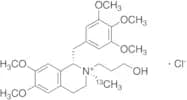
CAS :Produit contrôlé<p>Applications 4,6-Bis(4-nitrophenoxy)pyrimidine is an intermediate in the synthesis of N-[4-[(4-Ethyl-1-piperazinyl)methyl]-3-(trifluoromethyl)phenyl]-N'-[4-[[6-(methylamino)-4-pyrimidinyl]oxy]phenyl]urea (E926495), which is an inhibitor of RET, FLT3, KDR, c-Abl and c-Kit. Also, it prevent the growth of human thyroid cancer cells.<br>References Weisberg, E., et al.: Genes Cancer, 1, 1021-1032 (2010);<br></p>Formule :C16H10N4O6Couleur et forme :NeatMasse moléculaire :354.27trans-1,2,3,4-Tetrahydro-2-(3-hydroxypropyl)-6,7-dimethoxy-2-(methyl-13C)-1-[(3,4,5-trimethoxyphenyl)methyl]isoquinolinium Chloride
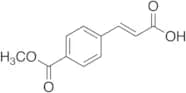
CAS :Produit contrôlé<p>Applications An intermediate for the synthesis of mivacurium and and other neuromuscular blocking agents.<br></p>Formule :C24CH36ClNO6Couleur et forme :NeatMasse moléculaire :483.04-(2-Carboxyethenyl)benzoic Acid Methyl Ester
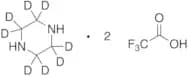
CAS :Produit contrôlé<p>Applications An intermediate in the preparation of heteropolycyclic quinolones.<br>References Dogan, J. et al.: Heterocycles, 41, 1659 (1995)<br></p>Formule :C11H10O4Couleur et forme :NeatMasse moléculaire :206.19Piperazine-d8 Trifluoroacetic Acid Salt
CAS :Produit contrôlé<p>Applications Labelled Piperazine. Anthelmintic (Nematodes).<br>References Drudge, J.H., et al.: Am. J. Vet. Res., 35, 67 (1974), Nanivadekar, et al.: J. Postgrad. Med., 30, 144 (1984),<br></p>Formule :C8H4D8F6N2O4Couleur et forme :NeatMasse moléculaire :322.23(2E,6Z,8E)-2,6,8-Decatrienoic Acid Methyl Ester
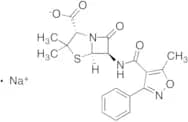
CAS :Produit contrôlé<p>Applications (2E,6Z,8E)-2,6,8-Decatrienoic Acid Methyl Ester is an spilanthol (S681850) related amide found from Acmella ciliata.<br>References Martin, R., et al.: Phytochem., 23, 1781 (1984);<br></p>Formule :C11H16O2Couleur et forme :NeatMasse moléculaire :180.24Oxacillin Sodium Salt
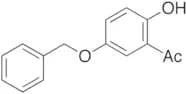
CAS :Produit contrôléFormule :C19H18N3O5S·NaCouleur et forme :NeatMasse moléculaire :423.4182-Hydroxy-5-benzyloxyacetophenone
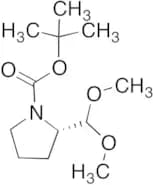
CAS :Produit contrôlé<p>Applications 2-Hydroxy-5-benzyloxyacetophenone (cas# 30992-63-3) is a compound useful in organic synthesis.<br></p>Formule :C15H14O3Couleur et forme :NeatMasse moléculaire :242.27(S)-2-(Dimethoxymethyl)-1-pyrrolidinecarboxylic Acid 1,1-Dimethylethyl Ester
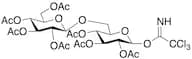
CAS :Produit contrôlé<p>Applications (S)-2-(Dimethoxymethyl)-1-pyrrolidinecarboxylic Acid 1,1-Dimethylethyl Ester is an intermediate in synthesizing Tilivalline (T440350), which is a metabolite from Klebsiella oxytoca. Tilivalline, is shown to be cytotoxin, and the key event causing Antibiotic-Associated Hemorrhagic Colitis.<br>References Mori, Sh., et al.: Tetrahedron, 47, No.27, 5051 (1991); Nagasaka, T., et al.: Tetrahedron Lett., 14, 1871 (1989);<br></p>Formule :C12H23NO4Couleur et forme :NeatMasse moléculaire :245.322,3,4-Triacetate 1-(2,2,2-Trichloroethanimidate) 6-O-(2,3,4,6-Tetra-O-acetyl-b-D-glucopyranosyl)-b-D-glucopyranose
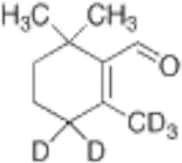
CAS :Produit contrôlé<p>Applications 2,3,4-Triacetate 1-(2,2,2-Trichloroethanimidate) 6-O-(2,3,4,6-Tetra-O-acetyl-β-D-glucopyranosyl)-β-D-glucopyranose is an intermediate in the synthesis of Guaiacol-beta-D-gentiobioside (G245570), which is a Guaiacol Conjugate, that has shown to present in fermentation of grapes that had been exposed to bushfire smoke and can potentially yield unpalatable, smoke-affected wine.<br>References Hayasaka, Y.m et al.: J. Arg. Food Chem., Vol. 58, Issue 4, P: 2076; 2081 (2010);<br></p>Formule :C28H36Cl3NO18Couleur et forme :NeatMasse moléculaire :780.94b-Cyclocitral-d5, Technical Grade
CAS :Produit contrôlé<p>Stability Temperature Sensitive<br>Applications This compound contains 10-20% of the alpha isomer. The exact amount has not been quantified.<br></p>Formule :C102H5H11OCouleur et forme :NeatMasse moléculaire :157.269-Anthracenepropan-1’-one 1’-(4’-Methylbenzene)
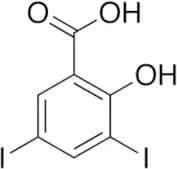
Produit contrôlé<p>Applications A 9-substituted derivative of the polycyclic aromatic hydrocarbon (PAH) Anthracene (A678400).<br></p>Formule :C24H20OCouleur et forme :NeatMasse moléculaire :324.423,5-Diiodosalicylic Acid
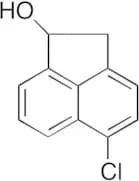
CAS :Produit contrôlé<p>Applications 3,5-Diiodosalicylic Acid is an metabolite of Aspirin (A187780), an anti-inflammatory, anti-platelet and cancer-preventive agent. 3,5-Diiodosalicylic Acid was shown to exhibit agonist activity at GPR35, a orphan G protein coupled receptor.<br>References Deng, H.Y., et al.: Arch. Pharmacol., 385, 729 (2012); Blandin, V., et al.: Molec. Pharmacol., 58, 1461 (2000);<br></p>Formule :C7H4I2O3Couleur et forme :NeatMasse moléculaire :389.915-Chloro-1,2-dihydro-1-acenaphthylenol
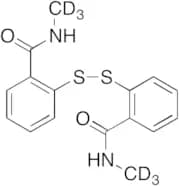
CAS :Produit contrôlé<p>Applications 5-Chloro-1,2-dihydro-1-acenaphthylenol is used in the preparation of benzimidazole derivatives as receptor agonists for the treatment of central nervous system diseases.<br></p>Formule :C12H9ClOCouleur et forme :NeatMasse moléculaire :204.65Dithio-2,2'-bis(N-methylbenzamide)-d6
CAS :Produit contrôlé<p>Applications Dithio-2,2'-bis(N-methylbenzamide)-d6 is an labelled intermediate in the synthesis of analogue of Axitinib, a tyrosine kinase inhibitor used for cancer therapy.<br>References Brown, D.W., et al.: Sci. Synthesis., 11, 573 (2002);<br></p>Formule :C16D6H10N2O2S2Couleur et forme :NeatMasse moléculaire :338.477








![1-Vinylnaphthalene [Stabilized with 4000ppm tert-Butylcatechol]](/_next/image/?url=https%3A%2Fstatic.cymitquimica.com%2Fproducts%2FTR%2Fthumb-webp%2FV425000.webp&w=3840&q=75)

![10,11-Dihydrobenz[a]anthracene](/_next/image/?url=https%3A%2Fstatic.cymitquimica.com%2Fproducts%2FTR%2Fthumb-webp%2FD450345.webp&w=3840&q=75)



![2-[(2-Chlorophenyl)amino]-3-nitrobenzoic Acid](/_next/image/?url=https%3A%2Fstatic.cymitquimica.com%2Fproducts%2FTR%2Fthumb-webp%2FC377628.webp&w=3840&q=75)
![N'-[(2-Chloro-5-thiazolyl)methyl]-N-nitro-carbamimidothioic Acid Methyl Ester-13C](/_next/image/?url=https%3A%2Fstatic.cymitquimica.com%2Fproducts%2FTR%2Fthumb-webp%2FC593312.webp&w=3840&q=75)