Étalons pharmaceutiques
Les standards pharmaceutiques sont un ensemble complet de matériaux de référence essentiels pour garantir la sécurité, l'efficacité et la qualité des produits pharmaceutiques. Cette catégorie comprend des standards pour les ingrédients pharmaceutiques actifs (APIs), qui sont les composants principaux responsables des effets thérapeutiques. De plus, elle couvre les composés et métabolites pertinents pour les industries pharmaceutique et vétérinaire, fournissant des points de référence pour la mesure et l'analyse précises de ces substances. Les standards de contrôle des nitrosamines sont cruciaux pour détecter et atténuer les nitrosamines potentiellement nocives dans les formulations médicamenteuses. Les standards de toxicologie aident à évaluer la sécurité et les effets indésirables potentiels des composés pharmaceutiques. En outre, les standards pour les activateurs et les inhibiteurs enzymatiques sont essentiels pour la recherche et le développement, permettant des études précises des voies biochimiques et des mécanismes des médicaments. Ces standards pharmaceutiques sont des outils indispensables pour la conformité réglementaire, le contrôle de qualité et la recherche, garantissant que les produits pharmaceutiques répondent à des critères stricts de sécurité et d'efficacité.
Sous-catégories appartenant à la catégorie "Étalons pharmaceutiques"
- APIs pour la recherche et les impuretés(273.482 produits)
- Activateurs et inhibiteurs d'enzymes(2.827 produits)
- Nitrosamines(2.606 produits)
- Composés et métabolites pharmaceutiques et vétérinaires(2.602 produits)
- Toxicologie(13.652 produits)
7836 produits trouvés pour "Étalons pharmaceutiques"
Trier par
Degré de pureté (%)
0
100
|
0
|
50
|
90
|
95
|
100
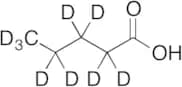
Valeric Acid-d9
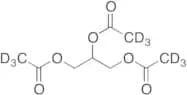
CAS :Produit contrôlé<p>Applications Valeric Acid-d9 is the isotope labelled analog of Valeric Acid which is used in biological studies of (D)-β-hydroxybutyrate which inhibits adipocyte lipolysis via the nicotinic acid receptor PUMA-G.<br> Not a dangerous good if item is equal to or less than 1g/ml and there is less than 100g/ml in the package<br>References Taggart, A.K.P., et al.: J. Bio. Chem., 280, 26649 (2005);<br></p>Formule :C5D9HO2Couleur et forme :NeatMasse moléculaire :111.19Triacetin-d9
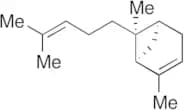
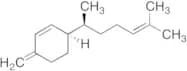
CAS :Produit contrôlé<p>Applications Triacetin-d5 is the isotope labelled analog of Triacetin (T720850); a compound used as a food additive and flavoring. Triacetin can be used as an excipient in pharmaceutical products where it is used as a humectant, a plasticizer, and as a solvent. Triacetin can also be used as a fuel additive as an antiknock agent.<br>References Mouret, A., et al.: Green Chem., 16 (1), 269 (2014); Snejdrova, E., et al.: Inter. J. Pharma., 458, 282 (2013)<br></p>Formule :C9D9H5O6Couleur et forme :NeatMasse moléculaire :227.26(-)-β-Sesquiphellandrene
CAS :Produit contrôlé<p>Applications (-)-β-Sesquiphellandrene are found in Tanacetum vulgare plants. It is also an essential leaf and flower oils in Heracleum species.<br>References Clancy, M. V., et al.: Sci. Rep., 6, 38087 (2016); Usjak, L., et al.: Food Funct., 8, 278-290 (2017);<br></p>Formule :C15H24Couleur et forme :ColourlessMasse moléculaire :204.353',4',5'-Trifluoro-[1,1'-biphenyl]-2-amine
CAS :Produit contrôlé<p>Applications 3',4',5'-Trifluoro-[1,1'-biphenyl]-2-amine is a building block used in various chemical synthesis.<br></p>Formule :C12H8F3NCouleur et forme :NeatMasse moléculaire :223.195,7-Dimethoxycoumarin
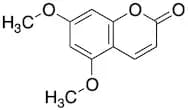
CAS :Produit contrôlé<p>Applications 5,7-Dimethoxycoumarin is a derivitized coumarin compound.<br></p>Formule :C11H10O4Couleur et forme :NeatMasse moléculaire :206.192'-Chloroacetophenone
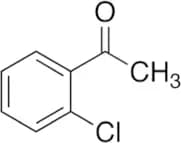
CAS :Produit contrôlé<p>Applications 2'-Chloroacetophenone (cas# 2142-68-9) is a compound useful in organic synthesis.<br></p>Formule :C8H7ClOCouleur et forme :NeatMasse moléculaire :154.595-Methylcytosine (~90%)
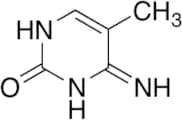
CAS :Produit contrôlé<p>Applications 5-Methylcytosine (cas# 554-01-8) is a useful research chemical.<br></p>Formule :C5H7N3ODegré de pureté :~90%Couleur et forme :NeatMasse moléculaire :125.13N-Methyl-2-(4-nitrophenyl)ethanamine Hydrochloride
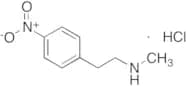
CAS :Produit contrôlé<p>Applications N-Methyl-2-(4-nitrophenyl)ethanamine Hydrochloride is used as a reactant in the preparation of small molecule CDC25 phosphatases inhibitors.<br>References Contour-Galcera, Marie-Odile, et al.: Bioorg. & Med. Chem. Let., 14(23), 5809-5812 (2004)<br></p>Formule :C9H12N2O2·HClCouleur et forme :NeatMasse moléculaire :216.66Salbutamol Glyoxal Impurity
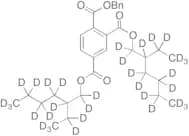
Produit contrôlé<p>Stability Hygroscopic<br>Applications Salbutamol Glyoxal Impurity that is synthesized from C369215 (3-Chloromethyl-4-hydroxyacetophenone).<br></p>Formule :C9H10O5Couleur et forme :Off White SolidMasse moléculaire :198.172,4-Bis(2-ethylhexyl) Benzene-1,2,4-tricarboxylic Acid 1-Benzyl Ester-d34
Produit contrôlé<p>Applications 2,4-Bis(2-ethylhexyl) benzene-1,2,4-tricarboxylic Acid 1-Benzyl Ester-d34 is an isotope labelled intermediate in the synthesis of Trioctyl Trimellitate (T804400), a plasticizer that was evaluated for endocrine disrupting activities through estrogen receptor alpha binding assay.<br></p>Formule :C32D34H10O6Couleur et forme :NeatMasse moléculaire :558.898Cupriethylenediamine Hydroxide (1.0 M in H2O)
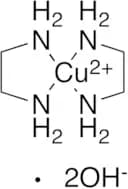
CAS :<p>Applications Cupriethylenediamine Hydroxide is used as a solvent for cellulose.<br> Not a dangerous good if item is equal to or less than 1g/ml and there is less than 100g/ml in the package<br>References Yang, L., et al.: J. Applied Polym. Sci., 126, E244 (2012); Shi, W., et al.: Ind. Eng. Chem. Res., 52, 586 (2013); Cyrot, J., et al.: Bulletin de l'Institut Textile de France, 18, 211 (1964)<br></p>Formule :C2H6CuN2Couleur et forme :Dark Blue To Dark PurpleMasse moléculaire :121.632-(Hydroxyamino)acetic Acid
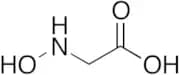
CAS :Produit contrôlé<p>Applications 2-(Hydroxyamino)acetic Acid is a novel lactase inhibitor.<br>References Hattori, M., et al.: J. Insect Physiol., 51, 1359 (2005); Murao, S., et al.: Biosci. Biotech. Biochem., 56, 987 (1992)<br></p>Formule :C2H5NO3Couleur et forme :NeatMasse moléculaire :91.07Naphthalene-1-sulfonic Acid (Technical Grade)
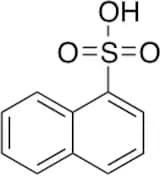
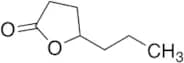
CAS :Produit contrôlé<p>Applications Naphthalene-1-sulfonic acid (cas# 85-47-2) is a useful research chemical.<br> Not a dangerous good if item is equal to or less than 1g/ml and there is less than 100g/ml in the package<br></p>Formule :C10H8O3SCouleur et forme :NeatMasse moléculaire :208.23γ-Heptalactone
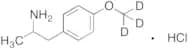
CAS :Produit contrôlé<p>Applications ��-Heptanolactone, �� 98.0% (cas# 105-21-5) is a useful research chemical.<br></p>Formule :C7H12O2Couleur et forme :NeatMasse moléculaire :128.174-(Methoxy-d3)-α-methyl-benzeneethanamine Hydrochloride
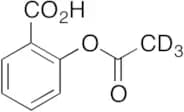
CAS :Produit contrôlé<p>Applications 4-(Methoxy-d3)-α-methyl-(αS)-benzeneethanamine Hydrochloride is the labelled form of 4-Methoxyamphetamine Hydrochloride (M261015), which is the HCl salt of 4-Methoxyamphetamine. 4-Methoxyamphetamine is a designer drug belonging to the amphetamine class and releases 5-hydroxytryptamine in brain tissue.<br> Not a dangerous good if item is equal to or less than 1g/ml and there is less than 100g/ml in the package<br>References Menon, M., et al.: J. Pharmacol. Exp. Ther., 197, 272 (1976);<br></p>Formule :C10H12D3NO·HClCouleur et forme :Off-WhiteMasse moléculaire :204.71Acetylsalicylic Acid-d3
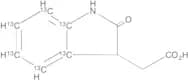
CAS :Produit contrôlé<p>Stability Hygroscopic<br>Applications Acetyl-d3-salicylic Acid is an an Analgesic; antipyretic; anti-inflammatory; antithrombotic and was found to have a large degree of similarity in terms of molecular reorientation just above the glass transition temperature, with other glass formers at its super cooled and glassy states.<br>References Nath, R., Nowaczyk, A., Geil, B., Boehmer, R.: J. Non-cryst. Solids, 353, 3788 (2007); Hart, E.R., et al.: J. Pharmacol. Exp. Ther., 89, 205 (1947); Florey, K., et al.: Anal. Profiles Drug Subs., 8, 1 (1979)<br></p>Formule :C92H3H5O4Couleur et forme :NeatMasse moléculaire :183.18Oxindole-3-acetic Acid-13C6
CAS :Produit contrôlé<p>Applications Oxindole-3-acetic Acid-13C6 is labelled derivative of Indoleacetic Acid (I577342) which has the potential to be used in anti-cancer therapy in conjunction with horseradish peroxidase.<br>References Kawano, T. et al.: Gen. Hypo. 60, 664 (2003)<br></p>Formule :C6C4H9NO3Couleur et forme :NeatMasse moléculaire :197.1394-Bromobenzoic Acid Methyl Ester
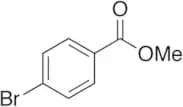
CAS :<p>Applications 4-Bromobenzoic Acid Methyl Ester is halogenated benzoate used as a reagent in organic synthesis. 4-Bromobenzoic Acid Methyl Ester can be used to stimulate microbial dechlorination of PCBs. 4-Bromobenzoic Acid Methyl Ester is also used in the preparation of stable radioiodinating reagent to label monoclonal antibodies for radiotherapy of cancer.<br>References Wilbur, D.S. et al.: J. Nuclear Med., 30, 216 (1989); DeWeerd, K.A. et al.: Environ. Sci. Technol., 33, 2057 (1999);<br></p>Formule :C8H7BrO2Couleur et forme :Off-WhiteMasse moléculaire :215.04DL-Lanthionine
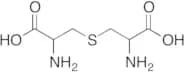
CAS :Produit contrôlé<p>Applications DL-Lanthionine is a thioether-amino acid which when present in peptides results in antimicrobial activity. Peptides with this amino acid within it become part of a group named lantibiotics.<br>References Lohans, C, et al.: J. Am. Chem. Sic., 136, 13150 (2014);<br></p>Formule :C6H12N2O4SCouleur et forme :NeatMasse moléculaire :208.243,5-Bis(1,1-dimethylethyl)-4-hydroxy-benzenepropanoic Acid C7-9-Branched Alkyl Esters
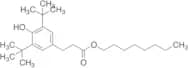
CAS :<p>Applications Octyl-3,5-di-tert-butyl-4-hydroxyhydrocinnamate (cas# 125643-61-0) is an intermediate in synthesizing 7,9-Di-tert-butyl-1-oxaspiro[4.5]deca-6,9-diene-2,8-dione (D493755), an antioxidant naturally found in aerial parts of Gmelina asiatica Linn (Verbenaceae). It is also found in essential oils of some Stachys species from Mediterranean area. It is an impurity of Irganox used in the food packaging.<br>References Merlin, N., et al.: Pharmacogn. Res., 1, 152 (2009); Conforti, F., et al.: Food Chem., 116, 898 (2009), Riquet, A. et al.: Food Chem., 199, 59 (2016);<br></p>Formule :C25H42O3Couleur et forme :ColourlessMasse moléculaire :390.61Benzoic Acid
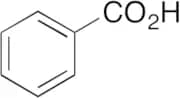
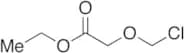
CAS :Produit contrôlé<p>Impurity Mefenamic Acid EP Impurity D<br>Applications Benzoic Acid is used in the synthesis of 1,3,4-oxadiazoles with pharmaceutical activity. Also used in the synthesis of selective human A3 adenosine receptor antagonists.<br>References Rouhani, M. et al.: Ultrason. Biochem., 21, 262 (2014); Squarcialupi, L. et al.: J. Medic. Chem., 56, 2256 (2013);<br></p>Formule :C7H6O2Couleur et forme :WhiteMasse moléculaire :122.122-(Chloromethoxy)acetic Acid Ethyl Ester
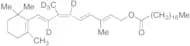
CAS :Produit contrôlé<p>Applications 2-(Chloromethoxy)acetic Acid Ethyl Ester is used in the preparation of antiviral acyclonucleosides and their metabolites.<br> Not a dangerous good if item is equal to or less than 1g/ml and there is less than 100g/ml in the package<br>References Kutsuma, T. et al.: Heterocycles, 65, 1967 (2005); Hu, L. et al.: Guiy. Yix. Xueb., 33, 546 (2008);<br></p>Formule :C5H9ClO3Couleur et forme :NeatMasse moléculaire :152.589-cis-Retinyl Stearate-d5
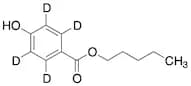
CAS :Produit contrôlé<p>Applications 9-cis-Retinyl Stearate-d5, is the labeled analogue of 9-cis-Retinyl Stearate (R275600), a fatty acid ester of Retinol isomer, found mainly in the retina.<br>References Bridges, C.D.B., et al.: Methods Enzymol., 81, 463 (1982),<br></p>Formule :C38D5H59O2Couleur et forme :NeatMasse moléculaire :557.944n-Pentyl 4-Hydroxybenzoate-2,3,5,6-d4
CAS :Produit contrôlé<p>Applications n-Pentyl 4-Hydroxybenzoate-2,3,5,6-d4 (CAS# 1219798-66-9) is a useful isotopically labeled research compound.<br></p>Formule :C12H12D4O3Couleur et forme :NeatMasse moléculaire :212.284-Nitroacetophenone
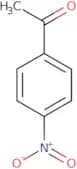
CAS :<p>4-Nitroacetophenone is an organic compound that has been synthesized in an asymmetric synthesis. It is a nitro compound and a radiosensitizer. The chemical structure of 4-Nitroacetophenone is similar to the structure of phenol, with one nitro group and two hydroxyl groups at opposite ends of the molecule. 4-Nitroacetophenone reacts with radiation to produce free radicals that can damage DNA, RNA, and proteins. The reaction mechanism involves the formation of nitrosating agent (R−NO) which interacts with DNA to form a covalent bond between the DNA base and the nitrosating agent. This covalent bond inhibits DNA replication, leading to cell death. 4-Nitroacetophenone has been shown to be effective in inhibiting cell growth in culture by triggering apoptosis in cells treated with high doses of this drug.</p>Formule :C8H7NO3Degré de pureté :Min. 95%Couleur et forme :Yellow PowderMasse moléculaire :165.15 g/molAspidosine hydrobromide
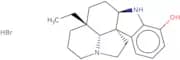
CAS :Produit contrôlé<p>Aspidosine hydrobromide is a fine chemical that is used as an intermediate for synthesis of other compounds. The CAS number for this compound is 206196-96-5. This compound can be used as a building block to synthesize more complex compounds, and it has been shown to be useful in the preparation of research chemicals and reaction components. Aspidosine hydrobromide has been shown to have high quality, making it a sought after reagent and speciality chemical. This compound has a versatile scaffold, which makes it useful as a building block in the synthesis of other compounds.</p>Formule :C19H26N2O•BrHDegré de pureté :Min. 95%Masse moléculaire :379.33 g/mol2-Hydroxy atorvastatin lactone
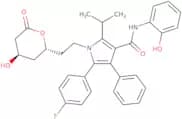
CAS :<p>2-Hydroxyatorvastatin lactone is a prodrug of atorvastatin, which is an HMG-CoA reductase inhibitor. It is used to lower cholesterol and triglycerides in the blood. The drug is administered as a tablet, capsule, or liquid and can be taken with or without food. 2-Hydroxyatorvastatin lactone is metabolized by cytochrome P450 enzymes in the liver to produce active atorvastatin. This metabolism may be inhibited by other drugs that are also metabolized by cytochrome P450 enzymes, such as erythromycin and ketoconazole. 2-Hydroxyatorvastatin lactone has been shown to have an inhibition constant (Ki) of 0.5 μM for human liver microsomes and plasma concentrations of 1 μM or higher are required for therapeutic effect.</p>Formule :C33H33FN2O5Degré de pureté :Min. 95%Couleur et forme :Off-White Slightly Yellow PowderMasse moléculaire :556.62 g/mol4-Nitrophthalimide
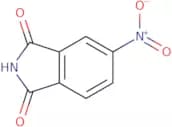
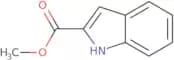
CAS :<p>4-Nitrophthalimide is a nitroimidazole compound that has been shown to be active against bacterial strains belonging to the group P2. It is also soluble in organic solvents such as chloroform, ethanol, and acetone. 4-Nitrophthalimide has been used for experimental solubility data and as a pharmaceutical preparation. The reaction of 4-nitrophthalimide with diazonium salt produces 3-nitrophthalic anhydride, which is then hydrolyzed by hydrochloric acid to form nitrobenzene. This reaction can be monitored using fluorescence resonance spectroscopy.</p>Formule :C8H4N2O4Degré de pureté :Min. 95%Couleur et forme :PowderMasse moléculaire :192.13 g/molIndole-2-carboxylic acid methyl ester
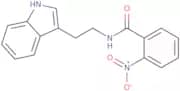
CAS :<p>Indole-2-carboxylic acid methyl ester is a carbazole that can be synthesized from indole and hydrogen chloride. It has been shown to inhibit the production of β-amyloid, an important factor in the pathogenesis of Alzheimer’s disease. Indole-2-carboxylic acid methyl ester has also been shown to have inhibitory effects on ion-exchange, melatonin synthesis, and yields of aziridines. The affinity of indole-2-carboxylic acid methyl ester for aldehydes was found to be very high. It is also able to cross the blood brain barrier into the brain and has been shown to be effective against pancreatic cancer cells in vitro.</p>Formule :C10H9NO2Degré de pureté :Min. 95%Couleur et forme :Slightly Brown PowderMasse moléculaire :175.18 g/molN-(2-Indol-3-ylethyl)(2-nitrophenyl)formamide
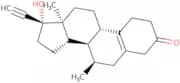
CAS :<p>Please enquire for more information about N-(2-Indol-3-ylethyl)(2-nitrophenyl)formamide including the price, delivery time and more detailed product information at the technical inquiry form on this page</p>Formule :C17H15N3O3Degré de pureté :Min. 95%Couleur et forme :PowderMasse moléculaire :309.32 g/molTibolone
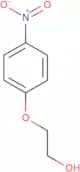
CAS :Produit contrôlé<p>Tibolone is a synthetic steroidal estrogen with both estrogenic and progestogenic activity. It has been shown to be effective in the treatment of postmenopausal symptoms, especially those related to the breast. Tibolone is also used for prevention of osteoporosis and to prevent recurrence of hormone-dependent cancers such as breast cancer or endometrial cancer. Tibolone binds to both estrogen receptor subtypes (ERα and ERβ) and progesterone receptor (PR), but with higher affinity for ERβ. This leads to increased levels of circulating estradiol and progesterone when compared to other estrogens such as nomegestrol acetate or conjugated equine estrogen. The drug also decreases expression of genes that are regulated by the response element (RE) in ERβ-positive cells, which may contribute to its anti-cancer effects. Tibolone has been shown to be statistically more effective than nomegestrol acetate in reducing hot flashes</p>Formule :C21H28O2Degré de pureté :Min. 95%Couleur et forme :PowderMasse moléculaire :312.45 g/mol2-(4-Nitrophenoxy)ethanol
CAS :<p>2-(4-Nitrophenoxy)ethanol (NPEO) is a water soluble, synthetic compound that has been shown to have anti-tumor properties. NPEO was found to be toxic to tumor cells in vitro and inhibits the growth of tumor cells in vivo. NPEO also inhibits the synthesis of DNA and RNA, which are important for cell division. This inhibitory effect may lead to the death of cancer cells by interfering with their ability to grow and divide.</p>Formule :C8H9NO4Degré de pureté :Min. 95%Couleur et forme :PowderMasse moléculaire :183.16 g/mol4-Aminosalicylic acid hydrazide
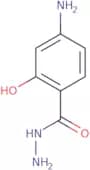
CAS :<p>4-Aminosalicylic acid hydrazide is a reactive functional group that is used as an intermediate in organic synthesis. It has a structural formula of C6H7N3O2 and is a white solid. 4-Aminosalicylic acid hydrazide has been shown to be highly resistant to mycobacterium avium, and can be used for the treatment of tuberculosis. The reactivity of this compound was studied by gravimetric analysis. This reaction is also degradable due to the presence of chloride ions and amido groups.</p>Formule :C7H9N3O2Degré de pureté :Min. 95%Couleur et forme :PowderMasse moléculaire :167.17 g/mol2-Chloroinosine 3',4',6'-triacetate
CAS :<p>2-Chloroinosine 3',4',6'-triacetate is a reagent, useful intermediate, fine chemical, and speciality chemical. It is used as an important building block in organic synthesis. 2-Chloroinosine 3',4',6'-triacetate can be used as a versatile building block for the synthesis of many other compounds. The high quality and usefulness of this compound make it a good choice for research chemicals.</p>Formule :C16H17ClN4O8Degré de pureté :Min. 95%Couleur et forme :White to pale yellow solid.Masse moléculaire :428.78 g/molL-(7-Hydroxycoumarin-4-yl) ethylglycine
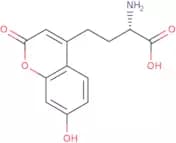
CAS :<p>L-(7-Hydroxycoumarin-4-yl) ethylglycine is a molecule that has been used as a model system to study the binding of inhibitors to enzymes. L-(7-Hydroxycoumarin-4-yl) ethylglycine binds to the enzyme synthetase and inhibits its activity. The inhibition of this enzyme prevents the formation of ATP, which is necessary for the synthesis of proteins. L-(7-Hydroxycoumarin-4-yl) ethylglycine also blocks transcription and translation by binding to DNA binding proteins and inhibiting ribosome function respectively. This agent is an antimicrobial agent that has shown activity against gram positive bacteria such as Staphylococcus aureus, Enterococcus faecalis, and Bacillus cereus, as well as gram negative bacteria such as Escherichia coli, Salmonella typhimurium, Pseudomonas aerugin</p>Formule :C13H13NO5Degré de pureté :Min. 98 Area-%Couleur et forme :Red PowderMasse moléculaire :263.25 g/mol1-(2,4-Dimethoxyphenyl)-2-nitropropene
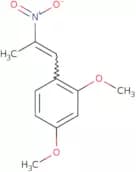
CAS :<p>1-(2,4-Dimethoxyphenyl)-2-nitropropene is a versatile building block that can be used in the synthesis of a wide range of compounds. It is a high quality chemical with a CAS number of 15804-78-1. This compound has been used as an intermediate to synthesize other compounds such as 2-amino-3,5,6-trimethylbenzaldehyde and 1-(2,4-dimethoxyphenyl)-2-(pyrrolidin-1-yl)propene. The compound is also useful as a reagent for reaction components in organic chemistry and biochemistry.</p>Formule :C11H13NO4Degré de pureté :Min. 95%Couleur et forme :PowderMasse moléculaire :223.23 g/mol3-Bromo-4-hydroxycinnamic acid
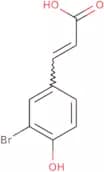
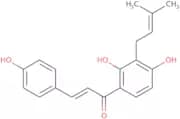
CAS :<p>3-Bromo-4-hydroxycinnamic acid is a useful building block that is obtained from cinnamic acid by substitution of the hydroxyl group with a bromine atom. It has been used in research as a reagent, speciality chemical, and reaction component. 3-Bromo-4-hydroxycinnamic acid is also an important intermediate for the synthesis of various organic compounds. This compound can be used as a scaffold for the synthesis of complex compounds.</p>Formule :C9H7BrO3Couleur et forme :PowderMasse moléculaire :243.05 g/molIsobavachalcone
CAS :<p>Isobavachalcone is a natural compound that belongs to the group of flavonoids. It has been shown to be cytotoxic at high concentrations (e.g., 50 μM) in HL-60 cells and induce apoptosis by increasing the expression of pro-apoptotic proteins. Isobavachalcone also has anti-inflammatory properties, which may be due to its ability to inhibit the production of reactive oxygen species and increase the expression of nuclear DNA binding protein DDB2. Isobavachalcone can be used as an analytical tool for determining mitochondrial membrane potential and for identifying compounds with autophagic activity.</p>Formule :C20H20O4Degré de pureté :Min. 98 Area-%Masse moléculaire :324.37 g/mol2,2'-Dimethylbibenzyl
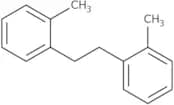
CAS :<p>2,2'-Dimethylbibenzyl is a chemical compound that has been used as a precursor for the synthesis of other chemicals. It can be synthesized by reacting dodecyl chloride with an aryl halide, then reacting the product with anhydrous hydroxyl group in the presence of a radical coupling agent. The reaction products are chlorosulfonic acid and 2,2'-dimethylbibenzyl. This chemical compound is a strong electron acceptor and can help to produce radical coupling reactions. It also reacts with protonated water to form sulfoxide and trifluoroacetic acid.</p>Formule :C16H18Degré de pureté :Min. 95%Couleur et forme :PowderMasse moléculaire :210.31 g/mol13-cis-Retinoic acid
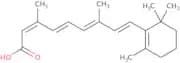
CAS :Produit contrôlé<p>An endogenous retinoic acid receptor (RAR) agonist that upregulates forkhead box class O (FoxO) transcription factor. Suppresses activity and proliferation of sebaceous glands. Used for treating nodulocystic acne. Induces differentiation, neurite outgrowth and inhibits proliferation of neuroblastoma cells. A potential chemopreventive agent in non-small cell lung cancer, head and neck squamous cell carcinoma and neuroblastoma.</p>Formule :C20H28O2Degré de pureté :Min. 97 Area-%Couleur et forme :Yellow PowderMasse moléculaire :300.44 g/mol6-Methoxy-2-naphthoic acid
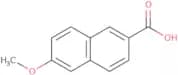
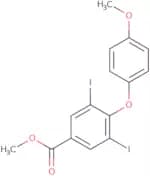
CAS :<p>6-Methoxy-2-naphthoic acid (MN) is a cavity amide that has been shown to have an inhibitory effect on the growth of cancer cells. MN has been found to be more effective in inhibiting β-amyrin than caffeine, which may be due to its increased lipophilicity. It also has a higher affinity for adriamycin and enhances its anticancer effects. MN has been shown to be beneficial in treating diabetic patients, as it can reduce blood glucose levels by stimulating insulin release. The pharmacokinetic properties of MN are similar to those of other cavity amides, with rapid absorption and distribution throughout the body. This compound is metabolized in the liver by CYP2C8, CYP2C9, CYP3A4 and CYP3A5 enzymes. Molecular docking analysis of MN with β-amyrin showed that there was a strong interaction between them due to their complementary shapes and charge distributions</p>Formule :C12H10O3Degré de pureté :Min. 98 Area-%Couleur et forme :PowderMasse moléculaire :202.21 g/mol3,5-Diiodo-4(4'-methoxyphenoxy)benzoic acid methyl ester
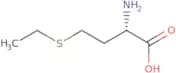
CAS :<p>3,5-Diiodo-4(4'-methoxyphenoxy)benzoic acid methyl ester (DIMBOA) is a hormone analogue that inhibits the growth of cancer cells by interfering with mitochondrial function. DIMBOA binds to the mitochondria of animal cells and prevents adenosine triphosphate (ATP) production. DIMBOA also blocks the synthesis of DNA and RNA in animal cells, which may be due to its ability to interfere with enzyme activities such as protein synthesis, cell proliferation, and apoptosis. 3,5-Diiodo-4(4'-methoxyphenoxy)benzoic acid methyl ester has been shown to inhibit cellular growth by autophagy. This drug has been shown to have no adverse effects on normal fibroblasts or antigen presenting cells in animals.</p>Formule :C15H12I2O4Degré de pureté :Min. 95%Couleur et forme :PowderMasse moléculaire :510.06 g/molL-Ethionine
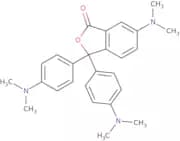
CAS :<p>L-Ethionine is an amino acid that can be synthesized by the body through the transsulfuration pathway. It has been shown to inhibit the growth of Aeromonas hydrophilia, a bacterium that is resistant to many antibiotics. L-Ethionine has also been shown to have effects on DNA replication and repair, protein synthesis, cell lysis, and energy metabolism in vitro. In vivo studies have demonstrated its efficacy against Methicillin-resistant Staphylococcus aureus (MRSA). L-Ethionine may be used as a potential therapeutic agent for MRSA infections.</p>Formule :C6H13NO2SDegré de pureté :Min. 95%Couleur et forme :White PowderMasse moléculaire :163.24 g/molCrystal violet lactone
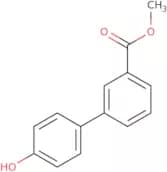
CAS :<p>Crystal violet lactone is a hydroxylated derivative of crystal violet that has been shown to exist as a stable complex with metal chelates. The chemical stability of this compound is related to the presence of the hydroxyl group, which can be used to form hydrogen bonding interactions. Crystal violet lactone has been shown to react with p-hydroxybenzoic acid in an electron transfer reaction, resulting in the formation of stable complexes. This chemical property makes it useful for flow assays, such as those used for the detection of glucose in blood plasma.</p>Formule :C26H29N3O2Degré de pureté :Min. 95%Couleur et forme :Yellow PowderMasse moléculaire :415.53 g/molMethyl 3-(4-hydroxyphenyl)benzoate
CAS :<p>Please enquire for more information about Methyl 3-(4-hydroxyphenyl)benzoate including the price, delivery time and more detailed product information at the technical inquiry form on this page</p>Formule :C14H12O3Degré de pureté :Min. 95%Couleur et forme :PowderMasse moléculaire :228.24 g/mol7a-Hydroxy cholesterol
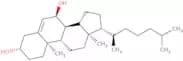
CAS :Produit contrôlé<p>7a-Hydroxycholesterol is a cholesterol metabolite that has been shown to inhibit the proliferation of 3T3-L1 preadipocytes and HL-60 cells. This compound also inhibits the growth of tumor cells by inhibiting the enzyme activities necessary for cell division and synthesis. 7a-Hydoxycholesterol has been found to be a potent inducer of cholesterol biosynthesis in cultured liver cells, which may be due to its ability to inhibit the conversion of cholesterol into bile acids. 7a-hydroxycholesterol has also been shown to inhibit viral replication in vitro. It binds to mitochondrial DNA and inhibits ATP production, leading to inhibition of mitochondrial membrane potential and cell death. 7a-hydroxycholesterol is also known as an oxysterol because it can be made from 25(OH)D3 or 2,5(OH)2D3. A high level of this metabolite is associated with atherosclerosis or formation of cholesterol deposits on artery walls</p>Formule :C27H46O2Degré de pureté :Min. 95%Couleur et forme :White PowderMasse moléculaire :402.65 g/molLopinavir metabolite M-3/M-4
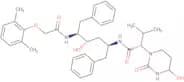
CAS :<p>Lopinavir is an antiviral drug that inhibits HIV protease, an enzyme involved in the replication of the virus. It is metabolized to form M-3 and M-4, which are active against HIV protease. Lopinavir has been shown to have antiviral activities against HIV-1 and HIV-2. The activity of lopinavir against HIV protease may be due to its ability to bind to the active site of this enzyme and inhibit its catalytic activity.</p>Formule :C37H48N4O6Degré de pureté :Min. 95%Masse moléculaire :644.8 g/molDimethyl 4-nitrophthalate
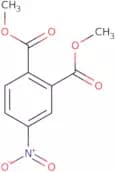
CAS :<p>Dimethyl 4-nitrophthalate is a bioactive molecule that has been found to be effective in inhibiting the growth of bacteria, including methicillin-resistant Staphylococcus aureus and Mycobacterium tuberculosis. Dimethyl 4-nitrophthalate binds to calcium ions in the bacterial cell wall, leading to inhibition of cell division. The biological activity of dimethyl 4-nitrophthalate can be measured by measuring the redox potential and calculating the constant, which is between -0.5 and -1.5 volts. This molecule also has strong anti-inflammatory properties due to its ability to reduce nitric oxide levels in macrophages.</p>Formule :C10H9NO6Degré de pureté :Min. 95%Couleur et forme :PowderMasse moléculaire :239.18 g/mol6-Bromovanillin
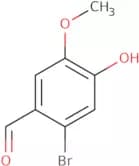
CAS :<p>6-Bromovanillin is a hydroxymethyl derivative of vanillin that has been shown to react with a number of aldehydes in organic reactions. 6-Bromovanillin can be used as a precursor for the synthesis of piperonal and haplophyllum. In addition, 6-bromovanillin can be decarboxylated to form 4-hydroxybenzoic acid.</p>Formule :C8H7BrO3Degré de pureté :Min. 95%Masse moléculaire :231.04 g/mol

![3',4',5'-Trifluoro-[1,1'-biphenyl]-2-amine](/_next/image/?url=https%3A%2Fstatic.cymitquimica.com%2Fproducts%2FTR%2Fthumb-webp%2FT304270.webp&w=3840&q=75)