Étalons pharmaceutiques
Les standards pharmaceutiques sont un ensemble complet de matériaux de référence essentiels pour garantir la sécurité, l'efficacité et la qualité des produits pharmaceutiques. Cette catégorie comprend des standards pour les ingrédients pharmaceutiques actifs (APIs), qui sont les composants principaux responsables des effets thérapeutiques. De plus, elle couvre les composés et métabolites pertinents pour les industries pharmaceutique et vétérinaire, fournissant des points de référence pour la mesure et l'analyse précises de ces substances. Les standards de contrôle des nitrosamines sont cruciaux pour détecter et atténuer les nitrosamines potentiellement nocives dans les formulations médicamenteuses. Les standards de toxicologie aident à évaluer la sécurité et les effets indésirables potentiels des composés pharmaceutiques. En outre, les standards pour les activateurs et les inhibiteurs enzymatiques sont essentiels pour la recherche et le développement, permettant des études précises des voies biochimiques et des mécanismes des médicaments. Ces standards pharmaceutiques sont des outils indispensables pour la conformité réglementaire, le contrôle de qualité et la recherche, garantissant que les produits pharmaceutiques répondent à des critères stricts de sécurité et d'efficacité.
Sous-catégories appartenant à la catégorie "Étalons pharmaceutiques"
- APIs pour la recherche et les impuretés(273.444 produits)
- Activateurs et inhibiteurs d'enzymes(2.827 produits)
- Nitrosamines(2.605 produits)
- Composés et métabolites pharmaceutiques et vétérinaires(2.577 produits)
- Toxicologie(13.652 produits)
7836 produits trouvés pour "Étalons pharmaceutiques"
Trier par
Degré de pureté (%)
0
100
|
0
|
50
|
90
|
95
|
100
(2-[Biotinamido]ethylamido)-3,3'-dithiodipropionic acid N-hydroxysuccinimide ester
CAS :<p>Biotinamido-3,3'-dithiodipropionic acid N-hydroxysuccinimide ester is a biotinylated derivative of the lectin from Streptomyces griseus. It has been shown to bind to the mycolic acid on the surface of mycobacteria and activate inflammatory cells. The lectin has also been used as a vaccine adjuvant for tuberculosis and other bacterial infections. Biotinamido-3,3'-dithiodipropionic acid N-hydroxysuccinimide ester activates Toll-like receptor 4 (TLR4) and induces secretion of tumor necrosis factor alpha (TNF-α). TLR4 is a cell surface receptor that recognizes various microbial products, such as lipopolysaccharides (LPS), peptidoglycan, and unmethylated CpG DNA.</p>Formule :C22H33N5S3O7Degré de pureté :Min. 95%Couleur et forme :PowderMasse moléculaire :575.72 g/mol3-Trifluoroacetyl-D-Camphor
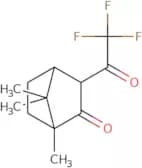
CAS :<p>3-Trifluoroacetyl-D-camphor is a ligand that binds to the quinine site on the mitochondrial membrane potential. It has been shown to have synergistic effects with metal chelates in cancer treatments. 3-Trifluoroacetyl-D-camphor is also a phosphorescent compound that emits photons when excited by light. The emission of light can be used as a probe for determining mitochondrial membrane potential and as a luminophore in devices such as gas sensors. 3-Trifluoroacetyl-D-camphor is found in the mitochondrial membranes of HL60 cells, and its concentration increases when mitochondria are exposed to hydrogen phosphine.</p>Formule :C12H15F3O2Degré de pureté :Min. 95%Couleur et forme :Clear LiquidMasse moléculaire :248.24 g/mol3,5-Dimethoxycinnamic acid
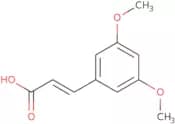
CAS :<p>3,5-Dimethoxycinnamic acid is a compound that belongs to the class of cinnamic acid derivatives. It is a synthetic substance obtained by demethylation of 3,5-dimethoxybenzoic acid. This substance has been shown to have an antifungal activity in vitro against filamentous fungi and many other microorganisms. The antimicrobial effect can be explained by the presence of functional groups such as hydroxyl and methoxyl on the aromatic ring. Hydroxide solution can be used as an analytical reagent for determining the formation rate of this compound.</p>Formule :C11H12O4Degré de pureté :Min. 95%Couleur et forme :PowderMasse moléculaire :208.21 g/mol4-Cyanocinnamic acid
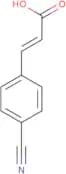
CAS :<p>4-Cyanocinnamic acid is a fatty acid that has been shown to be a substrate for the bacterial enzyme cinnamate 4-hydroxylase. The molecular weight of this compound is 136.16 g/mol, and it has a constant boiling point of 206°C. It can be synthesized from phenylacetic acid and p-coumaric acid using a transesterification reaction. This compound is reactive with carbonyl groups, which makes it useful in the detection of gram-positive bacteria by fluorescent probes or fluorescent dyes. 4-Cyanocinnamic acid is unreactive with esters of carboxylic acids, such as methyl esters, making it useful for the determination of fatty acids in isolates.</p>Formule :C10H7NO2Degré de pureté :Min. 95%Couleur et forme :PowderMasse moléculaire :173.17 g/mol4'-tert-Butyl-2',6'-dimethyl-3',5'-dinitroacetophenone
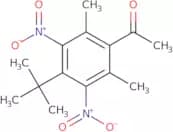
CAS :<p>4'-tert-Butyl-2',6'-dimethyl-3',5'-dinitroacetophenone is a ketone that is used in the synthesis of new chemical substances. It has been shown to have toxicological properties and can be used for the treatment of bacterial infections. 4'-tert-Butyl-2',6'-dimethyl-3',5'-dinitroacetophenone has been shown to produce a high degree of solubility in water, which is an advantageous property for wastewater treatment because it allows for easy removal of this compound from contaminated water.</p>Formule :C14H18N2O5Degré de pureté :Min. 95%Couleur et forme :PowderMasse moléculaire :294.3 g/molEosin Y disodium salt
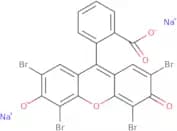
CAS :<p>Eosin Y, a red xanthene dye, has been noted to reduce the affinity of Mg2+-ATPase for ATP and increase the enzyme affinity for Mg2+ at concentrations of 10-50 μM. At higher concentrations near 100 μM the affinity for Mg2+-ATPase for the ion-activator has been shown to be reduced. This compound has also been reported to be a photosensitizer that works as a molecular photoelectrode via catalyzation of the visible-light-driven electron-transfer reaction. Eosin Y has been used to stain structures such as muscle, cytoplasm, and collagen. This agent also enhances fluorescent quenching abilities by forming a complex with polyvinulpyrrolidone.</p>Formule :C20H6Br4Na2O5Degré de pureté :Min. 95%Couleur et forme :Brown PowderMasse moléculaire :691.85 g/mol(2',4',6'-Trimethyl)acetophenone
CAS :<p>(2',4',6'-Trimethyl)acetophenone is a precursor to 2,4,6-trimethylphenol. It is used in the synthesis of trifluoroacetic acid and trifluoromethanesulfonic acid as well as in the production of perfumes. Trifluoroacetic acid and trifluoromethanesulfonic acid are used for the manufacture of pharmaceuticals, plastics, pesticides, and solvents. This compound is also important for the manufacture of certain dyes, such as those used in textile dyeing.<br>The iodination reaction with 2',4',6'-trimethylacetophenone is catalyzed by potassium iodide and acetic acid. The reaction products include ethyl formate, acetaldehyde, water (H2O), hydrogen peroxide (H2O2), and iodine (I). The structural analysis showed that the carbonyl group was not involved in any</p>Formule :C11H14ODegré de pureté :Min. 95%Couleur et forme :Clear LiquidMasse moléculaire :162.23 g/mol2-Naphthoxyacetic acid
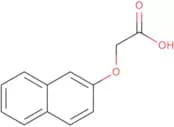
CAS :<p>2-Naphthoxyacetic acid is a chemical compound that has been shown to be a matrix effect agent in the kidney bean extract. It is also used as a nutrient solution in synchronous fluorescence and hydroxyl group. 2-Naphthoxyacetic acid can be used as an analytical method for sodium citrate, dispersive solid-phase extraction, nitrogen atoms, and acid complex. The optical sensor can be used for low light surface methodology. Fluoroacetic acid is a chemical compound that has been shown to have analytical properties similar to 2-Naphthoxyacetic acid.</p>Formule :C12H10O3Degré de pureté :Min 98%Couleur et forme :PowderMasse moléculaire :202.21 g/molDextromethorphan
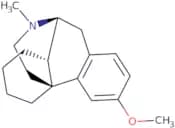
CAS :Produit contrôlé<p>9-alpha,-14-alpha-3-Methoxy-17-methylmorphinan (914) is a drug that is used in the treatment of bowel disease. It has been shown to inhibit the activity of enzymes such as polymerase chain, which is responsible for DNA replication and repair. 914 also inhibits dextromethorphan, an opioid that is used in cough suppressant medications. The effects of 914 on dextromethorphan are seen in human subjects who have been given the drug intravenously or orally. 914 binds to receptors that are found on cells in the brain and spinal cord, which explains its analgesic properties. This drug can be dangerous when taken with nonsteroidal anti-inflammatory drugs because it can cause kidney damage or failure.</p>Formule :C18H25NODegré de pureté :Min. 95%Couleur et forme :PowderMasse moléculaire :271.4 g/molDihydro caffeic acid 3-O-sulfate sodium salt
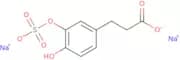
CAS :<p>Dihydro caffeic acid 3-O-sulfate sodium salt is a flavonol that is found in plants. It has been shown to have antioxidant properties and may be effective in the treatment of diseases associated with oxidative stress, such as diabetes mellitus and cancer. Dihydrocaffeic acid 3-O-sulfate sodium salt has also been shown to inhibit the growth of bacteria by modulating the production of nitric oxide. This agent has been quantified in human urine, which provides evidence for its potential use as a biomarker for disease risk due to its association with phenolic metabolites.</p>Formule :C9H8Na2O7SDegré de pureté :Min. 95%Couleur et forme :White Off-White PowderMasse moléculaire :306.2 g/mol5-Chlorosalicylic acid
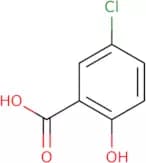
CAS :<p>5-Chlorosalicylic acid is an inhibitor of the enzyme carbonic anhydrase. It is used for the treatment of gout, rheumatoid arthritis, and osteoarthritis. This compound has been shown to be a genotoxic agent, which may result in mutagenic or carcinogenic effects. 5-Chlorosalicylic acid inhibits the growth of probiotic bacteria. It also has anti-inflammatory properties and can be used as a proton donor in organic synthesis reactions.<br>5-Chlorosalicylic acid is a metabolite of acetylsalicylic acid (ASA) that forms when ASA undergoes oxidative deamination in the liver. 5-Chlorosalicylic acid is also formed during metabolism of nonsteroidal anti-inflammatory drugs (NSAIDs).</p>Formule :C7H5ClO3Degré de pureté :Min. 95%Couleur et forme :White Off-White PowderMasse moléculaire :172.57 g/mol(R)-(-)-3,3′-Bis(triphenylsilyl)-1,1′-binaphthyl-2,2′-diyl hydrogenphosphate
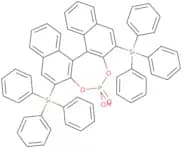
CAS :<p>(R)-(-)-3,3′-Bis(triphenylsilyl)-1,1′-binaphthyl-2,2′-diyl hydrogenphosphate is a fine chemical that is a useful reagent and building block. It can be used as an intermediate in the synthesis of complex compounds. This chemical has a CAS number of 791616-55-2 and is classified as a speciality chemical. (R)-(-)-3,3′-Bis(triphenylsilyl)-1,1′-binaphthyl-2,2′-diyl hydrogenphosphate is also a versatile building block for the synthesis of reaction components with high quality.</p>Formule :C56H41O4PSi2Degré de pureté :Min. 94.5 Area-%Couleur et forme :PowderMasse moléculaire :865.07 g/mol2-Hydroxy-5-nitrophenylacetic acid
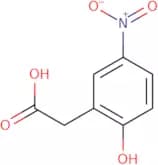
CAS :<p>2-Hydroxy-5-nitrophenylacetic acid is a versatile building block that can be used as a reagent, speciality chemical, or research chemical. It has been synthesized and characterized from the nitrobenzene derivative 2-hydroxyacetophenone. The compound has been shown to inhibit the growth of bacteria by binding to bacterial DNA gyrase and topoisomerase IV. This inhibits bacterial growth by preventing DNA replication and transcription. As an intermediate, 2-hydroxy-5-nitrophenylacetic acid is useful in organic synthesis as a reaction component or scaffold.</p>Formule :C8H7NO5Degré de pureté :Min. 95%Couleur et forme :PowderMasse moléculaire :197.14 g/molO-Benzyl-L-threonine
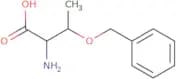
CAS :<p>O-Benzyl-L-threonine is a polymer that can be used to treat inflammatory diseases. It is an ionic polymer that reacts with calcium carbonate and forms nanosized architectures. O-Benzyl-L-threonine has been shown to cause the disassembly of inflammatory cells and induce cell death through necrosis factor. This polymer has been shown to have an optimal reaction when combined with a target cell in the presence of calcium carbonate. The phenolic group on the threonine molecule is responsible for this reaction's success.</p>Formule :C11H15NO3Degré de pureté :Min. 95%Couleur et forme :White To Off-White SolidMasse moléculaire :209.24 g/mol(6S)-5,6,7,8-Tetrahydro-6-[propyl[2-(2-thienyl)ethyl]amino]-1-naphthalenol
CAS :Produit contrôlé<p>(6S)-5,6,7,8-Tetrahydro-6-[propyl[2-(2-thienyl)ethyl]amino]-1-naphthalenol is a potent and selective dopamine receptor agonist. It acts by binding to the dopamine receptors in the brain. This binding stimulates the release of dopamine and prevents it from being reabsorbed into the neurons, which in turn increases levels of extracellular dopamine in the synapse. (6S)-5,6,7,8-Tetrahydro-6-[propyl[2-(2-thienyl)ethyl]amino]-1-naphthalenol has been shown to have antidepressant effects in animal models of depression. It also has a long half life and can be administered as a transdermal patch for prolonged relief from depression symptoms.</p>Formule :C19H25NOSDegré de pureté :Min. 95%Couleur et forme :White Off-White PowderMasse moléculaire :315.47 g/molGeranyl linalool
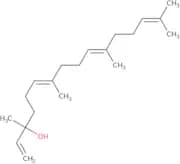
CAS :<p>Geranyl linalool is a monoterpene that is found in plants. It has been shown to have significant cytotoxicity against some cancer cell lines and may be useful in the treatment of cancer. Geranyl linalool also displays antibacterial, antifungal, and antiviral properties. Geranyl linalool is soluble in organic solvents such as methanol and ethanol, but insoluble in water. The chemical ionization mass spectrum of geranyl linalool has been observed to produce water-vapor ions at m/z 94 and 95 with a retention time of 12.5 minutes. The molecular weight of geranyl linalool is 152 g/mol and it has a ph optimum between 5-8.</p>Formule :C20H34ODegré de pureté :Min. 95%Couleur et forme :Clear LiquidMasse moléculaire :290.48 g/mol2,4-Dinitrophenyl butyrate
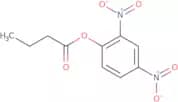
CAS :<p>2,4-Dinitrophenyl butyrate is a plant-derived compound that belongs to the group of fatty acids. It has shown radical scavenging activity in a homogeneous assay and has been found to be a strong inhibitor of pancreatic lipase. 2,4-Dinitrophenyl butyrate has also been used as a marker for proteolytic enzymes and has been shown to have inhibitory effects on pancreatic lipase. This compound is not only useful for studying enzyme inhibition, but it can also be used as an ingredient in food products.</p>Formule :C10H10N2O6Degré de pureté :Min. 98 Area-%Couleur et forme :PowderMasse moléculaire :254.2 g/mol3,6-Dihydroxy-2,4-dimethoxyacetophenone
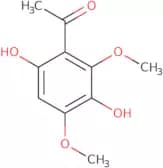
CAS :<p>3,6-Dihydroxy-2,4-dimethoxyacetophenone is an aromatic compound that has a molecular structure with hydrogen-bonded groups. It also contains both acetoxy and intramolecular substituents. 3,6-Dihydroxy-2,4-dimethoxyacetophenone is used in research as a starting material for the synthesis of other compounds. It is also used to study the dihedral angles in molecules due to the presence of two asymmetric carbon atoms.</p>Formule :C10H12O5Degré de pureté :Min. 95%Couleur et forme :PowderMasse moléculaire :212.2 g/mol21-(Fluoro-18F)-17-Hydroxypregna-1,4-Diene-3,11,20-Trione
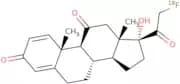
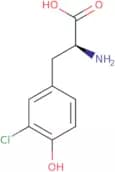
Produit contrôlé<p>F-18-fluorohydroxypregna-1,4-diene-3,11,20-trione (FHP) is a positron emission tomography (PET) radiopharmaceutical that binds to estrogen receptors. It is used in the diagnosis of cancer and other diseases. FHP is synthesized by reduction of its carbonyl group with sodium borohydride and then converted to the desired radiolabeled form. The synthesis of FHP can be accomplished in a variety of ways, depending on the desired radionuclide and labeling technique. One such method uses an unlabeled precursor estrone or 17β-estradiol as the starting material. This precursor undergoes enzymatic conversion by testosterone 17β hydroxylase to yield FHP.</p>Formule :C21H25FO4Degré de pureté :Min. 95%Masse moléculaire :360.42 g/mol3-Chloro-L-tyrosine
CAS :<p>3-Chloro-L-tyrosine (3CT) is a reactive, nitrogen containing molecule that has been used as a model system to study oxidative injury in the heart. The molecule reacts with the air and oxygen in the environment, producing reactive oxygen species (ROS) that can cause oxidative injury. 3CT has been shown to inhibit ATP binding cassette transporter A1 (ABCA1), which is involved in cholesterol efflux from macrophages. 3CT also promotes the release of eosinophil peroxidase from eosinophils and induces tumor necrosis factor alpha (TNF-α). The analytical method for 3CT includes liquid chromatography-mass spectrometry/mass spectrometry (LC-MS/MS).</p>Formule :C9H10NO3ClDegré de pureté :Min. 95%Couleur et forme :PowderMasse moléculaire :215.63 g/molAdouetine Y
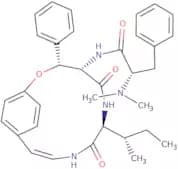
CAS :<p>Adouetine Y is a synthetic biochemical compound, designed as a highly specific inhibitor for targeted cellular processes. It is derived through advanced chemical synthesis techniques aimed at achieving optimal molecular precision. The mode of action of Adouetine Y involves binding to specific protein targets within the cell, modulating their activity and thereby influencing biochemical pathways critical to cellular function.</p>Formule :C34H40N4O4Degré de pureté :Min. 95%Masse moléculaire :568.71 g/mol4-Hydroxy atorvastatin lactone
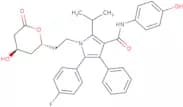
CAS :<p>4-Hydroxy atorvastatin lactone is a prodrug that can be hydrolyzed to the active form, atorvastatin. It is an inhibitor of HMG-CoA reductase and has been shown to significantly lower cholesterol levels in humans. 4-Hydroxy atorvastatin lactone has been shown to have no significant drug interactions with other drugs metabolized by cytochrome P450 3A5 (CYP3A5). A pharmacokinetic study of healthy Chinese subjects showed that plasma concentrations of 4-hydroxy atorvastatin lactone increased with increasing doses. Linear ranges were observed for human liver validation studies. Pharmacokinetic parameters were determined using chromatographic science, including linearity, limit of detection, limit of quantification, and specificity. The validation study was completed using electrospray ionization mass spectrometry.</p>Formule :C33H33FN2O5Degré de pureté :Min. 95%Couleur et forme :PowderMasse moléculaire :556.62 g/molErgosterol acetate
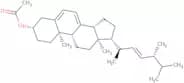
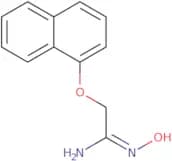
CAS :Produit contrôlé<p>Ergosterol acetate is a fatty acid that is derived from the fungus, Ganoderma lucidum. It has anti-oxidant properties and can inhibit cholesterol synthesis. Ergosterol acetate has been shown to inhibit the growth of prostate cancer cells in k562 cells and DU-145 cells, but not in Caco-2 cells. The mechanism of action for this effect may be due to its ability to inhibit epoxidase activity and transfer reactions with epoxides. Ergosterol acetate also has been shown to have physiological activities, such as increasing the viability of ganoderma lucidum spores and inhibiting cell proliferation in caco-2 cells.</p>Formule :C30H46O2Degré de pureté :Min. 97 Area-%Couleur et forme :Slightly Yellow PowderMasse moléculaire :438.69 g/molN-Hydroxy-2-(1-naphthalenyloxy)ethanimidamide
CAS :<p>Please enquire for more information about N-Hydroxy-2-(1-naphthalenyloxy)ethanimidamide including the price, delivery time and more detailed product information at the technical inquiry form on this page</p>Formule :C12H12N2O2Degré de pureté :Min. 95%Couleur et forme :PowderMasse moléculaire :216.24 g/mol2-(2,2-dimethylpropanoyl)-3-(3-nitrophenyl)prop-2-enenitrile
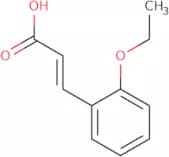
CAS :<p>Please enquire for more information about 2-(2,2-dimethylpropanoyl)-3-(3-nitrophenyl)prop-2-enenitrile including the price, delivery time and more detailed product information at the technical inquiry form on this page</p>Degré de pureté :Min. 95%2-Ethoxycinnamic acid
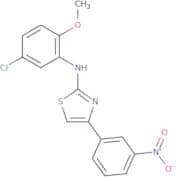
CAS :<p>2-Ethoxycinnamic acid is a metastable molecule that has been obtained by an asymmetric synthesis. It is unreactive, and its reaction products are polyvalent. 2-Ethoxycinnamic acid can be analyzed using analytical methods such as flow system, functional theory, and gas chromatography. 2-Ethoxycinnamic acid has been used in the preparation of cinnamates, which are used in perfumes and flavors. Polymorphs of this molecule have also been observed in crystalline form. There are two different forms of the molecule: α-form and β-form. The α-form is more stable than the β-form because it has a hydrogen bond with the methyl group on the left side of the molecule.</p>Formule :C11H12O3Degré de pureté :Min. 95%Couleur et forme :PowderMasse moléculaire :192.21 g/mol(5-Chloro-2-methoxyphenyl)(4-(3-nitrophenyl)(2,5-thiazolyl))amine
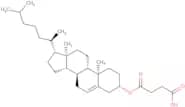
CAS :<p>Please enquire for more information about (5-Chloro-2-methoxyphenyl)(4-(3-nitrophenyl)(2,5-thiazolyl))amine including the price, delivery time and more detailed product information at the technical inquiry form on this page</p>Degré de pureté :Min. 95%Cholesterol hydrogen succinate
CAS :Produit contrôlé<p>Cholesterol hydrogen succinate is a cholesterol derivative that inhibits the activity of various receptors, including the LDL-receptor which is involved in the uptake of cholesterol from the blood. It also has inhibitory properties against infectious diseases and can be used as an experimental model for coronary heart disease. Cholesterol hydrogen succinate has been shown to inhibit the phase transition temperature (Tc) of human serum. This drug also possesses anti-oxidative properties and has been shown to have protective effects on mitochondrial membrane potential. The biological properties of this compound include its ability to induce hemisuccinate formation by hydrolyzing cholesteryl esters and inhibit endoxifen activity.</p>Formule :C31H50O4Degré de pureté :Min. 95%Couleur et forme :PowderMasse moléculaire :486.73 g/mol4-Acetoxycinnamic acid
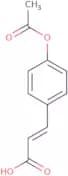
CAS :<p>4-Acetoxycinnamic acid is a staphylococcal bactericide that inhibits bacterial growth and is active against many gram-positive bacteria, including Staphylococcus aureus. It is also active against many gram-negative bacteria, such as Escherichia coli and Pseudomonas aeruginosa. 4-Acetoxycinnamic acid has been shown to inhibit the growth of Staphylococcus aureus in an in vitro experiment by interfering with membrane permeability and inhibiting lipid synthesis. 4-Acetoxycinnamic acid has been shown to have antimicrobial activity against gram-positive and gram-negative bacteria, including methicillin resistant S. aureus (MRSA).</p>Formule :C11H10O4Degré de pureté :Min. 97 Area-%Couleur et forme :PowderMasse moléculaire :206.19 g/mol4'-Chloro-2'-hydroxyacetophenone
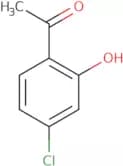
CAS :<p>4'-Chloro-2'-hydroxyacetophenone is a hydrazone compound that has been shown to have an inhibitory effect on the growth of cancer cells. The crystal structure was determined using X-ray diffraction data and the parameters were refined using a program called WITWIG. Hydrazones are classified as orthorhombic with space group Pbcn. The compound has been shown to be magnetic and it is soluble in organic solvents. 4'-Chloro-2'-hydroxyacetophenone has a molecular weight of 206.079 g/mol, which indicates that it is an organic molecule. It also contains a hydroxyl group and two chlorine atoms, one of which is attached to the acetophenone nucleus. This molecule can coordinate with metal ions to form complexes, such as mononuclear complexes, or polynuclear complexes with more than one metal ion.</p>Formule :C8H7ClO2Degré de pureté :Min. 95%Couleur et forme :Clear LiquidMasse moléculaire :170.59 g/mol4-Hydroxy-3-(trifluoromethyl)acetophenone
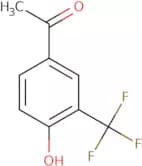
CAS :<p>4-Hydroxy-3-(trifluoromethyl)acetophenone is a chemical that has been shown to be useful in the synthesis of biologically active compounds. It is a versatile building block for organic synthesis and can be used as a research chemical, reaction component, or speciality chemical. 4-Hydroxy-3-(trifluoromethyl)acetophenone is also a high quality reagent with CAS No. 149105-11-3.</p>Formule :C9H7F3O2Degré de pureté :Min. 95%Masse moléculaire :204.15 g/mol1-(2-Thiazolylazo)-2-naphthol
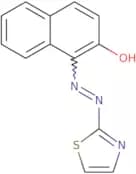
CAS :<p>1-(2-Thiazolylazo)-2-naphthol is a fluorescent dye that is used in analytical chemistry, cell culture, and flow cytometry. It has been shown to be useful for the detection of cancer cells. The fluorescence of 1-(2-Thiazolylazo)-2-naphthol can also be used to measure the levels of high-sensitivity c-reactive protein (hsCRP) in serum or plasma. This dye has a strong absorption band at 460 nm, which is attributed to its aromatic heterocyclic ring. Hydrogen bonding interactions are the driving force behind this dye's fluorescence.</p>Formule :C13H9N3OSDegré de pureté :Min. 98%Couleur et forme :PowderMasse moléculaire :255.3 g/molFast red TR salt 1,5-naphthalenedisulfonate
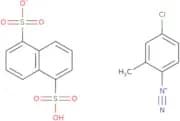
CAS :<p>Fast red TR salt 1,5-naphthalenedisulfonate salt is a reactive, multidrug molecule that binds to DNA and inhibits the synthesis of viral RNA. It also has an antiviral effect on hepatitis and some types of cancer. Fast red TR salt 1,5-naphthalenedisulfonate salt is used in conjunction with other compounds to treat cancerous tumors. The drug is activated by light when it's injected intravenously into the bloodstream, where it can be taken up by cells in the kidney or liver. Fast red TR salt 1,5-naphthalenedisulfonate salt prevents the production of acetylcholine at nerve endings and blocks the transmission of nerve impulses. This drug also prevents the binding of doxorubicin to DNA in tumor cells and blocks tumor cell growth through a process called hybridization. Fast red TR salt 1,5-naphthalenedisulfonate salt is used to create tissue</p>Formule :C10H7O6S2•C7H6ClN2Degré de pureté :Min. 95%Couleur et forme :PowderMasse moléculaire :440.88 g/molOctakis(trimethylsiloxy)silsesquioxane
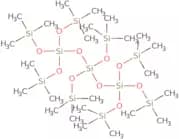
CAS :<p>Octakis(trimethylsiloxy)silsesquioxane is a cross-linking agent that forms covalent bonds with ethylene diamine and aluminium ions. It has been shown to be active against bacterial species such as Staphylococcus aureus, Pseudomonas aeruginosa, and Escherichia coli. Octakis(trimethylsiloxy)silsesquioxane binds to the calcium carbonate of the cell wall, forming a complex that prevents the bacteria from adhering to surfaces. The fluidity of octakis(trimethylsiloxy)silsesquioxane particles allows them to penetrate the cell membrane and inhibit protein synthesis by binding to ribosomes. Octakis(trimethylsiloxy)silsesquioxane can also be used as an encapsulation agent for drugs in order to prevent their degradation by enzymes in the gastrointestinal tract.</p>Formule :C24H72O20Si16Degré de pureté :Min. 95%Couleur et forme :Clear LiquidMasse moléculaire :1,130.18 g/mol2-Fluoro-1-naphthalenecarboxaldehyde
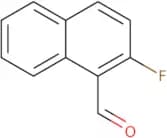
CAS :<p>2-Fluoro-1-naphthalenecarboxaldehyde is a high quality, complex compound that can be used as a versatile building block in the synthesis of many different compounds. As a reagent, it is used for the conversion of alcohols to ketones, esters to acid chlorides and amides to nitriles. It is also an intermediate in the synthesis of other chemicals such as 2-fluoronaphthalene, 2-(2-fluoroethyl)naphthalene, 1H-indole-2-carboxylic acid, and 3-(2-fluoropropyl)benzothiazole.</p>Formule :C11H7FODegré de pureté :Min. 95%Couleur et forme :PowderMasse moléculaire :174.17 g/molOxaliplatin related compound B
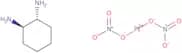
CAS :<p>Oxaliplatin related compound B is a fine chemical. It is an intermediate in the preparation of oxaliplatin related compounds, which are useful as research chemicals, reagents and speciality chemicals. Oxaliplatin related compound B has been used in the synthesis of other compounds with different functional groups. It has also been shown to be a versatile building block for the synthesis of complex compounds. Oxaliplatin related compound B can be used as a reaction component for the synthesis of other compounds. Oxaliplatin related compound B is a high quality, complex compound that can be used as a scaffold for the synthesis of other compounds.</p>Formule :C6H14N4O6PtDegré de pureté :Min. 97 Area-%Couleur et forme :Slightly Yellow PowderMasse moléculaire :433.28 g/mol4'-Methoxy-3',β-dimethyl-β-nitrostyrene
<p>4'-Methoxy-3',beta-dimethyl-beta-nitrostyrene is a fine chemical that belongs to the group of versatile building blocks. It is an intermediate for the synthesis of complex compounds, research chemicals, and speciality chemicals. 4'-Methoxy-3',beta-dimethyl-beta-nitrostyrene is a useful reagent in organic synthesis and can be used as a reaction component or scaffold. It has been shown to have high quality and it can be used as a useful building block.</p>Formule :C11H13NO3Degré de pureté :Min. 95%Couleur et forme :PowderMasse moléculaire :207.23 g/mol2-Hydroxy-6-methoxybenzoic acid methyl ester
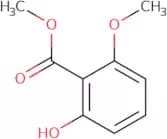
CAS :<p>2-Hydroxy-6-methoxybenzoic acid methyl ester is a biologically active molecule that has been shown to have antibacterial activity. It is structurally similar to the natural compound 2,6-dimethoxyphenol and can be used as a substitute for this compound in bioassays. The antibacterial activity of 2-hydroxy-6-methoxybenzoic acid methyl ester is due to its ability to inhibit enzymes involved in DNA repair and cell division. This compound also inhibits the growth of cancer cells and weevils by interfering with their metabolism.</p>Formule :C9H10O4Degré de pureté :Min. 95%Couleur et forme :PowderMasse moléculaire :182.17 g/molWilforlide A
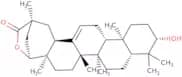
CAS :<p>Wilforlide A is a novel anticancer drug that inhibits the growth of cancer cells by inhibiting amino transferase and blocking the synthesis of DNA. Wilforlide A has synergistic effects when used in combination with tripterygium wilfordii, a Chinese herb, and moronic acid, an extract from Tripterygium wilfordii. Wilforlide A also has anti-inflammatory properties and can be used to treat autoimmune diseases. The efficacy of Wilforlide A was evaluated using surface methodology on human skin squamous carcinoma samples. It was found that Wilforlide A had no cytotoxicity when applied to these cells. In addition, it inhibited tumor growth in mice inoculated with human squamous carcinoma cells. These findings show that Wilforlide A is a potential candidate for treating squamous carcinoma patients.</p>Formule :C30H46O3Degré de pureté :Min. 95%Couleur et forme :PowderMasse moléculaire :454.68 g/molL-Allothreonine
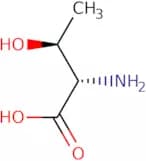
CAS :<p>L-Allothreonine is a diagnostic agent that can be used to measure the glomerular filtration rate. It is a substrate molecule for the enzymes alloproteinase and threoninase, which hydrolyze it into L-serine and dicarboxylic acid. The reaction mechanism of L-allothreonine with malonic acid has been studied at different pH values by measuring the thermal expansion coefficient. L-Allothreonine is an intramolecular hydrogen donor in polymerase chain reactions, which leads to cyclic peptide formation. The enzyme activities of alloproteinase, threoninase, and cyclooxygenase have been studied in vitro using kinetic methods. L-Allothreonine is a natural amino acid that can be found in animal sources such as fish, meat, eggs, milk, yogurt, cheese and whey protein supplements. It is also available as a dietary supplement for people who cannot get enough</p>Formule :C4H9NO3Degré de pureté :Min. 95%Couleur et forme :White PowderMasse moléculaire :119.12 g/mol6-Sulfatoxy melatonin sodium salt
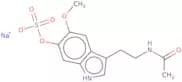
CAS :<p>6-Sulfatoxy melatonin sodium salt is a fine chemical that is a useful scaffold, versatile building block, and useful intermediate. It is used in research chemicals as well as in the manufacture of pharmaceuticals, agrochemicals, and other specialty chemicals. 6-Sulfatoxy melatonin sodium salt is a complex compound with a high quality and has CAS No. 76290-78-3.</p>Formule :C13H15N2NaO6SDegré de pureté :Min. 95 Area-%Couleur et forme :PowderMasse moléculaire :350.32 g/molDL-2-Hydroxyvaleric acid sodium salt
CAS :<p>2-Hydroxyvaleric acid sodium salt is a fine chemical that can be used as a building block for the synthesis of more complex compounds. It is also used as a reagent in research and as a speciality chemical. The CAS number for this compound is 84176-70-5. 2-Hydoxyvaleric acid sodium salt is most commonly used in the synthesis of pharmaceuticals, pesticides, and other chemicals. It has also been shown to be useful in the synthesis of biodegradable polymers and as an intermediate in organic reactions.</p>Formule :C5H9NaO3Degré de pureté :Min. 95%Couleur et forme :PowderMasse moléculaire :140.11 g/mol4-Methylsalicylic acid
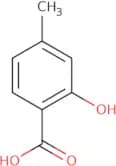
CAS :<p>4-Methylsalicylic acid is a chemical compound that belongs to the group of salicylates. It is an organic compound with a molecular weight of 96.12 g/mol and the chemical formula C8H8O3. The epoxidation of 4-methylsalicylic acid occurs through the use of catalysts, such as zinc oxide and manganese dioxide, which are not functionalized. The addition of these catalysts causes a reaction between the methyl group and the hydroxyl group in 4-methylsalicylic acid, forming methyl salicylate. This product is also used as a chiral building block for other compounds, such as axial chirality and olefins.</p>Formule :C8H8O3Degré de pureté :Min. 98 Area-%Couleur et forme :PowderMasse moléculaire :152.15 g/molCitral
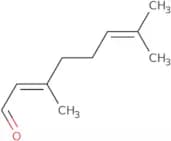
CAS :<p>Citral is a natural compound that is found in the essential oils of a variety of plants. It has been shown to have antimicrobial activity, and has been investigated for its use as an insect repellent. Citral is also known to bind DNA and inhibit the enzyme activities of c. glabrata. The biological properties of citral are still unclear, but it has been shown to cause a mild increase in water vapor and induce mitochondrial membrane potential in vivo human cells. Citral is also able to inhibit the growth of wild-type strains of C. glabrata and other bacteria through inhibition of their enzyme activities and interaction with cellular membranes.</p>Formule :C10H16ODegré de pureté :Min. 95%Couleur et forme :Clear LiquidMasse moléculaire :152.23 g/mol4,4' -Bis(N,N-dimethylamino)-2,2' -bipyridine
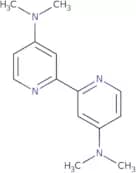
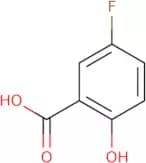
CAS :<p>4,4' -Bis(N,N-dimethylamino)-2,2' -bipyridine (DMAB) is a ligand that is used in electrochemical studies. It has been shown to have ancillary properties, which means that it does not interact directly with the substrate but modifies its environment. DMAB can form a complex with the proton at the electrode surface and x-ray crystal structures have been obtained for this interaction. These structures demonstrate that DMAB binds to the tetrazole ring of pyridine and stabilizes the molecule by increasing its redox potentials.</p>Formule :C14H18N4Degré de pureté :Min. 95%Couleur et forme :PowderMasse moléculaire :242.32 g/mol5-Fluorosalicylic acid
CAS :<p>5-Fluorosalicylic acid is a nonsteroidal anti-inflammatory drug that belongs to the group of 5-substituted salicylates. It has a strong affinity for human serum and can be used as an indicator in the determination of blood glucose. 5-Fluorosalicylic acid also binds to p-nitrophenyl phosphate with high affinity, which is involved in the regulation of cellular energy metabolism and plays a role in the production of ATP. The drug has been shown to form stable complexes with coumarin derivatives, which may have an effect on enzyme activities by modifying their conformational properties. 5-Fluorosalicylic acid has been shown to interact with other drugs, such as acetaminophen or ibuprofen, which may increase the risk of adverse effects.</p>Formule :C7H5FO3Degré de pureté :Min. 95%Couleur et forme :SolidMasse moléculaire :156.11 g/mol2'-Hydroxy-2,4,4'-trimethoxychalcone
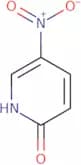
CAS :<p>2'-Hydroxy-2,4,4'-trimethoxychalcone is a fine chemical that is used as a building block in research and development of pharmaceuticals. It is an intermediate for the production of drugs such as antibiotics, antiviral agents, and antifungals. 2'-Hydroxy-2,4,4'-trimethoxychalcone has also been shown to be useful for the synthesis of complex compounds with versatile applications.</p>Formule :C18H18O5Degré de pureté :Min. 95%Couleur et forme :PowderMasse moléculaire :314.33 g/mol2-Hydroxy-5-nitropyridine
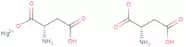
CAS :<p>2-Hydroxy-5-nitropyridine is a chemical compound that is used in the synthesis of other compounds. It can be used to synthesize nicotinic acetylcholine, which is an amine that binds to nicotinic acetylcholine receptors. 2-Hydroxy-5-nitropyridine has been shown to react with halides and hydroxy groups to form new compounds. 2-Hydroxypyridine can also be used to synthesize trifluoroacetic acid from chloroacetic acid and nitrous acid. This chemical has been used in the study of replicon cells, which are cells that contain a circular piece of DNA called a plasmid. Replicon cells are often found in bacteria, such as Trichomonas vaginalis, and viruses such as HPV.<br>2-Hydroxypyridine has been shown to cause high blood levels in humans when ingested orally or injected intravenously.</p>Formule :C5H4N2O3Degré de pureté :Min. 98 Area-%Couleur et forme :Brown PowderMasse moléculaire :140.1 g/molMagnesium aspartate dihydrate
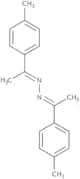
CAS :<p>Magnesium aspartate dihydrate is a chemical compound that is used to treat high blood pressure and heart disease. It is a salt of magnesium and L-aspartic acid, which are both active substances in the drug. Magnesium aspartate dihydrate has been shown to have a treatment effect on elevated levels of c-reactive protein (CRP) in men with normal kidney function. The drug has also been shown to be effective for the treatment of cavity, although it does not work for everyone. Magnesium aspartate dihydrate is chemically stable and can be used for diagnosis of magnesium deficiency, but it should not be given to women who are pregnant or breast-feeding. This drug may also inhibit the action of proton pumps, which are found in the body's cells that produce stomach acid.</p>Formule :C8H12N2O8Mg·2H2OCouleur et forme :White PowderMasse moléculaire :324.53 g/mol4--Methylacetophenone azine
CAS :<p>4-Methylacetophenone azine is a useful chemical with a variety of applications. It is a versatile building block, which can be used as an intermediate for the synthesis of complex compounds and as a reaction component in organic synthesis. 4-Methylacetophenone azine has been shown to be effective in the production of research chemicals and speciality chemicals. This product is high quality and can be used as a reagent in organic synthesis.</p>Formule :C18H20N2Degré de pureté :Min. 95%Couleur et forme :PowderMasse moléculaire :264.36 g/mol
![(2-[Biotinamido]ethylamido)-3,3'-dithiodipropionic acid N-hydroxysuccinimide ester](/_next/image/?url=https%3A%2Fstatic.cymitquimica.com%2Fproducts%2F3D%2Fthumb-webp%2FFB52737.webp&w=3840&q=75)


![(6S)-5,6,7,8-Tetrahydro-6-[propyl[2-(2-thienyl)ethyl]amino]-1-naphthalenol](/_next/image/?url=https%3A%2Fstatic.cymitquimica.com%2Fproducts%2F3D%2Fthumb-webp%2FFT76640.webp&w=3840&q=75)