Étalons pharmaceutiques
Les standards pharmaceutiques sont un ensemble complet de matériaux de référence essentiels pour garantir la sécurité, l'efficacité et la qualité des produits pharmaceutiques. Cette catégorie comprend des standards pour les ingrédients pharmaceutiques actifs (APIs), qui sont les composants principaux responsables des effets thérapeutiques. De plus, elle couvre les composés et métabolites pertinents pour les industries pharmaceutique et vétérinaire, fournissant des points de référence pour la mesure et l'analyse précises de ces substances. Les standards de contrôle des nitrosamines sont cruciaux pour détecter et atténuer les nitrosamines potentiellement nocives dans les formulations médicamenteuses. Les standards de toxicologie aident à évaluer la sécurité et les effets indésirables potentiels des composés pharmaceutiques. En outre, les standards pour les activateurs et les inhibiteurs enzymatiques sont essentiels pour la recherche et le développement, permettant des études précises des voies biochimiques et des mécanismes des médicaments. Ces standards pharmaceutiques sont des outils indispensables pour la conformité réglementaire, le contrôle de qualité et la recherche, garantissant que les produits pharmaceutiques répondent à des critères stricts de sécurité et d'efficacité.
Sous-catégories appartenant à la catégorie "Étalons pharmaceutiques"
- APIs pour la recherche et les impuretés(273.482 produits)
- Activateurs et inhibiteurs d'enzymes(2.827 produits)
- Nitrosamines(2.606 produits)
- Composés et métabolites pharmaceutiques et vétérinaires(2.602 produits)
- Toxicologie(13.652 produits)
7836 produits trouvés pour "Étalons pharmaceutiques"
Trier par
Degré de pureté (%)
0
100
|
0
|
50
|
90
|
95
|
100
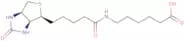
Biotin caproic acid
CAS :<p>Podophyllotoxin is a natural product that has been used in the treatment of cancer. Biotin caproic acid is a synthetic analogue of podophyllotoxin and has been shown to have potent antimicrobial activity. Podophyllotoxin is an inhibitor of microtubule polymerization, which leads to cell death. It also induces apoptosis by interacting with dopamine receptors on the cell surface and inhibiting their binding to dopamine. This inhibits dopamine-induced proliferation of cells, leading to cell death. Biotin caproic acid has been shown to have anticancer properties against human cancer cells in vitro. The mechanism of action may be due to binding to the cytochrome P450 enzyme and inhibiting its activity, which affects the metabolism of various drugs and hormones such as dopamine.</p>Formule :C16H27N3O4SDegré de pureté :Min. 95%Couleur et forme :PowderMasse moléculaire :357.47 g/molDirect Red 16
CAS :<p>Direct Red 16 is a dye that reacts with acids to form an intensely red compound. It is used in research and as a reagent for the production of other dyes. Direct Red 16 is also used as a building block in the synthesis of complex molecules, such as pharmaceuticals and dyes.</p>Formule :C26H17N5Na2O8S2Degré de pureté :Min. 95%Masse moléculaire :639.57 g/mol6-Methoxy-2-naphthoic acid
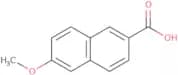
CAS :<p>6-Methoxy-2-naphthoic acid (MN) is a cavity amide that has been shown to have an inhibitory effect on the growth of cancer cells. MN has been found to be more effective in inhibiting β-amyrin than caffeine, which may be due to its increased lipophilicity. It also has a higher affinity for adriamycin and enhances its anticancer effects. MN has been shown to be beneficial in treating diabetic patients, as it can reduce blood glucose levels by stimulating insulin release. The pharmacokinetic properties of MN are similar to those of other cavity amides, with rapid absorption and distribution throughout the body. This compound is metabolized in the liver by CYP2C8, CYP2C9, CYP3A4 and CYP3A5 enzymes. Molecular docking analysis of MN with β-amyrin showed that there was a strong interaction between them due to their complementary shapes and charge distributions</p>Formule :C12H10O3Degré de pureté :Min. 98 Area-%Couleur et forme :PowderMasse moléculaire :202.21 g/mol2-(4-Fluorophenyl)-5-(2-naphthyl)-1,3,4-oxadiazole
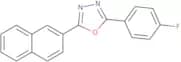
CAS :<p>2-(4-Fluorophenyl)-5-(2-naphthyl)-1,3,4-oxadiazole is a clinical drug that is used to diagnose the presence of cholesterol in human serum. It reacts with cholesterol esterase to form a fluorescent product. The fluorescence intensity of this reaction product can then be measured and used to determine the concentration of cholesterol in the sample. 2-(4-Fluorophenyl)-5-(2-naphthyl)-1,3,4-oxadiazole has been shown to have a high specificity for cholesterol esterase and does not react with enzymes such as carboxylesterases and cholesteryl esterases. This compound also inhibits uptake into cells by acting on an uptake carrier protein, which prevents it from entering cells.</p>Formule :C18H11FN2ODegré de pureté :Min. 95%Masse moléculaire :290.3 g/molUreaformaldehyde
CAS :<p>Ureaformaldehyde is a synthetic slow-release fertilizer that contains urea and formaldehyde. It has been shown to be highly active as a slow-release fertilizer in Langmuir adsorption isotherm studies. Ureaformaldehyde also has the ability to mineralize chloride and hydrogen bond to soil particles, increasing the availability of these ions for plant uptake. Ureaformaldehyde is also used in analytical methods such as chromatographic determination of fatty acids, which are an important component of animal and vegetable oils. !--</p>Formule :(CH4N2O•CH2O)xDegré de pureté :Min. 95%Couleur et forme :Clear LiquidMasse moléculaire :90.08 g/mol2-Hydroxy-4-methoxyacetophenone
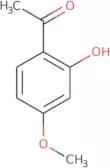
CAS :<p>2-Hydroxy-4-methoxyacetophenone is a compound that has been shown to have a minimal toxicity profile and a wide range of pharmacological activities. It inhibits the activity of NF-κB, which is an inflammatory signaling protein, and also has antioxidant properties. 2-Hydroxy-4-methoxyacetophenone has been shown to reduce the severity of cardiovascular disease by inhibiting oxidative injury in the mitochondria and reducing oxidative stress. This drug also reduces atherosclerotic lesions and prevents hypoglycemia by increasing glucose uptake in tissues. Moreover, it can be used to treat leukemia inhibitory factor in patients with chronic myeloid leukemia (CML).</p>Formule :C9H10O3Degré de pureté :Min. 95%Couleur et forme :PowderMasse moléculaire :166.17 g/mol3'-Hydroxyquinophthalone
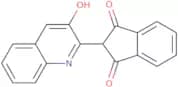
CAS :<p>3'-Hydroxyquinophthalone is a fatty acid that is found in the seed oil of the African tree Acokanthera schimperi. It has shown to be reactive with alcohols and other organic chemicals and has been found to be an antimicrobial agent. 3'-Hydroxyquinophthalone is also a photosynthetic pigment, which means it will absorb light and use it to produce energy. This compound was observed to have a constant pressure of 0.5 atm (5 psi) when exposed to sunlight. The chemical structure of 3'-hydroxyquinophthalone consists of two long chains of alkanoic acid molecules that are linked together by polymeric matrixes. When this compound reacts with water, it forms hydrogen ions and hydroxide ions, which are absorbed by the alkanoic acid chains in the chemical structure, resulting in adsorption onto the surface of water droplets or onto other surfaces such as soil particles or clothing fibers.</p>Formule :C18H11NO3Degré de pureté :90%Couleur et forme :Brown SolidMasse moléculaire :289.29 g/mol2,2'-Dimethoxybiphenyl
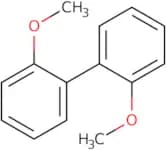
CAS :<p>2,2'-Dimethoxybiphenyl is a thermoplastic that is exothermic, making it useful in the production of polyketones. It can be used as a linker to form covalent bonds with monomers and polymers. 2,2'-Dimethoxybiphenyl has been used as a monomer to produce polyethers and polyesters. This compound has many chemical stability properties, which makes it suitable for use in polymer synthesis. It also can react with nucleophiles such as amines to form ether linkages. 2,2'-Dimethoxybiphenyl has kinetic properties that are faster than those of other ketones but slower than those of other ether-linked compounds. The activation energy for its reaction is low, making it an effective monomer for polymerization reactions.</p>Formule :C14H14O2Degré de pureté :Min. 95%Couleur et forme :PowderMasse moléculaire :214.26 g/molBis(4-Nitrophenyl)phosphoric acid sodium
CAS :<p>Bis(4-nitrophenyl)phosphoric acid sodium is a synthetic compound that has been used as an antibiotic. It is a nitro group donor and may be oxidized to p-nitrophenol phosphate. Bis(4-nitrophenyl)phosphoric acid sodium inhibits bacterial growth by binding to the 30S ribosomal subunit, which prevents protein synthesis and cell division. The rate constant of this reaction has been determined using x-ray diffraction data obtained on crystals of the product with signal peptide. Bis(4-nitrophenyl)phosphoric acid sodium also has biochemical properties, such as pyrazinoic acid formation and polymerase chain reactions, which have been reported in recombinant cytochrome P450s from rat liver microsomes. The disulfide bond coordination geometry and mechanism of the reaction are still unknown but it is thought that the reaction proceeds through a single electron transfer mechanism.</p>Formule :C12H9N2O8P·NaDegré de pureté :Min. 95%Couleur et forme :White PowderMasse moléculaire :363.17 g/molSaquinavir mesylate
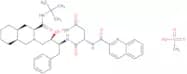
CAS :<p>Anti-viral; HIV protease inhibitor</p>Formule :C38H50N6O5•CH4O3SDegré de pureté :Min. 95%Couleur et forme :PowderMasse moléculaire :766.95 g/mol2N-Boc-2',2''-triaminotriethylamine-bis(chloroacetamide)
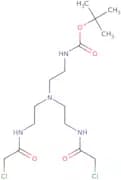
CAS :<p>2N-Boc-2',2''-triaminotriethylamine-bis(chloroacetamide) is a fine chemical and reagent for the synthesis of pharmaceuticals. It is also a useful building block for the synthesis of complex compounds. This product can be used as a reaction component in organic chemistry, or it can be used as a reagent in research or development laboratories.</p>Formule :C15H28Cl2N4O4Degré de pureté :Min. 95%Masse moléculaire :399.31 g/mol2,2'-Thenoin
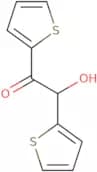
CAS :<p>2,2'-Thenoin is a potent inhibitor of the enzyme thiophene 2,3-dioxygenase (TDO) and also inhibits other enzymes related to the benzoin condensation. It has been shown to be a potent inhibitor of TDO in both in vitro and in vivo studies. 2,2'-Thenoin was found to inhibit the formation of ATP by inhibiting the activity of ATP synthase. This drug also inhibits other enzymes related to the benzoin condensation and can be used for treating cancer. The 2,2'-thenoin analogs have shown potential as anti-cancer drugs that target DNA synthesis.</p>Formule :C10H8O2S2Degré de pureté :Min. 95%Couleur et forme :PowderMasse moléculaire :224.3 g/molMelatonin
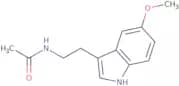
CAS :<p>Melatonin is a neurotransmitter produced by the pineal gland that is involved in the regulation of sleep-wake cycles. It can be used to treat several conditions like shift work disorders, insomnia, jet lag, and alterations of the circadian rhythm. Some authors also proposed the use of melatonin against cognitive disorders. In an interesting research conducted on zebrafish, it was found that memory formation occurs better during daytime compared to nighttime, suggesting a role of melatonin in this process. When melatonin was administered during the daytime it caused reduced memory formation. On the contrary, removing the pineal gland or treating the fish with a melatonin antagonist significantly improves nighttime memory formation.</p>Formule :C13H16N2O2Degré de pureté :Min. 98 Area-%Couleur et forme :White Off-White PowderMasse moléculaire :232.28 g/molDihydro caffeic acid 3-O-sulfate sodium salt
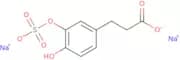
CAS :<p>Dihydro caffeic acid 3-O-sulfate sodium salt is a flavonol that is found in plants. It has been shown to have antioxidant properties and may be effective in the treatment of diseases associated with oxidative stress, such as diabetes mellitus and cancer. Dihydrocaffeic acid 3-O-sulfate sodium salt has also been shown to inhibit the growth of bacteria by modulating the production of nitric oxide. This agent has been quantified in human urine, which provides evidence for its potential use as a biomarker for disease risk due to its association with phenolic metabolites.</p>Formule :C9H8Na2O7SDegré de pureté :Min. 95%Couleur et forme :White Off-White PowderMasse moléculaire :306.2 g/molα-Aminoisobutyric acid methyl ester hydrochloride
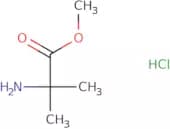
CAS :<p>Alpha-aminoisobutyric acid methyl ester hydrochloride (AABME) is an amino acid that is a metabolite of the neurotransmitter GABA. It has been shown to be transported across the blood-brain barrier by a carrier-mediated transport system and is taken up by neurons via a solute carrier family 38 member 2 transporter. AABME has been observed at physiological levels in maternal blood plasma, urine, cerebrospinal fluid, and brain tissue. It has also been studied in vitro using 3T3-L1 preadipocytes as a model for adipogenesis. In this context, it has been shown to increase cell proliferation and inhibit apoptosis.</p>Formule :C5H11NO2•HClCouleur et forme :PowderMasse moléculaire :153.61 g/mol4-[2'-(7''-Deazaguanine)ethyl]benzoic acid N-hydroxysuccinimide ester
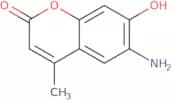
CAS :<p>4-[2'-(7''-Deazaguanine)ethyl]benzoic acid N-hydroxysuccinimide ester is a useful intermediate in the synthesis of 7''-deazaguanine, which is a key building block in the synthesis of DNA. 4-[2'-(7''-Deazaguanine)ethyl]benzoic acid N-hydroxysuccinimide ester is a versatile building block that can be used in the synthesis of complex compounds. It has been shown to react with amines, sulfonyl chlorides, and epoxides to form amides, sulfonamides, and epoxy amines respectively. The CAS number for this compound is 204257-65-8.</p>Formule :C19H17N5O5Degré de pureté :Min. 95%Masse moléculaire :395.37 g/mol6-Amino-7-hydroxy-4-methylcoumarin
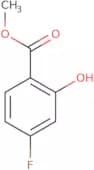
CAS :<p>6-Amino-7-hydroxy-4-methylcoumarin is an antibacterial agent that has been shown to be effective against a range of Gram-positive and Gram-negative bacteria. It is synthesized from coumarins in nature, but also can be synthesized in the laboratory. This compound has been shown to inhibit bacterial growth by forming a covalent bond with the bacterial enzyme DNA gyrase, preventing the synthesis of DNA. 6-Amino-7-hydroxy-4-methylcoumarin has also been shown to have anti cancer properties.</p>Formule :C10H9NO3Degré de pureté :Min. 95%Couleur et forme :Yellow solid.Masse moléculaire :191.18 g/mol4-Fluoro-2-hydroxybenzoic acid methyl ester
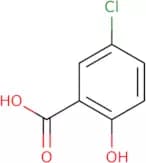
CAS :<p>4-Fluoro-2-hydroxybenzoic acid methyl ester is a chemical compound that is used as a synthetic intermediate in the synthesis of drugs. 4-Fluoro-2-hydroxybenzoic acid methyl ester can be prepared by reductive amination of an acyl chloride with an amine, followed by reaction with methanol. This chemical intermediate is used in the synthesis of the BCL-2 inhibitor venetoclax, which inhibits cell growth and induces apoptosis in lymphoma cells. 4-Fluoro-2-hydroxybenzoic acid methyl ester also has been shown to inhibit the activity of amidating enzymes and transferases, suggesting it may have potential as an anti-inflammatory drug.</p>Formule :C8H7FO3Degré de pureté :Min. 95%Couleur et forme :PowderMasse moléculaire :170.14 g/mol5-Chlorosalicylic acid
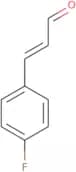
CAS :<p>5-Chlorosalicylic acid is an inhibitor of the enzyme carbonic anhydrase. It is used for the treatment of gout, rheumatoid arthritis, and osteoarthritis. This compound has been shown to be a genotoxic agent, which may result in mutagenic or carcinogenic effects. 5-Chlorosalicylic acid inhibits the growth of probiotic bacteria. It also has anti-inflammatory properties and can be used as a proton donor in organic synthesis reactions.<br>5-Chlorosalicylic acid is a metabolite of acetylsalicylic acid (ASA) that forms when ASA undergoes oxidative deamination in the liver. 5-Chlorosalicylic acid is also formed during metabolism of nonsteroidal anti-inflammatory drugs (NSAIDs).</p>Formule :C7H5ClO3Degré de pureté :Min. 95%Couleur et forme :White Off-White PowderMasse moléculaire :172.57 g/mol4-Fluorocinnamaldehyde
CAS :<p>4-Fluorocinnamaldehyde is a reactive molecule that can be used in the catalytic asymmetric synthesis of 4-fluoroalkylbenzenes, which are used as intermediates in the production of pharmaceuticals. It reacts with hydroxymethyl groups to form 4-fluoroalkylbenzene derivatives, which are substrates for asymmetric reactions. This compound has been shown to react with amines and thiols to form Michael acceptors and Michael donors respectively. The crystallographic data obtained from this molecule shows that it belongs to space group P2 and its crystal system is orthorhombic. It also has optical properties that make it suitable for use as an optical material or nanowires.</p>Formule :C9H7FODegré de pureté :Min. 80%Couleur et forme :Clear LiquidMasse moléculaire :150.15 g/mol2-Methoxycinnamic acid methyl ester
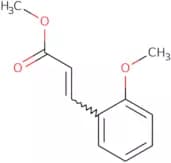
CAS :<p>2-Methoxycinnamic acid methyl ester is a monomer that can be used in the synthesis of magnetic nanoparticles. It has been shown to have high activity and can be used at temperatures between 20°C and 40°C. This reagent is also soluble in organic solvents, making it easy to purify. The size of the particles can be controlled by changing the diameter of the monomer, which can be determined using various techniques such as magnetic separation, filtration, or centrifugation. 2-Methoxycinnamic acid methyl ester was found to have a mesoporous structure when synthesized using an organometallic technique. This reagent is suitable for use in analytical methods such as gas chromatography-mass spectrometry (GC-MS) or liquid chromatography-mass spectrometry (LC-MS).</p>Formule :C11H12O3Degré de pureté :Min. 95%Couleur et forme :PowderMasse moléculaire :192.21 g/mol(R)-(-)-3,3′-Bis(triphenylsilyl)-1,1′-binaphthyl-2,2′-diyl hydrogenphosphate
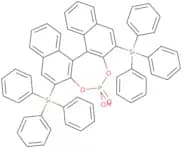
CAS :<p>(R)-(-)-3,3′-Bis(triphenylsilyl)-1,1′-binaphthyl-2,2′-diyl hydrogenphosphate is a fine chemical that is a useful reagent and building block. It can be used as an intermediate in the synthesis of complex compounds. This chemical has a CAS number of 791616-55-2 and is classified as a speciality chemical. (R)-(-)-3,3′-Bis(triphenylsilyl)-1,1′-binaphthyl-2,2′-diyl hydrogenphosphate is also a versatile building block for the synthesis of reaction components with high quality.</p>Formule :C56H41O4PSi2Degré de pureté :Min. 94.5 Area-%Couleur et forme :PowderMasse moléculaire :865.07 g/molGeraniol
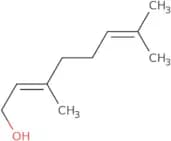
CAS :<p>Geraniol is a naturally occurring compound found in many plants. It has been shown to possess anti-cancer properties against the fungus Candida glabrata, and has been used as a chemical pesticide. It is also believed to have antioxidant, antiviral, and antimicrobial properties. The biological activities of geraniol have been confirmed by enzyme assays and solid phase microextraction experiments. Geraniol can scavenge anion radicals, which are reactive oxygen species that play a role in cancer development, and has been shown to inhibit skin tumor formation in mice. This compound is not toxic to humans at doses up to 2000 mg/kg body weight per day for 30 days. Chemical analysis of geraniol revealed it contains two functional groups: an alcohol group and a phenol group. An analytical method using gas chromatography-mass spectrometry (GC-MS) with electron capture detection (ECD) was developed for the quantitative determination of this compound in plant oils. GC-MS</p>Formule :C10H18ODegré de pureté :Min. 95%Masse moléculaire :154.25 g/molL-Fucono-γ-lactone
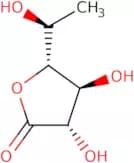
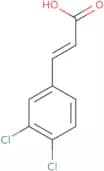
CAS :<p>L-Fucono-gamma-lactone is a compound that has been identified as a possible antibiotic for the treatment of multidrug resistant bacteria. L-Fucono-gamma-lactone inhibits the growth of bacterial cells by binding to the enzyme 4-deoxy-L-fucose dehydrogenase, which catalyzes the conversion of 4-deoxy-L-fucose to L-fuconate. This binding prevents the formation of L-fuconate, which is required for cell growth. The structural biology and bioinformatics analysis have shown that L-Fucono gamma lactone may be an effective inhibitor of bacterial enzymes, such as dehydrogenases and hexokinases. These enzymes are important for maintaining cellular energy levels and preventing cell death.</p>Formule :C6H10O5Degré de pureté :Min. 95%Couleur et forme :White PowderMasse moléculaire :162.14 g/mol3,4-Dichlorocinnamic acid
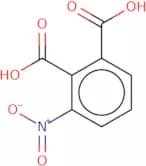
CAS :<p>3,4-Dichlorocinnamic acid is a pentane that has a molecular weight of 144.2 g/mol and melting point of -12 °C. It is soluble in organic solvents such as ethanol and acetone, but insoluble in water. 3,4-Dichlorocinnamic acid is an intermediate in the synthesis of cinnamates from phenylacetic acid and chloroform via methyl esterification with methanol followed by alkylation with chlorine. The reaction rate for this conversion is slow, making it difficult to produce at commercial scale. 3,4-Dichlorocinnamic acid can be obtained by irradiation of 3-chloro-1,2-propanediol with ultraviolet light or by heating hydrotalcite at high temperatures. Hydrotalcite is heated to 600°C where it reacts with air to form 3,4-dichlorocinnamic acid and</p>Formule :C9H6Cl2O2Degré de pureté :Min. 95%Couleur et forme :PowderMasse moléculaire :217.05 g/mol3-Nitrophthalic acid
CAS :<p>3-Nitrophthalic acid is an organic compound that has been used in biological studies. It has been shown to bind to DNA and RNA, which may be due to hydrogen bonding interactions with the nitrogen atoms. 3-Nitrophthalic acid is synthesized by reacting sodium carbonate with trifluoroacetic acid, resulting in a carboxylate group. This compound has photochemical properties and can be used as a photosensitizer for the treatment of certain forms of cancer. 3-Nitrophthalic acid reacts with oxygen and generates singlet oxygen, which results in cellular damage.</p>Formule :C8H5NO6Degré de pureté :Min. 95%Couleur et forme :PowderMasse moléculaire :211.13 g/molN-Butyroyl phytosphingosine
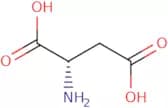
CAS :<p>N-Butyroyl phytosphingosine is a versatile building block that is used in fine chemicals, cosmetics, and research. It is a complex compound with a variety of applications. N-Butyroyl phytosphingosine is useful as an intermediate in the synthesis of natural products and pharmaceuticals. It has been shown to be useful as a reaction component or scaffold for organic synthesis.</p>Formule :C22H45NO4Degré de pureté :Min. 95%Couleur et forme :White PowderMasse moléculaire :387.6 g/molL-Aspartic acid
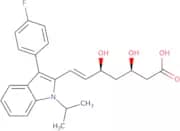
CAS :<p>L-Aspartic acid is an amino acid that plays a role in the biochemical reactions of energy metabolism. This amino acid is also important for the synthesis of proteins, such as enzymes and structural proteins. L-Aspartic acid is synthesized from oxaloacetate by transamination. It can also be synthesized from glutamate by the action of aspartate aminotransferase using pyridoxal phosphate as a cofactor. L-Aspartic acid has been shown to play a role in neuronal death, particularly in primary sclerosing cholangitis, and may have potential therapeutic use for this condition. L-Aspartic acid has been used as a model system to study polymerase chain reaction (PCR) methods and analytical methods in biochemistry research.</p>Formule :C4H7NO4Degré de pureté :Min. 95%Couleur et forme :White Off-White PowderMasse moléculaire :133.1 g/molFluvastatin
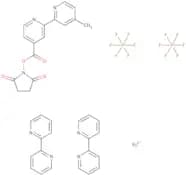
CAS :<p>Fluvastatin is a statin that lowers blood cholesterol and triglycerides by inhibiting HMG-CoA reductase, an enzyme that plays a critical role in the synthesis of cholesterol. Fluvastatin has also been shown to reduce the incidence of myocardial infarction, and to reduce atherosclerotic lesions in animal models, reducing the incidence of cardiovascular disease. Fluvastatin also has been shown to inhibit the activation of toll-like receptor 4 (TLR4) by lipopolysaccharide (LPS), which may be related to its anti-inflammatory effects. Furthermore, through lowering blood cholesterol, Fluvastatin also inhibits tubulointerstitial injury and prevents renal damage caused by high concentrations of the lipid.</p>Formule :C24H26FNO4Degré de pureté :Min. 95%Couleur et forme :PowderMasse moléculaire :411.47 g/molBis(2,2'-bipyridine)-4'-methyl-4-carboxybipyridine-ruthenium N-succinimidyl ester-bis(hexafluorophosphate)
CAS :<p>Bis(2,2'-bipyridine)-4'-methyl-4-carboxybipyridine-ruthenium N-succinimidyl ester-bis(hexafluorophosphate) is a molecule that inhibits the activity of matrix metalloproteinases. It binds to the active site of the enzyme and blocks its activity. This drug has been shown to be effective in inhibiting the activity of MMPs in cells, but not in tissue culture because it does not cross cell membranes. Bis(2,2'-bipyridine)-4'-methyl-4-carboxybipyridine-ruthenium N-succinimidyl ester-bis(hexafluorophosphate) has also been shown to have a low detection limit and can detect low levels of matrix metalloproteinase activity in cells.</p>Formule :C36H29F12N7O4P2RuDegré de pureté :Min. 95%Couleur et forme :PowderMasse moléculaire :1,014.66 g/mol(E)-3-[3'-(4''-fluorophenyl)-1'-(1''-methylethyl)-1H-indol-2''-yl]-2-propnal
CAS :<p>(E)-3-[3'-(4''-Fluorophenyl)-1'-(1''-methylethyl)-1H-indol-2''-yl]-2-propnal is an amoebicidal agent that belongs to the class of indole derivatives. It has been shown to inhibit tumor growth in animal models, and thus may be a potential anti-cancer drug. The activity index of (E)-3-[3'-(4''-fluorophenyl)-1'-(1''-methylethyl)-1H-indol-2''-yl]-2-propnal was significantly lower than those of fenoldopam, a well known antihypertensive agent, for the treatment of liver cancer. The compound also inhibits the growth of bacteria by inhibiting protein synthesis in organisms such as amoeba.</p>Formule :C20H18FNODegré de pureté :Min. 95%Couleur et forme :Yellow PowderMasse moléculaire :307.36 g/molL-Aspartic acid sodium salt monohydrate
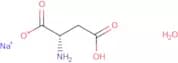
CAS :<p>L-Aspartic acid sodium salt monohydrate is a sodium carbonate salt of L-aspartic acid that has been shown to inhibit the growth of leishmania in vitro. It may also be effective against other protozoa and amoeba, including Entamoeba histolytica and Naegleria fowleri. L-Aspartic acid sodium salt monohydrate inhibits acid formation by inhibiting the enzyme carbonate synthetase. This compound also has potential as a drug target for infantile lysosomal storage disease due to its ability to activate glutamate, which is an amino acid that is deficient in this condition. The surface methodology used for this study was titration calorimetry, which can be used to measure the thermodynamic properties of activated carboxylates.</p>Formule :C4H6NO4Na·H2OCouleur et forme :White Off-White Clear LiquidMasse moléculaire :173.1 g/molNb-N-(benzhydryloxycarbonyl)cytosine)-1-acetic acid
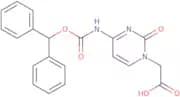
CAS :<p>Nb-N-(benzhydryloxycarbonyl)cytosine)-1-acetic acid is a speciality chemical that is used as a reagent, building block, and scaffold for organic synthesis. This compound can be used in various reactions to produce complex compounds with high purity. Nb-N-(benzhydryloxycarbonyl)cytosine)-1-acetic acid is an excellent starting material for the production of fine chemicals, research chemicals, and versatile building blocks. It is also a useful intermediate for the production of pharmaceuticals and other useful compounds.</p>Formule :C20H17N3O5Degré de pureté :Min. 98 Area-%Couleur et forme :White PowderMasse moléculaire :379.37 g/molβ-(4-Hydroxy-3-methoxyphenyl)propionic acid methyl ester
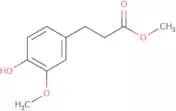
CAS :<p>β-(4-Hydroxy-3-methoxyphenyl)propionic acid methyl ester is a fine chemical used as a building block in the synthesis of pharmaceuticals, agrochemicals, and other chemicals. It is also used as a reagent for the detection of alkaloids and for the preparation of valuable speciality chemicals. β-(4-Hydroxy-3-methoxyphenyl)propionic acid methyl ester is an intermediate in organic reactions or can be used to synthesize complex compounds such as antibiotics. It is also an important scaffold that can be modified to produce new drugs with different properties.</p>Formule :C11H14O4Degré de pureté :Min. 95%Couleur et forme :Clear LiquidMasse moléculaire :210.23 g/mol3,5,3',5'-Tetraiodothyroacetic acid
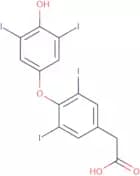
CAS :<p>3,5,3',5'-Tetraiodothyroacetic acid (T4) is a thyroid hormone that can be found in the blood and has been shown to have angiogenic properties. T4 has been shown to bind to integrin receptors on endothelial cells and stimulate the proliferation of these cells. This hormone also has pro-apoptotic activity, inducing programmed cell death in cancer cells. T4 is used as a model system for studying the molecular pathogenesis of thyroid cancer. T4 is also able to inhibit DNA polymerase activity, which may be responsible for its ability to inhibit tumor growth.</p>Formule :C14H8I4O4Degré de pureté :Min. 95%Couleur et forme :White PowderMasse moléculaire :747.83 g/molN-Acetyl-phytosphingosine
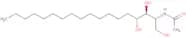
CAS :<p>N-Acetyl-phytosphingosine is a sphingoid base that functions as a phospholipid constituent of the cell membrane. It participates in the regulation of calcium and lipid metabolism, as well as cell proliferation and differentiation. N-Acetyl-phytosphingosine has been shown to suppress the production of prostaglandin E2, which may be due to its ability to inhibit cyclooxygenases and their downstream products, prostaglandin synthesis. This compound also represses activity of human cancer cells by intercepting the process that leads to prostaglandin synthesis. The anti-inflammatory effect of this molecule is demonstrated by its ability to reduce inflammation in keratinocytes (skin cells) and human keratinocytes.</p>Formule :C20H41NO4Degré de pureté :Min. 98 Area-%Couleur et forme :PowderMasse moléculaire :359.54 g/molN-D-Biotinyl-7-amino-4-methylcoumarin
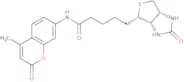
CAS :<p>N-D-Biotinyl-7-amino-4-methylcoumarin is a fluorescent substrate that is used to measure the activity of biotinidase, an enzyme that catalyzes the hydrolysis of biotin. It is detectable by measuring fluorescence with a spectrophotometer. Biotinidase deficiency can be diagnosed by measuring the activity of this enzyme in biological fluids. This assay has been shown to be useful for diagnosing patients with deficient biotinidase activity.</p>Formule :C20H23N3O4SDegré de pureté :Min. 98 Area-%Couleur et forme :PowderMasse moléculaire :401.48 g/mol2,5-Dimethylbenzoic acid methyl ester
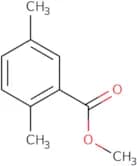
CAS :<p>2,5-Dimethylbenzoic acid methyl ester is an organic compound that belongs to the class of diketones. It is a crystalline solid with a melting point of about 120 °C. The compound is used for the synthesis of other chemicals and as a precursor to pharmaceuticals. 2,5-Dimethylbenzoic acid methyl ester can be produced by photocycloaddition, which involves uv irradiation and heat. This reaction produces two isomers: trans-2,5-dimethylbenzoic acid methyl ester and cis-2,5-dimethylbenzoic acid methyl ester. Trans-2,5-dimethylbenzoic acid methyl ester has been shown to undergo conformational change when heated to 120 °C, while cis-2,5-dimethylbenzoic acid methyl ester does not show this effect.</p>Formule :C10H12O2Degré de pureté :Min. 95 Area-%Couleur et forme :PowderMasse moléculaire :164.2 g/mol4-Amino-1,8-naphthalimide
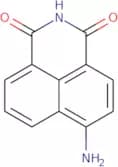
CAS :<p>4-Amino-1,8-naphthalimide is a fluorescent derivative that is used as a probe to detect hydrogen bonds in molecular models. It can be used to study the interactions of molecules with hydrogen bonding partners. 4-Amino-1,8-naphthalimide has been shown to have broad spectrum antimicrobial activity against Gram-positive and Gram-negative bacteria. This compound also enhances the fluorescence of certain compounds by forming an intermolecular hydrogen bond.</p>Formule :C12H8N2O2Degré de pureté :Min. 95%Couleur et forme :Orange PowderMasse moléculaire :212.2 g/mol1,3-Dibromonaphthalene
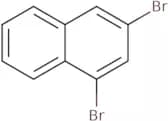
CAS :<p>1,3-Dibromonaphthalene is a brominated derivative of naphthalene. It can be synthesized by reacting methoxy with chloride in the presence of a base (e.g., sodium hydroxide) and brominating the resulting 1,2-dibromoethane with bromine. The compound has been used as an analytical standard for natural gas and has been shown to have good trackability. 1,3-Dibromonaphthalene is used in research, primarily as a precursor to other compounds that are more reactive or less toxic. This molecule has been shown to undergo elimination reactions with alcohols and phenols, which can be useful for synthesis of other molecules. Synopses are available for this molecule at the following links:<br>a) <a href="https://pubchem.ncbi.nlm.nih.gov/compound/1,3-Dibromonaphthalene#section=Synonyms" target="_blank" rel="noreferrer noopener">https://pubchem.ncbi.nlm.nih.gov/compound/1,3-Dibromonaphthalene#section=Synonyms</a></p>Formule :C10H6Br2Degré de pureté :Min. 95%Couleur et forme :PowderMasse moléculaire :285.96 g/mol(R)-(+)-2,2'-Diamino-1,1'-binaphthalene
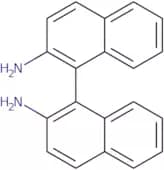
CAS :<p>(R)-(+)-2,2'-Diamino-1,1'-binaphthalene is a diammonium salt that is synthesized from fatty acids. This molecule is used in the detection of cancer cells in tissue samples. (R)-(+)-2,2'-Diamino-1,1'-binaphthalene has been shown to be an effective agent against cancer cells and can be used as a diagnostic tool for tissues with cancer cells. The mechanism of action of (R)-(+)-2,2'-Diamino-1,1'-binaphthalene is not yet clear; however it may involve intramolecular hydrogen transfer reactions or coordination chemistry.</p>Formule :C20H16N2Degré de pureté :Min. 98 Area-%Couleur et forme :White PowderMasse moléculaire :284.35 g/mol6-Aminocoumarin HCl
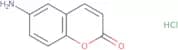
CAS :<p>Use as a positive control when detecting nitroreductase activity</p>Formule :C9H7NO2·HClDegré de pureté :Min. 95%Masse moléculaire :197.62 g/molO-tert-Butyl-L-threonine tert-butyl ester acetate
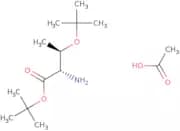
CAS :Produit contrôlé<p>O-tert-Butyl-L-threonine tert-butyl ester acetate salt is a crystalline solid that can be prepared by reacting threonine with an acid catalyst in the presence of volatile solvents such as isobutylene. It can also be prepared by reacting threonine with an acid catalyst in the presence of organic solvents such as dioxane. The tert-butyl ester acetate salt can be synthesized from O-tert-butyl L-threonine and acetate using superacid catalysts such as sulfuric acid. This process is simplified by using solvents such as dioxane, which are less corrosive than water or ethanol.</p>Formule :C14H29NO5Degré de pureté :Min. 95%Couleur et forme :PowderMasse moléculaire :291.38 g/molCaffeine citrate
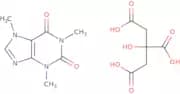
CAS :Produit contrôlé<p>Caffeine citrate is a low-dose caffeine product that has been shown to increase locomotor activity in rats. Caffeine citrate is an ester of caffeine and citric acid. It inhibits the enzyme that breaks down acetylcholine, which may lead to an increase in brain functions. Caffeine citrate is used as a treatment for apnea in pediatric patients, and it has also been shown to prevent bacterial translocation and reduce liver impairment caused by certain drugs. The therapeutic effect of caffeine citrate may be due to its ability to inhibit mitochondrial membrane potential, or its effects on basic proteins such as sodium citrate, or both.</p>Formule :C8H10N4O2·C6H8O7Couleur et forme :White PowderMasse moléculaire :386.31 g/mol3-Nitrophenylguanidine nitrate
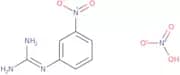
CAS :<p>3-Nitrophenylguanidine nitrate is a drug that targets the enzyme kinases, which are involved in the regulation of cell growth and division. It has been shown to inhibit the activity of stromal tumor cells, as well as chronic myeloid leukemia cells. 3-Nitrophenylguanidine nitrate inhibits protein synthesis by inhibiting demethylation and efflux, which enables imatinib to bind to the target site. This drug also has a rapid onset of action and can be used for monitoring chronic myeloid leukemia patients without the need for positron emission tomography (PET) scanning.</p>Formule :C7H8N4O2•HNO3Degré de pureté :Min. 95%Couleur et forme :PowderMasse moléculaire :243.18 g/molL-Tyrosine disodium salt hydrate
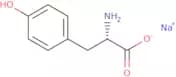
CAS :<p>L-Tyrosine is a precursor of thyroid hormones and catalyzes the conversion of iodide to iodine. It also converts 3-iodo-l-tyrosine to thyroxine. L-Tyrosine is used in vitro assays as an inhibitor of diiodination, a process that involves the use of hydrogen peroxide and produces iodinating agents such as 3-iodo-l-tyrosine. L-Tyrosine has been shown to inhibit peroxidase activity mediated by the enzyme myeloperoxidase. This inhibition may be due to its ability to act as an antioxidant.</p>Formule :C9H9NNa2O3·xH2ODegré de pureté :Min. 98 Area-%Couleur et forme :PowderMasse moléculaire :225.15 g/molChromotrope 2B
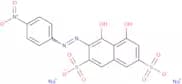
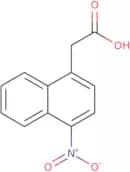
CAS :<p>Chromotrope 2B is a water-soluble dye that is used for the detection of the presence of hydrochloric acid in urine samples. It is also used to detect the presence of biological samples in pharmaceutical preparations. The optimum concentration for this dye is 0.5% with phosphotungstic acid and 3% with human serum. Chromotrope 2B has been shown to be active when exposed to radiation, as well as having an absorption maximum at 381 nm. Chromotrope 2B reacts with plasma proteins to form a blue colored compound called chromoprotein, which can be detected by mass spectrometry.<br>br>br></p>Formule :C16H9N3O10S2·2NaDegré de pureté :Min. 95%Couleur et forme :PowderMasse moléculaire :513.37 g/mol4-Nitro-1-naphthaleneacetic acid
CAS :<p>4-Nitro-1-naphthaleneacetic acid (4NNA) is a chemical that belongs to the group of naphthalene acetic acids. It is a useful building block for the synthesis of 1,2,3,4-tetrahydronaphthoquinones, 1,2,3,4-oxonaphthoquinones and other related compounds. 4NNA is mainly used as an intermediate in organic reactions and as a reagent for the analytical detection of metals. This compound has been shown to be useful as a scaffold in drug design due to its complex structure.</p>Formule :C12H9NO4Degré de pureté :Min. 95%Masse moléculaire :231.2 g/molPyronin Y
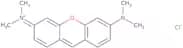
CAS :<p>Pyronin Y is a fluorescent dye that binds to DNA in the presence of a polymerase chain reaction. It is used as a model system for studying the effects of drugs on cells and their response to chemotherapy. Pyronin Y has been shown to be an efflux pump inhibitor and has demonstrated multidrug resistance in cancer cells. It can be used to study drug resistance mechanisms, such as the efflux pumps, by using optical sensors or chemiluminescent reaction. Pyronin Y is also used in biological samples such as blood and tissue cultures for research purposes.</p>Formule :C17H19N2OClDegré de pureté :Min. 95%Couleur et forme :Green PowderMasse moléculaire :302.8 g/molAzithromycin impurity H
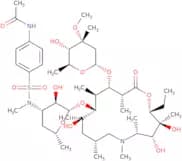
CAS :<p>Please enquire for more information about Azithromycin impurity H including the price, delivery time and more detailed product information at the technical inquiry form on this page</p>Formule :C45H77N3O15SDegré de pureté :Min. 95%Couleur et forme :PowderMasse moléculaire :932.17 g/mol



![4-[2'-(7''-Deazaguanine)ethyl]benzoic acid N-hydroxysuccinimide ester](/_next/image/?url=https%3A%2Fstatic.cymitquimica.com%2Fproducts%2F3D%2Fthumb-webp%2FFD20837.webp&w=3840&q=75)

![(E)-3-[3'-(4''-fluorophenyl)-1'-(1''-methylethyl)-1H-indol-2''-yl]-2-propnal](/_next/image/?url=https%3A%2Fstatic.cymitquimica.com%2Fproducts%2F3D%2Fthumb-webp%2FFF37514.webp&w=3840&q=75)