Étalons pharmaceutiques
Sous-catégories appartenant à la catégorie "Étalons pharmaceutiques"
- APIs pour la recherche et les impuretés(277.537 produits)
- Activateurs et inhibiteurs d'enzymes(2.827 produits)
- Nitrosamines(2.677 produits)
- Composés et métabolites pharmaceutiques et vétérinaires(2.891 produits)
- Toxicologie(13.294 produits)
8194 produits trouvés pour "Étalons pharmaceutiques"
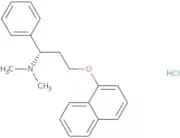
Dapoxetine HCl
CAS :Produit contrôléSerotonin uptake inhibitor; used to treat premature ejaculation
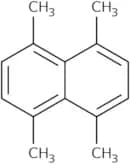
Formule :C21H24ClNODegré de pureté :Min. 95%Couleur et forme :White PowderMasse moléculaire :341.87 g/mol1,4,5,8-Tetramethylnaphthalene
CAS :1,4,5,8-Tetramethylnaphthalene is a colorless liquid that is synthesized from naphthalene and trifluoroacetic acid. It has been used as a photolytic substrate in the rationalized synthesis of 1,4-benzoquinones. Tetramethylnaphthalene also reacts with diacetate to form tetraacetates. The compound is stable at low temperatures but undergoes thermal decomposition above 120 degrees Celsius. Tetramethylnaphthalene can be oxidized by air or oxygen to form aniline. This reaction can occur through either orientation of the molecule. Tetramethylnaphthalene has been used as an acceptor in hydrodynamic studies and as a strain in solid state studies.
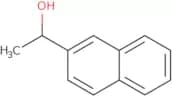
Formule :C14H16Degré de pureté :Min. 95%Couleur et forme :PowderMasse moléculaire :184.28 g/mol1-(2-Naphthyl)ethanol
CAS :1-Naphthyl ethanol is a chromatographic solvent that is used in the reaction rate of lipase. It consists of two hydroxyl groups, one on each naphthalene ring. The hydroxyl groups are separated by a carbonyl group and a sterically hindered boron nitride. This compound is synthesized using triflic acid in methanol and reacts with carbinols to form functional groups. 1-Naphthyl ethanol has been shown to have stereoselective reactions with alkenes and alkynes, which may be due to its ability to form hydrogen bonds.
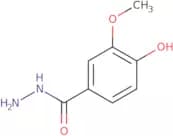
Formule :C12H12ODegré de pureté :Min. 95%Couleur et forme :PowderMasse moléculaire :172.22 g/molVanillic acid hydrazide
CAS :Vanillic acid hydrazide is a multinuclear compound with condensation products. It has been shown to have antibacterial, anticancer and skeleton-related properties. Vanillic acid hydrazide is able to bind to the 4-hydroxybenzoic acid and introduce it into the cell in order to inhibit the synthesis of fatty acids. This compound also inhibits the growth of cancer cells by preventing their proliferation and proliferation by binding to DNA. Vanillic acid hydrazide may also bind to fatty acids on cell membranes, which would lead to a decrease in membrane fluidity and increase in membrane permeability, leading to cell death.
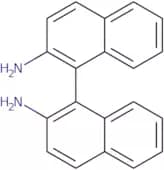
Formule :C8H10N2O3Degré de pureté :Min. 95%Couleur et forme :PowderMasse moléculaire :182.18 g/mol(R)-(+)-2,2'-Diamino-1,1'-binaphthalene
CAS :(R)-(+)-2,2'-Diamino-1,1'-binaphthalene is a diammonium salt that is synthesized from fatty acids. This molecule is used in the detection of cancer cells in tissue samples. (R)-(+)-2,2'-Diamino-1,1'-binaphthalene has been shown to be an effective agent against cancer cells and can be used as a diagnostic tool for tissues with cancer cells. The mechanism of action of (R)-(+)-2,2'-Diamino-1,1'-binaphthalene is not yet clear; however it may involve intramolecular hydrogen transfer reactions or coordination chemistry.
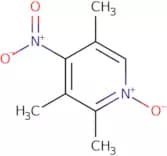
Formule :C20H16N2Degré de pureté :Min. 98 Area-%Couleur et forme :White PowderMasse moléculaire :284.35 g/mol2,3,5-Trimethyl-4-nitropyridine 1-oxide
CAS :The reaction of 2,3,5-trimethyl-4-nitropyridine 1-oxide with hydrogen peroxide is an example of a peroxide reaction. The HOOH molecule is a nucleophilic and attacks the CNO group. This leads to the formation of a new bond between the oxygen and carbon atoms in the molecule. The oxygen atom then becomes an oxidizing agent, which can react with other molecules in order to form more products. In this reaction, hydrogen peroxide is used as an oxidizing agent to produce chlorine gas, water vapor, and nitric oxide gas. The reaction can be summarized as follows: 2CNO + 3HOOH → 4CO + 2O + 3N2O + 3HO2
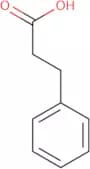
Formule :C8H10N2O3Degré de pureté :Min. 95%Couleur et forme :PowderMasse moléculaire :182.18 g/molHydrocinnamic acid
CAS :Hydrocinnamic acid is an inhibitor of the enzyme carboxyl ester lipase. It is used to treat inflammatory bowel disease and autoimmune diseases, such as Crohn's disease. Hydrocinnamic acid has also been shown to inhibit the production of inflammatory mediators, such as prostaglandins, leukotrienes, and cytokines. This anti-inflammatory effect may be related to its ability to inhibit the activity of lipoxygenases and cyclooxygenases. Hydrocinnamic acid has also been shown to act as a broad-spectrum antimicrobial agent against bacteria, fungi, and viruses.
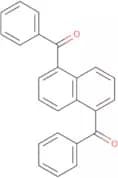
Formule :C9H10O2Degré de pureté :Min. 95%Couleur et forme :PowderMasse moléculaire :150.17 g/mol1,5-Dibenzoylnaphthalene
CAS :1,5-Dibenzoylnaphthalene (1,5-DBN) is a reactive anion radical that can be used to synthesize flavonoids. It can be used in the preparation of dyestuffs and reacts quickly with aldehydes in Friedel-Crafts reactions. 1,5-DBN is also antibacterial and has been shown to inhibit the growth of Staphylococcus aureus and Clostridium perfringens. It is toxic to humans when ingested and should be handled with care.
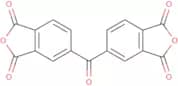
Formule :C24H16O2Degré de pureté :Min. 95%Couleur et forme :PowderMasse moléculaire :336.38 g/mol3,3',4,4'-Benzophenonetetracarboxylic dianhydride
CAS :3,3',4,4'-Benzophenonetetracarboxylic dianhydride (BPTA) is a reactive dianhydride that contains a hydroxyl group and is a nitrogen-containing compound. It has good transport properties and chemical stability. It can be used to synthesize polyimides with high resistance, color, and thermal expansion. BPTA is used as the starting material for the synthesis of diphenyl ethers. In addition, it can be used to produce polymers with good thermal stability by reacting it with diphenylmethane diisocyanate. The reaction mechanism of BPTA is similar to that of benzophenone tetracarboxylic acid (BPTCA).Formule :C17H6O7Degré de pureté :Min. 95%Couleur et forme :PowderMasse moléculaire :322.23 g/mol2'-Iodoacetophenone
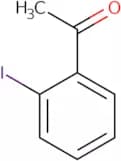
CAS :2'-Iodoacetophenone is a bioactive molecule that reacts with boronic acids to form aryl boronic acid derivatives. This reaction can be carried out in chlorobenzene or dihedral solvents, and it is scalable and applicable to a variety of boronic acids. The product of this reaction is an organocatalyst for the synthesis of bioactive molecules. 2'-Iodoacetophenone also reacts with dipole-containing additives to form dichlorodiphenyldichloroethane, which has been used as a fungicide, insecticide, and herbicide.
Formule :C8H7IODegré de pureté :Min. 95%Couleur et forme :Clear LiquidMasse moléculaire :246.05 g/mol5,6,7,8-Tetrahydro-1-naphthoic acid
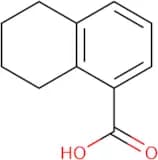
CAS :5,6,7,8-Tetrahydro-1-naphthoic acid is a synthetic organic compound that is used to make dyes and paints. It has toxic properties and can cause irritation of the skin or lungs. The mechanism of its toxicity is not known, but it may be due to the formation of reactive oxygen species in the body or the inhibition of monoamine oxidase. 5,6,7,8-Tetrahydro-1-naphthoic acid exhibits dose-dependent toxicity with increasing doses resulting in more severe reactions. It also has a high potential for long term carcinogenicity.
Formule :C11H12O2Degré de pureté :Min. 95%Masse moléculaire :176.21 g/mol4-Carboxycinnamic acid
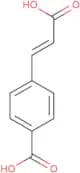
CAS :4-Carboxycinnamic acid is an organic compound that is a derivative of cinnamic acid. It is a colorless solid that is soluble in organic solvents and has high resistance to environmental pollution. 4-Carboxycinnamic acid has been shown to have photocatalytic activity in the presence of UV radiation, with a quantum yield of 0.2% at 365 nm. It also exhibits fluorescence properties, but these are not as strong as the parent compound, cinnamic acid. 4-Carboxycinnamic acid has functional groups that can be activated by hydrogen bonding interactions and uptake into cells. This compound also reacts with sulfonic acids to form sulfinic acids and hydrochloric acid to form chlorocinnamic acids. Chronic pulmonary effects were observed in animals after inhalation of this substance for 30 minutes per day for 10 days. X-ray crystal structures have been determined for 4-carboxycinnamic acid and its
Formule :C10H8O4Degré de pureté :Min. 95%Couleur et forme :PowderMasse moléculaire :192.17 g/molCholesterol hydrogen succinate
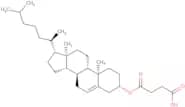
CAS :Produit contrôléCholesterol hydrogen succinate is a cholesterol derivative that inhibits the activity of various receptors, including the LDL-receptor which is involved in the uptake of cholesterol from the blood. It also has inhibitory properties against infectious diseases and can be used as an experimental model for coronary heart disease. Cholesterol hydrogen succinate has been shown to inhibit the phase transition temperature (Tc) of human serum. This drug also possesses anti-oxidative properties and has been shown to have protective effects on mitochondrial membrane potential. The biological properties of this compound include its ability to induce hemisuccinate formation by hydrolyzing cholesteryl esters and inhibit endoxifen activity.
Formule :C31H50O4Degré de pureté :Min. 95%Couleur et forme :PowderMasse moléculaire :486.73 g/mol2-Benzyloxy-6-methoxyacetophenone
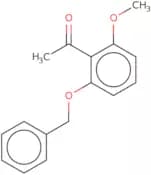
CAS :2-Benzyloxy-6-methoxyacetophenone is a high quality and versatile chemical that can be used as a reagent or building block in organic synthesis. It is an important intermediate in the synthesis of fine chemicals, pharmaceuticals, and other complex compounds. 2-Benzyloxy-6-methoxyacetophenone has been shown to be useful as a scaffold for the synthesis of novel complex molecules, such as speciality chemicals. The compound also has potential applications in research and development of new drugs.
Formule :C16H16O3Degré de pureté :Min. 95%Couleur et forme :PowderMasse moléculaire :256.3 g/mol1-(4-Nitrophenyl)glycerol
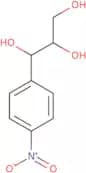
CAS :1-(4-Nitrophenyl)glycerol has been shown to inhibit the growth of Gram-positive bacteria, including Streptococcus faecalis, and Gram-negative bacteria, including Pseudomonas aeruginosa. It is also used as a sample preparation for antimicrobial resistance testing.
Formule :C9H11NO5Degré de pureté :Min. 97 Area-%Couleur et forme :Off-White PowderMasse moléculaire :213.19 g/molRef: 3D-FN07274
Produit arrêtéAzithromycin impurity H
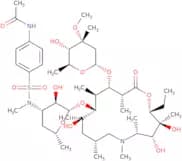
CAS :Please enquire for more information about Azithromycin impurity H including the price, delivery time and more detailed product information at the technical inquiry form on this page
Formule :C45H77N3O15SDegré de pureté :Min. 95%Couleur et forme :PowderMasse moléculaire :932.17 g/molRef: 3D-FA63633
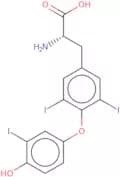
Produit arrêté3,3',5-Triiodo-L-thyronine
CAS :Triiodothyronine (T3) is a thyroid hormone that has a high affinity for the thyrotropin receptor. It regulates the metabolic rate, cell specific transcriptional regulation, and transcriptional regulation of genes involved in fatty acid synthesis. T3 is synthesized from the amino acid tyrosine through a series of reactions catalyzed by enzymes such as tyrosine hydroxylase, thyroperoxidase, and type 2 iodothyronine deiodinase. The enzyme thyroid peroxidase converts inactive T3 to the active form of T3 (triiodothyronine). In addition, triiodothyronine can be converted to reverse T3 (rT3), which is inactive. Triiodothyronine has an optimal ph of 7.4-8.0 and an optimum igf-i concentration of 100 ng/ml, where it can stimulate growth hormone release from the anterior pituitary gland.
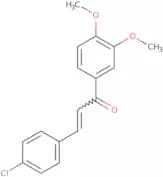
Formule :C15H12I3NO4Degré de pureté :Min. 95 Area-%Couleur et forme :Off-White PowderMasse moléculaire :650.97 g/mol4-Chloro-3',4'-dimethoxychalcone
CAS :Please enquire for more information about 4-Chloro-3',4'-dimethoxychalcone including the price, delivery time and more detailed product information at the technical inquiry form on this page
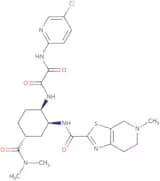
Degré de pureté :Min. 95%Edoxaban impurity I
CAS :Edoxaban impurity I is a fine chemical that is a useful building block, reagent, and speciality chemical. It is a complex compound that can be used as a reaction component or as an intermediate in the synthesis of other compounds. Edoxaban impurity I has CAS number 1255529-23-7, which identifies it as a high quality and versatile building block.
Formule :C24H30ClN7O4SDegré de pureté :Min. 95%Masse moléculaire :548.06 g/mol2,4-Dinitrophenetole
CAS :2,4-Dinitrophenetole is a nucleophilic compound that reacts with the hydrogen bond of an acid. It is a thermodynamic and kinetic acid which reacts with bile acids in the second order. The rate enhancement of 2,4-dinitrophenetole is due to its uncoupling effect on hepg2 cells. This chemical has been shown to react faster with picric acid than with nitric acid solutions.
Formule :C8H8N2O5Degré de pureté :Min. 95%Couleur et forme :PowderMasse moléculaire :212.16 g/mol