Étalons pharmaceutiques
Les standards pharmaceutiques sont un ensemble complet de matériaux de référence essentiels pour garantir la sécurité, l'efficacité et la qualité des produits pharmaceutiques. Cette catégorie comprend des standards pour les ingrédients pharmaceutiques actifs (APIs), qui sont les composants principaux responsables des effets thérapeutiques. De plus, elle couvre les composés et métabolites pertinents pour les industries pharmaceutique et vétérinaire, fournissant des points de référence pour la mesure et l'analyse précises de ces substances. Les standards de contrôle des nitrosamines sont cruciaux pour détecter et atténuer les nitrosamines potentiellement nocives dans les formulations médicamenteuses. Les standards de toxicologie aident à évaluer la sécurité et les effets indésirables potentiels des composés pharmaceutiques. En outre, les standards pour les activateurs et les inhibiteurs enzymatiques sont essentiels pour la recherche et le développement, permettant des études précises des voies biochimiques et des mécanismes des médicaments. Ces standards pharmaceutiques sont des outils indispensables pour la conformité réglementaire, le contrôle de qualité et la recherche, garantissant que les produits pharmaceutiques répondent à des critères stricts de sécurité et d'efficacité.
Sous-catégories appartenant à la catégorie "Étalons pharmaceutiques"
- APIs pour la recherche et les impuretés(274.920 produits)
- Activateurs et inhibiteurs d'enzymes(2.827 produits)
- Nitrosamines(2.606 produits)
- Composés et métabolites pharmaceutiques et vétérinaires(2.871 produits)
- Toxicologie(13.652 produits)
7836 produits trouvés pour "Étalons pharmaceutiques"
Trier par
Degré de pureté (%)
0
100
|
0
|
50
|
90
|
95
|
100
ζ-Carotene
CAS :Zeta-carotene is a carotenoid pigment found in plants. It is a precursor to vitamin A and can be converted by the body into retinol, which can then be used in the eye. Zeta-carotene has been shown to inhibit the growth of cancer cells through transcriptional regulation of genes involved in lipid metabolism and cell proliferation. This carotenoid also has antioxidant properties that may help protect against cardiovascular diseases. In addition, zeta-carotene has been shown to have a positive effect on plant physiology because it is an important intermediate for photosynthesis.Formule :C40H60Degré de pureté :Min. 95%Couleur et forme :Yellow PowderMasse moléculaire :540.9 g/molrac-4'-Methyl ketoprofen
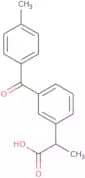
CAS :Please enquire for more information about rac-4'-Methyl ketoprofen including the price, delivery time and more detailed product information at the technical inquiry form on this pageFormule :C17H16O3Degré de pureté :Min. 95%Couleur et forme :PowderMasse moléculaire :268.31 g/mol(S)-N-Fmoc-2-(3'-butenyl)glycine
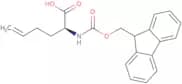
CAS :<p>Please enquire for more information about (S)-N-Fmoc-2-(3'-butenyl)glycine including the price, delivery time and more detailed product information at the technical inquiry form on this page</p>Formule :C21H21NO4Degré de pureté :Min. 95%Couleur et forme :White PowderMasse moléculaire :351.4 g/mol21-Amino-17-hydroxypregna-1,4-diene-3,11,20-trioneHydrochloride
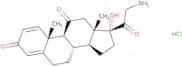
CAS :Produit contrôléPlease enquire for more information about 21-Amino-17-hydroxypregna-1,4-diene-3,11,20-trioneHydrochloride including the price, delivery time and more detailed product information at the technical inquiry form on this pageFormule :C21H28ClNO4Degré de pureté :Min. 95%Masse moléculaire :393.9 g/molO-tert-Butyl-L-threonine 2-chlorotrityl resin
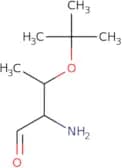
<p>Please enquire for more information about O-tert-Butyl-L-threonine 2-chlorotrityl resin including the price, delivery time and more detailed product information at the technical inquiry form on this page</p>Degré de pureté :Min. 95%Boc-L-aspartic acid a-9-fluorenylmethyl ester
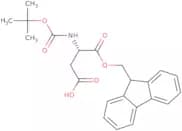
CAS :Boc-L-aspartic acid a-9-fluorenylmethyl ester is a synthetic compound that mimics the structure of acetylcholine. It has been shown to be an efficient method for generating pseudopeptides and cyclic peptides. This compound may be used as a surrogate for acetylcholine in virus research, since it can bind to the same receptor. Boc-L-aspartic acid a-9-fluorenylmethyl ester has also been used to generate monoclonal antibodies that are neutralizing against foot-and-mouth disease viruses.Formule :C23H25NO6Degré de pureté :Min. 97 Area-%Masse moléculaire :411.45 g/molEstrone 3-valerate
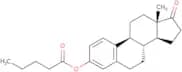
CAS :Produit contrôlé<p>Please enquire for more information about Estrone 3-valerate including the price, delivery time and more detailed product information at the technical inquiry form on this page</p>Formule :C23H30O3Degré de pureté :Min. 95%Masse moléculaire :354.48 g/molEthyl isovalerate
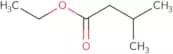
CAS :Ethyl isovalerate is a chemical with the formula CH3CH2CH2C(O)CH=CH2. It is an ester of acetic acid and valeric acid. It has a boiling point of 114°C and a density of 0.8994 g/mL at 20°C. Ethyl isovalerate has been shown to be thermally unstable, with significant expansion occurring when heated to 100°C. This chemical has been shown to have antibacterial properties against bacterial strains that are resistant to carvacrol, thymol, and cinnamaldehyde. Ethyl isovalerate also produces propionic acid when mixed with benzoic acid in liquid phase microextraction (LPME). The production of propionic acid may be due to the reaction between ethyl isovalerate and hydrogen fluoride on the surface of activated carbon particles in LPME. Ethyl decanoate can also be produced from this reaction by adding ethyl decFormule :C7H14O2Degré de pureté :Min. 95%Couleur et forme :Clear LiquidMasse moléculaire :130.18 g/mol1-(3',4'-Dimethoxyphenyl)-1-propanol
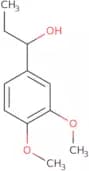
CAS :1-(3’,4’-Dimethoxyphenyl)-1-propanol is a naturally occurring chemical with the molecular formula C10H14O2. It has been found in the bark of Pinus pinaster and the rhizome of Piper auritum. This compound has been shown to have an antiinflammatory effect by inhibiting prostaglandin synthesis. It also inhibits nitrosation reactions and is being studied for its potential as a cancer chemopreventive agent. 1-(3’,4’-Dimethoxyphenyl)-1-propanol is an enantiomer of 2-(3',4'-dimethoxyphenyl)propane-1,3-diol.Formule :C11H16O3Degré de pureté :Min. 95%Masse moléculaire :196.24 g/molTetramethylurea
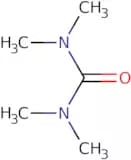
CAS :<p>Tetramethylurea is a versatile compound that has various applications in different fields. It is commonly used as a monophosphate donor in biochemical reactions and as a reagent for the synthesis of L-sorbose and histidine. In addition, tetramethylurea is employed in the production of herbicides, as well as in the synthesis of zirconium oxide nanoparticles.</p>Formule :C5H12N2ODegré de pureté :Min. 95%Masse moléculaire :116.16 g/molδ-Hexalactone
CAS :<p>Delta hexalactone is a fatty acid that has been shown to have antagonistic properties against bacterial growth. It has been tested for its antibacterial activity and shown to be active against human pathogens, including mycobacterium. Delta hexalactone is also used as an analytical method in order to detect the presence of glycol ethers.</p>Formule :C6H10O2Degré de pureté :Min. 95%Couleur et forme :Clear LiquidMasse moléculaire :114.14 g/molSalbutamol sulphate impurity B
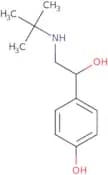
CAS :<p>Salbutamol sulphate impurity B is a substance that is an impurity in salbutamol sulfate. It is a white crystalline powder and is soluble in organic solvents. Salbutamol sulfate impurity B can be detected by liquid chromatography, which separates the substances based on their solubility in different phases. The substances are detected at a specific wavelength, and it is possible to identify peaks of the substances on the chromatogram synchronously. Salbutamol sulfate impurity B can be found as a part of other medicines or substances by using this detection method.</p>Formule :C12H19NO2Degré de pureté :Min. 95%Masse moléculaire :209.28 g/mol3-Cyanopropionic acid methyl ester
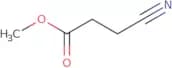
CAS :3-Cyanopropionic acid methyl ester is a compound that belongs to the class of aliphatic carboxylic acids. It is an intermediate in the production of adiponitrile and acrylonitrile. This compound is used as a feedstock for the manufacture of vinylene, which can be used to produce c1-6 alkyl. 3-Cyanopropionic acid methyl ester can be produced from propylene and hydrogen cyanide in a high salt, activated reaction system. It has been shown that this compound may have metabolic disorders due to its ability to inhibit fatty acid oxidation and increase viscosity. 3-Cyanopropionic acid methyl ester is a colorless liquid at room temperature with a boiling point of 154°C and a molecular weight of 98.14 g/mol.Formule :C5H7NO2Degré de pureté :Min. 95%Couleur et forme :Clear LiquidMasse moléculaire :113.11 g/mol3-Chloro-2-nitropyridine
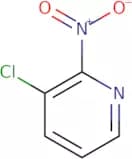
CAS :3-Chloro-2-nitropyridine is a chemical compound that has been shown to have anticancer activity. It is a structural analog of the nucleophilic piperazine, which can react with hydrogen fluoride in an electrophilic substitution reaction to form 3-chloro-2-nitropyridine oxide. The anticancer activity of this compound may be due to its ability to inhibit the growth of tumor cells by binding to the d4 receptor, inhibiting the production of inflammatory cytokines and growth factors. 3-Chloro-2-nitropyridine has also been shown to have antiinflammatory activities, which may be due to its inhibition of nitric oxide synthesis and 5'-lipoxygenase.Formule :C5H3N2O2ClDegré de pureté :Min. 95%Couleur et forme :PowderMasse moléculaire :158.54 g/molFmoc-(S)-3-amino-3-(2-naphthyl)propionic acid
CAS :<p>Please enquire for more information about Fmoc-(S)-3-amino-3-(2-naphthyl)propionic acid including the price, delivery time and more detailed product information at the technical inquiry form on this page</p>Formule :C28H23NO4Degré de pureté :Min. 95%Masse moléculaire :437.49 g/molδ9,11-Dehydro-17b-estradiol 17-valerate
CAS :Produit contrôléPlease enquire for more information about Delta9,11-Dehydro-17b-estradiol 17-valerate including the price, delivery time and more detailed product information at the technical inquiry form on this pageFormule :C23H30O3Degré de pureté :Min. 96 Area-%Masse moléculaire :354.48 g/molHydrocortisone Acetate Impurity G
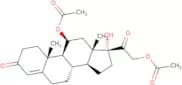
CAS :Produit contrôléHydrocortisone is a corticosteroid that is used to treat inflammation, allergies and skin diseases. It is also used to treat adrenal gland disorders. Hydrocortisone Acetate Impurity G (HA) is a drug that has anti-inflammatory properties, which may be due to its inhibition of prostaglandin synthesis. HA was the first hydrocortisone impurity found in prednisolone tablets. This discovery led to the development of corticosteroids and their use in medicine for the treatment of inflammation and allergies.Formule :C25H34O7Degré de pureté :Min. 95%Masse moléculaire :446.53 g/mol2-Hydroxy-1-naphthaldehyde
CAS :<p>2-Hydroxy-1-naphthaldehyde is a redox potential chemical that has been shown to have anticancer activity in vitro and in vivo. It inhibits the growth of cells by binding to iron, which is important for many biological processes including DNA synthesis. 2-Hydroxy-1-naphthaldehyde has also been shown to have metal carbonyl reactivity and fluorescence properties that may be useful as a fluorescent probe. 2-Hydroxy-1-naphthaldehyde binds to iron ions through hydrogen bonding interactions, forming an octahedral complex with six ligands. The compound also has coordination geometry that can be described as either trigonal bipyramidal or square planar, depending on the solvent used. This data was obtained by x-ray diffraction studies of crystalline solids. The compound's Langmuir adsorption isotherm was found to be linear at low concentrations and shifted to nonlinear behavior at higher concentrations. The</p>Formule :C11H8O2Degré de pureté :Min. 95%Couleur et forme :SolidMasse moléculaire :172.18 g/molCholesterol-2,2,3,4,4,6-d6
CAS :Produit contrôléCholesterol-2,2,3,4,4,6-d6 is a chemical compound that is used as a reference standard for cholesterol. It is typically used in the preparation of samples for analysis by nuclear magnetic resonance spectroscopy and other analytical techniques. Cholesterol-2,2,3,4,4,6-d6 has been shown to be an effective inhibitor of influenza virus replication in vitro and in vivo. It also inhibits the replication of a number of other viruses including papillomavirus and herpes simplex virus. The molecule has been shown to bind to the viral membrane system with high affinity and specificity. Cholesterol-2,2,3,4,4,6-d6 also prevents the fusion of influenza virus with host cell membranes by inhibiting the conformational changes required for this process.Formule :C27D6H40ODegré de pureté :Min. 95%Masse moléculaire :392.69 g/mol5,8-Dihydro-1-naphthol
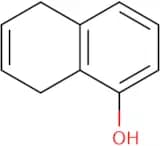
CAS :<p>5,8-Dihydro-1-naphthol is a chromatographic impurity of a β-blocker drug. It can be purified by alkali metal extraction, or by reaction with hydrochloric acid, followed by treatment with an adsorbent material such as silica gel, alumina, or activated carbon. Optimal conditions for the reaction are at a temperature of ˚C and a pressure of 100 kPa. The reaction time can vary from 10 minutes to 60 hours. Purification methods include chromatography and microscopy. 5,8-Dihydro-1-naphthol exhibits isomerization reactions in which it isomerizes to 1-(2'-hydroxyethyl)naphthalene and 1-(2'-methoxyethyl)naphthalene, which are both colorless compounds. These isomers may be separated using chromatographic methods that have been optimized for the separation of these compounds.</p>Formule :C10H10ODegré de pureté :Min. 95%Couleur et forme :Grey White To Tan To Brown SolidMasse moléculaire :146.19 g/molFluorescein-sp-biotin
CAS :Fluorescein-sp-biotin is a biotinylated derivative of fluorescein. The conjugate is used to measure the amount of free d-biotin in samples. Fluorescein-sp-biotin binds to streptavidin, which has a high affinity for biotin, and then emits light at an excitation wavelength of 488 nm when excited with a laser. The intensity of the emitted light is proportional to the concentration of free d-biotin in the sample. The following product descriptions have been generated from this information: Rifapentine Rifapentine is an anti-tuberculosis drug that belongs to the class of rifamycins. It is the most active of the rifamycins for the treatment of tuberculosis. Rifapentine inhibits bacterial growth by binding to DNA-dependent RNA polymerase, thereby preventing transcription and replication.Formule :C42H50N6O8S2Degré de pureté :Min. 95%Masse moléculaire :831.01 g/molrec Human Growth Hormone (expressed in E.coli)
<p>Please enquire for more information about rec Human Growth Hormone (expressed in E.coli) including the price, delivery time and more detailed product information at the technical inquiry form on this page</p>Degré de pureté :Min. 95%Roxithromycin EP Impurity C
CAS :<p>Roxithromycin EP Impurity C is a byproduct of the synthesis of erythromycin. It has been shown to have anti-inflammatory activity in liver cells, and has been used as a model for studying the mechanism of action of erythromycin. The reaction solution contains inorganic acid and nitrogen atoms. Roxithromycin EP Impurity C reacts with erythromycin to form an intermediate that then undergoes a series of reactions, including hydroxylation, oxidation, and decarboxylation. The purified product is made up of carbonyl groups and transcriptional regulation. This impurity can also be found in cell nuclei.</p>Formule :C37H68N2O13Degré de pureté :Min. 95%Masse moléculaire :748.94 g/mol(NZ)-4-chloro-N-[1-[2-(4-nitrophenyl)ethyl]piperidin-2-ylidene]benzenesulfonamide
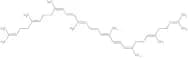
CAS :Produit contrôlé<p>Please enquire for more information about (NZ)-4-chloro-N-[1-[2-(4-nitrophenyl)ethyl]piperidin-2-ylidene]benzenesulfonamide including the price, delivery time and more detailed product information at the technical inquiry form on this page</p>Formule :C19H20ClN3O4SDegré de pureté :Min. 95%Masse moléculaire :421.9 g/mol9,10-Diphenylanthracene - 95%
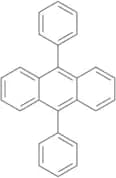
CAS :9,10-Diphenylanthracene is a fluorescent aromatic hydrocarbon that belongs to the class of carbonyl compounds. It has high values and maximal response with analytical methods such as fluorescence techniques and gel pores. 9,10-Diphenylanthracene can be used as a probe for the transfer mechanism of nucleic acids and proteins. 9,10-Diphenylanthracene is also used in analytical chemistry to determine the structure of dihydro derivatives of unsaturated alkyl chains. This compound's chemical properties make it an excellent fluorescent marker for use in gamma-aminobutyric acid (GABA) research.Formule :C26H18Degré de pureté :Min. 95%Couleur et forme :PowderMasse moléculaire :330.42 g/mol2-Methylnaphthalene
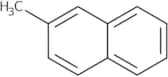
CAS :2-Methylnaphthalene is a carcinogenic compound that is used as a solid catalyst. It has been shown to increase the activity of hydrochloric acid, an inorganic acid, and acylation reactions. 2-Methylnaphthalene also has been found to be a good catalyst for cyclohexane ring formation and activation energies. The reaction mechanism of 2-methylnaphthalene is not completely understood but it is thought that the carbonyl group on the benzene ring may be involved. 2-Methylnaphthalene can react with piperonyl butoxide, which is an organic compound, and naphthalene to form 1-methylnaphthalene.Formule :C11H10Degré de pureté :Min. 95%Couleur et forme :PowderMasse moléculaire :142.2 g/mol(-)-B-Chlorodiisopinocampheylborane, 65% heptane solution
CAS :(-)-B-Chlorodiisopinocampheylborane is a synthetic compound that belongs to the class of diketones. It has been used in asymmetric synthesis, metathesis reactions, and as a catalyst for the preparation of chiral compounds. (-)-B-Chlorodiisopinocampheylborane can be synthesized from trifluoromethylation using chlorodiphenylsilane and sodium borohydride in heptane. This agent has been shown to be effective for the production of β-unsaturated ketones by reaction with carbonyl groups. The reaction produces a racemic mixture of enantiomers, which are isomers that are not identical but have the same chemical formula and similar physical properties. (-)-B-Chlorodiisopinocampheylborane can also be used as an intermediate for the synthesis of latanoprost lactol, which is a prostaglandinFormule :C20H34BClDegré de pureté :Min. 95%Couleur et forme :Clear LiquidMasse moléculaire :320.75 g/mol2,6-Dichloro-5-nitropyrimidin-4-amine
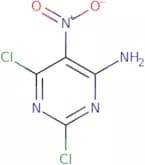
CAS :<p>2,6-Dichloro-5-nitropyrimidin-4-amine is a chlorinating agent that reacts with aliphatic and aromatic amines to form substituted pyrimidines. The substitution pattern of the product depends on the regioselectivity of the reaction. 2,6-Dichloro-5-nitropyrimidin-4-amine is one of the few chlorinating agents that react with propylamine. Substitution at position 2 of the purine ring has been found to be more selective than substitution at position 6. The 2,6-dichloropyrimidine can also be used as a nitro group source in chemical synthesis or as an intermediate in production of other compounds.</p>Formule :C4H2Cl2N4O2Degré de pureté :Min. 95%Couleur et forme :SolidMasse moléculaire :208.99 g/mol22α-Hydroxy cholesterol
CAS :Produit contrôlé<p>22a-Hydroxycholesterol is a naturally occurring, oxygenated cholesterol metabolite. It binds to the transcriptional coactivator retinoid X receptor (RXR) and inhibits the activity of certain liver enzymes. 22a-Hydroxycholesterol has been shown to have toxic effects on mouse tumors and to inhibit the production of ATP in vitro. 22a-Hydoxycholesterol also inhibits the function of ATP binding cassette (ABC) transporter proteins, which are involved in cholesterol transport from cells. The long-term toxicity of 22a-hydroxycholesterol is not well understood, although it has been shown that this metabolite can induce autoimmune diseases in rats.</p>Formule :C27H46O2Degré de pureté :Min. 95%Masse moléculaire :402.65 g/molb-Zeacarotene
CAS :<p>b-Zeacarotene is a carotenoid molecule that is found in plants and animals. It has been shown to have an inhibitory effect on protein synthesis. b-Zeacarotene is a reactive compound that can react with other compounds to form new compounds, such as reaction products of the polyene type. In bacteria, transcriptional regulation of genes involved in carotenoid biosynthesis has been shown to be inhibited by b-zeacarotene.</p>Formule :C40H58Degré de pureté :Min. 95%Masse moléculaire :538.89 g/molD-Aspartic acid b tert-butyl ester
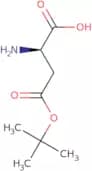
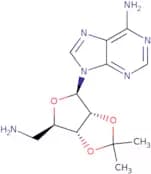
CAS :<p>D-Aspartic acid b tert-butyl ester (DATB) is an antimicrobial agent that has been shown to inhibit the growth of drug-resistant bacteria. DATB has been shown to be active against both gram-positive and gram-negative bacteria, with a selectivity for those with a peptidoglycan cell wall. DATB inhibits the synthesis of amide and peptide bonds and has been shown to have a wide range of uses in the production of antibiotics, such as carbamates and natural products.</p>Formule :C8H15NO4Degré de pureté :Min. 95%Couleur et forme :PowderMasse moléculaire :189.21 g/mol5'-Amino-5'-deoxy-2',3'-O-(1-methylethylidene)-adenosine
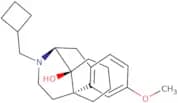
CAS :<p>Please enquire for more information about 5'-Amino-5'-deoxy-2',3'-O-(1-methylethylidene)-adenosine including the price, delivery time and more detailed product information at the technical inquiry form on this page</p>Formule :C13H18N6O3Degré de pureté :Min. 95%Masse moléculaire :306.32 g/mol(-)-3-Methoxy butorphanol
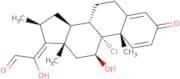
CAS :Produit contrôlé<p>Please enquire for more information about (-)-3-Methoxy butorphanol including the price, delivery time and more detailed product information at the technical inquiry form on this page</p>Formule :C22H31NO2Degré de pureté :Min. 95%Masse moléculaire :341.49 g/molBeclomethasone-21-Aldehyde
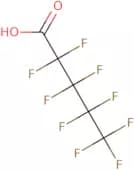
CAS :Produit contrôléPlease enquire for more information about Beclomethasone-21-Aldehyde including the price, delivery time and more detailed product information at the technical inquiry form on this pageFormule :C22H27ClO4Degré de pureté :Min. 95%Couleur et forme :PowderMasse moléculaire :390.9 g/molNonafluorovaleric acid
CAS :<p>Nonafluorovaleric acid is a glycol ether that is used as a solvent and in the manufacture of fluoropolymers. Nonafluorovaleric acid is considered to be a potential biomarker for perfluoroalkyl substances, which are toxic chemicals found in many household products. It has been shown to inhibit matrix metalloproteinase activity and can be used to study autoimmune diseases. Nonafluorovaleric acid can also be used as a synchronous fluorescent probe for enzyme-linked immunosorbent assays. The toxicity of this chemical has been studied extensively and it is well known that nonafluorovaleric acid can induce enzyme induction, leading to increased production of enzymes such as cytochrome P450.</p>Formule :C5HF9O2Degré de pureté :Min. 95%Couleur et forme :Clear LiquidMasse moléculaire :264.05 g/mol2-Oxovaleric acid
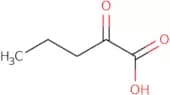
CAS :2-Oxovaleric acid is a monocarboxylic acid that is produced by the oxidation of 2-oxopentanoic acid. It was first discovered as an inhibitory compound for glutamate dehydrogenase, which catalyzes the conversion of glutamate to alpha-ketoglutarate. This inhibition leads to a buildup of glutamate in the cell, which can cause metabolic disorders. The importance of 2-oxovaleric acid was demonstrated using a chromatographic method on type strain cells. The electron microscopic images showed that 2-oxovaleric acid inhibited the growth of bacteria by binding to extracellular Ca2+, carbon source, and animals.Formule :C5H8O3Degré de pureté :Min. 95%Masse moléculaire :116.12 g/molCholesterol Heptyl Carbonate
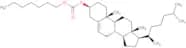
CAS :Produit contrôléCholesterol heptyl carbonate is a cholesteric liquid crystal with a high melting point, which can be used as a coating for pharmaceutical tablets and other products. Cholesteric liquid crystals are composed of molecules that have different shapes in the solid phase and in the liquid phase, forming an ordered structure. The conformational state of the molecule determines the optical properties of cholesteric liquid crystals. This product has an average particle diameter of around 200 nm and is made from organic solvent. The treatment method for this product is not specified, but it may be treated by heating with thermal energy or using optical energy to create a cross-linked polymer network.Degré de pureté :Min. 95%2-Bromo-3'-hydroxyacetophenone
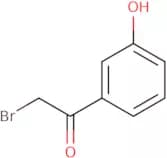
CAS :<p>2-Bromo-3'-hydroxyacetophenone is a molecule that has been shown to be cytotoxic and effective in inhibiting the growth of cancer cells. 2-Bromo-3'-hydroxyacetophenone inhibits the production of kynurenine, an amino acid that is used in the production of proteins, by competitively binding to the enzyme IDO1. This binding prevents the conversion of tryptophan into kynurenine, leading to cell death. The cytotoxicity of 2-bromo-3'-hydroxyacetophenone was also confirmed by testing its ability to inhibit cellular interaction with human erythrocytes (blood cells) and by measuring its effects on crystallography efficiency.</p>Formule :C8H7BrO2Degré de pureté :Min. 95%Couleur et forme :Slightly Yellow PowderMasse moléculaire :215.04 g/mol19-Hydroxy cholesterol
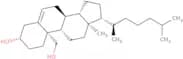
CAS :Produit contrôlé19-Hydroxy cholesterol is a sterol that is one of the primary products of cholesterol synthesis. It is a secondary bile acid and an oxysterol, which are produced in the liver during cholesterol metabolism. 19-Hydoxycholesterol has been shown to induce apoptosis in leukemia cells, as well as inhibit tumor cell growth. This compound can also inhibit the production of fatty acids by inhibiting β-unsaturated ketones, which are intermediates in the biosynthesis of fatty acids. The inhibition of these ketones leads to an increase in the production of n-3 fatty acids, which have been shown to have beneficial effects on human health. 19-Hydroxycholesterol can be detected using a chemical ionization method with gas chromatography and mass spectroscopy detection.Formule :C27H46O2Degré de pureté :Min. 95%Couleur et forme :White/Off-White SolidMasse moléculaire :402.65 g/mol1-(Aminomethyl)naphthalene
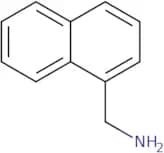
CAS :<p>1-(Aminomethyl)naphthalene is a hydrogen bond-forming molecule that has high values of hydrochloric acid. This compound reacts with sodium carbonate to form glycoside derivatives, which have been shown to display light emission. 1-(Aminomethyl)naphthalene can be used in the synthesis of oxytocin and toll-like receptor ligands, as well as other chemical reactions. The carbonyl group found in this molecule is responsible for the reactivity and stability of this compound.</p>Formule :C10H7CH2NH2Degré de pureté :Min. 95%Couleur et forme :Clear Colourless To Yellow LiquidMasse moléculaire :157.21 g/mol5,6-Epoxy-13-cis retinoic acid
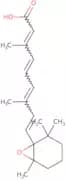
CAS :<p>5,6-Epoxy-13-cis retinoic acid (5,6-ER) is the most active metabolite of all-trans-retinoic acid. 5,6-ER binds to the nuclear receptor and acts as a transcription factor. It has been shown to inhibit the growth of several cancer cell lines in vitro, including T47D cells. 5,6-ER also has antacid properties and can be used for the treatment of inflammatory bowel disease. 5,6-ER is found in low concentrations in plasma and tissues and accumulates in high concentrations in rat liver microsomes. The major metabolic pathway includes hydrolysis by trifluoroacetic acid which produces 5,6 epoxyretinoyl coenzyme A (5,6 epoxyretinoyl CoA). This compound is then converted to 5,6 epoxyretinol by an unknown mechanism.</p>Formule :C20H28O3Degré de pureté :Min. 95%Masse moléculaire :316.43 g/molCholesterol Butyl Carbonate
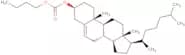
CAS :Produit contrôléCholesterol butyl carbonate is a high-melting organic solvent. It has a particle diameter of 3.2 micrometers, an average particle size of 4.5 micrometers, and a section of 1.4. This product is used to form microcapsules with various coatings for the treatment of bacteria and fungi. It is also used as a molecule for the production of functional groups such as polyethylene glycol ethers or polyurethanes. The structural formula contains three functional groups: one ester group and two sterol groups (cholesterol). This product has enhanced properties due to its inorganic components that are added during processing.Degré de pureté :Min. 95%4-Acetamido-4'-isothiocyanatostilbene-2,2'-disulfonic acid, sodium salt
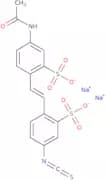
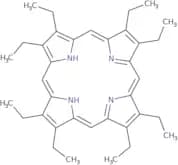
CAS :4-Acetamido-4'-isothiocyanatostilbene-2,2'-disulfonic acid, sodium salt (AITC-S) is a stilbene derivative with inhibitory properties. It has been shown to inhibit the uptake of camp in rat ventricular myocytes and caco-2 cells as well as the release of camp from rat renal proximal tubules. AITC-S also inhibits the transport of camp into the cells. The mechanism by which AITC-S inhibits uptake is not yet known, but it may be due to competition for a common carrier or an effect on intracellular metabolism. This compound has also been shown to have an acute ischemic protective effect on rats when administered before reperfusion following coronary artery occlusion.Formule :C17H12N2Na2O7S3Degré de pureté :Min. 95%Masse moléculaire :498.46 g/mol2,3,7,8,12,13,17,18-Octaethylporphyrin
CAS :2,3,7,8,12,13,17,18-Octaethylporphyrin (OEP) is a porphyrin with an octaethyl chain that has been shown to have a high fluorescence quantum yield. It can be synthesized by reacting malonic acid with 2,3-diamino-6-nitrophenol and the reaction mechanism is the same as for hematoporphyrin. The absorption spectrum of OEP shows a maximum at 330 nm and the emission spectrum peaks at 450 nm. The conformational properties of OEP are similar to those of hematoporphyrin. X-ray crystal structures show that the nitrogen atoms in OEP form a planar configuration that is different from other porphyrins. 2,3,7,8,12,13,17,18-Octaethylporphyrin (OEP) is a porphyrin with an octaethylFormule :C36H46N4Degré de pureté :Min. 95%Masse moléculaire :534.78 g/mol19-Carboxy cholesterol
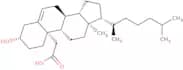
CAS :Produit contrôléPlease enquire for more information about 19-Carboxy cholesterol including the price, delivery time and more detailed product information at the technical inquiry form on this pageFormule :C27H44O3Degré de pureté :Min. 95%Masse moléculaire :416.64 g/molErythrosine
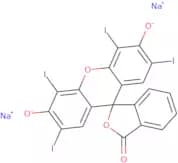
CAS :Erythrosine is a fluorescent dye that is used in the detection of synchronous fluorescence and adsorption. It has been shown to be more sensitive than other methods, such as matrix effect or electrochemical impedance spectroscopy. Erythrosine has been shown to have genotoxic activity in hl-60 cells, as well as long-term toxicity. It also has analytical applications due to its ability to be used as a fluorescence probe for biological samples.Formule :C20H8I4O5·2NaDegré de pureté :Min. 95%Couleur et forme :Red PowderMasse moléculaire :881.87 g/mol2-(Morophlin-4-yl)-1,2,3,4-tetrahydronaphthalene
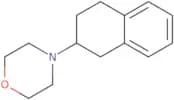
CAS :Produit contrôlé<p>Please enquire for more information about 2-(Morophlin-4-yl)-1,2,3,4-tetrahydronaphthalene including the price, delivery time and more detailed product information at the technical inquiry form on this page</p>Formule :C14H19NODegré de pureté :Min. 95%Masse moléculaire :217.31 g/mol4-Nitrophenyl Anthranilate
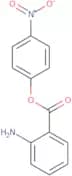
CAS :Produit contrôlé<p>4-Nitrophenyl anthranilate is a potent inhibitor of serine protease. It is synthesized by reacting an anthranilate with an hydroxyl group in the presence of ultraviolet light, and can be used as a fluorescent probe. 4-Nitrophenyl anthranilate binds to the active site of serine protease, and prevents the hydrolysis of proteins by blocking the cleavage of peptide bonds at the carboxylic acid termini. This compound has been shown to inhibit human serum albumin and cell nuclei in vitro. The reaction mechanism for this compound is unknown, but it is believed that it may involve a photo-induced electron transfer mechanism.</p>Formule :C13H10N2O4Degré de pureté :Min. 95%Couleur et forme :PowderMasse moléculaire :258.23 g/mol4-Mercaptocinnamic acid
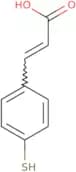
CAS :4-Mercaptocinnamic acid is a liquid crystal that belongs to the class of aromatic compounds. It is chiral and has a high melting point. 4-Mercaptocinnamic acid has been used in electronic devices, such as liquid crystal displays and ferroelectric liquid crystals, for its high boiling point and low viscosity. It can also be used as an additive for other chemicals or as a solvent for coatings. The acid group (COOH) in this compound makes it reactive with elements such as chlorine, fluorine, and bromine. It reacts with dicyclohexylcarbodiimide to form cinnamic acid derivatives and toluene to form trifluoromethylbenzenes. This chemical also has alkylthio groups (CH3S) and alkoxy groups (CH2O).Formule :C9H8O2SDegré de pureté :Min. 95%Masse moléculaire :180.22 g/mol3',5'-Dibromo-2'-hydroxyacetophenone
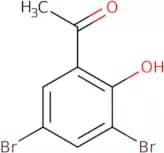
CAS :Please enquire for more information about 3',5'-Dibromo-2'-hydroxyacetophenone including the price, delivery time and more detailed product information at the technical inquiry form on this pageFormule :C8H6Br2O2Degré de pureté :Min. 95%Masse moléculaire :293.94 g/mol







![(NZ)-4-chloro-N-[1-[2-(4-nitrophenyl)ethyl]piperidin-2-ylidene]benzenesulfonamide](/_next/image/?url=https%3A%2Fstatic.cymitquimica.com%2Fproducts%2F3D%2Fthumb-webp%2FFN154024.webp&w=3840&q=75)