Étalons pharmaceutiques
Les standards pharmaceutiques sont un ensemble complet de matériaux de référence essentiels pour garantir la sécurité, l'efficacité et la qualité des produits pharmaceutiques. Cette catégorie comprend des standards pour les ingrédients pharmaceutiques actifs (APIs), qui sont les composants principaux responsables des effets thérapeutiques. De plus, elle couvre les composés et métabolites pertinents pour les industries pharmaceutique et vétérinaire, fournissant des points de référence pour la mesure et l'analyse précises de ces substances. Les standards de contrôle des nitrosamines sont cruciaux pour détecter et atténuer les nitrosamines potentiellement nocives dans les formulations médicamenteuses. Les standards de toxicologie aident à évaluer la sécurité et les effets indésirables potentiels des composés pharmaceutiques. En outre, les standards pour les activateurs et les inhibiteurs enzymatiques sont essentiels pour la recherche et le développement, permettant des études précises des voies biochimiques et des mécanismes des médicaments. Ces standards pharmaceutiques sont des outils indispensables pour la conformité réglementaire, le contrôle de qualité et la recherche, garantissant que les produits pharmaceutiques répondent à des critères stricts de sécurité et d'efficacité.
Sous-catégories appartenant à la catégorie "Étalons pharmaceutiques"
- APIs pour la recherche et les impuretés(274.920 produits)
- Activateurs et inhibiteurs d'enzymes(2.827 produits)
- Nitrosamines(2.606 produits)
- Composés et métabolites pharmaceutiques et vétérinaires(2.871 produits)
- Toxicologie(13.652 produits)
7836 produits trouvés pour "Étalons pharmaceutiques"
Trier par
Degré de pureté (%)
0
100
|
0
|
50
|
90
|
95
|
100
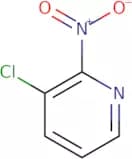
3-Chloro-2-nitropyridine
CAS :3-Chloro-2-nitropyridine is a chemical compound that has been shown to have anticancer activity. It is a structural analog of the nucleophilic piperazine, which can react with hydrogen fluoride in an electrophilic substitution reaction to form 3-chloro-2-nitropyridine oxide. The anticancer activity of this compound may be due to its ability to inhibit the growth of tumor cells by binding to the d4 receptor, inhibiting the production of inflammatory cytokines and growth factors. 3-Chloro-2-nitropyridine has also been shown to have antiinflammatory activities, which may be due to its inhibition of nitric oxide synthesis and 5'-lipoxygenase.Formule :C5H3N2O2ClDegré de pureté :Min. 95%Couleur et forme :PowderMasse moléculaire :158.54 g/molN,N-Diethyl-N'-1-naphthylethylenediamine oxalate
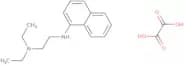
CAS :N,N-Diethyl-N'-1-naphthylethylenediamine oxalate (NDENOX) is a naphthalene derivative that is used to inhibit the growth of bacteria. It binds to the extracellular site on the bacterial cell membrane and inhibits sulfadiazine uptake. NDENOX has been shown to be effective against S. aureus and other bacteria that are resistant to sulfonamides, but not against Staphylococcus epidermidis or E. coli. This drug also inhibits enzyme activity in damaged human serum, which may be due to its binding with kynurenine or pupal. NDENOX is hydrolyzed by hydrochloric acid and procaine to release naphthalene and diethylenetriamine, respectively.Formule :C18H24N2O4•C2H2O4xDegré de pureté :Min. 95 Area-%Couleur et forme :PowderMasse moléculaire :332.39 g/molProflavine hemisulfate
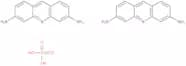
CAS :<p>Proflavine hemisulfate is an antibiotic that inhibits bacterial growth by binding to DNA and inhibiting DNA synthesis. It binds to the dinucleotide phosphate of the bacterial ribosome and changes the shape of the nucleotide, preventing attachment of amino acids to form proteins. Proflavine hemisulfate also has a strong affinity for nuclear dna and is bound to it in a form that inhibits replication. The free form of proflavine is converted into enzyme form by phosphorylation, which inhibits protein synthesis and cell division. Proflavine hemisulfate has been shown to inhibit multidrug efflux pumps in bacteria, leading to increased susceptibility of bacteria to antibiotics. In addition, proflavine hemisulfate possesses inhibitory properties against transfer reactions in cells. The method used for measuring proflavine hemisulfate activity is electrochemical impedance spectroscopy (EIS) on cell nuclei suspensions in a model system.</p>Formule :C13H11N3•(H2SO4)0•(H2O)xDegré de pureté :Min. 95%Couleur et forme :PowderMasse moléculaire :258.29 g/mol(3β,5β,17α)-19-Norpregnane-3,17-diol
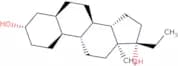
CAS :Produit contrôlé<p>Please enquire for more information about (3β,5β,17α)-19-Norpregnane-3,17-diol including the price, delivery time and more detailed product information at the technical inquiry form on this page</p>Formule :C20H34O2Degré de pureté :Min. 95%Couleur et forme :PowderMasse moléculaire :306.48 g/mol4-Bromo-2-fluorobenzoic acid methyl ester
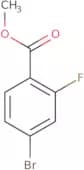
CAS :4-Bromo-2-fluorobenzoic acid methyl ester is a synthetic chemical that is used as a drug substance in the synthesis of pharmaceuticals. It is also a reagent for organic synthesis, specifically cross coupling reactions. 4-Bromo-2-fluorobenzoic acid methyl ester can be used to introduce an alkyl group into a molecule, which can then be used in other synthetic reactions. This chemical has been shown to inhibit prolyl hydroxylase (PHD), which is an enzyme that catalyzes the conversion of proline to hydroxyproline. 4-Bromo-2-fluorobenzoic acid methyl ester also inhibits the Bcl-2 family proteins, including bcl2, bclxl and bax, which are known to play a role in apoptosis. 4-Bromo-2-fluorobenzoic acid methyl esterFormule :C8H6BrFO2Degré de pureté :Min. 95%Masse moléculaire :233.03 g/mol1-(Aminomethyl)naphthalene
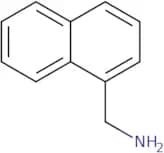
CAS :<p>1-(Aminomethyl)naphthalene is a hydrogen bond-forming molecule that has high values of hydrochloric acid. This compound reacts with sodium carbonate to form glycoside derivatives, which have been shown to display light emission. 1-(Aminomethyl)naphthalene can be used in the synthesis of oxytocin and toll-like receptor ligands, as well as other chemical reactions. The carbonyl group found in this molecule is responsible for the reactivity and stability of this compound.</p>Formule :C10H7CH2NH2Degré de pureté :Min. 95%Couleur et forme :Clear Colourless To Yellow LiquidMasse moléculaire :157.21 g/mol2-(Morophlin-4-yl)-1,2,3,4-tetrahydronaphthalene
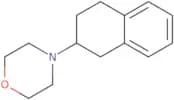
CAS :Produit contrôlé<p>Please enquire for more information about 2-(Morophlin-4-yl)-1,2,3,4-tetrahydronaphthalene including the price, delivery time and more detailed product information at the technical inquiry form on this page</p>Formule :C14H19NODegré de pureté :Min. 95%Masse moléculaire :217.31 g/mol2,2'-Methylenebis(6-tert-butyl-p-cresol)
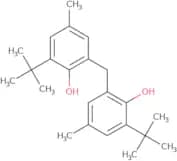
CAS :2,2'-Methylenebis(6-tert-butyl-p-cresol) is a phenolic compound that is used as a chemical stabilizer in the production of polyvinyl chloride and polystyrene. It has also been shown to be an effective antioxidant for polypropylene. 2,2'-Methylenebis(6-tert-butyl-p-cresol) has been shown to inhibit skin cancer, bladder cancer, and hemolytic activity in vitro. This product can cause mild skin irritation, but it does not appear to be toxic when ingested orally or applied topically.Formule :C23H32O2Degré de pureté :Min. 95%Masse moléculaire :340.5 g/molCodeine-D3 solution
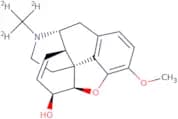
CAS :Produit contrôléPlease enquire for more information about Codeine-D3 solution including the price, delivery time and more detailed product information at the technical inquiry form on this pageDegré de pureté :Min. 95%Fmoc-(S)-3-amino-3-(2-naphthyl)propionic acid
CAS :<p>Please enquire for more information about Fmoc-(S)-3-amino-3-(2-naphthyl)propionic acid including the price, delivery time and more detailed product information at the technical inquiry form on this page</p>Formule :C28H23NO4Degré de pureté :Min. 95%Masse moléculaire :437.49 g/molγ-Decalactone
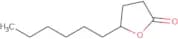
CAS :gamma-Decalactone is a cationic surfactant that is biosynthesized by the addition of an alkynyl group to isovaleric acid. It has been shown to have antimicrobial properties against type strain and wild-type strains of Escherichia coli, as well as Pseudomonas aeruginosa. The nmr spectra of gamma-Decalactone show a type of carbon source that may be natural compounds or fatty acids. Gamma-Decalactone can form through the action of pancreatic lipase on fatty acids, which are found in the pancreas. When gamma-Decalactone was tested for its ability to inhibit hydrogen bonding interactions, it was found to have no effect on these interactions.Formule :C10H18O2Degré de pureté :Min. 95%Couleur et forme :Clear LiquidMasse moléculaire :170.25 g/mol5,5'-Dinitro-2H,2'H-3,3'-bi-1,2,4-triazole
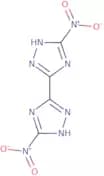
CAS :Produit contrôlé<p>Please enquire for more information about 5,5'-Dinitro-2H,2'H-3,3'-bi-1,2,4-triazole including the price, delivery time and more detailed product information at the technical inquiry form on this page</p>Formule :C4H2N8O4Degré de pureté :Min. 95%Masse moléculaire :226.11 g/molPregnantriol
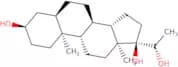
CAS :Produit contrôléPregnantriol is a naturally occurring steroid hormone that is produced in the placenta and the adrenal glands. Pregnantriol has been shown to be a potent inducer of liver cells, which may be due to its ability to bind to enzymes that are involved in lipid metabolism. This compound has also been shown to have diagnostic properties and is used as a diagnostic agent for adrenocortical carcinoma, urinary tract infections, metabolic disorders, and acid formation. Pregnantriol can be detected using fluorescence detection.Formule :C21H36O3Degré de pureté :Min. 95%Couleur et forme :PowderMasse moléculaire :336.51 g/molL-Aspartic acid alpha-tert-butyl ester
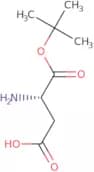
CAS :<p>L-Aspartic acid alpha-tert-butyl ester is a synthetic amino acid that can be used as a substrate for the synthesis of L-cysteine in the presence of selenomethionine. This compound is an auxotroph and cannot be synthesized by the body, so it must be obtained through diet or supplementation. It has been shown to have anti-cancer properties, which may be due to its role in regulating cell proliferation, apoptosis, and angiogenesis. L-Aspartic acid alpha-tert-butyl ester may also inhibit colon cancer cells by preventing them from recycling proteins. This compound was shown to inhibit HCT116 human colon cancer cells in both experimentally and computationally studies. Additionally, this molecule was seen to induce tumor regression in mice with colitis by inhibiting eukaryotic protein synthesis. This inhibition was found to be mediated through a trifluoromethyl group on the molecule's</p>Formule :C8H15NO4Degré de pureté :Min. 95%Couleur et forme :PowderMasse moléculaire :189.21 g/molRoxithromycin EP Impurity C
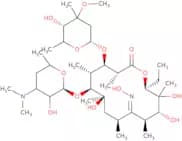
CAS :<p>Roxithromycin EP Impurity C is a byproduct of the synthesis of erythromycin. It has been shown to have anti-inflammatory activity in liver cells, and has been used as a model for studying the mechanism of action of erythromycin. The reaction solution contains inorganic acid and nitrogen atoms. Roxithromycin EP Impurity C reacts with erythromycin to form an intermediate that then undergoes a series of reactions, including hydroxylation, oxidation, and decarboxylation. The purified product is made up of carbonyl groups and transcriptional regulation. This impurity can also be found in cell nuclei.</p>Formule :C37H68N2O13Degré de pureté :Min. 95%Masse moléculaire :748.94 g/mol5-Octanoylsalicylic acid
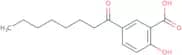
CAS :<p>5-Octanoylsalicylic acid is an anti-inflammatory and antioxidant agent that has been shown to have skin-conditioning properties. It has been found to be effective in the treatment of skin diseases, such as erythema, scaling, and itching, due to its ability to inhibit tyrosinase activity. 5-Octanoylsalicylic acid has also been shown to increase cellular proliferation and lymphocyte transformation in vitro. This compound is a precursor of all-trans-retinoic acid (a form of vitamin A), which is used for the treatment of acne. 5-Octanoylsalicylic acid can be synthesized from methyl ethyl ketone and potassium dichromate by a Friedel-Crafts reaction. It is also found in fruits such as apples, bananas, peaches, and oranges. Animal studies have shown that chronic oral administration may lead to a decrease in dehydroascorbic acid levels and an increased risk</p>Formule :C15H20O4Degré de pureté :Min. 95%Masse moléculaire :264.32 g/molBoc-L-aspartic acid a-9-fluorenylmethyl ester
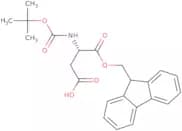
CAS :Boc-L-aspartic acid a-9-fluorenylmethyl ester is a synthetic compound that mimics the structure of acetylcholine. It has been shown to be an efficient method for generating pseudopeptides and cyclic peptides. This compound may be used as a surrogate for acetylcholine in virus research, since it can bind to the same receptor. Boc-L-aspartic acid a-9-fluorenylmethyl ester has also been used to generate monoclonal antibodies that are neutralizing against foot-and-mouth disease viruses.Formule :C23H25NO6Degré de pureté :Min. 97 Area-%Masse moléculaire :411.45 g/mol2,6-Dibromoanthracene
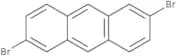
CAS :<p>2,6-Dibromoanthracene is an aromatic hydrocarbon that can be synthesized in a cross-coupling reaction. It has been shown to have a high electron mobility and good thermal stability. The compound was prepared by the Suzuki coupling reaction of 2,6-dibromobenzene with phenylboronic acid. This product has no commercial use but has been tested for its transport properties and has been found to be activated by heat.</p>Degré de pureté :Min. 95%γ-Dodecalactone
CAS :Gamma-dodecalactone is a naturally occurring fatty acid that exhibits antifungal and antitumor properties. The molecule is hydroxylated in vivo, forming an acid complex with the addition of water. This reaction produces a hydroxylate group, which increases the solubility of the compound. In vitro studies have shown that when gamma-dodecalactone is metabolized, it forms oxidation products such as nepeta cataria.Degré de pureté :Min. 95%2-Chloro-N-1-naphthylacetamide
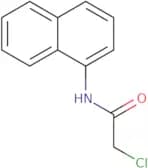
CAS :<p>2-Chloro-N-1-naphthylacetamide is a synthetic organic compound that belongs to the class of sulfur compounds. It is used in the synthesis of other compounds and has been shown to be a potent inhibitor of hydroxylapatite and sulfate hydrolysis. The reaction mechanism for this compound’s inhibition of sulfate hydrolysis is not known, but it may be due to its ability to act as an electron donor or acceptor. 2-Chloro-N-1-naphthylacetamide also has carcinogenic properties, with some studies suggesting that it can cause liver cancer in rodents.</p>Formule :C12H10ClNODegré de pureté :Min. 95%Masse moléculaire :219.67 g/molGabapentin related compound E
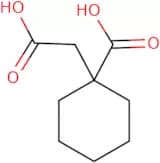
CAS :Gabapentin related compound E (GRC-E) is a gabapentin analog that binds to the amine binding site of the enzyme GABA-transaminase. GRC-E is stable at temperatures up to 100°C and has a constant concentration in wastewater samples. This compound has been shown to be more thermostable than gabapentin, which may make it an appropriate candidate for use as a calibration standard for gabapentin monitoring. In addition, GRC-E has been shown to inhibit the interaction between amines and GABA-transaminase, which stabilizes the enzyme's activity.Formule :C9H14O4Degré de pureté :Min. 95%Masse moléculaire :186.21 g/molS-(+)-1-Aminotetrahydronaphthalene
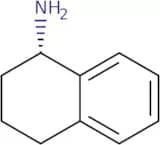
CAS :<p>S-(+)-1-Aminotetrahydronaphthalene is an amido derivative that is the enantiomer of S-(-)-1-amino-N,N'-diphenylformamide. It has been shown to have anti-obesity effects in mice by increasing energy expenditure and reducing food intake. S-(+)-1-Aminotetrahydronaphthalene also inhibits the release of fatty acids from adipose tissue, which may be due to its ability to suppress lipolysis. The molecular mechanism for these effects is not yet known, but it is thought that the amide group on this compound interacts with certain protein surfaces and steric interactions are involved in its activity.</p>Formule :C10H13NDegré de pureté :Min. 95%Masse moléculaire :147.22 g/mol2,2'-Bis-(1-adamantyl)-4,4'-dimethoxybiphenyl
CAS :<p>2,2'-Bis-(1-adamantyl)-4,4'-dimethoxybiphenyl is a methyl ester of adapalene. It is used to assess the effects of adapalene on the skin and to determine its marker for topical application.</p>Formule :C34H42O2Degré de pureté :Min. 95%Masse moléculaire :482.7 g/mol2-Chloro-2',4'-difluoroacetophenone
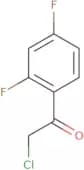
CAS :<p>2-Chloro-2',4'-difluoroacetophenone (2,4-DFAP) is an asymmetric synthesis of urea nitrogen. It has been shown to be a broad-spectrum antimicrobial, with activity against a number of fungi and bacteria. The molecular modelling of 2,4-DFAP has revealed that it has intramolecular hydrogen bonds and is a supramolecular enantiomer. Additionally, the transport properties have been studied and found to have chloride ions in the molecule. This may be responsible for its anti-fungal effects as well as its ability to inhibit the growth of cryptococcus neoformans.</p>Formule :C8H5ClF2ODegré de pureté :Min. 95%Masse moléculaire :190.57 g/molErythropoietin - lyophilized powder
CAS :Erythropoietin is a hormone that stimulates the production of red blood cells, and is used for patients with anemia. It is a recombinant human erythropoietin (rhEPO) that has been produced by genetic engineering. Erythropoietin binds to receptors on the surface of many types of cells, including those in the bone marrow. This binding stimulates the production of red blood cells from precursor cells in the bone marrow, and increases oxygen-carrying capacity in blood. The half-life of erythropoietin is approximately 36 hours. This drug also can be used to reduce high blood pressure and improve responsiveness to other drugs that are given intravenously. Erythropoietin can cause an increase in asialoglycoprotein levels in serum, which may be due to its effects on hepatocytes or erythrocytes.Degré de pureté :(Capillary Zone Electrophoresis) Min. 98.0%1,3-Dimethylthiourea
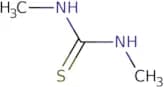
CAS :1,3-Dimethylthiourea (DMU) is a chemical compound that has been shown to have antioxidant properties. DMU is an inhibitor of the enzyme aconitase, which catalyzes the second step in the Krebs cycle and is involved in energy metabolism. DMU inhibits the activity of other enzymes such as xanthine oxidase and nitric oxide synthase, which are responsible for the production of reactive oxygen species (ROS). DMU also shows pro-apoptotic properties by inducing activation of a pro-apoptotic protein called p53. DMU has been shown to be an effective treatment for eye disorders such as glaucoma and retinal degeneration when used together with low doses of corticosteroids. It has also been shown to protect against myocardial infarction and provide cardioprotection following reperfusion injury.Formule :C3H8N2SDegré de pureté :Min. 95%Masse moléculaire :104.18 g/mol9-Fluoro-11b,21-dihydroxy-16a-methylpregna-1,4-diene-3,20-dione
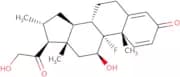
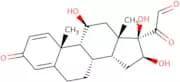
CAS :Produit contrôlé9-Fluoro-11b,21-dihydroxy-16a-methylpregna-1,4-diene-3,20-dione is a potent antiandrogen that is used to treat alopecia areata and other skin disorders. 9-Fluoro-11b,21-dihydroxy-16a-methylpregna-1,4-diene-3,20-dione has been shown to have an inhibitory effect on the growth of skin tumors in mice. This drug also has a protective effect against chemical stability. It binds to fatty acids and epidermal growth factor (EGF), which may be related to its ability to regulate transcriptional processes and inflammatory skin diseases.Formule :C22H29FO4Degré de pureté :Min. 95%Masse moléculaire :376.46 g/molAtorvastatin
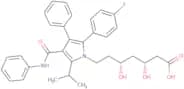
CAS :<p>Atorvastatin is a statin used to reduce low-density lipoprotein (LDL) cholesterol and triglyceride levels in the blood. It is marketed under the trade name Lipitor®. Atorvastatin inhibits the enzyme HMG-CoA reductase, which is responsible for the production of cholesterol. This drug also reduces plaque formation in atherosclerotic lesions by inhibiting inflammation and has been shown to be effective in reducing mortality from coronary heart disease. In addition, atorvastatin has a low incidence of side effects, particularly when compared with other statins such as simvastatin, pravastatin, or lovastatin. The risk of developing adverse reactions to this drug increases with age and prolonged use. The most common side effects are muscle pain or weakness, headache, nausea, high blood sugar levels (elevated glucose), and liver problems.</p>Formule :C33H35FN2O5Degré de pureté :Min. 95%Couleur et forme :PowderMasse moléculaire :558.64 g/molgamma-Butyrobetaine hydrochloride
CAS :<p>Gamma-butyrobetaine hydrochloride (GBB) is a metabolite of gamma-butyrobetaine, which is found in the human body. GBB is synthesized from lysine and methionine through an enzymatic pathway that starts with the conversion of lysine to homocysteine. GBB is then converted to gamma-butyrobetaine by methylating the hydroxyl group on its terminal carbon. GBB can be found in urine samples as well as in carnitine and fatty acid metabolism. It has been shown to have an inhibitory effect on creatine kinase and can be used to diagnose metabolic disorders such as carnitine deficiency or prognosis following a heart attack.</p>Formule :C7H16ClNO2Degré de pureté :Min. 95%Couleur et forme :PowderMasse moléculaire :181.66 g/mol2-bromo-6-fluoronaphthalene
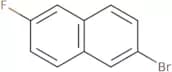
CAS :<p>2-bromo-6-fluoronaphthalene is a molecule that has been shown to be a good electron donor in organic solar cells. It is also an analgesic and antinociceptive agent. 2-Bromo-6-fluoronaphthalene has shown to have antiinflammatory effects and inhibit the production of prostaglandins, which are chemical messengers that induce inflammation. The molecular structure of 2-bromo-6-fluoronaphthalene consists of two bromine atoms attached to two naphthalene rings. The bromine atoms provide strong electron donating properties and the naphthalene rings provide stability for the molecule.</p>Formule :C10H6BrFDegré de pureté :Min. 95%Masse moléculaire :225.06 g/molBetamethasone valerate related compound A
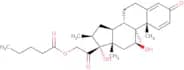
CAS :Produit contrôléBetamethasone valerate related compound A is a corticosteroid compound that is used in the treatment of inflammation. It has anti-inflammatory and immunosuppressive properties, which are thought to be due to its inhibition of farnesyltransferase. Betamethasone valerate related compound A can be given as an intranasal solution or by injection. The drug substance is a mixture of betamethasone 17-valerate and betamethasone 17,21-dipropionate, which have different kinetic properties. The chemical stability of the drug substance is maintained by using a reaction mechanism involving chromatography.Formule :C27H37FO6Degré de pureté :Min. 95%Masse moléculaire :476.58 g/mol4a-Hydroxy cholesterol
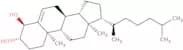
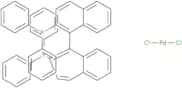
CAS :Produit contrôléPlease enquire for more information about 4a-Hydroxy cholesterol including the price, delivery time and more detailed product information at the technical inquiry form on this pageFormule :C27H46O2Degré de pureté :Min. 95%Couleur et forme :PowderMasse moléculaire :402.65 g/mol(R)-(+)-(2,2-Bis(Diphenylphosphino)-1,1-binaphthyl)palladium(II)chloride
CAS :Produit contrôlé(R)-(+)-(2,2-Bis(Diphenylphosphino)-1,1-binaphthyl)palladium(II)chloride is a colorless solid that can be made into a crystalline form. It has a molecular weight of 518.8 g/mol and the chemical formula C12H14P4Cl2. The compound has four asymmetric carbon atoms and two stereocenters in the molecule. This compound is used as a catalyst for organic reactions and in the synthesis of other compounds. (R)-(+)-(2,2-Bis(Diphenylphosphino)-1,1-binaphthyl)palladium(II)chloride is soluble in ethanol and ether but insoluble in water. It reacts with oxygen to produce phosphorous acid and hydrogen chloride gas. This compound has been shown to have nuclear magnetic resonance spectra at room temperature with chemical shifts (Formule :C44H33Cl2P2PdDegré de pureté :Min. 95%Masse moléculaire :801.01 g/mol5-Bromo-1H-indole-2-carboxylic acid methyl ester
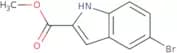
CAS :<p>5-Bromo-1H-indole-2-carboxylic acid methyl ester is a drug that belongs to the class of carboxylates. It has been shown to inhibit the growth of tumor cells in vitro and in vivo. The antitumor activity of this compound may be due to its ability to stabilize planar indole moieties, which are cytotoxic. 5-Bromo-1H-indole-2-carboxylic acid methyl ester interacts with other molecules through intermolecular interactions and can form an indole ring system that has a trifluoromethyl group and a carboxylate group in its structure.</p>Formule :C10H8BrNO2Degré de pureté :Min. 95%Masse moléculaire :254.08 g/mol2-Bromo-3'-hydroxyacetophenone
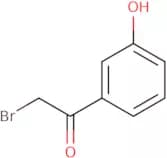
CAS :<p>2-Bromo-3'-hydroxyacetophenone is a molecule that has been shown to be cytotoxic and effective in inhibiting the growth of cancer cells. 2-Bromo-3'-hydroxyacetophenone inhibits the production of kynurenine, an amino acid that is used in the production of proteins, by competitively binding to the enzyme IDO1. This binding prevents the conversion of tryptophan into kynurenine, leading to cell death. The cytotoxicity of 2-bromo-3'-hydroxyacetophenone was also confirmed by testing its ability to inhibit cellular interaction with human erythrocytes (blood cells) and by measuring its effects on crystallography efficiency.</p>Formule :C8H7BrO2Degré de pureté :Min. 95%Couleur et forme :Slightly Yellow PowderMasse moléculaire :215.04 g/molBudesonide Impurity 9
CAS :Produit contrôléPlease enquire for more information about Budesonide Impurity 9 including the price, delivery time and more detailed product information at the technical inquiry form on this pageFormule :C21H26O6Degré de pureté :Min. 95%Masse moléculaire :374.43 g/mol13-cis-β-Carotene
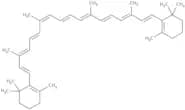
CAS :<p>13-cis-b-Carotene is a carotenoid that has been classified as a provitamin. It is not active in humans but it can be converted to b-carotene, an active form of vitamin A. 13-Cis-b-Carotene is found in plant foods such as carrots and sweet potatoes and can be used for the prevention of atherosclerosis and heart disease. 13-Cis-b-Carotene has been shown to have antiatherogenic effects by inhibiting the oxidation of LDL cholesterol and may also inhibit the proliferation of cancer cells. The conversion of 13-cis-b-carotene to b-carotene occurs through a number of reactions, including beta oxidation, desaturation, and hydrolysis by esterases or glucuronidases.</p>Formule :C40H56Degré de pureté :Min. 95%Couleur et forme :PowderMasse moléculaire :536.87 g/molIlexsaponin B1
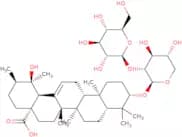
CAS :<p>Ilexsaponin B1 is a saponin, which is a bioactive compound derived from the genus Ilex, commonly found in certain holly plants. This compound is structurally characterized by its glycosidic bonds, which consist of a sugar moiety linked to a triterpenoid or steroid aglycone, contributing to its amphiphilic nature. The source of Ilexsaponin B1 is typically extracted from the leaves or roots of Ilex species through a series of solvent extraction and chromatographic techniques.</p>Degré de pureté :Min. 95%Profenofos
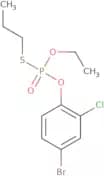
CAS :<p>Profenofos is a water-soluble organophosphate that can be used as a pesticide. It has been shown to have synergic effects with other pesticides, such as malathion and carbaryl. Profenofos has been studied for its toxicological properties in vitro and in vivo. These studies have shown that the lowest dose at which there are adverse effects on biochemical properties is 0.1 mg/kg of body weight. The mode of action of profenofos includes inhibition of esterases, glutathione reductase, and cytochrome P450 enzymes. This enzyme inhibition leads to an accumulation of acetylcholine in the synaptic cleft, which causes muscle paralysis and death from respiratory failure. Profenofos also affects cardiac function by blocking potassium channels, leading to heart rate changes and arrhythmias. Profenofos can be identified using chromatographic analysis or electrochemical impedance spectroscopy (EIS). EIS is</p>Formule :C11H15BrClO3PSDegré de pureté :Min. 95%Couleur et forme :Clear LiquidMasse moléculaire :373.63 g/molCholesterol propionate
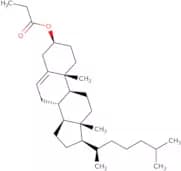
CAS :Produit contrôlé<p>Cholesterol Propionate is a monolayer film-forming polymer that forms a polymeric matrix when combined with water. The thermal expansion of this material is dependent on the concentration of cholesterol propionate and can be used as a target tissue for multi-walled carbon nanotubes (MWCNTs). In addition, Cholesterol Propionate has been shown to have light emission properties due to its hydroxyl group and fatty acid content. The phase transition temperature of the material is dependent on the concentration of benzoate in the formulation. When it reaches the phase transition temperature, cholesteryl benzoate undergoes a phase change from crystalline to liquid at room temperature. This property can be used to activate MWCNTs within Cholesterol Propionate films, which then emit light.</p>Formule :C30H50O2Degré de pureté :Min. 95%Masse moléculaire :442.7 g/mol14,15-Dehydro budesonide
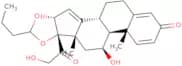
CAS :Please enquire for more information about 14,15-Dehydro budesonide including the price, delivery time and more detailed product information at the technical inquiry form on this pageFormule :C25H32O6Degré de pureté :Min. 95%Masse moléculaire :428.52 g/molCefalexin monohydrate impurity F
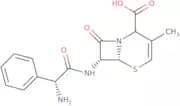
CAS :<p>Please enquire for more information about Cefalexin monohydrate impurity F including the price, delivery time and more detailed product information at the technical inquiry form on this page</p>Formule :C16H17N3O4S·2H2ODegré de pureté :Min. 95%Masse moléculaire :383.42 g/molD-Aspartic acid b tert-butyl ester
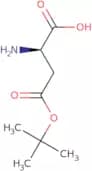
CAS :<p>D-Aspartic acid b tert-butyl ester (DATB) is an antimicrobial agent that has been shown to inhibit the growth of drug-resistant bacteria. DATB has been shown to be active against both gram-positive and gram-negative bacteria, with a selectivity for those with a peptidoglycan cell wall. DATB inhibits the synthesis of amide and peptide bonds and has been shown to have a wide range of uses in the production of antibiotics, such as carbamates and natural products.</p>Formule :C8H15NO4Degré de pureté :Min. 95%Couleur et forme :PowderMasse moléculaire :189.21 g/mol7-Amino-4-(trifluoromethyl)coumarin
CAS :<p>7-Amino-4-(trifluoromethyl)coumarin is a coumarin derivative that has been used as a fluorescence probe for the study of enzyme activities. It can be used as a potential biomarker for autoimmune diseases, and has also been shown to have tyrosine kinase domain binding activity. 7-Amino-4-(trifluoromethyl)coumarin can bind to the hydroxyl group in tyrosine residues with high affinity, and binds to the nitrogen atoms in protein kinases with low affinity. This compound is able to form intermolecular hydrogen bonds and steric interactions with peptide hormones.</p>Formule :C10H6F3NO2Degré de pureté :Min. 95%Masse moléculaire :229.16 g/mol1-(2-Aminoethyl)-3-Phenylurea Hydrochloride
CAS :<p>Please enquire for more information about 1-(2-Aminoethyl)-3-Phenylurea Hydrochloride including the price, delivery time and more detailed product information at the technical inquiry form on this page</p>Formule :C9H13N3O·HClDegré de pureté :Min. 95%Masse moléculaire :215.68 g/molN-(6-Phenylhexyl)-5-chloro-1-naphthalenesulfonamide
CAS :<p>N-(6-Phenylhexyl)-5-chloro-1-naphthalenesulfonamide is a dibutyryl camp analog that has been shown to inhibit the L-type calcium channel in a dose-dependent manner. It has an effect on both spermatozoa and glioma cells, with its most significant effect being inhibition of the intracellular calcium ion. This drug inhibits the growth rate of these cells, which may be due to its ability to activate adrenergic receptors and cause increased intracellular calcium ion levels. N-(6-Phenylhexyl)-5-chloro-1-naphthalenesulfonamide also slows the cycle of the cell, which may be due to a kinetic effect.</p>Formule :C22H24ClNO2SDegré de pureté :Min. 95%Masse moléculaire :401.95 g/molδ-Hexalactone
CAS :<p>Delta hexalactone is a fatty acid that has been shown to have antagonistic properties against bacterial growth. It has been tested for its antibacterial activity and shown to be active against human pathogens, including mycobacterium. Delta hexalactone is also used as an analytical method in order to detect the presence of glycol ethers.</p>Formule :C6H10O2Degré de pureté :Min. 95%Couleur et forme :Clear LiquidMasse moléculaire :114.14 g/mol3,4'-Dihexyl-2,2'-bithiophene
CAS :<p>Please enquire for more information about 3,4'-Dihexyl-2,2'-bithiophene including the price, delivery time and more detailed product information at the technical inquiry form on this page</p>Degré de pureté :Min. 95%2,6-Dibromo-3-nitropyridine
CAS :2,6-Dibromo-3-nitropyridine is a chemical compound that has been shown to inhibit serine protease activity. The compound was shown to be an inhibitor of the enzyme trypsin, and showed some activity against a number of other proteases. 2,6-Dibromo-3-nitropyridine has also been shown to inhibit nucleophilic alkylation of DNA bases by 2,6-dichloroquinoxaline. 2,6-Dibromo-3-nitropyridine is a targeted inhibitor that binds to the active site of the enzyme and prevents the formation of an enzyme-substrate complex. This inhibition leads to a decrease in the production of proteins essential for cell division.Formule :C5H2Br2N2O2Degré de pureté :Min. 95%Masse moléculaire :281.89 g/mol(-)-B-Chlorodiisopinocampheylborane, 60% in Hexane, ca. 1.7mol/L
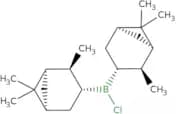
CAS :(-)-B-Chlorodiisopinocampheylborane is a carbonyl group that can be used for asymmetric synthesis. It was synthesized from the reaction of chlorodiisopinocampheylborane with butyllithium and allyl bromide, followed by aqueous workup. The enantiomers were separated through thin layer chromatography on silica gel plates with hexane as the eluent. The resolution of racemic latanoprost lactol was achieved in the same manner. (-)-B-Chlorodiisopinocampheylborane is also a diketone that can be prepared from para-chloroacetophenone and sodium hydroxide in ethanol. This diketone undergoes an intramolecular cyclization to produce noradrenaline (norepinephrine) and hydrochloric acid, which can then be converted into dioxolanes or other products.Formule :C20H34BClDegré de pureté :Min. 95%Couleur et forme :Clear LiquidMasse moléculaire :320.75 g/mol