Étalons pharmaceutiques
Les standards pharmaceutiques sont un ensemble complet de matériaux de référence essentiels pour garantir la sécurité, l'efficacité et la qualité des produits pharmaceutiques. Cette catégorie comprend des standards pour les ingrédients pharmaceutiques actifs (APIs), qui sont les composants principaux responsables des effets thérapeutiques. De plus, elle couvre les composés et métabolites pertinents pour les industries pharmaceutique et vétérinaire, fournissant des points de référence pour la mesure et l'analyse précises de ces substances. Les standards de contrôle des nitrosamines sont cruciaux pour détecter et atténuer les nitrosamines potentiellement nocives dans les formulations médicamenteuses. Les standards de toxicologie aident à évaluer la sécurité et les effets indésirables potentiels des composés pharmaceutiques. En outre, les standards pour les activateurs et les inhibiteurs enzymatiques sont essentiels pour la recherche et le développement, permettant des études précises des voies biochimiques et des mécanismes des médicaments. Ces standards pharmaceutiques sont des outils indispensables pour la conformité réglementaire, le contrôle de qualité et la recherche, garantissant que les produits pharmaceutiques répondent à des critères stricts de sécurité et d'efficacité.
Sous-catégories appartenant à la catégorie "Étalons pharmaceutiques"
- APIs pour la recherche et les impuretés(274.914 produits)
- Activateurs et inhibiteurs d'enzymes(2.827 produits)
- Nitrosamines(2.605 produits)
- Composés et métabolites pharmaceutiques et vétérinaires(2.871 produits)
- Toxicologie(13.652 produits)
7836 produits trouvés pour "Étalons pharmaceutiques"
Trier par
Degré de pureté (%)
0
100
|
0
|
50
|
90
|
95
|
100
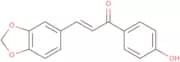
4'-Hydroxy-3,4-methylenedioxychalcone
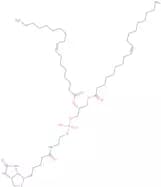
CAS :4'-Hydroxy-3,4-methylenedioxychalcone is a reaction component that belongs to the category of fine chemicals. It is a useful scaffold for the synthesis of complex compounds and can be used as a reagent for the preparation of other chemical substances. 4'-Hydroxy-3,4-methylenedioxychalcone is an intermediate in the manufacture of certain drugs such as taxol, which is used to treat breast cancer. The CAS number for this substance is 19152-39-7.Formule :C16H12O4Degré de pureté :Min. 95%Couleur et forme :PowderMasse moléculaire :268.26 g/mol1,2-Dioleoyl-sn-glycero-3-phosphatidylethanolamino (+)-biotin
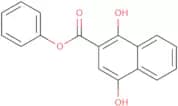
CAS :This is a speciality chemical and is not intended for use in food, drug, or cosmetic applications. This fine chemical is a useful building block, which can be used to synthesize complex compounds. It has been shown to have high reactivity with a variety of reagents, making it an excellent research component.Formule :C51H92N3O10PSDegré de pureté :Min. 95%Couleur et forme :PowderMasse moléculaire :970.33 g/molPhenyl 1,4-dihydroxy-2-naphthoate
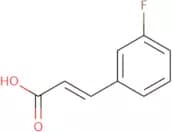
CAS :<p>Phenyl 1,4-dihydroxy-2-naphthoate is a suzuki cross-coupling agent that can be used in organic synthesis. It is an electron rich phenyl derivative and can be used as an alternative to the miyaura reaction. Phenyl 1,4-dihydroxy-2-naphthoate has been shown to react with alkyl or aryl halides, typically at room temperature. This product has been shown to react with electron rich olefins under sterically demanding conditions and is often used in cross coupling reactions.</p>Formule :C17H12O4Degré de pureté :Min. 95%Couleur et forme :PowderMasse moléculaire :280.27 g/mol3-Fluorocinnamic acid
CAS :<p>3-Fluorocinnamic acid is an organic compound that belongs to the class of amides. It reacts with metal ions such as copper, silver, or gold. 3-Fluorocinnamic acid has a constant boiling point and can be used in the preparation of cinnamic acid derivatives. 3-Fluorocinnamic acid also has redox potential and is used as a substrate in enzyme preparations. 3-Fluorocinnamic acid can be synthesized by hydrolysis of malonic acid and metal salts with hydrochloric acid, which then reacts with triticum aestivum. The product is purified by recrystallization from water. This compound inhibits the reaction that converts lactose into glucose and galactose, leading to the production of lactic acid from milk.</p>Formule :C9H7FO2Degré de pureté :Min. 98 Area-%Couleur et forme :PowderMasse moléculaire :166.15 g/mol1,2,3,4-Dibenzanthracene
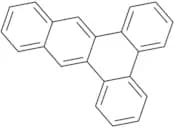
CAS :<p>1,2,3,4-Dibenzanthracene is a polycyclic aromatic hydrocarbon that is used as a fluorescent probe in fluorescence spectrometry. 1,2,3,4-Dibenzanthracene is a substrate for cytochrome P450 enzymes. The rate of metabolism is dependent on the enzyme concentration and the pH. 1,2,3,4-dibenzanthracene has been shown to inhibit protein synthesis in rat liver microsomes and hamster V79 cells. It also binds to hematopoietic cells through receptor binding and inhibits DNA synthesis by interacting with nitrogen atoms.</p>Formule :C22H14Degré de pureté :Min. 95%Couleur et forme :PowderMasse moléculaire :278.35 g/molMethyltestosterone
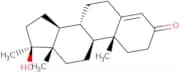
CAS :Produit contrôléMethyltestosterone is an androgenic steroid that is used for the treatment of male hypogonadism, delayed puberty, breast cancer, and as a component of hormone therapy for transgender women. It has been shown to increase the concentration of testosterone in the blood by binding to the androgen receptor. Methyltestosterone has been found to be effective in controlling symptoms of low testosterone in men with prostate cancer or undergoing chemotherapy. The optimum concentration of methyltestosterone varies from individual to individual, but it has been found that doses greater than 0.5 mg/day are not more effective at treating symptoms than lower doses. Methyltestosterone does not bind to human serum albumin, which makes it more bioavailable than other forms of testosterone. Methyltestosterone also binds to rat liver microsomes with significant interactions with other drugs metabolized by these enzymes (e.g., warfarin). The matrix effect has also been observed when methyltFormule :C20H30O2Degré de pureté :Min. 98 Area-%Couleur et forme :PowderMasse moléculaire :302.45 g/molL-Noradrenaline bitartrate monohydrate
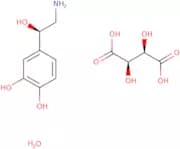
CAS :L-Noradrenaline is the major precursor of norepinephrine, a neurotransmitter that regulates blood pressure and heart rate. L-Noradrenaline bitartrate monohydrate is a potent vasopressor drug that has been shown to increase blood pressure. The effects in animals are biphasic, with an initial pressor phase followed by a second phase with vasodilator effects. L-Noradrenaline bitartrate monohydrate has been shown to stimulate transcription of proteins, such as model protein and dopamine receptor D1 (D1R). This stimulation has been shown to be mediated through the activation of protein kinase C (PKC) and Ca2+/calmodulin-dependent protein kinase II (CaMKII). It has also been shown to have antioxidant effects in the presence of hydroxyl radicals. L-Noradrenaline bitartrate monohydrate can cause symptoms such as nausea, vomiting, and diarrhea in humans at high doses.Formule :C12H19NO10Degré de pureté :Min. 98 Area-%Couleur et forme :PowderMasse moléculaire :337.28 g/mol1-(2-Isopropyl-6-methylphenyl)thiourea
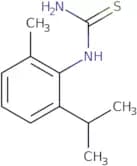
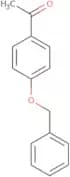
CAS :Please enquire for more information about 1-(2-Isopropyl-6-methylphenyl)thiourea including the price, delivery time and more detailed product information at the technical inquiry form on this pageFormule :C11H16N2SDegré de pureté :Min. 95%Couleur et forme :PowderMasse moléculaire :208.32 g/mol4'-Benzyloxyacetophenone
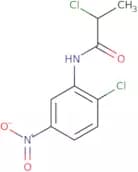
CAS :<p>4'-Benzyloxyacetophenone is a synthetic chemical that can be used in the synthesis of natural products. It has a chiral center and can be synthesized in an asymmetric manner. This compound reacts with primary amines to form acrylates, which are useful for the synthesis of polyesters. 4'-Benzyloxyacetophenone can also react with halides to form alkylating agents, which are useful for the synthesis of amines or other functional groups. The structure of this chemical is similar to estrogen, which may explain its hormonal effects.</p>Formule :C15H14O2Degré de pureté :Min. 95%Couleur et forme :PowderMasse moléculaire :226.27 g/mol2-Chloro-N-(2-chloro-5-nitrophenyl)propanamide
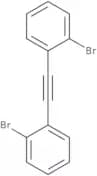
CAS :Please enquire for more information about 2-Chloro-N-(2-chloro-5-nitrophenyl)propanamide including the price, delivery time and more detailed product information at the technical inquiry form on this pageFormule :C9H8Cl2N2O3Degré de pureté :Min. 95%Masse moléculaire :263.08 g/mol2,2'-Dibromodiphenylacetylene
CAS :2,2'-Dibromodiphenylacetylene (DBDP) is a biomolecular that belongs to the class of stilbene derivatives. It has been shown to have fluoro-transfer properties and can be used as a vapor transport or crystalline interaction. DBDP has been shown to produce diffraction with a shift angle of 8.6° in solution and yields of up to 98%. The steric effect was also observed when the molecule interacts with transfer and transistor molecules. DBDP has been shown to undergo an arylation reaction with phenanthridines, which are potent anti-inflammatory agents.Formule :C14H8Br2Couleur et forme :PowderMasse moléculaire :336.02 g/mol(±)-a-Tocopherol phosphate disodium salt
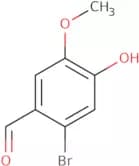
CAS :(±)-a-Tocopherol phosphate disodium salt is a synthetic form of vitamin E and is used in skin care products and supplements. Like vitamin E it has antioxidant properties.Formule :C29H49Na2O5PDegré de pureté :Min 97%Couleur et forme :PowderMasse moléculaire :554.66 g/mol6-Bromovanillin
CAS :6-Bromovanillin is a hydroxymethyl derivative of vanillin that has been shown to react with a number of aldehydes in organic reactions. 6-Bromovanillin can be used as a precursor for the synthesis of piperonal and haplophyllum. In addition, 6-bromovanillin can be decarboxylated to form 4-hydroxybenzoic acid.Formule :C8H7BrO3Degré de pureté :Min. 95%Masse moléculaire :231.04 g/molRetinamide
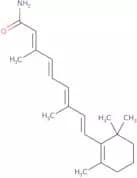
CAS :<p>Retinamide is a synthetic retinoid that is used for the treatment of skin cancer. It has been shown to induce apoptosis by activation of the c-jun N-terminal kinase (JNK) and p38 pathways, as well as by suppression of signaling through the phosphatidylinositol 3-kinase (PI3K)/Akt pathway. Retinamide also inhibits proliferation of HL60 cells and induces mitochondrial membrane depolarization in colon carcinoma cells. This drug has been shown to be a potent inhibitor of squamous cell carcinoma growth in vitro and in vivo, especially when combined with other chemotherapeutic agents. Retinamide has also been found to be effective against group P2 carcinomas, which are characterized by mutations in the BRAF gene.<br>Retinamide is metabolized by cytochrome P450 enzymes, leading to reactive metabolites that may cause toxic effects on cells. These metabolites can bind to DNA and cause strand breaks</p>Formule :C20H29NODegré de pureté :Min. 95%Couleur et forme :PowderMasse moléculaire :299.45 g/molN-Acetyl-L-aspartyl-L-glutamic acid
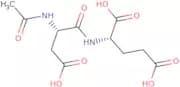
CAS :N-Acetyl-L-aspartyl-L-glutamic acid is an amino acid that is used as a substrate in the biochemical assay for glutamate. It is also used to measure brain functions. NAAG is a low potency agonist of the NMDA receptor, which may contribute to neuronal death. NAAG is used as a model system to study bowel disease and eosinophil cationic protein. It has been shown to be effective in vitro against cancer cells and fungi. The structural analysis of NAAG has revealed that it contains an acidic group on its side chain, which can be detected with a pH indicator such as phenol red or bromocresol purple.Formule :C11H16N2O8Degré de pureté :Min. 95 Area-%Couleur et forme :White Off-White PowderMasse moléculaire :304.25 g/mol2-[(Ethylamino)methyl]-4-nitrophenol
CAS :<p>Please enquire for more information about 2-[(Ethylamino)methyl]-4-nitrophenol including the price, delivery time and more detailed product information at the technical inquiry form on this page</p>Formule :C9H12N2O3Degré de pureté :Min. 95%Couleur et forme :PowderMasse moléculaire :196.2 g/molDiclofenac impurity F
CAS :<p>Please enquire for more information about Diclofenac impurity F including the price, delivery time and more detailed product information at the technical inquiry form on this page</p>Formule :C14H10Cl3NODegré de pureté :Min. 95%Couleur et forme :PowderMasse moléculaire :314.59 g/molPyronin Y
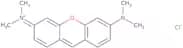
CAS :<p>Pyronin Y is a fluorescent dye that binds to DNA in the presence of a polymerase chain reaction. It is used as a model system for studying the effects of drugs on cells and their response to chemotherapy. Pyronin Y has been shown to be an efflux pump inhibitor and has demonstrated multidrug resistance in cancer cells. It can be used to study drug resistance mechanisms, such as the efflux pumps, by using optical sensors or chemiluminescent reaction. Pyronin Y is also used in biological samples such as blood and tissue cultures for research purposes.</p>Formule :C17H19N2OClDegré de pureté :Min. 95%Couleur et forme :Green PowderMasse moléculaire :302.8 g/mol4'-Methoxy-α-naphthoflavone
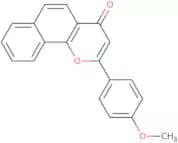
CAS :4'-Methoxy-alpha-naphthoflavone is a flavonoid that has been shown to have inhibitory effects on the metabolism of 3-methylcholanthrene and other xenobiotics. The compound inhibits the oxidation of these compounds by both the cytochrome P450 and NADPH-dependent oxidases. 4'-Methoxy-alpha-naphthoflavone also inhibits the activation of these compounds by hepatic tissues, as well as the metabolism of phenobarbital by rat liver microsomes. The compound may be metabolized in vivo to 4'-hydroxy-alpha-naphthoflavone, which is more potent than 4'-methoxy-alpha-naphthoflavone.Formule :C20H14O3Degré de pureté :Min. 95%Masse moléculaire :302.32 g/mol3,3',5,5'-Tetra-tert-butyldiphenoquinone
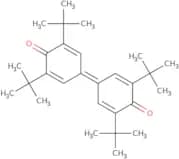
CAS :3,3',5,5'-Tetra-tert-butyldiphenoquinone is a polymerized phenolic compound that is used as a dietary antioxidant. It has been shown to have hypochlorous and anion radical scavenging properties. It also acts as an oxidation catalyst and can be used for the preparation of oxidation products. 3,3',5,5'-Tetra-tert-butyldiphenoquinone stabilizes the formation of β-unsaturated aldehydes by acting as an oxidant. 3,3',5,5'-Tetra-tert-butyldiphenoquinone also has antioxidative activity by inhibiting lipid peroxidation in vitro. The antioxidant activity may be due to its ability to form hydrogen bonds with the lipid radicals produced during lipid peroxidation reactions.Formule :C28H40O2Degré de pureté :Min. 95%Masse moléculaire :408.62 g/molCytisine
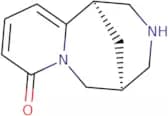
CAS :Cytisine is an alkaloid found in plants of the Cytisus genus of the family Fabaceae. It is a partial agonist to α4β2 nicotinic acetylcholine receptors, which are implicated in the nicotine dependence. In Eastern Europe, it has been used for 50 years to aid smoking cessation.Formule :C11H14N2ODegré de pureté :Min. 95%Couleur et forme :White PowderMasse moléculaire :190.24 g/molD-a-Tocopherol
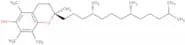
CAS :<p>D-alpha-tocopherol, most commonly known as vitamin E, is a natural compound with antioxidant properties. It protects the API against oxidation and side reactions with oxidative species. Moreover, when used as excipient, vitamin E is a good solubilizing agent that greatly improves the solubility of poorly water-soluble drugs.</p>Formule :C29H50O2Degré de pureté :Min. 97 Area-%Couleur et forme :Clear LiquidMasse moléculaire :430.71 g/mol6-Amino-3,4-methylenedioxyacetophenone HCl
CAS :<p>Please enquire for more information about 6-Amino-3,4-methylenedioxyacetophenone HCl including the price, delivery time and more detailed product information at the technical inquiry form on this page</p>Formule :C9H10ClNO3Degré de pureté :Min. 95%Couleur et forme :PowderMasse moléculaire :215.63 g/molPigment Orange 36
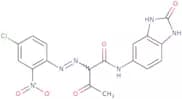
CAS :Pigment Orange 36 is an organic pigment with a light-emitting property. It is soluble in organic solvents, such as benzene and chloroform, but insoluble in water. Pigment Orange 36 has a polycyclic aromatic hydrocarbon structure with ester linkages between the aliphatic hydrocarbon and aromatic hydrocarbon moieties. The molecule consists of two sections: one section is soluble in organic solvents and the other section is soluble in water. The particle size of Pigment Orange 36 ranges from 0.1 to 1 micron in diameter, and it emits light when excited by UV radiation or visible light.Formule :C17H13ClN6O5Degré de pureté :Min. 95%Masse moléculaire :416.8 g/molL-Aspartic acid b-methyl ester hydrochloride
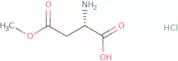
CAS :<p>L-Aspartic acid b-methyl ester hydrochloride is a high quality, versatile building block that can be used as a reaction component in the synthesis of complex compounds. L-Aspartic acid b-methyl ester hydrochloride is a useful scaffold for the preparation of novel fine chemicals and research chemicals with potential uses as pharmaceuticals, pesticides, and agricultural chemicals. It can also be used as an intermediate in the preparation of some natural products or industrial chemicals. L-Aspartic acid b-methyl ester hydrochloride has a CAS number of 16856-13-6.</p>Formule :C5H9NO4·HClCouleur et forme :White PowderMasse moléculaire :183.59 g/molGlucostrophanthidin
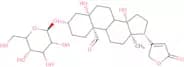
CAS :<p>Glucostrophanthidin is a cardiac glycoside, which is derived from natural plant sources, specifically from species in the Apocynaceae family. This compound exerts its effects primarily through inhibition of the sodium-potassium ATPase enzyme, leading to an increase in intracellular sodium concentration. The downstream effect of this process involves an increase in intracellular calcium via the sodium-calcium exchange mechanism, ultimately enhancing the contractility of cardiac muscle fibers.</p>Formule :C29H42O11Degré de pureté :Min. 95%Masse moléculaire :566.64 g/mol5-Bromo-2-fluorobenzoic acid methyl ester
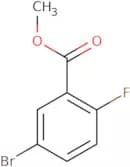
CAS :<p>5-Bromo-2-fluorobenzoic acid methyl ester (5BFME) is a synthetic, non-steroidal compound that is used to treat prostate cancer. 5BFME inhibits the production of prostate specific antigen (PSA) and other androgen levels in prostate cancer cells. 5BFME also has an effect on the cell cycle by inhibiting DNA synthesis, which is likely to have a synergistic effect with other anticancer drugs. 5BFME has shown no selectivity toward any type of cell, which may be due to its ability to modulate cellular biochemical pathways.</p>Formule :C8H6BrFO2Degré de pureté :Min. 95%Couleur et forme :PowderMasse moléculaire :233.03 g/molD-(+)-Camphoric acid
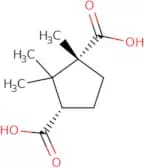
CAS :<p>D-(+)-Camphoric acid is a chiral compound that has been synthesized and studied for its anticancer activity. It was found to be effective against cancer cells in the presence of metal cations, such as copper, nickel, and zinc. D-(+)-Camphoric acid can be used as a test compound to investigate the mechanism of action of drugs that target the lysosomal membrane. It is also useful in determining homochirality by x-ray diffraction studies. This compound has been shown to have an adsorption kinetic behaviour that is dependent on pH and ionic strength, which can be determined by luminescence experiments. D-(+)-Camphoric acid is an enantiopure chemical with a reaction time of 5 minutes at room temperature and is available in crystalline form. The crystal x-ray diffraction data for this compound has been published and it exhibits anticancer activity.</p>Formule :C10H16O4Couleur et forme :White PowderMasse moléculaire :200.23 g/mol3-Fluoro-DL-tyrosine
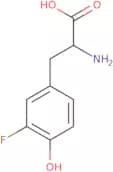
CAS :<p>3-Fluoro-DL-tyrosine is a model system for the study of tyrosine transfer reactions. It is used to study the reaction mechanism and kinetics of tyrosine transfer from a donor molecule to an acceptor molecule. 3-Fluoro-DL-tyrosine reacts with trifluoroacetic acid to form 3,4-dihydroxybenzoic acid, which is a chemical analog of tyrosine. The hydroxyl group on this molecule can react with the proton on the amino acid side chain, forming a covalent bond that does not break down under normal conditions. This reaction is reversible and has been shown to be catalyzed by polymerase chain reactions (PCR).</p>Formule :C9H10FNO3Degré de pureté :Min. 95%Couleur et forme :PowderMasse moléculaire :199.18 g/molIpratropium bromide monohydrate
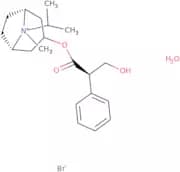
CAS :<p>Muscarinic antagonist</p>Formule :C20H32BrNO4Degré de pureté :Min. 95%Couleur et forme :White/Off-White SolidMasse moléculaire :430.38 g/molPoly(3-hydroxybutyric acid-co-3-hydroxyvaleric acid)
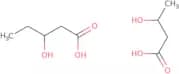
CAS :<p>Poly(3-hydroxybutyric acid-co-3-hydroxyvaleric acid) is a biodegradable polymer that has been shown to have high water vapor permeability and low values for water uptake and swelling. The polymer is also biocompatible, with no cytotoxicity or hemolysis. Poly(3-hydroxybutyric acid-co-3-hydroxyvaleric acid) was synthesized by ring opening polymerization of 3-hydroxybutyric acid and 3-hydroxyvaleric acid. The polymer has shown synergistic effects when used in combination with other polymers, such as polyvinyl alcohol. Poly(3-hydroxybutyric acid-co-3-hydroxyvaleric acid) can be used in tissue culture as a scaffold for the growth of animal cells.</p>Couleur et forme :Powder2,2'-Dihydroxy-6,6'-dinaphthyldisulphide
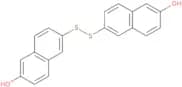
CAS :<p>2,2'-Dihydroxy-6,6'-dinaphthyldisulphide (DIDS) is a potent surfactant that can be used to induce inflammation and tissue damage in an animal model. This compound is also reactive in the presence of histochemical stains. DIDS reacts with disulfides found in the cytoplasm of cells to produce sulfenic acid intermediates. These intermediates are then converted into sulphonic acid by oxidation, which results in histochemical staining of tissues. Abdominal tissue samples stained with DIDS show a decrease in the number of neutrophils and macrophages as well as an increase in mast cells. Histochemical staining has been shown to be useful for diagnosing autoimmune diseases such as Crohn's disease or ulcerative colitis.</p>Formule :C20H14O2S2Degré de pureté :Min. 95%Couleur et forme :PowderMasse moléculaire :350.46 g/molω-Benzoyloxy resacetophenone
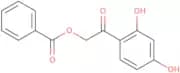
CAS :<p>Omega-benzoyloxy resacetophenone (OBOP) is a high quality reagent that is used as a building block for the synthesis of complex compounds. OBOP can be used as an intermediate for the production of fine chemicals and research chemicals. It is also a versatile building block that can be used in reactions to produce speciality chemicals. OBOP is soluble in most organic solvents and has a melting point of 140-142 degrees Celsius. The chemical formula for OBOP is C14H14O3.</p>Formule :C15H12O5Degré de pureté :Min. 95%Couleur et forme :PowderMasse moléculaire :272.25 g/molMyrcene - 75%
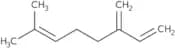
CAS :Myrcene is a terpene that has been shown to have antibacterial efficacy against a number of bacteria. Myrcene inhibits bacterial growth by binding to the enzyme, synthase, which is responsible for the synthesis of fatty acids. This bound form of myrcene has been shown to be more effective than free myrcene in inhibiting bacterial growth. Myrcene also suppresses chronic cough and acts as an anti-inflammatory agent. Myrcene has not been shown to exhibit genotoxic activity or signal peptide inhibitory properties, but does show inhibitory properties against natural compounds and water vapor.Formule :C10H16Degré de pureté :Min. 75 Area-%Couleur et forme :Clear LiquidMasse moléculaire :136.23 g/mol2-Bromo-5-fluorocinnamic acid
CAS :2-Bromo-5-fluorocinnamic acid is a high quality, reagent, complex compound of the chemical family of phenols. It has CAS No. 939410-87-4 and is a useful intermediate in the synthesis of fine chemicals. The compound has been used as a speciality chemical for research purposes and has been found to be a versatile building block for the synthesis of new compounds. 2-Bromo-5-fluorocinnamic acid can be used as a reaction component in organic synthesis reactions, such as esterification, nucleophilic substitution, and condensation reactions.Formule :C9H6BrFO2Degré de pureté :Min. 95%Couleur et forme :PowderMasse moléculaire :245.05 g/mol5,5-dimethyl-2-(((3-nitrophenyl)amino)methylene)cyclohexane-1,3-dione
CAS :Please enquire for more information about 5,5-dimethyl-2-(((3-nitrophenyl)amino)methylene)cyclohexane-1,3-dione including the price, delivery time and more detailed product information at the technical inquiry form on this pageDegré de pureté :Min. 95%Pigment Red 38;Diethyl 4,4'-[(3,3'-dichlOrO[1,1'-biphenyl]-4,4'-diyl)bis(azO)]bis[4,5-dihydrO-5-OxO-1-phenyl-1H-pyrazOle-3-carbOxyla te]
CAS :Pigment Red 38 is a red dye that is used in the production of magnetic particles, cross-linking agents, and fluorescent dyes. Pigment Red 38 has a hydroxyl group at the 4 position and a methyl ethyl group at the 2 position. It can be synthesized from diethyl 4,4'-(3,3'-dichlorobiphenyl)-4,4'-diylbisazolate. Pigment Red 38 is thermoreversible because it can be converted to its anhydrous form when heated or dissolved in water and then reconverted back to its original form when cooled or dried. The pigment was named for its ability to produce light emission when exposed to ultraviolet radiation. Pigment Red 38 has a diameter of 6 nm and reacts with coordination complexes to form particle clusters with diameters ranging from 10-200 nm.Degré de pureté :Min. 95%1-Naphthaldehyde
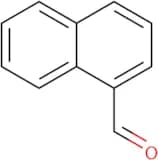
CAS :<p>1-Naphthaldehyde is a coordination compound that contains 1 naphthyl group and an oxygen atom. It can be used as an oxidation catalyst, intramolecular hydrogen, or a reaction solution. The antimicrobial activity of 1-naphthaldehyde has been shown in the presence of sodium carbonate or potassium phosphate buffer. 1-Naphthaldehyde has been shown to possess structural properties similar to those of other metal chelates, such as zinc pyrithione. The protonated form of 1-naphthaldehyde has been identified by means of analytical methods including gas chromatography and mass spectrometry.</p>Formule :C11H8ODegré de pureté :Min. 95%Couleur et forme :Yellow To Brown LiquidMasse moléculaire :156.18 g/mol3,3'-Dimethoxybenzidine dihydrochloride
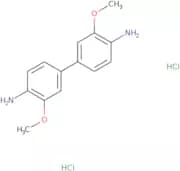
CAS :Produit contrôlé<p>3,3'-Dimethoxybenzidine dihydrochloride is a fluorogenic probe that has been shown to have activity index in the range of 0.1-0.5, which makes it suitable for use as a fluorescent dye in biological samples such as human serum or cerebrospinal fluid. 3,3'-Dimethoxybenzidine dihydrochloride can be used in histological studies for the detection of cell lysis and cardiac disease activity. It has also been shown to cause liver lesions when administered orally to rats.</p>Formule :C14H16N2O2•(HCl)2Degré de pureté :Min. 98 Area-%Couleur et forme :PowderMasse moléculaire :317.21 g/mol2-Bromo-3'-bromoacetophenone
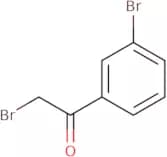
CAS :2-Bromo-3'-bromoacetophenone is a chemical compound that can be used as an oxidant in organic synthesis. It is a brominated phenol derivative, which undergoes bond cleavage to produce benzoylbenzene and acetone. The reaction is mediated by potassium permanganate in the presence of oxygen. X-ray crystallography and crystallography have been used to identify the molecular structure of 2-bromo-3'-bromoacetophenone. The yield for this reaction is high and can be increased by using solvents such as ethanol or tetrahydrofuran and a reaction time of 1 hour at 100°C.Formule :C8H6Br2ODegré de pureté :Min. 90%Masse moléculaire :277.94 g/molFmoc-O-allyl-L-tyrosine
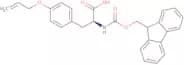
CAS :<p>Please enquire for more information about Fmoc-O-allyl-L-tyrosine including the price, delivery time and more detailed product information at the technical inquiry form on this page</p>Formule :C27H25NO5Degré de pureté :Min. 95%Couleur et forme :PowderMasse moléculaire :443.49 g/mol3-Chloro-4-hydroxycinnamic acid
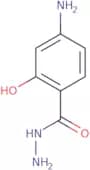
CAS :3-Chloro-4-hydroxycinnamic acid is a coelicolor biosynthetic precursor that is synthesized from 4-hydroxycinnamic acid and chlorinated. It can be used for the synthesis of aminocoumarin moieties and other prenylated molecules. 3-Chloro-4-hydroxycinnamic acid has been shown to be an effective inhibitor of streptomyces coelicolor, which is a type of bacterium that produces antibiotics. The gene responsible for the biosynthesis of 3-chloro-4-hydroxycinnamic acid has also been identified in streptomyces clorobiocin, which is another type of bacterium that produces antibiotics.Formule :C9H7ClO3Degré de pureté :Min. 95%Couleur et forme :PowderMasse moléculaire :198.6 g/mol4-Aminosalicylic acid hydrazide
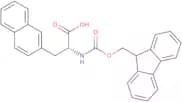
CAS :<p>4-Aminosalicylic acid hydrazide is a reactive functional group that is used as an intermediate in organic synthesis. It has a structural formula of C6H7N3O2 and is a white solid. 4-Aminosalicylic acid hydrazide has been shown to be highly resistant to mycobacterium avium, and can be used for the treatment of tuberculosis. The reactivity of this compound was studied by gravimetric analysis. This reaction is also degradable due to the presence of chloride ions and amido groups.</p>Formule :C7H9N3O2Degré de pureté :Min. 95%Couleur et forme :PowderMasse moléculaire :167.17 g/molFmoc-3-(2-naphthyl)-D-alanine
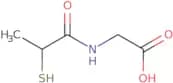
CAS :Fmoc-3-(2-naphthyl)-D-alanine is a fluorescent pressor agent that can be used in supramolecular chemistry. It has an anion form and a cation form, which are both present in the filtrate. The chemical will also form micelles when mixed with water. Fmoc-3-(2-naphthyl)-D-alanine is acetylated and can be used to study the nature of agarose. Fmoc-3-(2-naphthyl)-D-alanine can be used to measure the concentration of sorbitol in chromatography. This chemical has been shown to bind to DNA under microscopy, making it useful for fluorescence microscopy studies.Formule :C28H23NO4Degré de pureté :Min. 95%Couleur et forme :PowderMasse moléculaire :437.49 g/molTiopronin
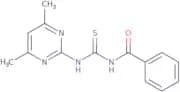
CAS :<p>Tiopronin is a drug that binds to the GSH-Px enzyme, which is responsible for breaking down hydrogen peroxide and lipid hydroperoxides. It also inhibits the ATP-binding cassette transporter, which is an important protein in the cell membrane that regulates the passage of substances into and out of cells. Tiopronin has been shown to inhibit chemiluminescence reactions in bacteria, such as infectious diseases. This drug has also been shown to be effective against hepatic steatosis by reducing fatty acid synthesis and increasing fatty acid oxidation in rats. Tiopronin has been used for the treatment of patients with Wilson's disease, because it facilitates copper excretion from liver cells by inhibiting metal chelate formation.</p>Formule :C5H9NO3SDegré de pureté :Min. 95%Couleur et forme :PowderMasse moléculaire :163.2 g/mol1-(4,6-dimethylpyrimidin-2-yl)-3-benzoylthiourea
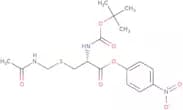
CAS :<p>1-(4,6-dimethylpyrimidin-2-yl)-3-benzoylthiourea is a versatile compound that can be used in various research applications. It is commonly used as a condensation reagent in the synthesis of sulfonamide derivatives. This compound is also utilized in the development of research chemicals and reagents for various purposes.</p>Degré de pureté :Min. 95%Boc-S-acetamidomethyl-L-cysteine 4-nitrophenyl ester
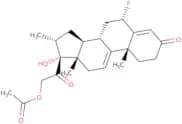
CAS :Please enquire for more information about Boc-S-acetamidomethyl-L-cysteine 4-nitrophenyl ester including the price, delivery time and more detailed product information at the technical inquiry form on this pageFormule :C17H23N3O7SDegré de pureté :Min. 95%Couleur et forme :PowderMasse moléculaire :413.45 g/mol6α-Fluoro-17,21-Dihydroxy-16α-Methylpregna-4,9(11)-Diene-3,20-Dione 21-Acetate
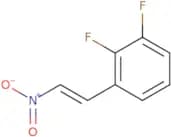
CAS :Produit contrôlé6alpha-Fluoro-17,21-Dihydroxy-16alpha-Methylpregna-4,9(11)-Diene-3,20-Dione 21-Acetate is a synthetic angiostatic agent that inhibits the angiogenic process by affecting the growth of new blood vessels. It has been shown to inhibit proteolytic activity and to have an inhibitory effect on tumour necrosis factor-α (TNF-α) induced activation of endothelial cells and their proliferation. 6alpha-Fluoro-17,21-Dihydroxy-16alpha-Methylpregna-4,9(11)-Diene 3,20 Dione 21 Acetate also inhibits the growth of fetal bovine aortic endothelial cells in culture. The drug was also found to significantly reduce the monolayer cell viability after uptake by endothelial cells.Formule :C24H31FO5Degré de pureté :Min. 95%Masse moléculaire :418.5 g/mol1-(2',3'-Difluorophenyl)-2-nitroethene
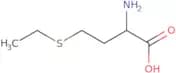
CAS :1-(2',3'-Difluorophenyl)-2-nitroethene (1,2-DFNE) is a speciality chemical that is used as an intermediate for the synthesis of a wide variety of organic compounds. It has been found to be a useful scaffold for the synthesis of complex compounds and can also be used as a building block for the synthesis of fine chemicals, research chemicals, and versatile building blocks. 1,2-DFNE is soluble in many organic solvents and can be handled without special precautions. This reagent is a high quality compound with purity greater than 99%.Formule :C8H5F2NO2Degré de pureté :Min. 95%Couleur et forme :PowderMasse moléculaire :185.13 g/molDL-Ethionine
CAS :DL-Ethionine is a compound that is formed when the amino acid methionine is converted to ethionine. It has been shown to induce the formation of acid in the liver and pancreas, which can lead to pancreatitis. Experimental models have shown that DL-ethionine causes liver injury by inhibiting tissue repair mechanisms, such as the polymerase chain reaction. This inhibition prevents DNA synthesis, leading to cell death. The mechanism of DL-ethionine induced toxicity is currently being investigated.Formule :C6H13NO2SCouleur et forme :PowderMasse moléculaire :163.24 g/mol


![2-[(Ethylamino)methyl]-4-nitrophenol](/_next/image/?url=https%3A%2Fstatic.cymitquimica.com%2Fproducts%2F3D%2Fthumb-webp%2FFE23132.webp&w=3840&q=75)



![Pigment Red 38;Diethyl 4,4'-[(3,3'-dichlOrO[1,1'-biphenyl]-4,4'-diyl)bis(azO)]bis[4,5-dihydrO-5-Ox…](/_next/image/?url=https%3A%2Fstatic.cymitquimica.com%2Fproducts%2F3D%2Fthumb-webp%2FFP43985.webp&w=3840&q=75)