Étalons pharmaceutiques
Les standards pharmaceutiques sont un ensemble complet de matériaux de référence essentiels pour garantir la sécurité, l'efficacité et la qualité des produits pharmaceutiques. Cette catégorie comprend des standards pour les ingrédients pharmaceutiques actifs (APIs), qui sont les composants principaux responsables des effets thérapeutiques. De plus, elle couvre les composés et métabolites pertinents pour les industries pharmaceutique et vétérinaire, fournissant des points de référence pour la mesure et l'analyse précises de ces substances. Les standards de contrôle des nitrosamines sont cruciaux pour détecter et atténuer les nitrosamines potentiellement nocives dans les formulations médicamenteuses. Les standards de toxicologie aident à évaluer la sécurité et les effets indésirables potentiels des composés pharmaceutiques. En outre, les standards pour les activateurs et les inhibiteurs enzymatiques sont essentiels pour la recherche et le développement, permettant des études précises des voies biochimiques et des mécanismes des médicaments. Ces standards pharmaceutiques sont des outils indispensables pour la conformité réglementaire, le contrôle de qualité et la recherche, garantissant que les produits pharmaceutiques répondent à des critères stricts de sécurité et d'efficacité.
Sous-catégories appartenant à la catégorie "Étalons pharmaceutiques"
- APIs pour la recherche et les impuretés(274.923 produits)
- Activateurs et inhibiteurs d'enzymes(2.827 produits)
- Nitrosamines(2.606 produits)
- Composés et métabolites pharmaceutiques et vétérinaires(2.873 produits)
- Toxicologie(13.652 produits)
7836 produits trouvés pour "Étalons pharmaceutiques"
Trier par
Degré de pureté (%)
0
100
|
0
|
50
|
90
|
95
|
100
DL-Ethionine
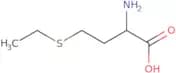
CAS :DL-Ethionine is a compound that is formed when the amino acid methionine is converted to ethionine. It has been shown to induce the formation of acid in the liver and pancreas, which can lead to pancreatitis. Experimental models have shown that DL-ethionine causes liver injury by inhibiting tissue repair mechanisms, such as the polymerase chain reaction. This inhibition prevents DNA synthesis, leading to cell death. The mechanism of DL-ethionine induced toxicity is currently being investigated.Formule :C6H13NO2SCouleur et forme :PowderMasse moléculaire :163.24 g/mol(R)-(-)-Ibuprofen
CAS :<p>Ibuprofen is a nonsteroidal anti-inflammatory drug (NSAID) that is used to treat pain and inflammation. It belongs to the group of fatty acid derivatives, which are drugs that block the production of prostaglandins. Ibuprofen has been shown to have contraceptive effects in humans and experimental models, as well as an effect on human serum lipoproteins. Ibuprofen has also been shown to inhibit the synthesis of prostaglandins in rat liver microsomes and asymmetric synthesis in wastewater treatment. Its pharmacokinetic properties are determined by its absorption rate, distribution volume, and metabolism rate. The kinetic behavior of ibuprofen is affected by matrix effect and the kinetic behavior of ibuprofen is also affected by its pharmacokinetic properties such as isooctane, carcinoma cell lines, etc.</p>Formule :C13H18O2Degré de pureté :Min. 95%Couleur et forme :White PowderMasse moléculaire :206.28 g/mol2-Hydroxy-5-nitroacetophenone
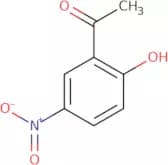
CAS :2-Hydroxy-5-nitroacetophenone is a synthetic molecule that has two functional groups. It is synthesized by reacting morpholine with malonic acid. 2-Hydroxy-5-nitroacetophenone is an electron donor, which means it can accept electrons from other molecules. This compound can be used as a diagnostic tool for cancer cells because it reacts with oxygen to form polyhedra, which are indicative of cancer senescence. In addition, this compound can be used to measure the concentration of plasma mass spectrometers by using electron spin resonance (ESR) and magnetic resonance imaging (MRI). The unpaired electrons on the nitro group of the molecule react with oxygen in the air to form polyhedra and give off characteristic signals in ESR and MRI. These signals are proportional to the concentration of unpaired electrons and therefore provide a quantitative measurement of 2-hydroxy-5 nitroacetophenone in solution.Formule :C8H7NO4Degré de pureté :Min. 95%Couleur et forme :PowderMasse moléculaire :181.15 g/mol1-Naphthylacetic acid
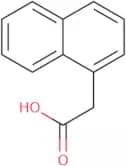
CAS :1-Naphthylacetic acid is a fluorescent compound that can be used as a chemical marker for the identification of sodium salts. It has an optimum concentration of 0.1 mg/L and a maximum concentration of 1 mg/L in water. The fluorescence detector is set to measure the synchronous fluorescence at a wavelength of 515 nm. 1-Naphthylacetic acid is soluble in water and organic solvents, but insoluble in nonpolar solvents such as ether, chloroform, or benzene. This compound can be used for the detection of pesticides with a chemical structure similar to that of 1-naphthylacetic acid, such as 2-chloro-4-(trifluoromethoxy)phenol and 2-chloro-5-(trifluoromethoxy)phenol, using dispersive solid phase extraction (DSPE). The product description should include:Formule :C12H10O2Degré de pureté :Min. 98 Area-%Couleur et forme :White PowderMasse moléculaire :186.21 g/molApomorphine
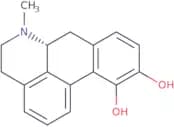
CAS :Produit contrôléApomorphine is a chemical compound that can be used as an analytical tool to study the effects of dopamine on physiological processes, and pharmacological agents on pharmacokinetics. It is also used in the treatment of Parkinson's disease. Apomorphine is a potent agonist at dopaminergic receptors in the central nervous system, and has been shown to increase locomotor activity and improve the rotarod test performance in rats. Apomorphine binds to dopamine receptors in the brain, replacing dopamine as it becomes depleted. The drug also blocks reuptake of dopamine by neurons and increases release of dopamine from nerve terminals. Apomorphine has a short half-life of about 2 hours, but may have potential for long-term treatment because its effects can last up to 24 hours.Formule :C17H17NO2Degré de pureté :Min. 95%Couleur et forme :PowderMasse moléculaire :267.32 g/mol1,2,3,4-Tetrahydro-2,7-naphthyridine
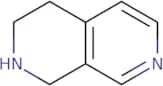
CAS :<p>1,2,3,4-Tetrahydro-2,7-naphthyridine (1,2,3,4-THN) is a synthetic compound that can be made by the cross-coupling of an aryl halide with an organometallic reagent. It is used in the synthesis of polymers and as a precursor for pharmaceuticals. The reaction proceeds in two steps; first, deprotonation of the imine to form an enamine intermediate followed by intramolecular cyclization to produce 1,2,3,4-THN. This compound is hydrolyzed under acidic conditions to release methyl iodide and ammonia.</p>Formule :C8H10N2Degré de pureté :Min. 95.0 Area-%Couleur et forme :Clear LiquidMasse moléculaire :134.18 g/mol3’,5’-Bis-O-benzoyl-2’-deoxy-2’-fluoro-β-D-arabino-6-azidouridine
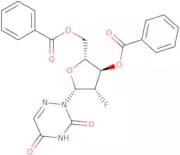
CAS :Please enquire for more information about 3’,5’-Bis-O-benzoyl-2’-deoxy-2’-fluoro-beta-D-arabino-6-azidouridine including the price, delivery time and more detailed product information at the technical inquiry form on this pageDegré de pureté :Min. 95%3-(4-Nitrophenyl)-1-adamantanecarboxylic acid
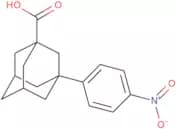
CAS :3-(4-Nitrophenyl)-1-adamantanecarboxylic acid is a high quality, versatile building block compound that has been used as a reagent and as a useful intermediate. This product is commercially available and can be used in the synthesis of complex compounds with many different applications, such as pharmaceuticals, pesticides, dyes, and photographic chemicals. It is also a useful scaffold for the production of speciality chemicals and research chemicals. 3-(4-Nitrophenyl)-1-adamantanecarboxylic acid has been used in reactions involving electron transfer, nucleophilic substitution, and condensation reactions.Formule :C17H19NO4Degré de pureté :Min. 95%Masse moléculaire :301.34 g/molFmoc-3,5-diiodo-D-tyrosine
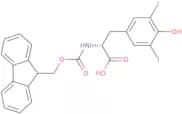
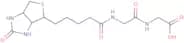
CAS :<p>Please enquire for more information about Fmoc-3,5-diiodo-D-tyrosine including the price, delivery time and more detailed product information at the technical inquiry form on this page</p>Formule :C24H19I2NO5Degré de pureté :Min. 95%Couleur et forme :PowderMasse moléculaire :655.22 g/molBiotinyl-Gly-Gly-OH
CAS :<p>Please enquire for more information about Biotinyl-Gly-Gly-OH including the price, delivery time and more detailed product information at the technical inquiry form on this page</p>Formule :C14H22N4O5SDegré de pureté :Min. 95%Masse moléculaire :358.41 g/mol3,4-Dimethoxy-2-methylcinnamic acid
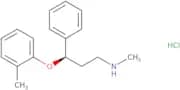
CAS :3,4-Dimethoxy-2-methylcinnamic acid is a fine chemical that can be used as a building block to produce complex compounds. It is also an intermediate in the synthesis of chemicals such as cinnamyl alcohol, cinnamaldehyde, and 2-methyl-3-(4'-methoxyphenyl)propanoic acid. This compound is useful for research purposes as it has been shown to be an effective reaction component in organic reactions. 3,4-Dimethoxy-2-methylcinnamic acid is a high quality reagent with CAS No. 868562-26-9.Formule :C12H14O4Degré de pureté :Min. 95%Couleur et forme :PowderMasse moléculaire :222.24 g/molTomoxetine hydrochloride
CAS :Produit contrôléNoradrenalin reuptake inhibitorFormule :C17H22ClNODegré de pureté :(%) Min. 95%Couleur et forme :White PowderMasse moléculaire :291.82 g/molMethyl 2-amino-7,7-dimethyl-4-(3-nitrophenyl)-5-oxo-4,6,7,8-tetrahydro2H-chromene-3-carboxylate
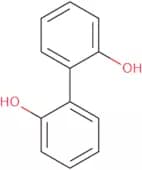
CAS :Please enquire for more information about Methyl 2-amino-7,7-dimethyl-4-(3-nitrophenyl)-5-oxo-4,6,7,8-tetrahydro2H-chromene-3-carboxylate including the price, delivery time and more detailed product information at the technical inquiry form on this pageFormule :C19H20N2O6Degré de pureté :Min. 95%Couleur et forme :PowderMasse moléculaire :372.37 g/mol2,2'-Biphenol
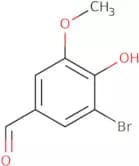
CAS :<p>2,2'-Biphenol is a phenolic compound that is used in the synthesis of polymers. The thermal expansion coefficient of 2,2'-biphenol can be measured by DSC and found to be ˜6.5 × 10⁻⁴/°C. The UV absorption spectrum of 2,2'-biphenol shows three bands at wavelengths of 290 nm, 320 nm, and 370 nm. 2,2'-Biphenol has been shown to adsorb onto biological surfaces through an adsorption mechanism. It has been observed that this adsorption occurs via x-ray crystal structures and kinetic measurements have shown that the adsorption process is rate-limited by intramolecular hydrogen bonding between the protonated phenolic hydroxyl group and the aromatic ring. The activation energies for protonation and desorption have been determined to be ˜30 kJ/mol and ˜30 kJ/mol respectively. Ac</p>Formule :C12H10O2Degré de pureté :Min. 98 Area-%Couleur et forme :White PowderMasse moléculaire :186.21 g/mol5-Bromovanillin
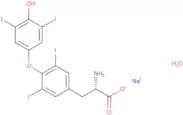
CAS :<p>5-Bromovanillin is an antimicrobial agent that inhibits the growth of bacteria by binding to the enzyme vanillin. It is used as a natural compound, in which it can be found in plants and fruits such as Eugenia caryophyllata and Vanilla planifolia. 5-Bromovanillin has been shown to have a potent inhibitory effect on bacterial growth. The inhibitory effect of this compound is due to its ability to coordinate with the vanillin molecule, forming a complex that blocks the reaction mechanism of the enzyme. This complex also reacts with p-hydroxybenzoic acid, which disrupts the cell membrane and causes leakage of cellular contents. 5-Bromovanillin has been studied using surface methodology and electrochemical impedance spectroscopy (EIS). These studies demonstrated that 5-bromovanillin has a high affinity for methanol solvent and inhibitor molecules, which may contribute to its antimicrobial activity.</p>Formule :C8H7BrO3Degré de pureté :Min. 95%Couleur et forme :Yellow PowderMasse moléculaire :231.04 g/mol3,3',5,5'-Tetraiodo-L-thyronine sodium hydrate
CAS :<p>3,3',5,5'-Tetraiodo-L-thyronine sodium hydrate is a synthetic thyroid hormone that is used to treat hypothyroidism and myxedema coma. It is also used as an ingredient in pharmaceuticals. 3,3',5,5'-Tetraiodo-L-thyronine sodium hydrate has been shown to be effective in the treatment of hypothyroidism and myxedema coma. The drug exhibits a high degree of bioequivalence with levothyroxine sodium tablets.<br>MRP2/ABCG2 transport proteins are expressed at high levels in the liver and gut epithelium and play a role in the absorption of 3,3',5,5'-tetraiodo-L-thyronine sodium hydrate from the small intestine into blood circulation. This drug binds to sorbitol and d-mannitol through hydrogen bonding interactions. These interactions may be responsible for</p>Formule :C15H10I4NNaO4•(H2O)xDegré de pureté :Min. 97 Area-%Couleur et forme :PowderMasse moléculaire :798.854'-Dimethylaminoacetophenone
CAS :<p>4'-Dimethylaminoacetophenone is a fluorescent probe that has been shown to be a potential use for measuring the activation energy of radical chain reactions. It has been shown to have synergistic effects with hydroxyl group radicals, and can be used as an indicator for carbon tetrachloride. The fluorescence properties of 4'-dimethylaminoacetophenone are dependent on the polarity of the solvent in which it is dissolved. This compound is a colorless liquid that is soluble in acetonitrile, but insoluble in water. 4'-Dimethylaminoacetophenone also has sunscreen properties, which may be due to its ability to absorb UV radiation.</p>Formule :C10H13NODegré de pureté :Min. 95%Couleur et forme :PowderMasse moléculaire :163.22 g/mol4-Amino-3-nitrophenol
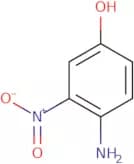
CAS :<p>4-Amino-3-nitrophenol is a reactive aminophenol that can be synthesized from hydrogen sulfate and diethyl ester. It is used in the synthesis of amines and other chemicals, as well as in analytical methods for determining the concentration of nitrates, nitrites, and aminophenols. 4-Amino-3-nitrophenol has been shown to have photocatalytic activity.</p>Formule :C6H6N2O3Degré de pureté :Min. 95%Couleur et forme :PowderMasse moléculaire :154.12 g/mol4-Methoxycinnamic acid
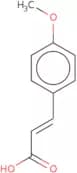
CAS :4-Methoxycinnamic acid is a derivative that is activated by light exposure. It has been shown to have antimicrobial activity against Gram-positive bacteria and yeast, but not Gram-negative bacteria. 4-Methoxycinnamic acid is an analytical reagent that can be used to measure the dry weight of skin cancer cells, as well as to study the genotoxic effects of human liver cells. The chemical has also been shown to be genotoxic in mouse bone marrow cells and human lymphocytes. 4-Methoxycinnamic acid has been found to cause synchronous fluorescence when exposed to UV light, which may be due to its ability to react with molecular oxygen. This reaction produces a linear model with two products: 4-hydroxybenzoic acid and 2,5-dihydroxybenzoic acid.Formule :C10H10O3Degré de pureté :Min. 95%Couleur et forme :PowderMasse moléculaire :178.18 g/molω-Benzoyloxy phloracetophenone
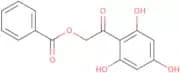
CAS :Omega-Benzoyloxy phloracetophenone is a fine chemical that is used as a building block in organic synthesis. It is also a versatile building block that can be used to synthesize many different types of compounds. This compound has been shown to react with alcohols, amines, and thiols to form esters, amides, and sulfones respectively. Omega-Benzoyloxy phloracetophenone is also a useful intermediate and scaffold in the synthesis of complex compounds.Formule :C15H12O6Degré de pureté :Min. 95%Masse moléculaire :288.25 g/molChromotropic acid disodium dihydrate
CAS :Chromotropic acid dihydrate is a chromogenic compound that has an adsorption mechanism and is used as an analytical reagent. Chromotropic acid disodium dihydrate (CDA) is used in the determination of hydrochloric acid, natural gas and other liquids. It also can be used to measure the concentration of tyramine hydrochloride. CDA has been shown to be effective in the measurement of molecular orbitals and kinetic constants. The optical sensor is sensitive to wavelengths ranging from 200-900 nm, with a peak absorption at around 500 nm. This sensor can be used for many types of chemical reactions, such as organic synthesis, hydrogenation, and oxidation.Formule :C10H6O8S2Na2·2H2ODegré de pureté :Min. 95%Couleur et forme :Off-White PowderMasse moléculaire :400.29 g/mol3-Cyano-4,6-dimethylcoumarin
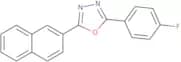
CAS :3-Cyano-4,6-dimethylcoumarin is a phenolic compound with potent inhibitory activity against bacteria. It has been shown to bind to the hydroxyl group of the coumarin ring and inhibit the growth of Gram-negative and Gram-positive bacteria. 3-Cyano-4,6-dimethylcoumarin also inhibits the growth of fungi by binding to the hydroxyl group on a phenolic hydroxyl substituent. 3-Cyano-4,6-dimethylcoumarin can be used as an antimicrobial agent for various types of infections.Formule :C12H9NO2Degré de pureté :Min. 95%Couleur et forme :PowderMasse moléculaire :199.21 g/mol2-(4-Fluorophenyl)-5-(2-naphthyl)-1,3,4-oxadiazole
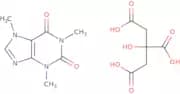
CAS :2-(4-Fluorophenyl)-5-(2-naphthyl)-1,3,4-oxadiazole is a clinical drug that is used to diagnose the presence of cholesterol in human serum. It reacts with cholesterol esterase to form a fluorescent product. The fluorescence intensity of this reaction product can then be measured and used to determine the concentration of cholesterol in the sample. 2-(4-Fluorophenyl)-5-(2-naphthyl)-1,3,4-oxadiazole has been shown to have a high specificity for cholesterol esterase and does not react with enzymes such as carboxylesterases and cholesteryl esterases. This compound also inhibits uptake into cells by acting on an uptake carrier protein, which prevents it from entering cells.Formule :C18H11FN2ODegré de pureté :Min. 95%Masse moléculaire :290.3 g/molCaffeine citrate
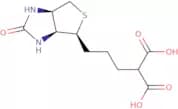
CAS :Produit contrôlé<p>Caffeine citrate is a low-dose caffeine product that has been shown to increase locomotor activity in rats. Caffeine citrate is an ester of caffeine and citric acid. It inhibits the enzyme that breaks down acetylcholine, which may lead to an increase in brain functions. Caffeine citrate is used as a treatment for apnea in pediatric patients, and it has also been shown to prevent bacterial translocation and reduce liver impairment caused by certain drugs. The therapeutic effect of caffeine citrate may be due to its ability to inhibit mitochondrial membrane potential, or its effects on basic proteins such as sodium citrate, or both.</p>Formule :C8H10N4O2·C6H8O7Couleur et forme :White PowderMasse moléculaire :386.31 g/molBiotin diacid
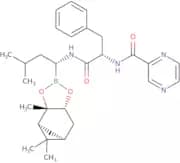
CAS :<p>Biotin diacid is a versatile building block that can be used to synthesize many fine chemicals. It is an important intermediate in the synthesis of biologically active compounds and pharmaceuticals. Biotin diacid has been reported to be useful as a starting material for the preparation of other biologically active compounds, such as biotin-containing peptides and proteins. This product also has high quality properties that are necessary in research chemicals, speciality chemicals, and fine chemicals.</p>Formule :C11H16N2O5SDegré de pureté :Min. 95%Couleur et forme :PowderMasse moléculaire :288.32 g/mol(1R)-(1S,2S,3R,5S)-Pinanediol-N-(N-pyrazinylphenylalaninoyl)-1-amino-3-methyl-butane-1-boronate
CAS :(1R)-(1S,2S,3R,5S)-Pinanediol-N-(N-pyrazinylphenylalaninoyl)-1-amino-3-methyl-butane-1-boronate is a boronic acid derivative that has been shown to have an antiproliferative effect on cancer cells. It is a biodegradable, water soluble drug with a low toxicity profile. The maximum tolerated dose has been established in vivo studies and it can be used as an imaging agent for diagnosis. (1R)-(1S,2S,3R,5S)-Pinanediol-N-(N-pyrazinylphenylalaninoyl)-1-amino-3-methyl-butane-1-boronate may be used to treat cancers such as breast cancer or leukemia. This drug targets the proteasome and inhibits its activity by binding to the active site of the 20sFormule :C29H39BN4O4Degré de pureté :Min. 95%Couleur et forme :SolidMasse moléculaire :518.46 g/mol2,2-Dimethoxy-2-phenylacetophenone
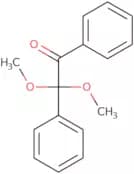
CAS :2,2-Dimethoxy-2-phenylacetophenone is a glycol ether substrate film that can be used to study the reaction mechanism of glycol ethers. It has been found that this substrate film reacts with oxygen in the air to form an organic peroxide and hydrogen peroxide. The product of the reaction is then identified by measuring the rate of thermal expansion. This method has been shown to be a useful tool for determining the kinetic constants of glycol ethers. The 2,2-dimethoxy-2-phenylacetophenone substrate film can also be used as a fluorescence probe for detecting radiation and wastewater treatment. The hydroxyl group on this substrate film is susceptible to degradation by acids, which may lead to its chemical instability.Formule :C16H16O3Degré de pureté :Min. 95%Couleur et forme :White To Off-White SolidMasse moléculaire :256.3 g/mol5-Nitrovanillin
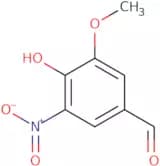
CAS :<p>5-Nitrovanillin is a white crystalline solid with a molecular formula of C8H7NO2. It reacts with nucleophilic compounds, such as ammonia, in the presence of heat to produce a molecule containing an oxygen atom and two nitro groups. 5-Nitrovanillin has been found to undergo demethylation when heated in the presence of hydroxylamine. Reaction products include protocatechuic acid, nitromethane, and 5-nitrobenzoic acid. This compound can be identified by its characteristic nmr spectrum that includes a hydroxyl group and a hydrogen bond between the nitrogen atom and the hydroxyl group. The chemical ionization mass spectrometer can also be used to identify 5-nitrovanillin.</p>Formule :C8H7NO5Degré de pureté :Min. 95%Couleur et forme :Yellow PowderMasse moléculaire :197.14 g/molN-Dihydrocinnamoylaminocaproic acid
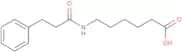
CAS :Please enquire for more information about N-Dihydrocinnamoylaminocaproic acid including the price, delivery time and more detailed product information at the technical inquiry form on this pageFormule :C15H21NO3Degré de pureté :Min. 95%Masse moléculaire :263.33 g/mol(-)-Biotin sulfoxide
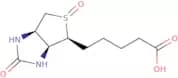
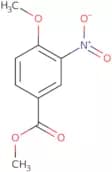
CAS :<p>(-)-Biotin sulfoxide is a metabolite of biotin that is produced by the oxidation of sulfhydryl groups in vivo. It is also a substrate for enzymes such as sulfoxide reductase and molybdenum cofactor biosynthesis protein A, which are involved in the metabolism of sulfur-containing amino acids. (-)-Biotin sulfoxide has been shown to be an effective inhibitor of human pathogens such as Escherichia coli, Klebsiella pneumoniae, Salmonella typhi, and Shigella flexneri. This compound is structurally similar to biotin, but has a different light signal when exposed to light.</p>Formule :C10H16N2O4SDegré de pureté :Min. 95%Couleur et forme :White PowderMasse moléculaire :260.31 g/mol4-Methoxy-3-nitrobenzoic acid methyl ester
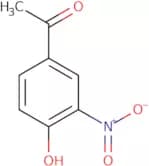
CAS :4-Methoxy-3-nitrobenzoic acid methyl ester (4MNBM) is a potent antitumor agent that inhibits tumor cell proliferation by interfering with DNA replication. 4MNBM selectively binds to the nuclear magnetic resonance and has been shown to inhibit tumor growth in animal models. This drug also shows potent antitumor activity against solid tumor cells, which is due to its ability to induce conformational changes in the DNA of these cells. 4MNBM has been shown to be selective for tumor cells, which may be due to its lack of effect on the metabolism of normal tissue and its ability to bind to proteins in tumor cell nuclei.Formule :C9H9NO5Degré de pureté :Min. 95%Couleur et forme :Clear LiquidMasse moléculaire :211.17 g/mol4'-Hydroxy-3'-nitroacetophenone
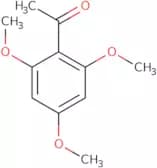
CAS :4'-Hydroxy-3'-nitroacetophenone is a synthetic compound that has been used as an xanthine oxidase inhibitor. It has been shown to reversibly inhibit xanthine oxidase and prevent the accumulation of toxic metabolites that are produced by this enzyme. 4'-Hydroxy-3'-nitroacetophenone also inhibits the activities of other enzymes, such as covalent adducts with protein molecules and transfer reactions. The molecular modeling study of this compound showed that it binds to the active site of xanthine oxidase, forming a covalent adduct between the reactive oxygen species (ROS) and the phenolic OH group on the inhibitor molecule. 4'-Hydroxy-3'-nitroacetophenone was found to be safe in clinical studies, with reversible covalent binding and no inhibition of protein synthesis or cell growth at therapeutic concentrations.Formule :C8H7NO4Degré de pureté :Min. 95%Couleur et forme :PowderMasse moléculaire :181.15 g/molPhloroacetophenone trimethyl ether
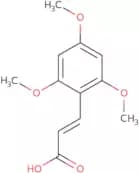
CAS :<p>Phloroacetophenone trimethyl ether is a reactive and inhibitory chemical that has been shown to have anti-inflammatory activity in animal models. It also inhibits the reaction of chloroacetophenone with chloride ions, which results in the formation of an intermediate that is reactive enough to attack the a-ring of phenylhydrazone. This mechanism is similar to the reaction of ochratoxin A, a mycotoxin that can cause cancer and metabolic disorders. Phloroacetophenone trimethyl ether has been shown to have significant cytotoxicity against cancer cells and can be used as a precursor for other compounds. The x-ray diffraction data shows that it forms a dimer when dissolved in water. The nmr spectra show two methyl groups and one hydrogen atom on each molecule.</p>Formule :C11H14O4Degré de pureté :Min. 95%Couleur et forme :PowderMasse moléculaire :210.23 g/mol2,4,6-Trimethoxycinnamic acid
CAS :2,4,6-Trimethoxycinnamic acid is a cinnamoyl compound that can be isolated from the seeds of Garcinia gummi-guta. This compound has been synthesised and optimised for use as an antioxidant in food and cosmetic products. 2,4,6-Trimethoxycinnamic acid has a high product yield under isothermal conditions using β-cyclodextrin as a solvent. It also shows good stability in the presence of light. 2,4,6-Trimethoxycinnamic acid has been shown to be efficient in preventing oxidation reactions by acting as a scavenger of singlet oxygen and peroxyl radicals. The analytical data obtained from this study suggests that 2,4,6-Trimethoxycinnamic acid will not produce any moieties or photostability problems when used in these applications.Formule :C12H14O5Degré de pureté :Min. 95%Couleur et forme :PowderMasse moléculaire :238.24 g/mol1,8-Bis(bromomethyl)naphthalene
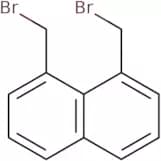
CAS :<p>1,8-Bis(bromomethyl)naphthalene is a naphthalene compound that has been shown to be a monoradical. It is synthesized by the replacement of two hydrogen atoms with bromine in the molecule. This reaction produces an alkylating agent and a molecule with a β-unsaturated aldehyde group. The compound has been studied using X-ray diffraction, where it has been found to have reactivity similar to other molecules with carbonyl groups. 1,8-Bis(bromomethyl)naphthalene has also been synthesized and studied by functional theory calculations. These calculations show that the bond lengths for this molecule are closer to those of benzene than those of naphthalene, which may account for its unusual reactivity.</p>Formule :C12H10Br2Degré de pureté :Min. 95%Couleur et forme :PowderMasse moléculaire :314.02 g/mol2-Naphthylhydrazine
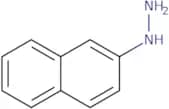
CAS :<p>2-Naphthylhydrazine is a synthetic chemical that has an affinity for substrate binding sites. It is used as an inhibitor of monoamine oxidase (MAO) and can be used to study the function of MAO. 2-Naphthylhydrazine binds to the enzyme MAO, preventing it from breaking down amines, an important class of neurotransmitters. 2-Naphthylhydrazine also inhibits the activity of cytochrome P450 reductase, which is involved in drug metabolism. This chemical can be used in the synthesis of indocyanine green and methylbenzene. The reactivity of hydrazines with carbonyl groups in amines and anhydrous sodium phosphate leads to bond cleavage and release of ammonia gas.</p>Formule :C10H10N2Degré de pureté :Min. 95%Couleur et forme :PowderMasse moléculaire :158.20 g/molAcenaphthenequinone
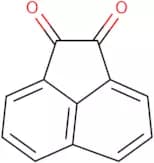
CAS :<p>Acenaphthenequinone is a reactive chemical compound. This compound has been found to have strong biological properties, such as inhibiting the mitochondrial membrane potential in human cells and inducing apoptosis in mammalian cells. Acenaphthenequinone also has been shown to be effective against infectious diseases, including malaria. Acenaphthenequinone binds to the heme group of the parasite's electron transport protein cytochrome b, which leads to disruption of energy production and cellular death. Acenaphthenequinone is also able to inhibit the synthesis of DNA in bacteria.</p>Formule :C12H6O2Degré de pureté :Min. 95%Couleur et forme :Yellow PowderMasse moléculaire :182.17 g/molParoxetine HCl (hemihydrate)
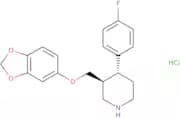
CAS :Produit contrôléA serotonin reuptake inhibitor with anticholinergic activity and mild inhibitory activity on noradrenaline reuptake. Paroxetine has been used for the treatment of depression, anxiety disorders, post-traumatic stress disorder, premenstrual dysphoric disorder and obsessive-compulsive disorder. Also inhibits nitric oxide synthase and cytochrome isoenzyme P450 2D6.Formule :C19H20FNO3•HCl•(H2O)0Degré de pureté :Min. 98 Area-%Couleur et forme :White PowderMasse moléculaire :374.83 g/mol4'-Butoxyacetophenone
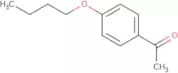
CAS :4'-Butoxyacetophenone is a white crystalline solid. It has been synthesized in two steps from piperidine hydrochloride, pyridine, and benzyl chloride. The first step involved the acetylation of 4'-butoxyacetophenone with acetic anhydride and pyridine in order to introduce the phenolic group. The second step involved the transfer of the paraformaldehyde group from paraformaldehyde to 4'-butoxyacetophenone with sodium cyanoborohydride and sodium bicarbonate. The reaction was completed by adding acetonitrile to remove traces of water.Formule :C12H16O2Degré de pureté :Min. 95%Masse moléculaire :192.25 g/mol(-)-Cholesterol NHS succinate
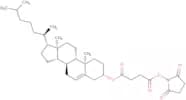
CAS :(-)-Cholesterol NHS succinate is a high-quality, complex chemical that can be used as a building block in the synthesis of other chemicals. It has been shown to be a useful intermediate in the production of drugs, such as lovastatin, and has been used as a reaction component in the synthesis of many compounds. (-)-Cholesterol NHS succinate is also versatile and can be used as an efficient scaffold for the synthesis of new compounds.Formule :C35H53NO6Degré de pureté :Min. 95%Couleur et forme :PowderMasse moléculaire :583.8 g/mol2-Hydroxy-6-methylbenzoic acid methyl ester
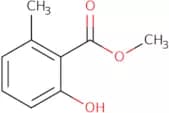
CAS :Methyl anthranilate is a bioactive molecule that belongs to the group of methyl 2-hydroxybenzoates. It has been shown to be effective against formicidae and other insects in bioassays. The chemical composition of methyl anthranilate includes a hydroxyl group and an aromatic ring, which may allow for a diverse range of chemical structures. Methyl anthranilate is synthesized by the non-enzymatic condensation of formaldehyde with 2-hydroxybenzoic acid. This molecule has been used as an insecticide in model organisms such as Drosophila melanogaster and Caenorhabditis elegans.Formule :C9H10O3Degré de pureté :Min. 95%Couleur et forme :PowderMasse moléculaire :166.17 g/mol(R)-Carprofen
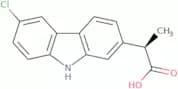
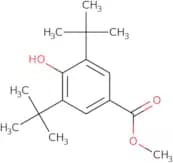
CAS :(R)-Carprofen is a nonsteroidal anti-inflammatory drug that is used to treat pain and inflammation associated with arthritis, as well as other conditions. It is one of the most potent inhibitors of prostaglandin synthesis in human serum, but it has only moderate potency in bile and little or no affinity for fatty acids. The inhibition potential of carprofen has been shown to be stereoselective, with the (S)-enantiomer being up to 10 times more potent than the (R)-enantiomer. Carprofen is metabolized by conjugation with glucuronic acid and excreted in urine. Carprofen also has an inhibitory effect on endogenous substances such as diazepam, which may be due to its ability to inhibit CYP3A4.Formule :C15H12ClNO2Degré de pureté :Min. 95%Couleur et forme :White to off-white solid.Masse moléculaire :273.71 g/mol3,5-Di-tert-Butyl-4-hydroxybenzoic acid methyl ester
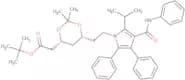
CAS :3,5-Di-tert-Butyl-4-hydroxybenzoic acid methyl ester is a chemical that belongs to the group of low molecular weight solvents. It is used as an intermediate in organic synthesis and as a solvent for paints, lacquers, and varnishes. 3,5-Di-tert-Butyl-4-hydroxybenzoic acid methyl ester has been found to be resistant to radiation and ultraviolet light. This chemical has also been shown to have no mutagenic effects on calf thymus DNA.Formule :C16H24O3Degré de pureté :Min. 95%Couleur et forme :PowderMasse moléculaire :264.36 g/molDefluoro atorvastatin acetonide tert-butyl ester
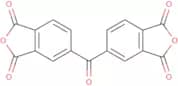
CAS :Please enquire for more information about Defluoro atorvastatin acetonide tert-butyl ester including the price, delivery time and more detailed product information at the technical inquiry form on this pageFormule :C40H48N2O5Degré de pureté :Min. 95%Couleur et forme :PowderMasse moléculaire :636.82 g/mol3,3',4,4'-Benzophenonetetracarboxylic dianhydride
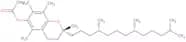
CAS :3,3',4,4'-Benzophenonetetracarboxylic dianhydride (BPTA) is a reactive dianhydride that contains a hydroxyl group and is a nitrogen-containing compound. It has good transport properties and chemical stability. It can be used to synthesize polyimides with high resistance, color, and thermal expansion. BPTA is used as the starting material for the synthesis of diphenyl ethers. In addition, it can be used to produce polymers with good thermal stability by reacting it with diphenylmethane diisocyanate. The reaction mechanism of BPTA is similar to that of benzophenone tetracarboxylic acid (BPTCA).Formule :C17H6O7Degré de pureté :Min. 95%Couleur et forme :PowderMasse moléculaire :322.23 g/molDL-a-Tocopherol acetate - powder
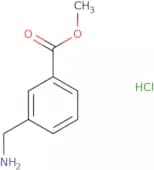
CAS :<p>DL-a-Tocopherol acetate is a synthetic vitamin E compound that is used in the treatment of eye disorders and other conditions. It is an antioxidant that inhibits lipid peroxidation by scavenging free radicals. DL-a-Tocopherol acetate has been shown to inhibit the activity of protein kinase C, which plays a role in cancer, inflammation and apoptosis. This compound also inhibits the activity of toll-like receptor 4, which may be useful in treating infectious diseases, and scavenges anion radicals.</p>Formule :C31H52O3Degré de pureté :Min. 50 Area-%Couleur et forme :Clear LiquidMasse moléculaire :472.74 g/mol(3-Aminomethyl)benzoic acid methyl ester HCl
CAS :3-Aminomethylbenzoic acid methyl ester HCl is a fine chemical that is used as a reagent for the synthesis of other compounds. It is also a versatile building block, which can be used to make many different compounds. 3-Aminomethylbenzoic acid methyl ester HCl has been demonstrated to be a useful intermediate in the synthesis of various pharmaceuticals, such as metoclopramide and clozapine. 3-Aminomethylbenzoic acid methyl ester HCl is also a useful scaffold for research chemicals, such as 4-amino-N-(2-hydroxyethyl)benzenesulfonamide or N-[3-(aminomethyl)phenyl]acetamide.Formule :C9H11NO2·HClDegré de pureté :Min. 95%Couleur et forme :PowderMasse moléculaire :201.65 g/molNorbornylmethylpentafluorocinnamate
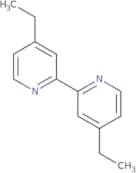
<p>Norbornylmethylpentafluorocinnamate is a versatile building block in organic synthesis. It is used as a reagent for the production of amines and other organic compounds, as well as for the synthesis of novel heterocycles. Norbornylmethylpentafluorocinnamate is also used as an intermediate in chemical reactions. This compound has been shown to react with ethylene glycol to form ethylene carbonate and pentafluoroethane, which may be useful for the production of polyurethane foam. Norbornylmethylpentafluorocinnamate can be used as a scaffold for synthesizing new drug candidates or to produce novel pharmaceuticals.</p>Formule :C17H15F5O2Degré de pureté :Min. 95%Masse moléculaire :346.29 g/mol4,4'-Diethyl-2,2'-bipyridine
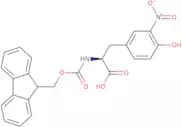
CAS :<p>Please enquire for more information about 4,4'-Diethyl-2,2'-bipyridine including the price, delivery time and more detailed product information at the technical inquiry form on this page</p>Formule :C14H16N2Degré de pureté :Min. 95%Couleur et forme :PowderMasse moléculaire :212.29 g/molFmoc-3-nitro-L-tyrosine
CAS :<p>Fmoc-3-nitro-L-tyrosine is an intermediate in the synthesis of a fluorogenic substrate for the determination of tyrosine residues in peptides by reverse phase high performance liquid chromatography (RP-HPLC). The product is synthesized by solid phase methods. Fmoc-3-nitro-L-tyrosine is prepared by reacting 3,4,5,6-tetrafluoroacetophenone with L-tyrosine in piperidine. The product can be cleaved to yield the residues and hydroxyl groups. The fluorogenic nature of Fmoc-3-nitro-L-tyrosine enables it to be used as a quenching reagent for the fluorescence of other compounds. This product can also be modified to become fluorescent or enzymatically active.</p>Formule :C24H20N2O7Degré de pureté :Min. 95%Couleur et forme :PowderMasse moléculaire :448.42 g/mol