Étalons pharmaceutiques
Les standards pharmaceutiques sont un ensemble complet de matériaux de référence essentiels pour garantir la sécurité, l'efficacité et la qualité des produits pharmaceutiques. Cette catégorie comprend des standards pour les ingrédients pharmaceutiques actifs (APIs), qui sont les composants principaux responsables des effets thérapeutiques. De plus, elle couvre les composés et métabolites pertinents pour les industries pharmaceutique et vétérinaire, fournissant des points de référence pour la mesure et l'analyse précises de ces substances. Les standards de contrôle des nitrosamines sont cruciaux pour détecter et atténuer les nitrosamines potentiellement nocives dans les formulations médicamenteuses. Les standards de toxicologie aident à évaluer la sécurité et les effets indésirables potentiels des composés pharmaceutiques. En outre, les standards pour les activateurs et les inhibiteurs enzymatiques sont essentiels pour la recherche et le développement, permettant des études précises des voies biochimiques et des mécanismes des médicaments. Ces standards pharmaceutiques sont des outils indispensables pour la conformité réglementaire, le contrôle de qualité et la recherche, garantissant que les produits pharmaceutiques répondent à des critères stricts de sécurité et d'efficacité.
Sous-catégories appartenant à la catégorie "Étalons pharmaceutiques"
- APIs pour la recherche et les impuretés(274.923 produits)
- Activateurs et inhibiteurs d'enzymes(2.827 produits)
- Nitrosamines(2.606 produits)
- Composés et métabolites pharmaceutiques et vétérinaires(2.873 produits)
- Toxicologie(13.652 produits)
7836 produits trouvés pour "Étalons pharmaceutiques"
Trier par
Degré de pureté (%)
0
100
|
0
|
50
|
90
|
95
|
100
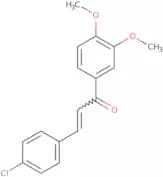
4-Chloro-3',4'-dimethoxychalcone
CAS :<p>Please enquire for more information about 4-Chloro-3',4'-dimethoxychalcone including the price, delivery time and more detailed product information at the technical inquiry form on this page</p>Degré de pureté :Min. 95%Methyl cinnamate
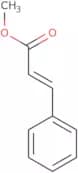
CAS :<p>Methyl cinnamate is a plant-derived compound that has been shown to have antimicrobial activity against Candida glabrata. This compound inhibits the polymerase chain reaction by binding to the DNA monomer and blocking its synthesis. Methyl cinnamate also synergizes with eugenol, which is a natural product found in cloves, nutmeg, and cinnamon. The mechanism of this synergy has not yet been identified.<br>Methyl cinnamate has been shown to inhibit 3T3-L1 preadipocytes proliferation by downregulating the expression of PPARγ, which is a transcription factor that regulates adipogenesis.</p>Formule :C10H10O2Degré de pureté :Min. 95%Couleur et forme :Solidified MassMasse moléculaire :162.19 g/mol2-Naphthaldehyde oxime
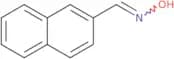
CAS :<p>2-Naphthaldehyde oxime is a reactive aldoxime that can be used as an oxidant in organic chemistry. It is able to increase the rate of hydrolysis by acid catalysts, and has been shown to cause biomolecular damage due to its ability to react with functional groups such as amines and alcohols. 2-Naphthaldehyde oxime reacts with silicon, styrene, and polystyrene. The reaction produces carbon dioxide, hydrogen, and water. This product also has the capability of solvating organic compounds through the use of water molecules. Hypervalent oxidation reactions may occur with 2-naphthaldehyde oxime due to its ability to form multiple bonds with oxygen atoms.</p>Formule :C11H9NODegré de pureté :Min. 95%Couleur et forme :PowderMasse moléculaire :171.2 g/mol4-Chloro-3-methoxybenzoic acid methyl ester
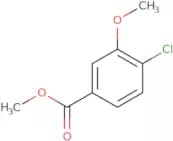
CAS :4-Chloro-3-methoxybenzoic acid methyl ester is a chemical compound that is used as a reagent in organic synthesis. It can be used to produce high quality research chemicals, speciality chemicals, and fine chemicals. This compound has a wide variety of uses because it is versatile and can be used as a reaction component or building block. Its CAS number is 116022-18-5.Formule :C9H9ClO3Degré de pureté :Min. 95%Couleur et forme :SolidMasse moléculaire :200.62 g/mol3,3',5,5'-Tetra-tert-butyldiphenoquinone
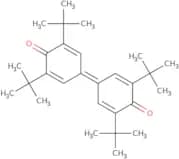
CAS :3,3',5,5'-Tetra-tert-butyldiphenoquinone is a polymerized phenolic compound that is used as a dietary antioxidant. It has been shown to have hypochlorous and anion radical scavenging properties. It also acts as an oxidation catalyst and can be used for the preparation of oxidation products. 3,3',5,5'-Tetra-tert-butyldiphenoquinone stabilizes the formation of β-unsaturated aldehydes by acting as an oxidant. 3,3',5,5'-Tetra-tert-butyldiphenoquinone also has antioxidative activity by inhibiting lipid peroxidation in vitro. The antioxidant activity may be due to its ability to form hydrogen bonds with the lipid radicals produced during lipid peroxidation reactions.Formule :C28H40O2Degré de pureté :Min. 95%Masse moléculaire :408.62 g/molRosuvastatin calcium
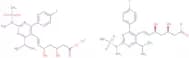
CAS :HMG-CoA reductase inhibitorFormule :(C22H27FN3O6S)2CaDegré de pureté :Min. 95 Area-%Couleur et forme :White PowderMasse moléculaire :1,001.14 g/mol2-Hydroxy-5-nitrocinnamic acid
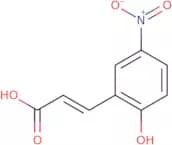
CAS :<p>2-Hydroxy-5-nitrocinnamic acid is a high quality, reagent intermediate that is used in the synthesis of complex compounds. It can be used as an important intermediate for the production of fine chemicals and speciality chemicals. 2-Hydroxy-5-nitrocinnamic acid has been shown to have versatile building block properties and can be used as a useful scaffold or building block in chemical reactions.</p>Formule :C9H7NO5Degré de pureté :Min. 95%Couleur et forme :PowderMasse moléculaire :209.16 g/mol2,5-Dimethylcinnamic acid
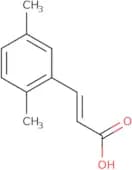
CAS :<p>2,5-Dimethylcinnamic acid is a versatile building block that can be used as a reactant in organic synthesis. This compound has been shown to have high quality and is useful for research purposes and as a speciality chemical. 2,5-Dimethylcinnamic acid can be used as a reagent or reaction component in the preparation of other compounds. It also serves as an important intermediate to synthesize complex molecules. This compound has many applications and is often used as a building block for pharmaceuticals, agrochemicals, and fine chemicals.</p>Formule :C11H12O2Degré de pureté :Min. 95%Masse moléculaire :176.21 g/molEpicatechin-(2β->5,4β->6)-ent-epicatechin
CAS :Epicatechin-(2beta->5,4beta->6)-ent-epicatechin is a type of flavonoid dimer, which is derived from natural plant sources, particularly in some fruits and nuts known for their rich polyphenolic content. This compound belongs to the class of procyanidins, which are well-known for their potent antioxidant properties.Formule :C30H24O12Degré de pureté :Min. 95%Masse moléculaire :576.5 g/molImidazolidinyl urea
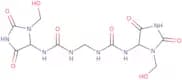
CAS :Imidazolidinyl urea is a preservative that has been used in the laboratory for decades. It is also used in cosmetics and personal care products to prevent bacterial and fungal contamination. Imidazolidinyl urea is an antimicrobial agent that exhibits high resistance to many bacteria, yeast, and molds. Imidazolidinyl urea is not active against Gram-positive bacteria, such as Clostridium difficile or Staphylococcus aureus. This chemical can be used as a preservative in biological samples at concentrations of 0.1% - 1%.Formule :C11H16N8O8Couleur et forme :PowderMasse moléculaire :388.29 g/mol1,3,3-Trimethylindolino-b-naphthopyrylospiran [Photochromic Compound]
CAS :<p>1,3,3-Trimethylindolino-b-naphthopyrylospiran is a photochromic compound that is soluble in ethanol solutions. It's hydrophobic and binds to the cavity of a surface method. When the environment changes, such as temperature or light exposure, the molecule undergoes a change in its optical properties. The interaction between 1,3,3-trimethylindolino-b-naphthopyrylospiran and β-cyclodextrin enhances its photochromism. This compound has been shown to decolorize and can be used in materials that are sensitive to UV light.</p>Degré de pureté :Min. 95%Couleur et forme :White To Light (Or Pale) Yellow Red SolidMasse moléculaire :327.42(4-Nitrophenyl)acetone
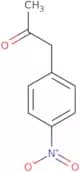
CAS :<p>4-Nitrophenylacetone is a hypoglycemic agent that is used for the treatment of diabetes mellitus. It has been shown to be effective in vivo and in vitro studies at low concentrations. The mechanism of action is not well understood, but it may have effects on insulin sensitivity and the release of insulin from pancreatic beta cells, as well as an effect on the liver. 4-Nitrophenylacetone has been shown to have organocatalytic properties that allow it to catalyze acylation reactions with acetanilides or amides. This reaction produces iminium ion intermediates that can be hydrolyzed by water to form a variety of products, including carboxylic acids, amides, and nitriles.</p>Formule :C9H9NO3Degré de pureté :Min. 95%Couleur et forme :PowderMasse moléculaire :179.17 g/molCinnamaldehyde
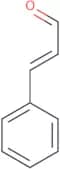
CAS :<p>Cinnamaldehyde is an aldehyde that occurs naturally in plants such as cinnamon, apples, and cumin. It is used as a flavoring agent for foods and beverages, as well as in perfumes. Cinnamaldehyde has been shown to have minimal toxicity and minimal mutagenic or carcinogenic potential. This compound has been shown to exhibit antimicrobial activity against bacteria by inhibition of bacterial cell growth through inhibition of the synthesis of proteins essential for cell division. Cinnamaldehyde also exhibits anti-inflammatory properties by inhibiting prostaglandin synthesis. The antimicrobial effects of cinnamaldehyde are due to its ability to bind to the enzyme alcohol dehydrogenase, which prevents the conversion of alcohols into aldehydes. Cinnamaldehyde can be found in many natural compounds such as cinnamic acid and eugenol.</p>Formule :C6H5CHCHCHODegré de pureté :Min. 95%Couleur et forme :Colorless Clear LiquidMasse moléculaire :132.16 g/molD-Asparagine monohydrate
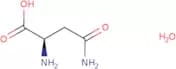
CAS :<p>D-Asparagine monohydrate is a white crystalline powder that is soluble in water and has a molecular weight of 98.1 g/mol. It inhibits the growth of bacteria by preventing the formation of β-lactamase, which can lead to antibiotic resistance. D-Asparagine monohydrate is used as an additive in the preparation of polyacrylamide gel for electrophoresis and other purposes. It has been found that it can be used as an inhibitor of recombinant proteins, such as those produced by E. coli, with high kinetic activity. It also inhibits the crystallization process and growth rate of Mycobacterium licheniformis.</p>Formule :C4H8N2O3·H2OCouleur et forme :White Off-White PowderMasse moléculaire :150.13 g/mol(R)-(+)-3,3'-Dibromo-5,5',6,6',7,7',8,8'-octahydro-1,1'-bi-2,2'-naphthalenediol
CAS :(R)-(+)-3,3'-Dibromo-5,5',6,6',7,7',8,8'-octahydro-1,1'-bi-2,2'-naphthalenediol is a synthetic compound that is used as a ligand for asymmetric catalysis. It is an optically active compound and can be used in catalytic reactions to produce compounds that are not available through other methods. (R)-(+)-3,3'-Dibromo-5,5',6,6',7,7',8,8'-octahydro-1,1'-bi-2,2'-naphthalenediol is a reactive compound and can be used as a ligand in Diels-Alder reactions. The synthesis of this product can be achieved with high yield by using the synthetic method described.Formule :C20H20Br2O2Degré de pureté :Min. 98 Area-%Couleur et forme :White PowderMasse moléculaire :452.18 g/mol3’,5’-Di-O-acetyl-2’-azido-2’-deoxyuridine
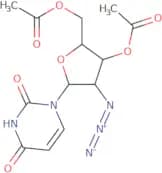
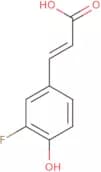
CAS :Please enquire for more information about 3’,5’-Di-O-acetyl-2’-azido-2’-deoxyuridine including the price, delivery time and more detailed product information at the technical inquiry form on this pageDegré de pureté :Min. 95%3-Fluoro-4-hydroxycinnamic acid
CAS :<p>3-Fluoro-4-hydroxycinnamic acid is a phenol that is an intermediate in the biocatalytic conversion of pyruvate to phenols. It has been shown to be a good candidate for use in organic synthesis, due to its ability to catalyze the reaction between benzene and hydrogen peroxide. 3-Fluoro-4-hydroxycinnamic acid also has potential applications in science and catalysis.</p>Formule :C9H7FO3Couleur et forme :PowderMasse moléculaire :182.15 g/mol2-(2-Thiazolylazo)-p-cresol
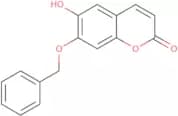
CAS :2-(2-Thiazolylazo)-p-cresol structure enables it to form complexes with certain metal ions, changing color in the process. This color change is highly useful in titrimetric analyses (quantitative chemical analysis method) to determine the concentration of metal ions in a solution. The substrates are colored orange-yellow (absorbance maximum= 375 nm). After the enzymatic conversion, the resulting TAC shows an intense, soluble red-violet color (544 nm) in an alkaline medium (pH = 10.3).Formule :C10H9N3OSDegré de pureté :Min. 96 Area-%Couleur et forme :Yellow To Orange Brown SolidMasse moléculaire :219.26 g/mol6,7-Dihydroxycoumarin-7-benzyl ether
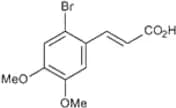
CAS :<p>6,7-Dihydroxycoumarin-7-benzyl ether is an antioxidant compound with a variety of uses. It has been shown to have clastogenic effects in in vitro tests. 6,7-Dihydroxycoumarin-7-benzyl ether has also been used as a screening tool for antioxidants and has found use in the fields of medicine and natural sources. The chemical structure of 6,7-dihydroxycoumarin-7-benzyl ether is heterocyclic aromatic rings with two hydroxyl groups at positions 6 and 7 on the coumarin nucleus. This molecule has prooxidant activity and can be described using chemical descriptors such as molecular weight and logP values.</p>Formule :C16H12O4Degré de pureté :Min. 95%Masse moléculaire :268.26 g/mol2-Bromo-4,5-dimethoxycinnamic acid
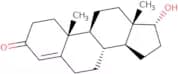
CAS :2-Bromo-4,5-dimethoxycinnamic acid is a dicarboxylic acid that belongs to the group of polysaccharides. It is a furan derivative with two methoxy groups on the cinnamic acid moiety. This compound can be found in plants and animals as well as in pyrolysis products from wood and other natural materials. 2-Bromo-4,5-dimethoxycinnamic acid has been analyzed by spectroscopy and pyrolysis to determine its chemical composition. The chemical composition was determined to contain caffeine and amines, as well as esters of fatty acids and alcohols.Formule :C11H11BrO4Degré de pureté :Min. 95%Couleur et forme :PowderMasse moléculaire :287.11 g/mol17-epi-Testosterone
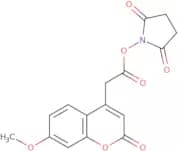
CAS :Produit contrôlé<p>Testosterone is a steroid hormone that is produced in the ovaries and testes. It stimulates the development of male secondary sex characteristics, such as muscle growth and deepening of the voice. 17-epi-Testosterone is a metabolite of testosterone that has been shown to inhibit iron homeostasis and epithelial growth factor production in vitro. The concentration of 17-epi-Testosterone in human serum was found to be significantly lower than the concentration of testosterone using an LC-MS/MS method, which may be due to its affinity for binding proteins or its degradation by liver cells. 17-epi-Testosterone can be used as a marker for hepatocellular carcinoma.</p>Formule :C19H28O2Degré de pureté :Min. 95 Area-%Couleur et forme :PowderMasse moléculaire :288.42 g/mol7-Methoxycoumarin-4-acetic acid N-succinimidyl ester
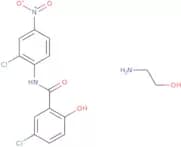
CAS :7-Methoxycoumarin-4-acetic acid N-succinimidyl ester is a fluorescent probe for the detection of metalloproteinases. It has been used in assays to measure matrix metalloproteinase activity and to study the kinetics of these enzymes. This compound can be used as a fluorescence focus for the study of extracellular matrix regulation. 7-Methoxycoumarin-4-acetic acid N-succinimidyl ester inhibits matrix metalloproteinases by binding to their active site and blocking access to substrates, preventing the breakdown of extracellular matrix proteins.Formule :C16H13NO7Degré de pureté :Min. 97 Area-%Couleur et forme :Off-White PowderMasse moléculaire :331.28 g/molNiclosamide ethanolamine salt
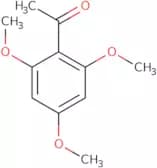
CAS :Chemically a chlorinated salicylanilide, niclosamide is clinically used as an anthelmintic agent. The action of niclosamide has been proven to proceed by inhibiting the STAT3 signaling pathway. Recently, niclosamide, has been considered as an antiproliferative agent in cancer treatment, e.g. melanoma and colorectal cancer. In 2021, niclosamide has been tested for the treatment of COVID-19 patients.Formule :C15H15Cl2N3O5Couleur et forme :PowderMasse moléculaire :388.2 g/molPhloroacetophenone trimethyl ether
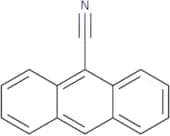
CAS :<p>Phloroacetophenone trimethyl ether is a reactive and inhibitory chemical that has been shown to have anti-inflammatory activity in animal models. It also inhibits the reaction of chloroacetophenone with chloride ions, which results in the formation of an intermediate that is reactive enough to attack the a-ring of phenylhydrazone. This mechanism is similar to the reaction of ochratoxin A, a mycotoxin that can cause cancer and metabolic disorders. Phloroacetophenone trimethyl ether has been shown to have significant cytotoxicity against cancer cells and can be used as a precursor for other compounds. The x-ray diffraction data shows that it forms a dimer when dissolved in water. The nmr spectra show two methyl groups and one hydrogen atom on each molecule.</p>Formule :C11H14O4Degré de pureté :Min. 95%Couleur et forme :PowderMasse moléculaire :210.23 g/mol9-Anthracenecarbonitrile
CAS :9-Anthracenecarbonitrile (9ACA) is a molecule that undergoes a phase transition from a solid to a liquid state at below -20°C. This phase transition can be monitored by changes in the vibrational, molecular, and kinetic properties. 9ACA is used for the synthesis of other compounds that have been found to have interesting photophysical and fluorescence properties. 9ACA reacts with carbon disulphide (CS2) to produce 2-cyano-1,3-dithiole-4,5(2H)-dione (CDD), which is then reacted with 3-chloroperoxybenzoic acid (CPBA). This reaction produces a number of products including 2-(trifluoromethyl)anthracene (TFA). It has been determined that the reaction proceeds through an initial step where TFA reacts with CS2 to produce the intermediate CS(TFA). The mechanism of this reaction is not yetFormule :C15H9NDegré de pureté :Min. 95 Area-%Couleur et forme :PowderMasse moléculaire :203.24 g/mol3'-Hydroxypterostilbene
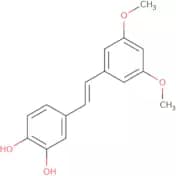
CAS :<p>3'-Hydroxypterostilbene is a natural compound that is found in blueberries, grapes, and other plants. It has been shown to have antioxidant properties and may help to prevent the growth of cancer cells. 3'-Hydroxypterostilbene has also been shown to inhibit tumor growth by inhibiting autophagy and mitochondrial membrane potential. This compound may also be useful for treating microbial infections due to its ability to inhibit bacterial growth by targeting ribosomes.</p>Formule :C16H16O4Degré de pureté :Min. 95%Couleur et forme :SolidMasse moléculaire :272.3 g/molGlutaric acid
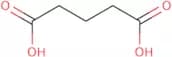
CAS :<p>Glutaric acid is a dinucleotide phosphate that exists in two forms: the alpha form, which has a high phase transition temperature and is insoluble in water; and the beta form, which has a low phase transition temperature and is soluble in water. Glutaric acid can be used as an analytical reagent to identify the type of nucleotides present in samples. It can also be used as an experimental solvent for other compounds that are not soluble in water. The toxicity of glutaric acid has been studied extensively and found to be low. This compound does not appear to have any adverse effects on human health or animals at doses up to 1g/kg body weight. Glutaric acid has been shown to have anti-infectious properties by inhibiting the growth of bacteria, fungi, and viruses. The effectiveness of glutaric acid against infectious diseases appears to depend on its ability to block protein synthesis by inhibiting enzymes such as glutathione reductase</p>Formule :C5H8O4Degré de pureté :Min. 99 Area-%Couleur et forme :White PowderMasse moléculaire :132.11 g/molCatechin 7,4'-di-O-gallate
CAS :Catechin 7,4'-di-O-gallate is a naturally occurring flavonoid compound, which is derived from various plants, particularly those rich in catechins, such as tea leaves and certain fruits. As a member of the polyphenol class, it is known for its powerful antioxidant properties, which enable it to neutralize free radicals and mitigate oxidative stress. Additionally, its structure allows for strong anti-inflammatory effects by modulating signaling pathways and inhibiting the production of inflammatory mediators.Degré de pureté :Min. 95%4'-Hydroxy-3'-nitroacetophenone
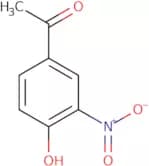
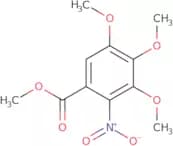
CAS :4'-Hydroxy-3'-nitroacetophenone is a synthetic compound that has been used as an xanthine oxidase inhibitor. It has been shown to reversibly inhibit xanthine oxidase and prevent the accumulation of toxic metabolites that are produced by this enzyme. 4'-Hydroxy-3'-nitroacetophenone also inhibits the activities of other enzymes, such as covalent adducts with protein molecules and transfer reactions. The molecular modeling study of this compound showed that it binds to the active site of xanthine oxidase, forming a covalent adduct between the reactive oxygen species (ROS) and the phenolic OH group on the inhibitor molecule. 4'-Hydroxy-3'-nitroacetophenone was found to be safe in clinical studies, with reversible covalent binding and no inhibition of protein synthesis or cell growth at therapeutic concentrations.Formule :C8H7NO4Degré de pureté :Min. 95%Couleur et forme :PowderMasse moléculaire :181.15 g/mol2-Nitro-3,4,5-trimethoxybenzoic acid methyl ester
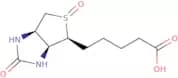
CAS :<p>2-Nitro-3,4,5-trimethoxybenzoic acid methyl ester is a potential anticancer agent. It has been shown to inhibit the growth of cancer cells in vitro and demonstrates anticancer activity against human tumor xenografts in mice. This compound binds to the epidermal growth factor receptor (EGFR) and inhibits its activity. This binding causes downstream signalling pathways to be suppressed, which ultimately prevents tumor cells from proliferating. 2-Nitro-3,4,5-trimethoxybenzoic acid methyl ester also has directional properties that may allow for selective targeting of cancerous cells.<br>2-Nitro-3,4,5-trimethoxybenzoic acid methyl ester is a white crystalline powder with an orthorhombic crystal system and an amine group on each end of the molecule.</p>Formule :C11H13NO7Degré de pureté :Min. 95%Couleur et forme :PowderMasse moléculaire :271.22 g/mol(-)-Biotin sulfoxide
CAS :<p>(-)-Biotin sulfoxide is a metabolite of biotin that is produced by the oxidation of sulfhydryl groups in vivo. It is also a substrate for enzymes such as sulfoxide reductase and molybdenum cofactor biosynthesis protein A, which are involved in the metabolism of sulfur-containing amino acids. (-)-Biotin sulfoxide has been shown to be an effective inhibitor of human pathogens such as Escherichia coli, Klebsiella pneumoniae, Salmonella typhi, and Shigella flexneri. This compound is structurally similar to biotin, but has a different light signal when exposed to light.</p>Formule :C10H16N2O4SDegré de pureté :Min. 95%Couleur et forme :White PowderMasse moléculaire :260.31 g/mol7-Cyano-7-deaza-2’-deoxyguanosine
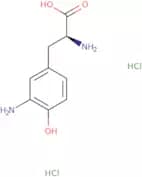
CAS :<p>7-Cyano-7-deaza-2’-deoxyguanosine is a pyrrole nucleoside analog that has been shown to inhibit the replication of herpes simplex virus type 1 and 2 in human cell lines. 7-Cyano-7-deaza-2’-deoxyguanosine is a synthetic nucleoside analog that is structurally similar to deoxyadenosine, but with a cyanide group instead of an oxygen atom. This compound has been shown to have the same biochemical properties as deoxyadenosine, including inhibiting the incorporation of uridine into RNA and DNA. In addition, 7-Cyano-7-deaza-2’-deoxyguanosine inhibits the synthesis of proteins from amino acids by competitive inhibition of ribonucleotide reductase, which catalyzes the conversion of ribonucleotides to deoxyribonucleotides. The enzyme's function</p>Formule :C12H13N5O4Degré de pureté :Min. 95%Couleur et forme :PowderMasse moléculaire :291.26 g/mol3-Amino-L-tyrosine dihydrochloride
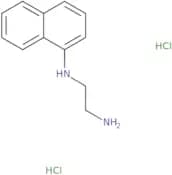
CAS :<p>Please enquire for more information about 3-Amino-L-tyrosine dihydrochloride including the price, delivery time and more detailed product information at the technical inquiry form on this page</p>Formule :C9H12N2O3•(HCl)2Degré de pureté :Min. 95%Masse moléculaire :269.12 g/molN-(1-Naphthyl)ethylenediamine dihydrochloride
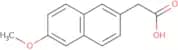
CAS :<p>N-(1-Naphthyl)ethylenediamine 2HCl is a diazonium salt that is used as an analytical reagent for the determination of nitrite ion in biological samples. It can be prepared by reacting 1-naphthylamine with ethylenediamine and hydrochloric acid. The optimum concentration of N-(1-naphthyl)ethylenediamine 2HCl is between 0.5 and 1.0 M, which should be determined before use. Sulphuric acid or sodium hydroxide can be added to adjust the pH of the solution to around 2.5, although this may change the color of the solution from orange to yellow. The reaction product is then extracted into chloroform and dried over anhydrous sodium sulphate or magnesium sulfate, followed by filtration and evaporation under reduced pressure at 40°C until dryness. The final product is stored in a dark place away from</p>Formule :C12H14N2•2HClDegré de pureté :(Titration) Min. 98%Couleur et forme :White PowderMasse moléculaire :259.17 g/mol6-Methoxy-2-naphthaleneacetic acid
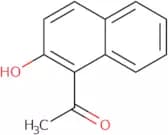
CAS :6-Methoxy-2-naphthaleneacetic acid (6-MNA) is a nonsteroidal anti-inflammatory drug that is used to treat patients with chronic pain. 6-MNA has been shown to be an effective treatment for osteoarthritis, rheumatoid arthritis and other inflammatory conditions. It inhibits the production of prostaglandins and leukotrienes by inhibiting the enzyme cyclooxygenase, which is responsible for the conversion of arachidonic acid to these mediators. 6-MNA can also inhibit the activity of α1-acid glycoprotein and increase the activity of human serum albumin, which may contribute to its antiinflammatory effect. 6-MNA has several side effects including nausea, vomiting, diarrhea and abdominal pain. These adverse reactions are caused by inhibition of protein synthesis in the stomach lining, which leads to decreased production of mucus and bicarbonate ions.Formule :C13H12O3Degré de pureté :Min. 95%Couleur et forme :PowderMasse moléculaire :216.23 g/mol1-(2-Hydroxy-1-naphthyl)ethan-1-one
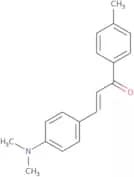
CAS :1-(2-Hydroxy-1-naphthyl)ethan-1-one is a carbonyl compound that can be used as a fluorescent probe for the determination of copper(II) ions. It has been shown to have selective binding properties and fluorescence properties with cancer cells, which may be due to its ability to bind to the active methylene group of the cancer cell's protein. Crystallographic studies have shown that 1-(2-Hydroxy-1-naphthyl)ethan-1-one binds to hydrogen bonds and hydroxide solution in water.Formule :C12H10O2Degré de pureté :Min. 95%Couleur et forme :Yellow PowderMasse moléculaire :186.21 g/mol4-Dimethylamino-4'-methylchalcone
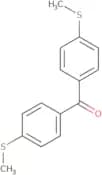
CAS :4-Dimethylamino-4'-methylchalcone is a versatile building block that can be used in synthesis of fine chemicals, research chemicals, and reagents. It can also be used as a speciality chemical or useful intermediate for the preparation of other compounds. 4-Dimethylamino-4'-methylchalcone has been shown to react with many different functional groups and is useful as a scaffold for the synthesis of complex molecules. It has been shown to have high quality, making it an excellent choice for use in reactions.Formule :C18H19NODegré de pureté :Min. 95%Couleur et forme :PowderMasse moléculaire :265.35 g/mol4,4’-Bis-(methylthio)-benzophenone
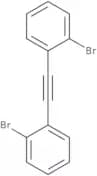
CAS :<p>4,4’-Bis-(methylthio)-benzophenone is a versatile building block that is used in the synthesis of complex compounds. It has a CAS number of 63084-99-1 and can be used as a reagent for research purposes. 4,4’-Bis-(methylthio)-benzophenone is also useful as an intermediate for the synthesis of other compounds or as a component in reactions. This compound is high quality and can be used as an intermediate in the synthesis of many other substances.</p>Formule :C15H14OS2Degré de pureté :Min. 95%Couleur et forme :PowderMasse moléculaire :274.4 g/mol2,2'-Dibromodiphenylacetylene
CAS :2,2'-Dibromodiphenylacetylene (DBDP) is a biomolecular that belongs to the class of stilbene derivatives. It has been shown to have fluoro-transfer properties and can be used as a vapor transport or crystalline interaction. DBDP has been shown to produce diffraction with a shift angle of 8.6° in solution and yields of up to 98%. The steric effect was also observed when the molecule interacts with transfer and transistor molecules. DBDP has been shown to undergo an arylation reaction with phenanthridines, which are potent anti-inflammatory agents.Formule :C14H8Br2Couleur et forme :PowderMasse moléculaire :336.02 g/mol3,5-Dimethoxycinnamic acid methyl ester
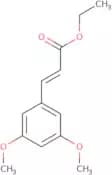
CAS :Please enquire for more information about 3,5-Dimethoxycinnamic acid methyl ester including the price, delivery time and more detailed product information at the technical inquiry form on this pageFormule :C12H14O4Degré de pureté :Min. 95%Masse moléculaire :222.24 g/mol2,5-Dimethylbenzoic acid methyl ester
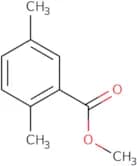
CAS :2,5-Dimethylbenzoic acid methyl ester is an organic compound that belongs to the class of diketones. It is a crystalline solid with a melting point of about 120 °C. The compound is used for the synthesis of other chemicals and as a precursor to pharmaceuticals. 2,5-Dimethylbenzoic acid methyl ester can be produced by photocycloaddition, which involves uv irradiation and heat. This reaction produces two isomers: trans-2,5-dimethylbenzoic acid methyl ester and cis-2,5-dimethylbenzoic acid methyl ester. Trans-2,5-dimethylbenzoic acid methyl ester has been shown to undergo conformational change when heated to 120 °C, while cis-2,5-dimethylbenzoic acid methyl ester does not show this effect.Formule :C10H12O2Degré de pureté :Min. 95 Area-%Couleur et forme :PowderMasse moléculaire :164.2 g/molL-Aspartic acid
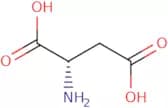
CAS :<p>L-Aspartic acid is an amino acid that plays a role in the biochemical reactions of energy metabolism. This amino acid is also important for the synthesis of proteins, such as enzymes and structural proteins. L-Aspartic acid is synthesized from oxaloacetate by transamination. It can also be synthesized from glutamate by the action of aspartate aminotransferase using pyridoxal phosphate as a cofactor. L-Aspartic acid has been shown to play a role in neuronal death, particularly in primary sclerosing cholangitis, and may have potential therapeutic use for this condition. L-Aspartic acid has been used as a model system to study polymerase chain reaction (PCR) methods and analytical methods in biochemistry research.</p>Formule :C4H7NO4Degré de pureté :Min. 95%Couleur et forme :White Off-White PowderMasse moléculaire :133.1 g/molIlexsaponin B3
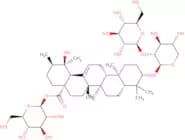
CAS :Ilexsaponin B3 is a triterpenoid saponin, which is a bioactive compound derived from plants of the Ilex genus, particularly Ilex aquifolium and related species. These plants are known for their rich content of saponins, which are glycosides comprising a sugar moiety bonded to a triterpene or steroid aglycone. The mode of action of Ilexsaponin B3 involves modulating various biological pathways, including anti-inflammatory, antioxidant, and potential anticancer activities. This is attributed to its ability to interact with cell membranes, affecting permeability and signaling pathways.Degré de pureté :Min. 95%Thevetiaflavone
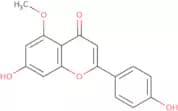
CAS :Thevetiaflavone is a bioactive phytochemical that is found in Thevetia peruviana, a plant native to South America. This compound inhibits the activity of P-glycoprotein, which is an important protein for the transport of many drugs. Thevetiaflavone has been shown to increase mitochondrial membrane potential and inhibit neuronal death in fetal bovine brain cells, as well as protect against oxidative damage in rat brains. It also has anti-inflammatory properties and can reduce the uptake of acetate by inhibiting carthamus tinctorius (a type of yeast). Thevetiaflavone may be useful for treating ischemic brain damage.Formule :C16H12O5Degré de pureté :Min. 95%Couleur et forme :PowderMasse moléculaire :284.26 g/mol1,8-Naphthalic anhydride
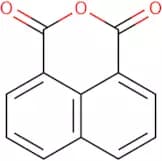
CAS :<p>1,8-Naphthalic anhydride is a potent inducer of dinucleotide phosphate (NADPH), which is important for the biosynthesis of fatty acids, proteins and carbohydrates. It also inhibits the enzyme activities of both antimicrobial agents and infectious diseases. 1,8-Naphthalic anhydride has been shown to be effective against solid tumours in treatment trials. This drug may lead to neuronal death by inhibiting ATP production in the mitochondria. The x-ray crystal structure shows that this drug binds to NADPH and water molecules in the active site of the enzyme, forming a covalent bond with NADPH. 1,8-Naphthalic anhydride has also been shown to have anti-inflammatory properties due to its ability to inhibit toll-like receptor 4 signaling pathways.</p>Formule :C12H6O3Degré de pureté :Min. 98 Area-%Couleur et forme :Off-White PowderMasse moléculaire :198.17 g/mol4,4'-Bis(bromomethyl)-2,2'-bipyridine
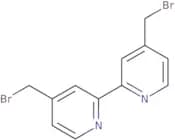
CAS :<p>4,4'-Bis(bromomethyl)-2,2'-bipyridine is a cyclic molecule that can be synthesized by the reaction of 4-bromo-2,2'-bipyridine with a brominating agent. It is used as a precursor to ruthenium catalysts in organic synthesis, and as an additive in dendrimers. The compound has been shown to have light absorption properties and can be used in photovoltaics and electropolymerization.</p>Formule :C12H10N2Br2Degré de pureté :Min. 95%Couleur et forme :PowderMasse moléculaire :342.03 g/molDihydro ferulic acid 4-O-sulfate sodium salt
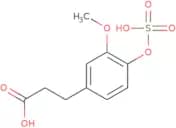
CAS :Dihydroferulic acid is a chlorogenic acid that has been shown to have anti-inflammatory properties in vitro and in vivo. Dihydroferulic acid has been shown to inhibit the production of pro-inflammatory cytokines, such as tumor necrosis factor alpha (TNF-α) and interleukin 10 (IL-10), in monocytic cells. This compound also inhibits the activation of toll-like receptor 4 (TLR4) and TLR2, which are receptors on immune cells that bind to bacterial lipopolysaccharides. Dihydroferulic acid has been found to be present in human urine samples, suggesting it is absorbed from dietary sources. It can also be found in wine and tea, where it may contribute to the positive health effects seen with these beverages. Protocatechuic acid is a phenolic compound with similar activity as dihydroferulic acid.Formule :C10H10Na2O7SDegré de pureté :Min. 95%Couleur et forme :PowderMasse moléculaire :320.23 g/molN-(Aminoethyl)-5-naphthylamine-1-sulfonic acid sodium
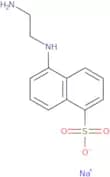
CAS :<p>N-(Aminoethyl)-5-naphthylamine-1-sulfonic acid sodium salt (NAES) is a fluorescent dye that has been used to study the structure of proteins. NAES binds to acceptor sites on the protein, which can be either amino acid side chains or other ions in solution. The fluorescence of NAES depends on the environment and the number of acceptors present. This dye has been used in assays for staphylococcus, as it is resistant to staining by Gram stain and stains brightly with fluorescence assay. NAES has also been shown to have a high kinetic rate and sensitivity, making it an effective virus assay.</p>Formule :C12H14N2O3S•NaDegré de pureté :Min. 95%Masse moléculaire :289.31 g/molBis(trimethylsilyl)cytosine
CAS :<p>Bis(trimethylsilyl)cytosine is an immunosuppressive agent that binds to the immunodeficient acceptor. It has been shown to be active against a number of viruses, including HIV-1 and HSV-1. Bis(trimethylsilyl)cytosine also inhibits the activity of purine and pyrimidine nucleotide synthesis, although it does not inhibit the activity of adenosine deaminase or ribonucleotide reductase. This compound has been shown to stimulate the immune system in mice with a deficiency in T cells by reducing the expression of genes that are responsible for cytokines such as IL-4 and IL-10.</p>Formule :C10H21N3OSi2Degré de pureté :Min. 90%Couleur et forme :PowderMasse moléculaire :255.46 g/mol3,4-Dimethoxy-2-hydroxyacetophenone
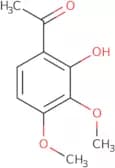
CAS :3,4-Dimethoxy-2-hydroxyacetophenone is a natural product that has been shown to have significant activity against epidermoid carcinoma. The mechanism of action of 3,4-dimethoxy-2-hydroxyacetophenone is not fully understood but it has been shown to inhibit the growth of cancer cells through an unknown mechanism. This compound can be synthesized from coumarin derivatives and its fluorescence and cellular uptake are due to its flavonoid structure. 3,4-Dimethoxy-2-hydroxyacetophenone has also been shown to increase cisplatin sensitivity in nerve cells and has been used as a fluorescent probe for microscopy and magnetic resonance imaging (MRI).Formule :C10H12O4Degré de pureté :Min. 98 Area-%Couleur et forme :PowderMasse moléculaire :196.2 g/mol

![1,3,3-Trimethylindolino-b-naphthopyrylospiran [Photochromic Compound]](/_next/image/?url=https%3A%2Fstatic.cymitquimica.com%2Fproducts%2F3D%2Fthumb-webp%2FFT62466.webp&w=3840&q=75)