Étalons pharmaceutiques
Les standards pharmaceutiques sont un ensemble complet de matériaux de référence essentiels pour garantir la sécurité, l'efficacité et la qualité des produits pharmaceutiques. Cette catégorie comprend des standards pour les ingrédients pharmaceutiques actifs (APIs), qui sont les composants principaux responsables des effets thérapeutiques. De plus, elle couvre les composés et métabolites pertinents pour les industries pharmaceutique et vétérinaire, fournissant des points de référence pour la mesure et l'analyse précises de ces substances. Les standards de contrôle des nitrosamines sont cruciaux pour détecter et atténuer les nitrosamines potentiellement nocives dans les formulations médicamenteuses. Les standards de toxicologie aident à évaluer la sécurité et les effets indésirables potentiels des composés pharmaceutiques. En outre, les standards pour les activateurs et les inhibiteurs enzymatiques sont essentiels pour la recherche et le développement, permettant des études précises des voies biochimiques et des mécanismes des médicaments. Ces standards pharmaceutiques sont des outils indispensables pour la conformité réglementaire, le contrôle de qualité et la recherche, garantissant que les produits pharmaceutiques répondent à des critères stricts de sécurité et d'efficacité.
Sous-catégories appartenant à la catégorie "Étalons pharmaceutiques"
- APIs pour la recherche et les impuretés(274.845 produits)
- Activateurs et inhibiteurs d'enzymes(2.827 produits)
- Nitrosamines(2.605 produits)
- Composés et métabolites pharmaceutiques et vétérinaires(2.869 produits)
- Toxicologie(13.652 produits)
7836 produits trouvés pour "Étalons pharmaceutiques"
Trier par
Degré de pureté (%)
0
100
|
0
|
50
|
90
|
95
|
100
Secretin (5-27) (porcine)
CAS :<p>Please enquire for more information about Secretin (5-27) (porcine) including the price, delivery time and more detailed product information at the technical inquiry form on this page</p>Formule :C115H200N38O34Degré de pureté :Min. 95%Masse moléculaire :2,659.05 g/molNeuronostatin-13 (human, canine, porcine) trifluoroacetate salt
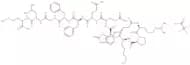
CAS :Please enquire for more information about Neuronostatin-13 (human, canine, porcine) trifluoroacetate salt including the price, delivery time and more detailed product information at the technical inquiry form on this pageFormule :C64H110N20O16Degré de pureté :Min. 95%Masse moléculaire :1,415.68 g/molDSP
CAS :<p>DSP is a widely used disulfide crosslinker in ADC synthesis. It forms reversible conjugates via intracellular reduction, enabling payload release.</p>Formule :C14H16N2O8S2Degré de pureté :Min. 95%Couleur et forme :SolidMasse moléculaire :404.42 g/mol7-Hydroxy-3,4-dihydro-1H-naphthalen-2-one
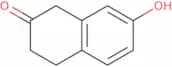
CAS :7-Hydroxy-3,4-dihydro-1H-naphthalen-2-one is an organic solvent that can be used as a pharmaceutical intermediate. It is a white crystalline solid that has been shown to bind to β-cyclodextrin, chloride, and aluminium. 7-Hydroxy-3,4-dihydro-1H-naphthalen-2-one has been shown to form stable complexes with these ions by binding to the oxygens on their surfaces. The binding constants for this compound have been determined using dichromism and fluorescence experiments. This organic solvent has also been found to have enantioselective properties.Formule :C10H10O2Degré de pureté :Min. 95%Masse moléculaire :162.19 g/molPancreastatin (33-48) (human) trifluoroacetate salt
CAS :<p>Pancreastatin (33-48) is a synthetic, acidic, sulfated peptide that has been shown to have high activity against pancreatic cancer cells. Pancreastatin (33-48) has been synthesized by reacting an oligopeptide with glutamic acid and aspartic acid. The N-terminal of this peptide is amidated and contains a sulfate group. This molecule has been purified by SDS-polyacrylamide gel electrophoresis and the sulfate fractionation method. Pancreastatin (33-48) is able to inhibit the proliferation of pancreatic tumor cells in vitro, but it does not appear to be cytotoxic to normal pancreatic cells. In addition, pancreastatin (33-48) has also been shown to decrease tumor growth in vivo in mice bearing a transplanted human pancreatic tumor.</p>Formule :C78H123N21O27SDegré de pureté :Min. 95%Masse moléculaire :1,819 g/mol4-Chloro-3-nitrophenacylbromide
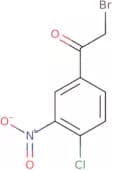
CAS :<p>4-Chloro-3-nitrophenacylbromide is a synthetic compound that has been shown to be effective against cancer cells in vitro. In the presence of light, this substance emits a bright green fluorescence, which is useful for imaging. The synthesis of 4-Chloro-3-nitrophenacylbromide can be achieved by solid phase methods and chemosynthesis. Spirocyclic amines are used as building blocks for the synthesis of this product. This process leads to functionalization strategies with high levels of chirality and drug development.</p>Formule :C8H5BrClNO3Degré de pureté :Min. 95%Couleur et forme :PowderMasse moléculaire :278.49 g/molBiotinyl-epsilonAhx-ω-Conotoxin GVIA trifluoroacetate salt
CAS :Produit contrôléPlease enquire for more information about Biotinyl-epsilonAhx-omega-Conotoxin GVIA trifluoroacetate salt including the price, delivery time and more detailed product information at the technical inquiry form on this pageFormule :C136H207N41O46S7Degré de pureté :Min. 95%Masse moléculaire :3,376.81 g/molSodium 1-naphthalenesulfonate
CAS :<p>Sodium 1-naphthalenesulfonate is a zirconium oxide that is used to remove particles from water. It has been shown that the adsorption mechanism of this compound is based on its crystalline polymorphs. Sodium 1-naphthalenesulfonate has been used in the treatment of fatty acid and hydrochloric acid in urine samples, with sodium carbonate as a buffer. This compound also has film-forming properties, which are beneficial for wastewater treatment and can be used in the formation of polymer films. Sodium 1-naphthalenesulfonate also shows toxicity at high concentrations, but does not cause any toxic effects at low concentrations.</p>Formule :C10H7NaO3SDegré de pureté :Min. 95%Couleur et forme :White Off-White PowderMasse moléculaire :230.22 g/molVitamin A palmitate
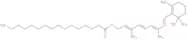
CAS :<p>Vitamin A palmitate is a fat-soluble vitamin that has antioxidant properties. It is available as a supplement in the form of retinol and retinyl palmitate. Vitamin A palmitate is an inactive form of vitamin A that can be converted to retinol in vivo by esterases and other enzymes. The conversion of vitamin A palmitate to retinol may be inhibited by various substances, such as estradiol benzoate. This conversion leads to the formation of free radicals, which cause oxidative injury to cells. Studies have shown that vitamin A palmitate can be toxic for humans because it interferes with the synthesis of mucin, an important constituent of human lungs and airways. Vitamin A palmitate also alters gene expression in some experimental models, leading to changes in cell growth or death.</p>Formule :C36H60O2Couleur et forme :Yellow PowderMasse moléculaire :524.86 g/molErythropoietin Mimetic Peptide Sequence 20 trifluoroacetate salt
CAS :<p>Please enquire for more information about Erythropoietin Mimetic Peptide Sequence 20 trifluoroacetate salt including the price, delivery time and more detailed product information at the technical inquiry form on this page</p>Formule :C72H99N17O17S2Degré de pureté :Min. 95%Masse moléculaire :1,538.79 g/molBiotinyl-Substance P trifluoroacetate salt
CAS :<p>Biotinyl-Substance P trifluoroacetate salt Biotinyl-Arg-Pro-Lys-Pro-Gln-Gln-Phe-Phe-Gly-Leu-Met-NH2 trifluoroacetate salt is a biotin conjugated Substance P analog. It is designed to bind to the amino acid sequences in the brain that are responsible for controlling and regulating pain. The drug's amino acid sequence was designed by accessing databases of amino acid sequences from all known organisms. The drug is administered as a sequence of cassettes, each containing an acid molecule that can be transferred to cells through nucleotide transfer.</p>Formule :C73H112N20O15S2Degré de pureté :Min. 95%Masse moléculaire :1,573.93 g/molLumisterol 3
CAS :Produit contrôlé<p>Lumisterol 3 is a provitamin compound that is produced by the human body through the conversion of vitamin D into lumisterol. It is used as a dietary supplement and can be found in the human serum, cellular, and skin cells. Lumisterol 3 has been shown to increase cholesterol synthesis, which may be due to its ability to activate enzymes involved in this process. Lumisterol 3 has also been shown to have physiological effects on humans. These effects include an increase in energy expenditure and a decrease in blood pressure and heart rate. The molecular modeling of lumisterol 3 shows that it has a similar structure to vitamin D, but with three instead of two side chains.</p>Formule :C27H44ODegré de pureté :90%NmrCouleur et forme :PowderMasse moléculaire :384.64 g/molN-Stearoyl phytosphingosine
CAS :<p>N-Stearoyl phytosphingosine is a molecule with an ester linkage that is used in the study of physiological function. It has been shown to mimic the effect of tebuconazole, a chemical fungicide, on mitochondrial membrane potential and ATP levels. This compound can be synthesized from fatty acids and hydroxyl groups. The molecule has also been shown to have skin nourishing properties when applied topically to skin cells in vivo.</p>Formule :C36H73NO4Degré de pureté :Min. 95%Couleur et forme :White To Off-White SolidMasse moléculaire :583.97 g/molTetrabromophenyl-porphyrin
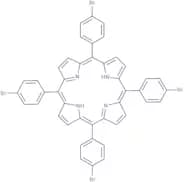
CAS :<p>Tetrabromophenyl-porphyrin (TBP) is a synthetic molecule that interacts with aldehydes in the presence of light. This interaction results in the formation of a phenyl radical and an excited state, which leads to the production of carbon dioxide and water. TBP is used as a catalyst for these reactions because it is more stable than other molecules that are typically used. The catalytic effect of TBP can be studied by means of spectroscopies and microscopy techniques. The crystal x-ray diffraction technique was used to analyze the molecular structure of TBP by determining the distances between atoms in its molecules. It was discovered that TBP has two phenyl groups and four bromine atoms per porphyrin ring. Diffraction techniques were also used to study how light interacts with TBP molecules, showing that they have strong optical properties when adsorbed on surfaces.</p>Formule :C44H26N4Br4Degré de pureté :Min. 95%Masse moléculaire :930.32 g/mol3-Bromo-2-methyl-5-nitropyridine
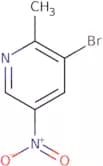
CAS :Please enquire for more information about 3-Bromo-2-methyl-5-nitropyridine including the price, delivery time and more detailed product information at the technical inquiry form on this pageFormule :C6H5BrN2O2Degré de pureté :Min. 95%Masse moléculaire :217.02 g/molOctreotide trifluoroacetate salt (Dimer, Antiparallel) (
Please enquire for more information about Octreotide trifluoroacetate salt (Dimer, Antiparallel) ( including the price, delivery time and more detailed product information at the technical inquiry form on this pageFormule :C98H132N20O20S4Degré de pureté :Min. 95%Masse moléculaire :2,038.48 g/mol4,4'-Dichlorodiphenylsulfone-3,3'-disulfonic acid disodium salt
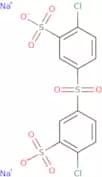
CAS :Please enquire for more information about 4,4'-Dichlorodiphenylsulfone-3,3'-disulfonic acid disodium salt including the price, delivery time and more detailed product information at the technical inquiry form on this pageFormule :C12H6Cl2Na2O8S3Degré de pureté :Min. 95 Area-%Couleur et forme :White Off-White PowderMasse moléculaire :491.25 g/mol2,6-Dimethylaniline hydrochloride
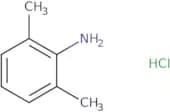
CAS :<p>Ropivacaine Related Compound A is a chemical compound that has not been fully characterized. It is an inhibitor of the enzyme P-hydroxybenzoic acid, which is involved in the synthesis of tyrosine and phenylalanine. Ropivacaine Related Compound A has shown to be potent inducers of the enzyme polymerase chain reaction (PCR) when combined with other chemicals such as potassium peroxydisulfate. The optimum concentration for this chemical compound to inhibit PCR reactions is 50 mM. Ropivacaine Related Compound A may have carcinogenic potential due to its ability to form p-hydroxybenzoic acid and other carcinogenic compounds. This chemical compound has been found to be a good candidate for wastewater treatment due to its low potency and high solubility in water.</p>Formule :C8H12ClNDegré de pureté :Min. 95%Couleur et forme :PowderMasse moléculaire :157.64 g/mol2-[(4-Chloro-2-nitrophenyl)azo]-N-(2-methoxyphenyl)-3-oxobutanamide
CAS :2-[(4-Chloro-2-nitrophenyl)azo]-N-(2-methoxyphenyl)-3-oxobutanamide is a chelating agent that has been used as a control agent in the manufacture of dyes, plastics, and rubber. It is also used as an additive in paints, textiles, and paper. 2-[(4-Chloro-2-nitrophenyl)azo]-N-(2-methoxyphenyl)-3-oxobutanamide is nonvolatile, nonflammable, and does not produce toxic byproducts when heated. This compound has low molecular weight with a molecular formula of C12H13NO5Cl. The structure of this compound includes two hydroxy groups (OH), one aliphatic hydrocarbon group (CH3), one carboxylic acid group (COOH), and three chlorine atoms (Cl). This product is soluble in waterFormule :C17H15ClN4O5Couleur et forme :Yellow Clear LiquidMasse moléculaire :390.78 g/molgamma-Nonalactone
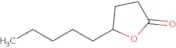
CAS :<p>Gamma-Nonalactone is an organic compound that has been identified in a variety of natural sources, including plants and animals. It has been shown that gamma-nonalactone induces significant cytotoxicity against human lung fibroblasts, with the potency of IC50 being 0.22 μM. Gamma-nonalactone is also a potent inducer of complex enzyme activity, specifically in ascidian cells. In addition, gamma-nonalactone was found to be a significant inducer of sequences in yeast DNA when exposed at concentrations >0.5 mM. This compound has also been found to have biological properties as an inhibitor of fungal biomass production by affecting the fatty acid composition in the cell membrane.</p>Degré de pureté :Min. 95%






![2-[(4-Chloro-2-nitrophenyl)azo]-N-(2-methoxyphenyl)-3-oxobutanamide](/_next/image/?url=https%3A%2Fstatic.cymitquimica.com%2Fproducts%2F3D%2Fthumb-webp%2FFC149929.webp&w=3840&q=75)