Glycosciences
La glycosciences est l'étude des glucides et de leurs dérivés, ainsi que des interactions et des fonctions biologiques auxquelles ils participent. Ce domaine de recherche est crucial pour comprendre une grande variété de processus biologiques, y compris la reconnaissance cellulaire, la signalisation, la réponse immunitaire et le développement des maladies. La glycosciences a des applications importantes en biotechnologie, en médecine et dans le développement de nouveaux médicaments et thérapies. Chez CymitQuimica, nous proposons une large sélection de produits de haute qualité et pureté pour la recherche en glycosciences. Notre catalogue comprend des monosaccharides, des oligosaccharides, des polysaccharides, des glyconjugués et des réactifs spécifiques, conçus pour soutenir les chercheurs dans leurs études sur la structure, la fonction et les applications des glucides dans les systèmes biologiques. Ces ressources sont destinées à faciliter les découvertes scientifiques et les applications pratiques dans divers domaines des biosciences et de la médecine.
Sous-catégories appartenant à la catégorie "Glycosciences"
- Aminosucres(108 produits)
- Anticorps Glyco-Related(282 produits)
- Glycolipides(46 produits)
- Glycosaminoglycanes (GAGs)(55 produits)
- Glycosides(419 produits)
- Monosaccharides(6.621 produits)
- Oligosaccharides(3.681 produits)
- Polysaccharides(503 produits)
11041 produits trouvés pour "Glycosciences"
Trier par
Degré de pureté (%)
0
100
|
0
|
50
|
90
|
95
|
100
2,3,4,6-Tetra-O-pivaloyl-D-glucopyranosyl azide
CAS :<p>2,3,4,6-Tetra-O-pivaloyl-D-glucopyranosyl azide is an oligosaccharide that has been modified for use in the synthesis of complex carbohydrates. It is synthesized through a methylation reaction and then click chemistry. The resulting product is a high purity chemical that can be used to modify saccharides or sugars. 2,3,4,6-Tetra-O-pivaloyl-D-glucopyranosyl azide is a white crystalline solid with CAS No. 1251910-91-4.</p>Formule :C26H43N3O9Degré de pureté :Min. 95%Couleur et forme :White SolidMasse moléculaire :541.63 g/molBlood Group B pentasaccharide
CAS :<p>Core antigen fragment in ABO blood group system</p>Formule :C30H52O24Degré de pureté :Min. 95%Couleur et forme :PowderMasse moléculaire :796.72 g/molL-Glucono-1,5-lactone
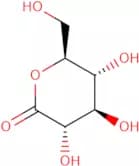
CAS :<p>L-Glucono-1,5-lactone is a crystalline compound that is used in structural biology and as a growth factor. It has been shown to inhibit the transfer of phosphate from ATP to protein substrates, binding to receptor sites and inhibiting the activity of enzymes such as protein kinase C. L-Glucono-1,5-lactone has also been shown to bind to an aluminum ion with a constant of 0.5 M. This binding inhibits the enzymatic activity of phosphatases that hydrolyze phosphate esters which are important for cellular metabolism.</p>Formule :C6H10O6Degré de pureté :Min. 85 Area-%Couleur et forme :White Off-White PowderMasse moléculaire :178.14 g/mol2,5-Anhydro-D-glucitol
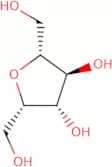
CAS :<p>2,5-Anhydro-D-glucitol is a sugar alcohol that is found naturally in the human body. It can be produced from D-glucose by the enzyme aldose reductase. This reaction involves an initial dehydration of D-glucose to form 2,5-anhydro-D-glucose, followed by a nucleophilic attack on the hydroxyl group of 2,5-anhydro-D-glucose by the phosphate group of ATP to form 2,5-anhydro-D-glucitol and ADP. The reaction mechanism for this process has been studied using kinetic and model studies. It has also been shown that metal ions are required for cationic polymerization reactions. A solid catalyst was used in this study because it could be easily removed after completion of the reaction. The 2,5-anhydro form of D-glucitol can undergo dehydration reactions to yield</p>Formule :C6H12O5Degré de pureté :Min. 95%Couleur et forme :Clear LiquidMasse moléculaire :164.16 g/molAllyl 2,3-anhydro-4,6-O-benzylidene-a-L-mannopyranoside
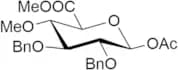
<p>Allyl 2,3-anhydro-4,6-O-benzylidene-a-L-mannopyranoside is a glycosylation product of L-mannose. It is a synthetic compound that has been fluorinated and methylated. Allyl 2,3-anhydro-4,6-O-benzylidene-a-L-mannopyranoside is used for the modification of complex carbohydrates. This product has high purity and CAS No., and can be modified with click chemistry.</p>Formule :C16H18O5Degré de pureté :Min. 95%Couleur et forme :White to off-white solid.Masse moléculaire :290.31 g/molMethyl 1-O-acetyl-2,3-di-O-benzyl-4-O-methyl-β-D-glucopyranuronate
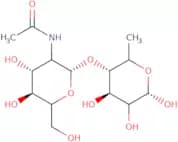
CAS :<p>A useful glucuronide building block.</p>Formule :C24H28O8Degré de pureté :Min. 95%Couleur et forme :PowderMasse moléculaire :444.47 g/mol2-Acetamido-2-deoxy-3-O-(a-L-fucopyranosyl)-D-glucopyranose
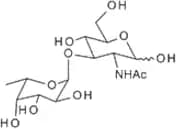
CAS :<p>2-Acetamido-2-deoxy-3-O-(a-L-fucopyranosyl)-D-glucopyranose is a carbohydrate that has been found in leaves of camellia plants. It can be used as a marker for the identification of camellia plants. 2-Acetamido-2-deoxy-3-O-(a-L-fucopyranosyl)-D-glucopyranose is also thought to be involved in the developmental and metabolic mechanisms of camellia plants, which are still being studied. This carbohydrate is synthesized from l -glutamine and epigallocatechin in the presence of d -proline.</p>Formule :C14H25NO10Degré de pureté :Min. 96 Area-%Couleur et forme :White PowderMasse moléculaire :367.35 g/molGlucosylceramide
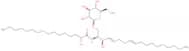
CAS :<p>Glucosylceramide (Glc-Cer) is the common precursor in the biosynthesis of most glycosphingolipids, with exception of some Gal-Cer derivatives, such as, GM4. Glucosylceramide consists of a glucosyl moiety which is β-O-glycosydically linked to ceramide, which itself, consists of the long-chain aminoalcohol sphingosine and a fatty acid. Glucosylceramide (also called glucocerebroside) is synthesised enzymatically, by the glucosylceramide synthase-catalysed with the addition of a glucose residue to ceramide. Glucosylceramide is involved in the regulation of various cellular events and also serves as a main constituent in liposome formulations.</p>Formule :C40H75NO9Degré de pureté :Min. 98 Area-%Couleur et forme :White Off-White PowderMasse moléculaire :714.02 g/moltert-Butyl 2-acetamido-3,4,6-tri-O-acetyl-2-deoxy-b-D-glucopyranoside
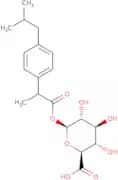
CAS :<p>Tert-butyl 2-acetamido-3,4,6-tri-O-acetyl-2-deoxy-b-D-glucopyranoside is a modification of the natural carbohydrate tertiary butyl 2,3,4,6 tetraacetyl beta D glucopyranoside. It is synthesized by the addition of acetamide to the 3 and 4 position on the glucose molecule. This product can be used as a reagent for glycosylation reactions. Tert-butyl 2 acetamido 3,4,6 tri O acetyl 2 deoxy b D glucopyranoside is an oligosaccharide with a molecular weight of 522.5 Da. The monomeric units are alpha glucose and beta glucose linked by glycosidic bonds. This product is also methylated at the 6 position on the glucose molecule and then fluorinated to create a hydrocarbon chain with one hydroxyl</p>Formule :C18H29NO9Degré de pureté :Min. 95%Masse moléculaire :403.42 g/molIbuprofen acyl-b-D-glucuronide
CAS :<p>Ibuprofen acyl-b-D-glucuronide is a biologically active molecule. It is metabolized in humans by first being hydrolyzed to ibuprofen and then glucuronidated. The enzyme that catalyzes this reaction is uridine 5'-diphosphate glucuronosyltransferase 1A1 (UGT1A1). Ibuprofen acyl-b-D-glucuronide has been shown to have an inhibitory effect on inflammation in vitro assays, such as the rat paw edema assay. This drug also has a reactive and chromatographic profile that allows it to be used in wastewater treatment.</p>Formule :C19H26O8Degré de pureté :Min. 95%Couleur et forme :White PowderMasse moléculaire :382.4 g/mol2-Acetamido-1,6-anhydro-2-deoxy-β-D-glucopyranose
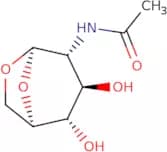
CAS :<p>2-Acetamido-1,6-anhydro-2-deoxy-b-D-glucopyranose is widely used in carbohydrate chemistry. It is used as reagent for the synthesis of oligosaccharides and also as a precursor in the synthesis of oligopeptides. 2-Acetamido-1,6-anhydro-2-deoxy-b-D-glucopyranose is an analog of levoglucosan, a compound that is often used to trace for biomass burning in enviromental chemistry studies.</p>Formule :C8H13NO5Degré de pureté :Min. 95%Couleur et forme :PowderMasse moléculaire :203.19 g/mol5-O-tert-Butyldimethylsilyl-2,3-O-isopropylidene-L-lyxono-1,4-lactone
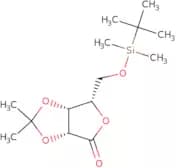
CAS :<p>5-O-tert-Butyldimethylsilyl-2,3-O-isopropylidene-L-lyxono-1,4-lactone is an oligosaccharide that is used as a building block for the synthesis of complex carbohydrates. It can be customized to suit your needs. 5-O-tert-Butyldimethylsilyl-2,3-O-isopropylidene-L-lyxono-1,4--lactone has been modified with fluorine atom and methyl group to form a glycosylation product. It is available in CAS No. 1044813 -00 -4 and can be synthesized in purity of > 95%.</p>Formule :C13H24O5SiDegré de pureté :Min. 95%Masse moléculaire :288.42 g/mol1,3,5-O-Methylidyne-myo-inositol
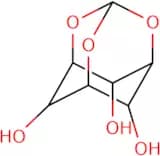
CAS :<p>1,3,5-O-Methylidyne-myo-inositol is a cyclic sugar alcohol, which is naturally derived from various plant sources, including certain fruits and grains. As a stereoisomer of inositol, it represents a specific structural form that contributes to its unique properties and potential biological activities. The compound operates through modulating cellular signaling pathways, particularly those related to phosphoinositide metabolism, influencing intracellular calcium levels, and affecting lipid signaling cascades.This compound is primarily explored for its potential role in neurological health and its capacity to influence insulin signaling pathways. It has been investigated for applications in managing conditions such as polycystic ovary syndrome (PCOS), mood disorders, and neurodegenerative diseases. Due to its intricate involvement in cellular signaling networks, 1,3,5-O-Methylidyne-myo-inositol holds promise in furthering understanding of complex biological processes and for therapeutic development in metabolic and neurological disorders. Research continues to explore its efficacy and mechanisms of action to better establish its role in health and disease.</p>Formule :C7H10O6Degré de pureté :Min. 95%Couleur et forme :PowderMasse moléculaire :190.15 g/mol2-Acetamido-4-O-(2-acetamido-2-deoxy-β-D-glucopyranosyl)-2-deoxy-D-muramic acid
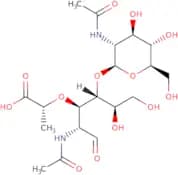
CAS :<p>A MurNAc disaccharide</p>Formule :C19H32N2O13Degré de pureté :Min. 95 Area-%Couleur et forme :PowderMasse moléculaire :496.46 g/mol1,2:3,4-Diacetone-β-D-glucopyranoside
CAS :<p>1,2:3,4-Diacetone-b-D-glucopyranoside is a glycosylation agent that is used in the synthesis of polysaccharides. It reacts with the hydroxyl groups of saccharide molecules to form glycosidic bonds. 1,2:3,4-Diacetone-b-D-glucopyranoside can be modified by methylation and fluorination reactions to produce different derivatives. This product is CAS No. 496879-67-5 and has a purity of >98%.</p>Formule :C12H20O6Degré de pureté :Min. 97 Area-%Couleur et forme :PowderMasse moléculaire :260.29 g/mol1,3,4,6-Tetra-O-acetyl-2-O-trifluoromethanesulfonyl-b-D-mannopyranose
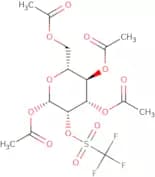
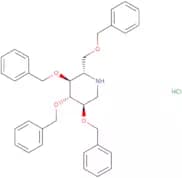
CAS :<p>1,3,4,6-Tetra-O-acetyl-2-O-trifluoromethanesulfonyl-b-D-mannopyranose is a chemical compound that belongs to the group of fatty acids. It is a product of chemical reactions and has been shown to be able to react with positrons in an organic solution. This compound can also react with potassium ions in water vapor. The reaction solution is suitable for testing samples and cell culture.</p>Formule :C15H19F3O12SDegré de pureté :Min. 98 Area-%Couleur et forme :PowderMasse moléculaire :480.37 g/molTri-O-benzyl-isofagomine hydrochloride
<p>Tri-O-benzyl-isofagomine hydrochloride is a modification of an oligosaccharide and a carbohydrate. It is synthesized by the methylation and glycosylation of isofagomine. Tri-O-benzyl-isofagomine hydrochloride has been shown to have high purity and can be used in the treatment of cancer, as well as being a potential drug for diabetes mellitus. This drug also prevents the formation of glycosaminoglycan polymers, which are responsible for cartilage rigidity. The CAS number for this drug is 569287-73-2.</p>Degré de pureté :Min. 95%D-Lyxosylamine
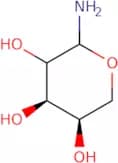
CAS :<p>D-Lyxosylamine is a drug that has been shown to have anticancer activity against leishmania species. It inhibits the growth of the parasite by binding to the lectin, sialic, and glycoconjugates on the surface of cells. This inhibition leads to a blockage in the transport of glucose and amino acids, which are essential for cell growth and replication. D-Lyxosylamine has also been shown to have anti-leukemic effects, which may be due to its ability to kill lymphocytic leukemia cells. The drug was administered orally in a clinical trial with human volunteers in order to test its effectiveness against Leishmania major infections. D-Lyxosylamine administered at 50mg/kg/day for 28 days had no significant effect on Leishmania major infection rates.</p>Formule :C5H11NO4Degré de pureté :Min. 95%Couleur et forme :White PowderMasse moléculaire :149.1 g/mol5-O-(5-Amino-5-deoxy-a-D-ribofuranosyl)-1-N-[(S)-4-amino-2-hydroxy-butanoyl]paromamine
<p>5-O-(5-Amino-5-deoxy-a-D-ribofuranosyl)-1-N-[(S)-4-amino-2-hydroxybutanoyl]paromamine is a high purity, custom synthesis, sugar modified, fluorinated, glycosylated, synthetic and methylated carbohydrate with CAS No. This product is an oligosaccharide composed of monosaccharides and saccharides with a complex carbohydrate structure. It has a molecular weight of 597.21 g/mol with the formula C12H24N8O14P3F6. The chemical structure contains six carbons, seven hydrogens, four oxygens, one nitrogen and three phosphates. This product is soluble in water and ethanol. It has a melting point of 205°C and can be used as an intermediate for pharmaceuticals or other chemicals.</p>Degré de pureté :Min. 95%Cellobiosyl fluoride
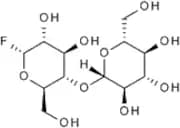
CAS :<p>Cellobiosyl fluoride has importance as a substrate and inhibitor in enzymatic reactions and shows a good combination of stability and reactivity.</p>Formule :C12H21FO10Degré de pureté :Min. 95%Couleur et forme :PowderMasse moléculaire :344.29 g/molEstrone b-D-glucuronide sodium salt
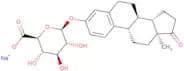
CAS :<p>Estrone b-D-glucuronide sodium salt (EBGG) is a steroid hormone that is synthesized in the ovaries. EBGG has been shown to be effective against bacterial vaginosis and polycystic ovarian syndrome. It is not active against other types of vaginal infections, such as yeast vaginitis or candida vulvovaginitis. EBGG has also been used to treat infertility in women, with promising results. The compound may work by increasing the metabolic rate and suppressing the production of progesterone and testosterone, which are important for fertility. EBGG binds to an estrogen receptor on cells in the uterus, stimulating the growth of uterine tissue and increasing blood flow to the uterus. EBGG binds to a specific site on the surface of cells called a monoclonal antibody, which can inhibit cell proliferation. This binding leads to an increase in progesterone receptor expression on uterine cells and inhibits the production of progesterone receptors on breast cancer</p>Formule :C24H29O8·NaDegré de pureté :Min. 95%Couleur et forme :PowderMasse moléculaire :468.47 g/mol2-(2,3,6-Tri-O-acetyl-4-O-[(2,3,4,6-tetra-O-acetyl-a-D-glucopyranosyl)]-b-D-glucopyranosyl) thiopseudourea
<p>2-(2,3,6-Tri-O-acetyl-4-O-[(2,3,4,6-tetra-O-acetyl-a-D-glucopyranosyl)]-b-D-glucopyranosyl) thiopseudourea is a glycosylated oligosaccharide that has been modified using methylation and click chemistry. This compound has been used in the synthesis of various complex carbohydrates. The CAS number for this compound is 905835-79-8 and it can be custom synthesized to meet your needs.</p>Formule :C27H38N2O17SDegré de pureté :Min. 95%Masse moléculaire :694.66 g/molGlycyl-lacto-N-neodifucohexaose I
<p>Glycyl-lacto-N-neodifucohexaose I is a synthetic carbohydrate that has been modified to include a fluorine atom. Glycyl-lacto-N-neodifucohexaose I is an oligosaccharide that belongs to the class of carbohydrates and is composed of glycosylated and methylated monosaccharides. This product can be custom synthesized for your specific needs.</p>Formule :C40H69N3O29Degré de pureté :Min. 95%Masse moléculaire :1,055.98 g/mol4-Methoxyphenyl 3,6-di-O-benzyl-4-O-{2-O-acetyl-3-O-[3,6-di-O-benzyl-2,4-di-O-(3,4,6-tri-O-acetyl-2-deoxy-2-phthalimido-β-D-glucopyr anosyl)-α-D-mannopyranosyl]-6-O-[3,4-di-O-acetyl-2,6-di-O-(3,4,6-tri-O-acetyl-2-deoxy-2-phthalimido-β-D-glucopyranosyl
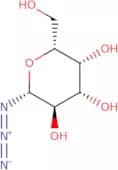
<p>This product is a custom synthesis of an oligosaccharide. It is a complex carbohydrate that has been modified with methylation, glycosylation, and fluorination. It is synthesized from monosaccharides and saccharides. The CAS number for this product is _________________.</p>Formule :C153H157N5O62Degré de pureté :Min. 95%Masse moléculaire :3,057.88 g/molb-D-Galactopyranosyl azide
CAS :<p>b-D-Galactopyranosyl azide is a fluorescent probe that can be used to identify the presence of beta-glucosidase in muscle tissue. This compound is hydrolyzed by alpha-galactosidase and it is detectable under UV light, yielding a green fluorescence. The b-D-Galactopyranosyl azide has been shown to be able to differentiate between alpha-galactosidase and beta-glucosidase, which are both glycosidases, by measuring the rate of hydrolysis of the probe. This chemical can also be used as an indicator for detecting muscle glycogen in homogenates.</p>Formule :C6H11N3O5Degré de pureté :Min. 95%Couleur et forme :PowderMasse moléculaire :205.17 g/mol1,2,3,4-Tetra-O-acetyl-D-galacturonic acid
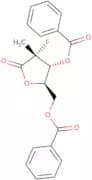
CAS :<p>1,2,3,4-Tetra-O-acetyl-D-galacturonic acid is a carbohydrate that belongs to the group of oligosaccharides and sugars. It is used as a synthetic intermediate in the production of complex carbohydrates and glycosylations. 1,2,3,4-Tetra-O-acetyl-D-galacturonic acid is also used as an active ingredient in some topical medications. The fluorination of this product leads to increased solubility and stability. It has been shown to be resistant to degradation by enzymes such as alpha amylase or beta amylase. This product can be customized for customers requirements with high purity and custom synthesis services.</p>Formule :C14H18O11Degré de pureté :Min. 95%Couleur et forme :PowderMasse moléculaire :362.29 g/mol3,5-Di-O-benzoyl-2-deoxy-2-fluoro-2C-methyl-D-ribono-1,4-lactone
CAS :<p>3,5-Di-O-benzoyl-2-deoxy-2-fluoro-2C-methyl-D-ribono-1,4-lactone is a synthetic compound with the molecular formula C6H12F6O8. It has a molecular weight of 536.14 and an empirical formula of C24H32F6O8. 3,5-Di-O-benzoyl -2,3,4,5,-tetra-, 2C-, methyl -D-, ribo-, 1,4-, lactone is soluble in water and it can be synthesized from D-(+)-glucose and methyl 4-(trifluoromethyl)benzoate in three steps. The structure of 3,5 Di O benzoic acid was first determined by XRD analysis. The compound is a white crystalline solid with melting point at 180°C to 181°C and boiling</p>Formule :C20H17FO6Degré de pureté :Min. 97 Area-%Couleur et forme :White Off-White PowderMasse moléculaire :372.34 g/molL-Galactono-1,4-lactone
CAS :<p>L-Galactono-1,4-lactone is a biochemical compound that is found in plants and some living cells. It is an intermediate in the Krebs cycle and can be used as a nutrient solution for plant science research. L-Galactono-1,4-lactone has been shown to have enzyme activities on chronic exposure to sephadex g-100. This compound also has an optimum pH of 5.2 and shows acid formation with titration calorimetry. L-Galactono-1,4-lactone is also used in vitro assays for polymerase chain reactions (PCR).</p>Formule :C6H10O6Degré de pureté :Min. 98%Couleur et forme :White Off-White PowderMasse moléculaire :178.14 g/mol3-(b-D-Glucopyranosyl)-D-mannose
<p>3-(b-D-Glucopyranosyl)-D-mannose is a sugar that is a component of the complex carbohydrate called glycosaminoglycan. It can be used in the synthesis of oligosaccharides and monosaccharides or as a modification to saccharides. 3-(b-D-Glucopyranosyl)-D-mannose is synthesized through Click modification with fluorination, glycosylation, and methylation. This sugar has CAS No. 27212-79-4 and molecular weight of 360.3 g/mol.</p>Degré de pureté :Min. 95%Xylitol
CAS :<p>Xylitol is a sugar alcohol that has been shown to have antimicrobial properties. It is also used as a sweetener in chewing gum and toothpaste. Xylitol inhibits the growth of bacteria by binding to the enzyme adenosine triphosphate (ATP) synthase, which is required for energy metabolism. The binding of xylitol to ATP synthase prevents the formation of ATP and blocks bacterial growth, leading to cell death. Xylitol can be produced from xylose, a sugar found in plants and animals, through biochemical reactions that are catalyzed by enzymes such as xylitol dehydrogenase and xylulokinase. This process is anaerobic and does not require oxygen or organic nutrients. Xylitol has been shown to have physiological effects on wild-type strain bacteria such as Aerobacter aerogenes.</p>Formule :C5H12O5Degré de pureté :Min. 95%Couleur et forme :White PowderMasse moléculaire :152.15 g/mol4,6-Di-O-methyl-D-glucose
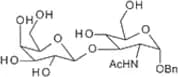
CAS :<p>A partially methylated glucose with the anomeric position free</p>Formule :C8H16O6Degré de pureté :Min. 95%Couleur et forme :PowderMasse moléculaire :208.21 g/molBenzyl 2-acetamido-2-deoxy-3-O-(b-D-galactopyranosyl)-a-D-glucopyranoside
CAS :<p>Benzyl 2-acetamido-2-deoxy-3-O-(b-D-galactopyranosyl)-a-D-glucopyranoside is a synthetic substrate that is used in the synthesis of disaccharides. It is catalytic and has an efficient method for the preparation of acetonitrile, which can be eluted with acetic acid. It is a reagent that reacts with halides to form equimolar acetates. Acetylated benzyl 2-acetamido-2 deoxy 3 O-(b D galactopyranosyl) a D glucopyranoside can be obtained by reacting benzyl 2 acetamido 2 deoxy 3 O-(b D galactopyranosyl) a D glucopyranoside with acetic anhydride.</p>Formule :C21H31NO11Degré de pureté :Min. 95%Couleur et forme :PowderMasse moléculaire :473.47 g/mol2,7-Anhydro-D-sedoheptulose-2,3,4,5,6,7-13C6
<p>2,7-Anhydro-D-sedoheptulose-2,3,4,5,6,7-13C6 is a custom synthesis of a complex carbohydrate. It is an oligosaccharide that is modified with methylation and glycosylation. This compound has been synthesized by Click modification and fluorination. 2,7-Anhydro-D-sedoheptulose-2,3,4,5,6,7-13C6 is water soluble and has a high purity. It is used as a research tool in the field of saccharides and carbohydrates.</p>Degré de pureté :Min. 95%Disialyllacto-N-tetraose
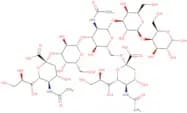
CAS :<p>Disialyllacto-N-tetraose is a medicinal compound that has shown promising anticancer properties. It is an analog of a human urinary glycoprotein and has been found to induce apoptosis in cancer cells. Disialyllacto-N-tetraose acts as a tumor inhibitor by blocking the activity of certain protein kinases, which are enzymes that play a role in cell growth and division. This compound has been studied extensively in Chinese medicine and has shown potential as an effective anticancer agent. Its unique structure and mechanism of action make it a promising candidate for further research into cancer treatment.</p>Formule :C48H79N3O37Degré de pureté :Min. 85%Masse moléculaire :1,290.16 g/mol2-Amino-2-deoxy-3,4-O-isopropylidene-L-idonic acid methyl ester
<p>2-Amino-2-deoxy-3,4-O-isopropylidene-L-idonic acid methyl ester is a glycosylation agent that has been used in the synthesis of complex carbohydrates. It has also been used as a monosaccharide to produce Oligosaccharides and polysaccharides. The compound is fluorinated and saccharified with acetic anhydride and sulfuric acid to produce 2-Amino-2,3,4,5,6,-pentafluorohexylidene-(D) -L -idonic acid methyl ester. This product is custom synthesized by our company.</p>Degré de pureté :Min. 95%2-Azido-2-deoxy-L-glucopyranose
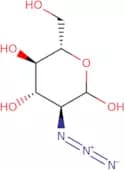
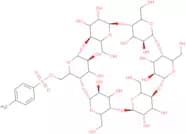
<p>2-Azido-2-deoxy-L-glucopyranose is a Custom synthesis, modification and fluorination of methylated glucopyranosides. This compound has been shown to be effective in the synthesis of mono-, oligo-, and polysaccharides. 2-Azido-2-deoxy-L-glucopyranose is used for the preparation of glycosylation reagents. It can also be used to modify saccharide chains with azide or alkyne functionalities. 2-Azido-2-deoxy-L-glucopyranose is an important building block for the synthesis of complex carbohydrates, such as polysaccharides, glycosylation reagents, and click chemistry compounds.</p>Formule :C6H11N3O5Degré de pureté :Min. 95%Couleur et forme :White to off-white solid.Masse moléculaire :205.17 g/molMono-6-O-(p-toluenesulfonyl)-a-cyclodextrin
CAS :<p>Alpha-cyclodextrin (α-CD) derivative with a hydrophilic exterior and lipophilic cavity (smaller than β-CDs and γ-CDs) to allocate certain guest molecules. This structural characteristic enables applications in molecular encapsulation, solubility enhancement, and stabilization across multiple industries. In pharmaceuticals, it serves as a drug delivery vehicle, enhancing the bioavailability and stability of active ingredients. The food industry utilizes it as a stabilizer for flavors, colors, and nutrients, as well as a functional ingredient for its effects on lipid metabolism. In cosmetics, it acts as a complex agent for fragrances and active components. Its applications extend to analytical chemistry for chiral separation and to materials science for developing smart materials and nanosystems.</p>Formule :C43H66O32SDegré de pureté :Min. 95%Couleur et forme :White PowderMasse moléculaire :1,127.03 g/molN-Methyldeoxynojirimycin
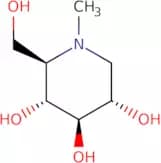
CAS :<p>N-Methyldeoxynojirimycin is a monoclonal antibody that is a competitive inhibitor of the melanoma antigen gp75. It is also an inhibitor of oligosaccharide synthesis and has been shown to have anti-inflammatory properties. N-Methyldeoxynojirimycin binds to the golgi alpha-mannosidases, preventing them from processing high-mannose type oligosaccharides. This leads to decreased chemoattractant protein production by neutrophils, which are important in the inflammatory process. N-Methyldeoxynojirimycin has also been shown to inhibit myocardial infarct size and glomerular filtration rate in rats, as well as increase biochemical markers for inflammation, such as α subunit of α1 acid glycoprotein and basic fibroblast growth factor.</p>Formule :C7H15NO4Degré de pureté :Min. 95%Couleur et forme :White PowderMasse moléculaire :177.2 g/molFructosazine
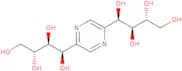
CAS :<p>Fructosazine is a natural compound that is found in the bark of the fructus quinquefoliae tree. It has been shown to have antimicrobial properties when it reacts with hydrochloric acid. Fructosazine inhibits the growth of bacteria by reacting with their cell walls and interfering with their metabolism. Fructosazine may also have physiological effects, such as reducing blood pressure and body weight gain, which are not fully understood. The reaction mechanism for fructosazine is not yet known, but it may be due to its reactive nature. More research needs to be done on this compound before we can understand its full potential.</p>Formule :C12H20N2O8Degré de pureté :Min. 96 Area-%Couleur et forme :PowderMasse moléculaire :320.3 g/mol3,5-Dideoxy-3,5-imino-1,2-O-isopropylidene-N-butyl-6-O-tert.butyldimethylsilyl-b-L-galactofuranose
<p>3,5-Dideoxy-3,5-imino-1,2-O-isopropylidene-N-butyl-6-O-tert.butyldimethylsilyl-b-L-galactofuranose is a synthetic sugar that can be used as an intermediate for the synthesis of glycosides. This compound has been fluorinated with trifluoromethanesulfonic acid to increase its stability and resistance to hydrolysis. The carbonyl group of the 3,5 position has been converted into an isopropylidene group by reacting with tert.butyldimethylsilyl chloride (TBSCl) in order to increase the reactivity of this functional group. This sugar can be modified at any position on its carbohydrate chain in order to produce desired products. It can also be methylated or acetylated at any position on the carbohydrate chain using reagents such as</p>Degré de pureté :Min. 95%Cellobionic acid ammonium salt
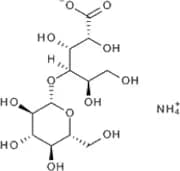
CAS :<p>Cellobionic acid is produced by oxidative enzymes working on cellulose. These compounds have found application in cosmetic antiaging formulations, moisturizers, and peels, and in treatment products to improve hyperpigmentation and acne. The bionic acids such as cellobionic acid offer the benefits of α-hydroxyacids without irritation. They also provide additional antioxidant/chelation, barrier strengthening, and moisturizing effects.</p>Formule :C12H25NO12Degré de pureté :Min. 95%Couleur et forme :Off-White PowderMasse moléculaire :375.33 g/mol1,5-α-L-Arabinotriose
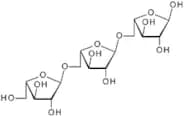
CAS :<p>1,5-α-L-Arabinotriose is a sugar that is found in the cell walls of plants. It is a trisaccharide composed of three L-arabinose units linked by α-(1→5) bonds. 1,5-α-L-Arabinotriose has been shown to be adsorbed on cellulose acetate and can be used to measure the molecular weight of the adsorbate. This sugar also undergoes optical rotations when it interacts with some dyes such as germanium tetrachloride. 1,5-α-L-Arabinotriose has many uses including: as a solute in chloride ion chromatography; as an absorbent in filtration experiments; and as a parameter for calculating thermodynamics for reactions involving hydrogen transfer.</p>Formule :C15H26O13Degré de pureté :Min. 95 Area-%Couleur et forme :Clear LiquidMasse moléculaire :414.36 g/mola-D-Glucose-1-phosphate disodium salt hydrate
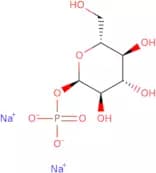
CAS :<p>a-D-Glucose-1-phosphate disodium salt hydrate (aGPD) is a bacterial strain that has been shown to produce fatty acids from glucose. The production of fatty acids has been shown to be dependent on transfer reactions involving tagatose, which is an intermediate product of the process optimization of aGPD. The final product of these reactions is lactic acid, which is formed in an acidic environment. This bacterial strain has also been used as a model system for studying kidney bean phosphatase and photosynthetic activity in monoclonal antibody production.</p>Formule :C6H11O9P·2Na·xH2ODegré de pureté :Min. 97%Couleur et forme :White PowderMasse moléculaire :304.1 g/mol1- Deoxy- 3, 4- O- isopropylidene-D- erythro- 2- pentulose
<p>1-Deoxy-3,4-O-isopropylidene-D-erythro-2-pentulose is a sugar that can be custom synthesized. It has a high purity and can be used in synthesis, glycosylation, methylation, or modification of saccharide. It has many uses in the field of chemistry and is an important building block for complex carbohydrates. 1-Deoxy-3,4-O-isopropylidene-D-erythro-2 pentulose can be found on the CAS registry number:</p>Degré de pureté :Min. 95%Fucoidan, fucus vesiculosus
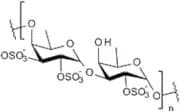
CAS :<p>A fucan sulphate found in brown marine algae (Phaeophyta-typically fucus vesiculosus (illustrated), Ascophyllum nodosum, Alaria and Macrocystis pyrifyra and has been shown to have anticoagulant activity. The main constituents are α-1,4 and α-1,2 linked L-fucose sulphates although galactose also occurs and there are many variations of the basic structure found in different species of Phaeophyta.<br>The fucose content of this fucan is approx. 43.1% and it also contains galactose (approx. 8.8%), uronic acid (approx. 8.7%) and sulfate (approx. 30.6%).<br>The image was kindly provided by Prof Mike Guiry from Cork who runs ‘The Seaweed Site’.</p>Degré de pureté :Min. 95%Couleur et forme :White PowderOligogalactosyllactose
<p>Oligogalactosyllactose is a polysaccharide made from galactose and glucose. Oligogalactosyllactose has been shown to have an inhibitory effect on the growth of Staphylococcus aureus strains. Oligogalactosyllactose also has anti-inflammatory properties, which may be due to its ability to bind to free fatty acids and reduce the production of pro-inflammatory cytokines. This dietary ingredient is found in inulin, which is a type of carbohydrate that can be found in some vegetables. Oligogalactosyllactose is composed of short chains of sugar molecules, making it easier for the body to absorb. It is also more readily metabolized by bacteria in the gut than other types of carbohydrates like celluloses or starches.</p>Degré de pureté :Min. 95%Couleur et forme :Powder2,3-O-Isopropylidene-hamamelono-1,4-lactone
<p>2,3-O-Isopropylidene-hamamelono-1,4-lactone is an Oligosaccharide with a Glycosylation that is Synthetic and Fluorinated. It has a Custom synthesis and Methylation. This product is Monosaccharide and Polysaccharide. It has a Click modification, a complex carbohydrate, and is High purity. The CAS number for this product is 62968-07-1.</p>Degré de pureté :Min. 95%Methyl 2,3,4-tri-O-benzyl-6-O-trityl-a-D-galactopyranoside
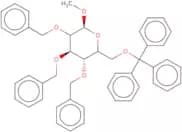
CAS :<p>Methyl 2,3,4-tri-O-benzyl-6-O-trityl-a-D-galactopyranoside is a synthetic modified oligosaccharide. It has been shown to have potent antiplaque activity in animal models of dental caries and has been demonstrated to be an effective inhibitor of the glycosylation reaction. Methyl 2,3,4-tri-O-benzyl-6-O-trityl galactopyranoside is soluble in water and can be used as a fluorinated monosaccharide. The compound can also be used as a click modification with other sugars or saccharides.</p>Formule :C47H46O6Degré de pureté :Min. 95%Masse moléculaire :706.89 g/mol2-Acetamido-2-deoxy-L-mannopyranose
CAS :<p>2-Acetamido-2-deoxy-L-mannopyranose is a sugar that is synthesized by the enzyme arabinofuranosidase. This enzyme catalyzes the hydrolysis of arabinose to form 2-acetamido-2-deoxy-l-mannopyranose. The enzyme has been shown to be thermostable and can be used as an acceptor for other enzymes, such as glycosyltransferases and glucosidases. The biosynthesis of 2-acetamido-2-deoxymannopyranose starts with l -arabinose, which is converted into d -arabinose by the action of aldaribinofuranosidase, followed by conversion into 2 acetamido--2 deoxymannopyranose by the action of arabinofuranosidase. Mutations in these enzymes have been found to affect the stereospecific</p>Formule :C8H15NO6Degré de pureté :Min. 95%Couleur et forme :PowderMasse moléculaire :221.2 g/mol6-O-Sulfated Lewis A
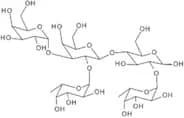
<p>6-O-sulfated Lewis A is a high purity oligosaccharide with a custom synthesis and click modification. This product has been shown to be useful in glycosylation, methylation, and saccharide modification. It is a versatile carbohydrate that can be used in the synthesis of complex carbohydrates. 6-O-Sulfated Lewis A has CAS number 70520-34-5 and an Oligo/Mono Saccharide content of >95%.</p>Formule :C20H35NO18SDegré de pureté :Min. 95%Couleur et forme :PowderMasse moléculaire :609.55 g/molMaltodecaose - min 90%
CAS :<p>α 1,4-glucodecasaccharide derived from starch by hydrolysis and chromatography</p>Formule :C60H102O51Couleur et forme :White PowderMasse moléculaire :1,639.42 g/molα-D-Mannose-1-phosphate sodium
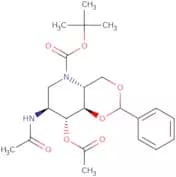
CAS :<p>α-D-Mannose-1-phosphate sodium is a synthetically made mannose phosphate. This compound is used in the synthesis of oligosaccharides and glycoproteins.</p>Formule :C6H11Na2O9PDegré de pureté :Min. 98 Area-%Couleur et forme :White PowderMasse moléculaire :304.1 g/mol2-Acetamido-3-O-acetyl-4,6-benzylidene-N-Boc-1,2,5-trideoxy-1,5-imino-D-glucitol
CAS :<p>2-Acetamido-3-O-acetyl-4,6-benzylidene-N-Boc-1,2,5-trideoxy-1,5-imino-D-glucitol is a carbohydrate that is synthesized by a click modification of 4,6 benzylidene N Boc glucitol. The synthesis of this compound was accomplished by the use of a two step process to convert the starting material into 2 acetamido 3 O acetyl 4,6 benzylidene 1,2 5 trideoxy 1 5 imino D glucitol. The first step involved the conversion of 4 6 benzylidene 1 2 5 trideoxy 1 5 imino D glucitol to 2 acetamido 3 O acetyl 4 6 benzylidene 1 2 5 trideoxy 1 5 imino D glucitol. In the second step, this compound was converted to 2 acetamido 3 O acetyl</p>Formule :C22H30N2O7Degré de pureté :Min. 95%Masse moléculaire :434.48 g/molE-Retinyl b-glucuronide
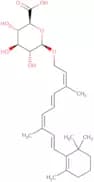
CAS :<p>E-Retinyl b-glucuronide is a metabolite of vitamin A that is formed in the liver by glucuronidation of retinol. It has been shown to have immunomodulatory effects and can be used to activate various immune cells, such as T lymphocytes, monocytes, and natural killer cells. E-Retinyl b-glucuronide binds to cell surface antigens and induces the expression of surface markers on mononuclear cells. In vitro studies have shown that this metabolite has growth-promoting activity for certain types of cancerous cells including colon carcinoma, breast carcinoma, and thyroid carcinoma. E-Retinyl b-glucuronide is also known to inhibit the binding of 13-cis retinoic acid to its receptor, thereby preventing the activation of genes in target tissues.</p>Formule :C26H38O7Degré de pureté :Min. 95%Masse moléculaire :462.58 g/mol1,3,4,6-Tetra-O-acetyl-b-D-glucosamine HCl
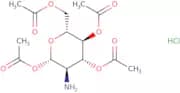
CAS :<p>1,3,4,6-Tetra-O-acetyl-b-D-glucosamine HCl is a compound that can be used in the production of bacterial cellulose. It is a white powder with a molecular weight of 536.2. 1,3,4,6-Tetra-O-acetyl-b-D-glucosamine HCl has been shown to be effective in the cultivation of microorganisms such as bacteria and fungi. This product is also an additive for deionized water and deionized sucrose solutions. Tetraacetylated glucosamine hydrochloride is used to produce bacterial cellulose through the action of cellulase enzymes on sucrose solutions containing NaOH. In addition, this product has been shown to inhibit the proliferation of fibroblasts and epithelial cells when cultured in vitro.</p>Formule :C14H21NO9·HClDegré de pureté :Min. 95.0 Area-%Couleur et forme :PowderMasse moléculaire :383.78 g/mol6-Amino-6-deoxy-D-lactose
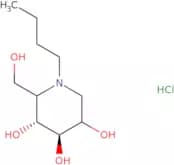
<p>6-Amino-6-deoxy-D-lactose is a high purity, custom synthesis sugar that has been fluorinated and glycosylated. It can be used in the synthesis of oligosaccharides, monosaccharides, saccharides or complex carbohydrates. 6-Amino-6-deoxy-D-lactose can be found under CAS No. 5892-84-7.</p>Degré de pureté :Min. 95%N-Butyldeoxymannojirimycin HCl
CAS :<p>N-Butyldeoxymannojirimycin HCl is a custom synthesis, complex carbohydrate that is synthesized from Oligosaccharides and Polysaccharides. This product is modified with Methylation, Glycosylation, and Carbohydrate. It has the CAS No. 155501-85-2 and it is high purity and fluorinated. The product can be used in Synthetic applications such as Click modification, sugar, or Fluorination.</p>Formule :C10H21NO4·HClDegré de pureté :Min. 95%Couleur et forme :SolidMasse moléculaire :255.74 g/mol(3r,4s)-3,4-Bis-benzyloxymethyl-oxetane-2-one 2-hydrate
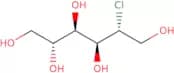
<p>A custom synthesis of (3r,4s)-3,4-Bis-benzyloxymethyl-oxetane-2-one 2-hydrate is a modification of a complex carbohydrate. This compound is synthesized from an oligosaccharide and has the molecular formula C14H15O2. The molecular weight for this compound is 256.24 g/mol. This compound is soluble in water and has a melting point of 80°C. It can be used as a sugar or a polysaccharide in glycosylation reactions. This compound also has fluorination and saccharide functionalities that can be used in methylation reactions to produce methylated sugars or monosaccharides.</p>Degré de pureté :Min. 95%2-Chloro-2-deoxy-D-mannitol
CAS :<p>2-Chloro-2-deoxy-D-mannitol is a synthetic sugar that is used in the synthesis of oligosaccharides and complex carbohydrates. It is also used to fluorinate saccharides. 2-Chloro-2-deoxy-D-mannitol can be modified with methyl groups, which allows for the synthesis of monosaccharides and polysaccharides. This product has a CAS number of 127530-02-3 and is soluble in water. It has a melting point of 220°C, boiling point of 390°C, density of 1.8 g/mL at 20°C, and refractive index (n20 D) of 1.54792 at 20°C.</p>Formule :C6H13ClO5Degré de pureté :Min. 95%Masse moléculaire :200.62 g/molChitobiose-6'-phosphate
<p>Chitobiose-6'-phosphate is a carbohydrate that is used in the synthesis of oligosaccharides. It can be modified to produce different types of saccharides, such as methylation, saccharide click modification, and modification. Chitobiose-6'-phosphate is available in high purity and offers a custom synthesis service for specific requirements.</p>Degré de pureté :Min. 95%2,6-Anhydro-D-glycero-D-ido-heptonamide
CAS :<p>2,6-Anhydro-D-glycero-D-ido-heptonamide is a fluorinated carbohydrate that can be synthesized by the reaction of 2,6-anhydro-D-glycero-D-heptonic acid with N,N'-dicyclohexylcarbodiimide and ethyl bromoacetate. This compound is then modified with a methyl group at the C2 position or an acetyl group at the C3 position. The resulting product can be used in a wide variety of applications including biopharmaceuticals, diagnostic reagents, and inorganic chemicals.</p>Degré de pureté :Min. 95%1-Deoxy-1-vinylsulfonamido-b-D-glucuronide
<p>1-Deoxy-1-vinylsulfonamido-b-D-glucuronide is a synthetic sugar. It is a member of the group of compounds called sulfonamides. This drug has high purity, and can be custom synthesized to meet specific requirements. 1-Deoxy-1-vinylsulfonamido-b-D-glucuronide is used in the synthesis of oligosaccharides, monosaccharides, and saccharides.</p>Degré de pureté :Min. 95%2-Acetamido-2,6-dideoxy-D-galactose
CAS :<p>2-Acetamido-2,6-dideoxy-D-galactose (2ADG) is a structural analogue of the natural monosaccharide 2,6-dideoxy-D-galactose. It has been shown to have an antimicrobial effect against aerobacter aerogenes in vitro. 2ADG is metabolized by glycosidases and methyl glycosides to form 1,4-anhydro-2,3,4,6 tetraacetamido-2,4,6 dideoxy D galactose. This compound inhibits the growth of bacterial strains that are resistant to polymyxin b., such as Pseudomonas aeruginosa. The inhibition of these bacteria is due to the inhibition of the synthesis of their outer membrane lipopolysaccharides by 2ADG. The antibacterial activity is also attributed to its ability to inhibit the metabolism of glycan molecules in some bacteria</p>Formule :C8H15NO5Degré de pureté :Min. 95%Couleur et forme :White PowderMasse moléculaire :205.21 g/mol1,3,4,6-Tetra-O-acetyl-2-azido-2-deoxy-L-mannopyranose
<p>1,3,4,6-Tetra-O-acetyl-2-azido-2-deoxy-L-mannopyranose is a carbohydrate that is synthesized by the modification of the glycosylation process. It is a methylated and fluorinated oligosaccharide with a high purity. This product is available for custom synthesis in order to meet specific customer requirements.</p>Formule :C14H19N3O9Degré de pureté :Min. 95%Couleur et forme :White To Off-White SolidMasse moléculaire :373.32 g/mol1,2:3,4-Di-O-isopropylidene-a-L-galactopyranose
CAS :<p>1,2:3,4-Di-O-isopropylidene-a-L-galactopyranose is a synthetic sugar that is used for the saccharide modification of proteins. It has been shown to be an efficient and cost effective way to synthetically modify proteins with oligosaccharides or polysaccharides. 1,2:3,4-Di-O-isopropylidene-a-L-galactopyranose can be modified with fluorine atoms using a click chemistry reaction. This reaction is catalyzed by copper ions and generates a reactive thiol group on the sugar molecule that can then react with amino groups on protein molecules. The resulting product is a glycosylation site on the protein that can be further modified with other sugars or molecules. The fluorination step eliminates any possibility of adverse reactions being caused by the presence of reactive hydroxyl groups.</p>Formule :C12H20O6Degré de pureté :Min. 95%Couleur et forme :Colorless Clear LiquidMasse moléculaire :260.28 g/mol2-C-Azidomethyl-2,3-di-O-benzhydryloxybis(trimethylsilyloxy)silyl-1-O-tert-butyldimethylsilyl-D-erythritol
<p>2-C-Azidomethyl-2,3-di-O-benzhydryloxybis(trimethylsilyloxy)silyl-1-O-tert-butyldimethylsilyl-D-erythritol is a synthetic compound that can be used as a methylating agent and sugar donor in the glycosylation of oligosaccharides. This compound has been shown to methylate saccharides with high purity and can be used for the preparation of complex carbohydrates.</p>Degré de pureté :Min. 95%2,5-Anhydro-1-O-trityl-D-mannitol
CAS :<p>2,5-Anhydro-1-O-trityl-D-mannitol is a complex carbohydrate with the molecular formula C6H14O6 that has been modified for use in glycosylation reactions. It is a type of sugar that can be modified to create desired properties and can be used as an alternative to other sugars such as glucose. 2,5-Anhydro-1-O-trityl-D-mannitol can be used in the synthesis of oligosaccharides and monosaccharides. This product is available in high purity and has a CAS number of 68774-48-1.</p>Formule :C25H26O5Degré de pureté :Min. 95%Masse moléculaire :406.48 g/mol1,2,4,6-Tetra-O-acetyl-β-D-glucopyranose
CAS :<p>1,2,4,6-Tetra-O-acetyl-b-D-glucopyranose is a synthetic sugar that can be used in the synthesis of oligosaccharides and polysaccharides. It is a high purity product with a purity of >99% by weight. This product is also available as a custom synthesis.</p>Formule :C14H20O10Degré de pureté :Min. 95%Couleur et forme :White PowderMasse moléculaire :348.3 g/mol6-Deoxy-L-tallitol
<p>6-Deoxy-L-tallitol is a sugar that is synthesized from the natural sugar, L-taloheptulose. This product is custom synthesized and can be modified to suit the needs of the customer. It can be fluorinated, glycosylated, or methylated as required. 6-Deoxy-L-tallitol can be used in a variety of applications such as pharmaceuticals, agrochemicals, and food products. This product has a CAS number, Oligosaccharide, Monosaccharide, saccharide Carbohydrate, complex carbohydrate.</p>Degré de pureté :Min. 95%β-Cyclodextrin
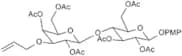
CAS :<p>Beta-Cyclodextrin is a cyclic oligosaccharide with 7 D-glucose residues which are alpha-1,4-linked. beta-cyclodextrin is used in the food industry to encapsulate flavours and fragrances. Beta-cyclodextrin can increase the water solubility of compounds, such as curcumin; further, the cyclodextrin-curcumin complex also allows for a controlled, sustainable release in a wound healing study.</p>Formule :C42H70O35Degré de pureté :Min. 98.0 Area-%Masse moléculaire :1,134.99 g/mol4-Methoxyphenyl 2,3,6-tri-O-acetyl-4-O-(2,4,6-tri-O-acetyl-3-O-allyl-β-D-galactopyranosyl)-β-D-glucopyranoside
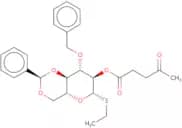
<p>4-Methoxyphenyl 2,3,6-tri-O-acetyl-4-O-(2,4,6-tri-O-acetyl-3-O-allyl bDgalactopyranosyl)-bDglucopyranoside is a modification of an oligosaccharide. It is a high purity and custom synthesis. This product can be found under CAS No. 807827-28-0.</p>Formule :C34H44O18Degré de pureté :Min. 95%Masse moléculaire :740.7 g/molEthyl 3-O-benzyl-4,6-O-benzylidene-2-O-levulinoyl-b-D-thioglucopyranoside
CAS :<p>Ethyl 3-O-benzyl-4,6-O-benzylidene-2-O-levulinoyl-b-D-thioglucopyranoside is a custom synthesis that belongs to the group of carbohydrates. It is a complex carbohydrate with an oligosaccharide and polysaccharide side chain. The saccharide contains a methylated and glycosylated benzene ring attached to the oxygen atom of glucose at position C1, which then has an acetate group that is attached to it. The glycosylation of this molecule is methylated at the C2 position, which is a rare modification that has not been studied extensively. This molecule also has a fluorinated acetate group at the C3 position on the glucose ring. This product is high purity and synthetic in origin.</p>Formule :C27H32O7SDegré de pureté :Min. 95%Couleur et forme :PowderMasse moléculaire :500.6 g/mol2-Allyloxycarbonylamino-2-deoxy-D-galactose
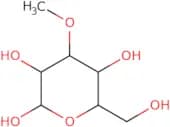
<p>2-Allyloxycarbonylamino-2-deoxy-D-galactose is a monosaccharide that is synthetically modified for use as a synthetic building block in the synthesis of complex carbohydrates and saccharides. This compound is fluorinated at the 2 position to increase its water solubility, which makes it useful for chemical modifications. It has been shown to be methylated and glycosylated.</p>Degré de pureté :Min. 95%3-O-Methyl-α-D-glucopyranose
CAS :<p>3-O-Methyl-α-D-glucopyranose is a synthetic, fluorinated monosaccharide. This compound is a custom synthesis, and it can be used as an intermediate in glycosylation reactions. 3-O-Methyl-α-D-glucopyranose is typically used for the modification of polysaccharides by methylation or fluorination. It also has potential applications in the production of high purity sugar compounds.</p>Formule :C7H14O6Degré de pureté :Min. 95%Masse moléculaire :194.18 g/molHeparin disaccharide IV-S disodium salt
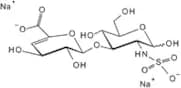
CAS :<p>Heparin is a complex carbohydrate that has been modified by the addition of a sugar and a sulfate group. It is used in the treatment of thrombosis, deep vein thrombosis, pulmonary embolism, and other blood clots. Heparin disaccharide IV-S disodium salt (HDS) is an intravenous form of heparin that consists of sodium salts of two saccharides: heparin disaccharide and sodium disulfate. HDS has been shown to be more potent than unfractionated heparin in animal models, as well as being more effective in preventing clot formation in humans. This drug also exhibits less frequent side effects such as skin rash, itching, or hives.</p>Formule :C12H17NO13S·2NaDegré de pureté :Min. 95%Couleur et forme :White PowderMasse moléculaire :461.31 g/molAmylose
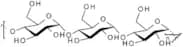
CAS :<p>Starch consists of two polysaccharides, amylose and amylopectin and represents approximately 20-25% of the total polysaccharide content in starch. Amylose molecules consist of single mostly unbranched chains of 500-20,000 α-(1->4)-D-glucose residues dependent on source (e.g. wheat, rice, potato, tapioca, etc). Amylose can form an extended shape (hydrodynamic radius 7-22 nm) but generally tends to wind up into a rather stiff left-handed single helix or form even stiffer parallel left-handed double helical junction zones. Hydrogen bonding between aligned chains causes retrogradation and releases some of the bound water (syneresis). The aligned chains may then form double stranded crystallites that are resistant to amylases. These possess extensive inter- and intra-strand hydrogen bonding, resulting in a fairly hydrophobic structure of low solubility. The amylose content of starches is thus the major cause of resistant starch formation.</p>Formule :(C6H10O5)nCouleur et forme :White Off-White PowderGDP-D-galactose
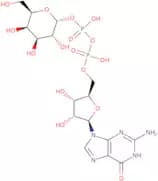
CAS :<p>GDP-D-galactose is a sugar nucleotide that is an intermediate in the synthesis of GDP-D-mannose. It is synthesized from D-galactose by the enzyme galactokinase, which converts D-galactose to D-galacturonate. GDP-D-galactose can then be converted to GDP-D-mannose by the enzyme GDP mannokinase. The incorporation of GDP into macromolecules is a process that can be used as a marker for biosynthesis and has been shown in Gracilaria sp.</p>Formule :C16H25N5O15P2Degré de pureté :Min. 95%Masse moléculaire :589.4 g/molMaltosan
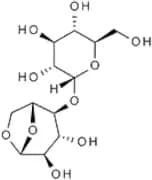
CAS :<p>Anhydro maltose found in the pyrolysis products of cellulose</p>Formule :C12H20O10Degré de pureté :Min. 95%Couleur et forme :PowderMasse moléculaire :324.28 g/molLarch arabinogalactan
CAS :<p>Larch arabinogalactan is extracted from the heartwood of the western larch Larix occidentalis. This compound has a backbone of 1,3-linked β-D-galactopyranosyl units each of which contains a side chain at position C-6. Arabinogalactans are used as emulsifiers, stabilizers and binders in the food, pharmaceutical and cosmetic industries, as low viscosity dietary fibres and as a prebiotic fibres.</p>Degré de pureté :Min. 95%Couleur et forme :Off-White Powderα-D-Glucose-1-phosphate dipotassium hydrate
CAS :<p>a-D-Glucose-1-phosphate dipotassium salt hydrate (aDG1P) is a glycogen synthesis inhibitor that inhibits the phosphorylases in the breakdown of glycogen. It also inhibits the synthesis of glycogen by inhibiting ATPase activity, which is required for the conversion of glucose to glucose 6-phosphate. The inhibition of phosphorylases and ATPase activity prevents the phosphorylation of glucose and leads to a decrease in glycogen synthesis. aDG1P has been shown to be effective in both animal models and human subjects for treating muscle disease such as Duchenne muscular dystrophy.</p>Formule :C6H13O9P•K2•(H2O)xDegré de pureté :(%) Min. 95%Couleur et forme :PowderMasse moléculaire :336.32 g/mol4-Methoxyphenyl β-D-glucopyranoside
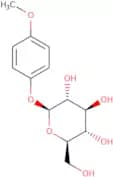
CAS :<p>Bearberry has been used for centuries to treat various disorders of the urinary tract and prostate. The active ingredient in bearberry is a flavonol glycoside called arbutin, which is converted to hydroquinone during metabolism. As an antioxidant, hydroquinone inhibits the oxidation of LDL cholesterol and may reduce the risk of atherosclerosis. Hydroquinone has also been shown to have anti-inflammatory properties in rat liver microsomes and tissue culture, inhibiting prostaglandin synthesis by blocking cyclooxygenase activity. In vitro, bearberry extracts have been shown to inhibit bacterial growth on agar plates with pH levels from 4-7 and at concentrations between 0.1-1%. It was found that bearberry extracts were most effective against Pseudomonas aeruginosa strains, with MIC values ranging from 2-4 mg/mL. Bearberry extract was observed to be more effective than ampicillin against these strains in a chromatographic assay.</p>Formule :C13H18O7Degré de pureté :Min. 95%Couleur et forme :PowderMasse moléculaire :286.28 g/mol2-Methylphenyl 4-O-benzyl-a-L-thiorhamnopyranoside
<p>2-Methylphenyl 4-O-benzyl-a-L-thiorhamnopyranoside is a custom synthesis that can be modified to suit the needs of the customer. It is a fluorinated oligosaccharide with a complex carbohydrate structure. The product has been shown to have high purity and will be synthesized according to customer specifications. 2-Methylphenyl 4-O-benzyl-a-L-thiorhamnopyranoside is an oligosaccharide that contains a saccharide and monosaccharide unit, which are linked together by glycosidic bonds. This product is also known as methylated thioretinamide or MTT.</p>Degré de pureté :Min. 95%(2R,3R,4R)-N-Benzyloxycarbonyl-2-hydroxymethyl-3,4-pyrrolidinediol
<p>(2R,3R,4R)-N-Benzyloxycarbonyl-2-hydroxymethyl-3,4-pyrrolidinediol is a custom synthesis of polysaccharide that is modified with methylation and glycosylation. It is a complex carbohydrate that has been synthesized using Click chemistry. The product is fluorinated and has high purity.</p>Degré de pureté :Min. 95%2,3-Di-O-benzyl-b-cyclodextrin
<p>This beta-cyclodextrin (β-CD) derivative is a functionalized cyclic oligosaccharide composed of seven glucose units, characterized by a hydrophilic exterior and a lipophilic cavity (bigger than α-CD and smaller than γ-CDs), which allows it to encapsulate various guest molecules. This structural feature facilitates its use in multiple applications, including pharmaceuticals, food enhancement, and cosmetics. In the pharmaceutical industry, it enhances the solubility and stability of poorly water-soluble drugs, improving their bioavailability and efficacy while also masking unpleasant tastes. The food sector utilizes it as a stabilizer for flavors, colors, and nutrients, extending shelf life by protecting sensitive ingredients from degradation. In cosmetics, it serves as a complexing agent for fragrances and active components, ensuring their stability and controlled release. Its use expands to many other fields, including nanotechnology for drug delivery systems, environmental remediation for extracting organic pollutants, textiles for slow-release fragrances, and analytical chemistry for chiral separation.</p>Formule :C140H154O35Degré de pureté :Min. 95%Masse moléculaire :2,396.7 g/mol2-O-Benzoyl-3,4-O-benzylidene-D-ribono-1,5-lactone
<p>2-O-Benzoyl-3,4-O-benzylidene-D-ribono-1,5-lactone (2BBL) is a glycosylation agent that can be used for the synthesis of complex carbohydrates. It is also an effective methylating agent for glycosides and saccharides. 2BBL is fluorinated to yield 2FBL, which has been shown to be a powerful click reagent. The CAS number for 2BBL is 53478-55-0. This product is custom synthesized in high purity and can also be used as a monosaccharide in oligosaccharide synthesis.</p>Degré de pureté :Min. 95%2-Azidomethyl-2-deoxy-3,4-O-isopropylidene-6-O-tert.butyldimethylsilyl-D-talono-1.5-lactone
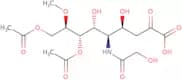
<p>2-Azidomethyl-2-deoxy-3,4-O-isopropylidene-6-O-tert.butyldimethylsilyl-D-talono-1.5-lactone is a synthetic compound that can be customized for your specific needs. It has been shown to have high purity and the ability to undergo a variety of modifications, such as fluorination, glycosylation, methylation, and modification. It is also available in a range of sizes and types of carbohydrate, including saccharides and oligosaccharides.</p>Degré de pureté :Min. 95%7,9-Di-O-acetyl-N-glycolyl-8-O-methylneuraminic acid
CAS :<p>7,9-Di-O-acetyl-N-glycolyl-8-O-methylneuraminic acid is a synthetic glycolylneuraminic acid analogue that can be used in the treatment of bacterial infections. It is a prodrug that is converted to glycolylneuraminic acid by monoclonal antibody and other enzymes. 7,9-Di-O-acetyl-N-glycolyl-8-O-methylneuraminic acid inhibits the activity of necrosis factor (TNF) by binding to its receptor, thereby preventing TNF from binding to cells and stimulating inflammation. This compound has been shown to be effective against many bacteria including methicillin resistant Staphylococcus aureus (MRSA). Techniques used for the synthesis include high performance liquid chromatography with mass spectrometry detection and cavity ring down spectroscopy.</p>Formule :C16H25NO12Degré de pureté :Min. 95%Masse moléculaire :423.37 g/mol(-)-isolariciresinol-2a-O-b-D-xylopyranoside
<p>(-)-isolariciresinol-2a-O-b-D-xylopyranoside is a methylated saccharide that is used in the synthesis of complex carbohydrates. It is synthesized by reacting an aldehyde with an alcohol, and it has been modified using click chemistry. The product is purified to be at least 98% pure, and it can be custom synthesized to order. (-)-isolariciresinol-2a-O-b-D-xylopyranoside can be fluorinated for use as a fluorescent probe for various applications. It has a CAS number of 564964-92-1.</p>Degré de pureté :Min. 95%N- [[(2S, 3S, 4R) - 4- [(Acetyloxy) methyl] - 3- (phenylmethoxy) - 1-acetamide
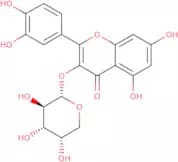
<p>N- [[(2S, 3S, 4R) - 4- [(Acetyloxy) methyl] - 3- (phenylmethoxy) - 1-acetamide is a synthetic glycoside. It has been modified for fluorination and methylation. The complex carbohydrate has been synthesized with high purity and it has a CAS No..</p>Degré de pureté :Min. 95%Quercetin-3-O-a-L-arabinoside
CAS :<p>Quercetin-3-O-a-L-arabinoside is a flavonoid that has been shown to be active against human colorectal adenocarcinoma cells. Quercetin 3-O-a-L-arabinoside inhibits the proliferation of hl60 cells by inducing apoptosis and inhibiting protein synthesis. The biological properties of quercetin 3-O-a-L-arabinoside are not well understood, but it may work as an antioxidant due to its ability to scavenge free radicals. Quercetin 3-O-a-L-arabinoside has also been found to have antimicrobial activity against bacteria, fungi, and viruses. Quercetin 3 O a L arabinoside is able to inhibit the growth of various strains of Mycobacterium tuberculosis, including drug resistant strains. This compound is also shown to be effective in the treatment of platinum resistant</p>Formule :C20H18O11Degré de pureté :Min. 98 Area-%Couleur et forme :Yellow PowderMasse moléculaire :434.35 g/mol1,2,3,6-Tetra-O-acetyl-4-O-{2,3,6-tri-O-acetyl-4-O-[2,3,6-tri-O-acetyl-4-O-(2,3,4,6-tetra-O-acetyl b-D-glucopyranosyl)-b-D-glucopyra nosyl]-b-D-glucopyranosyl}-b-D-thioglucopyranose
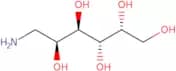
<p>1,2,3,6-Tetra-O-acetyl-4-O-[2,3,6-tri-O-acetyl-4-O-(2,3,4,6 tetra-O-acetyl bDglucopyranosyl)-bDglucopyra nosyl]-bDthioglucopyranose (1) is a sugar with the chemical formula C36H62N8O24. It was first synthesized by the group of L. W. F. Heckel in 1956 and its structure was elucidated by X. Miettinen in 1957. 1 is a complex carbohydrate with a glycosidic linkage to 4 as well as an acetate ester at position 6. The compound has been modified with methyl groups at positions 2 and 3 to form 1,2,3,6 tetra O acetyl 4 O methyl 2 O methyl 3 O methyl 6 O eth</p>Formule :C52H70O34SDegré de pureté :Min. 95%Masse moléculaire :1,271.16 g/mol1-Amino-1-deoxy-D-galactitol hydrochloride
CAS :<p>1-Amino-1-deoxy-D-galactitol hydrochloride is a natural polymer that is found in many organisms, including bacteria and fungi. It can be obtained by enzymatic conversion of galactose, which is an epimer of glucose. 1-Amino-1-deoxy-D-galactitol hydrochloride has been shown to have viscosity properties that are similar to those of natural polymers. This compound also has the ability to form hydrogen bonds with other molecules. 1-Amino-1-deoxy-D-galactitol hydrochloride is produced by chemoenzymatic reactions and can be used as a substitute for natural polymers in certain applications (e.g., food industry).</p>Formule :C6H15NO5·HClDegré de pureté :Min. 95%Couleur et forme :PowderMasse moléculaire :217.65 g/molD-Gluconic acid zinc (II) salt
CAS :<p>D-Gluconic acid zinc salt is an inorganic compound that is used to treat deficiencies of D-gluconate. It is a salt of zinc and D-gluconic acid, which is a natural metabolite found in the human body. This compound can be used to maintain healthy levels of D-gluconate in the tissues and help control symptoms related to deficiencies. The efficiency of this method has been demonstrated by an in vitro test on human femur cells. A profile analysis showed that D-gluconic acid zinc salt was able to minimize the severity of symptoms associated with deficiencies caused by gluconate deficiency, such as tissue sensitivity and bone degradation.</p>Formule :C12H22O14ZnDegré de pureté :Min. 95%Couleur et forme :White PowderMasse moléculaire :455.68 g/mol2,3,4,6-Tetra-O-benzyl-1-deoxynojirimycin hydrochloric acid salt
CAS :<p>2,3,4,6-Tetra-O-benzyl-1-deoxynojirimycin hydrochloric acid salt is a synthetic monosaccharide. It was originally synthesized by the methylation of a native oligosaccharide before being subjected to click chemistry. The resulting product is a complex carbohydrate with an aromatic ring in place of the sugar alcohol moiety. 2,3,4,6-Tetra-O-benzyl-1-deoxynojirimycin hydrochloric acid salt has CAS number 72983-76-7 and is soluble in water. This product is also available as a custom synthesis service and can be modified to meet your needs.</p>Formule :C34H38ClNO4Degré de pureté :Min. 95 Area-%Couleur et forme :PowderMasse moléculaire :560.12 g/mol4-O-(2-Acetamido-2-deoxy-b-D-glucopyranosyl)-L-fucopyranose
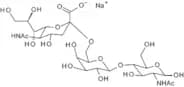
<p>4-O-(2-Acetamido-2-deoxy-b-D-glucopyranosyl)-L-fucopyranose is a synthetic oligosaccharide that is synthesized from the sugar 4-O-(2,3,4,6 tetraacetyl) fucose. It can be used as a substrate for glycosylation reactions and may also be used to modify other compounds. This product can be fluorinated or methylated and has a CAS number. The purity of this product is high with no detectable impurities.</p>Formule :C14H25NO10Degré de pureté :Min. 95%Masse moléculaire :367.35 g/mol6'-a-Sialyl-N-acetyllactosamine sodium salt
CAS :<p>Sialylated trisaccharide found in human urine</p>Formule :C25H41N2NaO19Degré de pureté :Min. 95%Couleur et forme :PowderMasse moléculaire :696.6 g/mol2, 4- Anhydro-3,5-O-[(R)-benzylidene]- 6- deoxy- L- mannonic acid benzamide
<p>2, 4-Anhydro-3,5-O-[(R)-benzylidene]-6-deoxy-L-mannonic acid benzamide is a synthetic sugar that is fluorinated and methylated. It has been custom synthesized and can be modified to have any desired modification. This product is in high purity and has a CAS No.</p>Degré de pureté :Min. 95%4,6-O-(4-Methoxybenzylidene)-1,2,3-tri-O-pivaloyl-b-D-glucopyranose
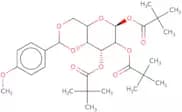
<p>4,6-O-(4-Methoxybenzylidene)-1,2,3-tri-O-pivaloyl-b-D-glucopyranose is a Glycosylation compound that has been modified with methyl groups on the 4 and 6 carbons of the sugar. It is a complex carbohydrate that has been fluorinated at the C5 position. This product is available for custom synthesis in quantities of 10g or more. The CAS number for this compound is 13357007.</p>Formule :C29H42O10Degré de pureté :Min. 95%Masse moléculaire :550.65 g/molAllyl 2-acetamido-2-deoxy-β-D-glucopyranoside
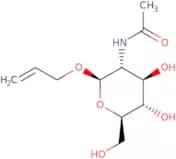
CAS :<p>Allyl 2-acetamido-2-deoxy-β-D-glucopyranoside is a modification of the sugar molecule. It is an oligosaccharide composed of a monosaccharide and one or more other saccharides.</p>Formule :C11H19NO6Degré de pureté :Min. 98 Area-%Couleur et forme :PowderMasse moléculaire :261.27 g/mol1-Amino-1-deoxy-D-arabinitol
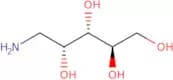
CAS :<p>1-Amino-1-deoxy-D-arabinitol is an anhydrous sugar that can be found in the crystalline form. The crystal structure of this compound has been determined by X-ray diffraction and was shown to contain a hydrogen bond between the hydroxyl group on the 1′ carbon and the amino group on C2. This reaction occurs through a nucleophilic attack by the hydroxyl group, which displaces the fluorine atom from C2. The stereospecificity of this reaction is due to the fact that only one enantiomer of 1-amino-1-deoxyarabinitol exists. This sugar can also be found as an intermediate in reactions involving ketoses, such as acetobacter fermentation, or hydrogen fluoride. It has been shown to have anti-inflammatory properties in mice when administered orally.</p>Formule :C5H13NO4Degré de pureté :Min. 95%Masse moléculaire :151.16 g/mol





![5-O-(5-Amino-5-deoxy-a-D-ribofuranosyl)-1-N-[(S)-4-amino-2-hydroxy-butanoyl]paromamine](/_next/image/?url=https%3A%2Fstatic.cymitquimica.com%2Fproducts%2F3D%2Fthumb-webp%2FOA31194.webp&w=3840&q=75)
![2-(2,3,6-Tri-O-acetyl-4-O-[(2,3,4,6-tetra-O-acetyl-a-D-glucopyranosyl)]-b-D-glucopyranosyl) thiops…](/_next/image/?url=https%3A%2Fstatic.cymitquimica.com%2Fproducts%2F3D%2Fthumb-webp%2FOT10963.webp&w=3840&q=75)

















![N- [[(2S, 3S, 4R) - 4- [(Acetyloxy) methyl] - 3- (phenylmethoxy) - 1-acetamide](/_next/image/?url=https%3A%2Fstatic.cymitquimica.com%2Fproducts%2F3D%2Fthumb-webp%2FMA163434.webp&w=3840&q=75)


![2, 4- Anhydro-3,5-O-[(R)-benzylidene]- 6- deoxy- L- mannonic acid benzamide](/_next/image/?url=https%3A%2Fstatic.cymitquimica.com%2Fproducts%2F3D%2Fthumb-webp%2FMA163989.webp&w=3840&q=75)