Glycosciences
La glycosciences est l'étude des glucides et de leurs dérivés, ainsi que des interactions et des fonctions biologiques auxquelles ils participent. Ce domaine de recherche est crucial pour comprendre une grande variété de processus biologiques, y compris la reconnaissance cellulaire, la signalisation, la réponse immunitaire et le développement des maladies. La glycosciences a des applications importantes en biotechnologie, en médecine et dans le développement de nouveaux médicaments et thérapies. Chez CymitQuimica, nous proposons une large sélection de produits de haute qualité et pureté pour la recherche en glycosciences. Notre catalogue comprend des monosaccharides, des oligosaccharides, des polysaccharides, des glyconjugués et des réactifs spécifiques, conçus pour soutenir les chercheurs dans leurs études sur la structure, la fonction et les applications des glucides dans les systèmes biologiques. Ces ressources sont destinées à faciliter les découvertes scientifiques et les applications pratiques dans divers domaines des biosciences et de la médecine.
Sous-catégories appartenant à la catégorie "Glycosciences"
- Aminosucres(108 produits)
- Anticorps Glyco-Related(282 produits)
- Glycolipides(46 produits)
- Glycosaminoglycanes (GAGs)(55 produits)
- Glycosides(419 produits)
- Monosaccharides(6.621 produits)
- Oligosaccharides(3.681 produits)
- Polysaccharides(503 produits)
11041 produits trouvés pour "Glycosciences"
Trier par
Degré de pureté (%)
0
100
|
0
|
50
|
90
|
95
|
100
1,2,3,4,6-Penta-O-galloyl-a-D-glucopyranose
CAS :<p>1,2,3,4,6-Penta-O-galloyl-a-D-glucopyranose is a natural compound that inhibits the Cox-2 enzyme and has anti-cancer properties. It induces cell death by increasing oxidative injury and suppressing autophagy. 1,2,3,4,6-Penta-O-galloyl-a-D-glucopyranose has been shown to reduce xenograft tumor growth in mice while causing no observable toxic effects on normal tissues. This compound also inhibits the proapoptotic protein Bax and promotes the expression of Bcl2 in 3T3L1 preadipocytes. The mechanism of action may be related to its ability to inhibit basic fibroblast proliferation and induce apoptosis in k562 cells.</p>Formule :C41H32O26Degré de pureté :Min. 95%Couleur et forme :Off-White PowderMasse moléculaire :940.68 g/molFucoidan - Ascophyllum nodosum
CAS :<p>Please enquire for more information about Fucoidan - Ascophyllum nodosum including the price, delivery time and more detailed product information at the technical inquiry form on this page</p>Couleur et forme :PowderEzetimibe hydroxy-D-glucuronide D4
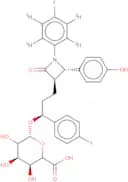
Produit contrôlé<p>Ezetimibe hydroxy-D-glucuronide D4 is a synthetic glycosylation product, which belongs to the category of oligosaccharides. It is a sugar that has been modified through fluorination and methylation. This product is soluble in water and has a purity of greater than 99% (based on HPLC analysis). Ezetimibe hydroxy-D-glucuronide D4 is a white, crystalline powder with a molecular weight of 586.2 g/mol and CAS number 144479-19-5.</p>Formule :C30H25D4F2NO9Degré de pureté :Min. 95%Masse moléculaire :589.57 g/molSucrose-6-phosphate sodium
CAS :<p>Sucrose-6-phosphate sodium is a transcriptional regulator that belongs to the group of sugar phosphate ions. Sucrose-6-phosphate sodium regulates the transcription of genes involved in the synthesis of polysaccharides, such as sucrose and starch. This compound plays an important role in the metabolism of plants and has been shown to regulate hydrogen bond formation, photosynthetic activity, glycosidic bond formation, polymerase chain reactions, and regulatory sequences. The optimum pH for this compound is 7.0, with enzyme activities between pH 6.0 and 8.5. Sucrose-6-phosphate sodium also has been shown to regulate root formation and phosphorus pentoxide production in corynebacterium glutamicum.</p>Formule :C12H23O14P•Na2Degré de pureté :Min. 95%Couleur et forme :PowderMasse moléculaire :468.26 g/molMycothione
<p>Please enquire for more information about Mycothione including the price, delivery time and more detailed product information at the technical inquiry form on this page</p>Formule :C34H58N4O24S2Degré de pureté :Min. 95%Masse moléculaire :970.97 g/mol4-Isothiocyanatophenyl-α-D-mannopyranoside
CAS :<p>4-Isothiocyanatophenyl-alpha-D-mannopyranoside is a synthetic glycosylated sugar that has been modified with fluorination and methylation. It is a custom synthesis that can be modified to customer specifications. This product is available in high purity and at competitive prices.</p>Formule :C13H15NO6SDegré de pureté :Min. 98.0 Area-%Masse moléculaire :313.33 g/molRef: 3D-W-204140
1gÀ demander50mgÀ demander100mgÀ demander250mgÀ demander500mgÀ demander-Unit-ggÀ demanderPropylene glycol alginate
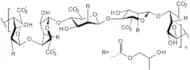
CAS :<p>Propylene glycol alginate is a reaction product of propylene oxide and alginic acid. At the 49th JECFA meeting (1997) it was resolved that the total dietary propylene glycol intake from all sources should be allocated an ADI of 0-25 mg/kg. Applications include as a stabiliser in beer foam due to electrostatic interaction between carboxyl groups on the glycol alginate molecules and amino groups on the peptides in the bubble wall and in ice cream by emulsifying the fat.Esterification is greater then 80%Viscosity (1% aq solution): 200-300 mpa.s</p>Degré de pureté :Min. 95%Couleur et forme :Powder6- Deoxy- 1, 2:3, 5- bis- isopropylidene-D- ido-heptitol
<p>6- Deoxy- 1, 2:3, 5- bis- isopropylidene-D- ido-heptitol is a modified oligosaccharide that is used as a reagent in the synthesis of complex carbohydrates. It has been shown to inhibit bacterial growth by binding to ribose and other sugars. 6-Deoxy-1,2:3,5-bis-isopropylidene-D-idoheptitol can be used to produce glycosides or methylated saccharides. This compound has been shown to have high purity and the CAS number for this product is 107738-94 -7.</p>Degré de pureté :Min. 95%Dextran sulfate sodium - MW 8,000
CAS :<p>Dextran sulphate is a dextran derivative whose ulcer (colitis) -causing properties were first reported in hamsters and extrapolated a few years later to mice and rats. The exact mechanisms through which dextran sulphate induces intestinal inflammation are unclear but may be the result of direct damage of the monolayer of epithelial cells in the colon, leading to the crossing of intestinal contents (for e.g. commensal bacteria and their products) into underlying tissue and therefore induction of inflammation. The dextran sulphate sodium induced ulceration model in laboratory animals has some advantages, when compared to other animal models of colitis, due to its simplicity and similarities to human inflammatory bowel disease.</p>Couleur et forme :White PowderMasse moléculaire :8000.02-Chloro-2-deoxy-D-glucose
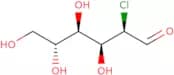
CAS :<p>2-Chloro-2-deoxy-D-glucose (2CDG) is a chemical compound that has been shown to be an effective inhibitor of hypoxic tumor growth. 2CDG inhibits the production of fatty acids, which are required for cell proliferation and survival. It also has inhibitory properties on the chromatographic system and can be used as a detector in electrochemical methods. The detection of 2CDG in blood serum is used as a diagnostic tool for cancer, with a sensitivity and specificity of up to 100%. This compound has shown promising results for the treatment of hypertension and diabetes.</p>Formule :C6H11ClO5Degré de pureté :Min. 95%Couleur et forme :White PowderMasse moléculaire :198.6 g/molLacto-N-fucopentaose I
CAS :<p>Milk oligosaccharide; expressed on human induced pluripotent cells</p>Formule :C32H55NO25Degré de pureté :Min. 95%Couleur et forme :White PowderMasse moléculaire :853.77 g/molTelmisartan acyl-b-D-glucuronide
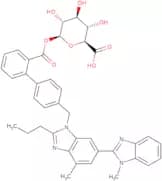
CAS :<p>Telmisartan acyl-b-D-glucuronide is a drug metabolite that is formed by the conjugation of telmisartan with glucuronic acid. Telmisartan acyl-b-D-glucuronide is activated in vivo and reversibly inhibits the enzyme creatine kinase, which is involved in the metabolism of creatine to creatinine. The effective dose for this compound has been shown to be 10 mg/kg (orally) in humans. Telmisartan acyl-b-D-glucuronide has been shown to be an at1 receptor antagonist and may have some antihypertensive effects via modulation of ion channels. This drug also appears to have some proliferative effects on cells that are inhibited by radiation.</p>Formule :C39H38N4O8Degré de pureté :Min. 95%Couleur et forme :Off-White PowderMasse moléculaire :690.74 g/molN-(Benzyl malonoate-1-yl)-2-amino-2-deoxy-3,5:6,7-di-O-isopropylidene-D-glycero-D-ido-heptono-1.4-lactone
<p>N-(Benzyl malonoate-1-yl)-2-amino-2-deoxy-3,5:6,7-di-O-isopropylidene-D-glycero-D-idoheptono -1.4 -lactone is a synthetic compound that has been modified with fluorination and methylation. It is a monosaccharide that has been synthesized through a click modification and glycosylation. The CAS number for this compound is not available but it is classified as an oligosaccharide and saccharide. This carbohydrate has an average molecular weight of 647.1 g/mol and the structure contains 16 carbons, 36 hydrogens, 1 oxygen, and 2 nitrogens.</p>Degré de pureté :Min. 95%λ-Carrageenan
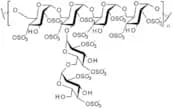
CAS :<p>Lambda-Carrageenan is a non-gelling sulphated galactan extracted from red seaweed (typically Gigartina stellata and Chondrus crispus). The structure of all carrageenans consists of a strictly alternating masked repeating unit of 1,3-linked α-D-galactose and 1,4-linked β-D-galactose. λ-Carrageenan has the α-linked unit 2-6-disulphated and the β-linked unit is 2-sulphated.<br>The image was kindly provided by Prof Mike Guiry from Cork who runs ‘The Seaweed Site’.</p>Couleur et forme :PowderMasse moléculaire :1140.92N-Acetylneuraminic acid dimer disodium salt
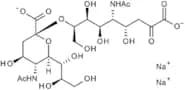
CAS :<p>Intermediate in synthesis of ganglioside GD2</p>Formule :C22H34N2O17·2NaDegré de pureté :Min. 95 Area-%Couleur et forme :White PowderMasse moléculaire :644.49 g/mol1,2,3,4-Tetra-O-acetyl-6-deoxy-6-fluoro-D-galactopyranose
CAS :<p>1,2,3,4-Tetra-O-acetyl-6-deoxy-6-fluoro-D-galactopyranose is a synthetic sugar that is used in glycosylation reactions. It is a monosaccharide that was fluorinated to form a glycoside with the 6′ position of the hexose ring. This product has been shown to be useful for click modification of proteins and other complex carbohydrates. It can be used in methylation and monosaccharide synthesis.</p>Formule :C14H19FO9Degré de pureté :Min. 95%Masse moléculaire :350.29 g/mol2,3:4,5-Di-O-isopropylidene-D-arabinose
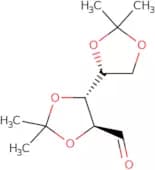
CAS :<p>Synthetic building block</p>Formule :C11H18O5Degré de pureté :Min. 95%Couleur et forme :Colorless PowderMasse moléculaire :230.26 g/molMethyl 2-deoxy-3,5-di-O-toluoyl-L-ribofuranoside
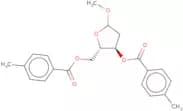
CAS :<p>Methyl 2-deoxy-3,5-di-O-toluoyl-L-ribofuranoside is a custom synthesis that is a complex carbohydrate that is used in the modification of saccharides. It has been shown to be able to methylate and glycosylate carbohydrates and can be fluorinated for use in click chemistry experiments. Methyl 2-deoxy-3,5-di-O-toluoyl-L-ribofuranoside is highly pure and can be synthesized with high yield.</p>Formule :C22H24O6Degré de pureté :Min. 95%Couleur et forme :Brown oil.Masse moléculaire :384.43 g/molD-Xylonic-1,4-lactone
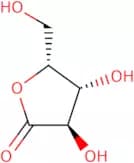
CAS :<p>D-Xylonic acid-1,4-lactone is a substrate that participates in the synthesis of glyceric acid. It has been shown to be a synthetic substrate for benzyl groups and leukemia HL-60 cells. D-Xylonic acid-1,4-lactone can react with chloride ions to form D-xylose. The product of this reaction is an epimerization reaction that occurs when the hydroxyl group on the carbon atom adjacent to the carbonyl group (C1) reacts with a proton from water to form a double bond at C2. This conversion produces xylonic acid and lactone.</p>Formule :C5H8O5Degré de pureté :Min. 97 Area-%Couleur et forme :White PowderMasse moléculaire :148.11 g/molMethyl 6-O-acetyl-3-O-benzyl-2-benzyloxycarbonylamino-2-deoxy-a-D-glucopyranoside
CAS :<p>Methyl 6-O-acetyl-3-O-benzyl-2-benzyloxycarbonylamino-2-deoxy-a-Dglucopyranoside is a synthetic sugar with an acetyl group at the 6th position and a benzyloxycarbonyl group at the 3rd position. This sugar has been modified to produce complex carbohydrates, oligosaccharides, and polysaccharides. Methyl 6-O-acetyl 3 -O -benzyl 2 -benzyloxycarbonylamino 2 -deoxy a D glucopyranoside is used in the synthesis of glycosylates, which are sugars that have been modified by the addition of other molecules. This molecule is also used in click chemistry as it can be modified by adding fluorine atoms to its structure. Methyl 6 -O -acetyl 3 -O -benzyl 2 -benzyloxycarbonylam</p>Formule :C24H29NO8Degré de pureté :Min. 95%Masse moléculaire :459.49 g/molHyaluronic acid tetrasaccharide
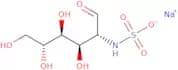
CAS :<p>Hyaluronic acid is a polysaccharide containing repeating disaccharide units of 1,3-N-acetyl glucosamine and 1, 4-glucuronic acid. This tetrasaccharide and other enzymatically produced polymer homologs have been of value in the study of hyaluronic acid metabolism in both healthy and diseased tissues (Hascall, 2019).</p>Formule :C28H44N2O23Degré de pureté :Min. 95%Couleur et forme :White PowderMasse moléculaire :776.65 g/molD-Glucosamine-2-N-sulfate sodium
CAS :<p>D-Glucosamine-2-N-sulfate sodium is a synthetic, high purity carbohydrate with a custom synthesis. It is an oligosaccharide that is also a sugar and a saccharide. The methylation of D-glucosamine 2-N-sulfate sodium can be achieved by glycosylation or click modification. Click modification is the addition of a carbon atom to the molecule through the reaction with an electrophile, such as N-hydroxysuccinimide ester. This modification can be used to introduce fluorine atoms into the molecules, which can improve their solubility and stability. The product has shown anti-inflammatory activities in animal models, which may be due to its ability to inhibit prostaglandin synthesis.</p>Formule :C6H12NNaO8SDegré de pureté :Min. 95 Area-%Couleur et forme :White Off-White PowderMasse moléculaire :281.22 g/mol1,3:1,4-b-Glucotetraose (B)
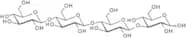
CAS :<p>1,3:1,4-b-Glucotetraose (B) is a high purity, custom synthesis sugar. It can be modified with a click modification, fluorination, glycosylation, or methylation. This compound has CAS No. 58484-02-9 and is a Modification of the carbohydrate saccharide group. 1,3:1,4-b-Glucotetraose (B) is an Oligosaccharide that consists of Monosaccharides and Carbohydrates. It is a complex carbohydrate that can be used as a medicine for diabetes mellitus type 2.</p>Formule :C24H42O21Degré de pureté :Min. 95%Couleur et forme :White PowderMasse moléculaire :666.58 g/molL-g-Ethylidene glutanic acid
<p>L-g-Ethylidene glutamic acid is an organic compound that is used in the production of pharmaceuticals, agrochemicals, and other chemicals. It can be synthesized by the methylation of L-glutamic acid with formaldehyde and sodium cyanoborohydride. L-g-Ethylidene glutamic acid has also been modified by a click reaction to create a fluorinated derivative. This product is a white crystalline solid that has a CAS number. The product is available at high purity and can be ordered as either monosaccharide or polysaccharide.<br>L-g-Ethylidene glutamic acid is a sugar that belongs to the carbohydrate family and can be classified as complex carbohydrates because it comprises two or more sugars linked together. This product may also be referred to as an oligosaccharide or polysaccharide, depending on its molecular size.</p>Degré de pureté :Min. 95%Colloidal Chitin
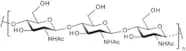
CAS :<p>Chitin is a polysaccharide which is found widely in nature, where it functions in a manner similar to collagen in chordates. It forms the tough fibrous exoskeletons of insects, crustaceans and other arthropods, and, in addition to its presence in some fungi, it occurs in at least one alga. The structure of chitin is similar to that of cellulose but with glucose replaced with N-acetyl-D-glucosaminyl units linked β-D-(1,4) in a linear chain. It is normally produced from the shells of lobster, crab or shrimp.</p>Couleur et forme :Powder2, 5- Anhydro-4,6-O-isopropylidene-D- idonic acid
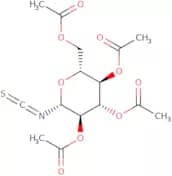
<p>2, 5-Anhydro-4,6-O-isopropylidene-D-idonic acid is a carbohydrate that can be used as a saccharide or oligosaccharide. This product has been fluorinated and methylated. It is also glycosylated and click modified. 2,5-Anhydro-4,6-O-isopropylidene-D-idonic acid can be synthesized to order and is available in high purity.</p>Degré de pureté :Min. 95%2,3,4,6-Tetra-O-acetyl-b-D-glucopyranosyl isothiocyanate
CAS :<p>2,3,4,6-Tetra-O-acetyl-b-D-glucopyranosyl isothiocyanate (TGIT) is a compound that mimics the melanoma antigen. It has been used to identify human pathogens in biological samples and has shown to have an antibody response. TGIT has also been used as a fluorescent probe for nucleic acids in analytical methods and polymerase chain reaction. This chemical can be used as a fluorescence detector in titration calorimetry. TGIT is not acutely toxic, but can cause cell lysis when combined with trifluoroacetic acid.</p>Formule :C15H19NO9SDegré de pureté :Min. 95%Couleur et forme :White PowderMasse moléculaire :389.38 g/molD-Glucose - monohydrate
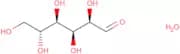
CAS :<p>D-Glucose - monohydrate is a glucose molecule that is found in the blood stream. It is the preferred source of energy for the brain and has been shown to enhance brain function. Glucose is also used to maintain the water balance of cells and tissues, as well as to prevent or treat hypoglycemia. This molecule can be found in many foods, such as honey, corn syrup, molasses, fruits and fruit juices. D-Glucose - monohydrate has antibacterial efficacy against a number of bacteria including staphylococcus aureus, Escherichia coli, Pseudomonas aeruginosa and Bacillus subtilis. It can also inhibit squamous cell carcinoma growth in vivo by preventing the proliferation of cancer cells. D-Glucose - monohydrate is structurally similar to adenosine diphosphate (ADP), which binds to dinucleotide phosphate (DP) enzymes that are involved in energy metabolism</p>Formule :C6H12O6·H2ODegré de pureté :(%) Min. 95%Couleur et forme :White PowderMasse moléculaire :198.17 g/molα-D-Glucose-1-phosphate disodium salt hydrate
CAS :<p>Alpha-D-glucose-1-phosphate disodium salt hydrate is a sugar that is used to provide the carbohydrate in the diet. It is an important monosaccharide and can be found in many fruits, vegetables, and dairy products. The optimum pH for alpha-D-glucose-1-phosphate disodium salt hydrate is 7.5. Alpha-D-glucose-1-phosphate disodium salt hydrate has been shown to have antifungal properties, which are due to its ability to inhibit the growth of fungi by interfering with their metabolism. Alpha D glucose 1 phosphate disodium salt hydrate also inhibits the growth of bacteria such as E coli K 12 and C coli K 12, which are microorganisms that can cause food poisoning in humans. This compound also has been shown to have antihypertensive properties, which may be due to its ability to stimulate nitric oxide synthesis.</p>Formule :C6H11O9PNa2(anhydrousbasis)Masse moléculaire :304.1 g/mol2N-Boc-amino-2- deoxy- b- D- glucopyranosylamine
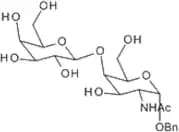
CAS :<p>2N-Boc-amino-2-deoxy-b-D-glucopyranosylamine is a Glycosylation, complex carbohydrate that can be modified with Methylation, Click modification, Polysaccharide, Fluorination, saccharide, Modification, sugar and Oligosaccharide. The CAS No. for 2N-Boc-amino-2-deoxy-b-D-glucopyranosylamine is 494201-09-1 and it can be custom synthesized to your specifications.</p>Formule :C11H22N2O6Degré de pureté :Min. 95%Masse moléculaire :278.3 g/molBenzyl 2-acetamido-2-deoxy-4-O-(b-D-galactopyranosyl)-a-D-galactopyranoside
CAS :<p>Benzyl 2-acetamido-2-deoxy-4-O-(b-D-galactopyranosyl)-a-D-galactopyranoside is a synthetic saccharide. The chemical structure of this material has been modified by fluorination, methylation, and click modification. This product is soluble in water and can be used as a starting material for the synthesis of polysaccharides.</p>Formule :C21H31NO11Degré de pureté :Min. 95%Masse moléculaire :473.47 g/mol2-Acetamido-2-deoxy-4-O-(b-D-galactopyranosyl)-D-galactopyranose
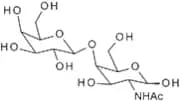
CAS :<p>2-Acetamido-2-deoxy-4-O-(b-D-galactopyranosyl)-D-galactopyranose is a glycan that binds to human lymphocytes and induces their death. It is a glycan that has been shown to be sialylated, which may be due to its high degree of homology with other glycan structures. The 2-acetamido group confers the ability to bind to sialyltransferases, which are enzymes that catalyze the transfer of sialic acid from glucose onto complex carbohydrates. This binding inhibits the enzymatic activity of these enzymes and prevents the addition of sialic acid onto oligosaccharides, preventing antigen presentation. 2-Acetamido-2-deoxy-4-O-(b-D-galactopyranosyl)-D-galactopyranose is also known as "sialic acid" or "</p>Formule :C14H25NO11Degré de pureté :Min. 90 Area-%Couleur et forme :PowderMasse moléculaire :383.35 g/molTragacanth gum
CAS :<p>Gum tragacanth is an exudate gum from species of Astragalus trees mainly grown in Iran and Turkey. Tragacanth finds applications as an effective emulsifying and thickening agent in the food and pharmaceutical industries. The gum is a slightly acidic salt consisting of two fractions namely the water soluble tragacanthin and the fraction bassorin which swells in water to form a gel. Water soluble tragacanthin is reported as a branched arabiogalactan which is soluble in 70% ethanol. The acidic bassorin has a chain of (1,4)-linked a-D-galacturonic acid units some of which are substituted at O-3 with β-D-xylopyranosyl units and some of these being terminated with galactose or fucose.</p>Couleur et forme :White Powder6-Cyano-6-deoxy-γ-cyclodextrin
<p>This gamma-cyclodextrin (γ-CD) derivative is a modified cyclic oligosaccharide composed of eight glucose units, featuring a larger cavity size than α- and β-cyclodextrins. This structural characteristic allows γ-CDs to form inclusion complexes with a wider range of guest molecules, making it particularly versatile in various industries. In the food sector, it is used as a carrier and stabilizer for flavors, fat-soluble vitamins, and polyunsaturated fatty acids, protecting volatile compounds from evaporation. In pharmaceuticals, it enhances the solubility and bioavailability of poorly water-soluble drugs and, thanks to its larger ring size, allows for the encapsulation of larger molecules or even entire drug molecules. γ-CDs and derivatives are also used for environmental remediation and, in analytical chemistry, for the extraction and concentration of target substances.</p>Formule :C56H72N8O32Degré de pureté :Min. 95%Masse moléculaire :1,369.21 g/mol5-Azido-6-benzylamino-N-benzyloxycarbonyl-5,6-dideoxy-1,2-O-isopropylidene-a-L-idofuranose
<p>5-Azido-6-benzylamino-N-benzyloxycarbonyl-5,6-dideoxy-1,2-O-isopropylidene-a-L-idofuranose (5ABB) is a methylated and fluorinated oligosaccharide. This compound is a synthetic monosaccharide that can be used in the modification of complex carbohydrate structures. 5ABB is an excellent choice for the synthesis of oligosaccharides because it offers high purity and quality.</p>Degré de pureté :Min. 95%Varenicline N-glucoside
CAS :<p>Varenicline N-glucoside is a modification of varenicline, which is an antagonist of the nicotinic acetylcholine receptor. This compound has been synthesized using custom synthesis and glycosylation to obtain high purity. It has been methylated and fluorinated in order to remove any impurities. Varenicline N-glucoside is a carbohydrate with a molecular weight of 581.5 g/mol, consisting of one monosaccharide and one disaccharide. It also contains a complex carbohydrate with an oligosaccharide chain that is composed of glycosylation and saccharide units. The CAS number for this compound is 873302-31-9.</p>Formule :C19H23N3O5Degré de pureté :Min. 95%Couleur et forme :PowderMasse moléculaire :373.4 g/mol3,5-Dideoxy-N-(1-hexyl)-3,5-imino-D-xylopentitol
<p>3,5-Dideoxy-N-(1-hexyl)-3,5-imino-D-xylopentitol is a synthetic monosaccharide that is used in the production of complex carbohydrates. It can be modified with fluorination and methylation to produce 3,5-dideoxy-N-(1-hexyl)-3,5-[(2-[(2,6-difluoro phenoxy)methyl]phenyl]imino)D-xylopentitol. The compound has been shown to have antiviral properties and has been used in the synthesis of glycosaminoglycans.</p>Degré de pureté :Min. 95%Methyl (2R,3R,4S)-2,3-dihydroxy-4-oxo-butanoate 2,4-hemiacetal
<p>Methyl (2R,3R,4S)-2,3-dihydroxy-4-oxo-butanoate 2,4-hemiacetal is a custom synthesis chemical that is not found in nature. It has the molecular formula CH3O(COOCH3)2C(OH)(OCH2CH2)2CHO. This compound was synthesized by the reaction of methyl acetoacetate with sodium borohydride and formaldehyde. The product was purified by recrystallization from ethyl acetate and hexane. Methyl (2R,3R,4S)-2,3-dihydroxy-4-oxo-butanoate 2,4-hemiacetal is a colorless solid that melts at 60°C and decomposes at 160°C. The purity of this compound is greater than 99%. This chemical reacts with nucleophiles to form acetals or hemiacet</p>Degré de pureté :Min. 95%Laminaran - from Eisenia bicyclis
CAS :<p>Laminaran is a polysaccharide that co-occurs with fucoidan and alginate in brown seaweeds such as Laminaria digitata, Laminaria cloustoni, Eisenia bicyclis and Thallus laminariae. It is a β-1,3-linked glucan which it is claimed stimulates the immune system in mammals and fish.<br>The image was kindly provided by Prof Mike Guiry from Cork who runs ‘The Seaweed Site’.</p>Couleur et forme :White Off-White Powder4-Methoxyphenyl 3-O-benzyl-a-D-mannopyranoside
CAS :<p>4-Methoxyphenyl 3-O-benzyl-a-D-mannopyranoside is a synthetic carbohydrate that has been modified with a click reaction. It is an Oligosaccharide, which is a type of Carbohydrate, and has a saccharide sequence. This product is used in the synthesis of complex carbohydrates. The product has high purity and custom synthesis capabilities.</p>Formule :C20H24O7Degré de pureté :Min. 95%Masse moléculaire :376.4 g/mol2-O-Methyl-D-glucose
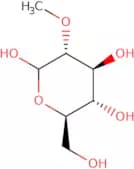
CAS :<p>2-O-Methyl-D-glucose is an aldohexose that is used in the synthesis of a number of biological compounds. It has been shown to inhibit the growth of cancer cells by interfering with the synthesis of fatty acids and proteins.</p>Formule :C7H14O6Degré de pureté :Min. 95%Couleur et forme :PowderMasse moléculaire :194.18 g/molN-Dodecyldeoxynojirimycin
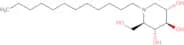
CAS :<p>Dodecyldeoxynojirimycin is a polyketide natural product that has been shown to be a potent inhibitor of the synthesis of mannose-containing glycoproteins, including glucans and chitooligosaccharides. It binds to the active site of glucan synthetase and prevents the formation of glucose residues, which blocks glucan biosynthesis. Dodecyldeoxynojirimycin has also been shown to have anti-inflammatory properties.</p>Formule :C18H37NO4Degré de pureté :Min. 95 Area-%Couleur et forme :White PowderMasse moléculaire :331.49 g/mol5-Deoxy-iso-DMDP HCl
<p>5-Deoxy-iso-DMDP HCl is a custom synthesis sugar that can be modified with Click chemistry. It is fluorinated, glycosylated, and methylated. The CAS number for 5-Deoxy-iso-DMDP HCl is 97790-10-2. This oligosaccharide has a molecular weight of about 607.5 Daltons and contains monosaccharides and saccharides. The carbohydrate complex has a molecular weight of about 1201 Daltons and includes complex carbohydrates such as polysaccharides, glycoproteins, glycogen, and polysaccharolytic enzymes.</p>Degré de pureté :Min. 95%Methyl (1,2-Di-O-benzoyl-3-O-benzyl-a-L-idopyranosyluronate)
<p>Methyl (1,2-Di-O-benzoyl-3-O-benzyl-a-L-idopyranosyluronate) is an oligosaccharide that is synthetically made and modified with the addition of a fluorine atom. This carbohydrate has a CAS number and may have applications in the synthesis of complex carbohydrates. It is also used as a component of glycoproteins for its ability to act as a linker between the protein and sugar strands. It can be found in nature in monosaccharides, methylated saccharides, or glycosylated polysaccharides.</p>Formule :C28H26O9Degré de pureté :Min. 95%Masse moléculaire :506.5 g/molD-Ribose, 99.0%+
CAS :<p>D-Ribose is a pentose sugar that is the ribose sugar of D-arabinose. It is an inhibitor of bacterial growth and has been shown to inhibit binding of adenine nucleotides to their receptors in the human erythrocyte membrane. Ribose plays a vital role in energy metabolism, as it is a component of ATP and NADH. It also participates in the synthesis of DNA and RNA. Ribose can be found in many foods, such as pears, apples, potatoes, and rice. D-ribose has been shown to have significant cytotoxicity against cancer cells that are dependent on glycolysis for their energy needs.<br>D-Ribose may also be used as a polymerase chain reaction (PCR) substrate to determine the presence of infectious diseases such as HIV or hepatitis C virus in human serum samples.</p>Formule :C5H10O5Degré de pureté :Min. 99.0 Area-%Masse moléculaire :150.13 g/molRef: 3D-R-5495
1kgÀ demander100gÀ demander250gÀ demander500gÀ demander2500gÀ demander-Unit-kgkgÀ demanderMethyl 6-deoxy-β-D-glucopyranoside
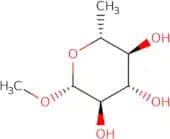
CAS :<p>Methyl 6-deoxy-b-D-glucopyranoside is a custom synthesis that produces methylated sugars. It is a high purity, complex carbohydrate with a molecular weight of 312.06 g/mol and CAS No. 6340-52-9. Methyl 6-deoxy-b-D-glucopyranoside is produced by the click modification of glucose, which is an oligosaccharide composed of six molecules of glucose linked together. This product has been used in the synthesis of polysaccharides and saccharides.</p>Formule :C7H14O5Degré de pureté :Min. 95%Couleur et forme :PowderMasse moléculaire :178.18 g/mol1,3,4,6-Tetra-O-acetyl-2-deoxy-2-iodo-β-D-galactopyranose
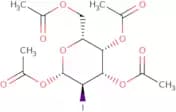
CAS :<p>Synthetic carbohydrate building block</p>Formule :C14H19IO9Degré de pureté :Min. 95%Masse moléculaire :458.2 g/molChitin
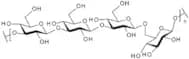
CAS :<p>Chitin forms the tough fibrous exoskeletons of insects, crustaceans and other arthropods, and, in addition to its presence in some fungi, it occurs in at least one alga. The structure of chitin is similar to that of cellulose but with glucose replaced with N-acetyl-D-glucosaminyl units linked β-D-(1,4) in a linear chain. Chitin is normally produced from the shells of lobster, crab or shrimp.</p>Formule :(C8H13NO5)nCouleur et forme :Powder3-O-(a-D-Galactopyranosyl)-D-glucopyranose
CAS :<p>3-O-(a-D-Galactopyranosyl)-D-glucopyranose is a custom synthesis that can be fluorinated, methylated, and modified with click chemistry. 3-O-(a-D-Galactopyranosyl)-D-glucopyranose is a sugar that can be used in the synthesis of oligosaccharide or polysaccharide. It also has saccharide binding properties. 3-O-(a-D-Galactopyranosyl)-D-glucopyranose is soluble in water and does not react with strong acids such as HCl.</p>Formule :C12H22O11Degré de pureté :Min. 95%Couleur et forme :PowderMasse moléculaire :342.3 g/mol2,3:5,6-Di-O-isopropylidene-α-D-mannofuranose
CAS :<p>2,3:5,6-Di-O-isopropylidene-a-D-mannofuranose is a nutrient solution that can be used in tissue culture. It is a complex sugar with an active hydroxyl group and a hydrogen bond. This compound has been shown to have antiviral activity against HIV in the laboratory. 2,3:5,6-Di-O-isopropylidene-a-D-mannofuranose is also able to inhibit the growth of liver cells and can be used for diagnostic purposes.</p>Formule :C12H20O6Degré de pureté :Min. 95%Couleur et forme :PowderMasse moléculaire :260.28 g/molL-Xylulose, 1.0 M aqueous solution
CAS :<p>L-Xylulose is a pentose sugar that can be used as a precursor for the synthesis of l-xylitol and arabinitol. L-Xylulose is an intermediate in the pentose phosphate pathway, which produces ribose 5-phosphate and NADPH. L-Xylulose has been shown to have anticancer activity by inhibiting polymerase chain reactions (PCRs) in cancerous tissues. This effect has been attributed to its ability to reduce the levels of dNTPs, which are required for DNA replication. L-Xylulose also inhibits aerobic respiration, which may be due to its ability to inhibit enzymatic activity of both ribitol dehydrogenase and l-arabinitol dehydrogenase.</p>Formule :C5H10O5Degré de pureté :Min. 98 Area-%Couleur et forme :PowderMasse moléculaire :150.13 g/mol4-Formylphenyl b-D-allopyranoside
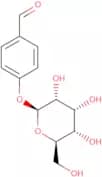
CAS :<p>4-Formylphenyl b-D-allopyranoside is a natural drug that has been shown to have biological properties. It has shown to inhibit the transcriptional regulation of genes via the matrix effect and p-hydroxybenzoic acid, which may be due to its ability to form stable complexes with DNA. The stability of these complexes may be due in part to their interaction with the surface methodology. 4-Formylphenyl b-D-allopyranoside has also been shown to increase locomotor activity in mice, as well as inducing secretion from gland cells in human serum.</p>Formule :C13H16O7Degré de pureté :Min. 95%Couleur et forme :PowderMasse moléculaire :284.26 g/molThiocellotetraose
<p>Thiocellotetraose is a glycosylation product of cellulose. It is a complex carbohydrate that is similar to other saccharides. Thiocellotetraose can be obtained by methylation, click modification, and fluorination. The monosaccharide units in thiocellotetraose are glucose and mannose. This product can be custom synthesized to meet your specific requirements for purity and CAS number.</p>Formule :C24H42O18S3Degré de pureté :Min. 95%Masse moléculaire :714.78 g/mol2,6-Di-O-tert-butyldimethylsilyl)-b-cyclodextrin
CAS :<p>This beta-cyclodextrin (β-CD) derivative is a functionalized cyclic oligosaccharide composed of seven glucose units, characterized by a hydrophilic exterior and a lipophilic cavity (bigger than α-CD and smaller than γ-CDs), which allows it to encapsulate various guest molecules. This structural feature facilitates its use in multiple applications, including pharmaceuticals, food enhancement, and cosmetics. In the pharmaceutical industry, it enhances the solubility and stability of poorly water-soluble drugs, improving their bioavailability and efficacy while also masking unpleasant tastes. The food sector utilizes it as a stabilizer for flavors, colors, and nutrients, extending shelf life by protecting sensitive ingredients from degradation. In cosmetics, it serves as a complexing agent for fragrances and active components, ensuring their stability and controlled release. Its use expands to many other fields, including nanotechnology for drug delivery systems, environmental remediation for extracting organic pollutants, textiles for slow-release fragrances, and analytical chemistry for chiral separation.</p>Formule :C126H266O35Si14Degré de pureté :Min. 95%Masse moléculaire :2,734.64 g/mol3, 4- O- [(R) -Benzylidene] -2-O-trifluormethansulfonyl-D- ribonic acid d- lactone
<p>3, 4- O- [(R) -Benzylidene] -2-O-trifluormethansulfonyl-D- ribonic acid d- lactone is a sugar derivative that is used as a reagent in organic synthesis. It has been used as a building block for the preparation of acetonitrile derivatives, which are useful for the synthesis of heterocycles. 3, 4- O- [(R) -Benzylidene] -2-O-trifluormethansulfonyl-D- ribonic acid d- lactone has also been shown to be an active site for catalyzing the reaction between nitroglycerin and trinitrate with dioxane as solvent. This compound can also be used to synthesize the antihypertensive drug hydroxypropanolamine by reacting with hydroxylamine and acetone in acidic conditions.</p>Degré de pureté :Min. 95%7'-Hydroxypropranolol-b-D-glucuronide
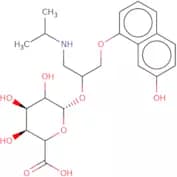
<p>7'-Hydroxypropranolol-b-D-glucuronide is a synthetic compound with a molecular formula of C21H28F3NO6. It has a melting point of 155 °C, and it is soluble in water. 7'-Hydroxypropranolol-b-D-glucuronide is an intermediate in the synthesis of other compounds, and it can be used as a building block for custom synthesis. This compound can be modified with click chemistry or saccharide linkages, providing additional opportunities for modification.</p>Formule :C22H29NO9Degré de pureté :Min. 95%Masse moléculaire :451.47 g/mol2-C-(tert.Butylmethylsilyloxy)methyl-2,3:5,6-di-O-isopropylidene-D-mannono-1.4-lactone
<p>2-C-(tert.Butylmethylsilyloxy)methyl-2,3:5,6-di-O-isopropylidene-D-mannono-1.4-lactone is a custom synthesis of a complex carbohydrate with Oligosaccharide, CAS No., Polysaccharide and Modification properties. It is a saccharide that is Methylation and Glycosylation modified. This product has Click modification and Carbohydrate properties. 2C-(tert.Butylmethylsilyloxy)methyl-2,3:5,6-di-O-isopropylidene-D-mannono 1,4 lactone is a high purity product with Fluorination and Synthetic properties.</p>Degré de pureté :Min. 95%Methyl 4-O-(a-D-mannopyranosyl)-b-D-mannopyranoside
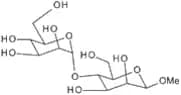
<p>Methyl 4-O-(a-D-mannopyranosyl)-b-D-mannopyranoside is a synthetic glycosylated oligosaccharide, which is a polysaccharide composed of various monosaccharides. Methyl 4-O-(a-D-mannopyranosyl)-b-D-mannopyranoside is a mannosylated derivative of the sugar, methyl 4-O-(a -D-mannopyranosyl) b -D -mannopyranoside. This sugar can be used as an intermediate in the synthesis of other sugars and carbohydrates. It has also been used to synthesize glycoproteins for use in immunology research.</p>Formule :C13H24O11Degré de pureté :Min. 95%Masse moléculaire :356.32 g/molGlycyl-Oligosaccharidesmannose 1
<p>Glycyl-Oligosaccharidesmannose 1 is a monosaccharide that has been modified with methylation, glycosylation, and fluorination. It is a complex carbohydrate that is synthesized to produce high purity, custom synthesis, and synthetic. It is also a sugar. Glycyl-Oligosaccharidesmannose 1 has CAS No. 1022-98-8 and is found in the Monosaccharide category of Glycosylations (CAS No. 1022-98-8). It also comes under the Carbohydrate classification of Polysaccharides (CAS No. 1022-98-8).</p>Formule :C24H42N4O16Degré de pureté :Min. 95%Masse moléculaire :642.61 g/molMethyl 7,8,9-Tri-O-acetyl-5-N,4-O-carbonyl-3,5-dideoxy-2-S-phenyl-2-thio-D-glycero-b-D-galacto-2-nonulopyranosylonate
CAS :<p>Methyl 7,8,9-Tri-O-acetyl-5-N,4-O-carbonyl-3,5-dideoxy-2-S-phenyl-2-thio-D-glycero -b-(1→4)-D-(1→3)-galacto-(1→4)-2-[N-[(1R,2R)-2-(methoxyimino)ethoxy]acetamido]-nonulopyranosylonate is a synthetic carbohydrate. It has been modified with methylation at position 7 and 8 of the sugar and click modification. Methyl 7,8,9 -triacetyl 5 -N, 4 -O carbonyl 3 , 5 -dideoxy 2 -S phenyl 2 -thiophenediol glycero b D galacto 2 nonulopyranoside is a complex carbohydrate.</p>Formule :C23H27NO11SDegré de pureté :Min. 95%Masse moléculaire :525.53 g/molD-Trehalose dihydrate
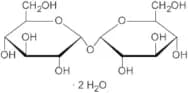
CAS :<p>Trehalose is a naturally occurring disaccharide found in many organisms.Its role in nature is as versatile as its applications in the laboratory. Trehalose is synthesized by cells in response to stress and helps retaining the cellular integrity under tough conditions: An important function of Trehalose is to stabilize protein structures and to prevent proteins from their degradation. Researchers use Trehalosefor instance as a carbon source in selective microbiological media, as desiccation protectant and for cryoprotection.</p>Formule :C12H26O13Degré de pureté :Min. 98.0 Area-%Masse moléculaire :378.33 g/molRef: 3D-T-5000
25gÀ demander5kgÀ demander10kgÀ demander25kgÀ demander2500gÀ demander-Unit-kgkgÀ demanderGlycogen - from rabbit liver
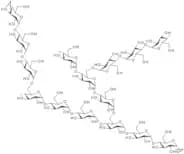
CAS :<p>Glycogen is a highly branched polysaccharide of glucose that serves as a form of energy storage in animals and fungi. It is the main storage form of glucose in the body. In humans, glycogen is made and stored primarily in liver and muscle cells and functions as the second most important energy storage molecule to fat, which is held in adipose tissue. Glycogen is analogous to starch and has a structure similar to amylopectin, but is more extensively branched and compact than starch. It occurs as granules in the cytosol/cytoplasm in many cell types, and plays an important role in the glucose cycle.</p>Formule :C24H42O21Degré de pureté :Min. 85%Couleur et forme :White PowderMasse moléculaire :666.6 g/molMethyl 6-O-tert-butyldiphenylsilyl-2,3,4-tri-O-pivaloyl-a-D-galactopyranoside
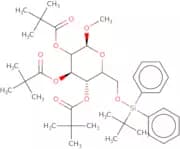
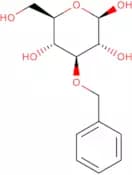
<p>Methyl 6-O-tert-butyldiphenylsilyl-2,3,4-tri-O-pivaloyl-a-D-galactopyranoside is a high purity custom synthesis sugar. The methyl group on the sugar prevents it from being hydrolyzed by esterases and glucuronidases. This product can be used in glycosylation and sialylation reactions to create saccharides with a modified oligosaccharide. This product is synthesized in lab conditions, which includes fluorination, glycosylation, methylation, and modification steps. It has CAS number 1314897-28-5 and molecular weight of 454. Methyl 6-O-tert-butyldiphenylsilyl -2,3,4 -tri - O -pivaloyl -a - D -galactopyranoside is an oligosacchar</p>Formule :C38H56O9SiDegré de pureté :Min. 95%Masse moléculaire :684.95 g/mol3-O-Benzyl-D-glucopyranose
CAS :<p>3-O-Benzyl-D-glucopyranose is a molecule that has been optimized for its autodock score. It binds to the active site of peptidases, which are enzymes that break down proteins in the body. 3-O-Benzyl-D-glucopyranose is a nauclea that can be used as a pharmacokinetic (PK) or pharmacodynamic (PD) inhibitor. Nauclea have shown effectiveness against diabetes by preventing the breakdown of glucose, which is an important energy source for cells. 3-O-Benzyl-D-glucopyranose has also been found to be an effective inhibitor of DPPIV, which is an enzyme involved in breaking down insulin and other hormones in blood circulation. In vitro studies have shown that it may also have antiaging properties due to its ability to inhibit production of inflammatory cytokines such as IL1β, IL6, and TNFα.</p>Formule :C13H18O6Degré de pureté :Min. 95%Couleur et forme :PowderMasse moléculaire :270.28 g/molChitosan - Molecular weight 310,000-375,000
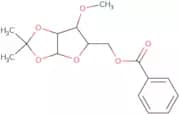
CAS :<p>Chitosan is the deacetylated form of chitin. The polysaccharide is deacetylated in order to render it soluble, which is then possible at pH values of less than 7 (normally in dilute acid). This then allows the material to be used in a number of industrial applications as a binder and film former.</p>Couleur et forme :Beige Powder5-O-Benzoyl-1,2-di-O-isopropylidene-3-O-methyl-a-D-ribofuranose
CAS :<p>5-O-Benzoyl-1,2-di-O-isopropylidene-3-O-methyl-aDribofuranose is a carbohydrate that is used in the synthesis of oligosaccharides and polysaccharides. It is an important component of many natural products, including glycoproteins and glycosphingolipids. 5-O-Benzoyl-1,2-di-(O)isopropylidene-(3) O -methyla Dribofuranose is a synthetic carbohydrate that can be custom synthesized to meet your desired specifications. This product has been modified by methylation and glycosylation to increase the purity and quality of this product.</p>Degré de pureté :Min. 95%b-D-Allopyranose
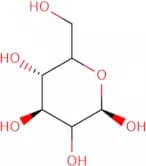
CAS :<p>b-D-Allopyranose is a monosaccharide that has been modified with fluorine. It is used as a substrate for the production of oligosaccharides and polysaccharides, which are important biomolecules in cell walls and membranes. b-D-Allopyranose can be customized to suit your needs with Click chemistry, Methylation, or other modifications. We offer high purity b-D-Allopyranose at competitive prices.</p>Formule :C6H12O6Degré de pureté :Min. 97 Area-%Couleur et forme :PowderMasse moléculaire :180.16 g/molChitohexaose 6HCl
CAS :<p>Nematode glycan mediating activation of macrophages</p>Formule :C36H68N6O25·6HClDegré de pureté :Min. 95 Area-%Couleur et forme :White PowderMasse moléculaire :1,203.73 g/mol2-Azido-2-deoxy-3,4-O-isopropylidene-6-O-toluenesulfonyl-L-idonic acid methyl ester
<p>2-Azido-2-deoxy-3,4-O-isopropylidene-6-O-toluenesulfonyl-L-idonic acid methyl ester is a synthetic sugar that has the CAS number of 2147690. It is a modified saccharide that can be used for glycosylation and click chemistry. This product is also available in custom synthesis, high purity, and fluorination.</p>Degré de pureté :Min. 95%Nystose
CAS :<p>A short chain isomer of inulin</p>Formule :C24H42O21Degré de pureté :Min. 98 Area-%Couleur et forme :White Off-White PowderMasse moléculaire :666.58 g/mol(3S, 4S, 5R) -Dihydro- 4, 5- bis(phenylmethoxy) -2(3H) - furanone
<p>This product is a modification of the natural compound (3S, 4S, 5R) -Dihydro-4,5-bis(phenylmethoxy)-2(3H)-furanone. It is an oligosaccharide that is composed of three monosaccharides. This product has been synthesized and modified to have high purity and no detectable contaminants. The CAS number for this product is 120548-06-1.<br>This product can be used in the synthesis of complex carbohydrates. It also can be methylated, glycosylated, or polysaccharided with other sugars such as galactose, glucose, or maltose. This product has been fluorinated to increase its solubility in organic solvents. It is a saccharide that contains one carbon atom and five hydrogen atoms per molecule.</p>Degré de pureté :Min. 95%Methyl b-D-glucopyranoside
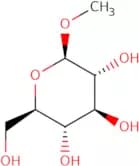
CAS :<p>Inhibitor of Man/Glc-dependent lectin binding; used for synthesis of glucoses</p>Formule :C7H14O6Degré de pureté :Min. 99.0 Area-%Couleur et forme :White Off-White PowderMasse moléculaire :194.18 g/molN-(Benzyloxycarbonyl)-2,3-5,6-di-O-isopropylidene-L-gulofuranosylamine
<p>N-(Benzyloxycarbonyl)-2,3-5,6-di-O-isopropylidene-L-gulofuranosylamine is a glycosylation reagent that was custom synthesized for the synthesis of oligosaccharides and polysaccharides. It has been fluorinated at the 2 position of the benzyloxycarbonyl group to provide protection against oxidation. The methyl group in this compound is used for Click chemistry, which is a modification that adds a reactive vinyl or allyl moiety to an organic molecule. This compound can be used for the synthesis of complex carbohydrates with high purity.</p>Degré de pureté :Min. 95%4-O-(2-Acetamido-2-deoxy-a-D-glucopyranosyl)-D-galactopyranose
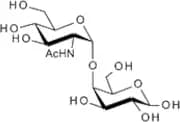
CAS :<p>4-O-(2-Acetamido-2-deoxy-a-D-glucopyranosyl)-D-galactopyranose is a disaccharide that contains two acetamido groups. It is an acceptor for the receptor activity and has been shown to have biological properties. This compound can be synthesized using lactam and glycosylation with the use of sodium cyanoborohydride. 4-O-(2-Acetamido-2-deoxy-a-D-glucopyranosyl)-D-galactopyranose can also be used in the synthesis of oligosaccharides, which are important for cellular function. 4O-(2 Acetamido 2 deoxy a D glucopyranosyl) D galactopyranose shows high affinity for pertussis bacteria and bordetella pertussis. It binds to the surface of these bacteria,</p>Formule :C14H25NO11Degré de pureté :Min. 95 Area-%Couleur et forme :PowderMasse moléculaire :383.35 g/mol2-Azido-((R)-3,5-O-benzylidene)-2,6-dideoxy- L-manno-hexitol
<p>2-Azido-((R)-3,5-O-benzylidene)-2,6-dideoxy-L-manno-hexitol is a methylated sugar that can be custom synthesized. It has CAS number of 4783-79-8. The chemical formula for this compound is C12H22N2O11 and the molecular weight is 538.3 g/mol. This product is a white to off white crystalline powder with a melting point of 200 degrees Celsius and an assay of 98%. This product is not soluble in water or alcohol. In addition, this product does not contain any heavy metals or toxic residues.</p>Degré de pureté :Min. 95%Heptakis-(6-azido-6-deoxy)-b-cyclodextrin
CAS :<p>This beta-cyclodextrin (β-CD) derivative is an azido-functionalized cyclic oligosaccharide composed of seven glucose units, characterized by a hydrophilic exterior and a lipophilic cavity (bigger than α-CD and smaller than γ-CDs), which allows it to encapsulate various guest molecules. This structural feature facilitates its use in multiple applications, including pharmaceuticals, food enhancement, and cosmetics. In the pharmaceutical industry, it enhances the solubility and stability of poorly water-soluble drugs, improving their bioavailability and efficacy while also masking unpleasant tastes. The food sector utilizes it as a stabilizer for flavors, colors, and nutrients, extending shelf life by protecting sensitive ingredients from degradation. In cosmetics, it serves as a complexing agent for fragrances and active components, ensuring their stability and controlled release. Its use expands to many other fields, including nanotechnology for drug delivery systems, environmental remediation for extracting organic pollutants, textiles for slow-release fragrances, and analytical chemistry for chiral separation.</p>Formule :C42H63N21O28Degré de pureté :Min. 95%Couleur et forme :White PowderMasse moléculaire :1,310.07 g/molSalicylic acid D-glucuronide
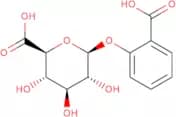
CAS :<p>Salicylic acid D-glucuronide is the major metabolite of aspirin, which is formed by hydrolysis of acetylsalicylic acid. It has been demonstrated to have anti-inflammatory and analgesic effects. Salicylic acid D-glucuronide is excreted in urine and can be detected in human serum. The formation rate of this metabolite varies with the individual's age, sex, and kidney function.<br>Salicylic acid D-glucuronide can be formed in vitro using hydrochloric acid and acetylsalicylic acid as substrates. This reaction is catalyzed by the enzyme uridine diphosphate glucuronyltransferase (UGT). Salicylic acid D-glucuronide has been shown to form covalent adducts with hydroxyl groups from other molecules in vivo and in vitro, including proteins (e.g., albumin) and DNA bases (e.g.,</p>Formule :C13H14O9Degré de pureté :Min. 95%Couleur et forme :PowderMasse moléculaire :314.24 g/mol7-(2-(2-((N-2-Deoxy-acetamido-β-D-glucopyranosyl)-(N-methyl)-aminooxy)ethoxy)ethoxy)-naphthalene-1,3-disulfonate
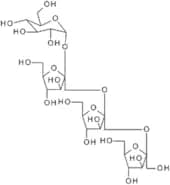
CAS :<p>7-(2-(2-((N-2-Deoxy-acetamido-beta-D-glucopyranosyl)-(N-methyl)-aminooxy)ethoxy)ethoxy)-naphthalene-1,3-disulfonate is a synthetic compound that can be custom synthesized. It has been specifically designed for the modification of complex carbohydrates by click chemistry. The binding site of 7-(2-(2-((N-2-Deoxy-acetamido-beta-D-glucopyranosyl)-(N-methyl)-aminooxy)ethoxy)ethoxy)-naphthalene 1,3 disulfonate is the anomeric carbon of the sugar moiety. This compound has a CAS number of 2365081–65–6 and can be used in many different applications including glycosylation, oligosaccharide synthesis, and methylation.</p>Formule :C23H32N2O14S2Degré de pureté :Min. 95%Couleur et forme :PowderMasse moléculaire :624.64 g/mol1,1,1,1,1-Kestoheptaose
CAS :<p>Kestoheptaose is a long-chain inulin with a molecular weight of 1,000 Da. It is found in the plant family Asteraceae and is the only natural polysaccharide with seven glucose units. Kestoheptaose has been shown to be involved in the regulation of muscle glycogen levels and can be used as a supplement for athletes or those who are active. The biochemical functions of Kestoheptaose have been validated using an oral ethanol extract, which was shown to increase muscle glycogen levels by up to 132%. This extract also decreased malondialdehyde concentrations by up to 41% and increased urea nitrogen levels by up to 89%.</p>Formule :C42H72O36Degré de pureté :Min. 75 Area-%Couleur et forme :White PowderMasse moléculaire :1,153 g/mol1,4-Anhydro-D-glucitol
CAS :<p>Intermediate in the synthesis of prostaglandins</p>Formule :C6H12O5Degré de pureté :Min. 97 Area-%Couleur et forme :White Off-White PowderMasse moléculaire :164.16 g/mol3,4-Di-O-acetyl-D-arabinal
CAS :<p>3,4-Di-O-acetyl-D-arabinal is a spiroketal monofluoride that is known to be an efficient method for the synthesis of β-unsaturated aldehydes. It can be prepared by the hydration of enantiopure allyl chloroformate followed by reductive elimination with triflic acid and acidic hydrolysis. 3,4-Di-O-acetyl-D-arabinal has been used in the synthesis of biologically active molecules such as polyketides, peptides and natural products.</p>Formule :C9H12O5Degré de pureté :Min. 97 Area-%Couleur et forme :Colorless Clear LiquidMasse moléculaire :200.19 g/molN-(Succinyl)-O-b-D-lactosylhydroxylamine
<p>N-(Succinyl)-O-b-D-lactosylhydroxylamine is a methylation product of b-D-lactosylhydroxylamine. It has a CAS number and can be modified with Click chemistry, which is a method of chemical modification using copper (II) ions. N-(Succinyl)-O-b-D-lactosylhydroxylamine can also be modified with other chemicals, such as an amine or carboxylic acid, to create an oligosaccharide. This product is synthesized in high purity and has a high glycosylation yield. It is used for research purposes and can be custom synthesized for any desired sugar.</p>Degré de pureté :Min. 95%6-Azido-6-deoxy-D-fructose
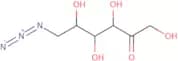
CAS :<p>6-Azido-6-deoxy-D-fructose is a piperidine that condenses with glyceraldehyde in the presence of aldolase and produces D-glyceraldehyde. This reaction is stereospecifically catalyzed by aldolase, which converts the product to D-glyceraldehyde 3-phosphate. 6Azido-6deoxy-D-fructose has been shown to exhibit polyhydroxylated properties.</p>Formule :C6H11N3O5Degré de pureté :Min. 95%Couleur et forme :Clear LiquidMasse moléculaire :205.17 g/molN-Amyl β-D-glucopyranoside
CAS :<p>N-Amyl b-D-glucopyranoside is a monosaccharide with a glucose residue at the 1 position and an amyl group at the 2 position. It is a synthetic sugar that can be used as a starting material in glycosylation reactions to modify oligosaccharides, saccharides, and complex carbohydrates. N-Amyl b-D-glucopyranoside can also be fluorinated, methylated, or modified by click chemistry to produce novel compounds. N-Amyl b-D-glucopyranoside is typically obtained by the glycosylation of amylamine with dibenzoyl glucose in the presence of an acid catalyst. This reaction produces a mixture of mono-, di-, tri-, tetra-, penta-, hexa-, hepta-, octa-, nona-, deca-, undeca-, dodeca-, and tetradecasaccharides, which</p>Formule :C11H22O6Degré de pureté :Min. 95%Couleur et forme :White to off-white solid.Masse moléculaire :250.29 g/mol(5S, 8S, 9S) -8- [(4S) - 2, 2-Dimethyl- 1, 3- dioxolan- 4- yl] - 9- hydroxy- 2, 2- dimethyl- 1, 3, 7- trioxaspiro[4.4] nonan- 6- one
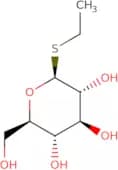
<p>(5S, 8S, 9S) -8- [(4S) - 2, 2-Dimethyl- 1, 3- dioxolan- 4- yl] - 9- hydroxy- 2, 2- dimethyl- 1, 3, 7- trioxaspiro[4.4] nonan- 6- one is a synthetic molecule that has been modified to include fluorine atoms at the C3 and C4 positions. It is a sugar that is found in many plants and animals. This sugar can be methylated or modified with other molecules to form complex carbohydrates. The ability of this sugar to form oligosaccharides and polysaccharides makes it an important part of carbohydrate metabolism.</p>Degré de pureté :Min. 95%Ethyl β-D-thioglucopyranoside
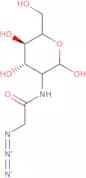
CAS :<p>Ethyl β-D-thioglucopyranoside is a custom synthesis that has been modified with fluorination and methylation, which has made it a monosaccharide. This product is synthetic and can be used for click modification. It is also an oligosaccharide, saccharide, and polysaccharide. Ethyl β-D-thioglucopyranoside is a sugar that belongs to the complex carbohydrate group. It is highly pure and has no impurities.</p>Formule :C8H16O5SDegré de pureté :Min. 95%Couleur et forme :White PowderMasse moléculaire :224.28 g/molN-Azidoacetylgalactosamine
<p>Click reagent for metabolic labeling of GalNAc</p>Formule :C8H14N4O6Degré de pureté :Min. 98 Area-%Couleur et forme :White PowderMasse moléculaire :262.22 g/molHyaluronate fluorescein - MW - 800kDa
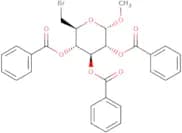
<p>Hyaluronic acid, a polysaccharide with alternating β (1,3) glucuronide and β (1,4) glucosamine residues labelled with 5-amino-fluorescein gives a yellow fibrous product, which is soluble in both water and electrolytes. Fluorescein-labelled hyaluronic acid can be used as a probe to follow the fate of hyaluronan in vitro and greatly enhances the visualisation of the permeation of substrates through skin and other tissues. Other applications of fluorescein-labelled hyaluronic acid have been reported in cancer research.</p>Degré de pureté :(%) Min. 95%Couleur et forme :Yellow Orange PowderMethyl-2,3,4-tri-O-benzoyl-6-bromo-6-deoxy-α-D-glucopyranoside
CAS :<p>Methyl-2,3,4-tri-O-benzoyl-6-bromo-6-deoxy-alpha-D-glucopyranoside is a sugar that belongs to the group of monosaccharides. It is a custom synthesis product that can be synthesized and modified according to customer's requirements. Methylation, fluorination and saccharide modification are possible and highly pure methylated products can be produced with high purity.</p>Formule :C28H25BrO8Degré de pureté :Min. 95%Masse moléculaire :569.4 g/mol3,5-((R)-Benzylidene)-6-deoxy-L-glucono-1,4-lactone
<p>3,5-((R)-Benzylidene)-6-deoxy-L-glucono-1,4-lactone is a synthesized sugar that can be modified to include fluorination, glycosylation, methylation and other modifications. It is an oligosaccharide with a saccharide backbone made up of glucose units. The monosaccharides are galactose and glucuronic acid. 3,5-(R) Benzylidene)-6-deoxy-L-glucono-1,4-lactone is used in the synthesis of complex carbohydrates for research purposes.</p>Degré de pureté :Min. 95%2-Azido- 2- deoxy- 2- C- methyl- 3, 4- O- isopropylidene - D- ribono-1,5- lactone
<p>2-Azido-2-deoxy-2-C-methyl-3,4-O-isopropylideneD-ribono1,5-lactone is a monosaccharide that can be used in the synthesis of oligosaccharides and polysaccharides. It is also used for modification of saccharides by fluorination, methylation, and click chemistry. 2A2DMRL has been shown to have a CAS number of 53869-09-6.</p>Degré de pureté :Min. 95%4-Methoxyphenyl 4-O-[3-O-(2,3,4,6-O-acetyl-α-D-mannopyranosyl)-4,6-O-benzylidene-2-O-levulinoyl-β-D-glucopyranosyl]-3,6-di-O-benzyl- 2-deoxy-2-phthalimido-β-D-glucopyranoside
<p>This product is a synthetic, high purity, and custom-synthesized molecule that belongs to the group of saccharide polymers. It is synthesized by methylation of 4-methoxyphenyl 4-O-[3-O-(2,3,4,6-O-acetyl-a-D-mannopyranosyl)-4,6-O-benzylidene-2-O-levulinoyl]-b-Dglucopyranoside and Click modification. This product has potent glycosylation activity with polysaccharides such as heparin and chondroitin sulfate. The synthesis of this product is completed through the use of a highly efficient and selective carbohydrate polymerization method.</p>Formule :C67H71NO24Degré de pureté :Min. 95%Masse moléculaire :1,274.27 g/mol2-Methoxycarbonylphenyl 2-acetamido-2-deoxy-β-D-glucopyranoside
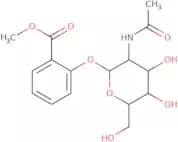
CAS :<p>2-Methoxycarbonylphenyl 2-acetamido-2-deoxy-b-D-glucopyranoside is a fluorinated monosaccharide that can be used as a glycosylation and polysaccharide modification agent. It has been shown to be useful for the synthesis of complex carbohydrates. This product is available in high purity, custom synthesis, and CAS No. 1093406-94-0.</p>Formule :C16H21NO8Degré de pureté :Min. 95%Masse moléculaire :355.34 g/mol7-Deoxy-3,4:5,6-di-O-isopropylidene-D-glycero-L-ido-heptitol
<p>7-Deoxy-3,4:5,6-di-O-isopropylidene-D-glycero-L-ido-heptitol is an oligosaccharide that can be custom synthesized. It has a number of applications in the chemical and pharmaceutical industries. 7DGILH is a modified sugar used as a building block for complex carbohydrate synthesis. This sugar can be fluorinated to form a variety of products with different properties. 7DGILH can also be used as a monomer to produce saccharides with modifications such as methylation or click modification.</p>Degré de pureté :Min. 95%Methyl 6-chloro-6-deoxy-a-D-glucopyranoside
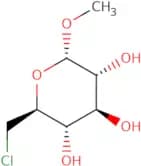
CAS :<p>Methyl 6-chloro-6-deoxy-a-D-glucopyranoside is a custom chemical synthesis that can be modified, fluorinated, methylated, monosaccharide and polysaccharide. It is an oligosaccharide sugar with CAS No. 4144-87-0. This chemical is synthesized by glycosylation of the saccharide.</p>Formule :C7H13ClO5Degré de pureté :Min. 95%Masse moléculaire :212.63 g/mol2-Hydroxypropyl-b-cyclodextrin - Rhodamine labelled
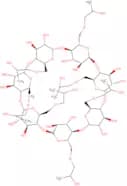
CAS :<p>This beta-cyclodextrin (β-CD) derivative is a functionalized cyclic oligosaccharide composed of seven glucose units, characterized by a hydrophilic exterior and a lipophilic cavity (bigger than α-CD and smaller than γ-CDs), which allows it to encapsulate various guest molecules. This structural feature facilitates its use in multiple applications, including pharmaceuticals, food enhancement, and cosmetics. In the pharmaceutical industry, it enhances the solubility and stability of poorly water-soluble drugs, improving their bioavailability and efficacy while also masking unpleasant tastes. The food sector utilizes it as a stabilizer for flavors, colors, and nutrients, extending shelf life by protecting sensitive ingredients from degradation. In cosmetics, it serves as a complexing agent for fragrances and active components, ensuring their stability and controlled release. Its use expands to many other fields, including nanotechnology for drug delivery systems, environmental remediation for extracting organic pollutants, textiles for slow-release fragrances, and analytical chemistry for chiral separation.</p>Formule :C42•(H)70n•O35•(C3H7)nDegré de pureté :Min. 95%5-Deoxy-5-fluoro-D-galactose
<p>5-Deoxy-5-fluoro-D-galactose is an oligosaccharide that can be used as a custom synthesis. It is a modification of the natural monosaccharide D-galactose. 5-Deoxy-5-fluoro-D-galactose has the following chemical structure:</p>Degré de pureté :Min. 95%2-Formylphenyl 2,3,4,6-tetra-O-acetyl-b-D-glucopyranoside
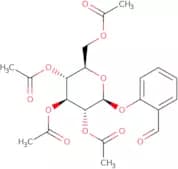
CAS :<p>2-Formylphenyl 2,3,4,6-tetra-O-acetyl-b-D-glucopyranoside is a natural product of the gentisyl family. It is synthesized from benzyl alcohol and acetic anhydride. This compound has been shown to have anticancer properties in animal studies. The acetyl groups are thought to be responsible for the cytotoxicity of this compound. Salireposide is one such analog that has been shown to inhibit protein synthesis and induce apoptosis in cancer cells.</p>Formule :C21H24O11Degré de pureté :Min. 95%Couleur et forme :PowderMasse moléculaire :452.41 g/molMethyl 3,6-di-O-benzyl-2-deoxy-a-D-glucopyranoside
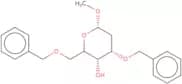
<p>Methyl 3,6-di-O-benzyl-2-deoxy-a-D-glucopyranoside is a sugar derived from the natural carbohydrate sucrose. It is custom synthesized and glycosylated with an oligosaccharide. Methyl 3,6-di-O-benzyl-2-deoxy-a-D-glucopyranoside can be used in the synthesis of polysaccharides and other carbohydrates. This product has been modified using click chemistry to attach a methyl group at the C3 position of the glucose moiety. This modification is useful for glycosylation reactions that require a specific location on the sugar for attachment of an amino acid or peptide. Methyl 3,6-, di-, O-, benzyl--2, deoxy--A--D--glucopyranoside has CAS number 51139–03–5 and is available in high purity.</p>Formule :C21H26O5Degré de pureté :Min. 95%Masse moléculaire :358.43 g/mol2-Deoxy-L-ribose
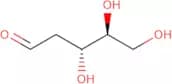
CAS :<p>Suppresses tumor angiogenesis; pro-apoptotic</p>Formule :C5H10O4Degré de pureté :Min. 98 Area-%Couleur et forme :White PowderMasse moléculaire :134.13 g/mol




















![3, 4- O- [(R) -Benzylidene] -2-O-trifluormethansulfonyl-D- ribonic acid d- lactone](/_next/image/?url=https%3A%2Fstatic.cymitquimica.com%2Fproducts%2F3D%2Fthumb-webp%2FMB163971.webp&w=3840&q=75)








![(5S, 8S, 9S) -8- [(4S) - 2, 2-Dimethyl- 1, 3- dioxolan- 4- yl] - 9- hydroxy- 2, 2- dimethyl- 1, 3,…](/_next/image/?url=https%3A%2Fstatic.cymitquimica.com%2Fproducts%2F3D%2Fthumb-webp%2FMD170667.webp&w=3840&q=75)