Glycosciences
La glycosciences est l'étude des glucides et de leurs dérivés, ainsi que des interactions et des fonctions biologiques auxquelles ils participent. Ce domaine de recherche est crucial pour comprendre une grande variété de processus biologiques, y compris la reconnaissance cellulaire, la signalisation, la réponse immunitaire et le développement des maladies. La glycosciences a des applications importantes en biotechnologie, en médecine et dans le développement de nouveaux médicaments et thérapies. Chez CymitQuimica, nous proposons une large sélection de produits de haute qualité et pureté pour la recherche en glycosciences. Notre catalogue comprend des monosaccharides, des oligosaccharides, des polysaccharides, des glyconjugués et des réactifs spécifiques, conçus pour soutenir les chercheurs dans leurs études sur la structure, la fonction et les applications des glucides dans les systèmes biologiques. Ces ressources sont destinées à faciliter les découvertes scientifiques et les applications pratiques dans divers domaines des biosciences et de la médecine.
Sous-catégories appartenant à la catégorie "Glycosciences"
- Aminosucres(108 produits)
- Anticorps Glyco-Related(282 produits)
- Glycolipides(46 produits)
- Glycosaminoglycanes (GAGs)(55 produits)
- Glycosides(419 produits)
- Monosaccharides(6.624 produits)
- Oligosaccharides(3.682 produits)
- Polysaccharides(503 produits)
11046 produits trouvés pour "Glycosciences"
Trier par
Degré de pureté (%)
0
100
|
0
|
50
|
90
|
95
|
100
Isopropyl 2-acetamido-2-deoxy-α-D-glucopyranoside
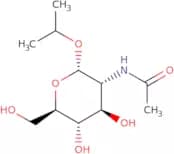
CAS :<p>Isopropyl 2-acetamido-2-deoxy-α-D-glucopyranoside is a modification of an oligosaccharide. It has been synthesized and characterized by NMR spectroscopy. This carbohydrate is custom synthesized as a complex carbohydrate. It is also a synthetic carbohydrate. Isopropyl 2-acetamido-2-deoxy-α-D-glucopyranoside is used as a monosaccharide, in glycosylation, methylation, polysaccharides, and other sugar chemistry reactions. Isopropyl 2-acetamido-2-deoxy-α-D-glucopyranoside can be used for fluorination or saccharides.</p>Formule :C11H21NO6Degré de pureté :Min. 95%Couleur et forme :PowderMasse moléculaire :263.29 g/molCarboxymethyl-γ-cyclodextrin sodium salt
This gamma-cyclodextrin (γ-CD) derivative is a modified cyclic oligosaccharide composed of eight glucose units, featuring a larger cavity size than α- and β-cyclodextrins. This structural characteristic allows γ-CDs to form inclusion complexes with a wider range of guest molecules, making it particularly versatile in various industries. In the food sector, it is used as a carrier and stabilizer for flavors, fat-soluble vitamins, and polyunsaturated fatty acids, protecting volatile compounds from evaporation. In pharmaceuticals, it enhances the solubility and bioavailability of poorly water-soluble drugs and, thanks to its larger ring size, allows for the encapsulation of larger molecules or even entire drug molecules. γ-CDs and derivatives are also used for environmental remediation and, in analytical chemistry, for the extraction and concentration of target substances.Formule :C54H86O46·xNaDegré de pureté :Min. 95%Couleur et forme :PowderMasse moléculaire :1,471.23 g/mol2,3,4,6-Tetra-O-acetyl-b-D-thiogalactopyranose
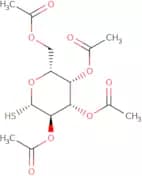
CAS :<p>2,3,4,6-Tetra-O-acetyl-b-D-thiogalactopyranose is a synthetic sugar that is prepared by the fluorination of D-galactopyranose and subsequent acetylation. This compound can be used for glycosylation reactions and as a substrate for click chemistry. It is an oligosaccharide with four monosaccharides in its backbone. The CAS number of 2,3,4,6-Tetra-O-acetyl-b-D-thiogalactopyranose is 50615-66-2.</p>Formule :C14H20O9SDegré de pureté :Min. 95%Couleur et forme :PowderMasse moléculaire :364.37 g/mol6-Deoxy-D-psicose
6-Deoxy-D-psicose is a sugar molecule that is made up of six carbon atoms. It is one of the two possible epimers of D-psicose, and it can be used as an alkaline equilibrating agent for the conversion of D-fructose to 1-deoxy-D-fructose. 6-Deoxy-D-psicose can also be used as a substrate in reactions with other sugars to form new compounds. 6DPSC can be transformed into rhamnose by heating it at 100°C in alkaline solution, or into l-rhamnose by heating it at 120°C in alkaline solution. The transformation process converts 6DPSC into its epimer, which is stable at high temperatures without decomposing. 6DPSC has been shown to have efficient properties for use in research and for the production of various substances.Degré de pureté :Min. 95%Methyl 2-deoxy-2-fluoro-L-arabinofuranoside
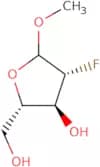
CAS :Methyl 2-deoxy-2-fluoro-L-arabinofuranoside is a synthetic monosaccharide that can be used as a building block for the synthesis of oligosaccharides and polysaccharides. It has been shown to have high purity, and it can be custom synthesized. Methyl 2-deoxy-2-fluoro-L-arabinofuranoside is an excellent source of fluorine atoms, which are commonly used in glycosylation reactions. This product is also useful for click chemistry reactions with methyl groups, as well as other modifications such as oxidation, reduction, esterification, and acetylation.Formule :C6H11FO4Degré de pureté :Min. 95%Couleur et forme :PowderMasse moléculaire :166.15 g/molD-Allose-6-phosphate disodium
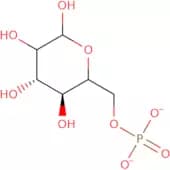
CAS :<p>D-Allose-6-phosphate disodium is a fluorinated sugar that is used in the synthesis of oligosaccharides and polysaccharides. It can be modified by methylation, fluorination, or click chemistry. This product has been custom synthesized to produce high purity and high quality.</p>Formule :C6H11O9PNa2Degré de pureté :Min. 95%Couleur et forme :White Off-White PowderMasse moléculaire :304.1 g/mol4-Methoxyphenyl 2,4,6-tri-O-acetyl-b-D-galactopyranoside
CAS :4-Methoxyphenyl 2,4,6-tri-O-acetyl-b-D-galactopyranoside is a synthetic carbohydrate that can be modified to meet your requirements. It is also known as Glycosylation, Oligosaccharide, sugar, Synthetic, Fluorination, Custom synthesis, Methylation, CAS No. 383905-62-2 and Monosaccharide Polysaccharide Saccharide. This product has been Click modification and complex carbohydrate. We offer this product at high purity and with modification.Formule :C19H24O10Degré de pureté :Min. 95%Masse moléculaire :412.39 g/molIsopropyl beta-D-glucopyranoside
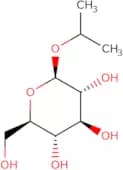
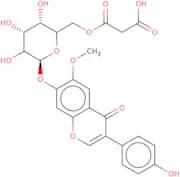
CAS :<p>Isopropylbeta-D-glucopyranoside is a chemical compound that has been studied for its antibacterial activity. It has been shown to inhibit the growth of bacteria by reacting with fatty acids in the cell membrane, which leads to the disruption of the cell membrane and death. Isopropylbeta-D-glucopyranoside is a member of the sugar alcohols class, and it can be synthesized from glucose, fatty acid, and hydrochloric acid using an acid catalyst. The reaction system is typically carried out in microcapsules.</p>Formule :C9H18O6Degré de pureté :Min. 95%Couleur et forme :PowderMasse moléculaire :222.24 g/mol6-O-Malonylglycitin
CAS :<p>6-O-Malonylglycitin is a glycosylated flavonoid that belongs to the group of isoflavones. It is found in a variety of plants, including soybeans and fava beans. 6-O-Malonylglycitin has been shown to be an effective inhibitor of β-glucosidase activity at temperatures below 37°C, which overlaps with the range of temperatures where it inhibits glycitein production. This inhibition may be due to its pleiotropic effects on various treatments, such as its ability to inhibit cancer cell growth by inhibiting protein synthesis and inducing apoptosis. 6-O-Malonylglycitin also has synergistic effects when used concomitantly with chromatographic markers, such as high performance liquid chromatography (HPLC), which can be used to analyze the levels of endogenous compounds in human blood samples.</p>Formule :C25H24O13Degré de pureté :Min. 95%Couleur et forme :PowderMasse moléculaire :532.45 g/mol(5R, 6R, 7S, 8R) -5, 6, 7, 8-Tetrahydro- 5- methyl- tetrazolo[1, 5- a] pyridine- 6, 7, 8- triol
CAS :<p>Tetrahydro-5-methyl-tetrazolo[1,5-a]pyridine-6,7,8-triol is an organic compound that has been synthesized from a sugar. Tetrahydro-5-methyl-tetrazolo[1,5-a]pyridine-6,7,8-triol is soluble in water and formic acid. It is used as a synthetic intermediate for the production of oligosaccharides and saccharides. Tetrahydro-5-methyl-tetrazolo[1,5-a]pyridine-6,7,8-triol can be used to produce glycosylation or methylation in the laboratory. It is also used as a chemical reagent in complex carbohydrate synthesis.</p>Formule :C6H10N4O3Degré de pureté :Min. 95%Masse moléculaire :186.17 g/mol(+)-Lyoniresinol-3a-O-(6''-3-methoxy-4-hydroxybenzoyl)-b-D-glucopyranoside
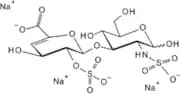
The compound is a synthetic, complex carbohydrate composed of glucose and methyl-D-glucoside units. It can be custom synthesized to meet your specifications.Degré de pureté :Min. 95%Heparin disaccharide III-S trisodium salt
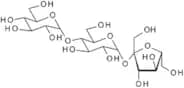
CAS :<p>Heparin disaccharide III-S trisodium salt is a synthetic and custom-synthesized drug with high purity. It is a complex carbohydrate with a molecular weight of 597.1 g/mol, an Oligosaccharide with a molecular weight of 1,008.3 g/mol, and a Glycosylation with a molecular weight of 1,069.4 g/mol. Heparin disaccharide III-S trisodium salt has been modified by the addition of fluorine atoms to create an active form that is highly reactive to electrophilic groups on proteins or nucleic acids. It can be used for Click modification or methylation reactions to modify proteins or DNA molecules in order to study protein-protein interactions or protein conformational changes in response to external stimuli.</p>Formule :C12H16NO16S2·3NaDegré de pureté :Min. 95 Area-%Couleur et forme :White Yellow PowderMasse moléculaire :563.35 g/molErlose
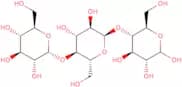
CAS :<p>Erlose is a trisaccharide (b-D-fructofuranosyl-a-D-glucopyranosyl-(1,4)-a-D-glucopyranoside) found in royal jelly and honeys. Erlose has the same sweetening power as sucrose but is less cariogenic.</p>Formule :C18H32O16Degré de pureté :Min. 95 Area-%Couleur et forme :White PowderMasse moléculaire :504.44 g/molFluorescein-b-cyclodextrin
<p>This beta-cyclodextrin (β-CD) derivative is a functionalized cyclic oligosaccharide composed of seven glucose units, characterized by a hydrophilic exterior and a lipophilic cavity (bigger than α-CD and smaller than γ-CDs), which allows it to encapsulate various guest molecules. This structural feature facilitates its use in multiple applications, including pharmaceuticals, food enhancement, and cosmetics. In the pharmaceutical industry, it enhances the solubility and stability of poorly water-soluble drugs, improving their bioavailability and efficacy while also masking unpleasant tastes. The food sector utilizes it as a stabilizer for flavors, colors, and nutrients, extending shelf life by protecting sensitive ingredients from degradation. In cosmetics, it serves as a complexing agent for fragrances and active components, ensuring their stability and controlled release. Its use expands to many other fields, including nanotechnology for drug delivery systems, environmental remediation for extracting organic pollutants, textiles for slow-release fragrances, and analytical chemistry for chiral separation.</p>Formule :C42H71nNO34•(C21N12NO5S)nDegré de pureté :Min. 95%Couleur et forme :PowderPropranolol D-glucuronide D6
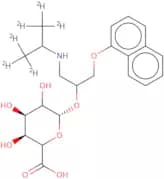
Produit contrôlé<p>Propranolol D-glucuronide D6 is a synthetic, fluorinated, saccharide that is a modification of propranolol. It has high purity and can be custom synthesized to meet specific requirements. Propranolol D-glucuronide D6 has been shown to inhibit the growth of bacteria by binding to the 50S ribosomal subunit. It is used in veterinary medicine to treat respiratory infections caused by Clostridium perfringens and other bacteria. The drug also has a toxic effect on respiratory system cells, which may be due to its ability to induce apoptosis.</p>Formule :C22H23NO8D6Degré de pureté :Min. 95%Masse moléculaire :441.5 g/mol2,3-di-O-methyl-6-O-tert-butyldimethylsilyl-γ-cyclodextrin
<p>This gamma-cyclodextrin (γ-CD) derivative is a modified cyclic oligosaccharide composed of eight glucose units, featuring a larger cavity size than α- and β-cyclodextrins. This structural characteristic allows γ-CDs to form inclusion complexes with a wider range of guest molecules, making it particularly versatile in various industries. In the food sector, it is used as a carrier and stabilizer for flavors, fat-soluble vitamins, and polyunsaturated fatty acids, protecting volatile compounds from evaporation. In pharmaceuticals, it enhances the solubility and bioavailability of poorly water-soluble drugs and, thanks to its larger ring size, allows for the encapsulation of larger molecules or even entire drug molecules. γ-CDs and derivatives are also used for environmental remediation and, in analytical chemistry, for the extraction and concentration of target substances.</p>Formule :C112H224O40SI8Degré de pureté :Min. 95%Masse moléculaire :3,258.25 g/mol6-Deoxy-D-lactosylamine
6-Deoxy-D-lactosylamine (6DLA) is a carbohydrate that belongs to the group of oligosaccharides. It is an N-substituted glycosylated sugar with a methyl ester at the 6 position. The chemical name for 6DLA is 6-deoxy-N,N′,N″-(2,3,4,6-tetra-O-acetyl)-β--galactopyranosyl-(1→4)-β--glucopyranoside and it has CAS number 59225-12-5. This product can be custom synthesized and offers high purity. It can also be modified in different ways to create new products such as fluorination or methylation.Degré de pureté :Min. 95%(2R, 3S, 4S, 5S) - 2-Methyl- 3, 4, 5- piperidinetriol
CAS :<p>D-Methylated pentaerythritol has been synthesized for the first time. The synthesis of D-methylated pentaerythritol was achieved via a modified version of the Click reaction, which is a three-component coupling reaction that involves an electrophilic carbonyl compound, an azide and a nucleophile. This product is suitable for use in the synthesis of oligosaccharides and polysaccharides. It can be used as a raw material for modification or as a sugar in the synthesis of complex carbohydrates, such as saccharides or carbohydrates.</p>Formule :C6H13NO3Degré de pureté :Min. 95%Masse moléculaire :147.17 g/mol1,2,3,4,6-Penta-O-benzoyl-α-D-mannopyranose
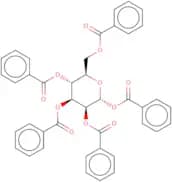
CAS :1,2,3,4,6-Penta-O-benzoyl-alpha-D-mannopyranose is a monosaccharide that can be synthesized by modification of the corresponding mannose. This sugar has been shown to form a complex carbohydrate with an oligosaccharide or saccharide. It can also be used in click chemistry as a linker between two amino acids or peptides. The chemical name for 1,2,3,4,6-Penta-O-benzoyl-alpha-D-mannopyranose is 1,2:3,4:6:1′′′′′′′″:5′″:8:1″″″″″″"’5″'8″1 (2R)-2-(3'-chloroacetyl)pentaerythritol 2,4'-diyl dianhydride.Formule :C41H32O11Masse moléculaire :700.69 g/molValibose
CAS :Inhibitor of alpha-glucosidaseFormule :C10H21NO6Degré de pureté :Min. 95%Masse moléculaire :251.28 g/mol1,2-O-Isopropylidene-a-D-xylofuranose
CAS :Chiral building block for synthesis of carbohydrate and nucleoside derivativesFormule :C8H14O5Degré de pureté :(%) Min. 98%Couleur et forme :White PowderMasse moléculaire :190.19 g/molMonofucosyllacto-N-hexaose I
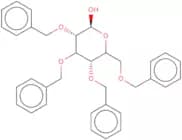
CAS :<p>Sialylated tetrasaccharide found in human milk, possible health benefits for the neonate by supporting resistance to pathogens, gut maturation, immune function, and cognitive development. Purity typically above 70%. Contains other oligosaccharide fragments. For a typical IC trace see datasheet section</p>Formule :C46H78N2O35Degré de pureté :(By Hpaec) Min. 70%Couleur et forme :PowderMasse moléculaire :1,219.1 g/mol2,3,4,6-Tetra-O-benzyl-L-mannopyranose
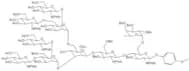
CAS :<p>2,3,4,6-Tetra-O-benzyl-L-mannopyranose is a synthetic saccharide. It is a high purity sugar that can be used as a custom synthesis and glycosylation reagent. This compound is also known as 1,2:3,4:5,6-penta-O-benzylidene-D-mannopyranose. It has CAS No. 103368-00-9 and Carbohydrate.</p>Formule :C34H36O6Degré de pureté :Min. 95%Masse moléculaire :540.7 g/mol4-Methoxyphenyl 4-O-{4-O-[[2-O-Ac-3-O-[2,4-di-O-(3,4 ,6-tri-O-Ac-2-PhthN-β-D-Glc)-3,6-di-O-Bn-α-D-Man]-6-O-[3,4-di-O-Ac-2 ,6-di-O-(3,4 ,6-tri-O-Ac-2-PhthN-β-D-Glc)-α-D-Man]-β-D-Man]]-3,6-di-O-Bn -2-PhthN-β-D-Glc}-3-O-Bn-6-O-(tri-O-Bn-α-L-Fuc)-2-PhthN-β-D-
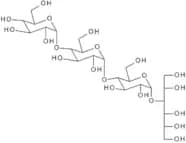
CAS :<p>This compound is a synthetic glycosylation reagent that is used for the modification of proteins and polysaccharides. It can be used to introduce various sugars and oligosaccharides to proteins, such as Methylation, Click modification, Polysaccharide, Fluorination, saccharide, Modification, sugar, Oligosaccharide. The compound has a CAS No. 946164-26-7 and is available for custom synthesis with high purity.</p>Formule :C201H204N6O72Degré de pureté :Min. 95%Masse moléculaire :3,855.77 g/molMaltotetraitol
CAS :<p>Bulk sweetener; viscosity/bodying agent; humectant; cryoprotectant</p>Formule :C24H44O21Degré de pureté :Min. 95%Couleur et forme :White PowderMasse moléculaire :668.59 g/molN-Acetyl-D-galactosamine-6-O-sulphate sodium
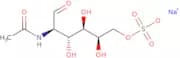
CAS :<p>N-Acetyl-D-galactosamine-6-O-sulphate sodium is a carbohydrate that is used in the synthesis of oligosaccharides. The saccharide is fluorinated, methylated, and glycosylated. It also has a click modification at the reducing end. N-Acetyl-D-galactosamine-6-O-sulphate sodium is synthesized by custom synthesis and has high purity.</p>Formule :C8H14NO9SNaDegré de pureté :Min. 95%Couleur et forme :PowderMasse moléculaire :323.25 g/molMethyl 6-O-tert-butyldimethylsilyl-2,3,4-tri-O-pivaloyl-a-D-mannopyranoside
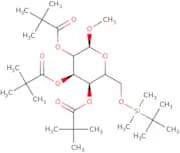
<p>Methyl 6-O-tert-butyldimethylsilyl-2,3,4-tri-O-pivaloyl-a-D-mannopyranoside is a synthetic glycosylation agent that can be used for the synthesis of complex carbohydrates. This product has been fluorinated and saccharide modified. Methyl 6-O-tert-butyldimethylsilyl-2,3,4-tri-O-pivaloyl-aDmannopyranoside is available in CAS number: 5756782.</p>Formule :C28H52O9SiDegré de pureté :Min. 95%Masse moléculaire :560.81 g/mol1-Deoxy- 3, 4- O- isopropylidene -D- erythro- 2- pentulofuranose
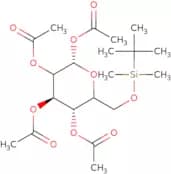
<p>1-Deoxy-3,4-O-isopropylidene-D-erythro-2-pentulofuranose is a monosaccharide sugar that is synthetically produced. It has a CAS number, and can be modified with fluorination, methylation, or click modification. This compound can be used as a sugar in glycosylation reactions, and has high purity.</p>Degré de pureté :Min. 95%1,2,3,4-Tetra-O-acetyl-6-O-(tert-butyldimethylsilyl)-b-D-galactopyranose
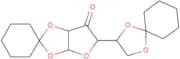
<p>1,2,3,4-Tetra-O-acetyl-6-O-(tert-butyldimethylsilyl)-b-D-galactopyranose is a custom synthesis with methylation and click modification. It is a high purity compound that is available for purchase. This compound has been fluorinated to create 1,2,3,4-Tetra-O-acetyl-6-[(trifluoromethyl)oxy]-b-D-galactopyranose. The chemical formula is C14H27F3O7. It can be used in the synthesis of oligosaccharides and polysaccharides.</p>Formule :C20H34O10SiDegré de pureté :Min. 95%Masse moléculaire :462.57 g/mol1,2:5,6-Di-O-cyclohexylidene-a-D-ribo-hexofuranos-3-ulose hydrate
CAS :<p>1,2:5,6-Di-O-cyclohexylidene-a-D-ribo-hexofuranos-3-ulose hydrate is a modified sugar that contains an oxygen atom in the furan ring. It has been shown to be stable and soluble in water, which is important for its applications in food and pharmaceuticals. This product can be used as a substitute for sucrose or glucose in foods. 1,2:5,6-Di-O-cyclohexylidene-a-D-ribo-hexofuranos 3 ulose hydrate has also been synthesized with methyl groups at the C1 position of the glycosyl residue. This modification yields a new molecule that exhibits increased stability and solubility.</p>Formule :C18H28O7Degré de pureté :Min. 95%Masse moléculaire :356.41 g/mol(3S, 5S) -1-Benzyl-3, 4, 5- piperidinetriol
(3S, 5S) -1-Benzyl-3, 4, 5- piperidinetriol is a custom synthesis that belongs to the group of methylated and fluorinated triols. It is a high purity compound with a monosaccharide sugar. This product can be used as an intermediate for the synthesis of complex carbohydrate compounds such as oligosaccharides and polysaccharides.Degré de pureté :Min. 95%2,4-Di- C- methyl- 3, 4- O- isopropylidene -L- arabinonic acid γ-lactone
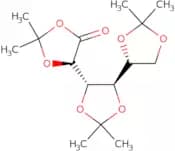
<p>2,4-Di-C-methyl-3,4-O-isopropylidene-L-arabinonic acid gamma-lactone is a modification of an oligosaccharide. It has been synthesized to be used in the synthesis of complex carbohydrates. This product is custom synthesized and can be ordered with a high purity grade. The CAS number for this product is 123373-94-7 and the molecular weight is 498.5 g/mol. This product's chemical formula is C13H14O11 and it has a melting point of 185 °C to 191 °C. This product has a monosaccharide, methylation, glycosylation, polysaccharide, sugar, fluorination, saccharide structure that makes it an Oligosaccharide Carbohydrate Complex Carbohydrate Synthetic Custom synthesis High purity Glycosylation Polysaccharide Sugar Fluorination Saccharide.</p>Degré de pureté :Min. 95%(2R, 3R, 4R) -3, 4- Dihydroxy- 2- (hydroxymethyl) - 1- pyrrolidineacetic acid
CAS :(2R, 3R, 4R) -3, 4- Dihydroxy- 2- (hydroxymethyl) - 1- pyrrolidineacetic acid is a synthetic monosaccharide that can be modified with fluorine and methylation. This compound is a carbohydrate that can be used for the synthesis of oligosaccharides and polysaccharides. It has been shown to be useful for glycosylation reactions and in the synthesis of complex carbohydrates.Degré de pureté :Min. 95%(3aR,SR,6S,7R,7aR)-5-(Acetoxymethyl)-2-(ethylamino)-5,6,7,7atetrahydro-3aH-pyrano[3,2-d]thiazole-6,7-diyl diacetate
CAS :(3aR,SR,6S,7R,7aR)-5-(Acetoxymethyl)-2-(ethylamino)-5,6,7,7atetrahydro-3aH-pyrano[3,2-d]thiazole-6,7-diyl diacetate is a synthetic sugar that has a high purity and can be custom synthesized. It is the product of the Click modification and contains fluorination and glycosylation. This compound has been shown to have methylation and modification capabilities as well as oligosaccharide and monosaccharide capabilities. It also has complex carbohydrate properties.Formule :C15H22N2O7SDegré de pureté :Min. 95%Couleur et forme :Off-White PowderMasse moléculaire :374.41 g/mol2-Azido-2-deoxy-3,4-O-isopropylidene-L-gulonic acid methyl ester
2-Azido-2-deoxy-3,4-O-isopropylidene-L-gulonic acid methyl ester is a custom synthesis that is a complex carbohydrate. It has CAS No., and can be modified with saccharide, methylation, glycosylation, and click modification. The product is of high purity and can be synthesized with fluorination or other modifications.Degré de pureté :Min. 95%N-Acetylneuraminic acid dihydrate
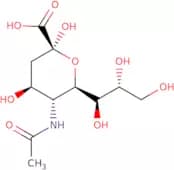
CAS :N-Acetylneuraminic acid dihydrate, also known as sialic acid dehydrate or Neu5Ac dehydrate, is often present in the terminal chains of many oligosaccharides and has a cellular recognition function (Varki and Schauer, 2009). Together with its non-hydrated form, N-acetylneuraminic acid and derivatives function as neurotransmitters and are involved in many post-translational protein modifications. N-acetylneuraminic acids are present on the surface of the vertebrate cells and can interact with pathogens, such as, bacteria and viruses. Recent scientific studies have revealed that the spike glycoprotein of the SARS-COV 2 coronavirus, responsible of the COVID-19, shows a high affinity to N-acetylneuranimic acid (Baker, 2020).Formule :C11H19NO9·2H2ODegré de pureté :Min. 95%Couleur et forme :PowderMasse moléculaire :345.3 g/mol4-Methoxyphenyl 2,6-di-O-acetyl-4-O-[2,4,6-tri-O-acetyl-3-O-allyl-β-D-galactopyranosyl]-3-O-allyl-β-D-glucopyranoside
<p>The chemical structure of this compound is composed of a custom synthesis, modification, and fluorination. The molecular weight is 572.6 g/mol and the CAS No. is 1027152-06-6. The molecular formula is C50H76O24. This compound has a molecular weight of 572.6 g/mol and an empirical formula of C50H76O24. It appears as a white crystalline powder that can be dissolved in water or ethanol.=END>></p>Formule :C35H46O17Degré de pureté :Min. 95%Masse moléculaire :738.73 g/molSialyllacto-N-fucopentaose V
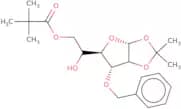
CAS :<p>Sialyllacto-N-fucopentaose V is a complex carbohydrate with the CAS No. 89458-13-9. The molecular weight of this compound is 597.07 g/mol, and it has the following chemical structure:</p>Formule :C43H72N2O33Degré de pureté :Min. 95%Masse moléculaire :1,145.03 g/mol3-O-Benzyl-1,2-O-isopropylidene-6-O-pivaloyl-α-D-glucofuranose
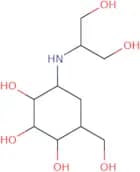
CAS :3-O-Benzyl-1,2-O-isopropylidene-6-O-pivaloyl-a-D-glucofuranose is a modification of the natural oligosaccharide. It is a complex carbohydrate that has been synthesized and modified by methylation, fluorination and glycosylation. This product is a monosaccharide with one free hydroxyl group at C3 position and is soluble in water. It has CAS No: 321380-09-0 and can be used as an intermediate for the synthesis of polysaccharides with different saccharide units.Formule :C21H30O7Degré de pureté :Min. 95%Couleur et forme :White to off-white solid.Masse moléculaire :394.46 g/mol(1S) -1- [(2S, 3S,4R) -4-Hydroxymethyl-3- hydroxy-1- azetidinyl] -1, 2- ethanediol hydrochloride
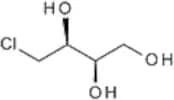
This is a modification of an oligosaccharide, a carbohydrate that is composed of more than one sugar. This custom synthesis can be synthesized with high purity and in large quantities. The CAS number is 67767-44-0 and the molecular weight is 528.Degré de pureté :Min. 95%1-Chloro-1-deoxythreitol
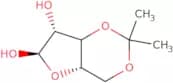
<p>1-Chloro-1-deoxyribitol is a methylating agent that can be used for the synthesis of complex carbohydrates, such as oligosaccharides and polysaccharides. It is also used in click chemistry to modify saccharides with fluoride or other reagents. 1-Chloro-1-deoxyribitol is highly pure and stable, and is available in monosaccharide form. This compound is a synthetic sugar that has been modified to contain chlorine atoms at both the hydroxyl groups.</p>Formule :C4H9ClO3Degré de pureté :Min. 95%Masse moléculaire :140.57 g/mol3,5-O-Isopropylidene-a-L-xylofuranose
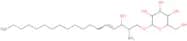
<p>3,5-O-Isopropylidene-a-L-xylofuranose is a Custom synthesis, modification, fluorination and methylation of a monosaccharide. 3,5-O-Isopropylidene-a-L-xylofuranose is a synthetic oligosaccharide that has been modified by click chemistry with the addition of an acetate group.</p>Formule :C8H14O5Degré de pureté :Min. 95%Masse moléculaire :190.19 g/molGlucosylsphingosine
CAS :Glucosylsphingosine is a modified carbohydrate that belongs to the group of complex carbohydrates. It is a custom synthesis and has high purity with no detectable impurities. Glucosylsphingosine is an oligosaccharide, which is a polysaccharide composed of three or more monosaccharides. This compound can be methylated, glycosylated, or fluorinated in order to change its properties. Glucosylsphingosine has been synthesized from glucose and sphinganine, which are both monosaccharides. Glucose can be synthesized by the reduction of glucose-6-phosphate using glucose-6-phosphate dehydrogenase or it can be obtained from hydrolysis of starch. Sphinganine can be obtained by hydrolysis of sphingomyelin, which is a phospholipid found in cell membranes or by deacylation of N-acetylFormule :C24H47NO7Degré de pureté :Min. 95%Masse moléculaire :461.63 g/mol6'-O-Sulfated Lewis A
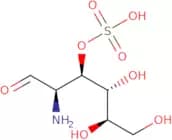
<p>The Lewis A glycan is a complex carbohydrate that consists of a sulfated disaccharide and an oligosaccharide. The Lewis A glycan is a modification of the Lewis B glycan, which lacks the sulfate group. The saccharide component is a monosaccharide, and can be synthesized using custom synthesis or purchased from CAS No.</p>Formule :C20H35NO18SDegré de pureté :Min. 95%Couleur et forme :PowderMasse moléculaire :609.55 g/molD-Glucosamine-3-O-sulphate
CAS :<p>D-Glucosamine-3-O-sulphate is a naturally occurring sugar found in the human body. It is a structural component of a number of important molecules, such as glycoproteins, heparin, and glycosaminoglycans. D-Glucosamine-3-O-sulphate has been shown to inhibit the growth of mouse tumor cells by activating effector proteins that induce apoptosis and inhibit axonal growth. It also promotes oligodendrocyte differentiation, which may be due to its ability to increase heparin levels and reduce hepcidin expression.</p>Formule :C6H13NO8SDegré de pureté :Min. 95%Couleur et forme :White PowderMasse moléculaire :259.23 g/mol6-Deoxy-L-talose
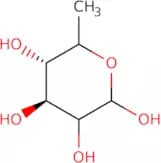
CAS :<p>6-Deoxy-L-talose is a sugar that is found in the cell walls of bacteria. It is a component of glycan, which are long chains of sugar molecules linked together. Glycans are important for the structural integrity and function of bacterial cell walls. 6-Deoxy-L-talose is a monosaccharide that has been detected in the type strain of Bacillus subtilis and in wild-type strains of Pseudomonas aeruginosa. This sugar can be chemically analyzed using gas chromatography and mass spectrometry to determine its structure and chemical composition. 6-Deoxy-L-talose can be used to detect specific monoclonal antibodies against it, which could be useful for detecting bacterial infections or determining how antibiotics affect bacteria.</p>Formule :C6H12O5Degré de pureté :Min. 98 Area-%Couleur et forme :White PowderMasse moléculaire :164.16 g/molMethyl b-D-thiogalactopyranoside
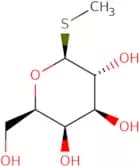
CAS :Methyl b-D-thiogalactopyranoside (MTGP) is a cell lysis agent that can be used for diagnostic purposes to measure enzyme activities in cells. It is also used to determine the kinetic of an enzyme reaction, as well as its acid formation. MTGP has been shown to inhibit sugar transport and metabolism by binding to the sugar molecule and preventing it from passing through cellular membranes. This inhibition prevents the accumulation of proton gradients across the membrane, which disrupts ATP production and leads to cell death. MTGP is also an inhibitor of glucose-6-phosphate dehydrogenase (G6PDH), which converts glucose into sorbitol. Sorbitol accumulates intracellularly and leads to cell death by osmotic lysis.Formule :C7H14O5SDegré de pureté :Min. 98 Area-%Couleur et forme :PowderMasse moléculaire :210.25 g/mol3'-Sialyl Lewis A-sp-biotin
CAS :3'-Sialyl Lewis A-sp-biotin is a biotinylated oligosaccharideFormule :C50H84N6O26SDegré de pureté :Min. 95%Couleur et forme :White PowderMasse moléculaire :1,217.29 g/mol5-Azido-N-benzyl-2,6-imino-2,5,6-trideoxy-L-galactose acetyl methyl acetal
5-Azido-N-benzyl-2,6-imino-2,5,6-trideoxy-L-galactose acetyl methyl acetal is a sugar that is used in the synthesis of complex carbohydrates. This substance has a molecular formula of C10H14N4O12 and a molecular weight of 416.27 g/mol. The CAS number for this compound is 82462-77-9.Degré de pureté :Min. 95%Raloxifene 6-D-glucuronide
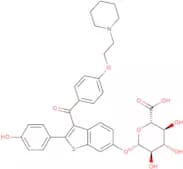
CAS :<p>Raloxifene 6-D-glucuronide is a synthetic compound that consists of the sugar raloxifene and the sugar glucuronic acid. It is a complex carbohydrate with a molecular weight of 569. Raloxifene 6-D-glucuronide is soluble in water and insoluble in most organic solvents. The compound has been modified by fluorination, which increases its stability in water, and by click modification. This compound has been shown to inhibit the activity of bacterial enzymes that are responsible for the synthesis of saccharides, such as oligosaccharides and polysaccharides.</p>Formule :C34H35NO10SDegré de pureté :Min. 95%Couleur et forme :SolidMasse moléculaire :649.71 g/mol1-Deoxy-D-xylulose 5-phosphate sodium salt
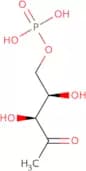
CAS :1-Deoxy-D-xylulose 5-phosphate sodium salt is a synthetic monosaccharide that is used in the synthesis of glycosylated, fluorinated, methylated, and click modified polysaccharides. It is also used to modify sugars and oligosaccharides. It can be synthesized from D-xylose by treatment with phosphoryl chloride. This product has CAS number 798554-58-2 and is available in high purity.Formule :C5H11O7P·xNaDegré de pureté :Min. 95%Couleur et forme :PowderMasse moléculaire :214.11 g/molHeparin disaccharide II-A disodium salt
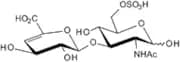
CAS :Heparin Disaccharide II-A Disodium Salt is a modification of heparin. It is an oligosaccharide with a molecular weight of about 2,000 Daltons. This product can be custom synthesized as per the requirement of the customer. The purity level of this product is very high and it has been shown to have antiviral, anticoagulant, anti-inflammatory, and anticlotting properties.Formule :C14H19NO14SNa2Degré de pureté :Min. 95 Area-%Couleur et forme :White Off-White PowderMasse moléculaire :503.34 g/mol1,2,3,4-Tetra-O-benzoyl-6-O-tert-butyldiphenylsilyl-a-D-mannopyranose
CAS :1,2,3,4-Tetra-O-benzoyl-6-O-tert-butyldiphenylsilyl-a-D-mannopyranose is a custom synthesis. It is a fluorinated monosaccharide that can be used as a glycosylation or polysaccharide modification reagent. This product has been modified with methyl groups at the 2 and 3 positions of the phenolic ring and tetra-(1,2,3,4)-benzoate groups at the 4 position. The purity of this product is >98%.Formule :C40H42O10SiDegré de pureté :Min. 95%Masse moléculaire :710.86 g/mol2,3,4-Tri-O-acetyl-a-D-glucuronide methyl ester trichloroacetimidate
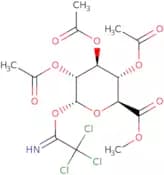
CAS :2,3,4-Tri-O-acetyl-a-D-glucuronide methyl ester trichloroacetimidate (TOG) is a synthetic glycosylation reagent that has been used for the synthesis of complex carbohydrates. It is an O-glycosidase inhibitor and is used in the preparation of saccharides with a high degree of substitution. TOG can be used to modify saccharides, oligosaccharides, and polysaccharides.Formule :C15H18Cl3NO10Degré de pureté :Min. 98 Area-%Couleur et forme :White PowderMasse moléculaire :478.66 g/molMethyl 2,3,4-tri-O-acetyl-6-O-triisopropylsilyl-a-D-mannopyranoside
CAS :<p>Methyl 2,3,4-tri-O-acetyl-6-O-triisopropylsilyl-a-D-mannopyranoside is a custom synthesis of a monosaccharide with a fluorinated methyl group. The compound has been synthesized by the Click modification of an oligosaccharide and polysaccharide. This product is available in high purity, and can be modified to suit your needs. For more information, please contact us today!</p>Formule :C22H40O9SiDegré de pureté :Min. 95%Masse moléculaire :476.64 g/molα-D-Galacturonic acid 1-phosphate
a-D-Galacturonic acid 1-phosphate is a component of the polygalacturonate skeleton. It is an intermediate in the biosynthesis of d-galacturonic acid and galacturonic acid. This compound is also involved in cellular growth, as it is a precursor for uronic acids. The enzyme catalyzing the conversion of a-D-galacturonic acid 1-phosphate to uronic acid has been purified from Phaseolus vulgaris. It has been shown that this enzyme can be inhibited by phosphatase inhibitors such as pyridoxal phosphate, and that it can be activated by nucleotide analogs such as adenosine 5'-diphosphate (ADP) or cytidine 5'-triphosphate (CTP).Formule :C6H11O10PDegré de pureté :Min. 95%Couleur et forme :PowderMasse moléculaire :274.12 g/mol5-Azido-6-benzylamino-N-fluorenylmethoxycarbonyl-5,6-dideoxy-1,2-O-isopropylidene-L-idofuranose
5-Azido-6-benzylamino-N-fluorenylmethoxycarbonyl-5,6-dideoxy-1,2-O-isopropylidene-L-idofuranose is a custom synthesis that is used in the methylation of saccharides. It is also used for Click and azide modifications as well as fluorination. 5ABAFM is soluble in methanol and DMSO and has a CAS number of 2591402.Degré de pureté :Min. 95%D-Lyxonic acid potassium
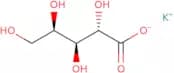
CAS :<p>D-Lyxonic acid potassium salt is a pentitol that is a stereospecific, aldonic, and nature D-glycosylamine. It can be synthesized by reacting phenylhydrazine with glycolic acid chloride in the presence of catalytic amounts of sodium hydroxide. The yield is about 98%. This compound has been shown to have anti-inflammatory properties when it reacts with hydrogen chloride to form D-lyxonic acid chloride. It also has been shown to inhibit the growth of bacteria and fungi by binding to the cell wall and inhibiting protein synthesis.</p>Formule :C5H9KO6Degré de pureté :Min. 95%Couleur et forme :PowderMasse moléculaire :204.22 g/mol2-Azidomethyl-2-deoxy-3,4-O-isopropylidene-D-ribono-1.5-lactone
2-Azidomethyl-2-deoxy-3,4-O-isopropylidene-D-ribono-1.5-lactone (AIMDOL) is a custom synthesis carbohydrate that has a complex structure of oligosaccharide and polysaccharide. It is an organic compound with CAS number 129814-29-6 and molecular weight of 534.8. AIMDOL can be modified by methylation, glycosylation, or click modification. The chemical name is 2-(azidomethyl)-2-deoxy-[3,4]-O-(isopropylidene)-D-[ribo] -1,5-[lactone]. AIMDOL has fluorination properties and it's synthesized with high purity. It is used in the modification of saccharides or sugar molecules to produce glycosylated products such as monosaccharides, disDegré de pureté :Min. 95%Fructooligosaccharide
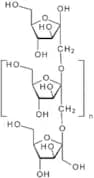
CAS :Fructooligosaccharide is a natural carbohydrate that is used in dietary supplements and as an additive to food products. It is a prebiotic, meaning it stimulates the growth of beneficial bacteria in the colon. Fructooligosaccharide has been shown to be effective against bowel disease by up-regulating protein genes and enzyme activities. Fructooligosaccharide also has significant anti-inflammatory properties. The anti-inflammatory effects may be due to its ability to inhibit prostaglandin synthesis.Degré de pureté :Min. 95 Area-%Couleur et forme :White Powder1-O-Acetyl-3,5-bis(4-chlorobenzoyl)-2-deoxy-D-ribose
CAS :1-O-Acetyl-3,5-bis(4-chlorobenzoyl)-2-deoxy-D-ribose is a methylated saccharide that can be synthesized from D-ribose and 4-(chloromethyl)benzaldehyde. It has been used for the modification of polysaccharides with click chemistry to produce oligosaccharides. This compound has also been used in the synthesis of glycosyls such as N,N'-diacetylchitobiose and N,N'-diacetylchitotriose. 1-O-Acetyl 3,5 bis (4 chlorobenzoyl)-2 deoxy D ribose is an Oligosaccharide that is soluble in water and is stable at high temperatures. The purity of this compound exceeds 99% and it's CAS number is 1207459-15-1.Formule :C21H18Cl2O7Degré de pureté :(%) Min. 95%Couleur et forme :White PowderMasse moléculaire :453.27 g/mol3-Amino-3-deoxy-D-glucose HCl
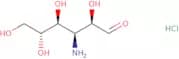
CAS :<p>3-Amino-3-deoxy-D-glucose HCl is a synthetic compound that inhibits the efflux of glucose from cells. It has been shown to inhibit growth in Saccharomyces cerevisiae, which may be due to its ability to inhibit the function of an efflux pump. 3-Amino-3-deoxy-D-glucose HCl has also shown antifungal activity against Candida albicans and Aspergillus fumigatus.</p>Formule :C6H13NO5·HClDegré de pureté :Min. 98 Area-%Couleur et forme :Slightly Yellow PowderMasse moléculaire :215.63 g/molMethyl 2,3,4-tri-O-benzoyl-6-O-tert-butyldimethylsilyl-a-D-galactopyranoside
Methyl 2,3,4-tri-O-benzoyl-6-O-tert-butyldimethylsilyl-a-D-galactopyranoside is an oligosaccharide that is used as a synthetic intermediate for the synthesis of other glycosylated compounds. This compound is fluorinated at the C2 position to provide a reactive site for further modification. Methyl 2,3,4-tri-O-benzoyl-6-O-(tert butyldimethylsilyl)-a D galactopyranoside can be modified with click chemistry to introduce new functional groups such as hydroxyl and amine groups. The methyl group on this compound can also be removed using methanolysis to produce methyl 2,3,4 tri - O benzoyl - 6 - O tert butyldimethylsilyl - a D galactopyranoside.Formule :C34H40O9SiDegré de pureté :Min. 95%Masse moléculaire :620.78 g/molTrichloroethyl b-D-glucuronide potassium salt
CAS :<p>Trichloroethyl b-D-glucuronide potassium salt (TCEBG) is a chloral compound that is metabolized to trichloroacetic acid. It has been shown to be carcinogenic in rats, but not in mice. Trichloroethyl b-D-glucuronide potassium salt has been used as an experimental agent for the synthesis of monoclonal antibodies. TCEBG binds to rat liver microsomes and CD1 mouse liver microsomes, which may be due to its high lipophilicity. TCEBG also disrupts cell membranes and induces cell death by inhibiting protein synthesis at the ribosome level.</p>Formule :C8H10Cl3KO7Degré de pureté :Min. 98 Area-%Couleur et forme :PowderMasse moléculaire :363.62 g/molEstriol 3-O-b-D-glucuronide sodium salt
CAS :<p>Estriol 3-O-b-D-glucuronide sodium salt is an estrogenic compound that is metabolized to 17β-estradiol, the most potent endogenous estrogen. Estriol 3-O-b-D-glucuronide sodium salt is found in wastewater and has been detected in effluent from various sources. The presence of estriol 3-O-b-D glucuronide sodium salt in wastewater indicates that it may be discharged from pharmaceutical manufacturing plants. It has been shown to be present at high concentrations in the effluent of a pharmaceutical plant that manufactures estrogens, which may have resulted from incomplete recovery during production. Estriol 3-O-b glucuronide sodium salt can be readily recovered by liquid chromatography with a reversed phase column and eluted with acetonitrile containing 0.1% trifluoroacetic acid (TFA). Recoveries are typically greater than 90%. Estrogen conjugates such</p>Formule :C24H31NaO9Degré de pureté :Min. 95%Couleur et forme :PowderMasse moléculaire :486.49 g/mol3,4,6-Tri-O-benzyl-1,2-O-isopropylidene-a-D-glucopyranose
CAS :3,4,6-Tri-O-benzyl-1,2-O-isopropylidene-a-D-glucopyranose is a complex carbohydrate that is typically found in plants and fungi. It is also known as a methylated sugar and can be used to produce monosaccharide derivatives. This compound has been modified with fluorine which increases its stability and prevents degradation of the compound. 3,4,6-Tri-O-benzyl-1,2-O-isopropylidene-a-D-glucopyranose is typically synthesized from glycerol or glucose using a process called the Click reaction. The resulting product is an Oligosaccharide with high purity and high quality.Formule :C30H34O6Degré de pureté :Min. 95%Masse moléculaire :490.59 g/mol1,2:3,4:5,6-Tri-O-isopropylidene-D-gluconate
CAS :<p>1,2:3,4:5,6-Tri-O-isopropylidene-D-gluconate is a chain sugar that is extracted from plant sources. It is a product of the methylenation of D-glucose and can be converted to D-mannitol. The reaction mixture yields dimethyl 2,3,4,5,6-tetra-O-methylene erythritol phosphate (DMEP) and diphosphate 1,2:3,4:5,6-tri-O-isopropylidene erythritol (DITEP). The DMEP can be hydrolyzed to form DME and phosphorylated to form DMPP. The crystal structure of this compound has been determined. In the elimination pathway for this compound, the gluconate group is eliminated as carbon dioxide and water with the release of energy in the form of heat. This</p>Formule :C15H24O7Degré de pureté :Min. 95%Masse moléculaire :316.35 g/molN1-α-L-Arabinopyranosylamino-guanidine hydrochloride
CAS :N1-a-L-Arabinopyranosylamino-guanidine HCl is a carbohydrate that belongs to the class of oligosaccharides. It is a synthetic compound, which is custom synthesized for use in research. This product has been shown to be high purity and is methylated, glycosylated, and click modified. The CAS number 109853-78-3 refers to the chemical name of this product. The molecular weight of N1-a-L-Arabinopyranosylamino-guanidine HCl is 597.14 g/mol with an empirical formula C8H23N2O6.Formule :C6H14N4O4•HClDegré de pureté :Min. 95%Couleur et forme :White to off-white solid.Masse moléculaire :242.66 g/molθ-Cyclodextrins
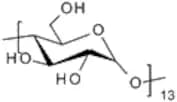
Theta-cyclodextrin (θ-CD) contains 13 glucose units. This cyclodextrin has potential applications in host-guest chemistry, particularly for large molecules or assemblies.Degré de pureté :Min. 95%3,4-O-Benzylidene-D- ribonic acid γ-lactone
3,4-O-Benzylidene-D-ribonic acid gamma-lactone is a synthetic sugar that has been modified with fluorination and methylation. It is a complex carbohydrate that has been shown to have antiviral activity against influenza A virus. 3,4-O-Benzylidene-D- ribonic acid gamma-lactone has been synthesized using custom synthesis and high purity. The chemical structure of this product is O-(1,2:3,4:6,7:8,9) benzylidene D-ribonolactone.Degré de pureté :Min. 95%2,3,5-Tri-O-benzyl-L-xylofuranose
CAS :<p>2,3,5-Tri-O-benzyl-L-xylofuranose is a sugar molecule that has been modified to inhibit glycosidases. 2,3,5-Tri-O-benzyl-L-xylofuranose is an iminosugar that inhibits the enzyme β-glucosidase and α-galactosidase. The compound is not metabolized and it binds to the enzyme's active site. 2,3,5-Tri-O-benzyl L xylofuranose has been shown to be effective at inhibiting all of the glycosidases tested in this study with inhibition potencies ranging from 0.1 mM to 10 mM. This compound also inhibits epoxides and cyclic enzymes such as azido reductase and dihydropyrimidine dehydrogenase.</p>Formule :C26H28O5Degré de pureté :Min. 95%Couleur et forme :PowderMasse moléculaire :420.5 g/mol(Hydroxypropyl)methyl cellulose - Viscocity 2600-5600 cP
CAS :<p>Hydroxypropyl methylcellulose (HPMC or hypromellose) is a semisynthetic, inert and viscoelastic polymer that is used as eye drops and as semi-synthetic substitute for tear-films. When applied, a hypromellose solution acts to swell and absorb water, by increasing the thickness of the tear-film, resulting in decreased eye irritation. In addition to its use in ophthalmic liquids, hypromellose has been used as an excipient in oral tablet and capsule formulations, where, depending on the grade, it functions as controlled-release agent. It is also used as a binder and as a component of tablet coatings. Hypromellose in aqueous solution, unlike methylcellulose, exhibits thermal gelation properties. HPMC is approved as a food additive, emulsifier, thickening and suspending agent, and as an alternative to animal gelatin (Codex Alimentarius code (E number) is E464).</p>Couleur et forme :White Powder2,3-Dimethyl-6-tert-butyldimethylsilyl-a-cyclodextrin
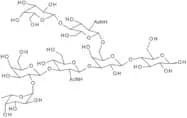
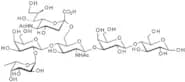
Alpha-cyclodextrin (α-CD) derivative with a hydrophilic exterior and lipophilic cavity (smaller than β-CDs and γ-CDs) to allocate certain guest molecules. This structural characteristic enables applications in molecular encapsulation, solubility enhancement, and stabilization across multiple industries. In pharmaceuticals, it serves as a drug delivery vehicle, enhancing the bioavailability and stability of active ingredients. The food industry utilizes it as a stabilizer for flavors, colors, and nutrients, as well as a functional ingredient for its effects on lipid metabolism. In cosmetics, it acts as a complex agent for fragrances and active components. Its applications extend to analytical chemistry for chiral separation and to materials science for developing smart materials and nanosystems.Formule :C84H168O30Si6Degré de pureté :Min. 95%Masse moléculaire :1,826.73 g/mol4-O-(6-O-[2-Acetamido-2-deoxy-b-D-glucopyranosyl]-b-D-galactopyranosyl)-D-glucopyranose
CAS :<p>Lacto-N-neotetraose is a trisaccharide composed of two galactose units and one glucose unit. It has been found to be an effective carbohydrate for the treatment of colostrum depletion in newborns. Lacto-N-neotetraose can be obtained through methanolysis, which is the hydrolysis of lactose by the addition of methanol to produce a mixture of sugars. This process is activated by ion exchange chromatography, and then hydrolyzed to produce oligosaccharides. Lacto-N-neotetraose can also be obtained from human or horse milk as 13C NMR spectroscopy shows that it is present in both species.</p>Formule :C20H35NO16Degré de pureté :Min. 98 Area-%Couleur et forme :PowderMasse moléculaire :545.49 g/mol3,4:5,6-Di-O-isopropylidene-D-idonic acid methyl ester
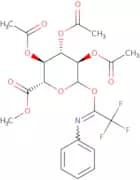
3,4:5,6-Di-O-isopropylidene-D-idonic acid methyl ester is a modified sugar. It is a complex carbohydrate which is synthesized from D-glyceraldehyde and D-ribose. This product can be used in the production of glycosylated proteins or as an intermediate for custom synthesis. 3,4:5,6-Di-O-isopropylidene-D-idonic acid methyl ester has high purity and can be ordered with custom synthesis. 3,4:5,6-Di-O-isopropylidene-D-idonic acid methyl ester is soluble in water and alcohols. It can be used as a reagent for click chemistry modification.Degré de pureté :Min. 95%1-(2,2,2-Trifluoro-N-phenylethanimidate)-2,3,4-tri-O-acetyl-D-glucopyranuronic acid methyl ester
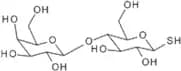
CAS :1-(2,2,2-Trifluoro-N-phenylethanimidate)-2,3,4-tri-O-acetyl-D-glucopyranuronic acid methyl ester is a methylated variant of an oligosaccharide. It has been synthesized by the click modification of an oligosaccharide with a monosaccharide and a fluorinated saccharide. This compound has been shown to have antiviral activity against the influenza virus in vitro. The antiviral activity may be due to its ability to inhibit the viral polymerase and RNA synthesis or to prevent virus assembly and release.Formule :C21H22F3NO10Degré de pureté :Min. 95%Masse moléculaire :505.4 g/mol4-O-(b-D-Galactopyranosyl)-b-D-thioglucopyranose
4-O-(b-D-Galactopyranosyl)-b-D-thioglucopyranose is a custom synthesis carbohydrate. It is an oligosaccharide that consists of a monosaccharide with a b-D-galactopyranosyl group and a b-D-thioglucopyranose group. 4-O-(b-D-Galactopyranosyl)-b-D-thioglucopyranose is a polysaccharide and belongs to the class of carbohydrates, which are saccharides or sugars. Carbohydrates are important in cell walls and are modified by methylation, glycosylation, and click modification. Carbohydrates can be classified as simple or complex carbohydrates. Simple carbohydrates contain one molecule with one type of sugar unit bonded together, while complex carbohydrates have more than one type of sugar unit bonded together.Formule :C12H22O10SDegré de pureté :Min. 95%Couleur et forme :PowderMasse moléculaire :358.36 g/molChitosan - Molecular weight 190,000-310,000
CAS :<p>Chitosan is the deacetylated form of chitin. The polysaccharide is deacetylated in order to render it soluble, which is then possible at pH values of less than 7 (normally in dilute acid). This then allows the material to be used in a number of industrial applications as a binder and film former.</p>Couleur et forme :Off-White PowderHeparin derived dp18 saccharide ammonium salt
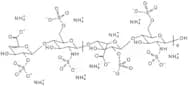
Heparin derived dp18 saccharide ammonium salt is a complex carbohydrate that has been modified with methylation, custom synthesis, click modification, and fluorination. It is used as an anticoagulant to prevent the formation of blood clots. Modification of the sugar chain on the heparin molecule can be achieved through either monosaccharide or polysaccharide substitution. The monosaccharides most commonly found in heparin are glucosamine and N-acetylglucosamine. The polysaccharides that can be found in heparin include chondroitin sulfate, dermatan sulfate, keratan sulfate, and heparan sulfate. Heparin derived dp18 saccharide ammonium salt is a high purity product that has been modified to have a higher degree of efficacy for use in clinical applications. This product is available for purchase at a cost-effective price point.Degré de pureté :Min. 95%Couleur et forme :PowderMasse moléculaire :~ 5200 (average)Isoprimeverose
CAS :<p>Isoprimeverose is a covalently linked polysaccharide with a molecular weight of about 5,000. It has been shown to have an optimum pH at around 7.5 and is soluble in water. Isoprimeverose was found to be highly immunogenic in rats and mice, producing high levels of polyclonal antibodies against the protein target. The carbohydrate moiety of isoprimeverose contains galacturonic acid, which may play a role in its uptake by mammalian cells. The hydroxyl group on the sugar molecule may also play a role in this process. Isoprimeverose can be used as an artificial sweetener because it does not contain any sugars or carbohydrates that can cause tooth decay or other dental problems.</p>Formule :C11H20O10Degré de pureté :Min. 95%Couleur et forme :White PowderMasse moléculaire :312.27 g/molUDP-α-D-galacturonic acid
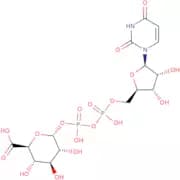
CAS :<p>UDP-α-D-galacturonic acid is a biochemical precursor for the synthesis of UDP-glucuronic acid. It is an intermediate in the biosynthesis of glycosaminoglycans, proteoglycans and lipopolysaccharides. This compound has been shown to inhibit the growth of cancer cells by inducing apoptosis in vitro. The presence of this compound may be detected by its ability to act as a substrate for glucuronidation reactions.</p>Formule :C15H22N2O18P2Degré de pureté :Min. 95%Couleur et forme :White Off-White PowderMasse moléculaire :580.29 g/molMono-(2,3-di-O-benzyl)-(2,3,6-tri-O-benzyl)-γ-cyclodextrin
This gamma-cyclodextrin (γ-CD) derivative is a modified cyclic oligosaccharide composed of eight glucose units, featuring a larger cavity size than α- and β-cyclodextrins. This structural characteristic allows γ-CDs to form inclusion complexes with a wider range of guest molecules, making it particularly versatile in various industries. In the food sector, it is used as a carrier and stabilizer for flavors, fat-soluble vitamins, and polyunsaturated fatty acids, protecting volatile compounds from evaporation. In pharmaceuticals, it enhances the solubility and bioavailability of poorly water-soluble drugs and, thanks to its larger ring size, allows for the encapsulation of larger molecules or even entire drug molecules. γ-CDs and derivatives are also used for environmental remediation and, in analytical chemistry, for the extraction and concentration of target substances.Formule :C209H218O40Degré de pureté :Min. 95%Masse moléculaire :3,369.94 g/mol6-Phospho-D-glucono-1,5-lactone
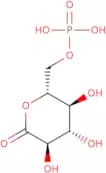
CAS :6-Phospho-D-glucono-1,5-lactone is a metabolite of D-gluconic acid that is formed by the action of a phosphoglucoisomerase. 6PGL has been shown to inhibit the growth of colorectal adenocarcinoma cells and to be effective against infectious diseases such as malaria. It is also involved in energy metabolism and cell division in plants. 6PGL may also have anticancer effects, as it inhibits prostate cancer cells and induces apoptosis through activation of epidermal growth factor receptor (EGFR) and inhibition of EGFR tyrosine kinase activity. It has been shown to act on redox potential, enzyme activities, and oxidative injury in liver cells.Formule :C6H11O9PDegré de pureté :Min. 95%Masse moléculaire :258.12 g/mol(1S) -1- [(2S, 3R,4S) -4-(Acetoxy)methyl-3-benzyloxy- N-benzyl-1- azetidinyl] -di-O-acetyl-1, 2- ethanediol
1,2-Ethanediol is a polyhydroxy alcohol that is used in the synthesis of complex carbohydrates. It can be found as an Oligosaccharide in plants, which are composed of three or more sugar molecules. 1,2-Ethanediol is also found in the glycosylation reaction for the modification of saccharides and carbohydrates. This process adds glucose to a protein or peptide molecule through a condensation reaction with the amino acid N-acetylglucosamine. Glycosylation usually occurs in animal cells, but can also occur in plants and microorganisms. The addition of methyl groups by Methylation to 1,2-ethanediol is used to create Methylated derivatives of this compound. A click modification to this compound can be done using a Copper(I) azide complex and an alkyne reagent to add a terminal alkene group to 1,2-ethanediol. Fluorination atDegré de pureté :Min. 95%(5R, 8R, 9S) -8- [(4R) - 2, 2-Dimethyl- 1, 3- dioxolan- 4- yl] - 9- hydroxy- 2, 2- dimethyl- 1, 3, 7- trioxaspiro[4.4] nonan- 6- one
5,8-Dihydroxy-6-fluoro-2,2-dimethyl-1,3,7-trioxaspiro[4.4]nonane - 8-[(4R)-2,2-dimethyl-1,3-dioxolan-4-yl]-9-(hydroxymethyl) - 2,2-dimethyl - 1,3,7 - trioxaspiro[4.4]nonane is a synthetic glycosylated fluorinated octahydropyrrole (5R)-8-(hydroxymethyl)-9-(hydroxymethyl)-6-[(methyloxy)methyl]-2,2,- dimethylpiperidine that is used as an intermediate in the synthesis of oligosaccharides and polysaccharides. It is also used to modify complex carbohydrates for click chemistry applications. This product has a CAS number of 9248411–67–0 and a purity of >Degré de pureté :Min. 95%Ganglioside GM1
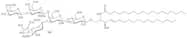
CAS :Ganglioside GM1 has a core tetrasaccharide structure (Galβ1,3GalNAcβ1,4Galβ1,4Glc) with sialic acid linked α2,3 to the inner galactose residue, ceramide linked β to position 1 on the reducing terminal glucose residue (Ledeen, 2009), and is abundant in all mammalian brains, where it covers 10%-20% of the total ganglioside mixture. Ganglioside GM1 is found in epithelial membranes and is a key element for the detection of bacterial toxicity and viral infection. It is the intestinal receptor for cholera toxin, the B-subunits of heat-labile toxin (LTB) from E.coli, for rotavirus, and simian virus 40. GM1 functions as a neurotrophic and neuroprotective compound and has been used therapeutically for diabetic and peripheral neuropathies. It also has the ability to bind amyloid-β proteins and is involved in Alzheimer’s pathogenesis (Chiricozzi, 2020).Formule :C73H131N3O31·xNaDegré de pureté :Min. 95 Area-%Couleur et forme :White PowderMasse moléculaire :1,546.82 g/mol1-O-Methyl-β-D-xylopyranoside
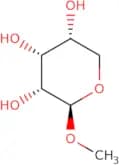
CAS :1-O-Methyl-beta-D-xylopyranoside is a glycoside that consists of a glucose molecule linked to the hydroxyl group of p-hydroxybenzoic acid through an alpha glycosidic bond. It is found in many plants, such as in the leaves of the common bay tree (Laurus nobilis) and in the bark of the cinnamon tree (Cinnamomum verum). 1-O-Methyl-beta-D-xylopyranoside is used as a sweetener and flavoring agent. It is also used in some pharmaceutical drugs, including antiulcer agents and antidiarrheal agents. This compound has been shown to have an effective dose of 5 mg/kg when given orally to humans.Formule :C6H12O5Degré de pureté :Min. 98.0 Area-%Masse moléculaire :164.16 g/molMethyl 3,4-di-O-benzyl-2-deoxy-a-D-glucopyranoside
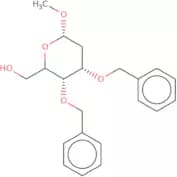
<p>Methyl 3,4-di-O-benzyl-2-deoxy-a-D-glucopyranoside (MBG) is a synthetic compound that is modified at the C3 position with a benzyl group. MBG is an oligosaccharide and polysaccharide that has been shown to have potential as a drug for the treatment of cancer. It has been shown to inhibit tumor growth in animals and human cells by inhibiting DNA synthesis and protein synthesis. Additionally, it can be used for the prevention of postoperative adhesions by inhibiting collagen formation.</p>Formule :C21H26O5Degré de pureté :Min. 95%Masse moléculaire :358.43 g/mol2,3,4,6-Tetra-O-benzyl-D-glucopyranose
CAS :<p>2,3,4,6-Tetra-O-benzyl-D-glucopyranose is a selectively protected intermediate, where the anomeric 1-O-hydroxyl group is free. This hemiacetal has been used successfully as an intermediate for glucosylation couplings, where it was converted into 2,3,4,6-tetra-O-benzyl-D-glucopyranose trichloroacetimidate using trichloroacetonitrile in the presence of a base such as potassium carbonate and DBU. Importantly, this imidate donor with no neighbouring participating groups is commonly used for the selective formation of α-glucosides. 2,3,4,6-tetra-O-benzyl-D-glucopyranose can also be oxidized to the lactone, or reduced to give the open chain form. Additionally, 2,3,4,6-tetra-O-benzyl-D-glucopyranose can be used for the preparation of glucono-1,5-lactone hydrazine, which was used, in-turn, to form a glucosylidene-spirocyclopropane.</p>Formule :C34H36O6Degré de pureté :Min. 98.0 Area-%Masse moléculaire :540.66 g/molRef: 3D-T-1900
1kgÀ demander50gÀ demander250gÀ demander500gÀ demander2500gÀ demander-Unit-ggÀ demander6-Azido-6-deoxy-D-galactose
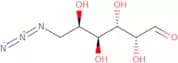
CAS :6-Azido-6-deoxy-D-galactose is a mutagenic compound that is used as a carbon source in the synthesis of other compounds. It has been shown to have mutagenicity in TA100 cells and to be active against Staudinger's naphthol. The compound is synthesised by chemoenzymatic methods, which involve the use of alcohols and an acetyl group. 6-Azido-6-deoxy-D-galactose can be used as a mutagenic agent for the production of mutants with desired properties.Formule :C6H11N3O5Degré de pureté :Min. 95%Couleur et forme :White PowderMasse moléculaire :205.17 g/molMaltotriose - Ultrapure
CAS :<p>linear a-(1,4) trisaccharide produced from starch by acid or enzyme hydrolysis</p>Formule :C18H32O16Degré de pureté :Min. 95.0 Area-%Couleur et forme :PowderMasse moléculaire :504.44 g/mol5-Azido-2-C-(hydroxymethyl)-5-deoxy-2,3-O-isopropylidene-D-ribono-1.4-lactone
<p>5-Azido-2-C-(hydroxymethyl)-5-deoxy-2,3-O-isopropylidene-D-ribono-1.4-lactone is used as a modification agent in oligosaccharides and polysaccharides. It is used to modify the carbohydrate structure of these compounds through glycosylation and methylation. 5-Azido-2-C-(hydroxymethyl)-5-deoxy-2,3-O-isopropylidene--D--ribono--1.4--lactone has been shown to be highly pure with a CAS number of 82577–09–8. This compound can be synthesized by reacting the acid with 2,3,5,6,-tetraacetic acid in chloroform solution or by reacting the acid with sodium azide in methanol solution at 0°C for 12 hours.</p>Degré de pureté :Min. 95%4-C-Methyl- 2, 3- O-isopropylidene -D- lyxono-1,5- lactone
4-C-Methyl- 2, 3- O-isopropylidene -D- lyxono-1,5- lactone is a custom synthesis. It is a complex carbohydrate with the CAS number of 67903-96-6. It has a molecular weight of 287.39 g/mol and a purity of >99%. 4CMMDL has been modified with methylation at the C4 position and glycosylation at the C2 position. The modification on this molecule is called Click chemistry. This molecule contains a sugar group that is an oligosaccharide with 11 saccharides, which are all glucose molecules. This sugar group has been fluorinated at the C2 position to form 4CMMDLF (also known as Fluorogalactofuranose). The chemical formula for 4CMMDLF is C12H8O11F2, and it has a molar mass of 5Degré de pureté :Min. 95%1-Deoxy-2-fluoronojirimycin
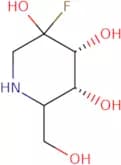
CAS :<p>1-Deoxy-2-fluoronojirimycin is a glycosylation inhibitor that was synthesized to inhibit the formation of complex carbohydrates. It has been shown to inhibit methyltransferases and glycosylation enzymes in vitro with IC50 values of 0.1 μM, 2 μM, and 4 μM, respectively. This compound has also been shown to inhibit the synthesis of saccharides by targeting sugar moieties. 1-Deoxy-2-fluoronojirimycin inhibits the addition of various sugars at their C1 position with IC50 values ranging from 0.3 μM to 6 μM. The modification of sugars at the C2 position is also inhibited with IC50 values ranging from 3 μM to 10 μM. 1-Deoxy-2-fluoronojirimycin is a custom synthesis that can be ordered in high purity as well as in bulk quantities for research purposes .</p>Formule :C6H12FNO4Degré de pureté :Min. 95%Couleur et forme :PowderMasse moléculaire :181.16 g/molD-Xylose-5-phosphate disodium
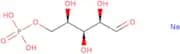
CAS :<p>D-Xylose-5-phosphate disodium salt is a Custom synthesis that has been fluorinated, methylated, and modified with a click reaction. D-Xylose-5-phosphate disodium salt is also an oligosaccharide and polysaccharide. The CAS No. for this compound is 1083083-57-1.</p>Formule :C5H11O8P•Na2Degré de pureté :(%) Min. 80%Couleur et forme :White/Off-White SolidMasse moléculaire :276.09 g/mol4-Methylphenyl 2,3,4-tri-O-benzyl-β-L-thiofucopyranoside
<p>4-Methylphenyl 2,3,4-tri-O-benzyl-b-L-thiofucopyranoside is a custom synthesis of an oligosaccharide. It is a complex carbohydrate with CAS No. that belongs to the class of saccharide and sugar. Polysaccharides are made up of several monosaccharides linked together by glycosidic bonds, which are formed by the action of enzymes called glycosyltransferases or glycosidases. Glycosylation is the process in which a sugar molecule (usually glucose) is added to another molecule by means of a glycosidic bond. Carbohydrates are one type of macromolecule and they are important sources of energy in living things. They also play important roles in cell walls and as structural components in plants and animals. The chemical modification carried out on this compound is methylation, which refers to the addition of one or more methyl</p>Formule :C34H36O4SDegré de pureté :Min. 95%Masse moléculaire :540.71 g/molD-Mannose - F (from birch)
CAS :Abundant and critical component of natural glycans and glycoproteinsFormule :C6H12O6Degré de pureté :Min. 98 Area-%Couleur et forme :White PowderMasse moléculaire :180.16 g/molL-Ribose
CAS :<p>Constituent of RNA; important resource for RNA- and DNA-related syntheses</p>Formule :C5H10O5Degré de pureté :Min. 98 Area-%Couleur et forme :White PowderMasse moléculaire :150.13 g/molEthyl 2,3-O-isopropylidene-a-L-thiorhamnopyranoside
CAS :Ethyl 2,3-O-isopropylidene-a-L-thiorhamnopyranoside (Ip) is a glycosylation inhibitor that inhibits the formation of an alpha-(1,2)-link between glucose and mannose in the glycosylation of the pentasaccharide. The maximum tolerated dosages of Ip have been determined in HL-60 cells. Trichloroacetimidate is used as a substitute for Ip in these experiments because it can be dissolved in water and has a high therapeutic index. Convergent synthesis of Ip was achieved by reacting pentasaccharides with trichloroacetimidate to produce pentasaccharides with substituted mannose residues at position two and three.Formule :C11H20O4SDegré de pureté :Min. 95%Masse moléculaire :248.34 g/mol1,2,4,6-Tetra-O-acetyl-3-deoxy-D-galactose
1,2,4,6-Tetra-O-acetyl-3-deoxy-D-galactose (1,2,4,6TDA) is a custom synthesis that is a complex carbohydrate. It has been modified with methylation and glycosylation. 1,2,4,6TDA is an oligosaccharide with a molecular weight of 498.06 Da and a CAS number of 90193-74-8. This product is high purity and can be fluorinated. This product can also be synthesized using the click modification reaction.Formule :C14H20O9Degré de pureté :Min. 95%Masse moléculaire :332.3 g/mol




![(5R, 6R, 7S, 8R) -5, 6, 7, 8-Tetrahydro- 5- methyl- tetrazolo[1, 5- a] pyridine- 6, 7, 8- triol](/_next/image/?url=https%3A%2Fstatic.cymitquimica.com%2Fproducts%2F3D%2Fthumb-webp%2FMT163943.webp&w=3840&q=75)




![(3aR,SR,6S,7R,7aR)-5-(Acetoxymethyl)-2-(ethylamino)-5,6,7,7atetrahydro-3aH-pyrano[3,2-d]thiazole-6…](/_next/image/?url=https%3A%2Fstatic.cymitquimica.com%2Fproducts%2F3D%2Fthumb-webp%2FMA159713.webp&w=3840&q=75)
![4-Methoxyphenyl 2,6-di-O-acetyl-4-O-[2,4,6-tri-O-acetyl-3-O-allyl-β-D-galactopyranosyl]-3-O-allyl-…](/_next/image/?url=https%3A%2Fstatic.cymitquimica.com%2Fproducts%2F3D%2Fthumb-webp%2FOM10984.webp&w=3840&q=75)
![(1S) -1- [(2S, 3S,4R) -4-Hydroxymethyl-3- hydroxy-1- azetidinyl] -1, 2- ethanediol hydrochloride](/_next/image/?url=https%3A%2Fstatic.cymitquimica.com%2Fproducts%2F3D%2Fthumb-webp%2FMH163375.webp&w=3840&q=75)










![4-O-(6-O-[2-Acetamido-2-deoxy-b-D-glucopyranosyl]-b-D-galactopyranosyl)-D-glucopyranose](/_next/image/?url=https%3A%2Fstatic.cymitquimica.com%2Fproducts%2F3D%2Fthumb-webp%2FOA05021.webp&w=3840&q=75)




![(1S) -1- [(2S, 3R,4S) -4-(Acetoxy)methyl-3-benzyloxy- N-benzyl-1- azetidinyl] -di-O-acetyl-1, 2- e…](/_next/image/?url=https%3A%2Fstatic.cymitquimica.com%2Fproducts%2F3D%2Fthumb-webp%2FMA163358.webp&w=3840&q=75)
![(5R, 8R, 9S) -8- [(4R) - 2, 2-Dimethyl- 1, 3- dioxolan- 4- yl] - 9- hydroxy- 2, 2- dimethyl- 1, 3,…](/_next/image/?url=https%3A%2Fstatic.cymitquimica.com%2Fproducts%2F3D%2Fthumb-webp%2FMD170665.webp&w=3840&q=75)