Glycosciences
La glycosciences est l'étude des glucides et de leurs dérivés, ainsi que des interactions et des fonctions biologiques auxquelles ils participent. Ce domaine de recherche est crucial pour comprendre une grande variété de processus biologiques, y compris la reconnaissance cellulaire, la signalisation, la réponse immunitaire et le développement des maladies. La glycosciences a des applications importantes en biotechnologie, en médecine et dans le développement de nouveaux médicaments et thérapies. Chez CymitQuimica, nous proposons une large sélection de produits de haute qualité et pureté pour la recherche en glycosciences. Notre catalogue comprend des monosaccharides, des oligosaccharides, des polysaccharides, des glyconjugués et des réactifs spécifiques, conçus pour soutenir les chercheurs dans leurs études sur la structure, la fonction et les applications des glucides dans les systèmes biologiques. Ces ressources sont destinées à faciliter les découvertes scientifiques et les applications pratiques dans divers domaines des biosciences et de la médecine.
Sous-catégories appartenant à la catégorie "Glycosciences"
- Aminosucres(108 produits)
- Anticorps Glyco-Related(282 produits)
- Glycolipides(46 produits)
- Glycosaminoglycanes (GAGs)(55 produits)
- Glycosides(419 produits)
- Monosaccharides(6.622 produits)
- Oligosaccharides(3.682 produits)
- Polysaccharides(503 produits)
11041 produits trouvés pour "Glycosciences"
Trier par
Degré de pureté (%)
0
100
|
0
|
50
|
90
|
95
|
100
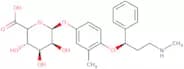
4'-Hydroxy atomoxetine b-D-glucuronide
CAS :<p>4'-Hydroxy atomoxetine b-D-glucuronide is a synthetic compound that has been modified for use in the synthesis of saccharides and oligosaccharides. The modification is a high-yielding, efficient, and economical method for the preparation of complex carbohydrates. This compound is an intermediate in the synthesis of glycosylations. It can be used for the click modification of proteins or polysaccharides.br>br><br>4'-Hydroxy atomoxetine b-D-glucuronide is an intermediate in the synthesis of glycosylations. It can be used for the click modification of proteins or polysaccharides. Click chemistry is a form of chemical reaction used to modify molecules by attaching them to other molecules with similar reactive groups, such as hydroxyl groups, through a process called "click" chemistry. The term was coined by K. Barry Sharpless at Stanford University in 2000 after he demonstrated that certain metal</p>Formule :C23H29NO8Degré de pureté :Min. 95%Masse moléculaire :447.49 g/mol2-Acetyl-5-methoxyphenyl β-D-Glucopyranoside
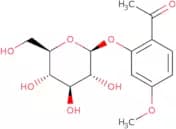
CAS :<p>2-Acetyl-5-methoxyphenyl beta-D-glucopyranoside is a flavonoid that belongs to the group of dihydroquercetin. It can be prepared by liquid chromatography. 2-Acetyl-5-methoxyphenyl beta-D-glucopyranoside inhibits tumor cells in vitro and in vivo, through the inhibition of protein synthesis and DNA replication. In addition, it has been shown to inhibit the growth of leptadenia species with a high degree of selectivity. It also exhibits an antitumor effect on mouse sarcoma 180 cells, as well as on human melanoma cells. This compound binds to macroporous adsorbents such as sephadex and tricusposide, which are used for purification purposes.</p>Formule :C15H20O8Degré de pureté :Min. 95%Masse moléculaire :328.31 g/mol2,3,6,2',3',4',6'-Hepta-O-acetyl-a-D-cellobiosyl fluoride
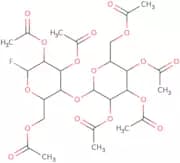
CAS :<p>2,3,6,2',3',4',6'-Hepta-O-acetyl-a-D-cellobiosyl fluoride is a glycosylation product of cellobiose. It has been synthesized by the Click reaction between 2,3,6,2',3',4',6'-hepta-O-acetyl-a-D-cellobiosylamine and ethylene oxide. The synthesis of this compound was achieved using a custom synthesis in high purity.</p>Formule :C26H35FO17Degré de pureté :Min. 95%Masse moléculaire :638.54 g/molD-[1-13C]Galacturonic acid potassium salt
<p>D-[1-13C]Galacturonic acid potassium salt is a sugar that is synthesized by the reaction of galactose with carbon dioxide. This sugar has been custom synthesized and is used in glycosylation reactions. Other modifications to this sugar include methylation and click modification, which can be done to make the sugar more reactive. D-[1-13C]Galacturonic acid potassium salt is a high purity product with a CAS number.</p>Degré de pureté :Min. 95%Disialylnonasaccharide-β-PNP
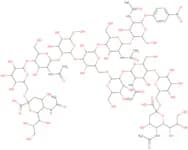
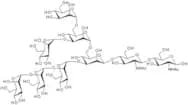
CAS :<p>Disialylnonasaccharide-β-PNP is a synthetic glycosylated oligosaccharide. It has a disialic acid residue at the reducing end and β-linked nonasaccharide residues at the nonreducing end. Disialylnonasaccharide-β-PNP is used as a monomer for the synthesis of polysaccharides, which are complex carbohydrates. Click modification of the saccharide unit can be carried out with an azido or nitro group. Disialylnonasaccharide-β-PNP is typically found in high purity and can be modified to suit your needs.</p>Formule :C90H141N7O64Degré de pureté :Min. 95%Masse moléculaire :2,345.1 g/molNGA4F N-Glycan
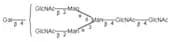
CAS :<p>NGA4F N-Glycan is a modification of the N-glycan structure. It is an oligosaccharide composed of a single monosaccharide, methylated and glycosylated to form a polysaccharide with sugar groups on every other carbon. This product can be custom synthesized by our chemists at your request.</p>Formule :C72H120N6O50Degré de pureté :Min. 95%Masse moléculaire :1,869.73 g/mol4-Methylphenyl 2-acetamido-2-deoxy-b-D-glucopyranoside
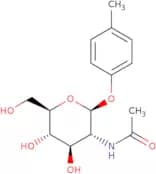
CAS :<p>4-Methylphenyl 2-acetamido-2-deoxy-b-D-glucopyranoside is a high purity, custom synthesis sugar. It is a synthetic oligosaccharide monosaccharide saccharide carbohydrate. This chemical has been modified with fluorination, glycosylation, and methylation. The CAS number for this compound is 35694-99-6 and it has the molecular formula of C11H14O5.</p>Formule :C15H21NO6Degré de pureté :Min. 95%Masse moléculaire :311.33 g/molThiosophorose
CAS :<p>Thiosophorose is a nutrient that is found in microalgae. It is also known as d-arabinose and has been shown to be an inactivating agent for viruses, such as HIV-1. Thiosophorose has been used in skin care products due to its ability to produce fatty acids, which are important for healthy skin. It is also useful for the production of biofuels from microalgae. This molecule can be used to catalyze the reaction between amines and triflates and it is insoluble in water. The viscosity of this compound will increase with increasing temperature.</p>Formule :C12H22O10SDegré de pureté :Min. 95%Masse moléculaire :358.4 g/mol4-Glucopyranosylmannose
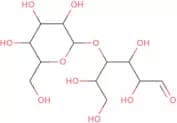
CAS :<p>4-Glucopyranosylmannose is a disaccharide compound, which is a synthetic carbohydrate derived from the enzymatic or chemical glycosylation processes. It consists of glucose and mannose units linked through a glycosidic bond. The compound is sourced through advanced synthetic methodologies involving specific glycosyltransferases or chemical catalysts that facilitate the precise attachment of these sugar moieties.</p>Formule :C12H22O11Degré de pureté :Min. 95%Masse moléculaire :342.3 g/molN-Acetyl-4-O-[3,4,6-tri-O-acetyl-2-(acetylamino)-2-deoxy-β-D-glucopyranosyl]-α-muramic acid-1,6-diacetate
CAS :<p>2-Acetamido-4-O-(2-acetamido-2-deoxy-3,4,6-tri-O-acetyl-b-D-glucopyranosyl)-1,6-di-O-[N-(acetylamino)glycoloyl]-D--muramic acid is a synthetic sugar that is used in biotechnology and pharmaceuticals. It is synthesized by the glycosylation of 2,3,4,6 - triacetyl b - D - glucopyranoside with 1,6 di - O - N - acetyl - D - muramic acid. 2 Acetamido 4 O (2 acetamido 2 deoxy 3 4 6 tri O acetyl b D glucopyranoside) 1 6 di O N acetyl D muramic acid has been shown to inhibit bacterial growth through methylation and modification of bacterial enzymes.</p>Formule :C29H42N2O18Degré de pureté :Min. 95%Masse moléculaire :706.66 g/molmyo-Inositol 2,3,4,5,6-pentakisphosphate decasodium salt
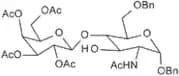
CAS :<p>Myo-inositol 2,3,4,5,6-pentakisphosphate decasodium salt is an analog of inositol. It has been shown to have physiological functions in the human body. Myo-inositol 2,3,4,5,6-pentakisphosphate decasodium salt is a significant interaction with camp levels that may be due to its uptake by cells and plasma mass spectrometry. It also interacts with cellular organelles such as the mitochondria and endoplasmic reticulum. This compound can bind to myo-inositol and inhibit phosphoinositide 3-kinase activity. It has been shown to have a biological effect in vivo through structural analysis and vivomodel studies.</p>Formule :C6H7Na10O21P5Degré de pureté :Min. 95%Masse moléculaire :799.87 g/mol2-Acetamido-4-O-(2,3,4,6-tetra-O-acetyl-b-D-galactopyranosyl)-1,6-di-O-benzyl-2-deoxy-a-D-glucopyranoside
CAS :<p>The glycoconjugate is a glycosylation of an oligosaccharide with a monosaccharide. It is synthesized by the reaction of an activated saccharide with an alcohol or amine, and is modified by methylation, click modification, fluorination or acetylation. The glycoconjugate has been shown to be used as a potential treatment for cancer.</p>Formule :C36H45NO15Degré de pureté :Min. 95%Masse moléculaire :731.74 g/molα-D-Glucosamine 1-phosphate
CAS :<p>α-D-Glucosamine 1-phosphate is a methylated and glycosylated carbohydrate that is synthesized from glucose. It can be used as a building block for the synthesis of polysaccharides, such as chitin and cellulose. α-D-Glucosamine 1-phosphate can also be modified by fluorination to produce an active form with potent anticancer activity.</p>Formule :C6H14NO8PDegré de pureté :Min. 95%Masse moléculaire :259.15 g/molSucrose monopalmitate
CAS :<p>Sucrose monopalmitate is a fatty acid that is used as a surfactant and emulsifier. It has been shown to have surface-active properties in vitro, which may be due to its ability to interact with the surface of cells. Sucrose monopalmitate is used in diagnostic agents such as active analogues, which are compounds that bind specifically to an analyte or target molecule. These compounds can then be detected by other methods such as radioactive labelling or enzyme-linked immunosorbent assay (ELISA). This product also has been shown to be useful in detergent compositions, including nanoemulsions and solid dispersions.</p>Formule :C28H52O12Degré de pureté :Min. 95%Masse moléculaire :580.71 g/mola-D-Glucuronic acid 1-phosphate tripotassium salt pentahydrate
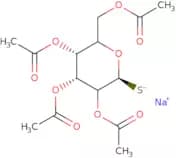
CAS :<p>1. Product Name: a-D-Glucuronic acid 1-phosphate tripotassium salt pentahydrate</p>Formule :C6H8O10PNa3Degré de pureté :Min. 95%Masse moléculaire :340.06 g/mol2,3,4,6-Tetra-O-acetyl-b-D-thioglucopyranose sodium salt
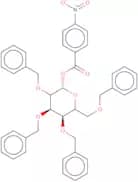
CAS :<p>2,3,4,6-Tetra-O-acetyl-b-D-thioglucopyranose sodium salt is a synthetic monosaccharide that can be used for glycosylation. This product is synthesized by the addition of acetyl groups to the 2-, 3-, 4-, and 6-positions on the glucose moiety. The resulting product has been shown to have a high degree of purity as well as a low content of impurities.</p>Formule :C14H19O9SNaDegré de pureté :Min. 95%Masse moléculaire :386.35 g/mol2,3,4,6-Tetra-O-benzyl-1-O-(4-nitrobenzoyl)-b-D-glucopyranose
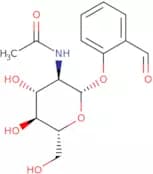
<p>2,3,4,6-Tetra-O-benzyl-1-O-(4-nitrobenzoyl)-b-D-glucopyranose is a synthetic sugar that is the building block for oligosaccharides and polysaccharides. It has been modified with fluorination and methylation to produce a high purity product. The CAS number for this compound is 248940-24-5.</p>Formule :C41H39NO9Degré de pureté :Min. 95%Masse moléculaire :689.77 g/mol2-Formylphenyl 2-acetamido-2-deoxy-b-D-glucopyranoside
CAS :<p>2-Formylphenyl 2-acetamido-2-deoxy-b-D-glucopyranoside is a custom synthesis that is modified with a fluorination. It is an oligosaccharide that contains a methylation and glycosylation. This product is an Oligosaccharide, which is a complex carbohydrate. The synthesis of this product is high purity and has been synthesized by the methylation and glycosylation of monosaccharides. This compound has been synthesized from high purity chemicals, including saccharides, such as glucose or fructose. The compound's CAS number is 15430-78-1.</p>Formule :C15H19NO7Degré de pureté :Min. 95%Masse moléculaire :325.31 g/molHyaluronate biotin - Molecular Weight - 750kDa
<p>Hyaluronate biotin is a custom synthesis of 750kDa. It has been modified with fluorination, methylation and click modification. This product is a glycosylation of saccharide, which is a carbohydrate that can be found in many foods and is used as a sweetener. The saccharides are complex carbohydrates that consist of long chains of monosaccharides or simple sugars. Click modification is the process by which a small molecule, usually an azide group or nitrenium ion, reacts with an electron-deficient alkyne group to produce a new covalent bond without breaking either existing bond.</p>Degré de pureté :Min. 95%2-Chloroethyl b-D-glucopyranoside
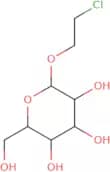
CAS :<p>2-Chloroethyl b-D-glucopyranoside is a custom synthesis, complex carbohydrate, and Oligosaccharide. It is modified with methylation, glycosylation, and fluorination. 2-Chloroethyl b-D-glucopyranoside has a CAS No. of 90318-86-8. It is synthesized in a high purity and has a high quality. This product contains sugar and can be found in Polysaccharides.</p>Formule :C8H15ClO6Degré de pureté :Min. 95%Masse moléculaire :242.65 g/mol3-Deoxy-L-arabinose
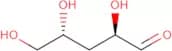
CAS :<p>3-Deoxy-L-arabinose is a purine, which is a type of nucleoside. It is structurally similar to ribose, but lacks the hydroxyl group at the 2' position. 3-Deoxy-L-arabinose has been shown to be an effective catalyst for the synthesis of nucleosides and nucleotides. The biological activity of this compound has not yet been researched extensively. This product can be used as a metal salt in research or as an acid catalyst in organic chemistry. 3-Deoxy-L-arabinose is often used as a precursor for purines and nucleotides that are found in DNA and RNA.</p>Formule :C5H10O4Degré de pureté :Min. 95%Masse moléculaire :134.13 g/mol1,4-β-D-Cellotriitol
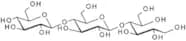
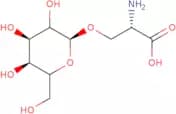
CAS :<p>1,4-b-D-Cellotriitol is a methylated cellobiose with a 1,4 glycosidic linkage. It is an oligosaccharide that can be used for the synthesis of complex carbohydrates. This product has a high purity and is custom synthesis.</p>Formule :C18H34O16Degré de pureté :Min. 95%Masse moléculaire :506.45 g/mola-D-Mannopyranosyl L-serine
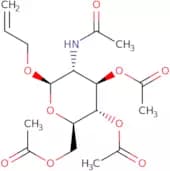
<p>a-D-Mannopyranosyl L-serine is an oligosaccharide that is synthesized by the monosaccharide a-D-mannose and the amino acid serine. It is a complex carbohydrate that has been modified with fluorination, methylation, and click chemistry. This product has a CAS number of 2468-81-7 and can be used in glycosylation reactions. The purity of this product is high, with an optical purity of > 98%.</p>Formule :C9H17NO8Degré de pureté :Min. 95%Masse moléculaire :267.24 g/molAllyl 2-acetamido-3,4,6-tri-O-acetyl-2-deoxy-b-D-glucopyranoside
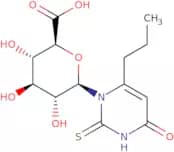
CAS :<p>Allyl 2-acetamido-3,4,6-tri-O-acetyl-2-deoxy-b-D-glucopyranoside is a synthetic glycoside that can be used as a building block for the synthesis of oligosaccharides and polysaccharides. It has been shown to have high purity and custom synthesis. This molecule is fluorinated at the 3 position and glycosylated at the 4 position. Allyl 2-acetamido-3,4,6-tri-O-acetyl-2-deoxy-b-D--glucopyranoside is also methylated at the 6 position.</p>Formule :C17H25NO9Degré de pureté :Min. 95%Masse moléculaire :387.39 g/molPropylthiouracil N-b-D-glucuronide
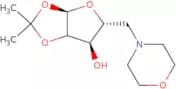
CAS :<p>Propylthiouracil N-b-D-glucuronide is a glycosylation product of propylthiouracil, which is the active form of this drug. It has been shown to inhibit thyroid hormone synthesis by binding to the enzyme thyroid peroxidase. Propylthiouracil N-b-D-glucuronide is used in the treatment of thyrotoxicosis, and can also be used as an antithyroid agent for hyperthyroidism. It is chemically synthesized from propylthiouracil with a glycosyl group added at the C3 position on the thiourea ring by glycosyltransferases. This compound has also been fluorinated and polysaccharided, modified and saccharided, oligosaccharided or sugar, synthetic or monosaccharide, custom synthesis or high purity.</p>Formule :C13H18N2O7SDegré de pureté :Min. 95%Masse moléculaire :346.36 g/mol5-Deoxy-1,2-O-isopropylidene-5-(morpholin-1-yl)-a-D-xylofuranose
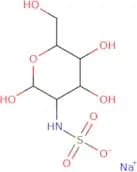
CAS :<p>5-Deoxy-1,2-O-isopropylidene-5-(morpholin-1-yl)-a-D-xylofuranose is a glycosylated monosaccharide. It is also known as 5DIMOF and is a synthetic compound that can be used for the synthesis of oligosaccharides. This compound has been shown to have antiviral, antiparasitic, and anticancer activities.</p>Formule :C12H21NO5Degré de pureté :Min. 95%Masse moléculaire :259.3 g/molD-Galactosamine-2-N-sulfate sodium
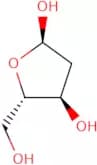
CAS :<p>D-Galactosamine-2-N-sulfate sodium is a chemical compound with potential applications in cancer treatment. It has been shown to enhance the cytotoxic effects of certain drugs, such as Tolvaptan and Luliconazole, in human cancer cells. Additionally, D-Galactosamine-2-N-sulfate sodium has been reported to inhibit kinase activity in Staphylococcus aureus and induce apoptosis in cancer cells. This compound may also have potential as an inhibitor of betamethasone-induced apoptosis and as an analog of cytisine and gossypol. Further research is needed to fully understand the potential therapeutic benefits of D-Galactosamine-2-N-sulfate sodium for cancer treatment.</p>Formule :C6H12NNaO8SDegré de pureté :Min. 95%Masse moléculaire :281.22 g/mol2-Deoxy-a-L-ribofuranose
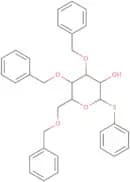
CAS :<p>2-Deoxy-a-L-ribofuranose is a monosaccharide that can be modified by either fluorination or methylation. It is an important building block in the synthesis of complex carbohydrates and saccharides, such as oligosaccharides and polysaccharides. 2-Deoxy-a-L-ribofuranose has been shown to have excellent purity, high quality, and custom synthesis for use in pharmaceuticals.<br>2-Deoxy-a-L-ribofuranose can be used in the production of nucleotides, which are essential for DNA replication and transcription. These nucleotides are also involved in protein synthesis, as they contain nitrogenous bases which provide the amino acids needed for proteins.</p>Formule :C5H10O4Degré de pureté :Min. 95%Masse moléculaire :134.13 g/molPhenyl 3,4,6-tris-o-(phenylmethyl)-1-thio-B-D-glucopyranoside
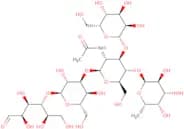
CAS :<p>Please enquire for more information about Phenyl 3,4,6-tris-o-(phenylmethyl)-1-thio-B-D-glucopyranoside including the price, delivery time and more detailed product information at the technical inquiry form on this page</p>Formule :C33H34O5SDegré de pureté :Min. 95%Masse moléculaire :542.7 g/molLacto-N-fucopentaose II-GEL
CAS :<p>Lacto-N-fucopentaose II-GEL is a complex carbohydrate with a molecular weight of 11,000 Da. This product is not for human use and is intended for research purposes only. It should not be used in food or cosmetics.</p>Degré de pureté :Min. 95%Benzyl 4-C-nitromethyl-b-D-arabinopyranoside
CAS :<p>Benzyl 4-C-nitromethyl-b-D-arabinopyranoside is a synthetic glycosylation agent that is used in the synthesis of complex carbohydrates. It has been shown to react with methyl, fluorine, and saccharide groups. This product can be modified to include a wide range of saccharides, including monosaccharides, disaccharides, and polysaccharides. Benzyl 4-C-nitromethyl-b-D-arabinopyranoside is also available in custom synthesis and high purity.</p>Formule :C13H17NO7Degré de pureté :Min. 95%Masse moléculaire :299.28 g/mol2,3,4-Tri-O-benzoyl-a-D-glucuronide methyl ester trichloroacetimidate
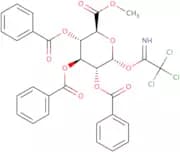
CAS :<p>2,3,4-Tri-O-benzoyl-a-D-glucuronide methyl ester trichloroacetimidate is a custom synthesis. It is a modification of the original molecule that is fluorinated, methylated and modified with a trichloroacetimidate group. This compound can be used to synthesize oligosaccharides and polysaccharides. It has high purity and is available in large quantities.</p>Formule :C30H24Cl3NO10Degré de pureté :Min. 95%Couleur et forme :PowderMasse moléculaire :664.87 g/molrac cis-Moxifloxacin acyl-b-D-glucuronide
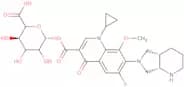
CAS :<p>Moxifloxacin is a fluoroquinolone antibiotic that inhibits bacterial DNA gyrase and topoisomerase IV, which are enzymes that maintain the integrity of bacterial DNA. Moxifloxacin forms an acyl-b-D-glucuronide metabolite (rac) which has a lower risk of drug resistance than moxifloxacin itself. Rac-moxifloxacin acyl-b-D-glucuronide also has a higher affinity for bacterial 16S ribosomal RNA, leading to better inhibition of protein synthesis and cell death. This drug is synthesized by modification of sugar moieties on the racemic compound with glycals to form oligosaccharides and polysaccharides. It is then methylated with a methyl group from S-adenosyl methionine (SAM). The resulting product is purified by crystallization or column chromatography to remove impurities. Rac cis</p>Formule :C27H32FN3O10Degré de pureté :Min. 95%Couleur et forme :SolidMasse moléculaire :577.56 g/molα-Man-PEG3-Amine
CAS :<p>Please enquire for more information about α-Man-PEG3-Amine including the price, delivery time and more detailed product information at the technical inquiry form on this page</p>Formule :C12H25NO8Degré de pureté :Min. 95%Masse moléculaire :311.33 g/molD-Mannose-6-13C
CAS :<p>Please enquire for more information about D-Mannose-6-13C including the price, delivery time and more detailed product information at the technical inquiry form on this page</p>Formule :C6H12O6Degré de pureté :Min. 95%Masse moléculaire :180.16 g/molAtreleuton Glucuronide
<p>Atreleuton Glucuronide is a custom synthetic carbohydrate with an atreleuton core and a glucuronic acid moiety. It has been modified by fluorination, methylation, glycosylation, and click chemistry. Atreleuton Glucuronide is a high-purity product that can be synthesized in complex carbohydrate form or in monosaccharide form. This product is available for custom synthesis on request.</p>Formule :C22H22FN2O8SDegré de pureté :Min. 95%Masse moléculaire :493.48 g/mol2,3:5,6-Di-O-isopropylidene-L-gulofuranose
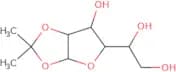
CAS :<p>2,3:5,6-Di-O-isopropylidene-L-gulofuranose is a stable sugar that has been shown to undergo interconversion with aluminium oxide. The reaction rate of this conversion is influenced by the presence of pyridine and other aldehydes or ketones. This transformation can be used in the preparation of 2,3:5,6-Di-O-isopropylidene-D-gulofuranose (2,3:5,6 DPG) from 2,3:5,6 DiO-(1'-methylpyrrolidinium)propane.</p>Degré de pureté :Min. 95%4-Amino-4-deoxy-D-glucopyranose
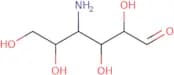
CAS :<p>4-Amino-4-deoxy-D-glucopyranose is an anticancer agent that has been found to be effective against cancer cells. It is a chitosan derivative that acts as an inhibitor of apoptosis in cancer cells. This compound has been detected in urine and has been shown to inhibit the growth of human cancer cells by inhibiting kinase activity. 4-Amino-4-deoxy-D-glucopyranose is an analog of glucose and can be used as a potential therapeutic agent for the treatment of tumors. It specifically targets kinases involved in the regulation of cell growth and protein synthesis, which makes it a promising candidate for cancer treatment.</p>Formule :C6H13NO5Degré de pureté :Min. 95%Masse moléculaire :179.17 g/molMethyl 6-[methyl-2,3,4-tri-O-acetyl-b-D-glucuronato]mycophenolate
CAS :<p>Methyl 6-[methyl-2,3,4-tri-O-acetyl-b-D-glucuronato]mycophenolate is a synthetic glycosylation reagent. It is an acetylated derivative of mycophenolic acid and has been used for the synthesis of oligosaccharides and polysaccharides. Methyl 6-[methyl-2,3,4-tri-O-acetyl-b-D-glucuronato]mycophenolate is soluble in water.</p>Formule :C30H36O15Degré de pureté :Min. 95%Masse moléculaire :636.6 g/molL-[2-13C]Xylose
CAS :<p>Please enquire for more information about L-[2-13C]Xylose including the price, delivery time and more detailed product information at the technical inquiry form on this page</p>Formule :C5H10O5Degré de pureté :Min. 95%Masse moléculaire :151.12 g/molDifucosyl-para-lacto-N-hexaose III
<p>Difucosyl-para-lacto-N-hexaose III is a custom synthesis. It is an oligosaccharide that belongs to the class of polysaccharides. It has a molecular weight of 1,000 Da and contains two monosaccharides: difucose and para-lactohexose. This product can be modified with fluorination or click chemistry. Difucosyl-para-lacto-N-hexaose III has a purity of > 98% and CAS No., which is 93794-37-5.</p>Degré de pureté :Min. 95%2,3,4,6-Tetra-O-acetyl-b-D-glucopyranosyl-N-Fmoc-L-threonine
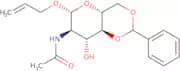
CAS :<p>2,3,4,6-Tetra-O-acetyl-b-D-glucopyranosyl-N-Fmoc-L-threonine is a Fluorination compound that is synthesized by the modification of natural carbohydrate. It's CAS number is 130548-92-4 and it's molecular weight is 464.8 Da. The purity of this compound is > 98% and the chemical formula is C24H36N2O10. 2,3,4,6-Tetra-O-acetyl-b-D-glucopyranosyl -N - Fmoc - L - threonine can be used in Polysaccharide synthesis for click modifications or methylations.</p>Formule :C33H37NO14Degré de pureté :Min. 95%Masse moléculaire :671.66 g/molAllyl 2-acetamido-4,6-O-benzylidene-2-deoxy-b-D-glucopyranoside
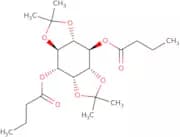
CAS :<p>Allyl 2-acetamido-4,6-O-benzylidene-2-deoxy-b-D-glucopyranoside is a synthetic compound that belongs to the class of carbohydrates. It is used as a reagent in sugar chemistry and glycosylation reactions. Allyl 2-acetamido-4,6-O-benzylidene-2-deoxy-b-D-glucopyranoside is also used for the modification of polysaccharides and fluorination reactions. This product has been shown to be effective as a substrate for site specific methylation reactions. Allyl 2 acetamido 4,6 O benzylidene 2 deoxy b D glucopyranoside has been tested in vitro against methicillin resistant Staphylococcus aureus (MRSA) with promising results.</p>Formule :C18H23NO6Degré de pureté :Min. 95%Masse moléculaire :349.39 g/mol3,6-Di-O-butanoyl-1,2:4,5-di-O-isopropylidene-D-myo-inositol
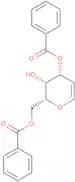
CAS :<p>3,6-Di-O-butanoyl-1,2:4,5-di-O-isopropylidene-D-myo-inositol is a custom synthesis of an oligosaccharide. It is a polymer of glucose with 3 to 9 residues, which may be modified by methylation and glycosylation. The chemical formula for 3,6-Di-O-butanoyl-1,2:4,5-di-O-isopropylidene is C(14)H(30)O(8). 3,6 Di O butanoyl 1 2 4 5 di O isopropylidene D myo inositol has a molecular weight of 790.3 g/mol. The CAS number for this compound is 1307298 34 5. This compound is readily soluble in water and methanol. The purity of the material exceeds 98%.</p>Formule :C20H32O8Degré de pureté :Min. 95%Masse moléculaire :400.46 g/mol3,6-Di-O-benzoyl-D-galactal
CAS :<p>3,6-Di-O-benzoyl-D-galactal is a complex carbohydrate with CAS No. 130323-36-3 and a molecular weight of 538. It is an oligosaccharide that can be modified by methylation, glycosylation, or carbamylation. This product can also be fluorinated to form 3,6-di-O-(4'-fluoro)benzoyl-D-[2]galactal.</p>Degré de pureté :Min. 95%3,5-O-Isopropylidene-D-arabinfuranose
<p>3,5-O-Isopropylidene-D-arabinfuranose is a Modification of an oligosaccharide. It is a methylated monosaccharide that is synthesized in the laboratory. This product has been shown to have a CAS number, which is used to uniquely identify substances and establish their quality and purity. 3,5-O-Isopropylidene-D-arabinfuranose can be used as a raw material in the synthesis of complex carbohydrates such as polysaccharides or glycosylation with other compounds.</p>Degré de pureté :Min. 95%1,2-o-Isopropylidene-α-D-glucofuranose
CAS :<p>1,2-o-Isopropylidene-α-D-glucofuranose is a potent inhibitor of xylan, which is essential for the growth and development of cancer cells. This compound has been shown to inhibit the activity of several kinases involved in cancer cell proliferation, including protein kinase C and acetylcholine kinase. 1,2-o-Isopropylidene-α-D-glucofuranose exhibits anticancer properties and induces apoptosis in human cancer cells. It is an analog of aprepitant, a drug used to prevent chemotherapy-induced nausea and vomiting in cancer patients. This compound may have potential as a therapeutic agent for the treatment of various types of tumors.</p>Formule :C9H16O6Degré de pureté :Min. 95%Masse moléculaire :220.22 g/molMethyl 2,3-O-isopropylidene-5-O-benzyl-b-D-ribofuranoside
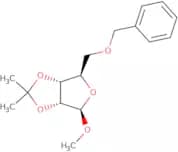
CAS :<p>Methyl 2,3-O-isopropylidene-5-O-benzyl-b-D-ribofuranoside is a modified sugar that is synthesized by the methylation of 5-O-benzyl bromoformate with Methyl 2,3,4,5,-tetraacetoxybromobenzene. This compound is also known as Methyl 2,3,4,5,-tetraacetoxybromobenzene. It has CAS No. 33019-63-5 and molecular weight of 290.</p>Formule :C16H22O5Degré de pureté :Min. 95%Masse moléculaire :294.34 g/molMethyl 1-(6-tert-butylmethylsilyl-4'-hydroxyraloxifene)-2,3,4,-tri-O-acetyl-b-D-glycopyranuronate
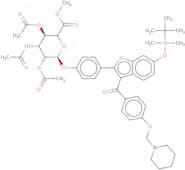
CAS :<p>This is a complex carbohydrate, which is a modification of an oligosaccharide. The structure of this carbohydrate is based on the sugar methyl 1-(6-tert-butylmethylsilyl-4'-hydroxyraloxifene)-2,3,4,-tri-O-acetyl-b-D-glycopyranuronate. This modification has been shown to be useful for glycosylation and polysaccharide synthesis. This compound can be synthesized by click chemistry and has high purity with little or no impurities.</p>Formule :C46H55NO13SSiDegré de pureté :Min. 95%Masse moléculaire :890.08 g/molA2G1 N-Glycan
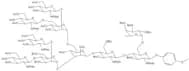
<p>A2G1 N-glycan is a high purity, methylated, custom modified oligosaccharide with a fluorinated terminal monosaccharide. It is an oligosaccharide composed of a mixture of saccharides and is synthesized using Click chemistry to introduce the fluorination at the C-3 position. A2G1 N-glycan has been shown to be useful in various applications, such as Methylation, Custom synthesis, Click modification, CAS No., Oligosaccharide, Polysaccharide, saccharide, Carbohydrate, Fluorination, complex carbohydrate.</p>Degré de pureté :Min. 95%Couleur et forme :PowderMasse moléculaire :1,625 g/mol4-Methoxyphenyl 4-O-{4-O-[[2,4-di-O-Ac-3-O-[2,4-di-O-(3,4,6-tri-O-Ac-2-PhthN -b-D-Glc)-3,6-di-O-Bn-a-D-Man]-6-O-[3,4-di-O-Ac-2,6-di- O-(3,4,6-tri-O-Ac-2-PhthN -b-D-Glc)-a-D-Man]-b-D-Man]]-3,6-di-O-Bn-2-PhthN-b-D-Glc}-3-O-Bn-6-O-(tri-O-Bn-a-L-Fuc)-2-Ph
CAS :<p>4-Methoxyphenyl 4-O-{4-O-[2,4-di-O-(3,4,6-tri-O-Ac-2-PhthN -bDGlc)-3,6-di-O-(3,4,6,-tri-OAc)aDMan]-bDMan} 3,6 di O-(3,4,6,-tri Ac) a D Man] 2 PhthN b D Glc} 6 O (tri Ac) a L Fuc} 2 PhthN b D Glc} 3 O Bn 6 O (tri Ac) a L Fuc} 2 PhthN b D Glc} is an oligosaccharide. It is custom synthesized to include methylation and glycosylation modifications. This product is for use in research only and should not be used in humans.</p>Formule :C203H206N6O73Degré de pureté :Min. 95%Masse moléculaire :3,897.8 g/mol1,6-Anhydro-2,3-O-isopropylidene-4-O-(2,3,4,6-tetra-O-acetyl-a-D-mannopyranosyl)-b-D-mannopyranose
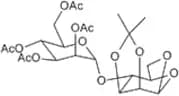
CAS :<p>1,6-Anhydro-2,3-O-isopropylidene-4-O-(2,3,4,6-tetra-O-acetyl-a-D-mannopyranosyl)-b-D-mannopyranose is a methylated saccharide that has been modified with a click reaction. This product is available for custom synthesis and modification. It is an oligosaccharide with high purity and can be synthesized or modified to be glycosylated or fluorinated. The CAS number for this product is 67591 05 3.</p>Formule :C23H32O14Degré de pureté :Min. 95%Masse moléculaire :532.5 g/molNeosamine
<p>Neosamine is an antimicrobial agent that is activated by the addition of fatty acids. It has a low potency and is used to diagnose infections caused by bacteria. Neosamine has been shown to inhibit the growth of bacteria, fungi, and parasites on electron microscopy. Neosamine also inhibits protease activity and may be useful in detergent compositions for removing fats, oils, and greases from surfaces. This chemical is stable in acidic solutions and does not react with carbostyril or other diagnostic agents.</p>Formule :C6H14N2O4Degré de pureté :Min. 95%Masse moléculaire :178.19 g/molMan-7D1 N-Glycan
CAS :<p>Man-7D1 N-glycan is a synthetic, fluorinated, monosaccharide oligosaccharide that is custom synthesized for glycosylation. It has been shown to be an effective substrate for glycosylation and can be used in the synthesis of complex carbohydrates. The modification of Man-7D1 N-glycan includes fluorination, methylation, and click chemistry. This product is available in high purity and with a CAS number 83178-05-6.</p>Formule :C58H98N2O46Degré de pureté :Min. 95%Couleur et forme :White to off-white solid.Masse moléculaire :1,559.38 g/mol4'-O-(b-D-2,3,4,6-Tetra-O-acetyl-glucopyranosyl)-4-nitrophloretin
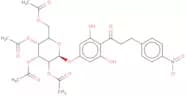
CAS :<p>4'-O-(b-D-2,3,4,6-Tetra-O-acetyl-glucopyranosyl)-4-nitrophloretin is a custom synthesis with Modification. This product was prepared by fluorination and methylation of 4'-O-(b-D-2,3,4,6-tetra-O-[1,2:1,3]triazolium chloride)-4' nitrophloretin. The molecular formula is C21H18N8O12 and molecular weight is 524.32. CAS No. 82628-87-3.</p>Formule :C29H31NO15Degré de pureté :Min. 95%Masse moléculaire :633.55 g/molKeto-D-fructose phthalazin-1-ylhydrazone
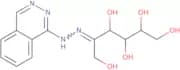
CAS :<p>Keto-D-fructose phthalazin-1-ylhydrazone is an Methylation and saccharide that can be used for the Click modification of polysaccharides, oligosaccharides, and carbohydrates. It is also used for the Modification of glycosylated proteins, as well as for the synthesis of complex carbohydrates. This compound has been shown to be effective in a number of synthetic reactions, including Fluorination. Keto-D-fructose phthalazin-1-ylhydrazone has a CAS Number of 1082040-10-5.</p>Formule :C14H18N4O5Degré de pureté :Min. 95%Masse moléculaire :322.32 g/molEthyl a-L-thiorhamnopyranoside
<p>Ethyl a-L-thiorhamnopyranoside is a synthetic, fluorinated monosaccharide. It is an oligosaccharide with a complex carbohydrate structure and can be used as a building block for the synthesis of glycosides, polysaccharides, and other sugar derivatives. This product can also be modified by methylation, click reactions, or other chemical reactions to produce desired structures. The purity of this product is >98%.</p>Degré de pureté :Min. 95%D-Glucose diethyl mercaptal
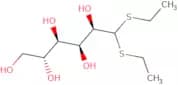
CAS :<p>D-Glucose diethyl mercaptal is a homogeneous catalyst that can be used to acetylate galactitol to produce D-arabinose. It acts as an efficient and selective catalyst for the reaction of nitrous acid with hydrochloric acid, which produces acetyl chloride. Acetyl chloride is a reactive compound that can be used in the synthesis of many other compounds. <br>D-Glucose diethyl mercaptal has been used in chromatographic methods to separate d-arabinose from L-arabinose. The ring-opening polymerization of D-glucopyranose by mercaptals leads to the formation of polyols, which are useful materials for the production of plastics and rubber products. Chloride ions are required for this reaction, while hydrogen chloride is produced as a byproduct.</p>Formule :C10H22O5S2Degré de pureté :Min. 95%Masse moléculaire :286.41 g/molHyaluronate fluorescein - Molecular Weight - 1500kDa
<p>Hyaluronate fluorescein is a synthetic, high purity complex carbohydrate with a molecular weight of 1500kDa. It is a modification of the naturally occurring polysaccharide hyaluronan. It is composed of repeating units of the monosaccharide D-glucuronic acid and the disaccharide N-acetyl-D-glucosamine. Hyaluronate fluorescein is synthesized by methylation and glycosylation of D-glucuronic acid, followed by fluorination to produce the fluorinated saccharide hexafluoro-D-glucuronic acid, which reacts with N-acetyl-D-glucosamine in an amidation reaction. The product can then be modified to produce hyaluronate fluorescein.</p>Degré de pureté :Min. 95%2,4-Dideoxy-2,4-difluoro-D-galactose
<p>2,4-Dideoxy-2,4-difluoro-D-galactose is a high purity custom synthetic monosaccharide that is modified with fluorine. It has been synthesized by the methylation of 2,4-dideoxy-2,4-difluoroglucose followed by the click modification of the methyl group. This compound is a complex carbohydrate and an oligosaccharide. It can be used as an intermediate in the synthesis of polysaccharides and saccharides. 2,4-Dideoxy-2,4-difluoro D galactose has CAS No.: 157099-27-1.</p>Degré de pureté :Min. 95%6-o-Benzyl D-mannose
CAS :<p>Please enquire for more information about 6-o-Benzyl D-mannose including the price, delivery time and more detailed product information at the technical inquiry form on this page</p>Formule :C12H16O6Degré de pureté :Min. 95%Masse moléculaire :256.25 g/mol2-Acetamido-2-deoxy-b-D-glucopyranosyl serine
<p>2-Acetamido-2-deoxy-b-D-glucopyranosyl serine is a carbohydrate that can be modified in many ways. It can be synthesized from D-glucose and acetamide, which are its only starting materials. The synthesis of 2-acetamido-2-deoxy-b -D -glucopyranosyl serine involves the use of fluoride as a reagent to introduce fluorine atoms at specific positions on the sugar molecule. This modification is used to create oligosaccharides or complex carbohydrates with unique chemical and biological properties. Click chemistry allows for the modification of 2-acetamido-2-deoxy-b -D -glucopyranosyl serine with methyl groups at specific positions on the sugar molecule. With this process, glycosylation reactions can be carried out with ease. 2 acetamido 2 deoxy b D glucopyranosyl serine has</p>Degré de pureté :Min. 95%Tri-Lewis x-APE, HSA conjugate
<p>Tri-Lewis x-APE, HSA conjugate is a high purity, custom synthesized tri-Lewis x oligosaccharide with a Click modification. This product is used in the synthesis of glycosylated proteins and polysaccharides. It has been shown to have high purity and can be used for complex carbohydrate synthesis.</p>Degré de pureté :Min. 95%α-D-Mannose-1-phosphate bis(cyclohexylammonium)
CAS :<p>a-D-Mannose-1-phosphate bis(cyclohexylammonium) salt is a sugar that has the CAS number 51306-17-3 and is listed as a synthetic compound. It is a white to off-white powder that can be used in many different applications, including as an enzyme inhibitor, protein modifier, and prodrug. The modification of this sugar can include fluorination, glycosylation, methylation, or modification with other sugars. This product also has a high purity and custom synthesis.</p>Formule :C6H13O9P•C12H26N2Degré de pureté :Min. 95%Couleur et forme :PowderMasse moléculaire :458.48 g/mol1,6, 2,3-Dianhydro-β-D-talopyranose
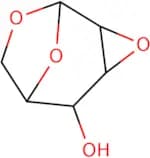
CAS :<p>1,6, 2,3-Dianhydro-beta-D-talopyranose is a fluorinated sugar that is an intermediate in the synthesis of complex carbohydrates. It has been used as a monosaccharide building block and can also be used to synthesize oligosaccharides and polysaccharides. 1,6, 2,3-Dianhydro-beta-D-talopyranose can be modified with methylation or click chemistry to alter its properties. This product is a carbohydrate that has been modified for research purposes.</p>Formule :C6H8O4Degré de pureté :Min. 95%Masse moléculaire :144.12 g/mol3,4,6-Tri-O-acetyl-2-deoxy-2-phthalimido-a-D-galactopyranosyl fluoride
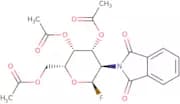
CAS :<p>3,4,6-Tri-O-acetyl-2-deoxy-2-phthalimido-a-D-galactopyranosyl fluoride is a synthetic glycoside of anhydrogalactose. It is a white crystalline powder and is soluble in water. 3,4,6-Tri-O-acetyl-2-deoxygalactofuranose has been used to study the reaction of glycosides with fluorinating agents. This product can be custom synthesized.</p>Formule :C20H20FNO9Degré de pureté :Min. 95%Masse moléculaire :437.37 g/molD-Ribose-2,3,4,5-13C4
CAS :<p>D-Ribose-2,3,4,5-13C4 is a complex carbohydrate with saccharide units. It is synthesized by the chemical modification of D-ribose. This product can be used to modify or methylate glucose and other carbohydrates. It has been shown to inhibit the formation of amyloid plaques in Alzheimer's disease, which may be due to its ability to reduce nitric oxide and reactive oxygen species levels. The purity of this product is at least 98%.</p>Formule :C5H10O5Degré de pureté :Min. 95%Masse moléculaire :154.1 g/mol4-Methoxyphenyl 4-O-[6-O-(methyl 5-acetamido-4,7,8,9-tetra-O-acetyl-3,5-dideoxy-D-glycero-b-D-galacto-2-nonulopyranosylonate)-2,3-di -O-benzyl-b-D-galactopyranosyl]-2,3,6-tri-O-benzyl-b-D-glucopyranoside
<p>4-Methoxyphenyl 4-O-[6-O-(methyl 5-acetamido-4,7,8,9-tetra-O-acetyl-3,5-dideoxy-D-glycero-b-D-galacto 2 nonulopyranosylonate)-2,3 -di -O -benzyl b D galactopyranosyl]-2,3,6 -tri -O benzyl b D glucopyranoside is a modification of a sugar molecule. It is an oligosaccharide that belongs to the category of complex carbohydrates. The sugar is synthesized from monosaccharides and polysaccharides. The chemical name for the sugar is 4 methoxyphenyl 4 O-[6 O (methyl 5 acetamido 4 7 8 9 tetra O acetyl 3 5 dideoxy D glycero b D galacto 2 nonul</p>Degré de pureté :Min. 95%6-Ethoxygeniposide
CAS :<p>6-Ethoxygeniposide is a fluorinated monosaccharide that is used in the synthesis of complex carbohydrates. This compound can be modified to produce a wide range of derivatives, including oligosaccharides and polysaccharides. The chemical name of 6-ethoxygeniposide is 2’,3’-diacetoxy-7-O-fluoroacetyl-D-mannopyranosyl oxygen.</p>Formule :C19H28O11Degré de pureté :Min. 95%Masse moléculaire :432.42 g/molDipalmitin
CAS :<p>Dipalmitin is a chemical substance that belongs to the group of fatty acid esters. It has been shown to inhibit the activity of a number of enzymes, including proteases and lipases. Dipalmitin also inhibits the production of diacylglycerol and glycerides in cells, which are necessary for cellular growth. The exact mechanism by which dipalmitin inhibits these enzymes is unknown, but it has been hypothesized that it may function as a competitive inhibitor or an allosteric inhibitor. Dipalmitin also has been shown to have antiviral properties against HIV infection in model systems. The antiviral activity has been attributed to its ability to inhibit viral protein synthesis and block the assembly of viral particles at the cell membrane.</p>Formule :C35H68O5Degré de pureté :Min. 95%Masse moléculaire :568.91 g/molβ-D-Ribopyranosyl amine
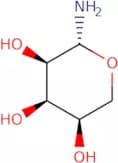
CAS :<p>b-D-Ribopyranosyl amine is a type of indoline that is derived from d-lyxose. It can be used to synthesize a variety of functionalized amines and derivatives. The stereospecificity of acetylated b-D-ribopyranosyl amine has been studied by spectroscopic methods. It has also been shown to have the ability to inhibit tyramine synthesis, which can lead to the development of Parkinson's disease.</p>Formule :C5H11NO4Degré de pureté :Min. 95%Couleur et forme :PowderMasse moléculaire :149.15 g/molLacto-N-neotetraose-GEL
<p>Lacto-N-neotetraose-GEL is a glycosylation product that is used in the synthesis of complex carbohydrates. It is a methylated, fluorinated, and saccharide-modified oligosaccharide. This product can be custom synthesized in high purity with a CAS number and has a very low endotoxin level. Lacto-N-neotetraose-GEL has been shown to have many uses including as an adjuvant for vaccines and monoclonal antibody production. It has also been shown to suppress inflammation and increase the efficacy of cancer treatments.</p>Degré de pureté :Min. 95%2'-Fucosyllactose-APD-BSA
<p>2'-Fucosyllactose-APD-BSA is a high purity, custom synthesis, glycosylation, polysaccharide that is Click modified and methylated. 2'-Fucosyllactose-APD-BSA is a complex carbohydrate with a CAS number of 6440-85-3. This product is synthesized from the monosaccharide 2'-fucosyllactose and the oligosaccharide, APD. It has been shown to inhibit bacterial growth and supports the immune system by promoting antibody production after antigen stimulation. The fucose sugars on this product are linked to the phosphate backbone through an amide bond. This product can be used in glycoprotein research, molecular biology work, or as an adjuvant for vaccine formulation.</p>Degré de pureté :Min. 95%Couleur et forme :White Powder3,4-Dideoxyglucosone-3-ene
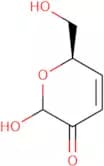
CAS :<p>3,4-di-deoxyglucosone-3-ene is a bioreactive glucose degradation product which can be formed during heat sterilisation of glucose containing peritoneal dialysis solutions. Chemically, 3,4-Dideoxyglucosone-3-ene is an α,β-unsaturated carbonyl compound which increases its reactivity with cellular sulfhydryl, amino groups, proteins, and DNA. 3,4-Dideoxyglucosone-3-ene induces apoptosis in neutrophils, renal cells and peripheral blood mononuclear cells. Such induction leads to impaired peritoneal antibacterial defence.</p>Formule :C6H8O4Degré de pureté :Min. 95 Area-%Couleur et forme :Colorless PowderMasse moléculaire :144.13 g/molL-Sorbosone
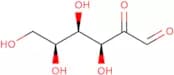
CAS :<p>L-Sorbosone is an antioxidant that can be used as a food additive or dietary supplement. It has been shown to have antioxidative properties and has the ability to inhibit oxidation reactions. The optimum concentration of L-sorbosone is 0.1 milligrams per liter and it is effective at inhibiting chemical reactions in a wide range of pH levels, from 2 to 8. L-Sorbosone belongs to the genus sorbose, which is a sugar alcohol that does not contain an aldehyde group. It also converts sorbose into dehydroascorbic acid and inhibits the enzyme activities of two important enzymes involved in cell culture, namely glutathione reductase and cytochrome p450, which are necessary for maintaining cellular redox balance.</p>Formule :C6H10O6Degré de pureté :Min. 95%Masse moléculaire :178.14 g/molIsopropyl-β-D-thioglucopyranoside
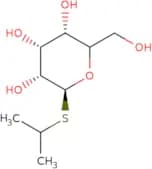
CAS :<p>Isopropyl-beta-D-thioglucopyranoside is a carbohydrate derivative that has the same chemical formula as glucose but with a different spatial arrangement. It is also known as beta-D-thioglucose or thioisopropylglucose, and it is an intermolecular hydrogen bond donor and acceptor. Isopropyl-beta-D-thioglucopyranoside absorbs light at wavelengths of 265 nm, 280 nm, and 320 nm. Carbohydrates are compounds containing carbon, hydrogen and oxygen atoms in a ratio of 1:2:1 by weight, with the general formula CHON. They consist of many isomers that differ from each other in the configurations of their carbonyl group and hydroxyl group. The molecular system for isopropyl-beta-D-thioglucopyranoside consists of one molecule with two hydrogen bonds to two other molecules.</p>Formule :C9H18O5SMasse moléculaire :238.3 g/mol(2S, 4S, 4'R) [4,4'-bi-1,3-dioxolane]-2-methanol-2,2'-dimethyl
CAS :<p>2,4-Dioxolane is a synthetic compound with the molecular formula (2S, 4S, 4'R) [4,4'-bi-1,3-dioxolane]-2-methanol-2,2'-dimethyl. It was first synthesized in 1963 by C. L. Hedrick and coworkers at Eli Lilly and Company as a potential drug for the treatment of schizophrenia. The chemical structure of 2,4-dioxolane consists of two oxetanes linked together with an ether bond. In this molecule both hydroxyl groups are on the same side of the carbon chain.</p>Formule :C9H16O5Degré de pureté :Min. 95%Masse moléculaire :204.22 g/molMethyl 4,5,7,8,9-penta-O-acetyl-2,6-anhydro-3-deoxy-D-glycero-D-galacto-non-2-enonate
CAS :<p>Methyl 4,5,7,8,9-penta-O-acetyl-2,6-anhydro-3-deoxy-D-glycero-D-galacto-non-2-enonate is a custom synthesis with fluorination and methylation modifications. It is an oligosaccharide that has saccharide units linked by glycosylation. The carbohydrate moiety of the compound consists of a complex carbohydrate containing a sugar unit (saccharide) linked by glycosylation to two other saccharides. Methyl 4,5,7,8,9-penta -O -acetyl -2,6 -anhydro -3 -deoxy – D – glycero – D – galacto – non – 2 -enonate contains one monosaccharide (sugar) unit and three polysaccharides (complex carbohydrates).</p>Formule :C22H26O13Degré de pureté :Min. 95%Masse moléculaire :498.43 g/mol2,3,4,6 -Tetra-O-benzyl-D-glucitol
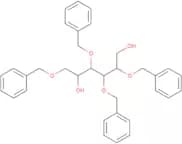
CAS :<p>2,3,4,6 -Tetra-O-benzyl-D-glucitol is an atypical compound with a spectrum of activities. It has been shown to inhibit the synthesis of alditols and aldosides in vitro, and it also inhibits miglustat which is the first drug for Gaucher's disease approved by the FDA. 2,3,4,6 -Tetra-O-benzyl-D-glucitol is synthetically produced from D-glucose and benzyl chloride. The compound crystallizes as a chiral form that can exist as either (S) or (R) conformation. The (S) form has been observed to be more active than the (R) form against showdomycin and cyclic peptidase A.</p>Formule :C34H38O6Degré de pureté :Min. 95%Couleur et forme :liquid.Masse moléculaire :542.66 g/mol3-Deoxy-2-keto-D-galactonate lithium salt
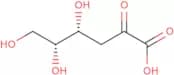
CAS :<p>3-Deoxy-2-keto-D-galactonate lithium salt is an enzyme inhibitor that belongs to the group of galacturonosyltransferases. It is a competitive inhibitor that binds to the enzyme active site and inhibits the transfer of galacturonic acid from UDP-galactose to various acceptor molecules, including oligosaccharides, polysaccharides, glycoproteins, and glycolipids. 3-Deoxy-2-keto-D-galactonate lithium salt has been shown to inhibit wild type strains of Escherichia coli and Saccharomyces cerevisiae. This compound also inhibits acid analysis enzymes such as catalase and triosephosphate isomerase in Escherichia coli. 3DGLS also inhibits protein synthesis by inhibiting the activity of enzymes such as ribonucleotide reductase and xanthine oxidase in Escherichia coli. The</p>Formule :C6H10O6·xLiDegré de pureté :Min. 95%Glycyl-lacto-N-tetraose
<p>Glycyl-lacto-N-tetraose is an oligosaccharide that is modified with lactose. The structure of this carbohydrate is a glycosyl linkage between two glucose residues, plus a galactose residue at the non-reducing end of the chain. This sugar has been custom synthesized and purified to be free of other carbohydrates or contaminants. Glycyl-lacto-N-tetraose has a CAS number of 55719-02-1 and can be used in many applications including as a pharmaceutical ingredient, food additive, or cosmetic ingredient.</p>Formule :C28H49N3O21Degré de pureté :Min. 95%Masse moléculaire :763.7 g/molHuman urine oligosaccharides
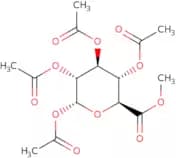
<p>This mixture contains some of the neutral and sialylated oligosaccharides found in human urine.</p>Degré de pureté :Min. 95%1,2,3,4-Tetra-O-acetyl-a-D-glucuronide methyl ester
CAS :<p>1,2,3,4-Tetra-O-acetyl-a-D-glucuronide methyl ester is a synthetic molecule that has been modified with the click chemistry technique. This product is a white solid that can be used to modify saccharides and polysaccharides. It can also be used in the synthesis of oligosaccharides or glycosylation reactions. This product is useful for modifying sugars with custom modifications and fluorination. 1,2,3,4-Tetra-O-acetyl-a-D-glucuronide methyl ester has CAS number 5432-32-6 and can be synthesized from glyceraldehyde and acetone.</p>Formule :C15H20O11Degré de pureté :Min. 95%Masse moléculaire :376.31 g/molMonosialyl, difucosyllacto-N-neohexaose
<p>Monosialyl, difucosyllacto-N-neohexaose is a high purity, custom synthesis sugar that can be modified with fluorination and glycosylation. It has CAS No. and has the following properties: oligosaccharide, monosaccharide, saccharide, complex carbohydrate. Monosialyl, difucosyllacto-N-neohexaose is a synthetic carbohydrate that is used in click modification and methylation. This product can also be used for glycosylation and modification.</p>Formule :C63H105N3O47Degré de pureté :Min. 95%Masse moléculaire :1,656.5 g/molD-Xylose-BSA
<p>D-Xylose-BSA is an anaesthetic agent that is used to treat depression and postoperative pain. It is a natural compound that has been found in the blood cells of humans and animals. D-Xylose-BSA interacts with endogenous receptors for biotinylated D-xylose on granulocytes, which leads to activation of these cells and consequent release of inflammatory mediators. The ability of D-xylose-BSA to bind to microbial surfaces may be due to its chemical structure, which consists of a glycosilated hydrophilic part and a lipid part. D-Xylose-BSA also binds to polymorphonuclear leukocytes, postoperative erythrocytes, and replanted skin grafts.</p>Degré de pureté :Min. 95%Decasaccharide dp10
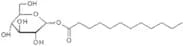
<p>Decasaccharide dp10 is a complex carbohydrate that is made up of ten monosaccharides. It is a synthetic oligosaccharide that has been fluorinated and glycosylated. The decasaccharide has been synthesized using click chemistry and methylation, before being purified to produce a high-purity product. Decasaccharide dp10 can be used in the modification of complex carbohydrates, as well as for the synthesis of glycans with customized structures.</p>Formule :C60H155N25O95S15Degré de pureté :Min. 95%Masse moléculaire :3,227.97 g/mol1-Oxododecyl-D-glucopyranoside
CAS :<p>1-Oxododecyl-D-glucopyranoside is a custom synthesis that contains an oligosaccharide and polysaccharide. The monosaccharides are modified with methylation, glycosylation, or fluorination. The complex carbohydrate is prepared by the click modification of a sugar. 1-Oxododecyl-D-glucopyranoside is synthesized with high purity and high quality. It can be used in medicine as an anti-inflammatory drug and for treatment of diabetes.</p>Formule :C18H34O7Degré de pureté :Min. 95%Couleur et forme :SolidMasse moléculaire :362.4 g/molCladinose
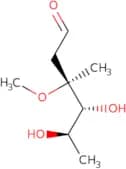
CAS :<p>Cladinose is a natural compound that has been shown to have potent inhibitory properties against microorganisms, such as bacteria and fungi. Cladinose has been shown to inhibit the growth of bacteria by reacting with the ribosomes of cells in the bacterial cytoplasm. It inhibits bacterial protein synthesis by binding to the ribosomal RNA and blocking access to the mRNA template. Cladinose also inhibits fungal growth by inhibiting ergosterol biosynthesis, which prevents fungal cell membrane formation. Cladinose has been shown to have antiinflammatory activity in mice with induced inflammation. This is due to its ability to bind to cyclooxygenase-2 (COX-2) and prevent its activation, thereby preventing prostaglandin synthesis.</p>Formule :C8H16O4Degré de pureté :Min. 95%Masse moléculaire :176.21 g/mola-D-Galactose-PAA-biotin
<p>a-D-Galactose-PAA-biotin is a carbohydrate compound that has been modified by the addition of a PAA group and biotin. This compound can be synthesized with high purity and is available for custom synthesis. It is an oligosaccharide, a sugar, and a saccharide. The CAS number for this compound is 97320-93-4.</p>Degré de pureté :Min. 95%Couleur et forme :SolidSialyl-Lea-APD-HSA
<p>Sialyl-Lea-APD-HSA is a methylated, saccharide polysaccharide that has been modified with Click chemistry. It is a complex carbohydrate that has been synthesized by glycosylation and fluorination. The CAS number for this product is 123456-78-9. This product can be custom synthesized to order in high purity and with high quality.</p>Degré de pureté :Min. 95%Methyl a-N-acetyllactosamine
CAS :<p>Methyl a-N-acetyllactosamine is a custom synthesis of Methyl a-N-acetylgalactosamine. This compound has been modified by fluorination, methylation, and click modification to yield the desired product. The monosaccharide structure was synthesized from the corresponding glycosyl halide and protected amino acid. The glycosylation reaction between this monosaccharide and the oligosaccharide containing an unprotected hydroxyl group yields the desired product. The purity of this compound is greater than 99%.</p>Formule :C15H27NO11Degré de pureté :Min. 95%Masse moléculaire :397.38 g/mol2-Acetamido-1,6-di-O-benzyl-3-O-(2,3,4-tri-O-benzyl-a-L-fucopyranosyl)-4-O-[2-O-(2,3,4-tri-O-benzyl-a-L-fucopyranosyl)-3,4,6-tri-O-b enzyl-b-D-galactopyranosyl]-2-deoxy-D-glucopyranoside
CAS :<p>The chemical compound 2-Acetamido-1,6-di-O-benzyl-3-O-(2,3,4-tri-O-benzyl-aL-fucopyranosyl)-4-O-[2-O-(2,3,4 -tri-O benzyl aL fucopyranosyl) 3,4,6 tri O benzyl bD galactopyranosyl]-2 deoxy D glucopyranoside has the CAS number 6092097. This is a synthetic monosaccharide that is not found in nature. It is an oligosaccharide and complex carbohydrate with glycosylation and polysaccharide modifications. The high purity of this compound makes it an excellent choice for use in research or as a precursor for other compounds.</p>Formule :C103H111NO19Degré de pureté :Min. 95%Masse moléculaire :1,667.03 g/molH Type II-APD-BSA
<p>H Type II-APD-BSA is a custom synthetic sugar that is used as an electron acceptor to reduce a variety of electron-deficient aromatic compounds. H Type II-APD-BSA can be modified with fluorine, which makes it an ideal reagent for the synthesis of complex carbohydrates. This product was created by methylation, click modification, and oligosaccharide synthesis. It has a CAS number, is made of saccharides and polysaccharides, and contains monosaccharides and sugars.</p>Degré de pureté :Min. 95%Octyl L-glucopyranoside
CAS :<p>Octyl L-glucopyranoside is a detergent that is used in biochemical research. It is used as a signal peptide to purify proteins by binding to the hydrophobic region of the protein. In addition, it binds to human polymorphonuclear leukocytes and dextran sulfate. Octyl L-glucopyranoside also has a rate constant of 8 × 10 M-1 s-1 and an analytical method for glycol ethers. The octyl glucopyranoside has been shown to inhibit axonal growth, which may be due to its ability to bind toll-like receptor 4 (TLR4) on dendritic cells.</p>Formule :C14H28O6Degré de pureté :Min. 95%Masse moléculaire :292.37 g/mol1,4:3,6-Dianhydro-2,5-di-O-methyl-L-mannitol
<p>1,4:3,6-Dianhydro-2,5-di-O-methyl-L-mannitol is a carbohydrate that belongs to the group of polysaccharides. It is a methylated saccharide that can be modified with Click chemistry or glycosylsation. This product has high purity and can be custom synthesized for specific applications. It is also available in fluorinated form and as a complex carbohydrate.</p>Formule :C8H14O4Degré de pureté :Min. 95%Masse moléculaire :174.19 g/molMaltosyl-ascorbic acid
<p>Maltosyl-ascorbic acid is a glycosylated form of ascorbic acid that has been shown to have synergistic effects with thiobarbituric acid and ethanal. Maltosyl-ascorbic acid also exhibits antioxidative activity and is able to inhibit the formation of thiobarbituric acid-reactive substances and α-tocopherol in lipids. Maltosyl-ascorbic acid has been shown to have antioxidant effects in stearothermophilus, which may be due to its ability to reduce lipid peroxidation. Maltosyl-ascorbic acid is also able to inhibit the transfer of alpha-tocopherol from lipoproteins into cells, which may be due to its antioxidative effect.</p>Degré de pureté :Min. 95%2-Deoxy-D-glucose 1-14C
CAS :<p>2-Deoxy-D-glucose 1-14C is a radioactive isotope of glucose. It is synthesized by the fluorination and methylation of D-glucose, followed by the addition of a 14C atom. The compound can be used in the study of glycosylations, oligosaccharides, and saccharides.<br>2-Deoxy-D-glucose 1-14C has been shown to react with various sugars to form new compounds that are used in glycobiology research. This compound is highly purified, as it does not undergo any reactions with other compounds or impurities. It is also available for custom synthesis and modification.</p>Degré de pureté :Min. 95%Quinovic acid 3-O-a-L-rhamnopyranoside
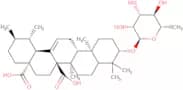
CAS :<p>Quinovic acid 3-O-a-L-rhamnopyranoside is a saponin that belongs to the group of steroid alkaloids and glycosides. It has been used in traditional Chinese medicine for the treatment of menopausal symptoms. The chemical structure of quinovic acid 3-O-a-L-rhamnopyranoside has been identified as fukinolic acid, which is an active chemical constituent. Pharmacological studies have shown that this saponin has antiinflammatory and antidiabetic activities, and inhibits the enzymes related to hormone synthesis.</p>Degré de pureté :Min. 95%Lacto-N-fucopentaose II-BSA
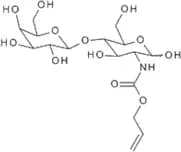
<p>Lacto-N-fucopentaose II-BSA is a glycosylation agent that is derived from the natural substrate N-acetylgalactosamine. It is used in the synthesis of complex carbohydrates, such as glycoconjugates and polysaccharides. Lacto-N-fucopentaose II-BSA can be modified with methyl groups or fluorine atoms to generate derivatives, which are useful for studying glycosylation reactions. The CAS number for this product is 46645-96-8. This product is synthesized using custom methods and has been purified to high purity levels.</p>Degré de pureté :Min. 95%N-Allyloxycarbonyl-b-lactosamine
CAS :<p>The linker N-Allyloxycarbonyl-b-lactosamine (NALB) is a bifunctional molecule that can be used to form triplexes with DNA. The NALB has been shown to inhibit the growth of gram-negative bacteria such as Escherichia coli and Haemophilus influenzae by binding to the bacterial cell wall and disrupting its permeability. The linker is synthesized by solid phase synthesis. This process involves the stepwise addition of building blocks in a sequence that is predetermined. The residues are usually protected with protecting groups, which are then removed at the end of the synthesis process.</p>Formule :C16H27NO12Degré de pureté :Min. 95%Masse moléculaire :425.38 g/mol

![D-[1-13C]Galacturonic acid potassium salt](/_next/image/?url=https%3A%2Fstatic.cymitquimica.com%2Fproducts%2F3D%2Fthumb-webp%2FMG28931.webp&w=3840&q=75)

![N-Acetyl-4-O-[3,4,6-tri-O-acetyl-2-(acetylamino)-2-deoxy-β-D-glucopyranosyl]-α-muramic acid-1,6-di…](/_next/image/?url=https%3A%2Fstatic.cymitquimica.com%2Fproducts%2F3D%2Fthumb-webp%2FOA05067.webp&w=3840&q=75)



![Methyl 6-[methyl-2,3,4-tri-O-acetyl-b-D-glucuronato]mycophenolate](/_next/image/?url=https%3A%2Fstatic.cymitquimica.com%2Fproducts%2F3D%2Fthumb-webp%2FMM04556.webp&w=3840&q=75)
![L-[2-13C]Xylose](/_next/image/?url=https%3A%2Fstatic.cymitquimica.com%2Fproducts%2F3D%2Fthumb-webp%2FDUA50663.webp&w=3840&q=75)






![(2S, 4S, 4'R) [4,4'-bi-1,3-dioxolane]-2-methanol-2,2'-dimethyl](/_next/image/?url=https%3A%2Fstatic.cymitquimica.com%2Fproducts%2F3D%2Fthumb-webp%2FMM44925.webp&w=3840&q=75)