Glycosciences
Sous-catégories appartenant à la catégorie "Glycosciences"
- Aminosucres(108 produits)
- Anticorps Glyco-Related(284 produits)
- Glycolipides(46 produits)
- Glycosaminoglycanes (GAGs)(55 produits)
- Glycosides(422 produits)
- Monosaccharides(6.674 produits)
- Oligosaccharides(4.042 produits)
- Polysaccharides(517 produits)
11404 produits trouvés pour "Glycosciences"
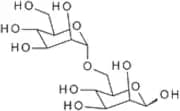
6-O-(a-D-Mannopyranosyl)-D-mannose
CAS :Produced by the reverse hydrolysis of a mannose substrate. Isolated from the partial hydrolysates of bakers' yeast (Saccharomyces cerevisiae) mannan. This disaccharide also forms the sugar portion of the phospholipid, phosphatidylinositodimannoside, of Mycobacterium tuberculosis.Formule :C12H22O11Degré de pureté :Min. 95%Couleur et forme :White PowderMasse moléculaire :342.3 g/mol4-O-(2-Acetamido-2-deoxy-D-[UL-13C6]glucopyranosyl)-D-ribitol
4-O-(2-Acetamido-2-deoxy-[UL-13C6]glucopyranosyl)-D-ribitol is a custom synthesis of an oligosaccharide, monosaccharide, and polysaccharide. It is a high purity and CAS No. custom synthesis with a high degree of modification. This product has been synthesized by methylation and glycosylation for use in the study of the structure and function of complex carbohydrates. The fluorination was done to the saccharide to give it the desired properties for use in various applications.
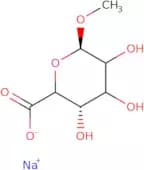
Formule :C713C6H25NO10Degré de pureté :Min. 95%Masse moléculaire :361.29 g/molMethyl α-L-idopyranosiduronic acid sodium
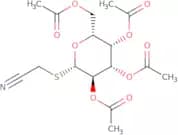
CAS :Methyl a-L-idopyranosiduronic acid sodium salt is an impedance sensor that has been developed for use in electroanalytic research. The sensor consists of a monolayer of mammalian cells that are grown on a microfabricated substrate and visualized using microscopy. Methyl a-L-idopyranosiduronic acid sodium salt is used to measure the biophysical properties of muscle cells, such as their phenotype, by measuring the electrical resistance of the cell membrane. This can be used to characterize muscle disorders and identify new drug targets for regenerative medicine.Formule :C7H12O7•NaDegré de pureté :Min. 95 Area-%Couleur et forme :SolidMasse moléculaire :231.15 g/molCyanomethyl 2,3,4,6-tetra-O-acetyl-b-D-thioglucopyranoside
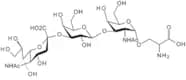
CAS :Cyanomethyl 2,3,4,6-tetra-O-acetyl-b-D-thioglucopyranoside is a synthetic glycosylation agent. It is an acetal derivative of b-D-thioglucopyranoside with a terminal methyl group at C2 and a fluorine atom at C6. This product can be used to modify saccharides and sugars in a variety of ways. It has been shown to react with various carbohydrates including polysaccharides and oligosaccharides. Synthetic glycosylations are often used in the synthesis of complex carbohydrates for use in pharmaceuticals or chemical engineering. The CAS number for this product is 61145-33-3.Formule :C16H21NO9SDegré de pureté :Min. 95%Masse moléculaire :403.41 g/mol3'-Sialylgalacto-N-biosyl-serine
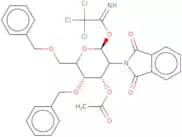
3'-Sialylgalacto-N-biosyl-serine is a custom synthesis of a high purity, complex carbohydrate with the following modifications: fluorination and click modification. This product is a monosaccharide sugar that has many applications in biomedical research. 3'-Sialylgalacto-N-biosyl-serine is an important component of glycolipids and glycoproteins, which are major constituents of the outer leaflet of the plasma membrane. It also plays a role in cell signaling, binding to receptors on the surface of cells to activate them. In addition, this product can be used for the methylation reaction and has been used as an intermediate for other oligosaccharides and polysaccharides.Formule :C28H47N3O21Degré de pureté :Min. 95 Area-%Couleur et forme :PowderMasse moléculaire :761.68 g/mol4-O-Acetyl-3,6-di-O-benzyl-2-deoxy-2-phthalimido-β-D-glucopyranosyl trichloroacetimidate
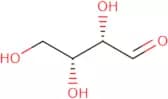
CAS :4-O-Acetyl-3,6-di-O-benzyl-2-deoxy-2-phthalimido-b-D-glucopyranosyl trichloroacetimidate is a methylated saccharide that can be obtained through the Click modification of an oligosaccharide. It is a custom synthesis that has been modified with fluorination. This product is available in high purity and has been glycosylated. It is also a synthetic carbohydrate with a complex structure.Formule :C32H29Cl3N2O8Degré de pureté :Min. 95%Masse moléculaire :675.94 g/molD-(-)-Threose
CAS :Popular resource for chiral-pool based organic syntheses Sold as an aqueous solution and by weight of active materialFormule :C4H8O4Degré de pureté :Min. 90 Area-%Couleur et forme :Colorless Clear LiquidMasse moléculaire :120.1 g/molGemfibrozil b-D-glucuronide
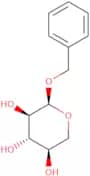
CAS :Major metabolite of Gemfibrozil; irreversible inhibitor of CYP2C8Formule :C21H30O9Degré de pureté :Min. 95%Couleur et forme :White PowderMasse moléculaire :426.47 g/molBenzyl a-D-xylopyranoside
CAS :Benzyl a-D-xylopyranoside is a benzyl galactofuranose that is synthesized from the condensation of benzaldehyde and D-xylose. This compound has been shown to be an excellent target molecule for the detection of Mycobacterium tuberculosis, as it constitutes about 10% of the mycolic acid in this organism. Benzyl a-D-xylopyranoside can also be used to detect other bacteria such as Actinomyces, Streptomyces, and Corynebacterium. The yield of this compound is high and its regiospecificity is complete.
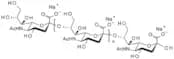
Formule :C12H16O5Degré de pureté :Min. 95%Couleur et forme :PowderMasse moléculaire :240.25 g/molGD3-Ganglioside ammonium
CAS :GD3 ganglioside (shown as sodium salt) has a core disaccharide structure (Gal-1,4-Glc) with two sialic acids linked to the non-reducing galactose residue, and ceramide linked to position 1 on the reducing terminal glucose residue (Ledeen, 2009). GD3 ganglioside is a minor ganglioside in most normal tissues but plays a crucial role in the development of the brain; its presence is significantly reduced in adults. However, expression of GD3 ganglioside is increased in pathological conditions, such as, cancers and neurodegenerative disorders (Malisan, 2002). GD3 ganglioside was the first cancer-associated ganglioside discovered, that promotes adhesion and invasion of cancers. GD3 ganglioside and GD2 ganglioside are highly expressed in a various malignant cancers and have become potential targets for next-generation cancer therapy (Liu, 2018).
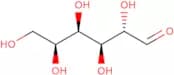
Formule :C70H125N3O29·xNH4Degré de pureté :Min. 95%Couleur et forme :PowderL-Gulose
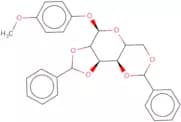
CAS :L-Gulose is a carbohydrate that is used in biochemical research. It can be found in plant sources such as sugar cane, sugar beet, and fruit, but it is not naturally present in mammals. L-Gulose has antioxidant properties and can act as an antiviral agent. It also has some structural similarities to vitamin C. L-Gulose can be synthesized from D-glucose by oxidation of the hydroxyl group with sodium hypochlorite or hydrogen peroxide. L-Gulose is a structural analog of D-mannitol, which has been shown to have transcriptional regulation activity. L-Gulose has been shown to inhibit the growth of tumor cells and induce apoptosis in vitro by increasing intracellular reactive oxygen species (ROS) levels.Formule :C6H12O6Degré de pureté :Min. 98 Area-%Couleur et forme :PowderMasse moléculaire :180.16 g/mol4-Methoxyphenyl 2,3:4,6-di-O-benzylidene-α-D-mannopyranoside
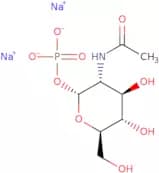
CAS :4-Methoxyphenyl 2,3:4,6-di-O-benzylidene-a-D-mannopyranoside is a water soluble polysaccharide that is a methylated derivative of mannose. It has been fluorinated at the 4 position and modified with benzyl groups at the 2, 3, and 6 positions. This compound is used in custom synthesis to synthesize oligosaccharides or polysaccharides.Formule :C27H26O7Degré de pureté :Min. 95%Masse moléculaire :462.49 g/molN-Acetyl-a-D-glucosamine-1-phosphate disodium salt
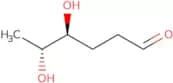
CAS :N-Acetyl-a-D-glucosamine-1-phosphate disodium salt (NACP) is a complex carbohydrate that is used as a synthetic sugar. It can be used to modify saccharide, glycosylations, or methylations. NACP has been shown to be stable at high temperatures and pressures. The compound has been fluorinated and click modified for the synthesis of other sugars. NACP has CAS No. 31281-59-1, which is the molecular formula of C8H14FO6Na2O11P2.Formule :C8H14NO9P·2NaDegré de pureté :Min. 95 Area-%Couleur et forme :White PowderMasse moléculaire :345.15 g/mol(4S,5R)-4,5-Dihydroxyhexanal
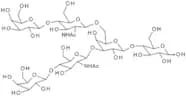
CAS :(4S,5R)-4,5-Dihydroxyhexanal is a conjugate of 4-hydroxy-5-oxononanoic acid and phosphite. It is a hybridized molecule that has been synthesized using an asymmetric synthesis. (4S,5R)-4,5-Dihydroxyhexanal can be used as an analog for digitalis. The compound has the ability to activate cardiac glycoside receptors in the heart and increase the force of contraction of cardiac muscle cells. The effective dose for this drug is not yet known, although it has been shown to have cardiotonic steroid properties.Formule :C6H12O3Degré de pureté :Min. 95%Masse moléculaire :132.16 g/molLacto-N-neohexaose
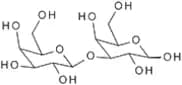
CAS :Neutral hexasasaccharide naturally present in human breast milkFormule :C40H68N2O31Degré de pureté :Min. 90 Area-%Couleur et forme :White PowderMasse moléculaire :1,072.96 g/mol3-O-(b-D-Galactopyranosyl)-D-galactopyranose
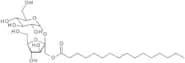
CAS :Used as enzyme substrates, analytical standards and for in vitro diagnosticsFormule :C12H22O11Degré de pureté :Min. 95%Couleur et forme :White PowderMasse moléculaire :342.3 g/molSucrose palmitate
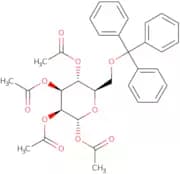
CAS :The ‘tallowate’ esters are probably the best known derivatives of sucrose and many attempts have been made to commercialise them in order to exploit their excellent surfactant functionalities. The most functional products are the mono- and diesters of the tallow acids (stearic, palmitic, oleic) with hydrophile-lipophile balance (HLB) values that lend themselves to surfactant applications in foods and cosmetics. They also have other uses, for example in coating fruits with a semipermeable membrane that acts as a preservative. Manufacturing economics have prevented these products from mass production and they remain in niche applications.Formule :C28H52O12Degré de pureté :(%) Min. 90.0%Couleur et forme :White PowderMasse moléculaire :508.72 g/mol1,2,3,4-Tetra-O-acetyl-6-O-trityl-a-D-mannopyranose
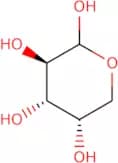
CAS :Tetra-O-acetyl-6-O-trityl-a-D-mannopyranose is a synthetic glycoside that is used as an intermediate in the synthesis of oligosaccharides. It has been modified with a fluorine atom at C1 to form 1,2,3,4-tetra-O-acetyl 6-(trifluoromethyl)-a-D mannopyranoside. This modification can be done through a click reaction. Tetra-O acetyl 6-(trifluoromethyl)-a D mannopyranoside is soluble in water and has a melting point of about 210°C.Formule :C33H34O10Degré de pureté :Min. 95%Couleur et forme :White PowderMasse moléculaire :590.62 g/molL-Arabinose
CAS :The aldopentose L-arabinose (Ara) is, after xylose, the second most abundant pentose in nature. It is found in plant cell walls as a component of polysaccharides, including: hemicelluloses, pectin, arabinogalactan-protein complexes and in exudate plant gums, such as: Gum Arabic (Feher, 2018). L-Arabinopyranose is an important component of the mycobacterial cell wall and is involved in the synthesis of arabinogalactan and lipoarabinomannan, which suggests that it can modulate cell wall permeability and drug resistance. Mycobacterium smegmatis is a useful tool for research into Mycobacteria due to it being a "fast grower" and non-pathogenic (Zhou, 2019).Formule :C5H10O5Degré de pureté :Min. 99 Area-%Couleur et forme :White PowderMasse moléculaire :150.13 g/mol2-Amino-4-hydroxy-1,4-butanedioic acid
2-Amino-4-hydroxy-1,4-butanedioic acid is a synthetic monosaccharide with the chemical formula HOOCCH(NH)COH. It has an empirical formula of CHNO and a molecular weight of 146.14 g mol−1. 2-Amino-4-hydroxy-1,4-butanedioic acid is soluble in water and has no odor or taste. This product can be used for Glycosylation, Oligosaccharide, sugar, Synthetic, Fluorination, Custom synthesis, Methylation, Monosaccharide, Polysaccharide and saccharide modification. 2-Amino-4 hydroxy butanedioic acid can also be used as a building block in Click modification reactions.Formule :C4H7NO5Degré de pureté :Min. 95%Masse moléculaire :149.1 g/molIsopropyl-beta-D-thioglucuronic acid, sodium salt
CAS :Isopropyl-β-D-thioglucuronic acid is a β-D-glucuronidase inducer. It enhances the sensitivity of β-glucuronidase assays in E. coli.
Formule :C9H15NaO6SDegré de pureté :Min. 98 Area-%Masse moléculaire :274.27 g/molD-Fructose 1,6-diphosphate, dicalcium salt
CAS :D-Fructose 1,6-diphosphate is an ion-exchange resin that has been used for the isolation of calcium. It is also a calcium salt that is soluble in ethanol and water. This compound can be isolated from seaweed and it has been used as a filler in food. D-Fructose 1,6-diphosphate is often used to precipitate calcium ions from solutions with high pH values and it has been shown to be a potent inhibitor of DNA synthesis.Formule :C6H10Ca2O12P2Masse moléculaire :416.25 g/molRef: 3D-F-7370
-Unit-ggÀ demander1kgÀ demander5kgÀ demander250gÀ demander500gÀ demander2500gÀ demanderMethyl 2-acetamido-2-deoxy-a-D-galactopyranoside
CAS :Methyl 2-acetamido-2-deoxy-a-D-galactopyranoside is a metabolite of the drug 6-fluoro-3-indoxyl-beta-D-galactopyranoside. It has been shown to induce apoptosis in cells, which is mediated by the activation of caspase 3 and cleavage of poly(ADP)ribose polymerase (PARP). Methyl 2-acetamido-2-deoxy-a-D-galactopyranoside also induces transcriptional regulation and decreases the expression of proteins that are involved in cell proliferation. These effects have been seen in clinical pathology, including cancer and infectious diseases. This metabolite binds to mouse monoclonal antibodies, which are used as a diagnostic tool for several types of cancer. The electrochemical impedance spectroscopy technique has demonstrated that methyl 2 acetamido 2 deoxy a D galactopyranoside inhibitsFormule :C9H17NO6Degré de pureté :Min. 98 Area-%Couleur et forme :White PowderMasse moléculaire :235.23 g/mol3,4:5,6-Di-O-Isopropylidene-7-deoxy-D- glycero- L- gulo- heptitol
3,4:5,6-Di-O-Isopropylidene-7-deoxy-D-glycero-L-guloheptitol is a carbohydrate that is a modification of the sugar glucose. It is also an oligosaccharide composed of three monosaccharides and one disaccharide. 3,4:5,6-Di-O-Isopropylidene-7-deoxy-Dglycero--Lguloheptitol has CAS No. 58418–92–1. This product can be custom synthesized to meet your needs and is available in high purity. The methylation and glycosylation are two click modifications that can be done to this product.Degré de pureté :Min. 95%Colominic acid sodium salt
CAS :Colominic acid (polysialic acid) is a linear small polysaccharide containing α-2,8-linked sialic acid (neurominic acid) with (n = 8 to >100) residues. Polysialic acid is an unusual post translational modification polysaccharide that is widely expressed in nature in bacterial capsules, fish, sea urchin eggs, embryonic tissues, amphibians, animal and human brains, and in a various cancers. The major carrier of polysialic acids in mammals is the neural cell adhesion molecule (a glycoprotein that belongs to the immunoglobulin superfamily).Average molecular weight for this product is :50000-60000
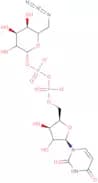
Degré de pureté :Min. 98 Area-%Couleur et forme :White Off-White PowderUDP-6-azido-6-deoxy-D-galactose triethylammonium
CAS :UDP-6-azido-6-deoxy-D-galactose triethylammonium salt (UDP-6AzGal) is an analogue of UDP-Galactose, where the primary hydroxyl group is replaced with an azide. UDP-6AzGal was confirmed to act as a galactotransferase substrate after it was used in an in vitro glycosylation reaction on lysates from HEK 293TH cells overexpressing ceramide galactosyltransferase. UDP-6AzGal was also used as a label to visualise glycosylation patterns in developing zebrafish embryos.Formule :C15H21N5O16P2•(C6H16N)2Degré de pureté :Min. 95%Couleur et forme :Clear LiquidMasse moléculaire :793.69 g/molNAcDGJ
NAcDGJ is a glycosylation-derived, synthetic, complex carbohydrate with methylation, click modification, fluorination, saccharide and sugar modifications. NAcDGJ has shown to have anticancer activity in vitro and in vivo. This compound can be custom synthesized with high purity and CAS number.
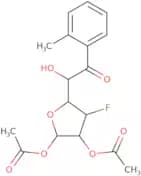
Degré de pureté :Min. 95%1,2-Di-O-acetyl-3-deoxy-3-fluoro-5-O-toluoyl-a-D-ribofuranose
CAS :1,2-Di-O-acetyl-3-deoxy-3-fluoro-5-O-toluoyl-a-D-ribofuranose is a fluorinated sugar molecule. It is a methylated saccharide that has been modified with click chemistry and glycosylation. The modified sugar can be used to synthesize a variety of complex carbohydrates including oligosaccharides and polysaccharides. This product is available in high purity with CAS No. 1884324-99-5.Degré de pureté :Min. 95%3-Azido-3-deoxy-1,2:5,6-di-O-isopropylidene-α-D-allofuranose
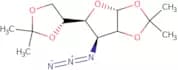
CAS :3-Azido-3-deoxy-1,2:5,6-di-O-isopropylidene-a-D-allofuranose is a custom synthesis. It is a polysaccharide that consists of repeating units of an alpha-(1->4) linked D-glucopyranose residue with a terminal alpha-(1->6) linked allose residue. 3-Azido-3-deoxy-1,2:5,6-di-O-isopropylidene--a--D--allofuranose has been modified by fluorination and methylation. It can be used in the synthesis of oligosaccharides or saccharides with different chemical structures and biological activities.Formule :C12H19N3O5Degré de pureté :Min. 95%Masse moléculaire :285.3 g/mol(3S, 4R) -Dihydro- 3-hydroxy- 3- methyl-4-tert butyldimethylsilyloxy- 2(3H) - furanone
(3S,4R) -Dihydro-3-hydroxy-3-methyl-4-tert butyldimethylsilyloxy-2(3H) -furanone is a fluorinated glycosylated monosaccharide. This compound is used as a synthetic intermediate in the custom synthesis of saccharides and oligosaccharides.Degré de pureté :Min. 95%D-Cellobiose
CAS :Cellobiose is a reducing disaccharide consisting of two β(1-4)-linked glucopyranose units. It is produced by the hydrolysis of cellulose, a homopolysaccharide of glucose with β(1-4)-linkages. Cellobiose constitutes the polar part of cellobiose lipids (CLs) that are secreted by yeasts and mycelia fungi. Their various biological activities have led to a range of applications in the food industry, pharmaceutical industry and in medicine. Cellobiose itself has been used as an indicator carbohydrate for Crohns disease and malabsorption syndrome. In biotechnology, cellobiose is one of the sugars explored for the synthesis of biotensides.Formule :C12H22O11Degré de pureté :Min. 98.0 Area-%Masse moléculaire :342.30 g/mol4-Chloro-2-cyclopentylphenyl β-D-galactopyranoside
CAS :4-Chloro-2-cyclopentylphenyl b-D-galactopyranoside is a synthetic monosaccharide with a methylated, fluorinated, and glycosylated backbone. It is often used as an artificial sweetener or sugar substitute in foods and beverages. The saccharide can be modified to contain one or more click modifications and/or polysaccharides. This product has been custom synthesized for high purity.Formule :C17H23ClO6Degré de pureté :Min. 95%Couleur et forme :PowderMasse moléculaire :358.81 g/molEsculin sesquihydrate
CAS :Sugars formed by photosynthesis are essential for plants nutrition and they can be carried by a sophisticated system called phloem from the leaves to the root tips. Since the phloem is a delicate tissue composed of various specialized cell types, the study of its structure and functions remains a challenging task. Recently, fluorescent coumarin glucoside derivatives, including esculin (Plant Physiology 2015, 1211-1220) have been used as phloem probes. Among the probes tested, only esculin and fraxin are transported, while skimmin is not, suggesting a certain specifity of natural coumarin glucosides for the transporter AtSUC2.Formule :C30H38O21Degré de pureté :Min. 98.0 Area-%Masse moléculaire :734.62 g/mol2-O-(2-Acetamido-2-deoxy-β-D-glucopyranosyl)-D-mannopyranose
CAS :2-O-(2-Acetamido-2-deoxy-b-D-glucopyranosyl)-D-mannopyranose is a disaccharide that contains two acetamides. It has a glycosidic bond and is classified as a glycoside. This compound has the same sequence of residues as D-mannose, but one less carbon atom. The acetamides form an ester linkage to the 2’ and 3’ hydroxyl groups on the sugar moiety.
Formule :C14H25NO11Degré de pureté :Min. 95%Couleur et forme :PowderMasse moléculaire :383.35 g/mol(2R,2'R,3S,3'S,4R,4'R,5S,5'S)-6,6'-(1,4-Phenylenebis(ethyne-2,1-diyl))bis(2-(hydroxymethyl)tetrahydro-2H-pyran-3,4,5-triol
CAS :Please enquire for more information about (2R,2'R,3S,3'S,4R,4'R,5S,5'S)-6,6'-(1,4-Phenylenebis(ethyne-2,1-diyl))bis(2-(hydroxymethyl)tetrahydro-2H-pyran-3,4,5-triol including the price, delivery time and more detailed product information at the technical inquiry form on this pageFormule :C22H26O10Masse moléculaire :450.44 g/mol4-Methoxyphenyl 2,3,6-tri-O-benzoyl-β-D-galactopyranoside
CAS :The 4-methoxyphenyl 2,3,6-tri-O-benzoyl-b-D-galactopyranoside (4MP) is a coagulation factor that inhibits the activity of coagulation factors Xa and IIa. The compound has been shown to be reactive with the detection methods used for other coagulation factors. The sensitivity of 4MP to detection was assessed using a battery of detection methods. 4MP was found to be more reactive than other compounds studied with regard to the use of an immunoassay for detection. This compound has hepatotoxic effects and can cause cell death in vitro. Cell culture studies show that 4MP causes membrane permeabilization and cellular uptake by bacteria.
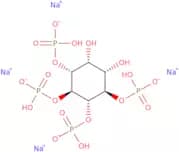
Formule :C34H36O7Degré de pureté :Min. 95%Couleur et forme :White to off-white solid.Masse moléculaire :556.2461D-myo-Inositol 1,4,5,6-tetraphosphate sodium salt
CAS :D-myo-Inositol 1,4,5,6-tetraphosphate sodium salt is a colony-stimulating factor that is involved in the regulation of metabolism and growth. It has been shown to increase the number of blood cells in rats with myeloid leukemia by acting on stem cells. D-myo-Inositol 1,4,5,6-tetraphosphate sodium salt binds to stem cell factor receptors on cell membranes to activate the receptor activity and initiate protein synthesis. This leads to increased production of hematopoietic cells and monoclonal antibodies. D-myo-Inositol 1,4,5,6-tetraphosphate sodium salt also stimulates erythropoiesis by regulating red blood cell production through its interaction with epidermal growth factor (EGF).
Formule :C6H12O18P4Na4Degré de pureté :Min. 95%Couleur et forme :PowderMasse moléculaire :588 g/molSimvastatin acyl-b-D-glucuronide
CAS :Simvastatin acyl-b-D-glucuronide is a synthetic compound that is not naturally occurring. It has a molecular weight of 571.67 and the CAS number 463962-56-3. The chemical formula for this compound is C30H44O8 and its structural formula is shown below. The purity of this product is >99% and it has been modified with fluorination to improve solubility in water.Formule :C31H48O12Degré de pureté :Min. 95%Masse moléculaire :612.71 g/molMonosialyllacto-N-hexaose
Monosialyllacto-N-hexaose is a high purity, custom synthesis sugar that belongs to the group of oligosaccharides. This carbohydrate is modified with fluorination and glycosylation, which are Click modifications. Monosialyllacto-N-hexaose has a CAS number of 68638-04-3. This product is available for purchase in bulk quantities.
Formule :C51H85N3O39Degré de pureté :Min. 95%Masse moléculaire :1,364.22 g/molTriisopropylsilyl 2-azido-3-O-(2,3,4,6-tetra-O-benzoyl-b-D-galactopyranosyl)-4,6-O-benzylidene-2-deoxy-a-D-thiogalactopyranoside
Triisopropylsilyl 2-azido-3-O-(2,3,4,6-tetra-O-benzoyl-b-D-galactopyranosyl)-4,6-O-benzylidene-2-deoxy--aDthiogalactopyranoside is an azido glycoside that can be used in the synthesis of oligosaccharides. It has been shown to be a potent inhibitor of bacterial growth. This compound is synthesized by reacting 2-(trimethylsilyl)ethanol with 3-[(2,3,4,6-tetraacetyl bDgalactopyranosyl)oxy]propionic acid and sodium azide in the presence of triethylamine. The reaction produces a mixture of products which are purified by chromatography. This product is then reacted with benzaldehyde to produce the desired product.Formule :C56H61N3O13SSiDegré de pureté :Min. 95%Masse moléculaire :1,044.25 g/mol3'-Sulfated Lewis X sodium salt
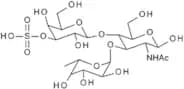
CAS :3'-Sulfated Lewis X sodium salt is a synthetic carbohydrate with a sulfate group on the 3' position of the sugar. It is a selective blocker of E-selectin, a type of selectin that plays an important role in inflammation and tissue injury. The binding site for 3'-sulfated Lewis X sodium salt is the cavity at the end of the selectin molecule, which has a hydrophobic region. This cavity can be blocked by hydrophobic moieties such as sulfates, fatty acids, or steroids. 3'-Sulfated Lewis X sodium salt has been shown to be effective in treating inflammatory conditions such as asthma and arthritis.Formule :C20H34NSO18NaDegré de pureté :Min. 95%Couleur et forme :White PowderMasse moléculaire :631.55 g/mol2-O-(a-D-Galactopyranosyl)-b-D-fucopyranosyl propylamine
CAS :2-O-(a-D-Galactopyranosyl)-b-D-fucopyranosyl propylamine is a glycosylated synthetic compound with a molecular weight of 726.2. It is an excellent substrate for the glycosylation of proteins and nucleic acids, as well as an excellent candidate for Click modification, fluorination, saccharide modification and custom synthesis. 2-O-(a-D-Galactopyranosyl)-b-D-fucopyranosyl propylamine is a high purity product available in bulk quantities.Formule :C15H29NO10Degré de pureté :Min. 95%Masse moléculaire :383.39 g/mol2,3-Di-O-acetyl-a-cyclodextrin
Alpha-cyclodextrin (α-CD) derivative with a hydrophilic exterior and lipophilic cavity (smaller than β-CDs and γ-CDs) to allocate certain guest molecules. This structural characteristic enables applications in molecular encapsulation, solubility enhancement, and stabilization across multiple industries. In pharmaceuticals, it serves as a drug delivery vehicle, enhancing the bioavailability and stability of active ingredients. The food industry utilizes it as a stabilizer for flavors, colors, and nutrients, as well as a functional ingredient for its effects on lipid metabolism. In cosmetics, it acts as a complex agent for fragrances and active components. Its applications extend to analytical chemistry for chiral separation and to materials science for developing smart materials and nanosystems.Formule :C60H84O42Degré de pureté :Min. 95%Masse moléculaire :1,477.28 g/mol6'-Sialylgalactose sodium salt
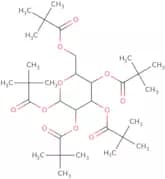
CAS :Sialylated oligosaccharide with the ability to inhibit angiogenesis and tumour development by binding to the vascular endothelial growth factor receptor VEGFR-2. Moreover, sialylated N-glycans in intestinal epithelium of chickens were found to carry terminal sialylgalactose, which interacts with influenza viruses during early stages of infection.Formule :C17H28NO14·NaDegré de pureté :Min. 95%Couleur et forme :PowderMasse moléculaire :493.39 g/mol1,2,3,4,6-Penta-O-pivaloyl-α-D-glucopyranoside
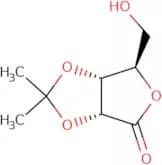
CAS :1,2,3,4,6-Penta-O-pivaloyl-a-D-glucopyranoside is a synthetic carbohydrate that has been fluorinated and methylated. This product is a modification of the natural compound D-glucose. It is an oligosaccharide which contains six pivaloyl groups attached to the 1-, 2-, 3-, 4-, 6-, and 7-positions on the glucose molecule. This product can be used in the synthesis of polysaccharides and glycosylations.Formule :C31H52O11Degré de pureté :Min. 95%Masse moléculaire :600.75 g/mol2,3-O-Isopropylidene-D-ribonic acid-1,4-lactone
CAS :2,3-O-Isopropylidene-D-ribonic acid-1,4-lactone is an organic compound that belongs to the class of lactones. It is a chiral molecule with two asymmetric carbons and four stereogenic atoms. This compound can be used for the synthesis of optically active compounds. It is also a precursor for the synthesis of morpholines and phosphonates. 2,3-O-Isopropylidene-D-ribonic acid-1,4-lactone can be synthesized by reacting an enolate with an aldehyde in the presence of a base and acid catalyst. The acid catalyst causes elimination of water from the enolate to produce the desired product.Formule :C8H12O5Degré de pureté :Min. 97 Area-%Couleur et forme :White PowderMasse moléculaire :188.18 g/mol2,3,4,6-Tetra-O-benzoyl-D-galactopyranose
CAS :2,3,4,6-Tetra-O-benzoyl-D-galactopyranose is a glycoside. It is synthesized by the glycosylation of galactose with benzoic acid chloride in the presence of sodium carbonate. This compound is a natural product that can be found in plants and animals. 2,3,4,6-Tetra-O-benzoyl-D-galactopyranose has been shown to inhibit topoisomerase I and II activity in mammalian cells and induce the uptake of galactose into human adenocarcinoma cells. The yields of this compound are low and it has not been studied extensively due to its limited availability.Formule :C34H28O10Degré de pureté :Min. 95%Couleur et forme :White PowderMasse moléculaire :596.58 g/mol4-Acetylphenyl-β-D-glucopyranoside
CAS :4-Acetylphenyl-β-D-glucopyranoside (4APG) is a natural compound that belongs to the group of p-hydroxybenzoic acid. It has been shown to have antibacterial properties, with an optimum pH of 5.0 and an MIC of 1.0 μg/mL. 4APG was found to be active against Gram-positive bacteria, including Staphylococcus aureus, Bacillus subtilis, and Clostridium perfringens. This compound also inhibits the growth of Gram-negative bacteria such as Escherichia coli, Salmonella enteritidis, and Shigella dysenteriae. The chemical structure of 4APG was determined by NMR spectroscopy analysis and HPLC analysis. Analysis by GCMS revealed that 4APG contains protocatechuic acid, 5-caffeoylquinic acid, and other unknown compounds.
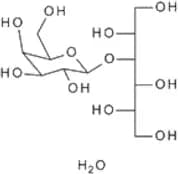
Formule :C14H18O7Degré de pureté :Min. 95%Couleur et forme :Off-White Slightly Yellow PowderMasse moléculaire :298.29 g/molLactitol monohydrate
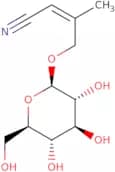
CAS :Lactitol is a sugar alcohol that is used in the food industry as a low-calorie sweetener and preservative. Lactitol has physiological effects such as increasing the glomerular filtration rate and decreasing serum cholesterol levels. It also inhibits inflammatory bowel disease by suppressing the production of proinflammatory cytokines, such as TNF-α, IL-1β, IL-6, and IL-8, which are associated with intestinal inflammation. Lactitol is used as an excipient for tablets or capsules to improve their dissolution properties and to provide bulk. Lactitol does not show any significant toxicity in animal studies and has been shown to be safe for human consumption at up to 15g/day.Formule :C12H24O11·H2ODegré de pureté :Min. 95%Couleur et forme :White PowderMasse moléculaire :362.33 g/molOsmaronin
CAS :Leucine-âderived gamma-hydroxynitrile glucoside
Formule :C11H17NO6Degré de pureté :Min. 95%Masse moléculaire :259.26 g/mol

![4-O-(2-Acetamido-2-deoxy-D-[UL-13C6]glucopyranosyl)-D-ribitol](/_next/image/?url=https%3A%2Fstatic.cymitquimica.com%2Fproducts%2F3D%2Fthumb-webp%2FOA44753.webp&w=3840&q=75)