Glycosciences
La glycosciences est l'étude des glucides et de leurs dérivés, ainsi que des interactions et des fonctions biologiques auxquelles ils participent. Ce domaine de recherche est crucial pour comprendre une grande variété de processus biologiques, y compris la reconnaissance cellulaire, la signalisation, la réponse immunitaire et le développement des maladies. La glycosciences a des applications importantes en biotechnologie, en médecine et dans le développement de nouveaux médicaments et thérapies. Chez CymitQuimica, nous proposons une large sélection de produits de haute qualité et pureté pour la recherche en glycosciences. Notre catalogue comprend des monosaccharides, des oligosaccharides, des polysaccharides, des glyconjugués et des réactifs spécifiques, conçus pour soutenir les chercheurs dans leurs études sur la structure, la fonction et les applications des glucides dans les systèmes biologiques. Ces ressources sont destinées à faciliter les découvertes scientifiques et les applications pratiques dans divers domaines des biosciences et de la médecine.
Sous-catégories appartenant à la catégorie "Glycosciences"
- Aminosucres(108 produits)
- Anticorps Glyco-Related(282 produits)
- Glycolipides(46 produits)
- Glycosaminoglycanes (GAGs)(55 produits)
- Glycosides(419 produits)
- Monosaccharides(6.624 produits)
- Oligosaccharides(3.682 produits)
- Polysaccharides(503 produits)
11046 produits trouvés pour "Glycosciences"
Trier par
Degré de pureté (%)
0
100
|
0
|
50
|
90
|
95
|
100
Sialylglycopeptide
CAS :Starting material for semi-synthesis of N-glycansFormule :C112H189N15O70Degré de pureté :(Hplc) Min. 95%Couleur et forme :White PowderMasse moléculaire :2,865.76 g/mol1,3,4,6-Tetra-O-acetyl-2-deoxy-2-fluoro-D-glucopyranose
CAS :<p>1,3,4,6-Tetra-O-acetyl-2-deoxy-2-fluoro-D-glucopyranose is a sugar that can be used as a starting material for the synthesis of other sugars. It has been shown to crystallize in a number of different forms, including monoclinic and hexagonal crystals. Crystals are grown from solvents such as silver nitrate or chloride. The molecule has three stereoisomers, which are mirror images of each other. These isomers have different chemical properties and react differently with various substances. This property can be utilized to synthesize desired compounds with desired functionalities.</p>Formule :C14H19FO9Degré de pureté :Min. 95 Area-%Couleur et forme :PowderMasse moléculaire :350.29 g/mol1-Deoxy-1-nitro-D-iditol hemihydrate
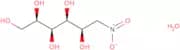
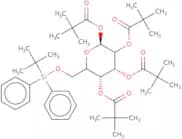
CAS :1-Deoxy-1-nitro-D-iditol hemihydrate is a glycoconjugate that is used in the synthesis of complex carbohydrates, such as glycosylation and methylation. The chemical structure consists of a hydroxyl group linked to an alpha carbon atom with a terminal nitro group. 1-Deoxy-1-nitro-D-iditol hemihydrate can be used for fluorination, saccharide, or modification reactions. It is also used in the synthesis of oligosaccharides and monosaccharides. This product has CAS No. 96613-89-7 and is available in high purity.Formule :C6H13NO7H2ODegré de pureté :Min. 95%Masse moléculaire :220.18 g/mol1,2,3,4-Tetra-O-pivaloyl-6-O-(tert-butyldiphenylsilyl)-b-D-glucopyranose
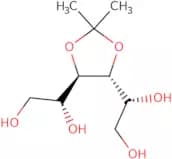
<p>1,2,3,4-Tetra-O-pivaloyl-6-O-(tert-butyldiphenylsilyl)-b-D-glucopyranose is a custom synthesis of an oligosaccharide with a polysaccharide. The carbohydrate is modified with fluorination and methylation. This product has high purity and is synthesized using click chemistry. Monosaccharides are attached to the sugar backbone in order to form complex carbohydrates. This product can be used as a synthetic sugar or in the production of other oligosaccharides.</p>Formule :C42H62O10SiDegré de pureté :Min. 95%Masse moléculaire :755.04 g/mol3,4-O-Isopropylidene-D-mannitol
CAS :3,4-O-Isopropylidene-D-mannitol (IPM) is a d-mannitol that has been synthesized by an acid-catalyzed condensation reaction. It is a highly reactive compound with acidic properties and, as such, can be used as a buffer in acid environments. The product of this synthesis was also found to have anticancer activity in vitro, which may be due to its ability to induce apoptosis and inhibit cell proliferation. IPM possesses a hydroxyl group at the 3 position of the molecule and a hydrophilic nature. This makes it suitable for surface-enhanced Raman spectroscopy (SERS) studies and other detection methods.Formule :C9H18O6Degré de pureté :Min. 95%Couleur et forme :White Off-White PowderMasse moléculaire :222.24 g/mol4, 6- O- [(R) - Phenylmethylene] -a- D-glucopyranose
CAS :<p>4,6-O- (R)- Phenylmethylene -a- D-glucopyranose is a modification of the sugar glycoside glucose. This compound is synthesized from glucose by methylation and fluorination. The synthesis process begins with the addition of sodium borohydride to a solution of glucose in methanol. The next step involves the treatment of this mixture with phenylmagnesium bromide followed by phenylmethylene bromine. The final step involves heating the reaction mixture at reflux for 10 hours. 4,6-O- (R)- Phenylmethylene -a- D-glucopyranose is extremely pure and offers a wide range of applications in the fields of biochemistry, medicinal chemistry, and polymer science.</p>Formule :C13H16O6Degré de pureté :Min. 95%Masse moléculaire :268.26 g/molHyaluronic acid sodium salt - MW 120,000
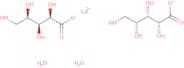
CAS :<p>Please enquire for more information about Hyaluronic acid sodium salt - MW 120,000 including the price, delivery time and more detailed product information at the technical inquiry form on this page</p>Formule :(C14H20NO11Na)nD-Xylonic acid calcium salt hydrate
CAS :D-Xylonic acid calcium salt hydrate is a product that is made from the hydrolysis of cellulose. It is a byproduct of the production of d-xylose and can be used as a nutritional supplement or an additive in animal feed. D-Xylonic acid calcium salt hydrate has been shown to have an uptake rate in aerobic conditions that is ten times higher than glucose, which makes it more economical for use in the production of d-xylose. D-Xylonic acid calcium salt hydrate can be catalyzed to produce yields for d-glucose and d-xylose, which are both important monosaccharides. The catalytic process also produces d-gluconic acid and aerobic oxidation produces d-xylose, making it possible to recycle these products.Formule :C10H18O12·Ca·xH2ODegré de pureté :Min. 97%Couleur et forme :White PowderMasse moléculaire :370.32 g/molMethyl 6-O-tert-butyldimethylsilyl-2,3-O-isopropylidene-α-D-lyxo-hexopyranosid-4-ulose
<p>Methyl 6-O-tert-butyldimethylsilyl-2,3-O-isopropylidene-alpha-D-lyxo-hexopyranosid-4-ulose is a fluorinated sugar that can be used for the synthesis of oligosaccharides and carbohydrates. This sugar has been custom synthesized and has been modified with methylation and click chemistry. The CAS number for this product is 93558-18-7.</p>Degré de pureté :Min. 95%Liothyronine-acyl-D-glucuronide
Liothyronine-acyl-D-glucuronide is a synthetic compound that is used as a replacement therapy for hypothyroidism. It has been shown to be effective in the treatment of myxedema coma and thyroid storm. Liothyronine-acyl-D-glucuronide is a complex carbohydrate with a sugar moiety attached to its side chain, which may be modified by reactions such as fluorination, monosaccharide synthesis, oligosaccharide synthesis, glycosylation, polysaccharide synthesis, or click modification. This product has high purity and is custom synthesized to your specifications for research purposes only.Formule :C21H20I3NO10Degré de pureté :Min. 95%Masse moléculaire :827.1 g/mol3-O-Benzyl-1,2-O-isopropylidene-D-xylose
<p>3-O-Benzyl-1,2-O-isopropylidene-D-xylose is a synthetic sugar that can be used as a monosaccharide or an oligosaccharide. It has a CAS number and is a member of the Carbohydrate family. 3-O-Benzyl-1,2-O-isopropylidene-D-xylose can be custom synthesized and is available in high purity. It also has a click modification, which makes it more stable to oxidative conditions. This carbohydrate can be used for glycosylation or methylation.</p>Degré de pureté :Min. 95%D-Glucuronic acid methyl ester
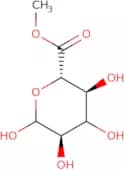
CAS :<p>D-Glucuronic acid methyl ester is an acidic, carbohydrate-binding molecule. It has been shown to bind to sugar residues in proteins and form covalent linkages with ester linkages. D-Glucuronic acid methyl ester has also been shown to be effective for the treatment of pentosan polysulfate sodium (PPS) induced inflammation in animal models. D-Glucuronic acid methyl ester binds to the monoclonal antibodies that are used for structural analysis of glycosidic bonds and oligosaccharides. The hydroxyl group on the molecule can form hydrogen bonds with other molecules, which may explain its usefulness as a magnetic resonance spectroscopy probe.</p>Formule :C7H12O7Degré de pureté :Min. 90 Area-%Couleur et forme :Yellow PowderMasse moléculaire :208.17 g/mol3,4,6-Tri-O-acetyl-2-deoxy-2-fluoro-D-mannopyranosyl fluoride
CAS :3,4,6-Tri-O-acetyl-2-deoxy-2-fluoro-D-mannopyranosyl fluoride is an Oligosaccharide that can be used for Glycosylation. It's a sugar that is Synthetic and Fluorinated. This product has Custom synthesis and Methylation. It is a Monosaccharide and Polysaccharide. It is a saccharide that has been Click modified and it has a high purity of 99%. 3,4,6-Tri-O-acetyl-2-deoxy-2-fluoro-D-mannopyranosyl fluoride is CAS No. 29209981.Formule :C12H16F2O7Degré de pureté :Min. 95%Couleur et forme :PowderMasse moléculaire :310.25 g/mol2-Methyl-(3,4,6-tri-O-acetyl-1,2-dideoxy-a-D-glucopyrano)-[2,1-d]-2-oxazoline
CAS :2-Methyl-(3,4,6-tri-O-acetyl-1,2-dideoxy-a-D-glucopyrano)-[2,1-d]-2-oxazoline (TAO) is a molecule that is produced during the glycosylation of proteins. TAO has been shown to enhance chemotherapy by targeting and inhibiting the growth of cancer cells. TAO binds to the epidermal growth factor receptor (EGFR), which is a protein that regulates cell proliferation. TAO inhibits cancer cell growth by blocking the activation of EGFR and its downstream signaling pathways. This inhibition leads to tumor regression in xenografts in mice. TAO also blocks o-glycosylation, which is a process that enhances cancer therapy resistance.Formule :C14H19NO8Degré de pureté :90%Couleur et forme :Yellow PowderMasse moléculaire :329.31 g/mol1-Deoxy-3,4-O-isopropylidene-D-allitol(D-altritol)
<p>1-Deoxy-3,4-O-isopropylidene-D-allitol (D-altritol) is a glycosylation product of D-mannitol. It is a methylated, fluorinated, saccharide with a complex carbohydrate structure that has been synthesized to be used as a reagent in Click chemistry. This compound serves as an alternative to the natural product D-mannitol and can be custom synthesized to meet your needs. 1-Deoxy-3,4-O-isopropylidene-D-allitol (D-altritol) has CAS number 225570–83–8.</p>Degré de pureté :Min. 95%Mucic acid
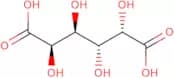
CAS :Mucic acid is a metal chelate that stimulates the metabolism of carbohydrates, fats and proteins. It also plays a role in the production of energy in the body. Mucic acid has been shown to have a protective effect against infectious diseases, as it activates toll-like receptor 2 (TLR2) and TLR4, which are molecules involved in innate immunity. Mucic acid has been shown to protect against influenza virus infection by increasing the expression of interferon-gamma (IFN-γ) and IL-12, which are cytokines that inhibit viral replication. Mucic acid can be used as a fluorescence probe for detection of polymorphonuclear leucocytes in blood samples.Formule :C6H10O8Degré de pureté :Min. 95%Couleur et forme :White PowderMasse moléculaire :210.14 g/molPhenyl 2,3-di-O-benzoyl-4,6-O-benzylidene-b-D-thioglucopyranoside
<p>Phenyl 2,3-di-O-benzoyl-4,6-O-benzylidene-b-D-thioglucopyranoside is a high purity custom synthesis. It is a sugar with Click modification and fluorination. This product is synthesized from glycosylation, methylation, and modification. Phenyl 2,3-di-O-benzoyl-4,6-O-benzylidene-b-D-thioglucopyranoside has CAS No. and can be used as an oligosaccharide or monosaccharide in complex carbohydrates.</p>Degré de pureté :Min. 95%1,2,3-Tri-O-benzoyl-4,6-O-benzylidene-a-D-mannopyranose
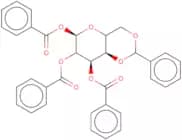
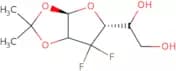
<p>1,2,3-Tri-O-benzoyl-4,6-O-benzylidene-a-D-mannopyranose is a synthetic carbohydrate that has been modified with fluorine. It is a complex carbohydrate that has been designed to have high purity and custom synthesis. This product also contains methylation and glycosylation modifications. 1,2,3-Tri-O-benzoyl-4,6-O-benzylidene-a-D -mannopyranose can be used in the synthesis of oligosaccharides and polysaccharides for research purposes.</p>Formule :C34H28O9Degré de pureté :Min. 95%Masse moléculaire :580.58 g/mol3-Deoxy-3,3-difluoro-1,2-O-Di-O-isopropylidene-a-D-glucofuranose
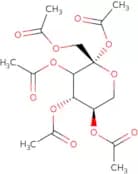
3-Deoxy-3,3-difluoro-1,2-O-Di-O-isopropylidene-a-D-glucofuranose is an alpha, beta unsaturated carbonyl sugar. It can be used as a building block to synthesize oligosaccharides or glycosylations. It has been shown that 3DG reacts with the amino group of proteins and peptides leading to the formation of methylated sugars. This compound can also be used to modify saccharides such as by converting them into click or substitution derivatives. 3DG is readily available in high purity and is stable under a variety of conditions.Formule :C9H14F2O5Degré de pureté :Min. 95%Masse moléculaire :240.2 g/mol1,2,3,4,5-Penta-O-acetyl-β-D-fructose
CAS :1,2,3,4,5-Penta-O-acetyl-β-D-fructose is a synthetic oligosaccharide that is modified with fluorine to produce a variety of products. This product is used in the synthesis of complex carbohydrates and has been shown to have high purity. It is used for methylation reactions and can be found in saccharides and polysaccharides. The CAS number for this compound is 20764-61-8.Formule :C16H22O11Degré de pureté :Min. 95%Couleur et forme :White PowderMasse moléculaire :390.34 g/molHyaluronate rhodamine - Molecular Weight - 250kDa
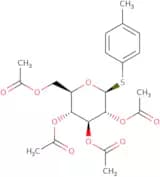
Hyaluronate Rhodamine is a synthetic, high-purity, fluorescent dye that can be used in the study of glycosylation and sugar modifications. It is a carbohydrate modified by methylation and fluorination. Hyaluronate Rhodamine has a molecular weight of 250kDa. The sugar component of the molecule is composed of an oligosaccharide with a saccharide repeat unit of 1-3 linked to a polysaccharide chain, which has been modified by methylation and glycosylation.Degré de pureté :Min. 95%4-Methylphenyl 2,3,4,6-tetra-O-acetyl-β-D-thioglucopyranoside
CAS :<p>4-Methylphenyl 2,3,4,6-tetra-O-acetyl-b-D-thioglucopyranoside is an antibiotic that is used to treat infections caused by a wide range of pathogens. This drug is active against Gram-negative and Gram-positive bacteria, including some resistant strains. 4MPTGA inhibits the growth of bacteria by binding to their ribosomes and preventing protein synthesis. It has been shown to have antimicrobial activity against E. coli and other Enterobacteriaceae species as well as other Gram negative bacteria such as Salmonella typhi and Proteus mirabilis. 4MPTGA has also been shown to be effective against the common animal health pathogen Staphylococcus aureus</p>Formule :C21H26O9SDegré de pureté :Min. 95%Couleur et forme :White PowderMasse moléculaire :454.49 g/molD-ido-Heptono-1,4-lactone
<p>D-ido-Heptono-1,4-lactone is a glycosylation product of heptose with d-ido-D-glucofuranose and is a synthetic sugar. It has an Oligosaccharide, sugar, Synthetic, Fluorination, Custom synthesis, Methylation, Monosaccharide, Polysaccharide, saccharide Click modification. It has CAS No., Modification.</p>Degré de pureté :Min. 95%2,3-Dimethyl-γ-cyclodextrin
<p>This gamma-cyclodextrin (γ-CD) derivative is a modified cyclic oligosaccharide composed of eight glucose units, featuring a larger cavity size than α- and β-cyclodextrins. This structural characteristic allows γ-CDs to form inclusion complexes with a wider range of guest molecules, making it particularly versatile in various industries. In the food sector, it is used as a carrier and stabilizer for flavors, fat-soluble vitamins, and polyunsaturated fatty acids, protecting volatile compounds from evaporation. In pharmaceuticals, it enhances the solubility and bioavailability of poorly water-soluble drugs and, thanks to its larger ring size, allows for the encapsulation of larger molecules or even entire drug molecules. γ-CDs and derivatives are also used for environmental remediation and, in analytical chemistry, for the extraction and concentration of target substances.</p>Formule :C64H112O40Degré de pureté :Min. 95%Masse moléculaire :1,521.55 g/mol1-Cyano-2-deoxy-3,5-di-O-toluoyl-α-D-ribofuranose
<p>1-Cyano-2-deoxy-3,5-di-O-toluoyl-a-D-ribofuranose is a fluorinated monosaccharide that is synthesized by the glycosylation of 1,2:3,4:6,7:8,9-hexahydrobenzo[e]pyrrolo[1,2a]pyrazinone with 2,6:3',5'-dioxo-[1]benzothiophene. This compound has been shown to be an effective inhibitor of the enzyme glycogen synthase kinase 3β (GSK3β) and may have potential as a therapeutic agent for type II diabetes.</p>Formule :C22H21NO5Degré de pureté :Min. 95%Masse moléculaire :379.41 g/molL-Xylonic acid-1,4-lactone
CAS :<p>L-Xylonic acid-1,4-lactone is an enzyme that functions as a glycolytic enzyme. It catalyzes the conversion of D-xylose to L-xylonic acid and L-xylonic acid-1,4-lactone. This enzyme is expressed in leukemia HL60 cells and is activated by acidic conditions. L-Xylonic acid-1,4-lactone has been shown to be catabolized by the enzyme xylanase. The kinetic properties of this reaction have been studied using mass spectrometric techniques and biochemical methods. The rate of the reaction was found to be dependent on the presence of divalent cations (Mg2+ or Ca2+) or monovalent ions (Na+ or K+). L-Xylonic acid 1,4 lactone also catabolizes glucose with a similar rate constant.</p>Formule :C5H8O5Degré de pureté :Min. 95 Area-%Couleur et forme :White PowderMasse moléculaire :148.11 g/mol2-Acetylamino-3,4-O-benzylidene-2-deoxy-D-arabino-1,4-lactone
2-Acetylamino-3,4-O-benzylidene-2-deoxy-D-arabino-1,4-lactone is a synthetic compound that is used to modify the carbohydrate chains in Glycopeptides. This modification can be done by either fluorination or methylation. The click modification has been shown to be effective for complex carbohydrates such as oligosaccharides and polysaccharides.Degré de pureté :Min. 95%Kojitetraose
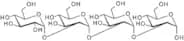
CAS :Kojitetraose is a nutrient that is synthesised in the human body and found in foods such as dairy products, meat, eggs, and vegetables. Kojitetraose is a phosphorylase substrate and can be used to study thermophilic phosphorylases. It has been shown that the stereoselectivity of phosphorylases can be determined by the configuration of the glycosidic bond in the reactant or product. Structural studies have also shown that Kojitetraose binds to teichoic acid and trehalose, which are components of bacterial cell walls. Kojitetraose has been shown to stimulate intestinal contractions in rats and increase salivary secretion.Formule :C24H42O21Degré de pureté :Min. 95%Masse moléculaire :666.58 g/mol6-O-Acetylglycitin
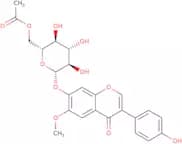
CAS :<p>6-O-Acetylglycitin is a bioactive compound that has been shown to have many physiological activities. It is the acetylated form of glycitin, which is a precursor in the synthesis of glycogen in the liver. 6-O-Acetylglycitin has been shown to promote the repair mechanism of hepatic steatosis and exhibits anti-cancer effects by inhibiting poly(ADP-ribose) polymerase chain reaction (PCR) and uvb-induced polymerase chain reaction (PCR). This compound also inhibits growth of cancer cells in vitro. 6-O-Acetylglycitin has been shown to have an analog with pharmaceutical preparations.</p>Formule :C24H24O11Degré de pureté :Min. 98 Area-%Couleur et forme :PowderMasse moléculaire :488.44 g/mol2,3-O-Isopropylidene-D-lyxonic acid-1,4-lactone
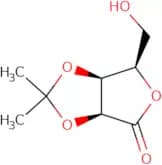
CAS :2,3-O-Isopropylidene-D-lyxonic acid-1,4-lactone (2,3-OIPDL) is a fluorinated polysaccharide that is synthesized from glycosylation of 1,4-lactone with 2,3-O-isopropylidene D-lyxonic acid. This compound has been shown to have high purity and is used in the modification of carbohydrates.Formule :C8H12O5Degré de pureté :Min. 98 Area-%Couleur et forme :White Off-White PowderMasse moléculaire :188.18 g/molBenzyl β-D-glucopyranosiduronic acid
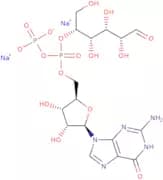
CAS :Benzyl b-D-glucopyranosiduronic acid is a synthetic monosaccharide that is used for the synthesis of oligosaccharides, polysaccharides, and saccharides. It has been shown to be a substrate for methylation reactions and can be modified with fluorination or click chemistry. The CAS number for this compound is 5285-02-9.Formule :C13H16O7Degré de pureté :Min. 95%Couleur et forme :Off-White PowderMasse moléculaire :284.26 g/molGDP-D-glucose sodium salt
CAS :<p>Substrate for glucosyltransferase</p>Formule :C16H25N5O16P2·2NaDegré de pureté :Min. 95 Area-%Couleur et forme :White Off-White PowderMasse moléculaire :651.34 g/mol2,3,4,6-Tetra-O-acetyl-D-mannopyranosyl fluoride
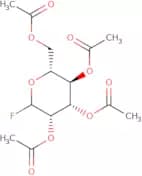
CAS :<p>2,3,4,6-Tetra-O-acetyl-D-mannopyranosyl fluoride is a methylated, fluorinated oligosaccharide. It is a custom synthesis and can be used as a monosaccharide to modify polysaccharides or saccharides. The modification of the sugar with 2,3,4,6-Tetra-O-acetyl-D-mannopyranosyl fluoride increases the water solubility of the complex carbohydrate and its ability to be synthesized into other compounds. This product is high purity and has been modified with fluorine for better stability.</p>Formule :C14H19FO9Degré de pureté :Min. 95%Masse moléculaire :350.29 g/mol1,2,3,4,6-Penta-O-benzoyl-D-mannopyranose
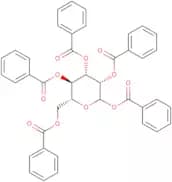
CAS :<p>1,2,3,4,6-Penta-O-benzoyl-D-mannopyranose is a high purity sugar that is custom synthesized to be used in glycosylation reactions. It has been shown to be effective for Click chemistry and can be fluorinated or methylated. 1,2,3,4,6-Penta-O-benzoyl-D-mannopyranose is a synthetic sugar that can be modified by glycosylation reactions. This sugar has the CAS No. 96996-90-6 and is known as Methyl 1-(1'-methylpropyl)-1H-[1',2',3',4',5',6']pentaoxacyclohexane.</p>Formule :C41H32O11Degré de pureté :Min. 95%Couleur et forme :White PowderMasse moléculaire :700.69 g/mol5-Deoxy-L-arabinose
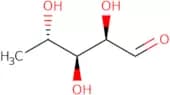
CAS :<p>5-Deoxy-L-arabinose is a tetramethylurea derivative that has been synthesized for the treatment of hyperphenylalaninemia, an atypical form of phenylketonuria. It is an analog of 5-deoxy-l-ribose and can be used to generate molybdate from ammonium molybdate. This product also has antiviral activity and can be used to inhibit the growth of filamentous fungi, such as Verticillium dahliae. 5-Deoxy-L-arabinose can be used as a phase separator in chromatography. It is stereoselective and does not react with acid catalysts.</p>Formule :C5H10O4Degré de pureté :Min. 95%Couleur et forme :Slightly Yellow Clear Viscous LiquidMasse moléculaire :134.13 g/molBenzyl 3-O-benzyl-4,6-O-benzylidene-2-deoxy-2-N-phthalamido-a-D-glucopyranoside
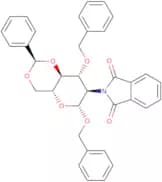
CAS :Benzyl 3-O-benzyl-4,6-O-benzylidene-2-deoxy-2-N-phthalamido-a-D-glucopyranoside is a sugar that is used as a building block for the synthesis of glycosaminoglycans. This sugar can be fluorinated, glycosylated, or methylated and is a synthetically modified oligosaccharide with an average molecular weight of about 880 Da. The monomer unit consists of two glucose residues linked by an α(1→4) glycosidic bond. It has been shown to have antihypertensive properties in vitro and in vivo.Formule :C35H31NO7Degré de pureté :Min. 95%Couleur et forme :White to off-white solid.Masse moléculaire :577.62 g/mol1-Deoxy-1-nitro-L-mannitol
CAS :<p>1-Deoxy-1-nitro-L-mannitol is an irreversible inhibitor of the enzyme mannitol dehydrogenase. It also inhibits other enzymes, such as L-arabinose isomerase and L-azide amidohydrolase, which are involved in the biosynthesis of arabinose and azide. The synthesis of 1-deoxy-1 nitro mannitol can be achieved through a one step reaction with hydroxide and l-arabinose (or l-xylose) in the presence of carbonate or sulfate. This product can be used in syntheses of amphoteric compounds.</p>Formule :C6H13NO7Degré de pureté :Min. 95%Masse moléculaire :211.17 g/molMethyl 2,6-dideoxy-a-D-glucopyranoside
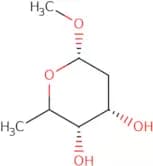
<p>Methyl 2,6-dideoxy-a-D-glucopyranoside is a custom synthesis of an oligosaccharide that is modified with fluorination. It is a saccharide, or carbohydrate, that has been methylated and glycosylated. The modification of this complex carbohydrate has been achieved through the use of the Click reaction. This product has been purified to high purity and is ready for use in research and development.</p>Formule :C7H14O4Degré de pureté :Min. 95%Masse moléculaire :162.18 g/molEthyl 4,6-O-benzylidene-β-D-thiogalactopyranoside
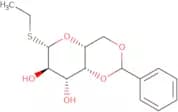
CAS :<p>Ethyl 4,6-O-benzylidene-b-D-thiogalactopyranoside is a synthetically produced carbohydrate typically used as a building block in oligo-saccharide synthesis.</p>Formule :C15H20O5SDegré de pureté :Min. 95%Couleur et forme :PowderMasse moléculaire :312.39 g/mol4-Toluoyl 3,4-di-O-acetyl-2-O-benzyl-a-L-thiofucopyranoside
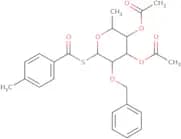
CAS :<p>4-Toluoyl 3,4-di-O-acetyl-2-O-benzyl-a-L-thiofucopyranoside is a custom synthesis that has been modified with fluorination and methylation. It is a monosaccharide with a CAS No. 1632312-32-3. 4Toluoyl 3,4 di O acetyl 2 O benzyl A L thiofucopyranoside is an oligosaccharide and polysaccharide. The Carbohydrate complex has been glycosylated and saccharified with the addition of a sugar or carbohydrate to form glycoproteins or glycopeptides.</p>Degré de pureté :Min. 95%2-Keto-L-gulonic acid hydrate
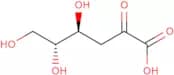
CAS :<p>2-Keto-L-gluonic acid hydrate, also called 2-oxo-gulonic acid hydrate, L-xylo-2-hexulosonic acid hydrate (2-KLG) and D-sorbosonic acid hydrate, is an important intermediate in the synthesis of L-ascorbic acid (vitamin C) and can be produced by modified E. herbicola.</p>Formule :C6H10O7•(H2O)xDegré de pureté :Min. 95%Couleur et forme :PowderMasse moléculaire :194.14 g/mola1-3[a1-6]a1-6[a1-3]Mannopentaose
CAS :Found in glycoproteins including ovalbumin and human immunoglobulin MFormule :C30H52O26Degré de pureté :Min. 95 Area-%Couleur et forme :White PowderMasse moléculaire :828.72 g/mol1,2-Dideoxy-5-O-DMT-D-ribose
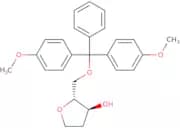
CAS :<p>1,2-Dideoxy-5-O-DMT-D-ribose is a methylation inhibitor that inhibits the transfer of a methyl group from S-adenosylmethionine to a substrate. This modification can be found in many biological systems, including DNA and RNA. It is also used as an intermediate in the synthesis of other compounds such as oligosaccharides and polysaccharides. 1,2-Dideoxy-5-O-DMT-D-ribose has been shown to inhibit the growth of bacteria by inhibiting bacterial cell wall synthesis. It is believed to work by binding to glycosidic bonds in bacterial cell walls, preventing the formation of new bonds and therefore inhibiting cell wall biosynthesis.<br>1,2 - Dideoxy - 5 - O - DMT - D - ribose can be used for fluorination reactions with various types of compounds, including sugars and other complex carbohydrates.</p>Formule :C26H28O5Degré de pureté :Min. 97 Area-%Couleur et forme :White PowderMasse moléculaire :420.5 g/mol3-Deoxy-2-keto-D-gluconate lithium
CAS :3-Deoxy-2-keto-D-gluconate lithium salt (3DG) is a molecule that is structurally similar to glucose. It has been shown to be an ATP-binding cassette transporter inhibitor, which prevents the transport of glucose by the glomerular filtration rate. 3DG is also an inhibitor of xylulose 5-phosphate reductase and fructose 1,6-bisphosphatase, leading to decreased synthesis of glycogen. 3DG can also inhibit gluconeogenesis in the liver by inhibiting phosphoenolpyruvate carboxykinase and pyruvate carboxylase activity. This molecule is chemically stable, meaning it will not break down into toxic substances when exposed to air or water. The enzyme activities of 3DG are being tested for their potential therapeutic effects in diabetes mellitus type 2 patients.Formule :C6H10O6•LixDegré de pureté :Min. 95%Couleur et forme :White PowderMasse moléculaire :178.14 g/molHyaluronic acid sodium salt - Low molecular weight 40,000 - 50,000
CAS :Gycosaminoglycan in many organs; joint lubricant and shock absorberFormule :(C14H20NO11Na)nDegré de pureté :Min. 90 Area-%Couleur et forme :PowderLaminaritriose
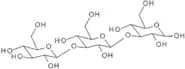
CAS :<p>Ex algal/bacterial polysaccharides-value in b1-3 glucanase assays & diagnostics</p>Formule :C18H32O16Degré de pureté :Min. 97 Area-%Couleur et forme :White PowderMasse moléculaire :504.44 g/molBlood group A pentasaccharide type II
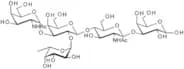
CAS :<p>A antigen pentasaccharide Type I I, possible use in antiviral development</p>Formule :C34H58N2O25Degré de pureté :Min. 90 Area-%Couleur et forme :PowderMasse moléculaire :894.82 g/mol4-O-(a-D-Galactopyranosyl)-D-glucopyranose
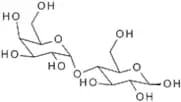
CAS :<p>Disaccharide is a carbohydrate with two simple sugars. It is soluble in water and has a density of 1.621 g/ml. Disaccharides are found in the tissues of many plants and animals, where they can be hydrolyzed by various enzymes to release monosaccharides. Disaccharides are also found in certain types of lichen and algae, where they are produced through photosynthesis. The most common disaccharides are sucrose, lactose, maltose, trehalose, and cellobiose. The simplest type of disaccharide is called a monosaccharide or sugar molecule. Monosaccarides have the same chemical formula but different physical forms that depend on their molecular mass (i.e., they may be a solid or liquid). Disaccharides can be classified as either sulfuric or organic solvent-soluble depending on whether they dissolve in sulfuric acid or an organic solvent such as ethanol or</p>Formule :C12H22O11Degré de pureté :Min. 95%Couleur et forme :PowderMasse moléculaire :342.3 g/molEthyl 2-acetamido-3,4,6-tri-O-acetyl-2-deoxy-β-D-glucopyranoside
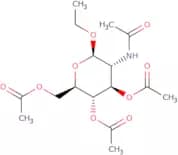
CAS :Ethyl 2-acetamido-3,4,6-tri-O-acetyl-2-deoxy-b-D-glucopyranoside is a compound with a molecular mass of 536.35 Da. It is an inhibitor of the enzyme catalase and has been shown to bind to monoclonal antibodies that are specific for human vascular endothelial growth factor (VEGF). This inhibition prevents the binding of VEGF to its receptor, which blocks the activation of the VEGF pathway. Ethyl 2-acetamido-3,4,6-tri-O-acetyl-2-deoxy--b D glucopyranoside has also been shown to inhibit HIV replication in vitro.Formule :C16H25NO9Degré de pureté :Min. 95%Couleur et forme :White To Off-White SolidMasse moléculaire :375.37 g/mol1-Deoxytagatose
1-Deoxytagatose is a fluorescent ketone that can be used as a chemical probe for the detection of protein synthesis. The fluorescence properties of 1-deoxytagatose are well suited for use as a marker in fluorometric assays and it has been used to measure ketone bodies in urine. The mechanism of 1-deoxytagatose is not fully understood, but it has been found to react with phosphate groups and form a phosphoric acid derivative.Degré de pureté :Min. 95%


![4, 6- O- [(R) - Phenylmethylene] -a- D-glucopyranose](/_next/image/?url=https%3A%2Fstatic.cymitquimica.com%2Fproducts%2F3D%2Fthumb-webp%2FMP163945.webp&w=3840&q=75)

![2-Methyl-(3,4,6-tri-O-acetyl-1,2-dideoxy-a-D-glucopyrano)-[2,1-d]-2-oxazoline](/_next/image/?url=https%3A%2Fstatic.cymitquimica.com%2Fproducts%2F3D%2Fthumb-webp%2FMM07263.webp&w=3840&q=75)






![a1-3[a1-6]a1-6[a1-3]Mannopentaose](/_next/image/?url=https%3A%2Fstatic.cymitquimica.com%2Fproducts%2F3D%2Fthumb-webp%2FOM05332.webp&w=3840&q=75)