Glycosciences
La glycosciences est l'étude des glucides et de leurs dérivés, ainsi que des interactions et des fonctions biologiques auxquelles ils participent. Ce domaine de recherche est crucial pour comprendre une grande variété de processus biologiques, y compris la reconnaissance cellulaire, la signalisation, la réponse immunitaire et le développement des maladies. La glycosciences a des applications importantes en biotechnologie, en médecine et dans le développement de nouveaux médicaments et thérapies. Chez CymitQuimica, nous proposons une large sélection de produits de haute qualité et pureté pour la recherche en glycosciences. Notre catalogue comprend des monosaccharides, des oligosaccharides, des polysaccharides, des glyconjugués et des réactifs spécifiques, conçus pour soutenir les chercheurs dans leurs études sur la structure, la fonction et les applications des glucides dans les systèmes biologiques. Ces ressources sont destinées à faciliter les découvertes scientifiques et les applications pratiques dans divers domaines des biosciences et de la médecine.
Sous-catégories appartenant à la catégorie "Glycosciences"
- Aminosucres(108 produits)
- Anticorps Glyco-Related(282 produits)
- Glycolipides(46 produits)
- Glycosaminoglycanes (GAGs)(55 produits)
- Glycosides(419 produits)
- Monosaccharides(6.624 produits)
- Oligosaccharides(3.682 produits)
- Polysaccharides(503 produits)
11046 produits trouvés pour "Glycosciences"
Trier par
Degré de pureté (%)
0
100
|
0
|
50
|
90
|
95
|
100
1,2,3,4-Tetra-O-benzyl-6-O-tert-butyldimethylsilyl-b-D-galactopyranose
<p>1,2,3,4-Tetra-O-benzyl-6-O-tert-butyldimethylsilyl-b-D-galactopyranose is a glycosylation product of 1,2,3,4 tetra O benzyl 6 O tert butyldimethylsilyl b D galactopyranose. It is a member of the class of complex carbohydrates and has a molecular weight of 582. The compound is soluble in methanol and acetone. It has been shown to be effective for methylation, click modification and fluorination reactions as well as other modifications such as polysaccharide synthesis and saccharide modification. This compound is custom synthesized by our company with high purity.</p>Formule :C40H50O6SiDegré de pureté :Min. 95%Masse moléculaire :654.93 g/molAllyl 4,6-O-benzylidene-L-glucopyranoside
<p>Allyl 4,6-O-benzylidene-L-glucopyranoside is a modification of the carbohydrate allyl 4,6-O-benzylidene-D-glucopyranoside. This modification can be synthesized from benzyl alcohol and sodium hydroxide in the presence of sodium borohydride. Allyl 4,6-O-benzylidene-L-glucopyranoside is a monosaccharide with a CAS number of 159430-38-3. It is an important component of many polysaccharides and glycosides. This compound has been fluorinated to produce allyl 4,6-(difluoroacetoxy)-L glucopyranoside (CAS No. 160105). <br>Allyl 4,6 - O - benzyldene - L - glucopyranoside has high purity and is available for custom</p>Formule :C16H20O6Degré de pureté :Min. 95%Couleur et forme :White to off-white solid.Masse moléculaire :308.33 g/mol2,3:4,5-Di-O-isopropylidene-D-arabitol
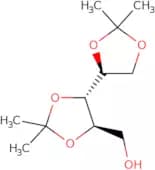
CAS :2,3:4,5-Di-O-isopropylidene-D-arabitol is a synthetic sugar that is used for glycosylation, methylation, and fluorination. The compound is an oligosaccharide that has been modified with methyl groups and activated monosaccharides. 2,3:4,5-Di-O-isopropylidene-D-arabitol is white in color and has a melting point of 109°C. It can be synthesized from D-mannitol with the help of sodium methoxide in methanol. 2,3:4,5-Di-O-isopropylidene-D-arabitol is also known as 1-(2,3:4,5) triose; 1-(2,3:4)-diose; 1-(2,3:4)-triose; 1-(2,3:4)-Formule :C11H20O5Degré de pureté :Min. 95%Couleur et forme :Colorless PowderMasse moléculaire :232.27 g/molXylan - from beechwood
CAS :<p>Xylan is the most abundant noncellulosic polysaccharide present in both hardwoods and annual plants. Xylan is found mainly in the secondary cell wall as part of the hemicellulose fraction and is considered to form an interface between lignin and other polysaccharides. In their simplest forms, xylans are linear homopolymers of β-1,4-xylose residues but can also form complex heterogenous and polydispersed glycans.</p>Couleur et forme :Brown Slightly Brown Powder5,6-Dichloro-5,6-dideoxy-b-L-talofuranose
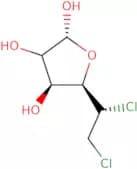
<p>5,6-Dichloro-5,6-dideoxy-b-L-talofuranose is a carbohydrate. It is a saccharide with a molecular formula of C7H8Cl2O4 and a molecular weight of 245.1. This compound has been modified by fluorination and methylation. 5,6-Dichloro-5,6-dideoxy-b-L-talofuranose is stable in the presence of acid or base at room temperature and has a melting point of >200°C. The CAS number for this compound is 677638-78-0. 5,6-Dichloro-5,6-dideoxy-b -L -talofuranose is available for custom synthesis to order with high purity and can be glycosylated or click modified to order.</p>Formule :C6H10Cl2O4Degré de pureté :Min. 95%Masse moléculaire :217.05 g/mol(D-Galactopyranosyl)-b-D-thiogalactopyranoside
CAS :(D-Galactopyranosyl)-b-D-thiogalactopyranoside is a synthetic disaccharide, specifically used in biochemical and molecular biology research. It is often derived through chemical synthesis using various monosaccharide precursors, designed to mimic natural disaccharides with a modified linkage. This compound acts as a non-metabolizable analog of lactose and can inhibit enzymes like β-galactosidase due to its structural similarity. Importantly, its sulfur-containing thiol linkage imparts unique stability and reactivity characteristics distinct from natural glycosidic bonds.The primary application of (D-Galactopyranosyl)-b-D-thiogalactopyranoside is in research studies exploring carbohydrate-protein interactions, enzyme inhibition assays, and the specificity of galactoside-binding proteins. It serves as a tool to elucidate the mechanics of glycosidases and to develop enzyme assays critical for the study of metabolic pathways involving galactosides. Further, it finds use in diagnostics as a reporter substrate in assays where differentiation from native substrates is necessary. Its role in these applications highlights the compound's utility in advancing scientific knowledge of carbohydrate biochemistry.Formule :C12H22O10SDegré de pureté :Min. 95%Couleur et forme :White PowderMasse moléculaire :358.36 g/molEzetimibe-D-glucuronide D4
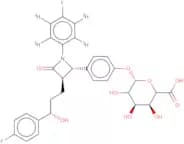
CAS :Produit contrôlé<p>Ezetimibe-D-glucuronide D4 is a deuterated version of the active molecule, ezetimibe. It is a white to off-white crystalline powder with a molecular weight of 592.1 Da and an empirical formula of C31H41NO7F2·C6H8O7. It is soluble in ethanol and water, and insoluble in ether or chloroform.</p>Formule :C30H25D4F2NO9Degré de pureté :Min. 85 Area-%Couleur et forme :White Off-White PowderMasse moléculaire :589.57 g/mol4-Methoxyphenyl 4-O-(4,6-O-benzylidene-3-O-tert-butyldimethylsilyl-2-O-levulinoyl-β-D-glucopyranosyl)-3,6-di-O-benzyl-2-deoxy-2-phth alimido-β-D-glucopyranoside
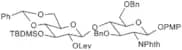
<p>4-Methoxyphenyl 4-O-(4,6-O-benzylidene-3-O-tert-butyldimethylsilyl-2-O-levulinoyl-b-D-glucopyranosyl)-3,6-di-O-benzyl -2,6'-dideoxygalactopyranoside is a modification of the natural carbohydrate galactose. The sugar moiety has been methylated and glycosylated with a levulinate ester and then fluorinated. This compound is highly pure and can be synthesized on custom order.</p>Formule :C59H67NO15SiDegré de pureté :Min. 95%Masse moléculaire :1,058.24 g/molGT1b-Ganglioside sodium
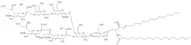
CAS :<p>GT1b (sodium salt) has a core tetrasaccharide structure (Galβ1,3GalNAcβ1,4Galβ1,4Glc) with two sialic acids (NeuAc) linked α2,3/α2,8 to the inner galactose residue, sialic acid (NeuAc) linked α2,3 to the terminal galactose residue and ceramide linked β to position 1 on the reducing terminal glucose residue (Ledeen, 2009). GT1b is one of the major gangliosides in neuronal and glial membranes, it interacts with the myelin-associated glycoprotein (MAG) and is essential for long-term axon-myelin stability. GT1b ganglioside also acts as a receptor for bacterial toxins, such as, tetanus and botulinum toxins (Nishik,i 1996), as well as for viruses, a few examples include: Merkel cell polyomavirus, JC virus, BK virus, norovirus, and others (Low, 2006).</p>Formule :C95H165N5O48·xNaCouleur et forme :White PowderMasse moléculaire :2,145.33 g/molBenzyl 3-amino-3-deoxy-a-D-mannopyranoside HCl
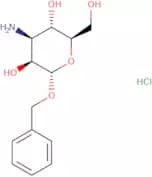
CAS :<p>Benzyl 3-amino-3-deoxy-a-D-mannopyranoside HCl is a high purity, custom synthesized, synthetic carbohydrate. It has been modified with fluorination and glycosylation. Modification of the carbohydrate is done by methylation or oligosaccharide addition. This product is a complex carbohydrate that has been synthesized from monosaccharides and saccharides. The carbohydrates are saccharide chains composed of carbon, hydrogen, and oxygen atoms in a straight or branched chain. Carbohydrates can be classified according to their number of sugar units: mono-, di-, tri-, tetra-, penta-, hexa-, hepta-, octa-, nona-.</p>Formule :C13H19NO5·HClDegré de pureté :Min. 95%Couleur et forme :PowderMasse moléculaire :305.75 g/molb-D-Thiogalactose
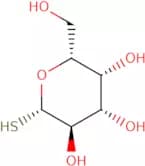
CAS :<p>Thiogalactose is a naturally occurring disaccharide that has been shown to have anti-inflammatory properties. It inhibits the production of inflammatory cytokines, such as tumor necrosis factor-α (TNF-α), and suppresses the growth of experimental colitis in mice. Thiogalactose also denatures fatty acids and prevents 3t3-l1 preadipocytes from undergoing cellular transformation. This compound also inhibits the uptake of bovine serum albumin by macrophages, which may be due to its alkylthio group. Thiogalactose has been shown to inhibit proliferation of cultured human cells, including monocytic leukemia cells, when used at concentrations less than 10 mM.</p>Formule :C6H12O5SDegré de pureté :Min. 95%Couleur et forme :PowderMasse moléculaire :196.22 g/molN-Acetyl-5-bromo-3-indoxyl-2,3,4-tri-O-acetyl-β-D-glucuronic acid methyl ester
CAS :<p>N-Acetyl-5-bromo-3-indoxyl-2,3,4-tri-O-acetyl-b-D-glucuronic acid methyl ester is a custom synthesis of an acetylated bromoglycoside. This compound is a synthetic modification of the natural product and has been shown to be effective against various bacteria. The synthesis of this compound can be achieved by the click reaction with methyl 2,2'-dithiopropionate and 5,5'-dimethoxytrityl chloride in the presence of trimethylsulfonium iodide. N—Acetyl—5—bromo—3—indoxyl—2,3,4—tri—O—acetyl--b--D--glucuronic acid methyl ester is also a monosaccharide sugar that is a carbohydrate with a high purity and modifies proteins at their active site. It also has</p>Formule :C23H24BrNO11Degré de pureté :Min. 95%Masse moléculaire :570.34 g/molHydroxyethyl cellulose, viscosity 1500 ~ 2500
CAS :<p>Hydroxyethyl cellulose (EHEC) is a non-ionic, water-soluble cellulose derivative produced by introduction of ethylene oxide groups to the hydroxyl groups of the cellulose backbone. Hydroxyethyl cellulose is useful as a water thickener, rheological control additive, protective colloid, binder, stabilizer, suspending agent and film former. It is used in many industrial applications including latex paints, emulsion polymerization, petroleum, paper, pharmaceuticals, cosmetics and many other applications.</p>Degré de pureté :Min. 95%Couleur et forme :Powder2,3-O-Isopropylidene-L-lyxonic acid-1,4-lactone
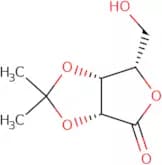
CAS :<p>2,3-O-Isopropylidene-L-lyxonic acid-1,4-lactone is an enantiopure compound that is a member of the glycoside family. It has been shown to inhibit the activity of glycosidases, which are enzymes that hydrolyze glycosides. 2,3-O-Isopropylidene-L-lyxonic acid-1,4-lactone has an ambiguous stereochemistry due to its carbon chains and catalytic groups. The conformational analysis of this compound reveals that it can be classified as a chiral molecule because it lacks a plane of symmetry. Crystallographic analysis has shown that 2,3-O-Isopropylidene-L-lyxonic acid-1,4-lactone adopts a dimeric form and crystallizes in an asymmetric unit cell with space group P2(1)22(1).</p>Formule :C8H12O5Degré de pureté :Min. 97 Area-%Couleur et forme :White PowderMasse moléculaire :188.18 g/mol6'-Fucosyllactose
CAS :<p>6'-Fucosyllactose is a fucosylated form of lactose, which is a complex carbohydrate. It is a custom synthesis and has been synthesized in high purity. 6'-Fucosyllactose has CAS No. 80756-86-1 and can be found as an oligosaccharide or polysaccharide. 6'-Fucosyllactose is a monosaccharide that has been methylated and glycosylated to increase its stability. The saccharides are modified with fluorination to make it more soluble in water and to improve its solubility in organic solvents.</p>Formule :C18H32O15Degré de pureté :Min. 95%Couleur et forme :PowderMasse moléculaire :488.44 g/mol4-Methoxyphenyl 4-O-(2-acetamido-2-deoxy-b-D-galactopyranosyl)-2-acetamido-2-deoxy-b-D-glucopyranoside
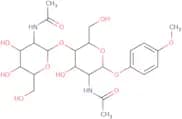
CAS :<p>4-Methoxyphenyl 4-O-(2-acetamido-2-deoxy-b-D-galactopyranosyl)-2-acetamido-2-deoxy-b-D-glucopyranoside is a modification of the natural polysaccharide, which is a complex carbohydrate. It is synthesized by our high purity, custom synthesis service and can be modified with methylation, fluorination, or glycosylation. This product has been proven to have high purity and stability in the past.</p>Formule :C23H34N2O12Degré de pureté :Min. 95%Couleur et forme :PowderMasse moléculaire :530.52 g/molSucrose dipalmitate
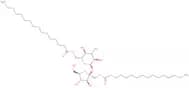
CAS :<p>Sucrose dipalmitate is a pharmaceutical dosage form that is made of sucrose, a high-energy sugar, and palmitic acid. It has a low energy content and can be used as a diagnostic agent in nuclear medicine. Sucrose dipalmitate can be used as an emulsifier in the preparation of nanoemulsions. The particle size of sucrose dipalmitate can be adjusted to achieve the desired effect. In addition, this compound is used for the treatment of cardiac disease and other conditions such as high blood pressure and diabetes.</p>Formule :C44H82O13Degré de pureté :Min. 95%Masse moléculaire :819.11 g/molSucrose octasulfate potassium salt
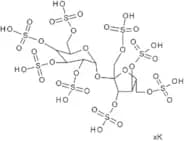
CAS :<p>This comound is generally known as sucralfates and are medications primarily taken to treat active duodenal ulcers. They are also used for the treatment of gastroesophageal reflux disease (GERD) and stress ulcers. Sucralfate is a sucrose sulfate-aluminium complex that binds to the ulcer, creating a physical barrier that protects the gastrointestinal tract from stomach acid and prevents the degradation of mucus. It also promotes bicarbonate production and acts like an acid buffer with cytoprotective properties.</p>Formule :C12H22O35S8•(K)xDegré de pureté :Min. 95 Area-%Couleur et forme :White PowderMasse moléculaire :982.81Benzoyl 2,3-O-isopropylidene-L-ribofuranoside
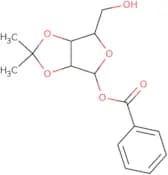
CAS :<p>Benzoyl 2,3-O-isopropylidene-L-ribofuranoside is a custom synthesis that can be modified with fluorination and methylation. It is a monosaccharide that has been synthesized from L-ribose, which are sugar molecules found in the cell walls of bacteria. The chemical structure of benzoyl 2,3-O-isopropylidene-L-ribofuranoside has been shown to be similar to the sugar molecule found on glycoproteins on the surface of staphylococci. This chemical has also been shown to inhibit the production of enzymes that are necessary for the synthesis of glycosaminoglycans.</p>Formule :C15H18O6Degré de pureté :Min. 95%Masse moléculaire :294.3 g/molMethyl 4,6-O-benzylidene-2-deoxy-a-D-glucopyranoside
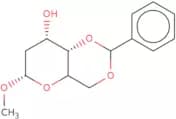
<p>Methyl 4,6-O-benzylidene-2-deoxy-a-D-glucopyranoside is a modification of the sugar, glucopyranose. This modified sugar can be used to produce complex carbohydrates or polysaccharides. It is synthesized by reacting methyl groups with the hydroxyl group at position 6 of glucopyranose and then reacting with an aldehyde group at position 2. Methyl 4,6-O-benzylidene-2-deoxy-a-D-glucopyranoside is also known as DMBG for its chemical name. This compound has CAS number 537894 and a molecular weight of 264.24 g/mol. It has a purity of 99% and can be used in various applications such as glycosylation reactions and fluorination reactions.</p>Formule :C14H18O5Degré de pureté :Min. 95%Masse moléculaire :266.3 g/mol1,2,3,4-Tetra-O-acetyl-α-L-fucopyranose
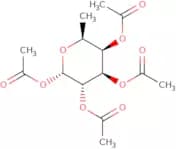
CAS :<p>1,2,3,4-Tetra-O-acetyl-α-L-fucopyranose is a chiral compound and it has been used as a biocatalyst in the industrial production of L-amino acids. The enantiomers are obtained by enzymatic hydrolysis of the racemic mixture with lipases. It has been shown that 1,2,3,4-Tetra-O-acetyl-α-L-fucopyranose is an enantioselective substrate for lipolytic enzymes. Lipolytic enzymes are also screened for lipase activity using this compound as a surrogate.</p>Formule :C14H20O9Degré de pureté :Min. 95%Couleur et forme :White Off-White PowderMasse moléculaire :332.3 g/molL-Rhamnose diethyl mercaptal
CAS :<p>L-Rhamnose diethyl mercaptal is an antiperspirant and deodorant that is used in combination with other ingredients to reduce or eliminate body odor. It is a supplement, often found in combinations with other compounds such as neodymium and radium. This compound works by preventing the formation of sweat from the apocrine glands, which reduces underarm wetness and body odor. L-Rhamnose diethyl mercaptal also has antimicrobial properties that help prevent bacterial growth on the skin surface.</p>Formule :C10H22O4S2Degré de pureté :Min. 95%Couleur et forme :PowderMasse moléculaire :270.41 g/molMethyl 2,3,4-tri-O-acetyl-6-azido-6-deoxy-a-D-glucopyranoside
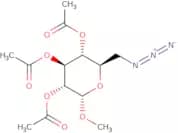
CAS :<p>Methyl 2,3,4-tri-O-acetyl-6-azido-6-deoxy-a-D-glucopyranoside is a modification of the sugar glucose. It is a synthetically modified oligosaccharide that is used in the synthesis of complex carbohydrates and polysaccharides. Methyl 2,3,4-tri-O-acetyl-6-azido-6-deoxyglucopyranoside has been used for the fluorination and saccharide methylation reactions.</p>Formule :C13H19N3O8Degré de pureté :Min. 95%Couleur et forme :White PowderMasse moléculaire :345.31 g/mol1,2-O-Isopropylidene-a-L-xylofuranose
CAS :<p>1,2-O-Isopropylidene-a-L-xylofuranose is a sulfate transport molecule that is present in the blood plasma. It binds to sulfate anions which are then transported by the sodium/sulfate co-transporter from the blood and into cells. This process is called equilibrative or facilitated transport. 1,2-O-Isopropylidene-a-L-xylofuranose also binds to adenosine and transports it across membranes. This process is regulated by surface receptors and uptake transporters that regulate the rate of adenosine uptake at different parts of the body.</p>Formule :C8H14O5Degré de pureté :Min. 98 Area-%Couleur et forme :White PowderMasse moléculaire :190.2 g/molCarboxymethyl cellulose
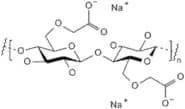
CAS :<p>Carboxymethyl cellulose is used in food as a viscosity modifier, thickener, to stabilise emulsions and are found in gluten-free and reduced-fat products. It is also a constituent of toothpaste, laxatives, diet pills, water-based paints, detergents, textile sizing, and various paper products. In laundry detergents, it is used as a soil suspension polymer. It is also used in pharmaceuticals as a thickening agent and in the oil-drilling industry as a viscosity modifier and water-retaining agent.</p>Formule :C8H16O8Degré de pureté :Min. 95%Couleur et forme :White PowderMasse moléculaire :240.21 g/molMethyl β-D-ribopyranoside
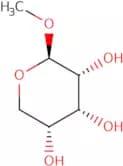
CAS :<p>Methyl β-D-ribopyranoside is a sugar alcohol that belongs to the group of pentoses. It is a potential precursor for the synthesis of phosphite, which is a reactive anion used in organic chemistry. Methyl β-D-ribopyranoside has been shown to regulate the growth of bacteria and fungi by altering their metabolic pathways. This compound also has shown to be programmed death in certain bacterial strains, although it is not clear how it induces this programmed death. Methyl β-D-ribopyranoside can also affect the rhizosphere and can be used as a substrate for anions and sugar alcohols.</p>Formule :C6H12O5Degré de pureté :Min. 99 Area-%Couleur et forme :White PowderMasse moléculaire :164.16 g/molD-Raffinose pentahydrate
CAS :<p>Raffinose is the most abundant of the family of oligosaccharides that are α-galactosyl derivatives of sucrose (Collins, 2006). The other main member of the group is the tetrasaccharide stachyose. Raffinose is found in sugar beet molasses and whole grains. Soybean oligosaccharides make up approximately 5% of dry matter in whole beans and up to 8% of dry matter in soybean meal. Together raffinose and stachyose rank second only to sucrose in abundance, as water-soluble carbohydrates (Kumar, 2010).</p>Formule :C18H42O21Degré de pureté :Min. 97 Area-%Masse moléculaire :594.52 g/molRef: 3D-R-1000
10gÀ demander1kgÀ demander5kgÀ demander10kgÀ demander2500gÀ demander-Unit-kgkgÀ demanderN-Nonyldeoxynojirimycin
CAS :<p>Inhibitor and pharmacological chaperone of lysosomal β-glucosidase (glucosylceramidase). The compound binds to the unstable glucosidase active site during the folding and post-translational processing in Golgi apparatus and endoplasmatic reticulum. It is effective in stabilising the enzyme and preventing accumulation of glucosylceramides in models for Gaucher disease, especially in the ones carrying N370S mutation. In addition, it has antiviral activity against Hepatitis C virus, which is mediated by misfolding of viral glycoproteins in the presence of the inhibitor.</p>Formule :C15H31NO4Degré de pureté :Min. 95%Couleur et forme :White PowderMasse moléculaire :289.41 g/molPhenyl 2,3,4,6-tetra-O-acetyl-a-D-thiomannopyranoside
CAS :<p>Phenyl 2,3,4,6-tetra-O-acetyl-a-D-thiomannopyranoside is an analog of a sugar molecule. This compound can be synthesized by the metathesis reaction between phenyl 2,3,4,6-tetra-O-acetyl-α-(2′→3′)-D-thiomannopyranoside and bis(trimethylsilyl) sulfate in the presence of polyphosphoric acid and potassium sulfate. The yield of this synthesis is high and can be increased with the addition of potassium sulfonate as a cofactor.</p>Formule :C20H24O9SDegré de pureté :Min. 98%Couleur et forme :PowderMasse moléculaire :440.46 g/molMethyl 2-acetamido-3-O-(2,3,4,6-tetra-O-acetyl-a-D-galactopyranosyl)-2-deoxy-a-D-galactopyranoside
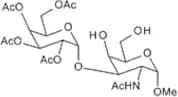
Methyl 2-acetamido-3-O-(2,3,4,6-tetra-O-acetyl-a-D-galactopyranosyl)-2-deoxy-a-D-galactopyranoside is a custom synthesis product that can be fluorinated, methylated and glycosylated. This compound has a CAS number and is polysaccharide in nature. It's complex carbohydrate with oligosaccharides and saccharides.Formule :C23H35NO15Degré de pureté :Min. 95%Masse moléculaire :565.52 g/mol1,2-O-Cyclohexylidene-myo-inositol
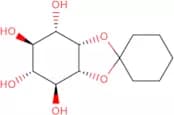
CAS :<p>1,2-O-Cyclohexylidene-myo-inositol (CIM) is a fatty acid that has a 6-hydroxyl group. This compound is used in the diagnosis of chemical biology, immunocomplexes and phosphate derivatives. CIM has been shown to bind to iron and form an immunocomplex with it. CIM also binds to phosphate derivatives, which are found in carbohydrate chemistry. The hydroxyl group on CIM can react with chloride ions and form asymmetric synthesis. Growth factors like insulin and other hormones can be synthesized from this compound through the addition of an amine group or phosphate group. CIM also reacts with monoclonal antibodies for use in diagnostic tests for pancreatic lipase.</p>Formule :C12H20O6Degré de pureté :Min. 95%Couleur et forme :PowderMasse moléculaire :260.28 g/molPhenyl 3-deoxy-3-fluoro-α-D-glucopyranoside
<p>Phenyl 3-deoxy-3-fluoro-a-D-glucopyranoside is a modified oligosaccharide, which is synthesized by the glycosylation of 3,6-diaminohexanoic acid with phenyl boronic acid. This compound is also known as an anti-tuberculosis drug. It has been shown to inhibit bacterial growth by binding to DNA dependent RNA polymerase, thereby preventing transcription and replication. The high frequency of human activity has been shown using a patch clamp technique on human erythrocytes. Phenyl 3-deoxy-3-fluoro-a-D-glucopyranoside also specifically binds to markers expressed at high levels in Mycobacterium tuberculosis strains (e.g., ESX1 secretion system protein) and inhibits cell growth in culture.</p>Formule :C12H15FO5Degré de pureté :Min. 95%Couleur et forme :White to off-white solid.Masse moléculaire :258.24 g/mol1,2;4,5-Di-O-isopropylidene-b-D-fructopyranose
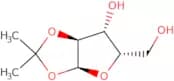
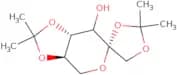
CAS :<p>Synthetic building block</p>Formule :C12H20O6Degré de pureté :Min. 95 Area-%Couleur et forme :Off-White PowderMasse moléculaire :260.28 g/mol2,3,4,6-Tetra-O-benzyl-a-D-glucopyranosyl fluoride
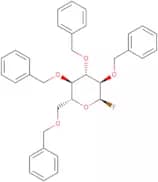
CAS :<p>2,3,4,6-Tetra-O-benzyl-a-D-glucopyranosyl fluoride is a modification of a carbohydrate. It is a complex carbohydrate that has the CAS No. 89025-46-7 and is custom synthesized. The product contains an oligosaccharide and high purity that are synthetic and monosaccharides that are methylated, glycosylated, and polysaccharides that are sugars with fluorination. The product also contains saccharides with glycosylation and polysaccharide sugar units.</p>Formule :C34H35FO5Degré de pureté :Min. 95%Couleur et forme :White To Off-White SolidMasse moléculaire :542.64 g/molL-[1-13C]Fucose
CAS :L-[1-13C]Fucose is a custom synthesis. It is an oligosaccharide that consists of D-fucose, which is a sugar found in the cell wall of bacteria. L-[1-13C]Fucose has been used as a substrate for methylation reactions and click chemistry modifications to study the binding affinity of various proteins. This compound has also been used in saccharide modification studies and glycosylation reactions.Formule :CC5H12O5Degré de pureté :Min. 95%Couleur et forme :PowderMasse moléculaire :195.19 g/molPhenyl-6-azido-6-deoxy-2,3,4-tris-O-(phenylmethyl)-1-thio-b-D-galactopyranoside
CAS :Phenyl-6-azido-6-deoxy-2,3,4-tris-O-(phenylmethyl)-1-thio-β-D-galactopyranoside is an oligosaccharide that can be used in the synthesis of complex carbohydrates. This compound has a CAS number of 260976-50-9 and a molecular weight of 536. It can be used as a synthetic intermediate in the production of saccharides and sugar derivatives. Phenyl 6 Azido 6 Deoxy 2,3,4 Tris O (phenylmethyl) 1 Thio β D Galactopyranoside is soluble in water and insoluble in organic solvents. It is also stable under acidic conditions and can be easily converted to other compounds with different functional groups.Degré de pureté :Min. 95%1,3,4,6-Tetra-O-acetyl-N-azidoacetylmannosamine
CAS :<p>1,3,4,6-Tetra-O-acetyl-N-azidoacetylmannosamine, also called ManNAz tetraacetate, 1,3,4,6-tetra-O-acetyl-N-azidoacetyl-D-mannosamine and Ac4ManNAz, is an azide-containing metabolic glycoprotein labelling reagent that can be incorporated into the sialic acid biosynthesis pathway. The azide is able to react with an alkyne in a 1,3-dipolar cycloaddition reaction (click chemistry) to enable linking to a fluorescent probe or a biotin.</p>Formule :C16H22N4O10Degré de pureté :Min. 95%Couleur et forme :PowderMasse moléculaire :430.37 g/mol2,3,4,6-Tetra-O-acetyl-a-D-glucopyranosyl trichloroacetimidate
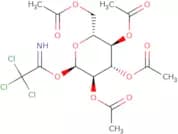
CAS :2,3,4,6-Tetra-O-acetyl-a-D-glucopyranosyl trichloroacetimidate (2TG) is a mannose targeting agent that can be used to target specific cells in the body. This compound has been shown to inhibit the growth of cancer cells and induce photodynamic therapy. 2TG is a conjugate that consists of a 6-phosphate group attached to an acetylated mannose molecule. The 6-phosphate group is an important feature for tumor targeting, as it allows for the attachment of other molecules such as monoclonal antibodies and drugs. 2TG functions by binding with high affinity to glycoproteins on the surface of cancer cells and animal tissues. These glycoproteins are found in large quantities on the surface of cancer cells and animal tissue, which makes them good targets for anti-cancer drug development.Formule :C16H20Cl3NO10Degré de pureté :Min. 95%Couleur et forme :PowderMasse moléculaire :492.69 g/mol2,3-Di-O-benzyl-4,6-O-ethylidene-D-glucopyranose
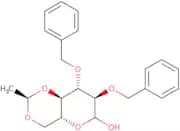
CAS :2,3-Di-O-benzyl-4,6-O-ethylidene-D-glucopyranose is a synthetic oligosaccharide that can be used as a starting material for the synthesis of glycosylated polysaccharides. It is custom synthesized to your specifications and is available in high purity.Formule :C22H26O6Degré de pureté :Min. 95%Couleur et forme :PowderMasse moléculaire :386.44 g/molL-Glucosamine hydrochloride
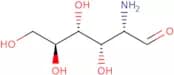
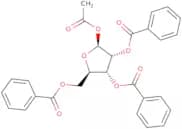
CAS :<p>L-Glucosamine hydrochloride is a fluorescent derivative of L-glucosamine, which is an amino sugar that occurs naturally in the human body. L-glucosamine hydrochloride can be used to measure the uptake of glucose by cells and tissues. The hydroxyl group on the glucosamine molecule is responsible for this activity. L-glucosamine hydrochloride has been shown to have anticancer activity against leukemia cells in tissue cultures and it may be useful as a cancer treatment. It is also capable of inducing cytokine responses when it binds to antigen sites on T cells, which may lead to its use as an immunotherapy agent.</p>Formule :C6H13NO5•HClDegré de pureté :Min. 95%Couleur et forme :PowderMasse moléculaire :215.63 g/mol1-O-Acetyl-2,3,5-tri-O-benzoyl-b-D-ribofuranose
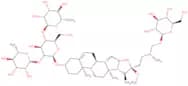
CAS :<p>1-O-Acetyl-2,3,5-tri-O-benzoyl-b-D-ribofuranose is an intermediate used to access a variety of ribonucleoside analogues. The ribosylation of substituted purines and pyrimidines with 1-O-Acetyl-2,3,5-tri-O-benzoyl-b-D-ribofuranose affords ribonucleoside analogues with the potential for biological and medicinal activity. Ribosylation requires the use of a catalyst such as trimethylsilyl trifluoromethane sulfonate and N,O-Bis(trimethylsilyl)trifluoroacetamide.</p>Formule :C28H24O9Degré de pureté :Min. 98 Area-%Couleur et forme :White PowderMasse moléculaire :504.48 g/molMethyl protodioscin
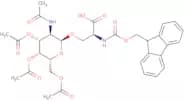
CAS :<p>Methyl protodioscin is a natural compound that has been shown to have a promising therapeutic effect on autoimmune diseases. Methyl protodioscin is derived from soybean extract and it is known to inhibit the translocation of bacteria across the gut wall, which could be due to its ability to regulate mucin gene expression. In vitro assays show that methyl protodioscin has an effect on mitochondrial membrane potential, which may be related to its anti-inflammatory properties. The effects of methyl protodioscin on mitochondrial functions were studied in C. glabrata, and it was shown that this compound can be used as a therapeutic agent for balloon injury.<br>Methyl protodioscin also inhibits the growth of Candida albicans and other fungi in vivo, suggesting that this compound might have antifungal activity.</p>Formule :C52H86O22Degré de pureté :Min. 95%Masse moléculaire :1,063.23 g/mol2-Acetamido-3,4,6-tri-O-acetyl-2-deoxy-α-D-galactopyranosyl-Fmoc serine
CAS :<p>2-Acetamido-3,4,6-tri-O-acetyl-2-deoxy-α-D-galactopyranosyl-Fmoc serine is an amino sugar that has been shown to be a supplement for soybean cultivars. It is a basic compound that is obtained from the condensation of glycine and acetamidodeoxygalactose. This amino sugar can be used as a matrix in genetic engineering and tissue culture experiments with soybean plants. Transgenic soybeans have been created using 2AAGFS as the source of galactose for glycoprotein synthesis. Soybean plants with transgenes are also able to synthesize high levels of seed protein, which may increase the quality of soybean products.</p>Formule :C32H36N2O13Degré de pureté :Min. 95 Area-%Couleur et forme :White PowderMasse moléculaire :656.63 g/mol6-Azido- 6- deoxy- D- glycero- L- gulo- heptitol
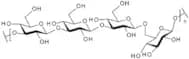
CAS :<p>6-Azido-6-deoxy-D-glycero-L-gulo-heptitol is a methylated, saccharide, polysaccharide, click modification, and modification of oligosaccharides. The chemical name for the compound is 6-[(1S)-1-(2-aminoethyl)propyl]-2,4 -dioxopentanedioic acid. It has CAS No. 1458063-96-1 and has a molecular weight of 374.5 g/mol. This product can be custom synthesized with high purity and it is a carbohydrate sugar that is synthetic.</p>Formule :C7H15N3O6Degré de pureté :Min. 95%Masse moléculaire :237.21 g/molLaminaran, from laminaria digitata
CAS :<p>Laminaran is a polysaccharide that co-occurs with fucoidan and alginate in brown seaweeds such as Laminaria digitata, Laminaria cloustoni, Eisenia bicyclis and Thallus laminariae. It is a β-1,3-linked glucan which it is claimed stimulates the immune system in mammals and fish.<br>The image was kindly provided by Prof Mike Guiry from Cork who runs ‘The Seaweed Site’.</p>Degré de pureté :Min. 95%Couleur et forme :Off-White Powder4-O-β-D-Galactosylsucrose
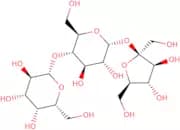
CAS :Similar to Raffinose but with the galactose residue attached 1,4 to the glucoseFormule :C18H32O16Degré de pureté :Min. 95 Area-%Couleur et forme :White PowderMasse moléculaire :504.44 g/mol1,2:3,4-Di-O-isopropylidene-6-deoxy-6-C-(2-pyridyl)-D-galactopyranose
<p>This product is a high purity, custom synthesis, sugar. It is Click modification, fluorination, glycosylation and synthetic. This product has CAS No. and Oligosaccharide, Monosaccharide, saccharide and Carbohydrate. This product also has complex carbohydrate.</p>Formule :C17H23NO5Degré de pureté :Min. 95%Masse moléculaire :321.34 g/molChloramphenicol-β-D-galactopyranoside
CAS :Chloramphenicol-beta-D-galactopyranoside is a carbohydrate that can be used in the synthesis of various carbohydrates. This product is fluorinated at the beta-position and has a saccharide modification. It is also an oligosaccharide with a high purity, methylated, glycosylated, and click modified.Formule :C17H22Cl2N2O10Masse moléculaire :485.27 g/molRef: 3D-C-3310
10mgÀ demander25mgÀ demander50mgÀ demander100mgÀ demander250mgÀ demander-Unit-ggÀ demanderLaminaritetraose
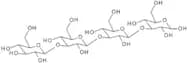
CAS :Ex algal/bacterial polysaccharides-value in b1-3 glucanase assays & diagnosticsFormule :C24H42O21Degré de pureté :Min. 95 Area-%Couleur et forme :White PowderMasse moléculaire :666.6 g/mol1,3,4,6-Tetra-O-acetyl-2-azido-2-deoxy-a-D-galactopyranose
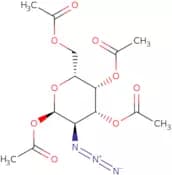
CAS :1,3,4,6-Tetra-O-acetyl-2-azido-2-deoxy-a-D-galactopyranose is an azide sugar that is resistant to the activity of sulfide and can be used as a probe for sulfide in the distal colon. It has been shown that this sugar binds to recombinant human erythrocyte enzymes and inhibits their activities. The hydrolysis of this sugar by pancreatic enzymes has been shown to be dependent on the conformational state of the enzyme. This sugar also inhibits salivary amylase and intestinal sucrase activities.Formule :C14H19N3O9Degré de pureté :Min. 95%Couleur et forme :White PowderMasse moléculaire :373.32 g/mol










![L-[1-13C]Fucose](/_next/image/?url=https%3A%2Fstatic.cymitquimica.com%2Fproducts%2F3D%2Fthumb-webp%2FMF08310.webp&w=3840&q=75)