Composés apparentés aux enzymes, aux peptides et aux protéines
Les composés liés aux enzymes, peptides et protéines sont essentiels pour étudier et manipuler les voies biochimiques. Ces composés incluent des enzymes qui catalysent les réactions biochimiques, des peptides qui servent d'hormones et de molécules de signalisation, et des protéines qui accomplissent une vaste gamme de fonctions au sein des organismes. Cette catégorie comprend des inhibiteurs, activateurs, substrats et autres réactifs indispensables pour l'enzymologie, la protéomique et la recherche sur les peptides. Chez CymitQuimica, nous proposons une sélection variée de composés de haute qualité pour faciliter vos recherches en cinétique enzymatique, fonction des protéines et synthèse des peptides, garantissant des résultats précis et fiables.
Sous-catégories appartenant à la catégorie "Composés apparentés aux enzymes, aux peptides et aux protéines"
- Acides aminés (AA)(40.509 produits)
- Enzymes(3.560 produits)
- Peptides(30.719 produits)
- Protéines(15.022 produits)
1312 produits trouvés pour "Composés apparentés aux enzymes, aux peptides et aux protéines"
Trier par
Degré de pureté (%)
0
100
|
0
|
50
|
90
|
95
|
100
Betamethasone Valerate Impurity D
<p>Betamethasone Valerate Impurity D is a reaction component that is used as a reagent in the synthesis of compounds with a variety of activities, including antibacterial, anti-inflammatory and antiparasitic. It is also used to create a variety of building blocks and intermediates for pharmaceuticals. Betamethasone Valerate Impurity D has been shown to be an effective anti-parasitic agent against Trypanosoma cruzi and Leishmania amazonensis in vitro.</p>Formule :C27H37BrO6Degré de pureté :Min. 95%Couleur et forme :White PowderMasse moléculaire :537.48 g/molPAR-3 (1-6) (human) trifluoroacetate salt
CAS :<p>Please enquire for more information about PAR-3 (1-6) (human) trifluoroacetate salt including the price, delivery time and more detailed product information at the technical inquiry form on this page</p>Formule :C29H45N9O8Degré de pureté :Min. 95%Masse moléculaire :647.72 g/molL-Cysteine hydrochloride hydrate
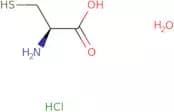
CAS :<p>L-Cysteine hydrochloride hydrate is an amino acid that belongs to the group of antimicrobial agents. It is a precursor in the biosynthesis of proteins and nucleic acids. L-Cysteine hydrochloride hydrate inhibits bacterial growth by reacting with iron and forming an insoluble complex that cannot be used for metabolic processes. Cysteine also reacts with dehydroascorbic acid to form a fluorescent compound, which can be detected using fluorescence probe and fluorometric methods. This reaction is pH dependent, with a lower pH favoring the formation of the fluorescent product. The optimum pH for this reaction is approximately 7.0-8.5, at which point it is most effective against bacteria such as Escherichia coli, Pseudomonas aeruginosa, and Staphylococcus aureus.</p>Formule :C3H7NO2S·HCl·xH2OCouleur et forme :PowderMasse moléculaire :157.62 g/molBradykinin triacetate trihydrate
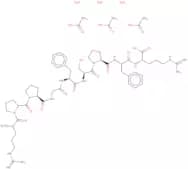
CAS :<p>Bradykinin is a naturally occurring peptide hormone that has been found to have a wide variety of uses. It can be used as a fine chemical, useful scaffold, versatile building block, and useful intermediate in the synthesis of complex compounds. Bradykinin can also act as a reaction component for the synthesis of speciality chemicals, such as pharmaceuticals and research chemicals. Bradykinin is used in the manufacture of medicines for high blood pressure and pain relief, among other things. It is also used in research studies to study the effects of drugs on cell cultures and animals.</p>Formule :C50H73N15O11•(C2H4O2)3•(H2O)3Degré de pureté :Min. 95%Couleur et forme :PowderMasse moléculaire :1,294.41 g/molCholesteryl isobutyrate
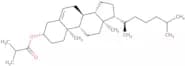
CAS :Produit contrôlé<p>Cholesteryl isobutyrate is a diagnostic target tissue for cancer. It is a fatty acid that is metabolized by 3β-hydroxysteroid dehydrogenase, which converts it to the corresponding alcohol. Cholesteryl isobutyrate can be detected in urine samples with a chromatographic method and coatings. The fusogenic properties of cholesteryl isobutyrate make it an excellent film-forming polymer for drug delivery systems. The phase transition temperature of cholesteryl isobutyrate has been determined to be around 27°C, which makes it an ideal candidate for cellular drug delivery applications.</p>Formule :C31H52O2Degré de pureté :Min. 95%Couleur et forme :PowderMasse moléculaire :456.74 g/molSodium deoxycholate monohydrate
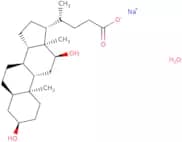
CAS :Produit contrôlé<p>Deoxycholic acid is a bile acid that plays an important role in the digestion of fat. Sodium deoxycholate is used as a detergent to solubilize biological samples and increase their sensitivity to analysis. Deoxycholic acid has been shown to bind to toll-like receptor 4 (TLR4) and induce a response in cells that can be measured using fluorescence probes. It also has shown activity against infectious diseases, such as primary sclerosing cholangitis, by inducing apoptosis. Sodium deoxycholate monohydrate is used as an injection solution for bowel disease.</p>Formule :C24H39O4Na·H2ODegré de pureté :Min. 95%Couleur et forme :PowderMasse moléculaire :432.57 g/molRivastigmine tartrate
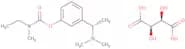
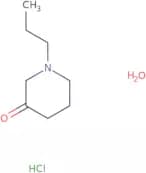
CAS :Produit contrôlé<p>Acetylcholinesterase and butyrylcholinesterase inhibitor</p>Formule :C18H28N2O8Degré de pureté :Min. 95%Couleur et forme :White PowderMasse moléculaire :400.42 g/mol1-Propyl-3-piperidone hydrochloride hydrate
CAS :<p>1-Propyl-3-piperidone hydrochloride hydrate is a high quality chemical that can be used as a reagent in organic synthesis. It is an intermediate for the production of pharmaceuticals, agrochemicals, and other chemicals. 1-Propyl-3-piperidone hydrochloride hydrate is also a versatile building block with many uses as a reaction component. This compound has been shown to have antiulcer properties and may also have potential as an analgesic.</p>Formule :C8H15NO·HCl·H2ODegré de pureté :Min. 95%Couleur et forme :PowderMasse moléculaire :195.69 g/molDocetaxel trihydrate
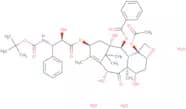
CAS :<p>A cytotoxic taxane and anti-microtubule agent with anti-proliferative activity. Docetaxel binds to the β-subunit of tubulin, which results in increased polymerisation and stabilisation of microtubules. The compound interferes with microtubule dynamics, which leads to the cell cycle arrest in the G2/M phase and apoptosis. The compound has significant inhibitory activity in solid tumors either alone or in combination with other chemotherapeutic agents.</p>Formule :C43H53NO14•(H2O)3Degré de pureté :Min. 98 Area-%Couleur et forme :PowderMasse moléculaire :861.93 g/molZoledronic acid monohydrate
CAS :<p>Farnesyl pyrophosphate synthase inhibitor; hepatic de novo lipogenesis inhibitor</p>Formule :C5H10N2O7P2•H2ODegré de pureté :Min. 98.5 Area-%Couleur et forme :PowderMasse moléculaire :290.1 g/mol5-Hydroxyveratric acid
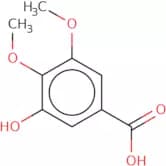
CAS :<p>5-Hydroxyveratric acid is a chemical compound that belongs to the group of useful building blocks and can be used as a research reagent, speciality chemical, or high quality intermediate. It is a versatile building block that can be used in reactions involving carboxylic acids, amides, alcohols, and thiols. 5-Hydroxyveratric acid is also a useful scaffold for the synthesis of complex organic molecules. CAS No. 1916-08-1</p>Formule :C9H10O5Degré de pureté :Min. 98 Area-%Couleur et forme :White Off-White PowderMasse moléculaire :198.17 g/molHuman-24, human
CAS :<p>This antibody is a mouse IgG2a monoclonal antibody to human 24, a protein of unknown function. It blocks the binding of this protein to its ligand, inhibiting the function of this protein.</p>Degré de pureté :Min. 95%N-Benzyl-4-phenyl pyridinium tetrafluoroborate
CAS :<p>N-Benzyl-4-phenyl pyridinium tetrafluoroborate is a fine chemical that can be used as a building block in the synthesis of complex compounds. It has been shown to have versatile applications in organic synthesis, such as being a useful intermediate and reaction component. N-Benzyl-4-phenyl pyridinium tetrafluoroborate is an extremely high quality reagent with few side effects and low toxicity.</p>Formule :C18H16N•BF4Degré de pureté :Min. 95%Masse moléculaire :333.13 g/molTriethyl citrate
CAS :<p>Triethyl citrate (TEC) is an ester of citric acid, which is a natural compound. It is a reactive chemical that can react with potassium dichromate (K2Cr2O7) to form potassium citrate, or with malonic acid to form triethyl malonate. Triethyl citrate has been used as a reagent in analytical methods for the determination of water permeability and biological properties. In addition, it has been used as a precursor for the synthesis of dimethyl fumarate (DMF). DMF is an anti-inflammatory drug that may be useful in the treatment of multiple sclerosis.</p>Formule :C12H20O7Degré de pureté :Min. 99 Area-%Couleur et forme :Colorless Clear LiquidMasse moléculaire :276.28 g/molrec IL-1α (human)
CAS :<p>Please enquire for more information about rec IL-1alpha (human) including the price, delivery time and more detailed product information at the technical inquiry form on this page</p>Degré de pureté :Min. 95%rec PDGF AB (heterodimer) (human)
<p>Please enquire for more information about rec PDGF AB (heterodimer) (human) including the price, delivery time and more detailed product information at the technical inquiry form on this page</p>Degré de pureté :Min. 95%Trimethylamine-N-oxide dihydrate
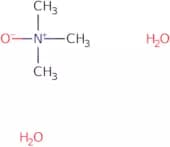
CAS :<p>Trimethylamine-N-oxide dihydrate (TMAO) is the anhydrous form of trimethylamine oxide (TMAO). It has a number of applications in industry and research. TMAO is used as a diagnostic agent for metal carbonyls, such as lead and arsenic, and also for hydrogen bond. In addition, it can be used to determine the presence of hydroxyl groups in organic compounds, such as fatty acids. The hydroxyl group reacts with Iodosobenzene to form an iodide ion that can be measured by nmr spectroscopy. This reaction is affected by the presence of other atoms or molecules that have electron donating properties, such as an oxygen atom or a carbonyl group. TMAO can also be used in cancer research to study how tumors develop resistance to chemotherapy drugs.</p>Formule :C3H13NO3Couleur et forme :White PowderMasse moléculaire :111.14 g/molSodium 3-nitrobenzoate
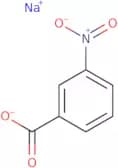
CAS :<p>Sodium 3-nitrobenzoate trihydrate is a salt of the chemical compound sodium 3-nitrobenzoate. It is an analytical chemistry reagent that is commonly used as a standard in solute analysis. Sodium 3-nitrobenzoate trihydrate has been shown to be soluble in water vapor, but not in anhydrous sodium. The hydrogen bond between this molecule and water molecules has been observed using vibrational spectroscopy and quantum theory. This solubility data can be used to calculate an activation energy for the dissociation of the hydrogen bond with water molecules.</p>Formule :C7H5NO4•NaDegré de pureté :Min. 95%Couleur et forme :PowderMasse moléculaire :190.11 g/molSodium phosphate monobasic monohydrate
CAS :<p>Sodium phosphate monobasic monohydrate is a nonsteroidal anti-inflammatory drug that belongs to the class of sodium salts. It is used to treat bowel disease and has been shown to reduce the production of prostaglandins in the stomach, which are mediators of inflammation. Sodium phosphate monobasic monohydrate can also be used for its anti-inflammatory effects on other parts of the body, such as joints or muscles. This drug is often used for rheumatoid arthritis, osteoarthritis, or ankylosing spondylitis. The molecular weight of this compound is 288.3 g/mol and it has a melting point of 519°C. Sodium phosphate monobasic monohydrate can be administered orally or intravenously and should not be given with food or antacids due to its high solubility in water. Sodium phosphate monobasic monohydrate also has potential cytotoxicity and significant cytotoxicity against human cells in vitro</p>Formule :H2NaO4P·H2ODegré de pureté :Min. 98 Area-%Couleur et forme :PowderMasse moléculaire :137.99 g/molMiconazole nitrate
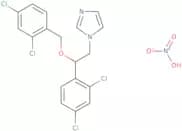
CAS :<p>Anti-fungal; sterol 14α-demethylase inhibitor</p>Formule :C18H14Cl4N2O•HNO3Degré de pureté :Min. 95%Couleur et forme :PowderMasse moléculaire :479.14 g/molMesitylenesulphonic acid hydrate
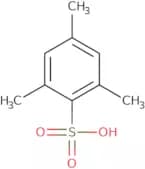
CAS :<p>Mesitylenesulphonic acid hydrate is a high quality chemical that is used as a reagent, complex compound and useful intermediate. It can be used in the production of fine chemicals, research chemicals, speciality chemicals and versatile building blocks. Mesitylenesulphonic acid hydrate has CAS No. 79326-99-1 and is a speciality chemical that can be used as a reaction component for the production of important compounds such as pharmaceuticals, pesticides and herbicides.</p>Formule :C9H12O3S·xH2ODegré de pureté :Min. 95%Couleur et forme :PowderMasse moléculaire :200.26 g/molDL-Isocitric acid trisodium
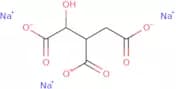
CAS :<p>DL-Isocitric acid trisodium salt hydrate is a nutrient solution that is used to provide energy for bacterial growth. DL-Isocitric acid trisodium salt hydrate provides sodium citrate, sodium succinate, and sodium carbonate which are essential for the metabolism of fatty acids. It also stabilizes chemical compounds and can be used as an alternative to the use of antibiotics. DL-Isocitric acid trisodium salt hydrate has been shown to inhibit enzyme activity in bacteria by binding to the active site of enzymes, inhibiting protein synthesis and cell division. The addition of colloidal gold particles can enhance its effectiveness in preventing bacterial growth.</p>Formule :C6H8O7•Na3Degré de pureté :Min. 95%Couleur et forme :PowderMasse moléculaire :261.09 g/molDasatinib monohydrate
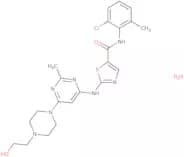
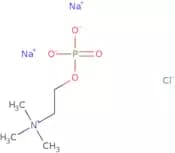
CAS :<p>Inhibits SRC-family of tyrosine kinases</p>Formule :C22H26ClN7O2S·H2ODegré de pureté :Min. 98 Area-%Couleur et forme :White Yellow PowderMasse moléculaire :506.02 g/molPhosphocholine chloride sodium salt hydrate
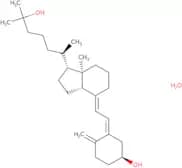
CAS :<p>Phosphocholine chloride sodium salt hydrate is an organic compound that is used as a cross-linking agent in the production of polymers. It is also used as a reactant in ring-opening reactions and as an intermediate in the synthesis of pyridinium salts. This product has been shown to be metabolized by human serum to form fatty acids, which may play a role in metabolic disorders such as obesity and diabetes. The reagent can also be used for the chromatographic determination of cholesterol and other lipids.</p>Formule :C5H13ClNNa2O4P·xH2ODegré de pureté :Min. 95%Couleur et forme :White PowderMasse moléculaire :263.58 g/mol25-Hydroxyvitamin D3 monohydrate
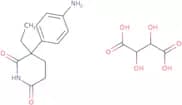
CAS :<p>25-Hydroxyvitamin D3 monohydrate is a vitamin D analog that has been shown to reduce elevated levels of parathyroid hormone and improve bone mineral density. It is used for the treatment of chronic kidney disease, hyperparathyroidism, and osteoporosis. 25-Hydroxyvitamin D3 monohydrate has been found to be effective in the treatment of these conditions because it increases the body's production of calcitriol, the active form of vitamin D. Calcitriol promotes calcium absorption in the gut and reduces renal excretion of calcium by inhibiting parathyroid hormone synthesis. This drug also inhibits pro-inflammatory cytokines such as IL-1β, IL-6, and TNF-α.</p>Formule :C27H44O2·H2ODegré de pureté :Min. 97 Area-%Couleur et forme :White PowderMasse moléculaire :418.65 g/molR-(+)-Aminoglutethimide L-tartrate
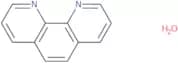
CAS :Produit contrôlé<p>R-(+)-Aminoglutethimide is a potent inhibitor of mitochondrial electron transport and the cleavage enzyme 4-phenylimidazole. It inhibits mitochondrial ATP production by binding to the inner mitochondrial membrane and preventing the passage of electrons from cytochrome c oxidase to oxygen. This drug has been shown to be effective in treating corticotroph adenoma, a benign tumor of the anterior pituitary gland, which is due to excessive secretion of ACTH by the gland. R-(+)-Aminoglutethimide can also be used for treatment of Cushing's syndrome due to its ability to inhibit cortisol synthesis in the adrenal cortex. This drug has been shown to act as a potent inhibitor of progesterone synthesis in bovine and human ovaries, leading to decreased levels of pregnenolone, which is an important precursor for other steroid hormones such as testosterone or estrogens.</p>Formule :C17H22N2O8Degré de pureté :Min. 95%Couleur et forme :White To Off-White SolidMasse moléculaire :382.37 g/mol1,10-Phenanthroline monohydrate
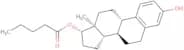
CAS :<p>1,10-Phenanthroline monohydrate is a metal chelate that binds to DNA by hydrogen bonds. It has been shown to have an intramolecular hydrogen and a linear calibration curve with a coefficient of determination (r2) of 0.998. The rate constant for the reaction of 1,10-phenanthroline monohydrate with DNA is 5.00 x 10 M-1 s-1 at 25°C in water and pH 7.4 buffer. The coordination geometry for 1,10-phenanthroline monohydrate is octahedral with the axial ligands occupying the equatorial positions and the equatorial ligands occupying the axial positions. This compound has been shown to be active against HL-60 cells, which causes cancerous transformations in vitro. Fluorescence spectrometry data shows that 1,10-phenanthroline monohydrate can bind to DNA in vitro but not in vivo.</p>Formule :C12H10N2ODegré de pureté :Min. 95%Couleur et forme :Off-White PowderMasse moléculaire :198.22 g/molEstradiol 17-valerate
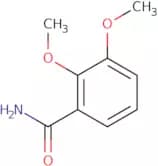
CAS :<p>Estradiol is a form of the hormone estrogen that has been modified to be more lipophilic. It is used in combination with other drugs to treat menopausal symptoms and as an adjuvant for the treatment of breast cancer in women. Estradiol 17-valerate is also used in the treatment of schizophrenia, although not as often as estradiol valerate, because it has a shorter duration of action. The mechanism of action is thought to be due to its ability to increase the concentration of dopamine at nerve terminals by blocking reuptake or inhibiting its metabolism. This may result in relief from distal tubule dysfunction and an improvement in urinary tract symptoms associated with benign prostatic hypertrophy. There are many other possible mechanisms of action including the prevention of bone loss, increased bone age, and increased NMDA receptor binding potentials.</p>Formule :C23H32O3Degré de pureté :Min. 95%Couleur et forme :PowderMasse moléculaire :356.5 g/mol2-Veratramide
CAS :<p>2-Veratramide is a drug that belongs to the group of amides. It is a highly soluble, water-soluble and lipophilic molecule. The molecular modeling study revealed that it has a hydroxyl group in its structure and a hydrogen bond with the intramolecular hydrogen atom. 2-Veratramide has been observed to inhibit protein synthesis and cellular proliferation by binding to cancer cells or inflammatory cells. It also binds to dopamine receptors, inhibiting uptake of dopamine and subsequent activation of downstream signaling pathways. 2-Veratramide is an inhibitor of nitric oxide synthase (NOS), which plays an important role in inflammation, vascular tone, neurotransmission, and cell proliferation.<br>2-Veratramide inhibits NOS by competitively binding to the heme moiety at the active site of the enzyme, thereby blocking access to substrate arginine.</p>Formule :C9H11NO3Degré de pureté :Min. 97%Couleur et forme :PowderMasse moléculaire :181.19 g/molrec Oncostatin M (human)
CAS :<p>Please enquire for more information about rec Oncostatin M (human) including the price, delivery time and more detailed product information at the technical inquiry form on this page</p>Degré de pureté :Min. 95%SDF-1β (human) trifluoroacetate salt
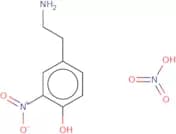
CAS :<p>Please enquire for more information about SDF-1beta (human) trifluoroacetate salt including the price, delivery time and more detailed product information at the technical inquiry form on this page</p>Formule :C382H620N114O97S5Degré de pureté :Min. 95%Masse moléculaire :8,522.05 g/mol4-Hydroxy-3-nitrophenylethylamine nitrate
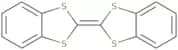
CAS :Produit contrôlé<p>4-Hydroxy-3-nitrophenylethylamine nitrate is a chemical that has been used as a reagent and reaction component. It can be used in the synthesis of complex compounds such as pharmaceuticals, agrochemicals, and high quality specialty chemicals. 4-Hydroxy-3-nitrophenylethylamine nitrate is an intermediate or building block for many organic syntheses due to its versatility. This compound has been shown to have a variety of useful applications including the production of antihistamines, anticonvulsants, antidepressants, antipsychotics, appetite suppressants, and decongestants.</p>Formule :C8H10N2O3•HNO3Degré de pureté :Min. 95%Couleur et forme :PowderMasse moléculaire :245.19 g/molDibenzotetrathiafulvalene
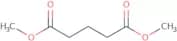
CAS :<p>Dibenzotetrathiafulvalene is an organic molecule that is a hydrogen-bond donor. It has been found to have the ability to bind with itself and form rings. Dibenzotetrathiafulvalene has been shown to be stable in various solvents, as well as in aqueous solutions at high temperatures and low pH values. This compound has also shown the ability to act as an electron donor or acceptor, depending on the oxidation state of its bonds. The photoelectron spectrum of this molecule indicates it has a redox potential of 1.78 V and can easily transfer electrons to other molecules. Dibenzotetrathiafulvalene exhibits structural analysis by x-ray crystal structures, which provide information about its molecular structure and properties including transport pathways.</p>Formule :C14H8S4Degré de pureté :Min. 95%Couleur et forme :Orange PowderMasse moléculaire :304.48 g/molDimethyl glutarate
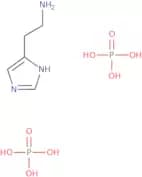
CAS :<p>Dimethyl glutarate is a white crystalline solid that is soluble in water, ethanol, and methanol. It has a neutral pH and a high resistance to hydrolysis. Dimethyl glutarate is produced by the reaction of glutarate with phenolic acid and dimethyl acetate. The reaction mechanism involves the formation of an intermediate compound called oxalyl chloride which reacts with the phosphorous acid to form the desired product. Experimental solubility data shows that dimethyl glutarate has a solubility at 25°C of 1.2 g/100 mL in water and 0.6 g/100 mL in chloroform.</p>Formule :C7H12O4Degré de pureté :Min. 98%Couleur et forme :Clear LiquidMasse moléculaire :160.17 g/molHistamine diphosphate monohydrate
CAS :Produit contrôlé<p>Endogenous ligand for histamine receptors; neurotransmitter</p>Formule :C5H9N3·2H3PO4·H2ODegré de pureté :Min. 95%Couleur et forme :White/Off-White SolidMasse moléculaire :325.15 g/molSodium metasilicate nonahydrate
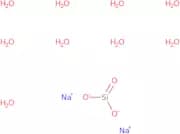
CAS :<p>Sodium metasilicate nonahydrate is a chemical that is used as a surfactant in water treatment and as a food additive. It has been shown to reduce the surface tension of water, which allows for more efficient cleaning. Sodium metasilicate nonahydrate has been used to remove heavy metals from wastewater, such as potassium dichromate and sodium citrate. This chemical also reacts with hydroxides of metals such as sodium carbonate and glycol ethers to form soluble silicates. The solubility data for this compound was obtained by measuring the solubility of anhydrous sodium metasilicate in water at different temperatures using a particle technique.</p>Formule :Na2SiO3•(H2O)9Degré de pureté :Min. 95%Couleur et forme :PowderMasse moléculaire :284.2 g/molDesloratadine
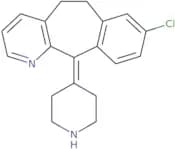
CAS :<p>Histamine (H1) receptor antagonist; anti-inflammatory</p>Formule :C19H19ClN2Degré de pureté :Min. 95%Couleur et forme :Off-White PowderMasse moléculaire :310.82 g/molLead acetate trihydrate
CAS :<p>Lead acetate trihydrate is a polymerase chain reaction (PCR) reagent. It is used in the detection of DNA sequences, typically for forensic or genealogical purposes. Lead acetate trihydrate has been shown to inhibit mitochondrial membrane potential and increase the growth factor-β1 level in experimental models. It also has been shown to cause toxicological effects such as enzyme activities and plasma mass spectrometry changes in animals, as well as physiological effects such as energy metabolism and structural analysis changes, which are related to oxidative injury. The biological sample can be analyzed using chemiluminescence methods.</p>Formule :C4H8O4•Pb•(H2O)3Degré de pureté :Min. 95%Couleur et forme :PowderMasse moléculaire :381.37 g/mol17α-Estradiol 17-valerate
CAS :<p>Please enquire for more information about 17α-Estradiol 17-valerate including the price, delivery time and more detailed product information at the technical inquiry form on this page</p>Formule :C23H32O3Degré de pureté :Min. 95%Couleur et forme :PowderMasse moléculaire :356.5 g/mol2,9-Dimethyl-1,10-phenanthroline hydrate
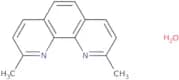
CAS :<p>Chelating agent used to detect aqueous copper ions by electrochemiluminescence</p>Formule :C14H12N2•(H2O)xDegré de pureté :Min. 95%Couleur et forme :PowderMasse moléculaire :208.26 g/molEdetate calcium disodium dihydrate
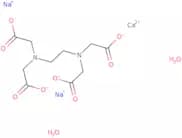
CAS :<p>Edetate calcium disodium dihydrate is an antidote for poisoning by lead, mercury, or arsenic. It is a chelating agent that binds to the metal ions and prevents their absorption into the body. The chemical reaction of edetate calcium disodium dihydrate with lead, mercury, or arsenic produces a stable precipitate that is eliminated in urine. This drug has been shown to be effective when given as a single dose and has been used in clinical trials for long-term efficacy and optimum concentration. Edetate calcium disodium dihydrate has also been used to treat bowel disease and symptoms of lead toxicity such as abdominal pain, nausea, vomiting, constipation, headache, and muscle weakness.</p>Formule :C10H12CaN2O8·2H2O·2NaCouleur et forme :White PowderMasse moléculaire :410.3 g/molBetaine monohydrate
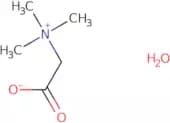
CAS :<p>Betaine is a group P2 compound that is an organic acid. It has been shown to improve the performance of polymerases, which are enzymes in cells that are responsible for synthesizing DNA. Betaine also helps with energy metabolism and in the synthesis of fatty acids. This compound can be found in plants and animals, as well as being manufactured synthetically. The melting point of betaine is between -6°C (21.2°F) and -13°C (8.6°F). When this compound is dissolved in water, it undergoes a phase transition from a solid state to a liquid state at its melting point. The boiling point of betaine is between 148°C (300.4°F) and 149°C (301.2°F). Betaine interacts with other molecules through hydrogen bonding interactions or by forming an acid-complex with sodium carbonate or malonic acid.</p>Formule :C5H11NO2·H2OCouleur et forme :White PowderMasse moléculaire :135.16 g/molChromotropic acid disodium dihydrate
CAS :<p>Chromotropic acid dihydrate is a chromogenic compound that has an adsorption mechanism and is used as an analytical reagent. Chromotropic acid disodium dihydrate (CDA) is used in the determination of hydrochloric acid, natural gas and other liquids. It also can be used to measure the concentration of tyramine hydrochloride. CDA has been shown to be effective in the measurement of molecular orbitals and kinetic constants. The optical sensor is sensitive to wavelengths ranging from 200-900 nm, with a peak absorption at around 500 nm. This sensor can be used for many types of chemical reactions, such as organic synthesis, hydrogenation, and oxidation.</p>Formule :C10H6O8S2Na2·2H2ODegré de pureté :Min. 95%Couleur et forme :Off-White PowderMasse moléculaire :400.29 g/molXanthine sodium salt monohydrate
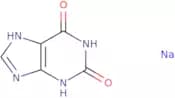
CAS :<p>Xanthine sodium salt monohydrate is a dietary supplement that is used to treat metabolic disorders such as hyperuricemia and gout. It also has antiviral effects against herpes simplex virus-1 (HSV-1) and type-2 (HSV-2). Xanthine sodium salt monohydrate inhibits the production of viral DNA polymerase, which causes cell death by inhibiting the synthesis of proteins vital for cell division. Xanthine sodium salt monohydrate can be used to inhibit the growth of cancer cells in vitro. The mechanism of action is not yet fully understood, but it is thought that xanthine may inhibit phosphodiesterase activity or have a direct effect on the cell membrane.</p>Formule :C5H3N4NaO2•H2ODegré de pureté :Min. 95 Area-%Couleur et forme :PowderMasse moléculaire :192.11 g/molL-Cysteine hydrochloride monohydrate
CAS :<p>L-Cysteine is a nonessential amino acid that has the ability to disrupt bacterial cell membranes. It can be produced by hydrolysis of human hair, feathers, and animal hides. L-Cysteine is used as a food additive and flavouring agent in human food and animal feed. It is also used as an additive in the manufacture of plastics, adhesives, and rubber products. L-Cysteine hydrochloride monohydrate (L-Cys HCl) is a white crystalline powder that dissolves readily in water. L-Cys HCl has been shown to have anti-inflammatory properties due to its ability to inhibit the production of prostaglandins.</p>Formule :C3H7NO2S·HCl·H2ODegré de pureté :Min. 95%Couleur et forme :White Off-White PowderMasse moléculaire :175.64 g/molN-α-Acetyl-DL-arginine dihydrate
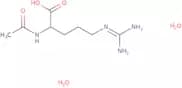
CAS :<p>N-alpha-Acetyl-DL-arginine dihydrate (AAD) is a versatile building block that can be used to synthesize functionalized molecules. AAD is an intermediate for the production of pharmaceuticals and other useful compounds. It is also a reaction component in organic synthesis, and has been shown to have high purity.</p>Formule :C8H16N4O3•(H2O)2Degré de pureté :90%Couleur et forme :PowderMasse moléculaire :252.27 g/molPefloxacin mesylate dihydrate
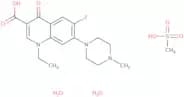
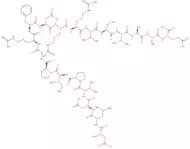
CAS :<p>Pefloxacin mesylate is a prodrug of pefloxacin that is hydrolyzed to the active form in vivo. Pefloxacin is an antibiotic that inhibits bacterial growth by interfering with DNA synthesis by binding to the bacterial ribosome, thereby blocking protein synthesis. This drug has been shown to be effective against gram-positive bacteria such as Streptococcus pneumoniae and Staphylococcus aureus. However, it is not active against gram-negative bacteria such as Escherichia coli or Pseudomonas aeruginosa. Pefloxacin mesylate dihydrate can be administered intravenously at a low dose without any adverse effects on healthy adults. It has also been shown to inhibit the growth of antibiotic-resistant strains of many species, including methicillin-resistant Staphylococcus aureus (MRSA) and Enterococcus faecium.</p>Formule :C17H20FN3O3·CH4O3S·2H2ODegré de pureté :Min. 95%Masse moléculaire :465.49 g/molCalcineurin Substrate trifluoroacetate salt H-Asp-Leu-Asp-Val-Pro-Ile-Pro-Gly-Arg-Phe-Asp-Arg-Arg-Val-Ser-Val-Ala-Ala-Glu-OH trifluo roacetate salt
CAS :<p>Please enquire for more information about Calcineurin Substrate trifluoroacetate salt H-Asp-Leu-Asp-Val-Pro-Ile-Pro-Gly-Arg-Phe-Asp-Arg-Arg-Val-Ser-Val-Ala-Ala-Glu-OH trifluo roacetate salt including the price, delivery time and more detailed product information at the technical inquiry form on this page</p>Formule :C92H150N28O29Degré de pureté :Min. 95%Masse moléculaire :2,112.35 g/molSilver nitrate
CAS :<p>Silver nitrate is an experimental model. It has inhibitory properties against a number of human pathogens, including bacteria, fungi, and viruses. Silver nitrate has been shown to have antimicrobial activity against human pathogens by disrupting the microbial cell membrane and preventing cellular respiration. Silver nitrate is also used as a photographic agent in the darkroom. In addition, it can be used to produce hydrogen bonding interactions with proteins and nucleic acids. The optimum concentration of silver nitrate is 0.05%.</p>Formule :Ag·NO3Degré de pureté :Min. 95%Couleur et forme :White Clear LiquidMasse moléculaire :169.87 g/molBrimonidine-D-tartrate
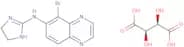
CAS :<p>Brimonidine-D-tartrate is a selective alpha-2 adrenergic agonist, which is a pharmacological compound derived synthetically, targeting specific receptor subtypes in the adrenergic receptor family. Its mode of action involves reducing aqueous humor production and increasing uveoscleral outflow in the eye, thereby lowering intraocular pressure. Additionally, it induces peripheral vasoconstriction, playing a role in reducing redness in rosacea.</p>Formule :C15H16BrN5O6Couleur et forme :White PowderMasse moléculaire :442.22 g/molPotassiumtetrachloroaurate(III)
CAS :<p>Potassiumtetrachloroaurate(III) is a chemical compound with the molecular formula KAuCl4. It is a white solid that has been shown to have anti-cancer properties in animal studies. Potassiumtetrachloroaurate(III) has also been found to be toxic to bacteria, such as Pseudomonas aeruginosa. The redox potential of potassiumtetrachloroaurate(III) can be changed by adding copper chloride or sodium citrate, which may affect its toxicity towards bacteria.</p>Formule :AuCl4KDegré de pureté :Min. 95%Masse moléculaire :377.88 g/molOrphenadrine citrate salt
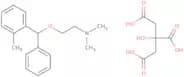
CAS :Produit contrôlé<p>Orphenadrine citrate salt is a nonsteroidal anti-inflammatory drug that is used to treat pain and inflammation. It is also used in the treatment of cancer, as well as in the prevention of side effects associated with chemotherapy. Orphenadrine citrate salt is primarily used to relieve muscle spasms and to reduce pain, especially in cases of cancer. This medication has been shown to be effective for treating cervical cancer, psychiatric patients, and geriatric patients. Orphenadrine citrate salt has also been found to have antibiotic properties against bacteria such as capsicum annuum and other drugs that are metabolized by the liver.</p>Formule :C24H31NO8Degré de pureté :Min. 95%Couleur et forme :White To Off-White SolidMasse moléculaire :461.5 g/mol3,5-Pyrazoledicarboxylic acid monhydrate
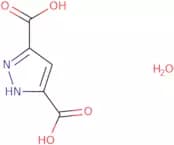
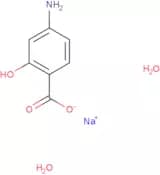
CAS :<p>3,5-Pyrazoledicarboxylic acid monhydrate (PDA) is a hydrogen-bonding molecule that can be used for the production of various compounds. PDA can be synthesized in a stepwise process from 3,5-dihydroxypyridine and pyrazole. In this process, the first step involves the formation of an amide bond between 3,5-dihydroxypyridine and pyrazole to form 3,5-pyrazolidinecarboxamide. The second step is the dehydrogenation of 3,5-pyrazolidinecarboxamide to form PDA with loss of one water molecule. This compound shows photocatalytic activity due to its coordination chemistry properties.</p>Formule :C5H4N2O4·H2ODegré de pureté :Min. 95%Couleur et forme :White PowderMasse moléculaire :174.11 g/mol4-Aminosalicylic acid sodium salt dihydrate
CAS :<p>4-Aminosalicylic acid sodium salt dihydrate is a molecule that has been shown to be useful for the diagnosis of viral, autoimmune, and cancerous diseases. It is a diagnostic agent that can be used in both the diagnosis and treatment of bowel disease. 4-Aminosalicylic acid sodium salt dihydrate can also be used to treat cavity formation in teeth. It binds to fatty acids in the target tissue, which leads to cell death by apoptosis. This drug has been shown to be effective against inflammatory bowel disease (IBD) as well as other types of bowel disease. This drug has been shown to have no adverse effects on healthy cells or tissues, but it may cause kidney toxicity when taken orally or injected intravenously.</p>Formule :C7H6NNaO3·2H2ODegré de pureté :Min. 95%Couleur et forme :White PowderMasse moléculaire :211.15 g/molN-Phenyl-2,4,6-triphenyl pyridinium tetrafluoroborate
CAS :<p>N-Phenyl-2,4,6-triphenyl pyridinium tetrafluoroborate is a crystalline material that is insoluble in water and organic solvents. It can be used as a monomer in the synthesis of polymers and for immobilization of enzymes. N-Phenyl-2,4,6-triphenyl pyridinium tetrafluoroborate can be used to reprocess technetium and has been shown to diffract x-rays with high resolution. This compound is also fluorescent with a long wavelength (620 nm) and can be used as a radioactive tracer.</p>Formule :C29H22N·BF4Degré de pureté :Min. 95%Masse moléculaire :471.3 g/molSodium butyrate
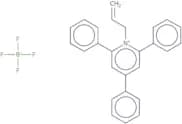
CAS :<p>Reversible inhibitor of histone deacetylases (HDAC) that causes histone hyperacetylation, changes in chromatin structure and in gene expression. Sodium butyrate was shown to induce apoptosis in adenoma and carcinoma cell lines as well as to stimulate neurogenesis following cerebral ischemic injury. Sodium butyrate is present in large bowel as naturally occurring fatty acid and a by-product of bacterial fermentation of dietary fibres.</p>Formule :C4H7NaO2Couleur et forme :White PowderMasse moléculaire :110.09 g/molN-Propyl-2-ene-2,4,6-triphenylpyridinium tetrafluoroborate
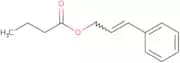
CAS :<p>N-Propyl-2,4,6-triphenylpyridinium tetrafluoroborate (NPPBF) is a versatile building block with a wide range of applications in the synthesis of complex compounds. It is a fine chemical that has been used as a reagent, speciality chemical, and useful scaffold for research chemicals. NPPBF has been shown to be an intermediate in the synthesis of various pharmaceuticals and agrochemicals. It can also be used as a reaction component in organic synthesis. The compound is soluble in polar solvents such as DMF, DMSO, THF, and acetonitrile.</p>Formule :C26H22N•BF4Degré de pureté :Min. 95%Masse moléculaire :435.26 g/molCinnamyl butyrate
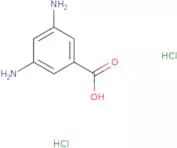
CAS :<p>Cinnamyl butyrate is a chemical compound that belongs to the class of diphenyl ethers. It has been shown to reduce plasma glucose levels in mice by inhibiting fatty acid synthesis and stimulating glucose uptake into cells. Cinnamyl butyrate also acts as a cross-linking agent, which enhances the stability of polymers by forming covalent bonds between reactive groups. The surface methodology used for this study was a surface science technique called atomic force microscopy (AFM). This method can be used to measure the thickness of the film, or the diameter of the particles. The AFM images showed that cinnamyl butyrate formed a thin film that was uniform over large areas.</p>Formule :C13H16O2Degré de pureté :Min. 95%Couleur et forme :Clear LiquidMasse moléculaire :204.26 g/mol3,5-Diaminobenzoic acid dihydrochloride
CAS :<p>3,5-Diaminobenzoic acid dihydrochloride (DABA) is a potent inhibitor of peroxidase and has been shown to inhibit the activity of hydrogen peroxide. It has been used in medicine as an antiseptic and disinfectant. 3,5-Diaminobenzoic acid dihydrochloride also inhibits uncatalysed and catalysed reactions. The inhibition of these reactions is due to the reaction with hydrogen peroxide, which causes the formation of potent inhibitory species that are capable of reacting with other molecules. These reactions lead to a decrease in the rate of reaction. This product also exhibits potent inhibitory activity towards peroxidase and can be used for the treatment of infections caused by bacteria, such as Mycobacterium tuberculosis or Mycobacterium avium complex.</p>Formule :C7H8N2O2·2HClMasse moléculaire :225.07 g/molCholine Citrate - ca. 65% in Water
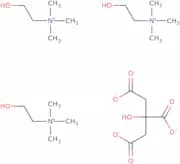
CAS :<p>Choline citrate is a salt of choline and citric acid that is used for the treatment of liver disease. Choline citrate is a precursor for acetylcholine, which is important for the function of the nervous system. It has been shown to be effective in treating fatty acid deficiency in mice. Choline citrate also acts as an intermediary in the metabolism of phospholipids and sphingolipids. It improves locomotor activity, helps with muscle contractions, and increases creatine kinase levels in mice. This product may be used to treat various symptoms such as fatigue, nausea, vomiting, diarrhea, and fever. The fruit extract may contribute to this product's effectiveness by providing additional choline. Choline citrate is also known to increase acetylcholine levels through its action on receptor cells and cyclic nucleotide phosphodiesterase enzymes. The increased levels of acetylcholine may reduce inflammation caused by inflammatory diseases such as ulcerative colitis or</p>Formule :C6H5O7·3C5H14NODegré de pureté :Min. 95%Couleur et forme :PowderMasse moléculaire :501.61 g/molFolic acid dihydrate
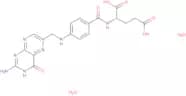
CAS :<p>Folic acid dihydrate is a water-soluble vitamin that is involved in the production of nucleic acids and amino acids. It is a component of many compounds, such as DNA and RNA, and is essential for cell growth. Folic acid dihydrate can be synthesized by bacteria, which use it as an energy source. The radionuclide form of folic acid has been used to study the thermal expansion of food composition and to determine the nutrient content of foods. In addition, folic acid dihydrate has been used in tissue culture experiments to measure receptor binding or growth factor activity. Folic acid dihydrate has also been investigated for its ability to inhibit the growth of infectious diseases, including Streptococcus faecalis, Helicobacter pylori and HIV-1.</p>Formule :C19H19N7O6Degré de pureté :97 To 102%Masse moléculaire :441.4 g/molFerrous gluconate dihydrate
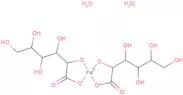
CAS :<p>Ferrous gluconate dihydrate is a fine chemical that has many applications in research and development. It is a versatile building block that can be used as a starting material for the synthesis of complex compounds, such as drugs, pesticides, and perfumes. Ferrous gluconate dihydrate can also be used as a reaction component to produce speciality chemicals, such as benzyl alcohols. In addition to its usefulness in research, ferrous gluconate dihydrate is an important reagent for the production of high-quality pharmaceuticals.</p>Formule :C12H22FeO14·2H2ODegré de pureté :Min. 95%Couleur et forme :PowderMasse moléculaire :482.17 g/mol2,9-Dimethyl-1,10-phenanthroline hemihydrate
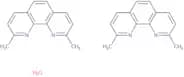
CAS :<p>Chelating agent used to detect aqueous copper ions by electrochemiluminescence</p>Formule :C14H12N2•(H2O)0Degré de pureté :Min. 95%Couleur et forme :PowderMasse moléculaire :217.27 g/molDiisopropyl D-tartrate
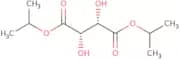
CAS :<p>Diisopropyl tartrate is a chemical compound that has been used in the synthesis of antibiotics. It is bifunctional, meaning that it can act as both a nucleophile and a base. The chloride forms a nucleophilic addition with the allyl group, forming an intermediate that is an excellent leaving group for the final product. Diisopropyl tartrate is used to synthesize monomers for polymers, such as chloroprene and styrene, which are used in the manufacture of plastics and rubber. This chemical is also used in catalytic asymmetric reactions, where it acts as a catalyst by stabilizing one enantiomer over another to promote stereoselective reactions.</p>Formule :C10H18O6Degré de pureté :Min. 95%Couleur et forme :Colorless Clear LiquidMasse moléculaire :234.25 g/molDiethyl squarate
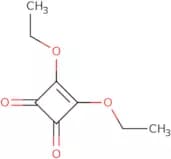
CAS :<p>Diethyl squarate is a squaramide that has been used in the treatment of infectious diseases. It is also known to be an anti-inflammatory agent, which has been shown to inhibit the production of prostaglandin, and is therefore useful in the treatment of autoimmune diseases such as alopecia areata. Diethyl squarate also has a role in immune responses as it binds to human serum albumin and alters antibody response. The compound is thought to bind to the hydroxyl group on a protein molecule, forming a covalent linkage with the amide group on another protein molecule. This reaction mechanism may lead to its immunosuppressant properties.</p>Formule :C8H10O4Degré de pureté :Min. 97 Area-%Couleur et forme :PowderMasse moléculaire :170.16 g/molFmoc-L-glutamic acid-O-tert-butyl ester hydrate
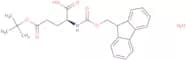
CAS :<p>Fmoc-L-glutamic acid-O-tert-butyl ester hydrate is a useful scaffold that is used in the synthesis of complex compounds. It can be used as a reaction component for the preparation of speciality chemicals and as an intermediate for the production of fine chemicals. Fmoc-L-glutamic acid-O-tert-butyl ester hydrate has a CAS number of 204251-24-1.</p>Formule :C24H27NO6•H2ODegré de pureté :Min. 95%Couleur et forme :White PowderMasse moléculaire :443.49 g/molDichloroacetaldehyde hydrate
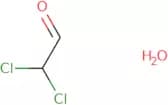
CAS :<p>Dichloroacetaldehyde hydrate is an organic compound that is used in the treatment of skin cancer. It has been shown to have protective effects on cell membranes, which may be due to its ability to inhibit lipid peroxidation. Dichloroacetaldehyde hydrate also has a potential use as a radiation sensitizer and may be able to extend the lifespan of animals.</p>Formule :C2H4Cl2O2Degré de pureté :Min. 95%Couleur et forme :PowderMasse moléculaire :130.96 g/molPhloroglucinol dihydrate
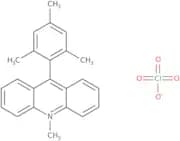
CAS :<p>Phloroglucinol dihydrate is a chemical substance that can be used as a denaturant, conditioner and deodorant. It is soluble in water and has been shown to have enzyme-inhibiting properties. Phloroglucinol dihydrate has been shown to have anti-inflammatory properties by inhibiting the production of prostaglandins. This compound also has optical properties, which are determined by its chromene structure. There is no phase transition temperature for this compound because it does not melt or freeze.</p>Formule :C6H6O3•(H2O)2Degré de pureté :Min. 95%Couleur et forme :PowderMasse moléculaire :162.14 g/mol9-Mesityl-10-methylacridinium perchlorate
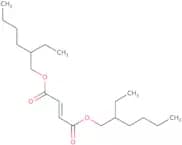
CAS :<p>9-Mesityl-10-methylacridinium perchlorate is a cross-coupling reagent that can be used to form amines from alkenes via bond cleavage. The mechanism of this reaction involves irradiation, which generates radical species, and the use of molecular probes to rationalize the rate of the reaction. 9-Mesityl-10-methylacridinium perchlorate is a highly reactive compound with a short half life, which makes it an ideal candidate for generating radicals in order to study mechanistic studies on acridinium.</p>Formule :C23H22ClNO4Degré de pureté :Min. 95%Couleur et forme :PowderMasse moléculaire :411.88 g/molBis(2-ethylhexyl) fumarate
CAS :<p>Bis(2-ethylhexyl) fumarate is a synthetic chemical compound that has been used in the synthesis of clostridium botulinum. It is a white solid with a constant melting point. This compound can be synthesized via the reaction of propiolic acid and maleic anhydride, which produces a carbon-carbon bond. Bis(2-ethylhexyl) fumarate is not estrogenic, but it does bind to the human estrogen receptor. The binding affinity for this receptor has been shown to be lower than other compounds such as diethylstilbestrol and ethinyl estradiol. Bis(2-ethylhexyl) fumarate also reacts with polyvinyl chloride and crotonic acid, forming crosslinked polymers that are photoreactive.</p>Formule :C20H36O4Degré de pureté :Min. 95%Couleur et forme :Clear LiquidMasse moléculaire :340.5 g/mol6-Thiouric acid sodium salt dihydrate
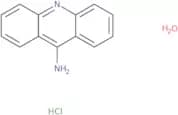
CAS :<p>6-Thiouric acid sodium salt dihydrate is a reaction component and fine chemical that is used as a reagent in the synthesis of various speciality chemicals. It has been used as a building block for the synthesis of complex compounds, and is also an intermediate for the production of high quality research chemicals. 6-Thiouric acid sodium salt dihydrate is soluble in water, methanol, ethanol, acetone and benzene. The CAS number for this product is 1329805-85-7.</p>Formule :C5H7N4NaO4SDegré de pureté :Min. 95%Couleur et forme :PowderMasse moléculaire :242.19 g/mol9-Acridinamine hydrochloride hydrate
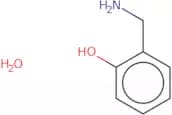
CAS :<p>9-Acridinamine hydrochloride hydrate is a redox agent that has been shown to have genotoxic effects in vitro. It can be used for the treatment of infectious diseases such as tuberculosis and leprosy, but it is not active against gram-positive bacteria. 9-Acridinamine hydrochloride hydrate has been shown to inhibit the growth of bacteria by binding to DNA and preventing transcription, replication, and repair. This compound also inhibits bacterial protein synthesis by forming covalent bonds with amino groups on proteins. 9-Acridinamine hydrochloride hydrate has been shown to be safe when administered orally in animal studies, but it may cause hepatotoxicity.</p>Formule :C13H10N2·HCl·H2ODegré de pureté :Min. 95%Couleur et forme :Yellow PowderMasse moléculaire :248.71 g/mol2-Hydroxybenzylamine hydrate
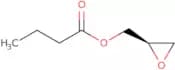
CAS :<p>2-Hydroxybenzylamine hydrate is a fine chemical, useful building block, research chemical, and reagent. It is soluble in water and has a neutral pH. 2-Hydroxybenzylamine hydrate is an intermediate in the synthesis of amphetamines and phenethylamines. This product is also used as a reaction component for the synthesis of polymers, pharmaceuticals, natural products, and other organic compounds. 2-Hydroxybenzylamine hydrate has a high quality level and can be used as a versatile building block in complex reactions.</p>Formule :C7H9NO·H2ODegré de pureté :Min. 95%Masse moléculaire :141.17 g/mol(R)-(-)-Glycidyl butyrate
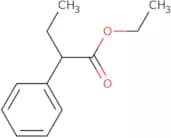
CAS :<p>(R)-(-)-Glycidyl butyrate is a chiral molecule with a single enantiomer. It is an inhibitor of bacterial growth, and has been shown to be selective for Gram-positive bacteria such as staphylococci and subtilis, while being less active against Gram-negative bacteria such as E. coli. The kinetic constants of the enzyme that catalyzes the hydrolysis of (R)-(-)-glycidyl butyrate have been determined by immobilization on ion exchange resins. The stereoselectivity of this reaction was also found to be in favor of (R)-(-)-glycidyl butyrate. This compound also has potent inhibitory activity against iodination reaction catalyzed by Escherichia coli D-amino acid oxidase, which is used in the diagnosis of phenylketonuria. Finally, (R)-(-)-glycidyl butyrate has been shown to inhibit de</p>Formule :C7H12O3Degré de pureté :Min. 95%Couleur et forme :Clear, colourless to pale yellow liquid.Masse moléculaire :144.17 g/molEthyl 2-phenylbutyrate
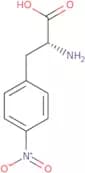
CAS :<p>Ethyl 2-phenylbutyrate is a synthetic, non-steroidal compound that has been shown to inhibit the activity of cyclooxygenase enzymes. It is used as an intermediate in organic synthesis and as a reagent in the cross-coupling reaction between arenes and magnesium. The compound is synthesized by reacting cyclopentyl bromide with an alkyl halide, followed by treatment with an alkanoic acid. The enantiomers of ethyl 2-phenylbutyrate can be separated by chromatography or by crystallization. This chemical is soluble in benzene and ether, but not in water.</p>Formule :C12H16O2Degré de pureté :Min. 95%Couleur et forme :PowderMasse moléculaire :192.25 g/mol4-Nitro-D-phenylalanine hydrate
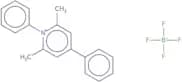
CAS :<p>4-Nitro-D-phenylalanine hydrate is a cytosolic enzyme that catalyzes the conversion of phenylpropionic acid to its conjugate base, 4-nitrophenol. This reaction is important in the synthesis of antimicrobial peptides and extractants. The enzyme also has hemolytic activity and can be used as an extractant for pancreatic juice. 4-Nitro-D-phenylalanine hydrate is a catalyst for acylation reactions, which are involved in the production of various pharmaceuticals. 4-Nitro-D-phenylalanine hydrate binds to receptors on the surface of bacterial cells, making it an effective antibacterial agent.</p>Formule :C9H10N2O4·H2ODegré de pureté :Min. 95%Couleur et forme :PowderMasse moléculaire :228.2 g/mol2,6-Dimethyl-1,4-diphenylpyridinium tetrafluoroborate
CAS :<p>2,6-Dimethyl-1,4-diphenylpyridinium tetrafluoroborate is a high quality reagent that can be used as a useful intermediate in the synthesis of fine chemicals. It is used as an important building block in the synthesis of many organic compounds and is also an important reaction component. This compound has a wide range of uses and can be used as a versatile building block in organic synthesis or as a speciality chemical for research purposes.</p>Formule :C19H18N·BF4Degré de pureté :Min. 95%Masse moléculaire :347.16 g/mol3-Amino-4-hydroxybenzoic acid hydrate
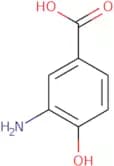
CAS :<p>3-Amino-4-hydroxybenzoic acid hydrate is a fine chemical that is used as a versatile building block in the synthesis of pharmaceuticals, agrochemicals, and other organic chemicals. It is an intermediate for the preparation of various research chemicals. 3-Amino-4-hydroxybenzoic acid hydrate has been shown to be an effective reagent for the synthesis of certain complex compounds. It also has high quality and can be used as a reaction component in many reactions.</p>Formule :C7H7NO3·H2ODegré de pureté :Min. 95%Couleur et forme :PowderMasse moléculaire :171.15 g/mol4,5,6-Pyrimidinetriamine sulfate hydrate
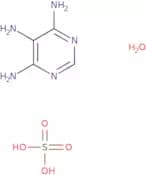
CAS :<p>4,5,6-Pyrimidinetriamine sulfate hydrate is a pyrimidine derivative that can be used as a building block for the synthesis of a wide range of compounds. It is used as a starting material in organic chemistry and pharmaceuticals. 4,5,6-Pyrimidinetriamine sulfate hydrate is also used in research and development as an intermediate or reagent.</p>Formule :C4H7N5·H2SO4·xH2ODegré de pureté :Min. 95%Masse moléculaire :223.21 g/mol5-Amino-N-(3-amino-2,2-dimethyl-3-oxopropyl)-4-hydroxy-2-isopropyl-7-[4-methoxy-3-(3-methoxypropoxy)benzyl]-8-methylnonanamide fumar ate
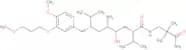
CAS :<p>5-Amino-N-(3-amino-2,2-dimethyl-3-oxopropyl)-4-hydroxy-2-isopropyl-7-[4-methoxy-3-(3-methoxypropoxy)benzyl]-8-methylnonanamide fumar ate is a drug that inhibits the activity of angiotensin II, which is a hormone produced by the body. It is used as monotherapy for treatment of hypertension. 5AMINO has been shown to be effective in lowering blood pressure when administered alone and has been shown to be well tolerated. For this drug, the most frequently reported adverse reactions are nausea and dizziness. This drug should not be taken with other antihypertensive drugs or nonsteroidal antiinflammatory drugs such as ibuprofen (Motrin®). In addition, patients with diabetes should monitor their blood sugar levels carefully while taking this medication.</p>Formule :C30H53N3O6Degré de pureté :Min. 95%Couleur et forme :PowderMasse moléculaire :551.76 g/molQuinidine sulfate dihydrate
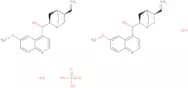
CAS :<p>Quinidine sulfate dihydrate is a medication that belongs to the class of antiarrhythmic drugs. It is used in the treatment of arrhythmias, including atrial fibrillation, supraventricular tachycardia, and ventricular tachycardia. Quinidine sulfate dihydrate has an inhibitory effect on erythromycin-resistant bacteria, such as staphylococci and streptococci. This drug has also been shown to inhibit the growth of many types of cancer cells, including colon cancer cells. Quinidine sulfate dihydrate acts by inhibiting cellular ATPases.</p>Formule :C40H48N4O4·H2O4S·2H2ODegré de pureté :(Titration) Min. 98%Couleur et forme :PowderMasse moléculaire :782.94 g/molDL-Lysine hydrate
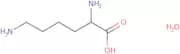
CAS :<p>DL-Lysine monohydrate is a white crystalline powder. It is soluble in water and alcohol, but insoluble in ether. DL-Lysine monohydrate has been shown to be fully chemically stable under normal laboratory conditions, with no evidence of decomposition at room temperature or under the influence of light. This compound is used as a drug substance for the treatment of lysinuric protein intolerance and may be used as an additive to animal feed. DL-Lysine monohydrate is also used in the production of other compounds such as amino acids, calorimetry reagents, and thermal analysis materials.</p>Formule :C6H14N2O2•xH2ODegré de pureté :Min. 95%Couleur et forme :PowderMasse moléculaire :146.19 g/mol2-Chloro-5-(4-chloro-5-difluoromethoxy-1-methylpyrazol-3-yl)-4-fluorophenoxyacetic acid monohydrate
CAS :<p>2-Chloro-5-(4-chloro-5-difluoromethoxy-1-methylpyrazol-3-yl)-4-fluorophenoxyacetic acid monohydrate (2,4,5P) is a phenoxy herbicide that has been shown to be an effective broadleaf and grass weed control agent. 2,4,5P is a granule formulation that can be applied by helicopter or ground equipment. It has synergistic effects with glyphosate when applied together to soybean plants and can be used in combination with other herbicides for more effective weed control.</p>Formule :C13H9Cl2F3N2O·H2ODegré de pureté :Min. 95%Couleur et forme :White PowderMasse moléculaire :355.14 g/molDantrolene sodium salt hemiheptahydrate
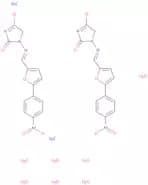
CAS :<p>Ryanodine receptor blocker; inhibitor of calcium release; muscle relaxant</p>Formule :C14H9N4NaO5•(H2O)3Degré de pureté :Min. 95%Couleur et forme :Yellow To Orange SolidMasse moléculaire :399.29 g/mol(R)-Benzyl-2-[4-(trifluoromethyl)phenyl]-6,7-dihydro-5H-pyrrolo[2,1-c][1,2,4]triazolium Tetrafluoroborate
CAS :<p>(R)-Benzyl-2-[4-(trifluoromethyl)phenyl]-6,7-dihydro-5H-pyrrolo[2,1-c][1,2,4]triazolium Tetrafluoroborate is a bactericide that inhibits the production of proteins necessary for cellular growth. It has been shown to inhibit the growth of bacteria such as E. coli in vitro and in animal models. The effective dose for this drug is not known at this time.</p>Formule :C19H17BF7N3Degré de pureté :Min. 95%Couleur et forme :White PowderMasse moléculaire :431.16 g/mol9-Amino-1,2,3,4-tetrahydroacridine HCl hydrate
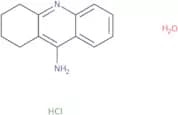
CAS :Produit contrôlé<p>9-Amino-1,2,3,4-tetrahydroacridine HCl hydrate (9AHT) is a cholinergic agent that inhibits the activity of the ns3 protease. It has been shown to inhibit tumor growth and induce apoptosis in prostate cancer cells. 9AHT also exhibits neuroprotective effects through its ability to inhibit acetylcholinesterase and reduce neuronal death. This drug has been used as a biological sample for the detection of amyloid proteins in cell culture. Acetate extract from Astragalus (a medicinal plant) was found to have an inhibitory effect on acetylcholinesterase activity. Protocatechuic acid, which is found in many plants, including grapefruit peel, has also been shown to be an inhibitor of acetylcholinesterase activity.</p>Formule :C13H15ClN2·xH2ODegré de pureté :Min. 95%Couleur et forme :White PowderMasse moléculaire :234.72 g/molrec Neurotrophin-3 (human)
<p>Please enquire for more information about rec Neurotrophin-3 (human) including the price, delivery time and more detailed product information at the technical inquiry form on this page</p>Degré de pureté :Min. 95%2,6-Diethyl-4-phenyl-1-propylpyridinium tetrafluoroborate
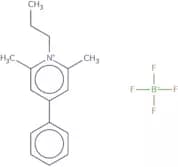
CAS :<p>2,6-Diethyl-4-phenyl-1-propylpyridinium tetrafluoroborate is a building block and a versatile intermediate in organic synthesis. It can be used as a reactant in the preparation of fine chemicals and pharmaceuticals. 2,6-Diethyl-4-phenyl-1-propylpyridinium tetrafluoroborate has been shown to produce high quality reaction products with good yield.</p>Formule :C16H20N·BF4Degré de pureté :Min. 95%Masse moléculaire :313.14 g/molDL-Cystein hydrochloride hydrate
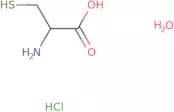
CAS :<p>DL-Cystein hydrochloride hydrate is a chemical compound with an amino acid structure. It is a structural analogue of the amino acid cysteine and has been shown to protect cells in culture from the toxic effects of proteases. This drug has been used in animal studies to test its ability to protect against diabetic neuropathy, but it is not yet known whether it will be effective for humans. DL-Cystein hydrochloride hydrate can be used as a fluorescence probe for albumin concentration and as a chemical chaperone that stabilizes proteins and prevents their aggregation. This compound has also been shown to have antioxidant properties, which may help prevent cellular damage caused by reactive oxygen species.</p>Formule :C3H7NO2S·HCl·H2ODegré de pureté :Min. 95%Masse moléculaire :175.64 g/molMethenamine hippurate
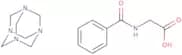
CAS :Produit contrôlé<p>Methenamine hippurate is a drug that has been used in the treatment of urinary tract infections. It is also used to prevent recurrence of these infections. Methenamine hippurate works by releasing formaldehyde, which inhibits the growth of bacteria by affecting their cell membrane. The release of formaldehyde is dependent on the concentration of methenamine and the pH, with a pH range from 7.0 to 8.5 being most effective for inhibiting bacterial growth. The release of formaldehyde can be inhibited by adding an acid to the urine sample or by adding hippurate to methenamine hippurate. Methenamine hippurate may cause drug interactions with other drugs that are eliminated through the kidneys, such as acetaminophen, sulfonamides, and indomethacin. This drug also has been shown to have therapeutic effects on choroidal neovascularization and geriatric patients with urinary tract infections.!--<br>END--></p>Formule :C6H12N4·C9H9NO3Degré de pureté :Min. 95%Couleur et forme :White PowderMasse moléculaire :319.36 g/molSodium tetraborate decahydrate
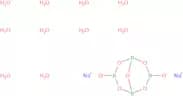
CAS :<p>Sodium tetraborate decahydrate is a boron compound that is used in wastewater treatment. It is a good adsorbent for organic molecules and can be used to remove organic contaminants from wastewater. Sodium tetraborate decahydrate has shown to have good thermal stability, chemical stability, and optical properties. This compound also has the ability to adsorb benzalkonium chloride, which is an antibacterial agent used in hospitals.</p>Formule :Na2B4O7·10H2ODegré de pureté :Min. 95%Couleur et forme :PowderMasse moléculaire :381.37 g/molAzure B Tetrafluoroborate
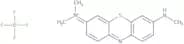
CAS :<p>Azure B Tetrafluoroborate is a potentiator for antibiotics. It is used to enhance the antibacterial efficacy of antibiotics by increasing their ability to penetrate tissues and bacterial biofilms. Azure B Tetrafluoroborate is an organic solvent that can be applied with a handpiece or cavity instrument. It has been shown to increase the in vitro activity of various antibiotics against gram-negative organisms and can be used as a polymeric matrix for coating medical devices such as catheters, endoscopes, and implants. The mechanism of action involves activation of the chemical species within the antibiotic molecule, which then reacts with diode-pumped solid state laser radiation to produce luminescence reactions.</p>Formule :C15H16N3S·BF4Degré de pureté :Min. 95%Masse moléculaire :357.18 g/molThiamine nitrate
CAS :<p>Thiamine nitrate is a form of vitamin B1 that is used to treat thiamine deficiency. Thiamine nitrate is an oxidized form of thiamin, also known as vitamin B1. It can be synthesized by reacting thiamin hydrochloride with nitric acid. Thiamine nitrate has been shown to protect against neuronal death in the brain and restores cognitive function in patients with Wernicke-Korsakoff syndrome due to its ability to target enzymes involved in energy metabolism and calcium ion homeostasis. It also prevents acute alcohol intoxication and protects against neurotoxicity caused by nonsteroidal anti-inflammatory drugs.<br>Thiamine nitrate also has a fluorescence probe that can be used for detection and quantification of some proteins, such as DNA polymerase or ribonucleotide reductase, which are essential for cell growth or DNA synthesis.</p>Formule :C12H17N4OS·NO3Degré de pureté :Min. 95%Couleur et forme :White Clear LiquidMasse moléculaire :327.36 g/molDiatrizoic acid dihydrate
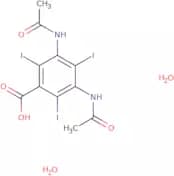
CAS :<p>Diatrizoic acid dihydrate is a compound that has been used in the past for the detection of bladder cancer and urethral carcinoma. It is most often administered by intravesical instillation, postoperatively after pyelography, or prophylactically to prevent recurrence following surgery for bladder cancer. Diatrizoic acid dihydrate is an oxidant agent with high reactivity to nucleic acids. When it reacts with viral DNA, it causes a break in the DNA chain at the site of contact, resulting in cell death. The compound also reacts with DNA in bacteria and human cells, causing a change in the configuration of the molecule and leading to cell death. Diatrizoic acid dihydrate can be used as a treatment for subgroups C and D of virus-induced cystitis in animals, but it does not work against other types of cystitis viruses. Diatrizoic acid dihydrate is also</p>Formule :C11H9I3N2O4·2H2ODegré de pureté :Min. 95%Couleur et forme :White PowderMasse moléculaire :649.94 g/molResveratrol triacetate
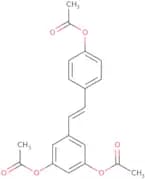
CAS :<p>Resveratrol is a natural phenol that has been shown to have anticancer and anti-inflammatory properties. Resveratrol triacetate is an acetylated form of resveratrol that has a greater stability than resveratrol and may be more bioavailable. Resveratrol triacetate has been shown to inhibit the proliferation of skin cells, muscle cells, and bronchial cells in vitro. Resveratrol triacetate also decreases the production of pro-inflammatory cytokines in macrophages, which are white blood cells involved in the inflammatory response. Resveratrol triacetate inhibits the expression of genes that lead to inflammation and cancer development by binding to nuclear receptors, which are proteins found on the surface of cells that bind specific molecules such as hormones or drugs.</p>Formule :C20H18O6Degré de pureté :Min. 95%Couleur et forme :PowderMasse moléculaire :354.35 g/mol1,5-Dimethyl citrate
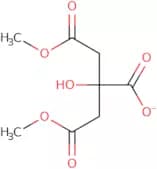
CAS :<p>1,5-Dimethyl citrate is a polycarboxylic acid that is found in urine. It has been used as an antimicrobial agent against bacteria and yeast. 1,5-Dimethyl citrate has also been shown to be effective against colorectal adenocarcinoma cells. It binds to the nucleophilic centers in the active site of bacterial enzymes and inhibits the synthesis of DNA and RNA. This leads to cell death by inhibiting protein synthesis and cell division. The hydrogen fluoride (HF) treatment of 1,5-dimethyl citrate converts it into usnic acid, which has been shown to have antimicrobial properties against a wide range of microorganisms including E. coli and methicillin-resistant Staphylococcus aureus (MRSA). 1,5-Dimethyl citrate can be detected in urine by nuclear magnetic resonance spectroscopy or mass spectrometry because it has a distinctive chemical shift at 2.1 ppm</p>Formule :C8H12O7Degré de pureté :Min. 95 Area-%Couleur et forme :PowderMasse moléculaire :220.18 g/molLithium 12-hydroxy stearate
CAS :<p>Lithium 12-hydroxy stearate is a lithium salt of a fatty acid and a main component of lithium soap, which is used in lubricating greases and as foam-release agent. Lithium stearates are contained in greases used in vehicles, aircraft, and heavy machinery.</p>Formule :C18H35LiO3Degré de pureté :Min. 95%Couleur et forme :PowderMasse moléculaire :306.41 g/molPentolinium tartrate
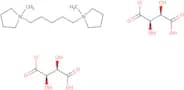
CAS :<p>Pentolinium tartrate is a potent inhibitor of the enzyme that catalyzes the conversion of noradrenaline to adrenaline, which is a pressor agent. It also inhibits oxidation and thus prevents damage to tissues. Pentolinium tartrate has been shown to lower blood pressure in both anesthetized and conscious animals. It also has potentiation effects on the activity of acetylcholine, an amine neurotransmitter involved in memory and learning. This drug binds to the hydroxylase enzyme in adrenomedullary cells and blocks the formation of catecholamines (including noradrenaline). Pentolinium tartrate does not have any effect on monoamine oxidase inhibitors.</p>Formule :C23H42N2O12Degré de pureté :Min. 95%Couleur et forme :PowderMasse moléculaire :538.59 g/mol2,4,6-Trimethylpyronium tetrafluoroborate
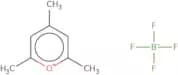
CAS :<p>2,4,6-Trimethylpyronium tetrafluoroborate is a chemical compound that is used in pharmaceutical preparations. It is an analog of pyridinium diacetate and can be prepared by reacting 2,4,6-trimethylpyridine with hydrogen fluoride to form the corresponding pyridinium tetrafluoroborate. The chemical reactions of 2,4,6-trimethylpyridine are similar to those of other pyridines. It has been shown that 2,4,6-trimethylpyridine reacts with diazo compounds to produce a fluorescent product. This reaction can be monitored using a fluorescence assay and statistically analyzed. The plasma samples were analyzed using isotopic analysis and showed that the pyronium ion was present in human serum as well as inorganic materials such as water samples.</p>Formule :C8H11O·BF4Degré de pureté :Min. 95%Masse moléculaire :209.98 g/mol(-)-Phenylephrine hydrogentartrate
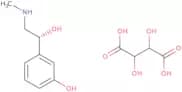
CAS :<p>(-)Phenylephrine is a medication that belongs to the group of drugs called sympathomimetics. This drug is a potent vasoconstrictor that causes blood vessels to narrow and increases blood pressure. (-)Phenylephrine is used in humans as a pharmaceutical dosage for treatment of chronic bronchitis, hay fever, and other allergic reactions. It also has been shown to inhibit guanylate cyclase activity and can be used for the treatment of asthma. (-)Phenylephrine inhibits the action of two enzymes: cyclase and phosphodiesterase. This inhibition leads to an increased level of cAMP, which binds with G protein-coupled receptors in tissues that are rich in smooth muscle cells such as the airways or urinary bladder. The binding of cAMP with these receptors causes an increase in intracellular calcium ion levels, leading to relaxation of smooth muscles and improved breathing or urination.</p>Formule :C9H13NO2·C4H6O6Degré de pureté :Min. 98 Area-%Couleur et forme :PowderMasse moléculaire :317.29 g/mol
















![(R)-Benzyl-2-[4-(trifluoromethyl)phenyl]-6,7-dihydro-5H-pyrrolo[2,1-c][1,2,4]triazolium Tetrafluor…](/_next/image/?url=https%3A%2Fstatic.cymitquimica.com%2Fproducts%2F3D%2Fthumb-webp%2FFB59921.webp&w=3840&q=75)