Antimicrobiens
Sous-catégories appartenant à la catégorie "Antimicrobiens"
- Antibiotiques(4.137 produits)
- Antifongiques(904 produits)
- Antiparasitaires(700 produits)
- Antiviraux(767 produits)
2432 produits trouvés pour "Antimicrobiens"
1-Anthroylnitrile
CAS :1-Anthroylnitrile is a chemical compound, specifically an organic aromatic compound known as a polycyclic aromatic nitrile, which is synthesized from anthracene via nitrile substitution at the 1-position. With its aromatic structure, 1-Anthroylnitrile exhibits unique photophysical properties, functioning as a significant fluorescent probe due to its strong absorption and emission in the UV-visible spectrum.
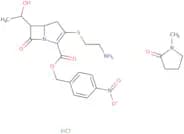
Formule :C16H9NODegré de pureté :Min. 95%Masse moléculaire :231.25 g/molThienamycin p-nitrobenzyl ester, N-methylpyrrolidinone hydrochloride
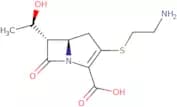
CAS :Thienamycin p-nitrobenzyl ester, N-methylpyrrolidinone hydrochloride is a synthetic compound commonly utilized in biochemical research, particularly in the study of beta-lactam antibiotics. It is derived through synthetic pathways involving the modification of thienamycin, a naturally occurring beta-lactam antibiotic, to enhance its stability and facilitate its study in various experimental settings. This modification allows for investigation into the structure-activity relationships and potential enhancements of antibiotic function.Formule :C23H31ClN4O7SDegré de pureté :Min. 95%Masse moléculaire :543 g/molCephalexin hydrate, Antibiotic for Culture Media Use Only
CAS :Please enquire for more information about Cephalexin hydrate, Antibiotic for Culture Media Use Only including the price, delivery time and more detailed product information at the technical inquiry form on this page
Formule :C16H19N3O5SDegré de pureté :Min. 95.0 Area-%Masse moléculaire :365.41 g/mol2-Sec-butyl-1-(decyloxy)-4-tritylbenzene
CAS :2-Sec-butyl-1-(decyloxy)-4-tritylbenzene is a synthetic organic compound, typically utilized in chemical research and development. It is sourced through a series of organic synthesis reactions, involving alkylation, etherification, and aromatic substitution, primarily in a controlled laboratory environment.
Formule :C39H48ODegré de pureté :Min. 95%Masse moléculaire :532.8 g/molNortadalafil-N-(2-hydroxy)propyl
CAS :Nortadalafil-N-(2-hydroxy)propyl is a chemotherapeutic agent, which is synthesized through the chemical modification of tadalafil. It is characterized as a small-molecule inhibitor, derived from the structural alteration of the well-known phosphodiesterase type 5 (PDE5) inhibitor. The mechanism of action involves the attenuation of PDE5 activity, leading to increased levels of cyclic guanosine monophosphate (cGMP) within targeted cellular pathways. This elevation in cGMP concentration results in vasodilation and increased blood flow, primarily investigated within the context of vascular and erectile tissue.
Formule :C24H23N3O5Degré de pureté :Min. 95%Masse moléculaire :433.5 g/molMacrosphelide A
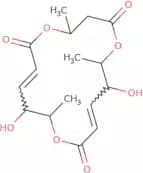
CAS :Macrosphelide A is a bioactive macrocyclic lactone, which is a secondary metabolite derived from the culture of certain fungal species. It functions primarily through the disruption of cell adhesion processes, which is facilitated by its ability to interfere with the function of specific cell surface receptors. This mode of action underlies its potential as an immunosuppressive agent, where it can inhibit the activities of immune cells by altering cellular communication and adhesion.
Formule :C16H22O8Degré de pureté :Min. 95%Masse moléculaire :342.34 g/molTuberculosis inhibitor 3
CAS :Tuberculosis inhibitor 3 is a synthesized chemical compound designed to target the Mycobacterium tuberculosis bacterium, which is the causative agent of tuberculosis. This inhibitor is derived through advanced chemical synthesis techniques, involving the modification of specific molecular structures to enhance its binding affinity and specificity toward the bacterial cellular targets.
Formule :C21H22F6N4O3SDegré de pureté :Min. 95%Masse moléculaire :524.5 g/molNonactin
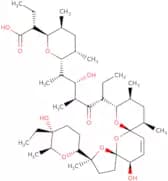
CAS :Nonactin is a macrotetrolide antibiotic with action as an ionophore for potassium and ammonium ions and is used for research on ion transport and bacterial inhibition.
Formule :C40H64O12Degré de pureté :Min. 95%Couleur et forme :PowderMasse moléculaire :736.93 g/molNeticonazole
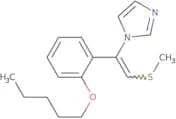
CAS :Neticonazole is a synthetic antifungal compound, which is derived from pharmaceutical chemical synthesis. It functions primarily as an imidazole derivative, disrupting the synthesis of ergosterol, a crucial component of fungal cell membranes. This interference leads to increased cell membrane permeability, ultimately causing cell lysis and death of the fungal organism.
Formule :C17H22N2OSDegré de pureté :Min. 95%Masse moléculaire :302.4 g/molVebufloxacin
CAS :Vebufloxacin is an antibacterial agent, which is synthesized as a member of the fluoroquinolone class of antibiotics. This compound is derived from chemical synthesis, specifically designed to target and inhibit bacterial DNA gyrase and topoisomerase IV. These enzymes play crucial roles in DNA replication and transcription, making them ideal targets for disrupting bacterial cell function.
Formule :C19H22FN3O3Degré de pureté :Min. 95%Masse moléculaire :359.4 g/molVancomycin aglycon
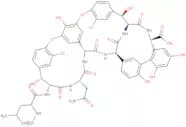
CAS :Vancomycin aglycon is a glycopeptide antibiotic, which is a derivative of vancomycin. It is sourced from the fermentation products of certain Amycolatopsis species, a genus of actinobacteria. The mode of action of vancomycin aglycon involves the inhibition of bacterial cell wall synthesis. It specifically binds to the D-Ala-D-Ala terminus of nascent peptidoglycan chains, thereby preventing the cross-linking that is crucial for maintaining cell wall integrity.
Formule :C53H52Cl2N8O17Degré de pureté :Min. 95%Masse moléculaire :1,143.93 g/molOfloxacin methyl ester
CAS :Ofloxacin methyl ester is a chemical compound, which is a derivative utilized in scientific research, particularly in the synthesis of ofloxacin-related compounds. It is a synthetic ester, derived from chemical synthesis involving ofloxacin, a fluoroquinolone antibiotic. The mode of action of ofloxacin methyl ester is based on its role as an intermediate compound. It facilitates the creation of active forms or analogs that can be tested for their pharmacological properties. Although not directly used as a therapeutic agent, it plays a crucial role in the development and modification of molecules for antibacterial applications.
Formule :C19H22FN3O4Degré de pureté :Min. 95%Masse moléculaire :375.4 g/molCladosporin
CAS :Cladosporin is a secondary metabolite and natural product, specifically a fungal cyclodepsipeptide, which is isolated from the fungus *Cladosporium cladosporioides*. It exhibits its mode of action by selectively inhibiting the lysyl-tRNA synthetase enzyme in the Plasmodium species, the causative agent of malaria. This inhibition disrupts the protein synthesis pathway crucial for the survival and proliferation of the parasite.
Formule :C16H20O5Degré de pureté :Min. 95%Masse moléculaire :292.33 g/molPolymyxin B nonapeptide hydrochloride
CAS :Polymyxin B nonapeptide hydrochloride is a potent antibiotic compound derived from the bacterium *Bacillus polymyxa*. As a cationic polypeptide, it exhibits its antibacterial activity by interacting with the lipopolysaccharides and phospholipids in the bacterial cell membrane, leading to increased permeability and ultimately causing cell lysis. The compound is specifically effective against a broad range of Gram-negative bacteria, making it crucial in studying antibiotic resistance mechanisms.
Formule :C43H74N14O11•(HCl)xDegré de pureté :Min. 95%Masse moléculaire :963.14 g/molButirosin disulfate
CAS :Butirosin disulfate is an aminoglycoside antibiotic, which is derived from a strain of *Bacillus circulans*. Its primary mode of action involves binding to the 30S subunit of the bacterial ribosome, leading to the inhibition of protein synthesis. This interaction results in the misreading of mRNA, ultimately causing bactericidal effects.
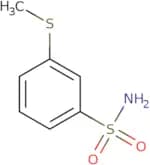
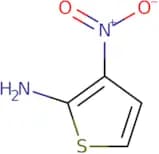
Formule :C21H45N5O20S2Degré de pureté :Min. 95%Masse moléculaire :751.7 g/mol8-Methylpyrido[2,3-d]pyridazin-5(6H)-one
CAS :8-Methylpyrido[2,3-d]pyridazin-5(6H)-one is a heterocyclic compound used in the field of medicinal chemistry. This compound is synthesized through complex organic reactions involving pyridazine and pyridine derivatives. As a molecule, its primary mode of action involves interactions with specific biochemical pathways, potentially influencing enzymatic activity or receptor bindings, leading to modulation of biological activities.
Formule :C8H7N3ODegré de pureté :Min. 95%Masse moléculaire :161.16 g/molRef: 3D-QDA00407
Produit arrêté2-(2-Methyl-4-nitro-1H-imidazol-1-yl)ethyl benzoate
CAS :2-(2-Methyl-4-nitro-1H-imidazol-1-yl)ethyl benzoate is a synthetic chemical compound, classified as an organic ester. It originates from the reaction between benzoic acid and a derivative of nitroimidazole, a class of compounds known for their bioactivity. The molecular framework includes a benzoate ester linked to an imidazole ring, which is substituted with nitro and methyl groups, contributing to its unique characteristics.
Formule :C13H13N3O4Degré de pureté :Min. 95%Masse moléculaire :275.26 g/molParvodicin C2
CAS :Parvodicin C2 is a natural antibiotic compound, which is derived from the fermentation of specific actinomycete strains. This antibiotic functions through the inhibition of bacterial protein synthesis, specifically targeting the ribosomal subunits and leading to disruption in the peptide chain elongation process. The targeted mode of action allows it to effectively limit the replication and survival of susceptible bacterial strains.
Formule :C83H88Cl2N8O29Degré de pureté :Min. 95%Masse moléculaire :1,732.5 g/molTolnifanide
CAS :Tolnifanide is a fungicidal product, which is a synthetic compound derived from chemical synthesis. It operates by interfering with the normal cellular function of fungi, inhibiting their growth and reproduction. This mode of action involves disrupting key processes within the fungal cells, rendering them unable to thrive in their host environment.
Formule :C15H15ClN2O4SDegré de pureté :Min. 95%Masse moléculaire :354.8 g/molTelavancin
CAS :Telavancin is a lipoglycopeptide antibiotic, which is a semi-synthetic derivative of vancomycin. Its source is derived through modifications of the glycopeptide antibiotic, specifically aimed to enhance antibacterial activity. Telavancin functions by inhibiting cell wall synthesis in Gram-positive bacteria, including methicillin-resistant Staphylococcus aureus (MRSA). It does this by binding to the D-alanyl-D-alanine terminus of cell wall precursors, disrupting peptidoglycan polymerization and, consequently, cell wall integrity. Additionally, Telavancin increases membrane permeability and disrupts membrane potential, further enhancing its bactericidal activity.
Formule :C80H106Cl2N11O27PDegré de pureté :Min. 95%Masse moléculaire :1,755.64 g/molLevomecol
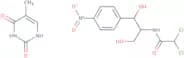
CAS :Levomekol is a topical antibiotic ointment, which is a synthesized pharmaceutical product with antibacterial and anti-inflammatory properties. It contains chloramphenicol, a broad-spectrum antibiotic, and methyluracil, which promotes tissue repair and regeneration. The mode of action involves the inhibition of bacterial protein synthesis by binding to the 50S ribosomal subunit of susceptible microorganisms, effectively curbing bacterial growth and proliferation. Concurrently, methyluracil stimulates leukocyte activity and enhances the healing process by promoting cellular regeneration and collagen production.
Formule :C16H18Cl2N4O7Degré de pureté :Min. 95%Masse moléculaire :449.2 g/molDimethenamid-ethane sulfonic acid (esa) sodium
CAS :Dimethenamid-ethane sulfonic acid (ESA) sodium is a herbicide metabolite, which is derived from Dimethenamid, an active ingredient in pre-emergent herbicides used for controlling grass and broadleaf weeds. The compound is formed through the metabolic degradation of the parent herbicide in soil and plants, largely influenced by microbial activity and environmental conditions.
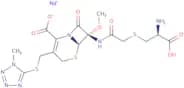
Formule :C12H18NNaO5S2Degré de pureté :Min. 95%Masse moléculaire :343.4 g/molCefotiam
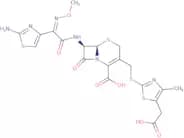
CAS :Cefotiam is a broad-spectrum cephalosporin antibiotic, which is a beta-lactam compound derived from the mold Acremonium. It functions by inhibiting bacterial cell wall synthesis, particularly by targeting penicillin-binding proteins, which leads to cell lysis and death in susceptible bacteria. This mechanism of action makes it effective against various Gram-positive and Gram-negative bacteria.
Formule :C18H23N9O4S3Degré de pureté :Min. 95%Couleur et forme :PowderMasse moléculaire :525.62 g/molIonomycin
CAS :Ionomycin is an ionophore compound with a mode of action that facilitates calcium ion transport across cell membranes. It is used in research to study calcium signaling and T-cell activation.
Formule :C41H72O9Degré de pureté :Min. 98 Area-%Couleur et forme :PowderMasse moléculaire :709.01 g/molTridehydro pirlimycin
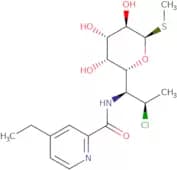
CAS :Tridehydro pirlimycin is an antibiotic compound, which is a synthetic derivative with origins in the lincosamide family. It is characterized by its ability to inhibit bacterial protein synthesis by binding to the 50S ribosomal subunit, leading to a bacteriostatic effect. The compound is primarily developed for its use in veterinary medicine, particularly in the treatment and management of bacterial infections in animals.
Formule :C17H25ClN2O5SDegré de pureté :Min. 95%Masse moléculaire :404.91 g/mol(S,S)-Valifenalate
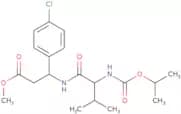
CAS :(S,S)-Valifenalate is a chemical compound that serves as a systemic fungicide, a class of products designed to prevent or eliminate fungal diseases in plants. It is synthetically derived, indicating that its molecular structure is chemically engineered rather than extracted from natural sources. The compound operates by disrupting the fungal life cycle, specifically interfering with cell wall biosynthesis, ultimately inhibiting the growth and reproduction of fungal pathogens.
Formule :C19H27ClN2O5Degré de pureté :Min. 95%Masse moléculaire :398.9 g/molIsoflucypram
CAS :Please enquire for more information about Isoflucypram including the price, delivery time and more detailed product information at the technical inquiry form on this page
Formule :C19H21ClF3N3ODegré de pureté :Min. 95%Masse moléculaire :399.8 g/molCephamycin C
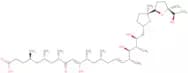
CAS :Cephamycin C is a cephalosporin antibiotic, which is a type of β-lactam antibiotic. It is derived from the fermentation process of certain Streptomyces species and other actinomycetes. Its mode of action involves inhibiting bacterial cell wall synthesis by binding to penicillin-binding proteins (PBPs). This inhibition disrupts the structural integrity of the bacterial cell wall, leading to cell lysis and death.
Formule :C16H22N4O9SDegré de pureté :Min. 95%Couleur et forme :PowderMasse moléculaire :446.4 g/molL-689502
CAS :L-689502 is a synthetic compound that functions as a selective antagonist for neuropeptide Y1 receptors. It is derived from chemical synthesis processes specifically designed to target and modulate these receptors. As an antagonist, its primary mode of action involves binding to the neuropeptide Y1 receptors and inhibiting their activity, thereby blocking the effects of the naturally occurring ligand, neuropeptide Y (NPY).
Formule :C39H51N3O7Degré de pureté :Min. 95%Masse moléculaire :673.8 g/molCycloxaprid
CAS :Cycloxaprid is an insecticide, which is a chemical derived from natural compounds designed to manage pest populations. Its primary source is based on a modification of the neonicotinoids, a class of neuro-active insecticides modeled after nicotine. Cycloxaprid functions by acting on nicotinic acetylcholine receptors (nAChRs) within the insect’s nervous system. This mode of action involves binding to these receptors, leading to uncontrolled nerve firing and eventually, the insect’s death due to nervous system failure.
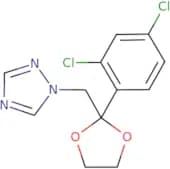
Formule :C14H15ClN4O3Degré de pureté :Min. 95%Masse moléculaire :322.75 g/mol3-(2-(2,4-Dichlorophenyl)-2-hydroxyethyl)-3,4-imidazolidinedione
CAS :3-(2-(2,4-Dichlorophenyl)-2-hydroxyethyl)-3,4-imidazolidinedione is a synthetic compound, which is a derivative of imidazolidinedione. It is primarily characterized as an antifungal agent with broad-spectrum activity against various fungal species. Its mode of action involves disrupting the synthesis of ergosterol, an essential component of fungal cell membranes. This disruption leads to increased membrane permeability and ultimately, cell death. The efficacy of this compound is attributed to its ability to inhibit the growth of pathogens by targeting critical pathways necessary for fungal survival.
Formule :C11H12Cl2N2O3Degré de pureté :Min. 95%Masse moléculaire :291.13 g/molTaxiphyllin
CAS :Taxiphyllin is a type of cyanogenic glucoside, which is a naturally occurring compound found in certain plants. It is derived primarily from bamboo shoots, among other plant sources. The compound undergoes hydrolysis when the plant tissue is damaged, such as during chewing or processing. This hydrolytic reaction, typically catalyzed by the enzyme β-glucosidase, results in the release of hydrogen cyanide, a potent defense mechanism for the plant against herbivores and pests.
Formule :C14H17NO7Degré de pureté :Min. 95%Masse moléculaire :311.29 g/molEquisetin
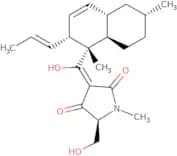
CAS :Equisetin is a secondary metabolite, which is produced by the fungus *Fusarium equiseti*. It operates predominantly through the inhibition of protein synthesis and interference with cellular processes within target organisms. Equisetin exhibits potent antibacterial and antifungal activities primarily by interfering with cell wall synthesis in bacteria and disrupting key pathways in fungi.
Degré de pureté :Min. 95%Piericidin A
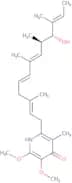
CAS :Piericidin A is a microbial metabolite, specifically a type of polyketide, which is derived from the bacterium of the genus Streptomyces. This compound acts as an electron transport chain inhibitor by specifically binding to the ubiquinone binding site of complex I (NADH:ubiquinone oxidoreductase) in mitochondria. This mode of action results in the disruption of ATP production through oxidative phosphorylation.
Formule :C25H37NO4Degré de pureté :Min. 95%Masse moléculaire :415.57 g/molNigericin sodium
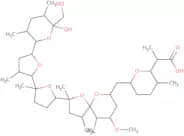
CAS :Nigericin transports cations across the membrane of the cell and it is used to study anion transport. It can be used as a buffer to control pH value inside of the cell.
Formule :C40H67NaO11Degré de pureté :Min. 95%Masse moléculaire :746.94 g/molSulfamethazine Sodium Salt
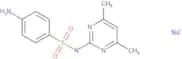
CAS :Sulfamethazine Sodium Salt is a synthetic sulfonamide antibacterial agent derived from sulfanilamide compounds, characterized by its broad-spectrum efficacy against various bacterial pathogens. It operates by interfering with bacterial folic acid synthesis, specifically inhibiting the enzyme dihydropteroate synthase. This action results in the incapacitation of bacterial growth and replication, as folic acid is essential for nucleic acid formation and cell division.
Formule :C12H13N4O2S·NaDegré de pureté :Min. 95%Masse moléculaire :300.31 g/molQuinocarcin
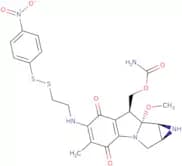
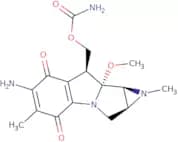
CAS :Quinocarcin is an antitumor antibiotic, which is a potent chemical compound derived from the bacterium Streptomyces. This compound exhibits its mode of action through interaction with DNA, where it induces DNA cross-linking and inhibits DNA replication, ultimately leading to cell death. The mechanism makes it particularly effective as a cytotoxic agent against rapidly dividing cancer cells.
Formule :C18H22N2O4Degré de pureté :Min. 95%Masse moléculaire :330.4 g/molCefquinome
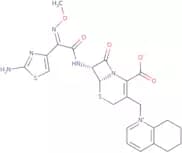
CAS :Cefquinome is a broad-spectrum antibiotic, which is a fourth-generation cephalosporin. It is derived from the β-lactam class of antibiotics and is specifically designed for veterinary applications. Its mode of action involves the inhibition of bacterial cell wall synthesis, leading to cell lysis and death. This action is facilitated through the binding of cefquinome to penicillin-binding proteins, which undermines the structural integrity of bacterial cell walls, proving effective against both Gram-positive and Gram-negative bacteria.
Formule :C23H24N6O5S2Degré de pureté :Min. 95%Masse moléculaire :528.61 g/molVapendavir diphosphate
CAS :Vapendavir diphosphate is an antiviral compound, which is a synthesized small molecule with selective activity targeting picornaviruses. This compound is derived from rigorous medicinal chemistry efforts focusing on the inhibition of viral replication. Vapendavir diphosphate functions by binding to a specific site on the viral capsid, thereby inhibiting the uncoating process essential for viral RNA release into the host cell. This mode of action effectively prevents the virus from replicating within the host.
Formule :C21H32N4O11P2Degré de pureté :Min. 95%Masse moléculaire :578.4 g/molNSC-60339
CAS :NSC-60339 is a synthetic antineoplastic agent derived from laboratory synthesis known for its targeted inhibition of specific cancer cell pathways. The compound operates by interfering with crucial cellular processes such as DNA replication or protein synthesis, depending on its exact mode of action.
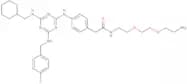
Formule :C26H23ClN6O2Degré de pureté :Min. 95%Masse moléculaire :487 g/molRef: 3D-AAA07009
Produit arrêtéOxpoconazole fumarate
CAS :Oxpoconazole fumarate is a systemic antifungal agent, which is a synthetic compound derived from chemical synthesis. It functions by inhibiting the biosynthesis of ergosterol, a critical component of fungal cell membranes, ultimately disrupting cell growth and replication. This inhibition interferes with the integrity and functionality of the fungal cell membrane, leading to cell death.
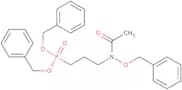
Formule :C42H52Cl2N6O8Degré de pureté :Min. 95%Masse moléculaire :839.8 g/molTri-O-benzyl FR 900098
CAS :Tri-O-benzyl FR 900098 is a chemical compound, often referenced in biochemical research contexts. It is a synthetic derivative that originates from complex chemical synthesis, involving multiple benzylation steps to modify the original molecular framework. This structural transformation lends the compound unique chemical properties.
Formule :C26H30NO5PDegré de pureté :Min. 95%Masse moléculaire :467.49 g/molN'-Desmethyl azithromycin
CAS :N'-Desmethyl azithromycin is a semi-synthetic derivative antibiotic, which is derived from the chemical modification of azithromycin, a macrolide antibiotic sourced originally from the bacterium *Streptomyces erythreus*. It functions primarily by inhibiting bacterial protein synthesis, binding specifically to the 50S ribosomal subunit, which results in the prevention of transpeptidation and translocation processes during translation. This action effectively halts bacterial growth, rendering it bacteriostatic.
Formule :C37H70N2O12Degré de pureté :Min. 95%Masse moléculaire :734.96 g/molOxacillin sodium
CAS :Oxacillin sodium is a beta-lactam antibiotic with action on bacterial cell wall synthesis and is used for treating infections caused by penicillin-resistant Staphylococcus aureus.
Formule :C19H18N3NaO5SDegré de pureté :Min. 95%Couleur et forme :PowderMasse moléculaire :423.42 g/molAcepromazine hydrochloride
CAS :Acepromazine hydrochloride is a phenothiazine derivative tranquilizer, which is synthesized chemically. Its mode of action is primarily through antagonism of dopamine receptors in the central nervous system, leading to a sedative effect. Additionally, it exerts peripheral actions, including alpha-adrenergic blockade and diminished release of hypothalamic and hypophyseal hormones, contributing to vasodilation and other physiological effects.
Formule :C19H23ClN2OSDegré de pureté :Min. 95%Masse moléculaire :362.9 g/molTebufenozide-hydroxymethyl
CAS :Tebufenozide-hydroxymethyl is an insect growth regulator, which is synthesized chemically to function as an agonist of the molting hormone, ecdysone, in target pest species. It operates by mimicking the effects of ecdysone, leading to premature and lethal molting in lepidopteran larvae. This disruption in the developmental cycle of the insects effectively suppresses their population by preventing them from reaching maturity and reproducing.
Formule :C22H28N2O3Degré de pureté :Min. 95%Masse moléculaire :368.5 g/molGatifloxacin hydrate
CAS :Gatifloxacin hydrate is a fluoroquinolone antibiotic, which is synthesized chemically. It exerts its bactericidal effects primarily by inhibiting bacterial DNA gyrase and topoisomerase IV. These enzymes are crucial for bacterial DNA replication, transcription, and repair. By preventing these processes, gatifloxacin effectively halts bacterial cell division, ultimately leading to cell death.
Formule :C19H24FN3O5Degré de pureté :Min. 95%Masse moléculaire :393.4 g/mol3-Chloro-4-(3-chloro-2-nitrophenyl)pyrrole
CAS :3-Chloro-4-(3-chloro-2-nitrophenyl)pyrrole is a synthetic chemical compound, classified as an organochlorine derivative. This compound originates from the modification of pyrrole structures, which are heterocyclic aromatic compounds. The synthesis involves chlorination and nitration processes to enhance its potential activity and specificity.
Formule :C10H6Cl2N2O2Degré de pureté :Min. 95%Masse moléculaire :257.07 g/molSE 563
CAS :SE 563 is a biocontrol agent, which is an organism-based product derived from natural sources. It is sourced from a specific strain of entomopathogenic nematodes known for their effectiveness in targeting and controlling insect pests. The mode of action involves the nematodes seeking out their insect hosts in the soil, entering through natural openings, and releasing symbiotic bacteria that kill the host from within.
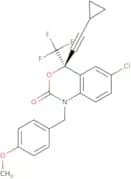
Formule :C22H17ClF3NO3Degré de pureté :Min. 95%Masse moléculaire :435.08491Diclobutrazol
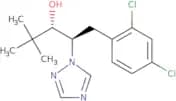
CAS :Diclobutrazol is a plant growth regulator, a synthetic compound primarily derived from chemical synthesis methods. This compound acts by inhibiting the biosynthesis of gibberellins, which are plant hormones that regulate various aspects of growth and development. The inhibition of gibberellin biosynthesis results in reduced plant elongation, leading to more compact growth forms.
Formule :C15H19Cl2N3ODegré de pureté :Min. 95%Masse moléculaire :328.24 g/mol1,3,5-Triazine-2,4-diamine
CAS :1,3,5-Triazine-2,4-diamine is a selective herbicide, which is synthesized from chemical feedstocks via a process involving triazine ring formation and chlorination. This compound operates by inhibiting photosynthesis in susceptible plants, specifically targeting the photosystem II complex. When absorbed through the roots and leaves, it disrupts the electron transport chain, leading to chlorophyll loss and subsequent plant death.
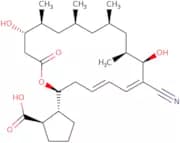
Formule :C5H6F3N5ODegré de pureté :Min. 95%Masse moléculaire :209.13 g/molBorrelidin
CAS :Borrelidin is a potent antibiotic of the polyketide class, which is isolated from various Streptomyces species. Its mode of action is characterized by its inhibition of threonyl-tRNA synthetase, effectively disrupting protein synthesis within bacteria. Additionally, Borrelidin is known for its unique anti-angiogenic properties, which result from the inhibition of endothelial cell proliferation, making it a compound of interest in cancer research.
Degré de pureté :Min. 95%Tromantadine hydrochloride
CAS :Produit contrôléTromantadine hydrochloride is a synthetic antiviral compound, which is a derivative of adamantane. It originates from chemical synthesis, tailored specifically to target viral processes. Tromantadine hydrochloride primarily exerts its effects by inhibiting the penetration of virus particles into host cells and impeding the subsequent stages of viral replication. This mode of action effectively reduces the viral load and hinders the progression of the infection.
Formule :C16H28N2O2•HClDegré de pureté :Min. 95%Masse moléculaire :316.87 g/molValidamycin (technical)
CAS :Validamycin (technical) is an antifungal agent, which is a natural product derived from the actinomycete Streptomyces hygroscopicus. This compound functions through a specific mode of action by inhibiting the enzyme trehalase, crucial for the breakdown of trehalose into glucose. Consequently, this disruption in the carbohydrate metabolism weakens fungal structure and growth.
Formule :C20H35NO13Degré de pureté :Min. 95%Masse moléculaire :497.5 g/molThienamycin
CAS :Thienamycin is a β-lactam antibiotic, which originates from the fermentation of the bacterium *Streptomyces cattleya*. Its mode of action involves inhibiting the synthesis of bacterial cell walls. Thienamycin accomplishes this by binding to penicillin-binding proteins (PBPs) critical for peptidoglycan construction, thereby disrupting cell wall integrity and leading to bacterial lysis.
Formule :C11H16N2O4SDegré de pureté :80%MinCouleur et forme :PowderMasse moléculaire :272.32 g/molFervenulin
CAS :Fervenulin is a synthetic compound, which is a chemically designed product developed for laboratory use. It is synthesized through a series of organic reactions, allowing for precise control over its molecular structure and properties. The mode of action for Fervenulin involves altering microbial growth pathways, particularly targeting specific enzymes and cellular processes critical for microbial proliferation. This mode of action effectively inhibits or modifies the activity of these cellular components, providing a tool for microbiologists to investigate microbial behavior under controlled conditions.
Formule :C7H7N5O2Degré de pureté :Min. 95%Masse moléculaire :193.16 g/molPNU 142300
CAS :PNU 142300 is a non-peptidyl anticoagulant, which is a synthetically derived small molecule. This compound is sourced from advanced chemical synthesis techniques that focus on mimicking biological activity through non-biological materials. PNU 142300 acts by specifically inhibiting factor Xa, a crucial enzyme in the coagulation cascade responsible for the conversion of prothrombin to thrombin. By targeting this enzyme, it effectively prevents the formation of blood clots, thereby exhibiting potent anticoagulant properties.
Formule :C16H20FN3O6Degré de pureté :Min. 95%Masse moléculaire :369.35 g/molCephalosporin 87/359(cefoxitin impurity H)
CAS :Cephalosporin 87/359 (cefoxitin impurity H) is an analytical reference standard, which is a secondary metabolite that can arise during the synthesis or degradation of the cephalosporin antibiotic, cefoxitin. It is sourced from chemical synthesis processes where isolation and purification of impurities are essential for ensuring the efficacy and safety of pharmaceutical products. The mode of action of this impurity is not therapeutic but crucial for analytical purposes, serving as a comparator to detect and quantify potential contaminants in cefoxitin production.
Formule :C15H15N3O6S2Degré de pureté :Min. 95%Masse moléculaire :397.40 g/molCycloxydim-sulfone-glutaric acid
CAS :Cycloxydim-sulfone-glutaric acid is a synthesized herbicide, which is a derivative of cycloxydim, a cyclohexanedione compound. It is characterized by its ability to effectively inhibit acetyl-CoA carboxylase, an enzyme crucial in fatty acid biosynthesis within plant systems. The source of this compound is primarily through complex chemical synthesis processes that combine its constituent elements to enhance its stability and efficacy as a herbicide.
Formule :C10H16O6SDegré de pureté :Min. 95%Masse moléculaire :264.3 g/molPhleomycin
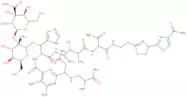
CAS :Phleomycin is an antibiotic, which is derived from the bacterium *Streptomyces verticillus*. Its mode of action involves binding to DNA and inducing breaks by generating free radicals in the presence of oxygen and ferrous ions, leading to cell death. Phleomycin is prominently used in molecular biology applications as a selective agent in the generation of stable transfectants. It is particularly effective in selecting for cells that have integrated vectors conferring resistance, such as the Sh ble gene used in yeast, plant, and mammalian cell systems. Due to its potent DNA-cleaving ability, Phleomycin is valuable in studies requiring stringent selection pressure. Researchers commonly utilize it in experiments focusing on genetic modification and cellular resistance development.
Formule :C51H75N17O21S2Degré de pureté :Min. 95%Masse moléculaire :1,326.38 g/mol(4S)-2-[Carboxy[[[3-(2-chloro-6-fluorophenyl)-5-methylisoxazol-4-yl]carbonyl]amino]methyl]-5,5-dimethylthiazolidine-4-carboxylic aci d disodium salt (penicilloic acids of flucloxacillin disodium salt)
CAS :(4S)-2-[Carboxy[[[3-(2-chloro-6-fluorophenyl)-5-methylisoxazol-4-yl]carbonyl]amino]methyl]-5,5-dimethylthiazolidine-4-carboxylic acid disodium salt, known as the penicilloic acids of flucloxacillin disodium salt, is a β-lactam antibiotic. This compound is derived from the penicillin family and exhibits potent antibacterial properties. The mode of action involves the inhibition of bacterial cell wall synthesis, primarily targeting the transpeptidase enzyme, which plays a crucial role in cross-linking the peptidoglycan layers of the bacterial cell wall. By acylating this enzyme, the penicilloic acids disrupt the integrity of the cell wall, leading to cell lysis and death of the bacteria.
Formule :C19H17ClFN3Na2O6SDegré de pureté :Min. 95%Masse moléculaire :515.9 g/molClenpenterol d5 hydrochloride
CAS :Clenpenterol d5 hydrochloride is a deuterated chemical compound, which is a stable isotopic variant of the beta-agonist Clenpenterol, commonly used in research and analytical studies. This compound is synthetically derived to enhance specificity and precision in scientific investigations. Deuteration involves the replacement of hydrogen atoms with deuterium, which contributes to the increased stability and differentiation of the isotopes during analysis.
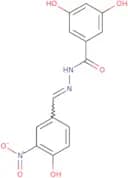
Formule :C13H21Cl3N2ODegré de pureté :Min. 95%Masse moléculaire :332.7 g/molNeuraminidase-in-1
CAS :Neuraminidase-in-1 is a chemical compound known as a neuraminidase inhibitor, which is synthetically derived. This inhibitor functions by blocking the activity of the neuraminidase enzyme, a glycoprotein found on the surface of various viruses, including influenza. The enzyme is crucial for the viral life cycle as it facilitates the release of new viral particles from infected host cells. By inhibiting this enzyme, Neuraminidase-in-1 effectively halts the replication and spread of the virus within the host organism.
Formule :C14H11N3O6Degré de pureté :Min. 95%Masse moléculaire :317.25 g/molDeacetoxycephalothin
CAS :Deacetoxycephalothin is a cephalosporin antibiotic, which is derived from the fungus Acremonium. It functions by inhibiting bacterial cell wall synthesis. This bactericidal activity is primarily focused on gram-positive bacteria, where it interferes with the final transpeptidation step of peptidoglycan synthesis, an essential component of the bacterial cell wall structure. By doing so, deacetoxycephalothin compromises cell wall integrity, leading to the lysis and death of bacterial cells.
Formule :C14H14N2O4S2Degré de pureté :Min. 95%Masse moléculaire :338.4 g/molRef: 3D-JBA69102
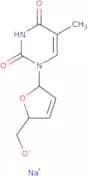
Produit arrêtéStavudine sodium
CAS :Stavudine sodium is an antiretroviral medication, which is a synthetic nucleoside analogue. It is primarily sourced from chemical synthesis processes, enabling precise control over its molecular structure to ensure efficacy in its intended application. The mode of action for stavudine sodium involves its incorporation into viral DNA through reverse transcription. Once integrated, it acts as a chain terminator, inhibiting the elongation of the viral DNA and thus effectively halting the replication of the human immunodeficiency virus type 1 (HIV-1).
Formule :C10H11N2NaO4Degré de pureté :Min. 95%Masse moléculaire :246.19 g/molAbacavir sulfate
CAS :Abacavir sulfate is a pharmaceutical compound classified as a nucleoside reverse transcriptase inhibitor (NRTI), which is derived from synthetic sources. Its mode of action involves the inhibition of the reverse transcriptase enzyme, essential for the replication of HIV. By incorporating itself into the viral DNA chain during replication, Abacavir effectively halts the process, preventing further multiplication of the virus within the host cells.
This antiretroviral medication is primarily used in the management and treatment of human immunodeficiency virus (HIV-1) infections. Abacavir sulfate is a critical component in highly active antiretroviral therapy (HAART), contributing to the reduction of viral load, enhancing immune function, and improving the long-term clinical outcomes in patients living with HIV. Its application in combination therapies has been instrumental in transforming HIV from a fatal disease into a manageable chronic condition.Formule :C14H18N6O·H2O4SDegré de pureté :Min. 95%Masse moléculaire :384.41 g/molAzaconazole
CAS :Azaconazole is a systemic fungicide, which is derived from synthetic chemical processes, specifically within the class of triazoles. This compound functions by interfering with the biosynthesis of ergosterol, a critical component of fungal cell membranes. By inhibiting the cytochrome P450 enzyme 14α-demethylase, azaconazole disrupts the production of ergosterol, thereby compromising membrane integrity and inhibiting fungal growth.
Formule :C12H11Cl2N3O2Degré de pureté :Min. 95%Masse moléculaire :300.14 g/molLydicamycin
CAS :Lydicamycin is an antibacterial compound, which is a polyketide-derived antibiotic produced by the microorganism Streptomyces. This natural compound functions by inhibiting bacterial protein synthesis, effectively interrupting critical cellular processes within susceptible bacteria. The mode of action primarily focuses on binding to the bacterial ribosome, thereby disrupting protein production and inhibiting bacterial growth.
Formule :C47H74N4O10Degré de pureté :Min. 95%Masse moléculaire :855.11 g/molOligomycin B
CAS :Oligomycin B is an antibiotic compound, which is derived from Streptomyces species. It is an inhibitor of the mitochondrial ATP synthase complex, specifically targeting the F₀ subunit of ATP synthase. This action obstructs the proton channel, preventing the flow of protons across the mitochondrial membrane. As a result, Oligomycin B effectively halts ATP synthesis by oxidative phosphorylation, which is crucial for the survival of aerobic organisms.
Formule :C45H72O12Degré de pureté :Min. 95%Couleur et forme :PowderMasse moléculaire :805.05 g/molClarithromycin - EP
CAS :A macrolide, broad-spectrum antibiotic that targets cytochrome P4503A4 (CYP3A4). Clarithromycin has been used to potentiate the pharmacological effects of some drugs that are metabolised by the cytochrome P450.
Formule :C38H69NO13Degré de pureté :Min. 95%Masse moléculaire :747.95 g/molCefminox Sodium
CAS :Cefminox Sodium is a beta-lactam antibiotic, which is synthesized through chemical modification of naturally occurring compounds. This product is classified as a second-generation cephalosporin, derived from cephalosporin C obtained from the fungus Acremonium. It exerts its mode of action by inhibiting bacterial cell wall synthesis. This occurs through the binding to penicillin-binding proteins, ultimately disrupting the cross-linking of peptidoglycan chains which are essential for bacterial cell wall integrity.
Formule :C16H20N7O7S3·NaDegré de pureté :Min. 95%Masse moléculaire :541.56 g/molCefodizime
CAS :Cefodizime is a third-generation cephalosporin antibiotic, which is derived from the fungus Acremonium. It exerts its bactericidal effects by inhibiting bacterial cell wall synthesis. This action is achieved through binding to penicillin-binding proteins (PBPs), leading to the interruption of peptidoglycan cross-linking essential for the bacterial cell wall integrity. The breakdown of cell wall synthesis results in the lysis and death of the bacterial cell.
Degré de pureté :Min. 95%Picarbutrazox
CAS :Picarbutrazox is a fungicide, which is a product derived from chemical synthesis designed to protect crops by inhibiting fungal growth. It works through a specific mode of action that targets and disrupts the biosynthesis of essential lipids within fungal cells. This disruption ultimately leads to the cessation of cell membrane formation, impeding the growth and proliferation of the fungi.
Formule :C20H23N7O3Degré de pureté :Min. 95%Masse moléculaire :409.4 g/mol2,4,5,6-Tetrachlorophenol-13C6
CAS :2,4,5,6-Tetrachlorophenol-13C6 is an isotopically labeled chemical compound, primarily used as a reference standard in analytical chemistry. This compound, derived from its non-labeled counterpart 2,4,5,6-tetrachlorophenol, is synthesized through the incorporation of carbon-13 isotopes. Its primary mode of action involves acting as a stable, traceable marker, facilitating accurate quantification and analysis of environmental samples, particularly in mass spectrometry.
Formule :C6H2Cl4ODegré de pureté :Min. 95%Masse moléculaire :237.8 g/molPerfluorodecanephosphonic acid
CAS :Perfluorodecanephosphonic acid is a fluorinated organic compound, which is synthesized through the controlled polymerization of fluorinated precursors. It is characterized by its unique perfluorinated alkyl chain and a phosphonic acid group, providing a distinctive combination of hydrophobic and functional properties. Its mode of action involves the strong adsorption onto surfaces through the phosphonic acid moiety, allowing the formation of highly stable self-assembled monolayers (SAMs).
Formule :C10H2F21O3PDegré de pureté :Min. 95%Masse moléculaire :600.06 g/molLeptomycin A
CAS :Leptomycin A is a Streptomyces-produced inhibitor, which is derived from the bacterium Streptomyces spiroverticillatus. It functions by specifically binding to and inhibiting the CRM1 (exportin 1), a nuclear export receptor. This action blocks the nuclear export of proteins that contain a leucine-rich nuclear export signal (NES), thereby leading to their accumulation within the nucleus. The inhibition of CRM1 disrupts various cellular processes, including cell cycle regulation and signal transduction pathways.
Formule :C32H46O6Degré de pureté :Min. 95%Masse moléculaire :526.7 g/molPorfiromycin
CAS :Porfiromycin is an antineoplastic antibiotic with action on DNA alkylation and cross-linking and is used for research on cancer treatment, particularly for hypoxic tumors.
Formule :C16H20N4O5Degré de pureté :Min. 95 Area-%Couleur et forme :PowderMasse moléculaire :348.35 g/molUrdamycin B
CAS :Urdamycin B is an anthracycline antibiotic, which is derived from the bacterium *Streptomyces fradiae*. This compound acts by intercalating into DNA, disrupting the replication and transcription processes, leading to cell death. Its mode of action involves inhibiting topoisomerase II, an enzyme critical for DNA replication and cell cycle progression. This mechanism impairs cellular proliferation, making it effective against rapidly dividing cells.
Formule :C37H44O13Degré de pureté :Min. 95%Masse moléculaire :696.70 g/molSofosbuvir impurity I
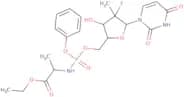
CAS :Sofosbuvir impurity I is an organic chemical impurity often associated with the active pharmaceutical ingredient (API) Sofosbuvir, which is used in the treatment of hepatitis C. This impurity arises during the manufacturing process of Sofosbuvir as a byproduct. It is crucial to monitor and identify such impurities to ensure the safety, efficacy, and quality of the final pharmaceutical product.
Formule :C21H27FN3O9PDegré de pureté :Min. 95%Masse moléculaire :515.4 g/molN-Acetyl glyphosate-13C2,15N
CAS :N-Acetyl glyphosate-13C2,15N is a stable isotope-labeled analog of the well-known herbicide glyphosate. This product is synthesized using isotopically enriched carbon and nitrogen sources. Its mode of action involves inhibiting the shikimate pathway by targeting the enzyme 5-enolpyruvylshikimate-3-phosphate synthase (EPSPS), crucial for aromatic amino acid biosynthesis in plants. This pathway is not present in animals, making it a valuable target for selective herbicidal action.
Formule :C5H10NO6PDegré de pureté :Min. 95%Masse moléculaire :214.09 g/molOxohongdenafil
CAS :Please enquire for more information about Oxohongdenafil including the price, delivery time and more detailed product information at the technical inquiry form on this page
Formule :C25H32N6O4Degré de pureté :Min. 95%Masse moléculaire :480.6 g/molInteriotherinA
CAS :InteriotherinA is a bioactive compound, which is derived from specific strains of bacteria. It operates through a sophisticated mode of action that involves modulating the activity of nerve cells by binding to particular receptors on their membranes. This interaction can alter ion channel function, thereby influencing the electrochemical signaling within these cells.
Formule :C29H28O8Degré de pureté :Min. 95%Masse moléculaire :504.5 g/molMetolachlor mercapturate
CAS :Metolachlor mercapturate is a metabolite of the herbicide Metolachlor, which is derived from the degradation of the primary active ingredient found in various agricultural herbicide formulations. It is formed through biotransformation processes in plants, soil, and water, where the parent compound undergoes enzymatic reactions leading to its metabolic products. The primary mode of action involves the inhibition of elongase enzymes, which are crucial for the synthesis of fatty acids in plants, thus preventing cell division and impacting weed growth effectively.
Formule :C20H30N2O5SDegré de pureté :Min. 95%Masse moléculaire :410.5 g/mol2-Amino-5-(4-hydroxy-3,5-dimethoxybenzyl)pyrimidin-4-ol
CAS :2-Amino-5-(4-hydroxy-3,5-dimethoxybenzyl)pyrimidin-4-ol is a synthetic pyrimidine derivative, which is meticulously engineered through organic synthesis pathways. This compound emerges from a tailored chemical reaction involving the strategic manipulation of a pyrimidine core to incorporate specific functional groups. The unique structural configuration of this molecule allows it to interact with biological macromolecules, primarily through hydrogen bonding and pi-pi interactions, potentially influencing biochemical pathways.
Formule :C13H15N3O4Degré de pureté :Min. 95%Masse moléculaire :277.28 g/mol(E)-Ceftriaxone disodium
CAS :(E)-Ceftriaxone disodium is a broad-spectrum cephalosporin antibiotic, which is derived from the fermentation of the fungus Acremonium. This semi-synthetic antibiotic works by inhibiting bacterial cell wall synthesis. It achieves this by binding to the penicillin-binding proteins (PBPs) in the bacterial cell membrane, which ultimately interferes with peptidoglycan cross-linking, leading to cell lysis and death.
Formule :C18H16N8Na2O7S3Degré de pureté :Min. 95 Area-%Masse moléculaire :598.54 g/mol1-(6-Amino-3,5-difluoropyridin-2-yl)-8-bromo-6-fluoro-7-[3-(methylamino)azetidin-1-yl]-4-oxoquinoline-3-carboxylic acid
CAS :1-(6-Amino-3,5-difluoropyridin-2-yl)-8-bromo-6-fluoro-7-[3-(methylamino)azetidin-1-yl]-4-oxoquinoline-3-carboxylic acid is a synthetically derived quinoline derivative, which is produced through advanced organic chemistry methodologies involving halogenated pyridines and quinoline frameworks. The compound functions primarily as an antibacterial agent, targeting bacterial topoisomerase enzymes, thereby disrupting DNA replication and transcription processes.Formule :C19H15BrF3N5O3Degré de pureté :Min. 95%Masse moléculaire :498.3 g/molThiosildenafil-despiperazine
CAS :Thiosildenafil-despiperazine is a derivative of sildenafil, which is a phosphodiesterase type 5 (PDE5) inhibitor. This compound is synthesized through structural modifications of sildenafil, leading to alterations in its pharmacological profile and potential applications. The source of this derivative involves chemical synthesis techniques to modify the core structure of sildenafil, specifically targeting modifications in the piperazine ring and replacing it with a thioside group to enhance or alter desired effects.
Formule :C17H20N4O4S2Degré de pureté :Min. 95%Masse moléculaire :408.5 g/molGatifloxacin related compound E
CAS :Gatifloxacin related compound E is a chemical reference standard, which is often used in pharmaceutical and analytical chemistry research for the identification and quantification of impurities. It is generally synthesized or isolated as part of the quality control and validation process for the production of the antibiotic Gatifloxacin. The mode of action of this compound revolves around its structural similarity to Gatifloxacin, which allows it to serve as a benchmark to ensure the accuracy and reliability of high-performance liquid chromatography (HPLC) and other analytical techniques.
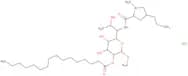
Formule :C19H22FN3O4·HClDegré de pureté :Min. 95%Masse moléculaire :411.86 g/molLincomycin 2-palmitate hydrochloride
CAS :Lincomycin 2-palmitate hydrochloride is a semi-synthetic antibiotic, derived from the natural antibiotic lincomycin through chemical modification. It is sourced from fermentative processes involving the bacterium *Streptomyces lincolnensis*. The compound exerts its action by inhibiting protein synthesis in susceptible bacteria. This occurs through its binding to the 50S subunit of the bacterial ribosome, thereby hindering peptide chain elongation and ultimately arresting bacterial growth.Formule :C34H65ClN2O7SDegré de pureté :Min. 95%Masse moléculaire :681.41 g/mol1-Chloro-2,2-bis(4'-chlorophenyl)ethane
CAS :1-Chloro-2,2-bis(4'-chlorophenyl)ethane is an organochlorine pesticide known for its agricultural applications. It is a synthetic product derived from chlorinated hydrocarbons. It functions primarily through its mode of action as an insecticide by interfering with the nervous system of insects. It disrupts normal nerve function by causing prolonged opening of sodium channels in nerve cells, leading to hyperexcitation and eventual paralysis of the target pests.
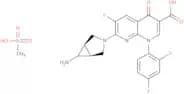
Formule :C14H11Cl3Degré de pureté :Min. 95%Masse moléculaire :285.6 g/molTrovafloxacin mesylate
CAS :Trovafloxacin mesylate is a synthetic antibiotic belonging to the fluoroquinolone class, which is derived from chemical synthesis processes rather than natural sources. The mode of action of trovafloxacin mesylate involves the inhibition of bacterial enzymes DNA gyrase and topoisomerase IV. These enzymes are essential for DNA replication, repair, and transcription within the bacterial cell. By inhibiting these enzymes, trovafloxacin mesylate disrupts bacterial DNA processes, leading to cell death and exerting its antibacterial effects.
Formule :C21H19F3N4O6SDegré de pureté :Min. 95%Masse moléculaire :512.46 g/molENOblock
CAS :ENOblock is a biochemical inhibitor, which is synthesized from specific small molecules with the capability to modulate metabolic pathways. This product is derived from a high-throughput screening aimed at identifying novel regulators of enzymatic processes and exhibits unique properties influencing nicotinamide adenine dinucleotide (NAD) metabolism.
Formule :C31H43FN8O3Degré de pureté :Min. 95%Masse moléculaire :594.74 g/molSPR741
CAS :SPR741 is an antimicrobial potentiator, which is derived from polymyxin B, an antibiotic sourced from the bacterium *Bacillus polymyxa*. Its mode of action involves permeabilizing the outer membrane of Gram-negative bacteria, allowing otherwise impermeable antibiotics to enter the bacterial cell. This potentiation effect significantly enhances the efficacy of co-administered antibiotics against resistant strains.
Formule :C44H73N13O13Degré de pureté :Min. 95%Masse moléculaire :992.1 g/molSarecycline
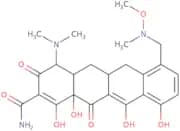
CAS :Sarecycline is a tetracycline-class antibiotic, which is derived from naturally occurring tetracycline antibiotics. Its mode of action involves inhibition of bacterial protein synthesis by binding to the 30S ribosomal subunit, thereby preventing the addition of amino acids to nascent peptide chains. This specific mechanism disrupts bacterial growth, making Sarecycline effective against certain strains of bacteria implicated in dermatological conditions.
Formule :C24H29N3O8Degré de pureté :Min. 95 Area-%Masse moléculaire :487.5 g/molCephalexin hydrochloride
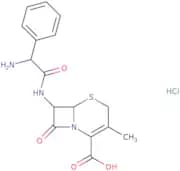
CAS :Cephalexin hydrochloride is a cephalosporin antibiotic, which is a type of beta-lactam antibiotic. It is derived from the fungus Acremonium, previously known as Cephalosporium, with a bactericidal mode of action. This compound works by inhibiting bacterial cell wall synthesis. Specifically, it binds to one or more of the penicillin-binding proteins (PBPs), which in turn disrupts the final stages of bacterial cell wall formation and results in cell lysis mediated through autolytic enzyme action.
Formule :C16H18ClN3O4SDegré de pureté :Min. 95%Masse moléculaire :383.9 g/molRef: 3D-JCA69559
Produit arrêté6-(2-Chlorophenoxy)-5-fluoro-4(3H)-pyrimidinone
CAS :6-(2-Chlorophenoxy)-5-fluoro-4(3H)-pyrimidinone is a heterocyclic compound, which is a synthetic derivative developed for biochemical research. This compound is synthesized through a series of organic reactions, involving halogenation and cyclization techniques, typically conducted in a controlled laboratory setting. Its design incorporates specific structural features, such as the chlorophenoxy and fluoro groups, which are strategically positioned to enhance its binding affinity and specificity.
Formule :C10H6ClFN2O2Degré de pureté :Min. 95%Masse moléculaire :240.62 g/molPantoprazole-d3
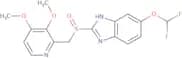
CAS :Pantoprazole-d3 is a stable isotope-labeled version of the proton pump inhibitor pantoprazole, which is derived synthetically for scientific research and analytical applications. Isotope labeling involves substituting hydrogen atoms with deuterium, resulting in Pantoprazole-d3 containing three deuterium atoms. This modification preserves the pharmacological profile of the parent compound while enabling precise tracking in biological studies through advanced spectroscopic techniques.
Formule :C16H15F2N3O4SDegré de pureté :Min. 95%Masse moléculaire :386.4 g/molNarasin
CAS :Narasin is an ionophore antibiotic, which is a fermentation product derived from certain strains of the bacterium *Streptomyces aureofaciens*. It functions by disrupting the ion gradients across cell membranes, specifically facilitating the transport of sodium and potassium ions. This action interferes with the energy metabolism of certain pathogenic microorganisms, rendering them unable to proliferate effectively.
Formule :C43H72O11Degré de pureté :Min. 95%Masse moléculaire :765.03 g/molRef: 3D-AN26161
Produit arrêtéSanfetrinem cilexetil
CAS :Sanfetrinem cilexetil is an oral prodrug, which is derived from trinem antibiotics, a subgroup of β-lactams. It is a synthetic compound developed to enhance the pharmacokinetic properties of its active form, sanfetrinem. Upon oral administration, sanfetrinem cilexetil undergoes hydrolysis in the digestive tract to release the active β-lactam antibiotic, sanfetrinem.
Formule :C23H33NO8Degré de pureté :Min. 95%Masse moléculaire :451.50 g/mol








![8-Methylpyrido[2,3-d]pyridazin-5(6H)-one](/_next/image/?url=https%3A%2Fstatic.cymitquimica.com%2Fproducts%2F3D%2Fthumb-webp%2FQDA00407.webp&w=3840&q=75)













![(4S)-2-[Carboxy[[[3-(2-chloro-6-fluorophenyl)-5-methylisoxazol-4-yl]carbonyl]amino]methyl]-5,5-dim…](/_next/image/?url=https%3A%2Fstatic.cymitquimica.com%2Fproducts%2F3D%2Fthumb-webp%2FTCA72850.webp&w=3840&q=75)









![1-(6-Amino-3,5-difluoropyridin-2-yl)-8-bromo-6-fluoro-7-[3-(methylamino)azetidin-1-yl]-4-oxoquinol…](/_next/image/?url=https%3A%2Fstatic.cymitquimica.com%2Fproducts%2F3D%2Fthumb-webp%2FPHA28013.webp&w=3840&q=75)