Antimicrobiens
Sous-catégories appartenant à la catégorie "Antimicrobiens"
- Antibiotiques(4.138 produits)
- Antifongiques(907 produits)
- Antiparasitaires(703 produits)
- Antiviraux(766 produits)
2431 produits trouvés pour "Antimicrobiens"
Famciclovir-d4
CAS :Famciclovir-d4 is a deuterium-labeled antiviral nucleoside analog, which is a synthetic derivative of the guanine analog famciclovir. This compound is sourced through advanced chemical synthesis where deuterium atoms replace specific hydrogen atoms, providing an isotopic label that aids in the tracking and analysis of the pharmaceutical compound within biological systems.Formule :C14H19N5O4Degré de pureté :Min. 95%Masse moléculaire :325.36 g/molTebufenozide-1-hydroxyethyl
CAS :Tebufenozide-1-hydroxyethyl is an insect growth regulator, which is a synthetic chemical derived from a modified benzoic acid structure. Its mode of action involves mimicking the molting hormone ecdysone, which disrupts the normal development process of insects by inducing premature molting. This specific interference targets lepidopteran larvae, leading to incomplete development and eventual death, thereby controlling pest populations effectively without harming non-target organisms.Formule :C22H28N2O3Degré de pureté :Min. 95%Masse moléculaire :368.5 g/molCladospirone bisepoxide
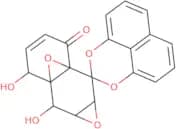
CAS :Cladospirone bisepoxide is a naturally occurring bioactive compound, classified specifically as a fungal metabolite, which is derived from species within the Cladosporium genus. The compound exhibits a complex bisepoxide structure, contributing to its unique chemical properties. Its mode of action involves disrupting microbial cellular processes, displaying potent antimicrobial activity by interfering with the synthesis and functioning of vital cellular components in targeted microorganisms.Formule :C20H14O7Degré de pureté :Min. 95%Masse moléculaire :366.3 g/molTioconazole
CAS :Tioconazole is an antifungal agent, which is a synthetic derivative of imidazole with broad-spectrum activity against fungi. This compound is chemically synthesized through complex organic reactions to enhance its antimycotic efficacy. Tioconazole functions by inhibiting the synthesis of ergosterol, an essential component of the fungal cell membrane. By disrupting the ergosterol biosynthesis pathway, tioconazole destabilizes the fungal cell membrane, leading to increased permeability and eventual cell death.
Formule :C16H13Cl3N2OSDegré de pureté :Min. 95%Masse moléculaire :387.71 g/molTigecycline, Antibiotic for Culture Media Use Only
CAS :Tigecycline is an antibiotic specifically tailored for use in culture media, which is derived from glycylcycline, a structural analogue of minocycline. Its mode of action involves binding to the 30S ribosomal subunit, thereby inhibiting protein synthesis in a broad spectrum of Gram-positive and Gram-negative bacteria. This action is distinct and not easily circumvented by common resistance mechanisms, such as efflux or ribosomal protection proteins, making tigecycline an effective agent in controlling bacterial contamination during microbiological studies.Formule :C29H39N5O8Degré de pureté :Min. 95 Area-%Masse moléculaire :585.65 g/molHsv-tk substrate
CAS :HSV-tk substrate is a nucleotide analogue, which is a synthetic compound derived from the herpes simplex virus thymidine kinase (HSV-tk) gene. This substrate is specifically phosphorylated by the HSV-tk enzyme, a property that provides significant utility in molecular biology and genetic research. The mode of action involves the selective phosphorylation of the substrate by HSV-tk, which is typically absent in mammalian cells but can be introduced via genetic engineering. Once phosphorylated, the substrate becomes toxic to the host cell, allowing researchers to selectively target and eliminate cells expressing the HSV-tk gene.Formule :C11H15N5O4Degré de pureté :Min. 95%Masse moléculaire :281.27 g/molCadazolid
CAS :Cadazolid is an investigational antibiotic, which is a synthetic oxazolidinone-cephalosporin hybrid, with a novel mechanism of action. It is engineered to disrupt bacterial protein synthesis by binding to the 50S ribosomal subunit, while also exerting strong bactericidal effects. This dual-action approach combines attributes of both linezolid and cephalosporins to target and disrupt essential bacterial processes.Formule :C29H29F2N3O8Degré de pureté :Min. 95%Masse moléculaire :585.55 g/molPirodavir
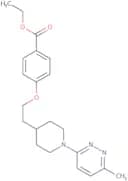
CAS :Pirodavir is a potent antiviral compound, which is a synthetic molecule developed through pharmaceutical research. It acts by targeting the rhinovirus, the most common viral infectious agent in humans, primarily responsible for the common cold. Pirodavir's mode of action involves binding to the viral capsid, thereby preventing the uncoating process essential for viral replication.Formule :C21H27N3O3Degré de pureté :Min. 95%Masse moléculaire :369.46 g/molAlisporivir
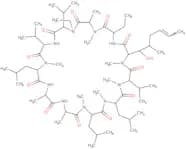
CAS :Alisporivir is an investigational antiviral agent, which is a synthetic derivative of cyclosporine A. It originates from the structural modification of naturally occurring cyclosporines, specifically designed to retain potent antiviral activity while minimizing immunosuppressive effects. Its mode of action involves the inhibition of cyclophilin, an essential cellular protein that facilitates the replication of hepatitis C virus (HCV) by interacting with viral proteins. By binding to cyclophilin, alisporivir disrupts this interaction, effectively halting the viral replication process.Formule :C63H113N11O12Degré de pureté :Min. 95%Masse moléculaire :1,216.6 g/molBasic violet 3 d6
CAS :Basic Violet 3 is a synthetic dye, which is derived from coal tar sources with a mechanism of action involving the disruption of cellular components. This compound intercalates with nucleic acids, allowing it to bind to specific cellular structures. Its primary mode of action targets the chromosomal material, leading to colorimetric changes that enhance visualization.
Formule :C25H30ClN3Degré de pureté :Min. 95%Masse moléculaire :414 g/molL-Carnitine fumarate
CAS :L-Carnitine fumarate is a compound that functions as a dietary supplement, which is synthesized by combining L-carnitine, an amino acid derivative naturally found in the body, with fumaric acid. This product is primarily sourced from fermentation or chemical synthesis processes to produce L-carnitine, which is then reacted with fumaric acid to form the fumarate salt. This combination enhances the stability and bioavailability of L-carnitine.Formule :C7H15NO3·C4H4O4Degré de pureté :Min. 95%Masse moléculaire :277.27 g/molEntecavir-13C2,15N
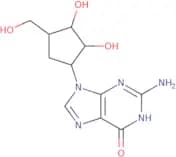
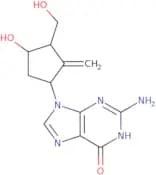
CAS :Entecavir-13C2,15N is an isotopically labeled antiviral agent, which is a synthetic nucleoside analogue derived from natural sources. Its mode of action involves selectively inhibiting the reverse transcription activity of the hepatitis B virus (HBV) polymerase. By mimicking the natural substrates of the viral polymerase, Entecavir-13C2,15N becomes incorporated into viral DNA, ultimately leading to chain termination and suppression of viral replication.Formule :C12H15N5O3Degré de pureté :Min. 95%Masse moléculaire :280.26 g/molHodgkinsine B
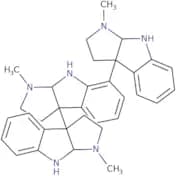
CAS :Hodgkinsine B is an indole alkaloid, which is a complex organic compound derived from natural sources. It is isolated from the leaves of certain Rubiaceae family plants, including Psychotria colorata. Hodgkinsine B is characterized by its unique trimeric structure that contributes to its pharmacological properties.
Formule :C33H38N6Degré de pureté :Min. 95%Masse moléculaire :518.7 g/molMagainin 1
CAS :Magainin 1 is a peptide antibiotic, which is sourced from the skin secretions of the African clawed frog, *Xenopus laevis*. It operates through a membranolytic mode of action, whereby it integrates into microbial cell membranes, forming pores and causing cell lysis by disrupting membrane integrity. This mechanism is largely non-specific, making it effective against a broad spectrum of bacteria and fungi.Formule :C112H177N29O28SDegré de pureté :Min. 95%Masse moléculaire :2,409.85 g/molTerrelulamide A
CAS :Terrelulamide A is a bioactive compound, specifically a cyclic peptide, which is derived from marine cyanobacteria. The source of Terrelulamide A is primarily marine environments where these cyanobacteria undergo complex biosynthetic processes to produce such metabolites. This compound's mode of action involves the disruption of cellular processes by binding to specific molecular targets that are critical in cell cycle regulation. It exhibits cytotoxic activity, effectively inhibiting cancer cell proliferation through its interaction with those pathways.Formule :C20H26N6O7Degré de pureté :Min. 95%Masse moléculaire :462.5 g/molAmikacin B Sulfate
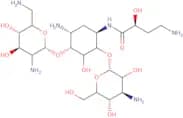
CAS :Inhibitor of protein synthesis; aminoglycosideFormule :C22H44N6O12xH2so4Degré de pureté :Min. 95%Masse moléculaire :584.62 g/mol4-Epitetracycline ammonium
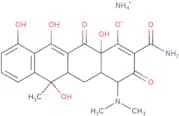
CAS :4-Epitetracycline ammonium is a tetracycline analog, which is a derivative of the well-known antibiotic tetracycline. This compound is synthesized from naturally occurring tetracycline through chemical modification, involving the alteration of the hydroxyl group at the C-4 position. As a result, 4-Epitetracycline ammonium retains the fundamental characteristics of its parent compound.Formule :C22H27N3O8Degré de pureté :Min. 95%Masse moléculaire :461.5 g/molAmustaline dihydrochloride
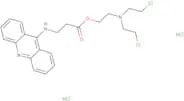
CAS :Amustaline dihydrochloride is a chemical compound known for its alkylating properties, which is synthetically derived through chemical synthesis methods. The mode of action of Amustaline dihydrochloride involves the formation of covalent bonds with nucleophilic entities in DNA, leading to cross-linking and subsequent disruption of DNA function. This results in the inhibition of cellular replication, ultimately inducing apoptosis or programmed cell death in rapidly dividing cells.Formule :C22H27Cl4N3O2Degré de pureté :Min. 95%Masse moléculaire :507.3 g/molAT-527
CAS :AT-527 is an investigational antiviral compound, which is a nucleoside analog prodrug with a specific mode of action inhibiting viral RNA polymerase. This product is derived from synthetic organic chemistry processes, uniquely designed to interfere with the replication machinery of certain RNA viruses. Upon administration, AT-527 undergoes intracellular conversion to its active triphosphate form, which then incorporates into the viral RNA. This incorporation results in premature chain termination or erroneous RNA synthesis, effectively disrupting the viral replication cycle.
Formule :C24H33FN7O7PDegré de pureté :Min. 95%Masse moléculaire :581.5 g/molN,N′-1,2-Ethanediylbis[3-nitrobenzenesulfonamide]
CAS :N,N′-1,2-Ethanediylbis[3-nitrobenzenesulfonamide] is a chemical compound, specifically a bis-sulfonamide derivative. It is synthesized through the reaction of sulfonamide derivatives with ethylenediamine, resulting in a unique structure characterized by its two nitrobenzenesulfonamide groups linked by an ethylene bridge. As a source, it is obtained through synthetic organic chemistry methods involving nitration and sulfonamidation processes.Formule :C14H14N4O8S2Degré de pureté :Min. 95%Masse moléculaire :430.4 g/mol2-(((5-Methyl-2-thienyl)methylene)amino)-N-phenylbenzamide
CAS :2-(((5-Methyl-2-thienyl)methylene)amino)-N-phenylbenzamide is a synthetic compound that functions as an enzyme inhibitor, specifically targeting proteins involved in various signaling pathways. This compound is sourced through synthetic organic chemistry whereby it is meticulously crafted to interact with biological molecules at a molecular level. Its mode of action involves binding to the active or allosteric sites of specific enzymes, which can modulate the enzyme's activity. This interaction can lead to the downregulation or inhibition of specific biochemical pathways, making it an invaluable tool in the study of cellular processes.Formule :C19H16N2OSDegré de pureté :Min. 95%Masse moléculaire :320.4 g/molN-(4-(4-Methylpiperidin-1-yl)-3-(trifluoromethyl)phenyl)-4-(morpholinomethyl)benzamide
CAS :N-(4-(4-Methylpiperidin-1-yl)-3-(trifluoromethyl)phenyl)-4-(morpholinomethyl)benzamide is a sophisticated chemical compound, classified as a synthetic small molecule. It is synthesized through a series of organic reactions, showcasing the intricate art of modern chemical synthesis and design.Formule :C25H30F3N3O2Degré de pureté :Min. 95%Masse moléculaire :461.5 g/molAcequinocyl-hydroxy
CAS :Acequinocyl-hydroxy is an acaricide, which is a chemical agent used to manage and control mite populations in various agricultural settings. It is derived from a combination of synthetic organic compounds designed specifically to disrupt the normal biological processes of target pests. The mode of action of Acequinocyl-hydroxy involves interference with the mitochondrial electron transport chain of mites, ultimately disrupting cellular respiration and leading to the death of the pest.Formule :C22H30O3Degré de pureté :Min. 95%Masse moléculaire :342.5 g/molTunicamycin
CAS :Inhibitor of N-glycosylation in eukaryotes
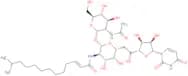
Formule :C37H60N4O16Degré de pureté :Min. 95%Couleur et forme :PowderMasse moléculaire :816.89Avermectin a1b
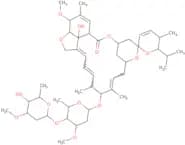
CAS :Avermectin A1b is an antiparasitic compound, which is a macrocyclic lactone isolated from the soil bacterium *Streptomyces avermitilis*. This compound functions primarily by enhancing the release of gamma-aminobutyric acid (GABA) and binding to glutamate-gated chloride channels in nerve and muscle cells of parasites. This interaction leads to an increase in the permeability of cell membranes to chloride ions, resulting in paralysis and death of the parasite.
Formule :C48H72O14Degré de pureté :Min. 95%Masse moléculaire :873.1 g/mol8-Oxo-gtp 8-hydroxy-gtp
CAS :8-Oxo-GTP, also known as 8-Hydroxy-GTP, is a nucleotide analog, which is synthetically derived. It closely resembles the naturally occurring guanosine triphosphate (GTP) but contains a modified 8-hydroxy group, making it a valuable tool for studying oxidative damage and nucleotide modification processes.
Formule :C10H16N5O15P3Degré de pureté :Min. 95%Masse moléculaire :539.18 g/molBacitracin B3
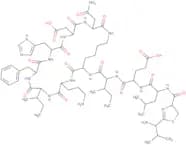
CAS :Bacitracin B3 is an antibacterial agent, which is derived from the bacterium Bacillus subtilis. Its mode of action involves the inhibition of bacterial cell wall synthesis. This is achieved by interfering with the dephosphorylation of bactoprenol, an essential carrier molecule in the transport of peptidoglycan precursors across the cytoplasmic membrane. The disruption of this process leads to a weakened cell wall, ultimately resulting in bacterial cell lysis and death.Formule :C65H101N17O16SDegré de pureté :Min. 95%Masse moléculaire :1,408.7 g/molBaumycin C2
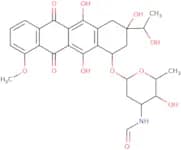
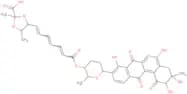
CAS :Baumycin C2 is an anthracycline antibiotic, which is a type of chemotherapy agent used in cancer treatment. This compound is derived from the bacterium Streptomyces, known for producing specific metabolites that interfere with cellular processes. The mode of action of Baumycin C2 involves intercalating into DNA, thereby disrupting the enzyme topoisomerase II. This interference prevents proper DNA replication and transcription, ultimately leading to apoptosis in rapidly dividing cancer cells. The uses and applications of Baumycin C2 predominantly relate to its efficacy against various types of cancers, including leukemias, lymphomas, and solid tumors such as breast cancer. By targeting DNA replication, Baumycin C2 plays a crucial role in reducing tumor growth and proliferation, representing a significant tool in oncological pharmacotherapy. Researchers continue to explore its potential in combination therapies to enhance its effectiveness and mitigate resistance.
Formule :C28H31NO11Degré de pureté :Min. 95%Masse moléculaire :557.5 g/molFradimycin B
CAS :Fradimycin B is an aminoglycoside antibiotic, which is derived from the bacterium Streptomyces. It exhibits its mode of action by binding to the bacterial 30S ribosomal subunit, thereby inhibiting protein synthesis. This results in a bactericidal effect, effectively disrupting the growth and proliferation of susceptible bacterial strains.Formule :C38H38O14Degré de pureté :Min. 95%Masse moléculaire :718.7 g/mol(1S,3R,6R,7R,10R,11R)-6-[(E,2R,5R)-5,6-Dimethylhept-3-en-2-yl]-7,11-dimethyl-2-oxapentacyclo[8.8.0.01,3.03,7.011,16]octadec-15-ene-1 4,17-dione
CAS :(E)-Parthenolide is a sesquiterpene lactone, which is a naturally occurring organic compound often extracted from plants such as feverfew (Tanacetum parthenium). This compound exerts its effects primarily through the modulation of NF-kB signaling pathways, which play crucial roles in the regulation of immune responses, cell proliferation, and survival. By inhibiting NF-kB, (E)-Parthenolide can interfere with the expression of genes that promote cell growth and inflammation. This action makes it a compound of interest in cancer research, particularly as a potential therapeutic agent that targets cancer stem cells and reduces chemoresistance. Its applications extend to studying its efficacy in inhibiting tumor growth and inducing apoptosis in various cancer cell lines. Moreover, due to its natural source, (E)-Parthenolide is also being explored for its potential as an anti-inflammatory agent in the treatment of inflammatory conditions.Formule :C28H40O3Degré de pureté :Min. 95%Masse moléculaire :424.6 g/molOligomycin A
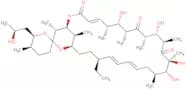
CAS :Oligomycin A is a macrolide antibiotic, which is isolated from the Streptomyces species of bacteria. Its mode of action involves inhibiting ATP synthase by binding to the F_O subunit of the enzyme complex in the mitochondrial membrane. This binding effectively stops the flow of protons across the membrane, which is critical for ATP generation through oxidative phosphorylation.
Formule :C45H74O11Degré de pureté :Min. 95%Couleur et forme :PowderMasse moléculaire :791.06 g/molCefacetrile sodium
CAS :Cefacetrile sodium is a broad-spectrum antibiotic belonging to the cephalosporin class. It is a semi-synthetic derivative sourced from cephalosporin C, a naturally occurring compound derived from the Acremonium fungus. Its mode of action involves the inhibition of bacterial cell wall synthesis. This occurs by binding to penicillin-binding proteins within the bacterial cell membrane, ultimately leading to cell lysis and death due to the inability to synthesize peptidoglycan, a critical component of the bacterial cell wall.Formule :C13H13N3NaO6SDegré de pureté :Min. 95%Masse moléculaire :362.31 g/mol(10E)-3-O-De(a-L-cladinose)-10-dehydro-11-dehydroxy-6-O-methyl-erythromycin
CAS :Erythromycin derivativeFormule :C30H53NO9Degré de pureté :Min. 95%Masse moléculaire :571.74 g/molDarunavir-D9
CAS :Darunavir-D9 is a prodrug of darunavir, which is an HIV protease inhibitor. Darunavir-D9 has been shown to be bioequivalent in pharmacokinetic parameters to darunavir given as a tablet. The drug exhibits a low plasma concentration profile and high clearance values. This may be due to rapid absorption and distribution of the drug, with a short elimination half-life. Darunavir-D9 also has little effect on the matrix effect and reproducibility of the reaction monitoring assay, making it an ideal candidate for use in clinical trials.Formule :C27H28D9N3O7SDegré de pureté :Min. 95%Masse moléculaire :556.72 g/molZabofloxacin
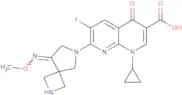
CAS :Zabofloxacin is a synthetic fluoroquinolone antibiotic, which is derived from chemical synthesis with a distinct bactericidal mode of action. Its mechanism involves the inhibition of bacterial DNA gyrase and topoisomerase IV, enzymes critical for DNA replication, transcription, and repair. This dual targeting results in potent antibacterial activity against a wide range of Gram-positive and Gram-negative pathogens.Formule :C19H20FN5O4Degré de pureté :Min. 95%Masse moléculaire :401.4 g/molBleomycin acid
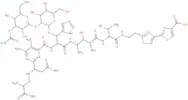
CAS :Bleomycin acid is a chemotherapeutic agent, which is a derivative of antibiotics isolated from the bacterium *Streptomyces verticillus*. This bioactive compound exhibits its mode of action primarily through binding to DNA and inducing strand breaks. The interaction of bleomycin acid with DNA leads to the formation of free radicals, which subsequently result in single and double-strand breaks. These actions disrupt the DNA synthesis and repair processes, ultimately inhibiting cancer cell proliferation.Formule :C50H72N16O22S2Degré de pureté :Min. 95%Masse moléculaire :1,313.3 g/mol4-(4,5-Dihydroxy-3-methoxy-6-methyloxan-2-yl)oxy-2,5,7-trihydroxy-3-methoxy-2-methyl-3,4-dihydrotetracene-1,6,11-trione
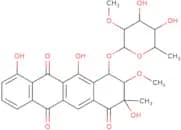
CAS :4-(4,5-Dihydroxy-3-methoxy-6-methyloxan-2-yl)oxy-2,5,7-trihydroxy-3-methoxy-2-methyl-3,4-dihydrotetracene-1,6,11-trione is an anthraquinone derivative, which is a specialized organic compound. This compound is typically derived from complex synthetic processes involving multi-step organic reactions starting from anthraquinone precursors. Its mode of action primarily involves the disruption of microbial cell walls and the inhibition of essential enzymatic pathways that are critical for microbial replication and survival.
Formule :C27H28O12Degré de pureté :Min. 95%Masse moléculaire :544.5 g/molIndaziflam-desindenyl
CAS :Indaziflam-desindenyl is an advanced herbicide, which is a product of synthetic chemistry, specifically designed for controlling the germination and growth of a broad spectrum of weed species. It operates through cellulose biosynthesis inhibition, targeting the cellulose production in plant cell walls, thus preventing proper cell division and development. This mode of action disrupts essential mechanisms in the plant's early growth stages, making it particularly effective as a pre-emergent herbicide.Formule :C5H8FN5Degré de pureté :Min. 95%Masse moléculaire :157.15 g/molMoxifloxacin
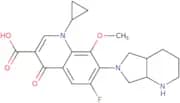
CAS :Moxifloxacin is a synthetic broad-spectrum antibiotic, which is derived from the fluoroquinolones class. It functions by inhibiting bacterial topoisomerase II (DNA gyrase) and topoisomerase IV, enzymes critical for DNA replication, transcription, repair, and recombination. The inhibition of these enzymes results in DNA breakage, thereby leading to bacterial cell death.Formule :C21H24FN3O4Degré de pureté :Min. 95%Masse moléculaire :401.4 g/molBA-53038B
CAS :BA-53038B is a microbial-based insecticide, which is derived from a naturally occurring bacterium. It functions through a specific mode of action involving the disruption of the digestive processes in target insect larvae. Once ingested by the larvae, the bacterial spores produce endotoxins that bind to receptors in the gut of susceptible insect species, causing cell lysis and eventual death. This product is highly selective, targeting specific insect pests while minimizing harm to non-target organisms and beneficial insects.
Formule :C14H16ClNODegré de pureté :Min. 95%Masse moléculaire :249.73 g/molNeosartoricin B
CAS :Neosartoricin B is a promising antibiotic compound, which is derived from fungal sources, specifically the genus *Neosartorya*. Its unique mode of action involves disrupting the cell wall synthesis of target fungal organisms, making it highly effective against a range of pathogenic fungi. This compound works by interfering with the biosynthesis of essential components required for cell wall integrity, ultimately leading to cell lysis and death of the fungal cells.Formule :C24H26O8Degré de pureté :Min. 95%Masse moléculaire :442.5 g/molValidamycin D
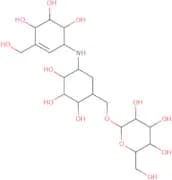
CAS :Validamycin D is an antifungal antibiotic produced by the fermentation of certain Streptomyces species. This compound acts by inhibiting the synthesis of trehalose, a crucial component in the cell structure and stress response of fungi. By disrupting trehalose production, Validamycin D effectively impairs the growth and viability of fungal cells, making it a potent agent in the management of fungal pathogens.
Formule :C20H35NO13Degré de pureté :Min. 95%Masse moléculaire :497.5 g/molBonducellpin D
CAS :Bonducellpin D is an experimental bioactive compound derived from the seeds of Caesalpinia bonduc, a tropical plant species known for its rich phytochemical composition. This product is of natural botanical origin, harnessed through advanced extraction and purification techniques to ensure its high purity and activity.Formule :C22H28O7Degré de pureté :Min. 95%Masse moléculaire :404.5 g/molWF-3681
CAS :WF-3681 is a chemical compound utilized as an insecticide, which is synthesized from organic compounds through a controlled chemical process. The mode of action for WF-3681 involves the disruption of the neural pathways in target insects, leading to paralysis and eventual death. This mechanism specifically interferes with neurotransmitter functions, ensuring efficacy against a broad range of agricultural pests. The compound's specificity minimizes impacts on non-target organisms and the surrounding environment.Formule :C13H12O5Degré de pureté :Min. 95%Masse moléculaire :248.23 g/molA2ti-2
CAS :A2ti-2 is an advanced metallurgical alloy, which is a synthesized product combining high-grade titanium and aluminum elements. It is engineered through a precise metallurgical process that involves controlled alloying at elevated temperatures, optimizing the atomic structure for superior performance traits. The mode of action for A2ti-2 involves its exceptional ability to maintain stability under extreme temperatures, providing resistance to thermal degradation and mechanical stress.Formule :C18H18N4O2SDegré de pureté :Min. 95%Masse moléculaire :354.4 g/molRiamilovir
CAS :Riamilovir is an antiviral agent, which is synthesized chemically, designed to combat the replication of specific viruses. It acts as a nucleoside analogue, interfering with viral nucleic acid synthesis. By incorporating itself into the viral RNA, it effectively hampers the ability of the virus to replicate its genetic material, thereby inhibiting its proliferation within the host.
Formule :C5H4N6O3SDegré de pureté :Min. 95%Masse moléculaire :228.19 g/molML406
CAS :ML406 is a synthetic small molecule compound, which is a chemically-engineered agent with a precise mode of action targeting specific biological pathways. It is synthesized through controlled laboratory processes to achieve high purity and specificity. The compound functions by modulating target proteins or receptors, thereby influencing cellular pathways of interest. Due to its high specificity, ML406 is utilized primarily within a research context to elucidate complex biological mechanisms and validate the roles of potential therapeutic targets.
Formule :C20H20N2O4Degré de pureté :Min. 95%Masse moléculaire :352.4 g/molTebuthiuron-N-hydroxymethyl
CAS :Tebuthiuron-N-hydroxymethyl is a derivative herbicide, primarily sourced from synthetic chemical processes. It functions as a broad-spectrum soil-active herbicide with systemic properties. Its mode of action involves the inhibition of photosynthesis by disrupting electron transport in the chloroplasts, thereby stunting plant growth and effectively controlling a wide range of vegetation.Formule :C9H16N4O2SDegré de pureté :Min. 95%Masse moléculaire :244.32 g/molAspterric acid
CAS :Plant growth regulatorFormule :C15H22O4Degré de pureté :Min. 95%Masse moléculaire :266.33 g/molPyrenophorin
CAS :Pyrenophorin is a polyketide metabolite, which is derived from certain fungi, specifically from the genus Pyrenophora. This compound demonstrates its biological efficacy through its unique mode of action as an antimicrobial agent, interfering with cellular processes in target microorganisms, leading to their inhibition or death.Formule :C16H20O6Degré de pureté :Min. 95%Masse moléculaire :308.33 g/mol







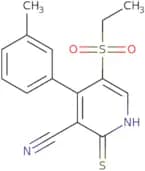
![N,N′-1,2-Ethanediylbis[3-nitrobenzenesulfonamide]](/_next/image/?url=https%3A%2Fstatic.cymitquimica.com%2Fproducts%2F3D%2Fthumb-webp%2FAAA09662.webp&w=3840&q=75)

![(1S,3R,6R,7R,10R,11R)-6-[(E,2R,5R)-5,6-Dimethylhept-3-en-2-yl]-7,11-dimethyl-2-oxapentacyclo[8.8.0…](/_next/image/?url=https%3A%2Fstatic.cymitquimica.com%2Fproducts%2F3D%2Fthumb-webp%2FQAC90820.webp&w=3840&q=75)