Antimicrobiens
Les antimicrobiens sont des agents qui détruisent ou inhibent la croissance des microorganismes, y compris les bactéries, les virus, les champignons et les parasites. Ces composés sont essentiels dans la prévention et le traitement des infections, jouant un rôle crucial en médecine, en agriculture et dans l'industrie alimentaire. Chez CymitQuimica, nous proposons une vaste gamme d'antimicrobiens de haute qualité et pureté, adaptés à diverses applications scientifiques et industrielles. Notre catalogue comprend des antibiotiques, des antifongiques, des antiviraux et des désinfectants, tous conçus pour répondre aux besoins de la recherche et du développement, ainsi qu'aux applications cliniques et de production. Avec nos produits, les professionnels peuvent garantir l'efficacité et la sécurité dans le contrôle des infections et la protection de la santé publique.
Sous-catégories appartenant à la catégorie "Antimicrobiens"
- Antibiotiques(4.130 produits)
- Antifongiques(901 produits)
- Antiparasitaires(701 produits)
- Antiviraux(764 produits)
2423 produits trouvés pour "Antimicrobiens"
Trier par
Degré de pureté (%)
0
100
|
0
|
50
|
90
|
95
|
100
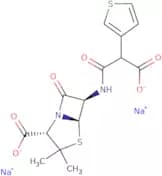
Ticarcillin disodium salt - 80%
CAS :<p>Ticarcillin disodium salt is a beta-lactam antibiotic that has in vitro activity against Gram-positive and Gram-negative bacteria. Ticarcillin is active against penicillinase-producing strains of Staphylococcus aureus, Enterobacter aerogenes, Proteus mirabilis, Escherichia coli, Pseudomonas aeruginosa, Klebsiella pneumoniae, Serratia marcescens, Streptococcus pyogenes, Streptococcus faecalis, and Streptococcus pneumoniae. Furthermore, it inhibits transpeptidase activity of the cell wall of bacteria which prevents peptidoglycan synthesis. It is bactericidal for many bacteria at low concentrations.</p>Formule :C15H14N2Na2O6S2Degré de pureté :Min. 90 Area-%Couleur et forme :PowderMasse moléculaire :428.4 g/molAmicoumacin A
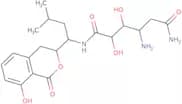
CAS :<p>Amicoumacin A is an antibiotic compound, which is derived from the bacterium Bacillus subtilis. This natural source is known for its production of a variety of biologically active compounds that contribute to its utility in numerous scientific contexts. The mode of action of Amicoumacin A involves the inhibition of bacterial protein synthesis by targeting the ribosomal subunit. Specifically, it interferes with the translation process, effectively disrupting the growth and proliferation of susceptible bacterial strains.<br><br>Amicoumacin A is primarily utilized in research settings to study bacterial resistance mechanisms, as well as to explore novel antibacterial therapies. Its application in scientific research extends to examining its potential synergistic effects with other antimicrobial agents, and it serves as a model compound for understanding ribosomal inhibition. The study of Amicoumacin A not only contributes to the broader field of antibiotic development but also offers insights into the molecular interactions that underlie bacterial protein synthesis and antibiotic resistance. This compound's unique properties make it an important subject of investigation for microbiologists and pharmacologists alike, emphasizing its relevance in the ongoing battle against antibiotic-resistant pathogens.</p>Formule :C20H29N3O7Degré de pureté :Min. 95%Couleur et forme :PowderMasse moléculaire :423.46 g/molSTAADIUM™ GalactoZide II
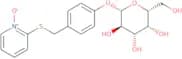
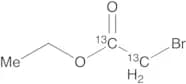
CAS :<p>STAADIUMTM GalactoZide II is a targeted inhibitor for β-galactosidase producing bacteria. The antibacterial activity of STAADIUMTM GalactoZide II is triggered by the enzyme β-galactosidase which is produced by E.coli (EHEC), thermophilic lactic acid bacteria, and other coliform bacteria. STAADIUMTM GalactoZide II can help to selectively inhibit the growth of E. coli in complex bacterial cultures and canbe used in microbiome studies, food control, environmental safety, hygiene, and clinical diagnostics. STAADIUMTM GalactoZide II is not compatible with some experimental conditions, e.g. pH indicators such as neutral red, indigo stains, and possibly H2S staining. STAADIUMTM GalactoZide II can be added as an enzyme-specific selective supplement to agar plates and as an enrichment agent to broth culture.</p>Formule :C18H21NO7SDegré de pureté :Min. 95 Area-%Couleur et forme :PowderMasse moléculaire :395.43 g/molEthyl Bromoacetate-1,2-13C2
CAS :Formule :C2C2H7BrO2Couleur et forme :Clear Colourless OilMasse moléculaire :168.99Ethyl Bromoacetate
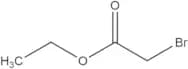
CAS :Formule :C4H7BrO2Couleur et forme :Clear Colourless to Yellow OilMasse moléculaire :167.0Chevalone E
CAS :<p>Chevalone E is a specialized nematicide, which is derived from natural plant sources. Its mode of action is based on disrupting the normal physiological processes of nematodes, thereby inhibiting their ability to infect and damage host plants. Chevalone E is particularly valued for its ability to target a broad range of nematode species, making it an effective tool in integrated pest management strategies.</p>Formule :C26H38O4Degré de pureté :Min. 95%Masse moléculaire :414.6 g/molPapyracillic acid
CAS :<p>Papyracillic acid is a bioactive compound, classified as a secondary metabolite, which is isolated from certain species of fungi. This compound originates from the natural metabolic processes of these microorganisms, often cultured on specific media to optimize production levels. Its mode of action involves disrupting essential bacterial cellular functions, primarily by inhibiting the synthesis of key structural components, leading to compromised integrity and function of bacterial cells.</p>Formule :C11H14O5Degré de pureté :Min. 95%Masse moléculaire :226.23 g/molTachyplesin I trifluoroacetate
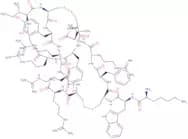
CAS :<p>Tachyplesin I trifluoroacetate is an antimicrobial peptide with action on bacterial and fungal membranes by disrupting their integrity and is used for research on antimicrobial properties and potential therapeutic applications.</p>Formule :C99H151N35O19S4•(C2HF3O2)xDegré de pureté :Min. 95%Couleur et forme :PowderMasse moléculaire :2,263.75 g/molRef: 3D-FT108379
Produit arrêtéPerfluorodecanephosphonic acid
CAS :<p>Perfluorodecanephosphonic acid is a fluorinated organic compound, which is synthesized through the controlled polymerization of fluorinated precursors. It is characterized by its unique perfluorinated alkyl chain and a phosphonic acid group, providing a distinctive combination of hydrophobic and functional properties. Its mode of action involves the strong adsorption onto surfaces through the phosphonic acid moiety, allowing the formation of highly stable self-assembled monolayers (SAMs).</p>Formule :C10H2F21O3PDegré de pureté :Min. 95%Masse moléculaire :600.06 g/molValidamycin D
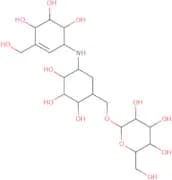
CAS :<p>Validamycin D is an antifungal antibiotic produced by the fermentation of certain Streptomyces species. This compound acts by inhibiting the synthesis of trehalose, a crucial component in the cell structure and stress response of fungi. By disrupting trehalose production, Validamycin D effectively impairs the growth and viability of fungal cells, making it a potent agent in the management of fungal pathogens.</p>Formule :C20H35NO13Degré de pureté :Min. 95%Masse moléculaire :497.5 g/mol3'-N,N-Di(desmethyl)-3'-N-formyl azithromycin
CAS :<p>3'-N,N-Di(desmethyl)-3'-N-formyl azithromycin is a semisynthetic macrolide antibiotic derivative, which is synthesized through chemical modification of azithromycin. Azithromycin is originally derived from erythromycin, which is produced by the bacterium Saccharopolyspora erythraea. The modifications in this derivative result in enhanced specificity and altered pharmacokinetic properties compared to the parent compound.</p>Formule :C37H68N2O13Degré de pureté :Min. 95%Couleur et forme :White/Off-White SolidMasse moléculaire :748.94 g/mol1-Ethyl-6-fluoro-7-(piperazin-1-yl)quinolin-4(1H)-one
CAS :<p>1-Ethyl-6-fluoro-7-(piperazin-1-yl)quinolin-4(1H)-one is a fluoroquinolone antibiotic, which is a synthetic derivative sourced from the quinolone family. This compound functions by targeting bacterial DNA gyrase and topoisomerase IV, which are crucial enzymes involved in the replication and transcription of bacterial DNA. By inhibiting these enzymes, the antibiotic effectively disrupts DNA replication in susceptible bacterial strains, leading to cell death.</p>Formule :C15H18FN3ODegré de pureté :Min. 95%Masse moléculaire :275.32 g/molGanciclovir, Antibiotic for Culture Media Use Only
CAS :<p>Ganciclovir is an antiviral agent specifically designed for culture media use. It is a synthetic analogue of 2'-deoxy-guanosine, derived from nucleoside compounds, and operates primarily by inhibiting the replication of viral DNA. Its mode of action involves selective phosphorylation by viral kinases, which converts it into ganciclovir triphosphate, a potent inhibitor of viral DNA polymerase, ultimately preventing viral DNA synthesis.</p>Formule :C9H13N5O4Degré de pureté :Min. 98.0 Area-%Masse moléculaire :255.23 g/molAbacavir sulfate
CAS :<p>Abacavir sulfate is a pharmaceutical compound classified as a nucleoside reverse transcriptase inhibitor (NRTI), which is derived from synthetic sources. Its mode of action involves the inhibition of the reverse transcriptase enzyme, essential for the replication of HIV. By incorporating itself into the viral DNA chain during replication, Abacavir effectively halts the process, preventing further multiplication of the virus within the host cells.<br><br>This antiretroviral medication is primarily used in the management and treatment of human immunodeficiency virus (HIV-1) infections. Abacavir sulfate is a critical component in highly active antiretroviral therapy (HAART), contributing to the reduction of viral load, enhancing immune function, and improving the long-term clinical outcomes in patients living with HIV. Its application in combination therapies has been instrumental in transforming HIV from a fatal disease into a manageable chronic condition.</p>Formule :C14H18N6O·H2O4SDegré de pureté :Min. 95%Masse moléculaire :384.41 g/molMethiozolin
CAS :<p>Methiozolin is an herbicide, which is a synthetic compound with a specific mode of action. It targets the cell division process, specifically inhibiting the synthesis of very-long-chain fatty acids in plants. This mode of action makes Methiozolin effective against problematic weed species such as annual bluegrass (Poa annua), which is known for its pervasive growth in turfgrass systems.</p>Formule :C17H17F2NO2SDegré de pureté :Min. 95%Masse moléculaire :337.4 g/molDermaseptin
CAS :<p>Dermaseptin is a type of antimicrobial peptide, which is sourced predominantly from the skin secretions of frogs, specifically from the Phyllomedusinae subfamily. These peptides function by disrupting the microbial cell membranes through their amphipathic and cationic nature, leading to cell lysis and death. Dermaseptins exhibit a broad spectrum of antimicrobial activity, including action against bacteria, fungi, protozoa, and certain viruses, making them of significant interest in biomedical research.</p>Formule :C152H257N43O44S2Degré de pureté :Min. 95%Masse moléculaire :3,455.1 g/molSymetine
CAS :<p>Symetine is a synthetic peptide-based compound, which is a highly selective agonist of the adenosine A2A receptor. This receptor is coupled to G-proteins mainly associated with activating adenylate cyclase, leading to an increase in cyclic adenosine monophosphate (cAMP) levels within the cell. Symetine binds with high affinity to these receptors, inducing a conformational change that facilitates the downstream signaling pathways associated with this receptor family.</p>Formule :C30H48N2O2Degré de pureté :Min. 95%Masse moléculaire :468.7 g/molBCX 4430 hydrochloride
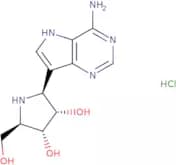
CAS :<p>RNA polymerase (RdRp) inhibitor</p>Formule :C11H15N5O3Degré de pureté :Min. 95%Masse moléculaire :265.27 g/molAliconazole
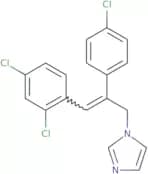
CAS :<p>Aliconazole is a triazole-based antifungal agent, which is a synthetic derivative developed through chemical synthesis. It functions by inhibiting the enzyme lanosterol 14α-demethylase, crucial in the biosynthesis of ergosterol, a vital component of fungal cell membranes. By disrupting ergosterol production, aliconazole compromises the structural integrity of the cell membrane, leading to increased permeability and eventual cell death.</p>Formule :C18H13Cl3N2Degré de pureté :Min. 95%Masse moléculaire :363.7 g/molCephalexin hydrate, Antibiotic for Culture Media Use Only
CAS :<p>Please enquire for more information about Cephalexin hydrate, Antibiotic for Culture Media Use Only including the price, delivery time and more detailed product information at the technical inquiry form on this page</p>Formule :C16H19N3O5SDegré de pureté :Min. 95.0 Area-%Masse moléculaire :365.41 g/mol(10E)-3-O-De(a-L-cladinose)-10-dehydro-11-dehydroxy-6-O-methyl-erythromycin 2'-acetate
CAS :<p>Erythromycin derivative</p>Formule :C32H55NO10Degré de pureté :Min. 95%Masse moléculaire :613.78 g/mol1-(6-Amino-3,5-difluoro-2-pyridinyl)-7-[3-[3-[[1-(6-amino-3,5-difluoro-2-pyridinyl)-3-carboxy-8-chloro-6-fluoro-1,4-dihydro-4-oxo-7- quinolinyl]amino]-2-hydroxypropoxy]-1-azetidinyl]-8-chloro-6-fluoro-1,4-dihydro-4-oxo-3-quinolinecarboxylic acid
CAS :<p>1-(6-Amino-3,5-difluoro-2-pyridinyl)-7-[3-[3-[[1-(6-amino-3,5-difluoro-2-pyridinyl)-3-carboxy-8-chloro-6-fluoro-1,4-dihydro-4-oxo-7-quinolinyl]amino]-2-hydroxypropoxy]-1-azetidinyl]-8-chloro-6-fluoro-1,4-dihydro-4-oxo-3-quinolinecarboxylic acid is a fluoroquinolone antibiotic, engineered through synthetic chemistry. It is derived from chemical sources involving complex organic synthesis, highlighting its intricate molecular architecture. Its mode of action is distinctive, as it inhibits bacterial DNA gyrase and topoisomerase IV, enzymes crucial for DNA replication and transcription. This interference with bacterial DNA processes results in bactericidal effects, effectively eliminating susceptible bacterial strains.</p>Formule :C36H24Cl2F6N8O8Degré de pureté :Min. 95%Masse moléculaire :881.52 g/mol