Terpénoïdes
Les terpénoïdes, également connus sous le nom d'isoprénoïdes, sont la plus grande classe de composés organiques naturels, dérivés d'unités d'isoprène à cinq carbones. Ils se trouvent dans diverses plantes et sont connus pour leurs propriétés aromatiques, ainsi que pour leur rôle dans la défense des plantes et la signalisation. Les terpénoïdes ont été largement étudiés pour leurs effets thérapeutiques, y compris des propriétés anti-inflammatoires, antimicrobiennes et anticancéreuses. Ils sont utilisés dans les industries pharmaceutiques, cosmétiques et alimentaires pour leurs bienfaits sur la santé et leurs qualités aromatiques. Chez CymitQuimica, vous trouverez une large sélection de terpénoïdes, essentiels pour la recherche en biologie végétale, pharmacologie et synthèse de produits naturels.
Sous-catégories appartenant à la catégorie "Terpénoïdes"
- Diterpènes (C₂₀)(671 produits)
- Hémiterpènes (C₅)(21 produits)
- Monoterpènes (C₁₀)(708 produits)
- Sesquiterpènes (C₂₅)(448 produits)
- Tétraterpènes (C₄₀)(63 produits)
- Triterpènes (C₃₀)(1.130 produits)
1423 produits trouvés pour "Terpénoïdes"
Trier par
Degré de pureté (%)
0
100
|
0
|
50
|
90
|
95
|
100
Carvacrol
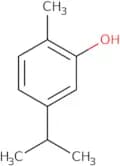
CAS :<p>Carvacrol is a monoterpenoid phenol, which is primarily derived from essential oils of various aromatic plants, notably oregano (Origanum vulgare) and thyme (Thymus vulgaris). It exhibits potent antimicrobial activity by disrupting microbial cell membranes, leading to leakage of cellular contents and ultimately, cell death. Carvacrol's mechanism also includes inhibition of biofilm formation and interference with quorum sensing pathways in bacteria, enhancing its therapeutic potential.</p>Formule :C10H14ODegré de pureté :Min. 95%Couleur et forme :Colorless Clear LiquidMasse moléculaire :150.22 g/molPseudolaric Acid C
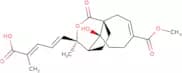
CAS :<p>Pseudolaric Acid C is a naturally occurring diterpenoid, which is extracted from the plant Pseudolarix amabilis, commonly known as the golden larch. It is characterized by its unique structural properties, contributing to its biological activity. The primary mode of action of Pseudolaric Acid C involves disrupting the integrity of fungal cell membranes, thereby inhibiting fungal growth and viability. This compound has been shown to have significant antifungal properties, making it a subject of interest in the development of antifungal agents.</p>Degré de pureté :Min. 95%Ginkgolic acid (C15:1)
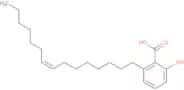
CAS :<p>Ginkgolic acid (C15:1) is a bioactive compound, which is derived from the seeds and leaves of the Ginkgo biloba tree. It is known for its cytotoxic and antimicrobial properties, primarily acting as an inhibitor of various enzymatic activities. This compound functions by interfering with enzyme processes, disrupting cellular functions in target organisms. Ginkgolic acid is utilized in research focused on understanding and potentially manipulating these biological pathways. Its applications extend to studies examining its effects on cancer cell lines, where it has demonstrated the ability to induce apoptosis and inhibit cellular proliferation. Additionally, its antimicrobial characteristics are explored for developing novel pharmaceutical agents. While primarily of interest in the context of biochemical research, Ginkgolic acid also serves as a model compound for studying the ecological roles of natural plant toxins.</p>Formule :C22H34O3Degré de pureté :Min. 95%Couleur et forme :White PowderMasse moléculaire :346.5 g/molIsoasiaticoside
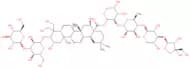
CAS :<p>Isoasiaticoside is a triterpenoid saponin, which is a bioactive compound derived from the plant *Centella asiatica*. This compound is known for its mode of action that involves modulating collagen synthesis and promoting fibroblast proliferation. It plays a significant role in enhancing wound healing and improving the structural integrity of the skin matrix by increasing the production of Type I collagen.</p>Formule :C48H78O19Degré de pureté :Min. 95%Masse moléculaire :959.12 g/mol(-)-Perillaldehyde
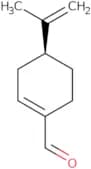
CAS :<p>(-)-Perillaldehyde is a naturally occurring organic compound, classified as a monoterpenoid aldehyde. It is primarily found in the essential oils of plants like Perilla frutescens and various citrus species. Its molecular structure consists of a distinctive cyclohexene ring, which contributes to its reactivity and interaction with biological targets.</p>Formule :C10H14ODegré de pureté :Min. 88 Area-%Couleur et forme :Colorless Clear LiquidMasse moléculaire :150.22 g/molChrysanthellin B
CAS :<p>Chrysanthellin B is a bioactive compound, which is a secondary metabolite isolated from the plant Chrysanthemum indicum, known for its potential therapeutic properties. This product originates from the Asteraceae family, which is a rich source of pharmacologically active substances. The mode of action of Chrysanthellin B involves modulation of lipid metabolism and antioxidant activity, which can contribute to hepatoprotective effects. Specifically, it interacts with biochemical pathways to inhibit lipid peroxidation and promote hepatic health. Chrysanthellin B is primarily studied for its use in reducing lipid levels and protecting liver function. It has shown promise in the context of experimental models of hyperlipidemia and hepatic disorders, providing insights into potential applications in treating metabolic syndrome and related conditions. Further research is ongoing to elucidate its mechanisms and efficacy in clinical contexts.</p>Formule :C58H94O26Degré de pureté :Min. 95%Masse moléculaire :1,207.35 g/molMadecassic acid
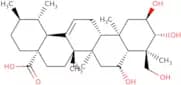
CAS :Produit contrôlé<p>Madecassic acid is a triterpenoid compound, which is a natural chemical constituent of Centella asiatica, commonly known as Gotu Kola. This source is a perennial herbaceous plant belonging to the Apiaceae family, widely distributed in tropical and subtropical countries. Madecassic acid acts primarily through its anti-inflammatory and antioxidant mechanisms. It modulates inflammatory responses by inhibiting the activation of NF-κB signaling pathways and reducing the production of pro-inflammatory cytokines. Additionally, it contributes to cellular protection by scavenging reactive oxygen species.</p>Formule :C30H48O6Degré de pureté :Min. 95%Masse moléculaire :504.7 g/molMomilactone B
CAS :<p>Please enquire for more information about Momilactone B including the price, delivery time and more detailed product information at the technical inquiry form on this page</p>Formule :C20H26O4Degré de pureté :Min. 95%Couleur et forme :PowderMasse moléculaire :330.42 g/molMuzigadial
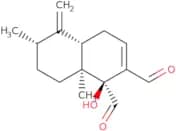
CAS :<p>Muzigadial is a sesquiterpene dialdehyde, which is a type of natural product isolated from the plant Myristica ceylanica. This compound is characterized by its biogenically derived structural complexity that confers an array of bioactive properties. It operates primarily through its interaction with biological membranes and proteins, leading to disruptions in cellular processes and inhibition of microbial growth.</p>Formule :C15H20O3Degré de pureté :Min. 95%Masse moléculaire :248.32 g/molQS 21
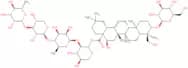
CAS :<p>QS-21 is a saponin-based adjuvant, which is a compound used to enhance the body's immune response to an antigen. This product is derived from the bark of the Quillaja saponaria tree, commonly known as the soapbark tree, native to Chile. The mode of action of QS-21 involves stimulating the immune system by activating antigen-presenting cells, such as dendritic cells and macrophages, which in turn enhance both humoral and cellular immune responses.</p>Formule :C92H148O46Masse moléculaire :1,990.14 g/molHydroxyvalerenic acid
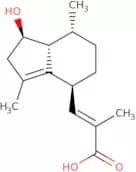
CAS :<p>Hydroxyvalerenic acid is a bioactive compound, which is primarily found in the roots of the Valeriana officinalis plant. This source is widely recognized in traditional medicine for its calming properties. The compound acts on the central nervous system, potentially modulating GABAergic activity, which may contribute to its sedative and anxiolytic effects.</p>Formule :C15H22O3Degré de pureté :Min. 95 Area-%Masse moléculaire :250.33 g/molCimigenol
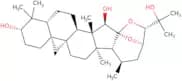
CAS :<p>Cimigenol is an acetate extract from the plant Cimicifuga foetida. This extract has been shown to have antiproliferative and anticomplement activities, as well as a pharmacokinetic profile that is similar to epinephrine. It has been shown to induce autophagy in prostate cancer cells and inhibit the growth of fetal bovine retinal pigment epithelium cells. The mechanism of action of cimigenol is not yet known, but it may involve hydroxyl group reactions with proteins or epidermal growth factor (EGF) receptors on cell surfaces. Cimigenol also has anticancer properties that are mediated by its ability to reduce mitochondrial membrane potential (MMP).<br>CIMIGENOL- A potent acetate extract from the plant Cimicifuga foetida, which has been shown to have antiproliferative and anticomplement activities, as well as a pharmacokinetic profile that is similar to</p>Formule :C30H48O5Degré de pureté :Min. 95%Couleur et forme :PowderMasse moléculaire :488.7 g/molTripdiolide
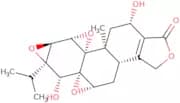
CAS :<p>Tripdiolide is a bioactive diterpenoid, which is derived from the Chinese medicinal plant Tripterygium wilfordii, commonly known as Thunder God Vine. This compound exerts its effects through a complex mode of action, primarily involving the inhibition of nuclear factor kappa B (NF-kB) signaling pathways and the induction of apoptosis. Recent studies have also suggested its role in modulating the immune response by targeting specific cytokines and signaling pathways.</p>Degré de pureté :Min. 95%Couleur et forme :PowderPlatycodin D2
CAS :<p>Platycodin D2 is a bioactive saponin, which is a phytochemical compound found predominantly in the roots of Platycodon grandiflorus, a species commonly known as the Chinese bellflower. This compound is known for its surfactant properties due to its ability to form stable foams when dissolved in aqueous solutions. The mode of action of Platycodin D2 involves interaction with cell membranes, where it can disrupt lipid bilayers, leading to increased cell permeability. This property is crucial for its potential therapeutic effects, as it can facilitate the delivery of other pharmacologically active compounds across cellular barriers.</p>Formule :C63H102O33Degré de pureté :Min. 95%Masse moléculaire :1,387.46 g/molSclareolide
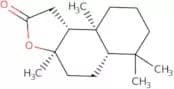
CAS :Produit contrôlé<p>Sclareolide is a bicyclic diterpene lactone, which is primarily derived from the plant species *Salvia sclarea*, commonly known as clary sage. This compound acts as a precursor in the biosynthesis of sclareol, undergoing chemical transformations to yield its final structure. The mode of action of sclareolide is primarily linked to its ability to interact with olfactory receptors, enhancing or modifying fragrance profiles.</p>Formule :C16H26O2Degré de pureté :Min. 95%Couleur et forme :SolidMasse moléculaire :250.38 g/mol(-)-Secologanin
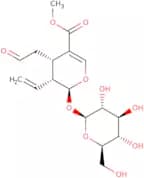
CAS :<p>(-)-Secologanin is a monoterpenoid glycoside, which is a key intermediate in the biosynthesis of indole alkaloids, found primarily in plants such as those in the Apocynaceae and Rubiaceae families. It plays a crucial role in the natural production of complex alkaloids, forming the backbone for numerous pharmacologically active compounds, including quinine, camptothecin, and ajmalicine.</p>Formule :C17H24O10Degré de pureté :Min. 88 Area-%Couleur et forme :PowderMasse moléculaire :388.37 g/molOrobanchyl acetate
CAS :<p>Orobanchyl acetate is a natural compound, a sesquiterpenoid ester, which is isolated from plants of the Orobanche species. These plants, often referred to as broomrapes, are parasitic and obtain nutrients from host plants, making them a unique source of bioactive compounds. The mode of action of orobanchyl acetate is primarily allelopathic, where it influences the growth and development of neighboring plants. It achieves this by interacting with specific biochemical pathways, potentially inhibiting the growth of competing plant species.</p>Formule :C21H24O7Degré de pureté :Min. 95%Couleur et forme :PowderMasse moléculaire :388.41 g/molDehydrokahweol
CAS :<p>Dehydrokahweol is a diterpene molecule, which is a natural compound found in coffee beans. Identified as one of the diterpenes present in coffee, dehydrokahweol is derived from plant sources, specifically Coffea arabica and Coffea canephora. The mode of action of dehydrokahweol involves various biochemical pathways, including modulation of oxidative stress and potential anti-inflammatory activities. This compound is under investigation for its ability to influence cellular signaling pathways that may impact metabolic and immunological responses.</p>Formule :C20H24O2Degré de pureté :Min. 95%Couleur et forme :PowderMasse moléculaire :296.4 g/molDigitoxigenin
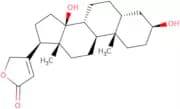
CAS :<p>Digitoxigenin is an aglycone, which is a type of steroid structure, derived from the hydrolysis of cardiac glycosides found in plants of the Digitalis species, such as foxglove. This compound is obtained through enzymatic or chemical cleavage of glycosidic bonds present in its parent molecules, digitoxin and others, which are naturally occurring compounds in these plants.</p>Formule :C23H34O4Couleur et forme :White PowderMasse moléculaire :374.51 g/molThujone (α- and β- mixture)
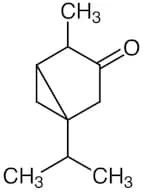
CAS :Formule :C10H16ODegré de pureté :>70.0%(GC)Couleur et forme :Colorless to Light orange to Yellow clear liquidMasse moléculaire :152.24