Terpénoïdes
Les terpénoïdes, également connus sous le nom d'isoprénoïdes, sont la plus grande classe de composés organiques naturels, dérivés d'unités d'isoprène à cinq carbones. Ils se trouvent dans diverses plantes et sont connus pour leurs propriétés aromatiques, ainsi que pour leur rôle dans la défense des plantes et la signalisation. Les terpénoïdes ont été largement étudiés pour leurs effets thérapeutiques, y compris des propriétés anti-inflammatoires, antimicrobiennes et anticancéreuses. Ils sont utilisés dans les industries pharmaceutiques, cosmétiques et alimentaires pour leurs bienfaits sur la santé et leurs qualités aromatiques. Chez CymitQuimica, vous trouverez une large sélection de terpénoïdes, essentiels pour la recherche en biologie végétale, pharmacologie et synthèse de produits naturels.
Sous-catégories appartenant à la catégorie "Terpénoïdes"
- Diterpènes (C₂₀)(671 produits)
- Hémiterpènes (C₅)(21 produits)
- Monoterpènes (C₁₀)(708 produits)
- Sesquiterpènes (C₂₅)(448 produits)
- Tétraterpènes (C₄₀)(63 produits)
- Triterpènes (C₃₀)(1.130 produits)
1423 produits trouvés pour "Terpénoïdes"
Trier par
Degré de pureté (%)
0
100
|
0
|
50
|
90
|
95
|
100
Prosaikogenin A
CAS :<p>Prosaikogenin A is a bioactive compound that belongs to the category of ginsenosides, which are saponins derived from the roots of the Panax ginseng plant. This compound is recognized for its significant pharmacological properties, primarily sourced from this traditional medicinal herb used extensively in East Asian medicine.</p>Formule :C36H57O7Degré de pureté :Min. 95%Couleur et forme :PowderMasse moléculaire :601.83 g/molGinsenoside Rg2
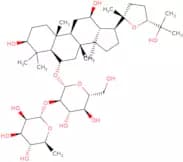
CAS :<p>Ginsenoside Rg2 is a bioactive compound, which is a saponin derived from the roots of Panax ginseng, a medicinal plant widely used in traditional medicine. Its primary mode of action involves modulating various signaling pathways and protecting nerve cells by influencing the expression of specific genes related to neuronal function. Ginsenoside Rg2 has been shown to exert antioxidant and anti-inflammatory effects, thereby playing a potential role in neuroprotection.</p>Formule :C42H72O13Degré de pureté :Min. 98 Area-%Couleur et forme :White PowderMasse moléculaire :785.01 g/molHederagenin
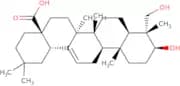
CAS :Produit contrôlé<p>Hederagenin is a triterpenoid saponin, which is a naturally occurring organic compound typically found in various plant species, particularly in the Araliaceae family. It is derived from the hydrolysis of saponins such as hederacoside C, present in plants like ivy (Hedera helix). This compound exhibits a wide array of biological activities due to its ability to interact with cellular membranes and proteins.</p>Formule :C30H48O4Degré de pureté :Min. 95.0 Area-%Couleur et forme :White PowderMasse moléculaire :472.70 g/molSaikosaponin C
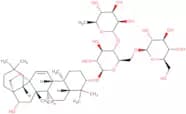
CAS :<p>Saikosaponin C is a triterpene saponin, which is a bioactive compound found in various medicinal plants, particularly those in the genus Bupleurum, often used in traditional Chinese medicine. It is derived from the roots of these plants, where it coexists with other saponins, contributing to their medicinal properties.</p>Formule :C48H78O17Degré de pureté :Min. 95%Couleur et forme :PowderMasse moléculaire :927.12 g/molLoganin
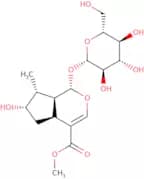
CAS :<p>Loganin is a bioactive iridoid compound, which is a type of secondary metabolite typically found in plants. It is primarily derived from sources such as the genera Strychnos and Gentiana, among others. Loganin operates through various biological pathways, influencing enzymatic and receptor activities that contribute to its pharmacological effects. These activities include anti-inflammatory, antioxidant, and neuroprotective actions, making Loganin a compound of interest in several areas of medical research.</p>Formule :C17H26O10Degré de pureté :Min. 94 Area-%Couleur et forme :PowderMasse moléculaire :390.39 g/molUrsolic acid acetate
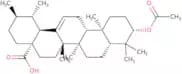
CAS :<p>Ursolic acid acetate is a natural triterpenoid compound, which is derived from the acetylation of ursolic acid. This compound is sourced from a variety of medicinal plants, including apples, rosemary, and holy basil. Its mode of action involves modulating multiple cellular pathways, including the inhibition of nuclear factor-kappa B (NF-κB) and the activation of AMP-activated protein kinase (AMPK). These actions contribute to its anti-inflammatory, anticancer, and antioxidant properties.</p>Formule :C32H50O4Degré de pureté :Min. 95 Area-%Couleur et forme :PowderMasse moléculaire :498.74 g/molToosendanin
CAS :<p>Toosendanin is a bioinsecticidal compound, which is a natural product isolated from the bark of the Melia toosendan tree, also known as the Chinese Melia. The source of this compound lies in the Meliaceae family, known for its diverse array of bioactive phytochemicals.</p>Formule :C30H38O11Degré de pureté :Min. 95%Couleur et forme :Off-White PowderMasse moléculaire :574.62 g/molSterebin A - Stevia rebaudiana
CAS :<p>Sterebin A is a natural sweetener, which is derived from the plant Stevia rebaudiana, a species native to South America. The primary source of Sterebin A is the leaves of this plant, which contain glycosides such as stevioside and rebaudioside. These glycosides interact with taste receptors on the tongue, providing a sweetness that is significantly more intense than sucrose, without the caloric content. The biochemical mechanism involves the binding of these compounds to specific receptor sites, simulating the perception of sweetness in humans.</p>Formule :C18H30O4Degré de pureté :90%MinCouleur et forme :PowderMasse moléculaire :310.43 g/molUrsolic acid - 90%
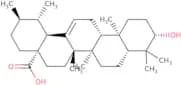
CAS :Produit contrôlé<p>Ursolic acid - 90% is a natural compound classified as a pentacyclic triterpenoid, which is derived predominantly from the waxy coating of apples, as well as other fruits and herbs such as rosemary and thyme. This highly concentrated form ensures a purity level suited for scientific research and application.</p>Formule :C30H48O3Couleur et forme :White Off-White PowderMasse moléculaire :456.7 g/molSoyasaponin III
CAS :<p>Soyasaponin III is a bioactive compound, which is a naturally occurring saponin derived from soybeans. These glycosides are primarily found in the seeds of the soybean plant, Glycine max. Soyasaponins are known for their amphiphilic nature, which enables them to interact with both lipid and aqueous phases, affecting membrane dynamics and cellular processes.</p>Formule :C42H68O14Degré de pureté :Min. 95%Couleur et forme :PowderMasse moléculaire :796.98 g/molGinsenoside F11
CAS :<p>Ginsenoside F11 is a saponin compound, which is a bioactive component derived from Panax quinquefolius, commonly known as American ginseng. This compound is extracted from the roots of the plant, where it naturally occurs as part of its complex phytochemical profile. Ginsenoside F11 acts through multiple biochemical pathways, primarily by modulating neurotransmitter systems and exhibiting antioxidant properties. It influences cellular mechanisms by interacting with specific receptors and enzymes, thereby affecting signal transduction processes.</p>Degré de pureté :Min. 95%Erythrodiol
CAS :Produit contrôlé<p>Erythrodiol is a pentacyclic triterpenoid alcohol, which is primarily derived from the hydrolysis of oleanolic acid, found predominantly in the leaves and fruits of the olive tree, Olea europaea. As a bioactive compound, it plays a significant role in various biological processes due to its potent antioxidant, anti-inflammatory, and cardioprotective properties.</p>Formule :C30H50O2Degré de pureté :Min. 97 Area-%Couleur et forme :PowderMasse moléculaire :442.72 g/molManool
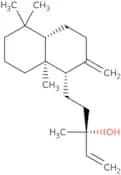
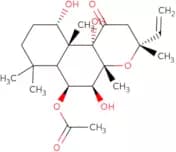
CAS :<p>Manool is a diterpene compound, which is derived from natural plant sources, predominantly from the essential oils of certain coniferous trees. It exhibits a unique cyclic structure and is classified within the group of labdane diterpenes. Manool is extracted through steam distillation of the plant material followed by purification processes to isolate its active form.</p>Formule :C20H34ODegré de pureté :Min. 90 Area-%Couleur et forme :Yellow PowderMasse moléculaire :290.48 g/molGinsenoside Rc
CAS :<p>Ginsenoside Rc is a bioactive compound, which is a triterpenoid saponin derived from the root of the Panax ginseng plant. It possesses a unique mode of action through its interaction with cell membrane receptors, influencing various signaling pathways. Among its many effects, Ginsenoside Rc modulates immune response, exhibits antioxidant properties, and can regulate glucose metabolism and cardiovascular function.</p>Formule :C53H90O22Degré de pureté :Min. 98 Area-%Couleur et forme :White Off-White PowderMasse moléculaire :1,079.3 g/molOrthosphenic acid
CAS :<p>Please enquire for more information about Orthosphenic acid including the price, delivery time and more detailed product information at the technical inquiry form on this page</p>Formule :C30H48O5Degré de pureté :Min. 95%Couleur et forme :PowderMasse moléculaire :488.7 g/molUrsolic acid - 98%
CAS :Produit contrôlé<p>Ursolic acid - 98% is a naturally occurring triterpenoid compound, which is sourced primarily from the waxy coating of fruits, such as apples, as well as from several medicinal herbs like rosemary and holy basil. This compound is known to possess a variety of biological activities due to its molecular structure.</p>Formule :C30H48O3Couleur et forme :White Off-White PowderMasse moléculaire :456.7 g/molGinkgolide J
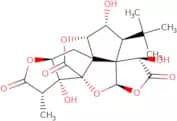
CAS :<p>Ginkgolide J is a terpene lactone, which is a compound derived from the leaves of the Ginkgo biloba tree. This compound is a part of the ginkgolides, a group of terpenoids that possess a unique chemical structure, characterized by a diterpene skeleton and a plethora of lactone moieties. Ginkgolide J, like other ginkgolides, is isolated through a multifaceted extraction process that involves the pulverization of leaves followed by solvent-based extraction and chromatography.</p>Formule :C20H24O10Degré de pureté :Min. 95%Couleur et forme :PowderMasse moléculaire :424.4 g/molEffusanin A
CAS :<p>Effusanin A is a specialized fungal metabolite, which is derived from fungal endophytes, particularly those originating from the genus Phyllosticta. This compound exhibits a unique mode of action by interfering with microbial cell walls or membranes, thereby demonstrating significant antimicrobial properties. Its biochemical activity is primarily linked to its ability to inhibit the proliferation of various pathogenic microorganisms, including bacteria and fungi.</p>Formule :C20H28O5Degré de pureté :Min. 95%Couleur et forme :White PowderMasse moléculaire :348.43 g/molIsoforskolin
CAS :<p>Isoforskolin is a forskolin derivative diterpenoid, which is extracted from the roots of *Coleus forskohlii*. This bioactive compound acts primarily by stimulating adenylate cyclase activity, leading to increased levels of cyclic adenosine monophosphate (cAMP) within cells. The elevated cAMP serves as a secondary messenger that can modulate various physiological responses, including lipolysis and vasodilation.</p>Formule :C22H34O7Degré de pureté :Min. 95%Couleur et forme :White Off-White PowderMasse moléculaire :410.5 g/molLinalool - Natural grade
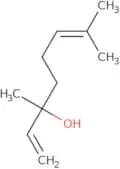
CAS :<p>Linalool - Natural grade is a terpene alcohol, which is a naturally occurring compound found in over 200 plant species, including lavender, mint, and cinnamon. This compound is extracted from essential oils of these plants through steam distillation or solvent extraction, ensuring the retention of its natural properties.</p>Formule :C10H18ODegré de pureté :Min. 98 Area-%Couleur et forme :Colorless Clear LiquidMasse moléculaire :154.25 g/molGentiopicroside
CAS :<p>Gentiopicroside is a bitter iridoid glycoside, which is predominantly sourced from plants of the Gentianaceae family, such as Gentiana lutea. It acts as a natural compound with several biological activities emanating from its unique chemical structure. The mode of action of gentiopicroside involves modulating various enzymatic pathways and exhibiting antioxidant properties due to its ability to scavenge free radicals and reduce oxidative stress.</p>Formule :C16H20O9Degré de pureté :Min. 95%Couleur et forme :PowderMasse moléculaire :356.33 g/molAlbiflorin
CAS :<p>Albiflorin is a bioactive compound, which is a monoterpene glucoside extracted from the roots of Paeonia species, specifically Paeonia lactiflora. Its primary mechanism of action involves the modulation of neurotransmitter systems, including serotonergic, dopaminergic, and GABAergic pathways. Such interactions are believed to underpin its effects on neural activity and psychological states.</p>Formule :C23H28O11Degré de pureté :Min. 98 Area-%Couleur et forme :PowderMasse moléculaire :480.46 g/molValencene
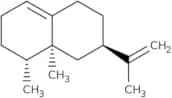
CAS :<p>Valencene is a sesquiterpene, which is a naturally occurring terpenoid hydrocarbon. It is primarily sourced from the essential oils of citrus fruits, particularly Valencia oranges. Its mode of action involves its volatile nature, which contributes to its distinctive, sweet, citrusy aroma. Valencene is often synthesized or extracted using advanced biotechnological methods, ensuring high purity and consistency.</p>Formule :C15H24Degré de pureté :Min. 95%Couleur et forme :Colorless Clear LiquidMasse moléculaire :204.35 g/molSaikosaponin B2
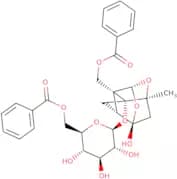
CAS :<p>Saikosaponin B2 is a naturally occurring triterpenoid saponin, which is a secondary metabolite primarily sourced from the roots of Bupleurum species. These plants are widely used in traditional Chinese medicine, valued for their diverse pharmacological activities. The mode of action of Saikosaponin B2 involves modulation of inflammatory pathways, specifically through the inhibition of pro-inflammatory cytokines and reduction of oxidative stress. It also exhibits potential in modulating immune responses and possesses hepatoprotective effects.</p>Formule :C42H68O13Degré de pureté :Min. 95%Couleur et forme :White Off-White PowderMasse moléculaire :780.98 g/molBenzoylpaeoniflorin
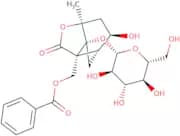
CAS :<p>Benzoylpaeoniflorin is a glycoside, which is a naturally occurring compound found in certain plants. It is primarily sourced from the roots of *Paeonia lactiflora*, a herbaceous plant commonly used in traditional medicine. The compound exerts its effects through several mechanisms, including the inhibition of inflammatory mediators and modulation of oxidative stress pathways. Benzoylpaeoniflorin acts by targeting specific signaling pathways that regulate inflammation and cellular stress responses, contributing to its therapeutic potential.</p>Formule :C30H32O12Degré de pureté :Min. 95%Couleur et forme :White Off-White PowderMasse moléculaire :584.57 g/molStrigolactone GR24
CAS :<p>Strigolactone GR24 is a synthetic analog of strigolactones, which are a class of plant hormones derived from the carotenoid biosynthetic pathway. These compounds play a critical role in plant development and interaction with the environment. Strigolactone GR24 functions by mimicking the action of natural strigolactones, influencing plant architecture and facilitating communication with symbiotic organisms.</p>Formule :C17H14O5Degré de pureté :Min. 98 Area-%Couleur et forme :White PowderMasse moléculaire :298.29 g/molRyanodine
CAS :<p>Ryanodine receptor effector</p>Formule :C25H35NO9Degré de pureté :Min. 98 Area-%Couleur et forme :PowderMasse moléculaire :493.55 g/molγ-Himachalene
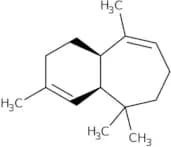
CAS :<p>Gamma-Himachalene is a sesquiterpene hydrocarbon, which is primarily sourced from the essential oils of certain plants, such as cedarwood. As a naturally occurring compound, its biosynthesis within the plant involves the cyclization of isoprenoid units, which gives rise to its unique chemical structure. This process is typically mediated by enzymes that facilitate the formation of various terpene compounds.</p>Formule :C15H24Degré de pureté :Min. 95%Masse moléculaire :204.35 g/molDigitoxin
CAS :<p>Digitoxin is a cardiac glycoside, which is a type of compound extracted primarily from the leaves of the Digitalis purpurea plant, also known as the common foxglove. This natural source provides digitoxin with its potent pharmacological properties.</p>Formule :C41H64O13Degré de pureté :Min. 95 Area-%Couleur et forme :White Off-White PowderMasse moléculaire :764.96 g/molPicrotin
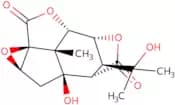
CAS :<p>Picrotin is a natural compound, which is derived from the Anamirta cocculus plant, commonly known as the Indian berry or fishberry. It belongs to the class of sesquiterpene lactones, which are known for their complex structures and bioactivity. The mode of action of picrotin primarily involves interactions with the central nervous system, although the exact molecular targets are not fully elucidated. Studies suggest that it may act as a GABA receptor antagonist, which can influence neurotransmitter activity.</p>Formule :C15H18O7Degré de pureté :Min. 95%Couleur et forme :PowderMasse moléculaire :310.3 g/molMomordin 1c
CAS :<p>Momordin 1c is a triterpenoid saponin, a type of secondary metabolite, extracted primarily from species of the plant genus *Momordica*, such as *Momordica charantia*—commonly known as bitter melon. This compound is characterized by its unique structure, which contributes to its biological activities.</p>Formule :C41H64O13Degré de pureté :Min. 95%Couleur et forme :PowderMasse moléculaire :764.94 g/molPseudolaric acid B
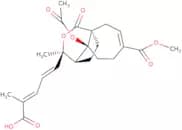
CAS :<p>Pseudolaric acid B is a diterpenoid acid, which is isolated from the roots and bark of the Pseudolarix amabilis, a tree native to China. This compound exhibits a complex mode of action, primarily disrupting microtubule dynamics, which interferes with cell division. Pseudolaric acid B targets the polymerization of tubulin, thereby inhibiting mitotic spindle formation and leading to cell cycle arrest. Its bioactivity has been extensively studied for its potential applications in both anti-fungal and anti-cancer therapies. In the context of cancer research, pseudolaric acid B is of particular interest due to its ability to selectively induce apoptosis in tumor cells. As an anti-fungal agent, it has been shown to possess efficacy against various pathogenic fungi, offering potential utility in agricultural contexts as well. The multi-faceted mechanisms of action and broad application possibilities make Pseudolaric acid B a subject of ongoing research in pharmacology and biotechnology.</p>Formule :C23H28O8Degré de pureté :Min. 98 Area-%Couleur et forme :White PowderMasse moléculaire :432.46 g/molCiwujianoside E
CAS :<p>Ciwujianoside E is a natural compound, which is a saponin derived from the roots of *Eleutherococcus senticosus*, commonly known as Siberian ginseng. This plant is native to regions in Northeast Asia, and it belongs to the Araliaceae family. Ciwujianoside E is one of several bioactive constituents found in the root extracts, which are traditionally used in herbal medicine.</p>Formule :C40H62O11Degré de pureté :Min. 95%Couleur et forme :Beige PowderMasse moléculaire :718.91 g/molHarpagoside
CAS :<p>Harpagoside is a bioactive compound, which is an iridoid glycoside derived from the root of the plant Harpagophytum procumbens, commonly known as Devil’s Claw. This compound is predominantly sourced from Southern Africa, where the plant is native to semi-arid regions and has been traditionally used in herbal medicine.</p>Formule :C24H30O11Degré de pureté :Min. 95%Couleur et forme :PowderMasse moléculaire :494.5 g/molGinsenoside Rg1
CAS :<p>Ginsenoside Rg1 is a bioactive compound, which is primarily derived from the roots of Panax ginseng, a traditional medicinal herb. It belongs to the family of ginsenosides, which are glycosylated triterpenoid saponins known for their diverse pharmacological activities. The mechanism of action of Ginsenoside Rg1 involves modulation of various cellular signaling pathways, including the regulation of reactive oxygen species, apoptosis, and inflammation. It also exhibits neuroprotective effects by promoting neuronal growth and differentiation.</p>Formule :C42H72O14Degré de pureté :Min. 95%Couleur et forme :White PowderMasse moléculaire :801.03 g/molBayogenin
CAS :Produit contrôlé<p>Bayogenin is a steroidal sapogenin, which is a bioactive compound originating from plant sources such as certain species of the Dioscorea genus (wild yams). It is primarily extracted through processes that involve saponin hydrolysis to yield the sapogenin itself. Bayogenin, like other sapogenins, serves as a precursor in the synthesis of steroidal compounds. Its mode of action involves serving as a substrate in organic synthesis, where it facilitates the production of various steroidal drugs and hormones.</p>Formule :C30H48O5Degré de pureté :Min. 98 Area-%Couleur et forme :PowderMasse moléculaire :488.7 g/molSabinene
CAS :<p>Sabinene is a bicyclic monoterpene, which is a volatile organic compound typically derived from the essential oils of various plants, including Norway spruce and some culinary herbs like black pepper, nutmeg, and tea tree. It is characterized by its distinct spicy and woody aroma, contributing to the complex bouquet of these plant essences.</p>Formule :C10H16Degré de pureté :Min. 98 Area-%Couleur et forme :Clear LiquidMasse moléculaire :136.23 g/molZederone
CAS :<p>Zederone is a bioactive sesquiterpene, which is a type of terpenoid compound. It is primarily sourced from the rhizomes of several Curcuma species, particularly Curcuma zedoaria. These plants are native to regions of Asia and have been used in traditional medicine for various purposes.</p>Formule :C15H18O3Degré de pureté :Min. 98 Area-%Couleur et forme :Off-White PowderMasse moléculaire :246.3 g/molGinkgolide M
CAS :<p>Ginkgolide M is a diterpenoid trilactone, which is a natural compound derived from the leaves of the Ginkgo biloba tree. Ginkgo biloba is an ancient plant species known for its resilient nature and traditional medicinal use. The mode of action of Ginkgolide M involves antagonism of platelet-activating factor (PAF) receptors. By this mechanism, it influences various biological processes such as platelet aggregation and inflammation, which are critical pathways in numerous physiological and pathological states.</p>Formule :C20H24O10Degré de pureté :Min. 95%Masse moléculaire :424.4 g/mol(+/-)-Geosmin
CAS :<p>Geosmin is an "earth" smelling aromatic compound that is produced by soil bacteria. Together with other substances, geosmin is a key constituent of petrichor, the pleasant scent released into the air following rainfall, after impact of water droplets with soil.</p>Formule :C12H22ODegré de pureté :Min. 95%Couleur et forme :Clear LiquidMasse moléculaire :182.3 g/molAsiaticoside A
CAS :<p>Pentacyclic triterpene; anti-inflammatory, anti-oxidant & anti-ageing</p>Formule :C48H78O20Degré de pureté :Min. 95%Couleur et forme :White PowderMasse moléculaire :975.12 g/molDigoxin
CAS :<p>Digoxin and its derivatives are the most widely used as cardiac glycosides. Digoxin is isolated from the foxglove plant, Digitalis lanata, and has pharmacokinetic properties that are intermediate between digitoxin and the short acting strophanthus glycosides. Digoxin is regarded as the drug of choice for the treatment of congestive heart failure as its main assets are the rapid onset of action, good absorption ratio and the medium half-life which makes toxic reactions easier to manage (Albrecht, 1999).</p>Formule :C41H64O14Degré de pureté :Min. 95%Couleur et forme :PowderMasse moléculaire :780.94 g/molα-Hederin
CAS :<p>Antispasmodic, moliscicidic, anthelmithic and inhibitor of cell proliferation</p>Formule :C41H66O12Degré de pureté :Min. 98 Area-%Couleur et forme :White PowderMasse moléculaire :750.96 g/molPeduncloside II
CAS :<p>Peduncloside II is a rare glucoside, a type of chemical compound, that is naturally derived from specific plant sources. The source of Peduncloside II is primarily the traditional medicinal plant, which has been utilized in various indigenous pharmacopeias, particularly in certain regions of Asia. It is isolated from plant tissues where it functions as a secondary metabolite.</p>Formule :C36H58O10Degré de pureté :Min. 95%Couleur et forme :PowderMasse moléculaire :650.84 g/molCimigenoside
CAS :<p>Cimigenoside is a naturally occurring triterpene saponin, which is a phytochemical compound extracted primarily from the roots of the Cimicifuga species, such as Cimicifuga racemosa, commonly known as black cohosh. The source of this compound is rooted in traditional medicinal practices, where these plants have been used for their therapeutic benefits.</p>Formule :C35H56O9Degré de pureté :Min. 95%Couleur et forme :Off-White PowderMasse moléculaire :620.81 g/molCycloastragenol
CAS :<p>Triterpenoid saponin with many suggested pharmacological properties</p>Formule :C30H50O5Degré de pureté :Min. 98 Area-%Couleur et forme :White PowderMasse moléculaire :490.72 g/molPseudoginsenoside FII
CAS :<p>Pseudoginsenoside FII is a ginsenoside derivative, which is an active saponin constituent derived from the plant Panax ginseng. This compound is known for its complex interaction with cellular pathways, primarily influencing metabolic and signaling processes within the human body. The mode of action involves modulation of various signal transduction pathways, including MAPK and PI3K/Akt, impacting apoptosis, proliferation, and differentiation of cells.</p>Formule :C42H72O14Degré de pureté :Min. 95%Couleur et forme :PowderMasse moléculaire :801.01 g/mol11,13-Dihydroxy-3-oxo-10(14)guaien-12,6-olide - Cynara cardunculus (artichoke)
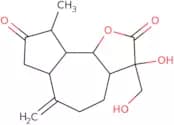
CAS :<p>11,13-Dihydroxy-3-oxo-10(14)guaien-12,6-olide is a bioactive compound, which is a phytochemical derived from Cynara cardunculus, commonly known as the artichoke. This compound belongs to a class of organic compounds known as sesquiterpene lactones. It is primarily sourced from the leaves and flower buds of the artichoke plant, which are rich in various polyphenolic and terpenoid components.</p>Formule :C15H20O5Degré de pureté :Min. 95%Couleur et forme :PowderMasse moléculaire :280.32 g/molGibberellic acid
CAS :<p>Gibberellic acid is a plant growth regulator, which is derived from fungal species, particularly Gibberella fujikuroi. It functions by stimulating and regulating various growth and developmental processes within plants. Gibberellic acid works through promoting cell elongation, breaking seed dormancy, and influencing enzyme production that leads to plant growth and development.Gibberellic acid is extensively utilized in agricultural and horticultural applications to enhance plant growth, improve fruit size, and increase yields. It is also employed in seed treatment to facilitate more uniform and quicker germination. Additionally, gibberellic acid is used to regulate flowering and to promote the development of certain plant species under controlled environmental conditions. This compound plays a critical role in research, providing insights into plant physiology and the hormonal interactions that govern plant development.</p>Formule :C19H22O6Masse moléculaire :346.38 g/molParthenolide
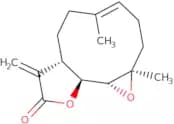
CAS :<p>Parthenolide is a sesquiterpene lactone, which is a bioactive compound derived from the plant species Tanacetum parthenium, commonly known as feverfew. This compound is primarily isolated from the aerial parts of the plant, where it is found in highest concentrations within the flowers and leaves. Parthenolide exerts its effects through several biochemical pathways, including the inhibition of nuclear factor-kappa B (NF-κB) signaling, which plays a critical role in inflammatory and immune responses. Additionally, it disrupts the activity of certain kinases and modulates the expression of genes involved in cell cycle regulation and apoptosis.</p>Formule :C15H20O3Degré de pureté :Min. 98 Area-%Couleur et forme :White Off-White PowderMasse moléculaire :248.32 g/mol