Terpénoïdes
Les terpénoïdes, également connus sous le nom d'isoprénoïdes, sont la plus grande classe de composés organiques naturels, dérivés d'unités d'isoprène à cinq carbones. Ils se trouvent dans diverses plantes et sont connus pour leurs propriétés aromatiques, ainsi que pour leur rôle dans la défense des plantes et la signalisation. Les terpénoïdes ont été largement étudiés pour leurs effets thérapeutiques, y compris des propriétés anti-inflammatoires, antimicrobiennes et anticancéreuses. Ils sont utilisés dans les industries pharmaceutiques, cosmétiques et alimentaires pour leurs bienfaits sur la santé et leurs qualités aromatiques. Chez CymitQuimica, vous trouverez une large sélection de terpénoïdes, essentiels pour la recherche en biologie végétale, pharmacologie et synthèse de produits naturels.
Sous-catégories appartenant à la catégorie "Terpénoïdes"
- Diterpènes (C₂₀)(671 produits)
- Hémiterpènes (C₅)(21 produits)
- Monoterpènes (C₁₀)(708 produits)
- Sesquiterpènes (C₂₅)(448 produits)
- Tétraterpènes (C₄₀)(63 produits)
- Triterpènes (C₃₀)(1.130 produits)
1423 produits trouvés pour "Terpénoïdes"
Trier par
Degré de pureté (%)
0
100
|
0
|
50
|
90
|
95
|
100
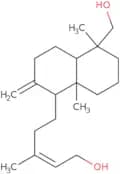
8(17)13-Labdadiene-15,18-diol - Xcupressocyparis leylandii (cypress)
CAS :<p>8(17)13-Labdadiene-15,18-diol is a diterpenoid compound, which is derived from the hybrid plant Xcupressocyparis leylandii, commonly known as Leyland cypress. This compound belongs to the labdane-type diterpenes, which are known for their diverse biological activities. The source, Xcupressocyparis leylandii, is a fast-growing evergreen tree often used in horticulture.</p>Formule :C20H34O2Degré de pureté :Min. 95%Masse moléculaire :306.48 g/molJasminoside N
CAS :<p>Jasminoside N is a natural compound, specifically a glycoside, which is derived from certain plant species, particularly in the genus *Jasminum*. As a natural metabolite found in these species, it exhibits an interesting profile in pharmacological research. The mode of action of Jasminoside N primarily involves its interaction with specific cellular pathways, often influencing anti-inflammatory and antioxidant responses. Its ability to modulate these pathways makes it a subject of interest in the study of plant-based therapeutic agents.</p>Formule :C22H38O11Degré de pureté :Min. 95%Masse moléculaire :478.53 g/molSaikosaponin B1
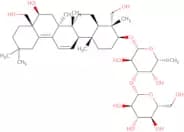
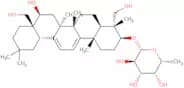
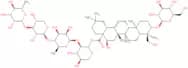
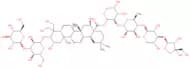
CAS :<p>Saikosaponin B1 is a triterpenoid saponin, which is primarily derived from the roots of Bupleurum species, particularly Bupleurum falcatum. This bioactive compound exhibits a plethora of pharmacological activities through various modes of action, including modulation of immune responses and inhibition of inflammatory pathways. It interacts with cellular components to influence signal transduction mechanisms that are crucial in the pathophysiology of various diseases.</p>Degré de pureté :Min. 95%8(17)13-Labdadien-15-ol - Pinus halepensis (Aleppo pine)
CAS :<p>8(17)13-Labdadien-15-ol is a sesquiterpene alcohol, which is a bioactive compound originating from the oleoresin of Pinus halepensis, commonly known as the Aleppo pine. This compound is naturally produced in the pine’s resin and plays a critical role in the plant's defense mechanisms against pathogens and herbivores. Its mode of action involves disrupting the cell membranes of these invaders, ultimately impeding their growth and survival.</p>Formule :C15H24O3Degré de pureté :Min. 95%Masse moléculaire :252.35 g/molPseudoginsenoside RT5
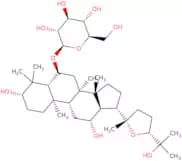
CAS :<p>Pseudoginsenoside RT5 is a saponin, which is a type of glycoside found in certain plants, particularly in the Panax ginseng species. It is extracted from the root of this traditional medicinal plant, which is well-known for its therapeutic properties. The mode of action of Pseudoginsenoside RT5 involves modulating various cellular pathways, including the inhibition of certain enzymes and receptors involved in disease processes such as inflammation and cell proliferation. This compound is also implicated in antioxidant activities, which further contribute to its potential therapeutic effects.</p>Degré de pureté :Min. 95%Escin IA
CAS :<p>Escin IA is a potent anti-inflammatory agent, which is a natural compound extracted from the seeds of the horse chestnut tree (Aesculus hippocastanum). This triterpenoid saponin operates by enhancing blood circulation and reducing capillary permeability through the stabilization of endothelial barriers. Additionally, it exhibits anti-edematous and venotonic activities by modifying vascular wall integrity and decreasing inflammatory mediators. Escin IA is widely utilized in biomedical research for its therapeutic potential in the management of chronic venous insufficiency, edema, and associated conditions. Its unique mechanism of action provides an intriguing area of study for scientists exploring vascular health, anti-inflammatory strategies, and natural therapeutic compounds. The ongoing research continues to validate its efficacy and explore broader applications in vascular and inflammatory disorders.</p>Degré de pureté :Min. 95%Pseudolaric acid B-O-β-D-glucopyranoside
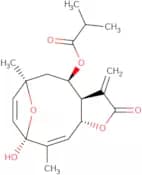
CAS :<p>Pseudolaric acid B-O-beta-D-glucopyranoside is a secondary metabolite, which is a bioactive compound sourced from the bark of the Pseudolarix amabilis, a coniferous tree native to China. It exhibits its mode of action primarily through the disruption of fungal cell integrity and inhibition of fungal growth by interfering with the synthesis of key structural components in the cell wall. This action makes it a potent antifungal agent with secondary antibacterial properties.</p>Degré de pureté :Min. 95%Tagitinin F
CAS :<p>Tagitinin F is a sesquiterpene lactone, which is an organic compound derived from the aerial parts of the plant *Tithonia diversifolia*, commonly known as the Mexican sunflower. This plant-based compound functions through a mechanism that involves modulation of various cellular pathways, notably those related to inflammation and cancer progression, by interacting with cellular proteins and inhibiting key signaling molecules.</p>Degré de pureté :Min. 95%Prosaikogenin H
CAS :<p>Prosaikogenin H is a naturally occurring compound, classified as a saponin, which is derived from specific plant sources, particularly within the family Araliaceae. It is obtained through extraction and purification processes from plants known for their bioactive compounds. The mode of action of prosaikogenin H involves interacting with cellular pathways to modulate biological responses, including anti-inflammatory and antioxidant effects. These interactions are facilitated by its structural properties that enable it to engage with cell membranes and influence signaling cascades.</p>Formule :C36H58O8Degré de pureté :Min. 95%Masse moléculaire :618.84 g/molGeniposide
CAS :<p>Geniposide is a natural iridoid glycoside, which is found in the fruit of Gardenia jasminoides Ellis, a plant commonly used in traditional Chinese medicine. As a prominent secondary metabolite, geniposide plays a critical role in various biological pathways. It undergoes enzymatic hydrolysis to genipin, which is believed to be the active component responsible for many of its biological effects.</p>Formule :C17H24O10Degré de pureté :Min. 95.0 Area-%Masse moléculaire :388.37 g/molRef: 3D-Q-100317
1kgÀ demander50gÀ demander100gÀ demander250gÀ demander500gÀ demander-Unit-ggÀ demanderHomoarbutin
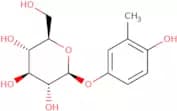
CAS :<p>Homoarbutin is a skin-brightening agent, which is sourced from certain plant species known for their medicinal properties. It operates through the inhibition of tyrosinase, an enzyme critical in the biosynthetic pathway of melanin production. By effectively reducing melanin synthesis, Homoarbutin helps mitigate hyperpigmentation and provides a more even skin tone.</p>Degré de pureté :Min. 95%Glycyrrhetic acid 3-O-b-D-glucuronide
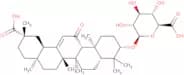
CAS :<p>Glycyrrhetic acid 3-O-b-D-glucuronide is a bioactive compound derived from the root of the licorice plant (Glycyrrhiza glabra). Licorice has been used for centuries in traditional medicine, and this compound is one of its active components. The compound functions by modulating inflammatory pathways, primarily through inhibiting enzymes like cyclooxygenase and phospholipase A2, which play key roles in the inflammatory response. In addition, it exhibits effects on glucocorticoid metabolism, enhancing the activity of endogenous glucocorticoids and subsequently leading to anti-inflammatory and immune-modulating effects.</p>Formule :C36H54O10Degré de pureté :Min. 95%Masse moléculaire :646.81 g/molLanatoside A
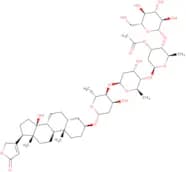
CAS :<p>Lanatoside A is a cardiac glycoside found in the plant "Lantana camara" and other plants of the family Verbenaceae. Lanatoside A is structurally characterized by an oxygenated hydroxyl group at C-3, which is present in the natural compound secoisolariciresinol. It has been shown to have inhibitory effects on enzymes involved in congestive heart failure such as myosin light chain kinase and serine/threonine protein kinase. Lanatoside A also has been shown to have immunomodulatory properties and may be beneficial for autoimmune diseases such as rheumatoid arthritis. The enzyme activities are inhibited by lanatosides at low pH values (pH 5-6) but not at high pH values (pH 7-8).</p>Degré de pureté :Min. 95%Incensole acetate
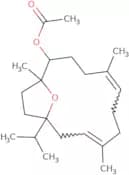
CAS :<p>Incensole acetate is a bioactive diterpene compound, which is a significant constituent of the Boswellia genus, commonly known as frankincense. This compound is primarily derived from the resin of Boswellia species, notably Boswellia sacra. Incensole acetate functions as a psychoactive agent, exhibiting its effects primarily through interactions with ion channels and receptors in the brain, modulating neuroinflammation and possibly influencing synaptic transmission.</p>Formule :C22H36O3Degré de pureté :Min. 95%Masse moléculaire :348.52 g/molNerolidol (cis/trans)
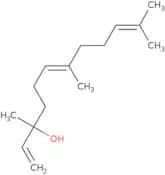
CAS :<p>Nerolidol (cis/trans) is a naturally occurring sesquiterpene alcohol, which is typically sourced from essential oils of several aromatic plants, including lavender, jasmine, and tea tree. Its chemical structure includes two isomers: cis and trans, which differ in the spatial arrangement of their atoms, influencing their olfactory and biological activities.</p>Formule :C15H26ODegré de pureté :Min. 95%Couleur et forme :Clear LiquidMasse moléculaire :222.37 g/molXylopic acid
CAS :<p>Xylopic acid is a bioactive compound, which is a diterpenoid isolated from the plant species Xylopia aethiopica. This compound is derived primarily from the fruits of the plant, often referred to as the African pepper or grains of Selim. Xylopic acid exhibits its mode of action by interacting with various biological pathways, including anti-inflammatory and antimicrobial processes, as well as modulating specific cellular receptors and enzymatic activities.</p>Formule :C22H32O4Degré de pureté :Min. 95%Masse moléculaire :360.49 g/molIlludin M
CAS :<p>Illudin M is a natural compound, categorized as a sesquiterpene. It is derived from certain species of mushrooms, notably those in the Omphalotus genus, such as the jack-o'-lantern mushroom (Omphalotus illudens). The mode of action of Illudin M involves targeting and damaging DNA within cells. Due to its cytotoxic nature, it interferes with DNA synthesis, leading to cell death, particularly in rapidly dividing cells.</p>Formule :C15H20O3Degré de pureté :Min. 95%Masse moléculaire :248.14124Notoginsenoside Fa
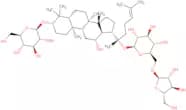
CAS :<p>Notoginsenoside Fa is a bioactive compound, specifically a type of saponin. It is derived from the roots of Panax notoginseng, a plant renowned in traditional Chinese medicine. The mode of action of Notoginsenoside Fa involves modulation of signaling pathways, including antioxidant, anti-inflammatory, and anti-apoptotic activities, as well as influencing cellular pathways related to energy metabolism and cell proliferation.</p>Degré de pureté :Min. 95%Neosartoricin
CAS :<p>Please enquire for more information about Neosartoricin including the price, delivery time and more detailed product information at the technical inquiry form on this page</p>Formule :C26H28O9Degré de pureté :Min. 95%Masse moléculaire :484.5 g/molRotundone - 90%
CAS :<p>Peppery aroma constituent of essential oil of Cyperus rotundus (nutgrass)</p>Formule :C15H22ODegré de pureté :Min. 95%Masse moléculaire :218.33 g/mol8(17)14-Labdadiene-13-ol-6-acetyl - Larix decidua (European larch)
CAS :<p>8(17)14-Labdadiene-13-ol-6-acetyl is a sesquiterpenoid compound, which is a type of naturally occurring terpenoid. It is derived from the resin of the Larix decidua, commonly known as the European larch. This compound is formed through the complex biosynthetic pathways in the larch tree, specifically involving the cyclization of geranylgeranyl diphosphate (GGPP) and subsequent modifications to yield its unique structure.</p>Formule :C22H36O3Degré de pureté :Min. 95%Masse moléculaire :348.52 g/molGypenoside L
CAS :<p>Gypenoside L is a saponin compound, which is a secondary metabolite derived from the plant Gynostemma pentaphyllum. This herbaceous plant, commonly known as Jiaogulan, is native to South China and other parts of Asia, where it has been traditionally used in herbal medicine. The mode of action of Gypenoside L involves modulating various biochemical pathways, potentially influencing cellular signaling and metabolic processes. It is known for its role in activating AMP-activated protein kinase (AMPK) pathways, enhancing cellular energy homeostasis, and exhibiting antioxidant properties.</p>Formule :C42H72O14Degré de pureté :Min. 95%Masse moléculaire :801.01 g/molZingibroside R1
CAS :<p>Triterpenoid saponin with anti-tumour and antiangiogenic activity</p>Formule :C42H66O14Degré de pureté :Min. 95%Masse moléculaire :794.97 g/molDarutoside
CAS :<p>Darutoside is a bioactive compound, which is a sesquiterpene lactone glycoside sourced primarily from the Siegesbeckia orientalis plant. It functions through a mechanism that enhances extracellular matrix components, particularly promoting the synthesis of collagen and elastin fibers. This action helps in reinforcing the skin's structural integrity and improving its reparative processes.</p>Formule :C26H44O8Degré de pureté :Min. 95%Masse moléculaire :484.62 g/molPyrocurzerenone
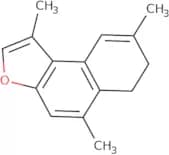
CAS :<p>Please enquire for more information about Pyrocurzerenone including the price, delivery time and more detailed product information at the technical inquiry form on this page</p>Formule :C15H16ODegré de pureté :Min. 95%Masse moléculaire :212.29 g/molDanshenxinkun A
CAS :<p>Danshenxinkun A is a herbal compound, which is derived from the root of Salvia miltiorrhiza, commonly known as Danshen. This product utilizes the bioactive constituents of the plant, primarily focusing on its polyphenolic compounds. The mode of action involves modulating various biological pathways, including antioxidant activity, vasodilation, and anti-inflammatory responses, which contribute to enhanced cardiovascular function.</p>Formule :C18H16O4Degré de pureté :Min. 95%Couleur et forme :PowderMasse moléculaire :296.32 g/molNotoginsenoside Fe
CAS :<p>Notoginsenoside Fe is a bioactive saponin, which is a natural compound sourced from the roots of the Panax notoginseng plant, commonly used in traditional Chinese medicine. This compound is part of the ginsenoside family and is known for its diverse pharmacological properties. As a saponin, Notoginsenoside Fe operates by modulating various biological pathways, including anti-inflammatory and antioxidant effects, which contribute to its therapeutic potential.</p>Formule :C47H80O17Degré de pureté :Min. 95%Couleur et forme :SolidMasse moléculaire :917.13 g/mol20(R)Ginsenoside Rh1
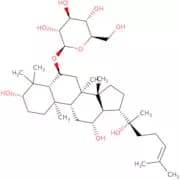
CAS :<p>20(R)-Ginsenoside Rh1 is a bioactive compound, which is a secondary metabolite extracted from Panax ginseng, a medicinal plant widely utilized in traditional medicine. This ginsenoside functions by modulating various cellular pathways, interacting with nuclear receptors and signal transduction molecules, thus influencing immune responses, anti-inflammatory activities, and neuroprotective mechanisms.</p>Degré de pureté :Min. 95%Fraxinellone
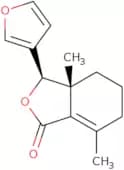
CAS :<p>Fraxinellone is a naturally occurring sesquiterpenoid lactone, which is derived from the plant species Dictamnus dasycarpus, commonly known as the burning bush. It exhibits its mode of action through the disruption of calcium ion channels, leading to neurotoxic effects in target organisms. This interaction with calcium channel pathways is crucial for its bioactivity, influencing both insecticidal and potential therapeutic effects.</p>Degré de pureté :Min. 95%Phyllanthostatin 2 - Phyllanthus acuminatus
CAS :<p>Phyllanthostatin 2 is a bioactive compound, classified as a lignan, which is isolated from the plant Phyllanthus acuminatus. This compound is part of a broader group of naturally occurring phytochemicals known for exhibiting various biological activities. The primary source of Phyllanthostatin 2, Phyllanthus acuminatus, is a plant found in tropical regions and is traditionally used in herbal medicine.</p>Formule :C40H52O18Degré de pureté :Min. 95%Masse moléculaire :820.83 g/molCarvacrol
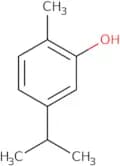
CAS :<p>Carvacrol is a monoterpenoid phenol, which is primarily derived from essential oils of various aromatic plants, notably oregano (Origanum vulgare) and thyme (Thymus vulgaris). It exhibits potent antimicrobial activity by disrupting microbial cell membranes, leading to leakage of cellular contents and ultimately, cell death. Carvacrol's mechanism also includes inhibition of biofilm formation and interference with quorum sensing pathways in bacteria, enhancing its therapeutic potential.</p>Formule :C10H14ODegré de pureté :Min. 95%Couleur et forme :Colorless Clear LiquidMasse moléculaire :150.22 g/molPseudolaric Acid C
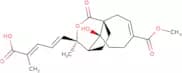
CAS :<p>Pseudolaric Acid C is a naturally occurring diterpenoid, which is extracted from the plant Pseudolarix amabilis, commonly known as the golden larch. It is characterized by its unique structural properties, contributing to its biological activity. The primary mode of action of Pseudolaric Acid C involves disrupting the integrity of fungal cell membranes, thereby inhibiting fungal growth and viability. This compound has been shown to have significant antifungal properties, making it a subject of interest in the development of antifungal agents.</p>Degré de pureté :Min. 95%Ginkgolic acid (C15:1)
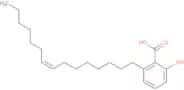
CAS :<p>Ginkgolic acid (C15:1) is a bioactive compound, which is derived from the seeds and leaves of the Ginkgo biloba tree. It is known for its cytotoxic and antimicrobial properties, primarily acting as an inhibitor of various enzymatic activities. This compound functions by interfering with enzyme processes, disrupting cellular functions in target organisms. Ginkgolic acid is utilized in research focused on understanding and potentially manipulating these biological pathways. Its applications extend to studies examining its effects on cancer cell lines, where it has demonstrated the ability to induce apoptosis and inhibit cellular proliferation. Additionally, its antimicrobial characteristics are explored for developing novel pharmaceutical agents. While primarily of interest in the context of biochemical research, Ginkgolic acid also serves as a model compound for studying the ecological roles of natural plant toxins.</p>Formule :C22H34O3Degré de pureté :Min. 95%Couleur et forme :White PowderMasse moléculaire :346.5 g/molIsoasiaticoside
CAS :<p>Isoasiaticoside is a triterpenoid saponin, which is a bioactive compound derived from the plant *Centella asiatica*. This compound is known for its mode of action that involves modulating collagen synthesis and promoting fibroblast proliferation. It plays a significant role in enhancing wound healing and improving the structural integrity of the skin matrix by increasing the production of Type I collagen.</p>Formule :C48H78O19Degré de pureté :Min. 95%Masse moléculaire :959.12 g/mol(-)-Perillaldehyde
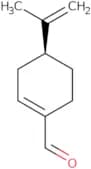
CAS :<p>(-)-Perillaldehyde is a naturally occurring organic compound, classified as a monoterpenoid aldehyde. It is primarily found in the essential oils of plants like Perilla frutescens and various citrus species. Its molecular structure consists of a distinctive cyclohexene ring, which contributes to its reactivity and interaction with biological targets.</p>Formule :C10H14ODegré de pureté :Min. 88 Area-%Couleur et forme :Colorless Clear LiquidMasse moléculaire :150.22 g/molChrysanthellin B
CAS :<p>Chrysanthellin B is a bioactive compound, which is a secondary metabolite isolated from the plant Chrysanthemum indicum, known for its potential therapeutic properties. This product originates from the Asteraceae family, which is a rich source of pharmacologically active substances. The mode of action of Chrysanthellin B involves modulation of lipid metabolism and antioxidant activity, which can contribute to hepatoprotective effects. Specifically, it interacts with biochemical pathways to inhibit lipid peroxidation and promote hepatic health. Chrysanthellin B is primarily studied for its use in reducing lipid levels and protecting liver function. It has shown promise in the context of experimental models of hyperlipidemia and hepatic disorders, providing insights into potential applications in treating metabolic syndrome and related conditions. Further research is ongoing to elucidate its mechanisms and efficacy in clinical contexts.</p>Formule :C58H94O26Degré de pureté :Min. 95%Masse moléculaire :1,207.35 g/molMadecassic acid
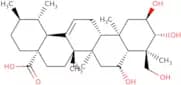
CAS :Produit contrôlé<p>Madecassic acid is a triterpenoid compound, which is a natural chemical constituent of Centella asiatica, commonly known as Gotu Kola. This source is a perennial herbaceous plant belonging to the Apiaceae family, widely distributed in tropical and subtropical countries. Madecassic acid acts primarily through its anti-inflammatory and antioxidant mechanisms. It modulates inflammatory responses by inhibiting the activation of NF-κB signaling pathways and reducing the production of pro-inflammatory cytokines. Additionally, it contributes to cellular protection by scavenging reactive oxygen species.</p>Formule :C30H48O6Degré de pureté :Min. 95%Masse moléculaire :504.7 g/molMomilactone B
CAS :<p>Please enquire for more information about Momilactone B including the price, delivery time and more detailed product information at the technical inquiry form on this page</p>Formule :C20H26O4Degré de pureté :Min. 95%Couleur et forme :PowderMasse moléculaire :330.42 g/molMuzigadial
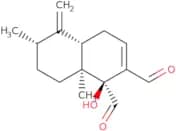
CAS :<p>Muzigadial is a sesquiterpene dialdehyde, which is a type of natural product isolated from the plant Myristica ceylanica. This compound is characterized by its biogenically derived structural complexity that confers an array of bioactive properties. It operates primarily through its interaction with biological membranes and proteins, leading to disruptions in cellular processes and inhibition of microbial growth.</p>Formule :C15H20O3Degré de pureté :Min. 95%Masse moléculaire :248.32 g/molQS 21
CAS :<p>QS-21 is a saponin-based adjuvant, which is a compound used to enhance the body's immune response to an antigen. This product is derived from the bark of the Quillaja saponaria tree, commonly known as the soapbark tree, native to Chile. The mode of action of QS-21 involves stimulating the immune system by activating antigen-presenting cells, such as dendritic cells and macrophages, which in turn enhance both humoral and cellular immune responses.</p>Formule :C92H148O46Masse moléculaire :1,990.14 g/molHydroxyvalerenic acid
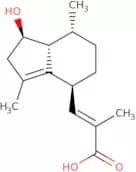
CAS :<p>Hydroxyvalerenic acid is a bioactive compound, which is primarily found in the roots of the Valeriana officinalis plant. This source is widely recognized in traditional medicine for its calming properties. The compound acts on the central nervous system, potentially modulating GABAergic activity, which may contribute to its sedative and anxiolytic effects.</p>Formule :C15H22O3Degré de pureté :Min. 95 Area-%Masse moléculaire :250.33 g/molCimigenol
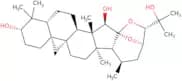
CAS :<p>Cimigenol is an acetate extract from the plant Cimicifuga foetida. This extract has been shown to have antiproliferative and anticomplement activities, as well as a pharmacokinetic profile that is similar to epinephrine. It has been shown to induce autophagy in prostate cancer cells and inhibit the growth of fetal bovine retinal pigment epithelium cells. The mechanism of action of cimigenol is not yet known, but it may involve hydroxyl group reactions with proteins or epidermal growth factor (EGF) receptors on cell surfaces. Cimigenol also has anticancer properties that are mediated by its ability to reduce mitochondrial membrane potential (MMP).<br>CIMIGENOL- A potent acetate extract from the plant Cimicifuga foetida, which has been shown to have antiproliferative and anticomplement activities, as well as a pharmacokinetic profile that is similar to</p>Formule :C30H48O5Degré de pureté :Min. 95%Couleur et forme :PowderMasse moléculaire :488.7 g/molTripdiolide
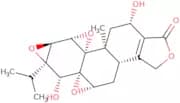
CAS :<p>Tripdiolide is a bioactive diterpenoid, which is derived from the Chinese medicinal plant Tripterygium wilfordii, commonly known as Thunder God Vine. This compound exerts its effects through a complex mode of action, primarily involving the inhibition of nuclear factor kappa B (NF-kB) signaling pathways and the induction of apoptosis. Recent studies have also suggested its role in modulating the immune response by targeting specific cytokines and signaling pathways.</p>Degré de pureté :Min. 95%Couleur et forme :PowderPlatycodin D2
CAS :<p>Platycodin D2 is a bioactive saponin, which is a phytochemical compound found predominantly in the roots of Platycodon grandiflorus, a species commonly known as the Chinese bellflower. This compound is known for its surfactant properties due to its ability to form stable foams when dissolved in aqueous solutions. The mode of action of Platycodin D2 involves interaction with cell membranes, where it can disrupt lipid bilayers, leading to increased cell permeability. This property is crucial for its potential therapeutic effects, as it can facilitate the delivery of other pharmacologically active compounds across cellular barriers.</p>Formule :C63H102O33Degré de pureté :Min. 95%Masse moléculaire :1,387.46 g/molSclareolide
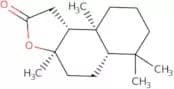
CAS :Produit contrôlé<p>Sclareolide is a bicyclic diterpene lactone, which is primarily derived from the plant species *Salvia sclarea*, commonly known as clary sage. This compound acts as a precursor in the biosynthesis of sclareol, undergoing chemical transformations to yield its final structure. The mode of action of sclareolide is primarily linked to its ability to interact with olfactory receptors, enhancing or modifying fragrance profiles.</p>Formule :C16H26O2Degré de pureté :Min. 95%Couleur et forme :SolidMasse moléculaire :250.38 g/mol(-)-Secologanin
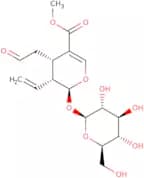
CAS :<p>(-)-Secologanin is a monoterpenoid glycoside, which is a key intermediate in the biosynthesis of indole alkaloids, found primarily in plants such as those in the Apocynaceae and Rubiaceae families. It plays a crucial role in the natural production of complex alkaloids, forming the backbone for numerous pharmacologically active compounds, including quinine, camptothecin, and ajmalicine.</p>Formule :C17H24O10Degré de pureté :Min. 88 Area-%Couleur et forme :PowderMasse moléculaire :388.37 g/molOrobanchyl acetate
CAS :<p>Orobanchyl acetate is a natural compound, a sesquiterpenoid ester, which is isolated from plants of the Orobanche species. These plants, often referred to as broomrapes, are parasitic and obtain nutrients from host plants, making them a unique source of bioactive compounds. The mode of action of orobanchyl acetate is primarily allelopathic, where it influences the growth and development of neighboring plants. It achieves this by interacting with specific biochemical pathways, potentially inhibiting the growth of competing plant species.</p>Formule :C21H24O7Degré de pureté :Min. 95%Couleur et forme :PowderMasse moléculaire :388.41 g/molDehydrokahweol
CAS :<p>Dehydrokahweol is a diterpene molecule, which is a natural compound found in coffee beans. Identified as one of the diterpenes present in coffee, dehydrokahweol is derived from plant sources, specifically Coffea arabica and Coffea canephora. The mode of action of dehydrokahweol involves various biochemical pathways, including modulation of oxidative stress and potential anti-inflammatory activities. This compound is under investigation for its ability to influence cellular signaling pathways that may impact metabolic and immunological responses.</p>Formule :C20H24O2Degré de pureté :Min. 95%Couleur et forme :PowderMasse moléculaire :296.4 g/molDigitoxigenin
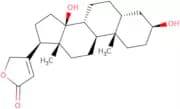
CAS :<p>Digitoxigenin is an aglycone, which is a type of steroid structure, derived from the hydrolysis of cardiac glycosides found in plants of the Digitalis species, such as foxglove. This compound is obtained through enzymatic or chemical cleavage of glycosidic bonds present in its parent molecules, digitoxin and others, which are naturally occurring compounds in these plants.</p>Formule :C23H34O4Couleur et forme :White PowderMasse moléculaire :374.51 g/molThujone (α- and β- mixture)
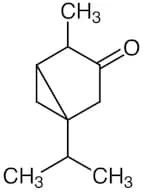
CAS :Formule :C10H16ODegré de pureté :>70.0%(GC)Couleur et forme :Colorless to Light orange to Yellow clear liquidMasse moléculaire :152.24