Flavonoïdes
Sous-catégories appartenant à la catégorie "Flavonoïdes"
- Anthocyanidines(46 produits)
- Anthocyanine(46 produits)
- Catéchine(88 produits)
- Chalcones(237 produits)
- Pterocarpans(28 produits)
2408 produits trouvés pour "Flavonoïdes"
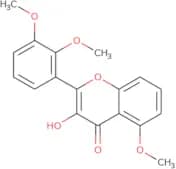
3-Hydroxy-5,2',3'-trimethoxyflavone
CAS :3-Hydroxy-5,2',3'-trimethoxyflavone is a naturally occurring flavone, which is a type of polyphenolic compound found in various plants. This compound is derived from natural sources and is often isolated from specific plant species such as certain herbs and fruits. The mode of action of 3-Hydroxy-5,2',3'-trimethoxyflavone often involves interaction with biological pathways at the cellular level, potentially including antioxidant activity, modulation of enzyme function, and influence on signal transduction pathways.
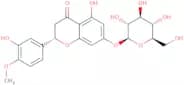
Formule :C18H16O6Degré de pureté :Min. 95%Masse moléculaire :328.32 g/molHesperetin 7-O-glucoside
CAS :Hesperetin 7-O-glucoside is a flavonoid derivative, which is commonly found in citrus fruits, particularly in their peels. This compound belongs to the class of flavonoids known as glycosylated flavonoids, which are characterized by the attachment of a glucose molecule to the flavonoid aglycone.Formule :C22H24O11Degré de pureté :Min. 95%Couleur et forme :White PowderMasse moléculaire :464.42 g/mol3',5'-Diprenyl-dihydroacacetin
CAS :3',5'-Diprenyl-dihydroacacetin is a prenylated flavonoid, which is a type of secondary metabolite commonly found in plants. It is derived from natural botanical sources, particularly within the flavonoid-rich family of medicinal herbs. Prenylation, a biochemical modification involving the addition of hydrophobic prenyl groups, enhances the biological activity of flavonoids by increasing their lipophilicity and cellular uptake.
Formule :C26H30O5Degré de pureté :Min. 95%Masse moléculaire :422.51 g/mol3-Hydroxy-3',4'-dimethoxy-6-methyl flavone
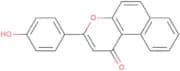
CAS :3-Hydroxy-3',4'-dimethoxy-6-methyl flavone is a naturally occurring flavone, which is a type of flavonoid, commonly found in various plants. Flavones are known for their diverse range of biological activities, including anti-inflammatory, antioxidant, and anticancer properties. This particular flavone is derived from plant sources such as certain fruits, vegetables, and herbs, where it often plays a role in the plant's defense mechanisms.Formule :C18H16O5Degré de pureté :Min. 95%Couleur et forme :PowderMasse moléculaire :312.32 g/mol4'-Hydroxy-β-naphthoflavone
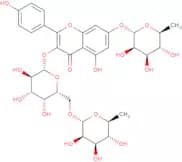
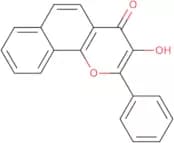
CAS :4'-Hydroxy-β-naphthoflavone is a synthetic chemical compound, which is a derivative of flavone. It is primarily sourced through chemical synthesis, allowing for the production of a highly pure and consistent compound for research purposes. The mode of action of 4'-Hydroxy-β-naphthoflavone involves its role as a potent agonist of the aryl hydrocarbon receptor (AhR), a transcription factor involved in the regulation of biological responses to planar aromatic hydrocarbons.Formule :C19H12O3Degré de pureté :Min. 95%Masse moléculaire :288.3 g/molRobinin
CAS :Robinin is a flavonoid glycoside, which is a naturally occurring phytochemical compound. It is derived from plant sources, particularly within the Fabaceae family, such as Robinia pseudoacacia. The mode of action of Robinin involves its interaction with various cellular and molecular pathways, exhibiting properties such as antioxidant and anti-inflammatory effects.
Formule :C33H40O19Degré de pureté :Min. 95 Area-%Couleur et forme :PowderMasse moléculaire :740.66 g/mol6-Hydroxyflavanone
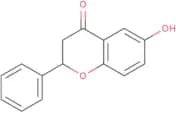
CAS :6-Hydroxyflavanone is a flavonoid derivative, which is a naturally occurring compound found in various plants. It is primarily extracted from citrus fruits and other botanicals rich in flavonoids. The compound acts through its antioxidant and anti-inflammatory properties, effectively scavenging free radicals and modulating inflammatory pathways. This mechanism is crucial in reducing oxidative stress and moderating immune responses, which has implications for both cellular protection and therapeutic applications.Formule :C15H12O3Degré de pureté :Min. 95%Couleur et forme :PowderMasse moléculaire :240.25 g/molSigmoidin A
CAS :Sigmoidin A is a diterpenoid compound, which is a plant-derived natural product. It originates from the Alpinia genus, a group of plants known for their diverse bioactive compounds. With its intricate molecular structure, Sigmoidin A is identified primarily for its potential anti-inflammatory properties. The mode of action involves modulation of signaling pathways and inhibition of pro-inflammatory mediators, which suggests its potential utility in therapeutic contexts.Formule :C25H28O6Degré de pureté :Min. 95%Masse moléculaire :424.49 g/molalpha-Naphthoflavanol
CAS :**Alpha-Naphthoflavanol** is a synthetic compound, which is categorized as a flavanol derivative. It is synthesized from the naphthalene compound, a polycyclic aromatic hydrocarbon, through a series of chemical reactions involving hydroxylation and other functional group modifications. This compound is designed to specifically interfere with biological pathways by acting as an inhibitor or modulator in cellular processes.
Formule :C19H12O3Degré de pureté :Min. 95%Masse moléculaire :288.30 g/mol5-O-Methyl quercetin
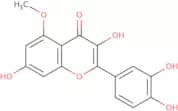
CAS :5-O-Methyl quercetin is a flavonoid compound, which is derived from various plant sources, particularly found in certain fruits, vegetables, and medicinal herbs. It is a methylated form of quercetin, a well-known polyphenolic antioxidant. As a natural derivative, its mode of action includes modulation of various signaling pathways, exhibiting both anti-inflammatory and antioxidant properties through its interaction with intracellular signaling molecules and enzymes such as kinases and transcription factors.Formule :C16H12O7Degré de pureté :Min. 95%Couleur et forme :Off-White PowderMasse moléculaire :316.26 g/mol7,3',4',5'-Tetrahydroxyflavone
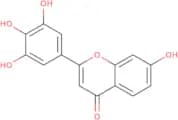
CAS :7,3',4',5'-Tetrahydroxyflavone is a bioactive flavonoid, which is a type of polyphenolic compound. It is derived from natural sources such as plants, where flavonoids are abundant and play crucial roles in plant physiology, including pigmentation and UV filtration. The mode of action of 7,3',4',5'-Tetrahydroxyflavone involves scavenging free radicals and inhibiting pathways that lead to oxidative stress and inflammation. This compound can modulate cellular signaling pathways and gene expression, contributing to its potential therapeutic effects.Formule :C15H10O6Degré de pureté :Min. 95%Couleur et forme :PowderMasse moléculaire :286.24 g/molSilicristin
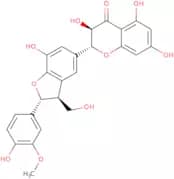
CAS :Silicristin is a flavonolignan compound, which is derived from the seeds of the milk thistle plant, Silybum marianum. This compound is one of the key constituents of silymarin, a complex group of flavonolignans used extensively in herbal medicine. Silicristin is isolated through advanced chromatographic techniques, ensuring high purity and specificity for research applications.
Formule :C25H22O10Degré de pureté :Min. 95%Couleur et forme :White PowderMasse moléculaire :482.44 g/molKaempferol-3,4'-diglucoside
CAS :Kaempferol-3,4'-diglucoside is a glycosylated flavonoid, which is a type of chemical compound found abundantly in various plants. This product is derived from natural sources, particularly from several edible and medicinal plants known for their health benefits. Kaempferol-3,4'-diglucoside functions through mechanisms related to its antioxidant properties, scavenging free radicals and reducing oxidative stress within biological systems.Formule :C27H30O16Degré de pureté :Min. 95%Masse moléculaire :610.52 g/mol3,5,6,2'-Tetrahydroxyflavone
CAS :3,5,6,2'-Tetrahydroxyflavone is a hydroxylated flavone compound, which is a type of polyphenolic compound widely recognized for its potential antioxidant properties. Naturally occurring in various plant sources, it can be isolated from species commonly known for their medicinal or nutritional benefits.Formule :C15H10O6Degré de pureté :Min. 95%Masse moléculaire :286.24 g/mol4',6,7-Trihydroxyisoflavone
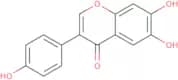
CAS :4',6,7-Trihydroxyisoflavone is a naturally occurring isoflavone, which is a type of phytochemical commonly found in plants. It is primarily derived from legumes and soy products and is known for its presence in various plant-based foods. Isoflavones like 4',6,7-Trihydroxyisoflavone possess a polyphenolic structure, endowing them with significant biological activity, such as antioxidant properties.Formule :C15H10O5Degré de pureté :Min. 95%Couleur et forme :PowderMasse moléculaire :270.24 g/mol3-Hydroxy-7,2'-dimethoxyflavone
CAS :3-Hydroxy-7,2'-dimethoxyflavone is a specialized flavonoid, which is a type of polyphenolic compound commonly found in various plants. Flavonoids are known for their diverse roles in plant defense and pigmentation. This compound is sourced from natural plant materials, where it's synthesized as a secondary metabolite. Its mode of action involves acting as an antioxidant, offering protection against oxidative stress by neutralizing free radicals. Such activity is essential in preserving cellular integrity and preventing damage to biomolecules such as DNA, lipids, and proteins.Formule :C17H14O5Degré de pureté :Min. 95%Masse moléculaire :298.29 g/mol7,8-Dimethoxy-4'-hydroxyisoflavone
CAS :7,8-Dimethoxy-4'-hydroxyisoflavone is an isoflavone compound, which is a type of phytoestrogen commonly found in various plants. Isoflavones like this one are often derived from legumes and other plant sources. These compounds are characterized by their chemical structure, which is similar to that of estrogen, allowing them to exert estrogen-like effects in biological systems.
Formule :C17H14O5Degré de pureté :Min. 95%Masse moléculaire :298.29 g/mol(-)-Epiafzelechin 3-O-gallate(4b-6)
CAS :(-)-Epiafzelechin 3-O-gallate(4b-6) is a catechin derivative, which is a type of flavonoid known for its potential bioactive properties. It is sourced primarily from plant materials, particularly those belonging to the family Theaceae, which includes tea plants. This compound is a part of the polyphenolic group, often extracted from natural sources using solvent extraction methods followed by chromatographic techniques for purification.Formule :C44H34O20Degré de pureté :Min. 95%Masse moléculaire :882.73 g/molOrobol 7,4'-dimethyl ether
CAS :Orobol 7,4'-dimethyl ether is a methylated flavonoid compound, which is synthesized from natural flavonoid precursors derived from plant sources such as legumes and soy. This compound acts primarily through its antioxidant properties, where it can scavenge free radicals and stabilize reactive oxygen species, thus protecting cellular components from oxidative damage.
Formule :C17H14O6Degré de pureté :Min. 95%Couleur et forme :White/Off-White SolidMasse moléculaire :314.29 g/mol5,7,3'-Trimethoxyflavone
CAS :5,7,3'-Trimethoxyflavone is a naturally occurring flavonoid compound, which is primarily sourced from certain plant species. As a member of the flavone category, this compound is characterized by its distinctive chemical structure featuring multiple methoxy groups. It is extracted from plants known for their medicinal properties, where it exists as a minor component contributing to the plant’s bioactive profile.Formule :C18H16O5Degré de pureté :Min. 95%Masse moléculaire :312.32 g/mol