Flavonoïdes
Les flavonoïdes sont un groupe de métabolites végétaux dotés de propriétés antioxydantes qui contribuent à la couleur des fruits et des fleurs. Ils jouent un rôle important dans la protection des plantes contre les rayons UV et les pathogènes. Les flavonoïdes sont étudiés pour leurs potentiels bienfaits pour la santé, notamment des propriétés anti-inflammatoires, antivirales et anticancéreuses. Ils font l'objet de nombreuses recherches dans les domaines de la pharmacologie, de la nutrition et de la biologie moléculaire.
Sous-catégories appartenant à la catégorie "Flavonoïdes"
- Anthocyanidines(46 produits)
- Anthocyanine(46 produits)
- Catéchine(88 produits)
- Chalcones(237 produits)
- Pterocarpans(28 produits)
2408 produits trouvés pour "Flavonoïdes"
Trier par
Degré de pureté (%)
0
100
|
0
|
50
|
90
|
95
|
100
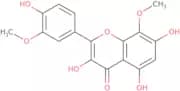
Limocitrin
CAS :<p>Limocitrin is a flavonoid compound, which is a naturally occurring plant secondary metabolite. Flavonoids are widely distributed in the plant kingdom and are known for their diverse biological activities. Limocitrin, specifically, has been isolated from various plant sources, including certain fruits and flowers. Its mode of action involves interacting with cellular signaling pathways, affecting processes such as oxidative stress response and gene expression regulation.</p>Degré de pureté :Min. 95%Picoxystrobin
CAS :<p>Picoxystrobin is a synthetic fungicide, belonging to the strobilurin chemical class, which is derived from naturally occurring compounds found in certain fungi. It functions by inhibiting mitochondrial respiration in fungal cells, specifically targeting the cytochrome bc1 complex in the electron transport chain. This mode of action disrupts energy production, effectively halting the growth and reproductive capabilities of pathogenic fungi.</p>Formule :C18H16F3NO4Degré de pureté :Min. 98 Area-%Masse moléculaire :367.32 g/molRef: 3D-J-003622
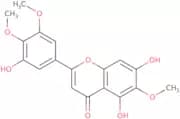
1kgÀ demander50gÀ demander100gÀ demander250gÀ demander500gÀ demander-Unit-ggÀ demander5,7,3'-Trihydroxy-6,4',5'-trimethoxyflavone
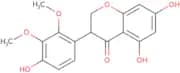
CAS :<p>5,7,3'-Trihydroxy-6,4',5'-trimethoxyflavone is a methoxylated flavonoid, which is a type of polyphenolic compound. This compound is typically sourced from certain plant species known for their high antioxidant content. Flavonoids are widely studied for their diverse biological activities and are often isolated from traditional medicinal plants.</p>Degré de pureté :Min. 95%Parvisoflavanone
CAS :Parvisoflavanone is a naturally occurring flavanone, which is a type of plant-derived polyphenolic compound. It is sourced from various botanical origins, particularly within certain species of the plant kingdom known for their traditional medicinal uses. The mode of action of Parvisoflavanone involves its interaction with biological pathways that are implicated in antioxidative stress responses and anti-inflammatory mechanisms. It may act as a regulator of cellular signaling processes, thereby influencing cell proliferation and apoptosis.Formule :C17H16O7Degré de pureté :Min. 95%Masse moléculaire :332.3 g/molFarnisin
CAS :<p>Please enquire for more information about Farnisin including the price, delivery time and more detailed product information at the technical inquiry form on this page</p>Formule :C16H12O5Degré de pureté :Min. 95%Masse moléculaire :284.26 g/mol5,3'-Dihydroxyflavone
CAS :<p>5,3'-Dihydroxyflavone is a flavonoid compound, which is a class of polyphenolic molecules. It is derived from various plants, where it occurs naturally as part of the complex biochemical repertoire involved in defense mechanisms and signaling processes. This compound acts as an antioxidant, neutralizing free radicals and reducing oxidative stress. It also exhibits potential neuroprotective effects by modulating specific signaling pathways and interacting with enzymes linked to inflammation and cellular health.</p>Formule :C15H10O4Degré de pureté :Min. 95%Masse moléculaire :254.24 g/mol3'-Methoxydaidzein
CAS :<p>3'-Methoxydaidzein is an isoflavone compound, which is typically isolated from soybean sources. This compound belongs to a class of phytoestrogens, naturally occurring plant-derived compounds with estrogenic activity. 3'-Methoxydaidzein exhibits various biological activities due to its structural similarity to human estrogens, allowing it to bind to estrogen receptors. Its mode of action primarily involves modulating estrogen receptor activity, potentially influencing gene expression in estrogen-responsive tissues.</p>Degré de pureté :Min. 95%Podospicatin
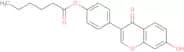
CAS :<p>Podospicatin is a type of natural compound, which is derived from fungal sources. This unique compound is isolated from specific fungal species known for their ability to produce bioactive secondary metabolites. Podospicatin is characterized by its distinctive molecular structure, which contributes to its potential bioactivity.</p>Formule :C17H14O7Degré de pureté :Min. 95%Couleur et forme :PowderMasse moléculaire :330.29 g/mol4'-O-Hexanoyldaidzein
CAS :<p>4'-O-Hexanoyldaidzein is a chemically modified isoflavone, which is a derivative of daidzein. This compound is sourced from soybeans, renowned for being rich in naturally occurring isoflavones. The modification entails the addition of a hexanoyl group to the daidzein molecule, altering its physicochemical properties and potentially enhancing its biological activity.</p>Formule :C21H20O5Degré de pureté :Min. 95%Masse moléculaire :352.38 g/molQuercetin 3,7,4'-trimethylether
CAS :<p>Quercetin 3,7,4'-trimethylether is a flavonoid derivative, which is a naturally occurring compound. It is sourced from various plants where it acts as a secondary metabolite. Its mode of action involves the modulation of signaling pathways and the inhibition of certain enzymes. Specifically, it has demonstrated the ability to interfere with cellular processes fundamental to cancer progression, such as proliferation and apoptosis.</p>Formule :C18H16O7Degré de pureté :Min. 95%Masse moléculaire :344.32 g/molFurano(2,3:7,6)-4'-hydroxyflavanone
CAS :Furano(2,3:7,6)-4'-hydroxyflavanone is a sophisticated flavonoid compound, which is a type of polyphenolic molecule commonly found in various plant species. As a naturally derived substance, it originates from the complex biosynthetic pathways in plants, specifically contributing to their defense mechanisms and pigmentation. The mode of action of Furano(2,3:7,6)-4'-hydroxyflavanone involves its interaction with cellular processes, potentially exhibiting antioxidant properties by scavenging free radicals and modulating enzymatic activity related to oxidative stress pathways.Formule :C17H12O4Degré de pureté :Min. 95%Masse moléculaire :280.27 g/mol5-Hydroxy-7,8,2'-trimethoxyflavone
CAS :5-Hydroxy-7,8,2'-trimethoxyflavone is a flavonoid compound, which is a type of polyphenolic molecule. Flavonoids are primarily derived from plants, where they function in various biological roles, including pigmentation, UV filtration, and symbiotic nitrogen fixation. The source of 5-Hydroxy-7,8,2'-trimethoxyflavone is often plants, particularly those known for their medicinal properties.Formule :C18H16O6Degré de pureté :Min. 95%Couleur et forme :PowderMasse moléculaire :328.32 g/molNeoastilbin
CAS :Neoastilbin is a natural flavonoid compound, which is derived from the plant species *Smilax glabra*. It acts by modulating immune responses and inhibiting specific enzymatic pathways associated with inflammation, making it an effective agent in reducing inflammatory processes.Formule :C21H22O11Degré de pureté :Min. 95%Couleur et forme :PowderMasse moléculaire :450.39 g/mol6,4'-Dihydroxy-7-methoxyflavanone
CAS :<p>6,4'-Dihydroxy-7-methoxyflavanone is a naturally occurring flavanone compound, which is typically derived from various plant sources known for their rich polyphenolic content. This compound is characterized by its unique chemical structure, including hydroxyl and methoxy functional groups, contributing to its bioactivity.</p>Formule :C16H14O5Degré de pureté :Min. 95%Masse moléculaire :286.28 g/molWighteone
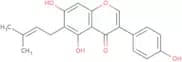
CAS :Please enquire for more information about Wighteone including the price, delivery time and more detailed product information at the technical inquiry form on this pageFormule :C20H18O5Degré de pureté :Min. 95%Masse moléculaire :338.35 g/molBiochanin A-7-O-glucoside
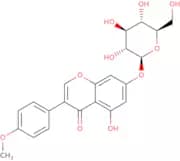
CAS :<p>Biochanin A-7-O-glucoside is a naturally occurring isoflavone glucoside, which is derived from various plants, particularly red clover and soy. It is a secondary metabolite, commonly found in legumes and other related species. The mode of action of Biochanin A-7-O-glucoside involves its structural ability to act as an antioxidant, scavenging free radicals and mitigating oxidative stress. This biochemical property allows it to influence various molecular pathways related to cell signaling and gene expression.</p>Formule :C22H22O10Degré de pureté :Min. 95%Couleur et forme :SolidMasse moléculaire :446.4 g/molDatiscin
CAS :<p>Datiscin is a flavonoid glycoside, which is a type of naturally occurring compound found in plants. It is derived from various botanical sources, notably within the Datisca genus. These compounds are characterized by a flavonoid core structure bonded to sugar moieties. The mode of action of Datiscin primarily involves its interaction with free radicals and reactive oxygen species, suggesting potential antioxidative properties. This mechanism can help mitigate oxidative stress within biological systems.</p>Formule :C27H30O15Degré de pureté :Min. 95%Masse moléculaire :594.52 g/molKaempferol-3-rutinoside-7-rhamnoside
CAS :Kaempferol-3-rutinoside-7-rhamnoside is a flavonoid glycoside, which is an organic compound derived from specific plant species like tea, onions, and broccoli. It primarily exists as a complex molecule formed by the bonding of kaempferol with sugar moieties—rutinoside and rhamnoside. This compound functions by modulating various cellular signaling pathways, including those involved in oxidation-reduction processes, apoptosis, and inflammation. It combats oxidative stress by scavenging free radicals, thereby providing a protective effect against cellular damage.Formule :C33H40O19Degré de pureté :Min. 95%Couleur et forme :Off-White PowderMasse moléculaire :740.66 g/molLeucoside
CAS :<p>Leucoside is a biochemical compound, which is derived from activated human leucocytes. This product is obtained through a meticulous extraction process that isolates specific bioactive molecules. Its mode of action involves the modulation of immune responses, potentially by influencing cytokine signaling pathways. Leucoside interacts with immune cells, potentially enhancing or dampening specific activities to achieve desired immunomodulatory effects.</p>Degré de pureté :Min. 95%4'-Hydroxywogonin
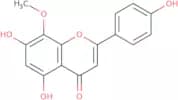
CAS :<p>4'-Hydroxywogonin is a bioactive flavonoid, which is derived primarily from the roots of the plant *Scutellaria baicalensis*. This compound is a naturally occurring flavone, a subclass of flavonoids, known for its potential therapeutic properties. The mode of action of 4'-Hydroxywogonin involves its ability to modulate various cellular signaling pathways. It is particularly noted for its anti-inflammatory and antioxidant effects, which are mediated through the inhibition of pro-inflammatory cytokines and the scavenging of free radicals, respectively.</p>Formule :C16H12O6Degré de pureté :Min. 95%Couleur et forme :SolidMasse moléculaire :300.26 g/mol