Flavonoïdes
Sous-catégories appartenant à la catégorie "Flavonoïdes"
- Anthocyanidines(46 produits)
- Anthocyanine(46 produits)
- Catéchine(88 produits)
- Chalcones(237 produits)
- Pterocarpans(28 produits)
2408 produits trouvés pour "Flavonoïdes"
7,8-Dimethoxyflavanone
CAS :7,8-Dimethoxyflavanone is a flavonoid derivative, which is a type of natural compound commonly found in various plants. It is typically extracted from plant sources such as fruits, vegetables, and herbs. This compound is part of a larger class of flavonoids, which are known for their diverse biological activities.Formule :C17H16O4Degré de pureté :Min. 95%Masse moléculaire :284.31 g/molLuteolin-6-C-glucoside
CAS :Luteolin-6-C-glucoside is a flavonoid glycoside, which is a bioactive compound derived from various plant sources, including celery, parsley, and certain herbs. This compound is characterized by the attachment of a glucose molecule at the C-6 position of luteolin, a naturally occurring flavonoid. The mode of action of luteolin-6-C-glucoside primarily involves its antioxidant properties, where it neutralizes free radicals and reduces oxidative stress within biological systems.Formule :C21H20O11Degré de pureté :Min. 98 Area-%Couleur et forme :PowderMasse moléculaire :448.38 g/molα-Naphthoflavone
CAS :Alpha-naphthoflavone is a synthetic flavonoid, which is an aryl hydrocarbon receptor antagonist known for its interaction with cytochrome P450 enzymes. It is typically synthesized in laboratory settings and does not occur naturally. Alpha-naphthoflavone acts by competitively inhibiting the binding of ligands to the aryl hydrocarbon receptor (AhR) and modulating the activity of cytochrome P450 enzymes, particularly CYP1A1 and CYP1B1. This modulation is crucial in studying the metabolic pathways and the mechanism of enzyme induction or inhibition in xenobiotic metabolism.Formule :C19H12O2Degré de pureté :Min. 98.0 Area-%Masse moléculaire :272.31 g/mol2'-Hydroxy-α-naphthoflavone
CAS :2'-Hydroxy-α-naphthoflavone is a specialized chemical compound, classified as a flavonoid derivative. This product is typically sourced from laboratory synthesis and is characterized by its distinct molecular structure, which allows it to interact with specific biological pathways. The mode of action of 2'-Hydroxy-α-naphthoflavone involves the inhibition of cytochrome P450 enzymes. These enzymes are integral to the metabolic processes involving xenobiotics, which are compounds foreign to an organism's normal biochemistry.Formule :C19H12O3Degré de pureté :Min. 95%Couleur et forme :PowderMasse moléculaire :288.3 g/mol3',4'-Dimethoxy-7-hydroxyisoflavone
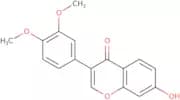
CAS :3',4'-Dimethoxy-7-hydroxyisoflavone is a naturally occurring isoflavone, a type of flavonoid, which is typically derived from various plant sources. Isoflavones are known for their presence in soy and other legumes, but this particular compound is distinguished by its specific chemical structure, characterized by two methoxy groups and a hydroxyl group that contribute to its unique biological activity.Formule :C17H14O5Degré de pureté :Min. 93 Area-%Couleur et forme :Yellow PowderMasse moléculaire :298.29 g/molOnonin
CAS :Ononin is an isoflavonoid glycoside, which is derived from various plant sources, including species of the genus Ononis. It is primarily sourced from the roots and aerial parts of these plants, where it occurs as a natural constituent. The mode of action of Ononin involves its hydrolysis to form its aglycone, formononetin, which is known to exhibit estrogenic activity due to its structural similarity to estrogenic compounds.
Formule :C22H22O9Degré de pureté :Min. 95%Couleur et forme :White PowderMasse moléculaire :430.4 g/molMorin
CAS :Morin is a flavonoid compound, which is a naturally occurring polyphenolic molecule found primarily in the white mulberry tree, Morus alba, and other plant sources. It operates by exhibiting strong antioxidant activity, whereby it scavenges free radicals and chelates metal ions, effectively mitigating oxidative stress within biological systems.Formule :C15H10O7Degré de pureté :Min. 90%Couleur et forme :PowderMasse moléculaire :302.24 g/molGlabridin
CAS :Glabridin is a flavonoid compound, which is primarily isolated from the root of the licorice plant, Glycyrrhiza glabra. It functions as a potent skin-lightening and anti-inflammatory agent through its ability to inhibit melanin synthesis in the skin. This mode of action is primarily achieved by inhibiting the activity of tyrosinase, an enzyme crucial in the melanin biosynthesis pathway. Additionally, Glabridin exhibits antioxidant properties, which help to protect skin cells from oxidative damage.Formule :C20H20O4Degré de pureté :Min. 98 Area-%Couleur et forme :PowderMasse moléculaire :324.37 g/mol4'-O-Methylpunctatin
CAS :4'-O-Methylpunctatin is a specialized natural product, classified as a methoxyflavone, which is derived from specific plant sources known for their diverse phytochemical compositions. Structurally, it is a derivative of punctatin, modified through methylation, enhancing its biological properties and stability. This compound acts through various mechanisms, primarily influencing glucose metabolism pathways. It exhibits inhibitory effects on enzymes like α-glucosidase and provides antioxidant properties that protect pancreatic β-cells from oxidative stress.
Formule :C18H16O6Degré de pureté :Min. 95%Masse moléculaire :328.32 g/molAcicerone
CAS :Please enquire for more information about Acicerone including the price, delivery time and more detailed product information at the technical inquiry form on this pageFormule :C17H12O6Degré de pureté :Min. 95%Masse moléculaire :312.27 g/mol4'-Methoxyflavone
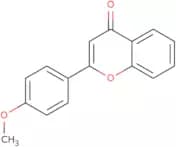
CAS :4'-Methoxyflavone is a synthetic flavonoid, which is derived from modifications of naturally occurring flavonoid structures. It is synthesized through chemical processes involving the methoxylation of flavonoids, commonly found in plants. The compound exhibits its mode of action primarily through antioxidant activity. By scavenging free radicals, 4'-Methoxyflavone helps to prevent oxidative stress at the cellular level, which can damage DNA, proteins, and lipids.
Formule :C16H12O3Degré de pureté :Min. 95%Couleur et forme :PowderMasse moléculaire :252.26 g/molβ-Naphthoflavanone
CAS :Beta-Naphthoflavanone is a synthetic flavanone compound, which is primarily studied in the context of its chemopreventive properties. It is derived through chemical synthesis involving the condensation of naphthol derivatives with appropriate flavanone precursors. The mode of action of beta-Naphthoflavanone involves modulating various biochemical pathways, including inhibition of certain cytochrome P450 enzymes, as well as affecting signaling pathways associated with cell proliferation and apoptosis.Formule :C19H14O2Degré de pureté :Min. 95%Couleur et forme :PowderMasse moléculaire :274.31 g/molWogonoside
CAS :Wogonoside is a naturally occurring flavonoid glycoside, which is derived primarily from Scutellaria baicalensis, a traditional Chinese medicinal herb. It functions through its ability to modulate various biochemical pathways, demonstrating significant anti-inflammatory and anticancer properties. Wogonoside exerts its effects by inhibiting key enzymes and signaling pathways involved in inflammation, such as nuclear factor-kappa B (NF-κB), and inducing apoptosis in cancer cells through the activation of caspases and modulation of apoptosis-related proteins.Formule :C22H20O11Degré de pureté :Min. 95%Couleur et forme :PowderMasse moléculaire :460.39 g/mol2',5,6',7-Tetrahydroxyflavanone
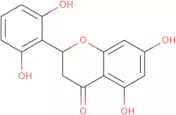
CAS :2',5,6',7-Tetrahydroxyflavanone is a naturally occurring flavanone, which is a type of flavonoid compound. It is primarily sourced from various plant species, where it functions as a secondary metabolite. This compound exhibits significant antioxidant activity, which is mediated through its ability to scavenge free radicals and chelate metal ions, thereby mitigating oxidative stress at the cellular level.Formule :C15H12O6Degré de pureté :Min. 95%Couleur et forme :PowderMasse moléculaire :288.25 g/mol4',6-Dihydroxyflavone
CAS :4',6-Dihydroxyflavone is a naturally occurring flavonoid, commonly found in various plants and foods. It is a compound derived from the flavonoid class, which is known for its wide range of biological activities. This compound is isolated from plant sources, and it shares the common structure of flavones, consisting of a 15-carbon skeleton with hydroxyl groups at specific positions, enhancing its antioxidant properties.Formule :C15H10O4Degré de pureté :Min. 95%Couleur et forme :PowderMasse moléculaire :254.24 g/mol7,3'-Dimethoxyflavone
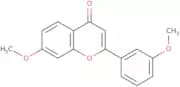
CAS :7,3'-Dimethoxyflavone is a flavonoid compound, which is a type of secondary metabolite found in various plants. This compound is primarily sourced from the leaves and stems of certain plant species, where it acts as a natural protector against pathogens and contributes to the plant's development and survival mechanisms.Formule :C17H14O4Degré de pureté :Min. 95%Couleur et forme :PowderMasse moléculaire :282.29 g/molQuercetin 3-O-b-D-glucuronide
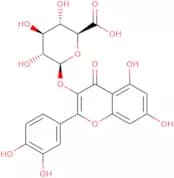
CAS :Quercetin 3-O-b-D-glucuronide is a flavonoid compound, which is a metabolite of quercetin, found in various fruits and vegetables. This compound, specifically a glucuronide conjugate of quercetin, is derived from plant sources such as apples, onions, and berries. It is formed through phase II metabolism where quercetin is glucuronidated by the enzyme UDP-glucuronosyltransferase.Formule :C21H18O13Degré de pureté :Min. 95%Couleur et forme :PowderMasse moléculaire :478.37 g/molConrauinone C
CAS :Conrauinone C is an alkaloid, which is a type of naturally occurring chemical compound. It is derived from certain plants, particularly those found in tropical regions, belonging to the Apocynaceae family. This alkaloid exhibits its mode of action by interacting with specific molecular targets in biological systems, potentially modulating cellular pathways and affecting enzyme activity.
Formule :C26H28O5Degré de pureté :Min. 95%Masse moléculaire :420.5 g/mol3,7,4'-Trihydroxyflavone
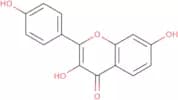
CAS :3,7,4'-Trihydroxyflavone is a flavonoid compound, which is a naturally occurring polyphenolic phytochemical. These compounds are commonly sourced from various plants, where they are present in fruits, vegetables, and certain herbs. Flavonoids such as 3,7,4'-Trihydroxyflavone are known for their role in plant pigmentation and protection against environmental stressors.
Formule :C15H10O5Degré de pureté :Min. 95%Couleur et forme :PowderMasse moléculaire :270.24 g/mol3-Hydroxy-5,6,2'-trimethoxyflavone
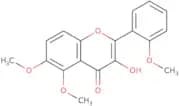
CAS :3-Hydroxy-5,6,2'-trimethoxyflavone is a naturally occurring flavonoid, which is a type of polyphenolic compound found predominantly in various plants. These compounds are known for their diverse biological activities, often exerting significant pharmacological effects. This particular flavonoid is commonly sourced from medicinal plants and has been the subject of research due to its potential therapeutic benefits.Formule :C18H16O6Degré de pureté :Min. 95%Masse moléculaire :328.32 g/mol