Flavonoïdes
Sous-catégories appartenant à la catégorie "Flavonoïdes"
- Anthocyanidines(46 produits)
- Anthocyanine(46 produits)
- Catéchine(88 produits)
- Chalcones(237 produits)
- Pterocarpans(28 produits)
2410 produits trouvés pour "Flavonoïdes"
Luteolin-7-rutinoside
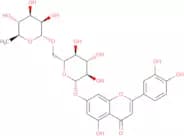
CAS :Luteolin-7-rutinoside is a flavonoid glycoside, which is typically sourced from various plant species, including Japanese honeysuckle and passionflower. This compound is known for its strong antioxidant and anti-inflammatory activities. The mode of action of Luteolin-7-rutinoside involves the modulation of several signaling pathways and inhibition of oxidative stress at the molecular level. This is achieved by scavenging free radicals and reducing the expression of pro-inflammatory cytokines. As a result, it can mitigate cellular damage and inflammation.Formule :C27H30O15Degré de pureté :Min. 95%Couleur et forme :Off-White PowderMasse moléculaire :594.52 g/mol7-Hydroxyflavanone
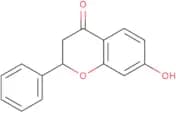
CAS :7-Hydroxyflavanone is a naturally occurring flavonoid compound, which is predominantly isolated from plants, particularly citrus fruits. Its biochemical significance stems from its ability to exert various physiological effects, likely due to its structural characteristics. As a flavonoid, it possesses a range of hydroxyl groups, which contribute to its antioxidant properties. This compound interacts with biological molecules, influencing cellular pathways and modulating enzyme activities.Formule :C15H12O3Degré de pureté :Min. 95%Couleur et forme :PowderMasse moléculaire :240.25 g/mol7,2'-Dihydroxy-4',5'-dimethoxyisoflavone
CAS :7,2'-Dihydroxy-4',5'-dimethoxyisoflavone is a naturally occurring isoflavone, which is a type of flavonoid commonly found in various plants. Isoflavones are primarily sourced from legumes and are prevalent in dietary phytoestrogens. The mode of action of this compound involves modulation of cellular pathways due to its antioxidant properties and potential to interact with estrogen receptors. Such interactions may influence gene expression and cell proliferation in specific tissue types.
Formule :C17H14O6Degré de pureté :Min. 95%Couleur et forme :PowderMasse moléculaire :314.29 g/mol7,8,4'-Trihydroxyflavone
CAS :7,8,4'-Trihydroxyflavone is a synthetic flavonoid compound, which is a type of polyphenolic molecule derived through chemical synthesis. Its structure mimics naturally occurring flavonoids found in various plants but is specifically designed and manufactured in laboratory settings to achieve precise molecular composition and enhanced activity.Formule :C15H10O5Degré de pureté :Min. 95%Couleur et forme :PowderMasse moléculaire :270.24 g/mol(±)-Naringenin
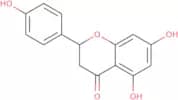
CAS :Inhibits CYP3A4 and Shad 3 transcription; antioxidant; anti-tumor
Formule :C15H12O5Degré de pureté :Min. 98 Area-%Couleur et forme :Brown White PowderMasse moléculaire :272.25 g/mol(-)-Pinostrobin
CAS :(-)-Pinostrobin is a natural flavonoid compound, which is predominantly found in various plant species, including members of the genus *Cajanus* and *Zingiber*. As a chiral molecule, it exhibits bioactive properties leading to multiple pharmacological effects. The mode of action of (-)-Pinostrobin involves modulation of various biochemical pathways, including antioxidant, anti-inflammatory, and antimicrobial activities. It interacts with cellular enzymes and receptors, exerting its effects through inhibition of pro-inflammatory cytokines and enhancing cellular antioxidant defenses.Formule :C16H14O4Degré de pureté :Min. 98 Area-%Couleur et forme :PowderMasse moléculaire :270.28 g/mol5,3'-Dimethoxyflavone
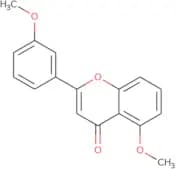
CAS :5,3'-Dimethoxyflavone is a flavone derivative, which is a compound within the larger class of flavonoids. These compounds are primarily sourced from various plant species, where they contribute to pigmentation, growth, and defense. The presence of methoxy groups in this molecule alters its chemical properties, enhancing its solubility and bioavailability, which are critical for biological activity.
Formule :C17H14O4Degré de pureté :Min. 95%Masse moléculaire :282.29 g/molSigmoidin B
CAS :Sigmoidin B is a natural compound that is classified as a terpenoid, which is sourced from certain species of terrestrial and marine plants. Its bioactive properties stem from its ability to interact with cellular components, particularly by inducing apoptosis in cancer cells, thereby exhibiting potent cytotoxic effects. The mode of action involves disruption of cellular pathways that are crucial for cancer cell survival and proliferation.Formule :C20H20O6Degré de pureté :Min. 95%Masse moléculaire :356.37 g/mol3'-Methoxy-β-naphthoflavone
CAS :3'-Methoxy-β-naphthoflavone is a synthetic compound, classified as a flavonoid derivative, which is widely utilized in scientific research as a potent inducer and modulator of cytochrome P450 enzymes, particularly CYP1A1 and CYP1A2. Its source is entirely chemical synthesis, allowing for controlled study of its physiological effects without interference from naturally occurring impurities.Formule :C20H14O3Degré de pureté :90%Couleur et forme :PowderMasse moléculaire :302.32 g/mol6-Prenylnaringenin
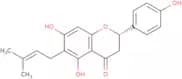
CAS :6-Prenylnaringenin is a prenylflavonoid, which is a type of isoflavonoid, primarily derived from hops (Humulus lupulus). It is recognized for its potent phytoestrogenic properties, functioning as a selective agonist for estrogen receptors. By binding to estrogen receptors, 6-Prenylnaringenin can modulate estrogenic activities within the body, influencing various biological processes.Formule :C20H20O5Degré de pureté :Min 98%Couleur et forme :PowderMasse moléculaire :340.37 g/mol6,3'-Dihydroxydaidzein
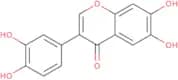
CAS :6,3'-Dihydroxydaidzein is an isoflavonoid compound, which is a type of naturally occurring polyphenol. This compound is primarily sourced from plants, particularly legumes like soybeans, where it functions as a metabolite in the daidzein biosynthesis pathway. Mechanistically, 6,3'-Dihydroxydaidzein exhibits antioxidant properties by scavenging free radicals and inhibiting oxidative stress at the cellular level.Formule :C15H10O6Degré de pureté :Min. 95%Couleur et forme :Brown PowderMasse moléculaire :286.24 g/molAcerosin
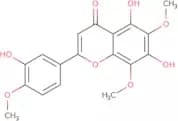
CAS :Acerosin is a naturally derived antibiotic compound, sourced from Streptomyces bacteria, with a unique dual mode of action. It exhibits both antimicrobial activity and anti-inflammatory effects. The antimicrobial action is primarily achieved through disruption of bacterial cell wall synthesis, leading to bacterial cell lysis. Additionally, Acerosin modulates immune responses by inhibiting the production of pro-inflammatory cytokines, which reduces inflammation at the site of infection.Degré de pureté :Min. 95%4',5,7,8-Tetrahydroxyflavanone
CAS :4',5,7,8-Tetrahydroxyflavanone is a naturally occurring flavonoid, which is a type of polyphenolic compound found in various plants. These compounds are well-regarded for their potential health benefits and are often derived from natural sources such as fruits, vegetables, and certain herbs. The mode of action of 4',5,7,8-Tetrahydroxyflavanone involves its interaction with free radicals, effectively neutralizing them due to its antioxidant properties. By mitigating oxidative stress, it may exert a protective effect at the cellular level.Formule :C15H12O6Degré de pureté :Min. 95%Masse moléculaire :288.25 g/molOrobol 5,7,3',4'-tetramethyl ether
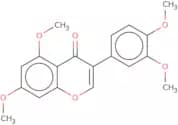
CAS :Orobol 5,7,3',4'-tetramethyl ether is a flavonoid derivative compound, which is synthesized from natural flavonoid sources such as plants. This compound operates primarily through its antioxidant properties, scavenging free radicals and reducing oxidative stress, which may contribute to its potential therapeutic activities.Formule :C19H18O6Degré de pureté :Min. 95%Couleur et forme :PowderMasse moléculaire :342.34 g/molDillenetin
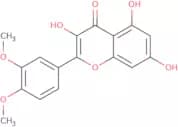
CAS :Dillenetin is a flavonoid compound, which is derived from natural plant sources, particularly found in the genus Dillenia. It exhibits significant bioactivity with a mode of action primarily involving the modulation of cell signaling pathways. Dillenetin is known to bind to specific enzymes and receptors, influencing cellular processes such as proliferation, apoptosis, and oxidative stress responses.
Formule :C17H14O7Degré de pureté :Min. 95%Couleur et forme :PowderMasse moléculaire :330.29 g/molCupressuflavone
CAS :Cupressuflavone is a naturally occurring biflavonoid compound, which is an organic molecule composed of two flavonoid units linked together. Its source is predominantly from the Cupressaceae family, specifically from plants such as cypress trees. This compound is characterized by its potent antioxidant properties, which allow it to scavenge free radicals and reduce oxidative stress in biological systems.Formule :C30H18O10Degré de pureté :Min. 95%Masse moléculaire :538.46 g/mol(+)-trans-Taxifolin
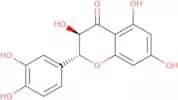
CAS :(+)-trans-Taxifolin is a flavonoid compound, which is a type of plant secondary metabolite. It is naturally found in various plant sources, including the bark of Douglas fir (Pseudotsuga menziesii) and Siberian larch (Larix sibirica), as well as in milk thistle. The primary mode of action of this compound is its antioxidant activity, which involves scavenging free radicals and reducing oxidative stress within cells. This activity is facilitated by its ability to donate hydrogen atoms or electrons to neutralize reactive oxygen species, thus preventing cellular damage.Formule :C15H12O7Degré de pureté :Min. 95%Couleur et forme :PowderMasse moléculaire :304.25 g/molIsosativan
CAS :Isosativan is a targeted therapeutic compound, which is derived from specific plant alkaloids. These alkaloids originate from a unique botanical source known for its rich pharmacological properties. The mode of action for Isosativan involves interacting with specific cellular receptors, thereby modulating biochemical pathways that are crucial for maintaining cellular homeostasis and function. By doing so, it exhibits effects that can alter physiological responses, making it a valuable tool for research and therapeutic interventions.Formule :C17H18O4Degré de pureté :Min. 95%Couleur et forme :PowderMasse moléculaire :286.32 g/mol4'-Geranyloxyisoliquiritigenin
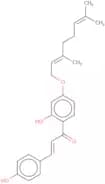
CAS :4'-Geranyloxyisoliquiritigenin is a prenylated chalcone, which is naturally derived from certain plants, especially those belonging to the Fabaceae family. It is a bioactive compound that emerges from the prenylation of isoliquiritigenin, a chalcone found in licorice root. This modification enhances the lipophilicity and bioavailability of the molecule.
Formule :C25H28O4Degré de pureté :Min. 95%Masse moléculaire :392.49 g/molVicenin III
CAS :Vicenin III is a natural flavonoid compound, which is a type of polyphenolic metabolite commonly found in various plant species. It is primarily extracted from herbaceous plants and certain fruits and vegetables, where it acts as a secondary metabolite contributing to the plant's defense mechanisms. The compound exerts its effects through antioxidant properties, which involve scavenging free radicals and reducing oxidative stress at the cellular level. Additionally, it demonstrates anti-inflammatory activity by modulating key signaling pathways and inhibiting pro-inflammatory mediators.
Formule :C26H28O14Degré de pureté :Min. 95%Couleur et forme :PowderMasse moléculaire :564.49 g/mol